

Broadway and Award winning circus performer Nicolas Jelmoni joins Take A Bow to share his story about being a dreamer and living every opportunity to the fullest of your ability. Not even a three week graduate of the circus school in Montreal, Nico was found in New York making his Broadway Debut in the revival of Pippin!.. Read More
From the show: Take A Bow
Featured Shows
About
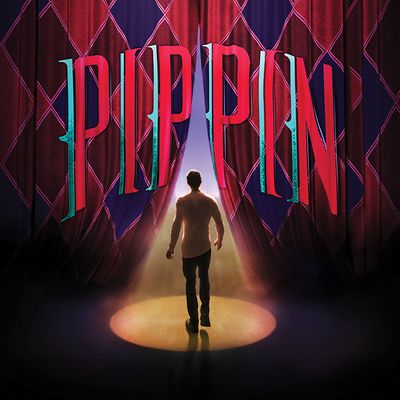
Broadway and Award winning circus performer Nicolas Jelmoni joins Take A Bow to share his story about being a dreamer and living every opportunity to the fullest of your ability. Not even a three week graduate of the circus school in Montreal, Nico was found in New York making his Broadway Debut in the revival of Pippin! Barely knowing what Broadway was his hard work and dedication impressed, opening doors to so many other opportunities.
From Cirque Du Soleil to France Got Talent to Broadway to Producing his own shows, you will be inspired to not give up on your dreams and do what you love.
Nicolas Jelmoni, Curtain Up!
Connect with Carolee Carmello on Instagram: @nicolasjelmoni
Connect with Take A Bow on Instagram: @takeabowpodcast
Connect with host, Eli Tokash on Instagram: @tokash_eli
Produced by the Broadway Podcast Network
Edited by Tessie Tokash (@tessietokash)
Transcript
This transcript was automatically generated and might contain errors.
[0:00] Eli Tokash: Hello everyone and welcome to episode 45 of Take A Bow.
[0:04] Eli Tokash: I'm your host, Eli Tokash, and today we have a very exciting guest.
[0:09] Eli Tokash: We have a guest who's going to be talking about a side of the industry that we have not yet heard about or talked about or anything, but it is all under the entertainment and performing arts umbrella.
[0:21] Eli Tokash: And that guest is Nicolas Jelmoni, and he is a dear friend of mine, and he is the one who kind of introduced me to the world of circus during Pippin.
[0:33] Eli Tokash: So that's what we're talking about today. You know, during Pippin, they brought in a bunch of acrobats for the revival that Diane Paulus had re-envisioned of the show, and they brought professional circus performers, and we got to learn from them, and ever since I've stayed in touch with him, and he's taught me so, so much about the circus world and all kinds of tricks that I still do to this day.
[0:58] Eli Tokash: Um, so I was very excited to talk to him about his background and how he got to where he was and all things circus with Broadway and all kinds of performing art stuff. He's doing a lot of things in quarantine, which we talked about.
[1:13] Eli Tokash: Um, it was just really great to hear, um, you know, someone who's never really heard of Broadway making their Broadway debut literally two or three weeks after they graduated circus school.
[1:25] Eli Tokash: Um, so it's a really fun story, and I know you all will enjoy it. But before we turn it over to the interview, why don't we talk a little Broadway, shall we?
[1:33] Eli Tokash: Literally, I Thursday, like when the last episode had aired, either Thursday or Friday, it was shortly after uh last week's episode aired. De Blasio had a big press conference about the importance of vaccinating theater workers to kind of get Broadway back into the swing of things.
[1:54] Eli Tokash: Um, so he had a big press conference, and it was really encouraging to hear uh everything that he had to say, and just to hear that, you know, finally New York is trying to work to getting everyone in the theater community vaccinated, um, so that you know we can be as safe as possible, especially as we get closer to hopefully reopening.
[2:15] Eli Tokash: So, with that being said, during his press conference, he had said a few things that kind of validated my argument that I've mentioned a few times on this podcast in saying that you know, these theater workers, especially in New York and everywhere really, just any entertainment or performing arts industry worker should be considered essential workers.
[2:37] Eli Tokash: I mean, I think that's as plain and simple as that, you know. Like, I feel like everyone has truly learned about that during the whole pandemic. They've turned to the art world. That goes to drawing and painting and whatever, but especially people have turned to Netflix and they've turned to music and they've turned to all kinds of like YouTube, even and like anything.
[3:00] Eli Tokash: Everyone's been trying to find time to pass the time. Everyone's been using this time to kind of educate themselves on, you know, the culture of the entertainment industry in general. And you know, obviously, a lot of people have been saying, you know, oh, I'd love nothing more than to go to a live concert or a Broadway show or anything like that. It's clearly missed.
[3:23] Eli Tokash: So just to hear uh de Blasio say these workers and artists are practically essential workers as a performing artist, it just made you kind of reflect and just be like, Yeah, that's right, like we are, and like that's kind of what we've been fighting for during all of this, just to be noticed and kind of hopefully figure out ways to get our jobs back in the way it was.
[3:49] Eli Tokash: And speaking of other performing artists, Andre de Shields and Telly Leung also made appearances during his press conference and kind of chatted with him about the importance of Broadway opening up and um, you know, they both had beautiful stories to share of what Broadway meant to them and what it meant to perform every night and go out there to inspire others and entertain others and allow others to escape and all of the things that I've said throughout our 45 episodes here on Take A Bow, but also just like they've told their stories, you know.
[4:24] Eli Tokash: It was great to hear from Andre de Shields, who's literally a legend in the industry, and of course Telly Leung, who also shared some stories about himself being in a part of the AAPI community. So it was just really great to hear.
[4:38] Eli Tokash: And if you didn't listen to that, and if you haven't seen anything from that, go check out some clips from it. I'm sure it's on YouTube, I'm sure you can find it somewhere on social media, um, anything like that. It's definitely worth a listen just to hear from Andre De Shields and Telly Leung, both Broadway and also TV and film.
[4:56] Eli Tokash: Like they're just really impactful artists in our industry, so it was great to hear from them. Speaking of Telly Leung and being in the AAPI community, I don't know if any of you all saw, but I've been watching SNL more and more lately because I have a friend on it, his name is Bowen Yang, and he had a great segment on SNL, the new segment with Colin Jost and Michael Che.
[5:21] Eli Tokash: They gave him a little skit in it, and it was great because it seems like he kind of wrote it or improvised it or whatever. And honestly, he's a comedian, and he tried to bring light to these situations involving the AAPI community, and he did it in such an impactful and moving way, but yet there was still a comedic side to it.
[5:47] Eli Tokash: So I don't know if it was him who either wrote it or improvised it, or I'm sure it was a combination of both. Maybe SNL wrote it and he kind of did his own little thing with it. But either way, I mean it was a great segment. It was a great addition to the new segment, because usually they just do like silly skits, and like this skit was like really good because it was silly, but yet still very impactful and very meaningful to the current events in our world right now.
[6:16] Eli Tokash: So kudos to SNL and Bowen Yang and thank you for doing that skit and educating others. He dropped a bunch of links and uh mentioned a bunch of organizations that you should all read about or donate to. Just look up Bowen Yang on SNL, or you could look up like the news skit with Colin Jost, Michael Che.
[6:35] Eli Tokash: Either one, I'm sure something will pop up. So obviously, you know, hearing from De Blasio and hearing what they all had to say and trying to vaccinate theater workers quicker and you know, trying to get Broadway rolling. And honestly, he mentioned like New York City because New York City is Broadway in a lot of ways.
[6:58] Eli Tokash: Um, so New York City can't really come back until Broadway comes back. So he just stressed the importance of it. And this week it came out that vaccines will be available for 16 and older on April 6th.
[7:10] Eli Tokash: So you can just tell that they are really trying to push vaccinations and getting New York vaccinated as quickly as possible. I'm so excited because now I won't have to wait till my birthday on May 5th to get the vaccine. I can now hopefully make an appointment on April 6th.
[7:27] Eli Tokash: Um, I'm sure they will be booked, but hopefully let's pray for the best. And it's just great because it also came out that theaters are uh on schedule to reopen in September, and they dropped a hint of possibly earlier.
[7:44] Eli Tokash: So that's exciting news, and there are rumors that are still out there that continue to circle around that Hamilton is definitely shooting for a July 4th reopening. So we'll see about that.
[7:56] Eli Tokash: Obviously, um that doesn't mean all of Broadway will be reopening on July 4th, but I wouldn't be surprised if Hamilton is able to pull it off because Hamilton, as we all know, isn't struggling, and they can afford to add necessary precautions to open at like a sooner date.
[8:16] Eli Tokash: And I'm sure they can whether it's rapid COVID tests on site before you go into the theater, whether it's just affording plastic things to put in between the seats, uh whatever it may be. I'm sure there will be uh protocols and I'm sure they will go above and beyond to open sooner.
[8:36] Eli Tokash: So we'll see about that. It's definitely happening. Broadway is definitely opening soon because another interesting thing that happened was that Phantom, uh the Phantom of the Opera sent out an open call to begin the auditioning process again.
[8:51] Eli Tokash: So it's definitely coming. I mean, it I've obviously the producers of the shows know more than anybody at this point in time, uh, especially the producers of the show that are currently on Broadway. But we're all kind of guessing, but just to hear that they're holding virtual open calls and soon enough we'll be holding in-person auditions.
[9:12] Eli Tokash: It's great to hear because the sooner that those all start, the sooner that Broadway can reopen. Uh, I've stressed it a lot on here, you know. Hopefully, that September date didn't mean that's when you can start auditioning because not only will they have to audition new uh performers and actors for the show, but they'll also probably need some rehearsal time to not only train the people who are coming in that are new, but also just to give the cast a refresher.
[9:41] Eli Tokash: I mean, they haven't done the show for a year and a half, so we'll see what happens. It'll be interesting, but it's happening, y'all. I mean, Phantom is having open calls, theaters are reopening, they've announced it, Hamilton rumors continue, vaccines are uh starting to get for younger people, so we'll see what happens, and hopefully that it definitely does come at a sooner rather than later date.
[10:04] Eli Tokash: Some more uh fun news that happened this week. Uh, Amanda Klutz, for those of you who kind of listened from the beginning uh of our podcast, we talked a lot about Nick Cordero and his situation, what he was battling, and his wife Amanda Klutz actually wrote a book called Live Your Life, which is the song that he's most famously known for that he wrote.
[10:25] Eli Tokash: She and her sister and a team of hers, they wrote a book in honor of his life, Nick Cordero. And not only is it going to be released soon, but they're also doing an audio version of the book, and she was struggling in finding someone who could tell the story, you know, someone who can portray the story the way that she wanted to, uh, because she thought it would be too challenging for her.
[10:53] Eli Tokash: Well, one day she woke up and she realized that it wouldn't be fair for anyone else to tell this story but her. So for those of you who have followed along Nick Cordero's story, who has followed along from Amanda Klutz herself, I was one of those people, and I could not be more excited about her telling the audiobook.
[11:16] Eli Tokash: I definitely prefer a physical book than audiobooks because I tend to get distracted. Um, but I will absolutely I'll probably end up buying both and have the book in front of me with her voice telling the story because I could not imagine her telling the story and just her point of view and perspectives that she will give just the tone of her voice and everything like that.
[11:38] Eli Tokash: I can't imagine. I'm so excited to hear uh from her, but also learn more about Nick and his life. With that being said, I will continue to update you all on dates for when that comes out. I honestly, again, I can't say how excited I am in just not only hearing his story, but hearing it from her. I think it'll be really great.
[11:59] Eli Tokash: So on a lighter note, Diana the musical, yes, that's Princess Diana. It's interesting. They're going to be releasing a Netflix version in October, and then they will be opening up on Broadway in December.
[12:14] Eli Tokash: Um, so it's really interesting that they're going to be filming the show themselves at the theater, of course. And I'm sure they either already did it or are doing it during these times, obviously with the proper protocols and everything like that, but that will be releasing before they open up on Broadway, which is really interesting.
[12:32] Eli Tokash: And um I'm not gonna comment too much on this because you know, this could go one of two ways. It could really help their ticket sales, it could really hurt their ticket sales, but it'll be interesting, and I'm glad to see some more musicals on Netflix.
[12:45] Eli Tokash: So October will be the release date for Diana the Musical on Netflix, and it will be opening on Broadway in December. So we actually the Take A Bow family, including everyone who's listening, had a little bit of celebration this week because we launched an official Take A Bow website.
[13:05] Eli Tokash: So on that website, you can check out a bunch of information about Take A Bow. You can check out our shop and view our merch and maybe buy some for yourself or your family members or friends, whoever more is to come right now. It's the Take A Bow logo.
[13:20] Eli Tokash: But I promise you that we are working on new collections. So it's gonna be amazing. I can't wait. I'll keep you all posted. But right now, check out the Take A Bow shop and our merch that we just dropped on our website. Also on our website, you can listen to all 45 episodes of Take A Bow. So if you are struggling to find these episodes, they're all in one location on the website for you to make it easier for everyone.
[13:47] Eli Tokash: Because I myself cannot deal with technology. So I get it. That's why we are putting it on a website to make everything easy and more accessible to everyone. So check that out. It's takeaboutpod.com. If you enjoy it, please give us feedback on social media, the emails on there, whatever, and we'll be happy to hear from you. So thank you for checking that out and supporting us, even by listening. So, with that being said, I know there was a lot of news to get to, but we're gonna change the structure of these episodes this week and maybe further. So that was the news that happened that this past week, and during the outro, I'm gonna give some news that'll happen this week and some fun things to keep our eyes open for.
So, with that being said, I'm going to bump up the drama dictionary to the introduction. So let's turn it over to the drama dictionary segment. This week's drama dictionary word of the week is going to be show call. And I chose this word because you will hear this word a few times in the episode with Nico. And for those of you who may not know what show call means, each individual actor has their own show call. And what these show calls do, each one has an individual one, and that's because you know, obviously, casts on Broadway, especially in musicals, they tend to be bigger casts. They can't have like 26 people trying to get dressed at the same time, trying to get wigs at the same time, because there's simply not enough people backstage to handle 26 people at a time.
So each person has their own individual show call. But the average show call will be half hour call. That is when everyone has to be in the theater. So there are sometimes wig calls at like the 45-minute call, there's some like an hour call, they have these rehearsals and lift calls at our call. So there's a bunch of different things, and they definitely fluctuate. But usually these show calls really are for either main characters who either partake in lifts or anything crazy that they may have to do during the performance. It also is important for females on Broadway who need to get their wigs, also male who if they are wearing wigs that day. Yeah, and dancers especially, they go early to warm up their bodies and do what they need to do.
Stretching, they need to get a massage, they need to roll their muscles out, whatever it may be. So each individual actor has a show call, and at half hour call, that is when everyone has to be at the theater. So, Nico and I talk about show call a lot during this episode, and we had so much fun during our show call. I would always come before our show call so that I could have fun with them, and you'll hear about that right now. So, with that being said, Nicolas Jelmoni curtain up.
[14:46] Eli Tokash: Okay, so today's guest is going to be providing a brand new perspective on a side of the business that we have yet to talk about on this podcast. So he's an award-winning performer who you may know from Pippin on Broadway, France's Got Talent, and traveling around the world doing Cirque performances. Please join me in welcoming the kindest person who taught me how to juggle, climb poles, taught me how to like balance on his hand and jump to his shoulders from his leg and like all of this crazy stuff. Welcome to the podcast, Nicolas Jelmoni.
[17:44] Nicolas Jelmoni: Oh my god, what an introduction. Oh my god, I'm so special right now.
[17:46] Eli Tokash: Oh my god, you are so special.
[17:48] Nicolas Jelmoni: Okay, I'm so excited for this one. We have been trying to like coordinate this for like quite some time now. So I'm really excited that we're finally able to do this. And I don't know, like, because of you in Pippin, we shared our Broadway debut, and like just you and like who you were as a person and just like watching your passion for like circus and everything made me so interested and like so gravitate towards everything that you were doing, and I just wanted to learn and follow you around and do everything. I looked up to you so much, so I'm so excited to have you on.
[18:27] Nicolas Jelmoni: Well, thanks for having me.
[18:28] Eli Tokash: Of course. Thank you, thank you. Okay, so let's start at the beginning, I guess. So when were you like introduced to the circus and like what inspired you to kind of get into it?
[18:41] Nicolas Jelmoni: So I'm from Monaco, and there's this massive like circus festival. It's like sort of like the Olympic game of circus here in Monaco that's happening every year. And so my parents, well, mostly my mom, like she brought me there every year, and I was one of the rare this is a very long show. It's like it's like three, four hours long. And my mom was like, you are always there watching total laugh, and then I would never fall asleep or anything. And I think I just had that thing to like I always wanted to be on stage performing, and I finished high school, and I was like, uh, what am I doing with my life? Yeah. There's no way I can get like a nine to five job. So I started making some research, and I did I had done some like gymnastics, a little bit of diving, and a little bit like circus, like camp, stuff like that.
And then I discovered circus schools. And I was like, wait, what? There's a circus school. This is crazy. Okay, let's do it. Yeah. Right? You know, I moved to San Francisco for two years and then to Montreal for three years at the National Circus School. And it was mind-blowing. It was so cool. It was literally the best year. I love learning also. So being at school and like surrounded by so many circus artists or like circus artists to be was so cool. And so five years of school, and now here I am, like seven years later, like we've been working nonstop pre-COVID. Yeah. So yeah.
[20:07] Eli Tokash: Oh my god. So you had no like practice in circus before you like went to school?
[20:13] Nicolas Jelmoni: No, like that's insane. Well, I guess that's what school's for, but like I was like, oh my god, you need you need to like come with like a level, you need to be like fifth generation of circus, like you learn everything from your parents, my parents' circus. Nope, not at all.
[20:28] Eli Tokash: Oh my gosh, that's wild. I had no idea. Especially because you went to like one of the top circus schools, right?
[20:34] Nicolas Jelmoni: I so I auditioned for that school at first, and then they were like, no, you're definitely not good enough. Oh my gosh. I was like, wait, what? Oh, okay. So that's why I went to San Francisco to do like a prep school. So it's like a preparation program for two years, and my goal there was just like, okay, I'm here, just like learn to get better to get into Montreal. And then I got into Montreal and I was like, that's it. I remember seeing the website of the circus school in Montreal back in Monaco, and I was like, I want to go there. I need to be there. Like it's gonna be perfect for me. And it was it was just like amazing. Once I got there, I was like, I was right, like it was it was like life-changing three years, best three years of my life.
[21:14] Eli Tokash: Oh my gosh. But like pretty good. You know?
[21:16] Nicolas Jelmoni: Yeah, no that's amazing. So what is like an audition for like circus? Like what is that? Because you were saying you auditioned for the school. Like what does that look like?
[21:26] Nicolas Jelmoni: So we went so the first time I auditioned I sent a tape because I was here in Monaco and so they just asked a bunch of things and then the second time I went from San Francisco and it was like a four-day audition it was exhausting. Oh my gosh. Nerve-wracking it was the most like physically and mentally intense thing. For sure I mean I'm saying that like your audience is probably full of like performers that do auditions all the time so I'm like what am I talking about? But I was moving around just like probably just like you do and then it was just four days of like starting at seven in the morning until like eight, nine or ten in the evening I was just doing a bunch of things but for a very short period of time and you're like kind of like you're kind of stressed so you're always warm, you're always like ready to do something and you barely do anything.
It was just like oh are you like in shape are you like can you dance? Can you act? They did not ask me to sing, thank God. Although we did have singing classes in second year probably that was that was probably like my worst and then I was on Broadway. You know you know the usual. Yeah casually not a big all these amazing all these amazing singers but like I was on Broadway and I can't sing.
[22:40] Eli Tokash: I love it. So I wanna ask you like when you went to circus school was Broadway even like in consideration like is that even something that you thought of?
[22:52] Nicolas Jelmoni: No, I mean I'm not gonna say I don't think I knew what Broadway was. Like obviously I knew what it was I was like seen some shows but it was so like oh that's not a circus thing. And also I can't sing. Let's be real I cannot sing. Sorry to like disappoint anyone but I can't so I was like no of course like if someone had asked me I'd be like uh no right but then right what the day after I graduated we were like in New York and three days later we're in the show.
[23:25] Eli Tokash: Oh my gosh. Insane you guys had such you and your partner Charlotte you guys have such had had such a wild experience and kind of journey that is kind of happened so quickly but like so you remember that right you were already there well because we had entered the show basically at the same time so like I think that was like another thing that kind of like brought us closer and like allowed me to look up to you guys just because I was like oh we're kinda like coming in we're like the new guys you know doing this thing together yeah we're all making our Broadway debut and all of this stuff like we had so much to relate and it was just awesome to just like watch like everyone and like because everyone had like their own little things that they were doing and it was just so cool and fascinating to see like you and Charlotte were the only like duo you know so like it was really cool just to like sit back and kind of watch you guys do your thing.
[24:19] Nicolas Jelmoni: When you went to circus school do you kind of like focus on one I guess like trick like juggling or hand to hand yeah or like or do you do like do it all?
[24:30] Nicolas Jelmoni: So in San Francisco, I kinda like did it all and tried a little bit of everything, but very quickly you kind of like notice where where you're good at, where you're not so good at. I mostly picked hand to hand because that's where I was the least worse at. The other things I was really bad. So I was like, let's not do that. Right. And then Montreal was mostly focused on hand to hand, but it's very like multidisciplinary school, so we had a bunch of like other little things we could do, and I think that's what's great from everyone that's coming out of that school. We kind of like do it all type of acrobats and performers. Yeah. Which was great. Like for like Pippin, where there's like so many things we had to do and not just like total charlots.
Right. Like and also like learning to work as a group and the discipline, that's what was so crazy with Pippin, where it was like circus is all about freedom, and you can like which is different than gymnastics. You know, gymnastics is very like precise and needs to be perfect, if not it's wrong, and you get like deductions. And circus, it's more about like the connection, like the emotions and the tricks. But you can like you can mess up, it's it's live, it's like you just go back up and stuff like that. And then Pippin was like, Oh, so you have to do the flip on like the five-six, seven, eighth, you land here, and then there's like three dancers, and then you gotta move, and it was like, Whoa, okay, like let's calm down.
Right. Yeah. So three guys are gonna run under and you catch her, and then she has to run, then she's getting pumped again. And I was like, but what if like we miss? Like, are the dancers gonna move? And I remember Bat was like, no, no one's gonna move. You need to be on your spot. I was like, Oh my gosh.
[26:08] Eli Tokash: Sure. That's insane. I cannot even imagine just like kind of walking in, like what is happening in this new environment that you guys are not used to.
[26:19] Nicolas Jelmoni: So with hand to hand, it's a kind of like a duo thing. Do you have to like declare a partner or like can you just do it like with whoever?
[26:29] Nicolas Jelmoni: So Charlie and I have a very strict contract. I'm just gonna No we you can do it with whoever but it takes time. Like to get to the level where we're at now it's years and years of practice so you kinda get used to also we we get along so well with show it's like why would we why would we go do it with with someone else. That's the thing we created like for I think it was where what nine year anniversary? Eight or nine I think it was our eighth year anniversary like it was our first anniversary that we were not together and not performing. It was very like I was like oh no.
[27:05] Eli Tokash: Yeah that's so tough. I can't imagine are you guys both in like different like countries?
[27:12] Nicolas Jelmoni: Yeah. She's in Mexico right now. I'm in Monaco we didn't see each other for nine months and I think the longest we had done was maybe three weeks or four weeks over like seven years.
[27:24] Nicolas Jelmoni: Oh my god, Max, so this time around was like nine months. I was like, this is crazy. How are we even gonna be able to like perform again? And in January, we did a show, and we saw each other in December, and it was as if like we had never left. Nothing changed.
[27:39] Eli Tokash: Yes, nothing changed.
[27:39] Nicolas Jelmoni: And of course, it was like it took a few days to get back into it, and it was like, oh, we should take nine months off more often.
[27:45] Eli Tokash: Right, yes, totally. Take care of your bodies. You know, how long does it take you guys? We had just created this new show to launch on to like learn a new trick. Like how long, not only to learn it, but also to like perfect it so that like, you know, you can do it on any given night.
[28:04] Nicolas Jelmoni: That's a tough one. I mean, I guess it all depends on the trick. There's some tricks that we still never, that we can do them, we can do them well in training, but then doing them like in training on stage, completely different story. So it's hard. And sometimes, like on the other side, it's like, oh, we have this idea, we try it, and it's like, oh, it works, great. Well, that was easy.
[28:25] Eli Tokash: Right.
[28:25] Nicolas Jelmoni: But we're very, both of us are very like perfectionists. So if it's not perfect and flawless, we're like, no, we're not showing it to anyone, we're not performing it, but it depends. I'd say it depends.
[28:37] Eli Tokash: Who like kind of like comes up with the trick? Who like comes to the table and is like, we I want to do this one? Like, let's try this. Who is it, kind of both of you guys? Do you have a coach?
[28:46] Nicolas Jelmoni: Well now it's both of us. I mean at school we had a coach, and even there, like the coach would bring things up, but we would also come up with ideas. And since we left school, we have no more coaches. Every now and then when we're back in Montreal or somewhere, we have our coach, but if not, it's just the two of us. And it's just like being inspired. Most of the time we're inspired by very, very like cool things, and then we're like, okay, how can we like make it our own, you know, to not do the exact same thing? How can we change it? And also a lot of the times hand-to-hand duos, there's usually like one very big guy and one very short girl, which is not our case. Like, John is kind of tall.
[29:21] Eli Tokash: Yeah.
[29:24] Nicolas Jelmoni: Like, not that big.
[29:25] Eli Tokash: Right.
[29:25] Nicolas Jelmoni: So I'm not sure if you and I are actually the same height right now.
[29:31] Eli Tokash: Yes.
[29:32] Nicolas Jelmoni: I know. Isn't that crazy? I saw it on your resume. I saw on your resume you were like 5'10, and I was like, oh my god, I'm 5'10.
[29:40] Eli Tokash: I was like, what? Wow.
[29:42] Nicolas Jelmoni: Well now I'm old, great.
[29:45] Eli Tokash: No, no, no, no, no.
[29:46] Nicolas Jelmoni: It doesn't make you old.
[29:48] Eli Tokash: No, I'm sorry, I'm sorry. But I remember like looking up to you, like when I was in Pippin at like when I was twelve years old, you know, like you would like literally just be effortless, like when you try to like fix me.
[30:02] Nicolas Jelmoni: I did, I did find some pictures.
[30:04] Eli Tokash: Oh my god.
[30:05] Nicolas Jelmoni: Look at that.
[30:06] Eli Tokash: Stop it.
[30:07] Nicolas Jelmoni: Oh my god.
[30:08] Eli Tokash: Stop.
[30:09] Nicolas Jelmoni: You have to send them to me.
[30:10] Eli Tokash: Look at that.
[30:11] Nicolas Jelmoni: Oh my god.
[30:13] Eli Tokash: So actually rocking that costume.
[30:16] Nicolas Jelmoni: I know. I loved that clown outfit, I have to say. And the makeup and everything, I just was like really channeling my inner circus, you know. But I have to say, like, Nico kind of saved my life because there's this like trick, I guess, that the Theos did in the beginning of Act Two, and we like ran up to the balcony and like did this like silly trick where we just pulled a bunch of confetti out of our mouth and like I loved it and everything, but like at the end of the day, I was like, with them doing that what they're doing on stage, I need to do something.
[30:52] Nicolas Jelmoni: Yeah.
[30:53] Eli Tokash: So like Charlotte actually like got hurt during Pippin and she was out of the show for a little bit. And in the on track, we got it to where we could work out that a few shows I was actually able to do like hand to hand with Nico on stage and not from the balcony, like just on the stage for the beginning of act two, and I was loving life. It was so exciting. I was so excited. I always looked forward to that moment when I got on the, when I just got to the theater. I was like, we're doing it tonight. I'm so excited. But also being an actor, I think was one of the funniest moments, because I think that's the act that I changed the most track ever. It would always be changing.
[31:34] Nicolas Jelmoni: Yeah, seriously.
[31:36] Eli Tokash: There were so many cool things we could have done. So it was like, and Brad like was super chill being like, oh yeah, like try that, do that, do that. It was like, oh my god, yes, I'm having so much fun.
[31:46] Nicolas Jelmoni: Yeah.
[31:47] Eli Tokash: Well, that's kind of like got you back to, you know, like your really like circus where you could have that freedom, you know.
[31:53] Nicolas Jelmoni: Yeah, yeah, yeah. Which was hard to find in a show like Pippin, where everything was so placed, and even there, we don't always all have the same set of skills, which was one of the hard things at first.
[32:05] Eli Tokash: Right.
[32:05] Nicolas Jelmoni: Cause it was like, oh, these are the tricks of the show. We need to do these tricks. And we're like, well, right. Okay, can we do like some of our tricks also?
[32:13] Eli Tokash: Also, and the original cast, like I was saying, big guy, short girl.
[32:20] Nicolas Jelmoni: Right.
[32:20] Eli Tokash: So there was a lot of like a lot of these things. The show was like, okay, so I'm not like 4'10, I'm like 5'4.
[32:28] Nicolas Jelmoni: Right.
[32:28] Eli Tokash: Costume needs to be adjusted. Like all these, like, I don't remember, I don't know if you remember, act two also in extraordinary. I was carrying her in a basket.
[32:39] Nicolas Jelmoni: Yes.
[32:40] Eli Tokash: So she had to be like, I'm not that flexible. Like, she had to be like in that position in a basket on my back.
[32:46] Nicolas Jelmoni: Oh my gosh.
[32:47] Eli Tokash: And she's 5'4.
[32:49] Nicolas Jelmoni: Love that.
[32:50] Eli Tokash: Yeah.
[32:51] Nicolas Jelmoni: Oh my gosh. That's insane. I didn't even think about that. And it's interesting, like when you say like Pippin was so placed, and it in a way it had to be because every time we were on the stage, it was so chaotic because there was so much going on that it had to be so precise, you know.
[33:06] Eli Tokash: Absolutely, absolutely.
[33:08] Nicolas Jelmoni: Yeah.
[33:08] Eli Tokash: And it was the same thing backstage. Backstage was just as much placed as it was on stage.
[33:13] Nicolas Jelmoni: Yeah, seriously.
[33:14] Eli Tokash: And super small.
[33:16] Nicolas Jelmoni: So that was like it. We had like no room back.
[33:20] Eli Tokash: And I loved it when my friends would always come and before the show, they're like, oh, can we come backstage after? I was like, sure, there's really not that much to see. And you're gonna see it all at the end of the show, because we're like, because we, that's it just deteriorate the set, you know? Like we throw it out basically. But is that kind of like was that another challenge? You know, like was coming to like a Broadway stage where people think it's really big, but in reality it's pretty small? Like, did you, are you usually used to like a bigger stage with more space or I guess it depends.
[33:53] Nicolas Jelmoni: We've done, I mean Broadway was our first gig, so I guess we didn't have much to compare besides like school shows where we had big stages there. Now, since then we've done shows in massive stages, and then on the opposite, we've done shows on tiny little stages of like three point five meter diameter, which I don't know how many feet that is. I think ten feet, yeah, maybe they're very small. And since then, yeah, smaller the better. First of all, it makes it look cooler, it makes it look more impressive, and I think that's what we discovered over the years. We like the proximity with the audience, and in a way it's kind of like circling back to Pippin where we were so close to the audience.
[34:33] Eli Tokash: Right.
[34:33] Nicolas Jelmoni: I don't know if you remember, but the first row, the first row was literally like elbows on the stage.
[34:38] Eli Tokash: Right.
[34:39] Nicolas Jelmoni: And we could connect, that was that's what was so cool. And some of the other like Broadway shows or bigger shows that you sometimes see, I'm like, oh, we're so far, like I wanna, as a spectator, I want to hear the breathing, like what we do, for example, is so like violent in a way, like when I catch her, like you can hear it. If you're close enough, like you'll hear her breathe, you'll hear like all this, you'll see the sweat, which I think that's what's cool. That's where we're seeing the humanity of the performers.
[35:07] Eli Tokash: Absolutely.
[35:08] Nicolas Jelmoni: Do you have like a favorite thing that you do? Like the hand to hand, chirophyll, juggling, all of you do like everything. You have trapeze and everything like that, or is kind of hand to hand your favorite?
[35:19] Nicolas Jelmoni: I love, I mean the hand to hand, I think also like hand to hand is what I'm best at. So of course I'd rather do something that I'm good at than the thing that I'm just like okay, but I think with hand to hand there's a lot of, there's a lot more room for me to like play 'cause I'm also in a duo and I love working in a duo, I think. I mean that's why I've been with Charlotte for so long now. But we know what we're doing so well now that there's room for like a little bit more like improv. I mean not that we're improving when we're like performing, but I don't know how to explain it.
[35:50] Eli Tokash: That was a terrible—
[35:50] Nicolas Jelmoni: No, yeah, it makes sense. Just like the hand to hand. That's what you like to do. You're best at it and you're most comfortable with it in a way. Like for a singer, it's like you're good at singing very high and you love it, like and you're being asked to sing very low, it's like, well, it's a little bit less fun.
[36:10] Eli Tokash: Totally.
[36:10] Nicolas Jelmoni: Yeah, I totally, I personally understand that a hundred percent this moment in time. So obviously, like, you know, we've been having this like, you know, Cirque to singer comparison, I guess just to like make sense in everything. So like, you know, as a singer and actor and whatever, like the goal for us is Broadway. Do you, as a circus performer, like what is Broadway in your eyes?
[36:37] Nicolas Jelmoni: What is Broadway in my eyes or what is our Broadway and Circus or both?
[36:47] Eli Tokash: Oh yeah, I guess both. But like, yeah, Broadway and Circus, I guess.
[36:49] Nicolas Jelmoni: I mean, it's gonna feel weird saying that 'cause we actually like did it, but for example, the festival in Monaco, like I was saying, it's kinda like the Olympics of Circus. So that's kind of like a bucket list. It's usually like you go there like at the peak of your career or even like as a recognition of your career, and we got to perform at the festival here two years ago now and we won bronze, which was just like mind blowing.
[37:17] Eli Tokash: My God.
[37:18] Nicolas Jelmoni: It was crazy because like it's a very traditional circus festival also, so it's massive, like big, big troops of like 20 Russians, like 30 like Chinese acrobats.
[37:27] Eli Tokash: Right.
[37:28] Nicolas Jelmoni: It's like top, top level and since it's very traditional, it's just like technically they're so high. And when they're so high, they make it even like harder. They're like, oh yeah, this is hard, well let me do it while on fire or while I'm like, oh my god, like twirling that thing on my hand at the same time and like I'm 20 meters high. And we're like, well we don't really do that. Like we did like a two cold, we danced and like, but people loved it, you know, like they like to see different things and the connection we have with Shell and it, it's just, it's just different, but it was nice being recognized in such a big festival. So that's one. And I'd say, I mean Cirque du Soleil has always been as like a career goal in a way of being like, even if it's just for one day, I just want to be able to say that I work for Cirque, you know, because it's such a big thing. I think that's the closest I would go for Broadway. It's like, yeah, if we like singer want to be like, oh, I want to say that I was on Broadway, you know.
[38:30] Eli Tokash: Yeah.
[38:30] Nicolas Jelmoni: And Cirque would be that for the circus performer.
[38:34] Eli Tokash: That's so cool. I love that so much. And the fact that like the festival is in Monaco, which is like where you're from, I feel like that just like makes the whole thing better. And you were saying as like a kid, you know, that's what you would go and watch and like just be, yeah, I bet that was such like a cool moment for you. Was that kinda like the highlight of your career, as you may say?
[38:55] Nicolas Jelmoni: The favorite show that we did, 'cause it was just like so much stress also, and I was back home, so I knew there was so many people like watching and we're presenting a new act. And it was great, but we've done some other shows that was like, oh wait, that was so much more fun, you know?
[39:12] Eli Tokash: Right.
[39:13] Nicolas Jelmoni: And like I was saying about like the tent, here's so, so big. So the proximity with the audience, we didn't get that at all because we were so far from them. But it was still so nice, like present something and be like, this is what we do. Like, this is the piece we created and then getting the recognition from it was amazing. And just like when we worked for Cirque, it was just like, oh my god, we're like right now we're on a circus stage. This is crazy. We're performing for Cirque du Soleil. And I can finally say when I tell people that I'm a circus performer, they're like, oh, like Cirque du Soleil? And be like, yes, like Cirque du Soleil, sure.
[39:47] Eli Tokash: Yes.
[39:48] Nicolas Jelmoni: I love it. That was the one thing my whole career. I was like, I want to work for Cirque du Soleil to be able to tell people. You know those people that you don't really want to tell everything, you're just like, yes, sure, like just circus.
[40:02] Eli Tokash: Exactly like that.
[40:02] Nicolas Jelmoni: Right.
[40:03] Eli Tokash: Fine.
[40:05] Nicolas Jelmoni: I love it. There's so much more, there's so much more to circus than Cirque du Soleil. And that's what's great about circus, I think.
[40:11] Eli Tokash: Yeah. I mean, I think there's opportunities everywhere, like in all facets of the entertainment industry. 'Cause at the end of the day, it's all kind of one big umbrella, you know, that we kind of just like branch off to our own specialties. But I just find this so fascinating. So you know, you've been doing Cirque since you were in college and I mentioned earlier like Charlotte had an injury. Like have you ever had like any injuries and like how do you come back from that and like how do you take care of your body to like prevent injuries? 'Cause like you said, like you're throwing people around and catching them. That has to have like an impact on your body.
[40:48] Nicolas Jelmoni: I mean, knock on wood, I've never been injured like badly.
[40:52] Eli Tokash: Oh my goodness.
[40:53] Nicolas Jelmoni: I have like of course like little boo-boos, ouch, you know.
[40:57] Eli Tokash: Sure.
[40:57] Nicolas Jelmoni: But I don't know, maybe I'm just lucky. I try to be careful also. Everything that we do is controlled.
[41:04] Nicolas Jelmoni: Like sometimes people are like, oh my God, like she might die. I was like, okay, let's calm down. We're not right. Like yes, it's very dangerous, but it's also like all control. We're not doing anything that might risk our life. It's not it's not worth it, you know? And so just in prevention, I also think that there's a there's a limit. There's a time limit, you know, I won't be able to do this my whole life. So yes I'm getting like hit all the time. Uh it's fine for now. Like let's enjoy it while it lasts.
[41:38] Eli Tokash: How like how often do you have to work out? Like I mean I see you working out all the time on like your Instagram and you know like do you have to like eat certain things to like make sure that your body's in like good shape and everything like that.
[41:52] Nicolas Jelmoni: Uh I'm like oh God pressure. I mean yes and no I think I I kind of try to stay in shape mostly to like feel good in my body. What I need to do to be able to perform at that level, I think it's just keep training with Charlotte, which sounds weird because right now we haven't spent uh a lot of time together, and yet when we got back, it was still fine. I think it was a lot of muscle memory, and it's just like if I can trust my body, if I know my body is good and in shape, like I can trust that I'm fine throwing her, you know. And we didn't, for example, like that time where we spent like nine months separated. We didn't just start by like throwing our hardest trick. It was like, okay, let's rebuild a little bit, like my reflexes and all that.
I didn't need to get back in shape because I knew I had stayed in shape the whole time because I was like, okay, like this is only temporary, right? Like, my career is not over. We can get back to training and performing, so I need to keep my body ready for that. And then all those like balance things, that's I guess that takes time like getting back into it, but I cannot train my balancing someone without bouncing someone.
[43:04] Eli Tokash: That makes sense. No, yeah, totally. Okay, so let's talk uh m some more about Pippin. And you talked a little bit about how like, you know, you and Charlotte are gonna like do tricks that like aren't risking your lives. So but like all of the tricks that you do are still like intense and like that's what is so amazing uh and gratifying about all of the things that you guys do. And in this one trick in particular, my favorite trick, was when you guys literally like blindfolded yourselves and she stood on your head with one foot and you weren't even holding her. Like she was like I would it was like insane. Every time I watched it, I would like half watch because I was like, Oh my god, this is so scary, but amazing at the same time. Like, I I mean, how do you like uh you i I mean I guess like what practice makes perfect and you know you have this comfortability but like how do you like know that like now's the time that it's like we have this and it's gonna be okay.
[43:56] Nicolas Jelmoni: Well needed to bring that trick because that's one trick that we would not do before Pippin. Really we had never done that oh my gosh and that was the one trick that I think so I don't know if you remember but that was the spot uh rollerball at before right and Orion was doing that and once Orion left his replacement was not doing this trick because that was just again it's these are very very specific tricks that not everybody can do and so we're like oh what are we doing instead of the rollerbolo moment and then Brad was like oh well when rollerball was out the hand turned couple was doing stemming on head blindfolded on one foot I was like well that's great we don't do that so what are we doing about it he was like well just learn it I was like sure let's just learn it yeah oh my gosh and so we just learn it I mean again we know we know what we gotta do we know the technique so it was just like and that was a trick that like came pretty fast but we were never super comfortable also shards the other leg and she was standing on her wrong foot so she was never very comfortable in that trick I wasn't either we were both blindfolded we could barely see anything we were always like looking very stressed which was part of the show but I was like this is not acting like we're actually like yeah not that comfortable this is like you guys and how you're actually feeling in the moment.
[45:34] Eli Tokash: That's amazing. That makes it so much better though from an audience perspective, maybe not a performer's perspective. What was your favorite show? What was your favorite circus trick that you did in the show?
[45:45] Nicolas Jelmoni: You did the walking on the glow. Yeah, the the ball was really fun, and I always liked because it started out that like, you know, the trick was you walk on the ball. And you're like, oh no, I'm gonna juggle. Yeah, and then I was like, how can I make this like more fun? Like it's just like walking, you know. And then you taught me how to juggle you and Marceline, and I was like, is it possible that like I could do this at the same time? And I think that ended up being my favorite one. I mean, that was kind of like the only one that I really did. Um that was kind of like my big moment. Um other than the king, and all that, you know. Well, I mean, as far as circus is concerned, that was definitely the favorite one that I did.
Uh but for those listening who may not know, like the Roller Bola, i Orion, you know, all of you have your own like specific tricks. And Orion, who was a performer uh an acrobat in Pippin, he like had these like five metal cans that were like circular and balanced them on each other. Yeah, it was like all of these crazy things. Look it up, because it's wild and it's definitely something worth watching. So that's really interesting that like, you know, they had already had a plan for when he left and you know, the the guy coming in for him didn't re necessarily have to learn his trick, and instead you guys had to learn Kelsey and Jamie's trick, the guy the two before you.
[47:09] Nicolas Jelmoni: Exactly. And that's I think what's so crazy about Pippin and Broadway and Circus in general, where I I just we discovered like under studies and all that, which we don't have in circus, you know? Oh right. Ready to like take our spot in a hot second and they know exactly our track, because in a way no one like everything that we do is so like weirdly specific. Not that it's like so hard. It's just like it's just a set of moves that are so like unique to everyone that it's hard and we don't I cannot just have someone run now like ready to do my act like if I'm gone. You know like it would take like so much time to practice with Charlotte mainly 'cause I'm in duo even more than and solo. So that's what was so great when we discovered Pippin.
We were like, oh my God. So like I remember one day like Pippin was out and the understudy went on and it was like, oh you have to do like the two high in the back talk and all that with that person. I was like what what? Like I've never literally touched or like through that person. How am I doing this trick? It's like, oh he knows what he's doing. I was like okay like dude five That's cool.
[48:21] Eli Tokash: Oh my gosh. That's crazy. And that's what that's actually interesting because that was one of the things you know that I w was also kind of introduced to not like introduced to but like in the circus world I was kinda like well if Charlotte's out like how does that affect Nico? Does that mean he's out like 'cause I I didn't know like and you guys were like coming from this new like side of the industry and everything so I didn't know how it worked. But thankfully like you said like the two w worlds met and we were able to figure it out where like it didn't affect you and your performance.
[48:55] Nicolas Jelmoni: I mean exactly it definitely affects it did but like we we made it we made it work. And I think that's what was so great with Pippin. It's like the show must go on you know. We were seven acrobats. Right. And we went down to like four and a half, five acrobats on some shows. And it was like we had we had a great team. That's what was so wonderful. And that's what happens when you're with great people and yeah.
[49:16] Eli Tokash: So you literally you mentioned earlier literally just came out of circus school and you're now on a Broadway stage in New York City. I mean what is that moment like for you like and Charlotte just like adjusting from coming from Montreal to like New York and like moving but also like in this environment that you've never like really been to like never thought of Broadway. Like what is that whole thing like I mean you guys are young and still like literally just come out of circus school.
[49:47] Nicolas Jelmoni: It was I think it all happened so fast that I didn't have like I mean obviously I can't speak with short for for Charlotte but I didn't have time to realize what was happening and yet here I was on a stage like five six seven eight throwing someone on the red cross just the opening number and for anyone listening go watch it. Like they did it to Tony they it's crazy. Like you could watch it ten times I think and look at everyone's track. It's crazy. We would start with the curtain but I remember that kabuki was in my face. Yes. In my face while holding Charlotte on one foot. Oh my gosh. Like of course you have to sing Nico I was like oh my god Brad like I'm holding her on my face you want me to like sing at the same time sure let's do it.
So we're like right there and then the opening act was like boom boom boom boom boom and we finished and I was like oh my god we did it. Yes right and literally, it's so true that like once we got past that number, we all knew the rest of the show was smooth sailing. It was nothing. But I think that was the perfect example of like my experience in New York. It was just like I got so I got there later than Charlotte because I had visa issues. Everybody was waiting for me in New York and in the theater, and they were like, Where's that Nico guy? I was like, go in Montreal guys. I'm ready. We had done like all the like weird like we had seen like the videos. We had like I knew kind of like my track, but we hadn't reared yet with with Brad the dance captain or the cast or anyone.
And I was just in Montreal with all my stuff was packed, everything was packed and ready, just waiting for the call being like your visa's ready. And then I drove, I think, to Ottawa to grab my passport and then drive down to New York. And then I think I got to New York on a Sunday. Uh so we had only one show, one Madine. But like I did a quick rear saw with Brad, then saw the show, then I was like, Oh, we're rehearsing on Monday, 'cause it's 'cause my first show's on Thursday. And they're like, oh no, Monday's off. I was like, what do you mean? Like we're on Slays on like four days and we're taking a day off. Like, what? Right. Can we can we make an exception, maybe? It was like, no. Okay. Right. So Tuesday, Wednesday, we were sold f uh Thursday put in. Thursday was our opening night with you. Oh my god. You had like four rehearsals basically.
[50:26] Nicolas Jelmoni: Oh my god. Brad, our dance captain was so good. And he was just like, Nico, if you do your thing right here, like you're gonna be fine. Do it. Like everybody's gonna do their own track. Like it ev like everybody's gonna be watching, don't worry. Like, it's all gonna be fine. It was like, okay. Yeah. It's all gonna be fine. And it was.
[52:36] Eli Tokash: Hey, that's awesome. And as long as it worked out, right? Um, so you actually also went out on tour with the show, uh, when it went on their national tour. Okay, so touring companies and like Broadway companies tend to like be a little different in the story can change, like songs can change, choreography can change, anything like that. Was there anything like that for you that was kind of affected your track from when you did it on Broadway to when you did it on tour?
[53:03] Nicolas Jelmoni: I think again, it was so fast. We closed and we were not supposed to go on tour, and then someone got hurt, and it was like, Nico, can you come? I was like, like now? It was like, yeah, no. I was like, okay, pack our bags. Like, we had just closed on Sunday, and I think same thing, like three or four days later, we were on tour. So I think what was so I mean, not weird, but it was just so different that we were like, we're back doing the same show with different people. It's the same costumes, it's the same props, but we're not like, oh, I'm looking at Theo, it's like, oh no, it's not like what what it like is a weird dream, like where people are like playing with us, like so that's what was so interesting at first.
We was just like, Oh, we need to get used to it. We've done the show for like seven months with the same people or rotating people and all that, but that was just something like everybody was different. But I still had Charlotte, so our track was still like the same. Uh my other, like I don't know if you remember Kai, which was the other like male-based track. Right. He was there too, so it was still like our little duo. So not much had changed. Lucy Arna was playing Birth. Right. Bertha, uh, which I had worked with already on Broadway, so we had the geotropies like already done. So yeah, it was just it was just different. And then like as things went, we went on for such a high of closing Broadway to then being on like smaller cities in the US where it was like, oh my God, where's that energy?
Where's that fuel? And like and then I noticed like oh what's different is where the audience is. Because on tour it's massive theaters with like a big orchestra pit. So the first row was so far away and I was like oh like that's what was so great with the music box and that's why it was so perfect in that theater because we were so close to the audience.
[54:52] Nicolas Jelmoni: And if you try to do the same show with like in a massive stage with like the audience is so far it's like of course it's different. So we've gotten some use to it. And I think too like Pippin on Broadway it was so choreographed to do it like in the audience faces in a lot of ways. Like that opening number like we would all get into their faces. We would go into the aisles we would do like all of these crazy things. Which we couldn't do on tour. You couldn't go in the aisles. Yeah exactly so like I I can't imagine like how how how like different that is especially like in a show that's kinda choreographed to be that way and to be in front of the audience. So that's crazy. But also I wanted to ask on tour like you know you're traveling around from place to place did it kind of feel like you were in like your little own circus troop in a way just like traveling with your circus people I mean pretty much I mean that's what that's what like Pippin was all about.
But yeah like I had yeah we had we had never toured because that was our first job so went straight from like seven months on Broadway and then it was like oh we're getting right back into the same but other show but now we're doing it on tours it's like oh one city one week. And again, like you get that rhythm was just like, oh my god, like that's it. That's my life now it shows a week, like non-stop. Now that was another thing too. Like, do you usually get days off in circ? 'Cause like on Broadway, you know, you get Mondays off, but on tour, you get Mondays off, but you're traveling, so it's really not like a day off, and you don't really get to rest that much.
[56:24] Nicolas Jelmoni: Oh, for sure. Tour tour was the hardest schedule I think of my whole career. Because Broadway, like you said, we we had that one day up. We also had that great schedule because we had Sunday, yeah, because we had Sunday night in it. So we had Sunday night off, right? Sunday, whole day and night off, and then Tuesday pretty much the whole day until show call. That was I was like, that's a good schedule. And then on tour, like you said, like the whole week, which is fine. It's like, yeah, four days of one show day, and then suddenly you hit the weekend, Saturday, Sunday, double double. I was like, Whoa, we're tired. You know, we're tired. And then Monday exactly. Sometimes it was like six or seven hours in a bus, and it was like, This is not comfortable. This is not helping my body right now. My body's not resting. But you know, YOLO. You gotta do it.
[57:13] Eli Tokash: Yeah, right. You know, I and that was one of my favorite things, you know, like you mentioned like show call. That was my favorite thing about coming to the theater. I remember I didn't have to be there until like half hour call, but I remember always coming like an hour and a half before the show. And I wanted to be with you guys and we I literally either just sat and watched, I was chalking up my hands, pretending like I was you guys, like juggling, doing whatever like I could to like try and fit in with you guys and just sit and watch. And I loved like is that kind of like a routine that you have like in any show that you guys do? Like do you come and prep a little bit before the show, or is it kind of was it just for Pippin that you had to do all these calls for caution and everything like that?
[58:02] Nicolas Jelmoni: A little bit of mix of both I mean we always warm up with Charlotte. So we usually don't train during the during the day or during the week with Charlotte because if we do we end up just spending our whole day like training and working. So instead we'd like to do a bigger warm-up which we use as training. So we do we do come in early and we use that warm-up training period as the warm-up period as training period. So we we did get used to that but yeah in Pippin sometimes it was like oh you always have to do like that chicken warm-up and we're like well we don't really need to but sure we'll do it if if it helps it was also mostly for like the the dancers and the actors and all that it was like for example the GeoTripe's we would run it every single day.
Every single day before the show we would run the GeoTripe's act. Which I was like we don't really need to because we've done it so many times but I think it was like a make it was it was a feel good moment for everybody to be like, oh we've done it before and the first time we're doing it of the day is not like right in the show. So Right.
[59:03] Eli Tokash: Yeah. The other thing though too is like with Broadway, you know like because of the Actors Equity Association like the union that we're in, you have to have those like fight calls and lift calls and all of these things bec and and like you're getting paid extra if you participate in them because like it's dangerous or whatever. Like it there's just so many rules and like restrictions that you have to do. So like in a sense they're like needed. And I guess it's for that feeling of, oh, you know, like I've done this already today, so it's gonna be okay. But yeah, it it's interesting, just like the differences that like are small, but they exactly actors equity. We don't have we don't have a union.
Right. So that was like, wait, what? And then sometimes it's great. It was like, oh, it's nice, we have a union. And then sometimes we're like, oh my god, why are you making it so complicated? Like, why can I not just grab that prop? Like let me just grab my juggling club. I don't need someone to hand them to me. I can I can do it by myself.
[1:00:00] Nicolas Jelmoni: Yeah, totally. But and then on other things it was like, oh, this is amazing. They're just like saving us and looking up for us. I love it.
[1:00:08] Eli Tokash: Yeah, it's great. So let's talk about France Got Talent, okay? Because this is something that is just mind-blowing to me. And honestly, it's something that like really went viral on like the internet and everything, like even in America. So let's let's talk about it. So, you guys, you and Charlotte went on France Got Talent, okay, and you got the golden buzzer, and you guys were like finalists, so like you made it far. So you guys had so many accomplishments there. What is that process like? Because I have to say, I had never seen you guys kind of do your like act, just you two, you know, like I always saw you in a show doing like things that you may have been told or whatever. So it was cool to see like this new variety that you guys were doing, and you kind of like turned it into like a dance with all these tricks, and I loved it. So talk about that and like what it was like and what inspired you to audition.
[1:01:05] Nicolas Jelmoni: Well, what what we do, we we love we love we want to make it look like we're dancers that can do tricks, which obviously we're not dancers, but we we want to make it look like that, you know, like fake until you make it. Right. But and we always want to like create new pieces. I think that's that's what's so great. Just like a singer, it's like you like to sing different songs, and I think Friends Got Talent was a good opportunity to create new pieces and present different things with like the sort of like big production aspect. And for example, we always wanted to do an act in water. We always wanted to do an act with fire, and that gave us the possibility and the chance to do it. Yes. Which are not easy things to do in a normal show where we're like, oh, so we're coming with our pool because we're doing an act in water. You know?
[1:01:50] Nicolas Jelmoni: So just casually. Right. But so yeah, that was a great occasion for us to try to try these things. And I mean, say it worked because we we did get the golden buzzer, which was just like and I think you can genuinely see it in our face if you watched a video of just how like the act did not go that well for us. We were like, What? Damn it, like that wasn't that great. It's fine, whatever. Like start speaking, and the guest judge is like speaking, and he's like, Do you want to see them go to the finals? And he has the hand on the buzz and everyone screaming, he's like, I'll get a third.
[1:02:29] Eli Tokash: Right. Oh my god. You have no idea how much confetti is work. I still have some at home. But it was just like we did it.
[1:02:40] Nicolas Jelmoni: That's awesome. It was it was pretty cool.
[1:02:42] Eli Tokash: Yeah, I bet that had to be like such a surreal feeling, just to like I can't believe that you guys think you didn't do a great job because literally I watched the videos at least a hundred times. Like, I'm obsessed with that video. And it literally went viral because they posted it on YouTube and like it was all over Facebook and everything. Literally, it was I was like, Oh my like, I don't even think you guys like sent me the video or anything. I literally just like saw it on social media one day and was like, What? How did like I not know about this?
[1:03:14] Nicolas Jelmoni: Yeah, like I was in a show with them. Seriously.
[1:03:18] Eli Tokash: Oh my god. And I was like so excited. And then of course I had to follow along for the rest of the journey.
[1:03:23] Nicolas Jelmoni: Right, right. So like I said, you two were finalists. Did you guys have expectations of getting that far? Like when you thought about auditioning for the show?
[1:03:30] Nicolas Jelmoni: No, I our goal was just like we're gonna have fun, we're gonna do our best, and the the further we go, the more we get to create. That's what that's what was so good. It was like but also it was hard because so usually our acts are five to six minutes long. Friends got talent was one and a half minute, I think, two minutes? Or two and a half minutes. It's pretty short. So we were like, okay, like how do we pace uh our tricks?
[1:03:56] Nicolas Jelmoni: Right. We don't have five hundred tricks either, you know? And so for the auditions, we're like, okay, we need to show like our big moves because we want to impress them, but we want to keep some big moves for like in case we go further.
[1:04:08] Eli Tokash: Right.
[1:04:09] Nicolas Jelmoni: So it was weird, like finding a balance, and then the second act was in the water where we got the golden buzzer, which was like, okay, we can definitely not do our big tricks in the water. It's way too dangerous. So we had to like adjust, and then for the finals, we're like, okay, like let's rock it, let's put it in like this is that's it. Like we kept a few like moves for the finals, even though we didn't know if we were gonna make it. We were like, we we need to like step step up our game every time.
[1:04:33] Nicolas Jelmoni: And you know, it's it's kind of like when you watch the show, it's very long.
[1:04:37] Eli Tokash: Yeah.
[1:04:38] Nicolas Jelmoni: But when you're actually like shooting it, we're shooting like pretty close every everything besides the the finals that are live. So we don't have that much time to just be like, Oh, we're gonna learn a whole new set of tricks, you know?
[1:04:48] Eli Tokash: Right.
[1:04:49] Nicolas Jelmoni: So we had to we have to keep some tricks in our backpack.
[1:04:52] Eli Tokash: I bet that had to be like so stressful, like to 'cause you guys had to choreograph that, right? Like you guys did that all yourself.
[1:04:59] Nicolas Jelmoni: Well, it it's weird because like the semi before it was pre-recorded, so the other show in the semifinals were recorded. So it was weird because we were like, oh, we don't know what they're gonna do with the video. And that's one thing why we didn't want to do those god talent shows before. Uh like, what happens if we fall? Like in a live show, if we fall, people like connect even more with us. You know, they're like, oh, this is human what they're doing. You know, they can fall, it's okay. Like we get back up, we keep going. We usually have even like bigger crowd reactions when we fall, which hopefully like we usually don't fall too much.
[1:05:31] Eli Tokash: Yeah.
[1:05:34] Nicolas Jelmoni: You know? What if we fall and it's not no big deal? And then suddenly it's like the judges being like, Oh my god. And they make us look terrible.
[1:05:43] Eli Tokash: Yeah.
[1:05:43] Nicolas Jelmoni: So we're like they make they're making it so dramatic. Then again, it's it's TV, like that's that's what they're selling.
[1:05:49] Eli Tokash: Yeah.
[1:05:50] Nicolas Jelmoni: So we were scared about that. And then the finals was like, oh no, now it's live. But like, oh my god, now it's live.
[1:05:56] Eli Tokash: Yeah, right.
[1:05:57] Nicolas Jelmoni: On TV. Like, do people can people connect through a screen, you know? Like, that's what's hard, like finding that balance was like, how can you uh how can you like share emotions to a screen? Which interesting enough, like with COVID, that's that's what happened. A lot of people try to do like online shows and all that, and I was like, This is great. I love that people are trying, but it's a live audience. Nothing's gonna replace a live audience.
[1:06:19] Eli Tokash: Right.
[1:06:20] Nicolas Jelmoni: Connecting with someone, like looking at someone in their eyes, not through a phone, not through a computer, like hearing the claps, like I was saying, like hearing the performer like breath, uh seeing their sweat. That's that's something that you'll you'll never see on a computer, I think.
[1:06:35] Eli Tokash: Right.
[1:06:36] Nicolas Jelmoni: Or screen.
[1:06:36] Eli Tokash: Yeah, it's so different, and just the way that you guys were able to pull it off was just awesome to watch because you totally did it. I know it must have seemed like you're super hard and whatever, but you guys totally did like the everything that you needed to do, and I think it clearly shows because you made it far and you guys got the golden buzzer, and I think that's just so cool. But let's talk about like another like on screen kind of I mean kind of on screen that you did, which is also viral. This video that you guys did with Jordan Matter, and it's the it's those like ten minute challenges that he does, you know, like you go around New York and like you're on the streets and you just like take a bunch of pictures, you know, in ten minutes.
[1:07:17] Nicolas Jelmoni: Yeah, like you two were like usually, you know, he has like dancers on, so like they're doing like a kick or they're doing like a jump or like a leap or whatever. But you two were like having to do like hand to hand, and like, you know, I mean, usually people can just jump and like whatever. And so I really didn't know how it was gonna work, because you know you have ten minutes to take all of these photos, and you guys need like at least like twenty seconds to like figure out what you're gonna do and then do it and like get her on your shoulders or in on your hands or whatever it may be. Um I I bet that was so crazy. How fun was that to do?
[1:07:51] Nicolas Jelmoni: That was that was pretty fun. So we had worked with Jordan uh a while back. We we've taken a lot of pictures with him for his books and all that. Yeah. And then he started doing those videos and he started going viral, like on YouTube and all that. And we were just in Australia. We were touring Australia and we had just worked in Sydney at the opera house. Yeah. And we had switched City, but he was coming to Sydney. And he was like, guys, let's do a ten minute photo challenge in Sydney. We were like, Well, we're not in Sydney anymore, but sure, you know, we have two days off. Let's fight to Sydney and do a ten minute challenge at the opera house.
[1:08:27] Nicolas Jelmoni: Oh my gosh. So we get there and we had we had never worked like that with Jordan. For every time we had worked with him was for his book, so it was like still photos, and it was for his like dancer after dark book, which was all like naked, like black and white naked, so it was very 4 a.m. Like it was 4 a.m. photo shoots usually when you know the space are empty and all that. And now we're so like bright daylight, like there's so many people and we were like, okay, let's let's plan it a little bit. It is it is serendipity and like improv, but we still had like we're like, okay, again, we don't have 500 tricks, so we're like, okay, this is the tricks we're gonna do. This is where we're gonna do them, kind of we have an idea of like where we can move because in ten minutes it goes quick, ten minutes, huh? We can't just be like, Oh yeah, we're gonna go from there to there. It's like and what you waste a minute and a half running from one place to the other, not doing tricks.
[1:09:17] Yeah. So we kinda had like a few things planned, but then it went so far. I was exhausted. Oh my gosh. Like exhausted. I was like, this is harder than an act right now. First of all, because it was longer. You literally didn't get to breathe. You guys were literally running. There was the adrenaline and the excitement. And Jordan is like Yeah. I get excited. Jordan is like 300% more excited than I. And it's just screaming, it's like, go, go, go, run more, one more, go, run over there. It was so much fun. And then we did another one here in Monaco, which was great. I mean, we worked so much with Jordan. Oh my gosh. He's great. It's always fun. And his pictures are fantastic. And also, yes, he he does a good job taking pictures. That dude. Yes, it's so amazing.
[1:10:01] So let's talk about what you're doing during quarantine. So you're doing two you've done two fun things that you uh have been going on since quarantine. You started this new workout group called Work Home with Nico. And like you really like you honestly like have like a nice following from it, and like you do it on like Instagram Live and through Patreon and stuff like that. What kind of inspired you to do that? Was it kind of like you just working out and finding yourself being like, oh well, people are probably in the same boat and want to work out too, so I made to help people.
[1:10:36] Well, first of all, no one was on the same boat because I was literally on a boat. I don't know if you remember, but Oh my god, right. So we have a little backstory there. We had just created this new show to launch on Richard Branson's uh new cruise line. So we were always like kind of like not a big fan of cruises, we didn't want to work on like cruise ships, but then it was with the Seven Fingers, which is the same company that did Pippin. Yes. So it's a company that we love that we've worked with for so long that do great things. So we're like, okay, if it's with them, maybe maybe it's gonna be different, you know. And then they were like, okay, listen, listen to the pitch of like the show, but also of like the concept of the the ship, and it was a ship that's supposed to be like adults only, very kind of like fun, like for anyone who's like too cool to cruise.
[1:11:25] So it was like, okay, so it's not just gonna be like all people like in a cruise ship. Like, yeah. And just show the pitch for the show was great. It's like a modern version, like sports modern version of Romeo and Juliet, and we're playing Romeo and Juliet, so it was a great role for us. It it was all great. So we're like, all right, let's do it. We've been working on the project for two years now. We're finally on the ship. We're supposed to launch April 1st. Well, let me tell you, Miss Rona was like, uh uh-uh. This is not happening. Right. This is not happening. So we're in the middle of the Atlantic. Everything is stopping. Coronavirus. Oh my god. Is now a thing. We are rerouting. We were supposed to go to New York and launch like the ship. Big, like big party, and all that. They're like, no, we're canceling that. We're going straight to Miami.
[1:12:13] We're gonna wait a little bit there and start the cruises, regular cruises. We're just not gonna have a big party, because now's not the time to have a big party, you know? Right. Like, okay, sure, it's fine. That's a shame because we're all excited about New York and like partying, and then as the days goes by, it's like, no, everything's canceled. Everything's canceled. And now I'm like, stuck on that ship. But they're super kind, and they're like, you can stay for a few weeks until you figure things out. And also, France and Italy was so bad uh mid-March that I was like, I'd rather stay on the ship for a little bit. And then when I went to leave, and we were supposed to leave the CDC and all that, it went crazy, and we got stuck. I was stuck on the ship for three months, three, four months.
[1:12:52] Oh my gosh. Anyways, not that bad. It was it was honestly not that bad, nothing to complain. Like it was we were very well taken care of. But I was stuck in my cabin, you know, and the first thing in my mind was like, first, yes, I need to keep working out, but also I want my mom who's back in Monaco to work out. So, how do I get her to work out? I'm gonna do the workouts live on Instagram so she can join. Oh my god, the whole concept. That's hilarious. No equipment and all levels welcome, and only 10 minutes. Because I was like, okay, like let's not lie to each other to ourselves. Everybody has 10 minutes in their day to work out. Yes, however, busy you are, you have 10 minutes. You cannot tell me that in a 24-hour day, you don't have 10 minutes to take care of yourself and take care of your body.
[1:13:35] So that's what I started doing, and then like I was doing two wakeouts every single day. Every single day, no days off. Two wakeouts, and like people were like you said, in the same boat as me, where they had nothing to do. They were home, and it was in a way my way of like performing also. Because I was live. So it was like I get to like still be with people. You know, I still get to have fun. I I'm a fun guy also. I get excited. I want to everyone playful and all that. And that was my way of like expressing myself and like sharing it with people. And then I started building this community where it was just like, oh my god, everybody's so nice. Like I want to meet you guys. And then we started doing some zoom, some zoom workouts where I could see them, and I was like, oh my god, I'm putting faces on like an Instagram handle.
[1:14:21] And yeah, and and then when I finally got out of the ship, uh, I started making like a a little like uh Patreon, like you were saying, so now people can like become members and join uh join the program, and it's giving me a little income also, which is good during these these times where it's not that much income coming in right now because there's not a lot of work. So yeah, that's been fun.
[1:14:46] Eli Tokash: Yeah, and if you want to check that out, it's at Patreon.com slash Nicolas Jelmoni. That's N-I-C-O-L-A-S J-E-L M-O-N-I.
[1:14:58] Nicolas Jelmoni: Oh my goodness. Sorry. That was yeah, right, right. I should have.
[1:15:03] Eli Tokash: Or on Instagram.
[1:15:04] Nicolas Jelmoni: Or on Instagram. I'm very funny and I have great puns, so work home and not work out.
[1:15:09] Yes.
[1:15:10] Eli Tokash: And tell and tell them your Instagram, like your personal one.
[1:15:15] Nicolas Jelmoni: Yeah. So I'm not gonna sing it though, because remember I can't sing. Uh Nicolas Jalmoni. So N-I-C-O-L-A, I think S-J-E-L-M-O-N-I. Maybe I could wrap it up.
[1:15:29] Eli Tokash: There you go. It was great. And so it's just unique. Great.
[1:15:32] Nicolas Jelmoni: So go check him out because all of those uh you can keep up with everything he's doing. You can check out his workouts, all of these fun things, and you can find some of these pictures and amazing memories that we have talked about so far today. So if you're interested, go check that out uh at his Instagram.
[1:15:48] Eli Tokash: So before we wrap up, we also um during this wonderful coronavirus season in January, Nico actually pulled off and was able to produce and perform in a show in Monaco, and that's where he's from, and so it he got it to work out, and like he said, he was able to reconnect with his partner Charlotte and all of these amazing things. So how did that work? And like have you ever produced a show before?
[1:16:18] Nicolas Jelmoni: So I never produced a show before.
[1:16:20] Eli Tokash: Oh my god.
[1:16:20] Nicolas Jelmoni: So you had to do it. So you know, so you know what I said?
[1:16:23] Eli Tokash: What?
[1:16:24] Nicolas Jelmoni: You know what I said about like everybody has 10 minutes a day at least to work out? Well, maybe I lied. When you're producing a show and performing in a show, you do not have ten minutes.
[1:16:34] Right.
[1:16:35] Eli Tokash: Yeah, that I mean that was insane that you were able to do this, and I can't believe that this your first ever time producing was during the time of COVID.
[1:16:44] Nicolas Jelmoni: Oh my god, I'm so sorry. But talk to us about that. Like what was that experience like of producing it and kind of organizing everything, but also like how did it work as far as performances and like did you have to wear a mask while you performed? Like what did you have to do that was kind of different?
[1:17:01] Nicolas Jelmoni: I mean it it was crazy. It was I think crazy, exciting, and amazing would would be the three words. It was just like so much so much work.
[1:17:07] Eli Tokash: Yeah.
[1:17:11] Nicolas Jelmoni: But but so but such great work, you know? That's what was so exciting that it was like my personal project.
[1:17:18] Right.
[1:17:18] Nicolas Jelmoni: I've been wanting to bring a show to Monaco for so long. And it's always been hard with like my availabilities, the availability's here and all that. Because of COVID, a lot of things got cancelled, and we were lucky that our government and the prints here, like they kept the culture alive and shows were still happening.
[1:17:34] So it was like, why would why I'm not seeing any reason why we would not do it. So it was just like, okay, let's let's do it. And then as things were happening, like going, and I was like signing papers and all that, I was like, oh my it is happening. There's there's a I'm bringing a show in Monaco. Yeah it's happening, there's no coming back now.
[1:17:52] Right.
[1:17:53] Nicolas Jelmoni: And it was just this excitement of like getting something ready and finally also being able to show what I do in Monaco. Because we performed here at the festival, but this is just one act, you know, this is just one five or six minute long thing. And we're used to doing like full-length shows where we're on stage for like an hour, an hour and a half, or like tip in like two and a half hours, you know. And that's what I wanted to do, bring bring something like that in Monaco.
[1:18:18] And I mean it's crazy that happened during COVID, but I think that was the best practice. Anything after this is gonna be so easy. You know?
[1:18:28] But yeah, we just had to like it was one hurdle after the other. Every time we thought like, oh we're good, you know, it was like, oh well, they're cancelling and like France is blocking no, the whole Europe is blocking its border from the UK. Where are performers coming from? The UK. Oh no. So what are we doing? You know?
[1:18:46] So it was all like little things that we had to like figure out and like, but then that's what was so exciting. It was like, oh, we're work I'm working again on a different thing, and it's giving me motivation. And I was like up super late and up super early in the morning. But it was like exciting because it was like something that I was doing, and also for sure.
[1:19:08] It felt like everybody needed it. It had been like nine months, you know, that like things were stopped. And I think the performers needed something, the audience needed something. That's the main comment we got from everyone who came and saw the show is like, thank you. Like we need it, we need it.
[1:19:24] Absolutely.
[1:19:25] Nicolas Jelmoni: It was such a big relief to like finally go back out. And I don't know. I have you have you seen a show since since March?
[1:19:31] Eli Tokash: Nothing.
[1:19:32] Nicolas Jelmoni: Nothing live. I mean that feeling that you're gonna get once you go back in a theater or like and and see a show, it's just like it's crazy. And the same thing for us on stage, just being back on stage, even though the people were super far away, and like the tables had to be like a meter and a half apart, everybody was wearing masks.
[1:19:49] So we're the show we were doing was very like in the audience.
[1:19:52] Oh, okay.
[1:19:53] Nicolas Jelmoni: So when we were in the audience, we had to wear a mask, but as soon as we were on stage, we could remove our masks, but the audience had to wear the mask the whole time.
[1:20:02] Right.
[1:20:02] Eli Tokash: Did you do like did you ever like consider the like face shields or anything like that? Or like was it kind of just like the masks?
[1:20:10] Nicolas Jelmoni: It was the mask, but we had a great like costume designer who designed like very cool masks.
[1:20:14] Oh that was the one thing that I was like, we are not doing a show in the middle of COVID, pretending that COVID doesn't exist. This is not this this is like the elephant in the room that we're not gonna talk about.
[1:20:25] No, like it's yeah, you know, exactly, and it's not like people had to wear their mask anyways. They've been doing it for months now. It's not like a shocking thing that we're gonna ask them to do, and everybody was like, I'd rather come and wear a mask than just not come and not see anything.
[1:20:42] So it was so wonderful. It was so wonderful.
[1:20:45] Eli Tokash: Well, that's awesome. I mean, hey, if there's any Broadway producers like listening to this right now, call Nico. He knows what's up. He did a successful show. So that's awesome. I'm so glad to hear that you were able to find outlets to continue to perform uh both virtually throughout through your workouts and also like at a venue uh and doing it live. So that's awesome that you were able to do that.
[1:21:07] Nicolas Jelmoni: And I just appreciate you so much for coming on today and talking to me about everything circus and Broadway and everything like that. This was a literally a blast, and I'm so excited that we were able to catch you.
[1:21:21] Nicolas Jelmoni: Oh my god, Eli, thank you so much for having me. This has been amazing. I'm so proud of you.
[1:21:26] Eli Tokash: Of course. I'm I'm so I can't wait to see you again. It's so amazing seeing you grow.
[1:21:30] Nicolas Jelmoni: Oh my gosh.
[1:21:31] Nicolas Jelmoni: And even though you can sing one of the sky super hot, I still love you.
[1:21:37] Eli Tokash: Thank you, thank you. I love you too, and I'm so happy that we were able to catch up and literally, you know me. I mean, I literally fell in love with Circus because of you. So to ask you all of these questions that I've been like wanting to ask is just such a joy to me, and just seeing you again and everything.
[1:21:55] Nicolas Jelmoni: I'm so happy. Uh when you come to New York, or maybe I'll take a trip to Monaco. I we have to meet up soon.
[1:22:01] Nicolas Jelmoni: I w I I know. I want to so bad. I need to see you. We need to go to like Olive Garden again and meet and go to the movies with Carly Hughes and all of these fun things.
[1:22:12] Eli Tokash: Oh my gosh. I miss it. I miss it all. Well, thanks again so much for having me.
[1:22:16] Nicolas Jelmoni: Of course.
[1:22:17] Eli Tokash: Take a bow, Nicolas Jelmoni. Thank you so much for coming on the podcast. We literally have been trying to get this to work out for so long. Uh, he's in Monaco. Obviously, there's a big time difference there. Um, so it's been a little difficult in coordinating things, but I'm so happy that we were finally able to do it. It's a brand new uh side of the entertainment industry, and I loved how this really connected the whole entertainment umbrella. You know, we talk I've talked about it before. I've never really wanted to close this off to a Broadway podcast because I knew that, you know, Broadway is so much more than just Broadway. I mean, Broadway meets all fields of the entertainment industry, and that includes Cirque uh and the circus field.
Um, and that includes TV and film and uh and uh artists in professional singers like Nick Jonas, he was on Broadway. You know what I mean. But yeah, uh so I'm so excited to hear from Nico. He's obviously a performer. I mean, this is what it's all about. So I was excited to get him on. I was excited to hear his point of view about Pippin coming in kind of completely blind, uh, and ha not knowing anything about Broadway. And you know, for those of you who listened to last week's episode, we talked about AEA and what that meant, and that was the Actors Equity Association, and that was the union that uh us performers in New York are uh represented by. And it's so funny that he had never heard anything like that, and you know, he was getting this treatment, and he was like, Wow, that this is super nice that you're doing this, and he like he had no idea.
So it was just really cool to hear the rawness and to hear his point of view and coming directly out of Circus school to uh being in a Broadway show. I mean, it's just such a unique story that you definitely do not hear every day, and uh everything that he does with by himself, uh with Charlotte, of course, his circus partner, and France Got Talent and everything like that. It's just it was so so cool to talk to him about that. Uh I loved hearing about France Got Talent because that was a really big thing that they did. And it's like they said, I mean, it kind of made them step out of their comfort zones. Just so just to hear stories like that, they're always kind of just heartwarming, especially when you know the person and you see them do these great things even after they've hit their peaks, you know.
Like he his peak was performing in the festival at Monaco, uh, which is his hometown, and being in Cirque du Soleil, and then being in Broadway. Like he's done like everything that he wanted to do, and he's just continuing to work and continuing to do new things, and now he's continuing to produce his own things, and I mean it's just incredible to see all that he's been doing since Pippin, and it kind of it it's amazing how it's worked out that you know Pippin kind of happened for him, and then it opened up so many more opportunities, and to do that so fast and so young, it was really cool to hear about and to hear how uh he had to handle it all at such a fast pace. So thank you, Nico, for coming on and sharing your stories.
[1:25:28] Eli Tokash: As I promised in the introduction, we're gonna talk about some things that you can look for during this week without Broadway. And that is also going to be this week without Take A Bow Podcast after listening to this. So a virtual revival of Amore will air tomorrow, Friday, April 2nd, with Derek Baskin, Drew Gelling, Kara Lindsay, Adam Pascal, Christiana Pitts, and Rachel York, and so much more. So when this show was on Broadway, they only had 17 performances. So it's really cool to see that this is going to be revived, and how this is going to be like an actual virtual show. So it's gonna be really cool. You can get tickets all weekend. There's performances at 8 o'clock tomorrow, Friday, April 2nd, Saturday, April 3rd, and at 5 o'clock on Sunday, April 4th.
For just $20. So you can get a ticket for $20, and you can see a whole production of Amore with Broadway stars. Um, it's gonna be amazing. It's gonna be live, it's going to be virtual, it's gonna be really cool. I'm excited for it. I'm excited to see how they do it. Um, and of course, like the people in it, that's amazing. Uh, they're incredible people, and I can't wait to see them perform again, and I can't wait to hear all about it. So uh after those Friday, Saturday, Sunday performances, on Monday, which is usually Broadway's day off, there's going to be another event that is gonna be really cool. In the Heights and Hamilton Star, Mandy Gonzalez published a book called Fearless, and she will be doing a virtual event as a launch party of the book with none other but Lin-Manuel Miranda.
Okay. Tickets for this event are going for as low as $10. So you're gonna be witnessing Mandy Gonzalez and Lin-Manuel Miranda in the same room, and they're gonna be talking about the book that Mandy Gonzalez wrote called Fearless, and I I'm so excited to see those two, and they're gonna talk about In the Heights and Hamilton, of course. They're gonna talk about the book and everything like that, and for just ten dollars. And so the prices actually range. So there's like a ten dollar option, there's like a twenty-three dollar option, and there's like a forty dollar option. And in those options, you get access to the event, and then you also get a copy of the book, and then you get access to the event, and then you get the book, and it's signed with something else.
So it's just really cool what they're gonna do, and they're gonna be uh donating it to charity. So if you have time on Monday, it's going to be at 8 o'clock. It's gonna be awesome, it's wonderful what they're doing. Uh, go check that out. Seriously, it's gonna be really cool. And kudos to Mandy Gonzalez for making her publishing debut as she publishes her first book.
[1:28:25] Eli Tokash: So we talked a little bit about Nico's experience, and I think it's time to turn it over to the triple E segment, which is Eli's Entertainment Experience. And today's triple E segment is going to be about rejection. So during Pippin, you know, obviously when you are on Broadway, I've talked about this before as well. Um, when you're on Broadway, you want to continue auditioning and you want to continue trying to find new jobs and new possibilities for you right then and there, but also uh for future. Um, so while I was in Pippin, you know, I had done a bunch of auditions, and there was one audition that literally I was about I don't even think I made my debut yet. I still think I was in rehearsal, and I got the call that I had booked a uh movie that was called at the time Brooklyn, but it ended up being Bridges of Spies, and I had booked that movie, and it turns out that I actually had to decline the role because Pippin wouldn't let me film while in the show.
So it was really interesting. It was a crazy time. So that was like uh in my first time that I ever had to do the rejecting. You know, I had to reject a role instead of the countless times that I have had to be rejected myself saying that I can't do the role. And I get a I get the question a lot that uh how do you deal with the rejection from auditioning and you know maybe not getting the part. And honestly it's easier said than done, but until you have this mindset you're not gonna be able to be successful in this industry. So it it takes a while, but you have to get accustomed to it. And the way that I deal with it is I kind of use it as motivation. It's you know you go in that day and you audition and literally it you have to do like a men in black kind of thing and just erase it from your memory like fully.
You can't like think about it anymore. If you like get a call back or if you get the job you're like oh wait what was that audition like what did I have to do with it when was it what was that for again like yeah like it's totally that whole thing. Like you literally have to just go in, do your thing and get out and be you and life goes on and if it happens it happens. If it doesn't it wasn't meant to be and it's something bigger and better is gonna be uh available to you at a later time. And that's okay. That's totally okay. This industry is all about timing and it's going to be uh it it's hard to kind of like I said kind of not dwell on the auditions and be like oh well this is one that I really really liked and one that I really really wanted because I could relate so much to it and this was totally me and I totally see myself playing it but at the same time it's just like well maybe there's gonna be something better that comes around that is going to be an even cooler opportunity that you relate to that much more.
So it it's really interesting how this industry kind of plays games with you but it all works out the way that it's supposed to and everything happens for a reason. So just go in be you and if you get rejected you get rejected and honestly it it's hard to think of it at the time but you could be rejected because you didn't look enough like your family members or you didn't look like your you were too tall for your scene partner. Your scene partner's only five foot and if you look are 10 inches more than your scene partner it may look silly and they can't get the proper camera angles and everything like that. So there's so many things that goes into all of these decisions that you kind of have to take into consideration and if it works out it works out.
If it doesn't it doesn't and it'll be okay and uh it's exciting and it keeps you on your feet and it keeps you wanting more every time so just go in be yourself do your best in all of the auditions that you ever go on and most importantly have fun. Have fun not only with the material but make sure that you yourself have fun every time you walk into a room you're and make sure that like the second that you're not happy this may not be for you and maybe we want to try a different industry or auditions you maybe you be more selective on auditions um saying that oh I don't like I don't want to audition for this one it's not really for me I don't see myself playing with it and that's okay whatever is gonna make you happy is what you have to do at the end of the day because you have to take care of yourself and if you don't then it's gonna be even more difficult to land a role um so just be you be happy and and try not to look at it as a rejection and more of an opportunity for something else.
[1:33:30] Eli Tokash: Now I know that that may be uh kind of a sad note so I'm gonna bring it up and I'm gonna recap this episode I want to thank Nico for coming on and sharing his experience with us his circus uh experience his uh Broadway experience his France Got Talent experience his uh producing experience everything he's done he's a man of many talents um and I am so excited that we were able to have him on and get some new uh perspective on the industry and I actually want to say you're welcome for giving you all an opportunity to listen to one of the greatest accents of all time for the past hour so you are welcome and and uh shout out to Nico of course for coming on uh a lot of things are happening on Broadway uh for as far as uh fun things surrounding the industry we are going to be back super soon better than ever and uh I can't wait for that day and there's gonna be and when it does reopen it's just gonna mean that much more for Take A Bow.
It's gonna be on another level. So I can't wait. I can't wait for Broadway to reopen. I can't wait to continue this and connecting with all of you every week. Thanks for listening. And don't forget to check out the Take A Bow website. So that's TakeabowPod.com. And uh we appreciate it. And I'll see you all next week. Bye everyone.
[1:34:51] Eli Tokash: For this episode's curtain call, I would like to recognize a few people who also deserve to take a bow. This podcast would not be possible without the help from Dory Berenstein, Brittany Bigelow, Katie Rosen, Alan Seales, and the team at the Broadway Podcast Network. Next in line to Take the Bow is Tessie Tokash, who edits the audio and all the visuals for this podcast. A special thanks to patrons Brian Thompson, Pat McNamara, the listeners at PCC, as well as all the other patrons for their continued support. If you're interested in becoming a patron, go to patreon.com slash T A B. And if you enjoyed this week's episode, don't forget to subscribe on the platform that you're currently listening to this on. Also, feel free to give us a follow on Instagram at Takeabow Podcast. Take A Bow's logo is designed by Giselle Bustos, and the music is by Nikki Torsha and Cormic Collinon. Bye everyone. Hope to see you next week.
© Broadway Podcast Network, All Rights Reserved