

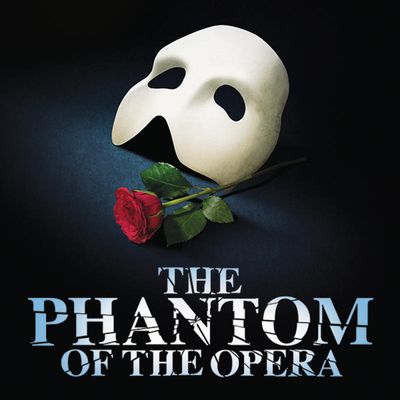
American Idol and Phantom of the Opera star, Eric Anthony Lopez Takes A Bow this week. Eric had a different experience when he hears "Broadway Shutdown", as he never experienced a 17 month shutdown... Read More
From the show: Take A Bow
Featured Shows
About
American Idol and Phantom of the Opera star, Eric Anthony Lopez Takes A Bow this week. Eric had a different experience when he hears "Broadway Shutdown", as he never experienced a 17 month shutdown. He was seen internationally in Phantom of The Opera, a production that was only ONE of TWO productions IN THE WORLD to continue their shows. This unique experience led to incredible stories and a wonderful podcast episode.
Eric Anthony Lopez, Curtain Up!
Eric and Eli's talking points include:
- Phantom Of The Opera
- Theatre during a pandemic
- COVID Protocols
- The different experiences of COVID affecting your work
- Broadway Debut
- Touring internationally
- American Idol
- The Show Must Go On
- + a ton more
Connect with Eric Anthony Lopez on Instagram: @eric.anthony.lopez
Connect with Take A Bow on Instagram: @takeabowpodcast
Connect with host, Eli Tokash on Instagram: @tokash_eli
Produced by the Broadway Podcast Network
Edited by Tessie Tokash (@tessietokash)
Transcript
This transcript was automatically generated and might contain errors.
[0:00] Eli Tokash: Hello everyone and welcome to episode 67 of Take A Bow. I'm your host, Eli Tokash, and we have a very different but exciting episode this week as well. Um not too different, actually. I mean, we have uh one interview today, not 10 like last week. Um, but the interview is definitely different as far as uh we talk more about one topic for the full 40 minutes because there was just so much to unleash, and uh I think it's really good and a really um thought-provoking episode for sure.
[0:38] Eli Tokash: And this episode is going to be featuring Eric Anthony Lopez, who was literally starring in one of only two theater productions in the entire world uh over the course of the pandemic. So Eric's experience over the past two years working in the theater is something that not a lot of people can say and not a lot of people can talk on, and uh to have him on to talk about that experience and talk about what the day-to-day life was, uh was extremely interesting, and there was just so much to talk about. I mean, everything I feel like every time he would say something, something new, like I just genuinely wanted to hear and learn about.
[1:22] Eli Tokash: Um he just like I said, it was very thought-provoking. Everything he was kind of saying. I was like, oh, I have a follow-up question to that, and this uh makes me think of another question. So, very, very cool episode uh this week, and I feel like you're all gonna enjoy it because uh it was at the peak of the pandemic, you know. Literally only 30 people can say he's experienced what he experienced, uh, and he was in that cast. Um, and just the stories that he was telling, uh it it's very good. It's very good. So stay tuned. We have a very exciting episode uh coming to you very shortly.
[1:57] Eli Tokash: Um, but first, we gotta talk about some Broadway news come on there's a lot going on so I can't cover everything uh as always but I want to start out this segment by saying happy opening to Hades Town and Waitress two of my literal favorite Broadway shows okay um Hades Town just obsessed uh Reeves Carney is uh unhuman uh and he's so good but so unique uh and of course Waitress you all know how I feel about Waitress I'm so excited for that to be returning um so yes that and it's happening today like what are the odds that shows open on a Thursday when Take A Bow releases a new episode like first of all Thursday is like middle of the week so why is anyone opening on a Thursday but that's their choice like I'm happy about it because it works out perfectly for me and uh I'm the sooner the better. I'm just so excited.
[2:54] Eli Tokash: Um so yes huge happy opening to Hadestown and Waitress and that also leads me to saying happy early closing to Springsteen on Broadway which closes this Sunday. Um it seems like Springsteen I don't know it was a very interesting run for him. I know it was limited but it seemed like it went in and out. Um I don't know. I didn't I didn't pay too close of attention as I should have um but yes thanks for coming back to Broadway. Thanks for opening Broadway uh and just being a uh a good light uh and good uh presence that we all needed uh during this time when all the other shows were trying to get under their under their feet.
[3:35] Eli Tokash: So uh happy closing to Springsteen on Broadway and happy opening to Hades Town and Waitress so exciting. Um there's been it's been a crazy week uh a bit of controversy of course uh this time not uh surrounding the whole vaccine and anti-vaxxers this was more surrounding the transgender community Monday September 6th location TBA there will be a trans march which we will keep you all posted on the location when it's announced uh and we'll be posting it on the Take A Bow Instagram you can follow my Instagram and I'll be posting it there when we do have a location.
[4:17] Eli Tokash: Right now we don't have a location so I can't tell you guys where to go um but there will be a trans march and this march comes in light of the recent statement that Cameron McIntosh released saying you can't implant something that is not inherently there in the story or character. That's what I think. Just to do that that becomes gimmick casting it's trying to force something that isn't natural. And that just was not that was not okay. I don't mean to be political but I really um I don't really think it matters what view uh what your political views are but I just I I think that everyone can agree that that may not have been the nicest statement or or a fair statement at all.
[5:08] Eli Tokash: Um I just think I don't know understand how someone in the theater community can actually think like that. Um but either way, uh trans folks in the theater decided to spark a conversation led by them on the topic, and many trans uh performers kind of took to social media, and of course they're leading this march um saying that you know we are actors, we're not a gimmick. We are people just like you. Um and so there's been a lot of interesting conversations that have come out of it. Um so I I I try to look at things in a positive way, and I do appreciate these conversations that have um sparked and kind of come to surface with a lot of people, and um I think it's important that we do have these conversations, especially led by trans people, um, which kind of haven't hasn't really happened as much as it should in the past.
[6:07] Eli Tokash: Um but that being said, uh yes, I I I just wanted to report that uh there's a trans march. So let's go support trans performers, and I will keep you all posted on the location of that um through social media, through Instagram. I can post it just reach out to me if you're interested, and um and I'll send it over to you. Um so yeah. Um the trans march will also um like I said, we'll be uh having conversations. We will be marching uh along Broadway. There will also be transgender performers there, and uh they'll be singing or like I said, sparking conversation.
[6:47] Eli Tokash: So um I hope to I hope to see you all there. This is pivotal that we support this. I do not stand with his uh comments and I do not stand for his comments or anything, and I will fully be supporting all the trans performers um on Monday and of course beyond, you know. Um, so I hope you all will join me and the Broadway community in supporting them and supporting everyone else. So um, yeah. There is actually a a cool announcement that came out this week.
[7:17] Eli Tokash: Uh generally they don't always do this, but uh MJ the Musical is literally s uh accepting video submissions nationwide um in as they are looking for a new young Michael Jackson. So performers okay, so in the show they say Michael Jackson's around 10 years old, and performers the anyone can audition can be older or younger as long as their voice is still in the young Michael Jackson range. So if you're interested, all you have to do is make a video of yourself singing a Michael Jackson song.
[7:53] Eli Tokash: And then uh if you don't know a Michael Jackson song, just look it up. I highly recommend uh just trying this. It's it's gonna be really cool and it's a really cool opportunity, especially if you get it, you're gonna be on Broadway. Um so in this video, all you have to do is tell them your name, your age, your height, where you're from, how you heard about this opportunity, and of course, sing your Michael Jackson song.
[8:17] Eli Tokash: So you don't even have to learn lines or anything. So if you already know a Michael Jackson song, you really don't even have to prepare. It's just a really cool opportunity that allows you to audition for a Broadway musical. Um it's MJ the Musical, and uh if you are interested in doing that, you have to obviously film the video and then email a link to the video at audition at MJ the musical dot com. Once again, audition at MJ the musical dot com.
[8:52] Eli Tokash: And those auditions need to be submitted by September 20th. So if anyone is seriously interested in auditioning for a Broadway show and you're able to sing Michael Jackson, please please, please submit it. I think it's such a cool opportunity. It's gonna be one that you don't want to pass up. They're literally just like looking for anyone and everyone to submit videos for the to play young Michael Jackson on Broadway. So take advantage of the opportunity.
[9:19] Eli Tokash: That wraps up the news segment today. I know uh there wasn't much I covered a couple topics but they were some heavy topics and meaty topics that uh took up a lot of time. So those are some of the major ones that I really wanted to touch. And uh with that being said, I am so excited for this interview so we're gonna turn it over to the interview, okay?
[9:40] Eli Tokash: And uh our guest this week, like I said earlier is Eric Anthony Lopez and you all actually heard from him last week if you listened to last week's episode. Um he was one of the guests that I actually interviewed. I know unfortunately for me at least I don't know about y'all. Maybe you guys like that link but for me those were just too short and I couldn't ask them everything that I wanted to.
[10:03] Eli Tokash: Um and Eric's story with uh being in Phantom and uh he's been an American Idol uh he's done uh opera all over the place he's done he's done it so many things um and you know I just feel like we're gonna see him on Broadway soon enough. So um he is yet to make his Broadway debut and he kind of shares some of his like want a dream Broadway debuts and uh we'll keep our fingers crossed that one of those happen, but I just feel like it we don't even have to keep our fingers crossed because I feel like he's just gonna be on Broadway because he's just so talented.
[10:39] Eli Tokash: Um, and he has so much experience. Uh, and he was in the international tour of Phantom of the Opera. So, without further ado, I'm just gonna stop talking about Eric Anthony Lopez, and you're gonna hear from him. So, Eric Anthony Lopez curtain up.
[11:13] Eli Tokash: This week we have a very special guest who is known internationally as he was seen most recently in the international tour of Phantom of the Opera, which was one of only two productions going on throughout this whole pandemic. Um, and that in that production, he actually made history by becoming the youngest performer to play Ubaldo Pianji, but that I covered it.
[11:39] Eli Tokash: So the whole thing is so I guess the actual actor cast to sing the role of Ubaldo Pianji with his normal what is it? What is normal what is that role? How do they say it? With his normal track, I guess being past the read now eight times a week. Oh, it's a mouthful. My god, that's that's too much. But that is just as much as impressive.
[12:04] Eli Tokash: I mean, you made history in perhaps one of the most iconic franchises on Broadway in the Phantom world. Um, so everyone, welcome. You just heard from him to Take A Bow. Eric Anthony Lopez.
[12:17] Eric Anthony Lopez: Oh, wait, this is a part of the process. That was part of the intro, but that's okay. We can leave it. We can leave it. Yes, we can leave it. Okay, so let's explain to the viewers. I cover the role of Pianji. He's 35. I don't look 35. So what they do is, you know, I'm covering it as you as someone does. Right. But I play Pasorino in the show and I cover PNG. So you know it's a joke between me and the Carlotta, so I play opposite as I could be their son because I look, you know.
[12:47] Eric Anthony Lopez: So wait, so when you like, so say you like go on to sing for Albado, uh, Piangi. Um, do you so you play Passerino and you do double duty basically?
[13:01] Eli Tokash: No, I do not do double duty. I'll be, I would then be taken out of Passerino and told as I was gonna say that's a lot, Pianji. Um, no, they wouldn't have me do both, but it's cool because at the time I was cast in 2018, I was, uh, yeah, I was 23, which is bizarre. Because at the time I was like, oh, I could do this part, and then you, you know, you sit with the book and go, oh wow, I'm like a couple of decades off, but it's fine, it's good.
[13:35] Eric Anthony Lopez: Right. I mean, you have your voice is just so, um, so beautiful. I mean, I don't really know how to say it. I mean, you have this operatic background that is so beautiful, and you can sing insanely high. I mean, your voice is just incredible. Um, so yes, it makes sense that you could literally like you could play him. And do you have this? Do you have an, uh, is your background mostly in opera?
[14:02] Eric Anthony Lopez: Uh, yes, I've done a couple of, uh, operas in Sydney and at the opera house and in London. Um, I tried to, I always leaned towards an operatic kind of feel. Right. Um, so pre-Phantom to try to beef up my opera resume I would do try to get that, yeah, I would go to London and Sydney to try to do that, which was a pretty sweet gig. Yeah, I knew I, it sounds kind of weird, but I always knew that Phantom would be kind of my first commercial show that I ever did.
[14:39] Eric Anthony Lopez: Really, I was like, um, they're probably gonna put me because I got called back many times, but you know, as now that I know from being cast at it, I was too young for the track that I could do. So by the time I auditioned for the World Tour Company and for Broadway frankly, they were, you know, I had all that international opera experience so they felt more comfortable not just giving it to, oh, a 23-year-old but oh giving it to someone who actually, you know, has, you know, had an international experience and operatic experience.
[15:19] Eric Anthony Lopez: And I'm not formally opera trained, I can just fake it well. Um, wow, but being in, you know, on, uh, in choruses if you will of certain operas and things helped me out by the time I came to the show so oh my gosh that's incredible. Well for those listening, so I actually last week I released the, of course, the wonderful, uh, red carpet interviews that we had, um, at the Show Must Go On premiere, uh, and you heard from Eric actually in those, uh, in that episode.
[15:52] Eli Tokash: So now we're hearing from him again, and we're gonna hear more about his story and more, uh, in-depth into what it was like to be in a show during a pandemic. So, Eric, um, what was that like for you? Take us through a day in the life, like as far as the tests and everything that went around, uh, the whole COVID scenario.
[16:15] Eric Anthony Lopez: Yeah, a life of the pandemic, a life doing a show during a pandemic. So it was crazy in the beginning. Um, we, you know, we had masks that was for starters, we had masks backstage at all times. So, and temperature checks before we got in the building. So that's cast, that's crew, that's everybody. You didn't get in the door unless your temperature was recorded. Um, and then if it was too, if it was if it wasn't too high or whatever, you would then be sent to, uh, a nurse from one of the local presenters who would check you out and see if you're exhibiting any COVID symptoms.
[16:53] Eric Anthony Lopez: And that actually never really happened. Um, no one ever, ever, no one ever stepped foot in the building and felt unwell. If you were unwell, you were out of the show, like there was no shame right in that. Um, and then they had track and trace. So what we would do every day, and it got kind of crazy after a while, is anywhere you went, they wanted to know. Local presenters wanted to know. So we would fill out at two o'clock today before the show. I went to so-and-so restaurants and, uh, and by doing that tracking 135 or so, you know, slips, yeah.
[17:32] Eric Anthony Lopez: They were able to say, hey, um, based on these slips, you people may need to get tested because there was a little bit of an outbreak. So we would get emails if you were here at that time. We have the slips we know, we know where you are right you might need to get tested and people were more than that's the thing that we so it was a worldwide cast so people from the West End, people from New York, from people from South Africa, all over everyone was very willing to, you know, comply like there was no, it was actually kind of amazing there was no like funny business everyone kind of just, you know, knew what we had to do right we knew we wanted to keep our jobs and a lot of eyes were on us not not only the, not only the Korean government but the whole that sounds kind of silly but the whole world in terms of theater like they were looking at a live events everyone was kind of seeing how we were actually doing this.
[18:27] Eric Anthony Lopez: So I remember I would get, um, I've actually never said this before I would get DMs from certain outlets saying do you guys really wear masks backstage and I'll give you this amount of money if you say you don't like it was weird. We had press we had like press around our show like they were trying to see if there was any funny business going on. Right. And it was, and uh, so yeah it was like it was a crazy experience and we all kind of lived in fear that we were gonna shut down every day or someone was gonna get sick.
[19:05] Eric Anthony Lopez: So a day in a life yeah we would just wear masks backstage and then when it was handed on stage we would put our mask on a table, sang, do, dance, do what we had to do and then go right, yeah, back and put our masks on and socially distance. Because you know, there is no such thing as socially distancing on a stage.
[19:23] Eli Tokash: That too. Right. So how did that work in like a dressing room? Like, did you all have your own?
[19:30] Eric Anthony Lopez: We didn't have our own, but we all spread out. Okay. But still, like, of course, with our masks on, you know, people get relaxed six or seven months into the COVID way of doing things. So people would like talk. And now we would still have our masks on, but it was like you couldn't really socially distance. So we had hand sanitizer everywhere.
[19:52] Eric Anthony Lopez: Yeah. These costumes, which have been used, and it's no shade to Phantom, it's just how it is. Since 1988, right? These costumes have been recycled from company to company to company to London to Broadway to Los Angeles back in the 90s. Like these costumes are old. They have never been cleaner and more well prepped and kept and sanitized than it was for this. Because people, you know, you know, it was, it was wild.
[20:21] Eli Tokash: Yeah. That's insane. Was there ever like okay? So you mentioned that like your cast was literally all over the world. Like when you got the call and they were telling you that you got the role to be in Phantom, the international tour, while there's a pandemic going on. Were you like, was there a worry? Was there like a doubt when you were like, is this like something that I should do at this moment in time?
[20:50] Eric Anthony Lopez: Well, actually, that was more of Cats, actually. Okay. We had nobody, we had like two people put in right before the pandemic. I was already with the show for two years at that point.
[21:03] Eric Anthony Lopez: Oh wow. Um, so I was already there doing fan doing the show that I knew. Like there was no change in kind of what I was doing. Gotcha. Um, so there was people who joined like a couple of our Christine alternate, um, Caitlin Finney, she joined right before the pandemic. Am I right about that?
[21:25] Eric Anthony Lopez: Yeah, right before the pandemic. And, um, another guy, Aiden, one of our phantom covers, he joined. But other than that, we didn't have any crazy turnover. Um, but and if we did, it happened in February. And of course, we're hearing, you know, rumbles about COVID, but we thought it would just it was just gonna affect us because we were now not in Tel Aviv in Dubai anymore. We were now in, you know, the Asian market.
[21:54] Eric Anthony Lopez: So we thought, oh, we're probably gonna be canceled or delayed. So you that's another thing. I heard about the first time I heard the word COVID or coronavirus, SARS, you know, that official first name was like in December, January. And we were worried about it. I remember telling my mom, like in January, yeah, mid-January. I said, well, you know, I don't know, I might come home soon so we can get together or something. She was what you mean, just oh, this is, uh, a virus going around. Oh, okay.
[22:25] Eric Anthony Lopez: Oh, and it was like not even not even realizing, you know, it was just it was a wild experience. Um, so no, to answer, uh, to answer your question, I was already touring and doing the show. Gotcha. Um, but it was and our put, you know, people were put in a month before. So by the time everything went and we started wearing masks and all the rest of it, everyone was already put in.
[22:47] Eric Anthony Lopez: Like we already had a show that was locked with people, and you know, there was nobody taking vacations during those six months. I'll tell you that. Everyone kind of stayed put.
[22:58] Eli Tokash: Right, right. I'm sure that did like was that like scheduled? Was that something that like had to like did that like affect anybody? Like it was someone supposed to leave and they like couldn't, like was someone supposed to join and they couldn't, like was what was if any, what what was like major effects that you know doing theater during a pandemic had on the cast?
[23:23] Eric Anthony Lopez: It was just and I don't think I'm out of school for saying this. I think mentally we all were, we, we all kind of put as our resident director said Reiner, we kind of put the show first. But of course, there was a mental anguish, if you will. You just become everyone was paranoid the entire time. I know for me, I was, you know, you're reading all these things about, you know, your city that you just left, you know, on a layoff, you know, New York for me, you know, then they're trying to get ventilators and this, that, and the other, and people are dying, and then we're going on stage and singing and dancing.
[24:04] Eric Anthony Lopez: We kind of felt kind of like, well, what are we doing? Like, what why am I doing this? Right. But the Korean, you know, people were already kind of over their peak. Their peak was okay a month and a half before. Um, but in terms of people coming in, no, as I said, like the we had with full creatives and everything come over and put new people in, not knowing that when March hit, we would be changing kind of how we were doing things.
[24:37] Eli Tokash: Right. So talk to me about this. So March hits, right? And you have to change all these things, and now COVID and the pandemic is like really in the heat, uh, in the heat of it, I guess. That's what I wanted to say originally. So that's what I'm gonna say. Um, especially at least in the US, um, that's when things were kind of at its peak. Um, but so I mean, every night there must have been like a oh, is this gonna be our last show? Or like what what was going on what was happening?
[25:15] Eric Anthony Lopez: It was, uh, crazy. So when March, you know, we're they were doing the mask and ever and all the rest of it, and we just never, and it sounds like a corny line, and I'm sure it made the movie, but it's so true.
[25:29] Eric Anthony Lopez: We felt like every performance was genuinely our last, right? Everyone was going all out, you know, every time. It was just everyone really put their all into every performance, which sounds wild, but it was true because people were just—we never knew when we were gonna shut down or what was gonna happen.
[25:53] Eli Tokash: So talk to me about like your first performance, right? And you look out into the audience and you just see two thousand plus masks on people's faces. What was that kind of—did that kind of just remind you of like, holy cow, this is insane, and like, I can't believe that I actually am able to be doing this at this moment in time?
[26:20] Eric Anthony Lopez: Yeah, but even still in hindsight, you don't think like that. I know a couple of us turned to each other and were like, it was actually spooky at first. You look out and you see—you're used to seeing a sea of darkness, and now you see a bunch of white masks popping up, and you're like, what the heck? It was a little spooky at first, but honestly, two months in, maybe we kind of got really used to it. It was an ever-present reminder that we were going through a pandemic, but it was also like, wow, we actually kind of got used to it. So by the time, you know, that event that we performed with Josh Groman and Sierra and Andreana DeBos and all those people, you know, someone asked me at stage door, which I thought was kind of funny, was it weird performing for everyone with masks again?
Like you look out and there's—you see a mask? It's like, no, I said no. Right? Because I'm like, I'm so used to it now that it was like, oh, yep, this is what you do. It actually will be weird performing for a crowd that's not masked.
[27:29] Eli Tokash: Right.
[27:29] Eric Anthony Lopez: That's exactly what I say now. It's like, even like going into a grocery store, like I still can't take my mask off, even though I see people doing it, because I just feel like it's like not even what you're supposed to do anymore. Like life is normal now with a mask, and it's just bizarre.
[27:45] Eli Tokash: Talk to me. So in the documentary, I mean, we kind of got a little taste of it. One of your cast members had come down with COVID. Did that just add more stress, I guess, for you as a cast member dealing like maybe around him and whatnot? What was going on and how did you—were there added protocols? What happened when someone tested positive?
[28:18] Eric Anthony Lopez: Yeah, so that was a crazy one. We had—so first it started with one of our ballet women. She was out of the show. Fine, like we were like, it was still—again, it was still like, I think it was March, right? No, April. We were like, oh, she's out. We didn't think anything of it, even still. And then we got an email, hey, this person is now, you know, COVID positive, and we're like, oh damn. So we thought when we all got tested and we got brought up to the roof with a hotel with hazmat suits and all the rest of it. We all thought, wow, we're gonna get—the show's over, and we're gonna now have a shit ton. Yeah, that's what I said, a shit ton of cases. Like, we're gonna have about 10 or 15 of us.
And I danced with her in Masquerade. I'm not on the stairs, I'm actually—they'd have me double as a— in this thing called Little Band. Oh my god. So we did—we have a dancing sequence. So I danced right in front of her. We interact, we're always—and she was one of my friends in the show. So I was convinced I had it. Everyone was panicking and texting on group chats like, oh my god, like it was wow. So then only one person contracted it, or maybe brought—we still don't know if the person who additionally got COVID in our cast got it from the ballet woman, or if, you know, like we still don't know actually what happened, or if they both brought it from New York too.
[29:57] Eli Tokash: Right.
[29:58] Eric Anthony Lopez: But the guy who got COVID in our show, like I sit next to him and I dance with him in that number Masquerade too. So I thought I had—oh my God. I didn't get it. And I honestly—well, I don't know, I don't want to spread science rumors, but I—you know what? I'm not gonna say what I was gonna say. There were rumors about why me—I was heavier at the time, so people say, oh well, you're heavier, so you don't get COVID. Now that is something that sounds about right in April 2020. We now know that that's not the case. But again, this is the stuff we were hearing, you know, especially in the very beginning. There was all sorts of things—oh, people under 20 don't get it, people under 30—like, you know how all that crap was going on? We're still learning every day.
[30:29] Eli Tokash: Right.
[30:29] Eric Anthony Lopez: Everything is still ever-changing, right? But yeah, it was crazy, and we were like, wow, I hope they're okay, right? And like insane, like, okay, we'll have understudies on, but like, are they okay? I know like there was—was there ever like a thought of like shutting down the show right then and there? Like not shutting it down, but maybe taking a couple days off? We ended up taking a two-week because we had to—we were all quarantined for two and a half weeks. I'll say the Korean government treated us like gold. They like—they and every—their whole people, their entire country, like they gave us a huge box of stuff. Oh my god. Like we weren't—we were in quarantine. We got a box of like food, but like legitimate like household—like salmon and like, uh, what is it? Milk and water—bottles and bottles and bottles of water in quarantine. Like it was actually wild. It was—and I'm like, I wish our government would do that.
[31:51] Eli Tokash: Right.
[31:52] Eric Anthony Lopez: But actually the big worry, the big worry for me—not for me, but amongst everybody—without naming names, one of our girls, women, one of another veteran of the franchise, her mother passed away, not because of COVID, couldn't go home because of COVID. And she had to just—and she was—and she—I think she took, I don't even know, she took maybe a couple days off and came back. I was like, how are you even standing here right now? So it's all that stuff that, you know, it's not just COVID, you know, real life, and we couldn't—no one could move. Because we were in this like bubble. But thankfully, none of the elder—uh, elders of our show got it and everyone came out alive. And I'm not even saying that as a joke. We all know literally. So but yeah, it's those things I think about that. Actually, when I talk about it with you, I remember it. I'm like, oh yeah, her mother passed away and she couldn't say goodbye.
[32:49] Eli Tokash: Right.
[32:49] Eric Anthony Lopez: That's horrible. And you hear those stories, you know, on the news of people saying goodbye on Zoom. That's kind of what she had to do. In the middle, and then she had to go do a show and act like everything was fine. And it's like, wow.
[33:03] Eli Tokash: That's incredible.
[33:05] Eric Anthony Lopez: Wow. Kind of what you were referring to, um, we talked a little bit before we started hitting record on this. You kind of—we had talked about what it was like to be at a premiere again and whatnot and like be at a theater. Now that you're out of—you're kind of like home in New York and you've had some time away from Phantom and whatnot, do you—and you're able to look back on all these memories, like you just said, kind of like relive it in a way. How—I mean, like how can you put into words like how, um, I guess lucky and like grateful you've been to like be able to be one of the few actors or performers that have been able to work in the past couple years and be in a theater where you love, you know, and do what you love?
[33:58] Eric Anthony Lopez: Yeah, all the things you said, extremely grateful, um, extremely, extremely grateful to the Korean government, our producers, really useful, and our team for not only keeping our show running, but doing it in a safe fashion. Yeah, it's also talking to other actors now being back. Um, so the world tour is on a little hiatus at the moment, right? But we're coming back at the end of the year, which is really cool. But in terms of—I was always kind of planning not to leave, but I was always gonna be kind of around in New York because I was doing a show in LA and what have you. And it really makes you—well, a TV show. I was shooting a TV show, and why two things, you know, coming out of that bubble from Korea and Phantom and then going to another show, they do it exactly kind of like everyone wants to keep all their sets, their places safe, but no one does it like the Korean government, I must say, or the Koreans, because I think they're used to it and they take things a lot more seriously.
There is no fighting of the masks, like people just put it on. There is no, well, I'm not gonna, or politicizing of it—they just kind of do it. So it's interesting to now go to, you know, post being on a COVID set, if you will—not COVID set, but, you know, post-COVID set, if you will—and everyone, you know, the protocols are very similar. Like I've lived with them before, so it's kind of eerie. But back to the original point, it's just grateful to keep working. And oh, and also talking to actors in New York, I can't actually relate. That's the weird—and it sounds like, oh, I'm just—no, I really can't relate. I've never really experienced any of this. Like my lockdown was in Korea. I never had the normal experience of all the people I know from other shows.
So it's grateful, but it's also like they talk about, I think, real life stuff like financial situations or people just leaving the business completely. I have no—I can't really empathize. Like I can empathize, but you know what I mean? I can't really—like I hear you, no, I don't. And that's the only downside is that you can't really be a good friend because you're just like, oh, there's nothing wrong with that. Okay, you were—you got to do what you love and do what the other, like, 7,000 people in the industry or whatever it is, like wanted to do, you know? Like, I don't know. I just think it's a really cool thing to—like it is cool, and not to be a downer. Yeah, like it is also just—it still doesn't believe—and this sounds really corny because I lived it, I still don't believe like we were the only show in the world, right? That's the weird part.
[37:02] Eli Tokash: Yeah, so you guys literally—I mean, you made history in the show for so many reasons. I mean, like, you were just to say that you were part of that cast, uh, the youngest person to sing. Uh, it's just like—it's so cool. I find it very interesting. I don't know, you should be very proud, uh, everything going on. Um, yes, but I do want to talk to you too about like we mentioned the Show Must Go On documentary and the premiere of that. Um, I not so much about the documentary itself, but kind of what it was like to have a camera following you around, and how did that affect things backstage or whatever it may be, and just like documenting your entire—well, some of your run.
[37:55] Eric Anthony Lopez: But no, having a camera following us, that was a lot of things. It was interesting, it felt—and our, you know, there was no crew, like you usually wouldn't work on a film or a TV.
[38:11] Eric Anthony Lopez: There's a crew, right? And Sammy kind of it was like a very screen extremely skeleton crew, uh crew, rather. Our director, Sammy. Yeah, uh who directed a Vita at City Center, a bunch of other things. She held the camera herself. She did the question, she did the setup. Like she kind of she was tearing around that camera all around. Like you don't get that, usually you have a whole crew. So that on the industry side was very interesting. Also, in terms of following us around and everything. I again, we were so focused. And this is I speak for a lot of people, I think, on this, on doing the show and staying healthy and honestly keeping the show going. You know, we weren't really thinking like when they told us, oh, this documentary's coming, we were like, okay, whatever.
Like we were like, okay, this is cool, but we got a shop to do. Right. And now looking back on it, we're like, oh, that was that was really something. I'm glad that we kind of have a piece of piece frozen, frozen in time. Because I keep repeating it, but it's worth repeating. I have no until that documentary, I didn't really under truly understand what we were doing at that particular time. Well until I saw it.
[39:37] Eli Tokash: Yeah, I mean, well, listen, I know you were too busy being a star singing with Josh Roban and everything. But on the night of the premiere, I just wish that you guys were able to be in that audience because I'm getting chills, literally thinking about it, just because, like, after seeing you guys up on a giant screen in a theater, you know, like with everyone with a full packed house, you know, like everyone was crying, everyone was smiling, everyone was feeling every emotion, and just the sense of I've like a missing piece of the puzzle finally coming back to life and coming back into them. And it was just so incredible to just sit back and just look around the room at everyone who was enjoying this and enjoying the work that you guys were doing and enjoying the the piece that uh the documentation of your production.
Um it was just a magical night, and I just so wish that you were able to see everyone's like tears just coming down their faces of like joy and sadness and all of the hard times that they were reliving during COVID and everything. It was just it was really special.
[40:57] Eric Anthony Lopez: I'll tell you this. I definitely there's a crevice in the majestic stage left that I kinda peeked out of. Really? And I saw because also the screen is so bright, I could see uh people's reaction and it was it was comforting. And then dress rehearsal, I knew it would be a not that I choreographed it. I did not do anything or have any part of that, but Sammy had the brilliant and Kristen lodged at our the musical supervisor at Phantom for World Tour and Broadway. She they had this idea to sing after the show as if we never said goodbye, which I thought was a brilliant choice. Really? And what makes me as a fan, you know, because I was a huge fan of Phantom before I was in it. Um it's funny, I have um fans at Sage Door will sometimes come up to me and be like, you're like, you're like one of us because you're so enthusiastic with Phantom.
I'm like, oh no, it's true. I wear the t-shirts, I wear the hats, I don't care. Oh, I love that. Like people, oh that's not cool because you know, you know people in the show, you're like, you don't want to be a fangirl. I'm like, no, I will rock it. I don't care. Right. I'm masquerade and phantom is my jam.
[42:13] Eric Anthony Lopez: No. Cut to so cut to no. So we okay, we're doing the event right, and we're sound checking it and whatever. They have the candle obras. So what I loved about that is the screen, played the credits. The screen flies up, and all you see is the candle ob oh my god. Oh, I'm getting choked up. And you see the candle obras lit for the first time, and then you see, of course, what better choice? Sierra Boggus standing in the center stage with the musical supervisor of that show playing, starting that song. I was backstage, I just and it and it's you know how like you do interviews, and it sounds like it was just so magical, you know, it's kind of corny. It really was magical. Like I we everyone backstage, the crew, like we it was just a teary something about that scrim flying up and the candle obras being lit like that was crazy, and it just it makes you appreciate um oof, my god. I know it makes you appreciate you know, theater and the arts and all that, and uh, and then such a beautiful piece for them to pick too. So it was it was wild, it was wild.
[43:32] Eli Tokash: Totally. It really seems like I mean, as as unfortunate as like as a reset, like it was for a lot of people, it in a lot of ways, you know, some people needed the reset to just look back and reflect on just the little things in life that they may take for granted and just realize, you know, I need to stop taking that for granted. Because you don't like, I feel like once you're you see a Broadway show like however many times and you continue to go, and then you're like, oh, like it's not as special. But like I remember walking into the theater again and just like it was as if I relived the first time I ever saw a Broadway show, you know. Like, and I was like, this is a feeling that I need to continue to feel like I can't like get tired of this feeling anymore because I know what it's like to live without it, you know.
[44:21] Eric Anthony Lopez: For sure, that's actually one of the things a lot of actors are feeling that way. Yeah. Like I they like I know when I walked inside the Majestic again where I had my fitting, gosh, how many years ago? In 2018 or whatever, it just felt like I never left, but it also felt like a renewed sense, and we also knew what we were gonna do that evening for that welcome back, you know, Broadway first full house performance, you know, that kind of thing. And also, you know, I know for me, especially during the on the road times of my career. You know, you come back to um New York, you I have it in my apartment, whatever, and people are like, Oh, do you want to see this show? And you're like, Oh, okay, sure.
But sometimes you don't want to go, you're like, Yeah, I'm not going to that. I'll I'll see it in six months, or I'll see it right next time. I really don't want to I'm kind of nah, I'm kind of musical theatered out. Let me do something else. Because you know, you're on your way off.
[45:24] Eli Tokash: Yeah.
[45:24] Eric Anthony Lopez: I and there are some, you know, I will never do that again. I know I'll never do that again. There are so many shows that I actually and not to shout it out, I'm not in it, or but you know, a part of it, but for example, West Side Story, that revival. That was one of the things that I literally said, Oh, I'll see that later. Oh, that won't go anywhere. Oh, really? So I said story. People will go, I know I'm in town, but you know what? I'll catch it later because yeah, I'll just catch it later. I I have you know now I'm kicking myself because everyone has such great things to say about it. Right. Um, and now that's not coming back. So you're like, oh, okay. I will, I'll try to, you know, that's definitely going into seeing things again. Yeah. Even being in a show.
[46:04] Eli Tokash: Yeah.
[46:05] Eric Anthony Lopez: There's literally be grateful. Like, you know, there was a time where no one was working, like be grateful, be grateful, be grateful, be grateful.
[46:14] Eli Tokash: So you were, but you were doing it. You were booked and busy.
[46:17] Eric Anthony Lopez: We were right.
[46:20] Eli Tokash: As you should. That's incredible. Um, well, I I do want to talk too, um, because there was something interesting. Okay. So obviously I like to prepare about my in prepare for my interviews and like kind of get some more information on guests and whatnot. But I had this, I came across your um audition for American Idol that I just had to watch, okay. And I loved the fact that the song that you sang was called The Show Must Go On, which was the title of the documentary. Um, in just the full circle moment, plus you sing it in front of Queen or Adam Lambert, who's now singing for Queen and it was a Queen song. Uh, I just thought it was I thought it was all perfect. I just wanted to shout that out. I don't know if you want to talk about that.
[47:09] Eric Anthony Lopez: I will. Yeah, it's it is so weird, and I tried to ignore it. Oh, so a couple things. So I was a teenager when I went on that show. Yes, and I didn't, I was definitely not ready. So that was the first thing I ever did, ever. So I literally high school, a little bit of college, and then I did that. So no theater, no before my theater life, you know. Before I moved to New York, before everything. Now that show being even that little snippet, which is like, I don't know, it's not necessarily my best work. However, I enjoy, you know, that little event, uh, you know, idol, like it opens so many doors, and I'm very grateful to do it. Now, um, so how do I say? So for show must go on, you know, people are seeing the movie and I'm involved with it, and they're like, wait a second, isn't that the song you I'm like, that is the song I saw.
I love that. It makes me laugh because you know, I'm like, I don't know, did I predict? I don't know. It's very it's very interesting. Also, my email and my my email address as a little kid, which I don't have anymore, or aim address. Remember, aim was like idle, was like idol or a whatever the chat room, it was like idle wannabe. Really? Because I loved the show American Idol Growing Up.
[48:34] Eli Tokash: Oh my gosh.
[48:34] Eric Anthony Lopez: I was like, I wanna, so it was just like a QTC. So my thing was idle wannabe, and then like, you know, now I I've done idol, right? Show must go on. Show must go on is about phantom. Another thing that's weird, which I I think I said to Christard Ridge at Brow World, um, on his interview um on the carpet there. Um, the person I saw that show Phantom was my first Broadway show. Another foreshadowing, and it was uh, I think I was like nine or 10. And my mom made it a point to say, Oh, look, the conductor is a woman. Um, because she just wasn't used to seeing that because we're from like Long Island, like and not the great area of Long Island, so like we don't see much like we see like you know, it's usually you know the stereotypical it's a man in a suit who conducts, right?
So seeing a woman do hold that space was my mom just from I just remember that. Oh, yeah, that's the that's the place with the woman conductor. Fast forward, gosh, 13 years. I got put in the show, um by her. She's the reason I got that show, and you know, like she was the one who put together that event. Like now she's like, I talk to her all the time, and she's like and she notes the show when she came up towards her. Like it's it's just super crazy how that all works.
[49:57] Eric Anthony Lopez: While my, you know, little username was "I don't wanna be," I ended up doing Idol and doing Phantom, which is wild.
[50:04] Eric Anthony Lopez: So now I'm like thinking, should I look back at other things from... I know I was just getting a little bit of a few... Oh, wait a second.
[50:10] Eric Anthony Lopez: Oh, I have one more thing that I do, I don't often say. So we did a Vita in high school.
[50:17] Eric Anthony Lopez: I know because we had one girl belter who was mad good.
[50:22] Eric Anthony Lopez: So we did a Vita, which was kind of crazy for a high school show, and I played Che Guevara to when I had like a pop voice.
[50:27] Eric Anthony Lopez: Now I could never, first of all, I don't... I shouldn't really play Che Guevara, but also I don't really have that pop quite do, but no one hires me to do that anymore.
[50:36] Eric Anthony Lopez: They want me to go that... they don't want me to really rock out.
[50:04] Eli Tokash: That's amazing.
[50:43] Eric Anthony Lopez: That was my first big like lead that I ever had in like my little town school district. It was an Andrew Lloyd Webber show, and now my first big commercial show. If you look at everything, first big commercial show, and I did an off-Broadway show before that. When I was 19, whatever. No, but my first big commercial show was an Andrew Lloyd Webber show. So it is crazy how that all, you know. I love it. I love it. We just went on like your whole life story of full circles in like three minutes. That was the most entertaining thing ever. Um, so I do want to say you, I don't know if this, I don't know. I'll ask the question and you let me know if you want to answer it. If not, that's okay. Um, but I I'm just very curious, just because you've accomplished so much in your career at such a young age, right?
And you know, Idol, you went to Hollywood, you're doing an international, or you did an international tour, you were off-Broadway, like you said, you're doing so many things. Um, you've performed at the Tony's, you sung with Josh Groban. Um, in 10 years, what is like your dream Broadway show that you wanted to be in? So something where I could sing legit and maybe be a leading man. Because again, I look so freaking young that I would love to like, you know, once I age up a little bit, I would love to play one of the leading men. Let's see. Uh, I would love to do Beast in Beauty and the Beast. I know that's coming to Broadway. Um, I would love to do down the line Sweeney Todd. Oh my God. That's probably not 10 years.
As you should. I would obviously love to play Phantom. That's another one that takes a little bit of time. Oh, I just want to be able to do that. I've got down the pipeline. Maybe interesting. I would love to play. I would love to play it. I look about 10. So maybe one day. But well, I mean, you're already in the Phantom franchise, so they know where to find you. Yes, exactly. They don't even have to like call me. They can literally just summon me. They're like, right, come on down. You know. Yeah. I love that. Oh my God. That's incredible. I love it's a very unique answer. The whole legit, um, you know, nowadays you don't really hear that. Singing legit. Um, I really love that answer. So it's interesting too, because like a lot of people are like, oh, something that's never written before.
And obviously, like things that are written now aren't very legit. So yeah. So very interesting answer. I really, I really do enjoy that answer. And it's, I don't know. It's not my, it's not my voice, and it's not a dream role of mine, but I love that we have that variety now in on this podcast. Um, well, Eric, thank you so much for doing this. This was a blast. I'm so happy that we got to talk about all things Phantom of the Opera, and of course, your story of full circles and American Idol, and so many more. So thank you for doing this, and I appreciate it so much. And I was so fortunate to like, it's fun to do like do it in person and now do it like virtually. I don't know.
[54:04] Eli Tokash: Yeah, for sure. That's the best thing about all this.
[54:04] Eric Anthony Lopez: Yeah.
[54:09] Eli Tokash: You can reach anybody now. So that's, I don't know if that's a good thing or a bad thing.
[54:12] Eric Anthony Lopez: I know it's so bizarre. Um, but yes, honestly, thank you so much. And uh I hope you enjoyed coming on and uh I appreciate your time and willingness to do this. So good luck in all your future endeavors.
[54:26] Eric Anthony Lopez: Why thank you?
[54:27] Eli Tokash: Oh my goodness, so excited.
[54:29] Eric Anthony Lopez: Okay.
[54:30] Eli Tokash: Bye.
[54:32] Eric Anthony Lopez: Bye.
[54:33] Eli Tokash: Take a bow, Eric Anthony Lopez. Oh my goodness. There was just so much to unwrap here, okay. Um, everything that he was saying about what a day in the life was, uh, uh, when you're like going through COVID during a pandemic while performing live theater was just insane. And the fact that like, you know, he's now having experiences that no one can relate to because he's used to performing with people wearing masks, and he's used to all of these protocols because he's lived it and he never had that full shutdown experience. I mean, he did, of course, because someone in the cast got COVID and he had a shutdown for two weeks. Um, but he had a two-week shutdown, you know, like it wasn't like a year and a half shutdown like the rest of us experienced, and that's kind of what he was alluding to in the episode.
Um, and to be honest, I just found it all very um fascinating. So Eric, thank you for joining us this week and telling us all about what it was like to perform live theater in the midst of a pandemic, and um also sharing some of the really cool stories that uh you kind of alluded to that you never told before, and you know, just with people getting COVID, I mean, people's family members passing away and they weren't able to say goodbye. Um, some of the stories that he was just sharing with us, um, kinda blew my mind, you know, and you kind of put it into perspective because at first you're like, oh, you know, these people are so lucky they've been able to have a job throughout all of this. You know, they weren't, uh, they didn't lose their jobs and they weren't uh shut down for a year and a half and couldn't get that uh crave, uh couldn't feed that crave that uh some of us were feeling with live theater or leaving our house or whatever.
[56:31] Eli Tokash: Um, fill that void, I guess I should say, not feed that crave, anyways. Um, but yeah, so like you're kind of saying, wow, like that's so cool and he's so lucky, but then you put it into perspective of like what they had to go through on a day-to-day basis, and um just not being with their family in a scary time in the world and eventually losing some family and not being able to say goodbye. So, like I said, Eric, thank you for coming on. Thank you for sharing your stories. Um, I'm obsessed with all of these stories that you had shared. Those full circle moments were kind of amazing and uh really cool. So I'm very curious to see if he has any more of those moving forward. I'm sure he will. And before I let you all go this week, I wanna talk a little bit about uh I'm gonna I'm gonna throw it over to the triple E segment.
Uh and that's Eli's Entertainment Experience. So welcome back to the Eli's Entertainment Experience. I know I've been bringing it back for the past couple episodes. Um, but I do wanna say, like, you know, with Eric, he's never been on in a Broadway show, and like honestly, I don't, I understand why Broadway's as big as a deal as it is, but Broadway is live theater, you know. Like, you go to all of these, like, when you hear Broadway and then you hear of regional theater, it's kind of like lessened, you know. And I'm at fault too because like when I talk about um certain things with guests on here, I usually talk about their resume on Broadway and not their regional theater resume. But where do you think all of the Broadway performers start out?
And where do you think Broadway gets their talent from? It's from all of these regional theaters. Um, and at the end of the day, like all these regional theaters have Broadway caliber uh performers, and uh they just don't have the budget or they don't have um the support uh uh to put on such crazy shows that Broadway is able to put on and kind of have that next level set or next level um costumes or whatever it may be to make Broadway so special and spectacular. Um, so it as big as a theater, you know, like it all those things go into play, but really Broadway is just a regional theater, and when I kind of learned and that kind of came into perspective for me when I was nominated for a Jeff Award for my role in Trevor the Musical out in Chicago, and I was nominated for Best Actor in a Musical, and when I was when I heard about this, I was like, oh, well, like what is it?
Like I've never heard of the Jeff Awards, and they were like, oh, well, it's kind of the Tony Awards of Chicago. I was like, the Tony Awards Chicago, hmm, I that's crazy. Like, I feel like I would have heard of it, like, uh, and you know, like it's a huge deal. And then like I'm there and I'm like, I get it. Like, you know, like I get it, because it's for theater in New York, the Tony Awards, it's for, that's for their regional theater. Broadway is their regional theater, you know, and they have off-Broadway Awards and they have like all of these crazy things, but the Tony Awards are televised, you know. Like, there's just because of the money that Broadway and the community has um up here in New York.
So it's all very fascinating, and it's all very, you put it into perspective, and you're like, well, I've never really thought of it that way. And um, I just think that was something interesting that I kind of thought about when I was talking to Eric, because I was like, I can't believe he's done all of these incredible things and hasn't been on Broadway. But then I was like, wait a second, Broadway is just a regional theater for New York, so it's not like he just hasn't had his moment in New York yet, but he's had his moments elsewhere, and he's done so many crazy successful things. So shame on me for, and I will be making sure that I do not just talk about Broadway moving forward. And um, I have, I have done like with guests, I've talked about the Muni and I've talked about the Fox Theater, and I've talked about some of these famous theaters that are regional, but I not all of them, you know, and I just think that uh it's something that we should all share the light on and uh kind of think about.
And Broadway is of course Broadway, and it's always gonna be that extra layer and extra special, but at the same time, especially as performers, it's all the same caliber of performing, you know. You're just going out there to tell a story, and you're gonna go and you're gonna give it all your all every night, and you're gonna be performing with Broadway caliber performers as well, and uh, and you're gonna be performing with Broadway caliber performers as well. So um, yeah, I just wanted to, that was my kind of experience that I learned at the Jeff Awards.
[1:01:26] Eli Tokash: Um, but I kind of wanted to share that all with you this week as I was thinking about it, and it kind of came into my head of just like, you know, I feel like this needs to be shared because I had that like awakening almost again. So I was like, I want to share that with all the listeners who are listening today or this week or whenever you're listening to it. So yeah, there you have it. That's episode 67 of Take A Bow. Uh once again, I'm Eli Tokash, and I hope to see you all next week because we have a really fun um episode next week, and it may be a producer. Um, so I'm excited because we haven't had a producer on it. I don't know. We're trying to figure it all out now. Anyways, it's gonna be a very exciting guest no matter what. And I hope you come back and rejoin us for next week's episode and listen to some old episodes with your favorite Broadway stars. Um, so thank you so much for listening, and I hope to see you all next week.
[1:02:25] Eli Tokash: Bye everyone. Have a great week.
[1:02:27] Eli Tokash: For this episode's curtain call, I would like to recognize a few people who also deserve to take a bow. This podcast would not be possible without the help from Dory Berenstein, Brittany Bigelow, Katie Rosen, Alan Seales, and the team at the Broadway Podcast Network. Next in line to take the bow is Tessie Tokash, who edits the audio and all the visuals for this podcast. A special thanks to patrons Brian Thompson, Pat McNamara, the listeners at PCC, as well as all the other patrons for their continued support. If you're interested in becoming a patron, go to patreon.com slash TAB. And if you enjoyed this week's episode, don't forget to subscribe on the platform that you're currently listening to this on. Also, feel free to give us a follow on Instagram at Take A Bow Podcast. Take A Bow's logo is designed by Giselle Bustos and the music is by Nikki Torsha and Cormac Collinon.
[1:03:17] Eli Tokash: Bye everyone. Hope to see you next week.
© Broadway Podcast Network, All Rights Reserved