

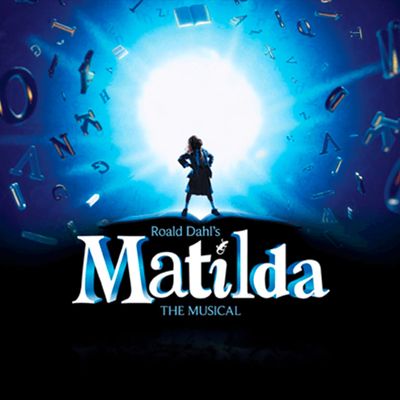
Playing the title role in Matilda at the young age of 9, Sophia Gennusa booked the role of Matilda off on an open call. A rare feat but encourages performers to keep an open mind and try new things at any point in life is perhaps the biggest takeaway from this week... Read More
From the show: Take A Bow
Featured Shows
About
Playing the title role in Matilda at the young age of 9, Sophia Gennusa booked the role of Matilda off on an open call. A rare feat but encourages performers to keep an open mind and try new things at any point in life is perhaps the biggest takeaway from this week. Sophia brings her experience from both the stage and screen and breaks it all down on this week's episode.
Sophia Gennusa, Curtain Up!
Sophia and Eli talk about:
- Matilda
- Dialect Coaching
- Tony Award Honor
- Performers having performance anxiety
- Dr. Zhivago
- Enemy From Within
- Theatre vs Film/TV auditions
- + a ton more
Connect with Sophia Gennusa on Instagram: @sophiaegennusa
Connect with Take A Bow on Instagram: @takeabowpodcast
Connect with host, Eli Tokash on Instagram: @tokash_eli
Produced by the Broadway Podcast Network
Edited by Tessie Tokash (@tessietokash)
Transcript
This transcript was automatically generated and might contain errors.
[0:00] Eli Tokash: Hello everyone and welcome to episode 80 of Take A Bow. Oh my goodness. I'm your host, Eli Tokash, and we have an incredible episode planned for you all today. And it's with one of my great, great friends, Sophia Janusso. And uh she is the first Matilda that I am having on this podcast, which I don't know why, but it blows my mind. I feel like I've had a few Matilda, well, I I I know I have had a few uh Matilda folks on the podcast, uh but never heard from a Matilda themselves. So very excited to have that on the podcast today, and uh just to hear from someone that uh has played a role that literally every girl and every kid for that matter um kind of dreams of playing at some point in their life and growing up especially.
Um I think it's really cool, and uh just to hear all about it and what it was like to do it at one of the highest levels is just really really fun and exciting for me and hopefully for all of you. But before we get to that, we have had so many exciting things, but also very unfortunate things happening in the theater world this week. So let's talk about it. Let's turn it over to the news.
[1:21] Eli Tokash: Um, we've had a lot of very, very exciting uh performances, both on the Thanksgiving Day Parade, uh, but also most recently on the tree lighting at Rockefeller Center. Um, so first we had the Thanksgiving Day Parade, obviously, which I hope all of you had a wonderful Thanksgiving, and I hope everyone who celebrates Hanukkah is having a wonderful start to their Hanukkah and their holiday season. Um but other than that, like the Thanksgiving Day Parade, uh, we had performances from Wicked, we had performances from Six, um, all doing incredible stuff and all getting a lot of people excited for Broadway and just to hear about uh once again just Broadway being advertised that that's at that such an iconic um parade and uh TV viewing that gets watched like every year.
I mean like that's like some tradition that's like a tradition in some families. So um really really cool to see really exciting to see and um I had a wonderful time watching those performances and it got me excited to see some of those shows.
[2:28] Eli Tokash: That being said we also had a performance from Come From Away at the Christmas tree lighting which I mentioned was the most recent performance from Broadway um which was just last night um and that was Come From Away at the Christmas tree lighting of Rockefeller Center and they didn't sing a song from Come From Away however they sang a Christmas Carol. So that was very exciting um and uh again great to see Come From Away on such a a huge platform. We also have some more performances happening okay and that's Annie Live and that's today. It's crazy to think that Annie Live is today uh very exciting though uh shout out to Kay Elefante and Sophie Knapp and Selena Smith who are all uh friends of mine who are gonna be performing in this Annie Live.
I've tried to get a couple of them on to talk about their experience with it but the schedule is so crazy for these live productions that hopefully we'll get one of them on afterwards. But it's all very exciting stuff and I'm very happy for them. So huge congratulations to them and a huge uh break a leg to everyone involved in Annie Live. Very exciting stuff. It's gonna be incredible. It's gonna be tonight. And uh I hope you'll watch it uh Annie Live.
[3:43] Eli Tokash: Um I also talked about some unfortunate news that happened in the Broadway world this week. Uh Broadway lost one of the greatest um pioneers uh of Broadway, really. Steven Sondheim passed away this past week. Uh he's lived an incredible life, and I don't know, I just feel like I never thought it would happen in a way. Like, I don't know. It's just like one of those things where it's just like, oh, you know, like he's got time, like he's he'll live forever. Like, you know, it's one of those things, and then and then reality sets in, and um it's it's really heartbreaking. But um just to see the way that the Broadway community has responded and uh kind of reacted to the to the news with with such uh support and such a community of effort um has been really inspiring.
Um the way that he has been represented throughout the week, whether it's at Company, um, which is the show on Broadway that he wrote that the only show on Broadway that he composed uh this season, or at the Steven Sondheim Theater where Mrs. Doubtfire is being played with an incredible tribute speech by Rob McClure, or even this incredible this weekend, they had an incredible, incredible um kind of memorial in Times Square with literally Broadway's biggest names, obviously none bigger than Steven Sondheim, as I said, the greatest to ever do it anything in the in the Broadway uh in the Broadway industry and the Broadway field.
[5:24] Eli Tokash: Um it's been really, really cool to see and just how everyone's reacted and come together, uh sharing so many wonderful stories, singing all of his brilliant uh and groundbreaking songs and and truly like industry changing songs. I mean, he he changed the way that uh was that Broadway was perceived and uh he really was a lot of his musicals were revolutionary for Broadway. Um and I I'm glad that he was able to see this this production of Company because even though it is a revival, it's yet again like revolutionary in this gender bent kind of revival way um that's happening, which is so amazing. And I'm really glad that he was able to at least see a production uh performance of it. I'm so grateful that he was able to not only see Tic Tic Boom but also be a part of it because as I mentioned last week, that last uh voicemail from Steven Sondheim to Jonathan Larson was actually Steven Sondheim himself recording it uh and rewriting it. Um it was just absolutely fascinating to read about and it was so great to to hear and have him be a part of that legacy of Tic Tic Boom still today.
[6:45] Eli Tokash: Um I hope, I really do hope, because I know West Side Story is uh premiering soon. I hope to God that he saw this adaptation of West Side Story because what I've heard, I have not yet seen it, but what I've heard is that this is also um some groundbreaking stuff and some um revolutionary stuff for the for the West Side Story franchise, and uh that it's never been done this way, and I I'm really excited to see it, and I really hope. I'm sure he was involved in the making of it. Um I I just I really hope he did see the finished product uh before passing. But uh once again, Steven Sondheim is uh he may be he may have passed away, but he will continue to live on forever. I'm so grateful that his art and um his incredible mind and uh brilliance and also just his his energy and aura and um he gave us all of his gifts that he's given us uh remain on this earth and uh people will be continue to tell his stories and to tell his uh and to sing his songs and also to share his memories and all of the incredible other things that Sondheim has given uh everyone in the world.
[8:10] Eli Tokash: I mean, you don't even have to be a theater fan or a um an entertainment buff for that matter, like even movies, like he's done a ton of stuff for movies and stuff. You don't even have to like love that kind of stuff to know who Steven Sondheim is. Like you you just you would know him, you know. I mean, Into the Woods, West Side Story, Company, um, all of these shows literally that changed the way that people saw art and the the new ways that they could tell stories and what they could write about and how it could be written. Um, Sweeney Todd, I mean, just the list goes on and on of the the amazing things that he's written and the gifts that he's given us. So I can only say thank you, and that he will live on forever and ever, and that is something that I'm truly grateful for.
[9:02] Eli Tokash: So, on to some more exciting uh or uh I guess positive things. I I don't know if I have any Zoe's Extraordinary Playlist fans on listening to this podcast right now. I personally am a pretty big Zoe's Extraordinary Playlist uh fan. Um they are launching, they they have launched, it's already out. Zoe's Extraordinary Christmas, and just the way that Zoe's Extraordinary Playlist left season two. I am so excited for this holiday special. Um, I really hope that it does well. It's only on the Roku channel, like right now. Um, or I think it's I think it's gonna be exclusively for forever, uh unless it does super well and someone picks it up and gains the rights or whatever it may be. But um, that is out, so go check it out, go support this wonderful, wonderful show um with a bunch of Broadway people.
And um I love it. I think that it'll do really well. Uh, the crit the playlist is out right now. If you don't want to watch uh the holiday special, you can just listen to the song. Um, just support it in any way. I know we had Charlie Alterman on who did a lot of the songs arrangements and everything that you will hear on the playlist in both the holiday special as well.
[10:20] Eli Tokash: Um so Zoe's Extraordinary Christmas, go check it out, go get into the Christmas mood if that's what you celebrate. Um, or if that's just what you want to do, go for it. Um, I highly encourage it, and I know I will be checking it out, and I cannot wait for it. Um, and then there's a re there's one last really exciting thing that I also want to talk about, which is this new uh Becoming Broadway um open house. And it's going to invite the next generation of change makers uh to kind of get a um behind the scenes look at uh the Broadway's job market, I guess. And um it's gonna be featuring college students, recent graduates, and and just like young professionals in general, and like people that will be talking are like producers and stage managers and like musicians and music directors, uh choreographers, playwrights, all like facets of the industry, uh including like well-known names like Alex Lackamore, uh Sammy Cannold, Eva Price, um, there's there's Tom Biola, um, there's a bunch of wonderful, wonderful people involved in the industry, um, and industry like veterans and pros that you literally like some of the best of the best.
[11:41] Eli Tokash: And it's happening on Monday, December 6th. Um, so if you're really interested in like the all of the other sides of the industry that aren't like the performing side, um, I highly recommend checking this out because you won't be learning from anyone better. Um, I just mentioned some of the top names going to be associated with it. Um, it's no joke, and it's an open house on December 6th, so like you're just welcome to like join. Um, and it's really cool. It's just like a live stream uh for the event, and it's free and it's just like available at a link. So just check out Becoming Broadway, and um it's going to yeah, it's like not even like it's just there for like the next generation of uh theater makers. Um so that's a really exciting thing going on. And that's uh again, Monday, December 6th. That's this Monday. So please, please, please, if you're interested in any of that, um, I really encourage you to check that out as well.
[12:43] Eli Tokash: So that's all I have for you this week for the news section. Obviously, a ton ton more happened um in the industry, but that those are some of my uh eye-catching things that I saw and uh stuff that I just wanted to talk about with you all. So I hope you enjoyed that. But I know you're gonna enjoy my chat with Sophia Janusa even more. So let's turn it over to my good friend and one of my favorite people, Sophia Janusa. Sophia Janusa, curtain up.
[13:29] Eli Tokash: So on this week's episode, we have literally one of my favorite people in the industry. She was the star in Matilda, which randomly like I don't know how, but like never have had a Matilda on this podcast before. Um, so you're the very first one. Uh congratulations. And uh, she was also in like a million other things. She was in Dr. Zhivago, and she was working on this TV show called Enemy from Within. So she's a star of all facets of the industry. So everyone, welcome to the episode this week, Sophia Gennusa.
[14:05] Sophia Gennusa: I feel so honored. My gosh. Oh my god. I adore you. I adore you. Oh my god. I'm literally so grateful that we were able to make this work. Um, this was really put together last minute. And uh I literally like texted you on my way home and was like, hey, can you like record in like 30 minutes? And you're like, yeah, sure, great. I was like, you're the best. So yes, I'm honored to be with you here today and uh being able to catch up with you and also ask you questions that and talk about things that we wouldn't necessarily talk about.
[14:39] Eli Tokash: Um true. Yeah, because I actually am gonna learn a lot about you because I feel like I know so much about Sophia as a person, but not as a performer. And that's like really interesting because a lot of the people that like you know that we know in the industry, we just like talk about the shows and stuff, but I really feel like for our relationship, it was never like that. I don't know why. We've never really talked about things like this before, which I'm honestly now just realizing as well, and I find that really funny.
[15:08] Sophia Gennusa: Yeah, so so talk to me. Um, when did you start? Like, I like to put it in like how when did you start getting into theater and everything, but like honestly, for you, I mean, like I said, you're doing TV and film and all of the other things you've done voiceover work and everything. So, like, I guess in the entertainment industry as a whole and kind of just like getting into storytelling and yeah, like when did that all happen for you?
[15:34] Sophia Gennusa: So it's it's funny. I used to be really, really shy as a kid. Um like I used to never know you really wouldn't. Um, at least now you wouldn't. But yeah, I was really, really shy as a kid. And um, and um I used to have trouble singing in front of people a lot. I never really like trained or anything, and actually, um, my first ever audition for anything in the entertainment industry was for Matilda. So um, yeah, that was my first job ever, it was my first audition ever. Um so yeah, which is funny because it's kind of like, oh, everyone's like, Well, how'd you get into that? And um, I have a godfather, um, John Tracy Egan, who's been in a bunch of Broadway shows, and he's extremely talented. And when I was, I think I was five, I could be wrong on this age, but I saw The Little Mermaid on Broadway, and after I saw that, I became obsessed with just kind of like this little dream of being on stage, but I never thought I would do it because I was so shy.
And then one day um he emailed my mom and was like, they're having like an open casting call for this musical on Broadway called Matilda. Like, I know Sophia might not be into it because she's you know a little shy or whatever, but I feel like you know it would be interesting for her to go out for it. So I just my mom asked me and she thought I was gonna say no. Um, and I I don't know why, but I just said yes, and um I I just went on this like open call audition, and so there was a chance I also like might not have even been seen if they like didn't have enough time. So honestly, the odds just really worked in my favor. And then kind of after I did Matilda, I I just kind of kept auditioning and stuff because I just wanted to keep doing it, but yeah, that was how I kind of got into it. It was just an open call, yeah.
[17:23] Eli Tokash: That's crazy. So no like agent, no manager, no none of that. Just like yeah, that's crazy.
[17:32] Sophia Gennusa: I know, and that's like that's that's when you know like the you're talented because like literally, like that's like to make it through like a callback, even in like an open call, not even getting to like the final, not even just getting the role, like it's a huge accomplishment, you know, just to like make it to the next step. But like you made it all the way and got the role, and then like so many of these like incredible things happened for for you because of Matilda, um, which we'll talk about. Um, but even though um I've had a lot of I I've had a lot of Matilda kids on, and even though I haven't had a Matilda, um, and they've talked a lot about like the rigorous schedule involved in Matilda that like you were showing up way before call time, like 30 minutes before the show, um, and everything like that. Did was that the same for like Matilda's too then?
[18:25] Sophia Gennusa: Yes. So I showed up two hours before every show. Um my god. Yeah, and I I don't specifically remember if if the ensemble kids did as well. I think they did, but um, or I think we got there maybe like a little bit before them. Either way, though, that's still like insanely early to show up to a show.
[18:44] Eli Tokash: Yeah.
[18:45] Sophia Gennusa: But I mean, I didn't even really know what I was doing. I was just glad to be there, so it didn't really matter to me. And um, yeah, so we showed up like two hours before every show. Um, and we like the Matildas had to go on stage and do a little bit of like dialect work with our dialect coach. We did like a little bit of projecting without mics just into like the open, empty theater, which was always like one of my favorite things to do. Um, it's just it was so cool to kind of be like this little tiny kid on this huge stage in like an empty theater. Like I just loved that. That was like my favorite thing. Um also the Schubert is like beautiful, yeah, it's absolutely gorgeous. Um I we were lucky enough to be in like such a beautiful theater, which like all of them are, but there's so many like little details in the Schubert that are just like incredible.
But um yeah, so we showed up and we did a lot of like voice work, and then we always went downstairs to get like our notes from the last show, and we did like you know, kind of the basic like warmups for dance and voice, and then I know the ensemble kids always did the kind of like swing checks for the swings that you know go over the stage and over the audience. Um, but we weren't really a part of that, so then we kind of went off and did our own thing. But yeah, we were there two hours before every show, so gotcha.
[20:04] Eli Tokash: Yeah, and that's why I asked, you know, because the stuff that they were saying, like the swings and stuff, like I knew Matilda didn't really have to do all of that stuff, so I was wondering, and and just because like it's such a demanding role, like I figured they want to preserve your voice or something and make you come a little later, but no, no, got it. I love that. And then what was the performance schedule like for you? Because you had to obviously split it with four other girls at the time. What was that like?
[20:32] Sophia Gennusa: So um it was it was pretty fun, honestly. Um, so yeah, four girls, eight shows a week. So we each did two shows a week for sure. And then we were a standby for one of the other girls um for the other two shows. So we were there for at least four shows a week, and then sometimes additionally for extra rehearsal and practice, but we were there at least for like half of the shows of one week. Um, but also it's kind of like the rotation that we were um on standby for was always random, so we were never really like assigned to each other. So even though we knew that we would be there four times a week, we never knew the actual days that we would be there. It changed every single week. So that was yeah, it was a little of course might make it easy no definitely like a little hectic for sure but um yeah I mean I had so much energy it was fine it didn't really like faze me at the time but um yeah so we were always in this kind of like random schedule at least four times a week and then um especially through previews we were still there every single day and even after opening night we were still there multiple times a week for extra rehearsal extra practice and some other like press things leading up to the Tony's so even if we you know obviously we weren't performing every single show ourselves we were still there all the time um yeah at least doing something even if it was school and we weren't like um on stage or backstage we were still getting tutored so yeah we were there a lot sure well what was that rehearsal process like did they just like teach it four times or did they teach it like once and all four of you would be like standing there like what would that has to be like different you know yeah, I mean it's crazy because honestly when you think about it it's such a huge cast like there's four Matildas there's 16 kids and then also there's like a bunch of adults so like it's a huge huge cast um and so I found out that I got the role on like Halloween night I remember because it was we were in a hurricane and I like couldn't go trick or treating and I was really upset.
It was bad I was having a bad night and and there was no power and my mom like went to the car to charge her phone and she just kind of came back in the house and told me that I got it and right after October um in like mid November to like a little early December we had been doing dialect work.
[22:59] Sophia Gennusa: So the Matildas started the rehearsal process earlier than everybody else to kind of get the accent down first. Um even though they taught us Russian first. So we had a couple lines in Russian in the show. Like in the end of the scene um it was like the last scene of the show and we had like maybe three or four lines of Russian but that was the first thing that they taught us. So we learned that in November before we even like knew who anybody in the rest of the cast was and we had like a month of like dialect training. And then in like December or maybe a little after December we had like a three month rehearsal period which is honestly pretty long and that's when we met all the other kids and all the other adults and because there were four Matildas they definitely would either try to split us up into two uh into like two teams of two or they would teach everything to everybody all at once and then have us go in like one at a time unless it was um unless it was solo songs like for Naughty and Quiet the two solo songs they would try and teach it to us individually and then have us come all together at the end and kind of go over it as a team um which was really really interesting and definitely like a little difficult to pay attention to at the time but yeah but you know they did a good job because it's like we were a lot of kids so yeah and then we had one month of previews um and we also had also yeah we had a whole tech month it wasn't tech week we had a month of tech which was really really um a lot, but that was because we had so many people and they wanted to give all the Matildas enough time to run through things.
[24:36] Eli Tokash: And one really was just like not enough.
[24:39] Sophia Gennusa: So um yeah, the rehearsal process was definitely really hard because of the amount of times like everybody else had to run through things for us.
[24:47] Eli Tokash: Right.
[24:48] Sophia Gennusa: Yeah, I know, definitely not a normal situation, I guess, to be in. That like you said, that like whole month of tech, like that's very rare, but I'm sure it was very helpful and very much necessary. Um, just because of the the cast, the Matilda, the all of it. Uh, but you mentioned like, you know, rehearsing for like your solo songs, Naughty and Quiet. Um on the soundtrack, it's actually your voice as naughty. And um I wanted to know like how did that work? Did you all four record and you were kind of just like who's gonna who are they gonna play? Like, I don't know, like what is that process like? Did you know?
[25:29] Sophia Gennusa: Yeah, so I did know they they did things, they tried to do things as fairly as possible. A lot of it was based on random picking. Like, for example, opening night, I was the one who performed on opening night, and they just picked my name out of a hat. So um, yeah, it was done very like randomly and just like the most kind of fair, impartial way as possible. And that's what they did with like a lot of the other press things, like if they were going on like a TV show, they would pick out of a hat or they'd say, Oh, this girl did this last time, so let's have somebody else like have this opportunity. Um they were choosing what to do for the recordings, and I knew that they wanted Millie for quiet because I think she found out before me, but I honestly can't remember.
And then it was just one of those like random things that like Bailey and Una had happened to be the other two girls who had done like the last couple things. So then um, yeah, I was just chosen to sing naughty, and that was kind of like the end of it, but it was pretty random, even though I did know beforehand.
[26:30] Sophia Gennusa: Yeah.
[26:31] Eli Tokash: Oh my God. That had to be so cool. So you knew before you recorded or before it they like published it.
[26:37] Sophia Gennusa: I knew before we recorded it. Like they told me like leading up to it. And then yeah, I had to practice a little extra, change like a couple little things. Um, but yeah, I did know before.
[26:48] Eli Tokash: Well, I want to talk about opening night because opening night, you said you performed on it. So uh we had to talk about it. Opening night is literally like the most electric night, like to be a part of a show ever. Um and you were at you were able to do that. So talk to me about like what that was like, kind of what the relief was like just to like get one out of the way and just like perform it and like not have to worry about rehearsals and everything. What was that like?
[27:14] Sophia Gennusa: Yeah, I mean, it's so interesting because I really had tried my best throughout previews to just treat it as like it was opening night. But of course, there's really no way that you could ever fully like there's just something so extra special about it. So it's like you never really like fully prepare for it in a way. Um, and yeah, they picked my name out of a hat, so it's not like I had like all this notice. Um I definitely knew beforehand, but it wasn't like like you know, when we started performing, they were like, Oh yeah, you're gonna be the one. So it was honestly like, but I kind of appreciate that I didn't have too much time to really know about it beforehand. I think I would have thought about it a lot more and probably gotten in my head.
Um but I also one of the things that I really appreciated about opening night and honestly being kind of so naive about the process is that um I had no idea really what like anything meant. Like I really like it was my first job. It was anything I I had no idea about any technical terms in the entertainment industry and and all of these like little details. So I knew it was important, but when people kept telling me like, oh, this is a big deal, I was like, Okay, like I like, you know, I didn't really I couldn't really like mentally grasp the concept of how much it mattered and that there were gonna be you know like critics and like people who were reviewing it there, which right thank god I didn't because I think as a nine-year-old, I think I would have gotten really scared. Um I was already nervous, of course.
[28:45] Sophia Gennusa: So um yeah, that was that. But honestly, I could have been a lot more nervous than I was, and I was already extremely nervous, and there was a bunch of like little other things going on and me being stressed, of course. But um, I had an amazing time, and I remember right before I like entered on stage. Um I was backstage with um my guardian at the time, John Mara, and we were just standing there, and he was like, Okay, this is it, and he was like, just treat it like any other show, and I was like, I can't, and I remember just like showing up on stage, and um I was kind of like you know, I enter like out of these little like table curtains, so I'm crouching under this table and then I come out.
But sometimes I could see through the table curtains, and I looked in the audience and I remember one of the cast members, Jack Broderick, who's absolutely amazing. He was impressed with the show Smash at the time, and I recognized one of the girls that was like always on his TV screen in the front row, and I was like, Oh my god! I wasn't like a big fan of like I didn't really know, but then I think at that moment I was like, uh oh, like here we go. Well am I getting myself a deal.
[29:02] Eli Tokash: Yeah, really.
[29:02] Sophia Gennusa: I was kind of like, all right, maybe this does really matter. So um, yeah, but I had an amazing time, and then it's kind of like always the same old story. Once you get out there, you're out there, and then you're just having a good time, and people always have your back. So um, yeah, it was amazing. And I remember getting off stage too after like the first act and act and being like, Whoa, what just happened? Like it was almost like I didn't remember what I did. It was like the whole night is honestly such a blur. Um, and not even just because it was so long ago, I remember in the moment it feeling like such a blur as well. Um yeah, and then after the show, it was so fun, of course, like doing that opening night party and everybody having so much energy. It was such a special feeling, and everyone really really bonded on that night, and we were already really bonded. So yeah, it was so so cool.
[30:47] Eli Tokash: Yeah.
[30:48] Sophia Gennusa: Yeah, that is so cool. I'm like, well, uh anyways, I want to go back because I realized that like I don't know why this randomly came up while you were talking, but I realized when you were telling me that um, you know, you were there, you performed two shows, and then you were there another two shows. And then on the nights on the four other shows where you didn't necessarily have to be there, um is it wasn't there like a thing where you had to be like a certain distance away from the theater? Or is that like if there was that like another thing?
[31:20] Sophia Gennusa: I did not follow that rule if there if that even was a thing. Maybe I mean listen, maybe it was another show.
[31:24] Eli Tokash: Maybe it was another show, but I mean, because I on the other four nights that I didn't have to be there, I was still there sometimes.
[31:34] Sophia Gennusa: Um so I I don't really know. Maybe that was later in the show, because I know they definitely did change some of the rules for the cast, um, like the the minors in the cast after after we left the first time. So maybe I wasn't in place for that. But if that did exist, I did not follow that rule. I don't really don't remember it being a thing though.
[32:00] Eli Tokash: Yeah, I don't know.
[32:02] Sophia Gennusa: Yeah, I don't know. I feel like it was Matilda, so maybe it was like something after you like did it, and it's kind of like it like makes sense that it would be Matilda too, just because like with there's already so many rules, anyways. But I'm surprised, like, I mean, I'm surprised I don't mean this like in a bad way, but like I'm surprised that like when you weren't technically supposed to be there or called there that they let you go there because like I s like those dressing rooms are super tiny. So like just like one more person, I feel like is just like crazy, you know.
[32:41] Sophia Gennusa: So well, first of all, I guess to make it maybe like I guess a little bit clearer, like on the nights that we didn't have to specifically be there, I wouldn't really go to the dressing room. I tried to stay out of there unless I like needed to grab something, but I knew how hectic yeah, I knew how hectic it was, and I I just didn't want to get in anybody's way.
[32:57] Eli Tokash: Right.
[32:59] Sophia Gennusa: Um, even though like if I needed to go there I could. We really all tried to stay out of there if we didn't need to be there. But no, actually, um I did not have my own dressing room. All of the kids shared one dressing room.
[33:06] Eli Tokash: Oh wow.
[33:09] Sophia Gennusa: So I know that's like divided by curtains, like um so there was like the boys' section and the girls' section, which is so funny talking about this now. It's like now that I think about it, it was such a like tiny cramped space. But um, yeah, you entered in and it's like this kind of like l really, really like long, stretched out, like rectangular room and when you first enter it's all of the girls and then if you keep walking all the way towards the back there's like this little doorway but it was always open and that was where all the guys were and there was like a bathroom back there.
[33:39] Eli Tokash: Wow.
[33:39] Sophia Gennusa: Um and then of course there were like curtains where everybody would change but um no we shared the dressing room with everybody we were all in there together which was which was really crazy but I kind of loved it too it made us like a lot closer as well but I feel bad for the guardians they probably they probably were dealing with like a lot having so many kids in such a small space with like so much energy but yeah we all shared one dressing room.
[34:06] Eli Tokash: Oh my god so crazy.
[34:06] Sophia Gennusa: Well then I also have to ask you about just that hair like I don't know even like what to say but just like I don't know it's it's like crazy you know like and it's really like no pun intended it's like naughty like in like a yeah like how did how long did that take how long did it take like putting it together but also like getting it out oh my god getting it out yeah I'm getting like flashbacks I'm getting flashbacks I didn't need to like enforce BTS no no no you're good you're good that's so funny though yeah it was such a process if I'm being completely honest um so that actually was one of the reasons why we showed up so early as well two hours before the show gotcha it took a lot longer in the beginning than it did as you know as we kept going through it because then we just kind of got more skilleted at it, and then even eventually I would sometimes be able to do my own hair.
[35:05] Sophia Gennusa: Um, because it wasn't like I was good at it, but like it wasn't supposed to look good, and that was kind of the point. Um, it looked awful, like absolutely awful. So um, yeah, they'd start with just kind of like um sometimes they would blow dry our hair to like give us like a little bit more volume or like length or whatever, and then they'd brush it through, and then they divide it and like yeah, they part your hair in the middle, and then they have like we always had like four to six bobby pins, and we'd kind of take the two front pieces of our hair and pin them back, and then once the bobby pins came out, it's like you're teasing your hair.
[35:40] Eli Tokash: Right.
[35:40] Sophia Gennusa: So now it's like we had we had the combs and we had brushes, and we just kind of kept like we kept going up our hair, and you know, like yes, we were like teasing the hair, and that's what it was called, I guess. And so, um, and then you know, once you get like one layer of like making your hair look awful, then it's like you know, like half a bottle of hairspray, and then it's like the other layer, and it's like it was so much hairspray. That's what I remember because it was so funny. It's like I think for like that one year straight, or maybe even like longer than that. I feel like even a couple of years after, no matter how much I showered, like no matter how much I literally like cleansed myself. I feel like I smelled like hairspray all the time.
[36:18] Eli Tokash: Oh my god.
[36:19] Sophia Gennusa: I can still like smell it too. It's like such a specific brand of hairspray, it's like the Aussie hairspray, don't affect it.
[36:24] Eli Tokash: Oh yeah, the purple bottle.
[36:26] Sophia Gennusa: Yes, the purple bottle. I knew you knew what I was yeah, I I knew that you would know. Um anyways, so that was what we used.
[36:33] Sophia Gennusa: And um, my god, oh my god, yeah it took a long time, but um, as the shows kind of kept going and we did it more and more, it took like less and less time, and sometimes I would be able to do it, and then yeah, getting home. Uh sometimes because we would put so much hairspray in, the bobby pins would kind of get stuck to my hair.
[36:33] Eli Tokash: Oh my god.
[36:53] Sophia Gennusa: I like I remember one time, like I really had to like try and just like rip it out, like really yank it out of my hair.
[37:00] Eli Tokash: Oh my god.
[37:01] Sophia Gennusa: Yeah, my hair was honestly just kind of like so not like fried heat-wise, it almost like felt fried hairspray-wise, if that makes sense. There's really not an accurate way to describe it besides it just feeling like basically like straw.
[37:15] Eli Tokash: Oh my god.
[37:17] Sophia Gennusa: Like um, my hair's recording. Like permanently hardened.
[37:18] Eli Tokash: Yeah, like kind of recovered, I think.
[37:21] Sophia Gennusa: I mean, I I hope.
[37:23] Eli Tokash: Nine years later, here we are.
[37:26] Sophia Gennusa: Yeah.
[37:26] Eli Tokash: So I had like I had bottles and bottles of detangler always um on my dressing room kind of like counter and always at home.
[37:34] Sophia Gennusa: And um, yeah, I'd have to like wash my hair for a really long time after.
[37:42] Eli Tokash: Yeah.
[37:42] Sophia Gennusa: So um, we would always really do that. But yeah, the process of taking it out was probably the most painful part.
[37:49] Eli Tokash: That's hilarious. For Broadway cares, you guys should have like kept those hair spray bottles and like signed them and like auctioned them off, like cast it.
[37:57] Sophia Gennusa: Do you have an answer or whatever?
[37:59] Eli Tokash: Yeah.
[37:59] Sophia Gennusa: Like that it's just like I don't know. Like, that's just crazy. I can't imagine the bottles that you had to go through, you know.
[38:06] Eli Tokash: Like and it wasn't like a wig either.
[38:09] Sophia Gennusa: Like, I don't know.
[38:10] Eli Tokash: Oh I can't believe that like you had to do that to your own hair.
[38:14] Sophia Gennusa: That's like don't do it.
[38:15] Eli Tokash: Yeah, so many people used to ask me, they were like, Oh, that's such a crazy wig. I was like, it's not a wig, it's my hair, I promise.
[38:22] Sophia Gennusa: Um yeah, it was so funny. Because it just honestly looked so crazy and bizarre. Um, which like you know, it it did the job, it did what it was supposed to do. But like the fact that it was our own hair, I think shocked a lot of people.
[38:34] Eli Tokash: Um, yeah.
[38:36] Sophia Gennusa: Yeah, it's crazy. Um, well, then I have to talk to you about this Tony honor that you that you all received, all the Matildas. Um, obviously, like, well, I'll talk about this a little later, but like Matilda is just like such a role that like every little girl wants to play it, you know.
[38:56] Eli Tokash: Right.
[38:56] Sophia Gennusa: Like, that's like a dream role of theirs. That and Annie, it's like that you asked, then that's it. Um, and then uh it like you it was like bound to happen that like you guys would be up for like a Tony just with like how talented all of you were, just the role in general, um, everything.
[39:13] Eli Tokash: Right.
[39:13] Sophia Gennusa: Like, what was that honor like in at the time, like did you kind of like get it, or was it like now a thing that you look back on and you're like, wow, that's cool?
[39:23] Sophia Gennusa: Yeah, I mean, it's so funny. It's like there's really not a good way to say this without it's kind of sounding like ungrateful, but I swear I really just did not know what it meant at the time.
[39:35] Sophia Gennusa: Yeah, um, and not that I wasn't like extremely grateful for it, but I just didn't really understand what it meant, yeah, in all honesty.
[39:43] Sophia Gennusa: Um, and that kind of made it almost sweeter in a way. Like, I had never really been like good at anything before this. I never did sports, I wasn't like good at art, like I didn't really like have a thing. And this was like my first kind of I just really called it my first trophy. I was like, mom, look like I got I know. I was like, oh look, like I got a participation trophy. Like it was just like my first it was like it was my first ever kind of like trophy. It was my first trophy in my mind. Um and it was really nice because it was like I always really tried at school to kind of not be recognized for something, but to kind of find my thing, and I never really found it. And so the fact that I got this this Tony honor and not really knowing the significance of it, I think it kind of made it sweeter in a way.
I've always kind of said like throughout everything that my innocence was like my bliss in being because that's honestly how she was supposed to be as well. And I think it just kind of fit. Um but yeah, it was so special. Now looking back, of course, I'm like, I don't even know. I still almost like in a way I still almost don't really know what it means. But the best of my abilities, I'm now kind of more um in shock than I was when I was like nine, but still, of course, so so grateful.
[41:07] Eli Tokash: Yeah.
[41:08] Sophia Gennusa: Um, but it was really cool, and one of the most special things about it for me was like sharing it with friends. I thought that that was really cool that it was like the four of us, and to me, honestly, like all of the kids, they were so incredible. So it was like they put in so much work, they were there like literally every single day. It was like ridiculous how much work they did, and the adults too, of course, but like really just thinking about the kids and how young they were and all being like these little professional like children just like waltzing around like it's crazy. So um, yeah, it was just nice to be like recognized for something for the first time in my life and to like get a trophy for it. I don't know, that's kind of how I looked at it.
[41:45] Eli Tokash: Yeah.
[41:47] Sophia Gennusa: Oh, that's so cool. I love that. It shocks me that you weren't any good at like football or anything.
[41:53] Eli Tokash: But yeah, I didn't know but I'm glad you found your calling.
[42:00] Sophia Gennusa: Um I would have been like such an awful athlete. I'm so glad I didn't like say no to going out for that open call. My god.
[42:09] Eli Tokash: Yeah, oh my god, seriously. I mean, you could totally be like a basketball player.
[42:14] Sophia Gennusa: Yeah, I should.
[42:15] Eli Tokash: You're like you're like six foot, right?
[42:17] Sophia Gennusa: I'm really tall.
[42:18] Eli Tokash: Yeah.
[42:20] Sophia Gennusa: Really tall guys.
[42:21] Eli Tokash: Um my god. I I love this. So um this is our our personalities are starting to come in. I've never really started but so after Matilda and all of these amazing things uh happening and just an amazing experience. You then move to your second Broadway show, Dr. Zhivago. Uh where you played two roles in one show.
[42:45] Sophia Gennusa: Um young Lara and then Katrina. Um what is that like, first of all, like playing two characters in one show? Like, do you have to like prep for both of them? Like, I don't know.
[42:58] Sophia Gennusa: Yeah, it was strange because it's like uh yeah, it was also that was my second job, so that was like yeah, that was really the second thing that I did after Matilda, and there was kind of like a year in between. Maybe I did like one kind of small thing in the middle, but I honestly really don't remember. Um, I don't think that I did though, and so um it was weird because so much of like Matilda was just putting emphasis on this one really important like role, and so the fact that I now had to think about doing not only like two people in general, but like two people within one show, it was really confusing to me, but it really excited me because um I just had never experienced that before, and I was just so excited to try new things.
[43:40] Sophia Gennusa: So the two roles that I played, one of them was just the younger version of the main character, um, Lara, and then later on in the show, like towards like the last scene, I just played her daughter. So it was funny because there were like similarities between the two characters, anyway. It wasn't like I was playing two polar opposites, but um, yeah, it was really interesting. And then I played like just a regular, like kind of ensemble kid um as well, which was really fun. And like this one really kind of like it was like the last number of like act one. So one of those big kind of like showy moments. Um, and and yeah, that character didn't even like have a name, but um it was just fun to like be somebody else too.
So I guess I was technically like in a way three people, but um yeah, that was really fun and really challenging in a good way because it kind of forced me to look at things in a broader perspective that I've never really been forced to before. Because I was always told to just keep my mind very narrow and focused on one character, one specific role, like only like a couple personality traits. Um, even though I could add my own spin on it, it was very, very focused. So the ability um to kind of have more freedom with playing multiple characters in one show was something I really appreciated.
[44:58] Eli Tokash: Yeah.
[44:59] Sophia Gennusa: Yeah, totally. And then of course, like, you know, what was it like to go from like that eight show a week kind of thing? Like, was it did you find it to be like more tiring? Was it kind of like uh, oh, it's like nothing? Like, was it like a shock or not really?
[45:14] Sophia Gennusa: I mean, yeah, so performing twice a week to then going to perform eight times a week was definitely such a difference. However, I really wasn't like I really wasn't doing like the most work in this show. I really wasn't. I honestly wasn't even um in it too much. So it was a big change overall because it's like you go from like doing only two kind of like really heavy shows a week to then doing eight shows a week of more of kind of like not lighter work, but I guess for like a lack of a better way of putting it, like lighter work, um, like being in it like less time. Um yeah, I I didn't really get more tired. I think that I just kind of my ability to like adapt to being in a theater like 24-7 was um kind of like a thing that I had to get used to, and it was already kind of like that before, but it was mainly with like rehearsals, it wasn't really like performing performing, so that was different, but I really liked it. I loved performing eight times a week.
[46:15] Sophia Gennusa: Um it was funny because like even though I guess I got like tired once in a while with Matilda, I always did wish that I could do more than two shows a week because I just had so much fun doing it. Um whether I was in it for as much time or not, I was just glad to be doing it more.
[46:36] Eli Tokash: Yeah, yeah. Isn't it fascinating too? Like, I I was in a Christmas story where I was performing like twice a week, and then like it was like I was always worried that like I wasn't gonna remember things. Like, did you ever have like a moment of like that in Matilda?
[46:53] Sophia Gennusa: Yep.
[46:54] Eli Tokash: Yes, yeah, okay. I'm glad I'm not the only one because I was like literally like I'm like no, I've had so many of those moments, yeah.
[47:02] Sophia Gennusa: And but that's what's so cool. Like it was so hard to like learn that, but it was it like one of the things that like you you start to understand is that it's okay to like mess up on stage and like even in front of a bunch of people, like thousands of people. Uh it was hard to learn that. But once you did, it was like it was almost as if you like wanted to like mess up because then like everyone around you just like went with it and like had fun with it and like it created memories and everything. I don't know. Some of my favorite shows are the ones that I just really badly like messed up on.
[47:39] Eli Tokash: Right.
[47:40] Sophia Gennusa: Like that's kind of fun. I don't know. It spiced things up. So I mean, not that like exactly yeah.
[47:46] Eli Tokash: That's what live theater is, though.
[47:47] Sophia Gennusa: I guess it's like it's always gonna be a little bit different whether you're doing the same thing or not, but it's like that's just how it is, and so messing up was just a part of it, and I like kind of loved not like I didn't love messing up, but I also kind of did because it was like, all right, like let's just go with it at this point.
[48:01] Eli Tokash: Like, what are you gonna do? Just stop talking, you know?
[48:03] Sophia Gennusa: Like, you gotta keep it right.
[48:05] Eli Tokash: Yeah, exactly. Like, there's no it's not a rehearsal where you're just like, all right, let's go back a few lines, you know.
[48:11] Sophia Gennusa: Like, no, we gotta, we gotta figure this out.
[48:14] Eli Tokash: Yeah, um, but it's so cool. Um, so then like I mentioned, I'll wrap things up here and I'll let you go soon. Um, but I I have to talk to you about the enemy with from within, um, which is the TV show that you were doing where you played Hannah Shepherd, and you were a series regular, uh, which is like I mean, go off, right? I mean, it's just so cool.
[48:33] Sophia Gennusa: Um laugh at me.
[48:38] Eli Tokash: I'm not, I'm not the personalities are coming out, Eli.
[48:38] Sophia Gennusa: The personalities are coming out.
[48:44] Eli Tokash: It's are you trying to make fun of me while it's going through your head?
[48:49] Sophia Gennusa: No, it's so serious.
[48:52] Eli Tokash: You're just like in this guy, stop talking.
[48:58] Sophia Gennusa: No, so yeah, so talk to me about this because like it just I don't know. You obviously did a bunch of like t you did other TV work where you were like a guest star and everything, but like there's something different about being a series regular because you know you're with the cast and crew more, you start to develop the relationships like that you c should and like can then transfire or like translate to the screen, I guess.
[49:25] Sophia Gennusa: Uh no, so talk to me about it.
[49:27] Sophia Gennusa: So it's so funny. Okay, I I always used to get confused on this. I actually was technically a guest star for all of it.
[49:34] Sophia Gennusa: Really?
[49:35] Sophia Gennusa: Yeah.
[49:35] Sophia Gennusa: So it's funny because sometimes I forget that too because like of how much I was kind of like with people.
[49:42] Sophia Gennusa: Um every episode.
[49:46] Sophia Gennusa: Like not every episode, but pretty much like almost. I mean, I was in I was in like a fair amount of them.
[49:51] Sophia Gennusa: Um but it was funny because I was actually technically a guest star for all of them.
[49:55] Eli Tokash: Um That's crazy.
[49:56] Sophia Gennusa: Yeah.
[49:57] Sophia Gennusa: And so I remember though, like when I went out for the role, it said maybe like in like the character description, it said like maybe gonna be in like two episodes or like three out of like I think it was like eleven or thirteen, I don't really remember. And so I was like, Oh, whatever, like and I had like two auditions back to back. It was this one and like this other one, this like for this other random TV show with like Sarah Jessica Parker, and I remember being like so wrapped up in the other audition that I like didn't really prepare heavily for for the other one.
[50:30] Sophia Gennusa: And um, and like, you know, I was memorized or whatever, but I didn't go over it and over it and over and over it. And I went into that one first and I was kind of just like I I wasn't like, Oh, let's get this over with, but I kind of was like just so stressed about the other one that I wasn't really even like thinking that clearly.
[50:45] Sophia Gennusa: And I remember doing it, and then the person was like, Oh, like that was really natural. And I was like, Really? And they were like, Yeah. And I was like, All right, and then I remember I remember just kind of like leaving and not really thinking anything of it. And then I went into like the other audition and just bombed it.
[50:50] Sophia Gennusa: And I was like, Well, of course, because I was just like thinking about it so much. And then um, yeah, I got like one or two callbacks, and then I found out I got it, and so I was expecting to just be in like yeah, two or three episodes, and as like a guest star or whatever, and then the episodes kind of kept getting written, and I kept seeing myself in more and more of them, which was really interesting because it was like I didn't expect it to happen.
[51:27] Sophia Gennusa: Um and it was honestly a very emotional show for for me. I'd never really done um TV work before that I had to like cry a lot. I cried like a pretty fair amount in that time. Um, which was really interesting.
[51:42] Sophia Gennusa: It was and it was something that I always kind of struggled with before crying in auditions and crying and crying on command.
[51:49] Sophia Gennusa: Um so um having to do that a lot really kind of like put me in an emotional vulnerability zone that made me a lot stronger and like closer with the cast.
[52:02] Sophia Gennusa: Um, but I didn't really see a lot of the cast because most of my scenes were really just with um the main woman whose name is Jennifer Carpenter, and she's absolutely unbelievable, she's really inspiring, I love her, and um, she played my mom, and so most of my scenes were with her and with this other guy, Morris Chestnut, who was the other um main character in the show, and I was really only in scenes with both of both of them, so I didn't really feel that close to a lot of the other castmates just because I didn't see them.
[52:30] Sophia Gennusa: Um, yeah, and I was technically a guest star for all of it, even though I was in a pretty fair amount of the episodes, but you know, I was just glad to be there, and they kept like writing me in, so I was like, I'm just gonna go with it, I guess.
[52:42] Sophia Gennusa: Like, um, and yeah, it ended up being like one of the best experiences of my life. I had an amazing time.
[52:49] Eli Tokash: Yeah.
[52:50] Sophia Gennusa: Yeah. So I mean, you mentioned it and I didn't know if like it's a weird question to ask, but since you mentioned it, I guess I'll ask did you have to like cry in the audition because like I I'm curious because you did a lot of it, you know.
[53:04] Sophia Gennusa: You did?
[53:04] Eli Tokash: Yeah.
[53:05] Sophia Gennusa: Did you have to?
[53:06] Eli Tokash: Yeah, I figured.
[53:07] Sophia Gennusa: It's interesting.
[53:08] Eli Tokash: I wasn't I wasn't supposed to.
[53:11] Sophia Gennusa: Um I I don't know. I would think I was going through something that day or something.
[53:16] Eli Tokash: You were just so stressed about the Sarah Jessica Parker audition that you started crying.
[53:20] Sophia Gennusa: Listen, Sarah Jessica Parker was on my mind. And so yeah the first audition was just like a s like a scene about like me at like a lunch table or whatever and it was very like producer's session or the producer's callback or whatever you want to call it. And I remember then there was like a second more like kind of emotional scene. And it didn't say cry. It just said like she was serious. And I don't know I just started crying and and I I don't know. It it just worked. So um and yeah it ended up going pretty well and um I didn't think too much about it. They didn't even really say anything about me crying. Um and I thought that that was a bad thing because I was like whoa just kind of went overboard with it. And um I felt like you're not gonna compliment me.
[54:05] Eli Tokash: Yeah excuse me.
[54:07] Sophia Gennusa: Excuse me. Do you how is it right? I just gave the performance of a lifetime and you're not gonna say anything. I'm not even gonna clap like I hear after quiet in Matilda. What are you what are you doing?
[54:19] Eli Tokash: Yeah no it was so funny. But um yeah so it ended up I guess kind of working in my favor even though it wasn't really planned. Um and I cried I cried a bunch on that show um multiple times yeah so that was that it kind of ended up working out perfectly so yeah yeah who knows maybe because like you did that in the audition like they just like made it made they just loved you so much that they were like oh she can do this yeah okay listen I hope so I hope it wasn't for nothing you clearly made a good impression because you were only supposed to be in two or three of the episodes so I guess so that turned out yeah well that's great I mean it's so fascinating the difference between like theater and and film and that literally like you just completely can like tell the difference just based on the audition like what as soon as you step into the room like the the theater like casting director is much more personable than like the TV and film casting director and like everything is like lighter and everything and you and you don't have to sing which is like sometimes a great thing.
[55:24] Sophia Gennusa: Yes very very true yes yes listen it's it's hard it's hard to sing in audition sometimes most of the times honestly so yeah yeah I I hear that one um I'm sure you do especially like for you like I I I don't know just like just thinking back like you you were completely like shy and you didn't want to do like sing in front of everyone like kudos to you like just to like have that open mind and just try new things. That's kind of what this thing is all about is just like if people listen like to this like maybe they'll just like randomly be like why not like go in for an open call like that's what I love.
[56:04] Eli Tokash: Literally yeah that's my that's my main thing it's like do not be afraid to be spontaneous because it ends up working out like at least a little bit of the time and like if it doesn't work out the first couple times like it eventually will but it's good to be spontaneous and just push yourself like out of your comfort zone I don't know yeah like who would have known six year old Sophia just like was making a life changing uh answer when she said yeah sure like those simple words were like changed her life you know like it's craziness and now look at you.
[56:04] Sophia Gennusa: Yeah yeah now look at me.
[56:04] Eli Tokash: Yeah literally I mean a basketball player a basketball player six foot two at Yukon University um you're about to be drafted by the WMBA no yeah watch out for me watch out for me big year she's feisty guys she's feisty that's actually not a lie uh no just kidding um no seriously sofia I can't thank you enough uh thank you for doing this thank you for giving me your time I know cards can be a lot so the fact that you just like gave me your night is is so so appreciated and I'm so glad we got to catch up.
[57:22] Sophia Gennusa: Yeah thanks for having me are you kidding me I love this podcast oh my god stop it you said like yeah you you listened I was like um okay great thank you so much for that um I'm so sorry um no but I had Madeline on and like ever since then I she was like you need to have Sophia on and I was like my god like duh. So like when I was like going through my phone, I have like a list on Thanksgiving. I made a list yeah of like this new wave because I stopped recording for a bit.
[57:54] Eli Tokash: Right.
[57:54] Sophia Gennusa: So I I at Thanksgiving I I had this new wave of and you were literally like the the first or second one on. And you were like the first person that I reached out to today. And I was like, oh, I love her. I feel so excited.
[58:09] Eli Tokash: Oh, I love you guys.
[58:10] Sophia Gennusa: Oh my god.
[58:11] Eli Tokash: Yeah, seriously. So I'm glad this all worked out. And I I really really appreciate you giving me your time and just talking about it all.
[58:18] Sophia Gennusa: Yeah.
[58:19] Eli Tokash: It's always fun to reminisce on those on those fun memories. It's a blast. Brings you back for sure.
[58:24] Sophia Gennusa: Yeah, right.
[58:25] Eli Tokash: Um, but yeah, anyways, thank you so much. And uh yeah, we'll uh I'll catch up with you soon.
[58:31] Sophia Gennusa: Yes, sounds good.
[58:32] Eli Tokash: Take a bow Sophia Janusa. I am so so happy that she was able to come on the show this week and talk about all things Matilda, mostly Matilda, but also all of her other incredible accomplishments, and uh all at such a young age, and now um in this teenage phase, we've seen a lot of uh theater, I guess, actors like child actors in theater, uh, turn more into TV and film, uh, which has been really cool, myself included, Nikki Torsha, Sophia Janusa, Alexa Nijak, um are all great examples of that, and uh it's just it's interesting just to see how uh the life of the actor works, especially with these kids and how uh all of these changes are thrown and how they face the adversities and everything like that, and the different challenges that come their way.
[59:25] Eli Tokash: Um it's really really cool. So thank you, Sophia, for for coming on and sharing your story. I can't believe that she uh came at the open call of Matilda. I had no idea, and when I heard it, it like blew me away. Because it I mean, obviously getting any role on Broadway is hard enough, but to do it from an open call is is even harder, and um it's a very rare thing to hear, especially for someone who is the playing the tight title role as Matilda. So very, very cool story all around. And hopefully it encouraged a lot of you to go out and sing in front of people if you are shy, or just get out there and try new things and continue to keep an open mind.
[1:00:09] Eli Tokash: And even if it's not in theater, it's just like in anything in life, you know, you can just be so successful if you continue to keep an open mind and try new things, and that's how you know, like, oh, this this could be me, this could be for me, or whatever, but you're never gonna know unless you go out there and give it a shot. So um, don't throw away your shot and uh go do go try new things and keep an open mind, just like Sophia did. Um, so very grateful for her once again. And I just want to throw it over to the triple E segment before I let you all go, which is Eli's entertainment experience. And this is again coming back uh this week, and it hasn't made an appearance in a while.
[1:00:50] Eli Tokash: So uh I I as I was chatting with Sophia, I just knew I had to bring it back because Sophia and I had so many similarities that um in my first professional production, I had no idea what anything meant. Uh literally so similar to her. Um, just the fact that uh she didn't know anything and she was being told all these things and she didn't quite understand it. And I I it just brought me back to my first show, which was a Christmas Carol at the Pittsburgh CLO, and what had to happen. So my director was telling me, Oh, stage go you go stage right and then go stage left and then come downstage and all these things. And I just couldn't understand it because I just didn't I didn't know what those terms meant.
[1:01:39] Eli Tokash: And I've gone over them with uh with the drama dictionary in some of these episodes and previous previously. Um so if you don't go check those episodes out. Uh but I was like so confused, and I was like, Well, I don't know where you want me to go. Like, I don't understand what that means. And like I would try to go somewhere, and they were like, No, that's stage left, not stage right, and like that's upstage, not downstage. And like, I was like, what? I'm so confused. So eventually what had to happen was that my stage manager took my script and next to all of my lines, wrote uh drew a little box, and uh every time I moved was a new box, and the uh other people on the stage were O's, and I was the X.
[1:02:27] Eli Tokash: So I under it was like a a table and graph of X's and O's, similar to what you would see on like a football field or a hockey field when they designed their plays and what routes to run and um how to get around the defense or whatever it may be. And that was the only way I was able to understand it because that was the only thing that I knew. Um I was doing a lot of X and NO's at school or in my traveling hockey, um, where I was just like, that's kind of how I understand. It was like, oh, okay, I run this route, you know, and like when I thought of it like that, I was able to understand things. So it's interesting the way that uh people's minds work and how they find different ways to to make things make sense for them.
[1:03:15] Eli Tokash: And uh whatever works for you and whatever gets the job done is like kudos to you, and that's what needs to happen. But it it's just cool to to hear those types of stories and to hear j Sophia just come out and say, you know, she didn't understand that stuff right away, and she didn't understand the terms, and she didn't understand the the um just incredible like accomplishments that were was happening in her life at such a young age, you know, it it's easy to like be blinded by that. And uh I just I just really related to that, and you know, like when uh I was in Pippin, like everyone was like, oh, like this is your Broadway debut, you're doing it at such a young age, blah blah blah.
[1:03:59] Eli Tokash: I'm making my Broadway debut in this show as well, and I'm much older than you, and like all these things, and I was like, oh, that's okay, like you you continue to work and you'll do great things in the future, and blah blah blah. Like, I don't know, like I was just so I didn't understand it all. And uh now that I look back, I'm just like, wow, this is so cool what happened. And I would love to to have that back and be able to understand it um at that time, but at the same time, just like Sophia said, you know, at the same time that innocence is it was such a uh special thing and made me who I was and uh I feel like made me a better performer because I I didn't necessarily know what it really meant at the time.
[1:04:41] Eli Tokash: So I just thought it was really cool and it took me back to a lot of stories and my experience in the industry. So I just wanted to share it all with you. And um that's it. That's all I have for you all this week. I appreciate you all for tuning in. Uh, this is such a fun episode for me to bring on a good good friend of mine, Sophia Janusa. Um, she's the best, and uh, I hope you all enjoyed this episode. And um, yeah, I think it uh was a lot of fun, and I hope to see you next week with another very exciting guest.
[1:05:14] Eli Tokash: See you all next week, everyone. For this episode's curtain call, I would like to recognize a few people who also deserve to take a bow. This podcast would not be possible without the help from Dory Berenstein, Brittany Bigelow, Katie Rosen, Alan Seals, and the team at the Broadway Podcast Network. Next in line to Take a Bow is Tessie Tokash, who edits the audio and all the visuals for this podcast. A special thanks to patrons Brian Thompson, Pat McNamara, the listeners at PCC, as well as all the other patrons for their continued support. If you're interested in becoming a patron, go to Patreon.com slash T A B. And if you enjoyed this week's episode, don't forget to subscribe on the platform that you're currently listening to this on. Also, feel free to give us a follow on Instagram at takeabal podcast. Take a bow's logo is designed by Giselle Bustos, and the music is by Nikki Torsha and Cormac Collinon. Bye everyone. Hope to see you next week.
© Broadway Podcast Network, All Rights Reserved