

Live on the Red Carpet Opening Night of COST OF LIVING. Conversations include inclusivity and accessibility on Broadway, how to allow yourself to be vulnerable as an actor/audience member, dream podcast ideas, and more. This episode features Daniel J... Read More
From the show: Take A Bow
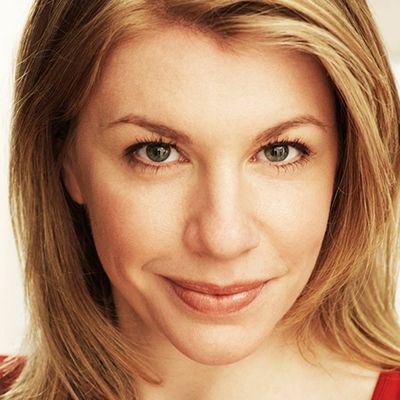
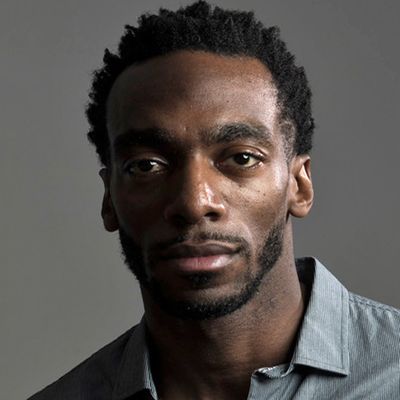
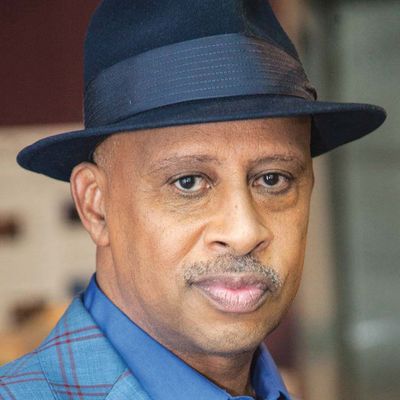
Guests


About
Live on the Red Carpet Opening Night of COST OF LIVING. Conversations include inclusivity and accessibility on Broadway, how to allow yourself to be vulnerable as an actor/audience member, dream podcast ideas, and more.
This episode features Daniel J. Watts, Rachel Chavkin, Martyna Majok, Ruben Santiago-Hudson, Marin Ireland, Erik King, Morgan Spector, and Andrea Syglowski.
Curtain up, on Cost Of Living
Connect with Take A Bow on Instagram: @takeabowpodcast
Connect with host, Eli Tokash on Instagram: @tokash_eli
Produced by the Broadway Podcast Network
Edited by Jessica Lauren (@jessicalaurenradio)
Transcript
This transcript was automatically generated and might contain errors.
[0:01] Eli Tokash: Hello everyone and welcome to a bonus episode of Take A Bow.
[0:05] Eli Tokash: I'm your host, Eli Tokash, and this episode is a special bonus episode.
[0:11] Eli Tokash: We are actually going to be releasing two episodes this week. That's right. You heard it right. We have a bonus episode today, Thursday, October 27th. Probably when you're listening to this. If not, that's okay. Um, but all that matters is that you're listening, so that's great.
[0:28] Eli Tokash: Um, so yes, this week is uh, or this bonus episode, I guess I should say, um, is a special bonus episode that I kind of talked about last week. And it is the special episode that I did at the red carpet of Cost of Living. And these conversations were just too uh good and too important not to share. Um, and I didn't want because I know not all of our listeners uh do follow us on social media. I've tried to push it a little bit, but um I understand that you know it's not a thing for everybody. Some of our listeners aren't even on social media. So we have a large variety of listeners, so that's always good.
[1:05] Eli Tokash: Um, but with that being said, I didn't want to get I didn't want this episode to get lost in the shuffle. And uh that with all of the scheduling things that we've had going on recently here at Take A Bow. Um, it's just been extra it's been this is the way it's worked for this week. Um so we're gonna do a bonus episode today, and then you're getting a normal weekly episode on Friday, October 28th, um, with the casting director that I was telling you all about in last week's episode. So I cannot wait to share with you all, of course, as always.
[1:41] Eli Tokash: Um, but for now, like I said, live red carpet episode from my time at the Cost of Living. Very, very exciting, very um beautiful, uh, is the best way I can put it, conversations that were had, and it features unbelievable uh people, I guess, in this episode, uh, but also like people and artists, I guess I should say, because this episode is filled with multi-award-winning and award-nominated performers, writers, directors, all the things.
[2:15] Eli Tokash: So we get all different types of um perspectives and um different views on how art and the show in general that we're about to talk about is viewed. So, very, very cool, very exciting stuff, and I cannot wait to share it with you all. So, why don't we just start out and I'm gonna turn it over to this special episode? That's right, we're gonna do it now. There's no news this week. You're gonna have to tune in tomorrow, Friday, um, for the full I'll all for the full episode for all the things, for all the things that you normally enjoy on a in a Take A Bow episode.
[2:50] Eli Tokash: Um, we're doing back to back days of Take A Bow. So, with that being said, let's turn it over to the special red carpet at Cost of Living. The first person you're hearing from in this week's episode is going to be Martyna Majok, who is a Pulitzer Prize-winning playwright for her work in writing Cost of Living. She this is possibly the most special conversation that we have in this episode. Um, obviously, because it's her piece, you know, she has a wonderful perspective on the show and what it means to her.
[3:26] Eli Tokash: Um, that is just so beautiful. And I thought that there was no better way to start off the episode than to hear from her herself. So she's actually making her Broadway debut um with this show. However, she's written several other plays, such as Ironbound and Sanctuary City, and multiple others. This is one of those up and coming theater um artists, as in like performers, writers, all the things. Like this is an upcoming artist that everyone's just gonna want to continue to follow and continue to support their work because their messages are just so important, and you're about to hear from her right now, and you're all going to agree with me. I already know.
[4:08] Eli Tokash: So here is Martyna Majok. And we're so excited to see your work on stage on Broadway after winning the Pulitzer Prize. What are you what is life like right now? What is going through your heads? How excited are you to make your Broadway debut?
[4:22] Martyna Majok: I'm so very excited. Uh I'm just so happy that more people are gonna be able to get to see the story and to see these amazing actors uh and and the work of Joe and these designers, and um to be able to share the story with more people. I'm so thrilled. This is so meaningful, so so meaningful to me. And I hope that more stories like this will find their ways on the Broadway stages as well.
[4:43] Eli Tokash: Absolutely. Well, something so beautiful about your work and this show in particular is that it allows its performers to be so vulnerable, and your work really compliments that and kind of allows them to safely feel open to present their story and to do the story justice. How do you kind of approach that as a writer to make sure that that performers are feeling safe with what you're writing?
[5:05] Martyna Majok: Well, thank you for the kind words too. I mean, yeah, it's always communication and listening and wanting to not wanting to perpetuate misinformation or dishonesty or uh doing things the way that they've always been done just because they've been done that way, and and really asking people um what they need and and just trying to be kind to one another. I hope I hope I hope everyone's had a good experience. I know I definitely I have, and we all love each other so yeah just kindness in general making the attempt but yeah I have one more for you are you is that okay okay um the another beautiful thing about this show in particular is that it uh kind of represents two characters with disabilities and they're being played by two performers that have disability so how important is it to you to really kind of represent that uh disabled community in in your work but also have them appropriately represented?
[5:27] Martyna Majok: I mean it it's always been written in the play Please cast disabled actors from the moment that I ever wrote that I wrote any any of it um I didn't I guess when I first was writing I didn't realize how big of a deal that was actually that I thought I'll just do this just in case if you it was during the time when um Kutori had her play uh The Mountain Top and it was cast Martin Luther was cast as a as a white actor and I was like let me just in case write please catch disabled actors and actually I know that I I have been approached by artistic directors and have lost out on productions because they asked me am I do I really mean it? And I do. And so I've had to make the choice to lose out on productions because uh it just doesn't feel it feels wrong to me.
Uh and the contributions of Greg and Katie have been so meaningful to in the development of the play uh that I couldn't have imagined any other way and I hope that this is the way forever. Uh they're wonderful there's so many wonderful actors that that from that community that I that I hope like we we see all all over on these on Broadway, off Broadway, film TV. Yeah. So I hope it's I hope it continues.
[7:07] Eli Tokash: Absolutely. Well, thank you so much for blessing us with your work and stopping by.
[7:11] Martyna Majok: Oh my god, seriously, it's been so wonderful, and we can't wait to see it. Thank you so much. Good luck, pretty leg.
[7:20] Eli Tokash: Next up, we're gonna throw it over to Daniel J. Watts. He has been in ten Broadway shows. I say ten because one of those was actually an appearance in Freestyle Love Supreme. So technically it was ten Broadway shows. Um anyways, he's a Tony Award nominated actor for his role as Ike and Tina, the Tina Turner musical. Um Unreal Guy so sweet, and actually, he's about to join the Marvel Cinematic Universe, MCU, as Barrasso in the upcoming werewolf by night movie. So stay tuned. Lots of fun things coming for all of these people, really. Um all of these people have exciting projects. But Daniel J. Watts is a Broadway legend. Uh as I said, 10 Broadway shows basically. And uh yeah, just a great conversation. So here he is.
[8:08] Daniel J. Watts: Oh my god, how you doing?
[8:10] Eli Tokash: Good, man. How you doing?
[8:11] Daniel J. Watts: I'm good, thanks. Are you what are you looking forward to here at the opening night of Cost of Living?
[8:15] Daniel J. Watts: I know nothing about it. I'm excited. So I I have friends in it, but I don't know anything, so I'm just kinda excited to just be part of the night.
[8:20] Eli Tokash: Yeah, that's amazing. You have to allow yourself to be open and vulnerable for sure as an audience member. Have you seen it?
[8:25] Daniel J. Watts: No, but I've seen a lot, I've heard a lot about it. I've read the play a million times, and it's just wonderful. Uh dig it. I'm I'm in the dark, so yeah, all good.
[8:33] Eli Tokash: We have a question for you since we're a podcast network. If you had a podcast, what would your like dream podcast be and what would it be called?
[8:41] Daniel J. Watts: Oh man, if I had a dream cop podcast, it would be called What? This is coming off the top of my head. The last thing you want people to know.
[8:49] Eli Tokash: The last thing you want to do. And do you have a co-host or would it just be yourself?
[8:55] Daniel J. Watts: Uh it'd be myself, but I would invite people on, and we will, you know, what's the last thing you want people to know? And that can mean several things. The last thing you want them to know, or the final thing before you go.
[9:05] Eli Tokash: Oh wow. We're getting deep here.
[9:08] Daniel J. Watts: Well, thank you.
[9:09] Eli Tokash: Yeah, I like it.
[9:11] Daniel J. Watts: It's gotta happen.
[9:11] Eli Tokash: It's gotta happen. We're gonna make it happen.
[9:13] Daniel J. Watts: Thank you. Thank you very much. I appreciate it.
[9:16] Eli Tokash: Let us now turn it over to Erik King, who is a big TV and movie actor, best known for his portrayal of Sergeant James Dokes on Showtime's television series Dexter. He's also known for his roles in Oz and in Missing Persons. So here is Erik King.
[9:33] Erik King: Okay, so how are we doing? We're about to see Cost of Living. We're here at the opening night. How are we feeling? Are you excited to see the show? Are you proud of you?
[9:42] Erik King: I'm very excited to see the show. I'm very excited to see David Zayas back on stage, you know.
[9:46] Eli Tokash: Yes.
[9:46] Erik King: That's my Dexter brother. So we're all here to celebrate and lift him up, so we're excited for it.
[9:52] Eli Tokash: For sure. Well, this show is so beautiful and gives space to its performers to be vulnerable up on stage. And I know as an actor as yourself, I'm sure you've had to be vulnerable in front of strangers and on screen or whatever it may be. How challenging is that? And how can you like how do you applaud these wonderful performers that you're about to see tonight at opening night?
[10:14] Erik King: Well, I'm being vulnerable right now. You're absolutely right. I mean, it's it's you know, it's always a journey in this life to figure out what you want to share, what you want to hold to yourself, because some things you want to keep to yourself. Right. But at the same time, being vulnerable and sitting in who you are sometimes allows other people to see you or see themselves in you, rather, I should say. So I'm looking forward to seeing this piece for that reason to see these four characters sort of navigate their way through the world.
[10:40] Eli Tokash: Yeah. And looking forward to seeing myself and people that I've cared for. Do you know?
[10:44] Erik King: Yeah, absolutely.
[10:46] Eli Tokash: Um if you had a podcast, what would the podcast name be?
[10:51] Erik King: That's a great question. Uh I don't know if I can say it on here, but can I say it on here? It would probably be surprised, motherfucker.
[11:00] Eli Tokash: That would be you.
[11:01] Erik King: I love it. It could be Dexter related too. You could do like a deep dive into Dexter or something.
[11:06] Eli Tokash: That would be sick. Well, thank you so much for talking to us tonight, and I hope you enjoy the opening night.
[11:10] Erik King: I look forward to it. Thanks for saying hello.
[11:12] Eli Tokash: Thank you. I appreciate you.
[11:13] Erik King: Thank you. Bye.
[11:20] Eli Tokash: Up next, we have Ruben Santiago-Hudson, who is an actor, playwright, director. He's literally done it all. And artistic advisor, you name it, he's played the role, uh, or has done the role and been involved in in a show in some capacity. It's just absolutely insane. Um he's won national awards for literally everything TV, movies, Broadway, you name it. He's won awards or have been nominated for those categories. He is most famously known for his role as Captain Roy Montgomery on ABC's Castle. And he was most recently seen in Lackawanna Blues here on Broadway. So he's been involved in shows uh on Broadway such as Jitney, Skeleton Crew, How I Learned to Drive, and many, many more. He is literally a Broadway icon, and uh I was so excited to talk to him.
[12:07] Ruben Santiago-Hudson: Hi, how are you?
[12:08] Eli Tokash: How y'all doing?
[12:09] Ruben Santiago-Hudson: We're doing great. Thank you so much. How excited are you to be here at the Cost of Living opening night?
[12:15] Ruben Santiago-Hudson: I'm excited. You know, opening nights are just a wonderful time. You know, the you know, in New York City, opening nights on Broadway. I mean, some people never experienced that in entire life, and I've been fortunate enough to come in here like pretty regularly and be a part of it. So I feel like very fortunate and to be at MTC for this.
[12:30] Eli Tokash: You're revisiting MTC.
[12:31] Ruben Santiago-Hudson: Yeah, I'm all I never left MTC. I've been here, you know, I'm you know, just working with them, trying to ensure that the health of this theater is intact and that we can continue to do great work and audiences that come in and enjoy.
[12:42] Eli Tokash: Absolutely. Well, this show is so beautiful for so many reasons, but in one particular reason, it allows its performers to be so vulnerable and open on stage. And as a performer yourself, and all the things in the industry, you do it all. Uh, how how challenging and and um I I guess I don't know, challenging isn't the right word, but to for the purpose of the question, uh, can it be to really allow yourself to be vulnerable and go there to really tell the story?
[13:08] Ruben Santiago-Hudson: That's what we do.
[13:09] Ruben Santiago-Hudson: You know, that's what we do, and there's a reason for whatever uh reason it is, that actors are actors. There's a need, there's a need to express that, it's a need to divulge, it's the need to share and disseminate personal feelings. You know, the world doesn't allow, particularly men like me, men of color, we don't allow to be vulnerable, we're not allowed to be vulnerable. Guys like David Zayas, who's on stage, big old man like that. You you know, whoever saw him stand moping and crying. So on stage, you can reveal those parts of yourself that you can't do in real life. Right. So that's why we that's what we do. Yeah, and that's the beauty of live performing and then li in theater and in general.
Yes, yes, that's the beauty of it. Well, thank you so much for stopping by. We hope you enjoy the show. And all you Broadway people, make sure you watch East New York. Yes. Make sure you watch. Thank you. Because we have a you know, we have a lot of Broadway people in there. Yeah, yeah, yeah. So come on. We love it. Thank you. And now we're gonna turn it over to Marin Ireland, who is a multi-award-nominated and award-winning actress from both the stage and the screen.
[14:05] Eli Tokash: She's a Tony nominated actress and all literally all the things. Uh Drama desk, literally, you name it, and she was basically nominated. Um, except for like the music ones, you know, like she's not okay. Anyways, moving forward. Um, you can see her in shows such as the Umbrella Academy, The Good Doctors, and she actually has six upcoming film and TV shows. If you all are interested, search up Marin Ireland. She's been in everything and continues to be in everything. So check her out. She's got great work and a wonderful conversation right here, live at the red carpet of Cost of Living.
[14:43] Marin Ireland: Oh my gosh, we're here at the opening night of Cost of Living. Cause of Living here at MTC, and uh this show is very beautiful in a lot of ways, and it gives space for its performers to be very vulnerable on stage. And I know that you've been in a lot of plays, I know you've done a lot of performing. How important is it to tell a story and allowing yourself to be vulnerable and how challenging could it be to do that in front of a million strangers?
[15:08] Marin Ireland: Listen, I feel like it's a thing you can easily forget when you've been doing it for a long time. And as soon as you have an experience where you feel like you hear something unusual or you're listening to a thing, and you kind of remember that you're just like you're literally exposed out there. And for all of us in the audience, when we came, I'm like when we came back in last just last fall coming back. I feel like I had a different sense of how vulnerable we all are in the theater. And I remember everybody coming in for the first time with masks and vaccine cards and feeling like, oh, we're all vulnerable in this space, not just the performers. And that made me feel a lot more like hopefully, as we continue through this, we all remember that it's a lot just to be human in a space with other humans.
A lot more than it ever used to be in our minds. So I think it's uh it's a beautiful thing that we remember how fragile we all are, and and a play like this is um speaks to something unique about that, I think as well.
[16:07] Eli Tokash: Absolutely. Well, in this show, there are two characters with who have disabilities and they're played by two performers with disabilities. So how important and encouraging is it to the industry that they are being represented appropriately?
[16:21] Marin Ireland: I mean, I think it's incredible. I think that Martina, you know, crafting a show like this, or placing them front and center in the show as opposed to somebody's friend or just a sidekick, but really putting their stories in a way that we haven't seen, I hadn't seen before on stage. Um and this particular uh context for it as well. We're really looking at that interdependency between caretakers and people who need that care. It's really extraordinary, and I hope that it just continues to keep that door open for other plays and other casting decisions that maybe aren't as um traditional and that kind of thing. So yeah, I'm excited.
[16:58] Eli Tokash: Sorry.
[16:58] Marin Ireland: No, you're good. We both were in Martinez Play together.
[17:01] Eli Tokash: That was my next question. I know you were in Martinez Play. What is it about her work that allows an actor to feel so safe and open in in such a beautiful way?
[17:11] Marin Ireland: I you know, it's funny. I think like when I did Ironbound, it felt like she must have already done a thousand million plays because it was so perfectly crafted and so incredibly made. I feel like getting to see this one on Broadway and like her continuing to rise, like it all feels like, of course, it was destined to happen, even though we know very well that like talent doesn't necessarily mean anything or whatever. Like things go, things rise and fall, whatever. It's still really nice when somebody's career keeps keeps moving and their star is rising.
[17:39] Eli Tokash: Absolutely. Well, it's so sweet of you to come support her. And I'm and I'm so excited for you to go see this tonight. It's gonna be amazing. Enjoy the opening night.
[17:48] Eli Tokash: Yeah, thank you. Next up, we have Andrea Syglowski, who is an Academy Award nominated actress from Evil, How to Get Away with Murder, Elementary, Blue Bloods, New Amsterdam, and so many more. She's appeared off Broadway here in NYC several times as well.
[18:07] Eli Tokash: So she is a stage and TV actor herself. Um, again, Academy Award nominated actress. I mean, come on. Here she is talking to us at the opening of Cost of Living.
[18:17] Andrea Syglowski: I'm super excited to see the play. I was there on opening at MTC, and I said to her, I think your play's gonna win the Pulitzer, and it did.
[18:27] Eli Tokash: Oh my god, that's so crazy. Here we are five years later, is it? I believe what is it like? Like, what are the emotions of like being able to see this again on Broadway?
[18:36] Andrea Syglowski: This is one of my favorite plays. And Katie Sullivan and Kara Young and David Zayas and Greg, they're just friends and dear artists, and um it's really exciting. I'm really excited for Martina, and she's uh she's like family to me. So to be here to celebrate this, and hopefully we have long careers ahead of us, and this is the beginning.
[18:58] Eli Tokash: I love that. Well, the something I love about this play is that it really gives space to disabled actors, and and they have characters in the show and they're being played by disabled actors. So what is that like? How encouraging is that for the industry and everything? Because sometimes there could be some misrepresentation. So, what is it like to have her work being represented appropriately?
[19:18] Andrea Syglowski: Well, I think it's called getting it right.
[19:20] Eli Tokash: Yeah.
[19:21] Andrea Syglowski: I think that's I think it's called getting it right. Um, and it's uh it's about time.
[19:27] Eli Tokash: Yeah, and it's something I hope we see more of.
[19:29] Andrea Syglowski: We do too.
[19:30] Eli Tokash: Yes, we'll enjoy it tonight. I know you've already seen it, but like you're gonna be so thrilled.
[19:35] Andrea Syglowski: Not with this cast.
[19:36] Eli Tokash: Oh, right, right.
[19:37] Andrea Syglowski: Not with this cast, and I'm super excited to see Carrie on because she's one of my favorite actors in the whole world.
[19:41] Eli Tokash: So well, thank you so much for stopping by with us. It was so nice to talk to you.
[19:44] Andrea Syglowski: Me too. Thank you.
[19:45] Andrea Syglowski: Have a good night.
[19:49] Eli Tokash: In this next conversation, you will be hearing from Morgan Spector, who is a television and stage actor who in our community is probably most known for the Gilded Age, where my Gilded Age fans at, I'm sure you're all listening. Um, where he plays George Russell.
[20:01] Eli Tokash: Uh he was also seen on Broadway in shows such as A View from the Bridge, Harvey, Mashinal, um, all the great things. Here is Morgan Spector.
[20:14] Eli Tokash: Uh, we're here at the opening night of Cost of Living. Very exciting. Um, I know you've worked with Martina before. What is it like? Uh, how excited are you to see her work being put on stage again?
[20:25] Morgan Spector: It's coming back to Broadway and uh being a Pulitzer Prize winning play. We all know it's already fantastic, but what are you looking forward to tonight?
[20:33] Morgan Spector: Well, I've never seen it, so I'm just looking forward to seeing the show. Uh, which um but also I'm just you know, for for Martina to be on Broadway, I'm is just amazing. You know, like uh, you know, she she has worked incredibly hard to get here. Um I think you know, she uh she deserves to have her work celebrated in this way on on the kind of you know the biggest the biggest theater stage in the world. So it's exciting.
[20:58] Eli Tokash: So we are actually the Broadway Podcast Network. So if you could have your own podcast, what would you call it?
[21:06] Morgan Spector: Well, I'm on a uh television program with Carrie Kuhn, and we sometimes uh consider kick we kick around the idea of having a podcast. It's like uh the end of the world with Morgan and Carey. Uh because we just talk about like the apocalypse and uh whether we should be arming ourselves. Uh it's very very dark. But I think it needs to happen.
[21:24] Eli Tokash: I think it needs to happen.
[21:25] Morgan Spector: Yeah.
[21:25] Eli Tokash: Hook it up.
[21:26] Morgan Spector: And that's your co-host for sure.
[21:27] Eli Tokash: That's like your dream co-we just like yeah.
[21:30] Morgan Spector: Yeah.
[21:30] Eli Tokash: Sure.
[21:30] Morgan Spector: I love it.
[21:31] Eli Tokash: Yeah.
[21:32] Eli Tokash: Well, thank you so much. Enjoy the opening of Cost of Living.
[21:34] Morgan Spector: You're welcome.
[21:36] Eli Tokash: And finally, we are going to throw it over to a very, very special guest who so graciously gave us her time because she was not doing um many conversations with people. Uh, so she graciously granted us her time and stopped over to talk to Take A Bow.
[21:55] Eli Tokash: Uh, we have a director who needs no introduction, but I'm gonna give it anyway. She is known as the Tony Award nominated and Tony Award-winning director for her works in Natasha Pierre and the Great Comet of 1812, as well as the director of Hades Town, for which she won a Tony for here is Rachel Chavkin.
[22:23] Rachel Chavkin: Here with the Broadway Podcast Network. Um, we're here at the opening night of Cost of Living, which is very exciting. And this show is very beautiful for a lot of reasons, but specifically it allows its performers to be so vulnerable on stage. And I was wondering as your director, um, how kind of challenging and what are some of like what's the process of allowing a performer to be so open and vulnerable to tell the story?
[22:50] Rachel Chavkin: Yeah, I think as a director, you're in essence the first audience's eyes in the room. Um we stand in for the audience constantly, and so more than anything, what what I try to do as a director is meet the play in the rehearsal room the same way I hope the best audience will. And I think that helps encourage leaps from actors into the unknown as long as they feel they're sharing space with people who are watching them with grace. So that's what I try to do.
[23:23] Eli Tokash: Absolutely. And another reason that this show is super special is that it has uh characters with disabilities and they're being represented by performers who have disabilities. So, how important is that in this industry and how encouraging is it as like a step forward in this industry to be appropriately represented?
[23:41] Rachel Chavkin: Yeah, I mean, I think representation is profoundly important, and certainly actors with disabilities is um sadly like so lagging behind so many other ways we have thought about representation on stage. Obviously, racial representation has long ways to go, gender representation the same, but I do think performers with disabilities is we see them far too rarely on stage, and as makers, I can just say we ask ourselves far too rarely could this role be played by an artist with a disability. Can we approach our set design and our production design with alterations that make this set accessible to performers with disabilities that make the play accessible to audiences with disabilities, including things like captioning?
Um, and I was honored to work with Greg Moscala, one of the leads of this show on a show a few years ago. And uh, yeah, I would say this is an area that I and so many other makers have a great distance still to come before we achieve any kind of equity here.
[24:47] Eli Tokash: Well, thank you for stopping by. I hope you enjoyed the opening night.
[24:50] Rachel Chavkin: Thanks so much.
[24:51] Eli Tokash: So there it is, folks. There is your bonus episode of Take A Bow. I promise you all the red carpets of Cost of Living in 1776. And these past two episodes have been just that. So thank you all for tuning in. Thank you all for uh, I don't know, kind of experiencing a red carpet with me. It's always fun to go on the red carpet. And as more shows open this season, hopefully we can do more of them. And uh yeah, these were just great conversations, and I was so excited to share it with you all. So I'm glad that we could do that. And so, with that being said, everyone go see Cost of Living. If this didn't get you excited to see that show, I don't know what will. Um, these are conversations that I had with famous people before they saw the show.
Um, but the we were able to talk about the meanings and what the show represents and how important it is. So um hopefully you guys really got that from them and uh got that it's important to support that in the art, especially in this day and age. So um go check it out. There it is. It's a quick episode. Probably, I don't know, I don't actually know what I'm recording, but like probably a 30 minute episode. So I'm not gonna overload you all too much this week with like two big episodes, but just a friendly reminder that tomorrow we are going to be releasing another episode with a very, very important casting director in the industry. So stay tuned and come back for that. Thank you all so much for listening, and I will see you all tomorrow.
© Broadway Podcast Network, All Rights Reserved