

.. Read More
From the show: The Afro-Existential Podcast
Guests
Featured Shows

About
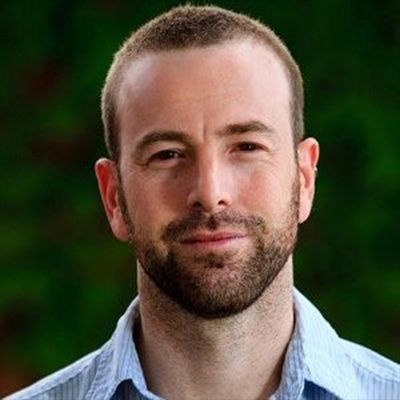
In our second interview of the six-part series, Creating Art in Crisis, we talk with Danny Feldman, The Producing Artistic Director, of the Pasadena Playhouse about the launch of PlayhouseLIVE, their innovative digital hub that seeks to “break down the physical boundaries of theater walls and open access to audiences all over the world,”
While the ongoing pandemic pulled the curtains on live theater as we know it– this fall Pasadena Playhouse launched and began streaming, PlayhouseLive an innovative online streaming platform. It includes both free content and pay-per-view events in the form of new filmed productions, staged readings, original series, documentaries, and theater classes. Visit @ PlayhousLive.org
Transcript
This transcript was automatically generated and might contain errors.
[0:00] Danny Feldman: Hi there, my name is Danny Feldman. I'm the producing artistic director of Pasadena Playhouse, and you're listening to the Afro-Existential Podcast on the Broadway Podcast Network.
[0:09] Danny Feldman: Ladies and gentlemen, we invite your apprehensive listening. We can't afford to waste any time. In this episode, we speak with Danny Feldman, the producing artistic director of the Pasadena Playhouse about the launch of Playhouse Live, their new innovative digital hub that breaks down physical boundaries and connects artists and audiences together during the coronavirus pandemic.
[0:38] Danny Feldman: We'll talk with Danny Feldman, the producing artistic director of the Pasadena Playhouse after a brief word from our sponsors.
[0:45] Danny Feldman: It makes it easier to do what must be done. Does it even matter? Mimes are like podcasters. If a podcaster podcasts and no one subscribes to the podcast, does it make a sound? Does it even matter? No. Because like mimes on the radio, no one cares until they are no longer there. But you can change that. Just one click can make all the difference. You can give a voice to those who have had no voice before. Click subscribe and let them know that you hear them. Let them know that you care. Podcasters are like mimes, and a mime is a terrible thing to waste.
[2:02] Danny Feldman: Yes. Well, I cannot express how excited we are that you have joined us. And like this is like, I don't know if you feel like being someone's dream this morning, but you are our dream. I'm thrilled and honored to be here. I'm as excited to talk to you as you are to me. So there we go. Awesome. Thank you so much.
[2:20] Danny Feldman: We want to talk a little bit about when you came to the Pasadena Playhouse, which I think it was in 2017.
[2:27] Danny Feldman: Yeah, like late 2016. I started. My first season was a little later than that. But yes, that's when I arrived.
[2:32] Danny Feldman: So were you involved in the planning of the bicentennial?
[2:36] Danny Feldman: No. Actually, it's a funny story, but we so we turned a hundred years old in 2017. And I got there the 16, 17 season. It was Sheldon Epps's last season, but I was brought on as part of that transition. And then my season was going to be the next season, which was the hundredth year. So, you know, a natural time of transition. But we had some challenges right away when I started. And but one of the early questions, the board came to me and said, you know, what are your plans for the hundredth season? And how we're gonna celebrate. And I said, What are my plans? Shouldn't you have been working on this for the last 10 years? I have to do this. But no, it was a moment of transition, and we, you know, we that was not the initial plan that I was gonna do something, but we did celebrate it that year, and we actually celebrated all year long.
But the main sort of cornerstone of that celebration was at the end of that hundredth season, we did a big community-wide block. I really wanted to turn it back on the and we had over 12,000 people show up. We shut the streets down all around the theater. We had all community performances. It was just a beautiful celebration with bands and dance troops and this, but all sort of community art makers coming together. And it was wonderful. It was really a beautiful, beautiful celebration of the legacy of theater. And we got to tell a lot of the stories about that legacy and that history during that moment. So it worked out well.
[3:55] Danny Feldman: That's one of the interesting things about researching you and you coming in. And I guess, I mean, and really having to take over and sort of re-rebuild, rebrand the theater. That I thought, I was like, you really get what it means to what a theater really means. You know, I think a lot of people think the theater is the building, you know, the theater is the building. We put things on stage. You pay us, you come see the things that we put on stage. But it became evident immediately that you realized it was about the community. It's about what's happening in the world. It's about bringing us together. And I thought I really I thought that was so interesting. And I think you'll be one of those people.
I think the Pasadena Playhouse will be one of these entities that will ultimately be looked at and studied and go, okay, now what did he do? I think if everybody kind of looked at theater like this, theater would be evolving in a different type of a space right now. It'd be evolving the way that it should be, like, you know, to really involve the community. I just wanted to say that. I thought it was very interesting. Everything that you're doing and how you're looking at it is all very interesting.
[4:56] Danny Feldman: Well, thank you for that. But it's really to be honest, why I decided to leave New York and go back to LA from to take this job was very much rooted in what you're talking about. And it wasn't so much that I brought, you know, of course, I brought my own ideas and my own vision to it, but what I really responded to was the history of this theater. And it has such a unique community connected theater. Number one, its name, which we've changed over time, but its original name was the Pasadena Playhouse. And this was a time, 1917. You know, it's hard for us to imagine knowing what we know today, but go back in time, there was no actor's equity. That line between professional art maker, theater maker, and community or amateur theater maker, there was no boundary.
And so for decades on our historic stage, you had community member art makers with professional theater makers putting on shows. And the beautiful little old ladies from Pasadena from the church down the street would sew the costumes from the beginning. So you think now of things like the public theater's public works program at the Delacourt in the summer. That's kind of what like every play was at the Pasadena Playhouse. It was a community-wide effort. And frankly, that's how they raised the money to build the building. It was a pure community outpouring and connection to and love of this physical idea of the Pasadena Playhouse. The building, the blueprints of the building, when you look at how the building created and built, they talk about gathering space community.
There was it doesn't quite exist anymore, but the aisles down the theater went connected the orchestra pit and the green room, which connected all the dressing rooms. So after every performance, they would open the doors and the audience and artists could mingle together under the stage. And so it's actually, I always say it's in the DNA of the building of this community effort. And so for me, it was just sort of unlocking it or, you know, taking that and putting it through my, you know lens of later on in time. But the core values and principles of what you were talking about are in this entity and this institution that is around from. So I, you know, it very similar to how I feel that I'm standing on the shoulders of Sheldon Epps in terms of he, you know, for 20 years before, let's just say before diversity was cool and getting grants, he really was a maverick in that space at the playhouse.
And it, you know, it was an uphill battle for many dealt with things that I didn't have to deal with when I but he really redirected the theater, the DNA of the theater yet again, to not just be about community, but be about representation and equity and inclusion on the stage. And so when I came in, it was again, I have had success in certain areas, but a lot of it is because I'm furthering the hard work that was done for 20 years before I even got there. So in some ways it was easier than some others they're facing right now.
[7:44] Danny Feldman: And it's so I think it's so important to know like the history, because you're but even as you're describing the architecture, there was so much thought put into everything, you know. And as time goes by, we may lose the people who understand what all that thought was. And so new people come in and they just wipe all of that out. Why it all do something new, and it just it's like all that important stuff, like it served a really important purpose. And so even though it may change, like to know that, then as you go forward, you go, oh, this is what this theater is really about.
[8:19] Danny Feldman: That's a hundred percent. And that that was always my philosophy about, you know, any job I've had, but really looking at, you know, know where you come from, right? To look at the legacy. Now, some of that legacy is complicated and and negative, right? I mean, the Pasadena Playhouse was around in 1917, which it shouldn't come as a surprise to people, but it always does when I say it. But we did blackface performances, right? In some ways, of course, we were theater around in the teens and twenties. And but like, you know, to go from that theater to a theater that then, you know, in the 90s hired Sheldon Epps to be artistic director, one of the leading only artistic directors of color for a while in the country at a rate major general theater, you know, that's part of the story.
That's part of the fabric of that. Should not bury that. We should not hide that, talk about that. So anyway, yes, of course, we should be looking back and infusing the best parts of art and its founding into the work we do today.
[9:10] Danny Feldman: So, where does this come from? Like, where does your like thinking come from in regards to I want to carry this on, I want to understand this? It's important to know where I'm from. It's probably like you probably don't even think about it, but as I'm listening to it, it's like I wish everybody thought that way. So is that like a parental thing? Is like where does that I don't that's a great question. I have you're right. I've never thought about that. I mean, I suppose, you know, history is always important to me, particularly being in a city like Los Angeles. I grew up in LA. We don't have the same legacy history of a New York City or some of the East Coast older cities. I mean, we're still, you know, a fairly new city relatively, but I always love the sort of historical things about LA.
There are some really old buildings in LA, and it has a really interesting, diverse culture from the beginning of it. But I, you know, challenge me with that question. That's a good question. I also think part of it is that I'm, you know, both of my my parents, my father was an immigrant who came here. My mom was actually born in Los Angeles, but her family, they were all Holocaust survivors that came over. And I think that legacy and that imprint of knowing your history and how that shapes you and how you learn from that and how the world can learn from that, that has always been a part of my identity and how I look at the world.
[10:25] Danny Feldman: So of course, I bring that theater, but most importantly at the Playhouse, it was like sort of jaw-dropping when I started delving into that and understanding, you know, I find jewel little little jewels that perk up all the time. Like, you know, the first person to ever speak at the Pasadena Playhouse on the on our on the stage in 1917 when we opened the first piece, Martha Graham started. She happened to be in LA and started Agnes DeMille, a famous, you know, Oklahoma choreographer directed at the Pasadena Playhouse in the early 20s. Like that, so it was this interesting, you know. Tennessee Williams, there were world premiere Tennessee Williams plays at the Pasadena Playhouse. And he was there, you know, working probably around the time he was writing Glass Menagerie.
He was there with student productions of some of his early work. So the crossroads of the American theater, a lot of them went through the Pasadena Playhouse. And I found that so exciting, but more importantly, no one knew that story. And so, like any theater maker, like all of us, we love telling a good story. We love finding a good story and discovering it and creating it and figuring out how to tell it. So to me, it was just an extension of that of this is a great story that is yet to be properly told in a robust way. And I found that opportunity to be thrilling. But you know, it's really interesting to take the historical part of it, the things that are part of the DNA and shift and make something new, you know.
[11:51] Danny Feldman: And that is what's happening now with Playhouse Live, right? You know, you guys had came, we we have these challenges that we're dealing with now, the pandemic, social unrest.
[12:01] Danny Feldman: And can you tell us a little bit about what that shift was like and how you pivoted towards creating Playhouse Live in this time?
[12:10] Danny Feldman: And was it something that was the people who were, I guess there's a board of directors?
[12:15] Danny Feldman: There's always a board of during the case. There's always a board receptive to these new ideas, these changes that were going to be happening.
[12:21] Danny Feldman: Yeah, I think I wish I could, you know, I would love to tell a lovely story about how easy and fun and seamless it all was, and it wasn't. It was deeply challenging. It was very hard. It like most theaters in the country when the pandemic hit, we had to make very challenging decisions. We furloughed about 50% of our staff. We're still covering their health benefits to this day, but it was a challenge to think about first, even how are we gonna tie? We are not one of those theaters that has had a very large endowment or you know, sits on a pile of cash for emergencies. Part of my time at the playoffs has been digging us out of a financial situation. And so while we've made tremendous progress on that, we were not as solid as some of two ships. Once we navigated the initial shock of the realization we are not going to be able to sell tickets or do performances for a long time, we always the passing of playoffs has always been sort of a place of innovation.
[13:15] Danny Feldman: And I thought, and we were starting to have conversations with other theaters, everyone was talking early on. This was like April May, about how we're gonna pivot digital, how are we gonna pick it up? And what you saw right away was people jumping on the Zoom theater bandwagon, which if we can all remember back to those days, it was sort of novel and people were watching, and it felt like a really I don't know. I felt like it was a really beautiful way that artists and audience were both reaching for each other and they were connecting on the sort of Zoom pieces. Now, by far, I think most of them were not what I would call artistically satisfying thing, but they were a means of connection and which again always bet on theater people were like in I said on Azubots that we're all like cockroaches that like we're never gonna go away, we're just gonna figure it out.
[13:59] Danny Feldman: And I think that's what you saw right in the beginning, right? And at the playoffs, we didn't do we didn't participate in those immediate things because we had our eyes on a different end. And what we started conversations about were what can we be doing in the digital space that number one matches the quality that we have been putting on our and Zoom did not meet that criteria, period. So we started saying, well, what meets that crit? How does it need it? What needs what is the kind of content that isn't just a one-to-one relation about we did a play on our stage, we're now going to put that play digit, but something that was native to the delivery, native to the digital, which means we're in new territory. Is it a play? Is it a movie? Should it belong on Netflix? What the hell is it? And that ambiguity I found really intriguing.
[14:47] Danny Feldman: And I started a lot of conversations with artists who are much smarter than I am saying, how do you define that ambient? What would you that isn't just your one-man show film, but create it in a way that is unique to the the benefit to unique to the advantages you can have by filming something and not just capturing a live. And so I still don't have the answer to that, but that's where we started. At the same time, I have to confess, before the pandemic, we already had a head start because we, my marketing director, Corey Kelly and I had talked for a long time about creating a digital hub that was for our membership. We really, when I started my first real season, we relaunched and reconceived a theater's membership model. So it's not a subscription model, it's a different kind of membership model than most have. And so we're always looking at how to do benefits and how to create community with our members.
[15:35] Danny Feldman: So we have laid the groundwork to have an online platform for our members. So while a lot of people were just figuring out what kind of content, where are we gonna put it, how are we gonna do it? We sort of had the aha moment of we've already thought of this, we already did the work, we found, you know, and so we very quickly were able to create not just digital content, but a platform that started evolving our thinking earlier than probably others, while everyone was looking at just shows, we actually started asking questions of what would a theater's digital home look? Not just what the plays were, but what is the benefit of having an online hub, an online and what is the value that could come?
[16:15] Danny Feldman: So what I mean by that is while others are simply doing digital shows, we conceived of something a little more robust. Yes, we have pay-per-view digital shows starting with still our first piece that's up right now. But we also have original we also have so that includes documentary that includes an actor interview where unrelated to our work it's just about the theater world behind the curtain what process because we as theater makers sort of forget that the public loves those things when we do talk facts with actors 40% of our audience stays for that. When we, you know, and normally we treat them as little marketing videos. Here's a video with the director for five minutes. Well what if we could do a documentary about the making of our print of little shopping a 20 minute documentary see the thought process that went into the creation of so all of a sudden there became this other opportunity to tell different stories.
[17:04] Danny Feldman: What if we took that historical archive we have the large one of the largest I think it's the large it's hard to quantify archive of any theater in America. We have production photos, programs, even some props going back to 1970 every show we've ever what if we could take that archive and turn it to stories told digitally so you could see it comes to life in it. So you see we're thinking not just about shows digital shows but additional other layers that could deepen the experience. And then the other big step we are looking at was could we use this as a resource for could other theaters put their high quality work together with ours? So all of our members should all of our can benefit from everything.
And that was the hardest step about it. And that's very much a still ongoing step because not surprising, but when I called a lot of my colleagues all around America into theaters, you know, by June, everyone's heads were in a different place. Some theaters were like, we're back in the fall. Some theaters were like, we're back in January. I think the West Coast theaters, we talk a lot, and I think we were probably on the more progressive side, not surprising. We all got the census was going to be much longer.
[18:05] Danny Feldman: And so we decided to make this investment in something more robust because we realized this is at least a year. This is at least a year of our primary way of delivering programs of serving or serving the community, more importantly, paying art at create during a time where just our field is decimated. The workforce is decimated. So that was really the evolving thinking. Again, I made it sound very like, oh, we knew what we were doing. A lot of the time we didn't. We started at one place where I started in May. If I went back and found my notes from April, May, what came out in September when we launched was very different. Of course, the social unrest that you referenced with the murder of George Floyd happened in the middle of our planning stage. And that sort of changed the conversation about what work we should be putting up.
[18:49] Danny Feldman: We always pride ourselves at the playhouse and work that is in dialogue with our community, in dialogue with the times. In the beginning, that was about COVID. We are in dialogue with this plague that is that is challenging all of us. That changed in the summer, the beginning of the summer. There was sort of, you know, the civil unrest, I think, top of people's minds in our community. And so we had to pivot to make sure the work we were doing also addressed that. And frankly, the digital space allowed us to pivot much quicker than easing planning process. You know, we have to plan our seasons a year plus in advance. With digital, we didn't have to. That happened. We commissioned a peas, we launched it on the end of September. It was that fast of a timeline? And so it allowed us in many ways to be much more responsible.
[19:29] Danny Feldman: One of two things. I need you to give me a lot of number, like a three-digit number and like an investment tip because you seem to be like ahead and seeing what's in the No, it's not. Listen, it I appreciate that, but it's it's much more simple than that. It really had to do with take away the emotion and the grief we're all experiencing. Because this is a moment of grief where we we are have to let go sort of the loss of the potential, the loss of what we thought the year would be, the loss of all of that. And that clouds the mind because it is painful, it's challenging, it feels like you're not standing on solid ground. I'm experiencing what everyone else is experiencing. But when you when you can manage that and think about that and compartmentalize, the questions we started asking really early at the beginning was when do we think we will be back?
[20:19] Danny Feldman: And if you read science, here's a novel idea, look at science. And you read things like consumer surveys and when the community gold star, that ticketing company has twice a once a month a survey that comes out. When are people, what's their readiness score to come back? So when you look at that, when you read the science about when they thought vaccines would happen, and then you ask people, and I ask people every time someone asked me when the theater's coming back, I would ask them this question how long after a vaccine is widely available will it take for you to feel comfortable to jam it? And most people said between six months to a year after the vaccine is well. Most reports said the vaccine won't be available until January.
So we understood the long game nature. And once you sort of got your head around that, then it's just about adapting and listening and figuring out. There's no sort of secret sauce. We didn't know better than anybody else. You're just listening and looking. And we're still doing that today.
[21:13] Danny Feldman: You know, I think now when people say, when are we back? My first answer is when it's safe, when it's safe for the performers, when it's safe for the audience to be there. But I think we all maybe we're not talking about it. I think we all realize that's going to be far longer out from right now than we ever thought. So it's just listening.
[21:31] Danny Feldman: Well, that's, and you're right, it's the emotion people get so stuck in. And I think sometimes it's hard to pull people out of that that you have to work with. It that that's the challenge. The challenge you asked, how was how is this process of creating this platform? It was navigating with a small team, getting people through the grief, the pain, the uncertainty that we're all experiencing and focused on forgetting all of the rule. Not a single person on my staff, my wonderful tiny band staff has ever launched a digital network. None of us have.
[22:13] Danny Feldman: But the good news is like I always say this, it's not rocket science. Like, you know, I had a college professor used to say to me, dumber people than you have succeeded at this and figured it out. And that's a great mantra to think about. Like you just got to put the time in and figure it out and forget about the risk of being wrong. Just try and do it, and we'll see what comes out of it. And getting people over that hump to just set it free and say, well, what if? Let's try this is very challenging when your livelihoods are at stake, when people are worried about getting a paycheck and feeding themselves and seeing what is going on around. That's what I think cloud the common sense that you are. Of course, you look at evidence, you're scientific about it. You don't go on emotion, and you know, you go on sort of gut, which is derived from inputs based on your intellect and your experience.
[23:03] Danny Feldman: And there's a resetting that has happened. And frankly, I think different people are on the different spectrum of how quickly and how far they've come.
[23:13] Danny Feldman: We'll be right back after a brief message from our sponsors.
[23:20] Danny Feldman: We're back with more of our conversation with Danny Feldman, the producing artistic director of the Pasadena Playhouse.
[23:29] Danny Feldman: I think everyone agreed, and most people want to come back to a new American theater. But what is that? We've all spent so long saying the model doesn't work. This isn't this the system that favors everyone in an equitable way, our audiences aren't as representative of our communities as we all want. I don't think you have anybody on any side of any American theater that disagrees with those statements. This isn't like you know, red state blue state.
[23:53] Danny Feldman: But I think the challenge is what is the path? What are the ways? Like, where are the models that and I always looked for where are those models? Where are my inputs for what we should be striving? And the truth that I think so many of us are up against is they don't exist. We have to create, which means we might have to create wrong ideas. How many times in all of our lives have we said, Oh, if I just had a little more time, I could focus on these bigger picture things? Right. Well, the train is stopped. It's stopped. And we were all at such a high fever pitch right before all this. Like you could feel it, like the world was bursting, and even your downtime was like, Well, let me run and vacation real hard.
You know, like it was it was an example. But don't you think we've lost? I mean, I've noticed on myself, we've lost lost attention span as a society. Okay, we've lost the ability to have complex, deep thinking about things. We don't have the time. We don't, you're not given the time. And we're, you know, the inner internet flipping through our phones, doing this. It's like it's a different pace. And I think that's a wonderful cycle to be broken. And I think solutions and the kind of systemic change that I think so many of us want in the world, but let's focus it on our theaters eco. It's not fast. It's not something that I can sit down tonight and write a new plan of a new way forward. It takes painful, deep thoughtfulness, lots of conversation, lots of walks in the woods and letting your mind figure it out.
And I think the sort of double whammy in the American theater of being shut down because of COVID, financially being really, really challenged. This is a financial more challenging moment than I think we've all collectively experienced in the American theater. And then on top of that, the civil unrest the summer and the we see you movement all sort of happening at the same time is the moment to digest, you know. And I think those, you know, I really have been vocal about urging my colleagues and others in the field who are demanding fast answers. I'm not saying we need to spend the next five years looking. I'm just saying, like the kind of change we're talking about takes deep soul searching and deep thinking about how to reinvent.
We have the time. This is the time to do that thing. This is the time for me to really, really digest this and take it in and understand and move forward in a new. So I'm I'm I'm hoping that is what's going, you know. I'm really, really hoping that's what's going on. And I'm I'm optimistic.
[26:18] Blaine Teamer: You bring up something that I'm curious to know about is the not the financials of it. Not that you got to pull your books out. That's not what I'm saying. I'm very curious. I mean, especially with the current administration, with there's already been this, I think a hard hit on funding, you know, from a federal level in regards to art funding. But then with COVID things, you know, hitting people's pockets so hard, how do you create a different model going forward or do you create a different model going forward to keep the lights on?
[26:47] Danny Feldman: Yeah. I love that question. And I think that's the question not discussed enough. Pulling all the way back, what we have to all recognize is that I believe the majority of the leadership in the American theater want change. And if it was profitable for them, if there was a financial way to do it, that change would happen. And I'm not saying that all of our problems are due to money, but many of us are living on the edge and barely making. And so the first question about do we need to have a new financial model without question? The government funding question in my lifetime, the government has never been a significant source of funds. I don't think there's a significant change under this current administration, but in the past, the amount the NEA gives is nothing compared to other countries in terms of their federal system supplying funding for the art.
So whether we are a Democrat president or Republican president, the arts funding nowhere near what it could be for many, many. So that's number one. So it relies on a system of tax deductions and donations as allowing theaters to be nonprofits. And that's part of that. That's part of our equipment. But the problem I believe that the American theater has, or the regional theater has you have a lot of board members, donors, audience base around America that unlike other areas, we have a commercial counter. So go with we have Broadway, we have Hamill. Okay. Okay. There's no commercial up, there's no commercial symphony. But in theater, we have the commercial theater and the nonprofit. We don't have commercial museums and non-commercial.
All of those are just nonprofits. So the public understands that in those areas, we got to fund it. We got to fund it. We got to fund opera, we got to fund museums. Theaters, you still have people who maybe they're not saying these words, but in their heads go, well, if Hamilton's making money, why aren't you making money at the past? And it's not. Are you charging $800 a ticket? Because we know we'd all come and see that. That's right. And exactly right. And why aren't you, you know, plays make money on Broadway? Well, we all know Broadway, most things do not make money on it. But I get it. And it really tells this negative story that is not truthful that arts administrators in nonprofit theaters don't know what they're doing, or they're doing something wrong.
It's completely ignoring that we are doing something very different. We are in service of a the work we are creating costs significantly more, is not commercially motivated, is about actually moving the American theater forward. If you look at the models, there just couldn't be different. We run shows for five weeks, not for five years, right? So it's just it's different. And that needs to be communicated. That story needs to be told. The case for support on the greater level of the American theater, we need to do a much better job of them. The business models in terms of supporting it have to be completely rethought in that way. Because what has happened, the pathway the theater has gone is we've started squeezing more and more money out of fewer.
And when you have a subscription date that is responsible for almost all of your money for your donors and you know, your donations and your annual money coming. They in many ways, you're beholden to it, right? And I don't mean that in a like a political donation way. I just mean when 80% of your people are giving you the money, you're, you know, they're when they're giving you the money to operate and do your thing, you're catering to that group of people, obviously. What we're hitting with now is, but that group of people is not representative of others. That group of people is a pretty monolithic group of. And so when theaters are tasked with changing and making change, how does that work?
How do those things butt up against each other when a certain segment is funding the majority of your work? How do you want to see a certain thing and you know what they'll come for? And you can probably stretch that group, you know, 10 degrees this way, 10 degrees this way. One, you know, maybe, maybe once a year you can do something really out there, but then you gotta come back and give them, you know, Christmas Carol again to make them happy. There's nothing wrong with that because those people are valid and should be served in the same way. I'm not absolutely like, but but what happens when that comes with a cost of excluding others? And how do we reconcile? How do we, you know, are we asking that group to be more supportive of making the tent because they have more reasons?
Are we going to outside that group to finding resource and financial support to make the tent bigger? Those are all the questions where we have to ask. But we can't, we can't just sort of reduce this all to a like, we need to make change in the American theater. The majority of the audiences are older and white and they're blocking this change. I think that's really reductive and a harmful way of thinking. I think by and large, well, I'll talk about my audience that you know, they're welcoming of the diversity that's been on our stage because it started 20 years ago, you know, 25 years ago when Sheldon Upps was there. So it's not about people don't want to see XYZ, people don't want to do this.
It's it we just have to really go back and rethink our systems and models and not be afraid to break some glass. That was a long-winded answer to that, but I I I got off on a tangent, but I I feel strong.
[31:45] Blaine Teamer: That was great. I one thing that I sort of took away after doing the deep dive into the Pasadena Playhouse for this interview and the Playhouse Live is A, I was really struck by your educational component. I thought that was super interesting, you know, going back to this history of education at the playhouse. But it something struck me that I thought this is seems like a way of making new theater goers. There was something about I could like I could feel that like all the different components to this is like a way of creating people to really be theater enthusiasts, but also way of teaching people how to talk about theater, teaching people how to have ownership over it to be engaged. Blaine and I once did a show at the Black Theater Festival in North Carolina, right?
Black theater, everyone, I can't remember if it's African American, Black Child, who knows what we were then. But when we went, you know, you get this narrative that African Americans are not engaged in the theater in a certain type of a way, right? But when you go down to this theater festival, honey, people are there to see theater. Like they are there. They want to talk. Yes, they want to talk artists. When you talk about the talk back, they want to talk to the artist in a very intellectual way. And it was one of the best times of my life being a theater performer to be involved in it because it wasn't just sort of this celebrity of it all, like, oh, let me touch you. They wanted to know, you know, what exactly character base.
[33:17] Danny Feldman: I think what you're talking about is the key to all of this. I think it's that it's our community has to have ownership of everything. The building, you know. I remember a conversation when I was at Labyrinth Theater Company. I had I had a conversation with George Wolfe at the time. And he talked about how when he first got to the public, he would give the theater for free to different groups, different ethnic groups in the community that have their public events in the lobby, right? Not even theater events. Why? So they felt that that was theirs, that this was a place that they had ownership and stake of, and that the boundaries of theater, the gates to entry, when you walk into a theater, when you, you know, all the things that that a lot of people don't think about.
When you walk into theater, we have one of the best ushered volunteer usher quarters in America. These lovely volunteers, they're wonderful. However, they're all elderly because they have free time, white people from Pasadena. What is that to someone coming up that makes you feel other when you walk into that's not their fault? They're lovely volunteers helping, right? So we worked a little bit on that. We have a lot more work to go to get local high school kids to also stand next to them and be a part of welcoming people, taking tickets, because that's key. You we actually see in surveys, we ask the question, do you feel welcome? And we've seen that just those little changes, the way we talk about it, move the needle on that question for younger people coming, saying, Do I feel welcome here?
Yes, because there's not, it's sort of removing barriers of end, removing, you know, Stephanie Ibarra and Dominique Morriso, who put the note in her program when she did her play at Lincoln Center, which was about policing of audience behavior. That we talk about, you know, you need to be quiet when you watch a show. These sort of rules that are on people. Those are all things to me that are barriers to making our community feel welcome and they're and they're restrictions as opposed to opening doors. And so, yeah, to your point, it's about making people feel connected to the work and removing the sort of I think there's an embedded notion that theater is there's a classic, right? Theater is an upper class thing.
It is not for me, and making it actually have ownership in the that this is for all of us. It's made by everyone and giving back the space. We we are working hard on having community members form on our state. That's like a building is co-owned. The building is owned by the tour, not just for the highest levels of art. I think the public theater works and a lot of people doing those kinds of programs around the country really are about that exactly. And I think that has tremendous impact.
[35:45] Blaine Teamer: That's so interesting because you said the like these rules that are put upon theater, and so many of them, a lot of them are cultural.
[35:52] Danny Feldman: We did a reading at National Black Theater in Harlem, and it was 99% African American. And it was like church because there was like call and response, there was laughing, there was stomping of the feet. It was just people were rolling out, they were talking to the characters. And you know, that's how you know people are listening and that they're really into it. We did a New York theater workshop with a 95% Caucasian audience, and it was silent. But there were different things. It was like Catholic Church. It was church, but it was like Catholic Church. But then we, you know, then they do a talk back afterwards, and you could still tell the people were really into it and they were asking the questions and they were really thinking about it.
So I would imagine that each culture experiences and does theater differently. I think this idea of norms, I mean, I'm very intrigued by it and interested in it. And frankly, our first show on Playhouse Live was Javon Johnson doing spoken word poetry. You know, when I was at Labyrinth Theater Company, we did a play called A Sucker MC by Craig Mums Grant. And it was a spoken word one-man show with DJ Richmond in the back spinning as it was great. Jenny Kuhn's director. But I learned at that time by doing that experience that spoken word in particular and that art form was not seen by audiences, critics, mainstream, quote unquote theater elite as a legitimate form of theater. And that always stayed with me.
And it always sort of it was treated as other. It was treated as less than in some. And you know, we all probably have some ideas about why that is and culturally what it's involved. But I became fascinated by it. You know, I thought if we were doing Shakespeare sonnets on stage, a one-man show of Shakespeare poetry, no one would say a word about that. But yet, you know, spoken word maybe it poetry is not seen as legitimate theater. So Javon Johnson is a brilliant, brilliant artist. We talked, and I was like, I think your work belongs on the stage just as much as Shakespeare's sonnets belong on our stage. And so we put this show together. Part of it was, you know, responding to the moment our country's work so eloquently and provocatively speaks.
But more importantly to me, it was about saying this art form of spoken word poetry belongs on this historic. It has every right to claim as any other play by Tennessee Williams or this. It has been marginalized and been seen as other, but it's time to put the flag in the ground saying this belongs here. This has every right to be here, just like any other do. And that's why we filmed it using the theater as a character in the piece, essentially, where you see the theater, you see the empty seats, you recognize the moment going in. And so anyway, that was I was very passionate about that. It stemmed from my work back in New York, but about using the star prompt. But I'll say we still, I can't, I can't claim that by us doing that show, we solved all these problems.
We immediately faced uphill battles getting critics to read. No way. To get press coverage on it. Now it's a busy time. There's an election, a lot of theaters are doing digital stuff. I'm not saying it's all about that. But I still think, you know, we are confronted with the systemic inequities in our country when we do a spoken word poetry piece on stage. It is not treated with the same respect or critical analysis as other things. And so I am not deterred by that. I am actually, I dig deeper because of that. But you know, it's still there. We are immensely proud of. I love it. I think it's just profound and it speaks to Javon Johnson's beautiful work and the director Johnny Jackson's just extraordinary vision in getting at what we talked about at the very beginning, which is what is a digital theater design for the medium that sort of straddles and doesn't play by any, right?
There's obviously steady cam shots where we surround him and move around. Well, obviously, we had to get everyone out of the room when we shot those. So it wasn't completely shot through like a live show normally. But our audiences don't expect that now. Our audiences expect a higher level Hamilton when you watch the filming of Hamilton. We all know they did that over multiple performances. They edit the best takes, they shot it that way. And that's part of what made it such an enriching experience to watch it. So we tried to capture some of that in the work, and we're filming next week a couple more pieces or so yes. That's what I want to know about. But first, I want to say a piece that I saw about of Javon Johnson has stuck with me.
Like it actually, every time I think about it, I kind of get a little bit misty. I can't imagine that somebody wouldn't see this and see the power of the theatrical performance and want to talk about it moving forward with your Playhouse Live series. What's next? I'm very interested in putting stuff out on the world, getting inputs back, what is working, what isn't working or interestingly, why isn't it working? Is it itself? Is it the marketing? Is it the, you know, there's an election going on, no one's paying attention? What, you know, just sort of taking all of that in and then responding and coming up with the next. The Playhouse has an initiative that I started called the American Musical Initiative, and it's basically an exploration of the American musical, one of our unique original American art forms and exploring it with a contemporary life.
So, our big production of Little Shop of Horrors that happened last year, that was part of this project. Our production of Ragtime the year before was part of the project. And so we talked about how do we adapt that project for the digital. So the next piece that we're filming is actually doing a deep exploration of the Broadway composer Jerry Herman, sort of like the exact furthest point you could get away from Javon Johnson's spoken word piece is Jerry Herman, Hello Dolly, name. Yet, you know, he's one of the icons of the American theater. And how do we look at his work with a contemporary lens, a sort of a career overview? Of course, the big Hello Dolly revival with Bette Midler happened, but how do we look at his work and create a digital that honors him, that is entertaining, where you get to see some of the greatest hits, but you also understand the man and the work a little bit.
So that's the next piece we're filming, which again is exploring to me this digital art form of we could have just done, you know, a musical review. We could have just done one of his shows and filmed it. But this is a new piece that Andy Einhorn is putting together with us that is sort of a hybrid of PBS special documentary with performance. And so we're having fun playing with all of that and figuring that out, and we're now planning the programming that you'll see on the platform in January, February, March, April, and beyond. And I don't have all those answers yet. Any success I've had on our stage, I wish I could say it was all me, but almost every single time without fail, it's because I have worked with extraordinary artists who take either an impulse I have or whose impulse I hear from them and it helps amplify in a way.
And so now we are spreading Javon's work far and wide and this next, and really talking to our core family of artists and others of what does this spark within you? What is the next phase of what, you know, regardless of the outcome of this election? I think most people would agree that we will probably be more divided than we are right now, which is really hard to stomach to think of that as a country. Can it get more divided than this? I'm not being cynical, but I think it can. So with knowing what's coming, with looking ahead at the inputs and seeing what's coming, what are artists trying to say? What is a way, you know, can we be a digital convener where we bring people together? And what does that look like?
How do we create, just like we do in our building, a space for dialogue, a space for coming together, a space for people having shared experience and feeling more connected to one another? That's an incredibly powerful. And I don't take that for granted that I'm in a seat of power that allows me to facilitate that. And I choose to use that for good. I choose to use that to bring people together as opposed to divide people. And I think we will have the greatest challenges we have ever faced in bringing people together in the coming months. So, what are artists having, you know, how do artists fit in that? What great ideas are coming from our wonderful body of theater artists across the country to address that? That's what I'm looking for.
[44:00] Blaine Teamer: That's exactly what I wanted to hear. I mean, all of us need it, right? We've had the reckoning, we've had the blow up, we've had this. And I think to forget about the American theater, I think as a nation, I'm so much more interested right now in reconciliation in figuring out how to move forward and identifying shared purpose, right? It's lost the sense that these debates that we have, I'm getting political, y'all. Okay. So the debates that we have, you know, in the best version of our country are about we all want the same thing, a better, more equitable, more just nation. We have different ideas how to get there. Let's hash it out, let's be passionate, but let's be aligned that we're all moving in this direction.
And we've lost that. We've completely lost. And the losing of that filters down to things like the American theater and others. I think we need that realignment of this is where we're all going together. We have different visions and ideas of how to get there. And we're gonna take, it's not a straight line, it's a wobbly path, but how can we make progress? How can we now come together with what we know, with the pain we've all, you know, been exposed that so many of us have in the country have experienced? Let's let that out. Let's talk about that, but then let's figure out how to understand one another, to create plans on how to move forward. And I think that is the essential job of the American theater in the coming year.
And I think what's so beautiful about your digital platform, going back to community experience is that it opens it up to a global audience. So now the audience becomes infinite of who you can reach and who you can touch and who can say, Oh, I have something to contribute. Oh, I am, you know, a part of theater, you know, to get involved in it at every age and juncture and to be a part of it. I mean, that was sort of the idea is can you create something? You know, the general thought was if you create something that fills the spectrum so much in terms of a kid show, a spoken word show, a Jerry Herman show, that it almost dilutes because it's so broad. But I actually think that if your metric and your through line is world-class quality.
If your through line is everything you see here will be at a high heightened level of quality, that that's what people come for. And they'll come for kids' programming or musical theater or spoken word. It allows it to hit that global audience with multiple perspectives and different types of work. And I'm very much intrigued by that because that's the kind of work I respond to. You know, I like going on adventures with seeing things that I've never experienced.
[46:33] Danny Feldman: I think everything you've said is such an incredible message. I hope you'll do a TED talk. You have a wonderful perspective on how to move forward. We're all in this together. I mean, we're all, this is the thing we all that we forget sometimes, but we all cherish the American theater together. And it's our responsibility, not the artistic directors alone. Not this. It is our collective responsibility. And it's, it meets tending to. It's a garden, it needs to be constantly weeded and tended to, and not it's not just one person's responsibility, it's all about every word is true.
[47:07] Blaine Teamer: I swear that completes our second episode in our creative art crisis series. We hope it inspired you as much as it did us. Well, what do we do now? You can also visit us at Afro X Podcast.com. That's Afro EX Podcast.com. To see some of the books that we've created during the pandemic. Join us again for our next interview with another artist who is creating art during crisis. Until then, have a great day on purpose.
© Broadway Podcast Network, All Rights Reserved