

Another opening night on Broadway! Join The Art of Kindness live from the EUREKA DAY red carpet in December 2024, as Robert Peterpaul chats with all the stars about listening, decision making and, of course, kindness... Read More
From the show: The Art of Kindness: Pop Culture & Positivity with Robert Peterpaul
Guests




Featured Shows

About
Another opening night on Broadway! Join The Art of Kindness live from the EUREKA DAY red carpet in December 2024, as Robert Peterpaul chats with all the stars about listening, decision making and, of course, kindness.
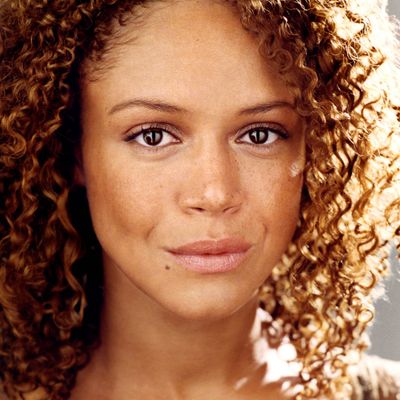
In this episode, you'll hear from Eureka Day cast members Tony Award nominee Amber Gray (Natasha, Pierre, and the Great Comet of 1812, Hadestown), two-time Tony Award nominee Jessica Hecht (Summer, 1976 at MTC, A View from the Bridge), Tony Award winner Bill Irwin (Who’s Afraid of Virginia Woolf?, Largely New York), Emmy Award nominee Thomas Middleditch (“Silicon Valley”), Chelsea Yakura-Kurtz (“Scandal,” “The Flash”) and playwright Jonathan Spector. You'll also hear from VIP guests Michael Cyril Creighton ("Only Murders in the Building") and comedian Sam Morrison.
Follow us:
@artofkindnesspod / @robpeterpaul
youtube.com/@artofkindnesspodcast
(https://www.buymeacoffee.com/theaok)
Got kindness tips or stories? Want to just say hi? Please email us:
artofkindnesspodcast@gmail.com
Music:
"Awake" by Ricky Alvarez & "Sunshine" by Lemon Music Studio.
Transcript
This transcript was automatically generated and might contain errors.
[0:06] Robert Peterpaul: Hello, beautiful people. Welcome to the Art of Kindness, where we have compassionate conversations with artists from all areas of the entertainment industry who are using their voice to spread joy and make this big spinning planet in the universe a better place to be.
[0:22] Robert Peterpaul: I'm Robert Peterpaul, and I'm so glad you're here.
[0:36] Robert Peterpaul: Hello, friends. We are live from the Eureka Day opening nights at MTC on Broadway. Woo! Stick around as we chat with all the stars, VIP guests. Woo! And talk about actively listening, decision making, and of course, kindness. This is a live episode, so as you may or may not know, it'll likely get pretty unhinged. But I'm excited. Thank you for being here. And without further ado, please enjoy opening night of Eureka Day.
[1:12] Robert Peterpaul: We're a podcast network, so not everyone can see you and how dapper you look tonight. Go ahead. We'll just we'll take your word for it. Yeah. I look like a Muppet in case anyone's wondering. So I would love if you could just start out by introducing yourself and saying why you're excited to open tonight, and then we could take it from there.
[1:27] Bill Irwin: Oh, we had a little we had a little error behind us, a little Eureka sign flowing down. Sorry, so whenever you're ready. It's wild. Hi Bade HD. I'm like, I'm sorry. Tell me your full name.
[1:40] Robert Peterpaul: Robert Peterpaul.
[1:41] Bill Irwin: Robert Peterpaul.
[1:43] Robert Peterpaul: Ah.
[1:44] Bill Irwin: Okay. I collect names, especially middle names. Well, Robert, great to meet you. It's nice to be with you. Visually and orally on the podcast live. And we are we're hoping we're ready to do Eureka Day, this play we've been working on for months now. To an opening night crowd. We'll see.
[2:10] Robert Peterpaul: And can you just introduce yourself or listeners that can't see you and explain your role in the show to them?
[2:10] Bill Irwin: I'm Bill Irwin. I've been an actor for a long, long time. And I play Don, the head of school at the Eureka Day Progressive Private School set in Berkeley, California. And I am employed by the school, but the rest of the characters are parents and members of the executive committee and the drama ensues.
[2:41] Robert Peterpaul: I can't wait to get into this. But first, well, I would love to know first, what were you like in elementary school? What do you remember from that time or what have people told you about how you were? I know you're not playing a student, but just conjuring up that memory.
[2:51] Bill Irwin: That is such a good question. It was a long, long time ago, Robert, because I was born in the fifties, and school then was a different proposition, because I have a 34-year-old son, so we've been through this as parents, but um parenting, educating was just a really different proposition when I was growing up. And I'm not you know, viva la different, so I'm not uh voting for either, but uh it's just a very different cultural set of imperatives and responsibilities to educate and raise kids now, and that's what this play gets to so beautifully. The playwright is right over there.
[3:30] Bill Irwin: Oh, hey! Yeah, we've never seen him in a suit before, but he's like, we've never seen him. I'm like, okay. We've seen him. Oh, we've seen him. But uh he's never had a suit on quite this way, and yeah, it's a big, big deal opening night, and we're very thrilled to be offering it up to an opening night audience.
[3:47] Robert Peterpaul: Well, I can't wait to see it. But from what I know about it, when I was thinking of how it relates to my podcast on the network, which is called The Art of Kindness, I think there's a lot of connections, and one I drew was actively listening, which I think is a lost art. What has this show taught you about listening that you can offer to listeners?
[4:05] Bill Irwin: We're hopefully listening. Robert, that is a good and potent set of questions. Uh listening is like maybe the basic, the most primal and important human skill, and we're often not that good at it. The characters need to listen to each other. But in order to tell their story, we actors need to listen to each other. And it's full of challenges, this play. Like it has so much laughter in places that you really have to negotiate your next line. It's full of technical challenges, but the lifeline for us all is to listen to each other. I listened to Jessica Hecht. And so funny, such a dream. Such a genius. Yeah. And she will put me back on track. Talk about listening and pausing. I saw her, well, she presented at the Ardios Awards and her comedic timing.
I was like, someone put her in a comedy immediately, and here we are. But I love that answer. You know, as we work down the line in this show, listening feeds into decision making. And as an indecisive person, I would love to know what's your advice for making decisions? Which can stem from this show or just in life.
[5:13] Bill Irwin: Making decisions. I'm an old, old, old timer, Robert, but I'm here to tell you, it doesn't get any easier. But I think listening is a huge key to figuring out okay, how am I going to finally come down on this question? Whatever the question is. This is listen to each other. And uh and then decision making, yeah. That's what that's sort of the marker into adulthood. Okay, from being a kid into being a responsible adult is how you make decisions. I still feel like a kid at heart, but I'm thrust into decision making left and right, you know.
[5:48] Robert Peterpaul: If you run a pad, excuse me, if you run a podcast, you are indeed, so I I salute you and I wish you good luck.
[5:54] Bill Irwin: Well, thank you. As we end our time here together, and I'm gonna wish you to break a leg. Uh not literally, but I would love if you could just share a tangible kindness tip. So something that you think listeners out there to could do, listening is certainly one, to make the world a little bit brighter on their own corner in these very divisive times, which this show is a beautiful example of.
[6:14] Bill Irwin: Thank you. Well, I'll tell you something that I try to tell myself, remind myself as I'm walking around New York, because this has been a challenging project. Get to work, get to rehearsal. Get uh a sandwich, get to where you're ready to do preview number one or two or three. And um, I try to just relax my face and let myself smile a little bit because we not without reason sometimes. We'll tend to walk around New York like this. Um and and sometimes if that'll just open to a smile, you sorry. Oh, sorry, sorry, sorry, yeah, yeah, yeah. Uh bumping shoulders turns into actually a human salute sometimes. And that's the joy of living in this city.
[6:55] Robert Peterpaul: I love that. It could be a little game with yourself. Who's gonna smile back every day? How many are you gonna get on the way to the theater? Five? Ten, none today. You could play it that way.
[7:05] Bill Irwin: You're right. You're right. Well, thank you so much. I'm such a big fan. It was great to meet you.
[7:10] Bill Irwin: Very good to meet you. Thank you so much, Robert. Break a leg, thank you. Could happen. Thank you.
[7:14] Jessica Hecht: I'm Jessica Hecht and I'm um in play U uh Suzanne and Eureka Day and I'm very excited because the play is super topical and I love my character. I think she's really uh she's flawed like any good character but um she loves she loves quite many of the same things I love namely children.
[7:36] Jessica Hecht: She's sort of obsessed with children. Looking at children, I know you're not playing a child in the show, but what were you like or what have you heard you were like when you were in elementary school?
[7:38] Jessica Hecht: I was like a very good kid. I was a very um uh by that I mean I was I I think I was a uh a teacher's pet probably an annoying kid somebody who wasn't the teacher's pet but I was a pretty easy little kid I became difficult as a young teenager and then all of that went by the I went south in as a teenager but as a as a young kid I I was extremely close to my mom and I just was so into being a uh like you know, you know not making it not making any waves.
[7:46] Bill Irwin: Yeah, I was like a rambunctious wild class clown so that's gonna be refreshing for my mom to listen to. Sorry mom.
[8:28] Jessica Hecht: You know I haven't seen the show yet I'm excited to see it tonight and from what I know about it what I could get my hands on I find it's very perfect for the topic of kindness because there's a whole through line of active listening or not listening. What has this show taught you about listening as a skill?
[8:41] Jessica Hecht: That's such a that's really a great question too. Um, you know, that the play is complex. The actual writing of the play is extremely um i it it's it's extremely uh fractured. People have these short sentences that get cut off, and then somebody else pulls in, and then you you you kind of have to drive the car around to get back to your topic, and it requires a tremendous amount of focus, more so than a traditional play where you're you know, you have a stream of conscious you know, stream of thought and it's you're flowing, and then somebody else speaks after you. This play um is um is is much more like a collage.
[9:27] Jessica Hecht: Um and so it it requires tremendous listening and also to make your argument, it requires a kind of concentration that I I I really mean this. I haven't experienced in many other plays. Yeah. And then throw the audience laughter in there, and that's a whole other thing you gotta listen to.
[9:45] Bill Irwin: It is, that is. And you have to just um you have to kind of find uh uh a peace of mind with your point of view. Our perspectives are are varied and and kind of um radical at times, and you have to really find a way to give people your opinion without offending them.
[10:06] Robert Peterpaul: Yeah. Well, getting to that, you know, listening and then trying not to offend, but also to hear the other person's point of view. What's your advice on decision making? Because this show is all about decisions, and as an indecisive, and in a world where I feel like maybe people are so decided that we can't meet in the middle, you know, what are your thoughts on decisions? How do you make them?
[10:23] Jessica Hecht: Yeah, I I have half the decisions and half the decisions I make I think are extremely clear to me, and I feel a sense of kind of um intuitive purpose, you know. That is why you you know, you're doing this work, you can say if it was about acting, you're doing this work to accomplish these things. Does this job align with that? And and uh and and I and I think there's a a lot of stuff that I now am very clear on.
[10:56] Jessica Hecht: And then there's stuff about family and life that's that's really difficult still at my late age. That's a fresh and I hear because I don't think I think we follow our gut about half the time, and then half the time we really we're looking for a sign as to why we should or shouldn't do things. And I I still tend to wait a while until I think, oh, okay, that makes sense. This is what I should or shouldn't do.
[11:27] Jessica Hecht: Um, because it's it's I I I'm not somebody that has um like a code of a behavior that I I'm not a I I don't think I'm I think I have very loose boundaries. So a lot of stuff can kind of sit on my lap for a long time, and I'm thinking, okay, that's that maybe, maybe, maybe. But it's interesting because I feel very similarly in that like my professional life, I can make decisions like that. But then with my family, I'm very indecisive, and it's like in one regard it's a safe space, and the other one maybe like you're hustling. I don't know if there's something to that, but nuances of really wanting to be having a certain level of wisdom, but also uh things are complicated because of how much you love your family with my kids how much I love them, and with other family members, how much I want them to be happy. It's all very, you know.
[12:20] Bill Irwin: It's all yeah it's all historic.
[12:20] Jessica Hecht: You know what it is. Historics are good to word. Well, as this show enters history tonight, uh interesting transition. I know I gotta let you go. I would love if you could just end our time together by sharing a tangible kindness tip. So, do you have something you would like listeners out there to do on their own corner of the world to try and make the world a little brighter right now?
[12:36] Jessica Hecht: Yeah. Um I would say look into people's eyes when you talk to them, and even if you can't fulfill their wish, um uh at least try to make real human contact.
[12:51] Robert Peterpaul: I love that. Well, thank you so much. It's been a pleasure. Nice to meet you. Congratulations. Have fun tonight.
[12:57] Jonathan Spector: My name is Jonathan Spector. I'm the playwright of Eureka Day, and uh I'm so thrilled to have this play opening on Broadway.
[13:06] Robert Peterpaul: Congratulations. I gotta say the cast is a buzz with you being in a suit. They're very excited that you're in a suit. How do you feel?
[13:12] Jonathan Spector: Yes, well, I you know, I I typically am such a slovenly I I dress like a writer, you know, usually. Um, so uh, you know, but I thought I should uh I should spruce it up tonight.
[13:22] Robert Peterpaul: It's great, it looks great. So I know no one is playing this age in the show, but I would just love to know what were you like in elementary school? Do you remember? Like, what did people tell you you were like?
[13:33] Jonathan Spector: Oh, I don't know that people told me what I was like that that much, so I don't I don't know what I don't know what the adults' perspective on me was. I mean, I um you know, I don't know, we I'm we moved around a lot, so I went to several different elementary schools, so I feel like I was probably a little bit of a different person in each one, and maybe also that's what um inclines one to being a writer is you like find yourself in sort of a new situation and you're sort of like doing a lot of uh observing of you know how how do things work here and who is everybody and trying to figure it out.
[14:03] Robert Peterpaul: Well, I think the show is so perfectly timed. I can't wait to see it. You know, one thing I think it relates to in regards to my podcast, which is the Art of Kindness, is the fact that active listening is a really important skill. And not listening can actually affect the world quite a bit. So I wonder as you were writing this piece, what did you think about listening a lot? Like how what was your challenge with like maybe cutting lines when you were deciding people were just listening, when they were interrupting?
[14:28] Jonathan Spector: I know there's a lot of fasts back and forth.
[14:30] Bill Irwin: Yeah, I mean, there's a lot of interrupting and there's a lot of listening.
[14:33] Jonathan Spector: I mean, I think these characters are um you know careful with their language and try and be really thoughtful, and certainly in terms of the title of your podcast, I mean something both in the writing of the play and something we talked about really actively, and I in the casting of the play is that it would be important that these were all really kind people and that we could feel that um so that it made that so much harder for them and for us when they come into conflict, which they don't want to be, but they're sort of forced into it by circumstance.
[15:05] Bill Irwin: So when they are in that conflict within the context of the show, it's because they're trying to make a decision; they all have different views.
[15:11] Robert Peterpaul: What has writing this show and now seeing it taught you about decision making? Because again, the show's very wonderfully timed, but I think I mean I'm indecisive. I think sometimes in this world people are maybe too decided and it divides. So what's your like bird's eye view on that?
[15:26] Jonathan Spector: Yeah, well, actually, the um in it may be coming out of this play. The next play I wrote was really about decision making. Um sort of really, I mean, taking its initial inspiration from the work of Daniel Kahneman, who is this I don't know if you know, he's a well he just passed away, but he was like a Nobel Prize winning psychologist who kind of um I mean his partner sort of invented the whole field of like decision science and how we make like biases in our decision making. Um so what I think about decision making is like we mostly are very bad at it, and mostly we um make this at least his I mean one of his theories which I I sort of believe is that you know we have these two decision making systems in our brain one which is um basically pattern recognition and we're making a lot of very quick decisions all the time to like you know not get eaten by the tiger.
Um but those decisions are often wrong because they're just like they're very susceptible to biases of all kinds of kinds because they're just trying to like keep us safe. And then we have the other kind that we think of as thinking where you're like really like wrestling with it and thinking it through, but that um that's really hard to do, and so we avoid doing it whenever possible. And mostly what we do is we've already made the decision with that instinctual decision-making system, and then we use the other more thoughtful one to justify the decision we've already made. And that that's why we're bad at decision making as humans in general.
[16:49] Bill Irwin: Yeah, it's interesting. A lot of people don't realize, and I actually barely realize it. I I have like not a lot of the facts, but there's multiple kinds of kindness in that regard too. There's cognitive empathy, and that's where it's like someone's thinking about it, maybe it's more put on, and then there's like innate empathy. So that I guess in regards to kindness and everything we just talked about, what do you hope audience members take away from this experience?
[17:13] Jonathan Spector: Yeah, I mean, I don't know, I uh I feel like what people take away is whatever they take away. That's very there's very yeah, it's hard for me to say because everybody comes into a play with different experiences. Um, I think um I think it is a portrait of people who are um you know, like fundamentally kind people and want to be um generous with each other and then reach um you know situations in which that's really difficult to do or in which they behave in ways in which you know they don't want to be behaving. Um but it's not because they're you know uh cynical bad people, it's just because that's the circumstances the world has put them into, and um even and for all of us, even like your best intentions of kindness or generosity are not always um up to meeting certain challenges on its own, you know. And everyone has a different definition of that. So that's something we talk a lot about there. So you think you're being kind, but you might not be to the person as perceived.
[18:22] Robert Peterpaul: Um well, I think this is such an amazing uh story from what I've read. I can't wait to see it. Congratulations, and I hope you have the best time tonight.
[18:30] Jonathan Spector: Thank you.
[18:30] Robert Peterpaul: Nice to meet you. I love your outfit.
[18:33] Jonathan Spector: Thank you. I want to write like hello upside down. You know how you still get through that.
[18:37] Robert Peterpaul: Well now here I am.
[18:38] Jonathan Spector: Oh, yeah, this is little social media video.
[18:42] Robert Peterpaul: Well, I got a steamer.
[18:44] Jonathan Spector: No, I don't, I don't have a steamer. I I got steam in my mind.
[18:46] Robert Peterpaul: Yeah.
[18:46] Jonathan Spector: Oh, okay. I'm just steaming constantly. It is hot. I'm like, I should take this off because I'll feel better, but it's a mixed bag because then I'll look sweatier. Anyway, I'm Robert. It's nice to see you.
[18:54] Amber Gray: Yeah, we met so long ago in the madness of the bad Cinderella opening. Um it was I don't even expect you to remember because I was blacked out too. Um, but congratulations. We're since we're a podcast, if you could just start out by introducing yourself.
[19:09] Amber Gray: Uh my name is Amber Gray. I play Karina in Eureka Day, and I'm excited to be here because in my professional career in the last 15 years, I've never been in a realistic play. I've been in some melodramas and some Shakespeare's, and I sort of have become known as a musical theater gal.
[19:26] Robert Peterpaul: You're iconic.
[19:27] Amber Gray: Thank you, honey. But I'm happy to just go back to my roots and be in a play. It's really cool.
[19:31] Robert Peterpaul: I love that it rhymes too. You're Amber Gray, and you were in Eureka Day, and that's a wrap.
[19:36] Amber Gray: Nice to see you.
[19:37] Robert Peterpaul: Yeah, exactly. You know, I'm so excited to see the show. Uh, from what I know about it, the first question I've been asking people is what do you either remember or has been told to you about how you were in elementary school? Like what was your elementary school vibe? I know you're not playing that in the show, but yeah, yeah, yeah, yeah.
[19:53] Amber Gray: No, I love it. Um I'm an army rat. My mom, my dad, and my stepmom were all in the army, and between the two households, I moved quite a bit. Um so I was always switching schools. I was painfully shy. Amber Gray was pretty much mute as uh an elementary school child, and my white mother would brush my mixed biracial hair, so it was very frizzy. She'd put it in ponytails and put little barrettes at the bottom, so they looked like big balloons, and my nickname was Titty Head, which was deeply painful.
[20:25] Robert Peterpaul: Sorry.
[20:25] Amber Gray: I'm so sorry.
[20:27] Robert Peterpaul: It's okay.
[20:28] Amber Gray: I just you asked. Um being honest. It's why I went into theater, because the theater kids are nice.
[20:33] Bill Irwin: Yeah.
[20:34] Amber Gray: Well, in most of the time. Well, in that nice zone, you know, this show deals with some niceness, some not niceness, but it comes from like sort of a foundation of kindness, which I love. My show is The Art of Kindness, as you may have seen on the floor there. And so when I was linking, like sort of what I know about this show, I'm I still haven't seen it, I'm excited to, and kindness, I thought, well, active listening must be a huge through line. So, what has this show kind of taught you about listening as a person?
[21:01] Amber Gray: I mean, I've taken a lot of nonviolent communication classes and like landmark forum classes. We like to call them landmartians when they've taken all of the courses there. Um so I know that world pretty well. Sometimes I have an eye roll for it. I'm like, just speak with me off the cuff, and if you offend me, you can apologize after, you know. But this play is a wonderful reminder. I'm like, oh yeah, just yes, active listening is uh I I have found in the last month my communication with my partner is healthier. I'm being a little more direct, um, less passive aggressive about some things. And and just like really saying what I need. And I'm like, oh wow, this is from practicing this play right now every day.
So that's nice when art bleeds into life in that way. But yes, I do find the play deep deeply admirable in that they truly in their debating with one another, truly try to find consensus. And in so much when you have a different opinion, there's not an assumption that you're wrong or that you're dumb. You know, um and that's a huge lesson I always grew up with. You can be right or you can have love in your life.
[22:04] Bill Irwin: Which is deep.
[22:05] Amber Gray: Um it's very deep. I've actually started in my in my old age to be like, I don't want to be right. I actually love admitting when I'm wrong.
[22:11] Robert Peterpaul: It's hard.
[22:13] Amber Gray: Well, that that too, that's like a whole other skill, yes, to admit when you're wrong. But I I'm constantly trying to teach that to my children because the older one is always correcting the little one, and I'm like, you don't need to do that. Like you will it wears away at the love if you're constantly like correcting someone needing to be right.
[22:29] Robert Peterpaul: Well, it's interesting too, like the listening leads to hopefully the decision making in this show. And uh even looking at you know what you teach your children. What's your advice on decision making? Because making decisions can be really hard.
[22:38] Amber Gray: It can be really hard. Again, why I find the play admirable, they you know uh spoiler alert, yeah. They are not able to in the end. And it's sad and it's painful, and they all mourn the loss, right? But they really try for so long. I think longer than most people are willing to listen to one another in this particular political moment in history, certainly, you know. Um I mean that's the painful thing is that you won't always align in the end, and then you have to go from there. Especially when you see the person as their decision or belief versus seeing them as a human, which is very hard. But yeah.
[23:20] Robert Peterpaul: And especially when like most of your morals and ethics overlap in the Venn diagram, but then there's only like one thing that you disagree on, is can be really confusing, you know. And then you're like, I know that I can't be right about everything, but it's so hard to get past this.
[23:34] Amber Gray: So I know exactly what you're saying. I would love to know if you have a tangible kindness tip, something that you would like people out there to do as we're talking about the world and sort of the mess it can be to try and make it a little bit brighter on their own corner.
[23:47] Amber Gray: Oh, beautiful. Well, during that's a huge one, and that that's a lesson I actually learned from landmark forum. You can be right or you can have love in your life. I learned that as a kid. I took classes there when I was quite young. Um or a t-shirt, I'm gonna tattoo that on my face. It's amazing. And then during the pandemic, I took class at um the School of Practical Philosophy, which is really incredible, and they give you tips every week to like try to improve your life slightly, right? And you can go into the theory rabbit holes if you'd like, but one of the first things they help you with is um you do this experiment of always being honest and true, which is very hard to do. The honest part is really hard.
Like when you open that Christmas sweater, you can be like, Thank you so much for thinking of me. It's not quite my style, I don't really want it. Uh let's pass it on to somebody who needs it, or maybe you can re-gift it. Like that kind of radical honesty while also being kind is very hard, but excellent challenge really does make for a better day and a better life.
[24:46] Robert Peterpaul: Yeah. Like the meeting the challenge. I mean, putting on a show is a challenge, and you come out the other side, you wouldn't have a show without challenge. So maybe meeting challenge where it is. Thank you so much. It was so good to see you, and you look wonderful.
[24:55] Amber Gray: Thank you. Have fun tonight.
[25:00] Chelsea Yakura-Kurtz: I'm Chelsea O'Hora Kurtz. I play makeout in the show. And I'm definitely excited because this is my Broadway and New York interview. But also because I think this is a really important play, and I just feel totally privileged to be able to be bringing into life.
[25:17] Robert Peterpaul: Yeah, it's so timely. I haven't seen it yet. I'm excited too. But congratulations, that's so thrilling. I'm like, I'm I have such hiding of taking in your hair, like all the details in our hair, everybody. I see like a strawberry baby. There's so beautiful. I love this.
[25:29] Chelsea Yakura-Kurtz: These are called Kazashi. They're they're hair ornaments. Um and there's something that Keiko wear, but uh how many and where you put them is kind of like denotes you are a status. So when they're in the front, like like I have them, and there's a lot of them, which if you if you happen to see a picture of me, I look super extra.
[25:49] Robert Peterpaul: Um I love it.
[25:51] Chelsea Yakura-Kurtz: It denotes uh uh Miko, which is like uh in training, a novice. So I felt appropriate for my friends to be traveling.
[26:00] Robert Peterpaul: Okay, I love I love the detail, the intention there. Well, I guess looking back to when you were even more of a novice in elementary school, what do you remember from that time? And what have I guess what have your parents or people that are older than you that remember it said you were like?
[26:16] Chelsea Yakura-Kurtz: What do I remember at that time? Um I went to public school, so my experience in school was very different than the experiences of these students in Eureka Day. But I grew up in uh Cincinnati in Ohio. Um I my mom would probably say that even then I would want it. She knew and I knew that I wanted to be a performer. I think I think back then I loved to sing, and so I would probably singing all the time, but very much of like a look at me, look at me, look at me.
[26:59] Robert Peterpaul: That would be my nightmare.
[27:00] Chelsea Yakura-Kurtz: There's a reason this isn't a Broadway musical.
[27:03] Robert Peterpaul: You never know. One day.
[27:05] Chelsea Yakura-Kurtz: Um, but you know, when I was thinking about what this show relates to in my podcast, which is the art of kindness, I thought listening, you know, actively listening, that's such a kind skill, such an important skill as a performer, of course, especially in a fast-based comedy like this. What is this show talking about? Listening.
[27:22] Chelsea Yakura-Kurtz: Honestly, this show has been such a gift, um, especially in the particular moment that we are in as a country, because I think we we have kind of lost the art of listening. Um and it's really really easy to see somebody on the other side of an ideological debate and think that the person is wrong, that there's there's a very us them black-white uh like very binary way of living in the world. And I think this show really humanizes all the sides of this particular argument and shows that there's human beings are human beings, and even if we end up in a different ideological place, there's so many things influencing that how people make decisions, you know, so many so much trauma that we're all carrying around, so so many anecdotes and personal experiences, the the podcasts we listen to, the the the websites we visit, um, and so we're each kind of in our own ideological box at least.
Um and I do think this play really shows that the the kindest thing you can do, and maybe even the only way forward if we're going to move forward together, is like you have to listen. You have to learn how to listen and you have to give people the benefit of the doubt that they're doing the best they can with the information that they have.
[28:53] Jonathan Spector: Yeah, I love that. That's such great advice. We're winding that everybody. I think you know, listening of course will lead to hopefully a decision being made in the show, maybe not, say, but everybody's already made up their own decision, a decision for themselves. And I wonder for you, what's your advice on making decisions? Because it's hard, right? Like pros and conflict person, you know.
[29:13] Thomas Middleditch: I am I'm definitely a pros and conflict person. I am also um a really avid researcher. Um and for that I would if I may, I would also um just make sure that when like if you are like me and you like to research, just check check your sources. See where who's publishing it, who's paying for it, where it's coming from. Yeah, I suppose like to look up, I don't know how I do this, but sometimes like other countries and new sources, just to get a little outside view, just you know, that can be helpful. But I love that piece of advice. I'm gonna let you go enjoy yourself, but before you leave us, I would love to know if you have a tangible kindness to something you would like for listeners out there to do on their own corner just to try and make the world a little brighter.
You know, somebody told me this, and it has it has brightened my day and practicing it, and always brightens my day and receiving it as that uh never waste an opportunity to give a compliment. So, like if you're passing a girl and you're thinking she's got great hair, I'd just say you have great hair. I've never gotten a like ew go away. Um those moments and connections, I think like that fuels me through the rest of my day. Right, and it changes the energy and it comes back to you. So, like if we're all doing that on our own part, I think it'll be maybe a happier vibe in the world.
[30:39] Jonathan Spector: Yeah. I think we're all operating with like that little bit of being seen and being celebrated, just like those little moments. Like I think we would all just hide too. Like, how many people can I compliment tonight? But thank you so much, congratulations. So good to meet you. Have fun.
[31:06] Thomas Middleditch: I will, thank you. And Thomas Middleditch, I play Eli in Eureka Day. Are you so excited to open tonight? Tell us about the vibe.
[31:13] Thomas Middleditch: I'm very excited. I'm Tippy Top, I'm high Octane, I'm all shiny and chrome, I'm ready to rock. Oh, Chim Timcharoo. Well, I have not seen the show yet. I'm very excited to see it. But from I'm hoping I'm gonna try and sneak in the back, honestly. Um maybe we could swap app, but they'll think I'm you, you'll be in costume, I'll be in the back, kind of just watching. I would love to know what do you remember about elementary school? What did people tell me? I was like weird.
[31:36] Jonathan Spector: Uh probably a bunch of slurs. Yeah, you know. I'm still weird, so yeah, yeah, same. Uh may the weird inherit the earth. Um no, uh I think I think I was like a good little good boy. Like I like to I didn't like to step out of line, I like to follow the rules and then like say my name in burps. So you know you could do it now.
[32:01] Thomas Middleditch: No. No, no, no, we won't. Yeah, my microphone might disintegrate. So um when I was thinking about how this show sort of relates to the topic of our podcast, which is the art of kindness, I thought, well, listening, like active listening, that's a huge part of this story. It's a huge thing we need in the world. Very big for like performing, as you know. What has the show taught you about listening as a person?
[32:23] Thomas Middleditch: Oh, that's I know it's kind of a deeper question. Oh, well, see, the trick to answering that question is like this show is very much about people coming in with their best intentions to listen. And not only that, it's all the verbiage and lexicon and glossary of terms in order to like pad every idea and concept and disagreement in the most like ethical, progressive way, right? And still with all of that come up against uh unmovable, uh irreconcilable difference of not only opinion, but like way of life, and it's so intrinsic and core that it becomes like it becomes a source of great friction, despite the best intentions. So I don't know, it's like what does it taught me about listening? Is I'm not sure. You can listen to every single word that a person says and still disagree with them.
[33:15] Jonathan Spector: That's true. Maybe it's something that there's not just right and wrong, there's also, I don't know. Yeah. I think you know, like for me, I felt this way. I felt this way after this last election, and I feel this way sometimes when I discuss certain topics, I suppose, where I'm just like, I walk away being like, ugh, I don't know anymore. You know, like this person thinks such different things than that. And in order, and even if I had the paper, the scientific paper in front of me that I could like debunk all this stuff, it wouldn't change their mind. So you just go like, I don't know, I guess just go live in your reality, I'll live in mine. I don't know how to convince you.
[33:58] Thomas Middleditch: Yeah. Well, I think that's a good step in the right direction, the I don't know, because it means you're sort of open and you're hearing the other person. So even if you still don't agree, you're sort of like, well, I'm not really sure now, and just take time to process that.
[34:10] Jonathan Spector: Sure. I mean, it's good and it's it's good and it's bad. Like uh there's a lot of it in the case. Yeah, it's like I want I want every uh there's a character in this in the show that I think you know, at least placed in a New York audience, has a take on a particular subject that would be opposing to like a liberal audience. Um but it's presented in such a human way that you fully understand where they're coming from. Um that's what we need. I think we need more of that.
[34:39] Thomas Middleditch: Sh yes. However, if someone comes to me and comes with a heartfelt true personal story of conviction as to now this is why they believe the earth is flat, I like I have to just sort of like pat them on their head and be like, okay, buddy, well, bye, we're gonna go continue on with the real world. But if those people numbered in the tens, hundreds of millions, then we have then we have a I don't know, it becomes like it's like your it really tests your limits, the limits of your tolerance.
[35:13] Jonathan Spector: Which is a s is kind of the point. Yeah, you're like you could put up those boundaries, but then if everyone's doing that, those people are gonna maybe congregate together and then it's a dangerous thing. That it will just it the the tension of the and the inability to reconcile is is where it really erodes, which is the fun of it. In like a similar regard, what's your advice on decision making? Because this show obviously deals with a big decision that has to be made.
[35:46] Thomas Middleditch: My advice on decision? Yeah, as a person, like you're a pros and cons list person. Like has this show taught you anything about decision making? Because they've all made their individual ones, maybe.
[35:57] Jonathan Spector: I think they come to it. I mean their knee-jerk reaction is to really try and fight this out, is to is to come to an agreement via consensus, which is their like thesis statement. Um so they really go to the go through the motions. I think sometimes I think sometimes I think sometimes decisions are hard to make. And they're and they're so hard and they're so complex, and that even when you think you've made the right one afterwards you question them. That every day. That is the this this symbol of a difficult decision is when you finally come to the binary decision of yes, no or whatever, that immediately after you're like, I don't know if that was good. Uh that that means it was a hard one.
You know, there's always gonna be another decision around the corner, so if you don't make the right choice, you'll have to make a choice again soon. What is right, what is wrong, and um time marches on, so there's very often times uh you won't have the amount of reflection that you'd even want.
[37:01] Thomas Middleditch: That comes to you at 3 a.m. Oh my gosh, everything comes to me at 3 a.m. I'm like, oh, I just wrote a movie in my head. Um well, as I let you go enjoy yourself, I would love to know. Since we are the art of kindness, we always ask for a tangible kindness tip. So if you have something you would like everybody out there to do on their own corner to try and build a kinder, brighter world, what would it be?
[37:21] Jonathan Spector: Oh, I'm not sure if this is uh my best answer, but this is an answer that's coming to me right now. Is that you've got to remember that everyone's flawed. That imp that perfection is an illusion. It's perfection doesn't exist in any form of life whatsoever. And you it it's a noble, it's a noble aspiration, but it's not a real thing. And um, I know, we are right, it's in the air. And uh, you know, everyone else is flawed, you are flawed, and so like righteousness and condemnation and holier than now, and and and and victory at all costs. These are things that like are born out of a sense of like I'm right, you're wrong. And you can feel super right, just remember that you're wrong about something too. Like, we're we're all fallible and like we're all we're all like chimps with clothes on. Uh uh.
[38:23] Thomas Middleditch: And to that I'll say I'll say you're right. To that. Thank you so much. I hope you have a great time tonight, and I can't wait to see the show. No, I love that, I love that answer. No one said that before. And Amber said something similar. She's like, you can be right or you can be loved, I think is what she said. So I think it's an it's an interesting answer. But I I think though that the the I was trying to get to your like, like how do you how does one be how does one be kind, right? So I like that that's kind of what I was trying to get at. It's like if you're if your goal is kindness, then you have to like kindness, kindness comes from a true kindness comes from a place of empathy. And when you how do you gain empathy is to know that everyone is with their struggle, even everyone, you know?
Whether what's presenting is like hard to digest or not, everyone has come with it. And there's multiple kinds of empathy too. There's like cognitive empathy, there's just coming from your heart. So I peek out about that, but I think you're right, and I'm getting the eyes that you gotta go. But this was so great.
[39:22] Thomas Middleditch: Yeah, it was so nice to meet you.
[39:24] Michael Cyril Creighton: Yeah, I like a lot. I am Michael Cyril Creighton. I am so excited to be here because anytime I can see Jessica Hecht on stage or Bill Irwin, I'm over the moon. What a great rainy night to spend with them, and Amber Gray, the whole cast was incredible. I don't know anything about the play, so I'm really excited to be here.
[39:39] Thomas Middleditch: Okay. Well, I'm not spoiling anything, but I can tell you the show has a lot to do with listening to each other, active listening, a bit of debating, trying to make a decision. Do you have any advice for listeners on how to listen? Like, I think listening is a lost skill. So, what's your advice on listening?
[39:54] Michael Cyril Creighton: Okay, uh breathe while you're doing it. Just breathe while you're listening, be open, look make eye contact, but not too much, so it's not creepy. And uh make sure to uh go back and forth. What did you say? Go back and forth. No, I'm just kidding. I know, I know. That was that was a bad joke. He gave it to me. Okay, I know I appreciate it. In the show, they also have to make a decision. So I would love to know what's your advice on making decisions as someone who finds it very hard.
[40:20] Michael Cyril Creighton: Oh gosh, I ask uh at least ten people, and then I make my own decision based on nothing but gut. Yeah. Well, they made a right decision in casting you on Only Murders in the Building to have a clunky transition. You're so good on the show.
[40:34] Michael Cyril Creighton: Was it? Thank you. Can you tease? Do you know anything about the next season? Can you like tease anything?
[40:38] Michael Cyril Creighton: No, very little, but I do know, you know, we're exploring another facet of New York City, another area, I guess you would say. Not area l location-wise, but area of New York City's lore.
[40:52] Thomas Middleditch: Okay. Uh my pod thank you for that. My podcast is called The Art of Kindness, so it focuses on people in the business who use their platform to give back. I would love to know if you have a tangible kindness tip. So something you would like for people out there to do on their own corner to try and make the world a little brighter.
[41:07] Michael Cyril Creighton: Very simply smile at people, you know, on the street, and um I think ask people questions. You're really good at it, obviously, but like oh that maybe a girl. I'm blacking out when you're having a conversation with someone. Um ask questions, get to know someone, get uh be curious about another person's story, and I feel like um people want to share who they are, you know.
[41:28] Thomas Middleditch: Okay, my final question for you is have you read House on Cerulean Sea, the book?
[41:32] Michael Cyril Creighton: No, but someone said that I should be You need to be the lead in it when they make a move. So tell your agent. I read it, I thought of you right away. Everyone I know has thought of you like, get on this. I'm just gonna tell you that.
[41:42] Thomas Middleditch: We'll get on.
[41:43] Michael Cyril Creighton: Okay. Thank you. Great to meet you.
[41:45] Thomas Middleditch: Great.
[41:45] Sam Morrison: I'm Sam Morrison. Uh I'm a comedian, and I'm so excited to see the show.
[41:49] Thomas Middleditch: I'm excited for you to see it. The show involves a lot of active listening. You know, it's uh there's a bit of a debate going on, trying to make a decision. I would love to know what's your advice for listening? Do you have any?
[41:59] Sam Morrison: Yeah, as actively. Yeah, make sure they're talking about you. And then it becomes super easy.
[42:05] Thomas Middleditch: Yeah. I like that.
[42:07] Sam Morrison: Okay. And then last I'll last year, my podcast is called The Art of Kindness. So it's all about talking with people who make the world a better place.
[42:13] Thomas Middleditch: Okay, fine.
[42:13] Sam Morrison: And I would love to know if you have a tangible kindness tip, something you would like for people out there to do on their own corner to make the world better.
[42:23] Sam Morrison: But the thing that I always forget is that it you you do it for you. Like there's an evolutionary reason why being nice is makes you feel good. So if you're like depressed or something, just like try to get out of your depression by being nice with other people. Like, for example, lie to me and tell me I sound hot right now. That would be great.
[42:45] Thomas Middleditch: I sound so hot. Can't you see me in bed with you right now?
[42:51] Sam Morrison: I think it's I'm try I I'll try not to turn everybody on. It it'll be tough though.
[42:57] Thomas Middleditch: Okay, great.
[42:58] Sam Morrison: Anything else?
[43:00] Thomas Middleditch: I know, I know. I'm so sorry.
[43:02] Sam Morrison: Thank you. I hope you have fun.
[43:03] Thomas Middleditch: That was fun.
© Broadway Podcast Network, All Rights Reserved