

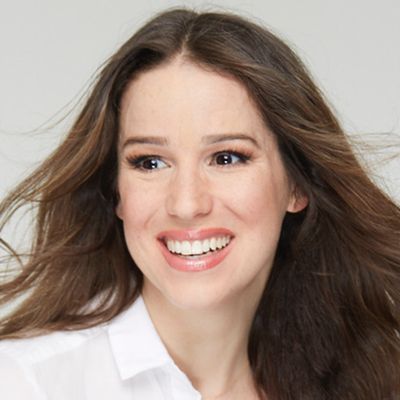
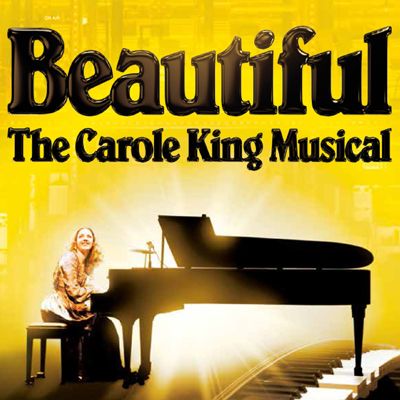
Broadway star Chilina Kennedy joins The Art of Kindness with Robert Peterpaul to discuss playing Carole King in Beautiful, acts of kindness throughout her life, her new Off-Broadway show A Sign of the Times and more... Read More
From the show: The Art of Kindness: Pop Culture & Positivity with Robert Peterpaul
Guests
Featured Shows
About
Broadway star Chilina Kennedy joins The Art of Kindness with Robert Peterpaul to discuss playing Carole King in Beautiful, acts of kindness throughout her life, her new Off-Broadway show A Sign of the Times and more.
CHILINA KENNEDY most recently played Billie Jean King in Love All by Anna Deavere Smith. Broadway: Paradise Square, Beautiful: The Carole King Musical, and Jesus Christ Superstar. Film/TV: “The 2015 Kennedy Center Honors,” With Me. Other: The Band’s Visit (International Tour), This Ain’t No Disco (Atlantic Theater Company), Mamma Mia! (1st National Tour), A Gentleman’s Guide To Love And Murder. Chilina is the composer of the new musicals Wild About You and Silk, and is Artistic Producer of Eclipse Theatre Company. chilinakennedy.com
A SIGN OF THE TIMES is a totally original story with such classic songs as “Downtown,” “Gimme Some Lovin’,” “Rescue Me,” and “I Know A Place,” plus dozens more, A SIGN OF THE TIMES explodes with the music you love and the spirit that shaped a generation—and our own. For tickets and more info: asignofthetimes.com.
Follow Chilina:
Follow us:
@artofkindnesspod / @robpeterpaul
youtube.com/@artofkindnesspodcast
(https://www.buymeacoffee.com/theaok)
Music:
"Awake" by Ricky Alvarez & "Sunshine" by Lemon Music Studio.
Transcript
This transcript was automatically generated and might contain errors.
[0:06] Robert Peterpaul: Hello, beautiful people. Welcome to The Art of Kindness, where we have compassionate conversations with artists from all areas of the entertainment industry who are using their voice to spread joy and make this big spinning planet in the universe a better place to be. I'm Robert Peterpaul, and I'm so glad you're here!
[0:35] Robert Peterpaul: Hello, friends. Cassie and I got to see the most wonderful show gracing new world stages called A Sign of the Times. Q Harry Styles, "Sign of the Times!" Just kidding. It's rare to see a new work grace New York City, and what a dazzling new work this is. It's so much fun. The totally original story transports audiences to 1965, following one woman's incredible journey. That incredible woman is played by another incredible woman. Today's guest, Chilina Kennedy.
[1:13] Robert Peterpaul: Chilina Kennedy is a Broadway's performer and singer-songwriter. In addition to shining bright in tours of shows like The Band’s Visit and Mamma Mia!, Chilina has lit up Broadway's several times. She made her Broadway's debut in Jesus Christ Superstar, dazzled in Paradise Square, and became most known perhaps for her long stint in Beautiful: The Carole King Musical. Chilina succeeded Jessie Mueller as the title role, holding the record for playing Carole King over a whopping 1,200 performances. Woo!
[1:46] Robert Peterpaul: Chilina is also the composer of the new musicals Silk and Wild About You, which is set to make its world premiere on the West End. As I mentioned, you can currently catch Chilina starring in A Sign of the Times at New World Stages. Check out how to buy tickets at the link in our show notes. Chilina was so lovely to take the time between shows to chat with me about all things under the kindness sun. As always, stay tuned after the interview for your kindest tip of the week. I am happy to say that the one and only Cassie Peterpaul will be joining us to deliver the goods. Follow us along on social media for more fun at @artofkindnesspod and @robpeterpaul. We are also on YouTube with the TikTok, etc. Join the party. Now, without further ado, please welcome the shining Chilina Kennedy.
[2:55] Robert Peterpaul: Chilina, it is so nice to meet you. I'm such a big fan. Thank you for taking the time to talk today.
[3:00] Chilina Kennedy: Well, thank you for having me. I'm excited to be on the show.
[3:04] Robert Peterpaul: Me too. Well, first of all, congratulations. We saw A Sign of the Times on Sunday, and it's always a joy to see a new work. But I didn't know what to expect, and I was really blown away by you, of course, and this new musical that unfortunately still has a lot to say in today's times, which is wild looking back, but we'll get into that. And I just feel like as a performer, you exude such joy, and it might be weird to start with this, but specifically by the end when you're bowing, you kind of for me encapsulate like what a bow is. You just, you have the gratitude glowing. You don't make it about you, and I thought it was such a beautiful moment for me that by the end when you bowed, I could just see the gratitude beaming off of you, and as an audience member, it really touched my heart.
[3:39] Chilina Kennedy: That's such a kind thing to say. I had a, oh gosh, I wish I could remember the person who told me this, but I had a teacher one time who, or a mentor who told me one year that the bow isn't for you; it's your opportunity to thank the audience. And that sort of blew my mind open. I was like, oh my gosh, all this time I had no idea. That helped me so much. I was like, wow, way to take the pressure off your performance and your bow. I thought about that, and it's like, oh wow, thank you. I wish I'd known that, you know, 10 years before.
[3:39] Robert Peterpaul: Well, I'd heard that, and then seeing you actually was an example of that. I never, I'm sure I've seen it, but I don't know, it just struck me that time, so I wanted to make sure I told you that. And I like to try and start these off with a genuine compliment because I feel like compliments are part of kindness, and as artists, hopefully, we get them a lot. I'm sure you get a ton of them, but it can be a tricky thing, right? So the first question I usually ask is how are you at accepting compliments?
[4:51] Chilina Kennedy: That's a great question. You did a great job.
[4:54] Chilina Kennedy: Well, I'm not, I haven't traditionally been great at accepting compliments, and I think that that, I mean, listen, I don't want to blame classical ballet, but being a dancer, you know, and I definitely was a professional dancer for a long time, and I spent my childhood sort of in that perfectionist mode of it's never good enough, never good enough.
[5:15] Chilina Kennedy: So I wasn't really ever used to getting a lot of compliments, and I certainly didn't feel like they helped me. Like, I felt like criticism helped me a lot more than compliments, just because that's what I was used to with my training.
[5:28] Chilina Kennedy: So it took a long time for me to become okay with accepting and not shying away from or putting up a wall and just going, "Oh, I'll just wait until they're done and then I can run away and process it later." Now I can stand there and sort of receive it.
[5:44] Robert Peterpaul: Well, not to go, I guess, too deep too fast, but that fascinates me because I feel like perfectionism can really be paralyzing. Do you have any advice for letting that go?
[5:53] Chilina Kennedy: Sort of, I'm sure it's a work in progress, but oh yeah, I'm still letting it go. Honestly, it's one of my teachers, Janine. Shout out, Janine. Love you. Janine Pearson, she's a Canadian wonderful teacher and coach. She said one time that the enemy of art is perfectionism and being a good student. And it's interesting because I have always been a major perfectionist and a really great student. And she says, when you get too busy, you know, dotting all those i's and doing your homework and coming in like a good student, you forget the messiness of what you're getting into and the role and what you're fighting for and letting it be outside the lines and outside the box. And it was like, right, I've been too safe.
I've been doing all of this too safely. And that kind of also bleeds into your life. It's like you don't want to live in a way that is so safe that you forget to live. And so that's what I wish that I could have told myself years ago, and what I always tell people that I mentor, especially younger students.
[6:59] Chilina Kennedy: Yeah, that's really beautiful. Thank you for sharing that. It's so true because then you kind of take the humanity out of it. You're a robot, you're not a human. And I find that with self-tapes, especially now, you know, I'm still learning. We can go down this spiral of doing another take and another take and then watching it.
[6:44] Robert Peterpaul: Well, not to go, I guess, too deep too fast, but that fascinates me because I feel like perfectionism can really be paralyzing. Do you have any advice for letting that go?
[7:15] Chilina Kennedy: No.
[7:16] Chilina Kennedy: You know? This is why I always have somebody that I trust to watch and go, oh, you know what, that's a great one. And then I go, okay. Like, oh, that's, it's usually the first one after doing 40 of them. I go back to the first one I did. And then some people are like, no, number three is good. I'm like, I don't like the way I look there, but okay, whatever. You know, we gotta trust others because we're here to help each other, which your show certainly touches on, and I want to get into that. But before we do, since the show is The Art of Kindness and we're all on a learning journey with kindness and creating a better world together, I would love to know, Chilina, what is your definition of kindness?
[7:51] Chilina Kennedy: I guess my definition of kindness is similar to my definition of love. And that is putting your feelings into action. So it's all well and good to feel all the things we feel, but if we don't put action behind it, to me it's not worth very much. Especially in my own life, I really try to allow the feelings to inspire me to do something kind for someone else, or to, you know, like I think about it a lot in New York right now because there's so many unhoused people and the desperation in all cities everywhere has sort of gone up. And I sometimes I pass people and I go, oh, you know, God, that makes me sad. It's like, well, go buy them a sandwich. And so every time I'm hit with that, it's like, what can I do today that is practical that can actually help a person rather than just sort of feeling a certain way, you know?
Although I did, you know, I did smile and talk to somebody the other day, and he said, I think this is the first time that any person has said this to me. He said, you know what? I didn't have any cash on me. And he said, thank you so much for acknowledging me. And I was like, wow, we all want to feel seen and acknowledged and listened to. And I think that's kind of the root of what we're looking for here on this planet.
[9:13] Robert Peterpaul: It's so true. It kind of reminds me of something—I'm sorry listeners, I say this all the time—but choosing love over fear, you know, instead of being scared of someone approaching them or being scared to be vulnerable, choosing the love in that moment as a human. You know, I had a similar thing the other day. It actually might have been after seeing your show, when we were going through Grand Central, a person—I, you're not supposed, I forget what it is, you're not supposed to say homeless, I think, but a person unhoused, yes, unhoused, thank you. Learning in real time. An unhoused person was holding the door open, and we stopped to say thank you. And he said, thank you. Thank you for actually thanking me.
Because people were just kind of walking by, and he was holding the door open, and no one was acknowledging him. And it's something that just takes a second, and a lot of kindness and love in this life really just takes an extra second. And then it ends up coming back to you because when we walk by and we don't do anything like you're saying, you kind of have that heart sinking. You have that feeling of I should have taken the moment to sort of give that person a granola bar or do whatever I can. And I've had instances where, you know, the granola bar gets thrown back at me, and there's all that kind of funny stuff too. But, you know, we're here to help each other. And so I think that's a beautiful definition.
[10:27] Robert Peterpaul: And one thing that really interests me about you is I believe, correct me if I'm wrong, you spent the most time growing up was four years, right? You kind of moved around a lot growing up. And I think that's just interesting to me in the way you maybe saw and felt kindness and love growing up, experiencing all these places and maybe constantly being the new kid. Did you have any experience in that regard that kind of taught you early on?
[10:56] Chilina Kennedy: Oh yeah. I mean, definitely. I learned very quickly how to make friends, you know, because I was always leaving every place I'd ever known and leaving my friends. And so I had to figure out, oh, well, how do I become a good friend? Like what is it? Who do people want to hang out with? And let me be that person. Let me watch people that have a lot of friends and figure out what they're doing. One of the big things like my dad taught me, and I, we used to get so nervous, and I moved to Australia for two years, and within that two-year period, I moved within that two-year period, I moved cities. And so that it was really, really hard. But I remember before my first day of school, I was so nervous, and my dad said, just remember, talk less, listen more.
And I was like, right, that is it. And that, I mean, for me, you know, now with my son, with my friends, with in rehearsal, if I can always apply that, you know, it's always good if you don't have anything to say, just listen. I mean, people want to be listened to, people want to be heard.
[12:04] Robert Peterpaul: Yeah. It's so important though. I think listening is one of the most undervalued skills in today's world, especially when we all have a quote-unquote platform and everybody's kind of shouting out there into the void, we do forget to listen.
[12:23] Chilina Kennedy: That's it. Well, that, I mean, then the scene is done if you're not listening anymore. And the beautiful thing is you can always forget. It's like meditation, right? Like, yeah, you don't sort of like—I had to learn this too. I keep learning it over and over again. You don't just check the box and there, I've done it. Like you have to keep doing it. You have to keep practicing kindness; you have to keep listening. So even if you forget or if you're on stage, you know, like I used to kick myself and be like, oh God, I wasn't listening. I'm such a bad actor. You know what? You just stop. Like, thank you very much, little voice. You can be quiet now, and you can have a moment of compassion for yourself, and then you start listening again.
It's just a matter of jumping back in. Like if you start thinking about, I don't know what you're going to eat for dinner that night when you're trying to meditate, you're like, all right, I'm thinking, and back to meditation. Like it's a beautiful thing. Life is something that just keeps going; it's the eternal present, and we always have a chance to do better.
[13:17] Chilina Kennedy: That's what I find. You're so right. Fun about Zoom because there's these moments where you get logged out, the internet goes down, and it does kind of snap you back into reality, especially if you're doing sort of a virtual audition or something. I think they're like little gifts, even though we find them frustrating. And I don't know, for me, any moment where I feel sort of frustration or resistance in life, it usually ends up being the thing that I love. You know, if you're in a show and there's something you're so scared of, and it's the moment you don't want to do, by the end of the run, for me, I'm sort of like, that's my favorite part now. You know, it's a weird, weird thing. And I wonder, just to touch on Beautiful for a moment, which you were so beautiful in—speaking of that meditation and that repetition, I'm told I think you had the record for performing as Carole King a thousand times.
[14:02] Robert Peterpaul: What did looking back at that show, I guess, teach you about staying present now that we're talking about it? Which, what even is staying present? It's such an ominous, weird thing to define? And then also teach you about leading a show and being sort of the quote unquote number one on the call sheet.
[14:22] Chilina Kennedy: Well, you know, like I've had the chance to meet Carole King a bunch of times, and she is such a positive, wonderful person. Like she's all the things that you hope she's gonna be and more. She's the coolest aunt, you know, you've ever met, and she's also just really nice and grounded and down to earth and funny, compassionate. So, you know, I thought, well, you know, God, like if I'm playing her, it's a nice opportunity for me to see the glass half full on days where maybe I wouldn't. And the show does have a very hopeful message. And so yeah, I think leading with kindness, um, that's where I learned it, I think, is doing that show. And it's again, it's like a yoga practice, you know, you come to your mat every day and it's the same positions, but you're a different person.
You wake up differently, you're surrounded by different people. Um, and also the producers on that show were so good to me, and they let me take breaks, and I went off and did other things every once in a while, like when it became a little too long and I was starting to go a little, I think I need a little break. And they would let me go and come back. And it was one of the, I think probably the best job I've ever had. You know, I raised my son through that show and wow, backstage with me since he was five months old. And it was just wonderful. And people respond so well to positivity. I mean, myself included. Like when you come in with a smile and you lead with your best self, people respond incredibly well. And that's just across the board.
[15:55] Robert Peterpaul: So I've heard that through mutual friends that you are a very positive and really fun person. Everyone's saying she's so much fun. So I think you're doing something right.
[16:05] Chilina Kennedy: Thank you. Well, I listen, I'm not always successful, but that is my goal. And, you know, I've seen other people do it really well, and I've been inspired and mentored by other wonderful positive people.
[16:14] Robert Peterpaul: So, looking at that mentorship too and the leadership portion of your life, and of course, you're a mother, you're an artistic producer, I believe, at Eclipse Theatre Company. I think that's your Zoom name when you came in here.
[16:25] Chilina Kennedy: Yeah, that's right. Sorry about it.
[16:27] Robert Peterpaul: No, I love it. And a talented everyone's Zoom names are always different. I had on Jonathan Bennett, who is in Mean Girls and he's in Spam a Lot now the other day, and his name was Yas with like 20 A's. You know, you never know who's coming in. And it's just a good time.
[16:45] Chilina Kennedy: I'm like, oh, sorry, it's Shalina. It's Shalina.
[16:48] Robert Peterpaul: Yeah. Well, I love that. And I just feel like you have, whether you're kind of cognizant of it or not, you're in this leadership role quite often. And I wonder how you apply skills as a writer and a creative overall to things when you're a performer in a new work, you know, as we get to A Sign of the Times. I feel like for me, when I've done workshops, it's a fine line, right? You sort of want to read the room and see when you can offer your opinion and what it is. But what's your take on that? How do you sort of balance that?
[17:16] Chilina Kennedy: That's a great question. And it's interesting because I've written a couple shows now, and you know, Wild About You is one of them.
[17:22] Robert Peterpaul: Wild About You, been listening.
[17:23] Chilina Kennedy: I'm wild about you. I can't do the general of it all.
[17:28] Robert Peterpaul: Oh, I know, I know. She's amazing. Everybody is so good. Anyway, but through, you know, through writing shows of my own, it's interesting because you get a different perspective on when you need feedback and when it's appropriate to, you know, to ask for it or to hear it, and when you just need to see it and just kind of, you know, have the space to be able to absorb the information. Um, and yeah, I think, you know, being part of building brand new work is my passion. It's something that I've been doing for a long time. I love it, it's my favorite thing to do. And I think you can sort of, you have to, I mean, again, it's listening. It's like reading the room and figuring out is this a good time?
Uh, picking your battles, and also just, just hopefully having faith in the team that we're all seeing the same thing. I mean, we're all seeing it from different perspectives, but giving them the grace and the time to be able to see what they want to change. And the way that people change something in the script, like if there's a problem area, you know, the way that I would fix it is a little different than my writing partner, or, you know, if it was somebody playing the lead, I mean, they would maybe have a different interpretation of how to fix that moment. But you really have to sort of give the writers the grace to be able to come up with solutions in their own way in ways that might be different from the way that you might do it.
And so, you know, I think that's what's so beautiful about collaboration is that, I mean, you can't whistle a whole orchestra, right? It takes all the pieces to play a symphony, right? You can't do it on your own. So I think learning when to add your voice, I mean, again, it's with love, with positivity, with always making the piece the thing that you're serving. So whether you're the writer or the actor or the producer or whatever, it's never really about you, it's always about the thing that you're serving. So costume department, sound, we're all working to try to make this thing fly, you know. And I think if we can just keep that in mind, even if it's sometimes as writers, it's like, well, it's mine, it's my baby.
I wrote it. And yeah, I mean, we did, but it belongs to everybody. Like once it kind of is out there, it really is this beautiful and heartbreaking process of letting go and letting it belong to everyone.
[19:39] Robert Peterpaul: Yeah, letting go. That's really brilliant. I wondered for A Sign of the Times, you know, as Cindy sort of wearing, are you a producer on the show too? Or no?
[19:49] Chilina Kennedy: Okay, so sort of wearing the performer hat. And you're with the show for almost eight years, right? I know you couldn't do it at first because of, sorry, I did a deep dive before. I think you had good speed or something was going on, and so you couldn't originally do it. But I don't need to tell you that. I just like to give context for listeners. I feel like in interviews, I'm always like, so you were born, and they're like, Yeah, that's I know where I was born. But yeah, how do you apply that as a performer as you're creating this character? Did you find with this show specifically that then they started to maybe notice your strengths and kind of cater Cindy to you? I mean, it's such an interesting kind of funneling down, I feel like.
[20:27] Chilina Kennedy: Well, I mean, we have a great team, you know. Gabe, our director is incredibly receptive to thoughts and ideas, and um also has a very strong vision of what he wants to say with the show. Richard Robin is our creative producer, and Lindsay, my gosh, she is such a generous writer. I mean, she's always open to receiving, and not every writer is like that. And so, you know, I really tried to take advantage of those moments where I felt like, okay, maybe now is a good time for us to have a conversation about this, and just, and questions are always good. How do you feel about this? Or, you know, have you ever thought about this? Or, you know, I'm feeling confused here, is always better than saying something like, you know, that doesn't feel like a comment is only going to shut people down.
And it's not really helpful as a writer. I know that, you know, it doesn't feel good to be sort of told like this isn't working, rather, you know, this confuses me. Have you thought about a little more clarity here or XYZ, you know?
[21:21] Chilina Kennedy: Yeah, I have a good friend, shout out Amanda, who taught me saying I wonder if is much better than sort of saying, I think, or you know, what you're sort of getting at. Uh, that's so interesting. You know, one of the things I love about this show is how it doesn't feel like we're ever stopping for a karaoke moment, but all these iconic songs are really beautifully woven into this story, which is not always the case, you know. So what, and I think it also helps that enough time has passed now that maybe a lot of people don't know these songs, or all of them at least, which is really cool. So, what was your process? I think this could be helpful for a lot of the actors auditioning now when everything sort of is a jukebox musical, or you're breaking down these iconic songs.
What's your process like for that as a storyteller? Is it similar to breaking down a monologue? Or did you feel nervous at first to kind of tackle these iconic songs like "You Don't Own Me," which is my favorite part of the show? We'll get into that. But what's your advice there?
[22:19] Chilina Kennedy: Yeah, no, I mean you nailed it. I mean, I see a song as a monologue. I mean, I think that's kind of what it is to me. It's just a song monologue. So it's helpful for me to use the words as text and just kind of go through it the way I would go through any acting beat. Um, yeah, and it, and yeah, it's intimidating for sure. It's intimidating. Like the same way it was intimidating to sing all those Carole King songs, these songs that were so famous, and I was just getting to know. And it's funny because like a lot of the people in our cast, you know, didn't know a lot of these songs when we started. And so there's a whole new generation that we're opening up to this material, which feels exciting.
And of course, you want to do it justice, you want to do a good job because they're all fantastic tunes. Um, and it's also tricky, right? When you're doing, I mean, we are doing a musical, but they're pop songs, so you know, like staying on the beat, staying in the pocket, kind of treating it a bit like, you know, it's not quite the same thing as a musical theater traditional sort of, you know, love ballad. We don't get into that territory, but you still want to approach it acting-wise the way you would any other song in a show. There's such glee every time one of the songs starts, and it's not the glee of, oh, they're singing this song. It's like it's different across the board, you know. I only want to be with you is so much fun when it starts in the beginning. You have that moment.
[23:41] Robert Peterpaul: Uh, and then of course, when we get into "You Don't Own Me," which I do need to ask you about because it's such a showstopper. Your character really, I don't know if saying comes into her own voice in that moment is the right choice of words because it feels like she has a strong handle on her voice, but is growing throughout the show. What I think what blew me away most of all, besides your incredible powerhouse vocals, was every sort of female identifying person on that stage joins in so much so that I don't think I've ever seen this. The orchestra is revealed, and then we see all the female folks in the orchestra start singing, which is wild, and was just so powerful. It's like this show doesn't just talk the talk or sing the song, it walks the walk. You know, it's sort of not preaching at you, but just showing we're a united front. I don't know what my question is, but what does this moment mean to you? I guess like the audience was crying, standing.
[24:35] Chilina Kennedy: Yeah, it's my favorite moment of the show. I mean, on it like to have an all-female identifying band is so cool. I don't think I've ever been in a show that had that, and uh yeah, and you know, you feel that power, you feel the generations. Like my mom and I talk a lot about it. Like it feels very, very powerful. And it doesn't feel angry, you know, to sort of get back to some of your original comments. Like it doesn't feel, and Joanne Hunter, our wonderful choreographer, like she underlined this as well. She's like, this is not about like you suck and you man, blah, blah. It's about no, you don't get to do that. And I don't know, Meryl Streep did this and I'm gonna butcher it. But she made that incredible comment about like we've been living in a man's world for such a long time. So used to speaking man. I'm gonna butcher it. I'm sorry.
[25:20] Robert Peterpaul: I know exactly what you're talking about.
[25:22] Chilina Kennedy: It's so incredible, right? That what the world isn't used to is speaking from a female perspective, right? And so this is what I feel the song is doing is like it's not a, um, it's not using those tactics back and sort of eye for an eye. It's saying it's undoing the yoke and going, uh, I'm free, and it's a celebration of the strength of womanhood, which is what I love about it. And it's constantly what I have to remind myself is that no, no, no, this is not, um, it's not a negative thing at all. And it can sort of start to feel a bit like, uh, angry and aggressive, and then as soon as I release that, it becomes a celebration. That's when I feel like I'm in the pocket. And it is a, I mean, I just, I can't imagine like it's funny.
I talked to a lot of people about this. I talked to my mom a lot about this as well, because she lived this, you know, and what it must have been like for a girl to come from a small town in 1965 and make even one of the decisions that she makes to become a photographer, to say no to her sweetheart, you know, to leave everybody that she knows and literally by herself with no money, go to a new city. What it must have been like in 1965, or it might not have been that year that that song was number one. But for Leslie Gore to sing those words at that time period, I mean, it's easier now for us because we have, you know, all of these feminist movements behind us, but for her to sing that song back in the day, that would have been so brave.
And I just, I just have to shout out to like Petula Clark and to all of these incredible female artists from the time because they were really paving the way in the same way that Carole King was paving the way. Doing things that nobody had done before, you know.
[27:06] Chilina Kennedy: Yeah. I mean, I remember, sorry, just a little side story, like please, when I was pregnant, you know, and coming down to, um, you know, to put myself on tape for Carol when I got the role. And I was like eight months pregnant, and everyone was like, you can't do that. No one's gonna be able to see past it. They're not gonna hire you because you're pregnant. I said nonsense. I said, Carole King had four kids, and she did everything she did having four kids. She was one of the first. I said, forget it. I'm gonna go down, I'm gonna do it, and I'm gonna get it, and that's the way it's gonna be. But you know what I mean? Like we have to just do it sometimes. We have to just be the first people to do it or to feel like we're alone.
[27:46] Chilina Kennedy: I mean, that's okay. Just do it anyway, do it with joy, do it with kindness and do it with confidence, and eventually people will follow because you can do things when you're a mom. You can do things when you we can do hard things, says Yeah, Glennon.
[28:01] Robert Peterpaul: I love that. You know, I wondered too. It's interesting because maybe it's a sort of a systemic patriarchal thing, but it does feel like sometimes in those moments, I mean, not for me, obviously, as a male identifying person, but what you just touched on with being pregnant and everyone's saying you can't do this, you can't do it. That's sort of can motivate you, those things. And it's like it'd be lovely to get to a moment where we're motivating each other with love and kindness. And that's one thing that's so beautiful about this show and this moment is, and I think it hit the nail on the head when you were talking about it for me, is there's no shame. No one's being shamed in this show. Even this sort of quote unquote, you know, slimy boss figure that's in the show is on stage at the end with all of you.
It's everyone's together. So we have these moments of sort of solo uniting, but then everyone kind of in the end drops the labels and is together, which is such a beautiful moment. And I know it's a musical and it's a musical moment, but I don't know. It speaks to humankind and somewhere I'd love for us to all get to because we're all a lot more alike than we are. I mean, that's it, like compassion, you know, collaboration, all of those like we're not gonna make it in this world without those things, and without acceptance and forgiveness and all of those wonderful, wonderful qualities.
[29:16] Chilina Kennedy: Um, and you know, there is that moment with Ryan at the end when or Brian, sorry, Ryan is the actor, Brian is a character, where he sort of says, you know, with a gesture, like, I'm sorry, are we good? And I'm like, everything's okay. You know, like it's not we don't forget, obviously, you know, some of the things he did not very good, but then you move on. It's like I'm in a better place, you know, and that's the only way that we're gonna move forward as a society and as a planet, you know, we gotta do it together. There's no other way.
[29:44] Robert Peterpaul: Yeah, I think we've learned that individualism doesn't work. Now we have to relearn that collaboration and community is the only way forward.
[29:52] Chilina Kennedy: Yeah, I think you're right there. And I feel like it must be such a beautiful place to be to feel this exchange of love, especially in that you don't own me moment where you guys are empowering the audience and then they're empowering you. And I watched you all leave the stage and you had this like it's almost like you're leaping off the stage because you just must feel that energy. Is that insane to feel every night, every day?
[30:10] Chilina Kennedy: It's so fun. It's so yeah, it's overwhelming sometimes. It's great. Yeah. Yeah. It's incredible. It just feels like a real sisterhood moment. Very, very strong moment.
[30:20] Robert Peterpaul: My wife was crying next to me. People stood at like I wanted to stand at that moment, but it's always that's a funny thing too. It's like, do you want to be the one to start a standing ovation? Yeah, you should be, you know, or there's no shoulds, but it's a nice thing to do. You guys got one eventually. But anyway, you know, feminism, the civil rights movement, there's a lot being tackled in this show. And there's a really powerful moment where we see everything being represented sort of in a protest. I think the song is If I Can Dream. And what stuck with me most, and I think we sort of touched on it already, is that these are all the still really the core human issues we're fighting for when you read these signs, which is just startling.
[31:00] Chilina Kennedy: I know. Oh my gosh, that's been a huge topic of conversation. Yes. Well, going back to the 60s, every time we do the show and sort of living this, is there anything you hope people take away in today's world? Maybe you sort of just said it with the collaboration aspect, but well, you know, I've been thinking a lot about this because we had a big talk back the other day, and one of the big things that you know, my father when he saw the show, he kept saying, My God, nothing's changed, nothing's changed. We're still fighting for the same things. And that's true, and I can understand why we feel that way. But I think one thing that is solidified in my mind about what I want people to take away is also, yes, of course, we're still fighting those battles, and it's really important to know that we still have a long way to go.
But I think it's also important to see how far we've come. You know, and I have a lot of friends who remind me of this now in my life and lately. And we have come a long way. And I look at the differences between, you know, what my mother faced and now what I'm facing. And things are better. We are shifting the dial. I know it's slower than a lot of us want it to be, and we still have a long way to go, but we're doing it. And I think we have to maintain that sort of that positivity and that hope, or else it's just gonna feel like a slog and we are making progress. So I hope that people feel inspired and hopeful when they leave the show, because yes, they'll be inspired to keep fighting and they'll feel hopefully happy to see that we've come a distance from 1965.
[32:30] Robert Peterpaul: Yeah, we can go the distance. I work with this nonprofit. I've worked with them for almost a decade, women in entertainment who they're so wonderful. They would actually love you if you're if you're interested in connecting with them. And they have someone every year that's really great. But the point of this is come back to my circuitous land. Okay, the point of this is we're doing a lot of research with the Oscars this year because there was the big uproar. I don't know if you saw about Barbie and how it was sort of the plot of the film that kind of was nominated and all this stuff. And then when we looked at the data, it was like actually this year there's the most female nominees than ever before, specifically I think in the director category.
So while the other thing is true, there's also a lot to celebrate. And I do feel like people aren't stopping to celebrate the good things and even just the fact that this story is being told and the show is on is already way different than the 60s. So I think you're right. Both things can be true, but it's important not to get sort of caught up in maybe it's about balance, maybe at the end of the day.
[33:27] Chilina Kennedy: Yeah, I think so. And also not being so um we're living in a very extreme culture, a very black and white culture of extremes. And sometimes that is useful, but it's really helpful to always recognize that situations are complicated. And like you just said, yes, you can see it from one perspective. And then if you look at it a little differently. And also wasn't like America Ferrera, she I mean she's a huge success story also with that yeah and that monologue. I don't like ignore her success and you know the yeah like that she's breaking down walls and boundaries all over the place. And so yeah I think it's important to see the whole picture if we can and not get bogged down like you said with those other disappointments because of course they're those are real and it's too bad that it didn't work out differently but you're right we are making big strides.
And also like going back to sign of the times like I don't remember the last time a musical was led by two women you know like it's me and then the next person down is you know Crystal and she's brilliant and it's so cool that we're the ones kind of at the top it's not a male identifying female identifying it's two women and it's about friendship and it's about not knocking each other down and it's about all the things that we hope we can learn from feminism. I mean I can only speak for myself but that's what I that's a big lesson for me.
[34:57] Robert Peterpaul: Yeah, it's again the walk in the walk not just talking the talk. And I know you were a fan of Crystal before, right? How has it been to work with her? What have you learned?
[35:05] Chilina Kennedy: She's incredible. I adore her. Yes. We've been working together. I mean, really since the beginning, we did the, I think the first reading of this together back in like 2016 or 2015, maybe. My God. But I was like, who is this powerhouse? Girl. She's great. And we share a dressing room. She's so much fun. She's so respectful. She's so collaborative. She's also very strong. Has great ideas. She's a super smart actor. I can't say enough about her.
[35:30] Robert Peterpaul: Yeah. Her storyline is so beautiful and complicated. Especially the fact that it's sort of you feel like, oh, maybe she's going to join with this guy and then start singing at the rallies and sort of use her gifts to bring people in. But she has this moment of I don't need to be sort of similar to how to dance in Ohio, there's this moment of I don't need to be your inspiration. She's like, I can sort of do things on my own level. That's not me. I don't know. It was a different take. And I also really appreciated how it didn't feel like a B storyline. It almost felt like actually the A and balanced with your A, if that makes sense. Like everything's very well balanced, which is also walking the walk. Anyway, I'm like giving you a live review of the show and how much I loved it.
[36:14] Chilina Kennedy: No, but that's it. I mean and it didn't necessarily I mean it took a while for the show to get there. And because of the really smart and generous and open-minded creative team I mean they were able to sit down and go okay like what what do we need to do here? And it's so hard to see too when you've been working on a show for eight years. Like I know this because of wild about you've been working on it for five years and sometimes you can't see the forest for the trees and you just need to have some space from it or just sit down with people who have a different perspective and hear what they have to say about it. And that's how you grow. That's how your show grows and you know, Crystal and Akron both had a lot to say about their storylines and about what was happening and the you know, the black experience in the show.
It's a really big part of the show, and we want to do it right. We don't want to just, you know, we want to make sure to get all these things as close as possible to right, you know, and that people will come and see themselves in those experiences. And I think especially the generation that grew up in that time will see themselves, and it's a great way to start, you know, the way we start in a more traditional sense, and then it sort of opens the door to show the parallels of what's going on today, was going on then.
[37:25] Robert Peterpaul: And that for me is there was a movie, Don't Look Up. Did you see it? Speaking of Meryl Streep on Netflix.
[37:31] Chilina Kennedy: No, I haven't seen that yet.
[37:32] Robert Peterpaul: I'm okay. You don't have I'm behind on everything as well. But um, I did I saw a sign of the time, so I'm not that behind. I what I I think just not to go too far down a side street, I think you called it, which I'm I'm gonna use that if you don't mind, instead of saying tangent, I love that. Strolling down a side street, that film was all about, you know, climate change, global warming. And I think it was a really fun movie, but the way it was marketed and the way it was made, it's clearly for the people that believe in that. The people that sort of are against all those messages aren't gonna tune in because there's no maybe way in for them. And that's what I think is great about this show too, is that there's such a human way in that maybe if you have different perspectives on one thing in the show, you're more likely to leave maybe with sort of a more open mind, if that makes sense.
[38:18] Chilina Kennedy: I hope so. That's really exciting to hear. I really, really hope that because I feel like that's again, that's what we need as a society. And in theater, you know, we need to bring people together, people with different, you know, backgrounds, political views, belief systems, you know, where it's the only way forward is together.
[38:36] Robert Peterpaul: So this is a good thing.
[38:37] Chilina Kennedy: I agree. And I'll stop shouting reviews at you, but I think kindness is part of the answer. And I would love to know for you, as someone who's done long Broadway's runs and is now in this run, how are you kind to yourself? You know, what are you doing for yourself to kind of keep yourself going in that momentum? Because you're I mean, this show is such a force that you're you're mostly pushing.
[39:00] Chilina Kennedy: Yeah. Oh gosh. Like, it just depends on the day. Like, um, I just went out and bought a I mean it sounds so silly. God, I can't believe I'm gonna say this, but I went out and bought a bunch of plants yesterday. And what are their names?
[39:14] Chilina Kennedy: Well, I haven't named them yet. I literally just got them, but I'm going to. I think Bernie is gonna be one of them. I'm not sure which one. Maybe Fred. Anyway, we'll see.
[39:24] Robert Peterpaul: We can at Bernie's.
[39:25] Chilina Kennedy: Okay. Yes. But I usually my day off is my day off. I try to like just let it be my day off and not have to feel like I have to do anything. So it's not like laundry day or grocery day or whatever. I'm gonna go get a massage, I'm going to probably get my hair cut, I'm gonna, you know, smell the roses, maybe sit in my backyard. I don't know, like do whatever makes me feel good in the moment. And again, staying present. It's like I can plan till the cows come home about oh, my day off, I'm gonna do this and do that. But if I wake up in the morning and I don't want to do that, well then it doesn't serve me. So I have to just be in my body. And it's so funny, you said something before about like staying present, like what is that?
And it's so elusive, and you're right. Like how you how do you pin down what it is to stay present? And one of the things, and I mean I don't have the answers, but one of the things that helps me, and you know, my friend and I talk about this a lot, like staying in your feet, staying in your body. And I think if I can get out of my thoughts and just into this chair and with this table in front of me and your image and your the sound of your voice and the smells that are around me. If I can tap into those things, then I'm here. And then I'm not sitting here worried about the future or regretting something I said in the past. I'm just in this moment. And then we get lost and we get carried away. And then we just come back to it again.
[40:35] Robert Peterpaul: Yeah. But I think being in your body is so helpful. That's why I love practicing yoga.
[40:40] Chilina Kennedy: I love that. I think the five senses, sort of like you're saying, going through that is a great thing for anxiety too in any moment if you're sort of spinning. It's like just taking what's around you, name five things you see, you know, four things you smell, and so on and so on. So that's really smart advice. Shifting gears here. I do really want to make sure I ask you about a different show, the one you wrote, Wild About You, which I encourage everyone to please download this incredible concept album for. I was listening when it first came out, and then I just started re-listening again today. I was like, these are all bops. You know, you have Catherine McPhee, yourself, your girl Jesse Mueller, who I love her. She she was on here a couple months ago. What a special person.
[41:18] Chilina Kennedy: Oh yep. Alex Newell, I mean it's such a it's a hard feat to you know to get anything like this done. I mean, the show we were just talking about, you were with it for at least eight years. What's your advice for creators out there who maybe have an idea and they're not really sure about the next steps? Because just finishing a script, writing a song is incredible. And then it's sort of you gotta keep going, but you know how.
[41:45] Chilina Kennedy: Well, I think, you know, again, going back to collaboration. Like I have a wonderful writing partner, Eric Holmes. Uh, and the reason I found Eric Holmes was through another collaboration, uh, the associate director for Beautiful on Broadway's, uh, Mark Schneider. He and I were friends and colleagues, obviously, and he said, you know, I think I have somebody who might you might really connect with. And so it's just, I think staying open to the right collaborators. Like when Eric first listened to my original album, he instantly connected with the material. He knew what I was trying to do. He saw the outline of the script. And he's like, I know what this is supposed to be. And he wrote it in like 24 hours.
Wow. And then I remember thinking, my gosh, I've never even met this person. And he understands me. Guess what I'm trying to say? And uh, and I respect him tremendously and we'll argue points till the cows come home. But ultimately, you know, we always find a way through. And it's always through listening and collaboration and you know, trying things out. Yes, anding those choices. Gosh, I mean, we're talking about that all the time in acting, but like writing is the same, the same way. And also, you know, Brian Spector, our we have a really unbelievable producer who's been with us for for a long time. And he believes in the project. And I think finding one person like that who believes in you is really, really special.
And uh that can make or break your project. Um, but I think most importantly for anyone out there who is writing, uh, you have to believe in yourself because there will come there will come a time when maybe nobody else will, and you gotta still believe that what you're saying has value and keep imagining success, just keep putting it out into the universe, and eventually, you know, if what you've written, if you believe in it, it will come. I believe it will come back.
[43:27] Robert Peterpaul: Thank you for that. Everybody rewind that, listen to that again because you're so right. It's like believing in yourself is sort of the gasoline for persevering. It's kind of what can keep that momentum going. And it is really hard, but if you have something, a story in you that that speaks to you, it's important to get it out there. And I I hope I can see it one day. I think I heard something like it was gonna be in London.
[43:51] Chilina Kennedy: Yeah, it's gonna be it's gonna be on the West End uh at the end of the month.
[43:54] Robert Peterpaul: That's very formal and uh Rachel Tucker and all these incredible people.
[43:59] Chilina Kennedy: Wow, congratulations. That's amazing.
[44:00] Robert Peterpaul: I know I'm thrilled. My whole family's going out there to see it. And I just I'm still pinching myself. Like I I can't imagine how I'm gonna feel when that, you know, on the downbeat. My music being sung and performed and played by all these incredible artists. It's gonna be great.
[44:19] Robert Peterpaul: I'm sure it's gonna be amazing. I mean, that's phenomenal. That's it's so so hard to get that done. So I'm I hope you feel really proud of yourself. And I've loved chatting with you. I have a bit of a a surprise game if you're down.
[44:27] Chilina Kennedy: Oh, yes.
[44:33] Robert Peterpaul: It's not really much of a game. It's called the compliment game. Insert cheesy theme song here, which I will, and I harmonize with myself. It's not the best. Everyone's beautiful in their own way. It's the compliments game on me.
[44:45] Chilina Kennedy: Yay, okay. Yay!
[44:51] Robert Peterpaul: But basically, I reached out to someone in your life for a loving statement or a compliment about you, and I'm gonna read it to you, and then you have to guess who said it.
[45:00] Chilina Kennedy: Okay, oh and I'll just say I because I'm sure a lot of people feel these ways about you, but it's on theme with the show.
[45:07] Robert Peterpaul: Okay. So a sign of the times. Okay. So actually, you got two because I put a lot of feelers out there, and sometimes no one gets back, but the these two people came right back, so I'll read you two. Huge. And are they in my life or in the show? Or they're in your life now, but you know them.
[45:21] Chilina Kennedy: This is your big hint. You know them through sign of the times. So working on on that show.
[45:25] Robert Peterpaul: Okay. And then, oh, people freak out if there's no rule. So let me say you get like three guesses, and you can ask me yes or no questions, but I don't really know anything.
[45:34] Chilina Kennedy: Okay. Here we go. Here's your first one. Shalina is both an incredible actor and incredible leader. She brings such joy, coupled with such professionalism into every room.
[45:47] Robert Peterpaul: And this one has a little hint too that you might need because it that one's not too descriptive.
[45:53] Chilina Kennedy: Oh gosh. Okay. Is it somebody on the creative team?
[45:58] Robert Peterpaul: No, this one, no. That's one question, right? I get two more. Sorry.
[46:02] Chilina Kennedy: Yeah.
[46:03] Robert Peterpaul: Okay. And you have a hint that they gave, so I can give that to if you want.
[46:06] Chilina Kennedy: What okay? What's the hint?
[46:07] Robert Peterpaul: Oh, okay. This is my give it away, actually. And I have a follow-up question. Uh, it just said fellow well, signed a fellow Potter fan.
[46:16] Chilina Kennedy: Oh, um, oh my gosh. Is that um hold on? Oh, I know who this is. Is it Jonathan?
[46:24] Robert Peterpaul: Yes, Jonathan Savage.
[46:25] Chilina Kennedy: Yes! Jonathan Savage! Amazing. I love calling him Savage. He is so fun, and I adore him.
[46:32] Robert Peterpaul: Oh, that's very sweet. He's really fun. I've I've gotten to know him a bit through friends, and it was great to see him after. He's yeah, he's he's a great guy. He was happy to do that. So I was just like messaging him. Like, can you throw it in? And is it Harry Potter?
[46:44] Chilina Kennedy: Is that the Potter we're talking about?
[46:45] Robert Peterpaul: It sure is. I am a diehard Harry Potter fan.
[46:48] Chilina Kennedy: Same. Which house are you? Can I guess?
[46:50] Robert Peterpaul: No, okay. Uh yeah, I'm embarrassed. Well, I shouldn't be embarrassed. Listen, I'm proud, I'm proud of this house. I am I wanted to be Gryffindor. I am Slytherin.
[47:01] Chilina Kennedy: Okay. I know. I actually I always get Griffindor, and then I got Slytherin for the first time. When have you played Hogwarts Legacy yet?
[47:09] Robert Peterpaul: Up top. No, well, I started to, and I I just don't have the time right now, but I yeah. No, yeah, it's a time. I've been sort of introduced to it.
[47:16] Chilina Kennedy: Yeah, yeah, yeah.
[47:17] Robert Peterpaul: So it's so good. My wife's not a gamer, and she's uh she finished it before me because actually you could just play it to relax, like you can fly around Hogwarts. It's so relaxing, it's wonderful. I recommend it. Uh, but the Slytherin dormitory is pretty lit. So when you get in there, let me know. You'll have a good time. I have a feeling. We can go down a different side street, but I should probably read your second compliment.
[47:39] Chilina Kennedy: Okay.
[47:40] Robert Peterpaul: So this one's really sweet too. Put my reading voice on. I love Shalina's complete openness. She will always want to make a scene better with new ideas and willingness to try anything. That makes for an exciting scene partner.
[48:03] Chilina Kennedy: Um, okay.
[48:05] Robert Peterpaul: See, everyone thinks you're so fun. Uh, I do tend to be a bit of a party girl sometimes. I do like to go out. I do like to have some good times.
[48:14] Chilina Kennedy: Okay. There was have we heard of five? It's like the new parody musical of six. It opened. I was I was there way too late last night, but anyway, you're I was like, oh my god, I'm not gonna have enough energy to talk to Shelena. But you've revived me. Great. Listen, you're living. You're living right.
[48:31] Robert Peterpaul: Um, okay, is this person um a female identifying?
[48:36] Chilina Kennedy: It is not.
[48:37] Robert Peterpaul: Is it Ryan Silverman?
[48:39] Chilina Kennedy: It is Ryan.
[48:40] Robert Peterpaul: Yeah, I have known this guy for so long. We did the Bama Via tour together, and we have some memories.
[48:49] Chilina Kennedy: Oh my god, I love him. I love his wife. We were all a tour together, and we had such a great time. We went we holiday together, we went on a ski vacation together.
[48:56] Robert Peterpaul: Oh my goodness.
[48:56] Chilina Kennedy: Yeah, he is like the most fun. I've been friends with him for so so so many years. So to get this show going together and now have this run, you must have been so excited.
[49:05] Robert Peterpaul: Absolutely. I mean, on multiple levels, but now you get to have another friend working with it.
[49:09] Chilina Kennedy: Oh, yeah. And he's like, yeah, and he's so much fun. And and again, like right back at him. Like he he also, he's such a hard worker. He's always so relaxed. I mean, he came back, he was sick, you know, he's out of the show for a little bit, and he came back and he was calm like a bomb. I'm like, how are you? Always so calm. Like he you know, still with a fuzzy head, and he's didn't care.
[49:30] Robert Peterpaul: So amazing.
[49:31] Chilina Kennedy: Yeah.
[49:31] Robert Peterpaul: Yeah. And always wants to make the scene better. Again, super fun time, super fun hang out with after the show.
[49:37] Chilina Kennedy: Oh my goodness. I could tell I was living for a lot of his choices in the scenes, especially in the beginning, where he's like popping back on and just his choices were so much fun and very grounded. And it was a you know a Sunday crowd, so people were laughing, and I could tell people would be laughing more if it was like you know the energy of the Sunday crowds. Like I was trying to laugh really loud because I'm like, everybody, this is hilarious. And you could tell everyone was chuckling, but I'm sure like on a Saturday night, people are just roaring with laughter at him because his choices are like they're so great. I mean, all of you are so great. Here I go again. Now I'm giving you guys another review.
[50:09] Robert Peterpaul: Thank you.
[50:10] Chilina Kennedy: Oh, well, I hope you enjoyed those. I've really enjoyed speaking with you and getting to know you a bit. And I would love if we could just end our time together by you sharing a tangible kindness tip for listeners, something people could do every day in their own part just to make the world a little better.
[50:28] Chilina Kennedy: Oh, wow, that's a great question. I'm gonna have to, I'm gonna steal from somebody from a wonderful person named Jen Kalella, who I'm sure you know.
[50:38] Robert Peterpaul: Yes, uh, and she and I are still friends, and she taught me something very valuable. She said the energy that you walk into a room with is very important, and that has to start like 10 minutes before you get there. So she's like, Hold the door for people, smile at people on the street, show yourself kindness, take a deep breath, be mindful with your steps, take in the world around you. And whether you're going to an audition or you're meeting somebody at the drugstore, or you're getting some food and you're I don't know, interacting with the cashier. People will feel that throughout your day. So start from the beginning, start when you wake up in the morning and take that into your day. And I just think it's so beautiful.
It's like the yoga practice, you know, like to leave the mat with what you've learned and bring that out into the world is always what I try to tell myself. And I try to take her advice like when I'm going to my audition or going to work, I have to start before I get there and bring that the energy that I want reflected back at me into the room.
[51:39] Robert Peterpaul: I really love that. And I mean, at least from what I've seen, you're succeeding at that because that was the overwhelming quality that hit me watching you on stage. It's like a ray of sunshine. You just exude such joy in the appropriate moments, you know, of the scenes. But I think that's such a beautiful thing. Do you know you must know um wojic see wojik say casting?
[51:59] Chilina Kennedy: I don't, I never say it right.
[52:01] Robert Peterpaul: Yes, I mean, yes, I I or just wojick now. There's a a wonderful casting director there named Holly who talks about an exercise for doing that that I just found so brilliant. And I've been trying to, because I like tangible things, been trying to do that. And she said, pick one of the best moments of your life. And like we were talking about before, go through the five senses, write down everything about it, and sort of just study it and and conjure it up. And then every time you walk into an audition or anywhere, try and bring that energy into the room just by remembering everything you felt and saw. And it's sort of what you were just saying. I think it's such a beautiful practice, and how lovely would the world be if we all did that.
[52:39] Chilina Kennedy: Oh my gosh. And sometimes it's you know, it's not easy, and to be able to figure out how to do it anyway, or to, you know, maybe you fail one day and you get another chance the next day. Like it's you always get more chances to to do that. I mean, that's what life is all about. And yeah, I love the idea of the five senses. I think it's really I you know, and gratitude is so easy when you just think about the basics. Like, do I have enough food to eat? Do I have a place to sleep? Do I have clothes to wear? Do I have loving people around me? Oh my god, if you can even say like two of those things, you're so much better off than so many other people.
[53:12] Robert Peterpaul: Oh, yeah, not it's not about being better off than other people. I shouldn't say it like that, but you you know, we are so lucky.
[53:17] Chilina Kennedy: We are so what you mean, yeah.
[53:18] Robert Peterpaul: You know what I mean? It's just like we are very, very lucky, and it's so easy to forget it.
[53:23] Chilina Kennedy: Better health and health. Gosh.
[53:26] Robert Peterpaul: I know. Think of what we just went through. It's like we're all still here. We gotta thank our bodies, and you know, you can't do it perfectly. We all have down moments, but overall we're very lucky, and I think we're also lucky that a sign of the times is not playing. Everybody go check it out. We're so lucky to have someone like you in this industry that we can look up to. And I know that your son is must be so lucky to have someone like you as a mom. So thanks for doing all you do and in your position as a leader to try and make the world a little brighter.
[53:54] Chilina Kennedy: Thank you very much. Well, it's it's uh it's my honor. And please come see us, come see a sign of the times. We're uh we're here.
[54:01] Robert Peterpaul: Oh yeah. I'm gonna do a whole big commercial about it, trust me.
[54:05] Chilina Kennedy: Thank you so much. It was so lovely to talk to you.
[54:08] Robert Peterpaul: Yeah, I was so lovely to talk to you too. Thanks so much.
[54:10] Chilina Kennedy: Oh, have a good rest of your day.
[54:12] Robert Peterpaul: Yeah, you too. Thank you. Bye bye.
[54:19] Cassie Peter Paul: And now it's time for your kindness tip of the week. Hello, A-OK listeners. This is Cassie Peter Paul here with your kindness tip of the week. I recently took a workshop about different types of allies, whatever that means for you. And one type that was highlighted was the amplifier. And an amplifier speaks people's names in rooms where they are not. And what does that mean? Well, that means that if you happen to be in a situation where you can mention a friend, mention a colleague, or bring up somebody's abilities or talents where you think they could be of use, that is amplifying. So next time you have an opportunity, please speak people's names where they can seize an opportunity where they otherwise might not have had it. And until next time, please remember everything is gonna be A OK.
© Broadway Podcast Network, All Rights Reserved