

Broadway performer Nina White (The Queen of Versailles) joins The Art of Kindness with Robert Peterpaul for a lovely discussion on navigating the ups and downs of theatrical journey with kindness all the way up to her new play You Got Older at the Cherry Lane Theatre... Read More
From the show: The Art of Kindness: Pop Culture & Positivity with Robert Peterpaul
Guests
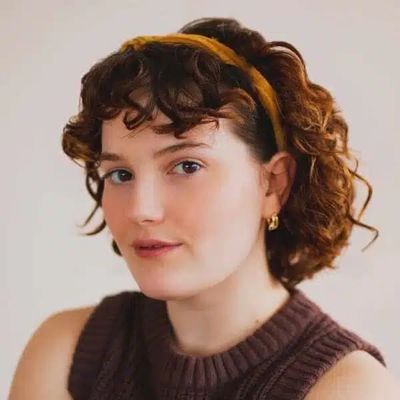
Featured Shows

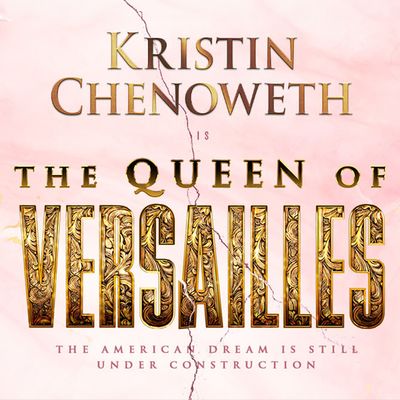
About
Broadway performer Nina White (The Queen of Versailles) joins The Art of Kindness with Robert Peterpaul for a lovely discussion on navigating the ups and downs of theatrical journey with kindness all the way up to her new play You Got Older at the Cherry Lane Theatre.
This positive podcast episode features:
- How Nina is working through stage door discomfort to learn to better accept compliments.
- The golden advice she received from her Tony-winning Kimberly Akimbo co-star Victoria Clark and The Queen of Versailles powerhouse Kristin Chenoweth.
- Her self tape tips + other advice for young musical theatre performers.
- The kindness of being present and honest and much more.
NINA WHITE stars as ‘Jenny’ in the Off-Broadway production of YOU GOT OLDER, which opened at the Cherry Lane Theatre on February 23rd to rave reviews and was a New York Times Critics’ Pick. Most recently, she could be seen in Broadway musical THE QUEEN OF VERSAILLES, for which she received acclaim for her standout role as 'Victoria,’ daughter to Kristen Chenowith's 'Jackie'. Nina first broke onto the theater scene originating the role of ‘Teresa’ in the 5x Tony-winning musical, KIMBERLY AKIMBO, followed by a role in the Kennedy Center’s acclaimed production of THE 25TH ANNUAL PUTNAM COUNTY SPELLING BEE. Her on-screen credits include A24’s Golden Globe-winning film, A DIFFERENT MAN, starring Sebastian Stan, and Peacock series LONG BRIGHT RIVER with Amanda Seyfried. She resides in New York City.
Got kindness tips or stories? Please email us:
artofkindnesspodcast@gmail.com
Follow Nina
Follow us
@artofkindnesspod / @robpeterpaul
(https://www.buymeacoffee.com/theaok)
Music:
"Awake" by Ricky Alvarez & "Sunshine" by Lemon Music Studio.
We are supported by the Broadway Podcast Network.
Transcript
This transcript was automatically generated and might contain errors.
[0:00] Nina White: I'm Nina White, and you're listening to The Art of Kindness.
[0:09] Robert Peterpaul: Hello, beautiful people. Welcome to the Art of Kindness, where we have compassionate conversations with artists from all areas of the entertainment industry who are using their voice to spread joy and make this big spinning planet in the universe a better place to be.
[0:25] Robert Peterpaul: I'm Robert Peterpaul, and I'm so glad you're here, hello friends. I hope you're having a lovely day. Spring is certainly springing over here, and so is my pop-up audition backdrop. You'll get that later on. I am also springing with excitement to bring you a recent conversation with an on-the-rise Broadway's star, Miss Nina White.
[1:02] Robert Peterpaul: Nina White is a New York City-based performer who hails from a land of many kind folks, Michigan. In 2021, Nina made her Broadway's debut in the original cast of the five-time Tony-winning musical KIMBERLY AKIMBO, and later received acclaim for playing opposite Kristin Chenoweth in the 2025 Broadway's blockbuster, The Queen of Versailles. We discussed the ups and downs of both of these experiences and how she navigated them with kindness, of course, as well as her current spell off-Broadway in You Got Older at the Cherry Lane Theatre, which is owned by A24 Iconic. It has been receiving rave reviews and runs through May 3rd. So hurry up and get there if you can, friends, before you get older. Okay, sorry.
Nina's on-screen credits include A24's Golden Globe-winning film, A DIFFERENT MAN, starring Sebastian Stan, and the Peacock series LONG BRIGHT RIVER with Amanda Seyfried. Nina and I went for a beautiful ride on the roller coaster of being an artist in today's world, trying to delete people-pleasing from our brains, severance style, if you will, learning to accept love and compliments at the stage door, and so much more.
[2:29] Robert Peterpaul: I am so grateful you're here with us today, and I hope you'll also join us in the digital kindness realm on social media at Art of Kindness Pod and at Robert Peterpaul, as well as on our YouTube channel where you can watch full video episodes. You can also do that on Spotify. Perhaps you're doing that right now. Don't worry, the video is coming, friend. I would just love for you to join our kindness community ahead of our 200th episode, which is right around the corner. I can't believe it. Truly, I am filled with just so much joy and gratitude for what this journey over the course of, oh jeez, five years has given me. And I can't believe, truly, that some of you tune in every week to hear about how we can activate kindness in the world from some of the greatest stars we have, both in front of and behind the camera, on stage and off.
And I truly again am just so thankful. And we have a lot of fun in store for our 200th episode. I cannot wait for you to find out who the guest is. Oh, I am bursting at the seams. I'm springing, if you will, to have a full circle beat here. So stay tuned, friend. Now, without further ado, please welcome the wonderful Nina White.
[4:02] Robert Peterpaul: Well, thank you, Nina. I am just so glad that you're here. Congratulations on You Got Older. It's the talk of the town. Thanks for making the time.
[4:12] Nina White: My pleasure. Thank you for having me.
[4:14] Robert Peterpaul: Of course, as we said, we briefly met at the 25th Putnam Spelling Bee Press Day, and you were just so lovely then too.
[4:23] Nina White: Thank you. So it's good to know you're still lovely.
[4:26] Robert Peterpaul: Thank you. I'm like, how long ago was that?
[4:29] Nina White: A little over a year ago. I remember clinging to Beanie. Beanie was my partner at that press day. I remember cling we were clinging to each other.
[4:37] Robert Peterpaul: Press is so it can be so strange. And like those press days, you're like, I've all of a sudden I have no idea how to talk about the show that I'm doing.
[4:49] Nina White: I have not I've never been witty.
[4:51] Robert Peterpaul: I've never been.
[4:51] Nina White: That's how you feel.
[4:56] Robert Peterpaul: I don't think that's true. But I agree because I've been on both sides of it. And I will say from the press end, it's also stressful because when you first start, you just want to vibe, or at least I just want to like mup it out with people. But then, you know, you can ask maybe one or two questions. You can't hug the people, and it's a whole thing, and it's like you want to be present, but then you're also looking at the next person coming so you can think of what to say.
[5:17] Nina White: Exactly.
[5:18] Robert Peterpaul: And there's like no time, and there's like one million people in like a studio.
[5:23] Nina White: Absolutely. Absolutely.
[5:24] Robert Peterpaul: But I remember. And they're like, we just want this clip for social, and you're like, okay, I'm gonna try and get it. I'll get that.
[5:30] Nina White: Yeah.
[5:30] Robert Peterpaul: But that was a fun day. And I wonder for you from that day until now when you're at the stage door, how are you at receiving like all this love and all these compliments?
[5:40] Nina White: Now that I've ever already given you a bunch, I guess. Um I would say that I need to work on that skill of receiving.
[5:49] Robert Peterpaul: You're doing well.
[5:50] Nina White: Okay. Thank you. Thank you. Um, I mean, actually, I mean it's funny that you bring up the stage door. I am someone who I really don't like to stage door at this moment in my life, honestly, because I think I just have trouble with like receiving right here on paper city.
[6:17] Robert Peterpaul: Right, exactly.
[6:18] Nina White: But like going out there and just like people, but it people just want to be like, oh my god, I love the show. They just want to say that, which is totally awesome. Um, but for whatever reason, I I have really struggled to feel like comfortable in that setting, comfortable receiving that. I always feel um like I'm talking in like this really high register when I go to the stage where I'm like, thank you. Um and uh yeah, but it's I feel like I'm not great at it. Some people are really good at it or like they and they enjoy it. When I I don't know, I but I do want to work on it because I think part of being kind is being able to receive other people being kind to you, you. You know what I mean? Like just get over your stuff.
[7:11] Robert Peterpaul: I think so in a way.
[7:13] Nina White: Yeah, no. Well, I think it is a tricky dance because it's also about the fan or the audience member having this special experience with you and running back home and saying, and then I met the person and they were so nice. And they sang this. So you want to be present for them, but then at the same time it can feel very awkward. So I get what you're saying, and I think just wanting to work on it is working on it.
[7:34] Robert Peterpaul: So you know what?
[7:35] Nina White: Thank you.
[7:37] Nina White: Thank you so much. It's a totally like different it does feel like a skill. It's a completely different set of skills, I think, to do the other stuff that like comes along with this career path. Like anything press related or to like any or anything like that. Like doing the stage door is is a skill, and some people are are so good at it. And um I'm on my way. Watch this space, guys. Watch this.
[8:03] Robert Peterpaul: We're gonna watch it.
[8:06] Nina White: So yeah. Well, you are on your way from Michigan as one of six kids, I believe.
[8:12] Nina White: That is true. Six kids, first of all. Wow. Okay. That's fun. Are you all musical? Are you the only one?
[8:18] Nina White: No, yeah. Um well, everyone's musical. Not everyone's musical. People my in my family like music. And I have a couple siblings who are musical, for sure. Most of them in some way. Um and everyone really loves music. But I didn't grow up in like a, I don't know, like I have a brother who plays trumpet, I have a brother who played violin for a long time when we were kids. My little sister has cool, like dabbled in some guitar. I feel like you know, my older brother plays guitar. I think that everyone is into music, but we're not like uh we're not gonna have a family.
[9:02] Nina White: Yeah, we're not gonna have a family band maybe soon. But um I would love that. Yeah, we're not like an artsy, I didn't grow up in like a super artsy household, I would say.
[9:12] Robert Peterpaul: Yeah, I get that. I feel the same. My family's very goofy, but looking back, we were very musical because we would just have outbursts of like it was like stimming kind of, I guess, of just like random songs, and I'm like, okay, how many siblings do you have?
[9:29] Nina White: Uh well, I have a sister, I have a brother, and then I had another brother who passed away who was very musical. He was very good at the guitar. But we're all weird and we're all muppeting around. And it makes me wonder because this is about you, Nina. Turning the tables.
[9:46] Nina White: Yeah.
[9:47] Robert Peterpaul: What do you feel like your definition of kindness was growing up? And how do you think it's evolved over the years?
[9:54] Nina White: Hmm, my definition of kindness growing up, you know, I think growing up, I heard a lot, which I still, which I stand by, the I heard a lot of like treat others the way that you want to be treated.
[10:13] Nina White: The golden rule.
[10:15] Nina White: Yeah. Um was oft repeated to me as a kid, I feel like. Um, do unto others as you want done unto you. Um honestly, I was raised in a pretty religious household. I grew up Catholic. And I like I would say, me in particular, also as a kid, like I really took the the Catholicism very seriously. Um, and so I would say it kind of a lot of my ideas when I was younger about like what a good person was, what what a kind person was, I think it was very informed by that.
[10:50] Nina White: Um I think like being humble was something that was really uh I guess like encouraged growing up or yeah, the idea of like you don't want to be you don't want to be a show off, you don't wanna um you don't want to brag, you wanna be humble.
[11:15] Robert Peterpaul: Um I get that.
[11:16] Nina White: Yeah. Which is hard in the arts a little bit because you want to be confident and that can get a little muddy sometimes.
[11:22] Nina White: Yes, exactly. Um and so yeah, and and also honestly, like I am a people pleaser. I feel like also like not making a problem was like my also like that's what you do to be kind is like no one ever has to worry about you. No one ever could possibly think something negative of you, like you could never do anything that someone might think was unkind, if that makes sense.
[11:48] Robert Peterpaul: Or no, I it does. I feel like I'm in a support group now. I needed to hear that because I'm a recovering people pleaser.
[11:54] Nina White: I like it's it's a journey.
[11:56] Robert Peterpaul: It's hard.
[11:56] Nina White: It is, it's really hard.
[11:58] Robert Peterpaul: It's really hard.
[11:59] Nina White: And I've I have been trying to undo some of that uh as I've gotten older. I think I mean, I think a lot of it is like great. I think being humble is is wonderful. I like when people are humble. I uh strive, I strive to live my life with humility. Um and I also think the golden rule will always stand, you know. Um but I do think that I I have learned that um the idea of like the idea of oh my gosh, like if I if I ever came across as anything other than so nice, like that would mean I was unkind. I I have really been trying to let go of that.
[12:55] Robert Peterpaul: Good.
[12:56] Nina White: It's hard.
[12:56] Nina White: It's really hard.
[12:58] Nina White: It's really hard, but it's kind of necessary because I think sometimes because I I don't always think that it's it's kind to be a people pleaser because you're not like being your true self.
[13:09] Robert Peterpaul: Yeah, and it's unkind to yourself.
[13:12] Nina White: Right, exactly. As well as the other person. And then it's like sometimes we say things, especially if you're similar to me in this way, you'll say something and you think it's gonna be maybe really aggressive and mean and you're nervous to say it, but 10 out of 10 times it's actually not, and it's like just a a cobblestone we have to lay in the in the path of not being a people pleaser anyway.
[13:33] Robert Peterpaul: Exactly, exactly. And I've had to tell myself so many times over the years, like the past couple years, especially, as I've been really trying to take a look at some of my thought patterns and the way that I move through the world, like uh I just pictured severance. I don't know why if you watch severance, but with like the screen like deleting the numbers, I'm like thought patterns delete. Um you know, there are so many people who I would never describe as people pleasers. So many people who are like, this is me. I am going to stand up for how I feel, what I want, what I want or don't want, which I am uncompromising about who I am, but I s but they I would still consider them like incredibly kind people.
[14:24] Nina White: Because I think that those things are not mutually exclusive at all. Um, but when I was a kid, I think I did. Yeah, looking at people that we admire who are very strong and stand in their power, but are also kind. You can be both and have that duality. And I do think another thing I related to you on that's similar is this need, at least early on, as you were starting out in New York City to be quote unquote right.
[14:58] Nina White: Yes. And I wonder how your relationship has changed with that as you've started to get some acclaim and your career is booming. How do you sort of work with perfectionism now? Because I feel like it doesn't go away, but you learn to maybe lower the volume.
[15:12] Nina White: Yeah. Um, yes, I definitely still have many perfectionistic tendencies um in career and uh in my personal life for sure. Um, but I do think, yeah, I think that even a couple of years ago I was like exactly what you said. Like I need to anything that would be asked of me in the room or expected of me, like I want to anticipate it and I want to be able to execute it perfectly. And if I don't, like it's embarrassing. I think I was so like there it like it felt embarrassing to me to be the idea of being imperfect or being incompetent. And I think that now again it's come so much from just like looking at people who have who are older than me or who have worked more than me, had like these long careers, and I look at them and I'm like, okay, who is walking the balance of like being prepared, being open to feedback, being a team player and a generous coworker while also like not abandoning themselves. And I've just kind of tried to take notes.
[16:32] Nina White: Yeah, I feel like I'm less scared now to like do something wrong um than I was a couple of years ago. I just feel I think a little bit more confident in my skills and confident in um it's it's hard, but you have to like trust. You're like, I know that I I know that I'm a hardworking person, I know that I'm yeah a nice person, and so I don't always have to be worried about like do do people think that like I can just trust that that's true and and not always worry about needing to be like the A plus Plus student star. Yes, you know, and I can chill out. Gold star. It's great. We can all chill. Everybody, everybody take a breath. We can chill.
[17:23] Nina White: And it's interesting too, looking at your career, because I think you mentioned that helped you with KIMBERLY AKIMBO because it was during the pandemic, there was a shutdown. You weren't doing all these incredible things that you did at maybe you Mish or classes outside of that. Yeah. And you just were living your life. And you said that sort of, I think it was not focusing or overfocusing on the craft, just allowed you to kind of like come in and shine and bring yourself to it. Which is such a cool lesson.
[17:49] Nina White: Yeah, I'm I thank you. I'm glad that I learned like or started learning that lesson then. Because I don't, I genuinely like do not know. I mean I have no idea where I would be like mentally or literally career-wise, if I without the pandemic. Because I think I like really my mind benefited so greatly from me just having several months of not thinking about anything like art or or not art, but like work-related at all. It was like what's important in life, kind of and then we all took a peek to be like exactly what's going on. We're gonna stay inside if we're safe. I mean, it was such a crazy time.
[18:39] Nina White: Exactly. It's like you just want to be alive and hope that my loved ones are alive and healthy and my neighbors are alive and healthy, you know. I was not in Zoom dance class at all. I was not, but I think it was good for me that I wasn't yeah, I was spiraling on TikTok. We had a uh a teacher in our house remote teaching. I mean, I do think it was a time to recenter, and you would see all these acclaimed people just zooming from home using their gifts to bring people joy, which is sort of what we're here for at the end of the day. It became a business, you know, and there's all that, but really it did allow you to like recenter, which is great.
[19:15] Nina White: And I wonder right after that time, you book KIMBERLY AKIMBO, it's a huge hit. As you're going and making this transition and then riding this huge high and then coming down from the high. I wonder in that time period, was there an act of kindness that you feel like sort of changed your trajectory?
[19:32] Nina White: Oh, that's a really good question. That's a really good question. I'm sure there were a lot. There were many. There were many, many. Um I mean, this is like a kind of a general answer, but the whole experience of working on KIMBERLY AKIMBO, I think, was pretty exceptional. And I feel like the older company members were always reminding us, like us, because there were so many young people that were like, There's ever a bunch of people's first job, myself included. I feel like the older company members were always reminding us, they were like, it's not usually like this. And at the time I remember being like, Oh my god. Like, like, I don't know, there's something about it that I was like, okay, well, what am I supposed to do with that?
Like, I don't know, maybe I I think at the time I don't know what I felt. Sometimes I would take it negatively. I don't really know why. Whatever. Who knows? Probably my own ego was bruised or something. Like it was like, you don't know, or like I maybe I don't seem appreciative or something.
[20:41] Nina White: Um what I do think it's true. I know it's true, that like the the vibe at that workplace, the people that were running it were really kind. Like I think that and they showed it like Janine and David were really kind. I mean, period. They're just like nice people. David like had us over at his house, and they always were like they were interested in us as people, not just like as their like employees, whatever, you know, but I think that they were really committed to the show, the story being good, being the best it could possibly be, and the clearest it could possibly be. And I think that their humility and lack of ego in that process, I feel like was very kind and made things like so it was so fun to go to work.
I think that Vicky Clark really like I mean, she was doing an insane lift in that show. Like she was doing like such unbelievable work, and also Vicky really, really like made it her problem to look out for us young people, and to she I feel like Vicky made us all feel like really smart, if that makes sense.
[22:13] Nina White: Like I feel like Vicky made us feel like our contributions were thoughtful and and necessary, and she wasn't just like I've been around, you guys just got here, you know. Um she really engaged with us like artistically, and we had all of our scenes, you know, we were with her all the time, so um, yeah, and she just always was looking out for us. She like really mothered us. Um so that was awesome. I mean, I just I don't know. I think that there were so many things about the experience that made me feel like, oh, awesome. Like, like I want to keep doing this, um, and not like, oh shit, okay, like I got to Broadway's and it sucks, you know. I think that I think if I had worked on something else first, I don't I mean I who knows, like maybe like I think not all experiences are as great as that one. And I think to start on that note, I think I'm very, very lucky. I think that it set me up to succeed in a way, like spiritually, if that makes sense.
[23:21] Nina White: Yeah, definitely. Yeah. I also was like so young doing that. I'm still so young. Um, and there were so many things I was like going to feel like I was trying to work out about being a person at that time in my life, and I feel like Bonnie I I cried to Bonnie plenty of times. I cried to Vicky, I cried to like I don't know. It was it was like um personally uh a lot of the time that I was working on Kimberly Kimba was actually like a really weird time for for me as a person, a bit of a hard time. Um I think yeah, I'm grateful in in like a personal way, also for for my coworkers there for always being so for being so kind, being listeners.
[24:08] Nina White: Yeah. Yeah. I love that. My long answer, sorry.
[24:12] Robert Peterpaul: Oh no, I appreciate all of it. Um I could have gone in 87 different directions. I'm like, whoop boop, wait, I'm interested in that and that. But I do want to get to you got older. I I I have to make one more pit stop before we get there, which is another kind powerhouse, Kristen Chenoweth. During another time on Broadway's, that was I mean, that was like the blockbuster show of the year in a lot of ways. And then I there was so much chatter around it, and I know there were so many ups and downs.
[24:37] Nina White: Yes. Okay, so you talked about going through things personally, but when you're in a show and in a cast and there's things swirling around, how do you handle these difficult moments with kindness?
[24:48] Nina White: I mean, that it comes up in the rehearsal room all the time too, right? Something goes wrong. Yeah. I'm I'm curious.
[24:55] Nina White: Good question. I mean, the Queen of Versailles was I mean, I don't think anyone would disagree with me. But I think it was a h there are a lot of things about that process that were hard. It was kind of hard. It was a huge show. Like just physically. Like so many moving parts. Um, so many people. So that's like literally huge. Um, which is always stressful. And I mean, but I think like Michael and RSM team, like and our choreographers, Lauren and Cree, I think that the way that they handled that stress was always incredibly admirable. Um yeah, I think that Michael's just I don't know, his the his mind he he he handled that part of the job, but that was hard. That was stressful.
[26:01] Nina White: Um we're doing this show that I think was incredibly political. I think that when they started working on the show years ago, like it was Trump was not re-elected, even when we did it in Boston last summer, Trump wasn't re-elected. Um and I think doing it on Broadway's at this time it was so emotionally charged for the public. People in the audience, also people on the internet. Um I think because I think that the story of the Queen of Versailles is like a pretty ugly one. I I think and I think that it's hard. It's also like hard when you're tasked with making something about something so ugly. Does that make sense? Like I don't think it was ever like an easy process in the rehearsal room because we were like, okay, we're making this musical about like um oh my gosh, like this family that has this like there's like this rot in a way. Does that make sense? Like I don't know. It's it was really I've I feel like is the subject matter is quite dark and we all felt it.
[27:14] Nina White: It's also so relevant. I mean, just with social media and everything and the people that we sort of worship as a collective in society. Yes. And I feel like there was a really deep message that a lot of people maybe were missing. But when I saw the show, what I just thought was beautiful was that you could sort of feel the love in all the things you're saying from y'all as a group on there. And everything everybody touched. Like it was just so palpable that this was like glad. Yes. I mean, that in its in its own front makes something just so enjoyable and delicious. But also Kristen Chenoweth, I mean Yes. Do you feel like you learned anything from being?
[27:51] Nina White: Oh my gosh, I feel like I learned so much. I feel like I learned so much. That whole thing. That wasn't on the book report you wrote that you told my friend Alana Levine. Yes. I mean, I think again, that was an example of a company, like to return to all the kind of maybe more negative things or what uh like the tougher things that I just said. Like I think that the company of people that were assembled to make that show were incredibly kind and hardworking people and like giving people and people who were smart and who are like, well, yeah, I know I'm willing to like do this show about this really strange uncomfortable thing. I'm willing to like stand in that weirdness, uh, which I think a lot of people maybe wouldn't be crude just enough to do.
Um, and I loved my coworkers on that show. And Kristen led the charge. And Kristen, I mean, yes, I wrote a book report about her in sixth grade. She has been like one of my longtime idols. And I think that Kristen set the tone uh in that room by I mean, first of all, like in a technical way, Kristen is so on it. Like Kristen doesn't Kristen knows her material. Kristen does her homework, like she is not a complainer. She is not a diva. That's important. That's a big big quality we love backstage. No complaints. Right. And I keep them in. Exactly. And save them for the bar. Yeah. Exactly. Which you've got to complain at the bar. You always have to have something to complain about in life. Venting is kindness, I do think.
Yes. I agree. I agree. Um, but Kristen Kristen, I think at the forefront of her mind always. I think especially as the production was proceeding and things were kind of getting tougher and tougher in the public eye, if that makes sense.
[29:57] Nina White: Kristen really, really cared about the rest of us in the building hugely. And I think made like some big, I think, yeah, and it was very clear. And she, Kristen made herself really available to us to talk to her, to talk to her about whatever good, bad. She wanted to like have closeness with us, which I think is, um, I think if you're gonna, I think if you're gonna be close with people, you need to invite them to be honest with you. Kristen was never afraid. Was always like, please talk to me and I'll talk to you. Like I'm here for you. I think that she, I really think she was a leader, and she was like, I think, and I really think if you ask any one of my castmates, I know they would say the same that Kristen really was like so generous to us in that hard, weird short run we had.
Um, and I think I did learn a lot from her. Kristen, I think Kristen is someone who is really humble and who like walks the walk of taking care of people. Like Kristen was really concerned about how people were gonna be, if they're gonna be okay financially or whatever with the show running so short. Like that, I mean, when we were in Boston, there were some like co, like Kristen helped like people. I don't know. She's just, she like walks the walk, literally, in terms of taking care of the people that she cares about. And I, and I, and you know, to circle back to something we said at the very beginning of this, Kristen is really good at receiving positive input. She doesn't make you feel weird.
It's really, I noticed it early on. I was like, I need to get like that. Because you could be like, my cousin's husband's daughter loves you, and she'd be like, oh my god, that's so sweet. Let's make a video to say hi. Like, oh, that's so special. That's like the Dolly Parton thing. Absolutely. Yes. So that's my long.
[32:25] Robert Peterpaul: Oh no, I appreciate that. I mean, I appreciate you sharing about that difficult time because I, my heart was going out to the people I knew working on the show, or just all of y'all in general, because I know it was very complicated, and she's always been so lovely to me and my family. I mean, I mentioned my brother passed away, she sent things to the fundraiser we did for cancer like a while back. Of course, just so much behind the scenes just to walk the walk.
[32:50] Nina White: Yes, she really, really does. Yeah, she really does, and she also like really cared. Like, I mean, Steven and Lindsay and Michael and like Bill Dimashki, our producer, and Kristen, like they worked for years and years, and put so much of their time and energy and brains into that show. Yeah, it's crazy because in a lot of ways it was at the perfect time for it to come out in the world, but then, uh, in a lot of ways it was at the worst time. Yes. Because Kristen was at the height with Wicked and Steven. Yeah. It mirrored the show in a lot of ways of people being at the height of this big grand thing and then just typical America gets in the way. And I think people were closed off to what the show was really saying.
I think they were willfully misinterpreting what the show was saying. And I think in the role that I was, thank you. And I think in the role that I was in, I was like, I think I can say that more clearly than anyone. Like I'm playing their daughter who, as the result of who knows what, like what's kind of was left out of the equation in terms of their time and their energy and their care, you know? And, um, I don't know. So it was a little bit.
[34:12] Robert Peterpaul: Let's not gloss over that voice, the incredible voice, okay.
[34:15] Nina White: Thank you. Let's not gloss over that. And I mean a lot of really incredible pieces of music in that show as well. But let's move on to another incredible show. We're gonna waltz down Cherry Lane, everybody. We have to talk about You Got Older, which you did get older while you were listening to this, and I'm sorry, but that's just a fact. Maybe not much older. You're still as young as you'll ever be. Right. It's at Broadway's's oldest continuously running theater, the Cherry Lane Theater off Broadway's, which is now owned by the indie film darling A24. And first of all, I just need to ask is there anything you've noticed in particular about collaborating with A24 specifically?
[34:54] Nina White: I feel like the cool kids are always coming to my show. I'ma be honest, that's, I'm like, wow, okay. I'm feeling chic. I'm looking out into the audience. Connor's stories there. Okay. He was actually in the front row. And this was last week, and I saw him when I first went out there for the transition. I was really caught off guard because he was in the front row. And then I was nervous the entire scene.
[35:22] Robert Peterpaul: Of course. Of course. Yeah. And especially if you didn't know.
[35:25] Nina White: Right. Yeah. Um, but I would say that. I think that it's interesting. I think the kinds of, I think a lot of the audiences are like typical New York theater audiences on the whole. But I do think like in terms of maybe like the other actors or celebrities or whatever you want to call them, uh, I think, I think that because of the connection with A24, a lot, a lot of people in the film industry in particular are attending, like in a higher concentration than they would maybe if the show was just like running on Broadway's. I think because it's, you know, it's A24.
[36:07] Robert Peterpaul: Yeah.
[36:08] Nina White: Um, you go hang out at that cool, that cool little restaurant after, what is it called? The Cherry Wild Cherry.
[36:12] Robert Peterpaul: So Wild Cherry. Impossible to get a reservation, but it's really good.
[36:18] Nina White: Okay. Everybody, if you get one, let's go. You should go. And everything is good there. And the drinks are really good.
[36:30] Robert Peterpaul: Okay, I've heard.
[36:31] Nina White: Yeah.
[36:31] Robert Peterpaul: All right. Well, speaking of a different leader, from the start, was there anything you observed maybe about your director, Ann Kaufman, or even your lead in how they kind of set the tone for everybody else?
[36:44] Nina White: Yeah, I think, um, Annie really wanted us to like get along as a company in a way. Like at the end of our first week of rehearsal, she had said on the second day, she was like, and on Sunday, like we're all gonna go to drinks. Um, and we did, and it was great. I think that she really cared, she very intentionally wanted us to spend some time with one another, like a little bit off the clock. Like I think she cared about the company getting to know one another. And it's a small show, and also the nature of the show, like there's a couple people in the cast who like I never interact with them on stage ever. Um, and so I think it would be really easy, and we had a pretty lengthy rehearsal process for this, which was so nice.
And I think it would be pretty easy to kind of like get to tech and be like, oh my gosh, I've actually like never really spoken to Caleb because I am never on stage with him, and I never rehearse with him, you know. The structure of the show in particular, it was very helpful that Annie intentionally in the first week, um, and like with our table work and stuff, she invited personal conversation in a way that was like helped everyone get to know one another. And I, I really appreciated that.
[38:08] Robert Peterpaul: Um, yeah, and it's Alia's first play ever. You know what's wild is that she did something at BAM called The Second Woman, which I would, I think you're right, it's still her first play, because it wasn't really a play.
[38:22] Nina White: But I was one of the men in that show.
[38:24] Robert Peterpaul: Oh my god, I've heard about this.
[38:26] Nina White: It was a crazy experience. I wish they would bring it back. Do you know what it was?
[38:30] Robert Peterpaul: I, she has like talked about it, but now I don't remember the details.
[38:34] Nina White: But wasn't it like, uh, you, you explained because it's like a glass box, a la you almost a TV show you where all the books are. It was like, but in the, this big box was a set, and then I think she had over 200 men that she didn't know. Some were actors, some maybe just knew someone involved in the production.
[38:55] Robert Peterpaul: Yeah.
[38:55] Nina White: So, you know, it was like a range. You know, some people were trying to really get in there and do the scene where other people were just showing up and muppeting around. But it was the same scene. I think it was two or three pages, and then it would just cycle through. A different actor would come in and then they would reset and cycle through. And she knew her stuff, but every time, because we stayed and watched for a little bit after I went, it was a different scene because it was like the different energy. And I felt in that moment just like how generous of a scene partner she was because she'll just go wherever you go.
[39:24] Robert Peterpaul: Absolutely. Yeah, she's amazing.
[39:25] Nina White: Which is amazing. Yeah.
[39:26] Robert Peterpaul: So have you felt that, you know, working with her?
[39:29] Nina White: I've definitely felt that. And I felt like she is someone who I would describe as like she's like, this is me, this is who I am. I feel like she's very confident in who she is and in asserting herself and like who she is as an artist, all of those things. Um, but she, but she was showing up and she was like, I've, she was like, I have never done a play. Uh, she was not afraid to be like, this is my first go at this, you know, like for certain things that she didn't know. Like she was never afraid to ask a question about like, okay, well then how does this work? How does this work? Which I think, um, I, I really admire that about her because I, it's hard. Like, I don't know, when I've been on a film my first several times on a film set, I was like, I can never remember the order of what's happening.
I never want to ask anyone because I don't want to look stupid or whatever. You know what I mean? And I just really, yeah, um, I really admire about her that she was not, she was not worried about us being like, oh, Elia has a question. Oh.
[40:37] Robert Peterpaul: I know, or even just like collaborating in that way. I was on set for something recently and then there's the whole discussion, like, do you think he needs a sweatshirt? They're like, do you want a sweatshirt? And I'm like, do you, do you want me to have a sweat? Like it's like just go in there and do, no one's gonna be mad at you. It's, it's going back to what we talked about before. So it is a very admirable quality and an underrated quality of like just not having to be right.
[41:01] Nina White: Absolutely. Also because people want something else that I am reminding myself of and that I'm learning more and more is that people want you to be confident in yourself, actually. Like if you are walking into a room, especially if you've like been hired to do a job, you know, already, like not on audition, like I don't know. If you hired someone to do something and then they showed up and they were like, oh my god, like I hope I can do it. Like, oh no.
[41:29] Robert Peterpaul: That was borderline Jennifer Coolidge, which is great.
[41:32] Nina White: Right. I don't know if that's a new repetitive.
[41:34] Robert Peterpaul: Oh, thank you.
[41:35] Nina White: No, but it, you're welcome. Add it. Add it to the reel.
[41:38] Robert Peterpaul: I know, you're so, that's an SNL skit. That would be a hilarious skit. I'm just like hiring someone and they're like just so deathly afraid.
[41:46] Nina White: Right. But it's real. But sometimes I do feel like as actors, you, uh, I mean I, you, we all like can act like that. Like, yeah, what, like what do you think? It's like it's okay for me to, I can have a thought about the character. That's actually what I was hired to do. And it's actually gonna be better for everyone if I wonder when you're not hired. I need to know about your self-tape regime.
[42:12] Nina White: About my self-tape regime. Really good question. I recently got a backdrop. Recently is an overstatement, I guess. Nope. Maybe am I gonna do it? Do you have a dog?
[42:22] Robert Peterpaul: Oh my god.
[42:24] Nina White: Oh my god, I just popped open. Wait, I don't know why I thought I heard a dog collar.
[42:29] Robert Peterpaul: I literally just said, do you have a dog?
[42:30] Nina White: That was the stupidest thing ever. Oh, yeah. Wait, do you have a dog? Because I feel like I've been hearing a dog collar on your end.
[42:35] Robert Peterpaul: You have. Tell me about the dog.
[42:38] Nina White: She, her name is Mafongo. She is so cute. She is a black scruffy dog.
[42:44] Robert Peterpaul: Oh, I think she just heard me her name.
[42:47] Nina White: Oh no. She's chilling over there.
[42:50] Robert Peterpaul: Co-star. She's get them mic'd up.
[42:53] Nina White: Oh, I love that. I have two cats and they're, they're crazy.
[42:57] Robert Peterpaul: I love cats.
[42:58] Nina White: I really do. I didn't get them growing up. I only had a dog. And so I was nervous.
[43:02] Robert Peterpaul: Sure.
[43:04] Nina White: But then we got two little sweet baby angels, and they're just weird and they're fine.
[43:08] Robert Peterpaul: And what else do you want?
[43:09] Nina White: Right. Right. I know. I, I know. I do not ascribe to like the dog cat dichotomy. Like I love them all. And I think if you really don't like one, I think you're doing too much.
[43:26] Robert Peterpaul: I think that's not true. I think you put it correctly.
[43:30] Nina White: I will say though, sometimes we don't necessarily love when they're trying to get involved with the self-tapes to bring it back to the self-tape situation, which does happen often. And I wonder if you have a hack for that, but also just in general with self-taping, not feeling like that's something took me a long time to learn of like not feeling like I have to give them what I think they want and just sort of being like, here it is, you know, and whatever.
[43:57] Robert Peterpaul: I feel like I definitely have thought of, sorry, there's a big siren going. This is great. We have people listening from all over that I think love when there's like a New York City iconic moment like this.
[44:10] Nina White: That we've got siren.
[44:12] Robert Peterpaul: Yep, gotta go kind.
[44:16] Nina White: It's the self-tape police. Oh, the day has turned out really beautiful. I'm looking out the window, I'm like, we gotta get you outside. I promise.
[44:24] Robert Peterpaul: Yes. It is really nice. No worries. No rush, please. We're talking about kindness. Okay.
[44:29] Nina White: True. True. Yeah. So what's your self-kindness? Your self-tape self-kindness.
[44:34] Nina White: My self-tape self-kindness. Um, depends on the day, how kind I am doing a self-tape. Sometimes I do most of my self-tapes with my beloved boyfriend, Gion, who's also an actor. Okay, that's clutch. That's clutch. And, um, he has seen a range of attitudes from me while doing a self-tape.
[44:57] Nina White: Um, and if I'm like it really depends on if I'm feeling self-hatred or not, honestly. Do because sometimes you are like that, that is the what I how I would describe the feeling. When it's when I'm like crashing out doing a tape, it's self-hatred. But yeah, I think on the whole, what I have had to what I think works best for my mind, and really what I believe to be true about the way that auditioning works, is that you really can just do your version of you're doing your your version of the character of the material, and they're either gonna want your version or not. And obviously, like you can get notes, you can get adjustments, you can do something, probably most things like 12 different ways. But I think that like especially for a self-tape, because no one else is there to give you notes. It's just you really, you know, casting isn't there. Um reader's probably too afraid if you're spiraling.
[46:01] Robert Peterpaul: Right.
[46:09] Nina White: Just exactly. Except actually, I feel like Dion usually does give like very, very good notes. I'm smiley, my self-tape coach. I'm grateful. That's that's no, that's very lucky. And do you feel like too sometimes you'll be in the middle of the scene and then your little hatred fell in your head is like you're not doing it right, and then you crash out, but then you watch it back and you're like, actually it was go it looked like it was going well because no one can see what's in my head.
[46:31] Robert Peterpaul: Exactly, exactly. Or sometimes I do the opposite, where I'm like, I feel like that was pretty good. And then I watch it back and I'm like, uh this is a classic for me. A classic is like doing it, and then I'm like, okay, I feel great. And then I'm like, okay, I'm gonna go go watch them back, you know, shorten them, the the beginnings and ends, send them to my agents.
[46:51] Nina White: Of course, of course. And then I'm watching them and I'm like, so absolutely not. We have to do this again.
[46:58] Robert Peterpaul: Yeah.
[47:00] Nina White: Um get the clothes back on, pop the thing up.
[47:04] Robert Peterpaul: Exactly. I feel like I I very commonly go back.
[47:09] Nina White: Yeah. But you nailed this tape for you got older, from what I hear. They they still remembered you, called you back in. They didn't this show it deals with the more tender meat of life. We'll say it was actually very close to home after we just got through a year bless up of my mom going through cancer. She's cancer free.
[47:27] Robert Peterpaul: Okay, okay. Woo!
[47:29] Nina White: Yes. Mama. Okay. Mama. Sorry. I wonder if this show is teaching you anything in particular about the importance of caregivers.
[47:40] Robert Peterpaul: Oh.
[47:40] Nina White: How they can be kind to themselves.
[47:44] Robert Peterpaul: Yes.
[47:45] Nina White: And I'm her life is a mess anyway. And then she has this on top of it, you know.
[47:50] Robert Peterpaul: Yeah.
[47:50] Nina White: Her life is absolutely a mess. I think that's a good idea. In the show, not my mom. Sorry.
[47:56] Robert Peterpaul: Yes.
[47:57] Nina White: In the show. May. The character of May, her life is a mess. Uh, and she's gone home to take care of her dad while he's going through finishing up, finishing up this round of his cancer treatment. I mean, I think that the show is kind of arguing. I mean, about caretaking. I think that even if you're an imperfect caretaker, you can still be a caretaker. You know, I think that May, as a character, is she's really plagued by this kind of shame that she I mean, because it's also so hard with family. Like she goes home, but she's like, ugh, like, why am I thinking about this other stuff? And she's thinking about like weird, she's having these weird sexual fantasies. She's like, you know, thinking about her boyfriend that broke up with her, thinking about getting a new job.
I think she's like, why am I thinking about all this shit when I'm here with my dad going through cancer treatment? Like she says multiple times in different ways, like, I know this is crazy. Like, I should just be focusing on my dad. I should just be focusing on my dad.
[49:07] Robert Peterpaul: Um, and I do think that it's oh, there's Oh, hey.
[49:13] Nina White: Oh, uh dad. Hey.
[49:15] Robert Peterpaul: Yes.
[49:17] Nina White: Um, I think that's a good thing. You know what's so funny.
[49:23] Robert Peterpaul: Yeah.
[49:24] Nina White: In post when we add everything, uh most of these noises will be gone, and then listeners you're gonna be like, what are they talking about?
[49:30] Robert Peterpaul: What happened, guys?
[49:31] Nina White: There was background noises, y'all going by. I loved it. Thank you. Yeah, but you bring up a great point too, which is that I feel like we all have this now a little bit with the phone dilemma where it's like you'll be with the people that you love, but then looking at other people that you love, but then when you're with those people, it's like, oh, you're looking at the people you were with when you should have just been with them. It's like it's a human condition.
[49:53] Robert Peterpaul: Absolutely, absolutely. And I think our phones make it so easy, exactly.
[49:57] Nina White: Yeah. And but it's true, yeah, absolutely. But even even without them, yeah. It's it's just hard to just be present, I think, especially with especially with family and when things are happening that are really painful and you want to avoid them. Um, but I do think probably if you asked the character of her dad in the play, like whether or not he thinks she's you know, I don't know, like quote unquote, doing a good job being a caretaker, I think that he would I think I'm sure that he he's obviously just so happy that she's there, you know, and happy for the time that they're spending together. It's not about like the there's actually not so much pressure um to be perfect.
[50:52] Robert Peterpaul: So go back. You're so right. It's just showing up.
[50:55] Nina White: Yeah. Yeah. Yeah. And which is hard.
[51:00] Robert Peterpaul: It's so it's that's a big task.
[51:02] Nina White: It is hard. But it's actually interesting. Now I'm bringing it back to self-tapes again. But in this intimate space where you know you have Connor in the audience right in your face, you could see everything.
[51:11] Robert Peterpaul: Of course.
[51:12] Nina White: It's a 824. It's a weird mixture, as a lot of theater is. Even Queen of Versailles with their projections, it's becoming mixed mediums where it's like film and also theater. So I wonder where you sit on the adjustment for the whole big and small thing. Because again, just showing up is enough. And actually, as a human, you read it very interestingly on camera when you're just being and then you say the line.
[51:34] Robert Peterpaul: Right. How how do you sort of navigate that?
[51:37] Nina White: Hmm. I think that I always I always like ste-wise. I I prefer naturalism. I mean, I kind of who doesn't, but some people don't. Um and I think that even like in a musical theater setting or like in a big house, I really want to I want to watch performances that feel like real people, even if it's in like this obviously this like elevated art form, you know. Um but and I think that the small house at the Cherry Lane is helpful for that because you don't have to worry even very much about I mean we are mic'd, but like we didn't we don't even need to be mic'd in that space. It's so small, you know. You do have to you do have to have technique though, like, people need to be able to hear what you're saying and understand what you're saying, or it doesn't matter at all. Um, but it is nice because the house is so small that you don't have to worry so much about like can people see me? Can people hear me? Um, you don't have to be so aware of that in a way.
[52:54] Robert Peterpaul: Yeah, like this thing on.
[52:56] Nina White: Right. But I actually it's funny because my I'm like thinking of if she would feel okay if I share this, I think it would be okay.
[53:08] Robert Peterpaul: But you can always ask an account.
[53:10] Nina White: Right, okay. I think when I I my beloved Vicky Clark came to see me in the Queen of Versailles, and she talked to me, she came to opening, and I love Vicky, and I I just I think she is someone who like I look to and I think like that's she I want to perform like her, if that makes sense, or like the way that she works. Like, I just like really strive to be the kind of actor that Vicky is, if that makes sense. And um she came to the Queen of Versailles, and we she called me a couple days later after the opening, and she was like, Hey, I just want to see how you are doing and chat with you, how's it going? And she again is so generous, and she was like, and she had made herself available to me so much during that process.
She had been like, if you have any questions, if you need any help. She came to see the show in Boston, and she was like, Is there anything you want me to look out for in particular that you want to talk about after? Like, she's so amazing. Um and she so she was like, I I had a thought for you, if it's okay. And I was like, Of course, I want to hear any thought that you have. And she was like, you know, Nina, you I feel from you that you do not want to look out in the audience. Like you don't want to face out. And I was like, that is correct. I do not want to do that. And she was like, I know because you weren't doing it very much. And I know you and I felt from you that that felt like really uncomfortable.
Um she was just like, I I completely understand why it feels so weird. It feels so artificial. It's like, why am I looking out? Like I want to feel like I'm doing this for real and not on a stage. Um, and she was like, I have the exact same instinct. Um, and she's like, and it's taken a long time for me to figure out how to be comfortable with looking out, basically, or turning out. Um, but she kind of was like, but you need to turn out. You gotta figure it out because I'm missing you. Like I can't see you. I want to connect with what's happening with you. And if I can't see what's happening on your face, I'm I'm missing that information. And she was like, I think it's really she was like, your character is conveying really important, like emotional and intellectual information, like in this play, and if people are and she was like, and I really think like you don't want people to miss that because you are too afraid to look out.
[55:56] Robert Peterpaul: Um, you know, because of Caleb Artificial.
[56:01] Nina White: I know. No, this is like a full circle thing from the top of the conversation, and I I know I gotta let you go because sh we were talking about how it can be scary to sort of like be honest sometimes and raise your voice and not people please.
[56:12] Robert Peterpaul: Yeah.
[56:12] Nina White: And Vicky Clark, she's she's given us all the lessons, all the truth bombs here. Yes. And I know unfortunately our time is ending, but we like to end on action. So I have a surprise game, Nina.
[56:24] Robert Peterpaul: Okay, I'm ready.
[56:25] Nina White: It's called the compliment game. And basically, I reached out to someone in your life for a loving statement about.
[56:32] Robert Peterpaul: Oh my god.
[56:34] Nina White: It's a compliment. I'm gonna read it to you. Okay. And then you have to guess who said it.
[56:38] Robert Peterpaul: Oh no, Ali, I'm so scared.
[56:39] Nina White: Okay. This one's pretty specific. I will say you can ask me yes or no questions. I don't know much. I will also say it's on theme for today for the reason we're here.
[56:51] Robert Peterpaul: Okay.
[56:51] Nina White: Everyone's beautiful in their own way. It's a compliment game on me.
[56:55] Robert Peterpaul: Yay, okay.
[56:56] Nina White: It's the compliment game.
[56:57] Robert Peterpaul: Compliment.
[56:58] Nina White: Yay. Okay. Alright, I'm gonna read it to you. Nina truly has one of the best, best styles of anyone I have ever met. Besides being adorable and infectious joy to be around, I wish I could steal her entire wardrobe.
[57:20] Robert Peterpaul: I think I know who it is.
[57:22] Nina White: Do you?
[57:22] Robert Peterpaul: Is it Ali?
[57:24] Nina White: It is Alia!
[57:26] Robert Peterpaul: Alia.
[57:27] Nina White: Well, thank you so much. I don't think I mean I'm we I'm really honored because I love Alia's style. And I'm not just saying that. She's so cool. She always looks so cool. And I feel really honored whenever she's like, where to get those pants? I'm like, wow, this is I feel like this is not a thing that's happening to me in my life on the whole. I do not can I've not previously considered myself um a style maiden. Now it's true. But to Alia, I am, and that's really what matters. Wow. Thank you, Alia.
[58:01] Robert Peterpaul: Thank you, Alia. I knew it. What a sweetheart.
[58:04] Nina White: I know. That was great.
[58:05] Robert Peterpaul: That was great. And in our final minute together, what would also be great, even though I don't want to end, but I know I got it, is if you could give us a tangible kindness tip. So something you would want everybody listening to do to try and make the world a little better.
[58:19] Nina White: Besides see, you got older running through April. Period. I would say my tangible kindness tip for today is that if there's someone in your life that you feel like you need to have uh some sort of difficult conversation with, or you need to say something that you're worried you don't know how they're gonna take it, or whatever, whatever. I encourage you to speak with them honestly because the kindest thing you can do for a relationship, I feel like, is be honest and be open. And um I think if people were honest more often, life would be easier, and I bet your loved one will appreciate your honesty.
[59:13] Robert Peterpaul: Talk about a truth bomb. Honesty is kindness. That was beautiful. Thank you, Nina. I so appreciate you being here, and it's just such a joy to watch your career continue to grow. I think you're so talented, and now it's great to know you're also kind. So thank you.
[59:29] Nina White: Thank you so much for having me. This is so fun.
[59:31] Robert Peterpaul: So fun to talk with you.
[59:33] Nina White: I really had a great time.
[59:35] Robert Peterpaul: I'm glad. Until next time, remember, everything is gonna be A-okay.
© Broadway Podcast Network, All Rights Reserved