

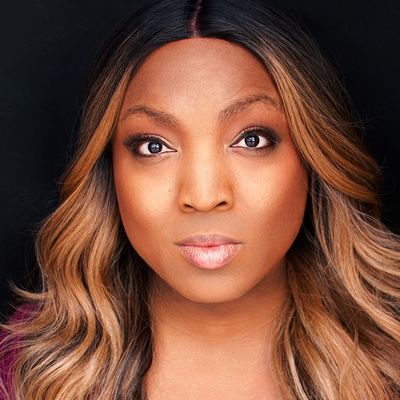
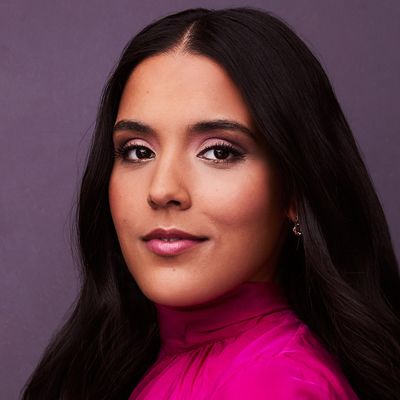
Tony Award Nominee L Morgan Lee (A Strange Loop), Broadway's Linedy Genao (Bad Cinderella), Director Taylor Haven Holt (Back to the Future Musical) join The Art of Kindness with Robert Peterpaul live from BroadwayCon 2023!.. Read More
From the show: The Art of Kindness: Pop Culture & Positivity with Robert Peterpaul
Guests
Featured Shows

About
Tony Award Nominee L Morgan Lee (A Strange Loop), Broadway's Linedy Genao (Bad Cinderella), Director Taylor Haven Holt (Back to the Future Musical) join The Art of Kindness with Robert Peterpaul live from BroadwayCon 2023! Listen in as they discuss how to make the rehearsal process a more positive, safe and successful place for artists to thrive.
This special live podcast is presented by the Broadway Podcast Network.
Got kindness tips or stories? Please email us:
artofkindnesspodcast@gmail.com
Follow us
@artofkindnesspod / @robpeterpaul
(https://www.buymeacoffee.com/theaok)
Music:
"Awake" by Ricky Alvarez & "Sunshine" by Lemon Music Studio.
We are supported by the Broadway Podcast Network.
Transcript
This transcript was automatically generated and might contain errors.
[0:06] Robert Peterpaul: Hello, beautiful people. Welcome to the Art of Kindness, where we have compassionate conversations with artists from all areas of the entertainment industry who are using their voice to spread joy and make this big spinning planet in the universe a better place to be.
[0:22] Robert Peterpaul: I'm Robert Peterpaul, and I'm so glad you're here. Hello! Hi everyone. Welcome. As people filter in, I am Robert Peterpaul, thank you so much. Oh wow. Oh, thank you. I'm Robert Peterpaul. And I am the host and creator of the Art of Kindness Podcast on the Amazing Broadway Podcast Network. Thank you. Please subscribe. We are almost a hundred episodes in, which is wild and super exciting. And we've had guests like Stephanie J. Block to Ethan Slater, who's quite trendy these days, to Megan Trainor. So it's really fun. It's a great time, and I'm honored to be here today with these amazing guests who I will introduce in a moment. But when I was thinking about a panel and what we could do to kind of spread kindness even more in our industry, I thought, what's at the core of theater, you know?
And I think rehearsals really are the place where the magic starts and where we all come together to create art. And so I thought talking about making the rehearsal process a little bit safer and kinder could just be a fun and worthwhile venture. And then I roped in some pretty fabulous people to join me.
[1:33] Robert Peterpaul: If you look to your well, we could start on my right here. We have a Tony-nominated performer from A Strange Loop, who's pretty incredible. Give it up for L Morgan Lee. I wrote a note to myself saying, keep intros short, don't ramble, Rob. So that's what I'm trying to do because I could talk about each of them for 45 minutes alone, honestly. To my left, we have a panelist that dazzled this Broadway season for being pretty bad. But that doesn't mean she can't talk about kindness. Please welcome Andrew Lloyd Webber's Bad Cinderella herself, Linedy Genao! And then all the way down to the left, go on down. Our first panelist here has put her creative stamp on Broadway shows and toys like Hand to God, The Curious Incident of the Dog in the Night-Time, not the daytime, Hamilton, and rumor has it she flew here on a DeLorean today.
Please welcome my friend, Back to the Future associate director, Taylor Haven Holt. Hiya! Yay! Welcome everybody. I'm so excited to be here with you all. Thank you. As I like awkwardly crane my neck. My head might fall off by the end of this, which is probably fine, honestly.
[2:45] Robert Peterpaul: For the sake of recording a live podcast right now, I would just love if each of you could say your name before you answer the first question, just so listeners can kind of sync a name with a sound. You know, hey listeners, hi. I will start out by asking you a question that I always ask my guests because I feel like it provides context for every interview. It's kind of a fluffy question and a big question, but maybe starting with you, L Morgan, and not to put you on the spot. I would love to know what is your definition of kindness.
[3:15] L Morgan Lee: Ooh, a light question. My definition of kindness. Oh God. I would like to say it's kindness equals considerate care. Ooh, alliteration. Yeah, uh, well. Yeah, considerate care. Someone kindness is the act of considering the other person and then handling them in whatever the situation is with some degree of care. Subjective, seeing people.
[3:45] Robert Peterpaul: Yeah, I love that. That's beautiful. We can go here to the left if you're ready. Linedy, what is your definition of kindness? What comes to mind?
[3:51] Linedy Genao: She's not ready. Hi, I'm Linedy Genao. That was a really great definition. So I'm nervous. But my definition of kindness, I would say, is just acting, you know, without judgment, not thinking about yourself, just thinking about the other person that you're gonna help, and just putting aside your own beliefs or anything, and just being genuine and being real.
[4:15] Robert Peterpaul: Oh, that's so beautiful. We can clap it out. I would ask all of you what your definitions are, but I think a beautiful way to participate is just by clapping, shouting. Well, don't maybe don't shout. I mean, you could be like you could be like, yes, or go around. But we want to hear you. This is a live taping, which is super exciting. So I bought you a little bit of time there, Taylor, by rambling, but this is Taylor.
[4:35] Taylor Haven Holt: Uh yeah, I mean, I think it's meeting people where they're at and always treating people with that sense of dignity and respect. And I think that's um collaboration to me is is another piece of that as a director. That's what I choose to lead with. It's uh and so I think that's part and parcel with being kind.
[4:54] Robert Peterpaul: That was beautiful. I love that. These are all wonderful definitions. And what's super cool is almost a hundred episodes in, maybe this will be the hundredth. I don't know, happy one hundred if it is people of the future. But everyone has a different answer to that, which I think is amazing, and at the core of it is obviously love, but I think it speaks to the fact that kindness is really personal, and so every interaction you have with somebody should be just that. It should be personal. You should see that person, and I think that's kind of what it comes down to. So when all of you sign on to a project, congratulations, you're booked it. What I guess is your ultimate hope thinking about kindness?
Do you sort of have dream expectations going into the rehearsal room from the first day and beyond that come into your head? They can be simple things like just hoping somebody goes to lunch with you. I mean, these are all the things that we want. So we again we could start with you, L Morgan.
[5:41] L Morgan Lee: Oh God, the pressure. Sorry, we won't always do that. I promise. I promise I'll mix it up. Gosh, I walk into a room day one. It's interesting because had you asked me this question last year, it would be a different answer than today. You know, last or pre-Broadway, I will say, had you asked me that question, the how I would enter the space and what I consider kind, um, would just be very different. I'm at a place now where I sort of have no expectations of kindness or quite frankly of anything from anyone when I walk into a room day one. I'm it's it's the moment to allow people to show me who they are. I'm just sort of emotionally and mentally and spiritually taking notes. I'm very much like the only child introvert who is like a cancer, who used to like watch the other children in my neighborhood play from my window to figure out who I wanted to play with.
[6:36] Robert Peterpaul: Yeah.
[6:37] L Morgan Lee: So I feel like I feel like only children, I see. Yeah, it's like a thing. So I feel like I, in a sense, I that has been like double fold now when I walk into a room. If it's day one, I'm taking notes.
[6:49] Robert Peterpaul: I love that. And no expectations, I think it's just a beautiful way to walk into any room, right?
[6:54] L Morgan Lee: Yeah, it keeps it keeps you from being disappointed or hurt, or like it is good self-care. I love that. I did expect that I would trip and fall when I walked in here today and just be awkward, which I'm already doing, and I'm eating my expectations, but I didn't trip. Thank you.
[7:07] Robert Peterpaul: Linedy, if you have any thoughts on that as well.
[7:10] Linedy Genao: Yeah, for me, day one of rehearsal is always, you know, exciting, but also nerve-wracking. I'm anxious, I'm nervous. And I just remember that I'm human, and every single person in that room may be nervous as well because it's the first day of school, it's the first day of this new adventure. We're all gonna learn together. You know, especially if it's a new show that you're building from the bottom up. It's even more terrifying because everyone's watching you, you know, and at least with my experience with Bad Cinderella was my first principal role in originating a role like that. I just had to surrender and try to block out that imposter syndrome and just really surrender to the fact that everyone's here in a room full of love and a room full of safety trust. And so, yeah. I mean, what a way to start. Right up the get your Bad Cinderella. I mean, that's pretty incredible. I imagine that was some pressure there, but I love all the things.
[8:02] Robert Peterpaul: All right, come on. Yep. Taylor, what about you?
[8:06] Taylor Haven Holt: Yeah, I mean, it's a little different for me coming from a director point of view. I mean, the first day of any, and I think this speaks to being an only child, of like that is terrifying. The first day of like meeting so many people and so many names and so many, like, you know, how many of us have chosen your like first outfit for that day? It's like first day of school, it's like, yes, planning, this is how I want to present myself. But as a director, I mean it's always my intention to make that room feel as inclusive and positive and fun. And like the first day really does set a tone for that, and it's a matter of making sure that everyone is seen and heard from jump, because then it just makes that room so much easier to lead from then on.
[8:49] Robert Peterpaul: Yeah, I'm glad you brought that up because the reason why I wanted different perspectives here from performers, a director, a weirdo, is just because I wanted to be able to kind of pinpoint expectations and things we could literally do and walk away here today, knowing and having kind of in our toolkit to each do our part. And so in looking at I guess what you just brought up, you know, tangible things we can do, maybe even on the first day to set the tone. I would love your thoughts. And maybe if you have an experience working with a director or producer or a choreographer, anybody in a leadership position who you feel like really set the tone and made it a positive process.
[9:26] Taylor Haven Holt: Uh yeah, I can I I mean, I'm working on Back to the Future right now. It's my first time being John Rando's associate, which is terrifying. He was someone that I have wanted to work with for a very long time. He's incredible. I mean, You're in Town is like one of my favorite shows on the face of the planet, and he directed the Broadway first production. And he really has taught me a lot about leading with sort of quiet strength. He's not the loudest person in the room. He's not, you know, Tommy Kail did this as well in Hamilton of like I want to be those people who have that quiet strength in leadership and making really everyone feel like they are there for a reason because that's you are there for a reason. And so it's a matter of really validating people right from the beginning.
[10:13] L Morgan Lee: And it's kind of comforting knowing that everybody experiences that imposter syndrome, right?
[10:17] Taylor Haven Holt: Oh, yeah. I mean, you could just have to tell yourself that everyone is having the exact same thought process right now of like on the inside. And so it's like great, if we're all like just acknowledge the fact that like we are anxious and that's okay. Like I wish I had someone telling me that in like middle school and high school, because it's someone who has wicked anxiety. It's a matter of like, yes, you are not the only one in the room that has these feelings, and we're all just trying our best and you know, meeting people where they're at. Let's write that down. Let's put that on the board. Maybe just starting the rehearsal process by everybody shouting we are anxious and it's okay. Let's do it. I think that's kind of great, honestly.
[10:50] Linedy Genao: I love that. It levels the playing field. It like levels things out.
[10:54] Taylor Haven Holt: Yes.
[10:54] Linedy Genao: Yeah, I think that'd be wonderful. For me, I remember the first day of Bad Cinderella, our director had us all in a huge circle. And there was probably at least a hundred people there because you know the first day it's the creatives and everything. And every single person involved in the production. And our director said, I want everyone to go around, introduce themselves, say your name, what role or what part you play in the show, and something interesting or funny about yourself. And so, of course, the first 10 people was like something, you know, something small, like, oh my daughter, my cat's name is You're in Town. Something ridiculous, you know. I don't know. It wasn't that. I just that was what was in my head.
But it was something like, oh meh, like whatever. But as it kept going, people started really sharing some really funny things about themselves. And so we were all dying laughing. And it really broke the mold and broke the ice, and finally we were able to exhale a little bit. Because the first day is, you know, you're anxious and nervous, but then it's exciting, you're doing music. It's n it's like nothing crazy, scary and hard. Then it's like day two or three, and they're like, Okay, get on get on the stage. And I'm like, No, I don't I don't want can I just sing again? You know, so I think that really helped just get insight on who everyone is as a human and like little things about them.
[12:10] Robert Peterpaul: Yeah, I think that's so fun, and it's kind of like riding that line between keeping things super serious, but then not taking yourself too seriously. You want to take the work seriously and show up on the first day and show everybody that you deserve to be there. But once someone kind of breaks through that wall and just makes a joke and you're all laughing, it's like, oh well, we wanted to do this when we were kids.
[12:27] Linedy Genao: Yeah, you're booked.
[12:28] Robert Peterpaul: Like you're there. Like you've done enough to get yourself into that room. And I think it's sometimes you forget that because you are standing next to. I mean, like I remember, oh God, on Hand to God, like Mark Kudisch is someone that I was like a fangirl for for the longest time. And to like be able to like stand next to him and then have to go like give him notes and like those moments where you're like, what is my life right now? But it's like, you know, we're all just doing the same thing. We all are doing it because we love it and we want to be in this community and storytell for a living. And so remembering that sense of we all are worthy.
[13:00] L Morgan Lee: Yeah.
[13:01] Taylor Haven Holt: Yes.
[13:02] Linedy Genao: Yeah, we are.
[13:02] Robert Peterpaul: I mean, even just being here with you right now, my heart's like, and then being in the green room, it's like Susan Stroman. I mean, everybody here today just blows your mind. But at the core of it, we're all people, you know, and it's simple, but it's true, L Morgan.
[13:15] L Morgan Lee: Oh, yeah. I mean, I it's interesting. I could choose sort of which side of myself I want to answer this question as. Because whenever I have the opportunity to direct a room or lead a space, I think I'm a bit of a combination of both of those things. I always start up with some sort of like ridiculous exercise. Well, not really ridiculous, because I tend to ask the question, what are you bringing to the room today? Just because it starts to give me, it starts to give me an idea of who these people are and gives each other an idea of who you are and the types of things you're bringing into the room. It's an opportunity for us to show that moment that where we're like, you know, today I'm bringing in anxiety and I feel really weird, and it is what it is.
And then you get to breathe. And then you finally you've let it out. The scary thing is in that is in the room, and then you realize everyone else is also dealing with those same things. And that allows us to be able to go to what you were saying, is it allows me to be able to get to actually see each person. Because the minute I feel like you've the minute you feel seen in a room, those things that are so tense around you do tend to calm a bit. And then all of a sudden you find yourself able to actually do the work that you've been hired to do.
[14:19] Taylor Haven Holt: Yeah.
[14:19] L Morgan Lee: And I think just pinpointing it, putting it in a box or whatever it is for yourself that you need to do is an act of kindness for you, but it's also an act of kindness for everybody else in the room.
[14:27] Taylor Haven Holt: Absolutely.
[14:27] Linedy Genao: Because you might be anxious that day, and I might read it as oh, they don't want to get to know me. You know, I'm maybe I'm being too much. So it's like you were hired. So yes, that they want to get to know you.
[14:34] Robert Peterpaul: Yeah.
[14:36] Linedy Genao: Because we're gonna be stuck with you now for this entire rehearsal period and the run of the project.
[14:42] Taylor Haven Holt: Exactly.
[14:42] L Morgan Lee: And even in auditions, too, just kind of coming from where you are is a super important thing versus starting a scene and smiling. I mean, I think people can just read in authenticity from a mile away, but of course, we're all different, we're all different shapes and sizes.
[14:55] L Morgan Lee: We're different for a million reasons. We're also the same for a million reasons, which is a great kind of duality there. I wonder, we mentioned earlier, you know, extroverts, introverts. Do you guys have any thoughts on how we can kind of tailor the rehearsal room to making sure everybody's seen? Any just simple things you think we can do to kind of make sure each person feels validated? Because one funny game might work for someone, but it also might make somebody else really anxious, you know.
[15:19] Taylor Haven Holt: Well, that's also that's definitely that's definitely a leadership thing to be able to sort of identify how people learn, how people work, and that will be different in every room with every person bringing in all these different intersections, they are all going to function differently. So sort of keeping your eye tuned into that as you're working with people makes a big difference.
[15:41] L Morgan Lee: Yeah, I think that's super important. Have you kind of seen that Taylor too as a leader?
[15:46] Taylor Haven Holt: Oh, I mean, that's my goal with each of my swings and with each of my standbys. Like on Hamilton was a crazy process. We were on the road constantly. So you it's my job to figure out how you learn if you don't know how you learn. And that was like a big thing on Hamilton because we're hiring 19, 20, 21-year-old kids who this is their first job. And not only is it your first job, but you have more eyes on you than you've ever had, you have more money than you ever had, you have more Instagram followers than you ever had, and so stakes are high. And so it's a matter of pinpointing, sort of, are you a visual learner? Are you a repetition person? Do you need me and you in a room with a notebook to just go through your track and figure it out?
So I think it's really important for performers to figure out how they learn and then to be able to identify that with your leaders because it makes all the difference in terms of getting you up to par, especially with swings where you have to learn six different tracks, and it's a matter of like, are you a color-coded kind of person? Are you a different notebooks kind of person? So I think there's like you know, a whole bunch of different ways that you know what is your toolbox for how to do these things.
[16:54] L Morgan Lee: Yeah, that communication I think is key. And I would imagine you've experienced that too, Linady. I mean, being I guess number one on the call sheet with quotes, I'll say being kind of the star of this Broadway show. There's like an unexplained weird thing that you have to lead the cast, but no one really talks to you about it. I mean, did you kind of wrangle with that?
[17:11] Linedy Genao: I mean, I didn't feel that pressure. I felt a lot of other pressures, but not pressure in that. I just lead with my heart, and you know, I didn't feel like I had to prove anything. I was dealing a lot with imposter syndrome, like you know, an Andrew Lloyd Weber score is very hard to sing in any of his shows. So I was dealing with my own, you know, insecurities with that, with the discipline and the, you know, trying I'm I'm a wife and a stepmom too, like making sure that I'm emotionally available at home, and like it was really hard to figure myself out because I was giving 100% at work because it's my passion, it's you know, I have a big responsibility. I want to make Andrew proud, my parents proud, the audience proud, everybody proud.
And so I felt pressures with that, and so going to work, it was such a safe space because the cast we really went through it together. It makes me emotional to even talk about it. But like we have bonded over like some really traumatic things and some really beautiful things, and so we really all held each other up, and I didn't feel any pressure to like people used to ask me all the time, what to like to lead a show? How are you a leader? I'm like, I don't know. I'm just me. I don't I don't try to pretend to be anybody else. I'm not like hey everybody, like I just hey everybody, whoever wants to meet at circle at five, let's meet and like just hold hands and be together and breathe together, and that's it. I wasn't trying to like, I don't know, I didn't feel that pressure to be anybody else other than myself.
[18:35] Robert Peterpaul: That's great. Well, I it's probably speaks to you as a person that you all bonded together and you weren't really thinking about it, you were just leading authentically, and it probably subconsciously allowed everybody else to do the same.
[18:44] Linedy Genao: Yeah, because we were having like the time of our lives, honestly, so much fun. So we just held on to that. And you mentioned too balancing the personal life and the professional life. I mean, nobody has the answer on this, but what did you learn, Linady? Because I need some answers.
[18:59] Linedy Genao: There's no perfect path, let me tell you. Every day was a learning process, even now, not working. I'm like relearning and unlearning things. Now I don't know what to do with my time and with myself and with my mind, and with like I now learning this new normal again is difficult, you know. But I am the silver lining is like how grateful to have the summer off. Like the show could have closed and then the dead of winter, and you know, being depressed, stuck at home, freezing cold. It's the summertime. We're outside, right? Like, come on, you know, it's the summertime, the kids are out of school, I get to see my family all the time because I don't have a schedule now, so it's there's you know, pros and cons. Otherwise get a PS5. It's so much fun. Sorry.
[19:41] Robert Peterpaul: Anyway, not a gamer over here. In the context of leader, you know, I feel like power dynamics can sometimes emerge, well, maybe all the time emerge. We kind of touched on being a leader, but how do you think we can address navigating the different power dynamics to create a more inclusive and equitable space? I know this is a big question as well, but just any thoughts that can be taken on the steps that we can all take to kind of make sure we're empowering individuals, especially who might feel I love what you said in the last panel, not marginalized, but under researched, is that what you said?
[20:10] L Morgan Lee: Historically under researched.
[20:11] Taylor Haven Holt: Yeah, it's interesting because again, this is a leadership thing. I feel like a lot of a lot of that setting tone for how the room works is behind the table. If people are from the jump allowing you to be seen and allowing you to know that this is a space where your opinion is valued, your point of view is celebrated, it's not going to be oppressed within reason. Because of the tricky part about being open, the tricky part about creating an environment that is open is that then sometimes people start to overstep and feel like they need to then direct or they need to sort of they'll say things like, you know, my character would never say this, and you've had your character for a week now, and the writer has had it for 15 years.
So, you know, take a little time to actually get to know your character based on what's on the page before you start preaching about what you say or what you don't. I do think that like that awareness is always necessary. But then in the leadership position, being like not afraid to say, okay, well, honey, you're overstepping. Let's just pull it back a little bit and like let's read let's read let's rephrase this. Because there's a way to speak to people where they feel respected and checked at the same time. I think we all we're all learning in the room, including the creative team. Like the actors are learning, the director is learning, that like everyone in that room is learning what this piece wants to be when it opens.
So just allowing the room to know that like we're all in this together. And again, you're you were put in this room for a reason. We want to know what your viewpoint is because also that's important because it might not be something that we know behind the table. It might not be a lane that we've thought about, and that might be the thing that unlocks the show.
[21:58] L Morgan Lee: Yeah, that's so true, especially in an educational sense as well. You know, maybe some people here are theater kids that are doing shows at their school, yeah, give it up, come on. You know, you're obviously learning in all senses, but I think the director not coming in and being like, I am the director, this is my show, you're looking at me, you're going to the right, you're going to the left, okay, go home. It's like letting people kind of actually bring themselves to it is so important, like you're saying.
[22:23] Taylor Haven Holt: Yeah, I mean, I think that is part of creating a collaborative. I'm I always want to have that collaboration going at all times, but then again, yes, I am the director. So like there comes a point where it's like, yes, I want to hear your point of view, and I want to hear where you're coming from. I'm gonna take that and I'm gonna walk away with it, and then we'll talk about that tomorrow and just come back and let me see how that marinates in terms of like if I feel like that is useful for the writing, or you know, you're working on a new piece, it's like it's always gonna be in flux until it's not, and it's a matter of like, yes, all opinions are valid. Let the creative then sort of parse that out and see what is sparking for us and what is maybe not as useful for what we're doing.
[23:05] L Morgan Lee: Yeah, because the piece itself is actually what you're all in service of. It's not our individual needs. It's not the I want to sing that high C. It's no what is going to serve the storytelling the best. And that's a space where as actors we have to sort of check ourselves, slash learn ways. If I have a POV and the thing that I want in that moment is not the thing that the director is seeing, my job as an actor in this space is to find what that director is seeing, and then figure out how I can funnel what I want through that. So I will I will allow, I will find a space where I am satisfied as an artist, and I'm also upholding the vision of the director. I think that that's but that's some like sometimes some tricky work depending on the project, but like that's the job.
[23:51] Taylor Haven Holt: And I think it's a matter of that thing of kindness of like leading with you know, being able to approach a director and say, Hey, I have this idea. You can tell me to go away, but can I just pitch this to you, or you know, in the room or whatever it is. So it is about having that sort of open door policy, and like, you know, in my office at Back to the Future and at Hamilton, like my door was always open unless I was in a private meeting with somebody because I always wanted people to be able to come in and say, Hey, this happened tonight, made me feel a little weird. Can we talk about it? Or, you know, hey, that note you gave me was bangering and thanks so much, it helped unlock a thing. So it's like that level of accessibility, I think is very important on a creative team.
[24:35] L Morgan Lee: And I can vouch for Taylor that she doesn't just talk the talk, she walks the walk because she has directed me before, and you are so wonderful at that, whether you know it or not. We did this weird werewolf festival show that was wonderful.
[24:46] Linedy Genao: Very weird.
[24:46] L Morgan Lee: But she fully was just like, this is weird. Like, hey guys, let's make this work together. We didn't know what it was, and we were like, it's a new piece, and we're gonna try to make a thing. There was a jello mold. It was complicated.
[24:54] Taylor Haven Holt: Was it lime?
[24:58] L Morgan Lee: No, raspberry?
[24:58] Taylor Haven Holt: I can't believe it.
[24:59] L Morgan Lee: It was lime.
[24:59] Taylor Haven Holt: It was green, so it was probably lime.
[25:02] L Morgan Lee: Yeah. So it was a lot. It had shrimp in it.
[25:04] Linedy Genao: Yep.
[25:04] L Morgan Lee: Yes, that face exactly. Yes. It was delicious. It was weird, y'all.
[25:10] Linedy Genao: But yeah, we're each we're each the shrimp, and the story is the jello mold.
[25:14] Robert Peterpaul: Linady, I wonder together. Do you have anything to share on this?
[25:17] Linedy Genao: I don't even remember the question, do you?
[25:19] Taylor Haven Holt: Me neither.
[25:20] L Morgan Lee: Um I think I remember. Yeah, I mean, just to piggyback off what they said was incredible, is just open and honest communication and knowing, you know, that, like you said, our job is to, you know, express the vision of the director and to, you know, the piece. I love what you said. That's really, really beautiful. That we are all in service of the piece, and that's so true. I've never realized it that way or thought of it that way. But it's the truth. We're all working for that, and we're here to all share the same message and work together to make sure that that message is the one that the audience receives.
[25:58] L Morgan Lee: That's so beautiful. Everything I'm getting goosebumps left and right, literally. And knowing, and knowing that, like, because you're also it's interesting when you're talking about swings and understudies, the show and that in that spot has already been like built. This conversation is all in theory, like really wonderful and beautiful during the rehearsal process. But the reality for a Broadway being like the first thing they'll be like is we don't have time for that, so we gotta go. Yeah, and so you're like, Well, wait, I have this, uh, we don't have time for that, we can't address that right now. And so you're thinking, all right, that's fine. Well, when we do that run through, I'm gonna, I'm gonna throw it in there and see if I get the note.
Or it's like it's like finding the ways. There is always a way to have that communication with the team without having to be like aggressive or overbearing about it. You can put it in the work. And advocate for yourself, you know, like that is definitely a thing. I worked on Paramour, which was the Cirque du Soleil Broadway show a lifetime ago, and one of the actors in that show, he was in the ensemble, is now a swing on Back to the Future. And he was thrilled when he heard that I was the associate because we had such a good report, and he was so prepared and so on top of his stuff. And yesterday, last night in Back to the Future, we had an injury of an actor at the top of Act One. And he seamlessly jumped in in the middle of Blakely Slay ball, he's amazing, stepped in right in the middle of act two, and like it you wouldn't have known a single foot out of place.
It was incredible. And so to be able to like have that versatility, and it was in it was a completely different performance than the one that Daryl Tofa, who was the actor, went down. It amazing, just to be able to bring yourself so authentically at the drop of a hat into costume, into wig, and thrust out onto a stage is incredible. So I think you know, swings and under studies are amazing. Clapping out for that. The foundation of Broadway. Seriously.
[27:48] L Morgan Lee: And the best part is if you look at the history of Broadway, which I have read, no, I I've never shut up, shut up, Rabb. Anyway, if you look at it, it's like these iconic moments are the ones that are kind of birthed from people. It's such a weird word to use, being themselves and being authentic. You know, I what comes to my head like Sutton Foster was in thoroughly modern million, got her debut because somebody got sick and then she kind of just did it. I mean, it's just yeah, these things live on because you're just there and you're bringing whatever you have to it, which is wonderful.
[28:15] Linedy Genao: And that authenticity of self-like that is like we were cracking up in the back of the house, like John Rando and I, just being like, Blakely is not only up there, but slaying, and that is it's so exciting to watch.
[28:27] Robert Peterpaul: Well, I'm glad also that Elmer and you brought this up. This is all great in theory. I think on Broadway, especially, although wonderful, amazing, high-level regional theaters everywhere. It's very fast-paced, and there's not always time for these conversations, and the tone might be set, but it might get lost. And it's hard to catch up with everybody, right? It's hard to be a person individually. And so I wonder if any of you have thoughts, and you you can you know share what you're comfortable sharing about a time you experienced where maybe the room didn't feel as safe or as kind, and kind of how you navigated that, how you were able to navigate that by standing up for yourself and using your voice.
[29:01] L Morgan Lee: So I think it's a really hard thing to do. It's interesting. The first well, the first thing that comes to mind is there is always time for those conversations if the team prioritizes them and like actually wants to take the time to have those conversations. Because in some instances, when those conversations are not had, then the space becomes unsafe. Then the space starts to turn into another kind of environment that you don't necessarily foresee coming. And I think that our I'd like to think that our business is full of such beautiful, well-intentioned people that no one is like purposely being like, 'I'm gonna create this toxic environment for everyone to jump into. I don't I don't think that people like knowingly do that.
[29:45] L Morgan Lee: Um, but sort of not tending to things as the process goes along and continuing to. There's a habit in many situations where people will start to band-aid over everything and go, 'Well, we'll handle it later when we get a moment, we'll handle it later.' And eventually those band-aids fester and the thing is poisoned. And so I think taking the time, prioritizing the health and wellness of the environment is something that could be talked about more, in particular in like capitalism in the commercial theater situation. Because it's we are in dire need of it.
[30:17] Taylor Haven Holt: Yeah, I'm glad you brought up too. This is such a healthy mindset, so I just want to point it out. Not only you said everybody is well-intending on Broadway, at least I hope. Assuming the best intentions, I think in people is so important just for yourself, so you're not drinking poison all day and thinking they didn't text me back because they hate me. Whatever it is, if you just assume the best intention, oh, they were having a really fun night, and you know, it's just gonna make you healthier and I think add to these conversations in this collective room.
[30:42] Linedy Genao: So I wanted to note that because I thought that was. We're all trying to do the best we can.
[30:45] L Morgan Lee: Yeah. With what we have, right?
[30:47] Linedy Genao: Yeah, I mean, I think it's about accessibility too, of like when you have an issue that comes up, it is a matter of I'm not a confrontational person, but not that there needs to be a confrontation, but there needs to be a conversation. It's all about communication and saying, Hey, I saw that you were checked out of rehearsal today. What's going on? You know, did something happen? You don't need to go into detail, but just want to say that I noticed you're a little off. And if you want to come talk, come and talk to me. My door is always open. Do you know? Like I think just having that set out sometimes can be enough.
[31:18] L Morgan Lee: And sometimes it needs to go to company management, and sometimes it needs to go bigger than that, but like I think that would help ameliorate so many situations of just saying, Hey, I'm here to talk if you want to talk.
[31:29] Linedy Genao: Yeah, human to human. Who would have thought? You know, and it's like you don't know what's going on. Is it a family situation? Is it a horrible situation that happened on the subway that morning? Is it their dog is sick? Like, you don't know. So I think it's just a matter of saying, Hey, I'm here.
[31:44] Taylor Haven Holt: Yeah, and there's such pressure too on if you're if someone's one minute late, which obviously don't be late all the time, if someone's dog had to go be rushed to the hospital and they were there late, whatever the reason is, we don't know, but just assuming those best intentions, like you said, and having a conversation and then assessing it and making a judgment versus being like they're always late, they're so unprofessional. It's like, well, always is different.
[32:05] L Morgan Lee: Well, always, yes, yes, sorry. Slip of the tongue, slip of the tongue. If you're late every day, you're gonna get dumped.
[32:10] Linedy Genao: So now that's true.
[32:12] Taylor Haven Holt: That's true. But it's just there's a lot of unforgiving structures, I think that hopefully we can talk about and break down. So people can have a life too. I don't know if you have any thoughts.
[32:19] L Morgan Lee: Really? Right? A family on Broadway.
[32:24] Linedy Genao: No, I agree. Um, our director, for example, we were in the rehearsal room, which was the hardest part for me, I feel like, because the lights are bright, you see everybody writing, you're like, oh my god, they hate me, and I did this, oh my god. Whereas on stage, everything's dark, you can't, I'm like, great, they're all the way back there. I don't care if I hear them, I just can't see them. That's fine. So the rehearsal room was really hard for me because you know, discovering this character, putting myself out there, being vulnerable, feeling embarrassed if I messed up or if I didn't sing that note well, or what you know, so many reasons.
[32:52] L Morgan Lee: And so the director one time saw me like in the corner, laying on one of our set pieces that we were allowed to lay on. Let me make sure that that's it, that we were allowed to lay on, and I was just like crawled in a corner, and I don't even know what I was doing. But he like noticed that I was off and he had a conversation with me, and I was just like, I don't know, like I just again, the imposter syndrome is just so many feelings. And he was like, I'm gonna take you out to dinner tomorrow night. Make sure. Or no, he asked me, he was like, What are you doing Wednesday night? I was like, I don't know. I was like, Oh, no, no, I don't know. He's like, if you're free, I'm taking you to dinner.
I was like, okay. So we went to dinner, and like he really just like opened me up and made me understand that the hardest part being cast is over, that I'm here for a reason. We're all here for a reason. And like, like you both said, like, we forget that. And I certainly did. And it was a really emotional conversation. And he like really walked me through from day one, the day I walked in the door, why they chose me, all of these things that he didn't have to do. And I was a sobbing mess at Orso on restaurant road.
[33:51] Linedy Genao: I was gonna say, we're right. Wait, fun fact. We didn't have a reservation. So when I walked in, I looked at the little computer and Matthew Broderick is that his name? Yes, that's true. Sorry, um, had a reservation after us, and I was like, You want to stay later? But we didn't. Anyway, fun fact. Um, but anyway, other than that, I was a sobbing mess at Orso. Um, but it was really beautiful that he took the time to do that and just like made me realize and made me get out of my shell. And the next day I was in there like, I'm ready. Like, I'm I've wasted two weeks already in my own feelings and letting this imposter syndrome win. Like, and I was upset at myself for that, but that's also part of the journey, and I needed to learn that.
And you know, I'm sure it's gonna happen the next time and the next time, but I'll be a little better, and I'll remember that conversation every time. And like I worked hard to be here, I was chosen for a reason, and like now I have to give it my all. The hardest part is over. There's other hard parts, but like the hardest part is over.
[34:45] Taylor Haven Holt: So I think that's really, really important to make sure to have like leadership that cares and that really expresses and shows you that their door is open, their heart is open for you. And if anything, if the pandemic has taught us anything, it's to be compassionate. Like, we don't know what people are going through behind closed doors, pre-COVID, post-COVID, during COVID, whatever. You know, it's like we have to be kind. We don't know the silent battles that people are dealing with, and you know, anything you say or do might trigger someone like this, you know, over something truly traumatic, and you don't know what that may cause.
[35:17] L Morgan Lee: What a gift your director and Matthew Broderick gave you at I mean, that's I maybe. Ferris Bueller. You know, in thinking about that, she's like, we we don't know it was Matthew Broderick. I'm like shouting Matthew Bradley. Yes. Yes, I was there.
[35:31] Taylor Haven Holt: Looking at that conversation, and then for both of you as well, if you'd like to share. Do you have any advice you can pinpoint from mentors like that or just mantras that you think of in these instances when we're in these spaces where maybe we're experiencing our own imposter syndrome or something someone else is doing to us? Just anything you can share that maybe we could all try out as well.
[35:53] Linedy Genao: It might sound really crazy, but I hope that some degree of that imposter syndrome is kind of always there for me personally because it reminds me that I'm human, and if nothing else, that is the thing that will always ground me in the space. Because it's really easy. We're playing make believe. It's like very easy to get just lost in the stars and just start creating and making up all kinds of crazy things that like have nothing to do with like the story.
[36:30] L Morgan Lee: Yeah. So that bit of imposter syndrome, I think sometimes just helps to go, you're not, you're not it. You might be great, you're wonderful, but calm like come back to the ground and let's do the work. And like know that like this is normal, you are human. I think if there's a thing that helps me, it's it's just you are enough. It's so cliche, but it's not.
[36:51] Linedy Genao: Oh, I was gonna say the same thing.
[36:52] Taylor Haven Holt: Yeah, all these things are, right? Yeah, it's I could lend a sympathetic ear to you all day. See what I did. Sorry, that's supposed to be in your intro, and I just had to slip it.
[37:02] L Morgan Lee: But you are now.
[37:03] Taylor Haven Holt: Yeah, I mean I uh yes, you are enough is what I was going to say. I just think you know, uh Simon Stevens on Curious Incident said that like we are all just still children who want to play, and that's like what we do now for a living. And I think it's that reminder of like we chose this path for a reason and that you do again, you deserve to be here, whatever it was that the creative saw in your audition, or you know, for me, collaborators that I work with in terms of designers, like I want to be around people who want to storytell and play, and it's up to me then to create a space that people are free to fail and experiment and succeed and really do their best work. And so I think it's a matter of reminding ourselves that we are all still children on a playground with a purpose.
[37:59] L Morgan Lee: Yeah, thank you for doing that.
[38:01] Linedy Genao: Or on a playground if you're me laying on the swing and flying and pretending you're Peter Pan. Didn't grow up to be Kathy Rigby, but you know, I did get a couple uh burns on my knees. But I think that's so important because you get all these business things infiltrating your mind, like you know, if you're on suddenly auditioning for TV, don't move your face, all these weird things that stick with you, and it can kind of bubble over the actual point of this, which is that we were children wanting to have make believe and playtime. And are lucky enough to do that now and are fortunate in this kind of forum. And so I think it is it's that's important to remember.
[38:33] L Morgan Lee: For me, I can think of two. The attitude is gratitude, and then uh the other one, um, there's a saying in Spanish, it's uh lo que es para ti, nadie te lo quita. What's meant for you is yours, no one can take that from you. And I just constantly remind myself of that, especially with you know, things that didn't go your way, whether it's with work or personal in your personal life, right? It wasn't meant to be because something else is meant to be for you, and sometimes that's really, really hard, especially like with work, right? If you didn't get this role and you were so close, it hurts, but that's okay because that was making space for this other thing that was meant for you. This was not for whatever reason that we may never know. Um, but just trusting that that like the universe has your back, and that you know, the stars are gonna be aligned and what's meant for you is meant for you.
[39:22] Taylor Haven Holt: It's crazy that it's crazy. The number of these sayings that just they always hit, like they always work. The universe has your back is like my ultimate mantra, because once you really lock into that, even like not getting the gig is not a big deal because you know that the universe is always having your back. So I didn't book that thing because I dodged a bullet. I have no idea what was in that that I was not supposed to encounter, and so because the universe has my back, I was being protected from that space. And it also helps when something goes wrong, because you're like, the universe has my back, meaning I needed to learn this lesson for something else that's coming, or to meet someone.
You know, like how many times have you I've like you know worked on a project that never came to fruition, but I met a set designer that I then the next project I was like, oh my gosh, that's the person that is the perfect person to do that, and I've never worked with them before, and now I can't wait to do that.
[40:19] L Morgan Lee: So yeah, it's always that like silver lining and things when especially when they go wrong.
[40:24] Linedy Genao: Yeah, and I think life, this is such a weird metaphor that's popping into my head, but especially this industry is it's building. It's not about just stepping into the castle, it's building the castle, building the relationships and all these things like you're talking about. So I think that's wonderful.
[40:36] Taylor Haven Holt: Who I believe is changing. The castle always changes.
[40:38] L Morgan Lee: Yeah. When once you think you're in the big one, there's a bigger one in front of that. And once you think you're in that one, it's like, no, no, you're never there. You never get to it.
[40:47] Linedy Genao: Yeah, we don't want to get there, we want to just keep learning and growing. And I think Andre de Shields, you're reminding me, I believe he said the universe is conspiring with you, which is such a powerful thing, right?
[40:59] Taylor Haven Holt: Andre de Shields always has a way with words.
[41:01] L Morgan Lee: Right. And now before auditions, I'm just gonna walk into home goods and look at all these pillows and what they say and just read these quotes. Because the cliches they really hit. Not that his was a cliche, his was home is where the heart is.
[41:14] Linedy Genao: Yes, yes.
[41:15] L Morgan Lee: Just be.
[41:17] Taylor Haven Holt: In looking at these little phrases, I guess, and we do have a notepad in front of us, which I should have used because you're all so brilliant. If we could kind of even, you know, call up equity. There's all these guidelines in place about taking a break at a certain time. Oh, we have to take a five now. Um, if we could think about expectations in the sense of kindness and empathy, I wonder what your thoughts are on standards you'd like to see really included across the board for signing on to a new show and being in that process.
[41:43] L Morgan Lee: This isn't funny.
[41:45] Taylor Haven Holt: Just getting it inside it.
[41:47] L Morgan Lee: No, I love laughter.
[41:50] Linedy Genao: Sort of like, I guess, expectation setting. I don't know if there's any uh maybe one that comes to your mind. I'm sure there's a lot, or maybe there's none.
[41:58] L Morgan Lee: I'm like, well, maybe that's a hard question. And if there's nothing can you repeat the question, please?
[42:01] Linedy Genao: I don't even know what the question was. I should bring it up.
[42:04] Taylor Haven Holt: No phone a friend. Um, I was just saying, in looking at I guess standards that we can set across the board for when we're creating theater, are there certain standard expectations you'd like to see set?
[42:17] L Morgan Lee: Respect.
[42:18] Taylor Haven Holt: Respect across the board. I think that sometimes, again, I do not believe that people are innately ill-intentioned. But our minds do work in different ways. People, creative team minds tend to work a little bit different than actors. And like when you are like multi-hyphenates, it can be really tricky in a space because I can never turn off my director brain. So like I I am I'm in, I have a good relationship with her, I know when to go be quiet. But she's always going to be there going, Well, are you sure you want to give me that note? Because that's not the most effective way to make that beat work. But like that, it's always sitting there. But I think respect, it's it's and particular, I will say in particular, it's less actually less about creative team in the respect because that's that's real, but I think it's more important on the producer level, respecting the people that you're working with, and particularly the actors, because those differences of brains are drastic.
Producers do not think at all or do not tend to think at all the same way that actors do. And so there's a lot of they don't need to know this, it's better that they don't know this. We're gonna just do this, they'll be fine. There's a lot of that kind of mentality where decisions keep being made about you that you have to live with that you were never consulted about, you were never mentioned, no one told you, no one brought you into the conversation. And I think it would be really lovely if it was a standard practice for people at the producer level in particular to clue in the just the actors on the decisions that are being made that are going to impact their environment. Don't think we don't need to know that. Trust that we're all adults in this situation, and we would like to know.
[43:59] L Morgan Lee: Yeah. Before something shifts, and we're like, well, wait a minute, we didn't we didn't sign up for this, and now this is very different. This might be a decision that makes us like no longer want to do the project. And like we deserve to know that in a space that we have been chosen to be a part of.
[44:13] Taylor Haven Holt: Yeah, I think that I the leaders I always appreciate in that regard with respect are the ones that on the first day set the expectation of this is how I work. Just so you know, this is how I work. If it rubs you a certain way, that's not what I mean. This is what I'm trying to do. If you have a question, come to me. I just think kind of putting it out there, and we don't always have the luxury of having the lane designer and all these people there at the first rehearsal to kind of be like, This is how I work.
[44:36] Linedy Genao: I'm not mad at you if I'm not smiling. That's just me, you know. So I like that you brought that up. It is just respect. Respect. It's because it's also just the basic level. It is a basic level. It's actually like not too much to ask. It's just the basic level. Here at the Marriott Marquis, it was in the lobby. Bare minimum. Yeah, we're on level six now. I don't know. I think to piggyback off of that, that like blew my mind hearing that because long story short, I have a business background. I went to school for business administration. Acting came out of nowhere. I've been singing since I was little. I sang in church. My dad was a choir director, my mom and all my aunts sang in choir. And so since I was like two years old, I would run up and like sing and I did theater in high school and I went to the open call of audition of On Your Feet.
They were looking for Latinos. I was like, okay, I grew up on Gloria's music. Okay, I didn't have to pretend to be anybody else, and my dream came true. So I was really shot out of a canon. I learned everything I know from you know my peers and prof and doing my first professional show, which was on Broadway, so it was insane. So a lot of times or every time I'm doing a show, my business brain is always on. And so not only am I curious because I want to learn how the business of Broadway works, but also I'm like, listen, it's a corporation here and every corporation has its things. And I'm like, I want to know I don't want to know too much about the business because I don't want it to like yes and I and I talked to one of the producers about that because I was like I want to pick your brain this producer is also an attorney and I was like listen I'm an attorney in another another life.
I want to go to law school but the thought of student loans I just oh my God no so I want to see this show and I've only had three cups of coffee. Um so I was picking her brain and I was like oh my gosh I'm so interested but I was like wait I don't want to know the ugly I don't want to know the nasty because that's gonna ruin my experience which has been beautiful. There have been some you know not beautiful things as as is life but I don't know if I want to know about that. But at the very same time I want to be a part when I worked at the bank I wasn't in any senior position but like once or twice I sat in on their weekly meetings and every person from that department the heads of the department would have to listen in on what the other department is planning to do this week and then this quarter and this why can't that be the same?
Like maybe not every week but like I don't know a quarter or once a month where everyone's involved in the bigger picture like hey this is our marketing strategy. So just FYI know that you're gonna do eight press release things you know this week on top of your eight shows a week so so that I'm not like looking at this email of like 13 press things in a whole week kind of thing. You know what I mean? So just kind of knowing big picture stuff at least for me would have been helpful just because I do like seeing big picture stuff just so I can plan my life right on top of being a mom and a stepmom and a dog mom and like being a human you know what I mean?
[47:21] L Morgan Lee: Yeah I have two dogs. Um what are the names? So yeah I I I guess being involved in those conversations with senior members would always be helpful because they do affect us the smallest decisions or the biggest first of all what are your dogs' names? That was a clap too my my I have a 10 year old Yorkie his name is Toby I got him as a graduation gift to myself from college I didn't tell my parents I walked home with a dog and um yeah and then I have a two and a half year old English bulldog his name is Bruno and I should have been smart during the pandemic I know I got him before the movie came out and if I was smart I would have made him a TikTok I don't even use TikTok but like I would have you know used my time in COVID to make him a thing but who has time for that nobody except me maybe I'm on there.
[48:08] Linedy Genao: I love that you said I really love that you said you don't want to lose the excitement because I think there's sort of this weird stereotype you know it's an Annie the character comes out and is singing ad Marcer and it's like kind of funny how green people are at the beginning. It's at the beginning of Smash all these musical theater things and it's it almost becomes cool to kind of not get excited as you go along or at least I I sense that from people and so I think keeping realizing that person's still inside you and holding hands with them and keeping that excitement along the way like right now this is really cool. Look where I am I mean that yeah I guess for me it's that imposter syndrome is very loud for me because I didn't go to school for this I didn't have training for this so I'm always reminded by that voice that there's 5000 other people that are more qualified than I that are ready and able to do the job maybe better than me.
But then the other voice in my head is giving myself grace that I've worked just as hard in my own way to be here and might have have had to work harder in in my own way to catch up and to learn. Like I learned how to bevel on day one of I was like Sergio Torrillo was like Lanadi, what are you doing bevel? And I was like, I don't know what a bubble packed my my my friggin' ankles together. I was like oh my god this is a bevel like I didn't know what I was doing. You know what I mean? So I had to like be embarrassed but everybody took me under their wing and taught me everything that I know today and even through Batsanderella I was learning from my peers from Carolie Carmelo from you know Grace McLean from everybody because I'm we're all still learning right I think you know people that Carolie Carmelo's on her 16th Broadway show and then we were crying together about things that we were you know she's also a business administration degree person student whatever you know what I mean of course she is um yeah right so like we bonded over that and just I'm like oh my gosh you thank goodness that like this is one of the very few careers obviously not a doctor or scientist or a lawyer but you don't have to go to school for this it's go to school but like you know what I mean this is one of the the like passion things that you can do like being a cook or just something that you're so passionate about that you can follow and your dreams can come true.
[50:05] Taylor Haven Holt: So I let your dreams oh I love that yes I went off on a tangent.
[50:10] L Morgan Lee: No I think that's beautiful and just not being afraid to fall on your face you know I I think for everybody here whether you're in theater or you have a day job doing something else it can be so scary to be I think vulnerability comes with it just be vulnerable and admit you don't know how to do something and learn you know I'm thinking of music rehearsals not everybody on Broadway can sight read you know we we like a little recording and then we can go home and so on the first day rehearsal can be really scary to actually sing. You're sitting there like me or just kind of looking or like mouthing or something. And it's like why can't we all just be like not you know you think you're being judged I guess that was amazing. Sorry, I don't know what that was.
[50:44] Linedy Genao: I can sing.
[50:47] Taylor Haven Holt: I don't know if you have any thoughts on not me singing. I think that comes down again to like how you learn and like figuring out how you learn and then and not being ashamed of the fact that like, you know, one of the swings on uh Back to the Future was chilling in the back of the house, and I was like, Do you have tracking sheets? Because he had a thing up on his iPad, and he's like, Yeah, I suck at tracking sheets. I'm a video person. And so he was like then videoing whole sequences. And I was like, that a baller. Like, yes, figure out what your pathway is and figure out, you know, do you what do you need help with and what, you know, how do you harness your abilities to be able to show up and be the best version of yourself?
You know, if you are a person that needs to go home and drill and like make a voice memo and sing that harmony 65 times on the train like a crazy person, then like go do that. That is fine. And then you forget to name the voice memo and you go home and you're like, Belden Ave68, what is that? Oh, that's where I was. Let me go scroll, scroll, scroll.
[51:39] Linedy Genao: Yes.
[51:40] Taylor Haven Holt: It's hard. Yes. But I think, yeah, that's that's so wonderful, everything you're saying, because it is that awareness of not just everybody around you, but of yourself. You know, and if people don't like the way you learn or and are really that judgmental, that's not where you want to be.
[51:52] L Morgan Lee: Probably.
[51:53] Linedy Genao: And or yeah, just they don't matter.
[51:55] L Morgan Lee: Then they don't matter.
[51:56] Linedy Genao: What does matter to me is kindness, and I would love if you could so such a bad transition.
[51:56] Taylor Haven Holt: I would love if you could sick way.
[52:04] Linedy Genao: We need a five-second break between each laugh because these laughs are killing me right now.
[52:08] L Morgan Lee: I'm so sorry, I'm blacked out left and right. I don't even know what I've said this time.
[52:11] Linedy Genao: But you guys are wonderful. I would love if you could each just share maybe not just a kindness tip or a quote that you resonate with, but something tangible that you think everybody here should incorporate into their day, just to make the world a little bit brighter and kinder bit by bit. One of my favorite ones is just now we can do it because I see all your beautiful faces without masks, you know, smiling people, smiling at people on the street. Or if you wear still wear masks on some occasion, you know, I know my eyes are always bulging out. I'm like trying to smile, and people are like, This is a weirdo. Sorry. Anyway, too much information over sharing. But if you each have a kindness tip that you could share, we would appreciate it.
[52:47] L Morgan Lee: I for me it's that just sharing a smile, a laugh. Look at how contagious laughing is, right? And it makes us feel good. Just yeah, smiling and just for me, being optimistic in the hardest of times and just knowing that there's you know a light at the end of the tunnel and that things are gonna get better, and just finding the positive in it all. I think it's I've had to train myself to do this giving people compliments when you see them out in the world. I mean, like, how many times have you walked down Eighth Avenue and seen people and you were like, oh my god, it's Carolie Carmelo, I'm obsessed with Carolie Carmelo, it's Carolie Carmelo, but like get it together enough to say, hey, I don't want to bother you, but I just want to say I'm obsessed with you.
I saw, you know, but like I just that, you know, it it feels crazy sometimes, but like when people have said, you know, oh my god, I saw the show that you direct, like randomly. Like I saw the show that you directed. I work at NYU, and like, you know, people just in the neighborhood being like, hey, I saw that thing that you directed, it was great, you know, really, really nicely done. Just changes like your entire dynamic for the day of like, hell yes, like I that level of appreciation I think is so exciting, and sometimes it's terrifying to go up to somebody and being like, You're really talented and I love you.
[54:01] Taylor Haven Holt: But like, yeah, I did it here at um once upon a time. I went up, Grace McLean was in the bathroom, and I was like, girl, you are amazing. She was like, Thanks so much. It was like, and it made me feel, you know, I I I it made me feel better, and I hope it made her feel better.
[54:17] L Morgan Lee: So oh, I love that.
[54:18] Taylor Haven Holt: I usually ask people on my show the first question is how are you at taking compliments? Because I think too, the way you receive them is super important. You know, it is so much about the person giving it. They they want to go up to you and say, I love that Cinderella, I love that to the future, I love a strange loop. And if you're kind of awkward about it, even though I mean I'm awkward in general, but even though like you might feel weird about it, if you just take a moment and say thank you, I mean it is about the other person.
[54:41] Linedy Genao: And it's about you.
[54:42] Taylor Haven Holt: And it's about you, like you.
[54:51] Linedy Genao: And you sort of awkwardly walking up to them going, something that you did made me feel good, can make their day.
[54:59] L Morgan Lee: Like it can literally like turn their day around too. Because we are in this business where things are so toxic and like they're not just at once upon a one more time. Yes, like but but there's also this idea in particular, in particular if you Sorry, sorry.
[55:13] Taylor Haven Holt: I I just got it.
[55:15] L Morgan Lee: Brittany Spears.
[55:16] Taylor Haven Holt: It's I I don't know anything about the process. There's this idea that like when your show finishes and your show is closed, like reality maybe and maybe no one else deals with this. I have the little voice that goes, they'll forget you. No one will remember you anymore. Like the things that were so exciting to you uh, you know, a few months ago, you're just gonna wither and fade into the distance and no one will remember all the work that you've like put in and done to get to that place. It'll all be gone.
[55:43] Linedy Genao: And like it's interesting because when I'm in the most I'm laughing, I'm not laughing. I'm um it's interesting that I just shared that. Um, because I don't talk about that stuff very much, but like it's it's when I'm in the thick of those kinds of thoughts, that person, that person who walks up and says that kind of thing to you, it it just gives me breath.
[56:07] L Morgan Lee: And like I think that that if I had to say one thing for people to to do or something that holds me, it's breathe. It's it's I I walk around, I'm a crazy lady in my head. There's just constantly things going on. Um but but give yourself a moment to to breathe and and know if that again the universe has your back.
[56:29] Linedy Genao: Thank you for sharing that.
[56:30] Taylor Haven Holt: Can I give you a hug?
[56:31] L Morgan Lee: I didn't want to just I was gonna give you a hug.
[56:33] Linedy Genao: No, I mean I think I I hope you realized on some level, I know I mean I don't know what I'm saying, but how amazing you are and inspiring. I mean, I wrote down from all of you, I wanted to ask more specific questions, but I feel like we'd never get through the panel. But I have quotes from you all, like, you know, being the hero, you you said something about being the hero you never saw growing up, that's you you're trying to walk as now, and you could never know the reach you're having. Just you know, seeing you in Bad Cinderella, uh, get like you said, someone going up to you seeing the show, knowing you're the director. I mean, there's just the span is unlimited of the people that you're all inspiring, and that's the great thing about Broadway is that there are thousands of people doing that in this one ecosystem.
[57:12] Taylor Haven Holt: So just voicing that is super important, and I think as you rise, and as I've worked in different situations where there's people on you know higher status levels, you wouldn't think it, but people forget to just stop and say, Great job, or that song was amazing because people have their own things going on. So just voice it. You can't, what's the worst that could happen? The person doesn't maybe receive it, but deep down just know they appreciate it. Because who doesn't love to hear that kind of stuff, right?
[57:39] Linedy Genao: Yeah, yeah, because you felt you felt nervous to go up to Carolie Carmelo. Imagine all the other people who also felt nervous, and in that day, no one went up to Caroline Carmelo.
[57:49] L Morgan Lee: Right.
[57:49] Linedy Genao: Right.
[57:49] Taylor Haven Holt: I that's why I've had to like train myself to do it, because I'm like, no, just say it.
[57:53] L Morgan Lee: Uh-huh.
[57:53] Taylor Haven Holt: Yeah, that's the right thing to do in this moment.
[57:56] Linedy Genao: So do just do it.
[57:58] L Morgan Lee: Yeah, I did that to Caroline Carmelo today.
[57:59] Taylor Haven Holt: So today I was like, literally today.
[58:01] Linedy Genao: I was like, oh my God, can I tell you?
[58:04] Taylor Haven Holt: She was watching you in your last panel and was loving it in the back of the room.
[58:07] Linedy Genao: And I was like turning around like trying not to watch her and also watch you.
[58:10] Taylor Haven Holt: And it was wonderful.
[58:11] Linedy Genao: And I don't want this moment to go by without just saying how wonderful you each are and how much I'm just a Caroly Carmelo fan.
[58:17] L Morgan Lee: I appreciate you.
[58:18] Linedy Genao: Yeah, this panel was actually called Caroline Carmelo. We'll be giving out Caroline Carmels in the back.
[58:23] Taylor Haven Holt: Take a take a Carmel.
[58:25] Linedy Genao: And I just I I really I want to thank you all for doing this. I know I'm such a weird person that is just in the middle of you all right now, but I admire you so much in everything you're doing, and I can't wait to see what you do next. And I just feel like maybe we all feel so lucky to be alive when we have uh role models like you in this industry, you know.
[58:43] L Morgan Lee: That wasn't always the case.
[58:44] Linedy Genao: I remember growing up uh, you know, just thinking of maybe divas and certain behaviors, and I think now you can also be a diva and still be kind.
[58:52] Taylor Haven Holt: And uh there's a different there's just a different energy in the air.
[58:55] L Morgan Lee: So I appreciate all of you.
[58:58] Linedy Genao: I appreciate all of you for being here. You may hear yourselves on the Art of Kindness Podcast when this live episode comes out, so please subscribe, listen to all the episodes. And I just wish everybody a wonderful rest of your day. And remember, until next time, everything is going to be AOK.
[59:14] L Morgan Lee: Thank you.
[59:15] Linedy Genao: Thank you.
© Broadway Podcast Network, All Rights Reserved