

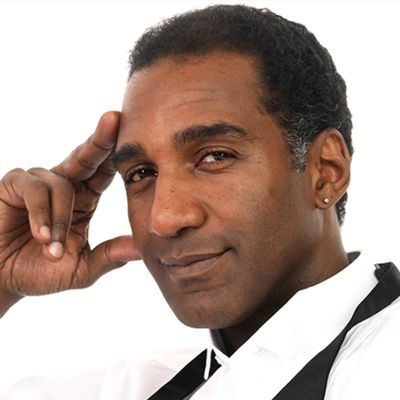
Emmy, Tony, and SAG Award nominee Norm Lewis joins The Art of Kindness with Robert Peterpaul to discuss leading a cast with kindness, the unique way advertising influenced his career, his new show Ceremonies in Dark Old Men and more... Read More
From the show: The Art of Kindness: Pop Culture & Positivity with Robert Peterpaul
Guests
Featured Shows
About
Emmy, Tony, and SAG Award nominee Norm Lewis joins The Art of Kindness with Robert Peterpaul to discuss leading a cast with kindness, the unique way advertising influenced his career, his new show Ceremonies in Dark Old Men and more.
NORM LEWIS was recently seen onstage starring in the national tour of the Tony Award-winning production of A Soldier's Play and in Andrew Lloyd Webber's West End Concert of Love Never Dies. He starred in Spike Lee's critically acclaimed, "Da 5 Bloods," and in the groundbreaking FX series, Pose. Additionally, Mr. Lewis can be seen starring opposite Hilary Swank in the feature "The Good Mother," Amazon Prime's newest series, Swarm, and Hulu's, Up Here. He was also seen as 'Caiaphas' in the award-winning NBC television special, “Jesus Christ Superstar Live in Concert!,” alongside John Legend, Sara Bareilles, and Alice Cooper. Mr. Lewis returned to Broadway in the Fall of 2021, starring in Chicken and Biscuits at the Circle In The Square Theatre. He previously appeared in the Broadway revival of Once on This Island and as Sweeney Todd in the Off-Broadway production of Sweeney Todd: The Demon Barber of Fleet Street at the Barrow Street Theatre, receiving the AUDELCO Award for his performance. In May of 2014, he made history as The Phantom of the Opera’s first African American Phantom on Broadway. He has been seen on PBS in the Live From Lincoln Center productions of Showboat with Vanessa Williams, Norm Lewis: Who Am I?, New Year’s Eve: A Gershwin Celebration with Diane Reeves, as well as American Voices with Renée Fleming and the PBS Specials First You Dream – The Music of Kander & Ebb and Ella Wishes You A Swingin' Christmas. He can be seen recurring in the VH1 series, Daytime Divas, also alongside Vanessa Williams. His additional television credits include Women of The Movement, Law & Order, Dr. Death, Mrs. America, Better Things, The Unbreakable Kimmy Schmidt, Bull, Chicago Med, Gotham, The Blacklist, and Blue Bloods, as well as in his recurring role as Senator Edison Davis on the hit drama Scandal. Mr. Lewis is a proud, founding member of Black Theatre United, an organization which stands together to help protect Black people, Black talent and Black lives of all shapes and orientations in theatre and communities across the country. He received Tony, Drama Desk, Drama League, and Outer Critics Circle award nominations for his performance as Porgy in the Broadway production of The Gershwins’ Porgy & Bess. Other Broadway credits include Sondheim on Sondheim, The Little Mermaid, Les Misérables, Chicago, Amour, The Wild Party, Side Show, Miss Saigon, and The Who’s Tommy. In London’s West End he has appeared as Javert in Les Misérables and Les Misérables: The 25th Anniversary Concert, which aired on PBS. Off-Broadway Mr. Lewis has performed in Dessa Rose (Drama Desk nomination, AUDELCO Award), Shakespeare in the Park’s The Tempest, The Two Gentlemen of Verona (Drama League nomination), Captains Courageous, and A New Brain. His regional credits include Porgy in The Gershwins’ Porgy and Bess (A.R.T.), Ragtime, Dreamgirls (with Jennifer Holliday), First You Dream, Sweeney Todd, and The Fantasticks. His additional film credits include Christmas In Tune (starring opposite Reba McEntire), Magnum Opus, Winter’s Tale, Sex and the City 2, Confidences, and Preaching to the Choir. Norm's albums "The Norm Lewis Christmas Album" & "This is The Life" can be found on Amazon.com as well as cdbaby.com.
Ceremonies in Dark Old Men Tickets: https://www.thepeccadillo.com/
Follow Norm:
Follow us:
@artofkindnesspod / @robpeterpaul
youtube.com/@artofkindnesspodcast
(https://www.buymeacoffee.com/theaok)
Got kindness tips or stories? Want to just say hi? Please email us:
artofkindnesspodcast@gmail.com
Music:
"Awake" by Ricky Alvarez & "Sunshine" by Lemon Music Studio.
Transcript
This transcript was automatically generated and might contain errors.
[0:00] Norm Lewis: Hi, this is Norm Lewis, and you are listening to The Art of Kindness.
[0:10] Robert Peterpaul: Hello, beautiful people. Welcome to the Art of Kindness, where we have compassionate conversations with artists from all areas of the entertainment industry who are using their voice to spread joy and make this big spinning planet in the universe a better place to be. I'm Robert Peterpaul, and I'm so glad you're here.
[0:38] Robert Peterpaul: Hi, beautiful people. Thank you for tuning back in. For today's episode, we are joined by a friend whose heart shines just as brightly as his incredible talent. And his smile, which you can see stretched across a sign at the Orlando Airport. Just saying, I've seen it. Today's guest is Norm Lewis.
[1:03] Robert Peterpaul: Norm Lewis is a Tony, Emmy, and SAG Award nominee who has graced the Broadway stage in 16 different shows. From the Gershwins' Porgy and Bess and Les Misérables to Disney's The Little Mermaid, to his groundbreaking turn as the first Black Phantom in The Phantom of the Opera on Broadway. Norm's also left his mark on screen with Spike Lee's Da 5 Bloods, FX's Pose, Jesus Christ Superstar Live in Concert on NBC, and of course, opposite Kerry Washington in Scandal.
[1:39] Robert Peterpaul: Norm's latest turn is in the powerful revival of Ceremonies in Dark Old Men at Theater at St. Clement's, bringing new life to this 1950s classic. You absolutely don't want to miss this limited engagement, so make sure to grab your tickets at the link in our show notes. What truly makes Norm a star, I think anyway, is the kindness he radiates in everything he does. As a founding member of Black Theatre United, he uses his luscious voice to make real change and lift others up. And that's certainly something we touch on in this conversation.
[2:20] Robert Peterpaul: Head to our social media pages and YouTube channel to see visuals from this chat. I've interacted with Norm at several events over the years, and he's always such a class act. Now, without further ado, here's my conversation with someone who defies the norm. The magical Norm Lewis.
[3:13] Robert Peterpaul: Actually, we have a surprise caller. No, I'm just kidding. Oh my god. How funny. Well, you know, first of all, now that I kind of bombarded you with some compliments, the first question I always like to ask folks such as yourself that have achieved this high status in the industry is how are you at accepting compliments?
[3:35] Norm Lewis: Well, that's a, uh, you know what? I've never been asked that question before. That's a really good question. I'm gonna steal that, actually. Thank you.
[3:42] Norm Lewis: Take it. Um, I of course you want to hear good things about yourself. Um, but then you also weigh the good with the bad in the sense of is it genuine? Is it, uh, you know, are they coming, where are they coming from, what kind of place they're coming from? So, um, I, it's, I'm good at it, but then I'm also bad at it. Uh, sometimes, you know, when it becomes overwhelming, it can be a little too much. But, you know, if someone immediately says something about you like after a show or whatever, it kind of means something. It means a lot. And I think I can feel that spirit of, uh, where it comes from.
[4:24] Robert Peterpaul: I think that's a beautiful way to put it. And we're all learning, right? It's interesting because we want them. We talk about that a lot on here, but then once we get them, sometimes it's a tricky dance of wanting to be humble and then realizing it's also about the other person giving it to you. It's their moment too. So yeah, I appreciate you sharing that. And please take the question. I just asked, you know, 10%, you just send it my way.
[4:44] Norm Lewis: Absolutely. Well, Norm, you know, to have some context for today, I would love to know what is your definition of kindness.
[4:52] Norm Lewis: My definition of kindness is just being aware of other people, uh, opening a door for someone, whether you know it doesn't have to be like a gentlemanly thing in the sense of opening it for a female, you can open it for someone. Uh, it doesn't matter. Um, smiling at someone. I love, love, love to, I sometimes I think I intimidate or scare people, but I just say, hello, how are you? Good morning, you know, things like that. Or I'll even compliment, like yesterday, I was walking and I saw these two women who had these unusual coats on. And I said, uh, as soon as we were waiting for the light to change, I just turned and I said, excuse me, but your coats are amazing. And it just brought a smile to their face. So hopefully that will resonate and translate, uh, to them and brighten their day in some way.
[5:37] Robert Peterpaul: Yeah, you know, I think it has a ripple effect, right? Because then they're more likely to maybe compliment somebody else's jacket as they go walk on their journey. So yeah, I love that. I'm wondering, you know, going back for a second during your childhood in Florida, I believe, yes, which it makes sense because I believe I've seen your beautiful face at the Florida Orlando Airport many times, and I'm like, that's why I remember it's so cool. Represent. How did you experience kindness growing up? You know, do you have any memories of that?
[6:06] Norm Lewis: Yeah, my both my parents were known for their kindness and their, uh, my mom loved for some reason she gravitated towards a lot of elderly people, and she loved helping a lot of elderly people who were in need, uh, like needing a ride somewhere, going to the grocery store, uh, shopping, things like that for clothing. Um, and, uh, there was this one woman, Mrs. Durant. I can't think of her first name, but Mrs. We called her Mrs. Durant. It could have been, it could have been Durant or whatever, but we called her Durant.
[6:34] Norm Lewis: And, uh, yeah, mom became really good friends, uh, with her. Um, and then there were a few other people, uh, who needed help that she did. And my dad being the great, like he was a very charismatic, gregarious guy that, uh, loved to be in the spotlight. So he was the chairman of the deacon board at church. Oh, and his dad was a preacher, so, um, he showed his kindness too when he would see some of our friends, uh, about town, he would acknowledge them and say, you're Norm's friend, aren't you? He wouldn't remember names at all, but he would say, oh, you're, yeah, I remember when you came over to the house. How you doing? You know, things like that. So I think that that kind of was instilled in me.
[7:16] Robert Peterpaul: I love that. Seeing people.
[7:17] Norm Lewis: Yeah. You know, we're all, we're all little Muppets, humans walking this earth. We gotta see each other. I think that's special. You know, I also found it so cool as I was doing some research here that you worked in the advertising department at the Orlando Sentinel before pursuing performance. Is that true?
[7:31] Norm Lewis: Yeah, I started out in the production office. Basically, it was just I, uh, when I got the job, I was still in college, and it was the section where there's these big rotating machines where you just put the newspaper in there, and the coupons or the different sections would fall into it after it went rotating and then it would fall out and you would stack them and then they would be delivered. So I worked there for a little bit, then I saw an opening in the marketing department, and I did that for about six months. And then being that I had to do a lot of deliveries around the company, uh, one of the people in the advertising department said, hey, we have an opening coming up. Would you like to come in and, and, uh, interview? And that's what happened.
[8:12] Norm Lewis: And so that was gonna be my career. I worked in telephone sales for a little bit, did a little bit of telemarketing, and I did a little tiny bit of outside sales before I left to go and on this journey.
[8:22] Robert Peterpaul: Wow. And you know, of course, we're gonna get to the new show you're here to talk about today, but I just feel like while I have you, I gotta pick your brain about many things, so buckle up. But it makes me wonder, you know, starting in advertising, that's part of being a performer, is like going out there and kind of selling the show you're in, and then when you were like you, who's very acclaimed, you're in sort of an award circuit. There's a lot of that. Do you feel like that taught you anything as you went on to be in those positions? Do you kind of like hark back to those times?
[8:49] Norm Lewis: Yeah. Yeah, because I studied business in college, and then once I got into like the advertising department, it kind of actually just opened up a lot of what I had studied before. And it was mostly about, uh, it's not about the product. It's about the relationship that you have with that person that you're selling to. And so you had to remember names. You had to remember like the, you know, their grandma or like their kid's name or the dog's name because that actually helped in making it more personal. And then you got to the product. And so, uh, you know, same thing in acting it's really, it's about the material and all that kind of stuff, but it is mostly about the relationship that you have on stage with the other actor and trying to boost them up and then you try to sell to the audience, you know, yeah, and to casting directors too, right?
It's sort of about treating it as a people-first scenario versus going in there and maybe trying to do your shtick and like kind of force it down their throat. So I think that's a smart reminder all around.
[9:43] Robert Peterpaul: Yeah. As you started your career in the arts, is there, I think I've heard you speak about someone specific here, so I'm trying to guess if it's going to be that person, but is there one act of kindness you can pinpoint as kind of changing your trajectory? I'm sure you've had so many.
[10:03] Norm Lewis: These are big morning questions I'm throwing. No, but it's, there have been several instances where people, you know, my colleagues or my, uh, people who have hired me or just random people that, uh, were fans that were very kind. I mean, I got a lot of gifts from people, uh, you know, being, uh, when they came to see a show or something like that, which was very nice. They didn't have to do that, but you know, cookies or, you know, some, uh, like there was a pillow that was made, uh, that I got that was a Phantom of the Opera, and the mask was on the pillow, and, and oh yeah, uh, gosh, this is a hard question to answer because there have been such a, uh, a mix of different ways of people being kind to me. Um, let's come back to that.
[10:52] Norm Lewis: I'll have to, well, it's interesting because you kind of walked me down the road of another question I had for you, which was, you know, receiving that kindness from fans, and like if there was one interaction that really stood out to you. I mean, you mentioned this beautiful pillow gift that you received, but is there anything else that comes to mind there?
[11:11] Norm Lewis: Well, uh, I remember when I was doing Miss Saigon, so it was my first lead on Broadway, and I, you know, you do eight shows a week. Sometimes you might not have the best show, what you consider the best show. And I was having like a bad day. I just, you know, it just was, uh, I didn't quite either hit the note or I didn't make that acting choice correctly or whatever, and I didn't want to meet anybody. I just was in a bad mood, and I waited and I waited until I thought the crowd would be gone, you know, uh, at the stage door. And so I had some other things I did in my dressing room for about an hour, you know, some computer things or whatever, being on the phone, so it was like time ago, and then, uh, I walk out and there's this little kid who's like six years old with his mom, and it's in the cold, and I'm like, oh, did you wait here the whole time? She's like, yeah, I, we wanted to meet you. We thought you were so good in the show.
[12:08] Norm Lewis: And the little six-year-old kid said, 'You are the best actor I've ever seen.' And I'm like, oh my god. And having, you know, not being that I thought I had a really good show, it just meant so much, and especially that this kid was an African-American kid. So too for him to see me that way, I just like, oh, that was so beautiful. Um, and so obviously I still remember that.
[12:31] Norm Lewis: Um, God, you, yeah, that there's, that's the one.
[12:36] Robert Peterpaul: That's the power of kindness.
[12:38] Norm Lewis: That's beautiful. It's like how that one statement just changed your whole mood, all of your energy.
[12:43] Robert Peterpaul: I feel that way. Even like self-taping now, which I, I, uh, don't think you probably have to do as much as it as others, but yeah, yeah, even just having someone else come in, a loved one or the reader or whoever if you're reading with your partner, whoever it is, uh, say something to you to kind of like snap you out of like your spiral. It's, it's so powerful.
[13:02] Norm Lewis: So I love that example. You know, I'm sure you've had that a lot at the stage store, and to kind of cover your remarkable career here in a short amount of time and bring us to where you are now. We got a lot of ground to run through. We're gonna play a little game called Curtain Call for Kindness.
[13:17] Robert Peterpaul: Okay.
[13:18] Robert Peterpaul: I first played it with Kate Baldwin and she made up a little theme song, so I'm gonna insert that right here. It's curtains up kindness, curtains up kindness, leave your jazz hands at home. We're gonna kind of fly over your beautiful career, mostly Broadway credits, but with some TV ones too.
[13:32] Robert Peterpaul: Okay. And then I would love if you could just quickly say the kindest memory that comes to mind, the kindest aspect. It can be a person, it can be, you know, a quick tangent, whatever you want it to be. Does that make sense?
[13:45] Norm Lewis: Yes, sure.
[13:46] Robert Peterpaul: Okay. And we'll keep it, we'll keep it fast. You have 16 Broadway shows. We're not gonna be able to touch on all of them. But let's start with your first one, Tommy.
[13:55] Norm Lewis: Yeah, Tommy was an amazing, wow. Well, you know, obviously, first Broadway show. Like you made it to Broadway. Come on.
[14:03] Norm Lewis: Yeah. And you have the, uh, you, you now, if you've made it to Broadway, you can now say Broadway. Uh, and I, and to this day, our cast, that was 31 years ago. And our cast is still very much in touch with each other. We still love each other. It was a lot of people's debuts. Sherry Renee Scott, my, uh, Michael Cerberus. Uh, um, God, I'm trying to think of the rest of this cast, but the cast was fantastic. And wow. And so, uh, we all just kind of, uh, grew together as kids, if you will, and as, uh, ensemble members, and made this show as special as it could be.
[14:46] Norm Lewis: And, uh, so I would say the kindest act of that show was, uh, the way that Pete Townsend, who was a superstar, greeted us, treated us like, you know, we were on his level, you know.
[15:04] Norm Lewis: We are very excited about this piece and everything, but he really treated us very kindly and we did some things with him outside of the realm of just being on stage and learning his music.
[15:21] Robert Peterpaul: Oh, beautiful.
[15:22] Norm Lewis: I score on the pinball machine over there for that answer. I think let's move to I'm interested in Chicago because you came in as a replacement, so anything come to mind there?
[15:30] Norm Lewis: The yeah, I got to be on stage with Gretchen Mole for about a week or week and a half, two weeks, and she was my Roxy. She was sweet, you know, she was this movie star, and here I am, this guy that just is filling in the slot, and she was very, very sweet. I would say though, that that entire ensemble was very kind, and like if you ever forget your lines, because you only have like a week and a half to two weeks to learn the show. So if you ever forget your lines, just look at us. We'll mouth it to you. We'll give you the line. Or you know, and or go. And then they would push you into place, you know, because they've been through it. They've had several stunt cast people, and you know, I won't mention certain names, but they actually had one guy who because there's speeches in the show that are very similar, who actually dropped like went to the second act speech.
[16:26] Robert Peterpaul: Oh no, yeah.
[16:26] Norm Lewis: And they had to somehow work it out where it worked for the show because basically Mary Sunshine never got introduced.
[16:41] Robert Peterpaul: Oh no, yeah, yeah.
[16:43] Norm Lewis: That's wild.
[16:45] Robert Peterpaul: Ah comprehensible? What is it?
[16:46] Norm Lewis: No, I don't know. That's insane. Oh my gosh, I love that story. Okay, I'm gonna fly through, I'm gonna skip over some of them just for time. But I think Dream Girls would be a nice one to stop at.
[16:55] Norm Lewis: Wow.
[16:56] Robert Peterpaul: Ooh, which one?
[16:57] Norm Lewis: I got to work with Lily and Jennifer Holiday. So I've done it three times. That's wild. Oh man, the kindest, well, first of all, here I am on stage doing this concert version that Seth Rodeschi put together with at the time was called the Actors Fund, now it's the entertainment fund, and working with Lilius White, Heather Henley, and Audre McDonald. Come on, come on, come on, and it was a short amount of time putting it together. Everybody was just on one accord and wanted to make this right, and it was right after 9-11, which actually we needed. It was like two weeks after 9-11 happened, so we needed that, that audience was hungry for some entertainment and some good news. Working with Frenchie Davis was great at Pittsburgh CLO.
And then to work with the Queen herself, the one the show that it's known for, Jennifer Holiday in Atlanta, Georgia. Again, short amount of time to put it all together, but she was so kind and telling us backstories of the original and not directing us, but letting us know what certain moments meant. And it really, really helped. So we covered all three. There we go.
[18:05] Robert Peterpaul: Yeah. Oh, thank you for sharing that. You're really, you're good at this game. Okay. We're gonna pop really quickly into a TV credit, which is Scandal, I think.
[18:13] Norm Lewis: Yeah, yeah. I would say the kindest moment for me was the first day that I was on set, and Carrie Washington walked me to set. And what I learned about her was how not only how beautiful, you know, aesthetically, yeah. Of course, you know, the outside is fantastic, but the inside is so beautiful as well. And what it was a lesson learned because you know, she's kind of she was the leader of that set and that show. She knew everyone's name. There were about 20, 25 people on set, cameramen, grip, other actors, all that, but she knew everyone's name. And that was very important. And in fact, so much so I think she even said, Hey, how's your dog Rover? You know, I mean, little things like that means a lot to someone.
[18:58] Robert Peterpaul: Yeah, it's interesting. I just talked with Tony Goldwyn and he said similar things about her.
[19:05] Norm Lewis: Yeah, okay. Anyway. I don't like Tony Goldwyn. He stole my woman, so it's—
[19:09] Robert Peterpaul: Oh, true. Yeah, I'm so sorry to bring that up. We should go. This is actually not the art of kindness, it's the art of a thruple love triangle.
[19:15] Norm Lewis: Okay. Les Miz. Le Miserables.
[19:19] Norm Lewis: So I got a chance to do the show in 2006 on Broadway for six months. Again, it's about the ensemble. I think what it is, is like we're such a team. We're a team that is playing this amazing game on stage, and we need each other. And you know, there was especially at that time, everybody knew the show. Everybody knew the words. Everybody, so you can't screw up. You know what I mean? So there was a time though that Alex Gimignani, who was playing Valjean, he and I were doing the fight scene, and we for some reason I went up, and I couldn't remember my words, but I kept moving my mouth like I did know the words. And he looked at me because he was and then he kept repeating what he was saying, and I was blaming it on the mic.
[20:11] Robert Peterpaul: Oh, nice.
[20:13] Norm Lewis: But that wasn't true. I just forgot the words, and it just was the funniest thing in the world. But um, they're gonna say it was a Singing in the Rain situation where all of a sudden someone started filling in for you. But uh no, it was uh I'm just trying to as far as kindness, I just think that we all just got along and we just were rooting for each other. There was a young lady who was an ensemble member, Swing, and she went on for Cosette, and it was her first time ever doing it, and her family lives not far from here, somewhere in Long Island. There were about 50 people in the audience for her. It was the first time ever that I know of, ever, that Cosette got entrance applause.
[20:54] Robert Peterpaul: Oh, that's so sweet.
[20:56] Norm Lewis: Oh my goodness. That's amazing. I love that. We gotta have support. Yeah, you know, you've been doing so well at this game that I'm gonna throw you a little bit of a boon here and ask you a specific question about this next show, which is Porgy and Bess. Spoiler alert, you got a Tony nomination. Could you cache you? How does that change things as far as how you treat yourself with kindness? Does that affect it at all to get that sort of stamp of approval in a way?
[21:20] Norm Lewis: Well, it's funny because I learned a lot from Audra. We had been friends for a long time. The only thing we've ever done together was that Dream Girls in 2001. Jumping to 2011, 2012, and playing so close with her, so intently with her, and intensely with her. I learned so much about this person who we have hailed as this celebrated actress on Broadway that she gives so much to you that you really have to give back to her. And I said to myself after the first rehearsal, I said, I better step my game up. I really have got to get I because I'll be left behind. You'll be left behind in the dust. And so we actually fell in love with each other, you know, on stage and needed each other so much. And when one of us was off, it was interesting because we were like, there's it felt, you know, the other actors, the understudies were fantastic, they were great, but there was just the bond that me and Audra had that I just can't, I don't know, you just can't repeat.
[22:35] Robert Peterpaul: That's a phenomenal way to put it, falling in love with each other on stage as performers because you sort of do have to do that. You have to need each other, you have to be in sync, otherwise it's missing that extra little, you know, dash of magic. I think for time I'm gonna skip to one more chicken and biscuits.
[22:51] Norm Lewis: You got plenty of time.
[22:52] Robert Peterpaul: Oh, you're so kind. Chicken and biscuits, which Erica Hart, I gotta give you a shout out. I love you, my friend, who was the casting director for that show.
[22:59] Norm Lewis: Yeah. What comes to mind there?
[23:01] Norm Lewis: Well it was my first play. So I had never been in a play professionally on Broadway and it was my first play. So I was excited about that. Coming out of the pandemic was ah that was such a relief. But I mean we were still very careful and we had people there that would make sure that we were masked backstage and all that stuff. But um this ensemble again I go back to this team that we have but working with Jalen, our director and Douglas Lyons who wrote the show, we just wanted to make it the best we could be and it turned out to be and it was and also being told through the eyes of a culture that I understood and telling that story but it was very universal. And yeah, everybody was making sure that we could because we had a short amount of time to get it on stage there was a lot of pressure because of it being a show coming out of the pandemic we were very cohesive in making sure that the show did well even though we didn't run that long obviously because of financial reasons and you know COVID and everything but it made waves.
I mean I'm still hearing that name today it won I think an Audelco award I know I mean it's quite an acclaimed show in itself and I think it's gonna have another life besides just making people hungry when they say the title because I am hungry now but I'm always hungry.
[24:23] Robert Peterpaul: You know as we kind of look back on all this that we just flew over I wonder this is a bit of a corny question but I'm a cornball cast me and Shuck. I wonder if there's a kindness, a message of kindness you would send to Little Norm when he was first starting out. Is there anything you wish he knew which might help young artists listening?
[24:43] Norm Lewis: Yeah, don't you don't have to be afraid. You don't have to be afraid. Just truly truly step into who you are, truly truly try things. And you know, and don't be afraid to fail. Because you'll learn from that. I wish I knew that early on. So it's yeah, little Norm. If you're out there in another dimension, don't be afraid. Just don't be afraid. Just go for it.
[25:10] Robert Peterpaul: And now entering the Zoom, little Norm.
[25:13] Norm Lewis: That would be imagine if I did that. That'd be wild. It's not even about Back to the Future, the musical. Right. You know, as I mentioned, we now are so blessed to have you returning to the stage with the classic play Ceremonies in Dark Old Men, which has not been seen in New York City, I think, in nearly four decades, is it?
[25:30] Norm Lewis: Yeah, yeah. This limited engagement is gonna be such a special production. I just wonder if you could first speak to what drew you to this story in these times.
[25:40] Norm Lewis: Well, I hadn't first of all, funny enough, I'd never heard of it before. And it was when it was presented to me, I said, Well, okay, let me read it, you know. And then when I was told the history of it, like the Negro Ensemble who had been in it before Denzel Washington and all these people who had this legacy, I was like, okay, I have to do this piece. Being the nominated for a Pulitzer, right?
[26:02] Robert Peterpaul: Yeah.
[26:03] Norm Lewis: Well, it was yes, it was in the runner up to being a to actually getting a Pulitzer. And it just, you know, written by Lonnie Elder, and again, like I said, the legacy of who was attached to this. I wanted to be a part of that. And knowing who was directing, you know, Clinton, my friend Clinton, it was just a yes. And also knowing that I had been part of the Negro Ensemble's legacy doing a soldier's play on tour, I said yes, I have to be part of this, you know, what they have done over the years.
[26:44] Robert Peterpaul: It's so beautiful. Well, you mentioned working with Clinton here, and this legendary director, we don't have to name his credits, right? You know, and those incredible companies that have been behind this production. Have there been any kind of standout moments of kindness so far in the rehearsal room?
[27:00] Norm Lewis: Oh, absolutely. I will say Clinton has set the tone. He was like, listen, I have been a part of this, I've known this show for so many years, but I want you to bring what you can bring to it. And I want you to. He said, the best directors are the ones who listen to the actors and other ideas, and then we can all put it together. But I would say Clinton has been that piece of kindness, if you will, that has allowed us to explore. And we're still exploring, you know, we still have a ways to go. But it has been a wonderful journey, and because I'm a man of a certain age, I want to make sure that I say the names of the people who are in the show, Felicia Boswell, Morgan Green, James Foster Jr., Jeremiah Packer, and Calvin M. Thompson and Bryce Michael Wood. All these people are just amazing for one and super kind, just to kind of keep the theme of this. But eager and willing to make this piece come alive again.
[28:11] Robert Peterpaul: I love that. Well, looking at those people that you just named who are making this piece come to life with you. I wonder, as someone who's sort of not to bring the hierarchy in here, but number one on a call sheet or a sign-in sheet here. How do you think kindness shapes the way you lead a cast? Is that something you think about? I'm sure you're naturally just kind from what I hear, but—
[28:27] Norm Lewis: I'm a good guy. I will say that. That's the one thing I can say about myself without writing.
[28:34] Robert Peterpaul: I like that, Norm.
[28:38] Norm Lewis: I'm a good guy. But I think with yes, obviously there is that name recognition that thank God somebody wants to see me. More and as well.
[28:50] Robert Peterpaul: Well, you're in the Florida airport, okay.
[28:54] Norm Lewis: But it's been a nice thing where I will definitely lead with kindness, but I think that people will take up that mantle and keep going themselves. And just we're all on an equal plan. I want people to know that we're all, you know, I'm not coming in there trying to be something other than what I am. Because I'm just luckily I have a resume that has been wonderful and a blessing, but you know, we now have to focus on this moment, and that's where we're coming from.
[29:28] Robert Peterpaul: I think that's such an amazing perspective. And unfortunately, I feel like it's not always the case. You know, for whatever reason, maybe people aren't necessarily purposely being unkind, but they're stuck in their heads, they don't know how to be a proper leader in this industry. Unfortunately, we all have those moments where we're met with unkindness. How do you handle those? Like, how do you rise above it as a leader now yourself without sort of losing your own sense of kindness?
[29:52] Norm Lewis: Tense, tense moments, you know, whether it's on a set or in rehearsal where there's that unkindness, because we don't always stop for the kind moments of Norm Lewis just performed and it was amazing in the rehearsal room. We just move on because we know that, but we stop when something goes wrong, and sometimes it's not handled in the best way. How do you handle those situations? I guess well, you stop and you try to assess the moment, you breathe. I have been in certain situations like that, and yes, you could go a certain route and just you know retaliate or defend or whatever, but I think when you're trying to, when you know you have to work together, when you know that you need that other person or people, you try to bridge a gap that can be a compromise.
Say, listen, okay, what do you need? What do you need? Let's talk about this. And in fact, hmm, I'm gonna digress just a little bit because that's kind of what we did with Black Theater United. Um I'm a major part of it was a moment in time where there were some things that were happening and people were very passionate. And we as Black Theater United decided to go a certain route because we have connections and relationships with people who have power who are in charge, and we want to go, we wanted to have a conversation and say, listen, what can we do to have um an understanding and an allyship? And I think that because those the summit that we had with the making the new deal um Broadway was tense, intense, intentional, and there was a lot of things going on.
People said things that hurt. People said things that they probably didn't understand. And once it was out there, we were like, okay, let's have a conversation about that. What does that mean? There's a deeper meaning to certain things. So I think that that I said all that.
[31:55] Robert Peterpaul: I'm glad you did. First of all, it uh intense. No, wait, sorry. Okay, you said tense tense, intense, intentional. Did you make that up?
[32:04] Norm Lewis: Uh no, I literally just it just came out of my head. I don't know what that's going on t-shirts. Okay, 1099. But it just was one of those things where you know, to get like back to your original question when it's in the room and there's a you know moment like that. When you look at the fullness of it, it's we're trying to do a we're acting, we're just acting. We're just acting. And you know, we're not doing brain surgery, we're not launching a rocket into space. Right now, we're just acting, and we'll find that it'll come to a certain point where that moment will maybe hit someone in the audience and change their lives, yes, but in this moment we gotta get the foundation of it, and so yeah, so it's it's about talking it out.
[33:00] Norm Lewis: Yeah, no, I love that. That rhyme too, it's about talking it out. That's great. You're just dropping gems left and right. You know, my nanny was saying the other day, you gotta bake the cake before you ice it. And I think that's sort of speaking to what you just said. It's just wild because we've all maybe had those rehearsal processes. By the time we hit opening, we feel like we have a family, and then there's the other ones where you get to opening and you're like, I don't know these people, but now I know we're about to know each other because we're gonna be in the middle of the run, and all the cuckoo ness of the rarest process is gone. So it makes all the difference when you can just start off in sort of a human place and remember that make-believe aspect.
I'm really glad you mentioned BTU. I was gonna ask you about that, but you just shared a little bit about there. Can you actually tell everybody at home how they can, you know, join in and support the amazing mission you have?
[33:49] Norm Lewis: Yeah, so go to Black Theater United.com and we spell theater very fancy with the R in front of the E. So Black Theater United.com. It's the only way.
[33:57] Robert Peterpaul: It's the only way, yes.
[33:59] Norm Lewis: We're because we're bougie. No, uh no, but it's a it's a fantastic group of people who uh came together after the George Floyd incident. You know, there were a lineage of people who had been killed, the Brianna Taylor and some other and George Floyd I actually was the straw, and it was during the pandemic, and and just uh we had to come together because we were hearing voices, especially younger voices that were looking at us, you know, us older uh actors saying, Well, listen, this is what happened, this is what happened to me in this industry, and I and and I need to talk about it. I need to tell somebody if you remember that time, there were a lot of things that came out in social media, in the newspapers, things like that about experiences that people have had, and so we knew we had to rely on our resources in order to uh to have a conversation.
And that summit that I mentioned earlier where we created the new deal was a six-month process, and we had a facilitator who knows uh diversity, equity, and inclusion is an expert in all of that, which is not a bad word. DEI is not a bad word the way that they're using it right now. Anyway, um speak, come on.
[35:11] Robert Peterpaul: Yes, exactly.
[35:13] Norm Lewis: But it was uh we brought together theater owners, we brought together uh producers, we brought together creatives, directors, choreographers, heads of unions, uh, the different unions that we have in our industry, people who are part of the PR for Broadway and theater. And we had a summit, and we had breakout rooms that where we could have major intense discussions and then come together with uh an understanding of allowing people to be at the table. Um something as simple as an African-American woman who needs her hair done a certain way. And if we need someone who can do it, as opposed to just someone who has a uh cosmetology degree who may know a little bit about black hair. So it was about those kinds of conversations. That that's a very minuscule example, but they're broader and bigger uh fish to fry out there. And so one we just want a seat at the table, and so that's where it all comes from.
[36:18] Robert Peterpaul: No, it's it's incredible. I was just talking to a friend the other day who was sharing that they remember, you know, way back when going in to the dressing room, and the hair and makeup person was like, 'Where's your makeup?' Because they didn't have their specific tones. It was like, you were you were supposed to bring that. They're like, what do you mean? You have everybody else's. You can get it the same way I'm gonna get it. Like you can order it. So it's so important what you're doing, and just like every person in an audience that you're touching, you could never see the ripple effect that the work that you've done with BTU and other folks have done has had. I mean, even my college, I saw the theater account there posting people's stories and revealing things that people haven't known, and that's not gonna make headlines, but that's the effect it's had across the theater community.
So thank you on all of our behalves. And as a a little thank you to to change the vibe here for a second, we're gonna play a surprise game if you're down. It's another game. I forgot I played one already. This is called the compliment game. Everyone's beautiful in their own way. It's the compliments game on the game. It's the compliment. Compliment, yay, bump. And basically, I reached out to someone in your life for a compliment or a loving statement about you, and I'm gonna read it to you, and then you have to guess who said it.
[37:37] Norm Lewis: Okay, all right. And you can ask me yes or no questions. I do have a hint. It's part of this one, so I might leave it out at first. Okay.
[37:44] Robert Peterpaul: So you won't be totally.
[37:45] Norm Lewis: Oh, I'm not gonna say that word that because that'll be a hint too. I'll say that. Yeah, don't say it. Don't say it. Okay, here we go. Put my reading voice on. There are too many things to love about Norm. His joy, his way he makes everyone feel like the most important person in the room, his generosity. Let me take a second for his generosity. He gave me a gift on my last day in a show we did together, and it was so thoughtful. I was too overwhelmed to even know how to express my thanks. And I even had some therapy on it. To which my therapist said, What Norm did was called Kingly Giving, which is the highest form of giving there is. To which I say, This is this part's the hint, but I feel like you already know who it is. Okay, I'll say it then. Coo coo coo, mm-daddy. Love you always and always.
[38:37] Norm Lewis: Oh my god, that's so funny. That's my crazy daughter slash lover slash really good friend. She calls me daddy all the time. And then we were obviously uh we were lovers and and fan of the opera, so it was kind of an interesting different daddy, yeah. Yeah. Um, yeah, Miss Mrs. actually Miss Sierra Bagas, Mrs. Sierra Baggis Defray. Thank you.
[39:09] Robert Peterpaul: Okay, so what what would you say back to Mrs. Sierra Bagas Defray?
[39:13] Norm Lewis: You know, when you look back at working with her, I think it's interesting because she's openly talked about in The Little Mermaid, she was so young and she didn't know how to be a leader, and she's done some fantastic interviews where she's kind of you know swum into that stream and talked about it. And then you worked with her, of course, again. So yeah, what have you learned from her about kindness?
[39:34] Norm Lewis: Well, uh, she comes from uh a family of kind people. You know, her parents used were were hippies, and so uh we got to visit them when we were doing the show out of town in Denver, Colorado, and they are so sweet. So that that's ingrained in her and part of her spirit, but yeah, she was a very young person who was thrust into this lead role and had so much responsibility and and uh they were expecting a lot of you know things from from her. And so, but I think she had a foundation of seeing, you know, someone like me, who was an OG, you know, on Broadway and done this route, and uh, and also Sheri Renee Scott and uh and also people who were in the ensemble, uh Merwent got rested so Moran Ford, who had been in so many shows, and um, so I think she saw at least experienced who we were, and I think that that probably I I'm guessing for her, but but uh probably helped her in her trajectory of becoming like, oh, okay, okay, now I can I can do this.
I've seen what they do, so I can do this. And then she she left the show and went on to do Love Never Dies in London, and then became that person because I talked to so many people who were uh in her on some when I got over there myself, talked to so many people who just said, Oh my god, she's the greatest thing in the world. And is and when you talk about kindness, she she really does live that that uh whatever what that meaning is.
[41:08] Robert Peterpaul: Yeah. She taught and she's open too about learning from Wayne Dyer and sort of sharing all these amazing quotes, and I think that's so special. Thank you, uh Sierra, and I got a shout out to my friend John Tracy Egan, who's just such a wild gen from that show. What a prankster. I did a show with him and it was it was bad because I get into bits too, and backstage it was like we were jumping out behind walls scaring people.
[41:33] Norm Lewis: Yeah, that's exactly you get into that. Yeah, how are you backstage? Are you ever into those pranks?
[41:37] Norm Lewis: Oh god you have to be? Okay. No, yeah, I you know, as long as I know it's not gonna interrupt the person's flow. Yeah. But yeah, I mean, there are so many things that we do on stage that uh the audience doesn't see. But it's uh yeah, it it just I think it enhances the show actually, because there's that relationship that you have. Again, as long as you don't take away from the text or the music or anything like that. Um it's called a play.
[42:04] Robert Peterpaul: It is that play.
[42:06] Norm Lewis: They play in the sandbox.
[42:07] Robert Peterpaul: Yeah, exactly. You've been so generous with your time, and I I think to end our time together, sadly, I would love if, although love never dies, and neither does this conversation. So I would love if you could just share a tangible kindness tip. I think I've asked you this on a red carpet before, but do you have yeah, a tangible tip you can share with our listeners for their daily life?
[42:27] Norm Lewis: I would say the the crow the the bottom line when it comes to uh dealing with other people and being kind to people is just making sure that you see them, see them, and listen. And a lot of times you can relate uh to them and uh and then there might be something that develops from that. But the number one thing is to see someone.
[42:55] Robert Peterpaul: And it helps you too, right? It actually takes you out of your own head, it gives back to you in a way, it creates that ripple effect. But thank you so much. I just think you are a class act, Norm, and and so kind.
[43:06] Norm Lewis: Yeah, well, thank you very much. What if I wasn't? That would be crazy.
[43:10] Robert Peterpaul: I know, right?
[43:11] Norm Lewis: No, no, you know, I'm so grateful to have shared some time together. So thank you. Tell everybody how they can go check out your new show.
[43:17] Norm Lewis: Yes. Uh let me make sure I get this correct. So the Piccadilla, uh Piccadillo, sorry, dot com. So it's T H E P E C C A D I L L Ocom. That's T H E P E C C A D I L L O dot com. And you can get tickets there. The show, uh, we start previews April 11th and we run until uh May 18th. We open April 18th and we run until May 18th, uh, with a possible extension, but right now we're we don't know just yet. Um, but uh yeah, that's it. And uh it's it's called Ceremonies in Dark Old Men. We're at the uh theater at St. Clement's. You have to put the T on the end, St. Clement's on 46th Street. Um, and yeah, come and have a good old time. This is a beautiful story. Actually, I didn't realize how funny it was. It's there's uh it's it's I hesitate to say it's a dramedy, but it there's some funny moments along with the drama in the show.
[44:19] Robert Peterpaul: Okay, we need that. I'm excited. I have a feeling it's gonna get extended, and I cannot wait to come see it. So thank you, Norm. It was such a privilege to talk to you.
[44:26] Norm Lewis: Absolutely. Thank you, likewise.
[44:31] Robert Peterpaul: Until next time, remember, everything is gonna be a okay.
© Broadway Podcast Network, All Rights Reserved