

Emmy, Tony and Grammy Award-winning performer Rachel Bay Jones joins The Art of Kindness with Robert Peterpaul to discuss how her career from Broadway (Dear Evan Hansen) to television (Georgie & Mandy's First Marriage) has been fueled by kindness and so much more... Read More
From the show: The Art of Kindness: Pop Culture & Positivity with Robert Peterpaul
Guests

Featured Shows


About
Emmy, Tony and Grammy Award-winning performer Rachel Bay Jones joins The Art of Kindness with Robert Peterpaul to discuss how her career from Broadway (Dear Evan Hansen) to television (Georgie & Mandy's First Marriage) has been fueled by kindness and so much more.
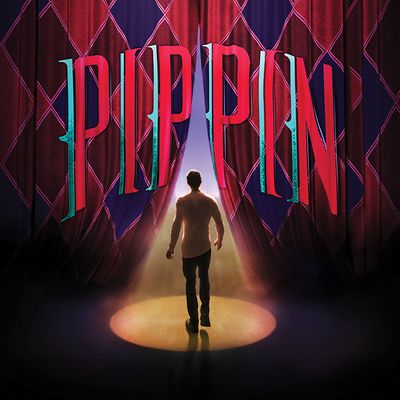
Rachel Bay Jones is an Emmy, Tony and Grammy Award-winning actress best known for originating the role of 'Heidi Hansen' in the Original Broadway Cast of DEAR EVAN HANSEN, and received the aforementioned awards (plus many others) for her performance. Additional Broadway credits include PIPPIN, HAIR and WOMEN ON THE VERGE OF A NERVOUS BREAKDOWN. She also has quite the regional resume and has infused her performance power into the solo album "Showfolk" which can now be purchased on iTunes and Amazon.
Rachel also lights up the screen. She has starred in films like "Ben Is Back" opposite Julia Roberts and in "Critical Thinking," directed by and opposite John Leguizamo, and will soon be seen in the independent film "Rise & Shine." Speaking of indies, you can catch Rachel in the indie flick “Bob Trevino Likes It,” this March 21.
Jones tv credits include: NBC's "Law & Order: SVU," ABC's "Grey's Anatomy," and "The Family." She’s had recurring roles on "The Good Doctor," "The United States of Al," "Panic," "Why Women Kill," "Modern Family,” "God Friended Me,” and, of course, "Young Sheldon”... where her character Audrey McCallister was created. Rachel continues to breathe life into Audrey on the hit spin-off series “Georgie & Mandy’s First Marriage,” which premiered this past fall on CBS.
Follow RBJ:
Follow us:
@artofkindnesspod / @robpeterpaul
youtube.com/@artofkindnesspodcast
(https://www.buymeacoffee.com/theaok)
Got kindness tips or stories? Want to just say hi? Please email us:
artofkindnesspodcast@gmail.com
Music:
"Awake" by Ricky Alvarez & "Sunshine" by Lemon Music Studio.
Transcript
This transcript was automatically generated and might contain errors.
[0:00] Rachel Bay Jones: This is Rachel Bay Jones.
[0:03] Robert Peterpaul: You're listening to The Art of Kindness.
[0:06] Robert Peterpaul: Hello, beautiful people. Welcome to The Art of Kindness, where we have compassionate conversations with artists from all areas of the entertainment industry who are using their voice to spread joy and make this big spinning planet in the universe a better place to be. I'm Robert Peterpaul, and I'm so glad you're here.
[0:37] Robert Peterpaul: I'm coming to you from a bundled-up snowy day here in New England. Snow days are such a nice excuse to slow down and cozy up. Snow day equals slow day. But at the same time, February is such a whirlwind. I mean, we've got Valentine's Day, Random Acts of Kindness Day, Black History Month, Award Shows. It's all so exciting. Oh, and before we get to our truly radiant guest, if I may, I would love to share quickly another thrillifying February happening. I have a new podcast! Woo! It's been in the works for quite some time now. I'm really proud of it. Actually, I pitched it years ago, and now it's finally happening, and I'm so excited. I'm producing and hosting a new show with casting networks called How We Roll. Woo! It's a podcast for actors by me, an actor. And you know what? I'm just gonna play the trailer if you don't mind, because I feel like that's easier than me, you know, going on and on about it.
[1:45] Robert Peterpaul: Okay, here we go. How do I become an actor? How do I get an agent? How do I book roles? How do I get headshots? How do I do that? How do I make it? How do I find auditions? How do I make my games? How? When it comes to being an actor, there's a lot of hows. And they all boil down to how we navigate this wild industry. Trust me, I know. I'm one of you. Oh, hi. I'm Robert Peterpaul, by the way, an actor chasing what I think we all are out there—a dream. While how we get there is uncertain, how we roll along the way is in our hands. That's why I'm thrilled to be hosting and producing a dreamy new show with trusted casting platform casting networks called How We Roll, a podcast for actors by an actor.
[2:35] Robert Peterpaul: How We Roll is an interview series that demystifies the winding road of an actor. Joining us at the mic will be prolific actors, casting directors, agents, and more, breaking down specific topics in each episode to empower you with the knowledge you need. How We Roll is your ultimate source of creative inspiration. So whether you're just starting out or you're on your 10,000th audition, How We Roll is here for you. Please join us for this journey and subscribe to How We Roll, a podcast for actors wherever you listen to podcasts now. Because you're the we in How We Roll. And this is the podcast that's gonna get you cast.
[3:16] Robert Peterpaul: Okay, I'm gonna go for now. Bye. And hi. It premieres wherever you listen to podcasts this week, February 11th. And I cannot wait. If you're a creative person of any kind, I hope you tune in and feel nothing short of empowered. But never fear! AOK is not going anywhere. We are just expanding our audio family. Oh, audio hug. Now back to the present show. Speaking of actors, we are hearing from a true Titan today—a sparkling pearl who's mastered acting across mediums from stage to screen and received quite the acclaim for it. Today's guest is my new friend, Rachel Bay Jones.
[4:04] Robert Peterpaul: Emmy, Tony, and Grammy Award-winning performer Rachel Bay Jones is best known for originating the role of Heidi Hansen in Dear Evan Hansen) on Broadway and received the aforementioned awards, plus many others for her performance. Additional Broadway credits include Pippin, which I was lucky to see her shine in, Hair, and Women on the Verge of a NERVOUS BREAKDOWN. Rachel also has quite the regional resume and has infused her performance power into the solo album Show Folk, which can now be streamed on iTunes and Amazon. Rachel, or Big Rach, as she likes to be called, you'll see, also lights up the screen. She starred in films like Ben Is Back opposite Julia Roberts and in Critical Thinking, directed and opposite John Leguizamo, and will soon be seen in the independent film Rise and Shine.
[4:57] Robert Peterpaul: Speaking of indies, you can catch Rachel in the indie flick Bob Trevino Likes It this March 21st. On the television front, Jones has appeared on NBC's Law and Order: SVU, a rite of passage for all actors, ABC's Grey's Anatomy, and The Family. She's had recurring roles on The Good Doctor, The United States of Al, Panic. Actually, reading Al and Panic next to each other, I wanted to say The United States of Al, but you know. Anyway, fun fact: Why Women Kill, Modern Family, God Friended Me, and of course, Young Sheldon, where her character Audrey McCallister was created. Rachel continues to breathe life into Audrey on the hit spin-off series Georgie and Mandy's First Marriage, which premiered this past fall on CBS.
We discuss her transition to the sitcom world, how her career has been fueled by kindness, even get a little surprise cameo from her puppy. Oh, woof, and so much more. If you like this episode, be sure to go back and listen to our conversation with Young Sheldon himself, Ian Armitage, who is such a delight. I hope that this episode inspires you to do an act of kindness today, friend. Head to our social media pages at Art of Kindness Pod and at Robert Peterpaul for more positively unhinged inspiration and fun. Now, without further ado, please welcome the remarkable Rachel Bay Jones.
[6:35] Robert Peterpaul: RPJ.
[6:46] Rachel Bay Jones: Hi.
[6:48] Robert Peterpaul: Hello. How are you doing?
[6:50] Rachel Bay Jones: I'm good. It's so nice to meet you. I'm such a big fan.
[6:53] Robert Peterpaul: Aw, thanks. Do I call you Robert? Do I call you Robert Peterpaul? Rob?
[6:59] Rachel Bay Jones: You can call me Rob. You can pick any of the names. What's your favorite?
[7:03] Robert Peterpaul: Uh, I like Rob. I like Robert too, but sometimes it feels like when I was in trouble as a kid, and they're like using the formal name.
[7:11] Rachel Bay Jones: Yeah.
[7:12] Robert Peterpaul: What about you? Do you like Rachel?
[7:13] Rachel Bay Jones: Ray?
[7:15] Robert Peterpaul: I like Rach. I like Rachel. I like RBJ. I like Big Rach. I'm trying to push Big Rach as the nickname of choice, but Big Rach is fun.
[7:27] Robert Peterpaul: No, I feel like it harks back to The Big Bang Theory, which is like very relevant for you. So it's like Big Rach, big bang.
[7:34] Rachel Bay Jones: I like it.
[7:36] Robert Peterpaul: Oh yeah. I'm so excited to talk to you. I've been such a fan for a while. You're so talented, but I feel like you have this—I was really trying to think about how to put it into words, but you have this sort of ethereal grounded quality that I just really admire. Like you bring this energy to every role that's so indelibly you and yet like you're someone different at the same time, which I think is what great performers have. You have that like signature energy. So I just really admire that about you. I wanted to share that.
[8:07] Rachel Bay Jones: Thank you so much.
[8:09] Robert Peterpaul: Well, before I keep complimenting you, Rachel or RBJ, Big Rach, I—Miss Rachel, who's very popular.
[8:17] Rachel Bay Jones: There's a different Rach.
[8:18] Robert Peterpaul: I always start off by asking how are you accepting compliments? 'Cause I feel like you probably get a lot of compliments and it's a tricky thing.
[8:26] Rachel Bay Jones: It—you know, I have a visceral reaction to it that is like unpleasant. Like I clench everything gets really tight and I feel like, oh no, oh no, oh no, oh no. Like here comes the compliment. I don't know why. It's like every cell in my body is like, eh. And uh, but then I, you know, it also feels really good once you've allowed it in. But my first initial impulse is to reject it. Like, no no, no, no, no, no. I'm, you know, no, no, no, no, don't look at me, don't talk about me. You know, it's like a very—it's such a funny thing. And then I—um, but then there is a process by which, you know, I've had to like live in this business, especially, and because I believe so heartily that like I want to share how much I love people with the people that I love and with people I admire, I want to tell them how incredible they are, and I want them to be able to take that in.
[9:25] Rachel Bay Jones: So I have to like—I've been trying to tell myself like you've got to be able to take that in for the other person as well. Like it's a sh—it's a give and take here, you know. It's not just like go away, go away, don't look at me, don't talk to me, you know. So I purposely like consciously like breathe and open my heart in some way, if that makes sense. Like I just—I'm like, okay, Rachel, like take this in, like just take it and accept, like, you know, and I—it's like so then it becomes more about like the sharing of something with the person who's giving, you know, like it's a ri—it's the receipt of a gift rather than, you know, something that's purely self-absorbed and, you know, wrapped up in like insecurity and childhood bullshit and all of that.
[10:19] Robert Peterpaul: Well, I was gonna say the stage door then must be very tricky for you because there's a lot of love, but yeah, I think it's tricky in general. It's a beautiful thing that we have that at least coming back now, but at the same time it's sort of like, oh no, um, you know, I'm sick, it didn't sound great. It's like a tricky dance.
[10:35] Rachel Bay Jones: Yeah, I know. You want to be self-effacing and people are like, you know, like you want to say, no, no, no, we're all the same, it's good, I'm fine, I'm just like, you know, all of that, but it's like—but you have like especially the stage tour you've really— you've shared something with someone even though you didn't see their face, you know, and so it feels very right to me to close the circle in that way, you know, it feels really right. It feels like I—I didn't just give you something, I didn't just perform for you, we shared a moment, and so let's have like a beat of closure where we each say thank you to each other, you know, for the gift of being able to do this and witness it and be part of it, you know.
[10:36] Robert Peterpaul: Yeah, I love that circle image because theater is quite circuitous—not in the way that I speak circuitously, which is maybe not the best thing all the time, but you'll find that out pretty soon, I'm sure—but theater's—it's like this exchange of love, as I think K Chen has coined that phrase. And so you're so right if you're like kind of cutting that off, especially as a performer, if you're cutting that off, you're not really gonna be giving like the most authentic performance in the moment. And so I feel like it is similar with compliments.
[11:53] Rachel Bay Jones: Yeah, it also—yeah, it kind of negates, like I think for the audience anyway, it like it might have a feel—I don't—what I don't want is for it to have a feeling like you're not important to me. You weren't there too, you know? Like I want people to know like I saw you, I felt you, you were there, you know? And um, and I know I want to feel that when something moves me or thrills me or, you know, gives me joy. I want the performer to say like, hey, you did it, I was there, that was awesome, you changed me, you know? I want—I want people to know. And so I totally understand when audiences want to give that back to me, like, and I—it's thrilling actually for me because it's like I've always said that, um, you know, theater and performance—like it's expanded now, I'm trying to expand my view about it into film and television—but theater especially is like—is my church, you know?
It's the one place that makes me believe in something bigger than myself because we're—we have all of these people in a place together breathing together, you know, thinking together, you know? Like it just—the whole togetherness of that thing, you feel the energy of that. And so to deny that when, you know, when I'm in conversation with an individual that was part of it feels wrong, you know?
[12:04] Rachel Bay Jones: Yeah, I love that. And what's really beautiful is that you're continuing that now with your current project, which we're gonna get into, but I do feel like I need to address the dog in the room. Is there a dog in the room with us? Because I'm sensing there's a dog. Did you hear like the collar jingling and the like, you know, the head on the lap and the petting motion?
[12:04] Rachel Bay Jones: Yes, like yeah. What is the—who's joining us? Because I feel like listeners—
[12:04] Rachel Bay Jones: This is Spike. Spike is my—I'll pull him up into camera in a minute if you are so willing, but he's very large, so it takes some doing. Oh, okay. He's, you know, he's a big English Setter, big redheaded freckly English Setter. He's a sweet sweetie and he loves being part of everything, so he's on my lap. I'm so glad that Spike is here.
[14:18] Robert Peterpaul: And uh before we get too deep, I do want to set the conversation's tone today just by asking you, Rachel, what is your definition of kindness and how do you think it has changed over the years?
[14:31] Rachel Bay Jones: Huh. Um the first word that I mean, it's such a hard thing to define, isn't it? I you know, the first word that popped into my mind when you said that was generosity. And I don't just mean like financial. I think you know, we all but it is I th I I think that's it. I think um it's generosity, whether it's generosity of spirit, um, you know, giving love, giving giving joy, giving a smile to people that you meet on the street, you know, just giving something, you know. Um yeah, I think that that I mean it's a huge word generosity, but I think that covers it for me.
[15:10] Robert Peterpaul: I love that. That's beautiful. And that actually that kind of led perfectly from what we were talking about, which is this this circle of of love, this circle of like not cutting off people, this connection. Because it does take generosity. It takes generosity even to like make eye contact with someone when you're walking down the street now.
[15:27] Rachel Bay Jones: Absolutely, and especially for some of us, you know, I'm very shy by nature. I'm very it is a it is a constant choice for me to connect with other people. It's not like something that like um I mean it has become habitual, you know, or it become like a driving force in my life, actually, more than just habit. But it took some doing, you know, like, and sometimes it takes effort when you're tired, when you're feeling big emotions, when you're, you know, like having a shitty day. Like it's really it takes effort to like look somebody in the eye and really see them and make an effort to see them. And I feel that that generosity is what kindness is because then if you're listening, if you're looking, if you're listening, you're giving of yourself um for that, whatever that exchange is for however small, you know, however n short the exchange is, you know, that people feel it. So big or so small.
[16:26] Robert Peterpaul: I couldn't let that go by.
[16:28] Rachel Bay Jones: You'll had a few of those in the conversation.
[16:32] Robert Peterpaul: Just a few. I know you grew up in an artistic family, and you ultimately kind of started pursuing this at a young age when I think you you left at maybe 19, if my research is correct.
[16:51] Rachel Bay Jones: I moved to New York at 19.
[16:52] Robert Peterpaul: Yeah, good good research.
[16:54] Rachel Bay Jones: Okay, there we go.
[16:55] Robert Peterpaul: We researched.
[16:56] Rachel Bay Jones: There we go. I like the the validation. I wonder if looking back, you can pinpoint, I'm sure there were a bunch, but does an act of kindness stand out to you that you feel like kind of changed your trajectory in the arts and ultimately got you on this path to where you are today?
[17:11] Rachel Bay Jones: Oh boy, I mean, immediately like a dozen of them pop into my head. You know, they're um there are so many wonderfully kind people when you start, you know, when you're in the arts, it's like it seems to be something that you know the the enormous empathy of artists and teachers and loved ones, and um, you know, it it really is something that like it makes it makes you, you know, forms you these kindnesses. My grandmother was incredibly loving and generous with me and um and in many ways my parents were too you know um they they wanted me to be an actor because they loved acting so much and so they gave um what they could for me which was like everything they knew about and loved about theater and acting they constantly gave me and they wanted me to have the benefit of all of their knowledge and their deep understanding and um that was thrilling you know because I didn't you know it's it's like I didn't connect with them in a lot of ways you know and but to have that together um was really moving and I think really brought me into the arts in a way that I don't know if I would have been I was really a reader and a nature girl and you know I just wanted to be a scientist or a writer or something.
And so it was very much like this infectious love. There was a drama teacher there's always a drama teacher isn't there you know Rita de Dominic with like a lovely like flowing scarf or sweat or something she was a jazz singer um at Spanish River High School in Boca Raton, Florida and she um she really you know I struggled a lot in high school it was a really tough time for me and I I ended up dropping out of high school but the one class that I knew I could come to well there were two there was an ecology class and a teacher that I loved there but it was but Rita like made room for me, you know, if I was having a shitty day, I would go to the theater and she would be there, and that was my home, you know.
[19:23] Robert Peterpaul: So that's so special.
[19:24] Rachel Bay Jones: Mm-hmm. And I love that you wanted to be a scientist too. I I work with an organization called Kindness.org, which actually studies the science of kindness.
[19:32] Rachel Bay Jones: Oh, really? And so a lot of the things we're gonna talk about today are kind of grounded in that fact.
[19:37] Robert Peterpaul: Oh, I'm so happy to learn about that.
[19:39] Rachel Bay Jones: Yeah, so I might drop in random thing. I mean, I'm not the scientist, it's an amazing guy over in Oxford, and I won't pretend to be, but I'll probably butcher some of the research to you.
[19:47] Robert Peterpaul: Do that.
[19:47] Rachel Bay Jones: Yeah, I'll do that. Before we get into Georgie and Mandy's, I I'd love to kind of just fly over some career highlights. So, you know, from high school on, then I've personally seen you shine in Pippin and Darwin Hansen, of course. The latter made you, we were talking about nicknames for you earlier. One of them could be egged or EGT, because I think it made you an Emmy Grammy and and Tony winner, which is one award away from an e-got, which is extremely rare and so special. It makes me wonder from like a kindness aspect almost like self-kindness or or worth aspect. Do you feel like that sort of changed the way you saw yourself as an artist? Like what did having those well, I guess still ha having the awards do for you? Like, does it matter to you? Did it affect you in any way?
[20:34] Rachel Bay Jones: You know what it did? I think um, like leading up to the Tony Awards, I was I was actually terrified. Like once the nominations came out, I was terrified because I knew that I was gonna have to get up on stage if I want I was terrified to win because I knew that if I got up, I if I won, I was gonna have to get up on stage and make a speech. And that for some reason was like, and they tell you to write your speech in advance, and you have to, you know. So I was paralyzed by this. Like it was it was actual like terror, you know. You know, I was I would like, I can't, I can't, I can't. And um, to make a very long, like painful, like, you know, story draw, you know, not draw it out short. Um, it well, I realized when I got in that room at Radio City Music Hall, that like, and then my I just this great peace came over me and especially and then when they called my name, this is this is what I mean.
It's like when they call my name, it was absolutely stupefying to me that you know I was well, I was in my late forties at the time, you know, like how crazy it is that you know, out of all the ups and downs and everything, like this recognition came, you know. And and I got up on that stage with, you know, however many thousand people fit in that building who love theater, who'd seen Dear Evan Hansen), who'd seen me in shows, who'd watched, you know, me rise from, you know, a single mom who had no job and no agent to going into hair on Broadway when I was 40 years old and having this resurgence of a career in the arts and you know, in New York City. Like I just felt so surrounded by love. Like you could feel the love.
It was it was crazy. And I felt like there's you know, there's nothing I can there's nothing I can do to screw this up. I can trip on my dress and it'll be okay. You know what I mean? I can't Jennifer Lawrence up at the Oscars.
[22:30] Robert Peterpaul: Yeah.
[22:31] Rachel Bay Jones: Did she? That was the big fear. I hiked that shit right under my armpits when I walked up from that stage. I was like, I am not falling on it. But it felt like, you know, like it's all okay. Like once because I it does, it does kind of like the awards to me that's what it means. You know, I felt, and I don't know if it's always this way, you know. You know, I I know that awards can be very political, and I know you like you gotta campaign for them. It's like running for president. It's like, you know, you gotta be out there, like look at me, look at me, look at me all the time, you know. And whether intentionally or unintentionally, it's like the face you put in front of people that they're like, Ooh, I like that face.
I’m gonna you know, what for whatever reason. And I don't know what goes on behind the scenes to make it all happen. I I don't know, but I could feel the love. I could feel it, you know, and whoever would have won that night would have felt that. And so it did feel like um like a hug, you know, and oh that's so beautiful. Like i i it was nice. It was just really nice. You know, it's like whenever there's somebody saying to you, like, You're great, we love what you do, that feels really good. And in that regard, that was the most important thing to me. I mean, it's been you know, it's incredible to I've always said that like winning the Tony Award for a theater actor is like having a PhD, you know, it sort of put the doctor in front of your name, you know, it gives you that level of like, Oh, I want a Tony Award, you know. It doesn't really mean anything, but to a lot of people it does, you know.
[24:05] Robert Peterpaul: Well, you could keep in your bag and if you can't get into a restaurant you just slam it on the hostess and you say it's right.
[24:11] Rachel Bay Jones: Isn't there a story of who was it? Oh god, I'm gonna butcher this with some old movie star. Um, like, you know, went in for an interview for a job, you know, and um and brought I think her Academy Award in a paper grocery bag and like stuck it down on the desk of the guy that she was interviewing for.
[24:30] Robert Peterpaul: I was like, dude, I really need to be her?
[24:32] Rachel Bay Jones: That's a water movie as this.
[24:35] Robert Peterpaul: Right. I think in in the prom there's that moment too when they can't get into the hotel and Didi's character slams it on the desk and then Meryl Shreep does it in the movie. I I think it's so funny.
[24:45] Rachel Bay Jones: Um thank you for sharing that. It it makes me wonder too.
[24:48] Rachel Bay Jones: I sort of tanged gently, I don't know if that's the quick word.
[25:10] Robert Peterpaul: I know that's sort of a big question, but uh from Dear Evan Hansen), just in general, like what's yeah, like a takeaway for that sort of formative formative role.
[25:18] Rachel Bay Jones: Spikes like I know what it is.
[25:20] Rachel Bay Jones: Yeah, like pacing the floor. Um yeah, I the thing the thing that has had the most lasting impact for me, and I will never forget, is that feeling of connection between me and my you know, show son playing Evan and the audience that it really felt like we were one organism during uh the song So Big So Small, it was it was one shared experience that went like so deep and so meta and um ancestrally huge. I don't know what else to say. Like for whatever reason, the song that they wrote, the play that that they made, um, the direction that Michael Greif took it in, um, and the connection between me and Ben Platt and you know, Taylor Trent, Noah Galvin, like it just was like it was so deep, you know, and it it felt for me like I'm fulfilling something as a mother and as a daughter and as a granddaughter and as a great granddaughter and as a potentially great grandmother one day. Like there's this there's this maternal line we all connect to as a child or a parent, um, that everyone in the room felt in that moment, you know, and it just was so enormous that it changed me.
[26:50] Rachel Bay Jones: It just changed me as a person. It opened me in a way that I'll never forget. Like I can never be the same person after having experienced that. It was like spiritual, you know, but it was huge. And you did that for everyone in the audience left feeling that way, which is so special. And I remember one thing that was really important to David, the set designer and the lighting and the team that he used to talk about was this inky black darkness that he sort of coined. He's like inky darkness, which is so cool. You could feel it up there. I mean, you could just feel it. You felt like out of time and space, and in it in time and space at the same time. It really created an atmosphere that was conducive to this for everybody. Sorry, I cut you off.
[27:32] Robert Peterpaul: No, no, that's exactly what I was sort of thinking is that and I was probably gonna get more security than how you sort of like succinctly put it, but it created this space for everyone to have this experience together that was like again, I'll use this phrase so big and so small at the same time, because it was very intimate, and yet like the darkness was just like what you're saying is like anyone's ancestors could have been in there. I mean, what you were sort of conjuring up.
[27:53] Rachel Bay Jones: Yeah, it's womb like, it's like a womb, you know, it's so it's beautiful, it was really beautiful. Well, one beautiful thing as we kind of like progress down and have a corny transition here that I think you did this move that you had, and I've spoken to, you know, people that have sort of come off these big highs, like out of Hamilton, out of winning an Oscar or whatever it is, after leaving this mega hit that you got so much well deserved attention for, you decided to then I believe go into this very intimate one woman cabaret show called I think something beautiful. Is that correct?
[28:26] Rachel Bay Jones: Yeah. And I know how much work goes into that. I wonder just like what your decision process behind that was and then how sort of like crafting your own work after something so big allowed there I go again.
[28:39] Rachel Bay Jones: Yeah. Allowed you to like nurture your creative self. Well, it was you know, it's interesting because it was uh you know, that's the scariest thing in the world, at least for me. I've told you about how it was for me to like, oh my god, I can't win a Tony because then I would have to get up on stage and be myself and thank people, you know, just whatever. So um but what happens is when you get a lot of attention in theater, you know, people like want to hear you do your own stuff. So I'd get, you know, offers to do concerts and things like that and I thought, okay. And I'm of the mind always that if something scares me, I have to try to do it because that's the challenge in life, you know, because there can be no ease, you know. I can't just relax and enjoy. I have to be like pushing myself all the time, which is a whole nother podcast.
[29:25] Rachel Bay Jones: But um I'm really tempted to just be like, boo and scary. I don't know why. I won't do it. I won't do it. Um, so you know, it is that thing of like, okay, I'm scared of that. That's the scariest thing. I better see what I can do. And I um and it was a it was a great challenge for me because I I'm always like, Oh, oh nobody wants to hear me, you know, talk about whatever and it's so corny and I don't wanna blah blah. So, um but I worked a lot with my collaborator Randy Redd, who was an actor, is an actor and singer, my favorite male one of my favorite male voices ever, and um a dear.
[30:09] Rachel Bay Jones: The double R. Yeah. And um he's an incredible musician, and he's been uh my musical director and co-creator on this and other projects that we've done. And um and with a little bit of help from Jack Cummings from the Transport Group, he sort of helped me helped us like really sort of define what this could be, you know. Um born out of my own heart.
[30:35] Rachel Bay Jones: So because it it was important to me to not just stand up on stage and be like, and then I did, you know, and well that was a macho, you know. So um lean on the piano.
[30:46] Rachel Bay Jones: Yeah. Look at me. Oh, I hold this note out of the song I always wanted to sing in my bathroom. You know, it was important for us to curate and for me to curate uh set list that had an like a not def not definable, but some kind of ethereal emotional journey, you know, that would sort of take you take us on a ride, but still somehow managed to put in the greatest hits, you know. It was very hard, you know, to like squeeze that in.
[31:19] Rachel Bay Jones: And then when Randy came up with that s um found that song, Something Beautiful, oh my god, I'm gonna I wish I could remember the name of the writer and the performer who did it. Was it Ben Rector? Maybe. We're gonna have to do some Googling. Let me see.
[31:35] Rachel Bay Jones: I'll Google it right now so then we can make sure we shout it out in real time. Okay, good. Um but he brought that song to me and it was like he you know, he had had the epiphany and shared it with me that this is this is a great um gateway, you know, this is the defining idea.
[31:54] Rachel Bay Jones: And the lyrics are um it's it's please let me make something beautiful. The thing that reminds us there's good in the world. The thing that reminds us there's still something out there worth fighting for. It's beautiful, right?
[32:12] Rachel Bay Jones: So and it That's so beautiful. I just got the chills as I'm like googling it. Like I'm like, I'm missing this moment. The lyrics are exactly what I want out of my life. It is it is everything.
[32:24] Rachel Bay Jones: That's so beautiful. It is Ben Rector. Okay, it is. Okay, good. Thank God I just can't. Um I get I'm at the age now where I get completely paralyzed. Like I don't remember the names of people or things, and it becomes like a little panic moment. We're like, oh my god, oh my god, whose name is that? You know?
[32:40] Robert Peterpaul: That's relatable.
[32:40] Rachel Bay Jones: We all have brain fog, I think.
[32:42] Rachel Bay Jones: Yes. So yeah, the um, but those, you know, please let me make something beautiful, the thing that reminds us there's good in the world is the, you know, the last line of the thing, the first lines and the last lines of the song. And if that was how I felt about making a cabaret, you know.
[33:01] Rachel Bay Jones: Um that was how I felt about, you know, my life, you know, like defining, you know, thing for me to do in my life is just please let me just this is the one thing I want, you know.
[33:13] Robert Peterpaul: So do you feel like you're intentional across the board in your life? Like do you always try and have that whenever you're going to any into any sort of situation, a specific intention?
[33:24] Rachel Bay Jones: Yes. Uh I mean, definitely there's times where I'm like you forget that. I mean I'm a human.
[33:31] Robert Peterpaul: Yeah, you're like, I'm just here.
[33:32] Rachel Bay Jones: Yeah. Or you're like, here we are.
[33:35] Robert Peterpaul: Yeah.
[33:35] Rachel Bay Jones: Which I also did want to ask you about. Sorry. I'm the worst. But it is like that has been, I mean, for me and and my, you know, my manager, Jeremy Katz, the Cats Company, like we always this is how we he knows me and we we just about everything that I do like has to come up against that um that big question, which is like, what is this doing here? You know, what am I doing here? There are definitely things that I've taken for the money, or because they're really good and I try to like make it fit into my life purpose, you know, because like that's a really funny script, or that's a great, you know, whatever.
[34:13] Rachel Bay Jones: But but in the doing, there has to be some kind of of hope that comes out of it. You know, there has to be some kind of giving something, like an a a level of understanding of a complicated character, uh, you know, I don't know, just something specific. Which we'll get to with Georgie and and Mandy, because you're certainly playing a complicated character in this amazing show.
[34:38] Robert Peterpaul: But before we the last Broadway question I want to ask you, because we are the Broadway Podcast Network is just about he here we are, um, you know, working on this show, speaking of doing things you're scared of. I don't know if you were scared of this, but Sondheim is certainly a challenge.
[34:51] Rachel Bay Jones: Yeah.
[34:51] Robert Peterpaul: And this is his last show, and I know he he passed away, I think, before he could get a chance to work on this production, but I wonder if the team or anyone or if you had worked with him in the past had imparted upon you specific notes or wisdom from him?
[35:13] Rachel Bay Jones: Oh my god, I wish I had a minute to think about this because there were I forget things like this. You know, they sort of I I internalize like other people's profundity and I, you know, it sort of becomes becomes something that I live by while I forget the words or who said it or whatever. But definitely there were I mean there were I had never worked with him so and I'd never even met him.
[35:38] Rachel Bay Jones: I'll tell you more I met I met him on the phone when I was uh a secretary to a writer Dominic Dunn who he was close friends with and when in my twenties and he would call to talk to Nick and it was Steve calling to talk to Nick and here was little Rachel like, oh my God, oh my God, oh my God. You know, it even Sondheim but I couldn't be like I love you I love you. And now you're big rage. You're little rage to big rage.
[36:04] Rachel Bay Jones: So I didn't get any of those um directly while so many people did. But I you're totally right that so many so many of those things you know flew around that room by the many people that had worked with him. But unfortunately I can't remember.
[36:18] Robert Peterpaul: No that's okay but it did feel it was you know what was interesting about that is that it it did feel like there was a presence there of him. I think it was you know it was everyone's intention to do right by him and to honor him and it felt really beautiful.
[36:40] Rachel Bay Jones: There were you know one of the things that that I got to do was sing like maybe some of the last things that he ever wrote, you know, and um they were written like for my character, and so um there are fragments of songs that might have become more song, uh Marianne and the Bear, when you know, I see the bear.
[37:04] Rachel Bay Jones: Um, I think was like one of the things that was on his piano. And to know that to know the preciousness of this, you know, that was um it was really beautiful. I I don't know what else to say.
[37:21] Rachel Bay Jones: When Alex Mignani gave me the music, he was like, you know, how does how does it feel to sing like the last song that Steven Sondheim ever wrote for you know, like the You could just drop dead here and yeah, it was you know, it was incredible. It was an incredible honor.
[37:38] Rachel Bay Jones: It was an honor. And terribly frightening for me because I was singing in a way that I've been singing, you know, my own vibey pop folky, you know, Rachel sings a little, you know, rock and roly Joni Mitchell Led Zeppelin vibes, you know, for so long. Uh Pippin, I sang legit, but this was written in a you know, in such a way that, you know, I was it was just I had a lot to live up to.
[38:05] Rachel Bay Jones: Let me just say that. Like all the great, you know, Sondheim women uh just were like hanging over me, like you know, in a great way and in a terrifying way, like, oh my god, I have to live up to this, you know.
[38:19] Robert Peterpaul: Well, that's you know, like Elaine Stritch and Bernard at Peters were like right by my side.
[38:25] Rachel Bay Jones: Oh yeah, watching that where they're all wearing the red dresses, honoring Sondheim on YouTube, that concert that w every Sondheim female uh leading lady is there. I've watched that on YouTube too many times.
[38:37] Robert Peterpaul: It's like insane.
[38:38] Rachel Bay Jones: It's insane. And so imagine like they're like, here's a red dress, you go be one of those now, you know, the metaphor.
[38:45] Rachel Bay Jones: They did offer that to me, and I yeah, I was busy. But it is, it's like, you know, here's you, you gotta step up to that. And I'm like, no, I'm too small.
[38:56] Robert Peterpaul: Well, you did it's so big, so small.
[38:59] Rachel Bay Jones: Sorry, that's the last time. Everybody drinking at home. This is a drinking game.
[39:02] Robert Peterpaul: No, I I think first of all, I do want to flag when I was like, okay, before fragments of a song. That's beautiful title that you said, and then you also said something about precious that I'm gonna listen to again later that I thought was just like two beautiful things I wanted to flag, and I should have I should have marked them down here.
[39:18] Rachel Bay Jones: So if you need any future show titles, there's some in here that's you that you came up.
[39:23] Robert Peterpaul: No, that you came up with.
[39:25] Rachel Bay Jones: Now, I mean, speaking of shows, we're gonna move on finally to Georgie and Mandy's first marriage, which I'm like, will the second season be called their second marriage? I don't know.
[39:34] Robert Peterpaul: No, I need to know.
[39:35] Rachel Bay Jones: People are so pumped to continue the young Sheldon universe with this show.
[39:39] Robert Peterpaul: I know my my wife is obsessed, it's her it's her comfort show. She's so pumped. She wouldn't watch the screeners that I delightfully got to enjoy on my own because she's she's almost done with the last season, so she just didn't want to be spoiled.
[39:51] Rachel Bay Jones: But I know she's not alone in like being a part of this warm, cozy universe that means so much to so many people. Uh I did watch the first two eps, and I'm behind, so I had some spoiler alerts, but honestly, it was worth it.
[40:03] Robert Peterpaul: Obviously, this one is different in many ways, and I think the first one that sticks out to me as as a theater kid that I'm sure you're enjoying is the fact that it's filmed on the Warner Brothers lot, first of all, iconic, in front of a live audience.
[40:16] Rachel Bay Jones: So and it's where they filmed the big big bang theory, I believe.
[40:19] Robert Peterpaul: Yeah, same stage.
[40:21] Rachel Bay Jones: Yeah, well, is this like is this sitcom style such a dream? You hear actors talk about being on a sitcom with the schedule and the audience. I mean, it feels like it's a good idea. Honestly, it must be. It is the dream. It is for me anyway, it is the absolute dream. The schedule is like it's a five-day cycle for each episode. So we start the first day. Usually we don't get the script. The actors don't get the script till the night before the table read. And we start the first day with a table read and a blocking rehearsal. And then the next day is like really going over the blocking and a run through for producers and writers. And then the next day is like another you know, working on whatever changes there are, whatever things, another run through.
Then the fourth day is a pre-tape for anything that we we know might not work as well in front of an audience, whether there's a fourth wall that we have to drop down or a baby that you know might make things a little difficult in front of an audience. And then the fifth day is a rehearsal to refresh the camera blocking in the afternoon and a show at night. It's incredible. And it's a party. It's like opening night every five days. You know, it's um it's incredible. It's for everyone. They probably like Rachel Bay Jones. They announced you all you all come out. They have a little uh, you know, I don't know if I had never been to I'd never even seen I not only had I not done this kind of format, the multicam format, I'd never seen one until a friend of mine, um, Jeff Greenberg, who casts Fraser, said you should come see at least uh a taping of of the live, you know, studio audience and a TV show.
And I was like, okay. So he invited me and I saw Fraser, the reboot of Fraser, which was so classic. And uh cool. And it's the same. It's it's uh what's great about it though, is it doesn't have the same kind of pressure as an actual opening night does because it's film, so if you screw up, it's fun. It's like a rehearsal in that way where the audience is kind of in on the game, in on the fun, and on the work, you know, it's about the work a little bit and not the performance for the audience. I must sing every note perfectly. It's like if I if I screw up the joke, we all get to laugh about it, you know. If I drop the prop, we all get to laugh about it and go back and do it again, you know, and break the tension.
[42:40] Robert Peterpaul: Yeah, and the the writers will will try alternate jokes. Um, you know, they'll come in and say, do it again, but say this and and surprise the audience with another joke, you know, an alternate line. It's really a lot of fun. It's everything. I feel like everything that I've trained for as a crafts person has like led me to this, and it's been really exciting to use all those skills at once.
[43:08] Rachel Bay Jones: Well, I'm so yeah, I'm so thrilled for you because you he I do hear actors talk about it being the dream to have this this sitcom that goes on forever and it's a nice schedule you can sort of like rely on for once in your life. May it run forever.
[43:24] Robert Peterpaul: I think it will. I think people and then or maybe there'll be another spinoff and another. But I think it it's so wonderful, like you're saying that you get to start over in the moment. I wonder what's something you sort of gave us a beautiful overview just now, but what's something about filming a live sitcom that maybe you didn't realize like coming in? Is there some something technically I know there's like the three cams, it's a very different beast than anything else.
[43:48] Rachel Bay Jones: It's like the middle ground between theater and it really is. So for for you know, for everyone who listens to this and doesn't like know, it's like there are a bunch of sets, little box sets, like little dollhouse sets set up inside of a large stage, which is like a big airplane hangar. And they're all set up on one side of the stage facing rows of bleachers where an audience will sit. And they're like little boxes with no fourth walls. So it's like little prosceniums, little little theaters, you know. And um and it's very comfortable. You sit in you sit and you're very aware that like you have to stay open for the audience, all of the theater tricks that we do and there are three or four cameras set up pointed at you at all times.
And um it's really it's just an interesting I think, you know I was nervous about it because I didn't know I didn't know what it was gonna be like, you know, what what's it gonna be like I I know how it is to perform for a group of people and I know how it is to make sure that the camera sees the delicacy of everything that I'm doing and how do we moosh those two together um still is a lot of fun. It's a really great challenge to me. But it's you know it's fun because the audience gets to see you live on a little stage but they also get to see the monitor where it looks like it's gonna what it's gonna look like on their television.
[45:10] Robert Peterpaul: Oh true the the final version in real time. I also love when I'm watching a sitcom and you can tell that the actors are just having fun and and they kinda break and they are laughing and they had to keep that in for timing or they couldn't they couldn't get a you know a take where they weren't really laughing. That's my favorite there's like a golden girls clip going around now from when they all started cracking up and it's in the episode. I'm like that's that's like the magic of it.
[45:32] Rachel Bay Jones: I mean, I think that's so funny. And it really is like this cast is so skilled and so warm and God, they're funny. And and just it we have so much fun. I d I can't tell you. It's really uh it's already we have the history of being on Young Sheldon together, and um and the writers are so good. The writing's just so good. It's just that everybody's so good at what they do that it's exciting to be a part of, and everyone really is is enthusiastic about the show and loves being together. Our director Mark Sandrawski is the most wonderful. He just wants everything to be fun, you know, and but serious, like we're here to do a job. It's not like we're screwing around or whatever, but there's room for playfulness inside of that, you know. So it's just the perfect balance.
[46:23] Robert Peterpaul: I don't know if I answered.
[46:26] Rachel Bay Jones: You did. You answered it in a more. I mean, I don't even know if I had a question. I probably blacked out. But we had we had Ian on here, uh Young Sheldon himself, and he he said what you're getting at, which is that he thinks the special sauce was obviously everyone's so talented, but the people and it makes me wonder you've worked with them before, but is there a fun behind the scenes story about maybe an act of kindness or positivity on set that you can share? Anything come to mind about just people lifting each other up? Because I think we need more of that in.
[46:53] Rachel Bay Jones: Yeah. I you know, it's funny. I'm not I'm I'm sure if you gave me some time to think about it, I could come up with a million, but it it just seems to be a constant. Everyone, um it really it really is a family, and I think it speaks a lot I I will say this. I think what's important, what feels important about this is that there's a loyalty um from the Chuck Laurie team. Um, he seems to have a loyalty with the people when he likes someone, when he uses someone in one show, he uses them in another show, he uses them over and over again, and that goes down to the PAs, the crew members, everyone, the camera people, the director of photography, like all everyone is like we've all worked together in some capacity before, many of us, and so um coming together does feel like family.
Like it's a lot of the same crew from young Sheldon and then from the multicam show that I did, which we didn't have an audience, United States of Al during the pandemic, um, which was a Chuck Laurie show as well. Like everyone together, there's just a lot of kindness, a lot of consideration, a lot of respect, and um, and that is really important. I you know what's interesting in the context of what we're talking about right now, the respect piece is really huge, and um the the lack of ego is is really a huge part of it. I think there's definitely a the idea that we're all coming together to make something without taking ourselves too seriously. Um there tends to be like, especially in the arts, like it's a danger that I think we can all fall into, which is this idea that we become like self-aggrandized and feel self-importance in a way that um is uh makes you know prohibits us from really um connecting to people.
And I've always really, really loved non hierarchical is that the word um it is now. There might be an extra ick in there, I'm not sure if I did or not. But but where there's not there's not a hierarchy, you know, and there always is, it's still, you know, it's still showbiz, whatever, it's still workplace, but the feeling that um that PAs deserve as much respect as the star of the show. And I we talk to each other as equals. We come together as equals. We all have a job to do, with the recognition that there's no um, there's no one person that's more important than the other. We're all part of this beautiful machine that runs so smoothly if we treat each other with respect, if we have a good attitude, if we play nicely, if we play, if we work hard, you know, all of those things.
This really seems to be a coming together of of all of these ideals um that I've always had in show business and I've always appreciated in those that I've admired. So um there's a culture around this show in particular that definitely seems to be ego-free and a real respect and appreciation for the work that we're doing and the fact that we're bringing it to people so that they can feel um they can laugh, you know, and feel feel good about the you know, the funny things and the hard things that they have to deal with in life.
[50:25] Robert Peterpaul: Yeah, I love that kindness culture. And I think the ego can certainly be the death of art in a lot of ways and of community, but like when you're first starting out or in a different realm, like I've I'm obviously in a different realm of my acting career than you, way different. You sort of need to like, you really need to champion yourself. You need to like be hustling, so it it's it can be hard to like maintain that over the years. But I know I've done workshops where there's you know, someone I really admire comes in, a star such as yourself, and then you think, well, no one's gonna go up to them and ask them to go to lunch, but they probably want to go to lunch exactly they probably want to be a part of the community you know just because they're so and so and the worst they could say is no.
[51:03] Rachel Bay Jones: Yeah but they're you know they're sitting there probably wanting to be a part of this just as much as anyone absolutely we're all we're all still in elementary school in our hearts. I really feel that you know we all just want to play we all just want to play together.
[51:17] Robert Peterpaul: We do I know I have a million little fidget toys over here that I'll probably play with later anyway I would love to turn that inward and just get RBJ's take on self-kindness. So how are you kind to yourself on set or when you're in the run of a Broadway show do you have certain things you like to do to recenter yourself because again you have such like this nice easy energy.
[51:37] Rachel Bay Jones: Yeah you know it's really interesting to me because that's this is a thing that I have always struggled with. Like I have no problem giving and giving and giving and giving to everybody around me. And it's really hard it's been hard in the past and it's I still still have to consciously make the effort to um take care of myself and be kind to myself in that way. You know the same kindness that I extend to you know everyone or try attempt to extend to everyone I I really want to do for myself and so um you know I just it's funny because we bring it up because I went back to therapy after many many years away because I was all cured before you know but I decided you know to go back just for a little help in just that very thing in like navigating how to um like be patient with myself, not be a perfectionist, which I think is um is is very unkind to ourselves, you know, when we when we think that um we have to be perfect in order to be um worthy of whatever it is, you know, and uh that's that's a big struggle.
So I think you know, my therapist just taught me this really lovely thing. She said, um she said, if you can just remember if you start feeling like oh, I should have done this or I should do this, or oh, why did you do that? Just put both of your hands on your chest, just like put your hands on your chest and like just say it's okay, you know, just soothe yourself in that way, like be kind to yourself, like put your and she said, even she said sometimes I like to put my hands on either side of my cheeks like you would a child. Like there's something that in inherently becomes very comforting when you do that to yourself, and it's just like Rachel, you're okay, you know, to talk to your and so and she was trying she's trying to get me to which I really love to talk to myself with kindness, like to not be like, Oh, Rachel, why did you do that? You know, I started noticing I talked to myself like that, like oh Rachel, if I stub my toe, Rach, come on, you know.
[53:45] Rachel Bay Jones: Watching yourself tape takes, and then you're like, that wasn't it. And that's when it gets hard as an actor, I feel like. It is so hard, and it's hard to watch yourself on, you know, and you're like, oh my god, oh my god, I just only see the flaws, only see the flaws. And there's like you have to just say, Okay, okay, Rachy, you know. I started calling myself Rachy, which is like I think what my mom and my brother used to call me when I was little, like, okay, Rachy, like you're up. You're another nickname. Yeah, Rachy, you're okay. Like, it's good, you're good. You know, you did good, you tried hard, you know. No, your legs aren't that long, but you know, you're okay. You still are pretty, you know, like whatever.
Yes. It's that's so healthy. Yeah, just treating ourselves with that, like you're saying, with the kind of kindness we would treat other people. And and just, you know, remembering to, you know, to exercise, to eat well, all of those things. Like it's like that's the daily mantra. Like, did you drink enough water, Jones?
[54:45] Robert Peterpaul: Oh, so important. I struggle with it. Not when I'm in a show. When I'm in a show, that's like when I'm at my peak water drinking.
[54:51] Rachel Bay Jones: Yeah. But I need to remember not just to have coffee in the morning, have a someone said that on here once. Have a have two glasses of water when you start your day. I'm like, I okay. And I think it is, you know, there is that thing of like lowering, like not lowering your expectations, but not being so hard on yourself. You know, not being like just realizing like you would never do that to someone you loved. Like if you you would never look at someone you loved and be like, what the hell is wrong with you? You didn't do those ten things on your to-do list. But I do that to myself. Like, oh shoot, I had a shitty day because I only got, you know, three of them done, and there's still seven things that I didn't, you know. Damn, you know, what's wrong with me? Why can't I just it's like you would never do that to somebody else.
[55:35] Rachel Bay Jones: Never. Take the sitcom approach, like we're talking about, which is when you mess up in a sitcom, everybody laughs together and you're trying to. We do over. Three days and do over.
[55:45] Robert Peterpaul: I love that. I love that. Every day's a do-over. That's the poll quote. I'm putting that on my wall.
[55:49] Rachel Bay Jones: Well, before I let you go do over something, I don't know what that means. I have a surprise game that I would love to play quickly with you. It's uh it's it's not much of a game, and you actually might hate it because it's called the compliment game. And basically, RBJ, Rachy, I reached out to some folks in your life for a loving statement about you, and then I'm gonna read it to you, and you have to guess who said it.
[56:12] Robert Peterpaul: Okay.
[56:12] Rachel Bay Jones: And oh, there's a cheesy theme song that maybe I'll just actually insert here. It's pretty bad. Okay, let's see. I feel myself. I haven't even started.
[56:22] Robert Peterpaul: Okay, go ahead.
[56:22] Rachel Bay Jones: I'm so excited. But you're holding your face. That's good. Everyone's beautiful in their own way. It's the compliments game on me.
[56:27] Robert Peterpaul: Yay, okay. Compliment!
[56:32] Rachel Bay Jones: Yay! Mump.
[56:36] Robert Peterpaul: Okay. So that's it. Basically, you get you get yes or no questions. You can ask me them. You get five guesses. I don't know. People don't like if there's no rules. There's really not, because I probably don't know anything. But I'm gonna try and help you out because a lot of people love you, so it might be hard.
[56:52] Rachel Bay Jones: Okay.
[56:52] Robert Peterpaul: But you can ask me for hints, is the gist. I'll read you this now. Let me put my my voice over voice on.
[56:59] Robert Peterpaul: We were doing a musical on Broadway together, and one night we had a seven-year-old boy who was autistic, blind, and deaf. After the show, Rachel tenderly took his hand and led him around the whole set so he could touch it, feel it, and see it through her. It is still one of the sweetest and kindest acts I have ever witnessed. I fell in love with her then and set out to make her my friend.
[57:26] Rachel Bay Jones: Oh my god, I remember this boy, but I remember I can't remember. Was it Pippin?
[57:31] Robert Peterpaul: It was definitely Pippin.
[57:32] Rachel Bay Jones: It was Pippin. Um, oh my god, who would have said that?
[57:36] Rachel Bay Jones: Who would have sorry? I remember the boy like taking in to touch the like the acrobat pole and uh um that's amazing. I don't know who uh you have to give me more hints.
[57:51] Robert Peterpaul: Okay, I'll give you a hint. This this well, this is actually gonna give it away. Because I have so many loved ones from Pippin.
[57:58] Rachel Bay Jones: That's what that was one of the You do.
[57:59] Robert Peterpaul: Yeah, that and hair were like my everybody was my love. Well, this person everyone also loves and is also related to your current project.
[58:14] Rachel Bay Jones: Annie Potts.
[58:15] Robert Peterpaul: It's Annie Potts, yes.
[58:17] Rachel Bay Jones: Annie Potts! She's like one peep herself.
[58:22] Robert Peterpaul: Oh, I love her so much.
[58:24] Rachel Bay Jones: She's okay. Okay, but I have to say before you move on, because this is really important. Um, Annie, like when you talk about acts of kindness, I mean you sort of touched on this, but you touched on it earlier in my career, but I will say that acts of kindness and generosity have given me literally everything that I've had in my life in terms of I mean everything, you know, it's think about how your own life, like how many things people give you in small ways and large. Annie Potts was the one who said, Come to California and why don't you stay with me in my house? And I lived with Annie for a while while I had all these meetings with people, and I fell in love with California through her eyes.
Um she I lived with her, we were like two biddies, like you know, two maiden aunts like living in her house. It was so sweet. One of the sweetest times of my life. And but she's the one who called up Ken Miller, the casting director for Tuck Laurie Productions, and said, I don't know if you know this, but my friend Rachel's in town and she looks she's looking for a job and you would love her. And that was the thing that got me into United States of Al, that got me into Young Sheldon, that got me here. It's all because of Annie.
[59:40] Robert Peterpaul: Generosity.
[59:40] Rachel Bay Jones: Generosity. Generosity. Annie, and she's never know how you can change someone's life, you know?
[59:47] Robert Peterpaul: Yeah.
[59:48] Rachel Bay Jones: Really, we really gotta do it for each other in small ways and big.
[59:51] Robert Peterpaul: I think so.
[59:52] Rachel Bay Jones: So big so small.
[59:53] Robert Peterpaul: We're back.
[59:53] Rachel Bay Jones: I think it's it is. You're so right. That's what we're here for. I think to connect with each other and help each other.
[59:59] Robert Peterpaul: We get by with a little help from our friends.
[1:00:01] Rachel Bay Jones: And now I'm picturing you said you two little aunts in the house. I'm picturing you both being the ants and practical magic.
[1:00:08] Robert Peterpaul: Okay, you actually are so loved that I have two compliments for you because I reached out in a in a panic and I got one from your lovely team. Thank you for organizing that.
[1:00:16] Rachel Bay Jones: And then I also got one on my own from a friend.
[1:00:18] Robert Peterpaul: Um okay, I'm gonna read you that one, and then I'll I'll give you some hints.
[1:00:22] Rachel Bay Jones: Okay.
[1:00:23] Robert Peterpaul: I don't even know where to begin, but when I think about Rachel, all I think about is her infectious smile and her ability to light up every room she's in, even when she's having a bad day. She is beyond welcoming to her castmates, making them feel seen, loved, and so heard. It was an honor working with her as a young actor in my first Broadway show, as she taught me how to be a better actor and improve as both a performer and a person.
[1:00:55] Rachel Bay Jones: And this is also Pippin.
[1:01:00] Robert Peterpaul: Emphasis on the young actor.
[1:01:02] Rachel Bay Jones: Yeah, was it was it?
[1:01:04] Robert Peterpaul: Oh my god, who was it?
[1:01:06] Rachel Bay Jones: Must have been one of my one of my theos, one of my boys.
[1:01:09] Robert Peterpaul: Was it one of my children?
[1:01:11] Rachel Bay Jones: She was one of your children.
[1:01:14] Robert Peterpaul: Oh my god, yeah.
[1:01:16] Rachel Bay Jones: And this podcast is a hint because the Broadway Podcast Network family runs deep.
[1:01:21] Robert Peterpaul: And um, this person may have a podcast as well.
[1:01:27] Rachel Bay Jones: Which I was on.
[1:01:29] Robert Peterpaul: Yeah.
[1:01:30] Rachel Bay Jones: I listened to it.
[1:01:31] Robert Peterpaul: It was a good episode.
[1:01:33] Rachel Bay Jones: I'm sure you've done too many interviews to okay.
[1:01:36] Robert Peterpaul: I can give you the initials as well.
[1:01:39] Rachel Bay Jones: Okay, the initials are related to a famous Steven Spielberg film.
[1:01:48] Robert Peterpaul: E.T.
[1:01:49] Rachel Bay Jones: Yeah.
[1:01:49] Robert Peterpaul: Is that what Those are the initials?
[1:01:56] Rachel Bay Jones: Oh my god.
[1:01:57] Robert Peterpaul: Oh my god.
[1:01:57] Rachel Bay Jones: You're you're giving me panic attacks because now I can see his face.
[1:02:01] Robert Peterpaul: I love this boy, I love this man, and I'm like completely.
[1:02:06] Rachel Bay Jones: Oh my god.
[1:02:07] Robert Peterpaul: Eli.
[1:02:08] Rachel Bay Jones: Yes, Eli.
[1:02:09] Robert Peterpaul: Eli Tokish.
[1:02:12] Rachel Bay Jones: He's such a great one.
[1:02:13] Robert Peterpaul: Eli Tokesh.
[1:02:14] Rachel Bay Jones: Yes.
[1:02:15] Robert Peterpaul: Oh, he was so beautiful.
[1:02:17] Rachel Bay Jones: Oh my god, I loved him so much.
[1:02:19] Robert Peterpaul: He's so great.
[1:02:20] Rachel Bay Jones: And he has a great podcast now that you are on.
[1:02:23] Robert Peterpaul: He was so good. There was he was so pure.
[1:02:24] Rachel Bay Jones: He was so pure and so he just knew right away how to be on stage.
[1:02:34] Robert Peterpaul: Oh, that's such a sweet thing to say.
[1:02:36] Rachel Bay Jones: Really right away. You know how some people have that innate like an innate sweetness.
[1:02:43] Robert Peterpaul: Um just purity.
[1:02:46] Rachel Bay Jones: It was so perfect.
[1:02:48] Robert Peterpaul: Oh, that's so beautiful.
[1:02:49] Rachel Bay Jones: He's gonna love hearing that.
[1:02:51] Robert Peterpaul: And uh you have been so generous with your time. Speaking of kindness as as generosity, I would love if we could end our time together by you sharing a tangible kindness tip for listeners. So something actionable that you would like people out there on their own corners to do just to try and contribute to a a brighter world.
[1:03:10] Rachel Bay Jones: Brighter more sitcommy world, maybe. Never forget the power of a smile. And make an effort to smile at someone you're just meeting or walking past on the sidewalk or you know I I know it's a long version, but I've noticed I notice often how when we pass each other on the street walking along New York or even any sidewalk there's there's it sometimes it takes an effort to really look someone in the eye that who we don't know and just give them a smile for no other reason other than to give them that. And you just never know how much that's going to affect somebody.
[1:03:59] Rachel Bay Jones: Especially if they're not smiling at you right away. You just never know how that what a difference you can make in that person's day or maybe their lives just from something so small and simple. And I feel like that's that's so actionable. We can do that all the time.
[1:04:11] Robert Peterpaul: I love that.
[1:04:14] Rachel Bay Jones: And we don't have as many masks anymore. You should have seen me during the pandemic my eyes were bulging. I was like trying to smile too I got really good at the eye critical like my eyes.
[1:04:24] Robert Peterpaul: Oh that's a good move.
[1:04:25] Rachel Bay Jones: I went the opposite way which was probably creepy. My eyes were like exploding. They're like is that Tim Burton's new character.
[1:04:31] Robert Peterpaul: But I no I love that. That's Carol Burnett tells a story. She told it on this podcast but I think she tells it everywhere which is that oh she's magical. I still I blacked out that whole time.
[1:04:41] Rachel Bay Jones: I bet she she was in a a department store and there was a woman, this gruff woman checking everybody out, you know, literally of the store, and she got up there and she was so mean to everybody. And then Carol got up there, and I think she had a mask on and was sort of disguised or had glasses or something. And she just gave her a compliment. She just said, Your hair is so beautiful. And this woman immediately like lit up and it changed her whole attitude. And so to try and like affect people with kindness, like you're saying, even just a smile is is powerful.
[1:05:12] Rachel Bay Jones: It really is.
[1:05:13] Robert Peterpaul: Yeah.
[1:05:13] Rachel Bay Jones: And it's simple. We know it it costs it costs very little. And and also too to recognize like if people don't respond right away, it doesn't mean it didn't work. You know, I think sometimes there's people who aren't used to that and that or they're so dark or so down or so deep in something at that moment that you're running into them that they may not like they may not know how to respond to that right away. And to recognize that that you don't need the response that the gift uh may have effects beyond what you can see the result of, you know.
[1:05:50] Robert Peterpaul: That's a great reminder, especially in theater, right? Because sometimes you have audiences that are really quiet and don't react, and you're like, I'm giving it my all, what are they doing? And then you get out there and they're the ones that were moved the most.
[1:06:01] Rachel Bay Jones: It's true. That is such a big thing because a lot of times, you know, and they're you feel the impulse, and a lot of actors are like, fuck them, you know, screw them. They were the worst audience ever. But they you know, they maybe they were just listening or they were old, or like there were but or there was one person out there that felt everything that you were giving.
[1:06:21] Robert Peterpaul: That's all it takes.
[1:06:22] Rachel Bay Jones: I love it.
[1:06:23] Robert Peterpaul: Well, in honor of your new show, I'm gonna I'm gonna send us off with a little laugh track. I don't know.
[1:06:30] Rachel Bay Jones: Sorry, I have buttons now that I can like play around with things, and I'm just it's too much.
[1:06:35] Robert Peterpaul: It's too much. But it was so lovely to meet you. This was really wonderful, and I just appreciate that we have a person like you in this business that we can look up to.
[1:06:43] Rachel Bay Jones: Oh god.
[1:06:44] Robert Peterpaul: So thank you.
[1:06:44] Rachel Bay Jones: Bless you, and thank you so much for saying that.
[1:06:47] Robert Peterpaul: Have a great day.
[1:06:50] Rachel Bay Jones: Until next time, remember, everything is gonna be a okay.
© Broadway Podcast Network, All Rights Reserved