

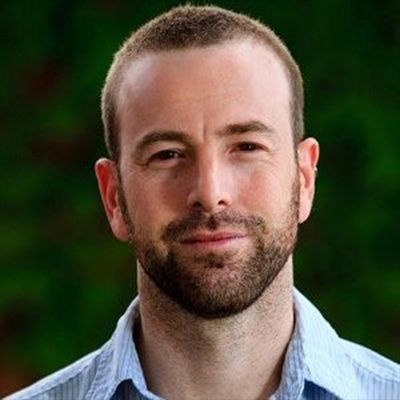
Pasadena Playhouse Producing Artistic Director Danny Feldman joins The Art of Kindness with Robert Peterpaul to discuss what makes his Tony-winning theatre so special, the power and future of regional theatre, artistic communities and more... Read More
From the show: The Art of Kindness: Pop Culture & Positivity with Robert Peterpaul
Guests
Featured Shows
About
Pasadena Playhouse Producing Artistic Director Danny Feldman joins The Art of Kindness with Robert Peterpaul to discuss what makes his Tony-winning theatre so special, the power and future of regional theatre, artistic communities and more.
Pasadena Playhouse, the official State Theater of California and recipient of the 2023 Regional Theatre Tony Award, is one of the most prolific theaters in the country. The Playhouse has staged thousands of original productions since its founding in 1917 including premieres of works by Tennessee Williams, Eugene O’Neill, Suzan Lori Parks and hundreds more. For decades, its pioneering School for Theater Arts was a training ground for actors and theatermakers who went on to make significant contributions to the entertainment industry. Under the leadership of Producing Artistic Director Danny Feldman since 2016, Pasadena Playhouse’s productions and community programs are centered on its founding idea of being a living force in its community, making theater for everyone.
Find out more on Pasadena Playhouse:
Follow us:
@artofkindnesspod / @robpeterpaul
(https://www.buymeacoffee.com/theaok)
Music:
"Awake" by Ricky Alvarez & "Sunshine" by Lemon Music Studio.
We are supported by the Broadway Podcast Network.
Transcript
This transcript was automatically generated and might contain errors.
[0:06] Robert Peterpaul: Hello, beautiful people. Welcome to the Art of Kindness, where we have compassionate conversations with artists from all areas of the entertainment industry who are using their voice to spread joy and make this big spinning planet in the universe a better place to be.
[0:22] Robert Peterpaul: I'm Robert Peterpaul, and I'm so glad you're here. This is one of my favorite months because I love all things spooky and pumpkin, of course. Been having pumpkin iced coffee since July, if I'm honest. While I usually like to go all out this month highlighting spooktacular people, I have to hold back this year. You see, friends, we are approaching episode 100! Pew pew pew pew pew! It's the final countdown! And I have some exciting news. This is the greatest show! Ooh, this is also my morning voice, so apologies for that. The intention is to air this 100th episode special on November 13th, World Kindness Day. So stay tuned.
[1:28] Robert Peterpaul: Seeing as we only have one more episode after this until we hit 100, I gotta take a little hiatus. And I'll miss you also, but never fear. If you want to get all the spooky and positively unhinged vibes this month, I suggest you go back and listen to some of our favorite Halloween episodes. We've got ghoulishly good episodes currently streaming, featuring the likes of Sabrina herself, Kieran Shipka, Halloween Town star Kimberly J. Brown, and a two-part special interview that caused quite the commotion with the creator of Hocus Pocus, David Kirshner. Now hop on those broomsticks and fly on down to today's conversation.
[2:09] Robert Peterpaul: It will be slightly different than other ones that we've had on here, my dear listeners, because we are not only highlighting the delightful Danny Feldman as a person, but the legacy of the incredible Pasadena Playhouse. I'm hoping this will inspire some conversations around the current state of regional theater, something I'm really passionate about. Pasadena Playhouse is one of the most prolific theaters in the country. The Playhouse has staged thousands of original productions since its founding in 1917, including premieres of works by Tennessee Williams, Eugene O'Neill, Suzan Lori Parks, and hundreds more.
[2:50] Robert Peterpaul: Under the leadership of producing artistic director Danny Feldman, today's guest, since 2016, Pasadena Playhouse's productions and community programs are centered on its founding idea of being a living force in its community, making theater for everyone. Pasadena is also the official state theater of California and was the recipient of the 2023 Regional Theater Tony Award. For more information, head to pasadenaplayhouse.org. But after you listen to this interview, of course, okay? Thank you. This conversation left me so energized to get out there and support some local arts, and I hope it has the same effect on you. Find me on social media at Robert Peterpaul or at Art of Kindness Pod, and send me your pictures of you attending your local theater. I would love to see.
[3:41] Robert Peterpaul: Now, without further ado, please welcome the Pasadena Playhouse's producing artistic director, Danny Feldman.
[4:03] Danny Feldman: I think the first time I saw you and the last time I saw you, we didn't really meet was at the Tony Awards in the winner's room, which was super exciting.
[4:11] Robert Peterpaul: Oh my god, yes. I was such a whirlwind, and it was at that hotel, and no one do you know that it was at the hotel, right?
[4:19] Danny Feldman: Yeah, it was at the Radio Hotel, not Radio City Music Hall this year. They didn't tell anybody that was happening.
[4:27] Danny Feldman: And so, no, so I mean, we knew we were winning, right? It wasn't a surprise like the other people, but I literally like, and I was early in the show, so I get the thing, and you walk off stage, and they literally like throw you into the alleyway, like you were in the alley behind the theater because there was no room there, right? And then you're walking in the alley, and Eric Bergen was there, who I know from LA, and he was doing this TBS thing, and then you're like, Great. And then I watched that clip, and it was wonderful.
[4:54] Danny Feldman: Yes, it was great, but then they're like, get in the car. And you're like, what do you mean, get in the car? I thought I was being kidnapped. There was no one official there. It was like, you need to get in this SUV and they're gonna take you somewhere. And they literally took me to the Radio Hotel and dropped me off, and there was no one standing there. So I'm standing in a tux with the Tony on the street, and the same thing happened to, um, oh my god, I forgot her name, lighting designer of Leopoldstadt, who won right before. She was down to her on the corridor too, and she was like, What are we supposed to do?
[5:25] Robert Peterpaul: Oh my goodness, that's why that's like a burlap sack over your head shoved in a car. Um and then we wouldn't even saw you in the winner's room and then had a journey to get back as well. But anyway, it was sure.
[5:37] Danny Feldman: Well, I gotta say, you know, after coming off that high of winning, my heart goes out to all these wonderful, amazing people like yourself that come into this winner's room because it's sort of a weird, stale environment in that I mean the New York Times is there, the Hollywood Reporter, and then there's weirdos like me, but they're sitting there typing live updates, so a lot of people aren't talking or asking questions. And especially in the beginning of the night, people are coming in and no one's raising their hand. So I for you, I like shot my hand up so much. I didn't even have a question. I just like blurped one out. I was just very happy to be, it was like a night I was at the grown-ups table as a kid. So it was like, yeah, whatever happens, happens. It was very joyful.
[6:18] Danny Feldman: Well, I just want everyone to know it's not just that, it's not a personal thing, it's just people don't ask questions in there, you know, uh until like later in the night when someone started being like, What are your thoughts on the writer's strike? And everyone's like, No, that's not the question asked. But I was so happy to see you and the joy that you exuded from that evening. And I'm thrilled to talk today. And I'm a big fan of the Pasadena Playhouse virtually. I have never gotten the opportunity to go in person, but I want to get into all that with you.
[6:46] Robert Peterpaul: I always start out asking, because this is the Art of Kindness podcast, Danny. What is your definition of kindness?
[6:53] Danny Feldman: My definition of kindness, I should have been prepared for that. I think kindness to me is an action, right? It's an active thing, and it is when one puts others in front of oneself, you know, there's a selflessness to it, but also just a mode and a lens of looking at the world of other focused. Is that is that appropriate way to say it? Yeah, but of thinking about impact of others on your actions and the world. And it's a wonderful mindset to be in if you can be in that mindset.
[7:34] Robert Peterpaul: That's lovely. It is hard, but I think you're in such a beautiful position to do that because as artists, we are always kind of in service of others, and you're at the top there, right at the Pasadena Playhouse as the producing artistic director. But I feel like Danny, growing up as a kid, you know, you're running around the playground saying, I'm gonna be a doctor, I'm gonna be an actor, whatever it is. A lot of people aren't running around going, I'm gonna be a producing artistic director.
[7:59] Danny Feldman: I was not one of those people. I never thought that this is the seat I would end up in for sure. But so what was your kind of dream? Did you always dream of working in the arts in some capacity?
[8:08] Danny Feldman: Oh, that's interesting. I, you know, I mean, there are clues when you look backwards. Like when I was really little, I would put on shows in my backyard, but I wouldn't put them on for anybody. It was very odd. I didn't invite anyone to them. I would just, I was interested in the mechanics of making things. So, you know, Phantom of the Opera, I had my parents' old chandelier that I rigged from the tree in the yard and dropped it. But we figured it out. Um, but no, I was actually, I entered a little bit from an odd path with I, or I was a musician. I wasn't always, I was fortunate enough to go to theater, student matinees and those kind of things in the public school I went to, but also my parents would take me to see the big musicals that would come to town, um, and Fiddler on the Roof.
I remember, I was very young. I saw that. That was the first musical I have any recollection of seeing. So that was sort of running parallel of my enjoyment and my fascination with the arts, particularly musicals. And I was a pianist since third grade, and I was sort of those things collided at some point along the journey.
[9:16] Danny Feldman: But it wasn't till high school, really, that I was always involved in student council and other leadership things, but I was asked by the theater department, i.e., my friends who were doing music the shows, if I would play piano at the last minute for a production of Spoon River Anthology, the play. There's some songs in it. And so I was backstage playing the piano for it because I was a pianist and I thought it was kind of cool. And that was really my first time being a theater maker in that way. And I just have a vivid memory, I don't remember much, but I vividly remember the sense of community from that, which I think is a lot of folks, and I'm sure a lot of people you talk to are entrants into theater in particular, the collaborative nature of it and the fact the sense of family, the sense of common purpose.
[10:07] Danny Feldman: Um, and I think, you know, in the subject of your podcast, kindness is directly tied to the DNA of theater and in the fact that it is our most collaborative art form, right? It takes so many individuals, including audiences, to make theater. And so there's a generosity of spirit that needs to exist, doesn't always exist to accomplish it. So I think I was attracted to those elements of it without being able to articulate that, if that makes sense.
[10:39] Robert Peterpaul: Yeah.
[10:40] Danny Feldman: And then I went to UCLA in the music department, and I met a whole bunch of musical theater people and I played for the musicals, music directed, studied music direction. And that was when I started producing where a couple friends on campus said, hey, we're just going to produce a student production. You want to help? So I was like, okay, you know, my college professor would have a saying that I live by to this day, which is dumber people that have dumber people than you have done this and done it well. And that's sort of the mantra of, you know, just figure it out. You know, you'll be fine. And I got into producing that way.
[11:17] Danny Feldman: And so producing's kind of an amorphous thing until you start doing it. But at the same time, you know, we were both doing it in our backyards. I remember we had a ratchet zipline hooked up to a tree and played the Peter Pan soundtrack and just like made my parents watch me as I flew down and pretending I was Kathy Rigby like hunching on my back. I would like whack into the tree and get bruised. But it is that same spirit, you know, and whether you're kind of doing it for yourself in your backyard or like you said with these other amazing artists and coming together there's kind of that magic in collaboration even when you're doing it by yourself you're playing the soundtrack you're kind of thinking of other people watching it whatever it is in your head it's like that's the magic sauce.
[11:59] Danny Feldman: So I love your absolutely right. Yeah, you're absolutely right. I mean and and that sense of play that sense of creativity and imagination I think, you know, dwindles as you get older and and so many of the world's problems not to get heavy spark from the idea of people who don't have imagination or creativity or vision to solve some of our big problems to imagine not just, you know, I'm not, I don't want to be political, but like how we get from here to a better place, right? We should all be aligned on how to envision a better world for the people who come after us. And maybe people have different disagreements on how to get there. But the reality is we all know we're going somewhere, or we all should know we're going somewhere. And it takes collective imagination and ideas to innovate and progress.
[12:49] Danny Feldman: And I think theater is very unique in terms of an art form. It's sort of a gymnasium, it's like a gym for those muscles for creativity, for empathy, for literally thinking outside the box. For you know, I've always been completely fascinated by the idea, which is really silly when you break it down, which is theater is just make-believe for grown-ups, right? I mean, you're yeah, for the people performing it, but for the audience, it's silly. People are coming into a darkened room and all implicitly agreeing without saying it out loud, we're all gonna play make believe and pretend like the thing we're watching is real. And when it's right, it feels real, right? When it's wrong, it doesn't, it pulls you out of it.
But that's there's something just at its base level. One, you know, we're wired for storytelling in that way back from caveman days. But there's something eternal about the spirit of coming together and collective imagination, playing make believe together. Um, I still laugh at that. I think it's fun and silly, um, but also meaningful. It is, you know, it's like you get to a point you have to learn. I mean, as an actor, it's different. It's it's well, it's similar in a lot of ways, but you take all these classes where you're kind of inundated with the business side of things and it can kind of crush the kid in you down. I mean, not me, my child's always just like, but eventually it's finding or trying to find that balance of just taking what you like and leaving the rest and coming back to that kind of inner childlike sense of play at the end of the day and having the collective ideas.
I love that you said that I think collective is the key word, because you can be kind of shouting your ideas out there in the room, or especially if you're workshopping something, but if you're not listening to other people's ideas and how it's going to kind of mold together, if you're not all kind of throwing it at the same gumball in the center of the room, it's just it's not a collaboration. It's not, it's not theater in a lot of ways. So I love that you said that. It reminds me too of the magic in the making from Sunset Boulevard, that random line. But I I share that philosophy with you. And I'm wondering as we kind of flash through you growing up, are there any acts of kindness that stand out that you feel like kind of changed your career in the arts and set you on this path to the Pasadena Playhouse? Or it could be the one that got you there, whatever comes to mind.
[15:00] Danny Feldman: I think there's so many of them, honestly. And I I think the more attuned you are to how you carry yourself in the world by yourself, which is, you know, we all struggle me too with doing that on a daily basis. But the more in tune you are with that, the more you see it around you and the more you experience it from others. If that makes sense. And so small, I mean, it it kindness is as a very small thing with major impact, which is why it's kind of interesting. And you're doing a podcast. You know, I in in terms of my journey here to the playhouse, there was a lot of kindness. I was in New York, and I um I was I was at Labyrinth Theater Company, was executive director of Labyrinth Theater Company.
And a couple of years prior, Philip Seymour Hoffman passed away. He was very involved in the company. That was really a rough time. And I, you know, was shepherding that ship uh uh a lot. And um it was it came to a moment where I was looking for a change and I didn't necessarily um want to go back to LA. I was sort of on a journey in New York and I was enjoying myself. Um but um the a good friend of mine uh recommended me without me knowing for the position. Uh and I still didn't want to do it, but it but it was I have to say it was a journey as I was learning more about Pasadena Playhouse, its history, its struggles. It it I was amazed, and it was ultimately the thing that made me want to do this, which was as I met different members of the community, seeing how much all of these different stakeholders, whether it was artists or donors or foundations or audience members that I got to meet, cared so deeply about something and about its role in the community, not just in their lives, but in the lives for others, that said something to me, right?
That that those were signals of this is a special place that has always been a special place about something. And you saw the care and concern of so many of the um entity passing the playoffs, but also what it meant to people in the community and what it needed to mean to people in the future. And that care, um, I saw their kindness in how they treated the institution and how they were deeply concerned for its future. And so, you know, that was sort of a more recent example. I've been here for a couple of years now, but um, you could smell you can sniff that out, right? What kind of culture a place has and how special it is. Um, and I think underneath a lot of the baggage and and bad things, um, there was always this core concern and community centricity, which um and an idea that that a theater or a community's theater's sole purpose is to benefit the community in a profound way, and really looking at it through that lens. Um, and that speaks my like my language. So I was very very into coming here once I unlock that.
[17:48] Robert Peterpaul: Yeah, I love that. And I'm glad you mentioned community theater too, which I think gets a weird rap a lot of the time. And I wish it it didn't, you know, because it's depending on where you are in your career, you know, I think it can be looked down upon. And no matter what, I think community theater, regional theater Broadway, it's all a community. I mean they're all community theaters. And to me the R in regional theater stands for resilience, which I think is driven by community and that's how they're standing the test of time. So you know I think that's a great thing to mention.
[18:17] Danny Feldman: I fully agree with that. And I what I'll add to that is I think there's a great deal I mean this in a generous way, but there's a great deal of elitism in the American theater. Yeah. You know, the people who put their 10,000 hours in, that's who we spend all of our time and energy and money focusing on. And there's a nice analogy that I always like to bring up which is if you look at the sports world so full disclosure, I know nothing about sports. My family are a sports family, but I am a theater person and an arts DMS fact check us we're fine. Exactly please please I'm gonna say something that I'll get made fun of for a long time. But no I think the ecosystem of sports is quite interesting and there's a lot theaters can learn from that in terms of sports sports and schools to um you know I I don't know what they're called but like amateur leagues to hobbyist sports and they also feed into a professional system right but but if you're on a softball team you don't that's not looked down upon that you're not a professional baseball player.
It's its own thing. And it's all part of a unified spectrum of folks who love this thing, right? On all levels of the spectrum. And I think we could use that as a guidepost and as a lesson for theater and for community theater and youth theater and family programming. It's all one thing. Um it's not just Broadway. It's not just, you know, regional theater. It's all one continuum. It's an ecosystem.
[19:42] Robert Peterpaul: I love that. That is speaking to my soul.
[19:44] Danny Feldman: I was just a system. Yeah, you said it. I was just at the Jimmy Awards, and it was sort of a similar thing in that, you know, you could go see a high school show and a family feels like they gotta drag their grandma, they gotta drag people there, whatever. But these these are the future this is the future of theater. And it's the same thing with community theaters. You know, one day they're in a local production, the next day they're in whatever funny girl on on Broadway. So you never know. And I think that's a beautiful way to put it, you know. And the value, the value added of folks participating in theater that aren't going to be professionals one day, that are doing it because they like to sing in the shower or they like to help sew costumes.
That is frankly what passing the playoffs was founded as in 1917. It was a community effort that everyone would come together to make a show. And the pride that people have in that, the um talk about bringing people together and togetherness really expands the idea of an audience. Um, it becomes the community making the show together. That's something we've been exploring quite a bit here at the Passad Playoffs.
[20:44] Danny Feldman: Yeah, I loved reading that history and diving in.
[20:47] Danny Feldman: And I think it's yeah, it's just all so fascinating, you know.
[20:51] Danny Feldman: But to get there, I guess you joined the now Tony winning, which is super exciting to say Pasadena Playhouse as the producing artistic director in 2016, I believe you can back up.
[21:00] Danny Feldman: In late 2016, yeah.
[21:02] Robert Peterpaul: Late 2016.
[21:03] Danny Feldman: Late 2016. Sorry, I'm channeling Florida Rose. I don't know why. In I guess what I've observed, you know, just in being in shows, is that there's usually an artistic director and then maybe a more managerial position. They're not usually one. So I feel like your job kind of kind of two and one. That seems like a big undertaking.
[21:19] Danny Feldman: Yeah, it does seem like a big undertaking on a daily basis. It was um it was a lot, a lot of it was well, financial that I think the theater was in trouble, and the board said, Oh, we can merge these jobs and have one person. But I think, I mean, all kidding aside, I think it was really about a a a theater that was going through a profound moment of struggle, um, which a lot of theaters are, frankly, right now in this moment post-pandemic. But back then we were really on the edge um again after many years of being on the edge, and it was really bad. And I think what the board realized was artistic and management have to be completely in sync for any organization to thrive. And I think they um found in me someone who thinks with both sides of my uh my brain that way.
Uh, I think there are a lot of people like me out there that have never been given the opportunity. Artistic directors in regional theaters tended historically to be directors. Um and I think, you know, who who have an artistic vision and who bring shows together and all of that. But I I think what we're seeing now is running a nonprofit regional theater. This is probably the hardest time to do that since regional theaters were born. Um, given all the pressures going on and given just the survival nature of what's what's happening in our field. And so a lot of folks, I certainly, if you ask me 10 years ago, do you have the skills to navigate and create innovative new business models while creating high art, while doing this and getting community engagement?
These are are very challenging jobs that we don't have a um corporate or um we don't have a counterpart that we can look to as a model to go, oh, so and so does this really well right you look at sort of european arts organizations and you're like oh the government's funding a lot of this more than they are here so it's a lot of on the on the you know boots on the ground thinking and trying and I think um I was uniquely suited with both being around extraordinary artists for for the last two jobs I've had before this um as well as being a scrappy independent producer in 99c theaters in LA and I think I bring that with me here to the playhouse of the scrappiness the innovative um thinking but also understanding um what great art is and and more most importantly what environment needs to be created for artists to do their best work for staff members to do their best work and I think that's where um the kindness comes into to play because it's not just saying hey brilliant artists come together here to make something really special it's it's understanding that the vulnerability that it takes to make a piece of theater yeah right from the very from from the very basic level of an actor walking out on stage in front of a group of people that is extraordinarily vulnerable and I don't care how many times you've done it when you walk out you still feel the butterflies you still feel the um you know you're standing in front of a bunch of people you feel like you're going to be judged and in a lot of that energy that energy and so when you have a collective grouping of that energy with a lot of actors or with a director trying to do their work or a playwright writing something you're in you're in extreme vulnerability territory.
[24:33] Danny Feldman: And for those folks to thrive, how do you create the environment where there is trust, where there's kindness, where there's generosity so that they can do their best work. Um, and I think you you hear a lot of conversations about that these days, but I don't know if it's framed the right way. The way I really frame that is about what is the environment for folks to be able to be vulnerable and do their best work and really focusing on that on every show when we get it right, when we get it wrong, understanding it, what are the things that make folks feel safe, which is going to generate their best work. I think that's sort of our mantra at the playoffs of what do you have to do to help people be their best selves?
And that's the same thing in terms of audience, right? Audiences to be a good community member, you have to have more empathy for people around you. It's pretty basic, and we struggle with that as a society. It's not unique to Pasadena or LA. Um, it's it's a societal issue right now, and our theaters are crucial in helping change that.
[25:33] Robert Peterpaul: You hit like seven of my questions at once.
[25:35] Danny Feldman: I love it because I was curious about so many of that stuff. And I feel like even at a basic level too, it's vulnerable for someone in your position, no matter how long you're doing it, to say, this is my idea, is this is my take, you know. And I think once it starts getting kind of hardened and more like this is my idea, like a command, you know, that's kind of where the collaboration dies. So I think sustaining the vulnerability is super important, you know? Kind of just keeping it across the board with everybody so everybody feels like it's a safe place where they can say, maybe it is a silly idea out loud, and then you all kind of go with it for the moment and just see what happens. My staff does not have a problem coming up to me saying that is a terrible idea, or that is great.
It happens all the time. But one of the things that helps with that or helps with keeping in vision, keeping in alignment with folks is just being very clear as an institution of what we stand for and what we don't stand for. What is important to us, what are our values, what kind of shows fit in our box and what things don't fit in our box and why and articulating that, which is I have to say that's been a journey for me when I started here my headspace was not thinking that it was survival mode. Now it's a little bit more of following my gut of like I think most folks here know what is passing the playoffs and what is not and are so that or understanding that and we know it intuitively based on our actions which is always the right way to know it.
But we're now going through exercises of articulating that more so that because I have found that when you articulate that particularly to new folks coming in which every time you do a show you have a bunch of new people coming in for two months being able to articulate them so the culture expands and it doesn't just you know you're not just bringing people in and following their culture you're you're having them absorb the good things of our culture and they're contributing to that.
[27:27] Danny Feldman: That ecosystem again which is I think so important to theater. You know, you mentioned the values and the morals kind of of the theater that I think always morph and change but at the core may be the same. What's so unique about Pasadena and maybe I'm just kind of oblivious to other states but it is the official state theater of California which first of all I guess what does that mean? And second of all do you feel like you have to like those are the values you kind of have to align with I mean California is already very inclusive and has a lot of wonderful things about it. So it might not be hard but I feel like it might be a different challenge than say, you know, a theater here in Connecticut that's fighting the town to even break ground and takes like a decade to build the theater. You know what I mean?
[28:07] Danny Feldman: Yeah, no it it's a really interesting question. So we became the state theater of California in 1937. It did not come with a big check, by the way. And it's not really since then. The state has been generous to us during pandemic and helped us with one project. But in general, we are not funded by the state. It was an honor given because Pasadena Playhouse was the first theater in America in 1937 to produce every Shakespeare play. And on top of that, it was really this side of the Mississippi, the number one theater in all these different ways. And you know, Tennessee Williams was here world premiering plays, George Bernard Shaw came here for a festival. I mean, it was really a very important focal point for the West Coast for theater and for arts and culture.
And that hasn't stopped. You know, I just saw Bernadette Peters there, Ariana Grande. I mean, the list goes on of your kind of alumni. It's just ever read cartoon. I mean, Agnes DeMille directed here before she choreographed Oklahoma, right? It was so it's it really extends into the whole, you know, modern American theater apparatus. The Pasadena Playhouse was a huge part of. So we got that recognition as you're great, you're bringing international renown to California, and here you go. When I got here and we were struggling in late 2016, it was a little divorced from how we looked and talked about our programming and ourselves. It was just sort of, you know, on the letterhead. And a good way to put it, divorce.
And so as I was really setting a course for the playhouse and a strategy of transforming and transformation, I got excited by exactly what you were saying. I started thinking about well, what are the values of California? I'm fortunate enough to, I'm from California and I lived here almost all my life, except for six years in New York. And so I was able to start articulating that. California is one of the world's largest economies. I think it's number five right now, about to overtake Germany. And it's one of the most diverse places on the planet. It is a leader in basically everything from agriculture to climate change to you know setting standards around the country. It is the golden standard for America.
And there's a scrappiness to California that the East Coast doesn't have. There's a sense of adventure and boldness and surprise. You know, you have the highest highs and the lowest lows in America, in the contiguous 48 states, Mount Whitney and Death Valley, the highest high point and the lowest low point. And that really speaks to the range of what California is and what it stands for to people. And that became a very exciting animating principle of saying this bohemoth of a state, what would that state's theater look like? What would that state's theater be doing? What season, what would that look like for a season? What would that look like for youth and family programs? What would that look like for the kinds of artists invited to work here?
Right. And it really became a great guiding principle on how we animate and fuel the organization. And so I'm deeply inspired by that. And so I'm glad you brought it up. Our actions and what we're doing is aligned with that in many ways.
[31:22] Robert Peterpaul: Yeah, I mean, even when you go on the website, it boasts California, it boasts kind of high art, you know, you have these incredible graphics on there. Even if you're doing a show that's been done before, it looks like it's just all new, fresh works because you're not using, you know, the Beauty and the Beast poster with the rose. I'm not saying you're doing that right now, but it's just, you know, I was on there right before this. It actually the um we have a new website coming this fall, so I'll say that, but it looks very similar. But um the funny story which you can edit out if it's uninteresting to people, but um I'm sure it's not there's uh uh amazing graphic designer, um, one of the top graphic designers in the country, Paula Cher in the world, actually.
A lot of your listeners will know her because she created the public theater identity for all those years, including now. Um the really cool pub, the very clear public theater identity. I believe she did MoMA in New York. She has done um everything from the Citibank logo to the Tendergreens logo to a bunch of other things. And um when I started, I didn't have any money. And I cold, I this is a lesson in kindness. I cold wrote an email. Um, she's at one of the top design firms in the world, Pentagram. And I literally, she's gonna kill me for saying this because someone might do it now. I wrote an email saying, Dear Mrs. Cher, and um I'm taking over Pasadena Playhouse, it needs a reboot. Here's some of my ideas of what I want to do there.
And I think the clearest signal in my first season is a new graphic identity, is a new way to visually align and tell a new story and have it align with what kind of art I want to do. And I got an email back from her, and I said, I can't afford you, so can you give me um like a junior associate, right? Like, is there an that can help us with this? And she wrote back, come talk to me about this. I was still in New York at the time, so I came, I sat with her. She was lovely and kind and a true artist, not in a theater way, in a in a visual art way, um, who was deeply curious and was asking a lot of questions, and we got sort of to the end of the meeting, and she said, Okay, I'll do it. Wow, do it and I was like we can't afford you and she basically said no we'll figure that out I got I got big other clients that'll help and we'll we'll make something work and she did it and she's been um our recent sometimes celebration I went back to her to to do it which if you saw that was really extraordinary interesting artwork that captured what we were trying to do with that.
So she's become a friend and when I when I'm in New York I usually go visit her and and hang out with her. But um she's an extraordinary artist who showed some kindness towards a uh struggling West Coast theater and got excited about about transforming it. And that I think does hark back to the vulnerability too to kind of send that email and it is a weird dance you do because I know even too as an actor it's just you constantly hear no so you build up the callous and maybe it's not as vulnerable to just like throw yourself against the wall and see what sticks but it it's just such a lesson in kindness when the two people are both a yes and come together and I don't know I think that's beautiful even from your graphic design end you know I'm glad you shared that story because it is so striking but who knew there was kind of an act of kindness even behind that which I just love always the more the moral of the story there is like always send the email right always be afraid.
[34:40] Danny Feldman: I mean I I have artists that will send me emails saying I'm new to LA I just moved from New York and somehow they get my email address and they're like here are my materials other places you usually get ignored we respond to every I respond to every email a patron writes in because I think that that is part of what a community theater is all about is we're doing this for people. We're not doing it for ourselves. So when someone says, I hated this, and if they but if they take the time to thoughtfully write about that, that is what we're after. It sometimes hurts your ego a little bit. But the reality is um most people who do that, there's some crazies out there, but most people who do that are reaching to engage.
And they're um if they didn't like it, they're upset because they feel like you were not aligned. Like this is the place I love, and you did something I don't like in the place I love. And I found that when I call them or write back, there's always an engaging conversation that happens. It very rarely becomes harmful or bad. It usually is about just being heard and engaging. I remember one of our more controversial things. We did a we did a play called Belleville, which had premiered at um New York Theater Workshop. Um we did it, it was with Anna Camp and Tommy Sadowski, two extraordinary actors. And in the play, the final moment of the play, two of this, the secondary characters are all are speaking in French, and there's no translation for the audience.
And some people got really upset about that. And I remember the conversations when they would call me yelling or uh writing in, saying, Let me just inform you, the playwright made a choice to do that. We didn't make a mistake. That was what she intended. And there were really interesting conversations about getting them to be vulnerable to understand and to as soon as I put a person, this is someone who wrote this who was trying to communicate something to you. What do you think about that? You had a few people who be like, I hate that, but you had others being like, Well, what could it mean? And they were like figuring it out and talking it out. Um, and I got to spend time with them while they were doing that. So that was that was uh enjoyable to me. And you can always turn someone around that way with the title.
[36:50] Robert Peterpaul: Yeah, I think that there's people trying to engage, and then there's maybe the other half of people that are trying to enrage, or maybe the smaller half, maybe it's not exactly half, but ultimately I think everyone just wants to be heard, and that is a skill that most theater professionals are great at. I think we all really have a wonderful skill in listening, you know, we're listeners, which our country could use a lot more of because if you're sitting there listening and hearing the other side, then you can have that dialogue and that collaboration. But that's super special. I remember as I was at the Royal Shakespeare Company in London and um, or in Stratford, I guess, but and they had these, you know, little like tickers around the theater with subtitles, and it was just showing what you know what was going on in the play.
But I guess for one of the shows I saw, they kind of had like the script notes translation of Shakespeare. Like it wasn't his verses, it was the not cliff notes, whatever you call it, spark notes. Yeah, yeah, yeah. Like the translator. So people, yeah. And we had a talk back after. I think it was with the artistic director who was just like, you know, we got a lot of complaints from people saying it's not helpful, even though it was an accessibility thing. So they kind of just tried that out and saw what happened. But it is that that listening skill that I think is super important. And I guess going off of that, you know, looking at all these amazing values you just described and aligning with California, kind of setting up that frame when you first got there, you know, theater obviously has the power to address a lot of social issues and promote more understanding and listening, like we're talking about. How I guess do you select plays or productions to try and align with these values?
[38:20] Danny Feldman: You know, what kind of conversations are you having at the start of every season? Or well, I guess before then, before you even then, yeah. So many conversations, often with myself. It's very Jekyll and Hyde up here. Uh, he has had a puppet on his hand this whole time that he's been talking to. It's been a little strange, but I didn't want to address it. Well, when you start weighing all of the factors that go into picking a season, and when you make a list of all of them, it's a little absurd, right? It's sort of um, is this, you know, is this cost too much? Is this what people are going to want to see? Is this a theme we have explored already in a prior season or this season? Is this going to attract um a certain star or something that's going to help us make more money and sell tickets and get people in?
Is this on the front edge of the American theater? Is this um innovating? Is this contemporary? Is this speaking to our world around us? Is this fun? I don't know. Is this a good time? Is this entertaining? So you're trying, it's like an impossible puzzle that you're putting together every year. Um, and then as I'm here longer, it's also like your collective body of work. It's not just what am I doing this year? It's what have I done and what have I not done so far, right? Where, you know, looking at the collective totality of the engaging of the community, what's missing? What are the other pure theaters doing? What are we doing that's the same as them? What are we doing that's different from them?
How are we gonna stand out? So it is so many freaking things. It's all the things. Um, and you eventually just have to pick one. But uh, you know, my main guiding principle, and I'm asked that question a lot, and I never have a good answer, but it's stuff I want to see. Um, it's that I think we can pull off in a really extraordinary special way. Something that breaks through that is um, you know, sometimes something that breaks through is something wacky, like when we when Sam Pinkleton and Jenny Coons did um head over heels here, and we ripped out all the seats and we turned it into an immersive uh, you know, we did it before Here Lies Love that looked very similar. Um, I can let you know. We had a dance floor, we had the whole thing.
Um, it was an extraordinary production, wacky, wild, very fun. David Korns. Yes. Well, we did it with David Meyer, a different designer. I used to work with David Corin, so we can well, we can go down that room a whole nother time. But um, but anyway, so like that is sort of an example of like we're just gonna blow up the theater and get people to come in and see something and it that was very visceral and different. Um, and then we're doing a play right now called Stew by Zora Howard, it was a Pulitzer finalist in 21 or 2020, 2021. Um, and it's you know, a kitchen sink play, but with the twist to it that I don't think people see coming. Um, and it feels radical in I've not seen black women in their kitchen in this way on a stage before.
Um, Zora is written something really profound and fresh, and she's a voice of a new generation. Um, and that breaks through in its own way, right? And we didn't have to rip up all the seats to break through in that way. So I'm always looking for a thing that's gonna grab people. And um, you know, I say it in in I I think our role at the State Theater of California, but also all of our roles in regional theater and as artists is to move the American theater forward, is to move culture forward. And sometimes that's just giving people a great show and having a good time um and holding their attention that does move people forward in a certain way. Um that downplay the importance of that. But I'm always on the lookout for what is you know, if we're doing a revival, we're doing inherit the wind coming up.
How are we doing that in a way that speaks to today? When we just did um a little night music, it was a pretty um traditional production in many ways, the full original orchestration, 22 pieces. It was lavish and lush, and it was it was stuffy, a great representation of what that show was, but we had a really um fresh approach with casting, and Merle Dandridge was our desire. It was the first woman of color to ever play that part that we can find, um, which is really profound. Um, it felt it it it opened the doors wider to the work of Sondheim in terms of accessibility in terms of how people saw the role. And so there's a lot of ways to move the American theater forward, a lot of um tempos to move the American theater forward.
You can go by an inch, or you could take a big leap or try at least. But um, always forward thinking because I I believe um this isn't an institution where you will go see a Shakespeare like you've seen it 500 times, or a poly like you've already seen it. We're not interested in that here. And today's top artists working in the theater, I don't think are interested in that. Um and really are artists responsive in that way.
[43:00] Robert Peterpaul: I love all that. Thank you for doing that. And I guess it kind of brings up another question I had for you, which you you've touched on, but you know, we said before regional theaters, a lot of theaters in general are just really struggling right now to climb out of that post-pandemic blitz. You know, it's kind of the after effects of it, the aftershocks. I I just for an example, you know, I've worked at Westport Country Playhouse. I don't even know if you know it here in Connecticut a couple of times. Love it. I'm I think they're probably inspired by Pasadena Playhouse because they've tried to kind of freshen up recently. And the reason I'm bringing this up is because I have seen sort of firsthand how they've tried to balance keeping the old guard of audiences, but then also bring in new audiences and freshen up and be in a wonderful space for today's artists and and to kind of move things forward, like you're saying.
What's sort of your advice for that with other theaters? You know, you know? Because I think for them, I mean, now they're possibly going to close their doors. Hopefully, not everybody please go donate. But it it didn't, like maybe they just did it too much and it didn't work. Do you have any thoughts on that?
[43:58] Danny Feldman: Yeah, it we're we're at a moment of radical change, right? In our country and our theaters and our cultural institutions. And even before the pandemic, we saw signs of that. I mean, the Pasadena Playhouse had signs of that, where the business model stopped working, right? I mean, the way going way back, not to be a boring history wonk, but the birth of the regional theater movement was a reaction from artists leaving New York saying theaters become too commercial. You're hearing that same phrase today, right? Theaters become too commercial. And we want to go embed in communities. A lot of folks' communities where they came from or new communities are going to. And we are going to work with the people there, the craftspeople there, the designers there, to make something of and buy a community that is not worried about um, that's not dependent on box office or dependent on commercial taste.
It's actually something more authentic, more grassroots, more grounded. And that is where the regional theater movement came. Pasadena Playhouse is way before that movement, and we're around much longer, but very similar idea. Um, and they would pass around the hat. That's where the subscription model came from, and said, Who here in the community wants to come see a year's worth of stuff? We're gonna put some stuff on and trust us, it's gonna be good. And people wrote their checks, became subscribers, and that was the budget for the year. That paid for all the shows. And then if they sold some extra tickets to it, that was like, oh, we got a little more money for next year, right? We got a little cherry on top.
We have a hit show. Oh, that's extra money for us to do something bold, right? That stopped working like a decade after it was created, right? That the the amount of um, you know, we are a 10 million dollar budget at the Pasadena Playhouse. Our subscription, which we call membership here, is about 1.4 million of that 10 million. We cannot operate on 1 million a year to operate our shows. That shows you uh in the 60s, that membership paid for the whole operation, paid for the whole thing. And so that is the stress that we're feeling now because we've gotten really far. We tried all these different things of single tickets and we professionalized theaters and made them seem more, you know, on par with our commercial counterparts, right?
But now what? Now the folks who have been giving the most money, the people who have been coming the longest time, who are your subscribers and your donors, we've create we created bubbles for them that that was they were supporting it, and it's not a bad thing, they were the predominant audience, and so we were doing things with a bias of keeping them happy and engaged, which again is not a bad thing, it's a good thing. But what's starting to happen is we're understanding more and people are being more vocal about the cost of that, and who is excluded because of that decision and because of those kinds of decisions. Um, doesn't always jive with the folks who just want to see Christmas Carol and Beauty and the Beast.
And how can we transform our institutions? Is the fundamental question that has a wider tent, right? If you just say we're gonna focus on things the 30 year olds want, that's an interesting, viable choice. But at some point you're gonna alienate some other people. And so what we try to do here again, State Theater of California, we consider ourselves the populist theater in many ways. We need to have the biggest tent possible. We need a season that has Zora Howard's Stew that comes right after Bernadette Peters singing show tunes. Iconic. Iconic totally. And the through line in all of that is quality, is relevance, is these are people working at the top of their game. They are connected. You think if you see all of our work as disparate as they are and as sort of different from one another, they are, there is a through line of through them.
But so when other theaters are trying to do this, it number one, we're talking about a long game. We're not actually talking about something that changes in a season. We're talking about something we're in a decades-long change for the theater. And you it's hard to fly the plane while fixing the plane. It's kind of impossible to do that. And so I think in sort of radical candidate uh being radically candid and vulnerability, there's a lot of conversations that we have here and what we try to model with all of our audiences, because we have younger folks being like, Why are you doing a whole season dedicated to Sondheim? We have other folks saying, Why are you doing all these new plays? We just want fun stuff, right?
Being able to communicate, this is what we are, this is our purpose and our role in the American theater and in the community, and it's a little bit of all of this. And so I think um the business model really pins us down to saying we can't piss off the core people or we'll not exist, which is very real. And I think what we have to say is we have to diversify the programming to appeal to a broader section. What that may mean, which is a scary thing for an artistic director to say, is there might not be the same number of people as in the past who want to see everything you do. And is that okay? That's the interesting moment we're in, right? There's dire theater lovers like you, like me, who I'm like, I'll go on the journey.
Take me on a journey, I'll see a play, I'll see this, I'll see that. But there are a lot of folks who say, I only want to see musicals, I don't want to see plays. And a lot of people say I only want to see plays and not musicals. So when you're a theater that does both of those things, how do you survive? Um, the good news is there are a lot of people in our country who aren't currently going to the theater. We have enough people to solve our problems, to fill our seats, to pay for things. Um, it's how do we change a perception for a huge part of our population of the vitality and essential nature of the theater. That's gonna take the entire regional theater movement and community theater movement. That's not um one person's job. That's all of our jobs.
[50:10] Robert Peterpaul: Oh my god. Well, first of all, you're brilliant. So I think you could be at the top just listening to you speak of the of the you know, the totem pole holding a sword, but it is such a wild thing. Sometimes it's like the Titanic is sinking, you got to jump onto a new boat, you know. It's just it can take that innovation. And I think what I've noticed about the world these days, if I had to pinpoint a theme, is duality. I think we're kind of allowing more room for duality and not just saying we just have to do this, we just have to please these people. We can kind of make a bigger tent, like you're saying, which is super smart. And then, you know, the thing not against artists, but the other side of it is that business of well, you know, Barbie's obviously doing really well because it has a huge company behind it and they put like billions of dollars into it.
But at the same time, from an artistic standpoint, it is technically they're saying a story for multiple generations and for everybody. So it's kind of a cool balance to see, well, yeah, of course it's successful. It's hitting that kind of pocket, but then at the same time, a lot of these theaters just aren't getting, you know, we're not getting billions of dollars to help change change this.
[51:11] Danny Feldman: So it's kind of like a challenge, right? Is how do you when I flying the plane while fixing the plane, you there has to be space. I mean, think about how you rehearse a show, right? You rehearse something. You're basically in a room with a group of people and led by a director, and you're trying thousands of wrong things before you get to the right thing. No one looks at that in a rehearsal room as failure when you don't get it right away, right? I mean, it's part of finding the language of a play, finding the beats, finding this, and it's messy, and there's bad days, there's days when you get it not, but the actual act is let me say the line this way. No, no, no, no, that doesn't work. Maybe it works for me, it doesn't work for the director.
Say the line this way, because we're always experimenting, and theater artists in general, that is second nature. We don't even think about that, right? When you're sitting in tech, that's what you're doing. Someone's a computer is going. I don't like that. I don't like that director. What do you think? We're just trying to make something in a very sort of messy way that way. We don't bring that same creativity and innovativeness to how we run our institutions.
[52:23] Danny Feldman: Institutions all kind of look the same. Everyone does five show seasons, everyone has a marketing department, everyone has a fundraising department, everyone has this. We have not really invested in our cultural institutions to give the oxygen and the breathing room to think creatively and try new things, mainly because so many of us are on the brink. And so if we make a big decision, like a Sondheim celebration, right? That was a huge success for us here at the Playhouse. But I will tell you, a year ago from right now, today is my annual board meeting, by the way. So my annual board meeting a year ago was we were not sure. This was a major investment we were making. Audiences had not fully come back, and we were about to spend millions of dollars on a citywide project that we did not know was going to succeed or not.
And it looks silly now because it was a huge success. And coincidentally, we won a Tony Award that season and all the good things. But we built a muscle and I went out and raised money and got a group of my board to understand the risk we're taking. And I think even if it didn't pay off, we would have learned something from it, and everyone understood what we were trying to do. And we were trying to break a model in a certain way. We are trying to show that a theater can be more than just one play. Community work could be more than just separated from you, siloed from your organization. Can we put everything in one blender together and make something beautiful? And it was there were many sleepless nights that was like this is crazy and this isn't gonna work, but I'm grateful that it worked, and I'm grateful that I had the board and staff to come up come along with it, but I think they were all guided by principles that we all had agreed on together.
[54:07] Danny Feldman: So I think, you know, but it was three years in the making, it was a massive project that we raised money for for three years, we thought about for three years, so it was genre breaking in a lot of different ways and how we pulled it off, but it wasn't it was intentional and it was trying to move forward and it was invested in the right way. I think theaters all around the country need that level of investment to be able to say, How do we get new audiences without losing the old audiences? What does that look like? It's my version of the Pasadena Playhouse is going to be very different than Westport's version. That's the beauty of regional theater. We have people sort of scattered all over the place.
What can they do that is appropriate for their region? But we haven't invested in our field enough. And I think that's the question now is what where does that money go? The resources are scarce. And who, how are we rewarding people trying to change and move the art form forward and move the regional theater movement forward? That's a very interesting question because status quo is dead. You could give everyone all their money they want this year to help them get through this year, and then what happens next year? That doesn't create change that funds the same thing. How do we incentivize and create the right environment again for arts administrators and boards to try new things and find sustainable models moving forward?
[55:26] Danny Feldman: Yeah, that's the rub. And you know, bringing up sports at the top of this was really smart because you know, football, they have the NFL. It's like everyone's in this league. And if a theater was this ecosystem where we had these major theaters in every state, which you know most states do, and then at the end of the year, there was like a big, I don't know, competition, American Idol style, whatever it is. There's just not enough kind of funding behind that. But I could go down these rabbit holes with you all day, and I want to be respectful of your time because I know we're getting close to two, and then this theater kid's got to run to rehearsal, you gotta run to your board meeting. I have so many more questions to ask you.
I just think I will narrow it down to quickly, and then I have one more thing, and then I have, well, two more things. No, three. No, one. I also just want to make sure we touch on the education program that you created, which gives at-risk high school students an introduction, I think, to classic American theater and musicals specifically. Can you just talk a little bit about that? And, you know, maybe even just share a specific example of how you've seen it kind of help a student.
[56:26] Danny Feldman: Yeah, I think, you know, we've always been embedded in our school system here in LA County. Every long before I was here, we had a great relationship with the schools, as a lot of nonprofit theaters do because you're supplementing the lack of artists funding and large education. You know, we did a wacky production of Pirates of Penzance, where again we ripped out all the seats in the theater and brought every seventh grader in the entire city public school system to come experience Pirates of Penzance in a wacky fun way, as well as some instruction in the classroom. So we've been doing that a long time and we continue to do that. I think for me, the most transformative thing we did happen was the way we kicked off our Sondheim celebration.
We had this crazy idea, which was crazy, to spend a lot of money, almost as much as we spent on a season show. And we were gonna create an all-city Pasadena Unified School District production of Into the Woods. And we cast it over last summer, and it was any student in high school in the public schools could have could audition. It was not with schools, all the schools. And it was an after-school program. But what was unique about it was we also had design professional designers, professional directors working with students in all the schools. So we had a Tony winning sound designer and Leanne Rothenberg and set designers and this working with committees of students. And they read the script, they made artistic choices, they sewed the costumes.
We bought them all the sewing machines. So it was a true community-made special thing that was unique to our community through Into the Woods through the story of Into the Woods. We did it at a big 3,000 seat theater. But most importantly, we brought every fourth through seventh grader to see the show. So we brought thousands and thousands and thousands of kids to see their peers doing not Into the Woods junior, full Into the Woods that was made from the imaginations of students, some of which will go on to professional, you know, careers in the theater, but most would not. Most just had a wonderful experience. And then in school instruction for the students to be exposed to the Sondheim for the first time, to be exposed to into all the themes in the show.
So it was like a perfect synthesis of having students see their peers perform, but also a very rich show, as you know, that is very educational a lot of different ways that tied to English standards and the public schools and all of that. So anyway, that just happened last January, and it was sort of one of my proudest moments of my entire career sitting in the audience. And we hope to do more of that in the future.
[59:03] Robert Peterpaul: I hope so. That's so special. Thank you for doing that. And of course, that message of no one is alone. I mean, there's a lot of beautiful things these young artists can take away from it. I did a production of Newsies a long time ago where the ensemble was completely made up of students, you know. Very talented, incredible students. Everyone else on the show was like in the Disney Plus Newsies movie, and somehow I was there too. But it was just so insanely special because of that community aspect, and it made me think too, you know, in high school, of course, the shows are sold out because your family and friends are coming to see it. And it was a similar thing with this, and like you're saying, because it is it's building that community, it's kind of built in.
So I love that you're doing that. I can't wait to see what else you're doing. Before we sign off, really quickly, I would just love if we could play a surprise game. It's very quick. It's not much of a game, actually, at all, but it's called the compliment game.
[59:52] Robert Peterpaul: Everyone's beautiful in their own way. It's the compliment game on me. Yay, okay. It's the compliment. Compliment. Yay. Mump. And basically, Danny, I reached out to someone in your life for a compliment or like a loving statement about you. I'm gonna read it to you, and then you just have to guess who said it using yes or no questions. Okay, I'm petrified. I'm petrified. Go, go, go. Don't be petrified. I'm saying you get like three guesses. I know a lot of people probably love you and feel this way. And I try and get them to be specific, but I have some hints just in case.
[60:25] Robert Peterpaul: Okay. Okay. Okay, okay. Let me put my reading voice on. In all the years I've been around the Playhouse, both as an actor and an audience member, I have never experienced the joy and excitement in the building like there is now. Since Danny's arrival, there has been a transformation in the atmosphere and to see change in what is possible. Thanks to Danny, we are a theatrical force to be reckoned with.
[60:52] Danny Feldman: Oh my god. I have some hints as well because I know I need a hint. Okay, okay, go ahead, go ahead. Well, here's a this might this might be I was let's see. This is my favorite hint. This person has played an iconic comic book villain.
[61:10] Danny Feldman: Oh my god, I know who this is. Oh, that gave it away. This is Alfred Molina said this.
[61:16] Robert Peterpaul: Yes, Alfred, yeah. Oh my god. You're talking to Alfred Molina.
[61:21] Danny Feldman: I love it. We got it. Alfred is a board member here, and oh my god, that's very special. It's very kind of him to say that. I'll absorb that. I'm just terribly compliments as a lot of people are, but I will absorb that. That's usually my first question is how are you at accepting compliments? But since we're kind of talking about theater and regional today, I just wanted to like dive in. But nobody can, I would think maybe my last episode was like the only person that said they were good at taking them. Everybody else, all these people are like, I don't know what it's like an inner struggle because you know it's very uncomfortable, but it's an act of generosity. And so you you I think the mindset is you have to when someone's trying to do something nice for you, you don't slap it out of their hand and go, no, no, no, no, no, whatever. But it's hard, it's very hard. It's hard for me. You can ask everyone around me. I don't I hide in the back during those parts.
[62:13] Robert Peterpaul: So well, Danny, I have about 27 more I'm going to read you. No, I know we got to get you going. I want to respect your time. And I just want to thank you so much for everything you're doing to push theater in general forward and to excite audiences and bring them in. I live all the way on the opposite coast, and I'm constantly hearing about Pasadena Playhouse, which I think is kind of cool. It's always in my feed, you know, and I just love how community driven it is. So thank you for what you're doing. Everybody go out there. If there's a theater down the street, or if you're maybe an hour away, go support local theater. We need you to. Broadway's not the only place to go. The ecosystem needs you, the ecosystem.
Become volunteer. I mean, it just get engaged in any possible way. Volunteer usher, donate, become a subscriber, buy a ticket. A lot of us have very accessible ticket programs and pricing. This is the moment for us to grab hold of our regional theaters and hold them close and help them through this time.
[63:08] Danny Feldman: Yes, joining a Playhouse, but also any theater near you. I fully agree with that. Yes, and there is a place for everybody. I mean, there's a reason why research says that theater people, when they go into a different industry, are some of the top employees because all these skills that you're learning there are just so invaluable. There's backstage jobs, on stage, all this stuff. Even just being an audience member is so integral. So please support the arts. I want to thank Danny. I'm gonna drop everything into the show notes about where you can find out more about Pasadena Playhouse. And until next time, please remember everything is going to be a okay.
© Broadway Podcast Network, All Rights Reserved