

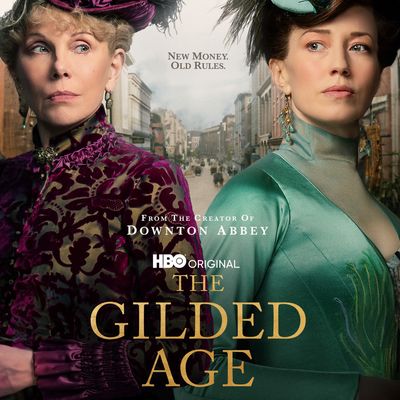
Television writer, author and Executive Producer Sonja Warfield joins The Art of Kindness with Robert Peterpaul to discuss The Gilded Age, the WGA writer's strike, and more. Sonja Warfield has churned out an impressive 20-year career in the entertainment industry... Read More
From the show: The Art of Kindness: Pop Culture & Positivity with Robert Peterpaul
Featured Shows
About
Television writer, author and Executive Producer Sonja Warfield joins The Art of Kindness with Robert Peterpaul to discuss The Gilded Age, the WGA writer's strike, and more.
Sonja Warfield has churned out an impressive 20-year career in the entertainment industry. Born and raised in Cleveland, Ohio, Sonja was far from the lights of Hollywood, and yet surrounded by stardom. Fun fact: her father Paul Warfield is an NFL Hall of Famer. Sonja’s own star has shone bright over the years, with her writing on a diverse range of shows, including: Will & Grace, Disney Channel’s Liv and Maddie; BET’s Zoe Ever After, which featured pop star Brandy; the animated series She-Ra for Dreamworks/Netflix, where she also penned an original song; and the ABC comedy Jake in Progress. She’s developed and written pilots/projects for ABC, NBC, Netflix, Nickelodeon, Lifetime, Universal TV, Sony Pictures Television and HBO. Speaking of… she’s currently a writer and Executive Producer for HBO’s hit series The Gilded Age.
In addition to writing for television and film, Sonja is author of the empowering book Get Your Butt Off My Couch (And Your Hand Outta My Wallet), a woman’s guide to getting rid of her deadbeat husband, boyfriend or boo-thing. Sonja is the mother of a college student who’s following their own creative passion. When she isn’t writing scripts or trying to reach the top of the leaderboard on her Peloton, Sonja is a part-time stand-up comedian. She’s performed at The World Famous Comedy Store, The Laugh Factory and The Ice House. These days, though, she performs mostly in her kitchen. Sonja has a B.A. in Cinema/Television-Critical Studies from the University of Southern California where she has taught television writing.
More on the Writer's Strike:
Got kindness tips or stories? Please email us:
artofkindnesspodcast@gmail.com
Follow Sonja
Follow us
@artofkindnesspod / @robpeterpaul
(https://www.buymeacoffee.com/theaok)
Music:
"Awake" by Ricky Alvarez & "Sunshine" by Lemon Music Studio.
We are supported by the Broadway Podcast Network.
Transcript
This transcript was automatically generated and might contain errors.
[0:06] Robert Peterpaul: Hello, beautiful people. Welcome to the Art of Kindness, where we have compassionate conversations with artists from all areas of the entertainment industry who are using their voice to spread joy and make this big spinning planet in the sky a better place to be.
[0:21] Robert Peterpaul: I'm Robert Peterpaul, and I'm so glad you're here.
[0:35] Robert Peterpaul: Hello, friends. Happy Monday! In our last episode, we featured the remarkable Rob McClure, who is one of my Broadway idols. I mean, we shouldn't say idols, you know, we shouldn't worship people, but you know what? I love him. I just think he's amazing. Please go listen to it if you have not already. He is so inspiring.
[0:51] Robert Peterpaul: I touched on the Writers' Guild of America's current writer's strike, which is the first time the union has been on strike since 2007. As an actor, writer, and producer myself in this industry, I am showing support and standing with the WGA in my own small way by trying to spotlight some incredible writers currently working in this industry here on the Art of Kindness Podcast.
[1:14] Robert Peterpaul: That said, there are over 11,000 writers in the guild, so I wasn't really sure who to reach out to, where to start. I guess I began by thinking of my favorite shows and those that relate to Broadway, which I know we all love here. Instantly, the HBO Max hit The Gilded Age floated to the top of my mind. This led me to researching one of the show's wonderful writers and co-executive producers, Sonja Warfield.
[1:41] Robert Peterpaul: Sonja Warfield has churned out an impressive 20-year career in the entertainment industry. Born and raised in Cleveland, Ohio, Sonja was far from the lights of Hollywood, and yet surrounded by stardom. Fun fact, her father, Paul Warfield, is an NFL Hall of Famer. Sonja's own star has shone bright over the years, with her writing on a diverse range of shows, including Will & Grace, Disney Channel's Liv and Maddie, BET's Zoe Ever After, which featured pop star Brandy, hey, who was also in the Cinderella musical, the animated series She-Ra for DreamWorks and Netflix, where she also penned an original song, and the ABC comedy Jake in Progress.
[2:22] Robert Peterpaul: Sonja has developed and written pilots and projects for ABC, NBC, Netflix, Nickelodeon, Lifetime, Universal TV, Sony Pictures Television, and HBO. Speaking of, Sonja is currently a writer and co-executive producer for HBO Max's hit series, The Gilded Age. In addition to writing for television and film, Sonja is the author of the empowering book Get Your Butt Off My Couch (And Your Hand Outta My Wallet), a woman's guide to getting rid of her deadbeat husband, boyfriend, or boo-thing.
[2:54] Robert Peterpaul: Sonja is the mother of a college student who's following their own creative passion. When she isn't writing scripts or trying to reach the top of the leaderboard on Peloton, Sonja is a part-time stand-up comedian. She's performed at the world-famous Comedy Store, the Laugh Factory, and the Ice House. These days, though, she performs mostly in her kitchen. But um shh. What did the plate say to the fork? Lunch is on me! That was so silly and dumb.
[3:24] Robert Peterpaul: Sonja also has a B.A. in Cinema/Television-Critical Studies from the University of Southern California, where she has taught television writing. We get into that, The Gilded Age, the Writer's Strike, and so much more. If you enjoy our chat today and others you've heard here on the AOK, please share the show with your friends. And if you're feeling extra kind, maybe leave us a five-star review. What? Oh, it really helps. Now, without further ado, please enjoy our conversation with the sensational Sonja Warfield.
[4:13] Robert Peterpaul: I will say I'm such a huge fan of your work. I told you I love The Gilded Age. And I love how you champion women and representation in Hollywood. And it just seems like you've really carved out not only an admirable career in the sense that you're super talented, but you also are giving back to the world with your art, which I think is so wonderful. So I'm thrilled to talk to you.
[4:34] Sonja Warfield: I try, I guess.
[4:36] Robert Peterpaul: Yeah. Well, you know, listen, taking compliments can be hard. It's sort of a journey. So how are you at receiving compliments?
[4:44] Sonja Warfield: I'm, you know what? I'm working on it. I'm getting better. That that's an astute observation in terms of I don't think it's just writers who have trouble taking compliments. I think it comes from a highly critical place in yourself, right? And I think the human mind always wants to see the thing that you did wrong instead of all of the things that you did right. Like we focus on that little negative thing.
[5:15] Sonja Warfield: So it is a journey, and I certainly have to consciously actively remember to say thank you and leave it at that. You know, and accept it and not say, well, I could have done this or I could have done that, because just thank you.
[5:33] Robert Peterpaul: Yeah. I think it's a weird systemic thing too, with quote unquote staying humble or whatever it is. I think people get wrapped up in that in their mind and you walk away feeling really good after a compliment, but then you get a flash of, was I just really awkward and maybe turned the person off and now they don't think that compliment anymore because I took it in a really weird way. You know, so it is definitely a journey. And most people I talk to are still learning and can't take one. So I think we're all kind of in this together. But for me, those verbal actions, the way you show love in that way is all a part of kindness.
[6:06] Sonja Warfield: Yeah.
[6:06] Robert Peterpaul: And we're here to talk today about kindness in your career and beyond. And so just to start out, I would love to know for you, what does kindness mean? What's your definition of that?
[6:14] Sonja Warfield: I think it means actually making sure that you are empathetic to someone else's place and point of view. It's really seeing the humanity in others, no matter what, you know, even if you have to get a job done, you're on a deadline, we're all human beings. And so recognizing someone else's humanity, we're none of us, we're all imperfect beings on this planet, just trying to do life together. And so I think kindness and forgiveness sort of, you know, are cousins because when I'm kind to somebody and when I'm empathic, I'm offering them, you know, forgiveness in their faults or in something they get wrong.
[7:22] Sonja Warfield: And um, we're all just trying to figure it out and do it together. And I think recognizing imperfection is humanity and allowing for that and just being loving towards other people is kindness.
[7:42] Robert Peterpaul: That's such a lovely definition. And I like that you brought up perfection because especially when you're on the rise or trying to break into an industry like ours, you can get really trapped up in your head and caught up with the idea of perfection, and you forget that there is no perfection. Perfection is just being yourself unapologetically, and that's what people want to see, whether you're looking to be behind or in front of the camera. So I think that's really important you brought that up. And then I love your theme of giving grace. We just have to give grace to everybody and ourselves, of course.
[8:12] Sonja Warfield: Absolutely.
[8:13] Robert Peterpaul: And I think that's, I mean, I always find that it's more challenging to give grace to myself.
[8:19] Sonja Warfield: Me too.
[8:20] Robert Peterpaul: So that's something that I certainly work on daily. Well, you know, to go back to the very beginning of your journey on this weird planet, one thing that was so weird. One thing I really want to bring up because I relate to it about your journey is that it seems like just through the different interviews I've kind of combed through, you openly kind of discuss that struggle that we all face between following a dream and taking the practical road, which I think is such a wonderful thing to discuss. As someone who's now kind of on the other side of, I know it's always a work in progress, but on the other side of following that dream and having achieved success, which you know is all relative to where you're at. What's your advice to people out there listening who maybe are scared to follow their dream or ready to hang up the towel?
[9:08] Sonja Warfield: Well, I would just say continue to pursue your passion. Continue to pursue whatever that thing is that lights you up that gives you fervor and excitement to reach that next level. Because in a way, that little spark is never gonna die. You can try to go to like a day job and you know work in a cubicle or do whatever you've gotta do. And inside that maybe scared the word cubicle, I don't know.
[9:47] Sonja Warfield: I know, like gives me flashbacks. PTSD cubicle PTSD.
[9:53] Sonja Warfield: Yeah, PTSD. But that I wanna just tell you that that little spark is never gonna die. And you'll try to anesthetize it, you'll try to do whatever you try to do, but it's gonna be there. And what you resist persists. And yeah, there have been there were two distinct times in my career where I literally was like, I can't do this anymore because I'm a divorced mom of a kid. I've got a child to raise, I've got bills to pay, it's expensive to live in Los Angeles. And so I've I can't do it anymore. And it's killing me. Like it's just so the struggle is just too much.
[10:37] Sonja Warfield: And in both of those instances, I mean, my sign was so um it just it wasn't even a sign. It was like, you're I'm not giving you a choice. Like you must, you know, you must do this. One instance I was on the phone, and I feel like this is 2011 or something. I was on the phone with the college because I was going to try to get my master's and try to figure out something else to do. And on the other line, my agency, at the time it was CAA, called and they said, So we have a one-day job for you paying $3,000. And I had to get back, like go back to the college and say, Yeah, look, no, I've got to take this because I'm not, you know, who's gonna pass up just one day of work for $3,000, right?
[11:29] Robert Peterpaul: Yeah.
[11:30] Sonja Warfield: Yeah. And so I did I kind of didn't look back after that for years, but then I did have to look it back again. Because again, I was faced with the issue of there was a TV show that was going, a friend of mine show, you know, the network wanted me, everything was great. Then suddenly the network brass changed, like all the executives who wanted that show left. And it was they didn't know what they were gonna do with that show, and then they decided they weren't gonna go forward with that show. And so I went to breakfast with my friend, and it was his show. We went to breakfast. At breakfast, I received a phone call that I didn't answer. He was telling me there's no show, and I'm like, okay, great.
[12:17] Sonja Warfield: Now what do I do? And when I when we finished breakfast, I picked up the my call, the voicemail, and it was from um the head of the writing department at USC offering me a full-time position.
[12:31] Robert Peterpaul: Wow.
[12:32] Sonja Warfield: So then I started writing for USC, which right, I mean, sorry, so I started, I was a professor at USC, and so that gave me kind of more stability. Um, because part of why why we are on strike is because of the instability in the writers industry. Um yeah, so so then I so and every single time I was trying to get out of the industry, there were direct signs like, no, we're keeping you, and yeah, here's what's happening.
[13:04] Robert Peterpaul: And I'm glad you were aware of those signs because it does seem like across the board for people when they're ready to give up, is when the big job comes along, or they just get that sign snapping them in the right direction. You know, my grandma always says, if it's green lights, go down that road, you know, follow the green lights, don't keep stopping at a red light. And so I think that's really cool that that happened for you.
[13:24] Sonja Warfield: And I'm glad you also bring up, you know, there's I mean, I can't say how many of us because it is a privilege, but I've been a part of a lot of pilots where it goes nowhere, and people love to focus on the glossy IMDB resume. They don't always bring up these pilots that don't go anywhere, you know what I mean? What that we get so excited about. So I think that's a great thing to touch on too. And I want to break that down and get into the writer strike and all of that with you. But looking back at your childhood, you grew up in Ohio, I think.
[13:51] Sonja Warfield: Yeah, why am I? Cleveland, Ohio. I'm always tempted to be like, oh hi. Oh, it's a stupid dad joke tick that I have to get out of my head.
[14:00] Robert Peterpaul: Well, it's not the you know, the bucka. So for the Ohio State University, you use this kind of one of the chances, oh H I OH IO. So okay.
[14:11] Sonja Warfield: Okay. So you're you're kind of right there.
[14:14] Robert Peterpaul: Yes, yeah, clearly. I knew that, right? Come on. Is there an act of kindness that stands out to you as changing your life in general, or you know, helping you to follow your dream early on when you were first starting out?
[14:27] Sonja Warfield: Uh yes. So my big break into the industry um occurred in 2000, like right at the beginning of 2003. I mean, January, you know, just and I was at a stay-at-home mom. I had an infant, and there was a producer who I had worked with. Um her company had uh optioned a screenplay of mine. And then she and I had kind of tried to collaborate on something because she she wanted to be a writer, she's a writer now. And she got a call from um uh you know, an acquaintance of hers who was a writer-producer on Will and Grace, and they were looking for a freelance writer, and the writer-producer was seeing if that person wanted to do it, if if she wanted to have that opportunity. Um, but she had never written for television and wasn't a comedic writer, and she recommended me.
And um, and that was I mean, that was you know, very kind and selfless because at the time she could have tried to pursue it herself, yeah, but I think she recognized that this is not really my milia, and she thought of me and she recognized me, and that changed my life and my career. I mean, it started my career, really. I had just had, you know, just little screenplays optioned and but nothing substantial. And um, and it was the timing was amazing because my son uh I was still nursing him, but but he was, you know, he was almost a year old. And um, and so it was that day it was funny because like I got the call, I was literally like watching Sesame Street with him, and then everything changed after that. So that was it was just um it was kind and it was selfless, I think of her to do that.
[16:28] Robert Peterpaul: Yes, and it's so human, right? I think we're all here to lift each other up and to champion each other. And we forget that I just saw this musical shock on Broadway, and it was so funny and I loved it. But there was a line in there about how a friend was once a stranger, basically, and we all forget that we are here to just help each other, like I'm kind of rambling on and saying. So I I like that story.
[16:50] Sonja Warfield: Yeah. Looking at Will and Grace as your first major job. Do you have a takeaway or a lesson from that experience that you still think of today, now that you're in in these, you know, amazing rooms and and a leader in your own right?
[17:05] Sonja Warfield: Um what is my takeaway? I mean, really, I think it's it's to find the joy in in the work and to also be aware that we're in a rarefied world, you know, there are so many people who aspire to either be on television or write for television or be in that, you know, arena. Because we got audiences, you know, for every taping. There were, I mean, it was, you know, tons of people, just people from all over the country and world were coming to see just a taping of the show. And so I think, you know, recognizing that we're doing something that very few people get to do. And just being just honoring that and being grateful, just gratitude for that and having fun and joy. Yeah. And um, one of the showrunners who hired me, Jeff Greenstein, he was emblematic of that.
Like he was just really having fun, and it was joyful for him. And he also is a photographer. And so he we had all these great, you know, guest stars. And so we would, he would always take like wonderful, you know, photos of people and the guest stars. And it's like I got to work with Edie Falco, Falco, James Earl Jones, like just these amaz, you know, Alec Baldwin, just these amazing, amazing actors. I think Debbie Reynolds, I mean the list probably. Debbie, yes, Debbie Reynolds. I got to actually talk to Debbie Reynolds when she was still on this planet.
[18:52] Robert Peterpaul: Wow.
[18:54] Sonja Warfield: So just, you know, I think sometimes everybody is about the grind and about what's next. And you and in this industry, you really do have to think about what's next, but we don't stop to actually be in the moment and be conscious and say, oh my gosh, I am here now. Like, let me enjoy it, let me soak it in, let me have fun.
[19:16] Robert Peterpaul: I think that's your next book title, A Rarify World, Finding the Joy in the Hustle.
[19:20] Sonja Warfield: Or so I don't know.
[19:21] Robert Peterpaul: Oh, that's great. I like that.
[19:22] Sonja Warfield: I'm writing that down. Thank you. I think that's yeah, I think that's so invaluable because it's hard. You know, you're taught to really champion yourself. I know we talked about others championing you, but it can become very insular. You know, you you try to protect yourself. You have to really make it your whole world, even with your balancing your loved ones at home, which is its own other art. And then suddenly you're on a set and you remember, oh, I'm here to connect with people and have fun and do what I wanted to do when I was a kid. You know, there's so many things that kind of cloud your brain. And that's that actually is part of it because I do recall having the feeling when I would be in run throughs for Will and Grace, that in some ways I I had been preparing for this my entire life.
Like all the plays that I was in, all the plays that I did backstage set work, all the rehearsals and everything. And then I remember having this feeling standing on the stage, watching just the run through and thinking, oh my gosh, this is amazing. And this is what I have always wanted to do. And I back living in Ohio, like I didn't really know if I could do that because nobody talked about that. Everybody had professional, you know, doctors, lawyers, whatever. Um, so I wasn't even, I didn't even know that this existed as a profession as an adult. And so, yes, that that was one of those moments where I just sort of was in awe of look where I came from, look where I am.
[20:50] Robert Peterpaul: Oh, I'm sure. I mean, we still have that inner, I know you were a theater kid too, that inner theater kid inside of us. And so when these things are happening, it's like you're leaving your body. And it's important to.
[20:59] Sonja Warfield: I would I did something other the other day where I left my body. I was working a red carpet, and I turned to our lovely audio engineer and I said, I think I just blacked out. And he was like, No, he's like, That's great. That means you were experiencing the effect of that person on you, you know?
[21:14] Robert Peterpaul: Yeah.
[21:14] Sonja Warfield: So I'm like, was I? I don't know. But I I think it is really important to recognize that.
[21:19] Robert Peterpaul: I don't know. I agree. I love that you're yeah, in line with that. You know, I do want to ask you a little bit about one of my favorite shows, The Gilded Age. I told you I'm a huge fan.
[21:27] Sonja Warfield: Oh, great.
[21:30] Robert Peterpaul: Thank you. It's such a great comfort show, and just on so many levels, and also very empowering. And if my research is correct, you were originally brought on to be the American perspective alongside the British icon, Julian Fellows.
[21:44] Sonja Warfield: Yes.
[21:44] Robert Peterpaul: What kinds of initial conversations did you two have about that? Because that's a very specific gig, I feel like.
[21:52] Sonja Warfield: Yeah, yeah. Um gosh, I you know, I first met him on Zoom because it was during the pandemic. And we it was funny because I showed up early to the Zoom, you know, which and so did he. And and there was someone else who was supposed to be joining us, and then we just started talking immediately. And I think we maybe we talked a little bit about Edith Wharton and I had years ago lived for a short time lived in England. So we started talking about England, and um, and I was a debutante, so yeah, I loved reading that. Which, like, so I could relate because obviously, you know, first season Gladys has her big coming out ceremony. And so we it was it was sort of like when you meet someone who you really connect with at a party, at you know, an event, wherever.
And um, it was really that kind of connection. And I didn't know necessarily that it was a job until afterwards, and they were like, Yes, Julian wants to work with you. And I was like, wait, what? I just thought I was gonna kind of be consulting or just helping, whatever. And um, so yeah, it was just this. I mean, we we sort of are kindred spirits, like it's very, I think that in of its in and of itself will probably be its own movie or something one day. Um, but yeah, we just we get along well, and I learning so much from him, and he is, you know, learning from me. And um it's just a beautiful world to to play in. And you know, of course, I love Downton, and I came very late to the Downton Abbey party, but thoroughly like consumed devoured it.
He creates such amazing worlds, and I loved hearing that you two are kindred spirits because I feel like it does trickle down from the top. And I was curious, I know you started during the pandemic, and the show, you know, unlike other shows, maybe takes a little longer to make because there are so many intricate details.
[24:09] Sonja Warfield: Yeah. Have you seen him or do you do anything in particular to keep the set and the work environment more positive? Um is it just a natural thing? Do I I think it's a I mean, I think it's pretty positive. You know, when we first started shooting in 2020 before the uh vaccine, um we everyone was so grateful, number one, to be working because Broadway was dark and there wasn't anything going on.
[24:39] Sonja Warfield: And we really had to kind of come together and decide we're gonna do this. And in doing this, we have to be very careful. So we were asked by, you know, our line producer not to go to events, not to, I mean, not that people were having events then, but you know, some people were like some people were having parties, whatever. And we were set, we were asked, we don't want you taking public transportation, don't go to events. I remember the line producer, there was a funeral of a dear, you know, family friend. She's like, I'm not going to that because I need to protect our environment so that we can work. And so it was really one of those we're all in it together type of familial attitudes that you know is I've never had before because obviously I've never done a show during a global pandemic.
[25:35] Robert Peterpaul: Yeah, really.
[25:37] Sonja Warfield: And well, the 1918 flu, I was no. I want to say that that has probably just, you know, stayed with us that feeling that sense of just we're all working together for this one cause, and it hasn't left the set really.
[26:02] Robert Peterpaul: Yeah, and I think that is something too that hasn't left, especially on Broadway, and your show is like a Broadway red carpet. I mean, every other scene, I'm like, oh my goodness, it's so incredible to see all these stars. As a theater kid, did you geek out a little bit? Because I mean, I know you've worked with some amazing people, but just these probably listeners, I just thought, what is my life? Like I get to do this and see. I mean, like having a conversation with Audra McDonald.
[26:31] Sonja Warfield: First, first I met her on the phone and then in person. And I'm just like, I you're on my playlist. Like I was just listening to your song. And she's, I mean, she's fantastic and such a great actress, and so many just wonderful choices. Just when I, you know, watching her on set, like just, you know, writing her words, and then of course imagining her saying them, but then getting to be on set and watching her, I'm like, this is beyond. I am so blessed. I am so excited. This is so fantastic.
[27:11] Robert Peterpaul: Yeah, all the actors are just they just blow me away. You know, speaking to that relationship of being on set, which I think a lot of people listening at home don't understand that writers are on set a lot of the time to correct these things, which is we'll get into a little bit with the strike part of the reason that it's so important. But with these titans that you're working with, are there moments where you have wiggle room with the dialogue where in the moment they maybe think something else? How strict is the show in that regard? Because I know you have an improv background, and writing is essentially improving.
[27:43] Sonja Warfield: It is, yeah, for sure. You know, there is like if there are things that don't work, yeah, we definitely correct it. If the actors maybe want to try something, there was one scene that we shot for season two, and I was on set, and one of the actors wanted to try it one way, and so I, you know, I said, let's try it, let's give the line, and then we'll try it your way. So that we have both to work with. Yeah, I mean, they do, they do they have, you know, it's interesting. They I feel as if they have sort of they're more questions, like understanding like what their character is going through. And I've had long conversations with some of them about telling them, okay, here's what we're thinking of for season two.
And then they sort of go through, okay. Well, I guess my character, you know, would do this or want this or whatever. And that inform that helps inform the writing too, is that, you know, whatever journey their character needs to take for them to make it their own and real, will definitely inform how we write.
[28:53] Robert Peterpaul: It's such a cyclical thing. And I think one of the most brilliant things about the style is it seems like you have found all of you the right dialogue, but also the moments when there shouldn't be any dialogue and the silences and not overwriting it, which can happen. But I mean, you're then again, you guys are professionals, really in that. I mean, but that's you know, in part of being kind to yourself, you've got to it's understand that it's a work, it's a work in progress, it's collaborative. Like we're all working on one thing to make it be the best. And so somebody out here could have a great idea that is better than the idea that I had, or I mean, it's just a matter of being open to it and open to, and it's not even criticism, it's just like let's find a way to make this the best it can be.
[29:46] Sonja Warfield: Yeah. And so, yeah, I mean, I you just have to, you just have to be open and willing to do the work and also not take things so personally. Like it's not a personal affront against you if something doesn't work. It just doesn't work. So we got to try something new.
[30:04] Robert Peterpaul: Yeah, that's so true. That's great advice. On this show that really showcases the way that polite society was so worshipped back then.
[30:15] Sonja Warfield: Yes.
[30:16] Robert Peterpaul: I'm very curious about how the weight was put on, you know, the way you're behaving at the ball or in front of guests or all these different etiquettes over genuine relationships and kindness and being a human. Do you think there's a lesson to be learned in looking back at that time for people watching now in that regard?
[30:35] Sonja Warfield: I mean the Victorians were so repressed and they didn't, you know, they didn't talk about anything real. I mean listen, teacups are real, you know, it's not they're real yes and they I mean it there wasn't, you know, it's I mean it's very different than the way that we communicate. I kind of like it because I think that in some parts of our society we have become too crass. And um so so I do appreciate how polite they were and I see how, you know, not talking about real some, you know, real issues and real feelings, um how our society has evolved since then so that we do we can talk about mental illness and we can talk about, um, you know, just sexism and offenses. But yeah, I think that it's their repression is is very interesting to me and I kind of like it sometimes I'm like, see like I don't because some there's some things I I'm there's some things in television that I don't want to see or watch or hear.
[31:08] Robert Peterpaul: Yeah, yeah.
[31:09] Sonja Warfield: I'm just like nobody needs to hear that.
[31:08] Robert Peterpaul: You're right it is it is finding the gray, you know society and life it can be very black or white and I think finding the gray of knowing when to be polite but knowing when to have an open conversation is important and watching shows like this I mean it's certainly entertaining and there's a lot of fluff but underneath it all it's also very informative I mean I learn a lot when I'm watching the show not in a preachy way but that episode with the Edison light bulbs is is one that comes to mind. Do you have a a list of historic moments that you want to infuse into the show or is it more about finding things that support the characters and the storylines that you're writing?
[31:08] Sonja Warfield: Well, you know we do the it's we started in 1882 so we do we go historically or historically accurate so you know if there's something really big like that that happened in 1882 or 1883 we are going to cover it because it's sure yeah it actually did impact the characters because you know the whole of New York was taken over by that. And then so beautiful that scene it wasn't it's so pretty and the I work I you said you learn a lot I'm I feel like I'm going to history class every day and it's amazing and I love it and we work with historians but I work with one um in particular, Erica Dunbar, who's a professor at Rutgers and New Jersey.
[33:23] Robert Peterpaul: Yeah.
[33:24] Sonja Warfield: And I mean, I learned so much from her. It is, I just like at her knee, just Erica, so what is what happened then? And explain it to me. And with the Edison Lights episode, I didn't know that a black man had created the filament to make the light work. You know, I don't think, but I don't think America knew that. So I love that we are able to reveal these, you know, untold stories and history.
[33:55] Robert Peterpaul: I yeah, I love the representation on the show, which is just life, but how it's we haven't seen that before rooted in such truth. And it's sad that we don't realize that it's true. Do you know what I mean?
[34:06] Sonja Warfield: Yeah. It's it's really important on so many levels. And I think shows like this have the power to unite people in a way because they might be tuning in for it to see one thing, and then along the way, they're gonna learn all these things and not realize and maybe walk away with a different perspective versus just a show that's like saying it's about this.
[34:23] Robert Peterpaul: Didactic.
[34:24] Sonja Warfield: Yeah, exactly. There you go. I mean, that is that's that's what I love about the show. You know, when I first was introduced to it, I that's exactly I was and I remember um reading some early drafts and saying, because as um a black person growing up in Cleveland, my parents always we had a black press. There was a black newspaper, and my parents always read it. And so when I started reading about Thomas Fortune and I got his biography, I said, we have to put him in the show. Like we have to put all of this in the show because I know about it because I'm a person of color, but nobody else knows about it. And if this is the world that she's gonna be working in, let's see it. I want to see that this guy is amazing. So we were able to do all that.
[35:15] Robert Peterpaul: And the power in that too. That storyline is so fascinating. And there, and there are still things today with that, unfortunately, that people aren't aware of. I mean, I have family in Portland, Oregon, and the people suffering from homelessness there have their own press, which I think is so the way they treat community.
[35:32] Sonja Warfield: That's amazing.
[35:33] Robert Peterpaul: Amazing. Oh, yeah. It's it's a totally different world out there. So there's still things where I think people aren't aware that I mean, especially back then this was happening. And it's also, I mean, it's a it's a story, it's wildly entertaining.
[35:44] Sonja Warfield: Yeah.
[35:44] Robert Peterpaul: So I I'm happy you're sharing that all. And I can't wait for season two. I'm like, when is it coming?
[35:47] Sonja Warfield: I would I just September.
[35:51] Robert Peterpaul: Oh, do did the wasn't announced?
[35:52] Sonja Warfield: Okay. I don't it maybe maybe it hasn't. Well, I saw there was, I don't know. They showed a clip. I saw it.
[35:59] Robert Peterpaul: Oh, they might have said the fall or something. There was like a brief clip in an HBO upfront deep rabbit hole. But I know you were filming for so long. You know, one of my friends works on the show, and uh I know some people that have done background things, which is always so fun to see their pictures all dressed up in the period pieces.
[36:16] Sonja Warfield: Yeah, yeah. Aren't the costumes amazing?
[36:19] Robert Peterpaul: Oh my gosh.
[36:20] Sonja Warfield: The costumes, the set, the effects. I mean, are beyond, yeah.
[36:24] Robert Peterpaul: Yeah. And I was wondering too, you know, I was hopeful that it I think I knew that it was completed before the writer's strike, which is of course shaking up the industry and totally delaying everything. I mean, for good reason. Would you be open to sharing your thoughts on that?
[36:39] Sonja Warfield: Yeah, I mean, it's a right, it's a righteous strike. And um what has been done to the craft and to writers' rooms over the last several years.
[36:52] Sonja Warfield: Um, we're, you know, we're going to lose the artistry. We're gonna, we're probably already losing really great potential artists because one cannot really make a living doing it anymore. And I wish that the AMPTP would just share with us, you know, what they're making on the residuals so that we can come up with a formula to just create it and get our fair share. I don't, there's, we're, it's, you know, sadly it's about greed, I think for them. And we're not asking for anything beyond, you know, what's equitable. Um, but it's, you know, the, I mean, this, what has happened to the industry since I first started, you know, in it 20 years ago, is really, I've seen a decline and demise, not just in our pay, but just in the artistry, because what's happening is that this, you know, the old network formula was, you know, you do 22 episodes, 24, Will and Grace, we did like 24 and 25 episodes a season.
And then you have, then you have a couple months off and then you go back to work. And while you're on the T, while, while my old contracts when I was on Will and Grace and other network shows were that I could not work on another TV series because they wanted my full creative attention. And you've got great shows. You've got Frasier, you Will and Grace, Friends, like, you know, Sex in the City, like all of those really great shows.
[38:41] Robert Peterpaul: Yeah.
[38:41] Sonja Warfield: Well, so unfortunately, what's happened in the industry with streaming and some cable outlets, they do fewer episodes, which is fine. But then they've tried to just make it cheaper so that they don't have to pay writers. So they don't want to pay writers, you know, your weekly salary. So they'll create these little mini rooms. And so for maybe 10 weeks or something, you'll write on a TV series. And then you may not work for the rest of the year. And then that series then goes on into production, but they don't bring those writers with them into production. So all of those writers who are trying to learn the business and grow so that one day they can become a showrunner, don't have any kind of experience with actors on the set, table reads, nothing.
They just are gone. And then the bulk of the work that needs to be done, because there's still writing that needs to be done when you're on set, is left to the showrunner and maybe like one other person. And so then the showrunners are overwhelmed, and the younger generation of writers aren't getting any experience in order to grow in their field. They're just sort of stagnating.
[40:09] Sonja Warfield: And because there aren't enough, there isn't enough income from streaming residuals, these people have to find other jobs. I mean, it's one of the reasons why in sort of mid-career, I started working as a professor at USC. Um, it's my alma mater and I love it. Go Trojans. Um, I was a person who was going who had would have like a five-month job or a three-month job. And then what am I gonna do for the rest of the year? And then maybe I might not have made enough money during that period to have my insurance for the, you know, whole rest of the year. So the existence has sort of become, um, like actors, but as actors can grow in their craft and do plays and whatever. A TV writer, what are you gonna do?
[41:02] Robert Peterpaul: Yeah.
[41:02] Sonja Warfield: Well, so okay, first of all, something I picked up on that's just weird and I need to shout it out is that yeah, you're so exceptional at saying "and" instead of "but," living in that duality. I don't know if you're aware of that, but I really appreciate that.
[41:16] Sonja Warfield: I do it on purpose. Um, yeah, I do it on purpose because it is "and," yeah, it can be "and," if it's "but," it negates everything after that.
[41:25] Robert Peterpaul: That's true.
[41:26] Sonja Warfield: Well, coming from the improv world, maybe that helps.
[41:28] Robert Peterpaul: Yes, and.
[41:30] Sonja Warfield: Yes, and there you go. And I think a lot of people at home may see someone or know someone from afar that's working on this hit TV show and might not get that it doesn't pay them enough to live for a year.
[41:41] Robert Peterpaul: Oh, uh-uh.
[41:42] Sonja Warfield: Which is, you know, they might think, oh, boo-hoo Hollywood, you're on this show. I saw you at the Emmys. It's like, no, they actually can't afford to pay their rent.
[41:50] Robert Peterpaul: No.
[41:51] Sonja Warfield: Uh-uh. Or they've got to take an, or you know, I mean, there's nothing against, I have nothing against taking another job. At the same time, it's like that's, that becomes, it's become sort of like an actor's.
[42:07] Robert Peterpaul: It has become sort of like an actor.
[42:09] Sonja Warfield: I know. No, no, no. I mean, God love you and bless all actors.
[42:12] Robert Peterpaul: Yeah.
[42:13] Sonja Warfield: And you can go out and you can do a play, or you can, you have other means, right? Um, with a television writer or a feature writer, it's, you know, you might just work the 10 weeks and not make enough money, and then, but you're also not growing in the craft because you're not learning what it's like to do anything on the other side. You sit in a room in a mini room for 10 weeks, they pay you the minimum, and then you get nothing from the residuals so that you can go out and try to find other jobs or write something else. And then it's, it, you can't support a family, you can barely support yourself. It's terrible. And then when you, we don't have to get into this part, but when you look at how much certain people are making in that, that are higher up at these studios, and maybe just divide, nobody needs to make the amount of money that some of these people are making.
[43:03] Robert Peterpaul: No, I don't, I don't know how you spend 246 million dollars.
[43:09] Sonja Warfield: It's maybe on donating to writers. The nice thing for the world is that it is a pretty straight issue that is being fought for right now. I mean, there are a lot of things under it, but it is a basic money thing, a basic right in that regard.
[43:23] Robert Peterpaul: Yeah, it's, it's, I mean, it's, it's money, but it's also, um, you know, there are showrunners who are just overwhelmed because they are not allowed to have enough writers to help spread out, you know, the responsibility. When I was on Will and Grace, you know, we had two showrunners, and it was like when one person had to be on set, the other person was running the room. Somebody, they would send somebody else to do casting, and so the work was delegated, and now it's just falling on one person.
[43:58] Sonja Warfield: It's a lot. And yes, they're making a ton of money, but it's like every, you can't, people can only do so much. It should be. And then too, when you look at, you know, if I book one day on something, someone might say, you're making that much for one day, but it's like, well, the other, that's gotta last me the other three, like 300, whatever days of the, I can't do math, days of the year, you know, I didn't have a job. It's, it's kind of scaled out in that way.
[44:21] Sonja Warfield: So it should make sense that it's the same for writers now. Well, I was just gonna say, but then when you, so when you work that one day, if that was a show that was gonna be on Netflix, you know, your residual might be a dollar and ten cents or something.
[44:37] Robert Peterpaul: Yeah.
[44:38] Sonja Warfield: But they're making a lot of money. They just won't tell us. If you had been on a network, your residual might be like six hundred dollars, which that's a big difference.
[44:49] Robert Peterpaul: Yeah.
[44:50] Sonja Warfield: And it, I think it stems too from, it's what's that saying? Your lack of planning doesn't constitute for an emergency on my part. When they first, all these studios tried to catch up and be ahead with the streamers game, they were losing billions of dollars. And now all of a sudden they're like, who can we make the money back from? It's like, yeah, your lack of planning.
[45:09] Robert Peterpaul: Exactly.
[45:10] Sonja Warfield: Exactly. There's a lot of layers to it. But I hope it can come to a great resolution soon. It sounds like there might need to be more unions striking, which SAGAFTRA, we're here, we're ready.
[45:20] Robert Peterpaul: In solidarity.
[45:21] Sonja Warfield: In solidarity, we have to support those writers. There's, if you go to the WGA's website, there's a lot of resources there, and you can find out how to participate. Even just spreading the word on social media and to your friends can help. So there are a lot of things you can do. Another thing you can do is order Sonia's book.
[45:37] Robert Peterpaul: Oh, get your butt off my couch and your hand out of my wallet.
[45:40] Sonja Warfield: I just wanted to ask you one question about this because it's been, I think, eight years since you wrote it.
[45:44] Robert Peterpaul: Yeah.
[45:45] Sonja Warfield: What do you think in general has changed for the better? And what do you think we, people can still work on in that regard? Because I love how this book empowers women and it's also really comical.
[45:56] Sonja Warfield: Yeah. I know that's kind of a big two-party question, but do you think things have advanced in relationships with men and women?
[46:02] Sonja Warfield: Um, I think so, yes. I, so when I first wrote it, I remember, I remember after writing the book, a couple of years after writing the book, I would see Tide commercials where it was dads folding the laundry or looking after the kid.
[46:19] Sonja Warfield: And so I was like, oh, we've made some progress. Um, so I definitely like, yes, we've definitely made progress. And I have, there are instances where, you know, we haven't. I, I mean, it's sort of, you know, an individual thing. Um, but I definitely think the, this younger, because I'm Gen X, and so I definitely, and I think, I think being Gen X as a woman, I was, we were all of Gen Xers were raised with certain gender roles, and so were the men.
[46:55] Sonja Warfield: And so I think my generation, it might be a little more difficult. Uh, the men kind of need to be taught that you've got to actually participate in rearing this child that you created and the family social life and whatever. You don't just get to come in and sit down and watch TV and somebody's gonna give you your dinner. Like it's not, that's not gonna work here. So, but I, so I think the younger generation, I think millennials and certainly my son's generation, it's, it's a different world for them.
[47:24] Sonja Warfield: So I think, uh, hopefully it'll, you know, things will be more equitable and household terms of responsibilities will be split up better.
[47:34] Robert Peterpaul: Well, you know, bit by bit it takes people like yourself to do these things and write these books and talk about this to make change. So the kudos to you because I'm sure it's in part to that, at least for the people that have read it and it's stuck with them.
[47:44] Sonja Warfield: And it almost reminds me of what was it with Megan Markle? It was a similar thing because you brought up the Tide commercial.
[47:50] Robert Peterpaul: Oh, she saw a commercial when she was little.
[47:50] Sonja Warfield: She was in like middle school or something, and she wrote a letter to the company and said, I think the commercial, let's say it was Tide or laundry. It said, you know, how can moms make the clothes smell more fresh? And she wrote a commercial saying it's not just moms, it should be parents, and they changed the commercial.
[48:08] Robert Peterpaul: Oh, I didn't know that about her.
[48:09] Sonja Warfield: That's amazing. They should, yeah.
[48:11] Robert Peterpaul: Yeah, so it's things like that. I guess everybody can make a difference, is what I'm saying in my weird circuitous way. Thank you for answering that question. I just wanted to touch on that for a second, and I want to be respectful of your time. So I just have a surprise game really quick. If you're down to play.
[48:21] Sonja Warfield: Okay, sure.
[48:26] Robert Peterpaul: Okay, it's super easy, it's not much of a game, but we're gonna go and we're gonna see what happens. This is called the compliment game.
[48:30] Sonja Warfield: Okay.
[48:32] Robert Peterpaul: Everyone's beautiful in their own way. It's the compliment game on me.
[48:34] Sonja Warfield: Yay, okay.
[48:36] Robert Peterpaul: It's the compliment.
[48:38] Sonja Warfield: Compliment, yeah.
[48:43] Robert Peterpaul: Basically, I reached out to some folks in your life for a compliment or a loving statement about you. I'm gonna read it to you, and then you have to guess who said it.
[48:52] Sonja Warfield: Oh my goodness, okay.
[48:53] Robert Peterpaul: Okay, I can try to give you hints. I don't really know much, Sonia, but I'm here. And let's say you get three guesses because people freak out when there's no rules.
[49:01] Robert Peterpaul: It doesn't matter.
[49:02] Sonja Warfield: I don't know.
[49:02] Robert Peterpaul: Okay, but okay, I'm gonna read you your.
[49:04] Sonja Warfield: You actually have two.
[49:05] Robert Peterpaul: I reach out to multiple people just in case.
[49:07] Sonja Warfield: Okay, and both got right back to me.
[49:09] Robert Peterpaul: So now you can.
[49:10] Sonja Warfield: Oh, nice.
[49:11] Robert Peterpaul: They're lovely.
[49:12] Sonja Warfield: Okay, here's your first one.
[49:14] Robert Peterpaul: Sonia is a generous, humorous, and talented co-writer, and she has taught me a great deal about American thinking.
[49:22] Sonja Warfield: I think this one's a little obvious.
[49:23] Robert Peterpaul: Well, that's that's the Lord Fellows.
[49:26] Sonja Warfield: The Lord Fellows.
[49:27] Robert Peterpaul: Yeah, you didn't need a hint for that one.
[49:29] Sonja Warfield: The next one you might but yeah, you know, what have you learned from working aside him?
[49:34] Robert Peterpaul: He really is an icon.
[49:36] Sonja Warfield: I mean, everything. Like, I don't I I learned so much, and then I learned more.
[49:43] Sonja Warfield: It's really, I mean, even when we were doing the press for the show, which I was kind of nervous about.
[49:49] Sonja Warfield: It was my first time doing press for a show.
[49:51] Sonja Warfield: And I got some media training from HBO, and I spoke to Julian, who gave me even more because he's been through this so many times.
[50:02] Sonja Warfield: And then he told me about the first time he did it.
[50:04] Sonja Warfield: And he had, you know, a PR person who was who came to him and said, I know what you're trying to do.
[50:10] Sonja Warfield: You're trying to make every answer sound different.
[50:12] Sonja Warfield: You don't have to.
[50:13] Sonja Warfield: Just give them your spiel.
[50:16] Sonja Warfield: And you know, you can repeat yourself.
[50:18] Sonja Warfield: They're all different outlets.
[50:19] Sonja Warfield: And so I mean, he's he's just given me a massive amount of um advice in in life, in writing and everything.
[50:30] Robert Peterpaul: I love that you two teach each other with your different perspectives too.
[50:33] Robert Peterpaul: I think it's really cool that the show has that.
[50:35] Robert Peterpaul: I think it's it's vital and why the show is probably a success.
[50:38] Robert Peterpaul: Media training, that fascinates me.
[50:39] Robert Peterpaul: I know you mentioned one thing, but what was a weird thing that you learned to do?
[50:43] Sonja Warfield: From media training?
[50:45] Robert Peterpaul: Yeah.
[50:45] Sonja Warfield: You wouldn't expect.
[50:46] Sonja Warfield: Well, I'm I I it is what you would expect.
[50:50] Sonja Warfield: I'm trying to think of something you wouldn't expect.
[50:52] Sonja Warfield: But the thing that they told me was, you know, have sort of have your your story, right?
[51:00] Sonja Warfield: I mean, it's sort of like I don't know if you ever if you follow politics, but I thought Elizabeth Warren, her stump speech, her story was dynamic.
[51:09] Sonja Warfield: It was really powerful.
[51:11] Sonja Warfield: And she said the same thing every single time.
[51:14] Sonja Warfield: She would always tell this one sort of anecdotal story, but it was emblematic of her life and her journey.
[51:20] Sonja Warfield: And that's kind of what they told me in media training.
[51:24] Sonja Warfield: Um, so not to try to be different and think of all these different things to say, but just tell your truth.
[51:30] Sonja Warfield: Sorry.
[51:31] Sonja Warfield: And tell your story and just keep telling it.
[51:33] Robert Peterpaul: That's an important exercise in life too, just to take stock of what you've been through and who you are, and then also ask yourself why.
[51:40] Robert Peterpaul: Why are you doing what you're doing now?
[51:41] Robert Peterpaul: I think that's that's really cool.
[51:43] Robert Peterpaul: Not to read too much into it.
[51:44] Robert Peterpaul: And also, I feel like I say this on every episode these days, but it reminds me of Lady Gaga when she just on the press tour kept of her a star is born, just kept saying, Yeah, there can be what 99 people in a room.
[51:55] Robert Peterpaul: It just takes one person to believe in you.
[51:57] Sonja Warfield: Yeah, I know.
[51:59] Sonja Warfield: Yeah, it it is and that's hopeful.
[52:01] Sonja Warfield: It is.
[52:02] Sonja Warfield: It's good and it's good to be hopeful.
[52:04] Sonja Warfield: And I have one more compliment to read you.
[52:07] Robert Peterpaul: Okay.
[52:08] Sonja Warfield: This one you might need a hint for, but it's love.
[52:10] Robert Peterpaul: Okay, okay, here we go.
[52:11] Sonja Warfield: Sonia's kindness is so authentic when she is faced with those who don't respond in a kind way, she ultimately continues to be considerate and forever kind in response.
[52:23] Sonja Warfield: She can make a point or fight back when she feels she is wronged, but a kind person has the ability to make people listen rather than to create a hateful, angry dialogue.
[52:34] Sonja Warfield: Sonja Warfield with her kindness brings that ability to communicate with people.
[52:40] Robert Peterpaul: Oh my gosh.
[52:42] Sonja Warfield: Well, that is just so kind and generous.
[52:44] Robert Peterpaul: I know.
[52:45] Sonja Warfield: I'm not quite sure.
[52:46] Sonja Warfield: Is that was that Irene?
[52:48] Robert Peterpaul: It was Irene.
[52:49] Sonja Warfield: Oh, yes.
[52:51] Sonja Warfield: We met them both on the first shot.
[52:53] Robert Peterpaul: Wow.
[52:54] Sonja Warfield: Yeah.
[52:54] Sonja Warfield: She's your manager, she's my manager.
[52:56] Robert Peterpaul: Yeah, she's fantastic.
[52:58] Sonja Warfield: She's our and our, I will quickly tell you the story of how I met her because I was actually this this was part of my journey in my writing.
[53:07] Sonja Warfield: I had a full-time position at USC.
[53:09] Sonja Warfield: I had just started the position.
[53:10] Sonja Warfield: I had to get my syllabi in and whatever.
[53:14] Sonja Warfield: Um, a friend had recommended me to Irene for a project, and she sent me an email, and she really wanted to read my material.
[53:22] Sonja Warfield: And I was so busy doing all the USC stuff, and I was like, I don't have time, whatever, for this.
[53:28] Sonja Warfield: Every single time I would pass by my computer, I felt a gravitational pull.
[53:33] Sonja Warfield: I was like, that kept saying, email this woman, email this woman.
[53:36] Sonja Warfield: It was like one of those intuitive, like, you must do this.
[53:39] Robert Peterpaul: Yeah.
[53:40] Sonja Warfield: And I finally emailed her, and the rest is history.
[53:42] Sonja Warfield: We've been working together since 2017.
[53:45] Sonja Warfield: We sold a show to Netflix three months after we started working together.
[53:49] Robert Peterpaul: Wow.
[53:49] Sonja Warfield: And have not looked back since.
[53:51] Sonja Warfield: I mean, I had to quit my full-time job at USC because I was getting so much work with Irene Dre or that's amazing.
[53:59] Robert Peterpaul: Take the leap.
[54:00] Sonja Warfield: Yeah, she's so accomplished in her own right.
[54:02] Sonja Warfield: I was looking at Cody and all these incredible.
[54:05] Robert Peterpaul: Yes.
[54:06] Sonja Warfield: Yeah.
[54:06] Sonja Warfield: She she at one point managed Sherry Shepard.
[54:09] Robert Peterpaul: Wow.
[54:10] Sonja Warfield: Oh, I love Sherry.
[54:11] Robert Peterpaul: Yeah.
[54:11] Sonja Warfield: And like she she was, I think working with Beyoncé for a minute very early on.
[54:16] Robert Peterpaul: Well, that's amazing.
[54:18] Sonja Warfield: Wow.
[54:19] Robert Peterpaul: What a legend.
[54:20] Sonja Warfield: That's incredible.
[54:21] Sonja Warfield: And it is a lesson too, and following that vibration, that good energy and focusing on that and not focusing on, oh, every time I walk past my computer, I have all this stuff to do.
[54:30] Robert Peterpaul: You kind of focus on something more positive.
[54:32] Sonja Warfield: Yeah.
[54:33] Sonja Warfield: Yeah, which I think is super cool.
[54:35] Robert Peterpaul: I would love if you could just speak to really quick something she said, which is how you're able to navigate difficult conversations and situations with that kindness first attitude.
[54:45] Sonja Warfield: Are you aware of that?
[54:46] Sonja Warfield: Um I mean, I am.
[54:49] Sonja Warfield: I part part of it is here's the thing.
[54:53] Sonja Warfield: I really do not take things personally, probably to a fault.
[54:57] Sonja Warfield: I mean, like, so I'm sure well, I'm sure my son could say, Mom, you need to take that personally.
[55:03] Sonja Warfield: Like, but I just don't.
[55:06] Sonja Warfield: Um, so I I read uh Don Miguel Ruiz's book uh years ago, The Four Agreements.
[55:12] Robert Peterpaul: Oh, yeah.
[55:12] Sonja Warfield: Um, and you know, I think one of the first agreements is do not take things personally.
[55:17] Sonja Warfield: And I just understand that people are uh operating on with all of their trauma, all their baggage, whatever.
[55:26] Sonja Warfield: And so, especially like in LA traffic, if somebody gives if I don't drive the way somebody wants me to and they honk or they give me the finger, usually I I just smile and wave at them.
[55:36] Sonja Warfield: I do, yeah, smile and wave.
[55:38] Robert Peterpaul: But I think you I think we've got to be careful doing that because I think that might set some people off.
[55:42] Sonja Warfield: It makes some people more mad for sure.
[55:44] Sonja Warfield: Yeah.
[55:45] Sonja Warfield: So, but I don't take it personally because I am like, there's something going on in your life for you to act this way because I did not, you don't even know me, I didn't do this to you.
[55:53] Sonja Warfield: Yeah, don't you?
[55:54] Sonja Warfield: And so when people, a lot of people, especially in Hollywood, do things out of fear.
[55:59] Sonja Warfield: And so I recognize that you know, when someone's doing something out of fear and it it impacts me negatively, that it's you just have to let it go.
[56:09] Sonja Warfield: Like I don't have any control over it or power over it, and then I and I do accept that okay, this door might be closing for me for a reason to open up a bigger door that's even better where I'm really supposed to be.
[56:22] Robert Peterpaul: Yeah.
[56:22] Sonja Warfield: So I just it's it's about accepting, it's about just I don't resist it, right?
[56:29] Sonja Warfield: And accept it and forgive that person for myself, not for them.
[56:33] Sonja Warfield: Like because you can forgive, but don't forget.
[56:36] Sonja Warfield: Because you need to remember who who you don't want to walk along side with anymore.
[56:42] Sonja Warfield: Um, and then just let it go and and give them peace because I don't know what they're going through.
[56:48] Sonja Warfield: I don't know why they did that.
[56:50] Sonja Warfield: But that's on them.
[56:51] Robert Peterpaul: Yeah, and everyone was also raised differently.
[56:54] Robert Peterpaul: So while I may always like come into every Zoom room screaming people's names and excitement, and you were so excited too, which is wonderful.
[57:01] Robert Peterpaul: Sometimes people are more reserved, and it's not because they're not excited to see you, it's just because they're thinking about something else.
[57:07] Sonja Warfield: So it they are there are a lot of cases where it's not personal.
[57:10] Sonja Warfield: It's good to accept that.
[57:11] Robert Peterpaul: And I just feel like I can listen to you talk all day, and I your son's so lucky to have you as a role model, especially in the fact that no, this this is something that came across with reading just within your journey and how you started and where you are today.
[57:24] Robert Peterpaul: Yeah, being that example of following your dream, I think without knowing you personally is allowing him to follow his in a lot of ways.
[57:32] Robert Peterpaul: And a lot of people don't allow that for their kids.
[57:34] Sonja Warfield: So you're doing a great mom in in that way.
[57:37] Sonja Warfield: Thank you.
[57:38] Sonja Warfield: I think that's really wonderful.
[57:39] Sonja Warfield: And I hope to do that when I'm a parent to anything but my kittens who maybe I can get them an agent.
[57:44] Sonja Warfield: I don't know, but they're super.
[57:47] Sonja Warfield: Yeah, I I always told my son to be an artist, and he is, he's a photographer.
[57:52] Robert Peterpaul: So oh, I love that.
[57:53] Sonja Warfield: Is he and he's in school, correct?
[57:55] Sonja Warfield: He's still in school, yeah.
[57:56] Sonja Warfield: Yeah, but he's studying photography.
[57:58] Robert Peterpaul: Oh, that maybe one day he can take a picture of you onset with a really cool guest star and it'll be a full circle moment.
[58:04] Sonja Warfield: Yeah, that would be beautiful.
[58:06] Sonja Warfield: On the set of the will and grace reboot.
[58:07] Robert Peterpaul: Although they already did that.
[58:08] Sonja Warfield: They already did that.
[58:09] Sonja Warfield: Yeah, dead and gone.
[58:10] Robert Peterpaul: Uh well, I've loved talking with you.
[58:12] Robert Peterpaul: I would just love if you could end our time together by sharing a tangible kindness tip that listeners can take away and incorporate into their daily life.
[58:22] Sonja Warfield: Let me think.
[58:24] Sonja Warfield: Yeah, take your time.
[58:25] Sonja Warfield: I would I would say um to just be conscious and to be in the moment and be in the moment with be in the moment and connected with whomever God put in your path in that moment because that is an important connection and um and give it honor it.
[58:51] Sonja Warfield: Honor honor human human connections.
[58:55] Robert Peterpaul: That's lovely.
[58:56] Robert Peterpaul: I feel like we are in a state where I'm gonna overanalyze everything you say, but where it's like we need to reconnect to that humanity, and you can't turn on the lamp if it's not plugged in.
[59:06] Robert Peterpaul: I mean, it's just to have a hokey analogy that popped into my head.
[59:09] Robert Peterpaul: It's it's really important to start.
[59:11] Robert Peterpaul: That's the place to start, is when you're with someone, be with them, you know.
[59:15] Sonja Warfield: And it's hard in this world, but I've loved being with you, and I love seeing all the work you do, and I admire you so much.
[59:22] Sonja Warfield: I'm such a big fan, and I thank you for taking the time to do this.
[59:25] Robert Peterpaul: Oh my gosh.
[59:25] Robert Peterpaul: Well, thank you for finding me and thank you for asking me.
[59:28] Robert Peterpaul: It was a privilege and an honor.
[59:29] Sonja Warfield: And I'm glad that this podcast is out here because we need more kindness.
[59:34] Robert Peterpaul: Thank you.
[59:34] Robert Peterpaul: I think so too.
[59:35] Robert Peterpaul: I appreciate that so much.
[59:36] Robert Peterpaul: I will be binging the Gilded Age season two when it comes out.
[59:39] Sonja Warfield: And I just wish you the best.
[59:41] Robert Peterpaul: I wish you the best.
[59:42] Sonja Warfield: Thank you so much.
[59:43] Sonja Warfield: Thank you.
[59:43] Sonja Warfield: Great to meet you.
[59:44] Sonja Warfield: I'm terrible at leaving Zoom, so I'll I'm gonna click the button.
[59:47] Robert Peterpaul: Okay, I'll leave.
[59:48] Sonja Warfield: Bye.
[59:49] Robert Peterpaul: Oh, bye, thank you.
[1:00:03] Robert Peterpaul: For today's kindness tip, I want to expand on something Sonia mentioned in our conversation.
[1:00:08] Robert Peterpaul: I really love the idea of taking stock and looking at one's own story.
[1:00:13] Robert Peterpaul: We're all writers in a metaphorical sense, I think.
[1:00:16] Robert Peterpaul: Writing the story of our lives every second of every single day.
[1:00:20] Robert Peterpaul: Take a moment to think about your own story.
[1:00:22] Robert Peterpaul: Where did you start?
[1:00:24] Robert Peterpaul: Where are you now?
[1:00:26] Robert Peterpaul: And how did you get there?
[1:00:28] Robert Peterpaul: Why are you going the way you're going?
[1:00:30] Robert Peterpaul: It's an act of kindness to ourselves to stop and celebrate all that we've done and can also give us a compass for going forward.
[1:00:38] Robert Peterpaul: So I'm gonna work on that.
[1:00:41] Robert Peterpaul: Going forward, I'm so excited to bring you more conversations with kind creatives.
[1:00:46] Robert Peterpaul: We have some really great ones coming up.
[1:00:48] Robert Peterpaul: Be sure to subscribe so you don't miss a beat.
[1:00:51] Robert Peterpaul: And tell your friends too.
[1:00:53] Robert Peterpaul: Until next time, please remember, everything's gonna be a-okayah.
© Broadway Podcast Network, All Rights Reserved