

"We wanna be free We wanna belong We wanna unearned love or validation" Grab your introspective brain because this week we're joined by Detroit Playwright Cam Blackwell to talk about Michael R... Read More
From the show: Musicals with Cheese
Featured Shows
About
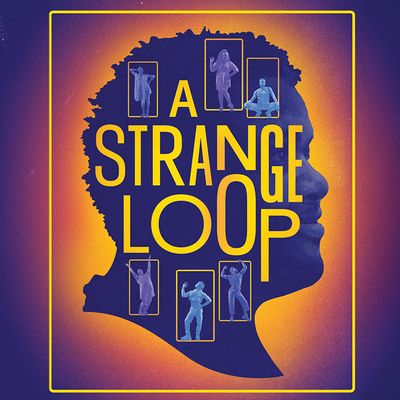
"We wanna be free We wanna belong We wanna unearned love or validation" Grab your introspective brain because this week we're joined by Detroit Playwright Cam Blackwell to talk about Michael R. Jackson's Pulitzer winning musical "A Strange Loop!" There is such intense discussion here that you just have to listen to engage with!
Donate to Black Lives Matter here
Social Media:
Musicals with Cheese on Twitter
Musicals W/ Cheese on Instagram
Email us at musicaltheatrelives@gmail.com
Jess Socials
Andrew Socials
Brianna Socials
Transcript
This transcript was automatically generated and might contain errors.
[0:06] Jess McInally: Hello, I'm Jesse McInally.
[0:08] Andrew DeWolf: And I am Andrew DeWolf.
[0:10] Jess McInally: And welcome to Musicals with Cheese, a podcast where I try to get Andrew to like musical theater.
[0:13] Andrew DeWolf: And Andrew, we're at the end of Pride Whoop Month, and we have a very special guest.
[0:17] Jess McInally: Wait, another special guest?
[0:19] Andrew DeWolf: We just had just keep it up all the time.
[0:21] Jess McInally: We got to roll out the special guest, and this one is super special because they're from where I live.
[0:26] Jess McInally: They're a Detroiter just like me.
[0:29] Andrew DeWolf: I know people live there that aren't me.
[0:35] Jess McInally: Welcome to our show. Playwright, actor, teaching artist, and bud tender.
[0:47] Cam Blackwell: Cam, thank you so much for being here.
[0:49] Cam Blackwell: We love you.
[0:50] Cam Blackwell: Thanks for having me.
[0:51] Jess McInally: Alright, alright. So I actually approached this to you. I broached you joining for this topic because you've written about similar themes. So why don't you introduce what we're talking about today?
[1:00] Cam Blackwell: We are talking about A Strange Loop, um, which is a great musical about black queer life. You know, I love it that one. As a black queer person, um it is so lovely being able to be represented um finally in musical theater. I mean, I hope to one day be part of this musical. Um, if not to perform in it, maybe to I don't know, just just be part of it one day. Um, or to to uh write something that will also, you know, join uh join it um on or off Broadway. Because I am a writer as well.
[1:45] Jess McInally: So we got a feature Pulitzer winner right here.
[1:48] Cam Blackwell: Oh my god. The next Michael R. Jackson right here with us. I'm so excited to talk to you about A Strange Loop. Um, but let's take a moment. Cue the music, Breeze.
[2:00] Cam Blackwell: How many minutes till the end of intermission? Is that how the show should open? Should there even be a show? Should start with what he's thinking, which is just a cursor blinking because of all of the directions that the narrative can tell. Show one is like to live off him and travel the world in a fat, black queer body.
[2:22] Cam Blackwell: So A Strange Loop is a musical with music, lyrics, and book by Michael R. Jackson. Um it had its world premiere off Broadway at Playwrights Horizon in a co-production with Page 73 Productions and ran from May 24th to July 28th, 2019. Um on May 4th, 2020, the Pulitzer Prize for Drama was awarded to Michael R. Jackson for the musical, with a committee citing the show as a metafictional musical that tracks the creative process of an artist transforming issues of identity, race, sexuality that once pushed him into the margins of the cultural mainstream into the meditation on universal human fears and insecurities.
[2:57] Cam Blackwell: The show is the tenth musical to win the award, as well as the first musical written by a black person to win, and the first musical to win without a Broadway run. Like ton of groundbreaking history there, not just like just in Broadway altogether. Um and the plot of the musical is it's about Usher, coincidentally named the scene as his day job as an usher for The Lion King on Broadway, a fat black gay writer who tries to navigate the heteronormative white world. He is backed by a six-person all-black queer ensemble who voice his inner thoughts as he begrudgingly ghostwrites a new Tyler Perry stage play.
[3:32] Cam Blackwell: And that's just skimming the surface. Doesn't even bring up his parents or anything. Um it's a tough word to describe. It's hard, it's even harder to read. I will say that.
[3:43] Jess McInally: But Cam, when did you first hear about A Strange Loop?
[3:48] Cam Blackwell: Spring of 2020. My friend Jay Kaplan gave me a CD of Strange Loop.
[3:55] Cam Blackwell: And I was just listening to it a lot in my car on my way to work. And at first I was just like, whoa, this is really crude. This is really, I've never heard anything like this before. Like, what is this? Is this even real? Um, and I felt really um, I felt really uh just shocked uh to know that Michael was from Detroit.
[4:27] Cam Blackwell: This dude is from Detroit. He made this musical with so many amazing songs with so many uh uh crazy uh relatable ideas. Um and he's from Detroit, and I'm listening to his song in my car on my way to my job in Detroit. So how you know how much more relatable can this musical really be? You know what I mean? Like I'm literally living in a strange loop.
[5:01] Cam Blackwell: So um it felt crazy, honestly. Um, my first time hearing it. Um, and so I I really wanted to tell my friend Jay, I want to kill you. I want to kill you, Jay.
[5:15] Cam Blackwell: Because you like introduced me into like, I don't know, I feel like I'm in like some kind of weird level of hell right now.
[5:25] Jess McInally: Oh no!
[5:26] Cam Blackwell: No, no, no, no. Usher's life is just like a mirror, you know?
[5:34] Cam Blackwell: Like Usher's life is literally a mirror right now. It's too personal. It's so personal. And Michael, Michael, um, Michael just wrote such a beautiful story, guys. Like, seriously, and the way he wrote it and his lyrics, and just all the different voices and how he personifies his self-loathing and his debts and his blackness and his sexuality, and um and uh the white patriarchy, and he's he's talking about his inner white girl and like all of these different things, all of these different voices.
[6:14] Cam Blackwell: I'm just like I'm like looking in the mirror. I'm hearing me, and it's just so weird.
[6:22] Jess McInally: It sounds like it. Um listened to the full stage show beginning to end. And Andrew, as a man neither from Detroit nor a gay black man, I can't relate to this in any way, therefore it's awful.
[6:42] Andrew DeWolf: I didn't relate to it at all.
[6:43] Jess McInally: No, it's just I'm kidding, I'm kidding. I I mean, obviously, I am not gonna relate to it in the same way. Um, but it's really powerful in the way that it portrays uh the emotions and like all the feelings that this character has.
[7:03] Andrew DeWolf: Um, when I and I assume this is at least slightly autobiographical.
[7:07] Cam Blackwell: I'd say more than slightly.
[7:09] Andrew DeWolf: Yeah. I I got that feeling from it, you know, because it's it's too personal to be like a fully fictional thing.
[7:17] Cam Blackwell: He's looking at me like I'm crazy for even asking that.
[7:24] Andrew DeWolf: It's really good. It's just the way it touches on these subjects that you really just don't see other shows or or hear other shows even dare to approach.
[7:34] Cam Blackwell: Yes. I have never seen a musical as brave as this show.
[7:39] Cam Blackwell: Um without feeling like it needs to be pat on the back for being brave. It's like I I want to use the term edgy, because and I know edgy has a really negative connotation, but I almost feel like it applies here because it's in some way I feel like it's trying to shock people who wouldn't relate in a good way.
[7:56] Andrew DeWolf: I don't know. He says things that most people would be afraid to say.
[8:01] Cam Blackwell: Yes. Especially people in the black community, because most people in the black community would be afraid to bash such an iconic person like Tyler Perry.
[8:14] Cam Blackwell: Because Tyler Perry is such a prominent figurehead, you know, for us. He has done so much for us. He's like, he's been put on the same level as the Lord in one of his columns. You know what I mean?
[8:30] Cam Blackwell: Like it's bold. It's very bold.
[8:31] Andrew DeWolf: It is bold, but if you I'm friends with Michael R. Jackson on Facebook.
[8:35] Andrew DeWolf: I've had literally one very awkward interaction with him where of course, of course you have.
[8:41] Andrew DeWolf: Um it was very polite on his part, but I was just looking through Facebook stories like an idiot on a desktop computer.
[8:49] Andrew DeWolf: My cat jumps on my laptop and replies gibberish to him, and I'm like, oh my god, I'm so sorry. I didn't mean to send this to you, but I love A Strange Loop.
[8:56] Andrew DeWolf: And he just replied.
[8:58] Cam Blackwell: You don't know how that looks though.
[9:00] Andrew DeWolf: That looks though.
[9:01] Andrew DeWolf: That looks like you just sent him gibberish, and then you're like, Oh, oops, I didn't mean to do that.
[9:07] Andrew DeWolf: And then he just replied in all lowercase.
[9:10] Andrew DeWolf: Thanks.
[9:12] Andrew DeWolf: And that was my one awkward interaction with him. Embarrassing.
[9:16] Cam Blackwell: My goodness. But we have friends of friends with him. Brent graduated with him from NYU, and he's been on his show Question Box, which we've also been on.
[9:24] Cam Blackwell: So we have these tangential connections with him. Um that being said, I d I only brought up the Facebook thing. He has a lot of opinions on a lot of things, and he does not kind of toe the line the way that you expect a lot of theater people to.
[9:38] Andrew DeWolf: You can't listen to this show and not know that he has a lot of opinions on a lot of things.
[9:43] Cam Blackwell: I mean, makes it very clear.
[9:46] Cam Blackwell: And I'm not saying that negatively, I think that's a good thing.
[9:49] Cam Blackwell: It is why he's able to be so brave about this.
[9:52] Andrew DeWolf: Like, I'm excited about what comes next, but I'm also terrified, like it will be so different than A Strange Loop.
[9:57] Cam Blackwell: Like his next show, his follow-up that he's working on is called like White Girl in Danger, which the title alone is incredible, and I love it.
[10:05] Cam Blackwell: I am so interested in what he's got cooking there.
[10:08] Cam Blackwell: Um, so Michael R. Jackson has these very intense opinions, and he is unafraid to talk about it.
[10:13] Andrew DeWolf: You know what a lot of people are afraid to talk about?
[10:16] Cam Blackwell: Michael R. Jackson in the theater thing.
[10:18] Cam Blackwell: I've read reviews from like a lot of white critics, and they are just tiptoeing and navel gazing, much like the like unable to tackle this content, and that kind of bothers me a lot because as soon as they start seeing something so bold faced, so direct, so it's making fun of the things that we thought were progressive.
[10:18] Cam Blackwell: It's making fun of the color purples and all of that things that a lot of the theater community is like.
[10:43] Cam Blackwell: Oh, this is representation. This is this is good. And it's like, oh no, oh, I gotta contemplate what we're doing in our community and how we're representing other communities with it.
[10:53] Cam Blackwell: So I find the theater community's reaction to this show even more fascinating at that.
[10:57] Andrew DeWolf: Um but we're talking a lot about this show without talking about this show.
[11:01] Cam Blackwell: Um and as we continue, right now, if you've only listened to the album, um you you might wanna buy this nice little booklet and read the play because we're gonna spoil a lot of things that aren't on the album, which is about half the show.
[11:13] Andrew DeWolf: It's about 45 minutes of the show that you aren't getting just from the cast down.
[11:17] Cam Blackwell: So be warned there. Um I wonder who should explain the plot.
[11:21] Andrew DeWolf: I'm curious as to who would be uh Cam, why don't you explain the plot in as much detail as you can what happens in A Strange Loop?
[11:28] Cam Blackwell: Basically you have Usher who um is really questioning whether or not he can write this play, whether or not he can write this play for Tyler Perry.
[11:40] Cam Blackwell: Um he's ghostwriting a play for Tyler Perry, and um he's under a lot of pressure, um, because uh he's got his parents um pressuring him uh to write this play.
[11:54] Cam Blackwell: His parents sent him off to NYU. He got this master's degree, and um he's supposed to be doing something with it, right?
[12:03] Cam Blackwell: And he hasn't really, I guess, done much. Um there's a lot of pressure from himself as well.
[12:11] Andrew DeWolf: Yeah, yeah.
[12:12] Cam Blackwell: And there's a lot of I think people pleasing that he's doing.
[12:18] Cam Blackwell: And I think throughout the journey, um, he kinda has to learn how to just please himself.
[12:26] Cam Blackwell: Um and instead of pleasing others so much.
[12:31] Cam Blackwell: He let's see.
[12:33] Cam Blackwell: I wrote down some notes.
[12:36] Cam Blackwell: Oh god, there's it's a very tough show to describe.
[12:43] Cam Blackwell: Yeah, it's like Company meets Tick, Tick... Boom.
[12:47] Cam Blackwell: Like meets about 40 different other things.
[12:50] Cam Blackwell: It's also extremely uh like fantastical in a way.
[12:55] Cam Blackwell: Like it doesn't follow a normal plot structure by the.
[12:58] Cam Blackwell: Well, it'll trick you into thinking a scene is happening, and then it'll be like, fuck you, it was just in his head.
[13:04] Andrew DeWolf: And just I've never seen it at least once, right?
[13:08] Cam Blackwell: That happens at least once, maybe twice.
[13:10] Cam Blackwell: I don't even.
[13:11] Cam Blackwell: So he uh there's a moment where um uh he goes on Grindr, um and he is um he's having sex with a white male, and he kinda takes on this submissive role, and he kind of lets go of what really matters to him, I I believe.
[13:40] Cam Blackwell: Um and he I don't think he really understands uh in that moment um uh just what he's doing, you know.
[13:52] Cam Blackwell: Um and uh he sings about it afterwards, um, and he talks about you know uh how bad he feels about uh kind of playing a slave role, um being being slave to this white man.
[14:07] Cam Blackwell: He calls him, you know, uh a nigger, he calls him a slave, and um, I mean this dude says, you know, take my cock and all of this really dark scene yeah really dark scene and the thoughts and what they chime in are almost worse than what's actually being said by them because it's like horrible things like at least someone wants you so you gotta do what he says like that kind of like penetrative thoughts are almost worse than the situation happening.
[14:37] Cam Blackwell: Yeah, yeah, and he talks about having to draw his boundaries, and I think that's really important as a whole when it comes to being a black queer person, having to draw your boundaries and really understanding what matters to you because it can often be really confusing as a black queer person to know what matters to you because life can be so contradicting. Yeah, and because you're constantly trying to fix yourself in order to fit into that white patriarchy, you're trying to fit into that normalness in order to survive. I found that to be really, really such a key moment in this story, honestly probably one of the climaxes, which is why I'm mentioning it right now.
[15:44] Andrew DeWolf: Yeah.
[15:45] Cam Blackwell: It's a really powerful moment, and I feel like that theme ties in a lot to the whole story.
[15:52] Andrew DeWolf: Yes.
[15:52] Cam Blackwell: He brings it up later to his father, yes, where he's like, I have to go for these white men because the black community won't accept me, or it's something of that nature. I might be getting it wrong, but yeah, he's like, There's nothing I would love more than to be with—like there's an incredible monologue that is not on the album, like one of the best ever is probably the best part that isn't musical.
[16:15] Andrew DeWolf: Yeah, and it's just an intense, intense moment where he yells at his father who asks continually asks him, like, do you find me attractive because he doesn't quite know how homosexuality works? And he's like, and there's always the conversation, like no black man would ever want you, and you're probably pretending to be a white woman. Like, those are the things that his parents spew at him. So a lot of that has to do with race and boundaries and what he wants and how he views himself, and it's just worse coming from your parents.
[16:43] Cam Blackwell: And it's very specific to his identity that you don't really see ever talked about, not even just in musicals, but like at all.
[16:53] Andrew DeWolf: Yes.
[16:54] Cam Blackwell: On top of that, you have the constant reminder that his parents' dreams of what they thought he was going to be crushed, you know.
[17:04] Andrew DeWolf: Yep, but he it's almost like he still has that, he still carries pressure. Um like please please his parents.
[17:12] Cam Blackwell: And I think we all do. We all, which is a relatable part. Like anyone who's not black and queer can relate to that part.
[17:20] Andrew DeWolf: Yes.
[17:21] Cam Blackwell: You know, we all want to please our parents. But there's more specific aspects that are brought up as well. Like his parents talk about how like him even being queer is him bowing to the white man, essentially. Like they're tricking him into doing that. And it's like, uh you don't hear this stuff talked about. And it's really powerful coming from this show.
[17:43] Cam Blackwell: But what I found most interesting, and most illuminating from going from listening to the album, thinking I understood the basics of what happened in this musical, and then listening to a full recording as well as reading it. The change at the end where the character playing his mother throughout most of the scenes breaks and is like, what the what the fuck is this? Is this your version of real life? Because you're just having me play like Tyler Perry style gospel plays. Um it like hateful people. He's like, it's not hateful, it's complex, and it's like, then that's not real life. And he's like, Well, that's what it feels like, which is fascinating, where he admits, like, no, this isn't exactly how it works, but this is what the dramatic tension of how it feels. And that just broke my brain. I don't know why that broke my brain just to think about it, like, oh, okay, so that wasn't literal, that was you hyperbolizing and admitting it here at the end.
[18:37] Andrew DeWolf: Yeah.
[18:37] Cam Blackwell: One of the other really striking moments out of this story, um, when he's talking about black boys that chose to be with Jesus.
[18:49] Andrew DeWolf: Yes.
[18:54] Cam Blackwell: And it's like having that constant religious reminder from your parent in the black community is so like, oh man. It's so tough.
[19:07] Andrew DeWolf: It is so tough.
[19:08] Cam Blackwell: And then when your parent is like, oh, you're turning your back on Jesus.
[19:13] Andrew DeWolf: Yes.
[19:14] Cam Blackwell: Like that's tough. You know, to be told that.
[19:17] Andrew DeWolf: Yeah.
[19:18] Cam Blackwell: That idea that you're turning your back on a figure that you worship.
[19:25] Andrew DeWolf: Yeah.
[19:25] Cam Blackwell: It's so heartbreaking.
[19:27] Andrew DeWolf: It is so heartbreaking.
[19:28] Cam Blackwell: And the entire ending is just a struggle to get through from like the AIDS is God's punishment for the gospel play. That's which is just it's like and you know that that is how a lot of people viewed it and still do view it. Um and it's it it's crushing. And I mean it is what it is, like that. I'm glad that Michael kept that authentic part of the experience is the very Baptist, the very religious part of the queer experience, the black queer experience that you go through.
[20:15] Andrew DeWolf: The ending though is my favorite part.
[20:18] Cam Blackwell: Like the strange loop, that song when he finally has this light bulb moment of like, oh my gosh, I don't actually have to change myself. I just have to recollect, I just have to regroup myself. Which they describe the concept of a strange loop in it, which I s I don't I didn't look this up or research it in any way, but they describe it as a uh it's like a psychological or philosophical almost. It's the idea that you yourself in different ways, but it always loops back around to the to itself like over and over again. Am I getting that right? The setting of the libretto is said a loop within a loop within a loop inside a perception of one man's reality, which is a fair enough description of it's a nebulous.
It could be anything, but we're constantly going through this a strange loop. I mean, within the play, how do you guys interpret that? Because it's all the thoughts saying like this has all been fantasy loop, this is you looking into the mirror and making your own actual discovery. Whether it's Usher, the character, or Michael R. Jackson, the writer. I mean, for all we know, he could be bipolar. You never know. Anyone could interpret this musical in any kind of way they want.
[21:31] Andrew DeWolf: Yeah.
[21:31] Cam Blackwell: I just find the ideas really relatable, and I think people need to listen. People need to take in what is being said. Because it really is such a great reflection of a black, queer life, of a fat, black, queer life. And people just need to take that in. And I'm here to like say like it is it is there's truth within it. There's such truth within what Michael has written. And this musical is genius. I mean, if we had more musicals like this, I think my list of favorite musicals would be much larger. This is like the first musical I've listened to in like 15 years that jumped into like my top three favorite musicals of all time. Like it is one of those things where I finished listening, I was like, oh no, this is this is a big one.
This is like one of the most incredible things I've ever seen. And I take a little bit of umbrage with a lot of white critique of it. Um even as just another white guy watching it happen. I'm like, y'all just don't y'all don't even get it. I'm not even claiming I get it, but I can just tell you it's not about getting it. You're supposed to just listen to it and try to understand. It's not about like, oh, I now understand exactly how he feels. It's like, no. No, but it's like not even paying attention to the text and just being like, Man, it's crazy that you rhymed Truvada and Nada. Wow. And I'm like, no, no, that's not engaging with this text. Or man, that Tyler Perry scene was funny. And I was like, no, no, no, no, no, no, no. Stop, stop, stop, please.
I mean, it was. It is, but if that's all you're taking away from this, then you're not really understanding it. You're not going to be able to do that. That's the kind of that's avoid navel, that's what I mean when I say navel gazing about this. Because you can very easily just take the first half and be like, Tyler Perry, that was funny, and then just ignore everything else where it's like trying to get you to see something and think about it. But it's just like, nah nah, Tyler Perry's funny and uh the music was fine, whatever. Bye. Or not even like really listening to what the poetry means, like in the memory song where he's like, Oh, those poor K-black boys that had to go on back to the Lord.
A lot of them are like, oh, those are the ones that stayed into the closet. I'm like, no, no, that's not what he means. Oof, that's a bad interpretation of that. That was the interpretation where I'm listening to that, and I'm like, oh no, no, stop, stop. Don't tell people that's what this means, because that is not what that means. The literal dedication to this is to all the gay black boys that went back to the Lord. That is who this book is dedicated to. So yeah, all the ones that stayed in the closet, that's who they dedicated it to, I'm sure. It's frustrating to me. And I know this is my little corner here, but I've been sitting on this for over a year because Andrew and I were gonna do this last year, but I decided I really wanted time to think and ruminate because I was getting really angry. Like it would have been a very angry recording session had I had done it last year, because these takes were coming out after the Pulitzer, and I'm like, no.
[24:47] Andrew DeWolf: Is this a good time for us to go into reviews then?
[24:50] Cam Blackwell: Yes.
[24:51] Andrew DeWolf: Do we have nobody who I want to hear critique A Strange Loop less than Ben fucking Brantley.
[24:58] Cam Blackwell: Oh no.
[24:58] Andrew DeWolf: There is nobody who I want to see try to engage with this than Ben Brantley. Now I could've spoiled myself, but I didn't read the Ben Brantley review yet. Um it's positive, but my god, it is smarmy, tongue-in-cheek assholery. So I am making you read, um, yeah, it's brief views. Play the theme. Um play the theme anyways.
[25:20] Cam Blackwell: It's time for previews.
[25:24] Andrew DeWolf: It's time for previews.
[25:27] Cam Blackwell: New York Times Ben Brantley said of the original 2019 production.
[25:31] Andrew DeWolf: Naval gazing becomes a highly invasive procedure.
[25:46] Cam Blackwell: A full-on laparoscopy of the heart, soul, and loins in Michael R. Jackson's A Strange Loop, which opened on Monday at Playwright's Horizon.
[25:59] Andrew DeWolf: This jubilantly anguished musical burrows so deep into the shadows of its hero's tormented mind that you wonder if it will ever emerge into the light.
[26:09] Cam Blackwell: Spoiler alert, it doesn't.
[26:11] Andrew DeWolf: Oh boy.
[26:12] Cam Blackwell: That mind is a crowded place, inhabited by a throng of nagging, nasty thoughts.
[26:17] Andrew DeWolf: Or rather, thoughts, since they are the other characters in the show.
[26:23] Cam Blackwell: They are portrayed with transformative glee by a cast of deliciously assorted shapes, sizes, and countenances.
[26:30] Andrew DeWolf: This supporting cast embodies figures and figments that are distinctly non-supporting.
[26:35] Cam Blackwell: Though Usher refers frequently to his inner white girl, she regrettably never makes an appearance.
[26:40] Andrew DeWolf: That pisses me off.
[26:42] Cam Blackwell: What you're going into this show and then complaining you don't get the one white character? Fuck you, Ben Brantley.
[26:47] Andrew DeWolf: Keep going, Andrew.
[26:48] Cam Blackwell: Sorry.
[26:49] Andrew DeWolf: Is that what he meant by it though?
[26:51] Cam Blackwell: That's how I interpreted it.
[26:52] Andrew DeWolf: Okay.
[26:53] Cam Blackwell: Um distinctly non-supporting.
[26:55] Andrew DeWolf: I don't understand what he even means by some of this.
[26:57] Cam Blackwell: I think that means that they're all attacking him.
[26:59] Andrew DeWolf: I think that's what he's doing.
[27:01] Cam Blackwell: Okay, okay. That's I mean, that's fair.
[27:02] Andrew DeWolf: That's fair.
[27:03] Cam Blackwell: There are plenty of pleasures within this hermetic environment, though.
[27:08] Cam Blackwell: Do people know what these words mean? I don't. It doesn't matter. The New York Times doesn't have to make sense; it's the New York Times. They can use as many big words as they say, and that'll decide whether your show closes.
[27:17] Andrew DeWolf: There are plenty of pleasures within this.
[27:21] Andrew DeWolf: I loved the apparition of a parade of reproving black ancestors, who include James Baldwin, a character named Twelve Years of Slave, and O Bliss, Whitney.
[27:33] Cam Blackwell: And the scene which in which Usher flirts with a man on the subway who seems almost too good to be true.
[27:39] Andrew DeWolf: Do you live in Queens?
[27:40] Cam Blackwell: Usher asks this dreamboat.
[27:42] Andrew DeWolf: The answer, no, in your imagination.
[27:45] Cam Blackwell: Even if it's a limited landscape, Usher's imagination is a burrow worth visiting.
[27:50] Andrew DeWolf: This feels like a critic talking about a Rob Schneider film.
[27:52] Cam Blackwell: I'm sorry.
[27:53] Andrew DeWolf: It pisses me off.
[27:54] Cam Blackwell: I read it, I'm like, yeah, it's positive. It bothers me that this is the level of critique you're going for.
[27:59] Andrew DeWolf: Cam, what did you think of that?
[28:01] Cam Blackwell: I don't know. It's not like a bad critique, but yeah, he doesn't touch on anything really. It's like it's just doing a lot.
[28:12] Andrew DeWolf: It's a lot of tiptoeing and talking about stuff that's like extremely unimportant to the show in the grand scheme.
[28:20] Cam Blackwell: Yeah.
[28:21] Andrew DeWolf: Um who is this person?
[28:22] Cam Blackwell: Ben Brantley.
[28:23] Andrew DeWolf: Oh, we basically cyberbully him every week. He's the head critic for the New York Times for like the last 30 years.
[28:30] Cam Blackwell: And he's the former.
[28:32] Andrew DeWolf: He just stopped like in 2020. Um, but he was really known for being supremely harsh, um, very mean when he didn't like something. And basically when his review decides whether or not you're gonna have advanced sales, um, and being just as vitriolic and mean as it is, um, it really is shitty.
[28:52] Andrew DeWolf: So we really very often just read his reviews and make fun of him.
[28:56] Cam Blackwell: Uh, he's basically killed a lot of shows.
[28:59] Andrew DeWolf: He has.
[28:59] Cam Blackwell: He's known for it.
[29:00] Andrew DeWolf: And when he quit, like, even the biggest composers in the world, Tim Rice and all those folks all came out saying the world is better because you are not writing.
[29:08] Cam Blackwell: Um, that is how big of an impact negatively on art culture and altogether effects he has had.
[29:15] Andrew DeWolf: And generally speaking, his reviews are not good.
[29:18] Cam Blackwell: Like, even when he's positive, he doesn't really get it.
[29:21] Andrew DeWolf: I don't know.
[29:22] Cam Blackwell: Yeah, that's kind of the thing.
[29:23] Andrew DeWolf: Like, I liked it for these superficial reasons, and he doesn't even dive deep into the actual content because once again, he had to watch it once, get the review out by the next morning.
[29:33] Cam Blackwell: So he's not really letting it sink in for one.
[29:36] Andrew DeWolf: And for two, like he's when he doesn't like something, he doesn't even write a review.
[29:41] Cam Blackwell: He basically just writes flowery language that you can't decipher.
[29:44] Andrew DeWolf: Yeah.
[29:46] Cam Blackwell: Basically, because I'm not really getting much from you.
[29:51] Andrew DeWolf: Based on what we read here, what did he even say about this?
[29:55] Cam Blackwell: He just says, right, there's negative thoughts.
[29:59] Andrew DeWolf: They uh have a parade of black ancestors that he thought was funny and he liked the scene where a person flirting with him on the subway wasn't real.
[30:10] Cam Blackwell: Now that was me taking the segments I felt he was diving into.
[30:13] Andrew DeWolf: The rest of it is him describing who is in it and who directed it.
[30:17] Cam Blackwell: So I cut all that stuff out because we really don't need to dive into that.
[30:20] Andrew DeWolf: So that is basically what the New York Times represented.
[30:23] Cam Blackwell: I'm thankful that the Pulitzer community was able to look at this, engage with it, understand it, and reward it, um, and gave it a new life, in all honesty.
[30:32] Andrew DeWolf: This might have a Broadway it was meant to have a Broadway rev uh be transferred to Broadway at some point in 2020.
[30:39] Cam Blackwell: Then, you know, the Backstreet Boys tour hap.
[30:43] Andrew DeWolf: Well, it's gonna have sometime in 2021 a transfer to Washington, so here's hoping that'll lead to an eventual Broadway run, which this deserves, of course.
[30:51] Cam Blackwell: Also, I'd l I want to think about the hypothetical inner white girl character that Ben Brantley wishes was in this.
[30:59] Andrew DeWolf: I just I can't imagine that would have gone well or made any impact.
[31:04] Cam Blackwell: Maybe a white girl.
[31:05] Andrew DeWolf: Maybe that's why.
[31:06] Cam Blackwell: He's like, oh man, if only there was a white girl in this.
[31:11] Andrew DeWolf: The thing is, like as we read the New York Times theater critics, um, we we have never read one from any people of color that I know of.
[31:19] Cam Blackwell: Like there's all been Ben Brantley, Jesse Greens, and Charles Isherwoods.
[31:23] Andrew DeWolf: Um we should probably have people of color engaging with musicals about people of color, instead of, you know, a white guy being like, oh, this superficial stuff.
[31:32] Cam Blackwell: I like it when he called himself twelve years a slave and Whitney.
[31:38] Andrew DeWolf: That's a very good point.
[31:40] Cam Blackwell: So he doesn't even talk about anything of actual note.
[31:44] Andrew DeWolf: I don't know.
[31:45] Cam Blackwell: And I have a lot of collaborators, a lot of friends, like we're on the Broadway podcast network who have made attempts to engage with this show, and they've done it both well and poorly, in my opinion.
[31:55] Andrew DeWolf: And even people I love and respect have done it very poorly in ways that I think is dismissive of the work in ways that they don't intend it.
[32:02] Cam Blackwell: So that's why I'm like really want to dive into the gross kind of nitty-gritty of this.
[32:06] Andrew DeWolf: I don't want to be afraid to talk about this.
[32:09] Cam Blackwell: Um while we're in the gross nitty-gritty, let's talk about Tyler Perry.
[32:12] Andrew DeWolf: Okay, yeah.
[32:13] Cam Blackwell: I didn't I didn't realize that we were jumping over Tyler Perry.
[32:16] Andrew DeWolf: We're gonna get right into it.
[32:17] Cam Blackwell: We're going right into Tyler Perry.
[32:19] Andrew DeWolf: Um, Cam.
[32:20] Cam Blackwell: What I'm curious, what is your opinion on Tyler Perry in general?
[32:23] Cam Blackwell: I mean, I'm a I'm a fan of Tyler Perry.
[32:25] Cam Blackwell: I love everything on that he has on Own on Oprah Winfrey Network.
[32:32] Cam Blackwell: Um I love all of his movies.
[32:34] Cam Blackwell: Like, I've been watching his movies since I could walk, cause we have every DVD in my house, you know what I mean?
[32:43] Andrew DeWolf: Like, yeah.
[32:44] Cam Blackwell: Every black family has his movies.
[32:47] Cam Blackwell: Not gonna lie.
[32:48] Andrew DeWolf: So Tyler Perry is uh just a huge part of every black family.
[32:55] Cam Blackwell: Um, and so how does that change how you feel about how this show approaches him then?
[33:01] Cam Blackwell: Yes.
[33:02] Cam Blackwell: Well, the thing is, I think that there's a lot of contradiction in the black experience all the time.
[33:14] Cam Blackwell: And Michael does a really good job of just saying things that most people are afraid to say.
[33:21] Cam Blackwell: And I mean, most people do see some kind of coonery within Tyler Perry.
[33:30] Cam Blackwell: There are some played out things, some played out storylines in some of Tyler Perry's movies that can be a little bit um toxic, I think.
[33:43] Cam Blackwell: There's some themes in Tyler Perry's work that we need to outgrow as black people.
[33:49] Cam Blackwell: And I think if he continues to just produce these same kind of themes, then we're gonna be stuck.
[33:56] Cam Blackwell: So um and and because Tyler Perry is the main kind of gatekeeper of uh entertainment of production, he is such a gatekeeper of entertainment, you know what I mean?
[34:11] Cam Blackwell: With having such a huge platform with having such a huge production company, if he's producing these same kind of stories that are representing us and our black lives, then you gotta represent our black lives in a good light.
[34:30] Cam Blackwell: For example, Tyler Perry, his work is very religious, you know what I mean?
[34:35] Cam Blackwell: Which is totally like uh Michael is trying to combat that, you know what I mean?
[34:42] Cam Blackwell: Michael's work is queer, which is opposite to religious, but the religious aspect is still part of that black experience, it's still always there because you're always reminded that your queerness is wrong because I'm gonna remind you that I'm gonna remind you of the religion because you're yeah, and I have to remind you of your religion because part of the black experience is that is is such a uh Baptist foundation.
[35:17] Andrew DeWolf: You get what I mean, guys?
[35:19] Cam Blackwell: I'm understanding.
[35:20] Andrew DeWolf: Would you say that the show is basically saying that Tyler Perry himself needs to write more diverse works almost?
[35:29] Cam Blackwell: Yep.
[35:29] Cam Blackwell: Uh, pretty much.
[35:31] Andrew DeWolf: I because that's kind of I mean it's hard.
[35:33] Cam Blackwell: A Strange Loop is very harsh on Tyler Perry, but I feel like it's because it's trying to send a strong message.
[35:39] Cam Blackwell: Um just saying like everything Tyler Perry does is garbage and we should just hate on him and hate on him, and I think it's more so attacking the man as much as the work.
[35:49] Andrew DeWolf: Yeah, the he's saying the work doesn't represent me, even though it claims to represent the entire black community, but it's not representing me.
[35:57] Cam Blackwell: And I think that's the thing.
[35:58] Cam Blackwell: I think he has more of a problem with people that see um Tyler Perry's work as being appreciated as a monolith, um, and that that's not real life for black people.
[36:09] Andrew DeWolf: Um I was across the board.
[36:12] Cam Blackwell: I'm sure that a Tyler Perry player musical would not represent your life either, can't right.
[36:18] Andrew DeWolf: And there's aspects of a Tyler Perry play that does represent my life, you know, but not fully.
[36:29] Cam Blackwell: Not fully now.
[36:32] Andrew DeWolf: How do you think Tyler Perry would have reacted to this musical?
[36:35] Cam Blackwell: I have the answer, but I'm asking.
[36:41] Andrew DeWolf: I still want answers.
[36:42] Cam Blackwell: You told me the answer, and I still can't decipher it.
[36:47] Cam Blackwell: Well, I don't think Tyler Perry is brave enough to produce this with his company.
[36:59] Andrew DeWolf: I would agree.
[37:00] Cam Blackwell: I'd agree.
[37:02] Cam Blackwell: Because he has a very he his audience.
[37:06] Cam Blackwell: You have to do it.
[37:07] Cam Blackwell: He has a brand to protect.
[37:08] Cam Blackwell: Yeah, he has a brand to protect.
[37:10] Cam Blackwell: He has a certain audience.
[37:12] Cam Blackwell: His audience is uh uh people of my mother's age.
[37:18] Cam Blackwell: You know what I mean?
[37:19] Cam Blackwell: So 40, like you know, 40 and up.
[37:22] Cam Blackwell: These are religious people.
[37:23] Andrew DeWolf: Tyler Perry's A Strange Loop probably wouldn't sell very well.
[37:27] Cam Blackwell: Well, no, no, no, no, no, no, no.
[37:31] Cam Blackwell: Um, so right after Michael R. Jackson won the Pulitzer, um, he gets a text message that says, Mr.
[37:37] Cam Blackwell: Jackson, this is Tyler Perry.
[37:39] Cam Blackwell: Congrats on their Pulitzer.
[37:41] Cam Blackwell: I can't wait to meet you on the streets of New York.
[37:44] Cam Blackwell: Which almost feels like a threat.
[37:47] Andrew DeWolf: It does feel like a threat, like a little bit.
[37:50] Cam Blackwell: Like, I can't wait to meet you on the street.
[37:55] Andrew DeWolf: Um then Michael later that was his post, and he just put hashtag real life.
[38:00] Cam Blackwell: Um, and then later he he explains a little better.
[38:04] Cam Blackwell: He said, We have now spoken.
[38:06] Cam Blackwell: He said he's gonna beat my ass.
[38:08] Cam Blackwell: He also congratulated me again on the Pulitzer and asked about the historical historic nature of the win.
[38:14] Cam Blackwell: It was a no drama phone call, real life.
[38:16] Andrew DeWolf: I just I don't understand if he's being serious with the he's gonna beat my ass thing.
[38:21] Cam Blackwell: I thought he said it like, man, I'm gonna beat your ass.
[38:24] Andrew DeWolf: Like, come on.
[38:25] Cam Blackwell: I hope I hope so.
[38:27] Cam Blackwell: I'd like to imagine that Tyler Perry isn't that petty.
[38:31] Andrew DeWolf: I think he's a very thick skinned man.
[38:32] Cam Blackwell: I feel like Tyler Perry is he's he owns a company, he gets it.
[38:36] Cam Blackwell: Art is art.
[38:37] Andrew DeWolf: I hope so.
[38:38] Cam Blackwell: Exactly.
[38:38] Cam Blackwell: Yeah, and like he's worked on a David Fincher film.
[38:41] Cam Blackwell: He's got a thick skin.
[38:43] Andrew DeWolf: Oh yeah, oh yeah, and I think Tyler Perry, he he he knew it was bound to happen because it's been it's been talked about.
[38:54] Cam Blackwell: There's been a lot of, like I said, a lot of black folks have been vocal.
[38:59] Cam Blackwell: A lot of young black folks have been vocal lately about wanting some new story, some new life represented by his company.
[39:12] Andrew DeWolf: And we're waiting, Tyler Perry.
[39:14] Cam Blackwell: We're waiting.
[39:14] Andrew DeWolf: Do it, Tyler.
[39:15] Cam Blackwell: We believe in you.
[39:19] Cam Blackwell: Hire Cam.
[39:25] Andrew DeWolf: He sent you an email.
[39:26] Cam Blackwell: Good guy.
[39:26] Andrew DeWolf: Send you an email.
[39:28] Cam Blackwell: We at least representation.
[39:34] Andrew DeWolf: On that note, um, let's go into a mid-show and then talk about some songs.
[39:45] Cam Blackwell: Okay.
[39:46] Andrew DeWolf: Uh today's show is brought to you by the extremely time donations by our donors of Patreon.
[39:52] Jess McInally: Jess, why don't you tell us all about Patreon and who's donating?
[39:56] Jess McInally: That's a great idea.
[39:57] Jess McInally: Um, so Patreon is a place where you can give us give us your hard earned money just just for us existing and making a podcast.
[40:03] Jess McInally: Um it lets us pay Brie, but you also get some things out of it.
[40:07] Jess McInally: You get to see our beautiful faces.
[40:09] Jess McInally: You get to see how gorgeous Cam looks.
[40:11] Jess McInally: He's got an awesome hat on right now.
[40:12] Jess McInally: He's drinking water.
[40:13] Jess McInally: I do like this.
[40:15] Jess McInally: Is that is that a velvet vest you got on?
[40:18] Jess McInally: Oh my god.
[40:19] Jess McInally: If you guys are not on the Patreon, you're missing out on how incredible he looks.
[40:24] Jess McInally: Um, in fact, I can just see right on the tip of his lips, he just wants to say right now, y'all should join Patreon.
[40:30] Jess McInally: I can just see him wanting to say it.
[40:33] Cam Blackwell: You guys should join Patreon.
[40:37] Jess McInally: Every time every guest.
[40:40] Jess McInally: He gets to I don't understand how he does it.
[40:42] Jess McInally: One of the one day someone is gonna be like, I ain't saying that shit.
[40:46] Cam Blackwell: I'm not gonna say it.
[40:49] Jess McInally: Yeah, if I ever invite you to be a guest on the show, you ain't saying it.
[40:53] Andrew DeWolf: Um so our current patrons who are currently giving us money and keeping us employed and keeping our lights on.
[40:59] Andrew DeWolf: I'm not stalling because I haven't copied the most updated list yet.
[41:02] Andrew DeWolf: I am just talking like a normal human being.
[41:04] Andrew DeWolf: Isn't this how every human being talks?
[41:07] Andrew DeWolf: Um, our current patrons are Melissa Goldman, Terry Nidleman, John Donna, Layton Ackles, Daniel Rennex, Jessica Stampede, Ewan Cassidy, Task Gear, Fire September, Monica Thoreau, Mina Maniri, Brent Black, Haley Murray, B.
[41:18] Andrew DeWolf: Way Flix, Nathaniel Stacy Coombe, Joseph Evans Green, Carrie Hearn, Mary Lou Choquette, John Van Alz, Heck UI Go by Elijah now, Russ Walker, Musical Hell, Emily Grace, Andrew Van Barsen to Blam, Kyle Summers, Janay C, Christina Francis, Scoot, and the Technicolor Dreamcoat, Felice R, um, Liz Lim, Alison Stoller, Nothing is Certain Except Beth in Texas, Thesbian, John Vanels, Ren Cullen, Wait in the Wing, Spectacle Machine, Jacob Stroop, Rafael Martinez Halaz, Robert Benjamin, Richal T, Jessica T, Genevieve Hartnett, Cass, Mitchell Young, Chai Teacup, Hayden Wilder, Katie McDonough, Timothy Keyes, Jeffrey Machado, Jacuz, Toon Vanessen, Jesse Taylor, R.
[41:55] Andrew DeWolf: Elliott, Chris McCot, um, Alexandria Singh, Katie Churberg, Mimu, Kiji, Marie, Anastasio, Trevor Lopez, and Sierra Moncrief.
[42:05] Andrew DeWolf: Thank you guys for joining us over at Patreon, and we got a lot of cool stuff coming up in the future.
[42:09] Jess McInally: Maybe if Andrew ever, you know, dedicates time to you guys or pretends he wants to do work for y'all, we can get you guys some content.
[42:15] Andrew DeWolf: Um Andrew, you want to get back to the show so we can talk about these fucking songs?
[42:19] Cam Blackwell: Let's talk about these bangers.
[42:21] Andrew DeWolf: Everyone is a banger.
[42:29] Cam Blackwell: How many minutes till the end of intermission?
[42:32] Cam Blackwell: No one cares about a writer who is struggling to write.
[42:35] Cam Blackwell: The science way too repetitious and so overly ambitious.
[42:38] Cam Blackwell: Which of course makes them suspicious as you think you're fucking playing.
[42:40] Cam Blackwell: He has to find for his eyes to live in a world that chews up and spins out black queers on the daily.
[42:52] Cam Blackwell: Blackness, queerness fighting back to fillnesses at all white space with a portrait of a portrait of a portrait of a back queer face.
[43:03] Andrew DeWolf: Alright, so we have to talk about the opening number, intermission song, which is dauntingly like framed.
[43:09] Andrew DeWolf: Like it's almost weaponizing musical theater sound in this musical. Like it is driving to create a bunch of earworms to get the most terrible things trapped in your head. I think it's really good though. I think it's great. I think it's wonderful, but my god, if I have these hateful things in the back of my head, that gospel song at the end, like that'll just get caught in my head sometimes. I'm like, no, get get out of here. Get out of here. And then you're like singing along to it in public, and everyone looks at you and they're like, uh. Um, but this song is very good, very clever. Um, it also is a thesis statement about what the play, A Strange Loop, is trying to be, as well as what the play is gonna feel like. Um, what do you think of it, Cam?
[43:54] Cam Blackwell: I think that there's no better way to introduce the musical than with this song because there's that sense of urgency. Usher usher, usher usher, that sense of urgency. So you're you're like, you're being awakened, and you're also hearing him question himself, and you're hearing what the task is, what his task is. Can he write this play? And he's really questioning himself, like, damn, can I? And that's the um that's the first thing we're introduced to is his um insecurity, his insecurity, and um, and then we're introduced to his self-loathing and his debt and his blackness and his sexuality and all of these personified things, and it's it's such a wild ride. And just the chorus alone just being like big black and queer ass American Broadway show, which is a framing that is both completely accurate, and also the tone of it is like, oh, okay, this is gonna be it almost feels I don't it feels framed like this very peppy, happy jaunty, like, oh don't worry, it's an American Broadway show.
[45:22] Andrew DeWolf: Yeah, like course line.
[45:23] Cam Blackwell: Yes. Um, and then we go into Inner White Girl, which is another song I desperately want to talk about, which is fascinating in and of itself, which I feel like Michael R. Jackson struggles with a lot. Um, he has a lot of opinions about like white girls, especially because this follow-up to this he's currently working on is literally called White Girl in Danger. Um, and as well, a lot of these songs sound a lot like traditionally music that is enjoyed by white young women. Um like he's mentioned as inspirations like Joni Mitchell and folks like that.
[45:59] Cam Blackwell: And when you follow him on Twitter, that's a lot of the type of music inspiration that he posts about. Um and I find that fascinating because this does have like a traditional Broadway balladdy feel throughout. Um yet it is very much like about black people, black lives and all that, but culturally it is white girl music. Some days he feels like his gladiators is a trajectory that's under constant attack. His inner white girl protected from her eyes. She always takes up the slack. She lets you feel like a human supernova. Like he could conquer the earth. Like he's the heir to the power and oppression. Her kind of wilderness birth.
[46:49] Cam Blackwell: Because white girls can do anything, can't they?
[46:54] Jess McInally: Black boys must always obey their mothers.
[46:58] Cam Blackwell: White girls can do anything.
[47:00] Jess McInally: Can't they, can't they, can't they, can't they? I just find that interesting in both his the characters, like I white girls can do anything and black boys cannot. Um, as well, just maybe it's a marketing tool to like get these catchy earwormy ballads stuck in your head. Or it's representing more that I just don't understand, even. So with the idea of being a white woman.
[47:30] Cam Blackwell: Gay black boys have always found to be a white woman is to possess that kind of power feels good. It does. And he mentions in the song how white women can rustle up the feathers a little bit, you know. And that has been a really um that has always been a really um if I'm being honest, that's been something that's been happening in the black community always is white women rustling feathers in the black community all the time. Uh coming in and messing with I don't know, with with black men and and then black men are being hung, being killed, uh because white men are becoming jealous because they see a black man with their white women. There's just so class system, you know, yeah, it is so confusing and it's so um it's it's a lot to explain, but the point being is that white women do rustle a lot of feathers in more than one way, and they possess a lot of power, and when it comes to being a gay black man, you kind of possess that.
And you you're aware of that kind of power of a white woman, of a white woman, that kind of feminine power of a white woman, of that inner white girl. You guys know what I mean by that. So that's when that that's that's when that um that flamboyancy comes in. As a as a uh queer person, as a um, yeah, as a queer, as a gay person, that flamboyancy and possessing that femininity, that that inner white girl, that's when that comes out, and and that that character, that's when that really comes out.
[49:52] Jess McInally: Yeah.
[49:53] Cam Blackwell: And you're also aware of the other side of white girl and knowing the power, the power dynamic, and knowing how uh how how white female tears can actually get you killed. Look at Emmett Hill. Look at the just last year when a guy's bird watching and a woman nearly strangles her dog to death trying to call the police on him.
[50:16] Jess McInally: Yes, that's that's what I'm that's what that's that's the point I'm trying to make here. So um, even me, um not trying to uh toot my horn at all or anything, but being um uh visibly attractive black man and having attention from white women can be very dangerous for me. It can be very dangerous because you have white husbands that get very defensive. I don't need that, so I keep my head down.
[50:55] Cam Blackwell: Yeah. So it's just, it's so I'd rather be more flamboyant around white women. And I'd rather be I'd rather possess my inner white girl around white women versus versus being a black man around around white women in order to survive. In order makes sense. I'd rather I'd rather minimize myself and pos and and possess that inner white girl versus versus uh having too much of a strong hold of my masculinity and getting myself killed. Are you guys understanding that?
[51:32] Jess McInally: Yeah, I'm following, yes.
[51:36] Cam Blackwell: So I think um this whole song just said a lot for me. It said a lot. It actually, yeah, it it brought a lot of emotion.
[51:48] Cam Blackwell: It brought a lot of emotions out for me. Um yeah, so that's what I have to say about it.
[51:55] Andrew DeWolf: That's incredible. That's a great take, and like I love it. Like that was it opened my eyes to something aside from the surface level, which is what I was literally just doing. I was like, uh the Joni Mitchell side of it, and like all that, which thank you for fun.
[52:11] Cam Blackwell: Yeah, um, yeah, that topped all great. Now I want to talk about "Exile in Gayville."
[52:22] Cam Blackwell: Why so sour? Why so suck? Do you want to want to fuck? Somewhere someone did too fast. So don't be swindled by self-doubt. Just keep on sending it south.
[52:43] Cam Blackwell: I think that there's room for respecting people's fetishes, but there's no room for disrespecting someone's identity. And I think that that's sort of brought up in this song a little bit because you kind of have Usher being just rejected all the time, being rejected for who he is all the time on this grinder app.
[53:16] Cam Blackwell: And I like I I totally get it. Like, because if you're if you're fat, if you're black, and if you're if you're femme, no one wants anything to do with you. You have to be masculine, you have to be fit, you have to you have to be hung, you know, you have to you have to be tall, you have to be all of these, you have to you have to be a supermodel, you have to be all of these, you have to uh be something that you're not in order to get attention in order to be respected on these apps sometimes, and it will make you feel incredibly, incredibly shitty. It will make you just settle for less.
[54:01] Cam Blackwell: It's so direct too. Like I'm looking at this line, that always hits me every time, like it's a like comes after a long pause where it's like, yes, you're ugly, yes, you're fat, but somewhere someone's into that. So don't be swindled by self-doubt, just keep sending dick pics out, and it's uh yeah, it's it's an endless loop. It's a strange one, isn't it?
[54:24] Andrew DeWolf: Ah, I see what you did there. You did the thing, you did it. Um, we're running along, so we I wanna talk about so much, but we gotta jump right to the memory song, which is both my favorite song in the entire show, and the first song that Michael R. Jackson ever wrote. Not just the first song that he wrote for the show, first song he has ever written ever.
[54:44] Cam Blackwell: Five foot four high school gym sneaking a cupcake. These are my memories, these are my memories. Shooting hoops off the rim, slow on the uptake. These are my memories, these are my memories. After gym in the locker room, my eyes photographing. Make it measures in foreign half inches. These are my memories, these are my memories. Of one lone black A boy I knew who chose to turn his back on the low.
[55:10] Cam Blackwell: One lone black A boy I knew who chose to turn his back on the low. These are my memories, these are my memories. Eat his body, drink his blood, communion buffet. These are my memories. It's our memories. After church, we're trying to hold the radio crackle. Jazz Bill's happy moldown blues and skin is a shapel. But one lone black A boy I knew who chose to turn his back on the low.
[55:55] Cam Blackwell: Um, one of the most incredible pieces, and it's once again the one where he talks about his sexuality and all that, and also the one where I believe he's most accurate to like his own life, like his own specificity of his life. And as much as I think it's great in the show, nothing sells it more than when Michael R. Jackson sings it himself. And it just breaks your heart to see like the realism fall from him, his lips, fingers on the keys.
[56:19] Cam Blackwell: Um Larry Owens does the amazing, but uh it's just a different feel when the person that lived it is telling it. Does uh Michael R. Jackson get to go to the heavy side player after this song, or sh you shut up. I had to make a joke. Okay, I'm sorry.
[56:37] Andrew DeWolf: What do you think of this song if you're gonna be an asshole? I know I think it's really good. I I do. I I didn't get a chance to actually watch it where uh Michael R. Jackson was singing it, but I thought it was still very powerful in the show. Um and it's I know this isn't technically the closing number, but it almost feels like it is, um, in a way.
[56:58] Andrew DeWolf: Um and it really wraps things up very well. I don't know. I don't have a ton to say about it besides it's it's very good. What about you, Cam?
[57:04] Cam Blackwell: I felt like this song it was a nice tribute to black queer life. And this musical needed it. It was like the cherry on top. And I couldn't see the musical not having it. I just I I couldn't see the musical not having it. Like, seriously. Because it was it really paid tribute to life, to black queer life.
[57:36] Cam Blackwell: It's a really powerful number that I don't know. If they just skip this song and just went straight to A Strange Loop, the show would be lacking something.
[57:43] Andrew DeWolf: Yes.
[57:44] Jess McInally: Yeah.
[57:45] Cam Blackwell: And A Strange Loop is a great reaction. But this almost feels like the honest version of the gospel play. And the fact that it is kind of like someone being like, "Alright, alright, that is not your real life. What was your real life? And what is your message you want us to take away from here?" Um, which is a daunting thing that I don't think I've ever seen a musical do. Um, because I think about like all these autobiographical musicals like Tick, Tick... Boom! and like all those like about composers. I can't figure out how to write. And you all know it's just fake dramaturgy and all that. Um, but then you've got this moment. And say, "This is the reality. It sucks. It sucks, and the world is shitty, and you know what?
I just need to get it out there." Yeah, we've had some laughs, we've gone extravagant, we've had hyperbole. Here's the real world. Can you still want to embrace this? And once again, that's part of the reason why it's so frustrating when I see white critics be like, "Man, it's so sad that he doesn't have his religion and that black boys don't embrace their religion anymore." I'm like, "No, that's not what that means. They're going back in the closet, they're not going back in the closet. That's not what this song means." I don't even know how you could interpret it that way.
[58:56] Andrew DeWolf: I don't know.
[58:56] Cam Blackwell: I was equally as baffled when I heard it. It's pretty explicit. I would, I don't know. I've got it the first time. I don't know.
[59:04] Andrew DeWolf: Well, we're not religious people, you and I, so we tend to think in the euphemistic way as opposed to the literal way, I guess.
[59:11] Cam Blackwell: Um, and then A Strange Loop, which is an incredible, incredible song. Um, that is a slightly more uplifting ending number as strange as that is. Um, it is a rousing finale in as much as you can in a show like this. Someone with self-perception is based upon a lie. Someone whose only problem is with the pronoun "I" maybe I don't need changes. Maybe I should reprove. And "I" is just an illusion. It's an illusion, just an illusion. If thoughts are just an illusion.
[1:00:01] Andrew DeWolf: Then what a stream, Strange Loop.
[1:00:21] Cam Blackwell: This song, it's just I'm glad that I didn't really need this musical to come to this discovery.
[1:00:34] Andrew DeWolf: Yes.
[1:00:34] Cam Blackwell: Um, that you don't need to change yourself. You just occasionally need to recollect yourself. And you need to just find your people that embrace your authentic self. Basically, find the people that make you feel comfortable with you being you. And if you're in an environment where you are always pleasing people, then you're doing yourself an injustice. You have to remember to know what matters to you. And you always have to like ask yourself that question, like, "Okay, what matters to me? Like truly, like, what actually matters to me?" And if you don't know, and if you're trying to make what somebody else, what matters to them, you can't make what matters to somebody else. You can't make that matter to you.
You gotta actually find that within yourself, and I think he does end up finding that for himself. Or at least I think he realizes, "Oh, I can do that now. I don't have to be pressured to please my parents so much. I don't have to play this submissive role for these white men. I don't have to use this inner white girl all the time. I don't have to change and restrict myself. I just have to, I just gotta recollect. I have to recollect and really understand what matters to me."
[1:02:15] Cam Blackwell: Fuck that. I want to stop there because that's like just a good rap on that. Um, so I think it's time for us to go into our overall thought on A Strange Loop and our cheese rating. So, Cam, are you aware of our cheese ratings?
[1:02:28] Cam Blackwell: Tell me what a cheese rating is.
[1:02:30] Jess McInally: Um, I'll just make Andrew go first, then he will illustrate it in action. So, Andrew, what is your overall thoughts and your cheese rating?
[1:02:38] Andrew DeWolf: Um, I mean, overall, this is a very good show. I mean, I can't do it justice because I feel like it's something you have to just experience in a way, um, and go in with an open mind and really try to evaluate what it's trying to say, because it's a show where it actually does have a lot to say. Um, it's pretty dark and probably will shock you if you're not used to these topics. Um, but I don't think that that's a bad thing. Um, and I think that that's something that everyone should experience. Um, and I think if you really listen to the show, you'll learn a lot about maybe not yourself, but at least others and how they feel, you know, and maybe something about yourself as well. Who knows? Um, and as a cheese rating, I'm gonna give it a Ghost Pepper Jack cheese, which is apparently a very spicy cheese. Um, and I don't know if spicy is the right term for this show, but I couldn't really figure out a different way to describe it, so I'm gonna go with that.
[1:03:37] Cam Blackwell: I think spicy is a perfect way to describe this show. But Cam, what is your overall thoughts on A Strange Loop and your cheese rating?
[1:03:45] Cam Blackwell: Which is basically any cheese that can justify being connected to this musical. It doesn't have to be good either. Whatever you want.
[1:03:53] Cam Blackwell: Oh gosh. Um, A Strange Loop perfectly represents gay black fat life, black queer life. And I am so happy that my friend Jay Kaplan introduced me to this play. Thank you, Jay. Thank you so much. Um, and thank you to Michael R. Jackson for writing such an incredible musical. Um, you have no clue what this means to so many, so many black queer people out here um who are seeing their lives on stage or are going to be seeing their lives on stage, hopefully sometime soon. Um, and are hearing it and hearing it beautifully sung, if I may add. Because I just, I love hearing this cast recording. Like it is just, I just love listening to it. Um, I will give this rating a vegan. I'm vegan, so I'm gonna have to give it some Mozzarella Dia cheese.
[1:05:08] Andrew DeWolf: Ooh.
[1:05:09] Cam Blackwell: That's all that's fun.
[1:05:11] Jess McInally: Hell yeah.
[1:05:12] Cam Blackwell: I love it. Um, I need to get in some vegan cheese because uh lactose intolerant. I should probably do that. I can't say I've tried any. I've heard that it's good though, so I'll have to give it a show as well. And Michael R. Jackson, if you're listening, what's your favorite kind of cheese? Like, I don't want to engage with you about anything else except for your favorite kind of cheese right now.
[1:05:32] Andrew DeWolf: Are you sure you don't want to just send him a bunch of random letters and then say your cat hit it?
[1:05:38] Cam Blackwell: No, uh, I swear to god, if that is my only interaction with him forever, that is really the saddest thing on the planet. Um, but A Strange Loop is one of my favorite musicals of all time. It's one of those things where I just notice new things every time I listen to it. Um, reading it is a difficult experience, I will admit it is not an easy thing to read, but experiencing it through the cast album through recordings and all that, it is an experience unlike anything else. Um, it asks questions that I don't think anyone's ever been brave enough to ask. This is a fearless show, and you get I'm talking to you people out there listening. Um yes, you, you specifically, Andrew, and everyone else listening.
You have to engage with things that make you uncomfortable. If it doesn't make you uncomfortable, you're not learning, you're not engaging. If you're gonna listen to this, get to track three and be like, "Oh, this is too intense for me." Fuck you. If you're not engaging with it, it's too intense by track three, you're in trouble. A little bit. Like, but I've heard people on Twitter being like, "Oh, this is too intense for me." No, you have to be challenged by art, you have to be challenged by your thoughts, and if just because that's not woke enough by your own white liberal version of what she should feel, fuck you. Um, watch that Tootsie or something. I don't know.
[1:06:50] Andrew DeWolf: Yeah, go watch Tootsie if that's how you feel.
[1:06:54] Cam Blackwell: It's a hoot. I'm sorry. The way white people engage with this musical piss me the fuck off. And I know I'm probably got a lot of things going on there too, but I people don't that don't even try.
[1:07:04] Andrew DeWolf: Yeah, we're too engaged with it.
[1:07:06] Cam Blackwell: I mean, we more than Ben Brantley did. Um, so the only cheese rating I could give this is Gourmet Vegan Cut Order Cheese from Inwood Gourmet Cheese and Bar.
[1:07:20] Andrew DeWolf: So yeah, because Inwood Daddies.
[1:07:23] Cam Blackwell: Oh you get it?
[1:07:27] Andrew DeWolf: You get it?
[1:07:28] Cam Blackwell: Yep.
[1:07:29] Andrew DeWolf: Yeah.
[1:07:30] Cam Blackwell: Yep.
[1:07:31] Andrew DeWolf: Um, Cam, it was it was a joy to have you on. Honestly, I loved hearing you talk. I loved this is one of those times where I can just sit back and listen and it felt great. I love this episode so much. Thank you for joining us and having fun with us.
[1:07:45] Cam Blackwell: Yes.
[1:07:46] Jess McInally: Um, promote all the things that you have in your life. Promote it for the world to hear.
[1:07:50] Cam Blackwell: Um, right now I am working at Quality Roots in Hamtramck here in Detroit. So stop by. Um, if you are a smoker of marijuana, we also have non-psychedelic options as well. We have hemp flower and gummies, so stop by. If you're a Detroiter, um stop by Quality Roots. Um, and then also just stay tuned. I'm currently writing a few things. Um, and I'm also always posting some performance pieces on Instagram. My Instagram is CMRN Blackwell um or just C Blackwell on Instagram.
[1:08:36] Cam Blackwell: So you can find me there. Um, I'll also share um with Jesse my um my Instagram username. So yeah, just follow me and um thank you so much guys for having me. It has been an absolute pleasure.
[1:08:51] Jess McInally: Thanks for coming on. It was wonderful.
[1:08:54] Andrew DeWolf: And for folks that aren't following on my n on Instagram, let me tell you what you're missing out on. Um, his outfit to go see Crow Cruel was better than watching the entirety of look at this. This is incredible, man.
[1:09:11] Cam Blackwell: You're gonna wonderful fit.
[1:09:12] Andrew DeWolf: I can't see it.
[1:09:14] Cam Blackwell: Uh, you will have to go follow on Instagram then.
[1:09:17] Andrew DeWolf: I guess that I have to.
[1:09:19] Cam Blackwell: So fun fact, I actually thrifted that jacket from Salvation Army in downtown Detroit on Fort Street. And I often thrift for everything that I wear. Um, I'll rarely buy anything new. I'm always thrifting. I actually thrifted this vest, this velvet vest and this hat was thrifted as well. So I'm always thrifting for almost everything.
[1:09:46] Andrew DeWolf: Um, better than me and less money. My goodness.
[1:09:51] Jess McInally: Andrew, I think we should go sleeveless for our next recording session because honestly, I've been looking at Cam all this recording session. I'm like, man, why don't we try going sleeveless?
[1:10:03] Andrew DeWolf: There I go.
[1:10:04] Jess McInally: Upper arms are so pale.
[1:10:08] Andrew DeWolf: Mine aren't as pale. They're browner than my face, strangely.
[1:10:12] Cam Blackwell: I don't look like I've gone outside in the last eight years.
[1:10:14] Andrew DeWolf: Like I'm like Irish here and then like very, very dark.
[1:10:18] Cam Blackwell: Oh god, I gotta either even this out or Greek Greek arms.
[1:10:26] Jess McInally: Um Cam, it was such a joy. I love you so much. It was great finally getting to talk to you. And we've passed by each other and like interacted, but we've never properly talked, so it was great having this conversation with you. I hope to have more in the future and see you in person soon.
[1:10:41] Andrew DeWolf: Alright, so thank you guys for listening all the way through. Um please follow us on iTunes, Spotify, Stitcher, Musicals with Cheese. We're on Twitter at Cheesy Musicals, Patreon Musicals with Cheese, Instagram Musicals with Cheese, YouTube page, we're on TikTok, but I don't ever post there, but we're on it if you want to follow us. Um we have a patron only podcast called Patreon with Cheese, where me and Andrew talk about TV shows like Glee and Galavant and Fosse/Verdon. We got our TV show crap there.
[1:11:02] Jess McInally: Email us at musicaltheatrelives@gmail.com. Um shoot us uh shoot Jolene Casco uh follow on Instagram. She created our amazing title card. Our keeper of the cheese is Juliet Antonio. This show is produced by the sadly absent but wonderful, lovely Brianna Jones. Thank you to the Broadway Podcast Network for having us on the platform and for not kicking us off for I don't know, bullying the Dear Evan Hansen fans.
[1:11:28] Andrew DeWolf: Um, is there anything we have left to say before we wrap this up?
[1:11:31] Jess McInally: No, I think we said everything.
[1:11:34] Cam Blackwell: I doubt we've said everything.
[1:11:36] Jess McInally: Um, Cam, thank you once again. This was a joy.
[1:11:39] Andrew DeWolf: Now, what song does Jess sing from this?
[1:11:41] Jess McInally: We'll find out.
[1:11:42] Andrew DeWolf: We'll see you next time on Musicals with Cheese.
© Broadway Podcast Network, All Rights Reserved