

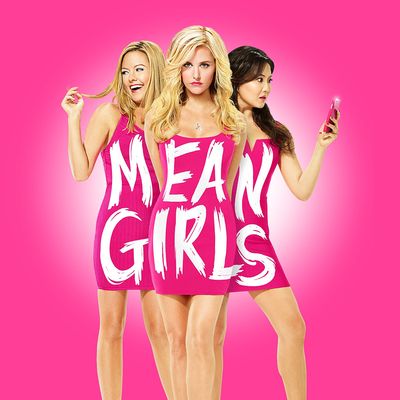
For an extra special bonus episode, Jess is joined by MIranda Moffat to talk about the current non-equity tour of Mean Girls... Read More
From the show: Musicals with Cheese
Featured Shows
About
For an extra special bonus episode, Jess is joined by MIranda Moffat to talk about the current non-equity tour of Mean Girls.
Transcript
This transcript was automatically generated and might contain errors.
[0:26] Jess: Hello and welcome to this extra special bonus episode of the Cheese Wheel. And this week I am joined by the lovely partner of mine in all things and everything, Miranda Moffat, um to talk about the Mean Girls National Tour.
[0:44] Miranda Moffat: Um so for context, I've obviously seen the musical before. Um Jess, you had not seen the musical, but you have seen the musical movie.
[0:53] Jess: Yeah, well, I mean, I obviously was a kid when the original Mean Girls movie came out, which is absolutely iconic. I mean, like what lines from that movie are not super prevalent within like the millennial sort of Gen Z lexicon? I'm like, I'm like right, I'm right at that cusp. I'm a cusper, so I'm like very late millennial, very early Gen Z. So like, you know, on Wednesdays we wear pink, or maybe is it Tuesdays? I can't remember. Someday of the week we wear pink, you know, get in loser. We're going shopping, like all of it is, you know, buried into the lexicon. So I'm very familiar with the movie, obviously. I've seen it a thousand times. Um and I did watch the movie musical version. Um was not aware, I didn't know how faithful it would be to the original um source material, both the movie and the musical. Um, but I did see that first, and I thought that that was pretty good too. Not as good as the original. Nothing obviously beats the original, but it was pretty good.
[1:50] Miranda Moffat: I'm of the opinion that it is better than the original, only because some of the iffier stuff isn't there.
[1:56] Jess: Is it because you're a snob?
[1:57] Miranda Moffat: I might be. I like songs, and I like that Regina George is like a threatening villain in it.
[2:04] Jess: And Renee Rapp.
[2:05] Miranda Moffat: Shh, threatening villain in the original movie, too.
[2:09] Jess: Yeah, but doesn't get a villain song.
[2:11] Miranda Moffat: You can be a villain without a villain song.
[2:13] Jess: I think nobody does it better than Rachel McAdams, obviously, but I also love Renee Rapp, and I think she's just the best, and also really hot.
[2:21] Miranda Moffat: Yes. Um, although the musical doesn't say the N word, so does the original movie say it?
[2:27] Jess: Yes.
[2:27] Miranda Moffat: Oh god, it's been a while since I watched it. Um it is very of its time. There's a running gag, no one remembers, no one thinks about about these Asian girls and their subtitles, and then at one point they just dropped the N-word.
[2:40] Jess: I can't defend that. I have nothing to say to that, other than it was the early 2000s, obviously. Tina Fey has issues with race in her media and always has. Um, but that's not what we're talking about, really. We are talking about the stage musical adaptation that came out, I want to say around 2017, 2018. I don't have the info in front of me. Came out a little bit before COVID, but after the Heathers musical, um, which is kind of what started a lot of these trends of let's remake a teen musical starring three women. Uh what did you think of this stage show? You I was supposed to go with you once upon a time, and sadly I was not able to go uh check this specific one out. So you went with your father, which I am equally curious about. Um, the only preview I've had of your opinion is it's definitely a musical.
[3:30] Miranda Moffat: Do you want my like overall thoughts?
[3:32] Jess: Yeah.
[3:33] Miranda Moffat: Like let what's the general thought on Mean Girls, the musical? I mean, I'm certainly no expert on musicals. I would say I definitely know more than most, and I have seen a lot of shows. We have seen a lot of shows together, both, you know, live, community theater, Broadway professional, national tours, the movie musicals, like we've seen a lot. This is very mid. It's very middling. And I think judging on your taste, uh so folks have that. They don't have like years of experience of learning your taste the way they do mine. You tend to like musicals only like you only tend to like the best musicals. Like you want it to be the best version of like you'll love a Fiddler on the Roof. You won't enjoy a Jekyll and Hyde.
[4:18] Jess: That's true. I mean, you know, I'm no stranger to loving bad things though. Like, I don't think something has to be perfect for me to like it, but I definitely have like for sure there are things that I enjoy about a musical experience that this did not deliver on. And I guess that's not its specific fault, but I just I enjoy, I enjoy grandeur. I enjoy vibes, I enjoy a, you know, I don't know, just something like just I want elite vibes when I'm going to see a musical, especially if I'm seeing it live. And this just did not have that. Where like when you're watching the original movie, it has elite vibes, minus the weird stuff that you mentioned that I did not remember.
[5:01] Miranda Moffat: No one ever remembers that. I think a lot of people just watch the TV edit and are used to that, sincerely.
[5:07] Jess: That's honestly, that's probably what I was watching when I was younger. Um, so it just did not, it did not have the elite vibes that that movie does, which has such a very specific sense of humor to it. And it just seemed like a really pale imitation. I think generally, and this is like a general belief that I have if something has already been made and it is a perfect, wonderful thing, and it is in its ideal medium. Don't touch it, don't touch it. I feel I can't I can't even say like this is stupid that I'm bringing this up right now, but like the How to Train Your Dragon movie. That is one of my favorite animated movies of all times. And I think that there is something that animation brings that live action just can't. And like that is the premier version of that story.
And the fact that they're making a live action feels really silly to me because I'm like, that was already a perfect thing, versus something like, for example, The Hunchback of Notre Dame, Notre Dame, Notre Dame, whatever, um, like the animated movie. I think there's a lot of room for improvement. If they made, if they made a movie, a live action movie out of that, I'd be stoked. Also, the musical version of that um is so amazing because it improves upon what was already there, because there was that room for improvement with like something like Mean Girls, where like it's already a part of the culture, it's a part of the language, like it is already iconic. I think anything that you try to make that's derivative of that is just gonna feel derivative, it's gonna feel like a really pale imitation. And I felt that way about the musical generally. End of rant.
[6:42] Jess: No, that I mean, that's not the end of rant, you're gonna dive into this more. Um, but I I find this fascinating. This musical, I I feel like I didn't harp on this enough in our original two episodes because you know, I never get a chance to talk in my podcast. Um, but the lyrics to um the Mean Girls musical is done by Nell Benjamin, who is the wife of Lawrence O'Keefe, who was one of the creative forces behind Legally Blonde the musical and Heathers the musical. Um, I like Heathers Musical, I'm okay with Legally Blonde the musical. And the music, um, which I think is like the biggest fault in the Mean Girls musical, is done by Tina Fey's husband, Jeff Richmond, um, who I mostly know for doing like the jaunty melodies in 30 Rock um and not much else.
Which, you know, I I can't speak to that. I think, you know, like obviously, I think the reason that these things happen is like capitalism, obviously. Like they know the thing is popular, and so people are gonna go see the thing that that's based on. And like that's what the vibe was, which I really enjoyed. Cause like actually going to the Fisher Theater, being there with all of these people who are obviously fans, who obviously have a lot of love for the original material. They had like, you know, the merch setup, they had um one of the whatever those things are that you take the pictures in front of, like the little backgrounds with the Mean Girls logo on it. People like I literally, as we were walking in the door, I was like trying to explain to my dad what the movie was because he probably, you know, maybe he's seen it at one point, but he would not have remembered that movie.
And so I was trying to explain about the movie and these phrases, you know, you know, and Wednesdays we wear pink. And I, you know, as soon as we walked in, I was like, okay, do you look around? All right, do you notice everybody wearing pink? Because they were everybody's out there wearing pink. So I'm like, these people obviously have a lot of love for the source material. They're of this generation, like this is their, you know, this is their culture, this is their stuff. And so that was the best part of being there. It's just like being there with people who love the material and just love it, which I think everybody is entitled to that, and also to love of the musical. Like, no shade to anybody that loves that musical.
Love what you love. I'm glad that it exists for you. But also, I I think something like Mean Girls, the musical, should be a gateway to better things. Um, kind of like Rent. I see it like Rent was a gateway for a lot of people into musical theater, and then they discover things that aren't terrible. Um, I think it could be that for anybody. Like I'm saying, I'm not I'm not sad that it exists in general. I don't think there needs to be so many interpretations of things and reinterpretations of things like that when they're sort of in their perfect form. But I also am like I'm not mad at it, you know.
[9:21] Jess: Yes. Um, I I what was the vibe uh of the audience during the show, specifically during you know, the lines that everyone knows? Like, was there like stop the show to fucking applaud at the the lines everyone knows you can't sit with us?
[9:37] Miranda Moffat: Yes, obviously, obviously. But I mean that's that's the best part. That was the thing that I enjoyed the most about it. Um, which if anybody if anybody likes if you like the original movie and you like musicals, like go see the show. Obviously, go see the show. The Fisher's a beautiful place to be. If you like it, you're gonna enjoy it because it references the original material so much, like it knows what it is, it's there to please the original fans, which I think is something that it does really well. Um, the vibes were immaculate, obviously. People were, you know, like laughing really loudly and cheering, and you know, it it and that's always what you hope for is that you're in an audience that that loves what you're watching and is gonna be interactive.
[10:13] Jess: Yes, but you have to talk about the negatives now. We can't just be like, I you didn't love this, and I want to know what you didn't love about it. And you've been teasing me for a couple days about your true feelings on this, and I have been on the edge of my seat, so interested in this because you like the movie, you like the musical movie and the original movie. So I'm so curious what you didn't like about this stage show.
[10:36] Miranda Moffat: I think, okay. So something that you have always told me that I really subscribe to now is a belief about musicals, is that if you're gonna make a musical, I think that the feelings have to be so big that you can't simply express them in words. Like I think the music should come from a place where this is a thing that can only be expressed through song. And I really, I really agree with that, you know, watching all the theater that we've watched. And I think my big problem with the musical as a whole, and which is you know, to say we'll get into the actual performance of it, but like just as the musical itself is the actual creation. I think my main issue that I had with it was that the music seems to stop the action. It is not, it doesn't feel like, you know, it feels like you're an audience, and it's like, oh, pause, okay.
[11:24] Jess: You know, now we have to sing a little song, and like action, action, action, okay. Pause now we have to sing a little song, you know. Like the song is not really telling the story so much. Um, I don't think like it's not, which I guess maybe not, you know, telling a story because it does have some aspect, but it just I mean, are there any egregious examples that you remember?
[11:46] Miranda Moffat: I don't honestly, and this is maybe this is really telling for me about how I feel about things is I can't remember individual songs, like I just remember the experience as a whole, but like that's the thing is that none of the songs were like particularly catchy, none of them really stuck around in my head. Like, I don't really remember any of them except for the um uh stupid with love one that kind of stuck around in my head. Revenge party is like the one they tried to shove down everyone's throat uh when this was touring and all that.
[12:18] Jess: Yeah, yeah. I'd rather be me became like the anthem for the show, and I think that show is or that song is actively bad.
[12:26] Miranda Moffat: I agree, it's very um uh punk rock, yeah. We're so badass. Woo-hoo, like it just feels super I don't know, cringe if I can say that it feels really crazy. Um, and for the movie version, um, they cut almost all of Damian's songs, and he has like five numbers all to himself in the stage show. He does a lot of tap dancing, weirdly, a lot of tap dancing.
[12:50] Jess: Oh, on that on to that note. Okay, before I forget, part of what I thought was to use the word again, kind of cringy about this particular production was definitely the dancing. Do you know that meme? Do you know that meme where it's like the audio of people just like on a like a floor in sneakers, just like the squeaking voices?
[13:11] Miranda Moffat: Yes, yes, I know exactly the meme.
[13:14] Jess: It was like it was like that every every number. I mean, don't get me wrong, it was it's kind of funny, but like the uh the dancing felt like it was choreographed by the same person that did that recent production of Sweeney Todd that we saw with Josh Groman, the Broadway production.
[13:34] Miranda Moffat: Yeah, so where it's like this feels a little out of place and a little awkward. Um did they keep in the part where they all act as animals periodically for no reason, which is the worst parts of the choreography?
[13:48] Jess: I weirdly did not mind that because that does mirror a specific moment in the movie that I think works really well with the story, which is that obviously she comes from this place where she's seeing all these wild animals, and that's kind of the context in which she understands social behavior because she has doesn't really have a lot of contact with other people aside from her parents. So, like her understanding of the social situation in terms of like an animal encounter, I think works super well in the movie and is one of the things that actually kind of worked in the musical for me.
[14:17] Miranda Moffat: Um, so we we we I famously made fun of Angory Rice quite a bit in our uh Mean Girls episode um of the movie and described how the character was very different interpretation in the musical than it was in either movie, where both movies kind of lean closer to the Lindsay Lil'Hand approach. And this is I described Katie more kim Kimmy Schmidt-like in the stage show.
[14:41] Jess: Yeah, I mean, that's kind of the that's kind of the the issue with theater generally, is it's sort of hard to play subtle, you know. That's something that shows up really well on film, but not so well on stage when you're trying to project a story to an audience of thousands. Um, it's hard to do to make small choices, I think. And that was one one of the things that was kind of like I don't really love it. I could take it or leave it, where she's like super peppy, super naive, like over the top. Um, you know, and that's part of that too. The musical itself, the the journey didn't feel super realistic from somebody who like is incredibly naive and incredibly peppy to somebody who is like all of a sudden an extreme Regina George take who is super crappy to everybody. Like the the arc was just like, you know, I don't know that and also the pacing, like the pacing generally.
[15:37] Miranda Moffat: You can feel that it is a movie, um, with you know, that typical three parts to it, you know, the sort of like you know, broken into thirds, yeah. The three-act kind of like shoved into a two-act feature. Like some parts of the story drag a lot and some parts go really fast. So, like, all right, we gotta get through some plot. Here we go. I feel like so much of the stories actually in act one that in act two it feels like it's almost like the wicked problem where wicked act one I think is very effective that act two is a fucking mess with some cool songs.
[16:10] Jess: Yeah I mean and that's really like the thing is that like honestly if I I don't know maybe if I thought about it more I I would feel differently but as I'm thinking of it it's almost like there is equal amounts of plot but the trouble is that the first half kind of like you know obviously takes you through the plot builds up the exposition and then you get to the second half and like I said it's kind of like okay go go go we have to tell the story go go go get it all out. What is it that we Moulan Rouge did that same thing yeah yeah yeah yeah and that's the problem it's you can very clearly tell that it's a three act story being shoved into this format that it doesn't fit in.
[16:44] Miranda Moffat: Um how did you feel about Regina George? Because I feel like in this production and in the recent Renee Rap movie um Regina George really is almost the main character like more than Katie or at least as someone you're invested in.
[16:59] Jess: I would disagree with the fact of her being um like more of a main character than Katie but I will say that she has the best songs for sure.
[17:07] Miranda Moffat: Um how are those hers were the ones that I was most excited to hear. I assume from clips that I've seen the same as other productions did she have the bunny costume that was kind of um a basically like a onesie with like very risque yeah yeah yeah yeah they sure did it was very weird to watch that with my father um did did I tell you about the Renee raps when she was performing that live, and you know, she's got a thicker build, and that they had to adjust the outfit and they made it basically gave her like flaps to cover her legs because silly as hell.
[17:42] Jess: It is like look at that woman. She is so beautiful and so oh my god. I I think about that, and I think about that costume choice, and it makes me angry. She is a goddess. The fact that they would ever think to cover her up is ridiculous. Um, but how is your Regina and how'd she handle the um someone gets hurt and uh world burn?
[18:02] Miranda Moffat: I mean, they were all like, and that's why I say, you know, my critiques of the show aside, I think the cast themselves are incredible. Obviously, they're you know, they're amazing singers, impeccable singers. I think not, yeah, not wonderful dancers. You could tell that they were all pretty young. Um, and actually looking through um, you know, like the book itself, you could tell like they're you know, a lot of them are recent graduates, or they've only been in a few things that were maybe like regional or local local productions, so they're definitely green, but like obviously amazing, incredibly talented actors and singers, like impeccable singers.
[18:38] Jess: Um, the Regina that we had was definitely more like um, I would say more soft, like a more soft-spoken version, not so much of Renee rap, but like still made choices that I really uh appreciated. So I think the cast itself is amazing. As for the specific show that I had, which you know, mind you, this was this was their first night in Detroit. There were for me obvious audio issues.
[19:01] Miranda Moffat: That's a very specific issue. It was, you know, the first act, it was very hard to hear them talking and singing, especially when there were multiple people singing or when the band was playing. It was very hard to hear, but they got their crap together for the second half. After we came back from intermission. That was that was much improved, but there were still some weird things going on with like lighting with the sound. Like when Katie first came on stage, like the spotlight did not follow her correctly, it did not follow the right person, and then it kind of like came back to her. Like there was some funny like little mishaps happening just because it's their first time in this theater.
[19:35] Jess: They got it. They gotta figure it out though. Is this the time where I bring up my three favorite words? Non equity tour.
[19:41] Miranda Moffat: Is that what it was?
[19:44] Jess: Oh, yeah. Okay. Yeah. I could feel that. I could feel that. Um, which bumps me out because they're probably very talented people trying to get their foot in the door. And they get a national tour under them, but they're getting paid peanuts, and the production opportunities they get are limited. Um, I think we should contact give this context of like our experience with non equity tours versus uh, you know, uh union tours.
[20:07] Miranda Moffat: Um we saw Jesus Christ Superstar a few years ago, uh pre-COVID, uh, when it was just their union tour. I saw that that tour twice. You saw it once, and then we saw their non equity equivalent, and you could just feel something iffier, something there's you know, I think with the non equity, there's definitely obviously some like less production value, less production quality.
[20:33] Jess: Um, as far as um, you know, just like generally overall the sets, that kind of stuff. A lot of it's more simplistic. It's you can definitely tell the difference. But again, that's not to say I think the actors themselves were still incredible. I hate to say young people because I feel like I'm a thousand years old, but incredible young people. Amazing singers, amazing. They they really did blow me away, you know, song with their voice wise. But yeah, definitely as far as the production, some you can tell. You can tell it's non equity.
[21:07] Miranda Moffat: Well, I guess now's a time where I bring up that Tony Awards season because I think this is fun because you've seen a majority of the shows that were out this year. Um, so this was everyone assumed that Mean Girls was gonna take quite a few awards. Um, so much that they made it so that the best original score is not aired on television.
[21:28] Jess: And if you remember who won that, it was Jason Robert Brown.
[21:33] Miranda Moffat: Um, and he did not get his uh original score. But they made it so Best Book of a Musical could be aired on TV. Or sorry, I that is a wrong year, I'm just wrong. It was it'll spoil spoil it so for later. Um, because they wanted Tina Faye to accept the Tony Award and get airtime, but it did not go to that. Everything went to the band's visit.
[21:53] Jess: Everything bands visit sweep, and you saw the band's visit. Is this a better is this a better show than the band's visit?
[22:01] Miranda Moffat: I feel like that'd be very hard to compare their incredibly different shows.
[22:07] Jess: And it's unfair, like the Tony committee having to do that. It was a weird year. It was uh this uh frozen the musical, Spongebob SquarePants the musical, and that's about it.
[22:19] Miranda Moffat: Was it COVID year?
[22:21] Jess: No, this was well before COVID. This was the I believe the year after.
[22:25] Miranda Moffat: So the only original musicals that came out were the band's visit, Escape to Margaritaville, which I think is not terrible, Frozen Mean Girls, Prince of Broadway, which doesn't count, Spongebob and Summer the Donna Summer Musical.
[22:36] Jess: And then the Carousel Revival, My Fir Lady Revival, which we also saw, and Once on This Island, which should have given gotten everything.
[22:43] Miranda Moffat: Um, and it was hosted by Sarah Brellis and Josh Groben.
[22:46] Miranda Moffat: Um, it was the losers year. Um, I'm pretty sure yeah. Um, but what a strange competition between Mean Girls and the band's visit. Two shows that give me wholly different vibes, but you say that you want that oomph, you want that feeling. And the band's visit for what it is gives me that oomph. Like I am I am here makes me feel ways that I don't quite know how to express. Not a single thing in Mean Girls gives me that, except maybe stop, meaning I'm so uncomfortable that I don't know how to deal with the feelings I'm having. I mean, again, very hard to compare. Um, we saw the band's visit like several years ago at this point, and it's again it back to the point that I'm just like, you know, even though I've seen a lot of theater, I'm still a pretty casual viewer.
So a lot of things tend to just like go over my head. So like the band's visit when we were watching it, we saw it, like I thought it was really good. I think, you know, it was a really good production. Like, I remember a lot of it, it was pretty high quality, but it's not something that I've ever like gone back to the songs to re-listen to them. And Mean Girls feels the same way for me. It's like while I was watching it, I had a really good time, it had some good moments, it was funny, but it's not something that I would probably ever revisit myself. But that's just for me, like I have to really love something to come back to it.
[24:07] Jess: Um, I think that's all fair. Um, anything else you want to highlight or bring up about this production or Mean Girls in general as a musical?
[24:17] Miranda Moffat: No, I think I got most of my thoughts out. I think did your dad have any thoughts or comments about his experience?
[24:25] Jess: No, not really. I mean, my dad's like me, and uh, you know, he'll, you know, he likes a theater experience no matter what, which we're you know, one and the same. Even even bad musical theater. I enjoy um seeing, but um, he didn't really have too many thoughts other than that, you know. He he liked it fine. Um I think, you know, for me, ranking wise, weirdly enough, weirdly enough, um, I think obviously the original movie is number one. The movie musical for me, weirdly number two, and the actual musical itself probably number three, um, as far as what I would like to see again. I think that the movie musical made a lot of really smart choices in transitioning it because it still has, you know, the very real high school vibes.
And in that way, like the the music in the movie feels like it kind of just is a little bit of an enhancement to the original plot where it it you know using the music to tell the whole story kind of doesn't work for me in this way. The music very much feels like it stops the plot. Also I think generally the there are some tweaks that I think are fine. They're unnecessary to me, but we're fine. Like for example, um Janice in the Janice is the one the um Janice and Damien are the friends, right?
[25:42] Miranda Moffat: Yeah. Okay. Um Janice I think in the movie is a lot harder to like and a lot harder to forgive. I think um the musical and obviously the movie musical make her more of a sympathetic character than she is in the original one by a long shot, which it's kind of take it or leave it for me. I mean it it has its purpose in the original movie. I think the big issue for me is that the musical takes something that's very gray and makes it kind of very black and white you know like she good now she bad they bad. Now they good. We all friends. Like it just seems like it kind of weirdly simplifies something that is meant to be kind of like gray. Because high school's just a weird ass experience. It's weird.
We're all like growing and becoming who we are, and we're all like learning what it means to be a human being. And I think that that's what the movie captures, along with this really great sense of humor about how much it sucks. And I think the musical just simplifies it down too much, makes it very kind of one note. And also the ending, it's like, you know, oh, we're all happy now. I see stars at night. I like that. We're also we're all so beautiful now. Let's all hug and kiss and we'll do a big group number together and singing the song and dance. Like, I think it just it simplifies things a bit too much for me. So I think there are obviously some good things. Like I said, if you love Mean Girls, you'll love the musical probably.
Like, go see it, you'll enjoy it. Um, the production itself, I think the actors and the people that were in the production were amazing, but obviously the production itself has a little bit of a lower value than you would see from uh the union production. Um, but like I think overall, if Mean Girls is your stuff, like go see it, like it, like what you like. Wasn't my cup of tea, but you know, it still has value, and I'm I'm glad that people enjoy it.
[27:31] Jess: If you had to give it a cheese rating, what would it be?
[27:34] Miranda Moffat: Oh boy. Um seems so exasperated by that question. Um, let me think about it. There's so many cheese choices, you know. Um, I guess I would say like maybe a Brie cheese, because it's a little bit funky. Um, it usually divides people pretty well. Either you usually love it or hate it. Uh sometimes it's really good when you mix it with other things, it's really good, but on its own, it's kind of nasty. Um, I'm gonna go with Brie pre cheese.
[28:05] Jess: All right, and uh a sincere question did did you miss the statutory rape subplot from the movie?
[28:12] Miranda Moffat: Um, no, actually, I I really did not. I really, really did not miss that at all. There's you know, as I said, there are many things about the original movie that obviously like you know, not great, not great. Um very, very much a product of its time. Um I swear, I've every time I think about that movie, the only thing I think about is Detroit's own gemstone, Tim, Tim Meadows screaming, get away from the underage girls.
[28:40] Jess: Yeah, yeah, yeah. There's definitely there's definitely some things in that that are like pretty pretty time-locked in the early 2000s. Um, on that, one thing I did forget to mention um that I'm I'm just now remembering. One of the things that made this production very obviously non-equity for me, is that they had like eight people total. So, for example, and you can feel it, you can really feel it. So, for example, like in the classroom scene when they're like switching between the teachers. Um, you have like students sitting in the classroom to like add bulk to make it look like there's a lot of people in this classroom, and then the people in the classroom become like the teachers, like one student becomes the gym teacher, this student becomes the French teacher.
Like, and then in the scenes where like we have to have a lot of people, it needs to seem like there's a lot of people, like in the party scenes or like in the prom scenes and stuff like that, or whatever it was. Um, you had like um basically you could tell that everybody, every single person that was in that cast was on that stage, and they were like all changing costumes between everyone to make it seem like there were more people than there really were. Um, that was kind of funny. Like, I'd just be like, oh, that man just put a wig on um to be a girl in this scene. Like it was like it was that was pretty funny. But that that was obviously one of the parts where I'm like, wow, they have eight people total that they can do this whole thing. That's pretty funny.
[30:00] Jess: Now, are we just jaded or has theater gotten worse over the years? Is that that's a thought I've had recently.
[30:07] Miranda Moffat: I don't know. Um, I don't think that it's necessarily gotten worse. Um, I think maybe for us, the thing may be that we're used to just seeing things that we already really love and are really interested in seeing, and we've been like through this experience through Broadway and Detroit. Thank you, Broadway and Detroit for the press passes, um, allowing us to see these things and experience new things and tell people about them. Um through that experience, through that and being able to see these different shows. We're just, I think we're just being exposed to more things that we wouldn't normally have picked to see or that wouldn't necessarily be our cup of tea. Um, but like I think it's still important to expand your horizons, obviously.
So I think that's part of it. And also, you know, word to word to the why is like check out your local community theaters. We've seen so much amazing community theater productions lately that have just blown me away. Like, obviously, the the bigger productions, the you know, the national tours and things like that are gonna have the bigger sets and the better production quality and the bigger orchestras and that kind of thing, but local community productions can be so amazing, and they're doing such interesting, wonderful things. Like we saw um Godspell at the Flint Repertory Theater, the God's pool, God School, God's spell in the pool. That was amazing. Seeing Great Comet at that um uh writers' theater in Chicago.
What else did we see? Uh into the woods in Chicago. We saw that. What was the other one? There's a lot of woman stepped on my foot and apologized to me during intermission. It was interesting. That one, oh, and um uh Putnam County Spelling Bee at uh at a at a very small theater in Grand Haven, Michigan. Like there's been so many things that we've done lately, local theater wise, that have just absolutely blown me away as far as like the quality and how just how amazing and funny it was. So, like we're not grading on a curve with those, they just they the creative comes out there because you're working with so less, you know, as far as like probably budget and um you know physical space and everything that you have to work with, just amazing things coming out.
So check out your local theaters, guys. And you know what? Audition too. That's very very important. Find your local productions, audition because why not? You only live once. And you I think that community theater is important for the the overall intelligence of humanity. And it's gonna be a rough couple of years, so give us some give us more to see, please.
[32:33] Jess: Yeah, give us something to look forward to, guys. All right, Miranda. Is there anything else you have left to say about your experience with Mean Girls?
[32:42] Miranda Moffat: No, just um, you know what? Uh, I think either way, you whether or not it was my cup of tea. I think I enjoyed the experience overall. Um, I appreciate the original movie. I appreciate efforts to expand upon the original movie, even if it wasn't my favorite thing. And again, if you liked it, if you like the movie, go see it. You'll probably like it. And if you didn't didn't like the movie, maybe it's not for you. Maybe you'll actually like it this time around. Maybe you'll appreciate the changes they made. You never know.
[33:09] Jess: You know what? I I like that attitude. Um, no matter what, just enjoy theater, guys. We'll see you next time. And we'll talk about theater and more fun things coming up. It's a long season in Broadway and Detroit, and I'm excited for a lot of shows coming. They're doing parade. I got an excuse to talk about parade for a fifth time on this show. Let's do it. We'll see you next time, guys. Thank you, Brandon, for joining.
[33:32] Miranda Moffat: Thank you.
[33:33] Jess: Bye, guys.
© Broadway Podcast Network, All Rights Reserved