

On this episode, a heartwarming, eye-opening, and candid conversation with two-time Tony Award nominee, writer, actor, and just all-around good dude, Alex Brightman... Read More
From the show: The Come Up
Guests
Featured Shows
About
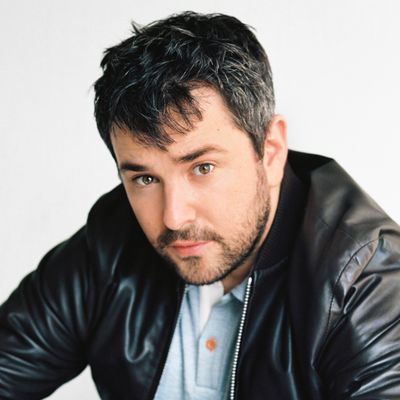
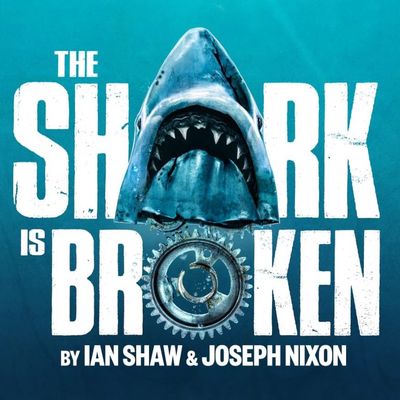
On this episode, a heartwarming, eye-opening, and candid conversation with two-time Tony Award nominee, writer, actor, and just all-around good dude, Alex Brightman. We go deep on everything from his relationship with mental health and medication over the last few years to what all the twists and turns of the entertainment business have taught him, and of course - The Shark is Broken.
Alex Brightman is a writer and two-time Tony Award–nominated actor who has been seen on Broadway in Beetlejuice, School of Rock, Matilda, Big Fish, Wicked, and Glory Days. TV credits include Law & Order: SVU, Documentary Now, The Good Fight, Impractical Jokers, Blue Bloods, SMILF, and Important Things w/ Demetri Martin. You can hear Brightman on the acclaimed animated series Helluva Boss and the upcoming Netflix series Dead End: Paranormal Park. Musical writing credits include It’s Kind of a Funny Story (Universal Theatrical), The Whipping Boy, and Make Me Bad (all with writing partner Drew Gasparini). His newest play, Everything is Fine, and television series Singular are currently in development.
On The Come Up, host Matt Rodin sits with creative people to have honest conversations about the reality of being a growing artist.
Matt believes that love is who we are. He taps into people’s light so that we can form deeper connections with ourselves and one another. He’s a queer maker of music, media, characters, and campfires. Matt is currently playing Jamie on the first national tour of Stephen Sondheim's COMPANY. Matt also recently starred in Hedwig and the Angry Inch at Milwaukee Rep, and the upcoming musical film BEAU. In 2020, he released his first live solo album, Matt Rodin: Live at Home. Matt has also worked as a content producer and consultant for The Tony Awards, The Smithsonian Institute, SoulCycle, Hamilton, Cynthia Erivo, Ingrid Michaelson, Playbill, Broadway.com, Dear Evan Hansen, Write Out Loud, and more.
The Come Up is presented by Broadway Podcast Network
Transcript
This transcript was automatically generated and might contain errors.
[0:00] Matt Rodin: Hey, thank you for hitting play. My name is Matt, and welcome to The Come Up, a podcast where we sit down with creative people to find out where they're at in the journey of becoming who they are. On this episode, a heartwarming, eye-opening, and candid conversation with two-time Tony Award nominee, writer, actor, and just all-around good dude, Alex Brightman. I have known Alex the entire time that I have lived in New York, and he is someone who is always funny and always willing to go deep. And we certainly did on everything from his relationship with mental health and medication over the last few years to what all the twists and turns of the entertainment industry have taught him thus far. He was, as always, generous, open, and honest. And I am so grateful that we got to record this back at the very end of the summer of 2023. Thank you again for being wherever you are. And without further ado, here is Alex Brightman.
[1:03] Alex Brightman: You are having a good time.
[1:04] Matt Rodin: I'm having the best time.
[1:05] Alex Brightman: I've said this on the record now a bunch of times that I, and again, this is not to like cast aspersions on anything I've ever done before, because everything I've done I've enjoyed. But I'm enjoying this in a level that I didn't think I could enjoy. I was like, it's so much fun and so the right choice, and I felt more like an actor's actor, I guess, than anybody else. Like, or than any other time in my life. I mean, because how formative Beetlejuice and School of Rock was, but like, it's just different. It's just a different thing. I don't get to use any of the faculties that I use for anything else. I get to just be, live, experience, all that kind of stuff that maybe my musical theater brain was like, it's so serious doing a play, you know. Oh, these people. They, but it really, there's something about taking yourself seriously that actually I found a very new joy of doing.
[1:57] Matt Rodin: Yeah, what yeah, tell me about more about that. Like you were really, are you do feel surprised about that, that you like you that this has been such a joy?
[1:58] Alex Brightman: Yeah, I mean, I didn't have any low expectations. I had no expectations. I just, which is like maybe the show was cool and I thought I, I mean, I wanted to do a play since my very first thing, which we were talking about before you hit record, which is The History of Boys, which feels like a lifetime ago. So yeah, this, the hard work, everything's hard, you know. I mean, like every show I've ever done has felt hard in a good way. Yeah, but this is like kind of hard that like I take home with me. I've opened more books, I've done more research, the accuracy in trying to do this stuff, like there's another layer of not just like playing pretend here. Like it's like trying to read fun. It's like fun to like dig.
Yeah, it is what I think there's a lot of actors honestly, and I'm one of, maybe I'm the only one, I'm gonna find out right now, that every once in a while, like, and this is a very privileged thing to say, and I'm well aware of this, that I've worked so much in the last 15 years that there is a, every once in a while, this very privileged, and again, I want to make sure that I say that with the most capital P ever, the thing I'm about to say is so privileged where you go, I miss doing book reports. You know, I miss doing like reading a book and doing a bo, I miss reading zoo books and doing a report on the African elephant.
[3:08] Matt Rodin: Yeah, yeah, yeah.
[3:15] Alex Brightman: And so this is that for me, like that's as close as this is going to get for right now, which is I did so much research on this whole thing, Jaws, Dreyfus, everyone, and not just, that's the thing, it wasn't just singular research. I was researching Roy Scheider, I was researching Robert Shaw, the making, I've read every book, I've seen every single thing, I've watched every interview he has done, countless times. And so that kind of research and homework just feels different than going home and memorizing your music.
[3:43] Matt Rodin: Oh my god.
[3:44] Alex Brightman: Yeah. And again, like there's something I, I totally understand, and I, there is this weird desire that I feel now. I'm like, I don't know exactly what it is, but it's like, oh, I kind of want to go back to school, but I don't know for what. And that this is like what that is, that you get a chance to like really dig in deep to something.
[4:04] Matt Rodin: Yeah, and find a, I mean, I remember, you know, I'm, I think a lot of actors want to be able to say that they take themselves seriously in ways that doesn't feel pretentious. And I've always said, like, I take everything I do seriously, I just don't take myself seriously. And I think that that has kind of been the key here. It's like I'm taking everything I'm doing in this show so seriously, but at the same time recognizing that still what I'm doing is playing pretend, and it's just a lot of fun.
[4:30] Alex Brightman: Right. I think the difference though with a musical, like, you know, you have, I keep saying I'm doing, it feels like I'm doing a trapeze with no net because like I've always had this safety of singing and safety of like being this lunatic, you know, professionally. Yeah, right. And to just have to be on nobody else's time but your own and not to squander it in that 90 minutes. It's a real effort. It's one of those things where it's not just I'm the guy you let out of a cage for two hours and then he goes back in. This is a contained, I mean, that's funny that I'm saying that, knowing you've seen the show, it's a contained performance considering what I've done in the past.
[5:07] Matt Rodin: A hundred percent it is, and I felt that way. I totally felt that way, and I felt it's, it's so interesting that you say that because I feel like I certainly saw as much as you can see from an audience the work that went in. Like you can tell, yeah, that there's depth behind it. But I also feel like you're someone who, you're right that like I can tell, and I think I'm like this too, that like I actually take the work really seriously.
[5:41] Alex Brightman: Right.
[5:41] Matt Rodin: I can tell you really care about the work that you do, but like you said, you don't take yourself seriously. So there's this interesting dichotomy that happens. There's this like weird relationship or contrast between the sort of effortlessness that it appears it is on the outside, the kind of like fuck it all attitude, not that you have that.
[6:02] Alex Brightman: No, but that's right.
[6:03] Matt Rodin: But behind it is like a deep care.
[6:06] Alex Brightman: Yeah, for it's what you just said, it makes it look effortless. That's the idea. The word that people miss there is look. Like, because it's so not, it's obviously not. If you've ever tried anything on stage ever even once, it takes so much effort to just get up there anyway and be vulnerable in front of eight people. You know what I mean? Like we're vulnerable if our parents asked us to get up and sing in front of the family. I mean, it's like that's the worst.
[6:30] Matt Rodin: That's the worst one, I yeah, I'm so much more comfortable in front of two thousand strangers who have paid.
[6:32] Alex Brightman: 100%. But yeah, I think that this has gave me kind of permission in a weird way to feel okay about the work that I've done without talking about it. You know, like the, I think it's boring to talk about the kind of work that I've done. I like talking about like what I've done. But like how hard and you know, hopefully that just shows, you know, the, I that's why I don't typically take myself too seriously is I'm not going out and letting people know. Except for like on things like this. I mean, like 'cause that's what this is for. I think it's important that actors know that like it's totally okay that even into your career, once you've had some things go right, it's okay to still take things very seriously.
[7:15] Matt Rodin: Oh my god. And I think I want that. Like, I would, when you go in a room, you hope people are taking the job seriously. That it is where we are playing pretend, and it is a, it's fun, it's an amazing job to get to have, but also like it's a cool, really incredible job that you can really sink your teeth into and like learn about humanity in a way that you probably wouldn't in other professions.
[7:36] Alex Brightman: And it's not guaranteed. I mean, this is one of the few professions that—
[7:37] Matt Rodin: I mean, this is the—
[7:42] Alex Brightman: I mean, one of the true only professions that exist where every time, no matter what you've done in the past, no matter how many awards you've gotten or nominated for, or reviews, you step into the room and they make you audition. You still have to show them that you're still good today, even though I have seven shows behind me on Broadway that says that I kind of might be. But I'm two Tony losses, two Tony losses to real, well, that's why I didn't win them. That's why they have to keep auditioning.
[8:06] Matt Rodin: Of course, yeah.
[8:09] Alex Brightman: If I won, it's over. No.
[8:10] Matt Rodin: Yeah, right.
[8:11] Alex Brightman: No, but it's really, it's really kind of a fascinating thing that you, they go, yeah, yeah, we know you've been good. We know you, we know we have proof that you're good. Are you good today? And I think that's a really interesting question for actors, improvisers, writers. Are you good today is such a motivator for me because you can lose it. You know, I think that we can all understand that for the pandemic. Like, I know a lot of friends that left this business, that left New York.
[8:36] Matt Rodin: Oh my god.
[8:37] Alex Brightman: That left, I mean, but completely left their bit. I mean, they're now complete, they're like career real estate agents.
[8:42] Matt Rodin: Yes.
[8:43] Alex Brightman: And killing it. They found the thing they really want to do, but it's hard, and you have to keep doing it. And that's the thing. It's like this career is every fucking day. And tying into sort of what we were just talking about, like there's just no guarantee, and you had that experience from the get. Like, like your, like your whatever. I mean, again, I don't know like what your sort of vision of what Broadway would be or what it would be like to be in a Broadway show or what this career was going to be like, but like you were disillusioned from like quite literally day one. Like opening night, it's over.
[9:15] Alex Brightman: Yeah.
[9:18] Matt Rodin: So you get a re, you get a hard reality check of, and I, to me that seems very valuable. I guess that's what I'm trying to say.
[9:24] Alex Brightman: Oh, yeah, it really was. It was in the moment too. It wasn't one of those with distance, I kind of went, oh, it was a good thing. Immediately. I was young enough. I was 19 or 20. And with when Glory Days closed, it was that thing where I was like, okay. So it kind of felt like an, I blame a lot of this on ignorance, by the way. Like just like I'm enjoying the experience, and so I can't see that what's going on is not maybe the most favorable. But I was like, but this was so fun and so cool. It kind of felt like I was doing like a Broadway fantasy camp. Like I had like 14 days to be on Broadway, like in rehearsal, previews, open, close. Thank you. Goodbye. Felt like a summer camp.
[10:01] Matt Rodin: Um, but it was valuable because I got to learn how to be a professional right away. I mean, I really got to learn what it was that this was a job. I mean, this was not the thing I used to do in community theater. This is the thing that people's livelihoods are at stake here.
[10:12] Alex Brightman: Yeah.
[10:13] Matt Rodin: But you, uh, you don't seem jaded.
[10:17] Alex Brightman: Me?
[10:17] Matt Rodin: Like, yeah.
[10:18] Alex Brightman: Yeah, I'm not.
[10:19] Matt Rodin: That's why I don't seem jaded.
[10:20] Alex Brightman: Yeah, I was gonna say, like, I don't, I don't feel like you're like, and I just, I don't know. I just, I don't know. You, you, you've had all these really crazy experiences. I mean, leading two railway shows both in just like couldn't be more different, but also like just crazy stories around them.
[10:37] Alex Brightman: Yeah, ill advised.
[10:39] Matt Rodin: Yeah, absolutely.
[10:40] Alex Brightman: Um, but regrettable, regretful situation.
[10:43] Matt Rodin: No, I'm getting it. I'm joking. I'm joking. But I, you know what I mean. Like after seven railway shows, like you could very easily be like, you know, out to lunch and just like, okay, I know, I know this thing now, whatever it is, what it is, but it, it doesn't, I don't feel that way for, I don't get that from you.
[11:01] Alex Brightman: I would say, I guess to that point, I would say to you, I guess if I did actually feel that way and express myself that way, I don't think I'd be working anymore. I think that people, I think that this business is very keen on energy and very keen on your want to do it. I mean, we, we'll talk about the, and I maybe this is a good segue, but I was talking to Scott Landis, the producer of The Shark is Broken, and one of the things that I didn't know until I got the role, which is nice to know now, but it's a nice story even then is my agent who knows me so well and knows that I want, when I want things, I will do anything I can. I will not lose the role to lack of preparation or want to get it.
I won't go through any, you know, channels that are devious, but like I just, I want it, so I want to try. My agent when I was getting the interest to come into the room for this, which again, we worked crazy hard to even get me in front of them. That my agent called Scotland as the producer and just said offhandly, he loves, he really loves this, which is true. He really wants to do, he really, really wants to do this. And this was before they even agreed to get me in the room. And Scotland is now easy to say now that I have the part, but I think it's true. He was like, that alone made me believe you were gonna be the right guy for that. Cause you really want to like, and it was expressed. Like, you know, I think there's something to that to continue to let people know, yes, I, this isn't just a job for me.
It is a job. I want, I, but I want to do it. I want to do it, and I would do, I would do, I would leap over things to do, I would, I will bend over backwards to get myself there. And so I think that there's an importance there.
[12:36] Matt Rodin: Yes, I think there are plenty of great people. I saw great people at the final callback slash chemistry. I saw wonderful people to the point where I did call my friends going, I think this person's gonna get it because they're better in my opinion, they're better than me in my opinion, they're more right for it, whatever. But I think that there is something too, somebody who is in the room that really wants to be there by hook or by crook that does count towards a success.
[13:02] Alex Brightman: And I think you can tell in the room.
[13:03] Matt Rodin: I think so. I just feel like you can tell. I also feel like it's a combination of like, it's a combination of that, obviously, like you said, preparation, which I, this sounds, I cannot believe I'm gonna say this, but like I really feel like in the last, like I'm not kidding, like eight months that has changed for me.
[13:22] Alex Brightman: That in what way?
[13:22] Matt Rodin: Positively.
[13:23] Alex Brightman: Positively?
[13:24] Matt Rodin: That I don't know, I don't know what I was doing before, but I just feel like now it's like preparation is not even a, it's not a question. It's like I'm gonna be overly prepared. Like I want to be so fucking prepared that no matter what happens in that room, I can be, I'm malleable, I'm flexible. Like, but I, but the preparation is not, that's not something I need to worry about or think about at all.
[13:49] Alex Brightman: That should be, I think that that is, you're spot on. I mean, I first of all, I think that's like the greatest way to go about anything. And I, I just think I've never seen, I've never found a good excuse not to prepare.
[14:02] Matt Rodin: Right.
[14:02] Alex Brightman: You know what I mean? Like you, I, I've made them. I've made plenty of excuses to go, I'm not, I'm not gonna be ready for this audition tomorrow because every time I didn't, I was worse and it went badly, and I regretted it every time, which is very small handful of times where I was like, you know, my friends invited me out to lunch. I'd rather do that or whatever. You know, friends that I would see every day anyway. And I could have spent those two hours doing these lines, whatever.
[14:25] Alex Brightman: And then later, when I walk out of the audition, I go, I should have done that. And so now it really isn't a question. I feel like also there was a part of me that was like, I'm not gonna get this. You know what I mean? There was that there was this piece of me that was kind of like, mm, like I don't need to put in all this work if I'm not if I'm not even gonna be the one to get this. Like there's people that are better than me, and and there's you know what I mean? There's no what's the point of me putting in all this energy and effort if I'm not gonna get it. Um to then to them, that I would say is that those people in the room that you're putting your talent and effort in front of also do other things.
So you don't think you're gonna get it. There, you uh you almost have a new opportunity all of a sudden. You have if you really truly feel it, and by the way, I I think that's valid. I've I've been in for things and I'm like, there's no way. I mean, I think I'm good. I don't think I'm gonna be, I don't think I'm right for this, you know. Not to type myself out immediately, but I do feel that when you get into the room, you can kind of tell you I don't think this is gonna be my thing. Yeah. But that's a great opportunity, also all of a sudden, that secondary opportunity to show them that you even if maybe you're not right for this, look how much you've done. And if they have another role, there's no question.
You never know. You never know. But I again, I think that uh it all kind of comes together. Is that like there's this desire to be there, there's preparation. I feel like there's also um I don't know how do I say this? Like it's like a confidence piece. I don't know exactly what the word is, but it's there's a sense of like not maybe ownership is better, more of the right word, but it's like that sounds right. Do you know what I mean? Like you come in and you and and you're like you're you maybe it's like a confidence in your in your own ability, it's like a wholeness in yourself to say like I know what I can bring to this. Well and that's I we confidence you're saying all the right words. You're you're you're tickling all the trigger words in my head that confidence is a good thing to bring in the room because what when you present confidence it means that you can back it up.
Means that you've done the work so you can feel comfortably and confident. Confidence without the work is cockiness. Like you walk into the room believing that you're confident and if you've not done the work all that's going to come off as is cockiness. The idea that like you've just you've just talked to the talk and there has been no walking. So this idea and so and so confidence is easy. If you if you know that you're good at what you've done are you at to your own standards, which again is worth a good diagnostic check every once in a while are you are you being serious with yourself are you being honest with yourself. Right. If the if you're good by your your own standards and you're you're killing it that confidence is going to exude anyway.
So um but I think that cockiness thing is so real and having been a reader that's in auditions you can see it and you see it in your friends too. And it's not their fault you know it's like you see it in friends and you're like wow you're so much more charming when you're not doing this thing that you're doing in the room. Why are you doing that? Who is this? You're doing that just be confident in that you're totally enough and you got you know if you're not right for the part okay no one is yeah no what's right. I also have found that um I don't I'm curious if you have had an experience like this that like I worked with a I I did something over the summer and I worked with the director who made me feel so good about the work that I was doing who made me feel so whole and confident truly that I put in the work and was like affirming me in a way not it's not like this like ephemeral validation.
It was like real affirmation of like my skill and ability yep that one the next audition I went in for I was like I I had that confidence I was like oh I have I know that I'm capable of doing this thing. I think that is totally right. And I also think that what again like this specific affirmation is so much better than just you're doing great. That can really boost your confidence to go how am I doing great? You know, in in what in these ways I believe you are doing great by my standards and yours. Yeah. And then you go to an audition and that's you know that's a shield of armor for sure. Right. Which again is like a game I just feel like it's a game changer. Like it's been it's it's such a yeah it ch it changes the whole thing and I'm so happy to hear that like you want like how how badly you wanted Shark is broken.
That like so badly like you were like this is I'm I'm gonna go I'm gonna go to the ends of the earth for this thing. It's a play I would see multiple times. It's a play when I read it tickled me I like contemporary weird um existential you know stealthily existential you know talks about the bigger thing and um as a person who's not religious like that's kind of like part of my religion is like that existentialism like totally absurdity like Beckett kind of uh you know Ionesco kind of that like weird what is going on why are we all sitting here facing this direction? Um we're just three guys talking but no we're not you know it's like we're talking about so many other things and there's so many other things at play.
It's the it's the same way I felt about the pillow man. It's just this like it's this horror story, but what it's wrapped in is this crazy message about the world and censorship and right that kind of stuff. Like something that has a real true dual or triple focus to me is like so up my alley. Um and this is very that. It's like it is. It's it's it's like what hap the the the elevator pitch is what happens between the s the scenes of Jaws. Like that's like the yeah, that's the byline. And again, like to me, as a writer too, I hear that and I don't do the normal thing, which is like, well, why would we want to see the between? We'll just go see Jaws. I'm like, no, the between is the that's the show.
Of course it is. Oh my god, of course. Who doesn't want to see the betweens? That's I mean, it's the same thing as like pitching wicked to somebody and somebody thinking that's boring. I'm like, it's not b what are you talking about? You have the Wizard of Oz. Show me something we haven't seen, you know. Give me the prequel. I want to know. It's similar too, because it the same the source materials are so widely known. And to have that little hook in you throughout the show also gives you this sort of um, you know, not to use nautical puns, but it gives you an anchor. It really truly does. Yeah. Sorry, we'll we'll keep the pun count low. No, I'm I'm a big I'm a big pun guy. Big pun guy. So what you're saying is you're uh you'll get on board with the puns.
We'll dive right in. I need I need like an applause track here. This is too good. Thanks everybody. Um, but it's a play about I feel like it's a play about masculinity. I feel like it's a play about fathers and sons, trauma. It's a play about trauma, it's a play about actors. Big time. Which I also I there was something really satisfying about three actors playing three actors talking about act acting. Yeah. It's like the inception of Broadway plays. It's like fully, yeah, it fully is a Chris Nolan idea. And then again, it's like one more layer. It's like an actor playing an actor, playing a character in a movie. Right, oh right, talking about his character. So it's like it continues through that road.
But I agree, I really enjoy the acting part. And uh the big thing, the one takeaway that I've gotten after doing it this many times about what this is about, because we keep getting asked, you know, what is the play about? And it's a really interesting, kind of difficult question because it is about a lot of things. And to sum it up by saying it's, you know, it's about what happened while they were waiting for the shark, is so you know, base. And so it's but it's also hard not to like spoil the entire show. And but I think a big one for me, at least what I've found in the last couple of months working on it, a few months working on it, is I think is I'm always interested in where people come from.
You look at someone like Richard Dreyfus, or you look at somebody like Barack Obama. I mean, like any anybody, right? And you look at them as them now, this culmination of many years and events that have made them one identity. For me, this show explores that these motherfuckers didn't come from nowhere. So, like, yeah, they're full of ego, yeah, they're fucked up, yeah, they're weird, yeah, they're narcissistic, but that's not because they decided in the moment that they were going to be. Things happen to these people. Right, right. And I mean, I'm not sympathizing with this narcissism. I'm not like, you know, I'm not excusing it, but it's always fascinating me about where people like people don't come from nowhere.
We are we are such the result of so many other things that were out of our control. Yeah. Do you feel like of their three sort of philosophies, which I do feel like they're kind of quite varied, oh yeah. Um, in in the piece, which I think is why it works very, very, very well. Um, do you feel aligned with one of them in particular? Um I I I don't know if I've I'm aligned with one of them wholly in particular. I think that's I know that's not the case. Probably yes, of course. Probably an amalgam. I would say that I although I would say it's a good representation of who I've been over the last 36 years, I think I've been each one of them. Um I think the most time I've spent in my life, I've probably was the most like Dreyfus because of the anxiety and the sort of party nature of things, and that I'm gonna, you know, explode into this nebula that's like I'm you know, it he it it's so much, yeah, and there's so much what's next and hunger.
There's hunger, ambition, but mixed with this sort of you know, immature way of everything. Um so I think that now, honestly, I think I'm a bit more my philosophy is a bit hangs more like Scheider a little bit. A little more like I am a professional. I know that people take me seriously, I know I'm a good actor. I know that people have let me do things, you know, on screen and I've gotten accolades for it. So I can relax into a role sometimes. I can go, okay, I am where I'm supposed to be. This is okay. The work is the work and it's good. I don't know where I re I don't know where I was when it comes to Shaw. I mean, I I don't drink anymore. Um I haven't drank in like two years for no real b no real interesting reason.
Um but I think that in my partier days, which you knew me then. I was more party days, I believe I probably drank like Robert. I mean, I would imagine. I but I think that Robert's artistry is something I totally understand. Yeah. Robert doing this for like the the the renaissance man Robert was is kind of who I aspire to be as well. And and again, it's like this we were talking about this earlier, but again, it's that weird balance of like caring and not caring. Yes. Uh like right, like not taking it seriously, but not taking it too seriously. Yeah. Um that's you also have to remember that there are people that are doctors. You know, like it's my thing is like, yes, what we do is important, but the minute you start saying what I do is important as as an actor, you're like, no, you've already lost the plot to me.
Right. But I think that the to explain it though, like we have doctors, you know, people that we need to treat seriously, that they need to take themselves so seriously. But when those doctors are done with their 24, 48 hour shift and they want some entertainment, you know what's very important to them? Theater. And we provide that. So that is important. We do what we do is important as actors and an art as an artist. It's not as important as perhaps something else. Yeah. But everything has a purpose. So I think like that that's important to remember as well. What when did this like perspective sort of like clear up for you? Because I I I mean again, I've known you quite quite I've been in New York for like 10 years now.
I've known you pretty much that entire 10 years ago. I was gonna say, I think I've known you that entire time. Um when did that I I just feel like you weren't always like that, or am I wrong? No, you're right. You're right. Recently is the answer. I blame that completely on medication. My God. I was literally going to ask you about that, but I feel free. Wow. Um, I'm I mean, I'm I've pretty much always been a mostly open book for the most part because I didn't really think that there was much. But I got that sense and I was like, I was I was like, I wonder. Yeah. Because I feel that way too. I totally feel that way. Yeah. I I think that uh, you know, over the pan the pandemic is an interesting thing to talk about, which I don't really feel like talking a ton about because it's so been talked about.
But the thing that came out of it for me was a realization that I have probably been 19 years old the last 15 years. And so I was diagnosed incorrectly um about 10 years ago with you know some sort of more anxiety depression related disorder. Yeah, taking meds for it, nothing working. Or so I just believe that's what it was. Okay, this is as good as it's gonna get. Right. During the pandemic, rediagnosed with manic bipolar and got meds for that. And boy, did that change things. Yeah, wow. Cleared traffic up in my head, made my shoulders go even lower, made put my brain on tape delay, you know, rat going like, what just happened? How do I feel about this? Now react. You know, things like that.
A little more thoughtful, a little more warm, a little less punchy, a little longer of a fuse, whatever. Um, but the other thing that came out of it was me being able to advocate for myself and not just be the guy to make everyone else happy, because that made me miserable. You know, being the guy in the center of the party needing to buy everybody drinks when I knew that I couldn't afford them. You know, is it as long as everyone's happy, I'm happy. And now I'm like, as long as I'm happy, you know, in in in a healthy way, then I'm good. Like I don't need to do for other people. I don't need to gauge how happy I need to be because of what I've done that day. So it's just been and it's a lot of therapy, and it's a lot of medications and it's a lot of consistency, and that's why I don't drink.
That was the that's the not boring answer. It's the boring uh answer of like. But that makes total sense to me. Yeah, the pills. That makes total sense to me. The pills work so well that I was like, well, I can't mess this up. Yeah, why would you want to fuck with that? Exactly. And so I just it was time far too late to be if I'm being candid. I mean, better late than never, but far too late to have this discovery. But I'm so feel so much better now that I have because I don't think I could have done much more of what I was doing near when I'm nearing 40. But I and listen, I I notice a difference. Like even in just like your energy sitting here, I was like, oh, this is this is a diff this is a different energy. I'm glad you noticed that you know five years ago. Yep.
[28:19] Alex Brightman: Um and it's interesting because you know something that I really uh admire and I feel inspired by and super relate to is I I really enjoy um comedy and uh performance that lives on the edge.
[28:37] Alex Brightman: So I I really like I don't know if you're a fan of like um like Natalie Palomides or um she did that special um who's Natalie Palomide.
[28:46] Alex Brightman: Why do I not know this name?
[28:47] Alex Brightman: She there's a special that she did on Netflix called um oh shit.
[28:52] Alex Brightman: Um I'm gonna look it up either way.
[28:54] Matt Rodin: Yeah, you need you gotta look this up.
[28:55] Alex Brightman: But this is unbelievable.
[28:57] Matt Rodin: It's it is a it is a solo performance that she does.
[29:00] Alex Brightman: Okay.
[29:01] Matt Rodin: She plays a male, she plays like a male character, but she like wrestles people from the audience on stage.
[29:06] Alex Brightman: I have seen that I know exactly what this is.
[29:09] Matt Rodin: Yes, that's a this is a character she's putting on, right?
[29:11] Alex Brightman: Yes, correct.
[29:11] Matt Rodin: Yes, I've seen trailer.
[29:12] Alex Brightman: I have to watch that.
[29:13] Matt Rodin: You're right.
[29:14] Alex Brightman: You have to watch it. Thank you for recommending because uh and for me that's like my favorite because I love I love that edge. I love the the sort of like you don't know what's gonna happen, anything can happen, it seems a little dangerous. Like um, and I I guess the sort of uh the connection here is that like it you've done a lot of that. Like you know, I I mean Dewey is somewhat that, but obviously Beetlejuice is more in that realm.
[29:43] Matt Rodin: Yes.
[29:44] Alex Brightman: Um it feels like this version of you, like I don't know if I I'm sure coming back to Beetlejuice was different the second time. Clearly, a full trip.
[29:56] Matt Rodin: It was a trip.
[29:57] Alex Brightman: Right, right, yeah. For so many reasons, most of which we're talking about right now.
[30:02] Matt Rodin: Right.
[30:03] Alex Brightman: It was like. Yeah, I I can just imagine that that now you feel much more comfortable on the edge than that, or or it feels less dangerous than it is.
[30:13] Matt Rodin: Yeah, I feel funnier now.
[30:15] Alex Brightman: I which is I was worried about I was way way more worried about the medication making me less funny, you know, making me like a little less uh huh uh there. I've heard someone a long time ago be like artists. The reason we you know drink or the reason people do drugs or you know, party is because artists are better when they're a bit itchy, you know, when they're facing into the wind, they don't scratch every single itch, they let it be itchy, you know.
[30:38] Matt Rodin: Damn.
[30:38] Alex Brightman: I think there's something I think there's definitely some merit to that because you're like, what happens if I don't scratch this itch?
[30:43] Matt Rodin: That's interesting, because most people scratch the itch.
[30:45] Alex Brightman: Right. Um, that's not. And I think I had many years of like figuring what that feels like out and and having some sort of realizations and success. But I was really worried that getting rid of all that and taking care of myself would have softened everything else about me. And it totally has done the opposite. I feel way more clever.
[31:01] Matt Rodin: Right.
[31:03] Alex Brightman: I feel like a better writer, I feel like a better performer, way more present, and less angry when things don't work out. Like, like if I don't if I put a joke across and they audience and of eight hundred people go, no, thank you, they're right. They're not done, right? They're right. They're not the enemy. I was like, what was I doing before? Why was I blaming them for me not being funny? Fuck them.
[31:24] Matt Rodin: Yeah.
[31:25] Alex Brightman: Yeah. So I've it's been that's been that was a really big trip in Beetlejuice was to like go, why is this the most funny, I've felt in this entire time I've been here? Like those nine months, I've felt way funnier than I had say in a long time. And now in this show, like I feel funny in a different way. And it's it's it doesn't cost me anything.
[31:42] Matt Rodin: What a gift.
[31:43] Alex Brightman: It is medication, man. It's and and you know, figuring yourself out doesn't make you worse.
[31:48] Matt Rodin: No, it makes shit so much better.
[31:50] Alex Brightman: Like it just so helpful. And I also like, I really am grateful that you're willing to talk about it so openly because I just feel like not enough people are willing to talk about it openly, and I and I feel like this profession, industry, whatever you want to call it, like um this amoeba thing that we're all sort of like some somehow intertwined in, is uh a lot of times it's coded in um smoke and mirrors. Like there's so much that and listen, I'm I was very much part of that. Like I feel I mean, listen, I worked at Broward.com for five years. Like it that all that is is smoke and mirror. It doesn't go away. I mean, I don't think it also goes away. I think it's part of it, it's part of the game we play anyway. We have to schmooze part of our job. It's one of the weirdest jobs in the world. Part of your job is you have to shake hands with people and say it's because of you that we're here, and you're like, no, it's not, it's because of me that I'm here.
[32:42] Matt Rodin: Right, right.
[32:43] Alex Brightman: What do you what am I saying? But part of our job is that's literally what we do. We lie for a living, it's part of what we do. So the ones that do it the best succeed, and it's a weird thing to be applauded for. It's a weird thing to get accolades for being impulsive. It's many other jobs don't do that. They actually tell you not to do that. It's like an insurance policy.
[33:02] Matt Rodin: It's the opposite, right?
[33:03] Alex Brightman: Literally, right, right. They're like, please don't make shit up on this on the fly.
[33:06] Matt Rodin: Yeah, but I you know, I'm always I'm always happy to talk about it, mainly because I really wish, and this is actually has nothing to do with there weren't people talking about it. I think plenty of people were talking about the thing I'm talking about, about making yourself better. It's okay to be an artist and also a human that takes care of themselves. I just wasn't willing to listen. I was just like, Well, those people clearly don't know what it's like to live on the air, you know.
[33:28] Matt Rodin: Yes, they'd have, of course.
[33:29] Alex Brightman: I mean, and I'm living it. It's like, okay, they're right. They're right. I was wrong for not listening.
[33:33] Matt Rodin: Yeah.
[33:34] Alex Brightman: And yeah, that's so that's so true that there are so many things that I don't think I was ready to hear.
[33:40] Matt Rodin: Oh, I would you know what I mean?
[33:42] Alex Brightman: Let me double, let me let me compound that for you. Is that now imagine you feel that way and then somebody gives you two Tony nominations? Now you're really not gonna listen to it because everything you've done has gone really well, right? Whoa. So now you've failed upwards in a way that if you decide to take a step back from the thing that has caused that much momentum, that just seems like a mistake. It seems like that you're well, you do yourself a disservice from stopping that.
[34:03] Matt Rodin: Wow.
[34:08] Alex Brightman: So this goes back to the pandemic. I didn't stop anything. If the pandemic didn't happen, I don't know where the fuck I would be right now.
[34:14] Matt Rodin: The pandemic feel that way.
[34:16] Alex Brightman: I completely agree.
[34:17] Matt Rodin: I'm one of those people feel that way.
[34:19] Alex Brightman: For sure. I am, yeah, the I am the least unique story to come out of that pandemic. It is the exact same thing so many people thought, but mine was in a way of like, I actually fear I fear the alternate reality where we didn't have it in a weird way, because I don't know what would have stopped me, honestly.
[34:36] Matt Rodin: Right, right.
[34:36] Alex Brightman: Um, and I my relationships with everybody in my life are so much better because of it.
[34:41] Matt Rodin: I'm sure.
[34:42] Alex Brightman: Yeah. And the relationships that I had with people that that I thought would be really valuable to me aren't. And like I just I put so much value on weird things that when I came out of this, you know, on the right side of things, I was like, why am I friends with this person? What what what not only not only what am I getting from them, what possibly could they be getting from me? There's I'm giving nothing here. What am I doing? I'm not contributing to this friendship.
[35:05] Matt Rodin: Oh my god.
[35:09] Alex Brightman: And that's fine. And they've faded away in the most beautiful way possible.
[35:12] Matt Rodin: Right.
[35:12] Alex Brightman: Because now I think people understand it's like the first person to say, um, it's like walking into a room that smells like shit. And no and everyone doesn't want to be the first person to say it smells like shit in here because you know you have to be in there because it's a party. Mm-hmm. And then the one the finally I was like, I think it smells like shit in here. And everyone was like, it does smell like shit in here. You're right. And the whole room went, can we just get over this fucking this thing of like, what are we doing? Why are we why are we inhaling shit because we want to other people to be keep smiling? No thanks. No, thank you.
[35:21] Matt Rodin: It smells like shit in here.
[35:49] Alex Brightman: I feel like so many people had that experience. I just feel you know, across the board, people were like, it it gave everybody a chance to stop and reflect. And again, I'm I'm the same in that like I don't love talking about the pandemic because there's a reason I didn't do the podcast during the pandemic because like, what are we gonna talk about? Like there's it was just I just couldn't deal. Um but I yeah, but now I feel like there is this weird nostalgia thing that's happening with the pandemic that like there's a part of me and us that that is sort of like, wow, actually, like that was kind of a it's kind of nice.
[36:21] Matt Rodin: It was yeah, and I think we're comfortable saying that now.
[36:24] Alex Brightman: I think it's one of those things that you I I said so many podcasts during the pandemic should be called All Things Considered, because it's like you're like, How are you? And you go, Well, all things considered, I'm okay. You know, like you had to say this thing of like, it well, things are bad, but I'm okay. I'm okay. And now it's like, you know, we can look back on that time and go, wow, I actually kind of had a nice time in a weird way, and I feel I do there is a huge part of me that's like I that knows that so many people, millions in fact, that can't speak up for themselves now, didn't have a great pandemic, right? Yeah, but we did, so we had to find a ways to sort of move forward and make it good for ourselves. And I think that a lot of us succeeded.
[36:58] Matt Rodin: We have I think inherently that's the other thing, and this will be the end of me talking about the pandemic.
[37:02] Alex Brightman: Yeah.
[37:03] Matt Rodin: Is I think that we, whether we realized it or not, took it as an opportunity to come out better. And I think that what whether it was a choice or it was just like a silent choice that we decided to go, look, we're alive. Okay. There are a lot of people that are not. Right. Let's not waste potential anymore. Let's not do it. Anything that I think I think I feel like anything that makes us remember that we're alive.
[37:27] Alex Brightman: Yeah.
[37:27] Matt Rodin: Is probably a good thing.
[37:29] Alex Brightman: Agreed. Completely.
[37:30] Matt Rodin: You know, like I I think that's probably why I loved theater so much as a kid. Is because I it reminded me that I was alive, that there was something happening in that moment that we were all sharing. I was in a room full of people, going through something, watching people on stage. Like it was a reminder, even subconsciously, that like this moment is one moment and then it will be gone.
[37:56] Alex Brightman: Yeah.
[37:56] Matt Rodin: Theater is fleeting. It's wonderful.
[37:57] Alex Brightman: It's a beautiful thing.
[38:00] Matt Rodin: It's wonderful in that way.
[38:01] Alex Brightman: It's why I love it. It's why I will always come back to it. There's no version of my career in life that will send me how funny would it be right now if we smash cut and I'm like, I'm I'm like, I all I'm doing is Marvel movies, no more theater.
[38:12] Matt Rodin: Um I mean, listen, I I can be botched.
[38:14] Alex Brightman: Listen, listen, right? This this statement I'm about to say can be redacted if I if I give to a Marvel movie tomorrow.
[38:20] Matt Rodin: Absolutely.
[38:21] Alex Brightman: Uh no, but I think like I never I will never feel more comfortable than I do on a stage because of that. I like the idea that we get to all share something. Um laughs and silence and even frustrations. Like when cell phones go off, I don't like that. Like nobody likes that. Nobody's like fucking pumped when a cell phone goes off.
[38:40] Matt Rodin: Right, right.
[38:41] Alex Brightman: But you you get that really live wire, very alkaline taste in your mouth when that happens, and nothing makes you feel more on the edge and alive than when someone is messed up in a room with a bunch of other people. And and listen, I think that's why, like I was saying before, I love that kind of comedy that lives on the edge.
[39:00] Matt Rodin: Yeah.
[39:00] Alex Brightman: And like Beetlejuice's a great example of that. That like because it can it can acknowledge that thing.
[39:05] Matt Rodin: Yeah, big time.
[39:06] Alex Brightman: I see you too. Correct. It can take that moment and call attention to the moment and say, like, we are in this moment right now. Love it.
[39:14] Matt Rodin: Um and that is I just fucking love that. Like I just I get such a kick out of that.
[39:20] Alex Brightman: I love talking about theater.
[39:21] Matt Rodin: How well I'm glad you like talking about theater. How's your writing?
[39:25] Alex Brightman: That was that was my that was my transition.
[39:27] Matt Rodin: That's that's a good transition.
[39:28] Alex Brightman: I really do my writing. I mean, ha has the writing changed for you since all this, like this shift inside of you. Has your writing shifted? Have the types of thing you're wanting to write shifted? I'm sure it has. I'm sure that um well, I mean, one thing definitely that shift is I don't share things immediately anymore. I used to be the guy that's like, look at these eight pages I wrote on a thing I just came up with yesterday. Think it's any good.
[39:48] Matt Rodin: Interesting.
[39:50] Alex Brightman: Because that's what's the point? It's not even a thing yet. And so I think I'm a lot more careful about who I share things with, when I share things. I like to like, you know, work on something for a while before I talk about it, because then you know, you get a year later and they go, where's that thing you've been working on? You go, I don't work on it anymore. I only wanted to bring it up so you want I wanted to remind you that I'm a writer, you know? Um and so someone it's not my line, but somebody compared it to a magician talking about the rabbit they're about to pull out of their hat. You're like, just do it. It's gonna be way more interesting if you just do it and don't tell me how amazed I'm gonna be once you do.
[40:24] Matt Rodin: Right.
[40:25] Alex Brightman: Um and so my writing is yeah, I think I think that I'm you know what's interesting is that writing used to be a hobby for me because I really enjoy doing it and now that it's a job it's like it's one of those things I mourn because I'm looking now more for like ways to write for myself without having that second thought of like who's this for that's interesting. Who's this for who's gonna buy this? Who's gonna what produ how do I spin this? What's the pitch on this? It's like I, you know, so that's the one thing that has changed a little bit is that when things and it's a great problem to have but when things became less of a hobby in that respect, the same way with theater, by the way, doing it, you have to find ways to find ways to do it for yourself as well.
So I'm still kind of learning that I don't really know the solution there just yet. Although the things I'm writing are fun. But I write a lot darker for for the most part than I am in things. I think I'm funnier in things than the things that I write.
[41:17] Matt Rodin: That's interesting.
[41:18] Alex Brightman: Yeah and it's going well. We had a play um you know came out of the pandemic or did a play that I did with MTC that Cynthia Nixon directed and we're we're working on that now. We have it out to a number of producers that we're hoping we'll get a big workshop of it done and and hopefully get a production somewhere. I mean I just yeah I think it's good. I think it's in the right time, right place, right shape um that I'd like to get some eyes on it. And so there's that. I have a couple things set up at some television places, but that can't happen right now. So on hold there, but but very grateful that people were willing to listen to me and and uh and have faith enough to buy a show that I was selling.
And uh yeah I'm trying to find like you you write so you know this this. This is that thing where I'm in the moment right now where I have a bunch of things that I'm writing and thinking about and developing or whatever. But I'm just about to be on the verge of that beautiful moment of going, what is the next thing I'm gonna write? Like what is the thing I'm gonna start? That's really weird. Because you're like, I don't have any ideas right now. I have like I an idea for a book adaptation, but I don't want to do that. Um what is the next thing I'm gonna start?
[42:26] Matt Rodin: Right, right, right.
[42:27] Alex Brightman: Because this play that I wrote is you know, it's titled Everything Is Fine. I took three days in Philadelphia six years ago, five years ago or whatever, and I just was like, I hold up in a hotel room and I just started writing whatever was on my mind, and that came out of that. With no intention of it being like Nope. I wanted to open my computer and literally do I hear I heard Quentin Tarantino like goes to a hotel room and like writes and then goes down to the hotel lobby for dinner and then goes back to his room until the movie's finished. And so I was like, that's fun. I want to try like a three-day version of that. And what came out of it was the first-ish 40 something pages of what was a cool kernel of an idea that really changed over time, but it it was an interesting moment to go, what is this? Your fingers just start moving around, yeah, and you start going, well, that's interesting. It's yeah, so it's I'm excited about what's next.
[43:18] Alex Brightman: There's something really, what's the word here? Delusional, maybe? That I feel like there's this element of delusion that has to happen where, or maybe it's like a lack of self-censorship, because to get to a point where delusion. But you know what I mean? It's like to get to be able to sit and be like, I'm gonna go to a hotel for three days and write something with like, I feel like the voice that comes up in my head is like, why you? Like, you know, like it's like 100% who the fuck are you? Absolutely. You know what I mean? So there's this delusion that has to also come in that be like, why not me? You know what I mean?
[43:57] Matt Rodin: A hundred.
[43:57] Alex Brightman: There's a million percent correct. That is imposter syndrome to the max that I have all the fucking time. Right. Anytime I pass by The Shark is Broken, and I see my face in the building, I was like, you know how many billions of people there are that would chop off their head to be up there? Why me? Why am I, you know, and then you remember that you've done the work and whatever. But yeah, there's plenty of delusion that has to come into this business to get up in the morning.
[44:20] Matt Rodin: Did you feel like that was heavy-handed in terms of getting started as a writer? Like that you had to get over a bigger hurdle of that as a writer than it was as an actor?
[44:30] Alex Brightman: No, and here's why. It is no, because, and it's a bad reason because I'm an idiot. When a guy was like, I'm gonna write something great, like, I was like, it was in my head, it wasn't even like forced delusion. It was just that. It was delusion, it was delusion. It was a full-blown narcissism and delusion of like I had just gone off a breakup, and I was like, Oh yeah, well, this bachelor is gonna write the next fucking whatever. And none of it's true. I look back at the stuff I wrote, you know, then, and it's like looking at something else. It's like looking at another person's writing, it's crazy.
[45:02] Matt Rodin: Right, of course, but yeah, no, absolutely that delusion is. I think healthy versions of it though, are good because it keeps you doing something, it keeps you on an idea that sounds so insane. I'm writing a horror film right now, the first feature-length thing I'm ever writing, and I'm working on it now, and it's a horror film, full bore horror, not, you know, it's not thoughtful, it's a horror film. It has moments, but it's, I'm not selling it well currently. And the amount of times that I've been like, I have to not write that. Like, what am I doing?
[45:35] Matt Rodin: Right, right, yeah, yeah, yeah.
[45:35] Alex Brightman: Yeah, and then just something, like any good writer though, I think, that has told me, if that thought continues to wake you up at night, that is you're on the right path. So, like that, so for me, my delusion is fueled by my thoughts because, or I guess that kind of delusion is fueled by, well, I keep thinking about it. Like, and I'm not choosing to think about it, it creeps up on me. And so that's good. That's a good sign. I think if something continues to kind of tickle at your brain, you're on the path to something.
[46:04] Matt Rodin: Well, and like using fear as fuel, maybe like there's that question that keeps coming up of being like, because I feel like it's very easy to give in to the fear and just say, you know what, forget it. I'm not doing this. Especially as an actor, because you know that you could go, well, I'm just gonna read other people's lines. Why would I write my own? You know, like I already have a job. This is why I like the Renaissance things. The way the Robert Shaw thing really works for me is because the reason why is because I want to. I like the idea of writing. I like the idea of creating. Would I prefer one or the other? Sure. I think acting is, you know, great, and you don't have to write. You just have to read other people's words. It's way easier. And I say easier with so many quotation marks.
[46:46] Alex Brightman: But it is. When I'm writing, I'm like, why am I writing? Why can't I just be saying somebody else's things? And then when I'm in a play, I'm like, I want to be writing.
[46:54] Matt Rodin: But don't you, as I say, don't you like the control though?
[46:56] Alex Brightman: Oh my god, like I'm like I'm an addict. Like I like knowing, I like, I want to be the director, I want to be the writer, I want to be the actor, I want to be the, I want to do the lighting design, I want to do the poster design. Like, I want to be in every single bit of that process.
[47:10] Matt Rodin: I think my ambition ends with the writing. I don't know, I think I'd be bad as a director. I don't, I think I've done it once to very medium to low success, honestly.
[47:19] Alex Brightman: No, I don't think I want to be a director either.
[47:21] Matt Rodin: Yeah, yeah, yeah.
[47:21] Alex Brightman: I just think I don't know how to do it. I've met too many good ones that I'm like, I'm already way behind.
[47:26] Matt Rodin: You're like something.
[47:27] Alex Brightman: Writing, I think, I think writing has kind of real no true start or end date. I think that's kind of nice. You can kind of pick up a pen whenever you want and it'll always take you back because it's you. But yeah, I think that is, I'm having fun writing the things I'm writing because for the most part it's stuff I wanted to write anyway. The fact that people decided they wanted to pay for it is really on their own volition. So that's awesome.
[47:50] Matt Rodin: I haven't, I've had only one experience, and I won't share it on the record, but I can say I've only had one real true experience of writing for like as a businessman, like a writing like as a job that I really didn't enjoy because it was something I didn't immediately come up with in the first place.
[48:09] Alex Brightman: So it wasn't my original code.
[48:11] Matt Rodin: It was like assigned to you.
[48:12] Alex Brightman: It was an assignment kind of based thing. This could be a million things. That's why I'm comfortable talking about it. I know it's totally fine. But it was one of those where I was like, I think this, I think I don't want to do this again. You know, I think I like if anything, I'd rather make my money being an actor and write for fun if the alternative was is for the man, or you know, whatever. But yeah, for the most part, I've gotten very, very lucky and very, I am extremely grateful it's like who's decided to turn my way in the way of like treating me as a writer and to like take me seriously and read my shit. That's hard.
[48:50] Matt Rodin: Yeah. Getting people to read your stuff is hard.
[48:52] Alex Brightman: Yeah, what was the turn like? Was there a one person that it started? Was it your agent? Like what, like I'm just curious. Like, was it, you know what I mean?
[48:59] Alex Brightman: Yeah, it started really the, when I started looking at it like, oh, this might be a thing is when I wrote this show with Drew Gasparini when we started writing together.
[49:09] Matt Rodin: One of my favorite movies of all time.
[49:11] Alex Brightman: Like which movie?
[49:12] Matt Rodin: It's kind of a funny story.
[49:13] Alex Brightman: Oh, it's kind of fun. That's actually not what I'm talking about, actually. But I appreciate it big time. And we are very excited to keep developing it. But the first thing we ever wrote, we did a workshop. I mean, we did like an industry reading of, which is crazy. I mean, the ambition and ignorance that we both had to make that happen. And for the people to get on board, not necessarily with the show, but with us.
[49:34] Alex Brightman: Like they invested all of a sudden. I think something's here with them, right? And we got great feedback, and all of a sudden that was the turn. I was like, oh wait, I think I could actually do this. Like just people really took to these words. And then the more I've done it and the more I found some success, I'm like, I think there is a market for people that want to hear my words, which is nice. You know, as big or small as that might be, I don't really give a shit. I'm just happy to do it.
[49:59] Matt Rodin: Right.
[49:59] Alex Brightman: Yeah, I just feel like there has to be, or that there's like a little desire in me that like I need to have like that first drop of validation.
[50:13] Matt Rodin: Yeah.
[50:11] Alex Brightman: In order to like keep the train going. You know what I mean?
[50:14] Matt Rodin: I do.
[50:15] Alex Brightman: I get it. I had a, that was a drug for me that I had to give up, honestly, because, and I get it. I can, because, but I needed, like I started treating my friends around me like a focus group and not my friends.
[50:27] Matt Rodin: Whoa.
[50:28] Alex Brightman: And I would like test out lines on them, like under the guise of like this somebody else wrote this, not me. So like they didn't even get the chance to know that it was mine. You know, it was like some devious, sinister shit like that. And all of a sudden, if they didn't like something or they liked something, it would be under this false pretense of like, I've just tricked you into giving me feedback. So that's why I kind of took away this like validation thing, and I've also really thinned out the herd of who I give a fuck about.
[50:58] Matt Rodin: I that's what I was gonna say, right? Taste matters to me now.
[51:02] Alex Brightman: Yeah. And the people that I have chosen to be like the tastemakers for me are like my wife and that's it. No, it's like, but like literally like Drew, my wife, like one other person who doesn't live in New York. Like it's if they think I'm on the right path to something, that's kind of all I need. I don't need like a majority stake, you know, telling me that it's right.
[51:25] Matt Rodin: The only thing I will say though is that, and this is for anybody listening really truly that I think should hear this. If you're a writer and you, and you, what's gonna be hard if you start finding some success is that you're gonna want everything you write to be seen, and you're gonna want everything you write to be paid for, and that can really stifle some ideas, you know? And I'm not here to give you the answer, by the way, because I don't, I'm still struggling with that. Everything I think about, I go, well, how can that get a million people watching? You know, and it should be fun. So I've been trying, I've been successful at finding kind of the balance, but I think that I do need to tip further into like I need a side hobby, I need like a hobby writing project. I just don't have that right now. And I'm looking for just a new hobby or just a new hobbies in general. I mean, like I, theater, all of my fucking hobbies have turned into a career.
[52:20] Alex Brightman: And so, yeah, what the fuck is that?
[52:21] Matt Rodin: Fuck that.
[52:22] Alex Brightman: Yeah, exactly. How unlucky and privileged.
[52:26] Matt Rodin: Yeah, exactly.
[52:27] Alex Brightman: But I found sports, so I'm good. Sports is nearly the ultimate hobby, and I watch more sports than anyone human should.
[52:35] Matt Rodin: So I didn't know that you were a big sports guy.
[52:37] Alex Brightman: I didn't know that that was, that's become your, that's a good, that's a good, that's a great hobby because at least you haven't, not yet, you haven't started the podcast that you're gonna be like, oh, we talk about sports on the podcast. Like, you know what I mean?
[52:50] Matt Rodin: Everything's about, I just feel like now it's like everything's like monetizing every hobby. It's like how can I monetize?
[52:54] Alex Brightman: No, I watch, I watch baseball, basketball, hockey, soccer. I don't really watch soccer. My brother and my dad have that covered. They're huge soccer fans. I will watch anything. To me, it's like a nice decompression. I don't have any stake in the game.
[53:11] Matt Rodin: Are you a WWE person? Do you like it?
[53:13] Alex Brightman: I was, I was a WWF person. I was before the World Wildlife Foundation, you know, took back their namesake. I was when I was a kid big time. And again, that makes so much sense because of the performative aspect and how great, and I mean, who, it's so hard not to like. I'm not anymore. I couldn't tell you one human being is unless the Undertaker is still fighting. I don't know. That was my era was the Undertaker and like, you know, Big Pulp Man, Hulk Hogan, Ultimate Warrior. I mean, I can talk about it forever because I watched it like an addict when I was a child.
[53:51] Matt Rodin: It was real.
[53:51] Alex Brightman: Yeah, it's so comforting because it's like, by the way, I don't, I don't, yeah, I would never, you know, I'd never cast aspersions on people that do it. I think it's awesome. I totally, and I think also it's acting, it's entertainment, it's wonderful. I was listening to an interview with Rick Rubin, and he was saying that like that's his decompression. Is he watches WWE because he's like, I don't have to think about what's gonna happen, I don't have to worry, like it just gets to play out in front of me, and I know that it's not real, but there's something real happening, and it's just, it's fun.
[54:22] Matt Rodin: It's just fun.
[54:23] Alex Brightman: It's the way that I know that decompression works. I think this was like the big huge discovery with the second run of Beetlejuice, like the nine months that I did there. Number one, I didn't do the stage door because of COVID. So that also like cut out time from me being at the theater and getting stimulated in a way that not always was the most positive.
[54:43] Matt Rodin: Yeah, right.
[54:43] Alex Brightman: Because you, anything, I mean the stage door is in itself a gamble. You know, it's like this idea of like you have to trust that everyone there is gonna be really cool and kind and easy. And it just is not true, that's not how life works. And so, number one, cutting out the stage door at the marquee because of COVID had its benefits, but I started to realize that who I was before that was the guy that would come home and unload everything that just happened in the last three or four hours in the show, backstage, at the stage door, to people that have literally no clue what I'm talking about.
[55:17] Matt Rodin: Really?
[55:18] Alex Brightman: Well, like my family, my wife, like they know what I'm doing, but like why do they care that this person said that to that person that they're not?
[55:25] Matt Rodin: But you would go home and regale all of it.
[55:27] Alex Brightman: But like a dump. Like it would be like this like, and wow, and it started to become more like less of a positive thing. It wasn't like you'll never guess what happened tonight. It was like, oh, you'll never guess what happened at the stage or whatever. And so the, I think the success, the marker of success, I think for good decompression is if you come home, somebody asks you how the show went, and you go, pretty good, and then you move on. I think that is such a new thing for me, and it's so great. And like the idea of go, pretty good. What are we watching right now? Only Murders in the Building, great. The end, and then if something comes up and I go, Oh, this hilarious, you know, Colin said this thing on stage tonight, fine.
[56:03] Matt Rodin: Right, right.
[56:04] Alex Brightman: But if the next hour and a half is you basically doing a therapy session on your career with your loved ones who are not being paid for this, you've done something so wrong.
[56:12] Matt Rodin: Right, right. That's a good idea.
[56:13] Alex Brightman: I will say that's like a really nice thing. Having a hobby has helped me a lot, decompress.
[56:18] Matt Rodin: Yeah.
[56:18] Alex Brightman: That's so nice. And I totally appreciate that. And I now, you know, I also feel like, I don't know if you have this thing, but like I now am able somewhat to watch things without it being like work related. I used to be like, if I'm watching something, it has to be because I'm watching the, I'm learning about the acting or the writing for some purpose. It's like now it's like, no, like we're just gonna watch Only Murders in the Building because it's like good and it's just fun.
[56:47] Matt Rodin: And I just want to like sit and laugh, or I want to watch reruns of, I just want to watch Veep for two hours and just laugh my fucking ass off.
[56:54] Alex Brightman: Um, yeah, and you don't want to be like, you know, talk about the cinematography of Veep. It's like you just enjoy it. She's hilarious, let her be hilarious.
[57:01] Matt Rodin: Right.
[57:01] Alex Brightman: I'm with you. I think that's, that's also, it's the cliché actor that I would never be caught dead in the theater on my day off. I'm like, then you don't like acting. Like you should go enjoy the thing you also do.
[57:13] Matt Rodin: Oh my god, yes.
[57:14] Alex Brightman: I think it's so fake too. I don't actually think people mean that. I think most people that say that are regurgitating something.
[57:20] Matt Rodin: Do people actually say that?
[57:20] Alex Brightman: So many people say that they do, they do. And I was one of those people. I was, I was one of those, I didn't believe it at all. I just wanted to sound cool because I'm like, I do Broadway shows. I don't see them. And it's like, what am I talking about? It's like my, some of my best memories of recent and of late are like recent and of the past are in a Broadway show, literally in the audience of a Broadway show or an off-Broadway show or a community theater show.
[57:42] Alex Brightman: All of my good memories in my top 20 really involve theater. So when I'm like, I wouldn't be caught dead. You're lying. Of course you're a fucking liar. I understand the need to like get away from what you're doing for a living, but go to another show, enjoy, support your friends. It's um what um what have you seen recently that you have liked? Oh, I wouldn't be caught dead in the theater, Matt. Um just turned it around. Um, what have I seen? I thought parade. That was pretty good. Oh, I I I told because we were sh we're in the golden, so we're right next to the Jacobs. So we were we were there when they were closing, and I know Michaela. I know Ben, but I I know Michaela as well. And and I didn't get to see Ben near closing, but I did get to see Michaela the day before she closed.
And I'd seen the show, and I am not religious at all. I am Jewish, but I'm not like we've never done anything. I don't know a thing. I mean, we did Hanukkah because of gifts. Like we didn't do truly. I mean, don't know anything. No. Um didn't set foot in a Hebrew school. Didn't just truly gen ju Jewish by genetics is what I say. Okay. Um, and I told her, and this is totally true. I told Michael Arden this too. I sat in the front mesh of that show. I already loved that show. I the show is great. I can't believe it was a musical. I can't believe the production of this one was like stunning. But I said, I don't know what it was. I don't know if it was the performances, I'm sure it was everything, but I mourned for a piece of my Judaism I didn't even know existed inside me when I saw that show.
Like I was sad not for me or for because I was moved. I was sad for a people. And I was like, that's some deep theater shit right there. Like that to me, it reached that reached right into me and found a little locker that existed in here that I've never opened.
[59:25] Matt Rodin: You you didn't even know it was there.
[59:26] Alex Brightman: Didn't know it was there, and they for some reason had the combo. And I was like, it it got me for 48 full hours of me going like do I need to be way more Jewish? Like, do I need to like go and figure this out? Like it it like hurt. Yeah, and I was like, That's a feeling I haven't had in the theater in a really long time. Really long time. Yeah, that was some that that's some alchemy shit right there. Truly that is, you know. Yeah. Everything went right in that show. Everything went right. And I yeah, I was not by accident, by the way. Everything was f was totally done correctly. Oh my god. And again, like kind of looping back around what we talked about in the beginning, like, you know, I'm friends with Michaela too, and and it's been really uh amazing to watch this whole journey that's uh the show has been for her and the amount of work that has gone into it can care. Like that's it it again, it connects to the thing we're talking about in the beginning, is like there is this level of respect for the thing that you're doing that come it comes across. It just does.
[01:00:28] Alex Brightman: Like I think it has to, mainly because also to go back to what we were talking about in the beginning is that no very few I was gonna say no, and I think I'm right, no people go into acting because they want money. Like there's I sure hope not it can't. I mean, maybe people see it on TikTok now or whatever and think they can be some sort of famous or whatever, and that's just a thing that will fade. But like we've all done theater for free for way longer than we'll ever get paid for it. I mean, that's the thing is like that you that means you have to like it. You have to love it, and you have to give it care. So the fact that we do get paid for it is wonderful, and that we get celebrated for it is really great.
But I in the same way, I don't you know, I I certainly I I wouldn't show up to the theater tonight if they weren't paying. That's I'm not I'm not an idiot. Right. You know what I mean? Like I don't I don't do theater like only for the love of the game all the time. Right. But if it was gone completely, I wouldn't be here. I wouldn't be doing this. I would be totally doing something else because you have to like it. And when you like them that much as a group, what happens is parade. You know, like you get a thing like parade, you get like a bunch of people all towards some same ambitious common goal. Totally. And it works because they love it and they're being care of it. And yeah, they're getting paid fine. They deserve to.
[01:01:44] Alex Brightman: I also feel like even when I just did a production of rent at Paper Mill, and it was a very, I would say very wildly ambitious production. It was a totally new take on the show. Really? Oh yeah. Like it is. What was the take? Basically, I don't want to talk about it forever, but basically, it, you know, the show is Mark's memory play. It is that. That is what rent is. Okay. This leans heavily into that. And so at the top of the show, Mark comes out with a box of VHS tapes, and basically the show is him reliving this period of his life. Interesting. And he sort of switches back and forth between current day, like w reflecting back on what's happened and being a part of what happened. Um fascinating.
[01:02:35] Alex Brightman: It was and it was really cool. And I like that. That's all to say that like I love taking a big swing. I just think it's like, why not? If we're especially someone like that's been around for so long, it's like, let's just go, let's just do something interesting with it. Yeah. Regardless of how it was received, we all cared so much about it. And like we loved the group of people we were with. We loved what we were doing. That like it didn't really matter what the reception was because I I guess I won't speak for everybody. Like, I just felt really proud of what we were doing. I'm sure that was deeply felt by everybody. And that, and to me, I was like, well, that's all I really care. Like we closed, and I was like, I wasn't even, I was like sad, but I was like, I'm really just proud of what we did. Like we did that shit.
[01:03:18] Alex Brightman: We did that shit. Yeah. And that's all to say that like I just I I love when I hear that like people are enjoying the work that they're doing. Yeah. And then it's like a bonus when the work is like really well received.
[01:03:33] Matt Rodin: I completely agree. And I think that people um now, especially, and I won't get too far into this, but I think because this is uh this is why I don't have social media. I mean, this is I don't have any of that's why I was happy to hear about the rent of it all, because I didn't hear about it. It's so fun to hear it from you. You know what I mean? Like I don't have to make any sort of assumptions.
[01:03:48] Alex Brightman: I didn't even know it's so nice existence.
[01:03:52] Matt Rodin: Right, right. It's so nice that you actually get to like hear about people's lives in a real way. The difference between not having social media and having it is now when I come home and somebody somebody, my wife, my dog can't talk. Um, my wife goes, Did you hear about I don't have to immediately go, I don't yeah, I read it. Then there's no conversation. Did you hear about uh yeah I did? Oh, you mean the article that yeah and all of a sudden it's like conversation killers left and right, and now for the last like number of years I get to be like, no, what happened? And then be like actually interested.
[01:04:24] Alex Brightman: And to use a phrase that my idol, you know, one of my Pete Holmes, um, the comedian, he says, you all of a sudden you be when you get rid of all those things, you become impregnated with wonder and like this idea of like you get to go like, please tell me. I have a void in me now. Like I want to be filled, please fill this void with a story. I'm all about it. I want to know about it. I want to have opinions right now on it. I don't want anyone else's opinions on it. I want mine. I want my opinions. And so that's been really um fun. But I think that the um what I was gonna say about the TikTok of it all is um I scroll TikTok, I don't contribute, but I I think it's just so fun for the most part. And I think the the downfall of it is that people believe that being, you know, a career in the arts is strictly about fame and numbers and you know, things like that.
[01:05:10] Alex Brightman: And so to that I would say it never can be. It never has been and never will be. So like you can fool yourself into thinking that like you'll get into this for fame and it'll just keep going. But like you have to deliver, you know. And if it's especially in theater, I was gonna say, like theater can theater at some point inevitably has to be seen live. So as many videos, as many things as you want to make, that's awesome. And I appreciate I love TikTok. I have like the biggest deep appreciation for it because it's so fun for the most part. And um it is just a hub of creativity. But for people to think that that is the work, um, especially for like being on stage, I would just encourage them to get on stage, you know, like to do, like to really fleck like flex more of their muscles because like I think so many clever people exist on there, and I just don't want them to atrophy on there because I'm such a fan.
[01:06:03] Alex Brightman: And I want them to keep doing shit, like keep doing more interesting, weirder stuff. And if it's stage stuff, get off your phone and go do it on a stage, you know.
[01:06:11] Matt Rodin: Right. I would I would in employ I sound like I'm a thousand.
[01:06:15] Alex Brightman: No, no, no. But I but I I I'm curious your time. I'm gonna give you a a a thought that's been coming up, and I think it's something that a lot of people are dealing with, especially um now in this sort of in with the world of social media, you know, like I I think by the time this comes out, it'll be, yeah, I'll definitely have I'll already be on the road. So I'm going on this tour, and there's a big part of me, there's like this voice that's like, Well, you need to be TikToking it, yeah. You need to be documenting it, you need to be absolutely use y utilizing this opportunity for for growth on the internet. Granted, I have plenty of experience uh with that and the and the knowledge of like there's it's never enough. There's no right there, there's there's no number of whatever that will ever be sat satisfying.
[01:07:04] Alex Brightman: I agree.
[01:07:06] Matt Rodin: Yeah, and again, like I think pe people that put stuff out there, I hope that you're doing it because you like it. You know, like I that's why you should be doing anything. I mean, I think that it's yeah, you followers matter and monetizing. I understand all that. I completely understand that. I I think go for it, sure. But like please love it. Please. And if and really look at yourself for a second. If you s aren't loving it, you have to take a look at it. You have to stop because it's gonna really not be great for you. You have to love you have to love what you're doing. I don't care if you're a fucking banker or you're you know, you work for the television repair man. Like, if you don't love what you're doing, in some what respect, or you don't have a way to love what you're doing in your life, maybe the way you earn money is you repair televisions, but you really paint or whatever. Love it. You know, don't get stuck in this cycle of like this is for everyone else. Part of it has to be for you.
[01:08:00] Alex Brightman: Which I think is really true true. It's okay to take a video, Matthew. It's okay to make a video and and have it and look at it. But my my fear is that people are gonna start making things and never look at it again. The people that made it. Like that's it again. When I th think about the stage door sometimes, I think about like what what the actual interaction there is. And it's like me signing a play bill, me taking a selfie. Okay. It's fine. Um but for the most part, I imagine most of those people will look at that picture never again. I imagine that play bill will end up in the trash. I think 99% of the time I'm right.
[1:08:37] Alex Brightman: Um, but if I chat with somebody, which I love to do, and I do that now. I don't, I don't um, for many reasons, and all very specific, I don't do the traditional sort of signing down the line, taking photos. I don't do any of that anymore. I just come out and I give a little spiel at the stage door and I say, Thank you for coming. And I really go to both sides and I give sort of a version of the same speech. Because I think there's something much more meaningful about like meeting eyes with everybody and having opportunities for them to say, Saiyan Beetlejuice, like, oh my god, thanks, you know. Whereas like you wouldn't get that opportunity if I'm just going like hi, hi, you know, like taking a cell. And for me, it's worked on on both sides. It's made me feel more comfortable and less anxious, and it's also like it seemingly hasn't pissed too many people off because it's just you're still getting this thing out of it.
[1:09:25] Alex Brightman: So you can still do things for yourself. It doesn't have to be always for everybody.
[1:09:29] Matt Rodin: All four of yeah. Well, because now that person who would have just gotten who would have just gotten their crumpled up play bill with my signature on it and put it in the recycling, and then the picture that's gonna inevitably get deleted when they see it six years from now. What they have now is they got to we got to chat about Beetlejuice for five seconds. And to me, that's way cooler than oh my god fake smiling for way more valuable.
[1:09:52] Alex Brightman: It is, and I and I really enjoy and I remember them too, by the way. Like, that's the thing. I think what people don't remember is that like the most memorable things I've had at the stage door are when people wanted nothing from me, is that we just chatted. Hey, I went, I'm from San Jose, California. Oh my god, yeah, I went to that mall that you blah-blah-blah. We talked about the mall. I remember that conversation for the rest of my life.
[1:10:13] Matt Rodin: Yeah, right.
[1:10:13] Alex Brightman: And I think that that's a cool way to go, actually. It's like people filming concerts. That's how that's how I feel about people filming at concerts. I'm like, yo, I'm like, you're never gonna watch that video. Ever. You're never gonna watch it. And it's and by the way, the only people that are gonna watch that are the people you are immediately sending it to when you take it. That's that's right. And then you know who's gonna watch it after that? Nobody ever's the thing. I that's exactly right. Is like you can see, like, oh god, this is gonna make me sound 50,000 years old. But like when you take a pic if I see someone taking a picture, and again, live your life. You know what I mean? Like, I do do your thing. I'm not I truly really it doesn't affect me on a personal level. Like, live your life.
[1:10:51] Matt Rodin: Right.
[1:10:51] Alex Brightman: But when I see somebody like taking a picture of us, or you know, we I take a camera from them and I take it, and then I watch them in real time, from taking the photo to posting it, you're not even gonna look at that picture. That picture wasn't for you. You immediately made this picture for everybody else. Immediately, immediately. And I was like, just even for the sake of it, just for a second, take a look at it and go, ah, social media too. I think that's that's another that's another symptom of that.
[1:11:19] Matt Rodin: Oh completely. I don't again, I'm not, I really am truly not blaming the individual, honestly, because it's really difficult to escape. That that to me, I sympathize and empathize with that idea, especially with a generation that has grown up with a phone in their hands, worried about saying the wrong thing, and and being sensitive about it. That I get. I'm just like, take a second and remember why you're doing these things. Like you can have a real cool interaction. Don't be like everybody else. Put your c put your phone down, look me in the eyes. Let's chat. Let's have a real moment. Have a moment.
© Broadway Podcast Network, All Rights Reserved