

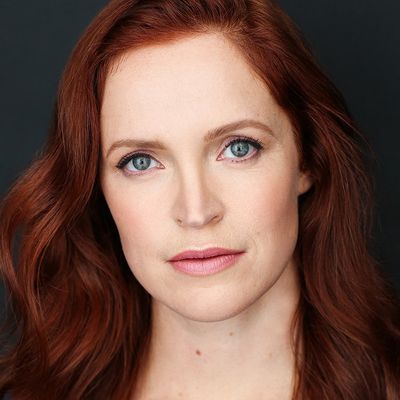
Grace McLean, a one-of-a-kind performer, writer and composer, sits down for a conversation about finding your voice, creating your own work, embracing your weird, the Marx brothers, and BAD CINDERELLA... Read More
From the show: The Come Up
Guests
Featured Shows
About
Grace McLean, a one-of-a-kind performer, writer and composer, sits down for a conversation about finding your voice, creating your own work, embracing your weird, the Marx brothers, and BAD CINDERELLA.
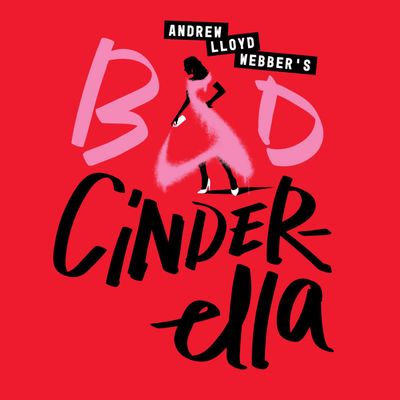
When this episode was recorded and released, Grace was performing as The Queen in Andrew Lloyd Webber's BAD CINDERELLA on Broadway.
Grace is a performer, writer, and composer. Broadway: Natasha, Pierre & the Great Comet of 1812. Off-Broadway and Regional: Suffs (The Public), Cyrano (New Group), Alice by Heart (MCC), In the Green (LCT3), Brooklynite (The Vineyard), Row (WTF), Pump Boys and Dinettes (Weston Playhouse). TV: “The First Lady” (Showtime), “The Other Two” (HBO Max). Her original musical In the Green earned her a Richard Rodgers Award for her writing and a Lortel for her performance. Grace McLean & Them Apples performed in the 2015 and 2016 seasons of Lincoln Center’s American Songbook, and Grace toured Pakistan and Russia as an artistic ambassador with the US State Department. Writer-in-residence at Lincoln Center, Larson Grant recipient (’21) one of Broadway Women’s Fund’s Women to Watch (’21), Civilians R&D Group (’19–’20), MacDowell Fellow (’18), Lincoln Center Emerging Artist Award (’17). The original cast recording for In the Green and EPs Make Me Breakfast and Natural Disaster are available now.
On The Come Up, host Matt Rodin sits with creative people to find out where they’re at, today, in the journey of becoming who they are. What unfolds are often inspiring, transcendental, and candid conversations about the reality of being a growing artist.
Matt believes that love is who we are. He taps into people’s light so that we can form deeper connections with ourselves and one another. He’s a queer maker of music, media, characters, and campfires. As an actor, Matt recently starred in Hedwig and the Angry Inch at Milwaukee Rep, and the upcoming musical film BEAU. In 2020, he released his first live solo album, Matt Rodin: Live at Home. Matt has also worked as a content producer and consultant for The Tony Awards, The Smithsonian Institute, SoulCycle, Hamilton, Cynthia Erivo, Ingrid Michaelson, Playbill, Broadway.com, Dear Evan Hansen, Write Out Loud, and more.
The Come Up is presented by Broadway Podcast Network
Transcript
This transcript was automatically generated and might contain errors.
[0:00] Matt Rodin: Hey, thanks for hitting play. Welcome to The Come Up. My name is Matt. And on this episode, a conversation with the truly one of a kind force of nature that is Grace McLean. Let me be clear. I am a huge fan of Grace and her work as an actress and a singer and a writer. And frankly, I was equally shocked and excited to see that she was going to be in the new Andrew Lloyd Webber musical BAD CINDERELLA, which she is phenomenal in, by the way. But this chat with Grace far exceeded my expectations. We cover everything from finding your voice and your place in what can feel like a gate kept industry to social media, the Marx Brothers, education, music, and embracing your weird. I am so grateful that she took the time to sit down with me. I'm so excited for you to hear this. So let's just get into it. Without further ado, here is Grace McLean.
[1:05] Grace McLean: I mean, I'm familiar.
[1:07] Matt Rodin: How can you not be?
[1:08] Grace McLean: Right.
[1:08] Matt Rodin: Okay, great. Yeah, the thing is like the man writes a catchy tune. I mean, Joseph is really one of my all-time favorites. I mean, it really is close to my heart.
[1:21] Grace McLean: Yeah.
[1:22] Matt Rodin: I'll tell you, I'd love to do a Jesus Christ Superstar one day.
[1:26] Grace McLean: Yeah.
[1:26] Matt Rodin: But I want to play like a Judas.
[1:28] Grace McLean: That's how I'm so I, you know, obviously, I'm obviously a fan of yours, and I saw In the Green, and I think I was so curious because obviously, like how do I articulate this? Like, you are, from my perspective, off the beaten path, in the sense that when it comes to what one might expect from a musical theater performer or someone that graduates from a school with like a BFA. I don't know if you went to school for musical theater, but...
[2:02] Grace McLean: NYU, musical theater, that's right. I mean, I went to the, I was in the musical theater track for two years, and then I left to go do Shakespeare and experimental theater.
[2:12] Matt Rodin: So it's all there.
[2:13] Grace McLean: You know what I mean?
[2:15] Matt Rodin: That tracks for sure. But I, what you know, it's just, it's, you're definitely off center. And I feel like I'm always so curious about people like you, because I feel I too identify in that way. And I'm always, that's why I'm so curious about whether like Andrew Lloyd Webber or those shows were even on your radar as a performer, because a lot of times I have found that it feels like, at least to me personally, that it's like there's not really a place for me in that, in those spaces. Do you know what I'm saying?
[2:47] Grace McLean: Absolutely. Absolutely. But this is a new Andrew Lloyd Webber, and the thing I have to tell you, Emerald Fennell, the book writer, was what really sold it for me. Have you seen Promising Young Woman?
[3:04] Matt Rodin: No, but I've heard highly recommend it.
[3:07] Grace McLean: It's one of the just wildest, funniest, and like it's dark, and it's just a fantastic thriller. It's a thriller that is, um, that feels so like poignant and present and feminist, and like an amazing revenge story, and it's just like got so much bite. She, Emerald, is, uh, she just has such amazing teeth and shh that I was really excited about her, man. Yeah, and that's what's in this show, you know, it's an Andrew Lloyd Webber show, like we got them songs, we got some ballads, we've got some things that you'd expect, and then we've got some wackiness as well, and that's where I come in hopefully, you know.
[3:43] Matt Rodin: Yeah, and it feels like, you know, obviously in sort of looking at it from the outside, it was like I was like, what is Grace doing in an Andrew Lloyd Webber show? Like I'm psyched, I'm psyched, like you know, back at the Imperial, I'm like, I'm happy to see her on stage at the Imperial, like love that. But it was, you know, I was introduced to you through Comet, which I saw like four times, and because we were just so enamored, we were so like just take, you know, our breath was just completely taken away by that show. I'd never seen anything like that. Where did your, like, I mean, so you went to school for musical theater for two years you said, but where does your sort of like understanding of yourself begin where you were like, oh, I'm not, I don't really fit in the boxes?
[5:07] Grace McLean: Oh man, a while ago. So I also went to, um, I went to an arts high school and some of my classmates were Christa Rodriguez and Lindsay Mendez. And I was like, oh, they are, I get them. I'm not like them. Lovely people, lovely performers. But I was like, oh, that's what musical theater, I don't listen. I'm hearing my voice, and I'm like, I'm not trying to say they're both amazing, but I'm saying that I recognized that I was like a different flavor.
[5:39] Matt Rodin: And then in high school.
[5:41] Grace McLean: Even in high school.
[5:42] Matt Rodin: Yeah.
[5:42] Grace McLean: Yeah.
[5:43] Matt Rodin: Yeah.
[5:43] Grace McLean: And high school is like, I'm a serious actor. I'm a, I'm not, I'm like, I don't do musicals. I like singing, but I'm a serious actor. And here's a little story. Um, there was one day we had, um, a jazz singer come do like a, um, a masterclass with us, and our voice teacher was like, Grace, you can go last if we have time for you. And I was like, all right, whatever. And then, like the bell rang, was the end of the day, and that woman, Carmen Bradford is her name. She was like, Well, I'm still here if anybody wants to work. And I was like, I would love to go and sing for you. And I sang for her, and she was like, I saved the best for last. And I was like, What? And she was like, Why don't you come study with me? So the first real voice lessons I had were with a jazz singer.
[6:38] Grace McLean: Um, and Carmen, man, she's incredible. Um, she sang with the Count Basie band for a long time. Like, she's still making records, she's still doing things, she's very cool. But she, she would never let me sing a song the same way twice. Um, it was like the first time you go through it, that's fine, you can sing what's on the page. But then after that, you've got to do something else. And she was also like, pocket, pocket, be in the pocket. Don't just do things, be in the pocket of the music. And then when I came to New York to come to NYU to go to musical theater school, um, Carmen's mother, Melba Joyce, lived in Harlem, was also a jazz singer. She was like, You should go sit with my mom. So I would take the bus.
[7:21] Matt Rodin: Oh my God.
[7:22] Grace McLean: I mean, I would have my, here's the thing. In my musical theater classes, this was, it was very confusing to me. And in the song classes, because they were like, I remember in the first year, they were like, don't act the song, just sing it. And I was like, I don't think I understand how to do that. There are words attached to these things, right? And they mean something. I can't make them not mean something. It was very weird. And like it felt, it felt like singing in church. Here's another, here's another thing. I singing in church for me, also my church was like 19th century hymns, and that's it. Like nothing new, nothing contemporary. No gospel, no, no, no, no, no. They were also like feelings. God doesn't want your feelings. But then, but music has feelings. It was very confusing. I just remember like singing in church. I was like, okay, I'm singing these hymns, but it like hurt because my whole body was like, don't feel it.
[8:14] Matt Rodin: Yeah.
[8:15] Grace McLean: So going to Melba, the thing about Melba was she wouldn't let me sing a song until I could first speak the words like a monologue and make her cry, basically.
[8:29] Matt Rodin: So you're having two completely different experiences of how to perform music, basically.
[8:36] Grace McLean: Yeah.
[8:37] Matt Rodin: But the ones that were really doing something for me, I mean, these jazz singers were like, what you do is you take this music, that's your roadmap, you step into it, you make it yours while you tell a story. That's the thing about Melba. Melba was like, you have to understand what it is that you're singing about. Otherwise, why are you doing that? So that was the whole thing with her was storytelling and deeply understanding it. And then you put the notes on top of it, but you have that understanding even before you begin placement or whatever. Um, so that was very important for me. And then also in college, I joined um an acapella group, which was really fun.
[9:22] Grace McLean: And all of those people were using the Nharmonics.
[9:25] Yes.
[9:26] Matt Rodin: I cannot believe I didn't know that.
[9:30] Grace McLean: How do you know the Nharmonics?
[9:32] Matt Rodin: Oh my God, this is a long story. But basically, Shayna Taub's mom, Susan Tom, was my college musical theater counselor because my high school didn't have, you know, like we'd a college counselor, and I was like, I want to school, go to school for musical theater. And he was like, okay. Like, no, no, no idea what that meant, no idea where to, you know, he was, I'm from Chicago, so he was like, you can go to Illinois and Iowa and Kansas and Madison, and that's it. Like those are, you know, the big 10. And so I was online and Susan happened to be on these forums that people were trying to figure out where to go to school, and we connected with her, and then she became like my college counselor basically for helping me apply to school. So then I became aware of Shayna, and then I became aware of NYU and the Nharmonics, and I was like, yeah, so that's crazy.
[10:23] Matt Rodin: That's so important.
[10:24] Grace McLean: I didn't, I should have guessed, but that makes a lot of sense. But again, that's another space where you can like really feel through that it's different than every what everyone else is doing.
[10:34] Matt Rodin: Yeah.
[10:34] Grace McLean: And it was really a place where, yes, it's an acapella group, so you've all got to work together, but they were so much about like, what's your solo gonna be and how are you gonna make it yours? Like it was about like, how do you find your individuation, which was really appealing to me. Um, so that was really where I learned to embrace what I was doing.
[10:59] Grace McLean: Yeah, right. Um, and then of course working with Liz Suedos. Do you know, are you familiar with this um composer?
[11:04] Matt Rodin: So she wrote Runaways, that was sort of her biggest commercial hit.
[11:09] Grace McLean: Yeah. But she, um, you know, she wrote that, she was like 26. She wrote it, directed it, composed it, orchestrated it, cast it, and she has Tony nominations for all those things. She was 26.
[11:22] Matt Rodin: Oh my gosh.
[11:23] Grace McLean: This lady is doing a lot of crazy cool stuff. So she, she was also like an incredibly prolific composer and like weirdo downtown theater maker. I met her right after I graduated NYU because she was there was they were doing um a concert version of her piece Missionaries, which she wrote about um, it's a true story, and I think all of the text is like just verbatim, either um, it's very like civilian style, kind of where um it's all either like newspaper articles or actual letters that these nuns, these American nuns were in El Salvador um on doing missionary work, um, and they were killed by the government. There's a musical about it, Liz Suedos wrote it. We were doing, we did a concert of it at St. John the Divine in early 2006.
I auditioned for that. I was in the chorus. Then I did a weirdo little piece that she and Taylor Mack did together at um like PS122 called the Spider Operas, where Taylor Mack played Mama Spider, and then a bunch of us played like baby spiders, and um...
[12:13] Grace McLean: Sounds about right. Like I just remember that Taylor had a like a skirt made of condoms filled with yogurt, and we went up and like bit the condoms off. Yeah, it was um, so that was, that's really where I met Liz.
[12:41] Grace McLean: And Liz was like, You're weird, how do I work with you? And so after I graduated, like it was Liz that kept me in the city doing stuff. And Liz taught me about oh my god, I did a um a political cabaret with her. I didn't even think of myself as a writer, and she was like, You're joining this group and you're gonna write sketches and you're gonna sing and we're gonna we did this thing at Joe's pub for a many years. So Liz taught me about um ferocity. And like she really made it like safe and accessible for me to recognize the like, oh, the deep sort of like power and rage that I have as a woman, as a performer, and oh, that's good. I can use that. Wow, interesting. Um specificity, man. Liz was like specific, specific, specific consonants, consonants, consonants.
Um, and she was also like, make the audience uncomfortable. Love that lesson. Love that lesson. Love that lesson. Love it. Um, so sh it was like an amazing playground. Like, right when I first met her, she got a grant to record just for like archival purposes, everything she'd ever written, which is a lot. So, you know, every couple months I'd get like another recording gig with Git. Like, she just kept me in the city for like the next 10 years. Yeah. And I, you know, that was it. I was working with Liz, and, you know, she wrote this piece called La Mama Cantata, which was about Ellen Stewart because she and Ellen Stewart were very, very close. Um, we traveled the world with that. She wrote Liz wrote a piece about um an opera about the Triangle Shirtwaist Factory fire that we took to the Edinburgh Fringe Festival.
And we was like, we like last minute got in to the festival. We could only get a 10 a.m. slot, which is really like where the um the kids' shows are. So we're like, you know what? It's cool to be here. If we get three people to see this show, that would be great. Turns out Scottish people love stories about labor movements. So it was like line around the block at 10 a.m. People like at 10 a.m. people trying to get in to see this opera about this like early 20th century American tragedy that like changed the course of the labor movement. Yeah, that was Liz.
[15:06] Matt Rodin: I and I was gonna, it's so I'm so fascinated to hear all that because I was gonna say, like, in all that, I I feel like it would be easy for somebody who is outside of sort of the the like you know, square peg round hole, it would be easy to say, you know what, there's not a place for me here. There's not a place for me in especially commercial theater. It's just not that that's not really there's no space for me. But I was I'm it's curious and really interesting to hear you say that there were a couple people that were just kind of like keeping you around and and helping you sort of like find your own thing and say, you got it. Like you're fierce. You're not, you don't need all the but were you feeling at that time like I I still want to be doing that. I still want to be in that world.
[15:57] Grace McLean: Well, it was interesting. I, you know, I was I was seeing other people who were sort of peers of mine stepping into that world and I was like how what it's like it's right there but I can't cross over the threshold and I don't I don't know how right and it got to a point where I was like yes I'm doing these I was doing like at least one cool project a year that was probably a Liz project I had just started writing some music of my own I had my band but like I still don't make any money with that that's just because I like to do it and I will continue to do it and um chip away. Pay for it out of out of my own pocket because that's fine because I like it. Um here's really what happened Matt is that in 2012 I had been here for 10 years.
I moved here to go to school in 2002 and by the end of that year I was like I actually I don't think that this is for me anymore. I don't think this place is for me. I've been here for a while I see that threshold that I thought I wanted to cross but it doesn't seem like it's gonna happen for me. Okay I'm gonna do something else. And I decided that in a year I wasn't sure where I was like I'm gonna be in school somewhere I would like to get a master's in something I'm not entirely sure what and let me tell you during the I that's still a thing that's in my head and during the pandemic I did take a lot of like courses um that would lead me towards like a speech and language pathology degree which is which is interesting to me because a little tangent like the thing that I don't I wouldn't want to go to grad school for like performing at this point because I feel like I am doing it and I'm like learning as I go.
But it but the voice is a thing that's interesting to me. And the voice as it connects to yes, our like physicality, but also our psychology and and and like not just for singers, but like as a source of communication, as a source of like identity. All of that's just like super duper fascinating to me. And I want to know more about it. And so that may be a place that I'll go one day, or at least just like take classes here and there and find out what I can. Um, but anyway, so I was like, I'm not sure what it is, but I've and I made that decision by the end of 2012. Oh, I got dumped, and I was like, great, time wonderful break. Feels good. In 2012, um, Natasha, Pierre & the Great Comet of 1812 was at Arsnova.
I went to see it's I wasn't in it, I went to go see its final performance because it had been I because I love Russian literature. Like I'm just a nerd who had read one piece for fun. Yeah, could have guessed. Could have guessed, yeah. Oh, that obviously, uh huh. Um, and I was like, I gotta go. So I went to the closing night. I didn't have a ticket. I was like, I'll just get there like an hour early. I'll I'll surely get in off of the waitlist line. I got there an hour early. It was like 20 people deep. There was no way I was getting in. I knew the first two people in line. They didn't know each other, but they were like, hey, you can we'll get a plus one, so why don't you just join us? The three of us got in, no one else off of the wait list line.
I saw the show, I was weeping with at what point. What was the show at that point? It was what? Like, was it a 10 version of it? Oh yeah, okay. It was at it was at Arsnova at their little space on 54th Street. They transformed that whole space into like that that place was the um inspiration for everything else that became. It was supposed to feel like a little Russian cafe where there was action sort of happening all around you and musicians all around you, and it was so tight and intimate, and just the 10 people. So I saw it, I was crying, it was beautiful. I went to meet up with my friends later who had just seen Bring It On, and I was like, let me tell you about this show that I just saw.
The Russians. Tolstoy. Um that was like in the fall of 2012. So by the end of the year, I was like, okay, great. I got dumb. I'm feeling good. I'm gonna leave. In January of 2013, I had a little relationship with Arsnova because I played some shows there with my band. They reached out to me and they were like, Will you come audition for this? We're gonna transfer the show. And I was like, you know what? I don't do that anymore. But I loved that show. And I would love to at least just go in and tell Rachel and Dave. I like knew Rachel a little bit. I didn't know Dave at all. I just wanted to say, like, this show is so beautiful. I'm just gonna sing a song that I wrote on my ukulele for my audition song.
And I kept getting called back and I was like, I'm not getting this. I've already decided. I'm in a year, I'm not gonna be here. And the thing is that everybody from that original cast was asked back to do the um the transfer, the off Broadway, what was in the tent. Um one woman said, I'm actually gonna take another job in Chicago. And it was the part while I was in the show, while I was watching it, I was like, if I were in this show, I'd probably be that lady and be some somebody's mob. I'm always some somebody's mom, or like that energy. And that's what the that was the part. And I was like, well, I guess I'm staying. And then it it literally changed my life because from that point on, I kept working.
And I didn't get an agent until a year and a half later. You know, from the show, from people, someone seeing the show. It was, oh, it was a lot of me reaching out to people, being like, Don't you want to take some of my paycheck? I already have a job. I'm I want to pay you. Like, why do you want to do that? I want to give you my money. Don't you understand? Like, and also this show is really cool. What? It was, it took a lot of me, like, I'm sorry, what's wrong with you? And a lot of rejections from people. And then eventually someone, it wasn't even that show. They had seen that show, but then the next show I did was called Bedbugs. Do you know this show? It is like a heard of this. Ah listen, it is fan frickin' tastic.
It is like Little Shop of Horrors meets Rocky Horror. It is wild. Yeah. And ridiculous. Anyway, someone came and saw that and was like, oh yeah, we'll sign you. Yeah. So, but it truly was like I had changed my mind and changed my perspective. I was like, this is not for me anymore.
[21:58] Matt Rodin: Yeah, what is I'm I want to know like what is that? Because I find that to be true across the board that like as soon as we let go, or like and fully let not like I'm letting go. Like really like take take like an actionable step or like fully release from the thing, yeah, that then there's like space that's made for like something to come in.
[22:23] Grace McLean: Yeah. I I I keep seeing that. I I've felt that happen, but I see that happen with a lot of people. I'm always so curious about like what that what is that? Like, I don't know.
[22:30] Grace McLean: Yeah, I think that it's something about like when you stop, or at least the I can't think of speak for everybody, but I knew that I had never felt the way that I felt in the audition rooms for um comet before. And the feeling was I do not care if I get this because I don't expect to. Right. And listen, like, that's the attitude that gets me most of my jobs. 100% because when you go in and you're like I want this so bad yeah it's like something turns on at you it's turns on in you where you're like listening too hard to be like am I did I do yeah but when you like turn off that kind of listening and you're just like I'm just doing this because I think it's fun people are like wait she thinks that's fun we should probably have yeah yeah yeah when you it's it's like it's a confidence thing right when you're listening to others there's a little bit of like I'm not confident enough in myself I need to try to find out what it is that you want so I can meet but if you just walk in with the confidence you'll give them something that they didn't even knew that they wanted right because you're not trying to be what they want and guessing what they want you're just gonna do you and then maybe you're the thing that they didn't even know that they were looking for.
[23:45] Grace McLean: That's how I got BAD CINDERELLA my friend I was like there's no way I'm getting this Andrew musical why would they cast me? So you're like I'm gonna go in there and go fucking ape shit. I mean I was just like yeah here's my choice here's my other choice here's my oh you liked that yeah okay that was fun I don't know right yeah that's it and and and you were and you were writing you were doing a little bit of that you were doing that stuff so it's not like you didn't have other creative outlets. It wasn't you know what I mean it wasn't like your whole creative energy was sort of betting on this thing working out.
[24:24] Grace McLean: That's right. Which I find also is huge too. Yeah definitely I think for myself it's very important to have my own projects that I'm working on. And like I I like doing both. I don't know if I'll get to a point where I'm like, I'm just making my own things, or I'm just in other people's things. I really like having both because I think they speak to each other. And also it's a nice respite to leave one and go to the other. Sometimes you're like, I want to fill my brain with an obsession. And sometimes you're like, my brain needs a rest. Let me just be a cog in somebody else's wheel.
[25:00] Matt Rodin: Yeah. But they, it's like, it's a there's a balance. Um, speaking of cog and someone else's wheel, when that threshold was crossed, when you did cross the threshold.
[25:12] Grace McLean: Yeah. Expectations broken. What what was your experience? I mean, what was because I find a lot of people the reason I ask is a lot of people have this idea of what it will be on the other side, what it will be when I get X, Y or Z.
[25:27] Grace McLean: I'll be happy when X, Y or Z happens. You want to get the thing. And it is, it ain't it ain't that. It's the same. Well, here's the thing about that I learned very quickly about Broadway the first time I was there is that it's the same. The work is the same. The size of the dressing rooms is like the same. The like mold that's back there, that's the same. There just is people have sort of decided that there are a couple of places in New York City in a small radius where a lot of eyes are gonna go and it's gonna mean something. But like, it's the same. It's the same work. The work that I do on Broadway and off Broadway is the same. Right. I put in the same effort and the same care. Um, and that's important.
I mean, and that's important for I say that to people and to students all the time. And the thing is, like, I don't think you can get it until you are there because you're like, surely it's different. Surely it's glamour. But that's what glamour is. Glamour is illusion. So there's like beautiful glamour about a lot of things in the entertainment industry. Like it's all smoke and mirrors. And part of the work is the glamour, is the illusion. And part of the work is like taking care of yourself. So that you can participate in the glamour. Whether or not you're in a Broadway show, like you can take care of yourself, right? Yes. Absolutely. Yeah. You must. Yeah. And and ultimately the thing that I I've said so many times and I've heard so many times is like try the best thing you can do is build a life that you love, a life that you like, that you enjoy, and then let the other things be the addition on top of that.
Because if you attach your worth to a job, or even once you get the job and you're doing the job, like it can go away in an instant. You can be, as we've just seen in last week, you can be in rehearsal for a Broadway show and it can close. Like there's just no guarantees. Room. Room is not coming, they're not coming in anymore. They were in rehearsal and they are not. Oh my god. Just no guarantees, you know.
[27:58] Matt Rodin: Wow. That's really true. I mean, the thing is, I've got um, I have this little piece of paper framed in my dressing room that I think I wrote down 15 years ago at least, and gave it to my best friend, and he gave it back to me on my wedding day. And I keep it in my dressing room. And on the piece of paper it says, stability is a myth. And that was a thing that I really believe for everybody in any old profession, but we really have to learn that um as performers, because yes, whether you're in rehearsal for a thing and it closes, that should happen. It could maybe it's a phantom and it runs for 35 years. Like maybe. Maybe. Um, but then I mean you're I'm in a show where I've got a contract for a year.
Will it be open for a year? Will it be open for more years? Will it be open for, you know, I don't know. And also, even when you're in a thing when you're like, it's a limited run and la la la la la, that's unstable. We have to get good at loss. We have to get good at it. And it's inevitable for everybody, but that's a superpower that we get to um strengthen is getting good at letting go of things. Um, and I think that that is helpful, uh, can be helpful in like other areas of life outside of work too. But I also want to say, I want to say thank you for highlighting um you said something about oh, you gotta make a happy life and then let the other things come. Like, that, that man, I'm still learning that lesson.
Like, that's a that's a really, really good lesson to try to make yourself learn because yeah, you know, for a long time too, I've been like, well, it's the work, now I gotta do the work. Now is the work and blah blah la. And I don't know if it's I'm getting older. I don't know if it was a pandemic. I don't know if you know, people got stuff going on. I'm sure you got stuff going on, I got stuff going on. Everybody's got things going on that we don't know about, but they're happening. And the priorities are becoming like, oh, but what about my relationships? Like, what about my husband? What about my friends? And then there's work and there's a job, and we do those things, but woohoo, woohoohoo.
That's sorta caca. That's comes and goes, and yeah, I I just feel for myself that my priorities are shifting in a um in a way that feels like very strong and also um exciting and good. Like, man, I really want to build a garden, like a literal garden. I want to buy a house, I want to garden so bad.
[30:36] Grace McLean: Right? Yes. Oh my God. I want pigs and chickens.
[30:39] Matt Rodin: Yeah.
[30:40] Grace McLean: I want that for you. I want I want goats, you know.
[30:43] Matt Rodin: Oh my gosh.
[30:44] Grace McLean: Yes.
[30:45] Matt Rodin: We got not yet. I'm like, I'm still here.
[30:48] Grace McLean: I'm still here. Like, I still I want to be in New York right now. And that feels like an active choice. Whereas before the pandemic, it felt like it was like I have to be here.
[30:59] Matt Rodin: Yeah.
[31:00] Grace McLean: And now it feels like, oh no, like this is where I want, like, I want to be here right now. I love my friends. I really am enjoying, I'm starting to really enjoy my life. Which it's interesting that you said stability is a myth because I'm like, I think maybe that's what stability is. Is like creating the circumstances as much as you can because obviously there are things out of our control. I could get hit by a bus tomorrow, but the stability is like, okay, how's my relationship? Like, how's my friends? How's my dog? How is my family? Like that to me, if I can get all that on some kind of stable ground, or like continue to focus on my, like you said, my priorities on those things, then the work gets to be on top of it. It's complicated because we live in a capitalist society, and it's like, how am I gonna make money, et cetera, et cetera. Like it gets it gets complicated.
[31:48] Grace McLean: Um, how do you get good at loss? Because I think you're right. Like this, I was I was talking about someone with this, I was talking about this with somebody a few months ago that like this profession, and I just think probably any artistic freelance creative profession, it's a lot of this. It's a lot of the ups and downs, the highs and the lows. And the thing that I'm working on is like, how can I shrink the distance between the highs and the lows? So that so that even the the highs are still high, but they're not like yes, and the lows can still be wow, I'm I'm disappointed, I'm I'm upset, but I'm not, oh my god, my life is over.
[32:33] Grace McLean: Yeah, which feels very like, I guess probably like early mid-20s thing that I that I had. Um, but that getting good at loss, that is that's hard.
[32:43] Matt Rodin: Yes, it is. No one's gonna say it's easy. I I wonder if it has something to do with perspective. And by that, like, okay, here's the if we're seeing the ups and the downs and we're like right here, okay. That's a podcast. If you're like, if your eyes are right up against where the sine wave is going, it looks huge, huge. But if you can back up and not not change the size of the sine wave, but include the area above it, the area below it, the area around it, it can stay though that high is the same altitude. But you are aware of the space around it. Like the container gets bigger. I don't like this the thing I'm learning about just having feelings, right? Sometimes I'm feelings they're big. And you're like, how do I hold this whole thing? Well, maybe I get a bigger container. Maybe I get somebody else to help me hold this. Like, how do I? And I think that is about yeah, it's about perspective, and that's different for everybody, but um.
[33:55] Grace McLean: Yeah, it's about being able to tell me more about the go out to space.
[33:59] Matt Rodin: Well, they go to space and they see the globe as a dot. And all of a sudden, all of those giant things that seemed like huge problems back in real in the real world in real life, all of a sudden it's like, how do I? I mean, that's obviously the most extreme example, but it's like it's very disorienting because all of a sudden the things that were everything to you, you're like, oh my god, we're we're a we're a little blue dot in the vastness that is at comp literally endless.
[34:32] Grace McLean: Yes, like that perspective is it's that's powerful medicine.
[34:37] Matt Rodin: Yes, like that's really powerful. And it's not to take away the very real feelings and hardships and traumas and highs and lows that we experience, but they can exist with some perspective.
[35:13] Grace McLean: The thing that I feel like I've been having to do a lot, especially recently, is like you said, but I've never heard it framed in that way of like it increasing the size of the container. I've heard it said, like, I'm just gonna make space for whatever my feeling is, right? So if I'm whatever I'm feeling, I don't need to feel guilt or shame or should or could. Can I just accept that this is the feeling that I'm having?
[35:38] Matt Rodin: Yeah.
[35:39] Grace McLean: Like I'm trying to think of an example like um, I don't know, but but just having a allowing a feeling to come and letting it move through rather than having the feeling come up and go, oh no, no, no, I don't want to feel that. Push it down. Or blow it up and have everything be completely covered like slime by my feelings. The I think the middle ground is like, okay, I'm having a feeling, I'm gonna allow the space for the feeling. Maybe I need to speak it to somebody, right?
[36:20] Matt Rodin: And then I'm gonna need that person not to try to make me feel better.
[36:23] Grace McLean: Right.
[36:24] Matt Rodin: I need that person to just say, I hear you.
[36:26] Grace McLean: That was game changer in the relationship. I'll tell you. That that was that was a big moment when it was like, oh, you don't need to fix how I'm feeling, I don't need to fix how you're feeling, I can't make you feel better, you can't make me feel better. And if you need that, you will ask.
[36:42] Matt Rodin: Yes.
[36:43] Grace McLean: But if not, most of the time you can say, hey, I just I'm feeling frustrated. And then it's okay, I hear you.
[36:49] Matt Rodin: Yeah.
[36:50] Grace McLean: Yeah, it's amazing.
[36:51] Matt Rodin: Which a lot of times that's like what that's all we need.
[36:53] Grace McLean: Just when it feels seen.
[36:54] Matt Rodin: You want to feel validated.
[36:55] Grace McLean: Yeah.
[36:55] Matt Rodin: Not fixed.
[36:57] Grace McLean: Just validated.
[37:00] Matt Rodin: Yeah. And I think as artists, that is really really important. Obviously, because we're very emotional beings. We have a lot of emotions. We're very expressive. Um, but also I think I don't know how it lines up for you, but like especially a lot of times with with things I'm creating, I just want to feel not even appreciated. Like, I don't need to feel celebrated. Like, I just want to feel seen.
[37:28] Grace McLean: Yes, that's what we want. We want to see feel seen and validated. And here's the thing not everybody's gonna see us, and not everybody's gonna validate us. But there are some people who will.
[37:39] Matt Rodin: Let me tell you something. I'm gonna tell you this little story that was devastating and also helpful for me. Um, during the pandemic, please, I uh uh somebody had asked me to do like a little masterclass about things that I'm interested in making and other artists that I like for some like donors for this fancy institution who are just they're not artists, they're just art supporters.
[38:03] Grace McLean: They said, Okay, I'm real scared, but all right, that's fine. So I showed them like the weirdos that I like, which are um room full of teeth and Reggie Watts and um, you know, my own weird stuff, and they listened and they were polite, and there was somebody like talk, there was a little like QA. And at one point, this one man said to me, So do you think you're ever gonna make anything that people are gonna like? Wow. Wow, wow, wow. So I cried, I held back my tears, I cried about it later. But what I said was, I don't think I know how to do that. Like I don't know how to make a thing that's gonna appeal to everybody. I make things that mean something for me, and they certainly don't mean something to everybody, but I know that they really are for some people.
Like these weirdos that I just shared with you tonight, they're not for everybody, but gosh, they're for me. And I'm so glad they exist because they are my medicine. And if I can make some medicine that is for somebody else, even if it's just for one other person, even if it's just for me, I'm so grateful that that has happened. And honestly, yeah, what I make, that's not for that guy. But I know it's for other people because they've reached out to me. And that is just an amazing thing to know that there are some people who saw the thing that I did and they said, I needed to see that. Wow. I'm so glad I did it. I'm so glad I spent years and a lot of frustration and a lot of like time alone in a room.
And a lot of changes and rewrites and so many drafts. Like, I'm so glad I did that because somebody else saw it and needed to see it. And not that guy. Okay, fine. Wow. Yeah, not not that guy, which is fine, but that's okay. It's like it's fine that it's not for him. It's not supposed to be for everybody. Absolutely. That's not the point. Absolutely. Okay, I'm gonna say this question and then I'm gonna rephrase it. But I think the first version of it is funnier. So I'm gonna say, were you always a weirdo? Were you always weird? And I mean that in the sense of what was the kind of stuff that you were consuming as a young person that sort of, you know what I mean? That opened up because obviously, like you said, like you studied with a jazz singer, like all that, and interested in people like Reggie Watts, like that all tracks now.
But as a young person, were you was that sort of where you're either, were you like, I love wicked? No. I loved classic literature. Like I read Jane Austen and didn't understand it, but I said, I'm gonna get through this. I did that with Dostoyevsky. I was like, I'm gonna, I should have probably reread Brothers Karamazov, because I don't know what it was about. But I read that whole book when I was a teenager. Don't know why. But I was like, these like classic things I that I thought were important. I was really, I like made myself consume. Here's another thing though. I was obsessed with the Marx Brothers. Like old thing. I love them. They're do you know the Marx Brothers? Okay. They're like No, no, comedy duo, right?
Trio. Sometimes four. Trio. Groucho, Chico, Harpo, sometimes Zeppo. Zeppo was not with them when they moved to MGM. He was with them at Paramount. I know way too much about the Marx Brothers. Actually, we're sitting on some Marx What we're sitting on. Hello, I must be going, which is um about Groucho Marx. Somebody else give me another brocha, but okay. I loved these weirdo men because what they they were like vaudeville guys. And they, and then they had some shows on Broadway, and then they made movies like late in their career. But by the time they were making these films, they knew each other and their beats so well. They're so comfortable in their weird little comedy. And they're Groucho, what a name.
Chico, what? Harpo, he plays the harp. He doesn't talk. Like, who are these people? Why are these the choices that they made about the characters they were gonna be? They like invented their own stock characters, and they just wreaked havoc on whatever situation they were in. One of my favorites is Animal Crackers. There's this scene where Chico and Harbour are playing cards with these two like mean ladies and they're playing cards. So there's like there's like rules about the card game, but then the card game weirdly becomes like a boxing match, and then like Harpo's beating up the ladies, but then they go back to playing the cards. Like the rules, they set the rules and then they totally subvert them and they get wild and crazy.
I love them. Also, there's like songs that happen in the mu movies, like there's always a song break, there's a dance break. And then it's just insanity. Maybe it just goes back to the Mark Brothers. Also, like Jack Lemon, like I have a crush on him forever. Um where does that come from though? Like, how did that start? Like, you know what I mean? Like, why what would like did you just like see the Jane Austen book? You're like, I kind of want to read that, or like what, like what was how was that introduced to you that kind of those kinds of things? That's a great question. Like, I just I was just like a reader. Like, I went I grew up in Southern California, you where you just go to the beach all the time.
What do you do at the beach? You read. I go to the library, I'm gonna get as many books as I can. I'm gonna read the beach. I read like all of Agatha Christie. I don't know why it was the old things. There's something about, I mean, and this I think speaks to my interest in like medieval art and and stuff. It's like there's something about history where it's like, well, it's so far past, we must know something about it now, right? Now I don't know if that's true because the frame is always changing depending on the present. But there was something about, well, I can look at that and I can try to make grab onto it and try to understand. Because things that were happening currently, and I mean, I'm things that are happening currently are like they're happening so fast, and uh we what what are they?
What do they mean? The river's like going going by. Um, but I think as a kid, I was like, well, if it's old enough, maybe I'll be able to understand it and then I'll be able to understand something about life. I don't know if that's true. But that's why I think why I liked the I was drawn to sort of classic literature anyway. Um and then the I don't know, we just watched a lot of movies in my house. Like we were just a movie household, like hundreds of movies. Old movies. Old movies. Um, and you know, we had like the AMC, that's what it was. Like there was like a Marks Brothers weekend on AMC, and I was like, we need all of them. I think I've seen every Marks Brothers movie. I saw, I mean, Duck Soup at Par at when they were at Paramount, that's like a classic.
But my favorite is A Day at the Races, which is when they're at MGM, when they started to have more of a storyline. At Paramount, they were just like, we're just insane. And when they went to MGM, they were like, we're gonna give you a storyline, and there are gonna be some lovers, and you're gonna try to help the lovers, and you're gonna be kind of good guys. And Paramount, they were just mean to everybody. Which is great. Highly recommend. They're so bizarre. Were your parents are just a kid? Yeah, so my parents were musicians, but they they stopped when I was a kid. Like that's how they met mom's assessing her dad was a bass player. Um, and then when I was like eight, they just stopped. And my dad got like a normie job, and my mom was a stay-home mom.
Um, but yeah, we grew sweet, we grew up around music, me and my brother. And amazingly, like my parents were so supportive. My brother is also a a singer. Um they were so supportive of us, even though they know how nuts it is. Um, and I'm very grateful for that. Yeah, they're coming tomorrow. They're gonna be here. They see the shows that I'm in like several times, three times at least. Oh yeah. Yeah. Oh yeah. My dad saw my dad saw I was in a production of Hedwig in 209th, 2020, top of 2020. Oh my god. In Milwaukee, and my dad, my dad saw the show. Yeah, we closed Sunday, March 9th, came back to the city, and the two two days later the world shut down. Um, so we were very, very lucky. But we were in Milwaukee, and it was funny because now everyone's like, that's the last thing I saw before the pandemic.
My dad saw the show like 26 times. Yes. And I was like, because I'm from Chicago. So he it, but I'm always it's so it's such a blessing to have family that want to support in that way, especially. Yeah. They're like want to come see you do the thing. Very special. I'm so grateful. Um, speaking of, there's something you touched on that I'm I'm curious to get your perspective on, which is the the the sort of gushing river of the now-ness, the current state of the world that's happening that we're sort of all consumed by everything. It's just information is moving so quickly and there's so much, and even art, right? Like anybody can put out music now, which is an amazing thing, right? There's not as many gatekeepers in that regard, but I have found that it can feel a little overwhelming as an artist to feel like, well, if I'm not putting something out, if I'm not sh if I'm not that I'm behind, then I'm that I'm falling behind.
Um what has your relationship with that been in terms of like social media and just the whole the whole world? Yeah, I mean, I'm not very good at social media, and I don't really intend to get any better at it personally because I find that I feel I feel bad when I'm on social media. And I'm just like there are certain things that I don't think I'm gonna do on social media. Like uh it seems like it wants to be a window into who you really are. What are you really doing? What does your room look like? It looks like this, that um what are you really thinking and feeling? But like, why do people have to have access to that for me? That's that's not real. Also, there's something that's so flattening about it.
Like when I'm scrolling through social media, you're like, oh my god, there's a cupcake. Oh my god, there's a butt. Oh my god, there's a devastating earthquake. Oh my god, there's another shooting. Oh my god, there's a cupcake. You know, and like that freaks me out. Um that all of that's on the same sort of plane. Um, and it just there's that about it. But uh again, about like the personal revelation stuff. Man, I just am, I just use social media to be like, hey, I'm in this show, will you come see it? Hey, I have this thing going on, will you come see it? Hey, I have this new and I'm trying to be, I'm trying to be kind of good about it and that I'm not always gonna talk about myself. Like what I've been doing to promote some things is recently is to highlight the people that I have been working with because I want to talk about those people.
I don't know, just talk about myself, but like these people have made this thing with me. I think they're cool. You should know about them too. Have a great day. Um, I don't know. Like, I'm not gonna get a TikTok. I I'm too old. Stay away. Won't do it. Don't do it. Like, people send me videos sometimes, and I'm like, that's fun. I don't think I can because I also know that I will fall down the rabbit hole. And I don't really want to be that rabbit hole. I want to read my book. I really do. And I'm not that's taking me a long time to read books these days because I can go on my phone, I can read a little article. I can get distracted. Like, there's so much candy. There's so much like little phone candy that I I would like to wean myself off of, honestly.
But yeah, I mean, I hear what you're saying about being an artist and feeling like you've got to like have a thing, have a thing, have a thing. But what I'm trying to do, I think is like I want to be really mindful about what those things are. And like, you know, I'm I'm releasing, um I'm gonna announce that I'm releasing a uh a new album in I think the announcement will be like in early April. We're gonna release the album next year, but the rest of this year. Oh, so this will probably be out by the time you announce that. Oh, great. This will probably come out by the time you announce that. So that's a good we're good, we're good on timing. Um, but what I'm gonna do is like I'm gonna release a couple of singles this year, and I've got some like little music video content, and I'm just gonna be like selective about what I release in terms of um the material, and then I'll talk about it and I'll for a couple weeks or whatever, and hopefully people will look at it. And I don't know. Again, this is the stuff that I'm making, I don't make any money.
[50:41] Grace McLean: I literally just spend money on it. In fact, I am paying people, I'm working with this dude. He's not putting me on his label, but I'm paying him to do what a label would do. And honestly, I talked to another musician friend of mine who was like, that's a great thing because they don't own any of my music. Like they don't own my masters, I get 100% of any of the revenue that comes in. I'm just paying them for distribution. So like to put it out and also to like pitch it to playlists and stuff like that that I wouldn't know how to do. So great, I'll hire that out. And you don't want to do that.
[51:10] Matt Rodin: I really, really, really don't.
[51:13] Grace McLean: I don't have that skill. I don't have that business skill. I don't really want to put in the time to do it if I can hire somebody else to do it, and I have the budget for it. Who is good at it? Who like is genuinely that's like what they and they enjoy it. That's like their thing.
[51:25] Matt Rodin: Yeah, that's the thing.
[51:26] Grace McLean: I feel good about delegating some of that work around the business of the thing that I make because the business of it, the selling of the art, man, that's a whole other thing. And it's really hard and it is devastating, and it is oh, it's just like kicks in the nuts one after the other. And you're like, well, that's this. It's like that glamour thing you're talking about. It's like the glamour thing, you know, where it's like that's all smoke and mirrors because it's like having to prop up the thing in a way that even if you do believe in it, it feels it's like it uh it's not, it's I'm not doing it.
[52:14] Matt Rodin: Right, right, right. Exactly.
[52:14] Grace McLean: It's not the thing, it's a whole other thing. And then you're like, well, how is this gonna fit in this place's season? And how does that look? Like if there's all this like optics that have nothing to do really with the thing that you made, and like a little bit to do with you, and a little bit to do with the thing you made. There's like all this other stuff, and um, I don't know how to navigate that world really at all. It's like I feel like I'm blindly punching my way through it. I've got some friends here and there whose arms I will grab and say, What do you think? And then we just keep going. I don't know, but I do know that the making is important for me. And so I gotta keep making it.
[52:54] Matt Rodin: Yeah.
[52:54] Grace McLean: And the next the blindly punching is that's the best I have right now.
[53:01] Matt Rodin: No, I'll take that. Has um have you enjoyed the making of BAD CINDERELLA? Like, did you enjoy the process?
[53:06] Grace McLean: Was or everybody has been really, really great. I have to say that. I will say, like, cool. Um yeah, it's a great group of people. The cast is lovely, the team has been lovely. Um without being specific, I'll say, like, I've had a hard couple of months um with some personal health things, and everybody has been like amazingly accommodating and supportive, and that's like exactly what I need. And honestly, in the face of those things I've been dealing with, this is exactly the kind of thing I want to be working on. That's just like fun. I don't have to go out and like relive a trauma and like dig deep to like get to I don't have to do that, and I'm so grateful. And honestly, you know, this we've been through some hard times collectively.
Oh my god, it's been dark. And again, like I don't know what's going on with people, but I know even if you think you're not dealing with something, listen, you probably are. This is we're still we are still dealing with a lot of stuff. And I think it's kind of great that you can still go and see a big candy spectacle. Because sometimes you need that.
[54:24] Matt Rodin: Sometimes you need that.
[54:30] Grace McLean: Like sometimes we just need that, you know. I mean, I would and I honestly I'll prefer I prefer that candy spectacle to this candy spectacle.
[54:37] Matt Rodin: Yeah, yeah, yeah.
[54:38] Grace McLean: You know what I mean? Like, I'll take that. Because it's real and it's alive. And it could fail at any moment. You know, like somebody could fall out of that turn. Or they couldn't. Like, that's what's so that's what that's why theater is still here. I mean, those things in our hands, man, they're just gonna get more and more glued to our hands. But it that's what makes theater continue to be so special because it is this like live breathing. We're all here together watching this ephemeral thing that will never it will never happen this way again. Just once it just happens and then it's gone. It's lovely. And there's a lot of bright colors. And there's a lot, and it and the oh my god, the costumes are great, the sets are amazing, the lighting is gorgeous. Like it is a it is a good time.
[55:31] Matt Rodin: And I really love the reminder that I think, especially for young artists, and not even just young artists, I think anybody that's an artist or really anybody that what something appears to be on the surface, it it can the I should get more specific. When you see a show, it's easy to think those people haven't made everybody's good, everyone's everyone's, you know, wow. Like their lives must be amazing. And there's always, always things going on with people that you just don't know. You just don't know. Um I think keeping the humanity in mind when you're consuming anything that's live content, especially, I think is for me, it makes it more delicious.
[56:31] Grace McLean: It's like I don't know if you've ever been to like a like a like a very like a five-course meal or like you know, like one of those restaurants that they do those things when they come out and they explain where each ingredient was sourced and how it was put together and why they do those things. The food tastes better because like you said, you have context. So I think that's and that's part of the reason why I do this is because I just think it's it's it's always like it just makes the whole thing more like I said, delicious when you have context around who somebody is and what's what is driving them, and that doesn't mean you need to like know everybody's trauma, but just keeping in mind that oh no, that's like a human being that has highs and lows and is going through things and is also feeling good about certain things, hopefully. Um yeah, it's that's why I mean that's why I love it. Like I I you know, can't can't stay away.
[57:30] Matt Rodin: Yeah, stay away.
[57:32] Grace McLean: I completely agree. I'm so glad that you have had this conversation with me. I'm feel really honored.
[57:40] Matt Rodin: I am so honored.
[57:42] Grace McLean: We I like I said, we are me and my fiance are like when I told him I was talking to you, he was like, oh shit. He's like because I truly I've been waiting years. Like I've been like there, and there just hasn't been the right opportunity to like sit down and actually connect because like we've met, I think on a couple red carpets because I used to do the the red carpet games um and those moments are truly like little these tiny little moments of interaction that are baked in glamour you know my my philosophy around that if you'll if you'll indulge me is basically that when you when when you're doing something like that everybody's in this mindset of like oh I know the three questions I'm gonna get asked I know my answers that I'm gonna say I know how this goes and you sort of get into this like thing you know and it's like oh yeah the glamour is like up and then all of a sudden you say to someone like name three things that are purple and the mask the mask goes because you don't know all of a sudden you're like out floating in the open and there's nothing to hide you can't hide behind your your packaged answers.
[58:52] Matt Rodin: And so you get to see the humanity of somebody even for like this much of a moment you get to like catch someone's realness.
[59:00] Grace McLean: And that's why I loved doing that and this to me is like just an it's an extension of that but in a way that you get to be more we get to kind of indulge in in the in an actual like moment of connection and actually have a real conversation around what's going on because obviously there's plenty of content out there on every website and every podcast that's all about the glamour right but I but I I the stuff that I found most helpful when I was a young person and the stuff that I enjoy consuming now as as a 30, about to be 31 year old, like I that's I want I want the real like I want the real thing.
[59:43] Matt Rodin: Like I want to know the human, I want to know the person, you know.
[59:46] Grace McLean: Yeah, I agree. I'll tell you, um, did you listen to that podcast, Dead Eyes?
[59:53] Matt Rodin: I highly recommend it.
[59:55] Grace McLean: It got me through. Okay.
[59:57] Matt Rodin: What is it?
[59:57] Grace McLean: It's um Connor Ratliff is the host, and it's sort of um, a uh, it's like a serial style podcast about something really small and petty. Like he was originally cast in um Band of Brothers in like 2000. And then the day before he was supposed to shoot, he got a call from his agent saying, Tom Hanks thinks you have dead eyes, you have to come in and read for him again. He went in and read, then he got fired. And so this is like it's this podcast where he's like trying to figure out like, why did I get fired from this thing? Like he has a whole career, he's like a comedian, he does a bunch of things, he's really great. Um, but he interviews not only like his agent at the time, other agents. Um he he interviews like people in the business, and so many people have a dead eyes story.
Like John Ham is one of his first guests because they did something together like a long time ago. And then like people started to find out about and Elijah Wood, like on Twitter was like, I would like to talk to you and be on your podcast. So he came on the podcast, and like everybody had it was so okay. I was filming this show in Atlanta in the pandemic, and it was this was one of those things where I was like, I'm not getting this job, so it's fine. And then I got it, and my scene partner was Michelle Pfeiffer. And I every day I was like, I'm getting fired from this job. I'm gonna get fired from this job. They're gonna find out I don't know what I'm doing, they're gonna get fired from this job.
That podcast helped me so much. Because I was like, oh, everybody is a human, and this industry is crazy, and things like that happen all the time, and it's not even really about you, like there's all this other context.
[1:01:39] Matt Rodin: Um God, it's so beautiful and funny, and in the third season, he gets to talk to Tom Hanks.
[1:01:49] Grace McLean: Like the whole point of this is he's like, how do I get to talk to Tom Hanks? And eventually, like, he does. It's very satisfying, and it's very edifying to be like, oh, right. Everybody's just people, and everybody has fears, and sometimes those fears are uh met, are manifest.
[1:02:10] Matt Rodin: Wow, I am gonna binge binge that.
[1:02:13] Grace McLean: That is so good. It's very good.
[1:02:16] Matt Rodin: I I found it incredibly helpful with my first TV show, Anxiety. So you have the album, you have the show, anything else that's in the ether that's on its way in, or you're just like tinkering with at the end of the day.
[1:02:30] Grace McLean: Oh, so many tinkers, a lot of tinkers. Oh, but I'm most excited about this album that's coming. I mean, of course, BAD CINDERELLA opening this week on Thursday. Oh my gosh. Then we'll be open and rumming. Come running, come see us. It's a good fun time.
[1:02:44] Matt Rodin: Well, I'm so so grateful that we got to do this. This has been so so great for me. Thank you.
[1:02:52] Grace McLean: From the bottom of my heart. I really love a long form in-depth real conversation. Any day.
[1:03:01] Matt Rodin: Yes, always, you know.
[1:03:08] Grace McLean: Thanks for listening.
[1:03:10] Matt Rodin: See you next time.
© Broadway Podcast Network, All Rights Reserved