

Jordan Donica, Tony Award Nominee and a truly philosophical prince charming, sits down for a conversation about community, what makes things contemporary, the fun in the work, and what he's learning and leaning into... Read More
From the show: The Come Up
Featured Shows



About
Jordan Donica, Tony Award Nominee and a truly philosophical prince charming, sits down for a conversation about community, what makes things contemporary, the fun in the work, and what he's learning and leaning into.
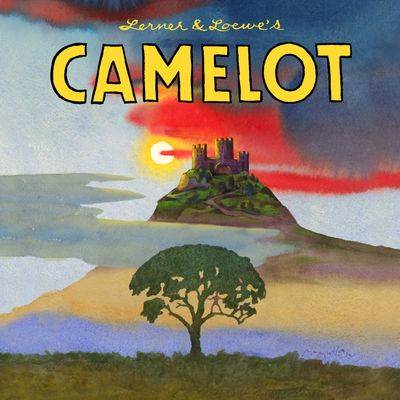
Jordan is currently starring as Sir Lancelot in the Lincoln Center Theater production of Camelot, for which he received a Tony nomination. He previously starred as Jordan Chase in the CW’s Charmed and guest starred in the award-winning police procedural drama Blue Bloods. Jordan originated the role of Freddy Eynsford-Hill in the Tony-nominated Lincoln Center Theater production of My Fair Lady, and also starred as Marquis de Lafayette and Thomas Jefferson in the Los Angeles and San Francisco companies of Hamilton.
A native of Indianapolis, Indiana, Jordan made his debut starring as the leading man, Raoul, Vicomte de Chagny, in the historic Broadway production of The Phantom of the Opera. He also played Rapunzel’s Prince in Into the Woods at Encores!. In addition to his theater and TV work, Jordan was featured at the Washington National Opera gala at The Kennedy Center, the Pasadena Symphony, and the Indianapolis Symphony Orchestra. He starred as Lancelot in Lincoln Center Theater’s gala production of Camelot opposite Lin Manuel Miranda. Jordan was also featured at the American Songbook Hall of Fame celebration at the invitation of Michael Feinstein.
Jordan directed a gala performance of the play “Exonerated” at Northwestern University for the Center on Wrongful Convictions, featuring Harry Lennix and Katrina Lenk.
Jordan is a 2016 graduate of Otterbein University, where he graduated with a BFA in Musical Theatre Cum Laude. An ambassador for The Innocence Project, family is everything to Jordan, because without the “little village” of women who raised him, he would not be where he is today. “Every day is a gift.”
On The Come Up, host Matt Rodin sits with creative people to find out where they’re at, today, in the journey of becoming who they are. What unfolds are often inspiring, transcendental, and candid conversations about the reality of being a growing artist.
Matt believes that love is who we are. He taps into people’s light so that we can form deeper connections with ourselves and one another. He’s a queer maker of music, media, characters, and campfires. As an actor, Matt recently starred in Hedwig and the Angry Inch at Milwaukee Rep, and the upcoming musical film BEAU. In 2020, he released his first live solo album, Matt Rodin: Live at Home. Matt has also worked as a content producer and consultant for The Tony Awards, The Smithsonian Institute, SoulCycle, Hamilton, Cynthia Erivo, Ingrid Michaelson, Playbill, Broadway.com, Dear Evan Hansen, Write Out Loud, and more.
The Come Up is presented by Broadway Podcast Network
Transcript
This transcript was automatically generated and might contain errors.
[0:00] Matt Rodin: Hey, thanks for hitting play. Welcome to The Come Up. My name is Matt, and on this episode, an inspired conversation with Jordan Donica, who has just been nominated for a Tony Award for his performance as Lancelot in the new production of Camelot at Lincoln Center.
[0:18] Matt Rodin: Jordan and I hadn't met before, but as you'll hear, we were very much on the same wave. Jordan is thoughtful and warm and intelligent, which is a pretty spectacular combination that led to a conversation about community, finding your voice, what makes a show contemporary, finding fun in the work, and what his journey has and still is teaching him.
[0:44] Matt Rodin: I left feeling more open and more excited about the work that we do as artists than I have felt in a very long time. I'm so grateful that we had the opportunity to chat, and I can't wait for you to hear what he has to share. So without further ado, here is Jordan Donica.
[1:07] Matt Rodin: Was there any music that you particularly were listening to in preparation for Camelot? Was there anything that you were like—are you a person that—I know some people, like, they make playlists, you know what I mean? They're like, "Oh yeah, for my character."
[1:20] Jordan Donica: Yeah, yeah, yeah.
[1:22] Jordan Donica: I, uh, funny enough, like, um, uh, Ozzy Osbourne, a lot of, uh, Ozzy Osbourne.
[1:30] Matt Rodin: That tracks, yeah, yeah.
[1:31] Jordan Donica: Yeah.
[1:32] Jordan Donica: No More Tears.
[1:33] Matt Rodin: Right.
[1:34] Jordan Donica: It's a great song. I don't know if you know that song, but it's a great song. Just like, you know, hype music, just, uh, rock and roll and stuff like that.
[1:42] Jordan Donica: Um, it depends on the day. I have—I’ve been listening to less and less music, uh, as we've gotten further on into the process because as I've found different avenues into the character, music doesn't always, like, help, but sometimes for my own personal brain, like, it's a good—it's like a just relax and settle down type of vibe.
[2:05] Matt Rodin: Yeah. What have—what avenue—what are the other avenues? What have—what else has been helpful?
[2:11] Jordan Donica: Um, in terms of, uh, getting to the character?
[2:16] Jordan Donica: Yeah, just, uh, thinking about, uh, simple things: where am I coming from? Where am I going? Why am I here? Who am I? All those existential questions.
[2:26] Jordan Donica: Um, I love just, like, asking those every day because every day, uh, I find the answer changes, which is very informative to then what happens on stage, and then, like, you learn a little bit more about yourself and the world around you and humanity.
[2:26] Jordan Donica: Yeah, so, uh, yeah, relying on the people around me more, particularly for this show, um, than relying on myself, which has been a great lesson for life.
[2:59] Matt Rodin: Are you like an existential person normally? Is that something that you—
[3:03] Jordan Donica: Yeah, like, I think if we're not gonna, like, go deep just in general, then I'm good. Unless we're talking, like, so about something practical, you know, because I love sports and everything too. Not everything needs to go there.
[3:18] Jordan Donica: But, um, yeah, I love philosophy and things like that. So I really try to approach a lot of the characters that I play from—all the characters that I played—from a philosophical type of standpoint.
[3:31] Matt Rodin: Yeah, so when this comes across, when you get the email that you have an appointment, I don't know how it worked in this regard, but when you found out that you were gonna go in for this or getting the offer, whatever it was, what from that standpoint, you know, what was interesting to you?
[3:47] Jordan Donica: Well, okay, so this particular show has been unlike any other experience I've had in a sense of, um, I did the gala performance four years ago with Lynn and Saleya, and that happened just—I was sitting at Telsey, um, at a callback for something, I can't remember what, and, um, I got a call from Bart, and he was just like, "Hey, what are you doing?"
[4:10] Jordan Donica: I was like, "No, I'm just sitting at a callback." And he asked me what my plans were for the next month, and I told him I was going out to LA for a couple weeks, but then I'd be back.
[4:19] Jordan Donica: And then he asked if I'd be interested in, um, doing this one-night-only performance with Lynn and Saleya and Pfeiffer and other—well, and it was, uh, I was like a no-brainer, right?
[4:32] Jordan Donica: You know, because I had worked—I worked with, um, Saleya in Hamilton, but we didn't—because the characters we played, our paths didn't necessarily cross that much on stage.
[4:42] Jordan Donica: And I always was like, "I want to work with you because you're tall, I'm tall, we're both biracial, like, let's get into it," you know?
[4:49] Jordan Donica: And, uh, so that was a no-brainer. And then to work with Lynn in a totally different capacity after doing Hamilton, working for her in that way.
[4:58] Jordan Donica: And you'd worked with Bart before, obviously.
[5:00] Jordan Donica: And I had worked for Bart before. And so to get the chance to, like, work more in depth than Freddie, um, that was, yeah, like a no-brainer for me in terms of just, like, the learning process.
[5:11] Jordan Donica: And then everything else that came after that was I was invited to do these workshops, um, these last few years.
[5:21] Jordan Donica: Um, once they brought Aaron Sorkin on board, and yeah, just it's been a huge learning process for me culminating in this moment.
[5:33] Jordan Donica: So it's like, you know, relying on a writer's point of view, but also creating space for a writer to be vulnerable, to share their point of view, which is a very tough thing, I think, in today's society, especially, like, face to face.
[5:49] Jordan Donica: I was just talking to someone the other day discussing how not only does social media sometimes become an atrophy—not always, because we get to do things like this—but it, uh, with the pandemic, it kind of atrophied a lot of social skills, uh, for all of us.
[6:10] Jordan Donica: And so, um, to have that space, that's what I love about theater is that it's a place for where I come from, often people who are not necessarily the most easily socialized or sociable to come and learn how to socialize and be accepted for just who they are.
[6:27] Jordan Donica: And so finding that sense of community through this whole process has been such a beautiful reminder.
[6:33] Jordan Donica: I had a similar experience doing, um, Into the Woods at New York City Center, just like a whole bunch of people who love to do this, who, um, come from all different walks of life and all different backgrounds, but we're all here ideally for a similar purpose, which is just to try to figure out how to tell a human story, um, and have fun doing it.
[6:55] Jordan Donica: And that's what this whole process has been.
[6:58] Jordan Donica: And, um, it's really been unlike anything I've experienced in life and probably will never experience in this way again.
[7:05] Matt Rodin: Um, I love the—I totally feel and resonate so deeply with the idea that, you know, one of the main reasons I like theater. I mean, I sure—sure performing is great and all that, and like there's something interesting in keeping it fresh every night and finding new things, but the rehearsal process and being in that room is so fun and so gratifying.
[7:30] Matt Rodin: And every time I'm in a rehearsal room, I'm like, "Yeah, this is why I like this," because it—and I—and I've never heard it articulated in the way that you just said it, which is that, like, it is kind of a room of social misfits.
[7:42] Matt Rodin: Like none of us were really the cool kids. Like we all were kind of socially awkward, and it gives us a space to, like, all be together and figure out what our dynamic is as a group and how to navigate that.
[7:54] Matt Rodin: Um, so I really—I really resonate with that, and I love the idea that it's not just the actors too, right? It's the creative team too.
[8:01] Matt Rodin: That it's everybody working together towards a common goal.
[8:07] Matt Rodin: Um, and again, sorting out what that dynamic looks like, um, is fun. It's interesting, and it's—and it's a good learning experience, I think, uh, you know, in terms of, like, how you relate to a group of people, but also like as how you show up in a room.
[8:23] Matt Rodin: I know for me, like, I'm constantly sort of—because again, I'm existential too—I'm thinking like, "What's my role in this room today? Like, what kind of energy am I showing up with? How can I bring joy and love and care and curiosity, um, with me rather than, uh, you know, resistance or, um, friction?"
[8:48] Matt Rodin: You know, I'm trying to—I want to be a fun energy in the room. That's—I just like being that kind of person.
[8:57] Matt Rodin: So I like the idea that it's, um, yeah, that it's like a social experiment a little bit.
[9:04] Jordan Donica: Yeah, I mean, it teaches us all how to be.
[9:08] Jordan Donica: Yeah, right.
[9:09] Jordan Donica: And that's the—that's the nature of what we're doing too.
[9:12] Jordan Donica: So it's—we're all like—it's the—the art act of theater is existential, and that's what I fell in love with as a little boy.
[9:21] Jordan Donica: Being like, "Wait a second, wait a second, wait a second. You're telling me that these grown-ass adults are gonna play pretend on stage, like me and the rest of my friends after school and on the weekends?"
[9:31] Matt Rodin: Yep.
[9:31] Jordan Donica: On the playground.
[9:33] Jordan Donica: Yeah, like these other grown-ass adults are gonna come and sit and watch for hours.
[9:39] Jordan Donica: It's a wild concept.
[9:40] Jordan Donica: It's a wild concept.
[9:42] Jordan Donica: Like so many hats on, hands on hats on hats trying to do what? Just like figure out what this all is and get through it together.
[10:10] Jordan Donica: And I think it's, um, it's a very beautiful communal spiritual, uh, insert whatever word it is for, you know, because everyone has their own experiences.
[10:10] Jordan Donica: But it's a—it's, um, something happens when a group of people come together in that vein and in that nature.
[10:10] Jordan Donica: And I think it's a really beautiful thing.
[10:12] Matt Rodin: Yeah, and it's—and it's different, it's different than movies too, because it's happening live.
[10:16] Matt Rodin: Like there's something about that, and it can still happen, you know, at—and it happens at concerts.
[10:23] Matt Rodin: I feel it happens at, um, at, uh, any live event.
[10:27] Matt Rodin: Yeah, even sports.
[10:28] Matt Rodin: Like there, there is something tangible that's happening.
[10:31] Jordan Donica: I think the term that I've used that I like is collective effervescence, which is, uh, which was a French—this guy, Emile Durkheim, he coined that term, which is like ex—what we're talking about.
[10:41] Jordan Donica: It's like this feeling that you're like, "Oh, I'm part of something bigger than myself in this moment."
[10:46] Jordan Donica: Um, and it's just so delicious.
[10:48] Matt Rodin: Like, was there a—um, I—and I don't know that I have a—I don't know that I could name it. Maybe I could. Do you have a particular, like, memory from childhood of seeing something and being like, "Whoa, something is—this is—this is different. Something's happening here"?
[11:04] Jordan Donica: Yeah, that was—that's basically how I've always felt watching any live event.
[11:11] Jordan Donica: Um, sporting events a little different because of the nature of competition through sport and how that's expressed.
[11:21] Jordan Donica: The theater of sport to me is the fan base.
[11:24] Jordan Donica: Like the fans are the ones who are get—who get to buy into this fake hate for three hours, and everyone plays pretend for a little while.
[11:33] Jordan Donica: As soon as you step outside, like, it's like, "Oh, like that was fun. Good game. Now let's all go home."
[11:38] Matt Rodin: Right.
[11:38] Jordan Donica: Just like when you're little kids.
[11:40] Jordan Donica: Um, you know, I—but I definitely had so many moments.
[11:46] Jordan Donica: I don't even know where to begin.
[11:48] Jordan Donica: But two that definitely stick out are—I mean, I can name them—well, Fiddler on the Roof.
[11:55] Jordan Donica: I saw the national tour with my mom when I was three.
[11:59] Jordan Donica: Three.
[12:00] Jordan Donica: And that was when I was just three, and I was just like enthralled.
[12:03] Jordan Donica: Yeah, because she was a single mom, and—and this is also why I'm not—I'm not one of those advocates for not taking kids to the theater, because I'm like, you never know who or from what background you're gonna expose to that stuff and what it can do, what it could do for them.
[12:23] Jordan Donica: Um, you know, I remember we sat house right in a box C, and I was just—I leaned over so I could see the whole time.
[12:30] Jordan Donica: I was terrified by the nightmare sequence for Masera always gets me.
[12:35] Jordan Donica: But, um, I loved it.
[12:37] Jordan Donica: I loved it.
[12:37] Jordan Donica: You know, the next day, the next morning, that's what I play.
[12:40] Jordan Donica: I got up and, like, I played along to the movie.
[12:43] Jordan Donica: And then, um, the other time I had that experience was watching InSync and Sisqo.
[12:47] Matt Rodin: Sure.
[12:48] Jordan Donica: You know, like, watches Sisqo sing the Thong Song and just do backflips across the stage.
[12:54] Jordan Donica: I was just like, "Wow, that is really, really something."
[12:58] Matt Rodin: Yep.
[12:59] Jordan Donica: Um, all the way to moments of going to, like, Six Flags and King's Island.
[13:04] Jordan Donica: The first thing I want to do is look at this show schedule of all the live shows and plan when I'm gonna ride what, so I could catch that show and then I can catch that show, and then I can catch that show.
[13:14] Jordan Donica: Like I saw—I saw a version of School of Rock, the musical, like a musical version of School of Rock at King's Island.
[13:20] Jordan Donica: Right, not the Andrew Lloyd Webber version.
[13:22] Matt Rodin: Right, yes, right, right, right.
[13:23] Jordan Donica: No, no, no.
[13:24] Jordan Donica: But it was amazing.
[13:25] Jordan Donica: I was like, "This is a big—this is great."
[13:27] Matt Rodin: Yeah.
[13:27] Jordan Donica: So even like everything, like I loved all that stuff, seeing Phantom for the first time and realizing just what someone's voice, the power of what a voice unseen could do to a group of people.
[13:39] Jordan Donica: I just really wanted to like learn how to understand those vibrations more.
[13:44] Jordan Donica: Yeah, and it is vibrational.
[13:47] Jordan Donica: I mean, that's the thing.
[13:48] Jordan Donica: You feel it in a space.
[13:49] Jordan Donica: And I think, you know, I had no prior knowledge of Camelot other than maybe like one song.
[13:55] Jordan Donica: And one of the things that struck me about the show, which I think like you named pretty good pretty well, which is like shows like Phantom or shows that fall into the more sort of legit musical theater category.
[14:10] Jordan Donica: There's something about it.
[14:12] Jordan Donica: Um I worked with a bunch of people, a bunch of I worked with a bunch of people from the opera world that last summer, and never I've never really resonated with that space.
[14:26] Jordan Donica: It just has never really like hit me in the same way that theater does.
[14:30] Jordan Donica: But watching Will Liverman work and the power of the like with no microphones, just like the power of the voice and the tuning of the frequencies and the vibrations.
[14:44] Jordan Donica: I was like, oh, this is some crazy shit.
[14:47] Jordan Donica: And to me, I think there are musical theater shows that dip their toe into that space.
[14:55] Jordan Donica: And Camelot to me is one of those shows.
[14:57] Jordan Donica: Certainly, it doesn't not happen at something like Hamilton or a more, you know, Spring Awakening, right?
[15:03] Jordan Donica: Like it's different.
[15:04] Jordan Donica: There's newer ways of doing that.
[15:06] Jordan Donica: Right.
[15:06] Jordan Donica: There's newer ways of doing it.
[15:07] Jordan Donica: And it doesn't make it, it just it doesn't make it better or worse.
[15:11] Jordan Donica: It's just a different way of doing it.
[15:12] Jordan Donica: Yeah, it's just different.
[15:13] Jordan Donica: But it creates the same exact, right?
[15:15] Jordan Donica: And it plays too, right?
[15:17] Jordan Donica: Like in hearing someone's voice in a space.
[15:20] Jordan Donica: Yeah.
[15:21] Jordan Donica: I mean, James Earl Jones's hollow tone of voice anytime he enters a space.
[15:25] Jordan Donica: Like it's just about the presence that the person delivering the message and the vibration is bringing, you know.
[15:32] Jordan Donica: Like it doesn't really matter, nothing else matters.
[15:35] Jordan Donica: That's why I loved about Anne Juliet, like listening to see, I'm so awful.
[15:41] Jordan Donica: Listening to a woman who is, uh, she and she Julia.
[15:47] Jordan Donica: Yeah, yeah.
[15:48] Jordan Donica: Listening to her, I was just like, wailing.
[15:50] Jordan Donica: That's the kind of stuff that just like it sends the vibration through your chest, and it's like you're just, you lean forward, but you also feel like you're leaning back at the same time, and you're just enthralled by how a human being can make such sounds.
[16:03] Jordan Donica: Rami and Krimlu.
[16:04] Jordan Donica: Oh my god, is another one of those types of voices, you know.
[16:07] Jordan Donica: It's there's a lot of everyone has that quality to them in some regard.
[16:15] Jordan Donica: And it's what's unique, you know, when you find what's unique for you and how you can use it in different ways, like that's well, then, you know, it's really cool.
[16:24] Jordan Donica: I um, I and it's interesting that it's like when the instrument meets the material, some there's there that to me again, it's like an elevation where like, you know, I mean, even like Into the Woods is a great example where like that material is so good that when there's a good voice, when someone's instrument is aligned with that material, it is like to that to me, I get like those emotional moments of theater where I'm like, oh my god, look at all and the elements of the lighting and this all of it comes together, and you're like, oh, this is more than just a person on stage just standing there.
[16:58] Jordan Donica: There's so many people working to make this thing happen.
[17:01] Jordan Donica: Um, and I get very overwhelmed by that.
[17:04] Jordan Donica: And I and the other thing I want to touch on is you're right that like, or I think you're right, in that like finding how do I articulate this?
[17:15] Jordan Donica: Um, finding your individual, what your instrument can do, like tuning your own instrument.
[17:22] Jordan Donica: I to me that is like the most, that that's the most important part of all this is like stripping away the need to be everything to everyone and trying to fit into every single box, um, and really embracing the idea of uh square peg round hole and saying, no, no, no, this is this is who I am, this is what I bring, this is my essence, this is my instrument.
[17:53] Jordan Donica: And if you want to and if you want to work with this, if you want what my what I bring, then let's let's go to work.
[18:00] Jordan Donica: And if not, that's totally okay.
[18:03] Jordan Donica: But finding that takes, I think a lot of time.
[18:07] Jordan Donica: Um, it takes a lot of courage.
[18:09] Jordan Donica: Um, and I think it's a privilege too, because you have to be sort of welcomed into spaces that are willing to let you do that.
[18:20] Jordan Donica: For sure.
[18:20] Jordan Donica: I think part of that for me is having a crazy, crazy belief in oneself to a degree.
[18:30] Jordan Donica: Uh, like you have to have a certain amount of like, like you said, square square peg round hole-ness to you, where like you know what you can do.
[18:42] Jordan Donica: And it's just about, and you know it'll happen.
[18:44] Jordan Donica: It's just about when, whenever that opportunity is going to arise.
[18:48] Jordan Donica: In the meantime, take other opportunities that challenge you, but also help you grow in the ways that you want to grow.
[18:54] Jordan Donica: And that's how I think a lot of artists feel, especially singers, musicians, of any type, but all types of artists, because we as humans grow and we evolve, as do our voices, as do our philosophies, as do our experiences.
[19:11] Jordan Donica: Um, the voice changes with that.
[19:13] Jordan Donica: And that's something that myself as an actor, like I always start there.
[19:19] Jordan Donica: Um, I always start with like what's the physical life, and how does that physical life and experience inform the way I should sing this because that it for me it can't necessarily always be the same.
[19:33] Jordan Donica: Um, and that that is also a thrill, you know to be able to have to get to a point where as an actor, which I think every actor once, you get to explore and play.
[19:46] Jordan Donica: You know, you get to do what Tom Hanks gets to do.
[19:48] Jordan Donica: You get to do what people like Joaquin Phoenix get to do.
[19:52] Jordan Donica: Um, it's something that Adam Pascal and I talked about once of like exploring the voice and like how you see like, um, you know how and I love studying that in the hit in terms of the history of Broadway too.
[20:07] Jordan Donica: When you look at like the types of voices that used to be around were so much more unique and pop centric to the types of voices that you would just hear in everyday life too.
[20:18] Jordan Donica: And so finding a balance of that in this time and space is where I think we're all at right now.
[20:24] Jordan Donica: Yeah, that golden age sound mixed with that classic pop sound mixed with like yo what are the sounds of today and how can we tell stories of today or today by today what's going on.
[20:39] Jordan Donica: I think that's coming.
[20:41] Jordan Donica: It's just um, it's just takes time.
[20:44] Jordan Donica: It takes a lot of time to make a musical and and I also think that's true of the text too like you know what I mean and the stories that we're telling right that it's like it's about how can we sort of balance this idea of what is Broadway, what is our traditional idea of what a mu a uh a musical or a play is with what is contemporary and how do we marry those two things in a way that elevates um and it and when it works I mean you get like a Strange Loop like it really really fucking works you know yeah and it works I think more often than people realize you know I I think I think if we weren't all so critical and we all celebrated it a little bit more I agree then it would work tenfold than what it is right now and I think there are ways to get there you know again about making making the fact that we get to do this and that we're able to do this again a celebration instead of a race you know like there is no there is nothing but to celebrate the fact that all of these amazing people and performances and shows are happening on Broadway that hopefully then will lift up the opportunities for all these newer works that are brewing you know under the surface and everything it's it's a really exciting time and um yeah it's yeah I just it's just an exciting time I I think so too and I I and I like the idea of sort of thinking about a season or really anything coming in as like part of a bigger experiment that it's like we're we're all we're all instead of it being right we like there's uh criticism is okay but it's like but can it has to it's it's in the effort of being constructive and like in that like we're working towards something we're we're trying to like we're we're all a part of something larger than ourselves rather than a competition to who can make the most money and how long can your show run.
[22:51] Jordan Donica: And listen, I understand that it's complicated because we live in a commercial industry and New York theater.
[22:57] Jordan Donica: Now the Phantom's gone and that's right.
[22:59] Jordan Donica: That's right.
[22:59] Jordan Donica: That's right.
[23:00] Jordan Donica: That's right.
[23:01] Jordan Donica: Everyone always said tangible is everyone gonna close now the rules are your wheels are the rules are out the window.
[23:05] Jordan Donica: They're gonna come back.
[23:06] Jordan Donica: They're coming back.
[23:08] Jordan Donica: Doesn't matter doesn't matter.
[23:09] Jordan Donica: That shit closed it close.
[23:11] Jordan Donica: Here we don't know we don't know.
[23:13] Jordan Donica: Times have it's like it's it's a different world.
[23:17] Jordan Donica: It's uh and that's okay.
[23:20] Jordan Donica: Yeah.
[23:20] Jordan Donica: Like like to leave room for expansion that's different but that's okay.
[23:26] Jordan Donica: You know necessary necessary.
[23:29] Jordan Donica: It's necessary.
[23:30] Jordan Donica: There's so much space too I mean there's so many theaters up in Harlem in the Washington Heights all over the country.
[23:30] Jordan Donica: All over the country.
[23:37] Jordan Donica: All over the country.
[23:38] Jordan Donica: Let's talk about it.
[23:39] Jordan Donica: Yeah let's expand out of the New York area.
[23:41] Jordan Donica: That's what I that's why I think like New York theater should be should be it is the regional theater of New York City and so we should probably cater a little bit more to that right now, right?
[23:54] Jordan Donica: Like let's get into the stories of the people right here.
[23:57] Jordan Donica: It's um that's that because they're living here that's why I love going to classic theater of Harlem.
[24:03] Jordan Donica: I don't know if you've ever checked out what Ty Jones has done up unbelievable.
[24:08] Jordan Donica: It really is like it's it's everyone loves community.
[24:13] Jordan Donica: So and everyone loves seeing themselves within stores because that's what everyone does anyway.
[24:18] Jordan Donica: So if we can just do that with love and respect then I don't understand why why it won't grow back to whatever it was once was whatever that means you know that's impossible.
[24:31] Jordan Donica: That's right so and I I wonder if there's I'm curious.
[24:35] Jordan Donica: Like, I'm I wanna like I'm I want to speak in draft here and that like I think that one of my favorite things about going to the theater in New York is that I do feel a part of a I feel a sense of community.
[24:49] Jordan Donica: Like I do like when I go see a show and I know three people in the ensemble, and I know like there's something about that that that's that's what's so gratifying is you get to watch people you know like do really great work or just like yeah giving it their all like using their skills and abilities.
[25:08] Jordan Donica: So I don't know what the connecting thread there is other than I that sense of community, like I want more of that.
[25:15] Jordan Donica: I that's what I think you're right.
[25:16] Jordan Donica: That like and I listen, I've said it a million times, like New York Theater is regional theater in New York.
[25:22] Jordan Donica: Like it the budgets are like a little bit bigger, but it's the same, it's the same here as it is anywhere else.
[25:29] Jordan Donica: Like the dressing rooms are still dusty.
[25:30] Jordan Donica: It's it's it's all the same.
[25:33] Jordan Donica: They're probably better in the region.
[25:34] Jordan Donica: That's right.
[25:35] Jordan Donica: That's right.
[25:35] Jordan Donica: Samsung considered theater.
[25:37] Jordan Donica: Shout out those the days are it's nice in there.
[25:54] Jordan Donica: Was this kind of show like on your radar?
[25:57] Jordan Donica: Like what really?
[26:00] Jordan Donica: No.
[26:00] Jordan Donica: Um like what when you say what kind of show, like what do you mean?
[26:03] Jordan Donica: I guess I should put it.
[26:04] Jordan Donica: In like in the in the sense that it's like legit.
[26:06] Jordan Donica: I'm I'm I guess vocally is sort of where is where my head's at in that like you know, obviously, you do My Fair Lady, to me, I'm like, oh, this seems like another step in that direction.
[26:17] Jordan Donica: Yeah, I mean, so that's the thing, again about it's I guess it's what gets you noticed for sure in terms of like knowing your voice, but then like I'm I also do like a lot of other styles of singing, and just because I it's just been my love my whole life singing in the voice.
[26:35] Jordan Donica: And so um doing My Fair Lady, but like I what I like to do is not play, it's more about the role and less about the voice.
[26:46] Jordan Donica: It's like what type of character am I playing, and then the type of character that I kind of look to play next is kind of something a little different from that.
[26:55] Jordan Donica: Not a little, but I try to make it a lot.
[26:57] Jordan Donica: Of course.
[26:58] Jordan Donica: The common thread being though, like I often do period pieces of French and or Englishmen.
[27:05] Jordan Donica: So it's very, very funny, very funny indeed.
[27:09] Jordan Donica: Um but uh yeah, you know, because I I did Phantom and then I went from Phantom and I worked on Frozen, which is a pretty different style, and then I went and did Hamilton, which is a totally different style, and then coming and doing My Fair Lady, um, and that character of Freddie, who is just like a boy, very much a boy, whereas Lancelot is very much a man.
[27:34] Jordan Donica: Um so it really has been more of a just like a character, like who are these characters and what's interesting to me about them.
[27:44] Matt Rodin: Yeah.
[27:44] Jordan Donica: And I've learned a lot about Lancelot beyond the surface of the character. Um that's that can be you know hard to play with, but it's it's all under there, you know, once you once you research and rehearse.
[27:58] Matt Rodin: That's so juicy, that's so fun.
[28:00] Jordan Donica: Like never really leaves. That's so nice to get to like have stuff to dive into and and chew on. Like that, even if it's again, like, even if it doesn't necessarily show up, it's just so nice to have that.
[28:11] Matt Rodin: Yeah, because it's there.
[28:12] Jordan Donica: It it like it'll always be there somewhere to inform. Just like when you know, you you go and you do some reps at the gym and you go out to run. You might not think it's there, but it's there.
[28:20] Matt Rodin: You've gotten a little bit faster.
[28:22] Jordan Donica: Exactly. So it's it's it's um or you're or you're in a little less pain because your muscle is stronger, so it's lifting for me, drawing, you know, whatever it might be. It's uh it's it's there.
[28:36] Jordan Donica: And that's something that's a huge lesson I learned not just in school, but in from doing Hamilton. Um playing. There were so many uh ways into that character, but you know, you could just read Thomas Jefferson what his own thoughts. He was a writer, so you can you can see what he had to say.
[28:54] Jordan Donica: And there's so much lore and mythos surrounding the character of Lancelot that um, you know, there's a thousand directions that you could choose to go.
[29:03] Matt Rodin: Right.
[29:03] Jordan Donica: Um, but reading the book really helped me ground the character in a certain way that was hard to hard to find on my own.
[29:14] Matt Rodin: Yeah, again, like I was a piece that I wasn't familiar with at all. And one of the things that I and my fiance both said was, I cannot imagine having to have seen this with the old book.
[29:18] Jordan Donica: I cannot imagine having had to have done like it just I I was so it was so refreshing. It was so it just felt I contemporary is not the right word, but I think you know what I'm getting at, which is that like it felt current, it felt like it was a book that was written now, you know.
[29:47] Matt Rodin: You know, it's not about what's happening now, but it but it it it's fresh enough that it doesn't feel there's no I I guess I should say s one of the reasons I never felt connected to a lot of that golden age stuff is because it was it felt for lack of a better word, it's like dusty.
[30:02] Jordan Donica: It just it never quite I never quite could like sink my teeth in it, it just didn't quite resonate with me in the same way that I think as a 13-year-old or an 18-year-old, it was like Rent and Spring Awakening, like these shows that they they stirred something up in me in a way that a lot of these those old shows didn't.
[30:21] Matt Rodin: Yeah, and that's the thing I think about theater and art in general.
[30:26] Jordan Donica: But when you put it that when you put the shows, and this is what I think Bard does a really great job of. Um when you put the shows into uh a context of now or into the context of what they came from, that's where you find the danger.
[30:44] Matt Rodin: Like all of these shows, like you said, like Spring Awakening and Rent have a huge element of danger because of where that what they're about when they're about who they're surrounded by, as do the communities that they're that they're serving in the that that artists for.
[31:01] Jordan Donica: When I think of a show like Carousel, I think of all the women who and and their husbands back in the 40s and 50s who or whenever it came out 60, I forget exactly when it came out, forgive me.
[31:12] Matt Rodin: So who perhaps got beat by their husbands and were seeing that on stage and that conversation was able to be then had in a different way for the first time.
[31:23] Jordan Donica: Right because all of that was being shown to you for the first or and maybe not even explicitly shown to you, but it was being talked about in front of your face and shown to you in different ways.
[31:36] Matt Rodin: And that's where the danger comes in.
[31:37] Jordan Donica: And that's where like that excitement for exactly.
[31:40] Matt Rodin: And that and that's where that excitement for those pieces kind of I I think deeply gets attached in the same way that it happens for Rent, the same way that it happens for Spring Awakening, anything that we deeply attached to.
[31:52] Jordan Donica: That's just my theory. And so then when you're able to connect that to something of today, then it then it becomes something that's like, oh shit. But like that's hard to find, and that takes discussion, and that takes vulnerability, and that takes feeling honestly and expressing all of the range of human emotions, which which I think is hard, harder and harder to do, not just to express, but for to for a lot of people to receive.
[32:20] Matt Rodin: And so it's it's it's a fun and it's a funny line to walk, you know.
[32:26] Jordan Donica: Say more about that. Because I mean, just in terms of like being able to express yourself freely in these conversations, because you're gonna have people, we're all coming together to play pretend based on it.
[32:44] Matt Rodin: However, we are all coming from different backgrounds, right?
[32:49] Jordan Donica: So like we all could believe different things. We no matter what that is, we could insert whatever variable.
[32:58] Matt Rodin: Um so then when we're playing, like that takes vulnerability, it takes a lack of judgment, and it takes uh openness.
[33:08] Jordan Donica: And um with that, I think is to be expected all emotion that that comes along with being a human.
[33:16] Matt Rodin: Um so then again, this is a part of what I think creates the space for how do we then communicate, how do we find our way through this piece and to this piece through positive communication and reinforcement, knowing that we're gonna come across conflict.
[33:34] Jordan Donica: Yeah, right. That's just inevitable, especially when you're team building. It's how we overcome that conflict, which every story is also about.
[33:41] Matt Rodin: So once you infuse that into everything you do, like I don't know, it just makes it a little easier and again more human because that's what we're all trying to do in general.
[33:52] Jordan Donica: And so when that danger is found of like what is the danger of our society today, right?
[33:56] Matt Rodin: And how is that reflected in our in our like why do people care so much what happens in other people's bedrooms and why is that dangerous and what what what is actually going on here?
[34:06] Jordan Donica: Like what happens when Dacon Matthews said it really brilliantly, like human beings try to create an inhuman world and society, like no one can be perfect, no one can be, no one can live up to all of these ideals.
[34:20] Matt Rodin: Yeah.
[34:21] Jordan Donica: So what are we pretending for in this and like all of these questions to be asked and to be challenged and to understand that we're all gonna have different ideas about it, and that's what's been you know the vulnerable part, you know.
[34:33] Jordan Donica: Watching, I think it's what Aaron has done is is very vulnerable. As someone who rides myself, I don't like sharing what I write.
[34:39] Matt Rodin: And so for him to take such a risk and to share what his ideas of Camelot are and to come up against traction and friction, and to like find how he's grown, how everyone else in the process has also grown.
[34:57] Jordan Donica: It's um been a beauty to watch and be a little small, small, small fraction of the partner, but really to observe and just be present for learn how to be more vulnerable.
[35:11] Matt Rodin: Yeah, there's there's a difference between saying that something is a safe space and and uh actually being a safe space in that you can feel the range of human emotions in reaction to someone else's full range of human emotions.
[35:30] Jordan Donica: Um I I love I totally agree, and I and I and I really love the idea that like for whatever reason actors and artists like we're maybe we're just like vulnerable people, we're just emotional people, like by nature, that like you're gonna put a you're gonna put a group of us in a room together and you're asking us to like make something that we all believe in.
[35:57] Matt Rodin: And I think now in a in uh in 2023 where in a way more things are we're able to talk about more things, right?
[36:11] Jordan Donica: We're we're open to having wider conversations.
[36:16] Matt Rodin: In a way, it's also things are more delicate.
[36:19] Jordan Donica: Like we are we're really trying, we have to delicately navigate how we communicate and how we show up with one another.
[36:26] Matt Rodin: Um there's danger in that.
[36:29] Jordan Donica: There is there is danger in that.
[36:32] Matt Rodin: Yeah, and then that's and that's exactly it.
[36:35] Jordan Donica: And that is Camelot.
[36:36] Matt Rodin: Right.
[36:37] Jordan Donica: Like, how do you navigate feelings that go against what the law and the code that you say you believe in?
[36:51] Matt Rodin: And that's literally all of us every day.
[36:53] Jordan Donica: We all we all have to make a decision to live a certain way, but there are fuck, you know, everything outside of us tugs us the other way in in all directions.
[37:04] Matt Rodin: And so it's it's um yeah, finding that space, and then you know, getting specific about the character that you're playing.
[37:11] Jordan Donica: But it's uh it's also it's it's everyone is coming at this from a different course uh time in their life too.
[37:19] Matt Rodin: You know, we have a lot of people in our show who come from the opera world.
[37:22] Jordan Donica: We had I think eleven or twelve Broadway day teams, maybe more than that. We had quite a few Broadway debuts with this show.
[37:29] Matt Rodin: So it's been uh it's been a really fun uh experience to watch that too, watch people grow in in their own ways, uh experiencing all of this for the first time, uh experiencing just this kind of schedule for the first time, right?
[37:45] Jordan Donica: And what that and what that life is like, you know, just getting to the door every day.
[37:50] Matt Rodin: Um but you know, this is all it's all a blessing.
[37:55] Jordan Donica: We all get to do this and that people enjoy storytelling and want to see these things and hear these things.
[38:03] Matt Rodin: But yeah, it is it's about that element of danger.
[38:06] Jordan Donica: Our fight choreographer um BH always said, like, my job is to create a space where you feel safe.
[38:15] Matt Rodin: I take you into danger, and then I sing.
[38:18] Jordan Donica: And I'm like, yeah, like that's what any good movie does.
[38:21] Matt Rodin: Right.
[38:22] Jordan Donica: Yeah, right. That's what any good that's why we ride and roll at the movie.
[38:25] Matt Rodin: Of course.
[38:26] Jordan Donica: Right. I want to feel the thrill a little bit, but know that I'm safe.
[38:29] Matt Rodin: Yeah, but know that I'm safe.
[38:30] Jordan Donica: Exactly.
[38:31] Matt Rodin: Right.
[38:31] Jordan Donica: Yeah, it's why everyone watches all these murder documentaries.
[38:34] Matt Rodin: Right.
[38:35] Jordan Donica: And honestly, that's the kind of theater that I like the most.
[38:37] Jordan Donica: Like, especially when it comes to and this is like so tangential, but when it comes to like comedy and and even just theater in general, like I really like the sense that like something could go wrong or or I I just like the edge.
[38:51] Jordan Donica: I like living on that edge where you know the audience is like, what the fuck is going on?
[38:58] Matt Rodin: Um I'm into that.
[39:00] Jordan Donica: Like to me I like that at that little adrenaline pull.
[39:03] Matt Rodin: So obviously you're in it now.
[39:05] Jordan Donica: It's you know you need uh perspective requires time.
[39:10] Matt Rodin: But I'm curious, you know, from when Bart called you to do the concert to now like what has changed in terms of like what you've learned about yourself and what this process and this character both of those things right like in the practical and in the sort of um more ethereal sense what have you like how have you grown what how have you changed what have you learned I mean so my life has changed entirely from that night till now like entirely different person.
[39:46] Jordan Donica: So I would say so yeah.
[39:49] Jordan Donica: Um not but yeah as we all are and as we all should like hope to be to a degree but like just in terms of um yeah I I just uh I went through some moments before the pandemic where I lost um someone very near and dear to me an auntie uh who helped raise me and so it was like losing a parent and um uh yeah, and sh the Camelot was the last thing she saw me in that gala.
[40:24] Jordan Donica: And so a lot of this experience is definitely like connected to her and tied to her seeing this through for her, but like in honor of her, really, like in terms of like it's the right thing to do.
[40:39] Jordan Donica: And it feels like the right thing to do.
[40:42] Jordan Donica: And I selfishly get to think of her often because it was all during this time period that um we were going through all that.
[40:51] Jordan Donica: I also my appendix burst the day that she died, so that was just a moment, a few several moments, and then um yeah, I went out to LA and worked in TV and film up in Vancouver for the last three years. And that was great because it was like being back in school again, learning as much as I could about that space and that's a good idea. Whole different skill, yeah. Yeah, yeah. And um it was a really uh that was a blessing amidst all the chaos that we all then were going through. You know, when COVID hit, like I felt very oddly relieved because I was like, oh great. Everyone else has to stop. So I have to stop too. And like I can deal with emotionally all of these things that have just happened um in a very short amount of time, you know.
There's that phrase of like, you know, when your career is going up, sometimes like your life is going the opposite way, you know. That was definitely what I was feeling in that moment. But then I was able to really get through that during the pandemic and feel my feet on the ground again and find some stability um with my own self, which was great. And I wasn't just riding by the sea of all of these outside emotions. I was just focusing on myself really, really deeply and intently, which was great. And I wish that for everybody. I know not everyone gets that opportunity and I recommend that I was very blessed to have that.
[42:34] Matt Rodin: And Lancelot, like how does Lancelot play in all that?
[42:39] Jordan Donica: Yeah, so Lancelot, there's a version of Lancelot that I empathize with when I look back on who I was from the time that I was like 10, 11, until I was maybe like 22, 23. Like there's a lot about Lancelot that I'm like, yeah, I get that. Um I went to Catholic school. I wasn't Catholic, but I went to Catholic school for education, um for middle school and high school. Lancelot in the T.H. White version of the book is very Catholic, comes from the countryside of France, was raised by a single mom. Um son of a king, but like not necessarily a bastard, but kind of. And um, so there's a lot that I can relate to in that sense. Um he was someone who in the book is very much described as um like he doesn't he his self-image is not what other people see.
So his perception is not what how he is perceived, yeah. Received. Yeah. And so it like that is what creates the conflict and disconnect between him and the entire world around him. Another thing that I uh struggled, not I wouldn't say struggled with, but just dealt with my whole life in general. I moved around a lot as a kid too. So I'm used to being a stranger in any place. Um that's why our family motto is like, we know no strangers, like greet everybody as if they are your family or friend. Um so it's like, you know, it's uh there's a lot that I even down to like, you know, even the infidelity aspects of it. It's like I can understand that too on multiple ends of my own, uh, other people's ends, even when it comes to like the nature of life itself.
It's what I love about the character of Edmund in King Lear. So I'm like, why do we all why are we all so intrigued by what happens in the bedroom of other people's lives that aren't us? And um, yeah, so like there's a lot that I definitely do empathize with uh in terms of that part of me now. I would say there's like not a not a whole lot. Uh, but there's there's a lot for me to draw from and draw off.
[45:12] Matt Rodin: Right, right.
[45:12] Jordan Donica: Uh because like what because you know, every character has to go on a journey, and I think Lancelot's whole journey in the book for sure is he comes to realize and accept that his human nature is all he has, really. Like there's a line that says he gives his God to Guinevere and she and Sir gives him his freedom. And that's you know, like he did Lancelot never believed he was good. He only lived by a set of rules because he thought that he was bad, and that only bad people lead rules to live by to keep them from being bad. And so, you know, once that Dan is broken. It's broken a little differently in the book, which I think would be interesting to explore. He is um he's date raped in the book.
Huh. Um, not by Guinevere, by someone else. And um yeah, ends up getting a woman pregnant, and that's kind of what then unleashes his whole stuff. Okay, uh like I am not like I'm a the fallen angel aspect of Lancelot because that's what he's that's essentially what he is. It's his journey, it's his fall from grace. So it's uh it's uh a fascinating tale to weave, especially in you know, with the way the script has changed and over time and space, but exploring those aspects, but realizing that actual grace is found through real genuine love. From in my opinion, that's me, Jordan the actor. Um that love is a necessary ingredient, and as long as that is present, there is no real fall from grace.
They're only grace, yeah. Exactly. So that's been fun to explore, you know. It's yeah, juicy, juicy, juicy, yeah, delicious. It's uh yeah, just living out there, learning out there, listening out there.
[47:07] Matt Rodin: And you're with some good peeps too. I mean, it's nice that you get to play with some really really good ones.
[47:14] Jordan Donica: Philippa and Andrew are um you talk about uh what was that where effervescence? Collective effervescence. There was a moment of that in one of our workshops with them, and they were doing a last scene, and I was just sitting there just like crying, just like watching right next to them, and it was it was beautiful, and everyone who has set foot onto this project, whether or not they're part of it now or they have been a part in vain in any capacity has really brought something I think that's beautiful and lasted into the project, and that is what Camelot is like it's to me it's a whole euphemism of America, you know, whatever we touch together, it's it's all an idea. It's what we have to make of it.
But we all are from different places, we all are here for different reasons and we all want different things. We have to accept that and still live and work together, and that is essentially what Camelot is about. And that to me is what America is and should be, but it's up to us, you know. That's a that's an existential thing, you know. We have to make that happen. Theater too, you know.
[48:36] Matt Rodin: Yeah, exactly. That's a part of it. Real live, the liveness of the experience, experiencing your emotion around other human beings, and being supported in that space. I have a friend that you brought up safe space earlier. I have a friend that uh she likes to say that the safe space is new. Like all I can do is create a is is create a supported space for you. I can support you, but only you are your safe space. And I really I really have hung on to that, and I was like, do you mind if I like and she's she's very smart, but I'm just a great human being. But after she said that, I was like, that is because the other thing is is like we just said, like you we come to the theater to be put in danger a little bit. So there is some unsafeness that's gonna happen, you know, trigger warnings for sure, but but that's inherent to the nature of what we do. And so all we can really do is create a space to support you through that.
[49:45] Jordan Donica: Right. That like the safe space is within yourself of allowing yourself to feel the feelings that are gonna come up.
[49:51] Matt Rodin: Yes.
[49:52] Jordan Donica: Which is I think against I don't want to say against our nature, because I actually don't believe that's true. Um but I think it's against our conditioning because I think especially as men, I'll say, I think we've been conditioned to suppress. There's a lot of suppression that goes on. Um and honestly, it goes the other direction too, in that like the emotion can become all consuming and it can take everything that goes on, and it's like putting on a shaded pair of glasses that everything turns that color. Instead of can I create a safe space within myself to say, okay, there's frustration coming up. Okay, I'm frustrated. Okay. How can I explore that? And then am I lucky enough to have people around me that are willing to support me going through that, that don't need to fix me, that don't need to solve my problem, that are just there to hold space, basically, while I go through that. But starts with a safe enough space within myself.
[50:56] Matt Rodin: Yes.
[50:56] Jordan Donica: I really love that's so good. That's so good.
[51:00] Matt Rodin: It really is.
[51:01] Jordan Donica: It's uh and for me that like that that starts. Well, I can only speak to my experience as a human being. That started with therapy. I was in family therapy and personal therapy from the time I was I can remember like three years old. And the end of the raised by a single mom with two kids, it helped us create avenues of communication or understand how we each need how we need each naturally are so we can communicate better. And um and then you step into a space where theater then is therapeutic, but it is not therapy. Whoa. So it's it's that it's that's I always say that I'm like, hey, listen, some shit's probably gonna come. That's right. Like, we're not in charge of what when it does or doesn't, and that's okay. We got you. If you need to talk about it, talk about it. But it ain't therapy. Also, like exactly like it's not the same. It's not the same. It can be very therapeutic, though, and that's okay.
[52:00] Matt Rodin: I totally agree with that.
[52:03] Jordan Donica: Um, and I and I've certainly had experiences of all the wide range of experiences when it comes to that. I'm always curious. Was this always a goal? Was this always like being on Broadway?
[52:13] Jordan Donica: Yeah, sure. Sure. Yeah, yeah, yeah. Like the I had the goal of being on Broadway when I was a nine-year-old boy.
[52:22] Matt Rodin: Okay.
[52:23] Jordan Donica: But it was it was specific to just like Phantom of the Opera. Like, I wanted to learn how to produce a sound that could create that moment of collective effervescence. And um, so I started taking voice lessons and things like that. Like everything that I did, I got scholarships that paid for me to have voice lessons. So it was um, you know, everything I did was to work towards this while also doing other things in my life because I have a lot of different interests. But yeah, I always knew that this was something I wanted to do. Um and I had the type of mom though who I'm very thankful for this. At the time I might not have been, but especially as I got older, I was very thankful. Um that was like now, like you're gonna be a little you're gonna be a kid, you're gonna have your experiences, you're gonna go to school, education comes first, you're gonna live your life, you're gonna do different things.
That will always be there. Um those opportunities won't go away, they'll just change, but like they won't go away. And I'm glad that she did that. I'm really glad because to answer your question, like my expect I really had no expectations other than of myself. Like I was lucky enough to have a master class uh with Corey Michael Smith. I don't know if you know who that is, but um, he was in 119 from my university as well.
[53:54] Matt Rodin: Where did you go to school?
[53:56] Jordan Donica: I went to Otterbein University.
[53:58] Matt Rodin: Oh, yeah, cool.
[53:59] Jordan Donica: In Westerville.
[54:00] Matt Rodin: And um the voice program.
[54:01] Jordan Donica: Oh my god, it's crazy, right? They have a great voice program. They um they have their voice teachers are incredible.
[54:08] Matt Rodin: Yeah.
[54:09] Jordan Donica: Um but uh the dance program is great too. And the whole program when I was there was really fantastic. I think it I think it is now too. I I don't know the philosophy of the program anymore, but um, because there's a lot of different teachers and everything.
[54:26] Jordan Donica: I was there. But he came back and spoke to us and he said this really enlightening thing which was, you know, like you could have these goals of everything because it happened to him. He wanted to be on Broadway and he made it there way quicker than he imagined he would. And he was like, well now what? It's like, okay, well I've gotten to the place where I thought I wanted to be, now what do I do? For me, nothing but freedom and learning has come from it. Like, I'll be honest, I never expected to do half of the things that I've done. I never imagined that I would even play Raoul. I did an audition for that, or any, I mean I did, but like after a series of other auditions, you know, where it was just like, oh okay, well now I have to think about this character that I've never really identified with because I don't come from the same kind of background that this character does.
And that's what's been interesting I think as an actor to play in all these characters that come from a background that is entirely the opposite of the one I do. And it's been very awesome, you know, it's not just at this level but my whole life, like being a little kid because I didn't just act. I was the type of kid who I just wanted to be in the space. And so I think community theater, if I didn't, I would audition for a play that I was not at all right for. Like I auditioned for The Dining Room when I was in sixth grade. Like, what am I gonna do in The Dining Room in sixth grade? They're like, that's cute. You want to be the props master? I was like, yeah. So like, you know, learning all of those little tricks of the trade just to learn it, be involved in the process.
So a lot of this has been just a matter of being at the ready and having a desire and a warmth and a call to do something. Cause if I'm not compelled, if I don't feel right about something, then I really try not to do it. I've had, again, I've had other opportunities that have come up and I just didn't feel right, whether that was me not being prepared up here or in my heart, you know, and you could say that self-sabotaging, but I also know myself. And if I show up in a room and I'm not present, that's way worse than just saying, you know, give that opportunity to someone who is at the ready and wanting and going and waiting. Please, you know, please, please. Cause the worst thing is like showing up in a room.
I mean, the context I always use is that like I feel like I used to go in auditions and try to be what they wanted me to be, and then sometimes I would get the job and then I would go in the room and I had to pretend that I was something that I wasn't for however long. And that is so painful because all of a sudden I've set myself up for failure because I've given them something that isn't true, that isn't, I haven't actually shown up as myself. And that's what's weird. That's what's weird about this, right? Because in my head, I'm like, you should know I'm gonna walk in as myself, I'm gonna take a beat, I'm gonna try to become someone else in front of your eyes, and then I'm gonna leave. But like who I, what I'm pretending to do in this scene is not me.
Like there is, to me, there does have to be a level of separation and understanding of that. But you're absolutely right in the way that we're all conditioned because of whoever's behind the table, insert whoever from whether it be theater or film. They really need to believe that like you are the thing, which is, which is I think a dangerous road to walk. But it's, well, and how do you know from one, it's like how can you know from one scene in one song? You know what I mean?
[58:32] Jordan Donica: Exactly, exactly. And so that's why like my approach to that is for this moment I get to play this character. Right. And like I get to be that mentality. I get to like I've achieved the dream. Yes, because I get the audition for Hermes. Like I get to sing this stuff, and so for this next five minutes, I'm gonna be Hermes and it's gonna be fun. And then it's done. And if anything comes of it, great. If nothing does, great. I had fun. I had fun. Yeah. And everyone has their own ways, you know. Like, that's totally fine. That's just for me. That's like no, yo, I someone had someone told me that. I think the first time I heard that was a couple years ago. And it was not in the, it was the context of fun was not attached to it.
It was just the sense of like, oh, I have 10 minutes in the room to be this character. Like that is, this is the opportunity. This is it. If there's nothing else, then this is the one thing. Adding fun on top of it was the game changer for me. That's really because then I don't know for whatever reason the pressure lifts, and it's like, oh, well, there's no goal here other than just to like be present in the room and enjoy myself and like really get to have fun doing this thing for however long I get to do it. And that's not to say that there's not desire. And that's not to say that there's not still, there's not that hunger, right? I think like there has to be a little bit of that and that element.
Always ultimately having enough self-belief, like you were talking about earlier, to be like, no, like I'm here. These are my eight minutes. Like I'm you, but you're gonna, this is me. I'm gonna do my version of whatever this character is, whether or not it's what you want, this is what I would do. And then opening that space up to be like, okay, I, and at least for me, like I want to work. I'm like, let's like give me feedback, like let's go deeper. Yeah, it's mold, like mold it together. That's why I always say, like if we didn't need a director, we would all just direct it ourselves.
[1:00:47] Jordan Donica: That's right. Like my job as an actor is to get notes and receive notes. Like I crave that. And if I'm not finding it, if I'm not, if I'm not figuring it out in the way that you want me to figure it out, then we need to like change how we're discussing it because clearly I'm not getting it. I know I can, but like, let's, who do I need to talk to, and how do we need to discuss this in a way that I can understand and process and get there? And that's team. That's, that's what I was gonna say that, that that's some shit I learned in play to sports and stuff. So it's like, okay. Also in therapy. Like if you're doing family therapy, that's exactly right. Like, it's like about communication styles and under, and not only understanding how you receive and how you communicate, but also like I'll say, I think a lot of the things I've learned in therapy is I'm like more attuned to being like, oh, that's how they're communicating with me right now.
I think this is the message that they're trying to send, and this is the way that they're communicating it. Like I think a big part of the job of an actor, at least in my eyes, is like to make the director feel seen and heard. Is like I gotta make the director feel like they are at the helm of the ship, which they are, but part of my job as an actor is to support them in that. And say yeah, like yes and with them.
[1:02:10] Jordan Donica: Yes. And that's, that's fun. Like, because then he, you know, when the director is asking all, yeah, asking all the right questions. That like I love when a director just asks a question, and I'm like, that feels so good. Yeah, so good. Yeah, I was like, that's a great question. You're like so good. Yes, yes, that's the best. It's the best. It is, it is because it leads to discovery, and when you create an environment that does that, you create a show that all it can do is grow and breathe and thrive and be a living work. When shows try to be a certain thing that's rigid, outside of the con, you know, that sticks to the rules like to a T, it's like that's when it's not fun. That's what it's like a machine, yeah, yeah, yeah.
Which there are times, there's a time and space, but also the ones that really punch, I think, are the ones that breathe and leave room for change. And that change is not meaning like changing the text, changing this, changing all that, but like changing intent, like finding new things out about the character that you didn't know when you started three months ago or four years ago and allowing that to be played with. Yeah, and also that takes enough, that's also like knowing yourself in the sense of like you're like, oh, this is the kind of work I want to be doing right now. Yeah, and that isn't. And that's cool. Like, listen, get your paycheck. Like, I love the stable job for you. I’m obsessed with that.
I love that someone can be in a show for two, five, ten years. I'm like beautiful. It's absolutely beautiful. What a gift. You know what I mean? Yeah. And this happens in those things too. That's why they last. To me, that's why they last. Like, because that's why I felt to Phantom the first time around. Where it's just like, wow, like we really felt like they left room in space. Hal in particular to, I was gonna say Hal. Yep. Yeah, exactly. Like and Barb reminds me a lot of how I got the opportunity to learn Phantom from Hal and Jillian Lynn. Like it, there's a reason that show lasted so long.
[1:04:23] Jordan Donica: Of course. And that environment of play and continuing to ask questions, continuing to try to understand where are you in time and space? Where are you? What do you want? Like the simple acting questions that we always ask. But that, you know, you always have to come back to and rediscover. It's just so much fun. I mean, geez, come on, like, how could it not be? Right, exactly. So where are you in time and space now? Where, where, where, where are you at? Me physically right now, Jordan Donica in real time? Yeah, yeah. Just, you know, like in, yeah, in your universe. Um, where are you in day by day, baby, day by day, hour by hour? Yeah, oh dear lord. Three things I can break. Um, you know, yeah.
Literally hour by hour, minute by minute, um, observing life, trying to enjoy life when I can, trying to just figure my own self out. I've entered the last year of my 20s, which is weird to say like it's all of a sudden here, you know it just happens. And so, you know, well that means wait, so are you technically in your 30th year? Uh, is that what that means? I'm 29. So you're in your 30th year, but in my 30th year. This fucks, I fuck everyone up with this and my fancy fucking hates this, but it's like, well, it's like when you're born, you're in your first year. Yes. You're not in your zero year, you're in your first year. Yeah. So yeah, yeah. When you turn one, you get like a badge of completion.
You're like, I finished my first year. So technically speaking, when you turn 30, you will have finished your 30th year. Well, okay, so that makes everything I just, that just like bumped that up even more than, you know. Like, right. You're absolutely correct, though. Like that makes way more sense. Um, yeah, so I am in my 30th year. It also feels great to say I feel like I should have a bourbon right here. Yeah, you know, a little cigar in the background, just for effect. Welcome. It's great. It's great over here. It's great. The 20s are the 20s are confusing, man. The 20s are, it's a lot. It's a lot. Yeah, the 20s, the 20s treating me very well. I think, um, I think yeah, I just feel very glad.
I'm just glad to be here, man. I'm just glad to be alive. I'm glad to share what I can with the world. I'm glad to share what I can with my family. And I'm glad to continuously be learning and feeling more in a way that I wasn't feeling for a while. So it's really, it's really, it's great. I feel good. I love it, and I'm grateful and I feel, I feel like yeah, I guess grateful is probably the most prominent that we got to have this hour and 15 minutes. You know, me too. I've really loved this. Yeah, I guess. This was my boy. This was juicy. I love watching you on Robrey.com. Um, I was, I was one of those. I might not look like it, but like I really always enjoyed all of that stuff. And so it's really a thrill and a pleasure to meet you this way and to have an amazing conversation. This has been really awesome.
[1:07:42] Jordan Donica: Thanks, man. Thanks for listening. See you next time.
© Broadway Podcast Network, All Rights Reserved