

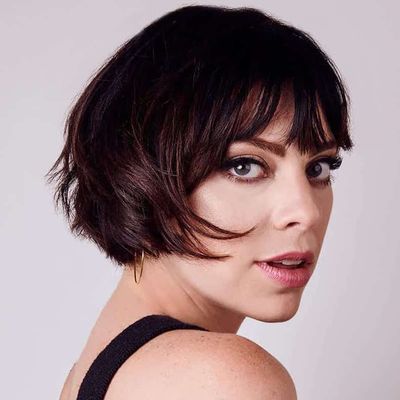
Krysta Rodriguez, true triple threat and my OG Wednesday Addams, sits down for a candid conversation about identity, community, Sondheim, and the next generation of artists and actors... Read More
From the show: The Come Up
Guests
Featured Shows
About
Krysta Rodriguez, true triple threat and my OG Wednesday Addams, sits down for a candid conversation about identity, community, Sondheim, and the next generation of artists and actors.
When this was recorded, Krysta had just wrapped up "double duty" performing as Cinderella in the revival of Into the Woods and rehearsing for The Collaboration.
Krysta most recently starred in Netflix’s limited series “Halston” from Emmy-Award winning creator Ryan Murphy, starring as the iconic entertainer Liza Minnelli. Her Broadway credits include Spring Awakening (OBC and Deaf West revival company), First Date, The Addams Family, In the Heights, A Chorus Line (revival) and Good Vibrations. Rodriguez played Megara in the world premiere of Disney’s Hercules (Public Works) and received an Outer Critics Circle honor for her performance in Theresa Rebeck’s Seared (MCC Theater). Other memorable turns include West Side Story (Anita; Kennedy Center), A Chorus Line (Diana; Hollywood Bowl) and What We’re Up Against (Off-Broadway). On television, Rodriguez is best known for her roles in “Smash,” “Daybreak,” and “Trial & Error” and recurring on “Quantico,” “Younger,” “Chasing Life,” “The Mysteries of Laura,” “Married” and “Gossip Girl.
IG: @krysta_rod
On The Come Up, host Matt Rodin sits with creative people to find out where they’re at, today, in the journey of becoming who they are. What unfolds are often inspiring, transcendental, and candid conversations about the reality of being a growing artist.
Matt believes that love is who we are. He taps into people’s light so that we can form deeper connections with ourselves and one another. He’s a queer maker of music, media, characters, and campfires. As an actor, Matt recently starred in Hedwig and the Angry Inch at Milwaukee Rep, and the upcoming musical film BEAU. In 2020, he released his first live solo album, Matt Rodin: Live at Home. Matt has also worked as a content producer and consultant for The Tony Awards, The Smithsonian Institute, SoulCycle, Hamilton, Cynthia Erivo, Ingrid Michaelson, Playbill, Broadway.com, Dear Evan Hansen, Write Out Loud, and more.
The Come Up is presented by Broadway Podcast Network
Transcript
This transcript was automatically generated and might contain errors.
[0:00] Matt Rodin: Hey, thanks for hitting play. My name is Matt, and welcome to The Come Up.
[0:05] Matt Rodin: On this episode, a conversation with Krysta Rodriguez. I first met Krysta during the Chicago out-of-town tryout for The Addams Family way back in 2009. By that point, she had already done four Broadway shows, including the original company of Spring Awakening and In the Heights. And since then, her career has continued to blossom and evolve, making countless appearances in television and film, most notably, at least for me, in Smash, and as Liza Minnelli in Ryan Murphy's Netflix series, Halston. In the midst of all that, she battled and beat breast cancer. She started an interior design business, and she continues to teach workshops and classes for aspiring performers. All of which we touch on in this conversation.
This was recorded at the end of November 2022. Krysta had just wrapped up her run as Cinderella in the City Center revival of Into the Woods and was in tech rehearsals for Manhattan Theater Club's production of The Collaboration. I am so thankful that we had the chance to catch up and talk about her 20 years in the business, community, identity, auditioning, Sondheim, and her take on the next generation of artists and actors. And so without further ado, here is Krysta Rodriguez.
[1:23] Krysta Rodriguez: Are you alive?
[1:24] Matt Rodin: Are you still?
[1:26] Krysta Rodriguez: I'm alive. That's about what I can say.
[1:27] Matt Rodin: Yeah, that's the baseline.
[1:29] Krysta Rodriguez: No, I'm slowly shedding the multiple things I was doing at one time, so that I'm starting to only do one thing at a time.
[1:36] Matt Rodin: Have you done double duty before?
[1:38] Krysta Rodriguez: Oh yeah.
[1:39] Matt Rodin: Oh yeah.
[1:40] Krysta Rodriguez: But mostly when I was, you know, in my 20s and not doing solo time.
[1:46] Matt Rodin: But now you're done. You're good.
[1:47] Krysta Rodriguez: Like now I'm done.
[1:48] Matt Rodin: Yeah.
[1:48] Krysta Rodriguez: I left on Sunday, had a nice little send-off, and we're in tech for The Collaboration right now. I'm headed there after this.
[1:56] Matt Rodin: So exciting.
[1:57] Krysta Rodriguez: Yeah.
[1:57] Matt Rodin: Was Into the Woods fun? Did you enjoy your time there?
[2:00] Krysta Rodriguez: It was fun. Yeah. It was super fun. It was like such a different experience and such a challenge in a good way and such a warm group of people. And it was really nice.
[2:11] Matt Rodin: Was that role ever like on your radar?
[2:15] Krysta Rodriguez: No. No. Not in a thought. No. No. Not at all at all at all. Until I saw it at City Center.
[2:24] Krysta Rodriguez: I just kind of knew "Steps of the Palace" and I knew it was sort of like taken out of context. It doesn't really go anywhere.
[2:31] Matt Rodin: Right.
[2:32] Krysta Rodriguez: Like to if it's not the middle of her story, it doesn't really speak to anything.
[2:38] Matt Rodin: Yep.
[2:39] Krysta Rodriguez: And so, but yeah, everyone sings it all the time.
[2:41] Matt Rodin: Right, because it's a standalone female soprano-y comedy song, which like how many of those are there? Like, "Where's My Other Shoe" from She Loves Me, you know, is what you're getting if you're a soprano and you want to be funny.
[2:55] Krysta Rodriguez: Um yeah, it just like didn't really resonate with me. And then when I saw the City Center version, Danae Benton, who is now doing the role back on Broadway, it was like just so grounded and lovely and strong and maternal, and I was like, "Oh, do I understand this woman now all of a sudden?" And so then when it sort of presented itself, I was like, "Actually, yes, I would love to take a crack at that, because I think that there's some part of myself that I could bring to this that hasn't been seen before, much like Danae's version was."
[3:29] Matt Rodin: Vocally too, I feel like was that out of your comfort zone?
[3:33] Krysta Rodriguez: No, it's firmly in my comfort zone, just nobody lets me do it.
[3:37] Matt Rodin: Oh my god.
[3:38] Krysta Rodriguez: It's how I was, that's how I learned to sing. It's how I was trained as, and like when I came to college, you know, I auditioned with "Vanilla Ice Cream." I was like soprano. I was like, that was I was singing all the soprano songs during college. I left college with like a book of Fiorello songs and like that's so wild. But then from that point, it was like immediately came on my first Broadway show was Good Vibrations, which was, you know, pop rock music, and then Spring Awakening, and then just went and even blue hair. I mean, even, you know what I mean?
[4:16] Matt Rodin: Like, yeah.
[4:18] Krysta Rodriguez: But that's why, you know, "Pold" is such a conundrum for a lot of girls because it is a conundrum. It's in the high place because my register is quite high. And um, when I auditioned for The Addams Family, they didn't have "Pold" yet. And so I sang "Vanilla Ice Cream," I sang "A Little Bit of Love" from Wonderful Town, I sang "Leaving on a Jet Plane," I sang "Rainy Days and Mondays" by The Carpenters, all in the same, and blue hair, all in the same audition. And Andrew Lippa was like, "We're just trying to figure out what she sounds like," you know. And then when he wrote "Pold," it was like she sounds like all of them. I mean, there's like soprano parts, and I think I know why. I was thinking these are the birds. It's all like, it's all very soprano-y. So anyway, that's a long version of saying, "No, I used to sing like that all the time, and now just nobody, everyone sees me as just like Beltress, but I actually am not. I'm a power mixer."
[5:15] Matt Rodin: You're like, "I want to mix, let me mix."
[5:17] Krysta Rodriguez: Exactly. Listen, and it sounded gorgeous, and you know, but it was so, I again, like you said, it was surprising. I was like, "Oh, I didn't even know that was like where your comfort zone lied."
[5:27] Matt Rodin: Yeah.
[5:28] Krysta Rodriguez: Um yeah, I feel like a lot of those Sondheim shows, like, even I didn't know Into the Woods either, and I didn't know Company at all.
[5:36] Matt Rodin: Yeah.
[5:36] Krysta Rodriguez: Seeing a lot of these shows, obviously now being older, yeah, the context changes. Like I just have a much deeper understanding of the stories and the characters in a way that I didn't when I was younger, you know.
[5:49] Krysta Rodriguez: Completely.
[5:50] Matt Rodin: Yeah, yeah, yeah. Cause it's almost like purposefully hard to approach. And you have to be willing to accept whatever lesson is coming when it comes to you. It's like, it's a waterfall of information, and you just grab on to something that takes. And that's why I think Into the Woods has resonated with people for so has resonated with people is because it's sort of like a chorus line. I did a chorus line when I was 23 and I resonated with, you know, Bibi Bensenheimer, who I was playing in the Maggies, and the like, you know, the new kids on the block. And then I played Morales when I was 32, and I was like, "Oh, I'm now Morales, maybe even more Sheila, maybe even more Gregory Gardner, frankly," you know, and like it was so good to be able to like take Morales, who's sort of like she's the voice of both sides.
She's like, "I understand this side of it and I understand this side of it, and we need to keep recommitting to what we love," you know, and that was really inspiring at that moment. But anyway, all this to say, I think Into the Woods has resonated because there's Jack, there's Little Red, there's young people. So when you're a young person in theater, you go, "Oh, I want to sing, you know, I want to sing 'I Know Things Now,' or I want to sing 'Giants in the Sky.'" You don't really understand the whole arc of what the show is.
[7:10] Krysta Rodriguez: No, definitely not. And then as you get older, you know, now you start to be like, "Oh, I'm the baker's wife all of a sudden." My mom was wrecked. A lot more of this makes sense than it did then. Um, and I think it's interesting hearing you talk about the Morales and the Bibi of it all because, you know, you've been around. It's like you've been working for a long, like a long time professionally.
[7:34] Krysta Rodriguez: Um, 20 years this year.
[7:37] Matt Rodin: Holy shit.
[7:38] Krysta Rodriguez: Yeah, and in New York. And you've seen, I mean, you've done a lot, right? You've done Broadway, you've done off-Broadway, you've done tours, you've done network television, you've done network pilots, you've done streaming television. Like you've really seen—
[7:52] Krysta Rodriguez: I started doing podcast radio plays over the pandemic.
[7:56] Matt Rodin: Of course.
[7:57] Krysta Rodriguez: Well, that's the new thing.
[7:58] Matt Rodin: Every medium. But I so I'm curious, like, how what's your perspective on all of that? You know, like, are you enjoying all of it equally? Are you feeling like, you know, theater is sort of where your heart lies? Like, what's your perspective on just the industry as a whole? How has it changed since when you started?
[8:18] Krysta Rodriguez: Yeah, I definitely when I came to New York, it was theater or bust. I wouldn't even go on a TV audition. I didn't start, I didn't go on a TV audition for 10 years. Um, because I had grown up in LA in like, you know, in Orange County, but I had done the whole LA trying to be a Disney star, you know, rigor. And I just found that the culture of television was not inclusive and didn't have a big imagination, I guess. And I had always wanted to do theater. I went to New York and saw a Broadway show when I was six, and from that point on thought I was gonna be in New York and be on Broadway. But my life took a little detour in high school when it was like, "Well, maybe I'll do the LA thing." And when I was accepted into NYU for college, I was also accepted into UCLA.
And so it was like one of these paths where it was like, "What are you gonna do?" And I remember the moment that struck me in school I was in physics class and just being like, "I've got to go to New York. I've always wanted to. This is the opportunity to live and be in New York and try to be on Broadway. Like you got to do it." So from that point on I just had a bad taste in my mouth about TV. And then it wasn't until I started, you know, doing more, I started doing, I had done five Broadway shows at that point and I was like, "Okay, I see now where there is something to be gained from television, which is to watch a character grow over a long period of time."
[9:55] Matt Rodin: Right.
[9:55] Krysta Rodriguez: Or, um, or frankly to have a weekend. I mean, as much as like it's like, it's both things. It's artistically filling and personally fulfilling sometimes or can be in those ways. And so I went for it and I had some success in that area. And then, you know, after a while long enough you miss Broadway. You miss that community, you miss putting everybody—I always call it like the great equalizer. It's like you put everybody in a room and you try to put on a show, whereas I could shoot a movie and never see somebody that I am in the scene with, frankly. I've done scenes with people I've never met, you know. So that is like one thing about that that's sort of unsettling sometimes. So I just have been very lucky to try to go where the roles are that I relate to and whatever medium that is, and that's like I said, why I was doing radio plays and stuff during the pandemic, because Teresa Rebeck wrote them, and I love being a Teresa Rebeck character, you know.
She writes the best, um, most complicated women that I love playing. And so, um, I think I just like now the sort of North Star is just do I love this role? Do I think that it could do it? And do I miss one of these things or another? You know, and it had been seven years since I'd been on Broadway when I came back to do Woods. So I had done off, but I had done it. Right. I saw you in Seared, yeah.
[11:15] Krysta Rodriguez: Yeah, and I did Hercules and I did my show at 54 Below, but as far as like Broadway had been Spring, yeah. And so it was, um, I remember kind of walking down the street one day and being like, "Okay, I'm ready, I'm ready to go back to Broadway," because when you're in it, you know how hard it is, and you know you can't dedicate yourself to it unless you're obsessed with it. Like it has to be, it's your life thing, you know, you have to play.
[11:41] Matt Rodin: Yeah, it has to be a thing you know you're gonna, you know, give up things for.
[11:45] Krysta Rodriguez: So that's what I decided to do. And then two showed up at the same time, and now here I am.
[11:49] Matt Rodin: What a frickin' blessing too.
[11:51] Krysta Rodriguez: Yeah. Um, what was your expectation of what Broadway would be like versus sort of the reality of it? Like I'm always curious to hear about that contrast and sort of when that came.
[12:08] Krysta Rodriguez: Yeah, yeah. I mean, immediately like when I came to, I came to New York again when I was 13 and I saw a bunch of shows, and I remember, um, see I saw The Scarlet Pimpernel and Christine Andreas was coming out of the stage door and she was signing autographs, and I was just so amazed to meet her. And then I will never forget like her putting on her hat through like the Minskoff alley and walking up to Times Square and disappearing. Just another person. That's what I want. That's what I want. I want to do what I love. I want to be important to the people who saw it, who know. I want them to be appreciative of me because of my work, and then I want to leave and go home and have nobody care. And um, and for some reason, even at 13, that felt very appealing to me. And so I knew already that it wasn't gonna be like, you know, glitz and glamour and glamorous.
[13:04] Matt Rodin: Right.
[13:05] Krysta Rodriguez: But I think I thought, I think the expectation, and you know, in a weird way, I did children's theater and then I did Broadway. I had never done a community theater production. I had never done, I had done one college production, you know, but I left very little in between, very little in between. So it really was a very shocking experience to be like, "Oh, this isn't really different. It just has more money and more stakes." But also my first Broadway show was Good Vibrations, which was a huge flop. So where you go from even in your high school or your children's theater feeling so fulfilled by playing, you know, Mama Rose or something. Like you're getting to play roles you would never get to play in real life, and trying to and having that like experience of this is the best thing I've ever been in.
And I remember even being at the audition of Good Vibrations and going, "I don't think this is good, but it's Broadway. So it's got, I'm maybe I'm wrong, but I don't feel like this is good." And then you're in it going, "Oh, so not everything has to be good." Oh, I almost was more fulfilled doing my children's theater than I am being on Broadway.
[14:17] Krysta Rodriguez: If it's not the right project. And so that's when you really start to like hone in on, "Oh, so it really is about the project, the people, the team, the, you know, the vision. It's not just about being on Broadway. That's not the destination, actually. The roles and the artistry is the destination." I think it's really, um, helpful two things. Helpful one that you were in a flop first.
[14:41] Krysta Rodriguez: Yes. Like I think that's like really, really helpful for the longevity of you and your career.
[14:47] Matt Rodin: Yeah.
[14:48] Krysta Rodriguez: Um, and I think the sort of low bar expectation of it not being this because I think a lot of times young people have this sense that like when I book X, Y, or Z, yes, I will be happy, or I'll have my life set and I'll be good to go and everything will be okay.
[15:08] Matt Rodin: Yeah.
[15:08] Krysta Rodriguez: All my problems will be solved. And I know that's not the case for you. I mean, I know that there's been things that have happened in the course of your career that have been out of your control, separate from theater and entertainment.
[15:20] Matt Rodin: Yeah.
[15:21] Krysta Rodriguez: Um, that I think I don't know, it's just it's it's always nice to hear and I and helpful, I think, to hear that like it those those expectations are not that that's not reality.
[15:34] Matt Rodin: Right.
[15:34] Krysta Rodriguez: And I try to be very honest. I teach a lot. I try to be honest with that about with students and stuff that it this isn't the like you have one weekend of the show and you all cry at the cast party. Like this is that's some high school show your life forever this is your it's the same as your parents' job. It's the same as it's a job. It's a job, it's your work. And and you know, I I heard a quote from um Lucy Preble who wrote Enron and also um produces and writes for succession now and like an incredible um playwright but she was like you know working at a coffee shop or something and wrote this hit play and then had to go back to the coffee shop and then wrote another hit play and finally got to be like okay I'm ready to be a full-time writer and they were like oh my god isn't this your dream like you got to quit your coffee shop job and whatever and and apparently she said um yeah but I married my mistress it's like all of a sudden you have to now wake up to this face every day that was sort of your like secret little passion and your thing that could like take you away from your life is how we feel when we're meeting our our community as children if you're in counter the arts early on it's like these are my people these this is my escape from being bullied this is my escape from the world this is where I find my my true passion and that it's and my value is worth something you know and so then to then be like oh and also you have to do it to eat is is a bit of a it's a bit of a you know a shock.
[17:08] Krysta Rodriguez: And that's why I'm very supportive of people when even if they're I I went to an arts high school and I really believe that that education is invaluable no matter what you do. And it's almost better sometimes it's like go go do a job that is steady and you can have you know a a family life that you know and and live wherever you want and do community theater and do and make YouTube videos and make you know do a web series. Like you can do all that stuff without making it your primary job. And it can be just as fulfilling. And that is something that, you know, I'm I'm I love that this is my job. I'm not, you know, but I also am encouraging of people, it might not be for them, and that is okay. It's not a failure. It's a it's an understanding of the job you're getting into.
[17:54] Matt Rodin: Yeah.
[17:54] Krysta Rodriguez: And a lot of times I I've found since I mean, it's been almost 10 years since I've been out of school, but a lot of the people that I graduated with, it takes time to sort of find where you fall in the in the industry, and and it certainly takes time to find acceptance for wherever you fall as well. Um that's like a process of being like, oh, okay, not here, but here. So how do I make this either fulfilling or do I find things outside of this thing that I can sustain myself so that I can maintain this? And even people that I know, I mean, I'm sure you know too. Like people that are in Broadway shows doing eight shows a week are still having side hustles. Like are still doing some other things, believe me, other thing because they're like this.
If you're working it in an off-Broadway, a non-for-profit, I mean that's not a living wage. It's it's just not. So that I've I've worked with many people in in shows that I have done that were production contracts who are still doing jobs, full-time jobs during the day and doing the shows at night. And side hustles. I mean, that's the other thing too, is like I know you were doing that interior design thing for for a moment.
[19:05] Matt Rodin: Um still am still am.
[19:07] Krysta Rodriguez: But it's hard to juggle both when you're doing two shows.
[19:10] Matt Rodin: Yeah, exactly.
[19:11] Krysta Rodriguez: But I think those kinds of things are important to have, like outside of again, like this is your job. But it takes you a while to be able to have the time and the wherewithal to even have a side hustle or a side passion. It's like you have poor people always would ask me like what my hobbies are. I'm like, I don't have hobbies. I sing, I dance, I act. Like that's my hobby. I dedicated my entire life to three full disciplines. I don't have hobbies. That's it. That's it. Listen, and you and you're lucky that you get to like use that right exactly.
[19:41] Matt Rodin: Yeah.
[19:41] Krysta Rodriguez: I like go to sleep watching television and go I turn around and do it again. Like, you know, so it takes a while to where you can like really have mastery of what you're doing to then be like, okay, now I need an outlet for this other part of my brain that isn't maybe necessarily getting as stimulated as it was before. And I think that's important. I just think that's like useful and important um for people to hear. I know also um you have formed in the time that you've been here, really a really strong like bedrock of a community. Like you have people that are your like ride or dies.
[20:21] Matt Rodin: Sure.
[20:21] Krysta Rodriguez: Yeah. I want to know about how that has affected you, how it's been helpful, what's been hard, etc. etc. in the process, because I think community building is something that I again when I like teach or talk to people, it's like the thing I'm like, you gotta have peeps. You got to. I know people always want to know their advice about, you know, like they want to know like how to get to Broadway. They think I'm gonna like open my coat and give them the key if they say the right word. And I'm always like, get a good therapist. And they're like, ha ha ha ha ha. I'm like, no, get a good therapist now. Start because that your mental health is the most important thing. And like it has never been prioritized as much as it is now. And people, you know, it's it's time to be, you know, um, integrating that and not being solely focused on whatever the career is.
[21:15] Matt Rodin: Yeah.
[21:15] Krysta Rodriguez: Um, and I learned that, you know, as time went on. And I think I'm so lucky to have the the group that I have. And um that that has been, you know, forged through fire. You you go through these experiences together. And even, you know, I I can't say that I'm close to really most people that I did that good vibration show with. But if I see them on the street, you're like, oh, we went through something. They will always be my family in that way. Um, so you know, you just sort of that's almost the hardest part is that you form you have to form these super intimate bonds very quickly, and they become your family and then they leave. And that's why you go through a mourning period sometimes when you leave a show. You're like you're mourning losing an entire family unit, and you go to the next family unit and hope you can find somebody there, you know.
[22:12] Krysta Rodriguez: So I've been very lucky. And sometimes you like with the second cast of spring awakening awakening, that's where I really found like the people who I that continued to stay with me beyond the show. Um, and I'm I'm very grateful for that. But it's very important to it's very important to find, like I said, I said, a good therapist, and also to find the people who you trust to reflect back to you what's going on, because you're gonna hear all kinds of things, especially now with social media. You're gonna hear you're a piece of trash, you're gonna hear you're the greatest thing that ever existed, and you're not gonna know which way is up. And so when you can find the people who you say, okay, I'm going to put my trust in you to reflect to me.
Am I am I the problem here? Do I need to keep, you know, should I ignore this? Should I let this in? And that's been um that's as important as having you know good mental health is having your bedrock of people who will like, you know, give you the give you the real truth.
[23:12] Matt Rodin: Yeah, of course. I mean, and again, I mean the therapist thing is so fucking big. I like cannot emphasize that enough.
[23:34] Krysta Rodriguez: What have been like the harder periods for you? You know, what have been like what are some I'm just curious, like, you know, what are the things that you've struggled with the most in this in this 20-year career, as you as you said before.
[23:46] Krysta Rodriguez: Yeah, I mean, I think one of the things that I have struggled with the most is how do I want to put this? Um the sort of lack of ability to believe anything at face value. That's been a really difficult thing to learn, which is, you know, even like I stopped asking for feedback from auditions because like then you're just grasping for like a reason why you didn't get it. And frankly, there is no reason. Like maybe there is. If you walked in there and you were an ass, or you know, you got you know, you you didn't you weren't prepared, that's feedback that's important. But to be like, you know, she's just she just has a quality about it's like I can't, I don't want to hear that, you know. Either I'm it or I'm not it, and that's the most important thing.
So, but but why that can be damaging is because it's a casting director maybe telling you why they think maybe you didn't get the thing, where it could be that like the director didn't have lunch yet, and he just it just didn't hit at that point, or he got a phone call right before that didn't, you know, and so now you're placing a value judgment on you know, this quality that you have when it really wasn't about that. So you start to have to kind of divorce yourself from what people are telling you. But then it's also like, yeah, I mean, this is very this is all inside baseball, which I'm is fine, you know, for for this. So forgive me if people, you know, don't really relate. But it's like, you know, how it was between me and one other girl.
It's like it's never between you and one other girl. There's there's a hundred girls who they could just call up in a second. You know, and so the things that you're being told are not true. And even the times when you're like, you're amazing, no, we love you, it's great, you're getting fired the next day. Right. So it's like it's been very difficult to sort of know where the real truth lies sometimes. And people will like, you know, you might get a note from a director and you're like, why am I getting this note? And it's because a producer told the the usher to tell the drawer man to tell, you know, the director that this is, you know, and it's and so you're like, oh my god, I'm terrible, I'm bad. And it's really the director being like, I've got this, everyone has a boss, everyone's answering to somebody else.
[26:08] Matt Rodin: Yep.
[26:09] Krysta Rodriguez: And you think you are the problem all the time. I think I'm the problem all the time. And so I never trust anybody, even when they're saying it's good, because that's so the the lack of trust in what people are telling you to your face. And we all know this. Like, I don't go backstage if I see a show that I don't like and go, whoof, that was terrible. Uh there's something good to say about it because I know how hard it is to to put something up to make anything even mediocre is impossible. Yeah. Let alone something good, let alone something great. And so I, you know, and just because you do something that's not great, you don't deserve the death penalty. You know, it's it's like, okay, you tried and it didn't work.
But I'm gonna give you something that I liked about it. But if I'm at home with my friends, I'm gonna say, I really didn't like this thing and this, oh, I hated that choice from the this perspective or whatever, or this part really bothered me, or I loved this or whatever. And knowing that that's going to happen to you, someone's gonna tell you your show is amazing and go home and say she didn't sound that great on that thing, and and knowing that that's part of it and it's okay, and it doesn't really reflect on you. Or if it does, like, you know, so what? You missed, you swung and you missed, but you swung, you know. And that's been a really tricky thing to find. And as you get older and more settled in yourself, you have to kind of decide if this is what the path you're gonna take, or are you gonna be miserable forever? And you get to choose. You get to choose. And sometimes I choose the other, and sometimes I, you know, day to day, hour to hour.
[27:51] Matt Rodin: Day to day, all yeah.
[27:52] Krysta Rodriguez: So that's been that that I would say that's been the hardest part of growing in this industry is the more you see, the more you know how it works, the harder it is to trust how the system is working.
[28:04] Matt Rodin: Especially at the level that you're working at, right?
[28:07] Krysta Rodriguez: When we're talking Broadway network television pilots, streamer, like that it's it there's so many cooks in the kitchen. There's so much involved behind the scenes that has nothing to do nothing to do with the actors.
[28:22] Matt Rodin: No.
[28:22] Krysta Rodriguez: That yeah I you know I And even if it did have to do the actors, they wouldn't tell you. So you just have to be like, well, I'm gonna either accept this at face value or if my inkling is that I am maybe part of the problem, maybe investigate that. And you know, it can't always be not me. You know?
[28:39] Matt Rodin: Right.
[28:40] Krysta Rodriguez: But it can't always be but it can't always be me.
[28:42] Matt Rodin: Right.
[28:43] Krysta Rodriguez: I know I I think this that skill is obviously useful, you know, across the board in like not taking things personally. Right. Like and I and I'm coming from both ends of yes saying oh this person thought that the show was bad. So that's not about me. Or even in an audition when it's not when you don't get it, it's like okay that actually has nothing to do with me. The phone call came in he had to go to the bathroom like whatever it is totally. And the other end of going when someone's like you're amazing. You're the best thing since sliced fucking bread it's hard to be like thank you but not let that like blow you know blow you up.
[29:27] Krysta Rodriguez: But also to know that because maybe he got a good news phone call and you came in and you said the one line right that he's been wanting to hear and so now you've got the job.
[29:37] Matt Rodin: Yeah.
[29:38] Krysta Rodriguez: And I that I had gone through that and still gotten on set and been fired because you don't say all the other lines the way that they want you to say it's like, you know, you you can never really you can't that's why I stopped reading reviews years ago.
[29:53] Krysta Rodriguez: Um, first of things that I was in, and then subsequently of anything because none now.
[29:58] Krysta Rodriguez: Not none.
[30:00] Krysta Rodriguez: Never.
[30:00] Krysta Rodriguez: Um, because I realized that it was it was coloring my experience of things I hadn't even seen.
[30:08] Krysta Rodriguez: It was telling me whether or not to support an art form that I'm obsessed with and have dedicated my life to.
[30:15] Krysta Rodriguez: And also, frankly, you know, when you get that when you see that really mean one and you get that little like, whoo, that's bad.
[30:25] Krysta Rodriguez: I don't want that feeling either.
[30:26] Krysta Rodriguez: I was participating in the culture of meanness around a group of people who are underpaid, undervalued, and working their fucking artists for people's entertainment and our fulfillment.
[30:38] Krysta Rodriguez: You know, and like, why am I excited when some city writes something mean about it?
[30:45] Matt Rodin: Yeah.
[30:45] Krysta Rodriguez: So I just was like, I don't want to participate in that at all, and I want to make my own opinions.
[30:50] Krysta Rodriguez: And because you can't believe that you can't be like, you know what, this person really knows what they're talking about when they said I was amazing.
[30:56] Krysta Rodriguez: Well, it's one person's opinion.
[30:58] Matt Rodin: Yeah.
[30:59] Krysta Rodriguez: Also, though, if they say you're amazing, you're like, why didn't you say resplendent?
[31:03] Krysta Rodriguez: Why didn't you point out the exact moment that I've been wanting the attention for?
[31:08] Krysta Rodriguez: It's never enough, and it's it's always too much.
[31:11] Krysta Rodriguez: And it's like, what are we doing?
[31:12] Matt Rodin: Right.
[31:13] Krysta Rodriguez: One one is never enough, and a thousand is too many, right?
[31:16] Krysta Rodriguez: There's there's no there's no in between.
[31:18] Krysta Rodriguez: But that's like, I mean, that's again part of life.
[31:20] Krysta Rodriguez: Like that's that's that's a that's a good thing.
[31:22] Krysta Rodriguez: And most of us are the type of people who I had a teacher tell me this one time.
[31:26] Krysta Rodriguez: So she's like, you could be at Carnegie Hall in a standing ovation and look at the one person with their arms crossed and be like, tell me why I'm the worst.
[31:33] Krysta Rodriguez: You know, I need to know why you don't like me.
[31:36] Matt Rodin: I don't care that I know what is that.
[31:38] Krysta Rodriguez: What is that about artists?
[31:40] Krysta Rodriguez: That I need you to like.
[31:41] Krysta Rodriguez: What is that about us that we that we it's like it's just it we're we're we're never satisfied, you know?
[31:46] Krysta Rodriguez: We're like always craving that kind of validation.
[31:48] Krysta Rodriguez: I do think that there is like there I have always thought it's like a mental like there's a there's a chip in our brains.
[31:57] Krysta Rodriguez: We don't you don't get into this that there isn't a chip in your brain.
[31:59] Matt Rodin: Oh, certainly that lets you do this.
[32:01] Krysta Rodriguez: No, no.
[32:02] Krysta Rodriguez: And I and I I think it's important to say also something that I've not recently acknowledged, but I keep I get reminded of every season is I'm like, man, I'm fucking obsessed with this form.
[32:12] Krysta Rodriguez: Like I I love it.
[32:14] Krysta Rodriguez: And no matter if I even if I see something that I don't like, I can still I'm still gonna get teary during bows because I'm like, man, they fucking worked their asses off.
[32:25] Krysta Rodriguez: They did that.
[32:26] Matt Rodin: Yeah.
[32:26] Krysta Rodriguez: And it's never fun to see someone fail.
[32:28] Krysta Rodriguez: It's never fun, you know, to read a bad review and go, damn, all those people are working so hard.
[32:35] Krysta Rodriguez: Well, the thing about the the art form of theater is that it's live and in person, and so you can't extract the humans from that experience.
[32:42] Krysta Rodriguez: If you're watching a movie or TV, you can almost think these aren't real people, but when you extract the humanity from people in theater, you know, it's the same as the director getting that phone call.
[32:54] Krysta Rodriguez: Somebody's parent is dying while they're up there performing a tap dance, you know.
[32:59] Krysta Rodriguez: Like these are humans putting on a show, and that's why you came, and that's why you paid a premium is to watch real humans do something real do something in front of you, slide of hand magic in front of you.
[33:12] Krysta Rodriguez: And if you don't respect that the humans are the ones making it, and that's also not to I to clarify, I also think we should extend that to child and television.
[33:20] Krysta Rodriguez: But what I'm saying is, like, especially if you are gonna honor this art form, you have to honor the people who are doing it.
[33:27] Matt Rodin: I think that's very well said.
[33:29] Krysta Rodriguez: Are you how you show up in a room?
[33:31] Krysta Rodriguez: Is it different than when you started?
[33:33] Krysta Rodriguez: And I'll and I'll let me give you context for this.
[33:35] Krysta Rodriguez: I'm finding now that I can show up, I want to show up as myself, because if I don't, and I get it, then there's an expectation on me of like who I'm gonna be in the rehearsal room who is not actually me.
[33:53] Matt Rodin: That's that's not really my real self.
[33:56] Krysta Rodriguez: Yeah.
[33:56] Krysta Rodriguez: Yeah.
[33:57] Krysta Rodriguez: I say this a lot.
[33:58] Krysta Rodriguez: I mean, like, you know, I've done shows for years.
[34:01] Krysta Rodriguez: And so when you're coming into the room, you also have to be somebody who they're not they're not just looking for whether you can do it, they're looking for whether they want to spend years with you.
[34:11] Krysta Rodriguez: And you also get to decide if you want to spend years with them.
[34:16] Matt Rodin: Uh-huh.
[34:17] Krysta Rodriguez: Because you're gonna have to dedicate a lot of time and sacrifice a lot for whatever it is.
[34:22] Krysta Rodriguez: So, you know, it's an interview as much as it is like a showing of what I have prepared for this.
[34:29] Krysta Rodriguez: But yeah, absolutely.
[34:30] Krysta Rodriguez: Like, I mean, it's part of the it's part of the the growing up in the business, or at least what growing up knowing you want to be in the business, it's intrinsically linked with discipline and and adults telling children or young adults what to do and how to behave.
[34:47] Krysta Rodriguez: So a lot of it is you have to look a certain way, you have to be poised, you have to stand a certain way, you say, Thank you very much.
[34:53] Krysta Rodriguez: Hello, my name is Chris Rodriguez, and I will be singing the you know, like with with with perfect diction, and like at that point, I mean, maybe if you're starting out, you still need a bit of that poise, but I've been on the other side of the table and I don't want that poise.
[35:09] Krysta Rodriguez: I don't, I it's just not, it's not sustainable.
[35:12] Matt Rodin: Right.
[35:12] Krysta Rodriguez: I don't know who you are.
[35:14] Krysta Rodriguez: I don't know how I'm going to want to interact with you.
[35:17] Krysta Rodriguez: I don't know how.
[35:18] Krysta Rodriguez: And in the quest to be, you know, perfect and like give only what you prepared.
[35:23] Krysta Rodriguez: What happens when a direction gets thrown at you in the room?
[35:26] Matt Rodin: Oh, yeah.
[35:26] Krysta Rodriguez: Well, that shit's and yeah.
[35:27] Krysta Rodriguez: I mean, that's a full that's a sure if I'm buying the table, a surefire way for you not to get the job is for you to do it the same way after I gave you a note because it's the way you performed it, prefer prepared it, or the way that you feel like, but if I sing it this way, it's gonna I'm gonna sound bad.
[35:44] Krysta Rodriguez: It's like I might be wrong about my note, but I need to know if you're willing to play ball.
[35:49] Matt Rodin: Yeah, you know, because we're gonna be trying a lot of things.
[35:52] Krysta Rodriguez: Things could be cut, everything could change, you know.
[35:55] Krysta Rodriguez: Your role could go from one end of a spectrum to another, and you have to be malleable.
[36:00] Krysta Rodriguez: So I think coming in as a more um empty open vessel as a human, yeah, and then acknowledging like, hey, I'm a human and I'm gonna do this, I'm gonna try to see this if this thing works, and you'll let me know if that did it for you or not.
[36:17] Krysta Rodriguez: Like I left an audition recently that I really wanted.
[36:22] Krysta Rodriguez: And I said, I left the room and I said, I did what I wanted to do.
[36:27] Krysta Rodriguez: Now it's up to them to whether they want that.
[36:30] Matt Rodin: Which is honestly the best kind of place to be in, you know.
[36:33] Krysta Rodriguez: Yeah.
[36:34] Krysta Rodriguez: And I didn't get it.
[36:35] Krysta Rodriguez: So, you know, and I could feel it in the room that they that they weren't they weren't wanting that version of it.
[36:41] Krysta Rodriguez: And like, you know what?
[36:42] Krysta Rodriguez: They'll find the version they want.
[36:43] Krysta Rodriguez: I don't need to contort myself to be the version they need me to be for.
[36:47] Matt Rodin: No, but that's huge.
[36:48] Krysta Rodriguez: But that's huge to know to be like, I'm not gonna fit my square peg into a round hole.
[36:54] Krysta Rodriguez: Like, I don't need to mold myself to be something that I'm not.
[36:57] Matt Rodin: Yeah.
[36:58] Krysta Rodriguez: And that's like a thing they try they start to dismantle in college a little bit, but you can't really know until you get in there that it's just like you have to be, you have to find yourself quickly in this, and then just let that fly.
[37:16] Krysta Rodriguez: And that's not to say you can't stretch yourself if you of course not think you normally do these things.
[37:20] Krysta Rodriguez: Be open to that, but also know like sometimes I sit in a waiting room.
[37:25] Krysta Rodriguez: I mean, there's no waiting rooms anymore, but I used to sit in waiting rooms and be like remember that.
[37:30] Krysta Rodriguez: If this is yours, I want this for you.
[37:32] Krysta Rodriguez: Like I would give the role to everyone in the waiting room because that's just you know, it's just a healthier thing to be.
[37:40] Krysta Rodriguez: And there's so many times I read scripts and I'm like, so and so would be so much better for that.
[37:45] Krysta Rodriguez: Like they just if someone else pops into my mind when I'm auditioning for something, chances are it's not my part, you know?
[37:52] Matt Rodin: And you're not the only one whose mind it popped into.
[37:55] Krysta Rodriguez: Exactly.
[37:55] Krysta Rodriguez: Yeah, and also like, yeah.
[37:57] Krysta Rodriguez: So if I know that person, I'm usually sending a text being like, you're going in for such and such, right?
[38:03] Matt Rodin: Yeah.
[38:03] Krysta Rodriguez: Um, are you I you said you teach a lot.
[38:07] Krysta Rodriguez: Are you finding that um the the generation that you're working with is different from the teens and twenties that you were around when you started in the business?
[38:20] Krysta Rodriguez: Like what has shifted or what's different?
[38:23] Krysta Rodriguez: I think I mean this I have no metrics to base this on.
[38:26] Krysta Rodriguez: This is an analogy.
[38:27] Krysta Rodriguez: A hundred percent.
[38:28] Krysta Rodriguez: I think people are more talented.
[38:30] Krysta Rodriguez: I think that like I think because of things like American Idol, and so you think you can dance and glee, being a performer became something that was more valued, or you felt like there was a path with it more than maybe you did before.
[38:45] Krysta Rodriguez: And people started training sooner and people started like training harder.
[38:51] Krysta Rodriguez: Yeah, training harder.
[38:52] Krysta Rodriguez: And also like I believe the younger generation has the benefit of seeing much more um realistic acting, much more like um earnest and honest and messy and complicated roles, so you can be more honest and messy and complicated as a person.
[39:12] Krysta Rodriguez: Um and I think that that has led to like some really incredible performances from younger people in a way that I'm I'm I always learn.
[39:22] Krysta Rodriguez: I mean, one I I teach at this place called the Performing Arts Project, and why I love it so much is part of your audition is uh, you know, a song, a monologue, and then an original something.
[39:34] Krysta Rodriguez: It could be you could come with cupcakes, like you baked cupcakes.
[39:38] Krysta Rodriguez: It could be I wrote a song, it could be somebody once did a dramatic monologue of their diary from when they were in third grade.
[39:43] Krysta Rodriguez: Like, you know, like any like all kinds of these are my doodles that I do in science class.
[39:50] Krysta Rodriguez: And you're just like the creativity and the emotional capacity of this generation, I think is really uh it's the most exciting part for me.
[39:59] Matt Rodin: Yeah, it's it's a I mean it's certainly a different time, you know.
[40:03] Krysta Rodriguez: Uh uh something that I I've talked to a lot of people about is is the fact that like even I don't know, 15, 20 years ago, we didn't have an alphabet, you know.
[40:14] Krysta Rodriguez: The the the belting is higher, the the you know what I mean?
[40:18] Krysta Rodriguez: You know, and even that it that makes people train it's like a swimmer, you know.
[40:23] Krysta Rodriguez: You know, that's why swimming swimming times are getting faster in every Olympics because people are like, I gotta push, I gotta push, I gotta push, I gotta push.
[40:30] Matt Rodin: Exactly.
[40:30] Krysta Rodriguez: And granted, I'm not saying that like that is what we're that's not the goal, that's not what we're going for.
[40:36] Krysta Rodriguez: Um, but even that has changed in in this sort of sense of what people are wanting or what people want to be doing.
[40:43] Krysta Rodriguez: Um but I think you're right in the sense that uh this is a much more feasible quote unquote career path.
[40:50] Krysta Rodriguez: Um we're also like in a unique time of higher education.
[40:55] Krysta Rodriguez: Almost everybody, you know, is when I was going when I was deciding about school, I auditioned for four schools.
[41:03] Krysta Rodriguez: I maybe wasn't gonna go to school.
[41:07] Krysta Rodriguez: Yeah, now they're like 24 because you have to go to school, which means now programs, uh especially arts programs all around the country are as prestigious as it was once, like Juilliard, you know, Carnegie Mellon, yeah, and then NYU.
[41:23] Krysta Rodriguez: And then all of a sudden it was like, and then Michigan, and then now it's and then it's now it's Texas.
[41:28] Krysta Rodriguez: Now it's now it's Texas, it's everywhere.
[41:31] Krysta Rodriguez: You can get a great program because more people are infiltrating the you have and like it wasn't a big deal to have a college education when I was now now it's what school did you go to where'd you graduate from?
[41:43] Krysta Rodriguez: And so there has been more of a of a of a value placed on, and I don't I'm not saying this is good or bad, but I'm just saying there's been more of a value placed on getting into a program so people are more trained by the time they get into this.
[41:58] Matt Rodin: Oh, yeah, their jobs.
[42:00] Krysta Rodriguez: I was so untrained when I got to school.
[42:02] Krysta Rodriguez: Like it was I Yeah.
[42:04] Krysta Rodriguez: I I went to an arts high school, so I was already sort of ahead of the game, but there were certainly people who had like sung once in a school talent show and now are at NYU trying to like lazy learn everything.
[42:16] Krysta Rodriguez: And that was that's exciting.
[42:18] Krysta Rodriguez: I think that's great.
[42:18] Krysta Rodriguez: And that should be that should there should be room for that.
[42:22] Krysta Rodriguez: I just think now because more people are going to school, these programs are getting more intense and more um competitive and you know.
[42:31] Krysta Rodriguez: And I think it's more important than ever to look at the school as a whole, and obviously the program as a whole, yeah, and figure out where you if if that's something you want to be doing and where you're gonna fit in.
[42:45] Krysta Rodriguez: Because yeah, the people that went to like my fiance went to Michigan and loved the culture of Michigan, right?
[42:55] Krysta Rodriguez: The football games and the college experience, you know.
[42:58] Krysta Rodriguez: I went to a conservatory, I went to Boco.
[43:00] Krysta Rodriguez: Like, yeah, I I it was I don't want a college experience.
[43:03] Matt Rodin: Right.
[43:04] Krysta Rodriguez: Or or at least when I was 18, I that's I didn't.
[43:08] Krysta Rodriguez: And I can certainly look back and I have feelings about all that, but I think it's really important at 18 to be like, wait, what do I want right now?
[43:16] Krysta Rodriguez: Like what what what's important to me?
[43:18] Krysta Rodriguez: And also like I would advocate for you don't I I'm not advocating for not higher education, but just like the education cost is so exorbitant.
[43:28] Krysta Rodriguez: I I I want things to return to a more vocational um, you know, focus.
[43:36] Krysta Rodriguez: Like that it's not just an indiscriminate, you must spend a hundred and something thousand dollars on your education in order to be valuable.
[43:44] Krysta Rodriguez: I I don't think that that's true.
[43:46] Krysta Rodriguez: There are people that are good enough that like they don't really need I mean, you know, you could certainly get you're certainly gaining something from going to school and and and getting education, but there are people that I'm like, you what you start auditioning, you know, and everything's on tape now.
[43:58] Krysta Rodriguez: So it's like you don't really need to be here necessarily to be to be going in for things.
[44:04] Krysta Rodriguez: Yeah.
[44:18] Matt Rodin: What are you reading any books right now? Are you watching? Like, what are you watching? What are you listening to? What are you what are things you're in what you're interested in?
[44:23] Krysta Rodriguez: Well, I'm in I've now been able to like fully immerse in the world of The Collaboration. So I'm reading a book called Widow Basquiat, which is about one of Basquiat's girlfriends who I that's what I play in the show, and sort of her love affair with Jean-Michel Basquiat. And that's been great. And I'm sort of like I'm I'm going I'm going slightly, I'm going like my diet method on this. We'll see how it goes. But I'm um I am only in about 12 pages of the whole show. Kind of nice.
[45:00] Matt Rodin: Yeah, I know. Very different than Cinderella.
[45:04] Krysta Rodriguez: And um I don't what I what when I got the role, I was like, my worst nightmare would be me scrolling on Instagram in my dressing room until I come down and do this scene. Eek. And you know, I have a passion for interior design. I when I was at Woods, I had I wallpapered the whole room. I like made a full like cottage den up there. And so my surroundings are always I'm always very affected by my surroundings. So I'm going to design my room as sort of Maya's, my character's Maya's house, her apartment. And the dream would be, and I'm working on the logistics of this, would be to lock my phone up when I enter into the dressing room. The show is less than two hours. It's okay. I can be able to do it.
[45:54] Matt Rodin: You'll be okay.
[45:55] Krysta Rodriguez: Yeah. I have a record player in there. I will have like a tape deck, a walkman, books, magazines from the 80s. And I want to just like sit in that world and leave my apartment and go down and visit John in his apartment and then come back up and go back to my apartment and see if that how that affects, you know, what it's like. I've never really had the ability to do that, nor the kind of desire. Um or the the idea not the desire, but the idea that it could be really beneficial. But this feels like it's such a realistic version of life with real people that I want to see what that's like.
[46:37] Matt Rodin: How deep was your knowledge on them?
[46:38] Krysta Rodriguez: I mean, I knew a lot about Warhol in my Liza sort of research. So I knew about 6070s Warhol, and sort of less about 80s Warhol, but I did read the Warhol Diaries, so I know a lot about like, you know, the inner workings of his artistry and his life. I knew very little about Basquiat as far as who he was as a person. I knew the artwork and I knew almost I knew less about their collaboration, about the artwork that they did together. I sort of knew that they did it. There's iconic posters of them and their boxing gloves, and they are part of the pop art trio of that era. So I knew they were linked, but didn't know what the works were like and what the origin of how they came about. So it's been really fun to learn about that.
And these actors, Paul that needs to Warhol and Jeremy Pope, whose Basquiat are just fucking dynamos. Like it's it's so it's so right now. I'm so jealous that I get to sit in. I mean, I'm so grateful I get to sit in the audience and I'm so jealous of the audience when I can't be down there anymore.
[47:52] Matt Rodin: I'm sure. I mean, I I yeah, I can imagine beautiful.
[47:55] Krysta Rodriguez: Yeah. And they're lovely people, and it's just been a really lovely, very communal experience, which um, you know, is hard to find in COVID in COVID Broadway. So um, do you like the piece?
[48:08] Matt Rodin: I do. I think it's going to surprise people because it starts as a bit, and without giving anything away, like it starts a bit as like musings about art and these two very different people coming into a place and will they or won't they? It's a very like it's a love story. It's a romantic comedy in a weird way between these two people. And it's like, can they work together? Can they make their differences work? And while they're kind of in one place, the world is around them outside. They're speaking about the world outside. And what I love about my character is I don't come in until the second act really. And by the time I enter the scene, the world is now in the play. And rather than it being philosophical and about art and what artistry means and who these people are, all of a sudden that's gonna have to be put to the test in real life situations when life comes through the door.
And then when you think you're watching like kind of a pastiche piece about art and icons, you watch them have to deal with the situation together and it becomes a different play, which is really cool.
[49:16] Krysta Rodriguez: That's exciting.
[49:17] Matt Rodin: Yeah. That's yeah, and I imagine fun for you to do something not.
[49:22] Krysta Rodriguez: It's wild. It's it's it's very different. I mean, I'm I whirlwind in and I whirlwind out, and it's I we had we're in tech now and I text the scene yesterday, and even in tech, I went, whoa, that goes by so fast. I mean it's it just happens. It's like six minutes and it's done, and you're like, whoa, what just what just occurred? Did I do anything? I don't even know. Something, something happened.
[49:45] Matt Rodin: Yeah, and I just came and I went. Fast.
[49:48] Krysta Rodriguez: Yeah. Um how is you know, doing something like this or doing even Into the Woods or really any of it, like how is it uh defined or affected your like self-identity, like your sort of understanding of yourself?
[50:06] Krysta Rodriguez: Um it's interesting, I what made me think of this is like I had a lot of people who came to see Woods who, you know, uh all of us actually when we went in, because a bunch of us went in at the same time, the comments we were getting afterwards were like I've never heard that line before. Rather than like you were so great in this part, you were a great Cinderella, you were a great baker, you were a great blah blah blah. I never heard this part before. And you know, you can't, you want the like you were the best person, but you're like, but the the compliment you get from Sondheim specifically is like I keyed in on something that I didn't know. And I was sort of, we were talking about it, and we were maybe feeling a little like, are we doing a good job?
Like, yeah, yeah, you know, self conscious about it. And somebody said, you know, the thing about your Cinderella, rather than looking at it and going, I've never seen it's hard to explain. It's like rather looking at it seeming like, oh my gosh, like you making a value judgment on how my Cinderella is, it's that I allowed what I do to be Cinderella rather than I wasn't playing Cinderella well. I allowed Cinderella to expand. And that was something that I had never really thought about. It's like that whatever I bring to this is the unique thing. It's not a it's not a reflection on me, it's a reflection of how I was able to expand a character and what I bring to fill the container of the character.
And like even with this collaboration, they already did the show. So I'm new to it. Someone else has already played this role. And they brought in the costumes from that version of the thing. And I was like, who's that girl? Like, whoa, not the thing I was creating. And I and I said, it's such a it was such a lesson in going, you know, I read this thing and I go, this is how it should be done. And I don't, I I I get insecure about like, am I doing enough? And it's like actually, I I think because anyone would read this and do it this way. But no, somebody else read it and did it a completely different way. And rather than wondering how I'm coming across, how can I fill the walls of this character with what is innately in me and the way I approach text and the way I approach movement and the way I approach, you know, analysis of a character.
And so it just like just became a different framework with both of these roles that I stepping into things that people have already done, which I don't normally do, and realizing that that's like an interesting framework.
[53:19] Matt Rodin: Right.
[53:20] Krysta Rodriguez: Of like it's interesting, because I thought what I thought you were gonna say was um allowing a character to sort of like uh you being the vessel for the for the for the character to come through.
[53:33] Matt Rodin: That is also true.
[53:34] Krysta Rodriguez: It's like we all decide we all agreed that we were like the highest compliment you can get in a Sondheim show that everybody knows and everyone grew up with is that they heard something differently. Oh my gosh, serving the piece. You know, we're we are a communal experience giving you a whole thing rather than needing to be a standout, and that's like way better because it just is such a such a better experience. But I also love the the sort of idea of the the character existing as as an entity, yeah, and then you having to like fill it with your own-ness, yeah, your your you-ness exactly as it were.
[54:14] Matt Rodin: Exactly.
[54:15] Krysta Rodriguez: Um yeah, I think that's and it's interesting that that hasn't you haven't felt that even with something like A Chorus Line before, like that that that hadn't sort of come.
[54:24] Matt Rodin: I mean, BB was kind of a smaller thing, and then by the time I did Morales, I just uh there's just people who I think what it is is that there are roles you just think like this is me. But when you're going into Cinderella, who is not maybe you don't know is you, right when you realize it is you, what people are seeing is what you bring to that, not you as that. It's like they're seeing a new Cinderella, they're not seeing a new Krysta Rodriguez.
[54:53] Krysta Rodriguez: Yeah. Do you know what I mean?
[54:54] Matt Rodin: And that's what I that's a better compliment to me is to see a new Cinderella, a new version of Cinderella, then wow, we you're doing something we've never seen you do before. It's like watching Cinderella do something she's never done before.
[55:07] Krysta Rodriguez: Yeah that is a cooler way to think about it, I think.
[55:12] Matt Rodin: For sure. And like you said, I think like a higher compliment, even you know. Um post-pandemic, how like how are you feeling about working? How what's changed?
[55:25] Krysta Rodriguez: It's not post-pandemic on Broadway. And that's that needs to some things, you know, need to adjust in that way. It's a very different world there. Wait to and the onus is very much on the actors to remain safe in a world that has given up on trying to do that. And so um it's an added layer of stress and mental health. Um that's a mental health hit that you know, we frankly don't need. So I as far we don't need another mental health. Another thing, right? Yeah, right, right. Around this, you know, thing. So um, so yeah, the whole thing, the whole dynamic has changed. There's no, there's not a community really anymore. Um in the same way, right? Yeah, until because we, you know, we had to push a preview back because we have somebody with COVID who's feels fine and is testing negative but is not allowed back in the building, you know.
[56:20] Matt Rodin: Yeah.
[56:21] Krysta Rodriguez: So it's it's affecting our jobs and affecting our work and um and our ability to uh make a living, and it's not really affecting anybody else that way. When you step into a Broadway theater behind the proscenium, it is, you know, it's August of 2020.
[56:39] Matt Rodin: And so wild.
[56:41] Krysta Rodriguez: Yeah, I would love for us to become a post-pandemic uh art form somehow. I don't know the way around that. I don't know the way through that. But um the the the joys of being in theater are the blood, sweat, and tears, and we can't share that with each other or with anybody anymore. There are people that I've worked with at Woods who's I've never seen their face. You know, there are crew people I never got to see their whole face.
[57:07] Matt Rodin: Whoa.
[57:08] Krysta Rodriguez: Yeah, right. You're like, what's your mouth look like?
[57:10] Matt Rodin: Yeah.
[57:11] Krysta Rodriguez: Right. Not until my last performance did I go, oh, that's what you look like when we went, you know, the first time we ever went outside the building together because you're so terrified of getting COVID and giving it to people and all of that stuff.
[57:20] Matt Rodin: Well, and you don't want to, and you want to work, like you're like, I don't want to be out of the show.
[57:23] Krysta Rodriguez: Oh no, you don't. You've been we've been trained to never miss a show, and now you're being forced to miss at least 14. If you're out for 10 days, you miss 14 shows. So that's an incredible amount of time that most people unless you were severely injured would never be out of a show that long.
[57:39] Matt Rodin: Right.
[57:39] Krysta Rodriguez: They would be like, I'll figure out bronchitis. You got a Z pack and a steroid shot, you're back in the show. You're good. Because you don't make money if you're not performing, you don't get paid if you don't perform.
[57:51] Matt Rodin: Yeah.
[57:51] Krysta Rodriguez: And now we're being I have never missed 14 performances of show ever. And I hope I won't have to.
[57:59] Matt Rodin: Yeah, I was gonna say, knock on wood.
[58:01] Krysta Rodriguez: Um, thanks for this. This this has been so so lovely, and and I'm I'm so excited for you. It's just it's all it's it's all good, and um, I'm happy to hear and see that your spirit is open and lifted and that you're feeling heading into the holidays and this very cold winter.
[58:19] Matt Rodin: Yes.
[58:20] Krysta Rodriguez: Um always every year it surprises me.
[58:23] Matt Rodin: I know, and it doesn't, it doesn't change.
[58:25] Krysta Rodriguez: It's always cold.
[58:26] Matt Rodin: It's always cold.
[58:27] Krysta Rodriguez: Yep.
[58:29] Matt Rodin: Thanks for listening. See you next time.
© Broadway Podcast Network, All Rights Reserved