

Actor and teacher Nick Mills shares his experiences with the dark side, becoming a parent, gratitude, mentors, and how his approach to auditioning has changed. www.nickmosesmills.com... Read More
From the show: The Compass
Featured Shows
About
Actor and teacher Nick Mills shares his experiences with the dark side, becoming a parent, gratitude, mentors, and how his approach to auditioning has changed. www.nickmosesmills.com
Transcript
This transcript was automatically generated and might contain errors.
[0:00] Leah Walsh: Hi, and welcome to The Compass, the podcast documenting the struggles of life as an artist.
[0:05] Leah Walsh: I'm Leah Walsh.
[0:06] Leah Walsh: My guest today is Nick Mills.
[0:09] Leah Walsh: Nick is a wonderful actor.
[0:10] Leah Walsh: He's also a teacher.
[0:12] Leah Walsh: And he's a really old friend of mine from college at the University of Evansville.
[0:15] Leah Walsh: We met when I was 17 and a freshman and he was a junior.
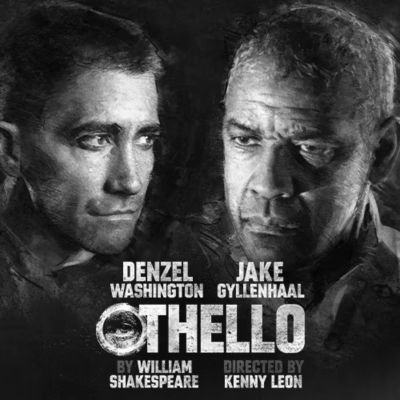
[0:19] Leah Walsh: We ended up doing Othello together his senior year when he played Iago and I played Desdemona.
[0:24] Leah Walsh: And now here we are both in our 30s and we live in New York City for a long time.
[0:28] Leah Walsh: We're both parents to little babies who have met each other, and it just makes me so incredibly happy to have people in my life for that long and to see them thrive.
[0:39] Leah Walsh: As I said, he's a wonderful actor and a thoughtful artist.
[0:43] Leah Walsh: And I've already been putting into practice some of the insights that he shared with me in this conversation.
[0:48] Leah Walsh: You can check out what he's up to at NickMosesMills.com.
[0:52] Leah Walsh: And I hope you enjoy the 137th episode of The Compass.
[1:14] Nick Mills: Well, the first thing that comes to mind is go running.
[1:18] Nick Mills: I find like marathons and stuff, right?
[1:20] Nick Mills: Yes, I've run six marathons.
[1:22] Leah Walsh: Oh my god.
[1:22] Nick Mills: I credit Liz Vidal with turning me into a runner.
[1:26] Nick Mills: In college.
[1:26] Leah Walsh: Yeah.
[1:28] Nick Mills: And what I've noticed is that anything that I'm feeling, whether it's depression about my career or my family or whatever it is, whatever that dark side, I always find that if I run, it brings me back to myself.
[1:47] Nick Mills: Something about the exercise.
[1:48] Nick Mills: And my mom noted too that when you're exercising, you're also breathing.
[1:54] Nick Mills: And so the breath can bring you down and center you and ground you and bring you back to who you are.
[2:00] Nick Mills: So that's the first thing that I would say that I do.
[2:04] Nick Mills: Um but I've noticed as of late though, it's kind of difficult not to go to the dark side.
[2:11] Leah Walsh: Yeah.
[2:12] Nick Mills: Just recently.
[2:13] Nick Mills: Um I'm I in general I feel like it's coming up more and more, and I actually don't have the time to run like I normally do.
[2:22] Nick Mills: So I've had to find other ways to snap myself out of it.
[2:27] Leah Walsh: Um finding those ways?
[2:30] Nick Mills: Yes, yes.
[2:30] Nick Mills: Those ways are still in process.
[2:33] Nick Mills: I mean, it's a lot of faking it, to be honest.
[2:36] Leah Walsh: Yeah, I get that.
[2:37] Nick Mills: I find that, well, like I'm hosting this Dad Cella next Friday.
[2:43] Leah Walsh: Yes.
[2:43] Nick Mills: That I've invited Frankie to.
[2:46] Leah Walsh: Which I'm excited about.
[2:47] Nick Mills: And something I said in that invite in that email is I said, look, I noticed that my wife gets together with all her friends, a lot of women, and they discuss motherhood and they have mom's groups and they discuss breastfeeding and balancing work and motherhood, but I noticed that dads don't do that very often.
[3:05] Nick Mills: So wouldn't it be nice if we all gathered and had a moment to share and talk and selfishly I'm really doing it so that I can hear about all of my friends' successes and possibly steal some of their tools that keep them happy.
[3:23] Nick Mills: But also the real reason is to find out if I'm insane and to find out if they too are experiencing this darkness because I think you're gonna find that they are.
[3:35] Leah Walsh: I I'm hoping and I imagine I will.
[3:39] Nick Mills: But it's strange because career-wise I find that I've been very lucky.
[3:47] Nick Mills: I've done just fine.
[3:49] Nick Mills: In fact, all the dreams that I had coming to New York have been accomplished in this odd way.
[3:56] Nick Mills: I've been on Broadway, I've been on television, I'm good, you know, I have this beautiful wife, I have two beautiful children.
[4:05] Nick Mills: There shouldn't be a reason that I feel down or sad.
[4:11] Nick Mills: And I do.
[4:12] Nick Mills: In fact, the sadness and darkness that I've been feeling as of late has been probably more intense than it ever has been.
[4:20] Nick Mills: Which is surprising to me.
[4:22] Nick Mills: And I and something I'm still grappling with like wait a minute, why would it come about now of all times?
[4:29] Leah Walsh: Right.
[4:30] Nick Mills: I and it's hard to talk about I feel some of that too, but it's hard to talk about when you're constantly um not apologizing for it but balancing it out with those things but like everything's great.
[4:43] Leah Walsh: Right.
[4:44] Nick Mills: But I'm dealing with this or everything's amazing in this section of my life but yeah it is an odd thing.
[4:52] Nick Mills: One way I try to battle it is by just practicing gratitude and literally speaking it out loud is something I've been trying to do lately.
[5:02] Nick Mills: Just it's like that whole idea where if you smile, it'll make you happy because the muscles in your brain are, you know, if you smile then the endorphins are released in your brain.
[5:11] Nick Mills: Um so lately I've just been saying it, especially in the mornings I'm like I'm so grateful for these two beautiful children I have.
[5:11] Nick Mills: I'm so grateful for this wonderful apartment I have and this great neighborhood.
[5:21] Nick Mills: And that seems to sort of knock me out of it a little bit.
[5:25] Nick Mills: And I discovered the purpose of life recently.
[5:30] Leah Walsh: Do tell.
[5:30] Nick Mills: I would like to share it with your listeners.
[5:33] Nick Mills: Um, for me, that is the purpose of life for me.
[5:38] Nick Mills: Having watched so many people succeed around me, and for many years dealing with my own jealousy and my own fear that it would never happen to me.
[5:52] Nick Mills: And then slowly moving to a point where once I realized that my friends' successes were also mine, as I said to Frankie actually recently, if success were measured by the people that we keep company with, we would be the one percent.
[6:09] Leah Walsh: Yeah.
[6:10] Nick Mills: Because of all the incredibly talented and fascinating, smart, joyful people that we call our friends and see on a regular basis.
[6:19] Nick Mills: So when I got to the point of being like, okay, wait, I don't need to be jealous anymore.
[6:23] Nick Mills: I can be thrilled and happy for people, and really got centered with that.
[6:27] Nick Mills: I realized, okay, but what then does make me happy?
[6:30] Nick Mills: Because I'm noticing and I've learned too from all these successful people, the Reed Burnies of the world, the Rami Malek's of the world, that if anything, they're more unhappy when they find great success.
[6:43] Nick Mills: If anything, the ceiling, the bar is raised, the goalposts are moved, and no matter what, no matter what award, no matter what artistic endeavor that they achieve or, you know, are awarded, they're still empty.
[7:00] Nick Mills: So I was like, okay, the business can never fulfill this happiness.
[7:04] Nick Mills: This is nothing new to anyone, but it's reiterated to me over and over again.
[7:10] Nick Mills: And I was like, okay, so what is it gonna be?
[7:12] Nick Mills: And I find that doing just giving to others is the thing that makes me most happy.
[7:19] Nick Mills: And I actually think it is the secret to happiness of life.
[7:22] Nick Mills: Is pure unadulterated giving, whether it be volunteering or making my wife eggs in the morning, having her lemon water ready when she wakes up, small things.
[7:34] Leah Walsh: Yeah.
[7:35] Nick Mills: Not in a way of doing it so that you get it back, but just purely giving.
[7:44] Nick Mills: And it's hard to remember.
[7:46] Nick Mills: I forget it every day.
[7:47] Nick Mills: I was like, oh wait, remember you told yourself this is the secret of happiness.
[7:50] Nick Mills: Just give to other people.
[7:51] Nick Mills: And I'm every other week I'm like, oh yeah, I forgot.
[7:54] Nick Mills: You know, because you get caught back up in the grind and the need to achieve or to prove yourself.
[8:02] Nick Mills: And especially now I think with social media, like it makes it very strange because I was part of a short reading earlier this week and I emailed the director and she didn't get back to me for twenty-four hours.
[8:14] Nick Mills: And I was like, oh, it must have been really bad.
[8:14] Nick Mills: It must have been really disappointing to her, and that's why she's not returning the email.
[8:21] Leah Walsh: Right.
[8:22] Nick Mills: But I'm like, why am I even like do this to myself?
[8:24] Nick Mills: Why do I even like put myself through this?
[8:26] Leah Walsh: Yeah.
[8:27] Nick Mills: But I think it's just a different time.
[8:30] Leah Walsh: I don't know, do you feel that way ever?
[8:33] Nick Mills: About social media?
[8:34] Leah Walsh: Well, or just about this sort of need to be validated in...
[8:40] Nick Mills: Yeah.
[8:40] Nick Mills: And I actually, um like some of my best girlfriends from Evansville, like Lori and Kim and Polly and I have a group text.
[8:47] Nick Mills: And I had seen on the blog this illustration that was like a chart with a big circle, and it said like times I think that people are angry with me.
[8:57] Nick Mills: And then like there was a close-up, um it said like one thousand times magnified dot of like times people are actually angry at me.
[9:05] Leah Walsh: Right.
[9:06] Nick Mills: And I texted it to them and it was just like this is exactly how I feel.
[9:12] Leah Walsh: Well, and as my mom reminded me once, she's like it's actually anxiety in that.
[9:15] Nick Mills: Yeah.
[9:15] Leah Walsh: Yeah, why?
[9:16] Nick Mills: But she said my mom said to me, like, you know, it's actually quite selfish to think that people are like going home and thinking about you.
[9:23] Leah Walsh: Yeah, it is something about ego.
[9:26] Nick Mills: Yeah, of like saying, oh, everyone's thinking, oh, why did Nick say that?
[9:30] Nick Mills: Or whoa, why was Nick so bad in that play or in that TV show?
[9:34] Nick Mills: And you're like, wait, I never go home and think about, oh man, Leah was just, you know, awful and drunk over yet.
[9:41] Leah Walsh: No, it's like the complete opposite.
[9:42] Nick Mills: I'm like, oh my god, she's so amazing.
[9:44] Nick Mills: And most of the time that's what I think about all my friends, they're so great.
[9:47] Nick Mills: I hope I didn't offend them.
[9:49] Nick Mills: I just don't know why my mind goes there or why it needs to.
[9:52] Nick Mills: It's actually like a lot of wasted thought.
[9:54] Nick Mills: When I think about it.
[9:55] Nick Mills: I could be doing so much more interesting things.
[9:58] Leah Walsh: A lot of time.
[9:59] Nick Mills: Yeah.
[10:01] Nick Mills: Yeah.
[10:03] Nick Mills: Well, it's interesting that you have that cycle of you, you know, even if you have a glimpse of something that where you're like, oh, this is the thing, this is the key that's gonna help me with this place I keep going to.
[10:13] Leah Walsh: Right.
[10:13] Nick Mills: That you have to keep reminding yourself.
[10:15] Leah Walsh: Yeah.
[10:16] Nick Mills: Well, and I it actually calls up some big questions for me because I love acting and I love this business.
[10:25] Nick Mills: I still have a very strong desire to be a part of it and to be involved with it.
[10:31] Nick Mills: But if I've figured out now that like it's actually not going to deliver in the way that I want, what does that mean?
[10:38] Nick Mills: Because something about my path for me, like I've always thought about this, and even since I was young, is that my path is going to be one of delayed attainment.
[10:48] Nick Mills: Like I never have skipped any levels, I've been an extra, I've been an understudy, I feel like I've done every step.
[10:55] Nick Mills: And it's always there's always been like growth, but it's been slow, and it's slow and steady and wins the race.
[11:02] Nick Mills: Okay, great, it's a marathon.
[11:04] Nick Mills: If it's going to quote unquote happen for me, it's going to be later in life.
[11:07] Nick Mills: And so the idea of delayed attainment has always been really exciting to me.
[11:10] Nick Mills: Because I see it as a marathon, I see it as a long, long process.
[11:16] Nick Mills: But that being said, I'm wondering like, there's not going to be a day that I arrive at and say, well, I've done it.
[11:25] Nick Mills: Like in any other profession, as a doctor or as a lawyer, you can get to a certain pinnacle, and you're like, I've achieved monumental success and I'm satisfied and happy.
[11:33] Nick Mills: But I don't know that that day comes for an artist.
[11:35] Nick Mills: And I think that's a good thing because it makes you continually strive to keep creating and finding more.
[11:43] Nick Mills: But if it's not gonna deliver in this way that I want to, what does that mean?
[11:43] Nick Mills: What does that mean?
[11:48] Nick Mills: Do I need to find something else to do?
[11:50] Nick Mills: Um and it's been fascinating, especially since having kids, and I would imagine this has been similar for you.
[11:58] Nick Mills: Having kids has done two things for me.
[12:00] Nick Mills: It's done this thing where it's completely taken the charge off of succeeding.
[12:06] Nick Mills: Well, if I screw up this audition or this doesn't go so well on this stupid procedural television show that I've never seen an episode of, who cares because I come home to this beauty and these amazing beings who completely rejuvenate me and keep me young and vital and joyous.
[12:28] Nick Mills: On the flip side, it has made me more ambitious and more hungry than I've ever been, because I really don't like doing anything else.
[12:36] Nick Mills: I don't want to cater and I like teaching, but I really don't want to make money any other way.
[12:42] Nick Mills: And so I actually have to be more ambitious if I want to participate and contribute to my family. And so it's a very strange thing. It's like I don't care anymore, and yet I care more than ever. And I just have not figured out how to reconcile that.
[13:00] Leah Walsh: Well that that's that's the big question is when you combine art with commerce. Right. And that is what defines the success around it now in our society. And I when you were saying like how you had always looked at your career that it would be like delayed um what was the word you use delayed attainment.
[13:22] Nick Mills: Delayed attainment. Um and I was thinking, I was like, oh, what did I always say to myself? And I guess I always said to myself that I just wanted to be able to like make my living as an actor. That's exactly what I said. I never need to and then I was like, why would I I why would I define it that way? But then that's a perfectly justifiable way to define it, you know.
[13:41] Leah Walsh: Yeah.
[13:41] Nick Mills: But I'm defining it by money, not by what I want to be making.
[13:47] Leah Walsh: Right, right.
[13:48] Nick Mills: Well, I yeah, I would say. What I want to be making is the unsaid part of that. But well, I would say something similar. Like I would always just say I would l I just want to live off what I love to do. I don't need to be I don't need to I don't need the accolades. I'm making millions. No. I think about like actors like Campbell Scott or I ran into this actor um at the playground yesterday, no Noah Emmerich, who is in Little Children, who everyone's like, Oh yeah, I know that name, and he's got this very strange face, and he's been in a million things. He's always excellent. But he can walk down the street and people kind of recognize him but aren't bombarding him. I'm like, oh, I would love that life.
[14:28] Leah Walsh: Yeah.
[14:29] Nick Mills: Yeah, that's the ideal. But I'm sure he's also like, man, I wish I was doing more. You know, there's probably still something in him that wants more.
[14:38] Leah Walsh: Right.
[14:38] Nick Mills: But I think living off what you love to do is just a perfect life.
[14:43] Leah Walsh: Yeah.
[14:44] Nick Mills: Yeah. It's act that that is the one thing with the people who who have gotten to a certain point success wise that I am jealous about. It's not the awards, it's not the you know, being recognized, it's not having to hustle for the next gig. And not having to worry about money.
[15:03] Leah Walsh: Right.
[15:04] Nick Mills: Yes. Yeah. Although I will say this having married a woman whose family has a lot of money, whether you have it or you don't have it, there's worries around it no matter what. And there's complications around it no matter what. And that has been a big that that that marrying Ashley has been the best thing of my life, but it brought up so many, many complications for me internally. Nothing that she brought to the table, all stuff that I have brought to the table and still do bring to the table, to be honest. Because I always had problems making money.
[15:45] Leah Walsh: I mean, it's just true.
[15:46] Nick Mills: Like I have tons of tons of student loan debt, tons of credit card debt, and it's not because I'm buying clothes or CDs that don't exist anymore. Um it's because when I'm out with friends, I pick up the tab because I want to be generous.
[16:06] Leah Walsh: Right.
[16:07] Nick Mills: And as Ashley said to me recently, she's like, sometimes your generosity sets us back financially. And it's and it was so hard to hear. And I was like, Oh man, that's really tough because I'm because I'm coming from a good place.
[16:22] Leah Walsh: Right.
[16:23] Nick Mills: But it's actually not helping. And so that's been a hard pill to swallow. And it's also, you know.
[16:29] Leah Walsh: And it's something that I'm sure your friends aren't expecting either.
[16:32] Nick Mills: Right. They're not expecting it at all. They don't need it. But it in the moment it probably feels like it's a good thing.
[16:37] Leah Walsh: It feels really good.
[16:38] Nick Mills: It feels really good. Um it but it it's fascinating, I think. I I'm fascinated that I attracted this person who came from a lot of wealth from a her father's totally self-made and worked his ass off and you know, didn't come from money, and now is investing completely in renewable energy and solar panels and you know, is work seven days a week to make the world better. And that's all on him and and Ashley too, you know, runs a nonprofit and has a new startup with Maudre Collection for a clothing line uh for breastfeeding mothers, and you know, these are very passionate driven people, just like me. But it's just I find it interesting that I've sort of attracted this person that was complete opposite of me financially, and I am the one that has to really reckon myself to how do I and w what was interesting for the first three years of our marriage was like I was working on Broadway, I had the steady check, and now we've hit this little patch where I don't have work and I'm home with the kids, and it's it's tough.
[17:44] Leah Walsh: Frankie and I spoke about it.
[17:46] Nick Mills: You know, it's it's this strange thing as a man, sort of this embedded caveman bullshit, if I can say that on this show. Um that makes you think that you need to be out there doing it and working and contributing in this way. That's really just so archaic when it comes right down to it. But it's still in me. You know um but the more and more I just sort of accept like I'm doing the best work by just being home with my kids and like reading to them and making sure that especially my son grows up in a world where he realizes that it's important to be kind and generous and that women are much smarter than us and we should let them run the world and all those things. It's a very interesting time to be a man, you know, and it's like you know especially raising a man. Ashley and I talk about it a lot. Um but maybe that's a different show.
[18:49] Leah Walsh: I don't know.
[18:50] Nick Mills: No, I love this show.
[18:53] Leah Walsh: Um so your daughter is two and a half.
[18:53] Nick Mills: Two and a half and then your son is eight months eight months one month younger than Sassy.
[19:02] Leah Walsh: Yeah.
[19:03] Nick Mills: Yeah that is a um that is an interesting task raising a man. I have to say I mean obviously we would have been completely thrilled whatever baby we had had boy or girl but I I just because I'm a woman I guess I was slightly more inclined to feel like I knew what was happening if I had a girl.
[19:24] Leah Walsh: Mm-hmm.
[19:24] Nick Mills: And then we had a girl. And then I I had to remind myself that like oh if we have a boy it's gonna be our boy and it's gonna be a piece of me and it's gonna be a piece of Frankie who is this kind of man that I've wanna see in the world and the one that I chose to be with the sensitive thoughtful you know warm hearted guy and that our son would somehow learn about those things you know but I I you know it's a scary time to be a man in this world and it's like it is interesting to raise one.
[19:59] Leah Walsh: I think we've had it really easy you know I was I mean was we were watching I don't know if I said that correctly it's a scary it's a scary time to negotiate raising one.
[19:59] Nick Mills: I don't know.
[20:07] Leah Walsh: Yeah yeah well it's just interesting because I think at home is really where they're gonna learn how to be a person.
[20:14] Nick Mills: Yeah and I'm not too worried about that between Ashley and I that we're gonna raise like a really sensitive sweet caring empathetic lovely man who he already is that but it's amazing in society how intertwin ingrained it is simple something as simple as I was we I was showing Ava Beauty and the beast yesterday and I was watching I was like oh my god Gaston's behavior is awful he is just disturbing yes in how he expects this to happen. And then at the end when the beast is dying and Belle is standing over him being like oh my god she goes it's all my fault and I was like wait no it's not I mean, you're just doing your thing, trying to read books and get out of the town and like live your life. But why are why is it why do they say you know that it's all the woman's fault for all for some reason.
[21:12] Leah Walsh: Yeah.
[21:13] Nick Mills: But this has been the way it's been for a long time. And so we're in this like very wonderful opportunity opportune time to change that, to change that ideal. Um it's funny with the Ashley wanted a girl who was very set on having a girl and still wants a girl. She wants Ava to have a sister.
[21:32] Leah Walsh: Right, she has lots of sisters, right?
[21:35] Nick Mills: Right. But I, even since I was a little boy, always said I want a girl first and a boy second.
[21:43] Leah Walsh: Oh wow.
[21:43] Nick Mills: And it going back to this whole idea of you know, this thought that I keep having sometimes of like I I have I have everything I want. It's strange to have that thought sometimes because you realize how powerful your mind can be. You're like, okay, I want to be on Broadway. All right, you're on Broadway. I want to have a girl first, I want to have a boy second. That happened. And so then when these things happen, you start to go, okay, now what do I want? And I have not been able to answer that question yet. I don't know what the next thing is. I can say little things like, Oh, I'd love to like go to the movie theater and see myself on the big screen someday, even if it was like extra extra read all about, like paper boy or something like that just one time, just to say that that would be wonderful, but I don't know what that next thing is. I'm still figuring that out, and that's a strange, scary place to live in.
[22:37] Leah Walsh: Of like, okay, now what?
[22:40] Nick Mills: There's also a lot of opportunity there though.
[22:42] Leah Walsh: That it could be anything.
[22:44] Nick Mills: It could be anything, but you know how sometimes when you have so many options, how do you settle on one?
[22:49] Leah Walsh: Yeah.
[22:50] Nick Mills: Do you have any other artistic outlets? Have you ever been someone who writes for yourself or stuff you share with others or oddly enough, after I finished NYU, when I moved to Los Angeles, and Liz Vidal and I started our theater company Vitality Productions, those five years out there where I was eating shit and never auditioning and working as a caterer and a driver and uh a bartender and a host at a fine dining restaurant, I was more artistically satisfied in those five years, I think than I ever have been.
[23:27] Leah Walsh: Wow.
[23:28] Nick Mills: Because we were creating stuff from the ground up, we were writing strange little pieces that we were doing at the fringe festival. I wrote a one man show that I did at Ars Nova. I didn't ca I was emailing people our reviews, being like, get to our show, like this is what you need to be seeing. In LA, you know, this theater in LA is so hot right now. Actually it's gotten a lot better. But it's been fascinating to think back on that time and remember how productive I was and remember how artistically driven I was. And I don't know about what it is about getting older, being thirty-eight now, and I was that was when I was twenty five to thirty, and I just had so much confidence and naivete about the world. But I missed that. I miss that time and I did do a lot of writing then.
[24:20] Leah Walsh: What was your one man show about?
[24:22] Nick Mills: It was called Baby Talk, and it was about this is before I had kids. It was about a man who comes home with these two twins just coming home from the hospital, and he can't they they keep crying and they won't stop crying, and he doesn't know how to calm them. So he starts telling them stories. But also the big question is like, so hey, where's their mom? Right? And so he starts. I was I was fascinated with trying to bring more multimedia elements into live theatrical pieces. And so we filmed all these home videos with Bill Hex's wife, Maggie Lacey. And so he started showing the babies these videos of their absent mother. And just it's sort of revealed during the show that they had the kids, but he was always he always really wanted kids and she wasn't quite sure.
And then somehow at the hospital she she disappeared and bolted, and he was left alone with these two children. Kind of been like an odd thing now that I'm saying it out loud, but it just gave me an excuse to be.
[25:28] Nick Mills: I wanted to I wanted a real reason to talk on stage by myself. I didn't want to just tell stories. I wanted to have someone to talk to, so I chose these babies. Um it was great. I really I I love writing. I find we don't really when we're in between jobs or and you know, if you've gone to a lot of school, you really don't want to go to class anymore. And a friend of mine said to me the other day that like the way you practice, if you want to be an actor, you know, the way you like work the muscle is to write. And I think that's so true. Finding the time for it is hard. I've never been someone who just can be disciplined and do it every day. But when I do write, it happens very quickly and it goes really fast and tends to be really dark and strange, and I never know where it's going, but I really enjoy it, and I wish I did it more.
And I do like directing. I do I mean I I would I'm happy to do all the disciplines. I really I mean, producing was such an enjoyable thing to do with Liz out in LA. But there's something about it now that maybe it's because the that art and commerce thing of like, oh, do I really want to like bust my ass to do a little play somewhere for 50 people?
[26:43] Leah Walsh: Well, and it's your time now too, is more valuable because of your kids.
[26:47] Nick Mills: Right. Frankie and I talk about that all the time. If it's if he's been offered to do like a reading or something, and it's a week for $75, and you know, we're gonna be spending a hundred dollars a day on babysitting or whatever it is. Like how much how is the play something he's really passionate about? If it's not, it's not worth it, you know. What how are you balancing that time?
[27:13] Leah Walsh: Right. How valuable your time is.
[27:15] Nick Mills: Right. Right. I got asked to do a reading of I was really excited and and then I read the play and I'd said yes without reading the play, because I was like, God, I just need something to work on. The play was really bad. But I was happy to be in a room for a week with a great director and great actors, but it really kind of, you know, took me away from my family for five days in a row and didn't pay that much and didn't really fill the hole.
[27:41] Leah Walsh: Right.
[27:41] Nick Mills: And so then you say, okay, so was that worth it to do? But I kind of think because we're not in a it's a strange art form because like especially if you go to all the school you can go to like we've done, and you still don't get to do it every day. It's strange thing to reconcile because you're like, I sh everyone else goes to ten years of medical school and then they not only get to work every day, but they get to make a bunch of money from too. That's something that I have not reconciled.
[28:10] Leah Walsh: Yeah.
[28:10] Nick Mills: I I posted something recently when I I paid off the student loans I had, and I I posted something about how like thrilled I was and like proud of myself, and simultaneously at the very same time, how frustrated and angry I was that I had had to do it mostly through other jobs that had nothing to do with my degrees.
[28:28] Leah Walsh: Right. It was an amazing post. I remember reading it.
[28:31] Nick Mills: Um it's just so frustrating. Now, do you feel now that your loans are paid off, do you feel different? Like is there anything but I have to say, like I did not have as many as some people because I had a free living situation during school. So like Frankie has many more loans than I did. Mine were mostly for tuition. But it feels good to have them paid off.
[28:55] Leah Walsh: Yeah.
[28:55] Nick Mills: Because even though I'm still not making money doing what I am trained for it while I was paying the loans and not getting a chance to work as an actor, that was like a special thorn in my side.
[29:07] Leah Walsh: Sure.
[29:08] Nick Mills: Sure. I mean, essentially I'm just paying the interest on my loans at this point. But I wonder, like, I w because I try to look at it in this like this is denial talking right now and rationalization. Because I'm like, okay, so I open up my computer and I click, and then quote unquote, the loan is paid, right? And but I see no change, you know, in my life. It just is a number that's different on the screen. And even if I'm late on the loans, it's not even a person who's calling me, it's an automated something that's calling me, right? It's like some strange voice. And so does that Do the loans exist?
[29:44] Leah Walsh: Right.
[29:44] Nick Mills: Exactly. And and is anyone going home being like, Oh, I gotta get that money from Nick Mills. He really better pay me. No, it's like it goes to some big bank or something. The system is so large it's hard to even imagine. Yeah, which is like a really easy reason just to say, I'm not gonna pay these things. It doesn't really help in the long run, but I do wonder if and when the day comes that there's a zero if I'm gonna feel different, or if I've just sort of learned to live with them. I mean, when I first got out of school, it really did affect me. I was terrified and it shot my ego and my confidence down to zero, and I was terrified. I was scared. I was scared someone was gonna come and knock on the door and take me away.
And I actually didn't know that you couldn't go to debtor's prison for a while. Like my mom told me, she's like, you know, like no one's gonna come and like take your stuff or anything. I'm like, well, they could garnish my wages. I'm like, she's like, yeah, but it'll take a while. You're not alone, it's gonna be okay. And then through a lot of just like, you know, denial, you just move on and figure out your day. You can't you can't let it tear you down.
[30:52] Nick Mills: Um stupid loans.
[30:55] Leah Walsh: Stupid loans.
[30:56] Nick Mills: Anyway. Anyway, let's not talk about that. Let's not talk about that anymore. Um, do you have any artistic mentors that have been important to you over your career?
[31:09] Nick Mills: That's a good question. You know, the people who come to mind are my contemporaries. Uh are my friends. Right now, I look at Arian Moyat as a real mentor. He is an actor who I understudied in the humans. Um, he's a wonderful, kind, generous Iranian man who is a year older than me. He's 39. I don't know if he knows this, and interestingly, when I first met him, I really didn't like him. In fact, some of my best friends in the world, when I first meet them, I hate them. Rami Malik, when I first saw him at Evansville, I was like, don't want to be friends with that cocky asshole. There's no way. And then strangely, they end up becoming some of my closest friends.
[32:04] Leah Walsh: That's interesting.
[32:05] Nick Mills: It's an odd thing. Arian is so incredibly ambitious and so incredibly hard working. He does not stop. He's got his company at Waterwell. He's constantly creating events, he's constantly doing socially conscious work. He doesn't sleep, which I think helps. Like he's he really can he can like make it on three or four hours of sleep. Oh my god. And it's ve it's constantly impressive to me at just how hard he works and how ambitious he is and how he supports his family and stays so positive. And to some people I think it's off putting. 'Cause he's just so selflessly himself. If that makes sense. Um he's very he's he's just what you see is what you get, but it comes from I think the fact that he's from here from Iran, or his family's from Iran, and being an immigrant, he's always had to feel like he has to work harder than anyone else. And you know, being a white male, you don't really grow up with that.
[33:17] Leah Walsh: Push.
[33:18] Nick Mills: You're like you you're kind of invisible and you can kind of just skate by on a lot of things. So currently right now, he's someone who I really look up to because of his constant ambition. And other contemporary I find I get so much just out of talking to my friends recently. Um I've I've learned a lot uh watching everything that's happened to Romney and it's been fascinating. You know, you never really think that your best friend is going to have this crazy path and this crazy career and win every award and win the Oscar and so that has just been a fascinating thing to to watch happen. And I'm so proud and happy for him and it really couldn't happen to a better person. Uh he's incredibly humble throughout the process. But you know, walking down the street with him now is fascinating because he's lost his anonymity.
[34:12] Leah Walsh: And when you lose your privacy, it's just like, well, what else do you have?
[34:16] Nick Mills: Yeah, what is that too? Yeah. But it's bit I've learned I've learned a lot about the business as opposed to the art form from him, which is such an important thing. And I think from both of those guys, watching them say no so much has been something that I never, you know, every everyone's you know, even acting teachers is just like, just say yes, just say yes. And so you're ingrained with this idea that you can never turn things down. But there's so much power in no, and there's so much and I'm still learning it. But that's something that I found has been really helpful is just to remember that people will come back around if you say no. Um trying to think of other artistic mentors.
[35:02] Nick Mills: I I I would I would also I would also throw Reed Bernie in there. Not and and and his his mentorship has been interesting because we're sort of on a break with our friendship right now. Not because of me, but for his own reasonings. He's needing to step away from a group of friends that he that were reminding him of a sore spot with a certain show that he was part of. But his mentorship has come in, I want to say, I don't think he's gonna be listening to this, and even if he is, then I don't I would say this to his face. His um his hatred for the business and for the people who have stepped on him. And I would listen to him talk about all these people who have wronged him, and all these people who have, you know, he's soured to over the years, and all these wonderful people he's worked with.
And and I find Reed to be just the most wonderful, sweet, generous, kind person who's just this extraordinary actor who I loved. I got to do the humans with him in Los Angeles last summer, and it was just a joy to work with him. It was like one of those actors who you look at and you can't help but be really good and really truthful because they just are so good and they bring it out of you. It was such a joy to have that feeling every night. You're like, I don't have to do any work, I just have to look in that person's eyes, and they make me good. But his disgust of the industry, I've learned that I never want to I never want to feel that way. I never want to I I want to like be able to continue to practice gratitude even with all the challenges that this brings. I never want to sour and be bitter. Because there's just no time for that. There's no time for it. And and why would you why would you do this if it brings you so much disgust and angst.
[37:04] Nick Mills: Now what I have learned is that there's a lot of artists out there who who thrive on that. It drives them. You know, it's like those couples who fight and they like I'm like, oh my God, I you know But it's just the way that they communicate it's the way they communicate. They yell. You know, if I were to raise my voice like this, talking to Ashley, she'd say don't yell. And I'm like, well that's hold on. Frankie and I kind of make that as a joke now. Oh right. Like, don't yell at me. Right. And I'm like, whoa, this is not yelling. And it's a little foreign to me 'cause I I grew up yelling with my family. We yelled. We fought. But it's actually really great because you you h have to figure out how to be clear and s kind and and succinct with what you're about to say without getting upset. It's been great. But some people need it. Some people like to yell, some people like to fight and some people I think the bitterness and the disgust drives them as an artist.
[38:06] Nick Mills: And this business makes it easy because of all the rejection and everything. I think it makes it very easy to fall into that trap. Right. Because it makes you feel active. It's like you're doing something. Oh, by even by railing against it. Right. Even when you feel like you don't have anything else to control. Right. It makes you feel like you're doing something. Right. Right. Very dangerous. But the rejection I find I feel like I've gotten to a really zen place with it, to be honest. Because it's happened so much that I really no longer take it personally. I've really found that I'll, you know, put all my eggs in one basket, think something went really well, and it doesn't happen. And I've really been able to be like, Okay.
And you just go. You just go on. Because there's just no point in like you've you you you don't you didn't get the part, so there's nothing else to be done about it, right? You just have to move on. And I've been sort of surprised at how easy it's been to just keep going.
[39:02] Leah Walsh: Was that a gradual process for you or was there something where it finally clicked and you were like, you know what? I'm okay with this.
[39:07] Nick Mills: Well, I think it's because I grew up in high school and in college never like it there was ne I never was a blue chip, like I never had a paved path of success. Like from the beginning I was losing parts. So I think I just got used to it really early. I never really expected to get the lead. And you know, in college, for example, when we did Othello and you played Desdemona, I played Iago. Yeah. The reason I played Iago, yes, was because like I was good at that part, but also because my junior year, sophomore year, I worked my ass off to show that I really wanted it. I was like head of paint, I did sound design, like I did all these things to try and be like, yo, give me a part now. I'm ready and I want it and I can work hard for it.
So in some ways I felt like I got that because like I worked for it in a way. Um and it also was at the very end of school, you know, it wasn't like I got great roles before that. I got cast. Right, that was your senior year. But that was my senior year, that was my big thing. And some people didn't get anything, you know. Romney went through four years of Evansville and never got a good part. I mean, you got a decent part sophomore year, but you should have him on your show and ask him about Evansville. He hasn't seen him in years and I would love to catch him. Oh, he'd he'd happily I think come do this. But you know, he has some bitterness when it comes to Evansville. He feels like his education came from being on set and working.
And it's interesting how Evansville has now really wanted to cash in on everything that's happened there. He's like, yo, you're giving uh he he was given an award at Evansville and he called them and said, What are you gonna say? Because I wasn't in anything, you know, I was in studio shows and you never really gave me a shot. Uh a microcosm of the industry at the time, I suppose.
[41:09] Nick Mills: Um but that's a longer conversation.
[41:12] Leah Walsh: Yes, indeed, indeed. Thanks for keeping us on track. You're a very good host. Um Is there anything that you've learned about auditioning in kind of the last couple of years that you feel has changed the way you approach it as you gotten farther away from grad school and everything?
[41:30] Nick Mills: I'm someone who always has to be off book to act. Yes. So I find that I still need to memorize my lines in this way. Uh that is where I know them back and forth so that I can play in the room. Uh I have been auditioning for more TV and film recently, which is such a different beast, and I feel such freedom when I'm auditioning for plays, and I feel such freedom being able to make choices and use the space and I really sort of feel like I'm a king in the room when I audition for a play. I just know what I'm doing. Uh and I I don't know if that's just comfort on being on the stage, but recently I think with auditioning for TV and film, I've started to realize that it's less about my lines and more about being open to affect and really opening myself up to like how I'm feeling, slowing down, really listening and knowing too that it even though it is about you know how do you feel, showing how you feel, that you are, especially for the roles that I'm auditioning for, which are you know, large co-stars and guest stars, it's not like these long character arcs.
You are you are a cog in a right in a in a wheel, or you know, when or whatever that expression is. You know, you're telling you you you're fulfilling exposition and story, and so you have to just do that and not think that it's your big moment to like show your Oscar winning tears. Right. That you just have to tell the story. And so in some ways it's become a lot simpler. But auditioning for TV and film is always it took me a long time to get comfortable doing that. Something about it, I felt very stiff and nervous and afraid. And the more that I've I've uh combined the way I feel in the room and auditioning for theater and trusting that I don't necessarily have to be really small, I can really still like trust my choices and audition in the same way for TV and film that I do for theater, the more success I've had.
[43:37] Nick Mills: Um and really owning it too. I thought I think the last thing I booked for a really like intense and scary casting director that people always talk about, Mark Sachs, who's actually lovely and wonderful. He's just a sweet person, but sometimes in the room, he you know, he'll do this thing where he'd be like, Hi Nick, you ready? Okay, great. Action. And you're like, What? I just okay. And I knew that going in. He's like, have a seat. I'm like, I'm actually gonna stand. He goes, Really? Okay. This way of like, well, you're not gonna get this part. But I was like, no, this is my space. This is my time. And I love I always love this quote that Billy Cruttup said. It's like when you audition, it's your one guaranteed time that you're playing the part.
So how are you gonna do it? Yeah. And the more and more I just sort of trust that, the better I feel. I also too, since I was a kid, since I was twelve years old, I would say nine times out of ten, I know if I got the part or not when I walk out of the room. I knew it like you had you just have a sense, I think, when you when the air moves, how they react. You know when you're really good. Like I sometimes I've walked out and been like, ugh, that was bad, and then I got it. But those are few and far between. Most of the time I leave, and if I don't get a call, and I and I feel good about it, and I don't get a call, I'm surprised. And I don't know if that's cocky or just how my process has been.
But something comes over. It's a it's like that thing when you're acting where you know you're completely going after your objective and doing everything right. You're sort of like standing on the head of a needle. And if you go too far forward after what you want, you fall off. If you're too vulnerable and open to affect, then you fall backwards, and you're just in that sort of strange zone, almost like an athlete where you just can't miss. And time slows down, and you're just good. And it doesn't happen very often. But when it does, and especially in an audition room, then usually you book it. You know.
[45:42] Leah Walsh: We don't talk about this if you don't want to, but how has it been for you and Ashley since you're both artists? Like navigating that in your relationship, how you support each other and how you balance, you know, the demands when one of you has an opportunity to work versus when the other one does.
[46:01] Nick Mills: Well, the wonderful thing about Ashley is that when we met, she cast me. That's how we met. I got this email right out. She's primarily a producer. Well now. I would say primarily now she's an entrepreneur. She runs Vineyard Arts Project, and she started that when she was 19. Oh my god. And has been running it for 10 years, and now it essentially just runs itself. The public comes up, Ars Nova comes up, all these incredible dance companies come up. It's it's an incredible organization on Martha's Vineyard that uh where they workshop new pieces and dance and theater, uh, just incredible setting. And so right when I moved back from Los Angeles, I got this email from an artistic director that said someone has dropped out of this reading.
Can you come up to Martha's Vineyard on Monday? I think it was a Friday. I was like, Yeah, sure. I expected this 50-year-old woman to be there. And it was Ashley picking me up in the in the air um in the parking lot. And I was with someone else at the time, so and I think she was as well, so it was really easy to become friends. It was like one of those people that you meet, and you're like, oh man, if I was single, I'd totally be after this person. But we're with other people, so we can flirt and it's safe and it's fine. We got to know each other, and we were friends for two years. And so the wonderful thing about that is that, you know, she's not a civilian. She is an artist, and she gets it. She gets the world.
[47:24] Nick Mills: And since we had children, she has become incredibly passionate about breastfeeding. And even after producing a very successful off Broadway play, uh, and having investments in Broadway plays and essentially thinking that she was a producer and that's what she wanted to do, she's made a complete 180 and now is has started this clothing line for breastfeeding mothers. Uh chic, efficient, sexy clothing call it's called Maudre Collection. And it really took off. They got a great shout out in Vogue right at right after they launched. It's beautiful. Beautiful article. And she's done this like immediately after having children. Exactly, yeah. And it's sort of so it's this funny thing like Yeah, it's sort of this funny thing too, where like now she has two companies, and you know, it's an odd thing when you wake up one day and your partner's like, Oh, I don't I actually don't want to be a producer anymore.
Or or I if I do I want to do it maybe another time, but right now I want to do this other thing. And you sort of go, Okay, great. And so what's great about that is that, you know, when you get an email and it says, Can you be in this reading tomorrow and you're gonna be gone all day, she says, Yeah, go do it. This is important. And the highs are really high when you're working, and then she also understands when the lows are really low. But it is difficult to navigate, I think, in any relationship being an artist, just because there's so little control. I have so little control over if and when I'm going to work again. I know I will, somewhere deep down, but I don't know when it's gonna be, and I don't know how it's gonna be, and I don't know if it's gonna take me out of town or how much money it's gonna be.
And she's very accepting and very supportive of all that and and I think handles it way better than me. I have a tendency to get dark and down and depressed and she's not like that. She's very even keeled and stays very you know, just she's very happy person, I would say. And s we were just talking about this last night. There's been a shift in us recently in our relationship and 'cause we're always good. We're w I feel really lucky because we can't stay mad, like we can't go to bed angry. We have to talk it out before we fall asleep. We just we're just a couple that has to communicate. And when I was going a coup a month or so ago and I was just having like a f several days in a row of just being really sad and really down, I realized that I was like, There's only so long that you can just mope around because things aren't going your way.
If anything, I just need to start supporting her 'cause she's an artist, right? And we're together. And so in the same way that she was like, look, you need to figure out this debt thing because it's my debt too, legally, now that we're married. And I was like, so like Maudre Collection, her company is also in some way mine. And so yesterday when we're doing a photo shoot together when for her new dress that she created, you know, this is we're supporting each other's endeavors together. And so that actually it's freeing in a way.
[50:40] Nick Mills: Yeah. Because it's not just about me. It's about us as a whole. And both of us have such strange jobs that allow us to be home all day with these beautiful children, which at times we rail against, thinking, Oh, we're missing out, we should be doing something, we should be out.
[51:00] Nick Mills: But then you hear about these other situations where you have to work all day.
[51:05] Leah Walsh: Yeah.
[51:05] Nick Mills: And you know, when you guys were over last weekend or two weeks ago and you were saying that was like, oh the grass is always green.
[51:11] Leah Walsh: Right.
[51:13] Nick Mills: Um so I feel really, really lucky and really grateful to have someone who understands this business and understands the highs and lows of it. And she's constantly pushing me to not wait around. And to say, okay, well, if you're dissatisfied with the lack of control, then I let's look into maybe some sort of longer sustainable teaching job, or you know, this seems to make you really happy and it's not involved in maybe we can like work towards that. Because I I think you would agree that most of the jobs you end up booking, it's not because your agent just picks up the phone and was like, hey, I found something for you. You know, it's just like you you usually get the job yourself. It's because someone you know or you call them and you say, Hey, I've got something here that I figured out, and they're like, Oh, okay, great. Give me ten percent.
[52:05] Leah Walsh: Yeah, exactly.
[52:06] Nick Mills: But so I yeah, I I I'm I'm incredibly grateful for how lucky I am to have to to to be with her. Uh and it's just so interesting too, because you know, like I said, we were friends for so long, and I had this crush on her, and and she was like, No, there's no way. And we were watching this movie last night on Netflix, Always Be My Maybe.
[52:31] Leah Walsh: I just watched this.
[52:32] Nick Mills: Which is wonderful. We loved it. And and there was some line in the movie about taking a chance. I'm like, I'm so glad I took a chance on me. And I said to her when we were watching last night, I'm like, I'm so glad you took a chance on me. Look how it worked. Look how it turned out. Like we're good. Um so yeah.
[52:52] Leah Walsh: Yeah, we definitely have a strong team, which is good, which is good.
[52:55] Nick Mills: And we're so in the weeds right now and so underwater. Two tiny children. We had like this wonderful experience because we wanted a baby right away. And so we started trying right after we got married and we got a baby. And then I I th I look at it in this really wonderful way because we got a baby and then a year later we were completely shell shocked and surprised. Completely unexpected complete accident. I mean not an accident Marlo, but totally glad you're here. But I love having that both of those experiences. Now I know exactly what both of those things feel like and now I couldn't imagine it any other way.
[53:36] Leah Walsh: Right.
[53:36] Nick Mills: He was meant to be. When you're teaching what kind of teaching is it usually what are we talking about for adults or kids or most of my experience I think comes from comes teaching kids. And I really enjoy teaching acting to kids. However I think I would be more fulfilled by it teaching to like an older set of kids. When I get to sub for like the seniors at Waterwell in high school, I really really enjoy working with a higher caliber of actor. Because sometimes when you're teaching acting to seventh graders or sixth graders, it's kind of like babysitting.
[54:28] Leah Walsh: Yeah.
[54:29] Nick Mills: Yeah.
[54:29] Leah Walsh: Yeah.
[54:30] Nick Mills: Um, and I love teaching. I think it's I I I'm quite fulfilled by it. And it also makes you a better actor because you're s you're telling these kids to do all these things, and you're like, Oh wait, am I doing all these things? Do I do all these things too? Um and I and I feel too though that I in some ways as a teacher have kind of plateaued, like I'm going over the same exercises again, saying the same things, starting to realize, okay, I actually need to maybe go and observe some class.
[54:56] Leah Walsh: Yeah.
[54:56] Nick Mills: And go back. And NYU allows you to do that anytime you can always come back and observe. And I'm like, maybe I just need to get back into it a little bit. Um this is sort of this funny thing that kids do too, to make you think that like you're never gonna work again, or like, especially in the first year, you're thinking like, Oh, I'm missing out on so much, and then you forget that oh, eventually they're gonna go to school and you're gonna get all this time back. And then what are you gonna do?
[55:21] Leah Walsh: Right.
[55:22] Nick Mills: You're gonna have your days free again, and so you're gonna have to figure that out.
[55:26] Leah Walsh: Right, you can't stop your own self-development just because you're so invested in theirs.
[55:31] Nick Mills: Right, exactly.
[55:32] Leah Walsh: Yes, that's really what's very hard to remember right now.
[55:35] Nick Mills: Yeah, but right now is the time to to be invested in theirs. Yeah, you know, I you know, they say the first five years is really instrumental in their development. Ashley's one who who admittedly likes to be the boss, she wants to be the boss, she doesn't want to work for anyone. I would like to be the boss as well, but the nature of our business doesn't really allow that. There's so many other people that are in control besides us, right? And I guess the deal with the devil that we make is that we get all the glory, you know, being in you know, in the limelight.
[56:10] Leah Walsh: The face of the project.
[56:11] Nick Mills: Right, exactly. So just two quick questions. When you are in that dark place, are there any like tangible things that you reach for again and again, like a book you reread or music you listen to, or something like that?
[56:24] Nick Mills: I know we talked about running. Mostly what I do is look at it instead of thinking about what I'm lacking is looking around in the things that I have in a really basic way. Something as simple as like, dude, you live in New York City. You moved from Indiana to New York City. You said you were gonna do it and you did it. And so I just sort of kind of go down the checklist. It's is things as simple as like water and and really basic things that I take for granted. I mean, and especially now with where I live compared to even you know, five years ago, you know, and I try and I try and get really simple with it uh about just first world problems kind of situation.
[57:17] Leah Walsh: Yeah.
[57:17] Nick Mills: That usually tends to snap me out of it for for a little bit. Um and also, you know, being single is really hard. And I was single for a long time, and so I have a lot of gratitude for just and for feeling I just feel really lucky that I found my mate.
[57:40] Leah Walsh: Yeah.
[57:41] Nick Mills: Um because it it's just it's just hard to be on your own. And I knew that I wasn't gonna find the person that I was supposed to be with until I was able to love myself enough to just be alone. So when I got to that point when I was like, actually, you know what? I really love myself and I'm like really okay with being on my own. And that's when I met Ashley. And so I know in hindsight, obviously in retrospect, that I had to get to that place to be open to that opportunity of finding her. But at the end of the day, it's really it really hits me, even on a sad day. And right now I'm sleeping on the couch because I have to get up really early with Ava and she's up all night with Marlo. But it's usually at the end of the day when I spoon her that I go, Oh god, I have everything. I have it all. And that's what sort of jogs me out of my memory or or all out of the dark place. Like, I have this person, thank God. You know.
[58:38] Leah Walsh: Thank God.
[58:39] Nick Mills: Yeah. Um cuddling is good.
[58:42] Leah Walsh: Cuddling is the answer to most things.
[58:45] Nick Mills: Uh the last question is is have you seen anything recently of any art form that you want to recommend?
[58:51] Nick Mills: Sure. Sure. What the constitution means to me really did it for me. That was incredible. I like to always be my maybe. That was lovely. Um let me think. I know they don't make enough like classic romantic comedies anymore.
[59:05] Leah Walsh: I know.
[59:11] Nick Mills: I know this. I know. Um there was what was this other romantic comedy that we recently watched with Rebel Wilson where she's like, isn't it romantic?
[59:22] Leah Walsh: I haven't seen it, but I remember when it came out.
[59:23] Nick Mills: That was fun. That was lovely. We really enjoyed watching that. Um this documentary that I'm blanking on the name of about um all of the women that were running for Congress on Netflix.
[59:36] Leah Walsh: I haven't seen that yet.
[59:37] Nick Mills: Um what is that called? It's with Alexandria Ocasio-Cortez. Uh did I say that name right? I did. And uh that is something that I'm always trying to feel you know, I think as as artists we're always usually very politically engaged as well in terms of trying to be more involved in our community. And it's something that I'm always beating myself up about because I'm like, oh I just don't have enough time to like march or volunteer and it's such bullshit. Like there's so many ways to be active and that was like a film that really made me realize okay I can do this. I can step up and if there's any silver lining of this current administration it's that it's driven people to act and driven people to get involved.
[1:00:24] Leah Walsh: Yes and that's great.
[1:00:26] Nick Mills: Um knock down the house.
[1:00:27] Leah Walsh: Knock down the house that's it.
[1:00:29] Nick Mills: Yes. And I heard someone say something recently which I think is really wonderful and important. Oh it was the the playwright Claudia Rankine of of the White Card and and Citizen she said I'm really afraid that if a Democrat gets in the White House in twenty twenty that everyone's gonna think everything is back to normal. And we just and the and and everyone's gonna go, oh sweet it's over. It's over and it's not this is like clearly lifted a band aid. We live in a very strange country with a lot it's very big and there's a lot of different people who have different ideas about how it's supposed to be run. And clearly we're not all going to agree but I feel like there's some certain moral issues that have to be ironed out and have to be figured out and fortunately, I think the younger generation is on our team.
But it doesn't mean that we have to that we can stop working. And I ha I'm talking to myself right now. Yeah I'm excited, in fact, once I come up for a little air to be able to start getting more involved. And that goes back to what I was saying earlier about just giving. Giving is such a selfish or or it's just it it feuds the soul in such a good way. Anytime I go to 52nd Street Project, I'm I walk out of there feeling amazing. And oddly enough, I find that anytime you do do that, it brings the universe rewards you in this way. Just get the focus on yourself.
[1:01:54] Leah Walsh: Yes, exactly.
[1:01:55] Nick Mills: Yeah.
[1:01:55] Leah Walsh: Exactly.
[1:01:55] Nick Mills: We're so much focus on our own self. You know, like well, how am I today? You know, and then the second you give it to someone, you know, try to help someone else, you're like, oh, this is so much easier, so much more rewarding, and so much more fun. So that's a great place to end.
[1:02:11] Leah Walsh: I agree.
[1:02:13] Nick Mills: Thank you, Mike.
[1:02:14] Leah Walsh: Thank you, Liz.
[1:02:15] Nick Mills: It's an honor.
[1:02:25] Leah Walsh: Thank you for listening to the Compass Podcast. If you find these conversations valuable to your life as an artist and would like to support the ongoing production of the Compass, please consider becoming a patron at patreon.com/slash the Compass Podcast. Pledges start at as little as one dollar a month. You'll get access to bonus content, and anything you can give would be greatly appreciated. Also, if you have a moment, please rate or review in iTunes. Every little bit helps other listeners to find the podcast. I'd like to thank the following people for their generosity. The Compass Cover art is by Kim Miller, music by Brandon Speith, audio assistance from Nick Choxie, and a special thanks to Frankie J. Alvarez. See you next time.
© Broadway Podcast Network, All Rights Reserved