

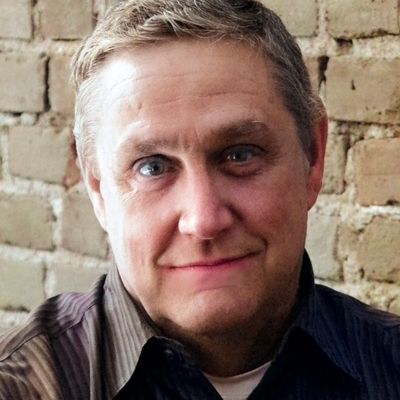
Save the date for the upcoming event, The Compass Podcast Live, Episode 100! The evening of November 19, 2017 in NYC, more info to come. Actor and writer Tim Nicolai shares his experiences dealing with the dark side, the importance of community, mentorship, and taking action in the current political climate... Read More
From the show: The Compass
Guests
About
Save the date for the upcoming event, The Compass Podcast Live, Episode 100! The evening of November 19, 2017 in NYC, more info to come. Actor and writer Tim Nicolai shares his experiences dealing with the dark side, the importance of community, mentorship, and taking action in the current political climate. http://patreon.com/thecompasspodcast
Transcript
This transcript was automatically generated and might contain errors.
[0:00] Leah Walsh: Hi, and welcome to The Compass, the podcast documenting the struggles of life as an artist.
[0:05] Leah Walsh: I'm Leah Walsh.
[0:06] Leah Walsh: I have a little save the date for you.
[0:09] Leah Walsh: I'm holding a live event for the hundredth episode of The Compass.
[0:14] Leah Walsh: I believe it's going to be November 19th in the evening, Sunday, November 19th.
[0:18] Leah Walsh: So pencil it in if you're in New York and you're interested in attending.
[0:22] Leah Walsh: I'll announce it on the Facebook page and in the next episode when we're all locked in.
[0:26] Leah Walsh: I have a venue pinned down, but I'd really love to find somewhere affordable where I could have more people than attended last year when I had the live event, the live episode.
[0:36] Leah Walsh: So if you know of somewhere that wouldn't mind hosting for an affordable price and can hold more than 50 people, that would be awesome.
[0:44] Leah Walsh: Let me know if you have any thoughts.
[0:46] Leah Walsh: As you may have heard last week, I'm currently interested in focusing on artists who are also activists.
[0:51] Leah Walsh: I was introduced to Tim Nicolai through Sessie Fernandez, who was on episode 42.
[0:56] Leah Walsh: Tim is an actor and a writer who spearheaded a fundraiser for the ACLU earlier this year.
[1:02] Leah Walsh: I'm really glad I had the chance to get to know him through this conversation.
[1:05] Leah Walsh: He's a really sweet and thoughtful person, and I was glad to hear about where he is artistically and how he's working for change.
[1:12] Leah Walsh: If you've been enjoying the podcast, please rate and review The Compass in iTunes.
[1:17] Leah Walsh: That would be a huge help in helping other artists find this community.
[1:20] Leah Walsh: So thank you for that.
[1:22] Leah Walsh: And I hope you enjoy the 96th episode of The Compass.
[1:43] Tim Nicolai: Yeah.
[1:44] Tim Nicolai: Um I was thinking about this a bit today in preparation for having to answer the question.
[1:51] Tim Nicolai: And I thought it really depends on what kind of dark place you're in.
[2:19] Tim Nicolai: Like if it's just a post audition that sucked kind of scenario and you're trying to shake that off, there's one thing, or and then there's the kind of I haven't worked in a while, I don't know when the next job's gonna come around.
[2:19] Tim Nicolai: I'm like lonely or bored or restless or whatever it is.
[2:19] Tim Nicolai: And I think for me, for the first, like if it's just a bad day or a bad audition or whatever, I try to distract myself pretty quickly.
[2:29] Tim Nicolai: Like I'll go see a movie or something that completely wipes the slate clean, so I force that thing to get off my mind rather than just going straight home and dwelling in it.
[2:41] Tim Nicolai: Exactly.
[2:42] Tim Nicolai: Yeah.
[2:42] Tim Nicolai: Uh as for the other, I mean, it's funny because I think I know what I should do, but I don't know how often I actually do it.
[2:52] Leah Walsh: What do you feel like you should do?
[2:53] Tim Nicolai: Uh I would say yoga helps, or some version of meditation.
[3:01] Tim Nicolai: Um, for grad school kids or just kids who have experience with Alexander sometimes that provides some kind of relief to your physical body.
[3:11] Tim Nicolai: Touching base with people that are special to you from and for me, it's usually my family.
[3:18] Tim Nicolai: Um, like my mom or my dad, uh I'll talk to, and they provide like kind of a nice reset button for me, or help put things in perspective.
[3:29] Tim Nicolai: Um, and often good friends will help put things in perspective too.
[3:33] Tim Nicolai: You know, I think I often feel that I've done very little since getting out of school, and I have plenty of people who will tell me you've done a lot and they can kind of keep me in check sometimes, you know.
[3:48] Leah Walsh: Yeah, it's easy to lose perspective.
[3:50] Tim Nicolai: We're each doing our own thing.
[3:52] Leah Walsh: Exactly.
[3:53] Tim Nicolai: It's relative.
[3:54] Tim Nicolai: It's really I think that's what it comes down to is it's very useful when people can provide you with some kind of perspective.
[4:01] Tim Nicolai: Um hopefully when they do you can actually hear them.
[4:05] Leah Walsh: Yeah, totally.
[4:06] Leah Walsh: Yeah.
[4:07] Leah Walsh: Is your family nearby?
[4:08] Tim Nicolai: No, they're in Missouri.
[4:09] Tim Nicolai: Uh well, that's not too there.
[4:11] Tim Nicolai: My uh my dad's in Florida now.
[4:13] Tim Nicolai: Uh but my mom is still in Southeast Missouri where I grew up.
[4:16] Leah Walsh: Yeah.
[4:16] Leah Walsh: Yeah.
[4:17] Tim Nicolai: But yeah, they've always been solid rocks there for me.
[4:22] Leah Walsh: Are either of them in creative fields?
[4:25] Tim Nicolai: Are you anyone?
[4:26] Tim Nicolai: But they are incredibly uh thoughtful, artistic, cultured people.
[4:33] Tim Nicolai: You know, my exposure to art to Shakespeare and all that stuff, uh, came through them as a kid.
[4:43] Tim Nicolai: The entire reason I got interested in it was um because they were interested in it.
[4:49] Tim Nicolai: And I think I think I hope that that when cool things happen they get a real kick out of it too, because they love that stuff, you know?
[4:58] Leah Walsh: That's awesome.
[4:59] Leah Walsh: Yeah.
[5:00] Tim Nicolai: So they're they're audience members and fans and consumers of art.
[5:04] Tim Nicolai: Yeah, most definitely.
[5:05] Tim Nicolai: Which is not an easy thing to be in like Southeast Missouri.
[5:09] Tim Nicolai: I mean you have to seek it out, I'm sure.
[5:11] Leah Walsh: Yeah, exactly.
[5:12] Leah Walsh: Are you from a small town?
[5:13] Tim Nicolai: It's like 13,000 people now, I guess.
[5:17] Tim Nicolai: Um, but it's very much the south.
[5:20] Tim Nicolai: I mean, it's a rural conservative area.
[5:24] Tim Nicolai: When I was a kid I don't remember it being that way so much.
[5:29] Tim Nicolai: Uh though it you know clearly it was like a lot of farms and then suburbia sort of grew out of that and there's still farms and stuff on the outskirts.
[5:38] Tim Nicolai: But now it's very much Trump land which is a different feeling.
[5:44] Tim Nicolai: Uh there's been a real shift there along with the shift I think of different parts of the nation becoming indoctrinated to more extreme points of view, you know.
[5:55] Tim Nicolai: Um I feel like it was sort of a middle ground place when I was growing up and now it is distinctly red which has been a weird thing to sort of witness in snippets.
[6:05] Leah Walsh: Do you go back there often?
[6:07] Tim Nicolai: If I'm lucky I'll get back home twice a year.
[6:10] Tim Nicolai: And usually that keeps up um but so I think some years it's only been once.
[6:16] Leah Walsh: Yeah.
[6:17] Leah Walsh: Uh but yeah that's about it.
[6:20] Leah Walsh: So you've been out of NYU grad for two years?
[6:24] Tim Nicolai: Correct yeah almost two and a half now.
[6:26] Tim Nicolai: Almost two and a half.
[6:27] Leah Walsh: Yeah.
[6:28] Leah Walsh: Did you enjoy your time there?
[6:30] Tim Nicolai: I did.
[6:30] Tim Nicolai: I mean I think it's probably the best thing that ever happened to me.
[6:34] Tim Nicolai: I have nothing bad to say about the experience.
[6:38] Tim Nicolai: You know my faculty I the majority of them I think of forever as sort of like family members or extended family.
[6:47] Tim Nicolai: My classmates the same way and more or equal to the education is just a bunch of good human beings, you know, who have provided a network and uh support system that I'm really grateful is out there.
[7:04] Leah Walsh: Yeah.
[7:04] Leah Walsh: It makes a huge difference.
[7:05] Tim Nicolai: Yeah.
[7:06] Tim Nicolai: Especially going to school in New York City, I found.
[7:10] Tim Nicolai: It just gives you a huge bonus when you graduate that you're already used to the city and you have so many people already based here instead of moving exactly somewhere else.
[7:20] Tim Nicolai: Yeah, when I came from New Jersey um when I moved here in 2010, I knew like a handful of people, but there was no real network there.
[7:32] Tim Nicolai: Um and it's been a major major shift change from where I was like 2012 or 2010 to 2012 to post NYU.
[7:42] Tim Nicolai: It's a completely different feeling.
[7:44] Tim Nicolai: Which isn't to say that you can't still obviously feel isolated and lonely in New York.
[7:48] Tim Nicolai: I think that's reality that everybody deals with from time to time but or or often depending on what your situation is.
[7:56] Leah Walsh: Yeah.
[7:56] Leah Walsh: So did you take time off between undergrad and grad school?
[8:00] Tim Nicolai: Uh I was working as a director.
[8:02] Tim Nicolai: Oh uh weirdly I was I was significantly overweight when I was in school and uh when I was an undergrad and I lost about a hundred pounds five years out and that was because part partially because I really missed acting um and I thought man part of the reason that I stopped acting was because I didn't think I was commercially viable because I was very overweight so if I could actually get my butt in shape which was a tall order for a kid from Southeast Missouri who was used to eating buffets his entire life for like five dollars.
[8:40] Leah Walsh: Yeah.
[8:40] Tim Nicolai: Um it was a long process of me learning how to actually care for myself which was not really um it's just not part of the culture where I grew up, though.
[8:50] Tim Nicolai: I think that's changed to a degree.
[8:52] Tim Nicolai: Um, but uh yeah, I got back to acting in in 2008 when I was about five years out.
[8:59] Leah Walsh: Yeah.
[8:59] Leah Walsh: Well, tell me about that.
[9:00] Leah Walsh: What did you like about directing?
[9:01] Tim Nicolai: Do you still pursue it or have you kind of like closed the chapter on that?
[9:05] Tim Nicolai: Yeah, I like it.
[9:06] Tim Nicolai: I mean, I I think uh as a creator, anybody who's in this field, like I I feel like has the potential to do other stuff.
[9:17] Tim Nicolai: Part of the question is whether or not they're they're really interested in it.
[9:21] Tim Nicolai: But for me, all those uh different things feed the other.
[9:26] Tim Nicolai: And with directing, it was something that I that I really loved and was passionate about.
[9:33] Tim Nicolai: I don't know that I was incredibly well equipped for it at the time.
[9:37] Tim Nicolai: I think sometimes I was in over my head, and part of the reason for that looking back on it now is because I had so little context for certain things.
[9:44] Tim Nicolai: Like I feel so much more well, I don't even know what the word is I'm looking for.
[9:52] Tim Nicolai: I just feel like I know more having having been through a graduate education and having lived in New York and seen hundreds of plays.
[10:00] Tim Nicolai: It puts all that stuff in context and it seems less like you're going in blind, right?
[10:06] Tim Nicolai: You see really you see stuff done really well all the time and you have a reference point for it.
[10:12] Tim Nicolai: And as an actor or as a director, that stuff helps.
[10:14] Tim Nicolai: And coming from where I came from, I didn't I didn't have that much of a reference point.
[10:19] Tim Nicolai: I had like a pretty good brain, but um sometimes I was really flying by the seat of my pants.
[10:25] Tim Nicolai: But I think I hope down the line I get I get back into that stuff.
[10:30] Tim Nicolai: Acting, writing, directing are all things that I love.
[10:34] Tim Nicolai: Um, it's an incredibly complicated thing to do all of them, or do two of them.
[10:42] Tim Nicolai: Because I think most people want to hear you say, I just want to do one.
[10:47] Leah Walsh: Yeah.
[10:48] Leah Walsh: Um, I think if you're an actor and you say, Yeah, I'd like to direct two, directors are like, screw you, man.
[10:55] Tim Nicolai: Yeah, back up.
[10:56] Tim Nicolai: I do this all the time.
[10:57] Tim Nicolai: It's the only thing I want to like, you don't get to dabble.
[11:01] Tim Nicolai: This is my career, which I totally get.
[11:03] Tim Nicolai: Same thing with writing.
[11:05] Tim Nicolai: I always think writers who've worked so hard are incredibly disciplined writing every day and stuff.
[11:10] Tim Nicolai: And when an actor's like, Oh yeah, I'd like to write too.
[11:14] Tim Nicolai: I can totally see as a writer being like, it's not that easy.
[11:20] Tim Nicolai: Um it seems like you need to do that more and more though now.
[11:23] Tim Nicolai: If you're especially writing stuff for yourself to be in, right?
[11:28] Tim Nicolai: It's a lot of the way that people get seen nowadays.
[11:31] Tim Nicolai: Yeah, I mean, I think I think that's a very real thing.
[11:35] Tim Nicolai: Um it's not something that I've ever felt capable of doing really yet.
[11:41] Tim Nicolai: But you see it really helping people get noticed in ways that maybe they couldn't before.
[11:48] Tim Nicolai: Yeah, it's if you're really keenly aware of what you want your own voice to be.
[11:52] Tim Nicolai: Yeah, you know, I think about that constantly, whether it's uh writing or stand-up comedy or whatever.
[11:59] Tim Nicolai: Sometimes in acting, I think I have to find exactly the right thing in order to whatever move up to the next rung.
[12:11] Tim Nicolai: Whereas with writing or or writing your own monologue, if you're like a stand-up uh comic, then you have the opportunity to really craft what you want your voice to be.
[12:24] Tim Nicolai: With reading audition sides, you hope that that stuff you know shines through the cracks, but I think it's it's less easy with acting sometimes.
[12:34] Tim Nicolai: May that may be a backwards way of looking at it, but it does seem more difficult to be seen as an individual in the acting world.
[12:41] Leah Walsh: Yeah.
[12:42] Leah Walsh: Um, when did your interest in writing start?
[12:45] Tim Nicolai: Oh, I was doing it from a really young age.
[12:47] Tim Nicolai: I mean, I was I was insane, man.
[12:50] Tim Nicolai: I was writing like I I distinctly remember writing an entire Power Ranger script when I was like 12.
[12:59] Tim Nicolai: I was in seventh grade, and I remember like an episode script.
[13:05] Tim Nicolai: Yeah, exactly.
[13:06] Tim Nicolai: Uh a treatment exactly.
[13:08] Tim Nicolai: It was seventh grade in Mrs. Lucan's class, and all we did in that class pretty much was like read and write.
[13:14] Tim Nicolai: And I was, I mean, all I wanted to do was write.
[13:18] Tim Nicolai: I would sit at home in the basement and go crazy.
[13:21] Tim Nicolai: I think there was a point where she was like, This he's turning in too much stuff.
[13:25] Tim Nicolai: I don't have time for this.
[13:27] Leah Walsh: Yeah.
[13:27] Tim Nicolai: But sometimes I go back and I look at that and I'm like, wow, this was this might be better than what I write now.
[13:34] Tim Nicolai: Uh but yeah, from a very young age, it was something that I loved.
[13:37] Tim Nicolai: I think that came from just reading all the time.
[13:39] Leah Walsh: Yeah.
[13:40] Tim Nicolai: Uh my parents were really good about uh making sure that was something that I was into, and it helped everything else.
[13:49] Leah Walsh: Yeah.
[13:49] Leah Walsh: What form does your writing take now?
[13:52] Tim Nicolai: Um I guess predominantly playwriting.
[13:56] Tim Nicolai: Uh my first uh my first experience with screenwriting was uh this ACLU fundraiser that uh Ceci Fernandez and a bunch of other folks and I worked on together.
[14:07] Tim Nicolai: Okay.
[14:07] Tim Nicolai: Uh earlier this year, resist.
[14:10] Tim Nicolai: That was really great uh baptism by fire for me. I had never had to deal with final draft before. I had to buy a couple of books on formatting and all that kind of stuff, and um over the course of like six months, I tried to teach myself the basics of it. And I hope that everything I learned during that period has not now washed out of my brain because I haven't read a movie script since then. But that was my first experience with screenplay stuff. I also like write poetry or whatever, mostly I think um when things are going well for me in the writing vein, it's about holding myself accountable to writing something every day, even if it's only a sentence.
[14:53] Leah Walsh: Right, just to have a practice.
[14:54] Tim Nicolai: Exactly. It doesn't matter what it is. Yeah. Um just doing something. And I have waves of that going well and then waves of it not.
[15:04] Leah Walsh: Yeah. Do you find that you turn to it a lot more like in between acting work? Give yourself an outlet.
[15:10] Tim Nicolai: Yeah, it provides me with more sanity. And I also think the one of the best things you can do as an actor when stuff's not happening is feeling like you're taking some kind of proactive role in creativity. Um for me, whether or not it's true, it sort of tricks my brain into thinking, no, you're doing something, man. You've got an end goal in sight with this project, you're not just floating.
[15:39] Leah Walsh: Well, that's awesome that the thing you did with SECI was a group project too, because I know that one of the great things about writing as your other outlet is that you can do it alone, but how much better that you can do it with other people as well.
[15:52] Tim Nicolai: Most definitely. Yeah. I mean, I of all the stuff that I've done, um, I'm in my mid-30s now, so over the course of the last thirteen years, I think the most creatively rewarding experiences have been collaborative stuff from a writing point of view. Writer's room type stuff, or even producing and just like getting talented people in the same room together. That is really exciting to me and something that I love. Um it also is just so much easier and so much more fun to be bouncing ideas off of each other. Not always easy, but way better than staring at a computer screen by yourself.
[16:34] Leah Walsh: Yeah. Um, so tell me about the thing you did with SECI and some of the other or I don't wanna put a label on it.
[16:42] Tim Nicolai: I had reached out to Sessie looking for artists who are also activists.
[16:46] Leah Walsh: Sure. Is that a title that you would give yourself?
[16:48] Tim Nicolai: Definitely. I mean, I think now um that's kind of the most that that is the most important part of being an artist. I mean, it can feel overwhelming because of obviously what's going on in the White House right now and in Congress, but um the older that I get the more that I think it when we're not doing art, um, the most important aspect of our lives here on earth is that we're concerned citizens and active citizens. And uh I hope that bleeds over into art as well. You obviously can't force people to do that, but I think it's necessary and and helpful in the time that we're in for w people speaking up for marginalized voices or marginalized voices speaking up or whatever it may be. I mean, I've felt that way for a long time.
I remember having like a crisis during the 08 election. I was in the production of Romeo and Juliet down at the Shakespeare Theater of New Jersey and um and I remember thinking 'cause I was playing like some small roles like Gregory and Friar John or something. And it was October and I thought, why am I doing this? Like who cares that I'm doing these tiny roles in this play right now that millions of people have already seen.
[18:22] Tim Nicolai: And I could be it was right after this Rolling Stone article had come out and it was partially about gerrymandering and like voter suppression and stuff. And I thought there's never been a more important time for uh our bodies to physically be out there on the streets registering people to vote or like making sure they haven't been removed from the voting rolls, etc. etcetera. And uh yeah, that that's the first time I have a point to in my life where I thought I've gotta be doing something. And it's been a slow burn over the last nine years figuring out what exactly that means for me. And I think Trump shone a spotlight on that, you know, made it more urgent and uh and has sort of put me into a different mode of existing in our community.
[19:12] Leah Walsh: Yeah. I guess sometimes I can fall into the pattern of feeling a little useless or not knowing how to make change or take action.
[19:23] Tim Nicolai: Sure. Because it's such a huge I mean, many huge problems, many huge societal changes that need to happen. Um what are some of the ways that you found that you feel like you're doing you're actually doing something tangible?
[19:38] Leah Walsh: Sure. Um as an artist or yeah, just as a citizen.
[19:42] Tim Nicolai: Yeah. I the biggest thing is really this fundraiser, um, that we did back in June. And when when the election fell, it was obviously like a dark time here, and social media was literally just like filled with anger and frustration and I remember thinking, like, is there a cathartic way for us to deal with these people who we kind of look at as super villains? And I came up with this crazy idea of writing like a bad action movie script that would take place in a dystopian future under Trump. But like the heroes of the story would be the people that we look to as heroes, like hi Hillary Clinton, except as like the bride and kill Bill or uh Barack Obama or whoever uh we like this was after the election.
[20:21] Tim Nicolai: This was after the election. Uh I and I didn't have like a really crystal idea. It was not super clear. I just had this notion. And I put it out on Facebook and I was like, would anybody be interested? We would we would I said at the time like we would basically throw this together in a few weeks, we would have a team of writers, each of whom would write a different section. Uh are there people out there interested? And I aggressively tagged people, which I don't usually do. And then like Sesy aggressively tagged people and a handful of others pitched in there. But a lot of people responded. It was I I want to say thirty to 40 people responded.
[21:12] Leah Walsh: Oh wow.
[21:14] Tim Nicolai: And uh and we put a team of writers together, and it became clear everybody was going away for the holidays. So it was like, okay, well, we'll deal with it in January, and I'll sort of get the idea together. We had one meeting before we left for Christmas where we kind of hammered out the basic plot, and uh, and then it ended up just kind of dragging on and on because everybody was dealing with their own schedules. But we or from January to June bang this thing out, and it ended up being about um a young Muslim girl who was living in New York City, who's essentially in um like a version of uh a concentration camp. They've they have essentially like squirreled the different communities away into slums, and her grandmother, who used to be like a revolutionary, but she finds out still is working with Bernie Sanders, uh, is taken by the Trump administration to the deportment center in Trump Tower, and she has to go rescue her grandmother, but she only is she's only left with a clue, which leads her to boss Sanders hideout, and we get to see Bernie Sanders as like he's wearing like spiked pads on his shoulders, and you know, he's like a hundred years old in this future, uh, and uh, and he helps her get to Trump Tower where she meets up with Hillary and Elizabeth Warren and some other people and uh and slowly makes her way through each floor, and we use the floors uh as surrogates for different issues, different um different people that we don't like so much.
[22:52] Tim Nicolai: Uh Ann Coulter was the boss on one of the floors, but like her head turns around and no, I'm sorry it was maybe it was Kellyanne Conway and her face turned and it was and it became Ann Coulter. They were like two sides of the same thing and eventually they get to the top of the tower where they tackle Donald Trump uh and and we get to see like that fight play out but it was this like completely ridiculous thing that even as I'm saying it I'm like how could this possibly sound to a stranger but it was uh a lot of fun it was really funny we had an incredible team of actors who all volunteered their time and the team of writers were amazing as well um rattle off all their names uh Emily Zemba Chris Myers Kareem Lucas uh Sesy Me David Zach's oh my gosh there's I'm forgetting whoever you're whoever you are I promise I'll try to think of your name um but uh but they were incredible and it was just like a really neat thing of the community coming together and donating their time and uh we had a producer named Anastasia Lowen with two by four productions who helped us find a venue we ended up at rattlestick and uh and she went and spoke to a bar in the area uh Wilfie and Nell and Wilfie and Nell said hey if you come here after we'll give you 10% of our profits for the day so uh they partnered with us so not only was it the money that we raised from the fundraiser itself but Wilfie and Nell gave us like an extra five hundred bucks nice uh after the whole thing was done.
[24:34] Leah Walsh: That's awesome.
[24:41] Tim Nicolai: Which was one of those things where it was just like, this was a stupid idea that I had, threw it out there on social media, and this awesome community like made it come to life. And that was the biggest lesson for me in terms of activism here. It's like if you have a notion in general, the community is there. Like people want to do good things, and oftentimes, if anything, they don't think they're capable of doing it on their own. You just have to provide a forum for them to bring it to life. And uh and so I've tried to be much more active about that this year. Um, even like with the Las Vegas thing a couple weeks ago, uh, I was feeling really restless and like I needed to do more than just say something on social media. So I did like a little fundraiser. I just said, hey, if anybody else is feeling frustrated and wants to donate money, this is uh every town for gun control, and we raise a hundred bucks like that.
[25:44] Tim Nicolai: Uh and it's just tiny things like that where w if I was if I was talking to anybody out there uh who was going, what can I do? I would say there's a lot you can do, is just believing in in taking those baby steps of putting yourself out there and like being willing to look to to feel foolish. I mean, when you say, Hey, I want to raise money or I'm gonna put on this fundraiser, you have to know maybe nobody will show up. Like maybe three people will show up. Um, and as long as you're willing to deal with the idea of falling flat on your face.
[26:17] Leah Walsh: Yeah.
[26:18] Tim Nicolai: Which seemingly never happens. But it's also I mean, it's that thing with any with any risk you take in your life. It's like, well, right now you've done nothing. And if no one comes, you'll also have you'll put the effort out and okay, nothing happened from it.
[26:32] Leah Walsh: Exactly.
[26:33] Tim Nicolai: So you're really not you're not gonna lose anything. You're only gonna gain. Yeah. I mean, I think all that stuff is in the same boat and it's just about it's just about fear of failure. But there's a lot that we can do. And I mean, even talking about it here with you, I'm I'm going. There's still so much more that I can be doing.
[26:50] Leah Walsh: I was initially inspired by uh Aliyah Monte Brown, you know, Aliya?
[26:54] Tim Nicolai: Yeah, through Sesi also.
[26:56] Leah Walsh: Yeah. And Aliyah, when the election happened last year, almost immediately put together uh planned parenthood fundraiser.
[27:04] Tim Nicolai: Yeah, I think I was there that night.
[27:05] Leah Walsh: Were you really?
[27:06] Tim Nicolai: It was like a dance party, right?
[27:07] Leah Walsh: Yeah, I was there too.
[27:08] Tim Nicolai: Yeah.
[27:08] Leah Walsh: And it was a blast.
[27:10] Tim Nicolai: It was incredible. They raised so much money. Uh and it was again just where she was like, I'm frustrated. I want to do something good out of this frustration and put some legwork in. A team of people formed around her and everybody enthusiastically made it happen. Um, but I think those are perfect examples of just give people something to do, and especially if it's for a good cause, you'll be amazed how many show up.
[27:40] Leah Walsh: Um, have you produced a lot of things? I know you said you had a producing partner on that, but like initiating these big projects.
[27:49] Tim Nicolai: Not really. It was uh free play at MYU, my third year I produced.
[27:56] Leah Walsh: Um What did you do for that?
[27:57] Tim Nicolai: I am so jealous that you guys have that program. I think it's such a great idea. It was part of the reason I was really excited to go to MYU was because of that. That and the Studio Tish program are just amazing tools that you help soon to be graduates and alumni produce your own works.
[28:13] Leah Walsh: It's the hardest thing.
[28:14] Tim Nicolai: Yeah.
[28:25] Tim Nicolai: Okay. Um, because I think he'd read something, uh, a little tidbit about James Dean really wanting to play Holden Caulfield in *Catcher in the Rye*. And he was like, would you be Salinger and help me write it? So we wrote this play um that went over really well. It was like it was like 50 minutes very incomplete um when we did it in school. I did that was what I acted in and helped write in the festival, but I was also producing everything, like putting uh the schedule together and all that crazy business, which like is a nightmare. Uh, but also really rewarding when it goes well. And I was really proud of the free play festival that my class put on. I thought that there was some incredible stuff. We had some uh ridiculously talented people in that class. My roommate and classmate Brian Bach helped me produce it and he saved my butt when I was overwhelmed.
[29:20] Leah Walsh: I guess I didn't realize, yeah, that you guys had to produce the whole thing. I knew that you were kind of in charge of your own piece.
[29:25] Tim Nicolai: Yeah. There are usually two people, sometimes three that will take those duties on.
[29:31] Leah Walsh: Wow.
[29:31] Tim Nicolai: And it's not always obvious who it's gonna be in the class. Uh, I think usually people don't want to take that on because it's overwhelming.
[29:41] Leah Walsh: Yeah, and you're worried about your own stuff and you're about to graduate and all of that.
[29:45] Tim Nicolai: Exactly. Exactly. But that was like my first real foray into it where I was like, okay, as hard as that was, I think I navigated it pretty well. Um, and might have some kind of knack for that. I do think if above all things, probably above any acting talent I have, organization is like one of the things that I'm really good at. You could put a garbage pile in front of me in a room and go figure this out, catalog it, and I'd be like, okay, give me like three hours.
[30:17] Leah Walsh: And you would come back in and it would all be like...
[30:17] Tim Nicolai: Is it soothing to you?
[30:23] Leah Walsh: It's kind of a zen activity to me.
[30:25] Tim Nicolai: Yeah.
[30:25] Leah Walsh: To see the result, right?
[30:25] Tim Nicolai: Yeah, like a messy room or a messy garage or whatever, uh, and sorting it out. I feel really good when that's done.
[30:32] Leah Walsh: That's totally how Frankie is, too.
[30:34] Tim Nicolai: Is he?
[30:35] Leah Walsh: I totally understand.
[30:39] Leah Walsh: Is there a lesson you've learned in the last couple of years that you're particularly proud of that you want to tell me about?
[30:46] Tim Nicolai: Oh my god, that's a great question. That's a great question. It's easy to say on a micro level, you know, uh, it all depends on who you're talking to. But I think if anything, and weirdly this d is banged into your head in graduate school, and yet you never quite get there where you're told again and again, like fail. Fail and fail big and don't be afraid to fail, etc. etc. Fail and then fail better is the one that I don't remember who originally said it, but that's the one they always repeated.
[31:23] Leah Walsh: I think we heard that too.
[31:24] Tim Nicolai: Yeah, I want to say that we heard that at our like our initial um school-wide meeting at NYU. But when I got out of school, I still felt like every audition that I went out for was like the end of the world. And the thing that has gradually been comforting to me, um, that from an acting perspective might be the biggest thing I've learned is there's always going to be another one. There's the stuff that you really want, but even the stuff that you really want, you'll if you don't get it, you'll survive. You don't have to spend much time beating yourself up. And I don't I used to actually police it. I would give myself like three hours or the day depending on what the thing was. It's like a couple lines on a TV show. I'm definitely not going to beat myself up about that that much. But if it's but the first time you audition for *Three Lands* on a TV show, you're like this is gonna change my life.
[32:31] Leah Walsh: Right.
[32:32] Tim Nicolai: And if you suck at it you're like oh my God, that casting director's never gonna bring me back again. It's over. Uh, and sometimes that's sometimes that actually is true. Sometimes you don't see that casting director again for a long time. Um, but I don't ever think it's worth really beating yourself up over as long as you put in the work. You know, um, I've had so many conversations with people especially from the classes under me where I know what that first summer first year is like and uh, and it's comforting now to know it's gonna be okay you know that you know I I think that's that is the biggest thing. Just don't beat yourself up when you think something hasn't gone well.
[33:22] Leah Walsh: Cause six months down the line you won't even remember what that was you know it's a hard one to learn though.
[33:29] Tim Nicolai: It's easy it's easy to remind yourself and then do it again and then remind yourself.
[33:34] Leah Walsh: Totally.
[33:34] Tim Nicolai: And then a couple months later do it again.
[33:37] Leah Walsh: Yeah.
[33:37] Tim Nicolai: Which is natural. It's like about shrinking the window, right?
[33:41] Leah Walsh: Yeah.
[33:41] Tim Nicolai: Yeah, yeah, yeah. Like, can you of course you're gonna feel crappy if something goes poorly. And oftentimes, I mean, I always look for the thing that I can blame, which is like that reader was terrible. That woman singing opera next door, folks distracted.
[33:57] Leah Walsh: Yeah, hip hop class next door.
[33:59] Tim Nicolai: Uh, whatever it is, I mean, yeah, and like I was in uh Mark Sachs' office a couple days ago, and I went in there and I couldn't physically hear the ends of lines. This is we that weird echoey office of his. And even the people I had run it with, I w I wasn't hearing the cues because there's this weird reverb in there. And the and the reader was like sort of muttering while he was talking to me. And uh, and I walked out of there thinking like, man, I can't possibly give a good audition in that office. Why doesn't Mark fix it so that actors can actually have good auditions in there? And then I was like, dude, probably for decades now, people have been giving auditions in that office, and literally thousands of people have given good auditions in there.
[34:48] Leah Walsh: Right.
[34:48] Tim Nicolai: So you need to actually get your shit together and figure out how to deal with it rather than blaming it on the place or whatever, you know. But uh but yeah, I I mean I I if there's one thing I've learned, it's just to move through that stuff faster.
[35:06] Leah Walsh: Yeah.
[35:07] Tim Nicolai: It's a very long way to do it. It's a very important lesson. I'm impressed that you've learned it this soon out of grad school.
[35:14] Leah Walsh: Yeah.
[35:14] Tim Nicolai: Good for you. I mean I think I think I actually mean it. And I think most of the time I'm able to do it.
[35:20] Leah Walsh: That's amazing.
[35:21] Tim Nicolai: Blissfully. But that's because I think it's in in part when you have other creative outlets. Especially while that ACLU fundraiser was going on, all of my focus was on that. So it felt like if a if an audition went poorly, I was straight back into that. You know.
[35:38] Leah Walsh: Um and even though you were expressing yourself in that, the focus wasn't necessarily on you.
[35:43] Tim Nicolai: Right.
[35:44] Leah Walsh: You were doing it for this greater purpose, it was this huge ensemble um effort.
[35:50] Tim Nicolai: Yeah. I think moving through the world, doing stuff for other people. It's huge. Makes it ten times easier. Especially in a business where we're taught to think about ourselves constantly. To be able to have your focus be predominantly on making other people's lives better. I have always found to be an immense relief and reward. But getting out of my own head and putting the onus on somebody else is the best thing.
[36:24] Leah Walsh: Yeah.
[36:24] Tim Nicolai: I think. Life is hard. Uh, so like dragging um dragging through alone doesn't make it any easier. I think when when you look at yourself as part of a community, and looking at yourself as somebody who has the capability to bring other people up. Um, that's a very inarticulate way of saying that. But I think I think it makes the whole journey better.
[36:53] Leah Walsh: Well, speaking of that, do you have any artistic mentors that you've found throughout your career, through your life?
[37:00] Tim Nicolai: Yeah, I mean it's interesting. Uh, there's a book called *The Geography of Genius*. It's by a guy named Eric Wiener. Maybe it's Weiner, but I'm pretty sure it's Wiener. Um, that I read not too long ago. And it's that he goes back to all these places that were uh where golden ages took place in history, and he tries to figure out what the circumstances were that bred the golden age at that time. And like he's in uh oh man, why is it escaping me now? Where did Leonardo do all of his stuff? I think in Florence. Is it Florence?
[37:43] Leah Walsh: You're right. It's Florence.
[37:44] Tim Nicolai: They're talking about Florence's golden age, and the and every every place he goes, he discovers a new thing. But that chapter was all about um how Leonardo and other young artists had incredible mentors that put them in a position to succeed. That didn't just like give them the resources to do their thing, but physically helped them for years, if not a lifetime.
[38:15] Leah Walsh: Are you talking mentors kind of apprenticeship style or like patrons? Or kind of combined?
[38:22] Tim Nicolai: I guess kind of combined. Yeah. Maybe more the former than the latter. But the thing that really struck me reading that chapter was how these mentors would say, I think that person is talented, and I'm gonna hang around whatever their journey is, and whenever I have an opportunity to help or provide some knowledge, I'm going to. And I thought, man, I have a lot of people that I consider mentors, like whether those are professors or teachers in the past, sometimes peers. Um, but they usually don't hang around. Part of that, obviously in school, is like a practical thing. Those professors have an entirely new batch of kids that they've got to concern themselves with. But I don't really have anybody who has stayed with me that long.
[39:16] Tim Nicolai: May I may say Lisa Benavidez Nelson, who's one of my professors. Um, sometimes I help take care of her kids. But uh, she's still in my life, and I see her regularly, and I'm always thankful that she's there, and she's a great listener too. Um, and I would say, you know, Jim Calder, Mark Wang Davy, Scott Illingworth, Janet Zarish, all at NYU were people that have helped drag me through that at uh or helped me evolve at some point or another. Um, on the writing front, Lucas Nath, uh, who I took a playwrighting class with after my second year at NYU, and um I recently got to do like a little three-day workshop with him uh at Playwrights Horizons, but he's he's a person who I always look to as sort of a beacon of how to do it, and is a guy who um has like not forgotten who I am, which has been nice.
[40:19] Leah Walsh: That's great.
[40:19] Tim Nicolai: But I always I always do wish that there was like that one person I could look to, and NYU tries to set you up with the mentor program. I think Juilliard probably does the same.
[40:27] Leah Walsh: I actually just got assigned a a current dancer to be a mentor too.
[40:32] Tim Nicolai: Yeah.
[40:33] Leah Walsh: Oh that's awesome. It was just starting when I was a student here and the woman I was matched up with it didn't really nothing much came of it.
[40:41] Tim Nicolai: Yeah.
[40:42] Leah Walsh: But it's a great it's a great program.
[40:44] Tim Nicolai: Yeah I think it's I'm excited to be involved again because I think it's evolved a lot since I was a student here. I think I mean you probably understand having had a mentor who you didn't really connect with. Like it's I think even if you don't jive completely with your mentee they appreciate the effort in you like touching the base with them or seeing how their life is going or whatever it may be.
[41:09] Tim Nicolai: At NYU is it an alumni they hope it's an alum yeah and uh and uh the mentor I was assigned like we had dinner and it was like it was like a nice dinner and then we sort of lost contact with each other.
[41:23] Leah Walsh: Um he didn't really hang around.
[41:25] Tim Nicolai: I think he might have checked in with me one time and he's got like a family and kids and is working all the time and so I kind of understand that there are a handful of people in my class who I think matched with people who've kind of aggressively checked in.
[41:39] Leah Walsh: Right.
[41:40] Tim Nicolai: And I am definitely envious of that. It's a thing that I wish just in the city in general and in our community we were able to do a better job of.
[41:50] Leah Walsh: Yeah.
[41:50] Tim Nicolai: Um, yeah which is like nurturing we sort of nurture each other in the grand sense but uh I hope that as I get older and wiser I have that opportunity somewhere down the line to help somebody out and kind of hover.
[42:09] Leah Walsh: Yeah, me too.
[42:11] Tim Nicolai: Yeah.
[42:11] Leah Walsh: I'm very lucky that I have someone in my life like that since I was a child who's kind of like another mom to me.
[42:18] Tim Nicolai: Yeah.
[42:19] Leah Walsh: Dr. Lisa Hodgekander, she's been on the podcast. I don't remember what episode. Um, who was who really like introduced me to theater, but she's also just like family to me, so it's a different thing, but I can honestly say it has like changed my life to have someone like that.
[42:40] Tim Nicolai: Not only just, you know, just loves me for who I am, but also is an artistic mentor. Partly it's about them holding you accountable, I think. But I also think that they've borne witness to your entire journey. So you sort of know where you are on it. They've probably seen some of the best stuff you've done and some of the worst stuff you've done, and they can add perspective, you know. Um, it's tougher when it's people who see your life just in snippets. But, uh, yeah, I mean, I'm very envious of that. You well, also, especially when you're doing a lot of, well, anything but theater, you know, you get so close to people during those like three months or whatever. And you say goodbye and you feel like you're gonna be that close.
And then, you know, six months later, you're like, what was that guy's name? You like see him across the room. You're like, what was that person's name? Or like you just aren't. You just aren't, and that's fine, and everybody moves on, and you're close to the next group of people, but it's few and far between where it really clicks and you have, you know, someone in your corner for life.
[43:56] Leah Walsh: Exactly. Yeah, I think those people are really hard to come by, and sometimes you have to be aggressive about it, right? Like if they are people you want to stick around. You know, I've read a couple articles about this, and I kind of think it's, I've seen examples of both of how kind of the current older generation of the theater that's in power now is really resistant to passing that baton because it took so long for them to get there, it was so difficult for them to get sick.
[44:25] Tim Nicolai: That makes perfect sense. And so a lot of times, like the next generation hasn't felt like they've had the mentorship they need or had the opportunities to train themselves to kind of be in the position now where maybe they could be next in line.
[44:39] Leah Walsh: Right. Because, and I think that, you know, plays into larger problems with our industry of like the scarcity feeling of maybe not always being generous with others because there feels like there's not enough opportunity, or you think there's only gonna be one opportunity.
[44:53] Tim Nicolai: Yeah. Um, that's real, right? Which now I'm going into a wormhole how that speaks to our whole society and politics and how the older generation needs to be helping the younger generation up.
[45:07] Leah Walsh: But it's not just theater. I mean, you're totally right. I read an article last week where it was talking about retirement age, and it was saying something like, oh, I want to say a fifth of the population right now is just working until they can't anymore. They're going beyond retirement age into their 70s.
[45:27] Tim Nicolai: Some of them I'm sure have to do it financially, and some of them I'm sure do not have to do it financially.
[45:33] Leah Walsh: Well, I unfortunately think like we're moving further and further into an era where I have no preconceived notions about being able to retire or when I'm in my life. I don't know how much money I've got put away in savings for my retirement, but it's a pittance. And I fully expect to be working probably until I drop. Because it's harder and harder anymore to be able to do that in the world that we live in. I mean, whether it's on the regular working front or in the theatrical field, it does feel like it takes so much longer now to get to where you want to be.
[46:15] Tim Nicolai: And part of that is that some of the people on top hang around as long as they can. They're not evacuating their jobs when they used to. And consequently, it takes, you know, people till they're 40 or 50, maybe to be in that position, and then they're only in that position for what, like 20 years?
[46:34] Leah Walsh: Right. I'm sure they feel like, oh well, I just got here, there's so much I want to do.
[46:38] Tim Nicolai: Exactly. Yeah. I mean, I'm 35 and I feel like I'm a baby. Like I'm just getting started. That's kind of crazy.
[46:46] Leah Walsh: Yeah. But it's a very real thing. I don't know how we got to that, but mentors. Tell me about projects you've done recently that you were really excited about. I know you understudied on Broadway.
[47:00] Tim Nicolai: Yeah. Our friend Finn, I think, right? Were you understudying Finn's?
[47:05] Tim Nicolai: Yeah, I was understudying Finn. Lovely. He was a very nice man. Um, I was understudying a gentleman caller on Glass Menagerie on Broadway, which was really cool. I think about as cool as that experience can be, short of actually going on.
[47:17] Leah Walsh: You didn't get to go on.
[47:18] Tim Nicolai: I didn't get to go on. No, Finn was healthy the entire time. Um, but that's a different, I've understudied. My first job out of school was understudying, and it's a different kind of muscle.
[47:31] Leah Walsh: It is.
[47:31] Tim Nicolai: I mean, because again, 'cause I had this other thing to work on and we each had our own dressing room, which was really nice. I would like do yoga in my dressing room and I would like sit and write or make phone calls or whatever. Um, I was very occupied often. And, uh, it was a good group of understudies. We like, I think had our stuff together pretty early on. So I felt sort of relaxed about it. And I was never the person who was like, I've gotta go on. I have to or this experience will not be rewarding. Uh, I was like maybe I'll go on but I also understand that the principal's entire job is to not go off. You know, like their whole thing is, uh, they're trying to stay healthy. They're trying to stay in shape to never miss a show.
[48:20] Tim Nicolai: Well, I was lucky when I did get to go on when I was understudying it was because the woman I was covering got a day player on Boardwalk Empire or something. So it's for a good reason.
[48:30] Leah Walsh: Perfect.
[48:30] Tim Nicolai: I didn't have to like wish anyone ill will. Yeah, yeah. Uh, Finn did not have any other jobs during this period. I don't know what's up with that if he was doing really well just fine. Yeah. But, um, it was a lovely group of people. The principals were fantastic. Sam was fantastic. That was a cool experience. We closed like six weeks early. Uh, we weren't making any money.
[48:55] Leah Walsh: But it was really, it was still a pretty substantial run though, wasn't it?
[49:00] Tim Nicolai: Yeah, we went, I mean, I was rehearsing in mid-January and we went to June. We pretty much went to like June first, I want to say, or maybe like a week. It was very nice. Essentially like paid the bills for most of the year. Um, but, uh, I went straight from that into the fundraiser like minutes later, you know. Uh, the fundraiser went up on June 19th. So that occupied the first six months of my year. I haven't really done much since then. Uh, this is a workshop that I did with, uh, your husband, The Inheritance, which was really beautifully written and, uh, extraordinary, uh, couple of plays by Matthew Lopez. I hope it comes over to America. They're doing it at the Old. I think he's in London right now working on it.
[49:46] Leah Walsh: Yeah, yeah.
[49:49] Tim Nicolai: I wanna say, I wanna say that it'd be opening soon. I don't, he Instagrammed a picture of the script the other day. It was like five inches tall.
[50:00] Leah Walsh: Yeah, it's huge.
[50:02] Tim Nicolai: It's huge. But it's so, I mean, it reminds me, it's an opus, like it reminds me of, uh, Angels in America. He's an amazing writer.
[50:10] Leah Walsh: He's incredible.
[50:11] Tim Nicolai: Um, that was cool. I just got to drop in on that for a week and then do this little thing in Lucas with, uh, in August, but I'm in sort of a period right now where I was getting tons of auditions to understudy and such, and, uh, told my agents, hey, let's back off that for a bit, uh, because I'm concerned that I'll only be looked at that way.
[50:33] Leah Walsh: Yeah.
[50:33] Tim Nicolai: That means like thirty percent of your auditions for cool stuff just evaporate. Um, so I'm sort of in this stubborn, more slow period right now where I'm like crossing my fingers that the next good thing is around the bend.
[50:48] Leah Walsh: Yeah. Hopefully.
[50:49] Tim Nicolai: I wish I had more cool things to say, but it's so much.
[50:53] Leah Walsh: Well, I guess what I'm, I guess what I meant to ask more is like, what are you excited about right now? Things that maybe you're like daydreaming about in between auditions or things that you would like to get into or learn about.
[51:07] Tim Nicolai: This is a very vague question. I'm sorry.
[51:10] Leah Walsh: What excites you right now?
[51:12] Tim Nicolai: Um, right now I probably am more excited about writing than anything. Yeah. There's a couple of plays that I'm writing. Uh, one is about guns. And another one is, uh, about the idea of what a Bible would look like if we wrote it now. It's about the church recognizing that they're sort of, uh, that Christianity in America today, and this is a real thing, is a real thing in the Republican Party, and was sort of inspired by a friend that I have whose sister, uh, was like I think on one of the councils of the Republican Party in Florida. And behind closed doors they were privately acknowledging her sister is a lesbian, they are privately acknowledging that sometime in the next couple decades the Republican Party is gonna have to get on board with gay rights, that it can't hang around this forever because the opinions of young people are changing drastically, and when like 20 years down the line, when this generation over 60 has died off, uh, a lot of, well, no we won't say over 60, they're gonna hang around for a while. But, um, but when that older generation is gone, we're gonna be replaced with much more liberal beliefs.
[52:38] Leah Walsh: And so they're trying to figure out behind closed doors, when are we going to shift our viewpoint as a party? Like, when are we gonna change gears to try and get more younger voters on board? Because when those people are 40 and 50 years old, uh, we're gonna have way less voters on our side.
[52:58] Tim Nicolai: And, uh, and I thought that's such an interesting notion to me that like the church or just the conservative movement in general would recognize that their time is running out, and, uh, and so I from that idea I took, uh, I extrapolated and said, okay, so what if the church said we're gonna revise the Bible, we're essentially gonna write a new one. Who's the person that you pick? Like, who do you seek out? And the craziest scenario I could think of was what if you picked a brilliant poet who incidentally is an atheist, and they are given this power to essentially shape what they think it means to be a good human now, and what does that mean? Uh, what sticks and what doesn't, and do you become more spiritual over that journey by trying to reckon with and understand this book that is now looked at by many as being like outdated? Um, yeah, it was an interesting notion to me. I'm like 40 pages into that.
[54:05] Leah Walsh: That's awesome. That sounds really interesting.
[54:07] Tim Nicolai: Yeah, yeah. Hopefully it'll turn out to be something good. Right now it's a mess. But, uh, that's also really interesting, is the idea of them knowing that, but keeping the front up right now of like never evil, it's but behind it, being like, okay, what do we do in Teddy García?
[54:24] Leah Walsh: Yeah, this isn't, I mean, if you look at the people who voted for the Democratic Party, I guess young people are classically liberal, right? Like to, yeah, to varying degrees, whatever that means.
[54:35] Tim Nicolai: Yeah, I suppose you compared to their parents.
[54:38] Leah Walsh: Yeah, do you think like most hippies have turned out to be conservatives growing up?
[54:42] Tim Nicolai: I don't know the answer to that.
[54:43] Leah Walsh: I don't know.
[54:44] Tim Nicolai: Um, but now it's also both sides are so extreme that like the moderates are not getting much of a voice.
[54:51] Leah Walsh: Right. I think a lot of them used to just turn into moderates. I think, uh, I had a family member who once said to me, um, any young person with a heart is a liberal. Any old person with a brain is a conservative. And I was like, I don't know, I don't know if I agree with that. But it's an interesting notion.
[55:12] Tim Nicolai: That you eventually they thought it's inevitable that you shift over the body.
[55:15] Leah Walsh: I thought you were gonna say with a bank account.
[55:17] Tim Nicolai: With a bank account. I mean, that's probably true too. But, uh, but yeah, I think it's such an interesting notion that, um, that they see that there's kind of an expiration date, potentially.
[55:31] Leah Walsh: Potentially. It does not feel that way in America right now. It feels like the pendulum has swung back so hard that we're gonna be dealing with the effects of that for a hundred years.
[55:42] Tim Nicolai: Well, because didn't they have a big post-mortem after the last election saying we need to be more accepting of Hispanics and all of this so that we don't lose everyone and then this happened.
[55:53] Leah Walsh: Right. Right.
[55:54] Tim Nicolai: So the question is, I mean, for those guys, the moderates who are in office right now, I guess, are the ones who Bannon and Trump are trying to drive out, right?
[56:05] Leah Walsh: That's not acting talk. Uh, we g I could go on about politics.
[56:09] Tim Nicolai: No, I wanted both sides. I wanted all of it. But, uh, we'll see what happens. I mean, 20 years from now, I'll be very interested to see where we're at. Provided we are still here and that we have not gone through a nuclear holocaust.
[56:24] Leah Walsh: Oh my god. Okay. Uh, how do you feel about New York City these days?
[56:29] Tim Nicolai: Um, I think we all kind of feel like more or less on the same page about that, which is it's wonderful, right?
[56:38] Tim Nicolai: And it's horrible.
[56:39] Leah Walsh: Yeah.
[56:40] Tim Nicolai: It's great and it's terrible.
[56:41] Leah Walsh: Do you feel like you have no other choice?
[56:45] Tim Nicolai: But to stay here?
[56:46] Leah Walsh: As an actor.
[56:47] Tim Nicolai: Uh no, I feel like LA is a choice. I don't have any idea how I would play out there. But I went out there um in August. I was bouncing around California for a couple weeks. I spent like three days in LA, and I had a good friend who was driving me around uh to all the parts I didn't know. And I was like, man, I don't like it here. I thought I did, but I don't think I do. Like there's something very distinct that I love about my little neighborhood in Brooklyn. And um, if anything, I know what keeps me in New York uh absolutely is the community. That is the one thing that feels impossible to leave behind or or very close to. If I had a job out in LA, would I go? Totally and see how it worked out.
Um test the waters out there, certainly. I mean, I think I think uh I probably most of us feel that way. That if if there's a pull and not just a notion that uh that maybe something uh could happen out there. And I it's I was listening to uh one of your episodes recently, I've forgotten the lady's name now. She's working on Doll's House too on Broadway.
[58:11] Leah Walsh: Oh, Erin.
[58:11] Tim Nicolai: Aaron.
[58:12] Leah Walsh: Yeah.
[58:12] Tim Nicolai: Yeah. And you guys were talking about, you know, more space and having a yard and all of that. That's all real, man. Being able to see the sky is is a very real thing. Even like sitting in a car and not moving, but being able to sing at the top of my lungs. There is a very distinct uh feeling of actually being alone in a car.
[58:34] Leah Walsh: Yeah.
[58:35] Tim Nicolai: Yeah. Where it's not it's not the same as being in your apartment, right?
[58:38] Leah Walsh: Yeah, there's always a feeling in New York of somebody's around, somebody can hear you. Somebody is like within an arm's reach of you knocking on a wall.
[58:43] Tim Nicolai: Exactly. Exactly. Like Ripley Greer is the only place you have permission to scream at the top of your lungs and nobody can do anything about us. But um, but yeah, I mean just driving around for a bit, uh uh I feel like restored a small piece of my sanity. It's become clear for me over time that New York is way more bearable if you can figure out what your reset button is, whether that's going home or just getting out of the city for two days, being at one with nature.
[59:19] Leah Walsh: It's better the more you leave.
[59:20] Tim Nicolai: Exactly. Exactly. It does not seem so crushing if you can actually figure out a way to get out. The paradox of that is that it's so expensive that you feel like you can never leave town.
[59:32] Leah Walsh: Yeah.
[59:33] Tim Nicolai: You leave town for two weeks and you're like, oh my God, my money is double rent.
[59:37] Leah Walsh: Yeah, exactly. Exactly.
[59:39] Tim Nicolai: But you know, I love it and hate it. Yeah, like if you are having a day where you're really down or uninspired, are there any concrete things that you reach for again and again? Like a book or a place you go or something like that.
[59:54] Leah Walsh: Uh I know you said calling friends or people you're close with.
[59:59] Tim Nicolai: Yeah, if it I don't think there is a singular place, but the thing that I find most restorative in line with what we were just saying is is nature. Like if I know if I've reached that point and I have the ability, I would just go to a national park or some some beautiful place like that. Um because I always feel like chemically um there is something in our existence as human beings that gets wiped clean when we get to be out there. Um that's the one thing I would point to where I where I would say, if if I'm not if I and if I can't go, I'm like I'm this weird. I will literally pull up like an HD thing. There's a thing on Netflix where it's just like vistas of parks or the ocean. Yeah, each episode, I can't even remember what it's called.
But it's just beautiful vistas. And I like videos or just still pictures of like a screensaver. It'll be like 10 seconds of the waves rolling up on the beach. There's one that's just forests, and I'll sit there some days. I'll literally wake up, put it on, sit there and watch the like 20 or 25 minutes, and I try to pretend that I was there.
[1:01:29] Leah Walsh: Oh, that's amazing.
[1:01:30] Tim Nicolai: But it makes it like relaxes me. It really does. Uh because you feel like I have a really nice TV. And that helps. But I feel like I actually went outside to someplace beautiful. Um, yeah, if I can just figure figure out a way to feel less suffocated, and that usually is about open space.
[1:01:51] Leah Walsh: Yeah.
[1:01:52] Tim Nicolai: And then the last question is have you seen anything recently that you want to recommend?
[1:01:57] Leah Walsh: Oh any art form or friends' shows or whatever.
[1:02:01] Tim Nicolai: Yes. Give me a sec. I haven't seen any plays for a while since August, which is horrifying. Um but there was a movie that I loved recently. It's just not registering with me. I have to have an answer for this.
[1:02:16] Leah Walsh: You can look it up on your phone if you want.
[1:02:18] Tim Nicolai: We can edit out as much as we want.
[1:02:21] Tim Nicolai: What the hell? I I don't even know what's out right now, or I would try to help you.
[1:02:26] Leah Walsh: Yeah, I usually see a movie like almost every week. By the way, do you have Movie Pass?
[1:02:31] Tim Nicolai: Movie Pass? This is off the record. But uh, so well, maybe we should put it on the record. Movie movie pass is um this idea where they were basically trying to do Netflix for movies.
[1:02:46] Leah Walsh: Okay.
[1:02:47] Tim Nicolai: And these guys were like, we're gonna come up with a monthly fee. They made deals with all the theaters or almost all the theaters, and uh, and you paid I I initially was paying 40 bucks and then it became 45 bucks to see unlimited movies a month.
[1:03:03] Leah Walsh: Even new releases?
[1:03:04] Tim Nicolai: Correct.
[1:03:06] Leah Walsh: Okay.
[1:03:08] Tim Nicolai: And that it's like a little complicated. You can't see multiple movies in a day because they don't want you like abusing it that way. You can only see one movie a day and you can only get your ticket once you are within a hundred yards of the theater. Like you can't order it online. You gotta go there and get it. Once you get used to that, that's kind of frustrating if you're a person like me that sees it immediately. Like I always want to see stuff on opening night.
[1:03:37] Leah Walsh: Um so it might be sold out or whatever.
[1:03:39] Tim Nicolai: Yeah, it can be sold out or like you gotta it can take some finagling. Anyway, uh it recently dropped they were not getting as much business as they wanted. They lowered the price to ten dollars a month.
[1:03:53] Leah Walsh: What?
[1:03:54] Tim Nicolai: For unlimited movies.
[1:03:55] Leah Walsh: Not joking.
[1:03:57] Tim Nicolai: Look it up. And this is applies to like AMC theaters and everything?
[1:04:01] Leah Walsh: Everything.
[1:04:01] Tim Nicolai: There's only the only places in New York that I'm not aware of that look at you.
[1:04:07] Leah Walsh: Yeah.
[1:04:08] Tim Nicolai: The only places I'm not aware of or that I'm aware of that don't do it are Alamo Draft House and maybe like Landmark Sunshine which is closing anyway.
[1:04:17] Leah Walsh: Okay.
[1:04:18] Tim Nicolai: Every place else does it. And and save your you can save so much money doing it. The theaters count on you buying concessions and stuff.
[1:04:27] Leah Walsh: Right, which is where they make all their money anyway.
[1:04:29] Tim Nicolai: Exactly. And which is a real a pretty smart business model because I would not be in the theater if I didn't have a right and they're playing the movie anyway.
[1:04:37] Leah Walsh: Exactly. Interesting.
[1:04:39] Tim Nicolai: Yeah. This makes me happy. I love going to the movies but I rarely do anymore.
[1:04:43] Leah Walsh: I see like three a month at least now. Frankie's on the SAG nominating committee right now. He like randomly got picked. So we're so we saw the Florida Project at a free screening.
[1:04:52] Tim Nicolai: Uh-huh.
[1:04:52] Leah Walsh: And he's getting he gets all these passes to go or DVDs sent to him. Um so that he can vote. So this has been it's been magical. He's gotten to see more than I have, but um it's exciting.
[1:05:05] Tim Nicolai: Yeah.
[1:05:06] Leah Walsh: Also, um, for anyone who it's helpful for, I know Frankie uses his SAG membership. You can get into the Museum of the Moving Image.
[1:05:14] Tim Nicolai: Oh yeah, in Queens for free, and you you can watch the screenings there, and they have really awesome like retrospectives.
[1:05:19] Leah Walsh: Yeah.
[1:05:20] Tim Nicolai: I do the same thing at BAM. Um like when Baby Driver came out, which I was over the moon about. By the way, if people haven't seen Baby Driver, you have to see Baby Driver.
[1:05:31] Leah Walsh: I've seen I've heard mixed things about it. I haven't seen it.
[1:05:33] Tim Nicolai: Mixed things. I have. I'm gonna topple this music scene. Um for for me, Baby Driver is one of my favorite movies of the year. It is pure popcorn. Um, but super creative, unbelievably fun. But Edgar Wright did a heist movie retrospective at BAM. He like picked the movies that he had watched leading up to making Baby Driver. And I got to see a few movies down at BAM that way. But I've Museum of the Moving Image feels like it's in Canada because I'm in Brooklyn. It's in the coolest neighborhood around Astoria.
[1:06:08] Leah Walsh: I know.
[1:06:08] Tim Nicolai: It's where there's some stuff up there.
[1:06:10] Leah Walsh: Yeah.
[1:06:11] Tim Nicolai: And I'm off the G like I can do it. Um Yeah, I don't know. The I've seen I've seen a lot of good movies recently, and um there Did we ever get a background to the one that you were gonna recommend?
[1:06:23] Leah Walsh: No.
[1:06:24] Tim Nicolai: No lost. I have not I have not figured out what it is. For some reason I can't connect the dots.
[1:06:30] Leah Walsh: You saw it in the theater.
[1:06:31] Tim Nicolai: I saw it in the theater like a week ago or two weeks ago. You know what I will say, which might still be hanging around somewhere, is Good Time by the Safdie brothers. Is it was like a weird, kind of trippy, super colorful, uh had like electronic what the kids call that music. Rave music, techno, I don't know. House, I don't know. Um the previous the preview was super weird and and kind of hallucinatory, and so is the movie. But Robert Pattinson is the lead in it.
[1:07:08] Leah Walsh: Okay.
[1:07:09] Tim Nicolai: One of the Safdies, one of the directors, plays his sort of mentally disabled brother and is like phenomenally good. It's such a weird little indie movie that is uh it's kind of like breathtaking how fast-paced it is. You never really get a moment to rest. That was like 90 minutes long. Um, but I was super impressed by that, and I thought, oh, the Safdies are really gonna be a thing soon. I was also really impressed by Robert Pattinson.
[1:07:40] Leah Walsh: Who?
[1:07:40] Tim Nicolai: Yeah, I've never really seen him in much except for a big like I never saw Twilight, but you know, he was in the Harry Potter movies. I I've I've been resolved to dislike him ever since Twilight.
[1:07:51] Leah Walsh: Yeah.
[1:07:51] Tim Nicolai: And he begrudgingly won me over. I was like, you you are really talented man. I'm sorry that you had to do the Twilight movies. Hey. Um but yeah, Good Time if it's still hanging around. Plays, I mean, the last thing that like shook the earth for me was Doll's House Part Two.
[1:08:10] Leah Walsh: Really.
[1:08:11] Tim Nicolai: And Lucas is one of my favorite writers in the city. That was just so much fun to watch. I saw it twice, which is just a thing that I never do. Um Yeah, I guess I would say those two things.
[1:08:23] Leah Walsh: Wonderful. Um, will you please let me know if you're doing anything or have any fundraisers coming up or things you need bodies for, and I'll let everybody know.
[1:08:34] Tim Nicolai: Yeah, and I'll put like one thing I always really like about listening to this podcast is the human beings that you have in them always like these seem like such nice people who I wish were my friends. Um but uh but I thought if I go on, I want to say to anybody who who hears this out there if you're like looking to expand your community, one of my favorite things is meeting new people. Um it all feels it feels like we're all under the same umbrella. So feel free to reach out to me. I don't know if I'm allowed to put my email address on this button.
[1:09:06] Leah Walsh: Go for it.
[1:09:07] Tim Nicolai: If you're if you're up for it, I'm up for it. Tim Nicolai at gmail.com. T I M N I C O L A I at Gmail.com.
[1:09:15] Leah Walsh: Yes.
[1:09:16] Tim Nicolai: Um that makes me so happy that you that you've had that thought.
[1:09:19] Leah Walsh: Yeah, it's just uh the the best part about being here is supporting each other.
[1:09:24] Tim Nicolai: Yeah.
[1:09:25] Leah Walsh: Well, thank you, Tim. This is awesome.
[1:09:26] Tim Nicolai: Yeah, thank you for having me.
[1:09:37] Leah Walsh: Thank you for listening to the Compass Podcast. If you find these conversations valuable to your life as an artist and would like to support the ongoing production of the Compass, please consider becoming a patron at patreon.com/slash the Compass Podcast. Pledges start at as little as one dollar a month. You'll get access to bonus content and anything you can give would be greatly appreciated. Also, if you have a moment, please rate or review in iTunes. Every little bit helps other listeners to find the podcast. I'd like to thank the following people for their generosity. The Compass Cover Art is by Kim Miller, music by Brandon Spieth, audio assistance from Nick Choxey, and a special thanks to Frankie J. Alvarez. See you next time.
© Broadway Podcast Network, All Rights Reserved