

In Episode 33, before diving into the main topic, Mark-Eugene shares his excitement with David about finally fulfilling his dream of meeting Laura Linney. The conversation then shifts to A Chance to Fly and Cut Loose, the inspiring books by Tony winner Ali Stroker and Stacy Davidowitz... Read More
From the show: The Drama Book Show!
Guests
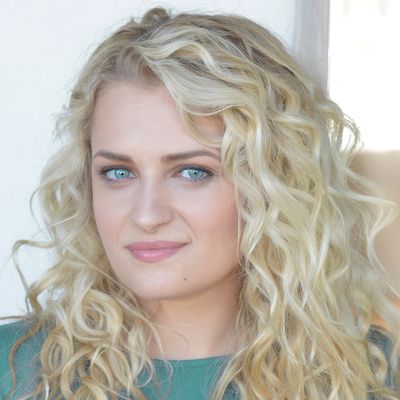
About
In Episode 33, before diving into the main topic, Mark-Eugene shares his excitement with David about finally fulfilling his dream of meeting Laura Linney. The conversation then shifts to A Chance to Fly and Cut Loose, the inspiring books by Tony winner Ali Stroker and Stacy Davidowitz. Later, the author duo joins the discussion, offering insight into their creative process and the experience of collaborating on these stories. To wrap up, Mark-Eugene and David tease the next episode, promising plenty of behind-the-scenes stories.
Transcript
This transcript was automatically generated and might contain errors.
[0:17] Mark-Eugene Garcia: Hello and welcome to The Drama Book Show!
[0:20] David Rigano: My name is David Rigano.
[0:21] Mark-Eugene Garcia: This is episode 33.
[0:24] David Rigano: 33.
[0:25] Mark-Eugene Garcia: Make a wish.
[0:26] David Rigano: Is that what you do at 33?
[0:28] Mark-Eugene Garcia: Just whenever you have a repeated digit.
[0:32] David Rigano: Oh, very cool.
[0:33] Mark-Eugene Garcia: Awesome.
[0:33] David Rigano: Like 1111.
[0:36] Mark-Eugene Garcia: I've been getting that on my phone recently too, and being like...
[0:39] David Rigano: That's what you have to do.
[0:39] Mark-Eugene Garcia: You have to set your alarm for 1110 on November 11th so that you don't miss 1111, 1111.
[0:47] David Rigano: It's funny because I've been making the same wish every 1111 forever.
[0:53] Mark-Eugene Garcia: And that wish came true.
[0:54] David Rigano: Did it come true today?
[0:58] Mark-Eugene Garcia: So how did I know what that wish was?
[1:02] Mark-Eugene Garcia: So listeners, it's a running gag here that the truth is I love Laura Linney.
[1:07] David Rigano: My favorite actress.
[1:08] Mark-Eugene Garcia: Yes. Since I was a kid watching the movie Congo, which led to Tales of the City, which changed my life, which led to so many other projects that Laura Linney has done.
[1:16] David Rigano: You Can Count on Me.
[1:17] Mark-Eugene Garcia: So many that just, oh.
[1:19] Mark-Eugene Garcia: And it's a running gag that anytime someone famous comes into the store, I always look at the door and yell, "Laura Linney!" because I want to manifest Laura Linney.
[1:29] David Rigano: The famous person being Laura Linney.
[1:31] Mark-Eugene Garcia: Yeah, I want to manifest her coming through the door.
[1:33] Mark-Eugene Garcia: And it's never happened, and it's been almost four years, but then today.
[1:39] David Rigano: It didn't never happen anymore.
[1:40] Mark-Eugene Garcia: Until today, yes.
[1:42] Mark-Eugene Garcia: And I walked in today, and you just said to me, "You missed it."
[1:48] David Rigano: And I was like, "What did I miss?"
[1:50] Mark-Eugene Garcia: And our colleague Kirsten, who runs the cafe, when I was relating this, she was like, "You mean who did you?"
[1:56] Mark-Eugene Garcia: I was like, "No, I didn't want to believe."
[1:58] Mark-Eugene Garcia: Because I always show up in the afternoon after some, and I have missed someone.
[2:02] David Rigano: Yeah, you missed some huge being.
[2:04] Mark-Eugene Garcia: Drop some names.
[2:04] David Rigano: Drop all the names.
[2:05] Mark-Eugene Garcia: You missed Bryan Cranston.
[2:07] David Rigano: You missed William O'Brien.
[2:09] Mark-Eugene Garcia: You missed Bette Midler.
[2:10] David Rigano: Bette Midler.
[2:11] Mark-Eugene Garcia: Yeah.
[2:11] Mark-Eugene Garcia: I missed Bette Midler.
[2:13] Mark-Eugene Garcia: And I've listened and especially during this podcast, I've gotten to meet some amazing heroes.
[2:19] Mark-Eugene Garcia: But yeah, we've all been rooting for you for Laura Linney to come in.
[2:24] David Rigano: And then you just showed me your phone, and there's the picture of you with Laura Linney.
[2:27] Mark-Eugene Garcia: And I said, "Tell me you Photoshop."
[2:31] David Rigano: No, and so it's true, everyone is rooting for me to the point that like I think...
[2:37] Mark-Eugene Garcia: There was no bitterness when I said, "I am so happy for you that this happened."
[2:42] Mark-Eugene Garcia: And I do wish that I had gotten to meet her as well, but I looked at the footage later, and it was almost comic because she walked in and I was talking to TJ.
[2:50] Mark-Eugene Garcia: And as she walked by, I turned away.
[2:52] David Rigano: And then I looked down and she walked by again.
[2:55] Mark-Eugene Garcia: Yeah.
[2:56] Mark-Eugene Garcia: And I looked up and she was gone.
[2:58] Mark-Eugene Garcia: I would have never known had Kirsten not come running up to the register and being like, "Mark, Mark."
[3:04] Mark-Eugene Garcia: And I thought it was an emergency.
[3:05] Mark-Eugene Garcia: So I turned and she goes, "It's Laura Linney."
[3:10] Mark-Eugene Garcia: And I looked and I see Laura Linney talking to Lynn Manuel, and I just freeze.
[3:15] David Rigano: Yeah, I've seen the footage.
[3:16] Mark-Eugene Garcia: Just freeze for like a minute.
[3:18] Mark-Eugene Garcia: My brain shut off, as did my body, and just stuck.
[3:21] David Rigano: A friend of ours walked up to you, and you just like waved her away.
[3:26] Mark-Eugene Garcia: I was like, "Go away."
[3:27] Mark-Eugene Garcia: And I told her later, I'm like, "I'm sorry I waved you away when I was overstimulated."
[3:31] Mark-Eugene Garcia: Like too much was happening at that moment.
[3:33] Mark-Eugene Garcia: Co-workers who weren't here were texting me saying, "Oh my god, oh my god," because they all knew what this meant to me.
[3:41] Mark-Eugene Garcia: And I'm also not one who normally reaches out to Lynn Manuel, but I saw them talking, and I sent a text that said, "She's my damn favorite."
[3:50] David Rigano: Yep.
[3:50] Mark-Eugene Garcia: And moments later she came over and said hi.
[3:53] Mark-Eugene Garcia: And we talked for a little bit, and I got to hopefully not completely make a fool of myself, but at least explain what she has meant to me in the course of growing up and artistically and how she's inspired me when it came to performances to even writing, because I wanted to write characters like the characters she played, and so it was just a true 11-11 wish.
[4:15] David Rigano: Yeah.
[4:17] Mark-Eugene Garcia: Can I talk for a moment about a character she has not played?
[4:20] David Rigano: Yes.
[4:20] Mark-Eugene Garcia: I have been manifesting for a while.
[4:22] David Rigano: I think I know what this is going to be.
[4:24] Mark-Eugene Garcia: Because I adore Julia Roberts. Anyone who knows me knows how much I love Julia Roberts and loved her in this movie.
[4:32] Mark-Eugene Garcia: But I, when they were adapting August: Osage County for film, I wanted Laura Linney to play Barbara.
[4:41] Mark-Eugene Garcia: And I think that Julia Roberts was amazing in the film.
[4:45] David Rigano: Right.
[4:46] Mark-Eugene Garcia: And when Julia Roberts was cast and Laura Linney was not, what I thought to myself was, you know what?
[4:52] Mark-Eugene Garcia: And I've seen Julia Roberts on stage, and I would love for Julia Roberts to do more stage work as well.
[4:57] Mark-Eugene Garcia: I saw her in Three Days of Rain, loved her. She was fantastic.
[5:01] Mark-Eugene Garcia: But my first thought was that Julia Roberts is more specifically a film actress, whereas Laura Linney is someone who goes back and forth all the time between stage and film.
[5:12] David Rigano: Yeah.
[5:13] Mark-Eugene Garcia: And I've seen her on stage in some amazing performances.
[5:17] Mark-Eugene Garcia: So I went, you know what? This will be fine because Laura Linney can do a Broadway revival of August: Osage County.
[5:25] David Rigano: Well, it's so funny.
[5:26] Mark-Eugene Garcia: Laura, if you're listening, do it.
[5:28] Mark-Eugene Garcia: And if you want, I actually have a fantastic concept for a smaller Off-Broadway revival.
[5:33] Mark-Eugene Garcia: So Laura Linney, if you want, let's do August: Osage County Off-Broadway.
[5:38] Mark-Eugene Garcia: It's funny because when the movie came out, I was in college around then, I think, but I just remember my acting teacher saying out of the blue.
[5:47] David Rigano: You couldn't have been.
[5:47] Mark-Eugene Garcia: No, when did it come out?
[5:48] David Rigano: Because the play was on Broadway when I was in college.
[5:51] Mark-Eugene Garcia: Yeah, but I also went back to school.
[5:54] David Rigano: Oh, yes.
[5:55] Mark-Eugene Garcia: I know it.
[5:56] David Rigano: Yeah.
[5:57] Mark-Eugene Garcia: And so we were talking about it, and someone made a comment of what do you think of the movie?
[6:03] Mark-Eugene Garcia: And this teacher just out of the blue was like, "Laura Linney should have played the part."
[6:07] David Rigano: And it was so funny because it was just out of the blue.
[6:09] Mark-Eugene Garcia: It's a perfect role for her.
[6:10] David Rigano: And so when you mentioned that, I was like, "What was there a thing?"
[6:14] Mark-Eugene Garcia: But also that goes back to years before, and I was always mad because You Can Count on Me, which is one of my favorite movies in the world, Laura Linney was in.
[6:21] Mark-Eugene Garcia: It got nominated for an Oscar.
[6:23] Mark-Eugene Garcia: Came out when Erin Brockovich came out and with Julia Roberts.
[6:28] Mark-Eugene Garcia: And there were so many awards that either of them was winning as best actress.
[6:32] David Rigano: Uh-huh.
[6:33] Mark-Eugene Garcia: And then it came down to that one, and Julia Roberts got it, and again, great actress.
[6:38] David Rigano: It's a great movie.
[6:39] Mark-Eugene Garcia: Yeah, and it's so hard when you're like, "Oh, but Erin Brockovich was so good."
[6:43] David Rigano: But it's Laura Linney.
[6:44] Mark-Eugene Garcia: Yes. You Can Count on Me is one of my favorite movies in the whole wide world. I will rewatch that movie over and over again.
[6:47] David Rigano: I don't think I've seen that one.
[6:51] Mark-Eugene Garcia: Oh, maybe that's what I'll want to get home tonight.
[6:53] David Rigano: It's so good.
[6:54] Mark-Eugene Garcia: I love her and Mark Ruffalo.
[6:56] David Rigano: Ah, I think the Mark Ruffalo.
[6:59] Mark-Eugene Garcia: Actually, weird tangent on that, as if we're not doing those already.
[7:02] David Rigano: Uh-huh.
[7:02] Mark-Eugene Garcia: I went to see You Can Count on Me. There is a cello solo in that's part of the music.
[7:09] Mark-Eugene Garcia: And they use that in the show Bear, which was playing in LA, which I was seeing a lot.
[7:15] Mark-Eugene Garcia: And so I went to see You Can Count on Me. That song came on, and I thought, you know what? I should go see Bear tonight. I haven't seen it for like, you know, a week.
[7:23] David Rigano: And so I bought tickets to go see Bear, drove down to LA at intermission.
[7:28] Mark-Eugene Garcia: I walked out and slammed into Mark Ruffalo, who was directing the show next door.
[7:33] Mark-Eugene Garcia: I just saw your movie.
[7:37] David Rigano: Weird tangent.
[7:38] Mark-Eugene Garcia: Lots of wishes, lots of actors.
[7:41] Mark-Eugene Garcia: I was hoping there was something in that tangent that would deliver a statement.
[7:45] David Rigano: Let's just get a tangent back to switch over.
[7:48] Mark-Eugene Garcia: And talk about tonight's book.
[7:51] Mark-Eugene Garcia: So this event was the first time.
[7:55] David Rigano: Correct me if I'm wrong, was the first time that we had an author come back for a second event, having already done one.
[8:04] Mark-Eugene Garcia: The first time to come back for the second time.
[8:06] David Rigano: Yes.
[8:07] Mark-Eugene Garcia: Yes.
[8:08] David Rigano: And it was really fun because we weren't recording for podcasts for their first book.
[8:15] Mark-Eugene Garcia: So it was great to have them because we had two authors. We had Stacy Davidowitz, who is a playwright, and Ali Stroker, who of course is a Tony Award-winning actor and a writer as well.
[8:26] Mark-Eugene Garcia: She has a children's book on our shelves, separate from the two books that she's written with Stacy.
[8:31] Mark-Eugene Garcia: And they had been here for their first book, A Chance to Fly.
[8:36] David Rigano: Right.
[8:37] Mark-Eugene Garcia: Which is a fantastic young adult book about a girl named Natalie Beacon, who is in a wheelchair, and her parents move her across country because her father got a job.
[8:53] Mark-Eugene Garcia: Both of her parents are athletes. I think that her dad's a gym teacher. So she lives in California. Her dad gets a job as a gym teacher in New Jersey. So they have to move her across the country.
[9:04] Mark-Eugene Garcia: And of course, like any parents moving your kid across the country, they're trying to like make sure that everything's gonna be set up for them.
[9:11] Mark-Eugene Garcia: Natalie is a competitive wheelchair racer. Again, her parents are athletes, so is she. That's the world that they know.
[9:20] Mark-Eugene Garcia: She shows up to her first track meet in New Jersey and finds out that the local JCC is doing a summer theater program across the street, and she has this secret desire to do musical theater and winds up doing musical theater.
[9:36] Mark-Eugene Garcia: And if you can guess from the title, A Chance to Fly, what musical they're doing, so she spends her summer doing Wicked.
[9:42] David Rigano: Nice.
[9:44] Mark-Eugene Garcia: And it's great because while the fact that the character is in a wheelchair is always present, and they beautifully explore what the realities of that mean for her, like when the choreographer says to her, "I think you should sit out this rehearsal and maybe not be in this dance number because it might be a little bit too athletic for you."
[10:09] Mark-Eugene Garcia: And she's, "I'm literally an athlete. I'm literally skipping out on my athletic meet that my parents don't know that I'm not at to be here, and you're saying it's too athletic."
[10:19] Mark-Eugene Garcia: So while that's always a part of it, at the core, this is a coming-of-age story about being preteen and making new friends and moving to a new place and trying to fit in.
[10:33] Mark-Eugene Garcia: That's what the story is ultimately about. It's not about her chair. And I highly recommend it to anyone.
[10:42] Mark-Eugene Garcia: And then they wrote a second book called Cut Loose.
[10:46] Mark-Eugene Garcia: So in this one, the summer is over, and she has this new group of friends, but they don't all go to the same high school. So now they're splintering off into whatever high schools they go to.
[10:56] Mark-Eugene Garcia: And her school is doing Footloose as their musical.
[11:01] David Rigano: Right.
[11:01] Mark-Eugene Garcia: I don't want to say too much more because obviously Stacy and Ali know how to talk so beautifully about their own.
[11:09] Mark-Eugene Garcia: But it was great to have them back and be the first returning guests to talk about their second book.
[11:15] David Rigano: Let's dive right in.
[11:16] Mark-Eugene Garcia: Let's do it.
[11:18] Mark-Eugene Garcia: So please help me in welcoming Ali Stroker and Stacy Davidowitz.
[11:29] Ali Stroker: Hi here.
[11:31] Stacy Davidowitz: Thank you, David.
[11:32] Ali Stroker: Oh, you're very welcome anytime.
[11:34] Stacy Davidowitz: We're huge fans of The Drama Book Show.
[11:37] Ali Stroker: So thank you all for coming out tonight.
[11:39] Stacy Davidowitz: Yes. Thank you so much for having us.
[11:41] Ali Stroker: Of course.
[11:42] Stacy Davidowitz: We're thrilled to.
[11:43] Ali Stroker: So do you want to set up?
[11:45] Stacy Davidowitz: You got a little excerpt.
[11:46] Ali Stroker: Yeah, yeah. Do you want to set us up?
[11:47] Stacy Davidowitz: Yeah.
[11:48] Ali Stroker: Okay. Cut Loose is the sequel to A Chance to Fly, and it picks up about a few weeks after they were just in a production of Wicked.
[11:58] Ali Stroker: And right now, our protagonist, Nat Beacon, she's 13 years old, and she's about to see Dear Evan Hansen, which is going to be her first ever Broadway show.
[12:10] Ali Stroker: So she's—or sorry, they have just seen Dear Evan Hansen right when our scene picks up that we're going to share with you.
[12:17] Ali Stroker: And they are at the stage door in line, and they're particularly pumped to meet the Adam Blake Felixston who plays Dear, who plays Evan Hansen.
[12:28] Stacy Davidowitz: Yeah.
[12:30] Ali Stroker: Okay.
[12:33] Ali Stroker: This is chapter one.
[12:36] Stacy Davidowitz: Okay, so we're taking you right in.
[12:42] Ali Stroker: Nat joined in first, singing Mezzo Soprano. Malik sang tenor. Ray and Hudson sang alto, and Savannah and Jacqueline sang soprano.
[12:51] Ali Stroker: Thank you so much for bringing that excerpt. The first question that I have for you is what is the price of a pastrami sandwich at Timmy's Deli and Queens? Because it sounds really good to me.
[12:54] ♪ Musical number ♪
[13:29] Nat: She held Ray's hand, smiled at Malik, and sang a riff that soared over the honking taxis and Broadway theaters and into the thick August sky. She wanted to push away the rules of time to make this moment last.
[13:46] Adam Blake Felixton: Whoa, nice singing.
[13:52] Nat: Stopped singing. They all did. It was Adam Blake Felixton.
[14:03] Hudson: Oh my god, Spell.
[14:11] Hudson: Hi, I'm dear Evan Hudson. I mean, I'm not. I'm Hudson. That was my chat name. Anyway, we are also actors who act cool. Can you sign my cast? It's fake. You're amazing.
[14:24] Adam Blake Felixton: Thanks, Hudson.
[14:26] Hudson: You too.
[14:27] Hudson: You too, Hudson repeated, practically, maybe actually frothing at the mouth.
[14:34] Adam Blake Felixton: Signed the plaster without judgment, and then one by one scribbled his initials onto each of their playbills. Last was Nat's. Nice riff, by the way, he said to her.
[14:48] Adam Blake Felixton: Hey, do you and your friends mind taking a selfie with me for when you all strike it hot on Broadway?
[14:55] Nat: Choked a laugh. Sure.
[14:58] Adam Blake Felixton: Came through the break in the barriers. Nat looked at her friends. They were slackjawed. And then they aggressively closed in. Adam Blake Felixton got so close to Nat's face, she could smell the Red Bull on his breath.
[15:13] Malik: Kneeled on Nat's other side and threw his arm over her shoulders, making her stomach flutter even more than it was already fluttering.
[15:23] Adam Blake Felixton: You're all in middle school, right?
[15:26] Hudson: Eighth grade.
[15:29] Hudson: Tried to bring his voice down a step. Practically almost in high school.
[15:35] Adam Blake Felixton: Cool. Say Timmy's.
[15:38] Hudson: Timmy's.
[15:43] Adam Blake Felixton: Took the shot. Done. Tagging dear Evan Hudson and what's your insta?
[15:51] Nat: Me. Oh, Nat throwing away my shot because my name's Nat.
[16:01] Adam Blake Felixton: Sweet. Found you.
[16:04] Nat: Bulged her eyes at Hudson, who was bulging his eyes right back.
[16:13] Savannah: Um, who's Timmy?
[16:14] Savannah: Are we supposed to know him?
[16:18] Adam Blake Felixton: Rubbed his non-existent beard. Oh, wow. You haven't heard the Broadway World News?
[16:24] Nat: Okay.
[16:28] Adam Blake Felixton: So you know the National High School Musical Theater Jimmy Awards, aka the Jimmies?
[16:35] Nat: Nodded, and she wasn't the only one. Sometimes before bed, she watched YouTube clips of past Jimmy Award winners. It was inspiring for any middle schooler to watch kids not much older than themselves sing their hearts out on Broadway stage. She and Hudson had talked about it lots.
[16:55] Adam Blake Felixton: Well, this fall, the Broadway League is launching a middle school version of their competition called The Timmies. Basically, if your school wants to participate in the Timmies, the Broadway League sends a judge to see your musical. One musical, her region gets picked to perform a number on a Broadway stage.
[17:23] Hudson: Yelped. We could Broadway!
[17:26] Adam Blake Felixton: You never know. Ask your drama teacher to apply if they haven't already.
[17:31] Adam Blake Felixton: Chuckled to himself. Timmy's cute, right? Then he moved along the line of fans, happily connecting his Sharpie to Playbill after Playbill.
[17:41] Nat: Thought she might pass out. She looked at Hudson to ask, how do we make this happen? But he was moving out of the stage door line to the slightly less crowded area between the music box theater and the Imperial Theater while frantically scrolling through his phone.
[17:58] Nat: Followed and took out her phone. She started with a Google search for Timmy's, but found herself looking at a menu of a deli in flushing queens. As she stared at the price of a pastrami sandwich, she wondered what she was even looking for. Then she wondered if it mattered. Like, first off, did her new school even do a musical? If yes, who was the director? And would they be down for the Timmies?
[18:27] Savannah: It's on our drama club's Insta! Us girls at Woodridge Middle School are doing Oklahoma. If Mr. Senelec hasn't already applied to the Timmies, I'll make him.
[18:43] Nat: Blurted with desperation, peeking at Hudson's phone. He wasn't on Instagram. He was texting with someone named Matteo Zapatero.
[18:54] Nat: Who's Matteo?
[18:56] Hudson: Oh, um, he's my homeroom crush, and he's Babs's assistant director.
[19:01] Nat: Who is Babs?
[19:03] Hudson: Didn't answer. He was too busy jabbing his screen.
[19:07] Nat: Looked at Malik way too casually, leaning against the dear Evan Hansen, winner of six Tony Awards sign on the building wall. Is Babs the theater director? Does she normally put on a musical?
[19:21] Malik: Shrugged. I don't know, I think.
[19:24] Nat: What?
[19:25] Malik: You don't know?
[19:26] Nat: How?
[19:27] Hudson: Suddenly shrieked even louder, even higher than Savannah had shrieked and hugged his phone to his heart. Holy toes! Babs entered us in the Timmies! We're going to be judged so hard!
[19:42] Malik: Fig, and Matt, we're doing it.
[19:48] Nat: Asked, holding her breath in anticipation. With what show?
[19:52] Hudson: Threw off his fake cast, hyper tap danced for five seconds, and then announced Footless.
[20:01] Nat: End of chapter one.
[20:21] Stacy Davidowitz: I didn't—I probably when I was looking at that section. Because I did Google it, obviously.
[20:29] Ali Stroker: Very thorough about that. But in all seriousness, thank you so much for bringing this excerpt. I was hoping that we could start off just by talking a little bit about how you two met in the first place to write the first book, A Chance to Fly.
[20:29] Stacy Davidowitz: Yeah, sure, sure.
[20:46] Ali Stroker: So Stacy and I have a mutual friend that I went to high school with.
[20:51] Stacy Davidowitz: And he went to college with him?
[20:52] Ali Stroker: No. He met one of my plays. He produced one of Stacy's plays, Stacy Wright's plays as well. And he was like, he reached out to me and was like, "Ali, I have a friend who was wondering if she could interview you for a character she wanted to write, who is in a wheelchair who's interested in theater." And I was like, sure. So we met up and we went to Westville for those of you who live in New York for lunch on Valentine's Day 2018. I was saying. And Stacy is there pitching me, like, can I like talk to you about this? And I didn't plan this before we got to the lunch, but I was like, what if we wrote, what if we did this together? What if we wrote this character together? And what if there's a book about her or him?
And she was like, "Oh my god, you would do that?" And I was like, "Yes." And I'm an actress, I'm a singer, I'm an advocate, I speak, but I never imagined myself being a writer. In fact, I didn't think that it was something that I could do, but I really trusted Stacy. And when I was with Stacy, I felt like a theater kid again. And I think there's something so magical about that. And so we were like, okay, let's do this. And this was before Oklahoma and before the Tonys. So I had been on Broadway before, and I had all of these years of experience because I did theater as a kid, but I had no idea what was about to happen in my life. And so, as we're writing the book, and as we're pitching this book to be published, Oklahoma is happening, and my life is exploding.
And I was like, I'm at the theater of Oklahoma, and like we're on the phone with publishers, and it was just this beautiful moment of everything coming together. And it's just been so magical. I feel so lucky. And we have a book that's the prequel to Cut Loose called A Chance to Fly. And these books have totally changed my life, and so has Stacy. I just love working with her, and it's the best.
[22:59] Stacy Davidowitz: I feel the same about you. It was very exciting to decide to collaborate together. And I would say that our collaboration was just so like immediately on fire. Like we were like, okay, great, let's do this. And with a lot of projects, okay, let's like meet in six months, like maybe and things, it takes a while. We were like, okay, let's start next week. And it was like, all right, we'll meet. We met and then we like outlined the book in a couple hours. We're like, okay, I was like, this is not a normal thing. Like sometimes it takes me like five months to outline a book. So we were really fast. We were yes anding each other. We were like, yeah, that sounds great. Let's do it. Let's do it.
[23:36] Ali Stroker: And Stacy, although you were saying you didn't have as much experience writing, you are a very gifted storyteller. And I think we were able to build something that worked in that structure.
[23:48] Stacy Davidowitz: Yeah, and I think comedians talk about this, but in order to be funny, you need to be around people who think you're funny. And so it's like being like a great music class where like all of a sudden everyone sounds so good because everyone is supporting each other. That's what it's like for me being around Stacy. She likes my ideas. And then I'm like, that's great.
[24:12] Ali Stroker: Stacey, you want to do everything together. And then design is a great collaborator, somebody who just really believes in you and what your ideas. And sometimes I'll call Stacy, and sometimes I have really good ideas while I'm driving. And I'm like, "Stacey, can you write this down? What if it was like this and that?" And she's like, "Okay, yeah, and let's add this." And then all of a sudden we're like talking back and forth. And it's this really organic, amazing, I think, special collaboration and relationship that we have.
[24:44] Stacy Davidowitz: Awesome. So you've got the first book where Nat moves all the way across the country and she joins this theater troupe. One thing we had an event here for the first book, and I don't know if this—I don't remember it coming up in the event for the first book, but when she moves, she's an athlete. She's a racer, and a big part of the book is how do I tell my parents I want to do musical theater instead. And I was curious, was there sports in either of your backgrounds, or what was the decision to make her an athlete?
[25:20] Ali Stroker: It wasn't really based on my athletic experience, but yes, I did sports my whole life.
[25:24] Stacy Davidowitz: Yes, but—
[25:24] Ali Stroker: Alright. Yeah, well, I before I found theater, my first introduction to being around my community, like other kids in wheelchairs and other kids with disabilities was wheelchair racing, and I was on this team called the Lightning Wheels, and I remember like for the first time meeting like I was like six or seven, meeting like a teenage girl in a wheelchair, and I just thought she was so cool, and I just wanted to be around her, and it was the first time that I felt like, oh, I could get into this and do this, and I was really good.
[26:03] Ali Stroker: I got I have this world record because I was so small and so I was so young and so strong. So had this like crazy time in this race, anyway. But I was introduced to theater like the week of sorry, like the year after I started lighting meals, and it became very clear that like I definitely just wanted to do theater. And my dad is such a jock, and he's such a coach, and he's such a sports guy. And I think he may have been just like slightly disappointed that I didn't want to continue to do theater. But then he saw me do theater, and he was like, Oh, she's obsessed with this, it's all good. But I really wanted that. I think why we wanted to put it in was that I really wanted Matt's identity to be wrapped up a little bit more in the beginning in her being in a chair, and then finding theater allowed her to be driven by something else.
For me, as a kid in a wheelchair, I felt like I was set free when I found theater because something about being disabled as a little kid felt really overwhelming at times, and I loved that theater made me feel like I could express myself and I could play different characters and I could be different people because at times it felt like so overwhelming to be myself. Because I think now looking back, being young and being in a chair, like there's all these different social things that have that happen, and I felt like people were staring at me, and then when I was on stage, it was like I was asking people to stare at me, and I had the control, and I was able to flip this thing that was sometimes uncomfortable into something that was really empowering. So theater like totally changed my life, and I wanted that to happen too much.
[27:51] Stacy Davidowitz: Yeah, and it does beautifully. And I love how much you incorporated in the book of there, there's so much coming of age stuff that has nothing to do with the chair. The I'm secretly doing theater, and my parents think I'm still doing track. Like, like all those kind of I hate to say like tropes, but but the coming of age stuff. The do I am I gonna fit in with a new group of people? Does my best friend back home forget about me? Does the boy like all of this stuff that that you built around Nat's character that is affected by the chair and that the chair affects but that isn't rooted in the chair.
[28:27] Ali Stroker: Yeah and I I just wanted to piggyback on something like that's the authenticity that was super important to me that was always included because sometimes I felt like all people see are the chair but I'm like that's not me there's so much more going on for me and especially the coming of age stuff was intense and it is for everyone like growing up is really there's so many huge feelings and so many big things that are happening for the first time ever. And I wanted that authenticity and I also wanted anybody who reads the book to relate because it's not just unique to Nat so many of us have these feelings.
[29:16] Stacy Davidowitz: Thanks so obviously you you built this wonderful character who has so much more to do she's only been in her first show in the first book and she's now diving headfirst into the world of musical theater first chapter she sees her first Broadway show so she still has all of these firsts so obviously you have more story to go through with this character who as we said has so much more going on than her chair but I was also wondering if there was stuff related to growing up, starting a new school in a chair, doing musicals and meeting new directors in it that you hadn't talked as much about in the first book that you wanted to explore more in the second book.
[30:01] Ali Stroker: Well, a lot of so in the summer, she's in this like specific program, it's a theater program at the JCC. Yeah, and then now suddenly she's in a new school, it's eighth grade. It's and so all these dynamics are changing. Not all of the friends that she made over the summer are still in the in her school. So, like she has some, but not all. So she's navigating new friends and also school, and we just wanted to present. And Allie and I talk a lot about like her personal experiences from going into the school on day one, like the lit, the to the cafeteria, the elevator, all these little things, what it's like when you're going in and into a new classroom, especially with middle school where you're moving from classroom to classroom, the bell rings, and there's only a certain amount of time.
And we also really wanted as there's some conflict in book one, but we really wanted to create the nuance of conflict that exists in middle school, and that was really a huge part of our focus, yeah, in addition to dance.
[31:07] Stacy Davidowitz: Yeah, and I remember every time I started like a new school, like whether it was middle school or high school, in our town, more kids were added to the community. So, like we went from one elementary school, and then the three elementary schools went into one middle school, and then six elementary schools went into one high school, and those were huge transitions because it was new people, and my experience of being new was always so hard. Something about it. Like I just felt like, why is it such a hard transition? And why are people treating me so differently because they don't know me? I don't know, like maybe that has nothing to do with my chair. Maybe so many people have this experience.
But I we wanted to amp it up, and also because we're writing a book that's not exactly based on my life, you know, for Nat to be moving to this new school and to be in the old school. So that was like on purpose, obviously, to amp up the drama because we're writing a book and why not. And so that was I'm really glad that we were able to do that in this cut loose.
[32:21] Ali Stroker: Awesome. And then, yes, obviously, as we heard at the end of the first chapter, and if there was anyone who couldn't guess from the title, now they're gonna do Footloose, which is a very dance-heavy show. And there's well, I won't spoil anything if anyone hasn't read the first book, but there's it's it's so delightful, so much of it, and I find myself grinning through the first book, and I've only made it a couple chapters into the second book, but I'm still grinning through listening to the audiobook, which Allie narrates both of the audiobooks, and they're fantastic as well, especially because I see people with children who I know might like to put those on at home. But there's a scene surrounding a dance rehearsal in the first book that is very powerful and very moving, and and now you have this character going into a dance show. And I love that you brought up that she's not even an athlete.
[33:10] Stacy Davidowitz: Yeah, yeah, that she's not the one who doesn't think she can dance, it's facing that from other people. I would love to take this moment to open some questions up to those present if you have questions about stuff that you've already heard or questions about the creation of this book, or for either Stacy or Ally individually.
[33:32] Audience Member: Yeah. I have a few questions, but I'll just go with the first one. Uh since I know you're both your people, I wanted to know like at what age you started and how that happened, what brought you into theater. Ali and the sea stars that straight actually happen in your life.
[33:47] Ali Stroker: Yeah. Um yes. So that is based on what happened. I was introduced to musical theater on the Jersey Shore when I was seven years old. My family had bought a house on Long Beach Island, for those of you who know the Jersey Shore. And we had next door neighbors who actually ended up in the entertainment industry. Jack Antonauff, who is Taylor Swift's producer, is one of the kids that did all of the theater with me. And his older sister Rachel Antonov came home from Stage Door Manor and decided to direct Annie in our backyard. And she casts me as Annie. And it changed my entire life because I like didn't have something that I really loved yet. And I loved to sing. I realized that summer. And then I was like, oh, I can sing.
I don't have limitations here. I can be totally free with my voice. There aren't stairs, there aren't inaccessible entrances, there aren't anything other places in my life where I do feel limitations. And I just knew that summer that I wanted to be on Broadway. And I told my parents, and they were like, okay. I think they're a little nervous. They were like, this is big, but I just felt so clear about it. I was like, this is what I want to do with the rest of my life, and there's nothing that makes me happier. And it's still the case. My family and my baby, of course, like fills me so much, and it's a new kind of joy. But that but creating theater and being in the theater and getting to tell stories that way, and musical theater in particular, just it's part of why Stacy and I connected so easily so fast is just like immediate joy. And you just want to be around that when you find that.
[35:38] Stacy Davidowitz: Yeah.
[35:39] Ali Stroker: How old were you then?
[35:40] Stacy Davidowitz: Seven.
[35:41] Ali Stroker: You were seven. Okay, yeah. I feel like I was I don't know what at what age it was, but at least I was the first time I ever sang on stage was like in a talent show in fourth grade. I was like dressed as Dorothy and sang somewhere with a rainbow shading. But I think after that, I was like, I'm gonna audition for every production of Annie that exists in Long Island. So I was in seven productions of Annie. And then just hopping around, played a bunch of roles, and and I like the just the joy of being with like making friends and doing theater was just like everything. It became my whole life.
[36:20] Ali Stroker: Yeah, yeah. Thanks.
[36:22] Stacy Davidowitz: Awesome, thank you.
[36:24] Audience Member: Yeah, we've got another question here, and then yeah, thank you so much. I'm curious if there are any specific characters for action plot points that are based on experiences in your lives, based on a true story as it were.
[36:38] Ali Stroker: Yeah, I'd like to share some of the stories around so in this book, there's all this stuff around a lift in the cafeteria. So in middle school, there was a lift in the cafeteria that like made this awful noise, and I didn't have a key. Somebody else had a key. You know, this is my beginning of my frustration around like accessibility that like we say, like this is access, this is it, we provide accessibility, but it doesn't provide freedom because I have to ask somebody else for the key. And I and so I really wanted to include it because I didn't know it at the time, but in middle school, it was like this real point of frustration and anger that I had no idea how to articulate. But I was like, why is lunch the most stressful time of day?
And if oh, because I don't have the freedom, like all my friends and my peers do to get into the space where we eat. And then also something else that I really wanted to include is there's another character in this book in a chair named Elliot. And he so Matt has her own internal like ableism that comes out, and I was like not able to see that when I was a teenager at all. Like something about for me having friends in chairs when I was that age was like looking in the mirror, and it was like really scary because I was like not accepting myself, and so I was always afraid that they were gonna put me and I had another kid in my grade who was in a chair, like just clump us together and make us feel like oh, like you're the kids in the wheelchairs, and I just had no idea how to deal with it, and I remember like always being kind, but like just not wanting to be associated, and I think back to 13-year-old Allie now and wanting to give her a hug and be like, it's okay, like it's okay, like you can get to know this person, like this is just like another kid in your grade, and like he uses a chair, but I had no idea how to have those conversations, and it was so important for me to have that relationship in this book.
[38:48] Ali Stroker: And actually, our publishers pushed back because I think they were afraid of having somebody in a wheelchair have some kind of ableism, like that it couldn't exist, or that it could be too tense, and like we shouldn't, but I felt like it was so important because I think that so often the things that we're most afraid of in ourselves are the things that we can criticize and be like that we're not patient with in others, and so this was super important to me that relationship existed for Nat in her journey, and also for other kids to read because I think there is when we're younger, like sometimes we just clump people together based on the way that they look, and yeah, so those are based on some male stuff.
[39:37] Stacy Davidowitz: Yeah, I don't there are definitely other scenes that we also like our editor was like, maybe you don't, and we were like, No, no, no, no, no, it's supposed to the reader's not supposed to know how they're feeling here, yeah.
[39:50] Ali Stroker: And also all the stuff I had like such a hard time with other girls in middle school, and I more than anything just wanted to be like everybody else. I was like so dying to be like the other girls, and I always felt like everybody was nice to me, but I wasn't included in setup, and that was so hurtful because all I wanted was to be like them and to be a part of their social groups, and I think looking back now, like I am who I am because I wasn't in so many ways, like, I am so passionate about inclusion because I wasn't always included.
[40:36] But yeah, I couldn't figure out the like girl hanging out with other girls in middle school. I would have one or two friends, which my mom was like, that's great, that's great. Have two really good friends. But those tended to turn as well. And I tended to always be drawn to like the quote-unquote mean girls, which now I have so much compassion for like why they are, but because I always thought, oh, if they're nice to me, then like I'm special. And that always turned. Like that always turned because something would happen. But these were all like things that I think I hadn't thought about in 20 years. And Stacy and I are talking about, I'm like, we have to include this. We have to.
[41:19] Can you think of anything?
[41:22] Stacy Davidowitz: I feel like that resonates with me as well. Like, I feel like in sixth grade, I was like the weird funny girl. And then because in my school, it was like seventh and eighth grade was like the middle school. And I just remember like standing outside circles, just like waiting to be asked to join, and just like thinking in my head, okay, what's the thing I can say? Should I say this? And then by the time I thought of something to say, like everyone had moved on. And I just just channeling those really painful, uncomfortable moments was really fun.
[41:51] And what as we revised, this book had a lot, we had revised a lot because just to capture the nuance. So our main like conflict with some of these quote unquote mean girls ended up being so like we totally understand where they're coming from and like what their goal is and why they're being they weren't just mean for the sake of being mean.
[42:10] Ali Stroker: We had a lot of journeys with Sky and those, yeah. We didn't want characters to just be caricatures we wanted them to be real they want we wanted them to have depth yeah I definitely think you captured a lot of that in the first book and I really look forward to seeing where I've only just met Sky I'm very interested in a to hear where that's another where that's gonna go and we had another question I believe yes so what month did you write which month did we write it oh like how long did we did it take that month yeah also how long wait now I have a question for your question what month did we start writing it because we took us so many months so which month did we start okay I was definitely outside when we talked about this outline it was during the pandemic we had just moved okay I think it was fall 2021 is it could that have been possible fall 2020 no it could not have been fall 231 because our book had already come out by then okay we started I'm sorry but it was chance to fly you're right yes yes it was it was fall around there it was around there I think it was because we'd moved up out of the city and I was on that bike path pushing and chance to fly had been published and Ali Stroker from the space show asked us if there was going to be a sequel and we're like maybe this is a sign.
[43:39] And the publishers like wrote to us or called us and they were like we're interested in a sequel, and yeah, the outline came together. So it was like maybe October or November 2021.
[43:52] Stacy Davidowitz: Yes.
[43:52] Ali Stroker: Yes.
[43:53] Ali Stroker: That's the month yeah that's how long it takes, though.
[43:56] Stacy Davidowitz: That's such a great question because it just shows how long the process is.
[44:01] Ali Stroker: So we already knew the characters. We knew we very quickly were able to outline because we could so clearly see what was next for Nat.
[44:07] But it's still from the time we started to the time it's published was about two years.
[44:12] Stacy Davidowitz: Yeah.
[44:13] Ali Stroker: I wanted to touch on something that nobody's asked yet, but I wanted to great. I wanted to touch on something about why we chose Footloose. Because I remember when I was talking to my husband about it, and he's like, isn't it like on the nose? Like that she's in a chair and she's doing Footloose. And I was like, Yeah, that to me is it's so my experience. Because so many people, my entire journey of being in musical theater have been like, so like, how do you dance? Like, they just can't wrap their head around somebody in a chair dancing. And so that's why I was like, let's do Footloose, right? Because it's like you think, oh, like you need to be able to move your feet to do this musical, and we're saying, no, you do not, and you do not need to be standing on two feet to be on Broadway, and you do not need to dance like everybody else to be a professional actor, and you don't have to dance like anyone else and be in a dance class, and that has been my journey, and that's why it was really important to me that we chose this.
[45:24] And the truth is that a lot of people can't imagine it in their head, they have to see it, and that's why I wanted to write it. Because it needs to exist sometimes for people to understand it.
[45:37] When I first started in my career, a lot of people wouldn't see me for auditions. They were like, How would we? and I would just be like, just let me in the room. Just let me sing for them. Let me move around the room for them. And all of a sudden, when it hasn't been done before, and then someone sees it, they can imagine it. And then it is real. And then you can do things that no one else has done before.
[46:08] And I think that believing in yourself, if you have a dream, if you really want to do something, do not let anybody tell you just because somebody hasn't done it that you can't do it. Like you can do anything you want. But I do really believe that like these things, like we are in a moment of creating content, whether it be videos or songs or books or plays or TV shows. And like anybody can do it now. And I'm just so excited by that because so many stories need to exist. And they didn't exist for me when I was at your guys' age. And so I'm so thrilled that we are now sometimes it feels overwhelming to go on Netflix or something. It's like there's so many shows that you choose. But it's so exciting to me that there's maybe a story and a show and a book for everyone. And that's that was the real reason why I wanted to take this journey.
[47:13] Stacy Davidowitz: Yeah, that's I'm that's one of the things as soon as I saw the title. I was like, I immediately I was like, oh, I see what they're doing with this one.
[47:20] Ali Stroker: Yeah, it was either Footloose or like an eighth-grade production of Chorus Line.
[47:24] Stacy Davidowitz: And yeah, 100%.
[47:26] Ali Stroker: So yeah, this is that would have been great too.
[47:29] Stacy Davidowitz: I did it in high school yeah I love that do we have any more questions from anyone about yes and then we'll move over this way given how well you two work together and how well the wonderful these two books are if the publisher to ask you to write another one would you continue on this path speaking for myself yes yeah and I also want to write different things with C I've love to write playing with CC because I am obsessed with writing this kind of thing because it really brings out I don't know if you noticed but when we're reading it like we're just bubbling with joy and laughter.
[48:08] Ali Stroker: It's so fun to me to write for this particular age because there's something so heightened about it. It feels like theater that's what I love about our books is I feel like they feel like theater and but I also am really interested in what it would mean to write a play and Stacy writes plays and I think very good ones with that very good ones wait will you plug your plays oh I have a few plays do you have pink here?
[48:44] Stacy Davidowitz: Yes we do it's not appropriate for children should come it's called pink don't it's called pink it's called pink I have Camp Rolling Hills which is my first my first series of books was inspired or based on a musical that I co-wrote called Camp Rolling Hills about a bunch of 12 year olds at summer camp. So that was, and that turned into a four book series. My plays are very dark and for adults.
[49:07] Ali Stroker: So I won't really pitch them for what if Matt was the play or it's like a show where I feel like one of the special things about for Stacy and I is that there's a lot of like joy and excitement and we love writing moments where things are happening for the first time for somebody. Like what does that mean on stage? And to me that's exciting.
[49:28] Stacy Davidowitz: But yes, a third book would be really fun as well.
[49:31] Ali Stroker: Yeah definitely and we had a question over here.
[49:35] Stacy Davidowitz: What's it like collaborating with another author?
[49:39] Ali Stroker: I think so collaboration is super fun when you're with someone who collaborates well with you and your style. And I also think that like it what works really well is if you're flexible in terms of how what your process is. So like when we started we had an idea of what our process would be and that's and that changed so much throughout the whole the whole process of two books when we realized what our strengths were how we can provide feedback for each other like what works for each other really well.
[50:12] Stacy Davidowitz: And and as much as we were like yes anding sometimes with our editor it was like okay but yes no so how do we then take that feedback and connect about it and figure out so it's I would say it's like it could be really challenging if you're not with the right person but if you're collaborating with the right person it's it's just your ideas bounce really well and you're feeling when you're working alone sometimes you're there's a voice in my head that's that's not the right choice.
[50:39] Ali Stroker: And there's like unlimited choices. So sometimes I can feel a bit stuck. But when you're working with someone and they're validating the choices that you're making, it allows you to say yes, and then you can always go back and revise.
[50:49] Stacy Davidowitz: A hundred percent. And I think also one of the things that's so important is to know each other's strengths and to like really honor them. So like Stacy is when Stacy's writing, she is like, she can, she's fast, she's efficient, she's just it's amazing. Like, she'll call me too bad. I wrote the first two chapters, and I'm like, what? One week, she's just fixed out. And it's like and I think a good collaborator, and this is what I try to do is go girl. Not like uh, wait, but send me the first one.
[51:24] Ali Stroker: I want to make sure we're in the right direction. No, if somebody's got something good and they're off to the races, you cheer them on. And then when I come in and offer, I think that a lot of the authenticity about Nat is and her experiences, and like when I am able to come in, and I'll be honest like for me to sit down with a blank page on a screen, I want to throw up. Like this is beyond overwhelming to me. I need to talk. I am like, I need to be with someone, like Stacy was saying, like it's so helpful to have someone there. If you ever get like writer's block, call your favorite person. You will get unstuck. It's the best thing. And then I think also another thing that I really loved about this, I don't know if you remember this, but I think that one of the ways that we when there is like a thing that's not working, we begin to ask each other questions, which I think is another way to build and let like the pots start bubbling again. Like if it's like a big cauldron, right? And that's the book, and we've come to a standstill, ask questions, it gets things moving again, it allows things to bubble again.
[52:33] Stacy Davidowitz: Absolutely. Remember, but I like that. If I can also offer, like just off of what you're saying, my best friend is a writer, and we will get together and write together. Not collaborate, but just write in the same space together so that there is always another person there.
[52:46] Ali Stroker: Yeah. Keeping you honest. But also to like when you get there's that person there, and it like you're saying, make sure it's your favorite person. Make sure and make sure it's the person who you feel comfortable having them tell you when it's bad, and you feel comfortable have creating a space, safe space to tell them when it's not working.
[53:04] Ali Stroker: Yeah, and that's I have found that not just in writing books, but like when you're in a show and something's not working, so often people can get really like mad or like frustrated, and you don't get anywhere, and it's not to the stage managers, let's take a 10 that everybody's like able to take a deep breath, and when they come back, it's okay. What are we doing? What's the goal? What is working? What can we not be so precious about? What can we throw away, and what can we continue to use, especially when you're creating something new? I have found that is so important, and I have to say, like collaborating with other people, like that is the theater, and you see sometimes people get really stuck because they don't want to work with other people.
They think that somebody else is gonna take their ideas or whatever. Anyway, and I just think it's it's the thing to get good at, yeah, as working with other people. The best is when you can put out something that might not be a good idea or that might not work because you know that the people around you will go, okay. I see where you're no, but I see where you're going, and that's how you get there.
[54:14] Stacy Davidowitz: Yes. Do we have more questions? And we are coming towards the end of our evening. I would like to wrap this up because one of the really cool things with this book is in the first book, you're dealing with the things that are clearly both of your passion in finding your people in the theater and putting on shows. But when we get into this book, you're really bringing them in directly into your world. You're bringing them into your industry. And I loved reading the descriptions of the music box theater and having it be so real. I loved the name of Adam Blake Felixton and saying the full name every time. Love that. And for me, and I think for also a lot of like theater adults, picking up on those kind of like little Easter eggs.
But yeah, like you bring them into a Broadway theater. You talk about the actual industry of Broadway. You have characters who are going to be doing Oklahoma. And so, what was it like in this book taking that step further? Like bringing these kids even closer to your world.
[55:28] Ali Stroker: Yeah. I think that one of the things that's really fun about my experience of being on Broadway and being backstage with these Broadway years is that it's a very unique experience because for those of you who have not been vaccinated a Broadway show, it's really inaccessible. There's like so many stairs, and it's really narrow, and it's all really old buildings in New York, right? So when I was cast and found out that Spring Awakening was going to Broadway, the first thing that came to my head was like, I hope I can do it. Because, like, physically, like backstage, they make the house and the seats all for the audience accessible, but backstage is not. And so when we were working at the what is the new name of it?
Sorry, oh, the Lena Horne, yeah. There was a ramp to be able to get in that they were using for sets and things like that. But the stage were at a stair, and then there was a dressing room on the main floor. Nobody else is clocking this kind of stuff, right? This is a part of me being able to do the thing that I dreamed of since I was seven. So I in this book walk us through what it's like backstage, and that there's a crossover, meaning there's a way to get from stage right to stage left without going on stage, but it's underground, it's underneath the stage, but I couldn't get under there, so we had to track all my entrances and exits so that I made sure I always exited where I needed to enter the next time I came on stage, and all these little things that I was paying attention to because of my unique circumstances and my experience, and to me, like that is such an honor to be able to share those little things that like normally I'm not talking about that to Broadway World when we're doing an interview.
They're like, What's your dream role? It's like much more. But in these kinds of books, to really give that behind the scenes what goes through my head, and maybe this sounds like crazy like an egomaniac, but I feel like it is a unique experience, and for any of us, you might be in this situation one day where you might not be able to move around the same way, and so I just think it's unique and cool, and so to be able to share that and bring that to Nat's experience and to any young person who like wants to be on Broadway one day. This is this is so fun to share all the really cool specific things about my experience on Broadway.
[58:16] Ali Stroker: And I think that's the kind of stuff that is important to just put into people's heads who may never be, and that's it, but still so that we can start moving around spaces and thinking about those things in ways that we just haven't had to, and maybe move with blinders on that we don't see things the same way.
[58:35] Stacy Davidowitz: Yeah, I'd love to offer something for anybody here who doesn't know about it. There's something called universal design, which is this design concept where it's accessible for everyone, and it's just built into the construction of a building or a park or whatever it is, and it's so exciting to me because it's so beautiful, and it's like really where I dream that our world is going when we're building new things, and also for anybody we're getting the opportunity to record this. So anybody who's listening to this conversation, check out Universal Design, it's really cool.
[59:12] Ali Stroker: And actually, yeah, that's speaking of accessibility. We are, you can see we've got a mic set up, we are recording tonight, and fingers crossed we'll have a way in the new year to get that out to people who for whom you know getting here tonight isn't accessible for any number of reasons. And I think that's such a wonderful way to end this talk because that is that's what I think both books are doing is just like putting a bunch getting that representation of putting other people in the mindset of the kinds of things that you have to think about that you don't have the luxury of not thinking about. Thank you. And I think that you're doing both of you are doing a beautiful job with that and telling these stories.
[59:50] Mark-Eugene Garcia: So help me again in thanking society. I love listening to them talk about the people. Are they not just the most delightful humans? And also just the joy in the room. It was such a crowd, and everyone was just so happy. Yes. Everyone was so delighted to be there. And I think it's I think it's always great, even though these are after hours events and they're a little bit later in the evening, whenever we can do anything that brings children to the bookstore. Truly, because they're getting a chance to meet someone who maybe they've seen on TV, accepting an award, or they've listened to on a cast album, or with Ali seen her on Glee. I always feel bad because we're at 7:30, so we're not that late, but it's still later than most.
[1:00:40] Ali Stroker: Yeah.
[1:00:41] Mark-Eugene Garcia: And I wish that we had some earlier events for the kids to come in and experience that. But it's so great for them to hear authors talk about the process. I think there's so much when you're a kid that you just see the finished product and you like you have books on your shelf, or you if you're a theater kid, you go to see a show and to hear someone say, Oh, this is how we thought about this. This is how we like all of the work that was put into it.
[1:01:10] David Rigano: Yeah, the last episode that we did was Joshua Harmon and Rashiv Joseph to listen to them really just take apart what playwriting is. Oh, yeah. Was so exciting. And it was very similar with this on how books are written.
[1:01:21] Mark-Eugene Garcia: Yeah. And I think that they're such a great duo. And both of their energies are so infectious. You could tell their friends.
[1:01:29] David Rigano: Yeah, oh, yes.
[1:01:30] Mark-Eugene Garcia: Yeah. And Stacy being the playwright among the two of them. And she has another fantastic play here called Pink that I highly recommend everyone come here and read. It's so dark.
[1:01:48] David Rigano: Stacy is the career writer of the two and you can hear that in the way that she talks about writing. But also I just think that you cannot help but feel the palpable excitement about anything that Ali Stroker talks about.
[1:02:06] Mark-Eugene Garcia: Oh yeah. She just You get hooked.
[1:02:09] David Rigano: Yeah. Just immediately yeah.
[1:02:11] Mark-Eugene Garcia: But we're very lucky to have them. Let's take a look at what we're doing next week.
[1:02:15] David Rigano: Yeah. Sorry, let's take a look what we're doing the next episode.
[1:02:19] Mark-Eugene Garcia: Yes, let's We are looking at Julian Schlossberg's book Try Not to Hold It Against Me.
[1:02:27] David Rigano: Which what a title.
[1:02:29] Mark-Eugene Garcia: Yeah.
[1:02:31] David Rigano: And what a title for someone who has a story about everyone.
[1:02:36] Mark-Eugene Garcia: Yeah a very gosh. It was a night of storytelling. And he wasn't alone. He was joined by Susan Stroman which began her tenure here as a moderator. Right.
[1:02:47] David Rigano: And she's one of the she's w one of our like five timers clubs, right?
[1:02:53] Mark-Eugene Garcia: I think so, yeah.
[1:02:54] David Rigano: I think so.
[1:02:56] Mark-Eugene Garcia: Yeah, she's one of our most frequent she needs a jacket.
[1:02:57] David Rigano: Yeah.
[1:02:59] Mark-Eugene Garcia: She and Peter Felicia are right up there. He might have surpassed her at this point, which means Stro, come back.
[1:03:04] David Rigano: Yeah, exactly. You have a title to claim. Come back.
[1:03:06] Mark-Eugene Garcia: There's other shows to talk about.
[1:03:07] David Rigano: Yeah.
[1:03:09] Mark-Eugene Garcia: But she was, and she's someone who obviously, what a life in the theater.
[1:03:14] David Rigano: So these two legends that come in talking, just telling stories. And it was just incredible.
[1:03:21] Mark-Eugene Garcia: So you'll get the details of that. All of the juicy details of that in the next episode. So be sure to check out our Instagram at Drama Book Show Podcasts. Be sure to follow the Drama Bookshop on Eventbrite so that you can know when we hold events here in person. Hey, and if you like what you're listening to, why not give us a review? We can use some stars on Apple Podcasts. As always, all of the books and scripts that we mention here on the podcast can be found at the Drama Bookshop. And so can we. And we will see you at the bookshop.
© Broadway Podcast Network, All Rights Reserved