

In the seventh episode, the Mystery Guest of the Drama Book Shop is finally unveiled! Eddie Shapiro resumes his engaging discussions with prominent Broadway actresses, extending the conversation to include input from the Drama Book Shop attendees... Read More
From the show: The Drama Book Show!
Guests

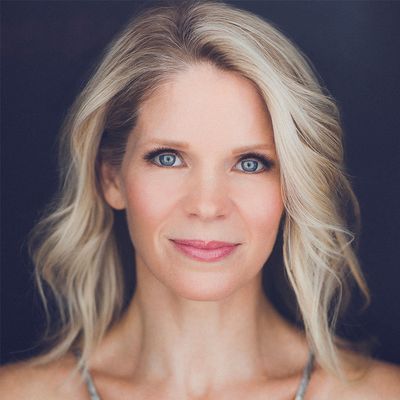
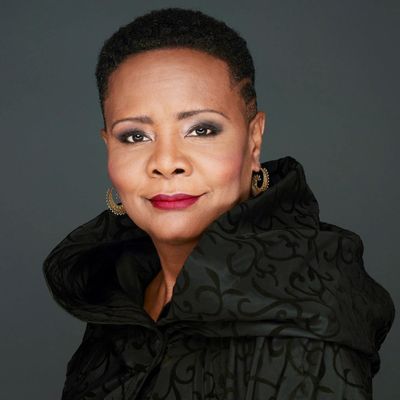
About
In the seventh episode, the Mystery Guest of the Drama Book Shop is finally unveiled! Eddie Shapiro resumes his engaging discussions with prominent Broadway actresses, extending the conversation to include input from the Drama Book Shop attendees. Later, David and Mark-Eugene delve into their collaborative works, sharing insights and treating listeners to a captivating song from one of their productions- The Holy Cows of Credence, South Dakota.
Transcript
This transcript was automatically generated and might contain errors.
[0:19] David Rigano: Hello and welcome to The Drama Book Show.
[0:21] Mark-Eugene Garcia: I'm Mark-Eugene Garcia, and we're back with episode seven.
[0:26] David Rigano: Yeah.
[0:27] Mark-Eugene Garcia: And the second part of Here's to the Ladies.
[0:29] David Rigano: Yeah, let's not waste any time.
[0:31] Mark-Eugene Garcia: Let's get right back to those.
[0:32] David Rigano: No, especially because I'm sure that everyone's curious who's joining us for this second half.
[0:37] Mark-Eugene Garcia: I do our super secret guest.
[0:40] David Rigano: Does anyone have any questions for any or all of the fine people and even one to one five?
[0:48] Mark-Eugene Garcia: We should have worn shot.
[0:50] David Rigano: Yeah.
[0:51] Mark-Eugene Garcia: Either that or all the tea has been spilled already.
[0:54] David Rigano: No, also.
[0:58] Mark-Eugene Garcia: He does.
[1:00] Unknown speaker: I'll keep thinking yes. I have a question, but first I have to say, you three have been in my life for years. I'm a theater nerd as well. Tanya, I still remember listening to you sing, play music for me on the floor of my bedroom, just soaking in your magic. I saw you in Seattle with Arvey at that concert. And your Guys and Dolls to me is like no one nowhere will ever come close to that. And it's just amazing. And very bad. I didn't realize until sitting here. I have seen you in four different shows. The Visit twice, Follies, Sunday in the Park with George, and I'm trying to work on the fourth one because I'm nervous, but like just realizing that all the stories you're telling, the strife, the good, whatever, the magic that you bring to people who are in the dark.
I hope eases some of the strife that you have gone through because it means the world to people like me that you share the magic even though you struggle. Because it is now my question for all three of you.
[2:23] Unknown speaker: What role would you is still one role that you have not played yet that you would love to play?
[2:32] Unknown speaker: Does it have to be realistic?
[2:33] Unknown speaker: No, whatever.
[2:37] Tonya Pinkins: So you guys may know that I famously left the classic stage production of Mother Courage. Nobody heard that story. But um, Brandon Jacob Jenkins and I have had some developmental workshops about doing a new Mother Courage because I think that she's been done wrong for often. I think that play is universal because of the ubiquitousness of being a mother. Every mother would give her life for her children. Our children can grow up and make decisions that will cost them their life. I think Brecht set it in a war to raise the stakes of that because we just take that for granted about mothers. Brandon speaks German and spent a lot of time in Germany. So I expressed this to him about it. I'm like, she's not this mercenary, she's not this awful person.
She is doing whatever she can to save her children's lives, knowing that at any moment they can make a decision that will cost them their lives, and she will do whatever she has to. And so I haven't gone back to the German and looked in and told me if these interpretations of her are horrible, you know, things were made. And he said it is not in the text. But in fact, some of those scenes were actually added by the translators. So that is something that um, I'm not doing it.
[4:10] Unknown speaker: Oh yeah.
[4:12] Unknown speaker: Oh, you'll do it.
[4:14] Tonya Pinkins: Yeah.
[4:15] Unknown speaker: Gosh, my answer is so shallow compared to that. My answer to that question has been for the last few years to do Madame Armfeldt.
[4:31] Unknown speaker: You did it.
[4:31] Kelli O'Hara: I did it.
[4:33] Kelli O'Hara: But I'd like to do it again.
[4:35] Unknown speaker: You were. She did it last summer at Barrington Stage, and it was stunning.
[4:40] Kelli O'Hara: I think that I only have to, I would like for more people to see it.
[4:51] Kelli O'Hara: Yeah, I would like to do it.
[4:53] Kelli O'Hara: Yeah, it's just it's a beautiful show, and it's a part that I think has always been done sort of like, and then I that's not interesting to me.
[5:06] Unknown speaker: Anyway, um mine is sort of a two-parter.
[5:12] Unknown speaker: Um, I always thought I'd be a good Dolly.
[5:15] Unknown speaker: Yeah, yeah.
[5:17] Unknown speaker: And but I don't want to really do it in summer stock or regional theater. I would want to sort of reinvent it with somebody like, is it David Cromer from Chicago?
[5:27] Unknown speaker: Yeah, yeah.
[5:28] Unknown speaker: I think he's genius. The Adding Machine, I just, I uh, that just blew me away.
[5:40] Unknown speaker: So I always thought it would be fun. This was way before the bet and all of that, but um just to really do an interesting, because I did work with Jerry Herman and he always thought it'd be an interesting Dolly. And I'm fascinated with Lorette Taylor. And I wish somebody would write a show about Lorette Taylor, nobody really knows about her. And I have a fascination with her. So those would be my comments.
[6:07] Unknown speaker: You know, I have an offshoot for that question that I sometimes ask that I'm gonna take the liberty to ask now. If you could do any of the roles that you've done before again, would you? And would you is there one that you would do and would you do it any differently, or would you just do it for fun?
[6:22] Unknown speaker: My answer is no.
[6:23] Unknown speaker: Okay.
[6:24] Unknown speaker: This is an unrealistic when I did my first Broadway first musical, um, The King and I, I would love to revisit it, knowing what I know now and how little I knew then.
[6:44] Unknown speaker: Yeah, yeah.
[6:46] Unknown speaker: And for me, it's only great.
[6:49] Unknown speaker: Yeah, yeah.
[6:50] Unknown speaker: You know, something that you said that I think is interesting, uh to oh I it looks like well, I think yes, but we could do that.
[6:58] David Rigano: Let's do um ladies and gentlemen, tell your heroes joining us.
[7:12] Unknown speaker: Oh, what a great group of ladies.
[7:15] Unknown speaker: Hi, honey. Long time.
[7:17] Unknown speaker: I've been seeing you later.
[7:19] Unknown speaker: Fashionably late.
[7:20] Unknown speaker: I love it.
[7:21] Unknown speaker: Hi.
[7:22] Unknown speaker: I'm usually not fashionable. I'm usually the nerd who's there 10 minutes early, like a wardrobe.
[7:26] Unknown speaker: But um, so tell us everything.
[7:28] Unknown speaker: Well, it was just the Roundabout was having a dinner tonight. Todd Haimes, who was the Roundabout who passed away this year. This is one of their first dinner evenings with the donors and some artists who are doing plays in the coming year. And Days of Wine and Roses is moving to Studio 52.
[7:48] Unknown speaker: I was sort of obliged to be there tonight, but I said, so just right in the middle of a bite of food. Um, I was out of there.
[7:55] Unknown speaker: So I'm sorry I'm late, but I started, it just didn't it wasn't really.
[7:59] Unknown speaker: I'm swell thanks.
[8:00] Unknown speaker: Thank you for asking.
[8:01] Unknown speaker: Let me take my jacket off and stay a while.
[8:03] Unknown speaker: I love that. You come for the Q&A portion.
[8:05] Unknown speaker: Oh, great. But if you have questions of any of the ladies, yeah, yeah.
[8:09] Unknown speaker: Well, I'm so sorry that I missed it.
[8:13] Unknown speaker: I would have loved to have heard the thing is.
[8:16] Unknown speaker: I've got to watch you guys do the podcast.
[8:18] Unknown speaker: Yes, the Drama Bookshop is keeping this for their podcast series.
[8:22] Unknown speaker: And you all, every laugh will be recorded.
[8:25] Unknown speaker: So laugh it up, folks.
[8:28] Unknown speaker: This is kind of the first public discussion of the fact that we are fingers crossed to have a podcast in the new year.
[8:34] Unknown speaker: But now that we're talking about it, we might as well say we have been recording all of our events, so you'll get to hear every laugh of TV and hear all the tape.
[8:44] Unknown speaker: Y'all will be able to come back and re-listen to it.
[8:48] Unknown speaker: By the way, for those of you Broadway nerds, you now don't know that we now have sitting here.
[8:54] Unknown speaker: I'm so sorry to do this to you, Tanya, but we have three women who played Mrs. Anna in The King and I in three separate Broadway productions.
[9:03] Unknown speaker: I played it in Ellen's school.
[9:10] Unknown speaker: It only counts.
[9:12] Unknown speaker: It really counts.
[9:14] Unknown speaker: How were you?
[9:17] Unknown speaker: It didn't have to be on Broadway to put your whole heart and soul into something.
[9:24] Unknown speaker: However, Mary Beth was just talking about wishing she could play it again, knowing what she knows now.
[9:28] Unknown speaker: I can only imagine what you knew then.
[9:34] Unknown speaker: Oh, there are questions.
[9:37] Unknown speaker: Do you have a question?
[9:38] Unknown speaker: That's it.
[9:43] Unknown speaker: Interesting in having these conversations with Eddie.
[9:46] Unknown speaker: And we've all mentioned bringing up things that you hadn't heard or thought about a year.
[9:51] Unknown speaker: Are there any after that conversation that you looked at your experiences?
[9:56] Unknown speaker: No different having like a more conversation with another person or having things thrown up to you in a way that you may have never heard or were aware of.
[10:16] Unknown speaker: Oh, wait a second, wait a second.
[10:18] Unknown speaker: Let's go back over that.
[10:19] Unknown speaker: I'm gonna take that out, or I'm gonna put you know whatever that was.
[10:22] Unknown speaker: A lot of holding, holding tight.
[10:24] Unknown speaker: So I think the release of it and what I did ultimately then release, it makes me feel differently about some of the things I carry in my past and my career and what has happened, and to release them through Eddie, because I have there's some things in this book that I've never talked about.
[10:41] Unknown speaker: I a couple, and I I sit and think about them a lot.
[10:45] Unknown speaker: The fact that I've released them because I was holding them sort of close.
[10:50] Unknown speaker: And I think what happens when you do that is there's a concern at first, and here it's just coming out and everything like that.
[10:57] Unknown speaker: But then there's a release.
[10:58] Unknown speaker: There's a release, you know, that can't really bother me anymore.
[11:02] Unknown speaker: You know, that can't hurt me anymore because it's out there and you let things go, things that might have been bothersome to you or held inside.
[11:09] Unknown speaker: So yeah, I think about them differently now because now they're gonna be out there.
[11:17] Unknown speaker: So you know, it is interesting because both Faith and Kelli, and you're not by far not the only ones of the people both in this book and in the other books who were very, very free when we spoke, and then came back to it, and we really negotiated, and it was a negotiation.
[11:37] Unknown speaker: It wasn't because I was trying to get you to spill the dirt, but it was really talking about what's essential here, and sometimes naming names isn't, but the experience is, or sometimes the learnings are and not necessarily the specifics.
[11:50] Tonya Pinkins: I so appreciated the trust, and I saw appreciate the willingness to go there with me.
[11:54] Eddie Shapiro: Well, and you made it, I mean, you know, because after we had lots of talks, lots of talks, you know. Then it was then I'll send you the whole thing unedited. And then it was okay. Now how do you feel? Okay, let's meet again. Tell me everything. You know, it was never I'm gonna go ahead and uh you can't change it now. There was none of that. It was what do you want to take out? And ultimately it was my choice because you gave me enough times to take anything out. Um but you kept going there with me. I could you could have said I'm done. I did, but I kept coming out. No, leave that in actually. Leave that in. It was it was ultimately up to me to decide. You know, sometimes when we keep things in um about about certain stories or with certain people, because that will eventually get to them.
You know, you know, you keep them in not so much to protect them or to protect. I did I'm I just don't want the drama, like I don't have time for the drama. Like I'm like, I'm fine, you know, and that just it sort of stirs it all up again, and you think you're but then again, you wonder who's gonna read it. You wonder what young woman might read something. It's nothing too sorted, just so you know, but I know you're all interested in reading that it's nothing too sorted, it's not like that. It's more like how do we balance I have a lot of young women often say to me, How do you balance this with like having kids and doing this this work? And it's important to tell the stories of when that didn't wasn't so easy, when someone did not make that so easy for you.
And there's a part of me that's like, yeah, I'm over it, my kids are doing okay, I'm doing okay. But maybe if you get a little bit of education out there about don't let this happen to you or speak up when you can about such and such. I I then you have to look at it as more of a responsibility, you know. It's not so much about you or you getting it out or me being angry or wanting to chick somebody down. It's not that. It's how can a young woman or young man read this and say, I don't want that to happen to me.
[13:50] Eddie Shapiro: Well, particularly as you talk about motherhood, uh you know, that's something that in the first book, Carol Channing told me that she and Ethel Merman used to talk about which one of them was the worst mother, because none of them didn't got to ever see their kids and they knew it and they chose their careers, and they both sort of felt terrible about it, but they were out working all the time. And you told me about having uh Broadway mom's group chat where you're comparing notes and talking about don't get that in your contract. Yeah, the ways in which the industry has more than it hasn't done it because people just decided to be magnanimous. Yeah, it happened because people like you pushed it, and all of you who have you know, you've all have motherhood stories.
Faith left the city because her son wanted uh parents at home and I and she made the tough decision to move to Los Angeles. Tonya Pinkins got served divorce papers at the stage door and had to leave Jelly's Last Jam because she had a custody battle to fight. Motherhood and this business do not naturally mix. So for you to be uh setting that example and moving that forward so consciously. I think it's I think you know, you don't say, Oh, it's too late for us or whatever. You say it's not not necessarily that, but it's more like, well, how can we change things as we go along? You know, by by giving some example of it.
[15:07] Tonya Pinkins: And you talk, so you're talking about Carol Channing and Ethel and Ethel Merman. So that's a time ago, right? It should be different. It should be different as we move. I was just I've been thinking a lot about that about the fact that there's no part-time option in our work. We still want to do this, we want to do it with every ounce of our being. We want to do it almost as much as we want to be mothers when we have a child, or you know, in some cases, maybe more. There is no part-time option in a Broadway actress. There should be. Well, Leah Michelle, you're Leah Michelle, you're a project. I hear that the young people today are saying they only want to do four shows, right? Well, but and and then well, there have been a couple now now, and then we go, we did eight, and you can do anything.
No, you can have it both ways. I sometimes like, oh, I work my house off and I'm proud of it. But at the same time, I have a lot of girlfriends at my age, so like mid to late 40s or whatever, that that now are looking, they left in their mid-30s, they were having kids, they left the whole thing for their kids. The kids are all in school, they don't care where mom is now, and they're like, What did I do? And my question is, where you know, how can we a producer has to pay for what a couple more tracks, a couple more sets of costumes, for there to be another swing where you can say, Hey, take my Thursday, I'll take your Saturday. Whatever. Maybe not the lead role. Maybe I'm giving that out. But I'm saying, like, the the ensemble ladies that are just love it, they're dancing, they only have a short career as it is, right?
But they gave it all up, and then they're 45. They had 10 more years of it, but they gave it all up to have kids. Anyway, those are those are sort of specific things that that I think about a lot for the future, not for me, because you know, I'm done with that that kind of era of my of my own, but for other people.
[16:50] Eddie Shapiro: But um in your book, I I decided to talk about a couple of things that not just motherhood, there was other some also some job things where I like people play God with your life. You know, things that you want to talk about. So if someone reads it, they say, huh, that I hope that doesn't happen, or I'm gonna make sure that doesn't happen in my case. You know, it does change, it does make an uh change. Because all I knew coming up was, oh, I hear Mary Martin was the worst mother to Larry Hagman. You know, that's all I hear about. I oh, you know, this kid was all messed up because their mom was the most terrible mom. And um, I I wanted better examples. I wanted, you know, I wanted to read about real stories or um, but that's motherhood. There's lots of other things going on in theater too.
[17:33] Tonya Pinkins: You know, yeah, but for all of it, I mean, everything, and we talked a lot about sort of well, we talked about a lot of different things, including Tanya's vagina getting brought. But um pushing more. The example setting, um, and that to look at at again, it's an it's it's an honor for me to be able to chronicle the stories that you help hope will because when I was 10 and 12 years old, I was devouring books like this one um to learn about uh as much as I could about the business. So what the the stuff that you're passing on and the examples that you're setting and that the path that the breadcrumbs that you're leaving for people, I think is really powerful. And and I think there are things that people don't know.
I really do. I think people look at your life sometimes and they say, Oh, well, you you have it great. Yeah, well, it yes, I'm I'm not gonna be, you know, I'm gonna sit up there and say, I've loved every second of it, but easy, it's not easy, nothing's easy. And I think articulating the certain things that go along with it, the responsibility and all the themes that come through it and how to negotiate all that is I do think it's important for people to I and interesting, but it might inform them in their lives in other ways.
[19:01] Tonya Pinkins: I mean, as a woman, I I liked being able to push back. I'm not a bitch, I'm strong, but I'm kind. But I'm not a pusher. Sometimes, you know, just pushing back gets you labeled. That shouldn't be. Well, labels, and you know, that's another thing. We were talking about Patty before, and a certain every time, and you said Ray Beth, that you've heard stories about people and you like to think, you know, maybe they were having a bad day or whatever. I think context is everything. And I think that sometimes the timing in which you come across somebody and how you come across somebody and what's going on around informs so much. And each one of the rooms that you have been in is a hotbed of different energies that have all kinds of other things going on around it that create that moment in time.
You say it's not easy. The other thing is we're sort of different types of people. I mean, I think being an artist is a different kind. You kind of wear everything out here, and and I recognize in myself, let's say backstage, let's say uh you're in previews, last final dress, whatever it is. And I recognize in myself when I get the worst version of myself, where's my hand me that hand me that you know where's you know? I recognize in myself that I'm just nervous, I'm just anxious. I'm just I just want to be good out there. I'm nervous. Those things come out more than say a person who has a job where they're just they they you know, they they do the same sort of pro thing every day, or it it's a it's there's a pressure cooker.
There's a pressure cooker in what we do, and and and it gets um it gets the wrong label sometimes because there's we're we're working on all cylinders except when we're working um at the top, you know. I don't want to say we are we are I think of the work we do as like we're high priestesses, we work with our emotional life. Most people suppress their emotional life, and we have to come out on stage, be vulnerable, let all these things happen to us for a living. Like we make money by slicing open a vein and pouring our blood out. That's what we do for a living. Like that's what you the worse we feel, the better you feel. I tell my students, people come to see you feel.
[21:34] Eddie Shapiro: So they feel. So they feel. So they're allowed to feel so they're allowed to feel. Yeah. That's that's I mean, how many times were you told you were too sensitive? Yeah. Well, we're like the keener. You know, we're keeners. We're keeners. But that's the catharsis that we all chase in the theater. That's the experience that we all want every time we go. And you know, you feel so gifted when you actually achieve it, when you actually see something that makes you feel something. I have a I often tell students we're the lucky ones. Yeah. Because we actually go to it. Uh Dolly Parton says, I go toward the pain. Yeah. And and sometimes there's great joy in that great release. But so many people hold it back, and that's when we have wars and fights, and you know, but whenever you actually just go at it with humility and say, okay, I was wrong, or I'm open, or take, you know, go after, then you start to heal things, and we're the lucky ones because that's our job. Our job is to tell those stories.
[22:26] Tonya Pinkins: Very privileged. You know, um, someone was talking at this dinner tonight. A lot of the things on, you know, on Broadway and off Broadway, things are being written right now, are very dark. It's art. That's what's happening right now. People are writing their situation. Now we need to have, you know, the occurrence of something really light and and but but when someone, a writer who wants to be taken seriously writes something really light, maybe they're accused of not being in the moment or really feeling. Right now we're just writing our condition, and that's a natural thing because we're the lucky ones. We're living in the storytelling. We're trying to get through it, is what we're trying to do, as opposed to just put it away.
And that's why I think that in all of this AI and all whatever we're going for, there's nothing gonna be like live theater. It's not gonna go away, even if it's just right here with us, right here. Because we need somehow need to go into it. We need to go into the realities of things to figure it out. I think if you're lucky with different clinic connect.
[23:24] Unknown speaker: Yeah.
[23:25] Unknown speaker: Yeah.
[23:26] Unknown speaker: And we've gotten super deep.
[23:28] Unknown speaker: I want to welcome it. I also wanted to pose our audience questions to you, which are a little bit lighter of the is there a role that you haven't yet played that you want to play.
[23:45] Unknown speaker: And uh is there a role that you have played that you would love to go back to with a different perspective.
[23:51] Tonya Pinkins: Oh my god, one of the most fun nights in my life that I ever played, um, but then it was deemed not movable because I couldn't sing it with Bells Are Ringing. No, it was just one of the most fun things we did it on course now. I just have to say, because I know it's just not my kind of faith was like the killer of it, but then I did it on course and I was like, you know, or whatever the song is thinking. Is there a remote you know, I usually answer I don't there isn't a role I think about that I that I haven't played. I mean I've done a lot of revival, so meaning I've done a lot of things that have already been done. And um I always think I'll know it when I see it, meaning it's not been written yet.
That's how I feel about what's coming ahead. Because I do think I've done enough of um, and I do think new things are being written, and I think that's important. Um if I could go back to any role, I mean, which we can't, I mean that's the thing. Uh That's why it's great. Yeah, I know. Um I had so much more fun doing the things that were not expected of me. And so I you know, I so they probably weren't what people want to see, but who cares? I loved doing Bells Are Ringing and I love doing um I love doing Pajama Game, you know, stuff like that. So, you know, just uh yeah, those were my favorite times because I felt like I was actually doing the job of being an actor as opposed to just playing, just trying, you know.
I think some people have great success being a version of themselves. And I never got into this business to be myself. I always wanted to be somebody else. And so the most fun I've ever had is being somebody else. And sometimes that's not what you want to see because it's a stretch. Um and so the longer I live, the more I try to actually make you want to see me in something that's not me. Because that would mean I'm getting better. That also goes to expectation. And one of my favorite Faith Prince quotes in this book is, I'm sorry, you're breathing like you were like, are we running out of time? No, I'm like I love a book. One of my favorite quotes did I say. And um when people asked uh do you to teach a comedy class and you said, well, I could teach it, but you're not gonna like what I'm gonna say.
Um and sort of the expectation that you're this sort of daffy, you know, Judy Holiday, what have you, madcap, um, isn't where you live or who you are. And and I think Mary Beth, I think a lot of people probably think of you as imperious because you play it so well. Um and and Tonya, I think a lot of people think of you as angry because of Caroline. Expectation is really interesting, and the ways in which you play into it for a paycheck and the ways in which you also defy it because you want to, because that's what the job is. I feel like we get into this to step into other shoes.
[26:50] Tonya Pinkins: Yeah, but and I, for one, had so much have, so had have so much to learn. So the more I step into other shoes and research and learn and live in and learn about the surround, the more I grow, that's the whole point of it. We tend to put people in in the boxes, but that's that's not good for any of us, and especially artists. Nobody wants to be put in a box. That's the whole point, you know. And it doesn't make any sense. We say, Oh, they should be this type, but that doesn't work in real life either. That's basically like going out and profiling on the sidewalk. It's like, oh, I see you, and I see you as this person. It's the same thing as acting. We're all different, and we're not expected, and we we shouldn't do that.
You make you make strategic choices, and you have for every, you know, Rogers and Hammerstein ingenue. You've then gone to do a review Ian Gordon or uh uh Adam Gettel, and you're you know, balancing the new work with the revivals and Faith, you know, doing stuff like uh A Catered Affair or Man of No Importance, um, to counterbalance people's expectations of you know, Guys and Dolls or Ursula, having to think strategically like that. How much of it, you know, do you guys get to control? And how much of it is sort of the good you know, you hope for it, but it isn't it's it's not what it's not within your control.
[28:12] Faith Prince: Well, I had a student ask me um in a master class. He said, um, it was a quirky young guy, and he goes, you know, I'm always typecast, is this perky guy? And um, and he said, How can I get out of that? And I went, choice of material. So give them what they want for your first number, but then turn around and go a different way and do something unexpected. And I would I would literally have strategy for my auditions, yeah, if I could sing two different things so that they would go, oh, you know, and that that wasn't. I think maybe I could have had a bigger career had I stayed in the same track, but it just didn't interest me. So what does bigger career mean? Mainlined for one brand, you know. Sometimes people take a certain brand and really run with it.
[29:06] Tonya Pinkins: Totally.
[29:06] Faith Prince: Yeah, and I've never been interested in that, or particularly, I I mean, my book would be called Fame Just Famous Enough. It's famous enough.
[29:22] Tonya Pinkins: Yeah, that's amazing.
[29:24] Faith Prince: And I really that that interests me, you know, because I I just liked making certain strategic choices, and I've been really happy and I've had enough of the home life and the the balance, you know, is everything perfect? No, but I would say I like my choices, I can live with them. I can look in the mirror and go, yep, I know what that is.
[29:49] Tonya Pinkins: Yeah, yeah. I I say to students, choose celebrity or craft. You make a choice.
[29:53] Faith Prince: Oh boy.
[29:55] Tonya Pinkins: I say it to them. I was like, make it now, it's important. Because we live in this social media world. And listen, they'll they'll hire a person with this many million followers over this amazing, amazing craft person.
[30:08] Faith Prince: Yes, they will, but make a choice. And that you'll you'll have to have some hard.
[30:12] Unknown speaker: The interesting thing about that is they get that.
[30:16] Unknown speaker: Yeah.
[30:16] Unknown speaker: Because we live in a world where it literally is most of the two choices.
[30:22] Unknown speaker: Yeah.
[30:22] Unknown speaker: There's not much in between.
[30:24] Unknown speaker: But there are the occasional weirdo breakthroughs. I mean, you worked with Michelle Williams, who get there, they're the occasional ones who manage both.
[30:34] Faith Prince: She just happened to be really good.
[30:35] Unknown speaker: Yeah, right.
[30:36] Unknown speaker: Right. I mean, you know, it's that's a hard it's a hard choice, but I I feel like I mean, this is not not a new idea. Fame, if you win it, comes and goes in a minute. Where's the real stuff? Celebrity will will take you there, but can you do you have the stuff to stay? Michelle did.
[30:51] Faith Prince: Well, yeah.
[30:52] Unknown speaker: Um the Beckham documentary is really good because it's the most authentic glimpse into celebrity. And you see they spent about four years filming, and then Fisher Steele has made it. And so you see, oh, you got a good score this week. Oh, you did bad that week. Now you've got death threats. And they're stopping you and hanging you and empty. Oh, you did good. I mean, like the ups and downs of that level of celebrity was like, I wouldn't ever want that. Not for my kids or myself.
[31:24] Unknown speaker: Yeah.
[31:25] Unknown speaker: I do have to cut the whole thing.
[31:27] Unknown speaker: Oh, we can make it stay, I thought we would talk a little bit about the work that we've done together.
[31:38] Unknown speaker: Yeah, that would be fun.
[31:42] Unknown speaker: So the first thing that all three of us worked on together was a little musical called The Holy Cows of Credence, South Dakota.
[31:51] Unknown speaker: I've heard of it.
[31:53] Unknown speaker: Which has an interesting history of how we the three of us don't come at our collaborations in a traditional way.
[32:01] Unknown speaker: Ever.
[32:02] Unknown speaker: Ever.
[32:02] Unknown speaker: No. I mean, what is what is a traditional way in musical theater? There's no proven but you know, in in terms of the fact that I had seen a fully staged production of The Holy Cows of Credence, South Dakota with a full score.
[32:16] Unknown speaker: True.
[32:16] Unknown speaker: Before you called me and said, Hey, I want you to write the score to The Holy Cows of Credence, South Dakota. And I said to you on the phone, I had already had what?
[32:25] Unknown speaker: Well, we have to go back. We have to go back a little bit.
[32:27] Unknown speaker: So for Holy Cows, the musical is based off a play that a mentor of mine wrote. And I had it as a as a child and loved it and kept imagining it as a musical. And so there was a day where I wrote my mentor and said, Hi, can I adapt this? She was amazing and said yes. Carolyn English is her name and her writing partner Royal Crane both gave me this permission to do this. And so my collaborator at the time, Jeff Thompson, who is an amazing, amazing writer. We started working on this show and we created a full show that was eventually done at LaGuardia College, which she's yeah. And that was my first ever production of something. I I gave that to the playwrighting teacher there and said, I think I'm done.
Like, I think I'm finished with this. Uh, as a teacher, can you give me some pointers? And he read it and came back and said, Let's do it. And so LaGuardia College put it up. And so that was an awesome opportunity. As we continued on rewrites, Jeff and I realized we were writing two different shows and that we weren't creating the show that we needed to create. And so we decided to stop writing this show and we went our separate ways and remained friends, but we just did not write this show together anymore. But it was already in a festival.
[33:47] Unknown speaker: We love writing with the looming deadline.
[33:50] Unknown speaker: Yeah.
[33:51] Unknown speaker: And nothing like a deadline to get you to actually actually write. And so suddenly I was at this moment where I had a show with no score that had a had a had a deadline. I I really thought about the people I knew and who would be this perfect, like I had seen your work, I had seen IDES. We knew each other obviously from Facing East where we were working together, but I'd never worked with Paul yet, but I'd seen the work and I knew what you guys can do together. And so and you didn't want to rewrite all of your lyrics. I know it's funny, it it's something that it wasn't even a thought. Like all I could think of was I knew what you guys can do. And I was like, I don't need to write lyrics for this because I know that you guys can come up with something stronger.
And when we first came on board, and that well, I said, Holy Cows already has a score. I've seen it, I've heard it. You sent me a download of it, and you explained all of that to me, and you were like, also, uh, it's gonna be in a festival in six weeks. Something insane like that. So Paul and I sat down and basically did like a cut and paste job. We just said we did, yeah, we we did say, like, let's not try to reinvent the wheel. Where are the moments where they have already decided their musical moments that there should be a song there? And let's see what we come up with in that moment.
[35:07] Mark-Eugene Garcia: And for the most part, we stuck to it.
[35:09] David Rigano: Yeah, we did take one of the titles.
[35:12] Mark-Eugene Garcia: I remember seeing a title and making two songs for that production that were brand new to the story from yours.
[35:20] David Rigano: And that was the first one.
[35:21] Mark-Eugene Garcia: The first one, yeah, it was the title was It Ain't Over.
[35:24] David Rigano: And I heard that title and I already heard the song. And I was like, oh, this must be the moment in the show when X happens. I'm not giving away any spoilers. And David goes, Oh no, that's it's much earlier in the show. It's something else. And I said, Well, then let's write this other song. That new song that we wrote remains one of my favorites in the show. And one of my other favorites is one that by the time it was we wrote it so fast. So it was just this whirlwind that by the end of it we thought we were like, what? About to go into rehearsals. I think it's a good one. And we said we need something funny early in the show, right here. It was because we needed our we had our big introduce all the characters opening number, and then we went right to the I want song, which is a bit of a downer. It's a ballad. And yeah, we needed something to not just be a little bit funny, but also let you know the world of the town.
[36:15] Mark-Eugene Garcia: Yeah. And we had thrown ourselves at that so fast and so hard that at that point that song poured out of us in like two hours. Because we knew the characters pretty well at that point. The other thing was that Mark had written this wonderful scene that was a fight scene between mother and daughter. And that was the other thing. We had this big, this big opening number, this big fun, funny opening number, and then a fight scene between the mother and daughter. And we also wanted to say how can is there a way to lighten this up? And we knew that we had these church ladies who were trying to ignore what was right going on. So we went like, well, what it wouldn't it be funny if instead of just the fight scene, we wrote a song that was the church ladies trying to ignore them and not eavesdrop, and we make that a thing.
I was so proud because it was also it was such a world-building song. It really let you know just who these people are in their day-to-day. And when Carolyn saw that production, she came up to us right after and went, Egg shells. Egg shells is exactly right. That's just what those and that's the name of the song, Egg Shells. So that I think that was a proud moment because that was the one of the first moments in the show that we found as songwriters on our own without taking what had already been a song and putting something else in place of it.
[37:33] David Rigano: Yeah, and that's what I wanted when it was about bringing you two in was like, okay, you're gonna see this with fresh eyes and be able to create something. And we've done a never thought of we've done a lot more of that.
[37:44] Mark-Eugene Garcia: Oh yeah. Because there was a moment that you wrote as a song that really worked the way that you wrote it, but then us trying to replace that moment never worked.
[37:54] David Rigano: Oh no matter what we did, and we wrote a we wrote a really good cabaret song. And it plays very well in case it plays very well in cabaret, and the more that we tried to rewrite it to fit the moment as a piece of theater, the worse the song got.
[38:11] Mark-Eugene Garcia: Yeah. And then when we tried to rewrite that moment, we just couldn't. And we ultimately decided to move that song to earlier in the show. And we let you take on what's now a brand new scene there, which is such a lovely scene.
[38:27] David Rigano: Such a good scene. And for our writing sensibilities, getting that information out into a song works better in the new place that we found a lot of. And you found a few. You found the that's God number.
[38:41] Mark-Eugene Garcia: Yes. Oh yeah. I love and listen to on a regular basis. I think my favorite was you found a moment that I always wanted that I wrote a song for long before when Jeff and I were working on it that we cut because it just wasn't working, but I wanted the song there because it needed to be there. And it became a scene, and then you guys wrote a song for it. And I was like, oh my god. Oh my god, this is always there always needed to be a song here.
[39:07] David Rigano: Sometimes the answer is no.
[39:08] Mark-Eugene Garcia: Yes. Oh, if you if you remember, we had the the first one, the first production when it was for a festival when we really were just doing cut and paste for most of it, was for Planet Connections, and we had to be connected to a charity.
[39:25] David Rigano: Yes. And and our charity was women in need. And this show is so much about women supporting women that we were saying, like it's it's so much, it's so much about what the show is about, and it's our charity. We really should have a song for all of these women supporting each other. And and we knew that that scene would be the song. We just A couldn't write it in time for that festival. And as with many festivals, we had a time limit on how long the show could be. So we couldn't add time to for a new song. But we always knew that something would be there. And I think had we tried to write it for that production, I think it would have been at least what I was playing with at the time, would have been more more on the nose kind of women in need, women helping with like and and I think that giving us the distance from it and coming back to it in rewrites helped us find something that did that moment correctly, but without hitting the nail on the head.
[40:26] Mark-Eugene Garcia: The song I had written was called The Company of Women. It literally was that about how we're all women and we're all helping each other. I think that I was literally playing with the title Women in Need. Oh my god. When I was sketching out possible lyrics for what that moment could be. But sometimes the answer is no, is such a good song. And it really covers the essence of the play. Like it's what the play is about. I think what it does is it focuses on the idea of faith, not in a this is the answer, but not that you will get the answer that you want, but you'll get the answer that you need.
[41:00] David Rigano: Yeah. Which is ultimately, yeah, the moral of the show. Again, spoiler alert. And it's also what the character goes through is that she asks for a specific thing and doesn't get it. And the people around her support her. And that's what the song is is sometimes the answer is no, but we're here for it. But we're all here. And and realizing that that was not the answer that she needed.
[41:22] Mark-Eugene Garcia: Yeah. A sign, which going into what the show's about, a sign proving that God is real is not what you need to restore your faith. And and then the other roundabout you mentioned Facing East, which was Mark, how you and I met in the first place. We were put together by a producer, Nathan Gardner, to adapt a play by Carol Lynn Pearson, because we only adapt plays by women named Carolyn or Carolyn. And after a few workshops, where I mean, we have so much music from this show that has come in and out and new versions of songs written. Nate suggested that maybe Paul come on board the show. And at which point we sat down and said, Well, how would that look? And now we're we're not just restructuring the show with a new collaborator and a new composer involved, but we're completely restructuring what all of our responsibilities are because it's not just so I think that both us coming on board and replacing the songs and bringing Paul in to a show that has been performed multiple times with kind of multiple different scores.
[42:32] David Rigano: Kind of around the world.
[42:33] Mark-Eugene Garcia: Yeah. Yeah. It's not the most traditional way to come at musical theater writing. You mentioned IDES. Paul and I do an annual Ides of March extravaganza, where we showcase stuff that's gone on with us over the past year. And this year is our 10th.
[42:54] David Rigano: Wow. 10 years.
[42:55] Mark-Eugene Garcia: Yeah. It's amazing. We were able to squeeze that into just seven years because I'm pretty sure that I am not.
[43:02] David Rigano: Yeah, because you didn't let anything stop you, not even the pandemic.
[43:05] Mark-Eugene Garcia: You I just wrote it. We marched right through the city. We did two virtual. We did two virtual ID's extravaganzas.
[43:13] David Rigano: Yes.
[43:14] Mark-Eugene Garcia: So listeners can see them on YouTube. And now we've got our 10th coming up on March 15th. Actually on the IDS this year, which is very exciting.
[43:21] David Rigano: So sometimes it's on the actual IDs, sometimes it's around the Ides, but it is on the Ides of March, March 15th, 9:30 at Green Room 42. If you're in New York, you can get your tickets to it. If you're not in New York, you can get a live stream ticket to it.
[43:35] Mark-Eugene Garcia: Hey oh. And this is gonna be our extravaganziest extravaganza.
[43:40] David Rigano: Yes, it's a big one. We're really excited, and we I've just been emailing with some folks, and we're got a rehearsal in a couple of days with the whole band, and uh that's gonna be very exciting.
[43:49] Mark-Eugene Garcia: I've been practicing my melodica part.
[43:51] David Rigano: Yes, David's in the band again this year.
[43:53] Mark-Eugene Garcia: I squeeze myself in playing whatever. I've I've played piano in the IDs, yes, you have, that's right. But mostly I get to do really fun punches on the melodica and accent things. So this is gonna be a really fun year, and we we do hope that you all tune in.
[44:09] David Rigano: Well, I'd like to see it. Uh so now you've heard a bit of our origin story.
[44:15] Mark-Eugene Garcia: I like the sound of that. It makes us sound like superheroes.
[44:18] David Rigano: I think we are.
[44:19] Mark-Eugene Garcia: I hope we are.
[44:20] David Rigano: Yeah. Musical theater writers are the real superheroes.
[44:23] Mark-Eugene Garcia: That's yes, the put that on a t shirt. We do some hard work.
[44:29] David Rigano: Uh well, I'm so glad that Paul was able to join us. Thank you, Paul.
[44:33] Paul Rigano: Yes, thank you, Paul, for coming and being a part of this. Uh, before we leave, we're gonna play a little bit of the song we talked about. Sometimes the answer is no. And you can hear the full song and in fact the full album on SoundCloud. We'll put the link in there.
[44:48] David Rigano: And what do we got going on next week, David?
[44:50] Mark-Eugene Garcia: Next week, we've got Emily Mann, a discussion with her and her biographer, and she is a pioneering female director, one of the chief interpreters of Tennessee Williams' work, and she just had Night of the Iguana close off Broadway, and it was a fantastic production. I saw that production, I was very excited to see it. And I'm excited to have this conversation with Emily and Alexis Green.
[45:14] David Rigano: So follow us on Instagram at drama book show podcasts, and follow our eventbrite page so that you can always know when we have a live event coming, and you can be in our audience when we're taping the podcast.
[45:28] Mark-Eugene Garcia: And until then, we will see you at the bookshop.
[45:32] David Rigano: Even if you don't get every prayer, that does not mean that he isn't there.
[45:42] Mark-Eugene Garcia: So watch what you say and what you do.
[45:48] David Rigano: Watch what you get thrown into.
[45:51] Mark-Eugene Garcia: Focus on the day today.
[45:55] David Rigano: A swinging buttons, just run it out, and try your best to stay devout.
[46:01] Mark-Eugene Garcia: And don't forget to play.
© Broadway Podcast Network, All Rights Reserved