

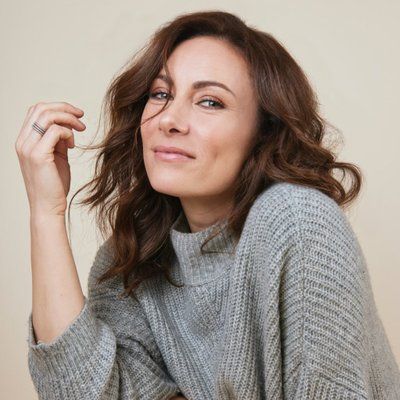
The Perfect Fit EP Release Party celebration hosted by Joshua Turchin, moderated by Robbie Rozelle, and featuring Laura Benanti, Carly Gendell, Luke Islam, Grace DeAmicis, Fabi Aguirre, Lily Brooks O'Briant, Audrey Bennett, Swayam Bhatia, Dan Garmon and Tomoko Akaboshi... Read More
From the show: The Early Night Show with Joshua Turchin
Guests


Featured Shows

About
The Perfect Fit EP Release Party celebration hosted by Joshua Turchin, moderated by Robbie Rozelle, and featuring Laura Benanti, Carly Gendell, Luke Islam, Grace DeAmicis, Fabi Aguirre, Lily Brooks O'Briant, Audrey Bennett, Swayam Bhatia, Dan Garmon and Tomoko Akaboshi.
The Perfect Fit on iTunes: https://music.apple.com/us/album/the-perfect-fit-the-musical-the-remote-album/1522929307
The Perfect Fit on Amazon Music: https://www.amazon.com/dp/B08CSQXLYL
Transcript
This transcript was automatically generated and might contain errors.
[0:06] Joshua Turchin: Hello and welcome back to The Early Night Show Virtual Edition or The Chronic Aberay. My name is Joshua Turchin, and thank you so much for being with us on our 50th episode. We're so excited to be here on the Broadway Podcast Network's live town hall. Today is a really special episode. We're celebrating Broadway Records' release of The Perfect Fit the Musical's remote EP on iTunes, and everywhere you can stream music. For those who don't know, The Perfect Fit the Musical follows teenage performers hoping to avoid the dreaded theatrical dead zone as they navigate through a web of stage parents, dance classes, and auditions while their stories unfold trying to find their perfect fit. It's an emotional roller coaster, but I think that everyone can relate to, as we're all really trying to figure out where we belong in the world and find our perfect fit. To help us out, I want to introduce our moderator, Extraordinaire, who is AR with Broadway Records and an amazing performer himself. Let's welcome Robbie Rozelle to The Early Night Show.
[1:13] Robbie Rozelle: Hi, Josh. Congratulations.
[1:16] Joshua Turchin: Thank you. And thank you so much for being with us today.
[1:20] Robbie Rozelle: Where else would I be? Thanks for getting me out of the bedroom.
[1:26] Joshua Turchin: Congratulations. This is your first album, right?
[1:29] Joshua Turchin: Yeah, this is the first album, at least of as of now that of The Perfect Fit, which is really cool and really crazy.
[1:38] Robbie Rozelle: That's incredible. You're 13 years old, right?
[1:41] Joshua Turchin: Yeah.
[1:41] Robbie Rozelle: When did you start writing The Perfect Fit?
[1:45] Joshua Turchin: I started writing The Perfect Fit when I was like, I would say 11 years old. One of the reasons I wrote the musical was because I kept hearing about this theatrical dead zone, which is where you're like too young to play an adult but too old to play a child. And through writing my, well, I thought about writing my experiences in the theater business. And I really wanted to create opportunities for people in the theater business.
[2:13] Robbie Rozelle: So and you were how old when you started that?
[2:16] Joshua Turchin: I was when I like really started it, like really like fully started writing it. I was 11.
[2:22] Robbie Rozelle: Okay. And yeah. Because I think it's safe to say that like most 11-year-olds are like playing Pokémon Go. So that's an incredible feat. And then to like have it developed, which we're gonna talk about, and all the way up to like having Tony winners sing your stuff, that's huge and incredible. So congratulations. I'm so all right. Let's talk about developing the show.
[2:50] Joshua Turchin: So you were 11 and you were like, ah, there's the dead zone, can't relate. Um performer, uh, I want to write about that experience. So you start writing it, and then what happens that leads to the Rave Theater Festival?
[3:07] Joshua Turchin: Well, I kept writing the show and developing it, and then in early I had like stopped working on it for like a small period of time. And then um at a little performance I did, someone from the Rave Theater Festival's group saw me perform and they somehow learned about me writing a show, and they're like, hey, you should submit to this. And the cool thing was that the Rave Theater Festival, it's an international New York City theater festival, it was a completely blind submission. And out of like hundreds of submissions, I was one of 20, and I was the only child, which was really cool.
[3:49] Robbie Rozelle: Sure. Of course you were the only child. So driven. I can't. Okay. So then the Rave Theater Festival production happens, right? And what was that process like?
[4:00] Joshua Turchin: Uh, you've you've written a show and you take it to them. Did it change a lot while you were rehearsing it and getting it on its feet for the first time?
[4:12] Joshua Turchin: Yeah, it did change a lot. It was really cool, kind of to watch the show develop from especially up behind the casting table and behind the creative table, but also still in front of the table because I was in it. But it was really cool because when developing the show, yes, a lot of things changed. Like we took away one song, I rewrote a couple of scenes, and a lot changed. But it was really, I think those changes really helped to further the plot of the show and make the show as good as it possibly could be.
[4:53] Robbie Rozelle: And then Broadway Records connected with...
[4:53] Joshua Turchin: Yeah. Um, it actually won a couple of awards and got really great reviews from the New York Times, New York Post, and Wall Street Journal. And what also happened was kind of because of that, uh, Van Dean, the owner of Broadway Records, saw the show, and we had actually talked about doing like a cast recording in the future, but I had like literally just been cast in Forbidden Broadway, the next Generation, and then we ran for seven months, which was really cool.
[5:27] Robbie Rozelle: Wild. Uh, so that was at the York Theater. Did you at any point uh turn to Jim Morgan who is the artistic director of the York and say, hey, I've got this show? Are you interested?
[5:38] Joshua Turchin: Yeah, yeah. And I think he seemed interested in it. And he asked for some demos.
[5:46] Joshua Turchin: And yeah. But then, of course, the virus came.
[5:50] Robbie Rozelle: Then the virus came.
[5:53] Joshua Turchin: Yeah, the magic of corona happened. We were going to do like a cast recording sometime in like July or August, but the magic of Corona happened, but that gave me the idea to create the first album completely recorded in quarantine. Like everything was made in quarantine, everyone was at home, and a lot of like the communication between each other, like maybe we need to redo this line was a lot over text, and teaching songs was over Zoom.
[6:26] Robbie Rozelle: That's insane. So, but you had fantastic collaborators along the way. Uh, and we've got a lot of them here with us today. I think we should bring in the first one because he was a driving force on the album. I'm talking, of course, about Dan Garmon.
[6:41] Dan Garmon: Hey!
[6:46] Joshua Turchin: Hey guys, how are you doing?
[6:48] Dan Garmon: So Dan, you are the music director and arranger. Um, you did you recorded everything?
[6:55] Dan Garmon: Okay, we have so much to talk about. We have so much to break down because you did you wore so many hats on this album.
[7:01] Dan Garmon: Yeah, it was really interesting. How did you how did you start with this show?
[7:08] Dan Garmon: That's actually a really great question. It's actually an insane series of events, and the most concise that I can possibly be is that I've actually known Joshua Turchin for quite a few years because we just showed it together. Uh, a show, um, an ascetic reading of a show written by Oliver Hauser called XY. Um, and Joshua, I we met and we right away we've we vibed and and there was a good relationship there. And I actually began teaching Joshua, believe it or not, the accordion of all things. That's that was how we met was he had asked me for accordion lessons because of course a 12-year-old or maybe a no, you were like 10 at that point.
[7:43] Joshua Turchin: I was 10.
[7:44] Dan Garmon: Um unbelievable. And and of course, like here he is playing all of this stuff, and actually he worked it into the show, which is which is incredible. But um, in any case, uh, so we met years ago, um, and then we had we were doing weekly lessons into the piano and some arranging and some talking, and then he told me he was writing a show. Um, I began transcribing, we started working on a couple of the songs together, and then he got busy, I got busy, and then through the craziest turn of events, um, we both approached my agent essentially um met Joshua and randomly suggested me for this project to orchestrate. So we were actually reconnected by forces higher than ourselves, which was which was really exciting, and it was it felt like fate. It really felt like we were meant to do this together again.
[8:35] Dan Garmon: Um so that's kind of how I got involved. So, Joshua, when you write, do you handwrite or do you write in a program of any kind? Or what is your process there?
[8:45] Joshua Turchin: Well, usually I write in a program called um uh what is it called final draft for lyrics? And sometimes I just write in notes if I have like an idea on a different device, but uh for music and transcribing I use um what's it called? Oh yeah, finale.
[9:02] Dan Garmon: Sure so then you would send finale over to me uh with like a rough demo is that how you would pick up?
[9:02] Joshua Turchin: Yeah and I would I would use like logic and I would send him like a demo of me singing all of the parts I would record the piano and then record my vocals and then I would send them on over to him and he would um uh orchestrate the parts to that.
[9:32] Dan Garmon: So let's talk about the EP because six songs all fantastically orchestrated, they all sound fantastic.
[9:42] Joshua Turchin: Yep.
[9:43] Dan Garmon: And we had a lot of back and forth. What was the process of choosing those six songs to uh virtually represent for the first time The Perfect Fit for a bigger audience than the Rave Theater Festival?
[9:57] Joshua Turchin: Well, with the uh songs with choosing the songs, I think we really want to pick the songs that would show the show that would really like sell the show and show people what the show is about. And for me, for me, a huge thing that would Josh and I discussed uh in in choosing the songs, we wanted something that was not only obviously told the show, but something really diverse and something that I mean, a big thing for me is we're talking about the dead zone, we're talking about that kind of like transition between childhood and adulthood. That's a time where we're all trying to really find our identity. And to me, that exploration of finding an identity, we we kind of accomplished through searching through a whole bunch of different musical styles as well.
And there's kind of a like there's six very different songs, and they're all kind of like telling a story in a different way from a different perspective, and they all feel very much like they're searching for something different.
[10:52] Dan Garmon: What drove you to certain instrumentation as you were orchestrating?
[11:02] Dan Garmon: Um, well, so obviously, yeah. So we had been talking about it, and I think the big thing for me, um, obviously, like having the show was at the rave, there was a standard rhythm section. Um, and I definitely wanted to expand on that a little bit, and definitely the place that it went for me was finding um uh some more storytelling and some more emotion in strings, specifically violin and cello, but then also sometimes string quartet, which really like helps the there's like a couple moments that feel very magical realism. There's a there's a couple of moments that feel like we're like transcending everything, and to me, there's nothing better to accomplish that, especially given constraints and given what are we gonna add next um than some strings.
[11:44] Joshua Turchin: And tell me the process of recording because you recorded all the music and vocals, so all the instrumentation and the vocals. Tell me the process of making that happen while you're wherever you are, and like a cello player is like living in a bathroom somewhere with like a towel over them.
[12:07] Dan Garmon: Yeah, so um lots of spreadsheets, uh lots of lots of lots of organizational tools and a lot, and basically um the thing that was really challenging that I learned a lot about, and I think Josh and I learned a lot together was obviously when you're sending a track to someone to record to, there's no conductor. It's not like like in a in the studio, there's a music director, there's someone leading and helping shape things live, and we're all feeling it together. Um, here, what was really interesting was creating the tracks that Josh and I had made the skeletons to, and then doing a lot of work on tempo. And if you look at the metronome, it doesn't stay steady. There are lots of like little ups and downs to try to basically synthesize the feeling as if someone is conducting.
[12:53] Joshua Turchin: Did you click track?
[12:57] Dan Garmon: Yeah, everything was okay.
[13:00] Joshua Turchin: Yes. So for the people watching who don't know what a click track is, it's a metronome beat that goes, but you can change the tempo for the singer if they're recording remotely, and they can hear it and know what the downbeat is.
[13:17] Dan Garmon: Exactly. So that if there are moments that wanted to feel more emotional, we wanted to take more time, we've actually had to like draw in and tell the computer to slow down the clicking so that obviously everyone is aware of how we're feeling this together. Um, and then putting it together was putting it together was really interesting. We got all the instrumentalists together within the span of about maybe two weeks, and then Josh, and then I passed it back to Josh for some final vocals, and then we really did a lot of work with all the other uh Broadway kids and with Laura and with Nikki just to really get the shape of all of the vocal lines to to really and the storytelling to working. Well, I mean, you did it, it sounds fantastic.
[14:01] Dan Garmon: It's not easy to make a musical in normal times. So to make a musical where nobody's in the same room is I can't even imagine the nightmare of trying to piece it all together.
[14:13] Robbie Rozelle: Absolutely. And it also I know you as the MD for Bonnie Milligan and Natalie Walker, and that's a very different sound than what The Perfect Fit sounds like. So it's just wonderful to hear a whole different side of your work. Really congratulations. It sounds so great.
[14:34] Dan Garmon: Thank you. Thank you, thank you. And I think we just did Josh, I mean Josh's bass material. It's not like everything was there. All I had to do was fill it out a little bit, but this guy is an amazing, truly phenomenal, a phenomenal writer. Let's not blow up his ego anymore.
[14:50] Robbie Rozelle: Shoot, sorry, but won't say anything more. That's it. It's got a talk show, he plays accordion. He probably has invented the COVID vaccine and is just holding it for now.
[15:01] Dan Garmon: He's holding on to it. That's a theory.
[15:03] Robbie Rozelle: Yeah, I'm putting it out there. So, and one of the forces within the album, we should actually just bring her in, is one of the string players. Uh because again, like recording, let's just bring her in. Uh please welcome Tomoko Akaboshi.
[15:21] Tomoko Akaboshi: Is that right?
[15:25] Robbie Rozelle: Yes, correct.
[15:27] Tomoko Akaboshi: Woo! I can't even pronounce it.
[15:30] Robbie Rozelle: Oh, well, I practiced all afternoon.
[15:35] Tomoko Akaboshi: Oh wow. I didn't I should have, yeah.
[15:39] Robbie Rozelle: Hi, welcome.
[15:41] Tomoko Akaboshi: Hi.
[15:42] Robbie Rozelle: So we're talking about recording remotely and how what was that situation like for you as they send you like a chart and some kind of guide to create the strings?
[15:42] Tomoko Akaboshi: Yeah, um, you know, it's a fairly I guess I've been doing remote recordings for a little while now so it's uh it's nothing you know very out of the ordinary but it was really nice to kind of have you know Josh's voice also there because then you can really feel as a musician oh you know he's singing like this maybe I should be more piano maybe I should become more dramatic here um so it's much more there's more guidance than just reading off a sheet of music and that was really um something I enjoyed.
[15:42] Robbie Rozelle: Do you play theater a lot?
[15:42] Tomoko Akaboshi: Yeah, I do.
[15:42] Robbie Rozelle: So uh because you're not in the room like normally you would breathe as one with the conductor and with the singer etc. Did you find that difficult in any way?
[17:04] Tomoko Akaboshi: It is a you know totally different set of like years that you use and um the way of listening because you don't have a visual cue um I think you're really relying on just purely the sound. And something that is nice um and different about live theater is that you can really you know go and immerse yourself into your headphones and hear crystal clear, you know, what is intended and like let's say Dan's piano playing, or you can go back, rewind and listen to it 50 times and be like, oh, this is what they're doing here. Um, you know, so that's a totally different aspect of um not doing it live. And I actually really enjoy it a lot.
[17:55] Robbie Rozelle: Did you have to create um several takes that they could choose from, or were you just like, here's like pass one, pass two, past three, go with God?
[18:07] Tomoko Akaboshi: Yeah. So um I definitely like to um have multiple takes, and then I will kind of listen to it and then go back if I don't like something and maybe you know, fix certain things, which is very common to do in the studio. Um yeah, we had I mean, I definitely took multiple takes. It wasn't uh one one time miracle.
[18:31] Dan Garmon: Yeah. And I will say what made what makes someone like Tomoko just the best to work with is exactly what she just said, that there's so much ownership over everything, over just understanding of the material, understanding of my intent, understanding of Josh's intent of the storytelling, and then also to have someone who's technologically literate and savvy enough to go through and edit their own, basically we call it comping, comping together their best takes and doing that themselves. That saves me a ton of time because then I can just trust that this is what she this is what we've arrived at, and then I can just drop it in and kind of start mixing it in with everything else. Whereas obviously for a lot of the vocalists or a lot of people who this is their first, I mean, with Laura and a couple other and a bunch of the kids, like this is really potentially our first time like recording ourselves at home.
Um, and so they would do takes and be like, we did it, and then it was Josh and my responsibility, depending on instrumentalist or vocalist, to really go through and be like, okay, I we really like what they did here. Let's use this take. And then it just creates a lot more work. But Tomoko has such incredible ownership and was such a joy to work with on this.
[19:43] Robbie Rozelle: Oh, great. Well, I can't wait to hear it, everything, everyone together. It's really, it's really beautiful. So on March 12th, Broadway shut down, nightclub shut down, studio shut down. Um, but this EP was sort of a way to for musicians to get paid doing what they do. What was that like for you as um as you were contracting people, Dan?
[20:15] Dan Garmon: I was so grateful for this opportunity. And it felt like a blessing to be able to take some of my favorite people who are people who should be working all the time, um, and people who I love deeply. And I was like, hey, we have an opportunity. Not only do we get to cut collaborate on something together by by uh, you know, some great music by a young composer, but also um uh you know, we we can help out as as times are beginning to be much more uncertain. Um it was it was really great uh for to have that that opportunity and to have Josh and his father and mother behind it and and and be an employer of uh yeah, like one of the first things that happened as COVID hit for sure.
[21:13] Dan Garmon: Yes, thank you, guys so much.
[21:18] Tomoko Akaboshi: Thank you.
[21:16] Dan Garmon: Thanks, Josh.
[21:17] Joshua Turchin: Thanks for having me.
[21:18] Robbie Rozelle: Of course. Bye.
[21:20] Joshua Turchin: Hi. So, Josh. First of all, what other instruments do you play? I need a whole list.
[21:28] Joshua Turchin: Uh, okay. Like, I feel like I'm about to like speak like I'm a very I'm the very model of a major general. Uh, here we go. Uh piano, guitar, electric guitar, drums, accordion, harmonica, cone, ukulele, uh I said aquarium probably. Um uh a bunch more. I I think in total I play uh like 13 instruments.
[21:55] Robbie Rozelle: Is there one that you're ready to take on next?
[21:58] Robbie Rozelle: Sure. Sure. Well, it sounds fantastic. What a Herculean task that you undertook. So chef's kiss to you. Uh Tomoko and Dan, thanks so much for joining us.
[21:58] Joshua Turchin: Yes.
[21:59] Robbie Rozelle: What?
[22:00] Joshua Turchin: Uh Marimba. I've been wanting to play Marimba for the longest time. It just seems like such a fun instrument.
[22:09] Robbie Rozelle: Sure. All right. So let's talk about Carly.
[22:16] Joshua Turchin: Um Carly Gendell, who you've worked with. Talk to me about meeting her when you were 10.
[22:26] Joshua Turchin: So uh I where where did I meet Carly? Um I oh yes, um, I met her uh as I meet all my friends at uh Dance. Uh so at uh the dance studio, that's how I met Carly. It's a dance studio that a lot of like different Broadway kids go to. Uh it's called Dance Molinari. And uh that's how I met her, and I became really good friends with her, and then um she came over one day and I asked, hey, I wrote a new song for a show. Do you want to sing it? And ironically, that was a song that I eventually like rewrote, but it's in my show still.
[23:09] Robbie Rozelle: Oh, really?
[23:10] Joshua Turchin: Yeah, it's in my show. It's called "Person Who's Not Even There." And she was the first person. That was like the first song I ever wrote for my show, and she was like the first person ever to sing it.
[23:21] Robbie Rozelle: That's incredible. That's when you you had just finished the National Tour of Christmas Story. And she was just finishing her run in School of Rock on Broadway.
[23:31] Joshua Turchin: Yeah.
[23:31] Robbie Rozelle: That's wild. Let's bring in Carly and talk to her.
[23:34] Joshua Turchin: Yeah.
[23:36] Carly Gendell: Hi guys, can you hear me?
[23:38] Joshua Turchin: Yeah.
[23:39] Carly Gendell: Oh, thank goodness. I was scared.
[23:45] Joshua Turchin: Same thing.
[23:45] Carly Gendell: Hi Carly. How are you?
[23:48] Carly Gendell: I'm pretty good. How are you guys?
[23:52] Joshua Turchin: We're celebrating the EP.
[23:54] Carly Gendell: We're growing.
[23:55] Joshua Turchin: Yeah. So talk to me. Tell me your side of the story of meeting Josh.
[24:03] Carly Gendell: Yes. So Josh kind of summed it up pretty good. But we were both at Dance Molinari, you know, bop buying it out. And uh just he kind of talked to me out of nowhere, and we became really good friends. And he said, I wrote a song, you want to come over? And I was very sick. I was cold, like so bad. I never want to hear that first cut ever because it's it was not I wasn't there. But um, you know, eventually uh The Perfect Fit kind of started gaining some traction, and I'm still here, you know. I've always really loved seeing Josh's performance and really how he's evolved the show. I've been here since Rave when we did the show last year, and the EP, he asked, and you know, I did it, and now it's here, and everyone can listen to it.
[25:08] Joshua Turchin: Yeah, which is really cool.
[25:10] Carly Gendell: So you've been Elizabeth the whole time.
[25:12] Carly Gendell: Yes. It wasn't originally Elizabeth ironically. The role was actually named something completely different. Uh but I don't like we don't need to dive into that.
[25:25] Joshua Turchin: Okay.
[25:26] Carly Gendell: It was uh into Elizabeth. It's a lot like Jekyll and Hyde when Lisa Carew became Emma Carew.
[25:34] Robbie Rozelle: You're welcome for that piece of garbage trivia.
[25:38] Carly Gendell: Not garbage.
[25:40] Carly Gendell: Incredibly worth that it's worth so much.
[25:44] Robbie Rozelle: So talk to me, Carly, about recording the song uh in quarantine. Where do you where were you when you recorded it?
[25:51] Carly Gendell: Um right behind me on my uh desk is where I recorded it. But my mic's here now. I'm not tech savvy. I um technology is a great gift that I don't know how to use. So it took me a lot of time and patience to uh learn how to use a mic, and I kind of still don't know how to use it. But either way, I figured it out and uh, you know, just did a couple of takes. I I like to think that I know this song pretty good, so it didn't take me too long to figure out like the changes and stuff, but it was still really interesting to see how the song has evolved since last year, even and I don't know, it's just really cool, and I very much strayed away from your question, but yeah.
[26:38] Robbie Rozelle: No, you didn't at all. Did you have so was Dan like on Zoom while you recorded or anything like that? Or um were you just sent the track and and uh please send us several takes?
[26:54] Carly Gendell: Yeah, I kind of just got sent the track and did some takes. Dan did give me a couple of things because I made sure to send one in, and I was like, am I using the mic, right? And he was like, Yes. This is how bad I am at technology. Like it's scary. I'm so sorry. It scares me. Like, I don't know what I'm doing. But I figured it out enough to get the song in, which I was happy about.
[27:20] Joshua Turchin: Right. So you sing, uh, do actually do you want to sing it now?
[27:25] Carly Gendell: Really?
[27:26] Joshua Turchin: Yeah.
[27:27] Carly Gendell: Yeah.
[27:27] Joshua Turchin: Okay.
[27:28] Carly Gendell: Okay, okay. I'm excited. Give us a little "Person Who's Not Even There."
[27:33] Carly Gendell: Okay. Here we go.
[27:57] Carly Gendell: Guys, this is virtual for the first time ever, the early night show.
[28:02] Joshua Turchin: So virtual and live.
[28:04] Carly Gendell: Things are yeah, things are happening.
[28:06] Joshua Turchin: It's gonna I wait, but nothing happens.
[28:25] Carly Gendell: I wait some more, but nothing happens.
[28:31] Carly Gendell: I'm sure I know that it's okay, but you were never here to tell me that, and so I'm looking at a person who's not even there.
[28:46] Carly Gendell: I try and nothing happens.
[28:52] Carly Gendell: I try some more and nothing happens.
[28:58] Carly Gendell: Every time I try to speak my mind, you leave and walk away from me, and now I'm looking at a person who's not even there.
[29:12] Carly Gendell: And yes, you walk right past me and you know, and yes, you stare right through me and you know.
[29:25] Carly Gendell: I feel like I can't be me anymore.
[29:34] Carly Gendell: I look, but nothing happens.
[29:40] Carly Gendell: I look some more and nothing happens.
[29:46] Carly Gendell: It's like you don't care how I feel, but is that even fair?
[29:52] Carly Gendell: So you are looking at a person who's not even there.
[30:01] Carly Gendell: And yes, you walk right past me, and you know, and yes, you stare right through me and you know, but yet you still can't see me anymore, and why must I go silent with no voice, and I am still a person, and I should be able to make my own choice for what is right.
[30:45] Carly Gendell: Put up a fight where there's no light, it's out of spite, and in hindsight I will take flight into the night.
[31:03] Carly Gendell: And yes, you walk right past me, and you know, and yes, you stare right through me, and you know put up a fight where there's no light, it's out of spite, and in hindsight I will take flight into the night.
[31:31] Carly Gendell: Now you are looking at a person who's nothing.
[31:57] Joshua Turchin: Oh my gosh, that was so amazing.
[32:00] Joshua Turchin: That was so great.
[32:03] Joshua Turchin: Thank you.
[32:04] Joshua Turchin: Thanks, guys.
[32:05] Joshua Turchin: Oh, you're so wonderful.
[32:07] Joshua Turchin: Thank you, Carly, for joining us to celebrate the EP.
[32:11] Carly Gendell: Yeah, thank you.
[32:13] Joshua Turchin: Oh my gosh.
[32:15] Joshua Turchin: We'll talk, we'll see you soon.
[32:17] Carly Gendell: Yes!
[32:18] Carly Gendell: Yes!
[32:19] Carly Gendell: Yeah!
[32:20] Joshua Turchin: All right, bye, Carly.
[32:22] Carly Gendell: Bye!
[32:24] Joshua Turchin: So, Josh, you recorded with one of my friends for almost 20 years.
[32:31] Joshua Turchin: I don't like to say that out loud because it ages me.
[32:35] Joshua Turchin: Uh, Tony winner, Laura Benanti.
[32:38] Joshua Turchin: And let's talk about Laura.
[32:42] Joshua Turchin: Yeah, she's just such an incredible person.
[32:47] Joshua Turchin: She's such like an incredible singer.
[32:50] Joshua Turchin: I mean, she's literally a Tony winner.
[32:53] Joshua Turchin: She's like an amazing person to work with.
[32:55] Joshua Turchin: She has like the most beautiful work voice.
[32:58] Joshua Turchin: She's so genuine, and she's just the nicest person to be around.
[33:04] Robbie Rozelle: She really is.
[33:05] Joshua Turchin: When did she come into this process?
[33:08] Joshua Turchin: Well, actually, um, she was original, um, she was on the early night show.
[33:14] Joshua Turchin: Um first, and then uh I asked her if she wanted to.
[33:19] Joshua Turchin: I had a project coming up, and it was the perfect fit, and yeah, and that's kind of how it happened.
[33:27] Robbie Rozelle: That's incredible.
[33:28] Joshua Turchin: Well, she couldn't join us because it's uh her baby, her toddler's bedtime, but she did send a video.
[33:35] Joshua Turchin: Here it is.
[33:36] Laura Benanti: Hi, I'm Laura Benanti, and this is my quarantine hair.
[33:40] Laura Benanti: So you're welcome.
[33:42] Laura Benanti: Um I had such an amazing time working on this project.
[33:46] Laura Benanti: I am an old person.
[33:48] Laura Benanti: I'm a very old woman.
[33:49] Laura Benanti: I'm 41 years old now.
[33:51] Laura Benanti: I just turned 41.
[33:53] Laura Benanti: Um, oh, thank you.
[33:55] Laura Benanti: That's so kind of you.
[33:56] Laura Benanti: Um, and I truly did not understand how to record myself remotely.
[34:02] Laura Benanti: It was a nightmare.
[34:03] Laura Benanti: Dan Garmon was an actual angel.
[34:05] Laura Benanti: He's the music director, and a person who walked me through and held my hands like I was a teeny tiny baby who happened to also be a monkey.
[34:15] Laura Benanti: Um I cried three times, but ultimately I think it sounds pretty good.
[34:21] Laura Benanti: So there we have it.
[34:22] Laura Benanti: I hope you enjoy it.
[34:23] Laura Benanti: Um Joshua Turchin is legitimately one of the most talented humans I've ever met, and he's 13 years old.
[34:32] Laura Benanti: I've really wasted my life.
[34:38] Joshua Turchin: That's my friend Laura.
[34:40] Robbie Rozelle: Are you kidding?
[34:41] Robbie Rozelle: Are you kidding?
[34:42] Robbie Rozelle: First of all, she triggered me by saying she was 41 because that's still younger than me.
[34:47] Robbie Rozelle: Why is everyone younger than me?
[34:50] Robbie Rozelle: It's not it's not okay.
[34:52] Joshua Turchin: So um also Nikki Renee Daniels sings a duet with Laura on the album.
[34:58] Joshua Turchin: We should say that because she's also amazing.
[35:01] Joshua Turchin: How did Nikki come to the project?
[35:03] Joshua Turchin: I think uh Dan had worked with her previously on another project, and we need someone to pull out spot, and um he uh he said, Oh, I have this really amazing person who I would like to uh who I think could be a good fit for the perfect fit, and it was Nikki, and Nikki's so amazing.
[35:27] Joshua Turchin: She has an amazing, like the most beautiful voice.
[35:34] Joshua Turchin: The duet's beautiful.
[35:35] Joshua Turchin: Uh, it's it's actually on Broadway World right now.
[35:38] Joshua Turchin: So, first of all, everybody should go buy the album, period.
[35:42] Joshua Turchin: But uh, if you want a taste of it, you can go to Broadway World and hear uh Fades Away, which is the duet they do.
[35:48] Joshua Turchin: It's stunning.
[35:49] Robbie Rozelle: All right.
[35:50] Robbie Rozelle: The flip side of that song, though.
[35:52] Robbie Rozelle: What's the most fun song you guys got to record?
[35:57] Joshua Turchin: Uh that's like that's like picking like your favorite child.
[36:03] Joshua Turchin: You're not allowed to say that you are a child, but then again, uh I have to I would have to say Requiem for Tomorrow.
[36:10] Joshua Turchin: That was just such a fun song, but I would oh I would also have to say um Time.
[36:19] Joshua Turchin: Time was such a fun song.
[36:21] Joshua Turchin: It was it's sung by the incredible Grace DeAmicis and Swayam Bhatia.
[36:26] Joshua Turchin: It's so amazing, and I loved working with them.
[36:30] Joshua Turchin: They were they actually did the original rave production.
[36:33] Robbie Rozelle: Well, they're here right now, so let's just bring in Sway and Grace.
[36:36] Joshua Turchin: Yeah.
[36:38] Joshua Turchin: Hi, ladies.
[36:39] Grace DeAmicis: Hi guys!
[36:40] Swayam Bhatia: How are you?
[36:42] Robbie Rozelle: So both of you, both of you did the rave production as well.
[36:46] Grace DeAmicis: We did, yes.
[36:48] Robbie Rozelle: Okay.
[36:48] Robbie Rozelle: Talk to me about uh recording these tracks because the like you guys do three part harmony together.
[37:05] Swayam Bhatia: It was it was really it was really interesting.
[37:07] Swayam Bhatia: It's definitely something that has never been done before, especially doing it 100% online.
[37:12] Swayam Bhatia: Um it was it was really really cool getting to listen to the track and sing with it and be able being able to do it over and over while also being able to hear the harmonies in the background.
[37:25] Swayam Bhatia: So it's kind of like in some ways a little bit like a like a voiceover, but it's it's super, it's super cool.
[37:32] Grace DeAmicis: It was just so amazing.
[37:34] Grace DeAmicis: Yeah, I agree.
[37:35] Grace DeAmicis: I mean, it was an interesting experience having to, you know, do harmonies over a device or a computer, and um, we didn't actually hear each other's voice when we were doing it.
[37:47] Grace DeAmicis: So in my head, I'm like, Grace is singing this, Grace, uh, Josh.
[37:56] Grace DeAmicis: Uh I'm like hearing all like these voices in my head, I'm like, that's that person, that's that person.
[38:02] Grace DeAmicis: This is me.
[38:04] Grace DeAmicis: So this is me.
[38:05] Grace DeAmicis: That's a great song, too.
[38:06] Swayam Bhatia: Um but um yeah, it it was so cool just doing that because it was also pretty much a challenge.
[38:14] Swayam Bhatia: You kind of have to rely on yourself and pretty much roll with the punches.
[38:21] Grace DeAmicis: You really have to trust yourself.
[38:22] Swayam Bhatia: Yeah.
[38:23] Robbie Rozelle: Now, did how much had the song changed from when you guys did it at the rave festival?
[38:29] Grace DeAmicis: It is changed, it's definitely gone through a lot of uh rewrites and a lot of things to make it even more amazing, which is saying a lot because it was already so amazing.
[38:38] Grace DeAmicis: Um it went through there was definitely a lot of lyric changes and then some harmonies, a lot of harmonies were added.
[38:46] Swayam Bhatia: Um yeah, basically that's it.
[38:48] Grace DeAmicis: Yeah, I agree.
[38:49] Grace DeAmicis: Um, I mean, changes are great, right?
[38:52] Grace DeAmicis: It's always just getting even even better.
[38:56] Swayam Bhatia: Again, like Grace was saying, it started incredibly amazing, so I don't even know how it got better.
[39:02] Swayam Bhatia: Um it's like impossible because this little Mr. Joshua well I wasn't actually to say little, uh Mr. Joshua is how do I put this together?
[39:16] Swayam Bhatia: He's a god, that's the way exactly he's wow as he I don't know, his writing, it's just I I try to songwrite too, and he just inspires me every day to write like him.
[39:28] Grace DeAmicis: And guys, he's an incredible person, so it with all these changes, it just makes it even even better, and it's so fun singing it with Grace and Joshua.
[39:38] Swayam Bhatia: It's really a great opportunity and experience.
[39:40] Grace DeAmicis: Yeah, it's definitely really cool to see it progress from the beginning because we saw the very, very, very first, not like the very first, but yeah, the very, very first one of the first drafts at the Rave Theater Festival, and it even changed a lot during when we were performing it at the rave.
[39:54] Swayam Bhatia: Yeah, um, it changed a lot over the past like the past like the two weeks where we did it, and then it just over time it just like got more amazing, and then it changed a few times while we were recording it.
[40:07] Grace DeAmicis: It was really cool to see it progress and get even more amazing.
[40:11] Swayam Bhatia: Yeah, and like also to like quickly go off of that, it's like so different when you're not in like the same room feeding off of everyone else.
[40:19] Grace DeAmicis: Yeah, so I mean it was it was pretty cool though.
[40:22] Joshua Turchin: And Josh, what was it like working with these two?
[40:27] Joshua Turchin: It's amazing.
[40:29] Joshua Turchin: Grace is so incredibly talented and an incredible actress and dancer.
[40:34] Joshua Turchin: Is and so is Sway.
[40:35] Joshua Turchin: Sway is amazing, and she's an amazing dancer, singer, and she's a rapper.
[40:42] Joshua Turchin: She's like the most amazing rapper.
[40:45] Joshua Turchin: I like I cannot write write a rap.
[40:50] Joshua Turchin: I cannot write any type of rap.
[40:53] Swayam Bhatia: You could I've tried next week.
[40:55] Swayam Bhatia: You can do it.
[40:56] Swayam Bhatia: You can literally do anything.
[40:58] Joshua Turchin: That's that's not true.
[40:59] Joshua Turchin: I cannot play sports.
[41:02] Robbie Rozelle: We'll put a pen in that and talk about that in a minute.
[41:05] Joshua Turchin: Uh well, thank you guys.
[41:07] Joshua Turchin: Thanks, Grace and Sway so much for joining us to celebrate the EP.
[41:12] Grace DeAmicis: Thanks for having us.
[41:14] Swayam Bhatia: We're really excited.
[41:16] Joshua Turchin: You guys sound so great on it.
[41:18] Joshua Turchin: So thank you so much.
[41:19] Grace DeAmicis: Thank you.
[41:20] Swayam Bhatia: And we'll see you later.
[41:22] Joshua Turchin: Yeah, thank you.
[41:23] Swayam Bhatia: Thanks.
[41:25] Joshua Turchin: Josh, you have so many talented friends.
[41:29] Joshua Turchin: Thanks.
[41:30] Joshua Turchin: But uh the funny thing is, like most of these friends I met through like either doing shows or dance.
[41:38] Joshua Turchin: And also, um, yeah, it was I just like yeah, everyone like goes to my dance, the dance to you to what to which I go to, and that's how I met a lot of my friends from the perfect fit as well.
[41:55] Joshua Turchin: That's great though.
[41:57] Carly Gendell: That's when you find your people, you find your people. That's really important.
[42:01] Joshua Turchin: So let's talk about the song "Requiem for Tomorrow." We haven't really talked about The Perfect Fit and like the story of The Perfect Fit yet. So talk to me what's like the base plot of The Perfect Fit and how does "Requiem for Tomorrow" fit into it?
[42:18] Carly Gendell: Well, like the base plot, I would have to say there's this character, Jake. Think of him as Evan Hansen, but on steroids. Um, not a liar, just like incredibly awkward. And um, uh yeah, and uh, "Requiem for Tomorrow," there's also a character named Alexandra, and uh their two stories kind of unfold as well. That they unfold and they kind of like intertwine, and at one point they meet each other, and uh at some point Jake invites her to his apartment, and she somehow learns that um he's like a writer because Jake kind of lets it slip because Jake's not like the most, I would say he's very socially awkward, but through that, uh when he's showing her the song, he kind of like discovers like these feelings that he's never really had before because he's met someone like him who loves theater, who loves this, who's also trying to find uh her place in the world.
And yeah, that's kind of how the story fits in. And on the album, it's sung by me and the incredible Ellie Kim. It's a beautiful song. I again people watching this, go get the album. Like this is gonna live on forever, so you can watch us anytime. Get the album. You know what I'm saying?
[43:59] Joshua Turchin: Let's talk about the big group number. Uh, that's "Person Who's Not Even There," right?
[44:05] Carly Gendell: Yes. Tell me about creating that song.
[44:09] Joshua Turchin: Oh, so "Person Who's Not Even There" was the first, like first ever song I wrote for my show. It's definitely changed a lot. Originally, it was in a completely different part of the show, but as I was trying to like, well, as I was rewriting the show, I figured out there's a better part for this show, and it should be a group number. And I feel because everyone's kind of realizing that they need to build a path for themselves in the song. And there was I figured that there was a perfect part near the end of the show for that song. And on the album, it's sung by the incredible Carly Gendell, Lily Brooks O'Briant, Luke Islam, Grace DeAmicis, Fabi Aguirre, and Audrey Bennett. They're all so, so incredible, and I'm so glad that they got to sing the song.
[45:13] Joshua Turchin: Well, they're all here, so we're gonna bring them on and look like the Brady Bunch for a second. Cool. Hi everybody.
[45:20] Guests: What? Hi more. Yep. Hello. Hello. Hi.
[45:26] Joshua Turchin: Do we oh there's Bobby? So let's talk about recording. There's everyone. Wait, we're missing one more. Who are we missing?
[45:39] Carly Gendell: Uh, I think we're missing Luke.
[45:40] Joshua Turchin: There he is! This is like a weird camp reunion. Uh, but we can't see Lily because The Early Night Show is over her. There we go. Hi.
[45:52] Joshua Turchin: Okay, so let's talk about doing a group number when nobody is with you. And what is that experience like? Let's go to Luke first.
[46:05] Luke Islam: Hi guys. Um, so it was so much fun. Um, I recorded in my kitchen, and I actually don't know how to use anything. I'm really bad at technology, so my sister did all of it for me. Um, she like helped me figure all it out, and it was actually kind of cool to like also have the track in my ear and like still really feel like it was a group number, even though it really like nobody was there with me. But it was really, it was like a beautiful song, and it was so much fun to learn it, and Joshua is a genius, so I don't know how he managed to put it all together, but it was a lot of fun.
[46:46] Joshua Turchin: Let's jump to Fabi. Where were you when you recorded?
[46:50] Fabi Aguirre: I was um right here in my room. I um I kind of like set up a like a little studio-ish for myself. Um, and I remember Josh being like, Can you do this? I was like, he was like, Wanna do the song? I'm like, Yes, I want to do the song. So then I remember thinking like, um, like, is that even a question? Yeah, of course I want to do the song. So then um I remember you know just doing the song and thinking, oh my god, it's gonna sound epic, you know, with everyone in it. And it was kind of weird at first to not hear everyone, and you know, it like, but then I got myself into it. I, you know, I studied the lyrics and everything before, and then you know, I just felt it when I did it and it was so much fun, and then like instantly I thought this is gonna be amazing. I knew it from the first, like from the first start, you know, from the beginning, but um but instantly, you know, it was amazing and it is, and um I'm so proud of you, Josh, for it.
[47:46] Joshua Turchin: Audrey, where were you?
[47:48] Audrey Bennett: I was in my closet. Yep. I always record in my closet, voiceovers, songs, that kind of thing. And it was super weird not to have people there because it's like it's a group number, and usually you're able to like it's an energy that like everyone shares, and so it's super weird trying to like figure out the harmonies and figure out the feeling of the song with no one else there to collaborate with. But it was super cool at the end to hear how it all came together, and I was finally like able to see like exactly what Joshua and everyone else was like seeing, and it was just amazing to get to be part of that process, and yeah, it was incredible. And Josh is like a crazy genius. How does he come up with all of this? It's insane. So all of it was amazing, and the songs are awesome. All of it was just awesome, and it was just so super cool to be a part of it.
[48:50] Joshua Turchin: That's the takeaway. It was awesome and amazing. Lily, were you in your car, right?
[48:55] Lily Brooks O'Briant: I have a funny story.
[48:56] Joshua Turchin: I'm ready.
[48:57] Lily Brooks O'Briant: I'm sorry.
[48:58] Joshua Turchin: No, I want to hear your funny story.
[49:00] Lily Brooks O'Briant: I am. Um, so funny story. So right now I'm, I'm so funny story about recording the um the EP for Josh. I was actually so when I when I was asked to do it, um I was we me and my family were just leaving to drive. Um, I live in California, so we were just leaving to drive all the way to Grand Canyon in Arizona. So I recorded the first part of the song at home in my room with like my little recording setup, and then I packed all of my stuff and we drove to the Grand Canyon and that night at the hotel I recorded the song. Um, there was like this little tiny closet area, and I like I clipped my microphone on to like the uh I don't know how to explain it, but I clipped my microphone in and I was like crammed and I was singing.
It was really awesome. It was also weird not having the entire group there because it's a really big group song that everyone's singing together and it was definitely a bit hard to figure it out and the harmonies were a bit tricky, but um all in all we figured it out. My microphone equipment was not as good as um everyone else's, but I I've actually, with some help from Fabi, I've actually um gotten some new microphone equipment and it's a lot better now. So yeah.
[50:16] Joshua Turchin: Do you think you upset the people in the next hotel room over from you because you were belting?
[50:24] Lily Brooks O'Briant: Honestly, maybe. Um, luckily there was not that many people in the hotel. Um, because I was doing it over and over again, trying to get like the right um the right levels and stuff. I'm hoping that there wasn't anyone next door. Um, luckily because of COVID, it wasn't super busy. Um, but I mean I was just um I was hoping that there was not anyone next door.
[50:52] Joshua Turchin: So a show of hands. How many of you did the Rave Theater festival production?
[50:59] Guests: Okay.
[51:00] Joshua Turchin: And were you doing like the choreography while you were singing, even though you shouldn't because you have a microphone in front of you that you're trying to me?
[51:11] Lily Brooks O'Briant: I mean, it's probably I because since I was doing like the dance while I was doing it, you probably hear like um I'm probably saying like, uh it's like it's like really loud and really wrong because I'm like dancing doing the whole dance I'm in. But time, like you know, it's not like a dancy song, but I was doing like the hand movements that we were doing, like on the work fly, and I was like, oh my gosh.
[51:35] Carly Gendell: No, I remember that when we did the boat rowing with the ukulele.
[51:37] Lily Brooks O'Briant: Oh yeah, that was my favorite part.
[51:41] Carly Gendell: What was I using as the ukulele?
[51:44] Lily Brooks O'Briant: I can't remember.
[51:45] Carly Gendell: I was probably using like a water bottle.
[51:47] Lily Brooks O'Briant: I was like No, you're using my ukulele.
[51:50] Carly Gendell: Because I don't have a ukulele, I have a guitar that probably would have been broken if I used that because I'd be smashing everything on my table.
[51:57] Lily Brooks O'Briant: But yeah, I think I was using a water as my ukulele.
[52:00] Joshua Turchin: I was like, yeah, time in the show. I think you use my ukulele.
[52:06] Carly Gendell: In the show, use the ukulele, but like I oh no when I was recording, I was like, Ta, I'm gonna round robin and ask, what does the song mean to each of you? We'll start with Grace.
[52:21] Grace DeAmicis: Okay, so this song is really heartfelt to me. Um, this song in um basically the song in the show is about Elizabeth talking to her mom about how she doesn't really see her and she wants her to do like certain things with her life and she doesn't want to do that. Um, this is I this song is definitely one of the songs that the audience like cried and felt the most to because I saw like literally everyone in the audience crying every single show, yeah, or bawling. Um, and that's probably because all these all the moms and like all the stage parents and casting directors have some relation to this song, like either it's their kid or they're like eight their kids from their agency or their siblings or stuff like that.
Can definitely relate to it. Um, so this song means it's kind it's yeah, it's definitely really heartwarming to see other people portray what a lot of people go through in the industry, which is dealing with the stress of other people instead of listening to yourself, so yeah.
[53:29] Swayam Bhatia: What about you?
[53:30] Swayam Bhatia: It's a really nice song.
[53:31] Grace DeAmicis: Yeah, I agree. Going off of what um Grace said, this song is definitely like I I don't want to say it's so different from the other songs, but it is definitely can't speak definitely like a different feel from like other songs in the show where they're more I don't want to say happy happy, but they're not this intense, I guess. And the way Carly sings it is just insane, and the way she cries when she sings it, and that's in a good way. That's a good way of crying. She like gets so into it, and you can really feel what she's going through, and she gets into the character, like you really feel Elizabeth. Like, I was like, I feel you, girl, I feel you. Um, and you know, it is just even while being on the stage with her, I'm trying to hold myself together.
I was like literally about to cry when I'm on stage. But this song is just and even the way Joshua wrote it is so well put together, and I love just singing along with Carly and everyone else. Um, and I hope that other people like the people who go through this. I feel I don't want to say I feel bad for them, but I do. Because it's not something good to go through, and it's um it's nice, but not nice. It's it's good that Joshua put this in the music because it's something that happens and it needs to be people need to be seen and heard, and it's not just like people in the industry, but like in regular life, like what's we're going through right now with all the Black Lives Matter stuff, because everyone should be equal, and everyone really needs to be seen and heard.
[55:19] Guests: Agreed, a hundred percent.
[55:21] Carly Gendell: I also love too that like this looks like a real life group of friends, and it's not just like a cast of white people.
[55:29] Guests: Kill me so boring.
[55:31] Carly Gendell: So and we are friends, yeah.
[55:34] Guests: I love friends.
[55:36] Lily Brooks O'Briant: What's the song mean to you?
[55:41] Lily Brooks O'Briant: Um, I mean the song means a lot to me. I I was so happy that Josh asked me to to do this song with him. I was supposed to um be in the production a year ago, um, but I I think it was like two or it was either a week or two before rehearsal started, I ended up booking a show on Netflix called The Big Show Show, and I was really, really upset that it didn't work out that I wasn't able to work with Josh and do the show.
[56:09] Audrey Bennett: Cause I mean the show is it's it tells such an important story about kids in the industry and I mean especially this song, every kid goes through this, or almost every kid in the industry goes through this and I think it's so important to put it into music and Josh, I mean, his writing is incredible and the way that he put it into music, it makes me cry every time I listen to it, and it's just it's so incredible to listen to and I feel like if all the musical theater kids could listen to this they would feel really heard and it just it's it's an incredible song and I'm so proud of Josh.
[56:49] Fabi Aguirre: So this song is just amazing, and I just feel like like they've said so many people so many people in the industry and just in life they go through this and everyone needs to have their own voice because it's you don't wanna be like put into a box and you wanna be able to be yourself and do what you want to do. And you just need to find your own voice and I think that it's great that that's being portrayed in music and it's being talked about because that's how things are going to get better and it just feels like there's all this stress that are that is put on the kids to be like successful and do all of this stuff and but sometimes kid just wants to like I don't know, go do something fun or normal. And it's important that people give kids that because that's what some people want and that should be your choice. And I think that Josh did an amazing job writing that kind of thing, and he's just awesome. The song is super heartfelt. And I think it's just perfect.
[58:01] Grace DeAmicis: Well, I mean, there's nothing better than that.
[58:03] Fabi Aguirre: Yes, I piggybacking, yeah, piggybacking off of every of what everyone said. Um, I this song means a lot, you know, it means a lot to me. Um, you know, especially in this industry, like Grace said, we deal with so much rejection, and we tend to lose our voice every time no, you didn't get this role, or just anything in general. We deal with so much rejection that it it kind of brings it it lowers your self-esteem, you lose your self-confidence, you you you really lose it all sometimes. But it's important. This song reminds me and reminds tons of people. It reminds hundreds and hundreds that you're you have a voice and you have to speak up. You can't just let anyone control you or tell you what to do.
You know, it's it's important to speak up and to say how you feel. Um, because at the end of the day, you come first, and that's the most important thing. Um taking care of you, and so this this song opens op it just it just creates that image, you know, of how how important you are, and it doesn't matter what you go through, every time a door closes, another one's gonna open. So yeah, this song really means a lot to me in that sense. You know, you get rejected, sure, but you're gonna stand up and you're gonna do and you're gonna get through it, and it's it's and you know, it's gonna be a bright future ahead of you no matter what. And um Josh put that so perfectly into the song, and I was of course, like, you know, like I said before, I'm not like in like shocked if he does something amazing because that's like something that happens like you know, normally like every day.
But um, but yeah, I was it just it was just put in so perfectly into the song, and you know, when I like recorded, I was like, oh my god, like I I had goosebumps. I was like, I relate so much to it, and I'm sure there's so many other kids and people in this world who do. So um it was just it was put in so perfectly, and I was just happy.
[1:00:04] Grace DeAmicis: It's not just the industry, it's like everyone, yeah.
[1:00:08] Luke Islam: Right, it's like universal, right?
[1:00:10] Carly Gendell: Exactly.
[1:00:11] Carly Gendell: First of all, I want to watch so much television with you because you have reactions to everything, and I'm here for it. I'm okay. I'm really bad at taking compliments. Like, I love that Sway complimented me. Thank you, but I was so like, I don't know what to do with my face. I'm very scared. Okay. Um I could talk about this for a very long time. I'm not going to, but um I I really loved what Fabi said. It's about oh my god, words complicated, but you know, as kids, we don't always have the chance to speak up to our parents because they're at an authoritative level, and sometimes that comes to just little things. Um, you know, I've never really gotten in big big fights with my parents, but you know, some people uh this song might be the chance for them to kind of really have their voice and say, you know what?
I know you want me to do this job, but it's not for me. I want to do another. In our show, Elizabeth does not want to be in musical theater. She wants to draw, and this is kind of her way of telling her mom, you know, I love the arts, but this way is not for me. And that's really hard to do, but she kind of gets a lot of friends here. And I kind of wanted to say thank you to everyone, especially Josh, for you know, being one of the first composers at a very young age, kind of giving kids the voice that you know they might need to speak up to people. Not saying that being evil to your parents is good. Just to, you know, be grateful, but know when there's a time to say something, you should be able to do it. Yeah, I think that made sense. We'll see.
[1:02:10] Grace DeAmicis: Just a way to level the playing field.
[1:02:13] Carly Gendell: That's what you're saying.
[1:02:14] Luke Islam: Yeah, yeah, of course.
[1:02:17] Luke Islam: You guys all explained it so well, but um, I am new to the song. I when Josh asked me to do this, I first listened to the song, and it was absolutely beautiful. What I think most about what it means to me is that like it's like the perfect time for this song. A lot of people, a lot of things are often, you know, pushed aside and ignored. And this song is basically saying, you know, that can't happen, you know, stick up for yourself. You are seen, you are heard, you are important, and it's like such a beautiful message getting across to everyone who feels this way, everyone who's going through something like this. Um, and I think that the lyrics and the everything about the song just really moves people, and it's it's like incredible how how much the song it can go in any situation where you're feeling this way. Well, friends, uh spread the word all over the interwebs to your friends, and let's push this album to number one because it's something that needs to be heard. Let's do it.
[1:03:30] Joshua Turchin: Thanks so much for joining us, guys. Thank you so much. Bye.
[1:03:39] Joshua Turchin: Josh, it's just you and me again. And we're coming to the end, but you said you're not good at sports.
[1:03:45] Robbie Rozelle: Yeah, I'm not good at sports.
[1:03:47] Joshua Turchin: That's actually uh the tagline of the end of this song. Um I guess we kind of have to do the song now. Uh so uh uh it's called The Tonies Are My Super Bowl. It's kind of like the I want song for Jake. Like ha yeah. Let's hear the song.
[1:04:10] Joshua Turchin: Cool. Here we go.
[1:05:40] ♪ Musical number: "The Tonies Are My Super Bowl" — performed by Joshua Turchin ♪
[1:07:41] Joshua Turchin: Yeah. I know I'm only one person, but the applause is loud. I should have had a button. Um, we should also mention that the album has two instrumental tracks on it. Yes, it's actually of that song you just heard, uh Tony's Super Bowl, in another song called Stuck in Your Shadow, sung by the incredible Grace Gene cheese. And uh, so we we want you guys to flood the YouTubes with your covers of these songs, right?
[1:08:09] Carly Gendell: Yeah.
[1:08:10] Joshua Turchin: Yes, please cover all you want. Make animatics. Um our songs are on TikTok now, which is fine. So uh you can follow me at Joshua Turchin right there. Right there. And yeah. Josh, thanks for having me.
[1:08:25] Robbie Rozelle: Of course, thank you. I'm thrilled to talk to you about this album, and I'm so thrilled for you. I'm so so happy that you were able to do this.
[1:08:36] Joshua Turchin: Of course. I'm gonna skedaddle, and you're closing out the show.
[1:08:41] Robbie Rozelle: Yeah, I guess I am. Thank you so much, Robbie.
[1:08:44] Joshua Turchin: Bye. So if you enjoyed today's virtual cabaret, please consider making a donation to the Actors Funds Emergency Relief Fund at www.actorsfund.org to help people in the entertainment industry who have suddenly found themselves out of work. I need it helps. Thank you all to our special guests today, as well as Robbie Rosell, Alan, Katie, Brittany, Dory, and Yo from Broadway Podcast Network, and to all of you for joining us today. You can find the Early Night Show on the Broadway Podcast Network, wherever podcasts are found, and videos for episodes online on the early night show.com. If you want to join us for some QA fun after today's live, head over on Instagram to the Perfect Fits Instagram at the Perfect Fit News School, where we'll go live for a little while to answer any questions you might have and to continue the fun. And let's keep entertaining. You can follow my adventures on Instagram and TikTok at Joshua Turchin. And let's keep making music to help the world. Stay healthy and wash your hands.
© Broadway Podcast Network, All Rights Reserved