

Broadway's Donnie Kehr talks live performing, new music and Rockers on Broadway with stage manager and Rockers' exec Cori Gardner. Featuring live performance of New York City Strong by Donnie Kehr, Jersey Boys with Donnie and Joshua, and Joshua sings Billy Joel's She's Always A Woman... Read More
From the show: The Early Night Show with Joshua Turchin
Featured Shows
About
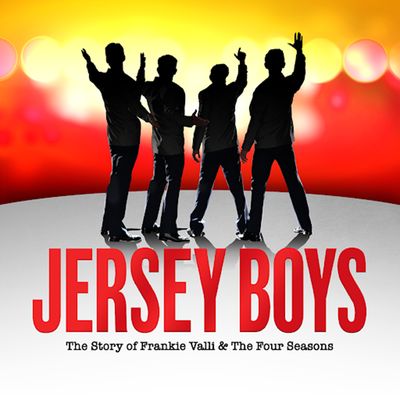
Broadway's Donnie Kehr talks live performing, new music and Rockers on Broadway with stage manager and Rockers' exec Cori Gardner. Featuring live performance of New York City Strong by Donnie Kehr, Jersey Boys with Donnie and Joshua, and Joshua sings Billy Joel's She's Always A Woman.
Transcript
This transcript was automatically generated and might contain errors.
[0:03] Joshua Turchin: Hello and welcome to The Early Night Show live from the Broadway Makers Marketplace in Turnstile Underground in the heart of New York City.
[0:11] Audience: Woo!
[0:11] Joshua Turchin: I'm Joshua Turchin, and thank you all so, so much for coming here today. Something I find really interesting is how lyrics are used within songs to tell stories. From Howard Ashman to Billy Joel, lyricists always find new ways of surprising me with simplistic yet creative lyrics. For example, recently I learned a song Billy Joel wrote called "She's Always a Woman." While I had heard the song a bit previously, I had finally gotten the chance to read the lyrics up close when learning it, and I realized how creative they were. Each line seemingly blended into the next through rhyme while still progressing the entire story of the song. On today's Early Night Show episode, I'm gonna play that song for you. This is "She's Always a Woman."
[1:02] ♪ Musical number ♪
[4:34] Joshua Turchin: Here's a clip about it. Because it's the place where I feel like we most come to understand and appreciate all of our similarities and most importantly, all of our differences. Today, my guest is Broadway legend and multi-hyphenate Donnie Kehr.
[5:11] Joshua Turchin: Hey Donnie.
[5:12] Donnie Kehr: Hi, nice to see you, Josh.
[5:13] Joshua Turchin: Nice to see you too. How are you?
[5:14] Donnie Kehr: I'm good. Thank you for having me.
[5:16] Joshua Turchin: Of course, thank you so much for you. I love your show, it's terrific.
[5:19] Donnie Kehr: Thank you. I love all of the shows that you've been in.
[5:21] Joshua Turchin: Oh, thank you.
[5:22] Donnie Kehr: Thank you.
[5:23] Joshua Turchin: You are absolutely incredible in this.
[5:25] Donnie Kehr: Thank you very much.
[5:26] Joshua Turchin: Wait, what shows have you been in?
[5:27] Donnie Kehr: Oh, what shows have I been in? Let's see. Should I start from early or should I go start from most recent and go back from there?
[5:34] Joshua Turchin: What do you think?
[5:34] Donnie Kehr: I would say most recent.
[5:36] Joshua Turchin: Most recent, all right, most recent.
[5:37] Donnie Kehr: I was in the original Broadway cast of Jersey Boys, and I also did the film for Clint Eastwood. And then before that I was in Billy Elliott on Broadway, and then see, then there's the Who's Tommy, the Human Comedy, Aida, actually, and The Mystery of Edwin Drood, all original casts.
[6:03] Joshua Turchin: And you've been in seven Broadway shows?
[6:05] Donnie Kehr: Yes, well, six and a half, I'll say yeah.
[6:09] Joshua Turchin: What was your favorite show to perform in?
[6:12] Donnie Kehr: Oh wow. You had to choose one. I would say probably the Who's Tommy.
[6:19] Joshua Turchin: And you worked with Pete Townsend.
[6:21] Donnie Kehr: Yes, that's right.
[6:22] Joshua Turchin: Right? What was working with him like?
[6:24] Donnie Kehr: Oh my gosh, it was pretty great. I remember we were rehearsing, and when I got the show, I was told that I was gonna be singing "Pinball Wizard," which is my favorite song from the show. So, of course, I was like, excellent. So I sang that, I did that, and then we were gonna move to Broadway, and they said, do you want to go to Broadway? And I said, Yeah, only if I get to sing "Pinball Wizard," and they said, Yes, of course. And so that was great. And then I got to record the album with, and the guy who produced the album of Tommy was a guy named George Martin, who produced all of the Beatles records. George Martin was a major guy, and so I got to work with him for three days. But all in all, I worked with Pete Townsend every day, pretty much he was with us for about two years. He was with us straight every day.
[7:17] Donnie Kehr: Yeah. It was amazing. You know, here's the thing, with a lot of performers, you don't get a chance to rehearse with the original guy who wrote it a lot, you know. I think that's something that's very special, especially for if you're writing a show and you really want a certain actor to be a certain way and to represent you and your show right, you know, be able to have that personal time with them and really get them to understand what you're going for makes such a difference. So yeah, I was honored to be able to work with the amazing legends that I've been able to learn from and to work with, yeah.
[8:00] Joshua Turchin: That's just so cool. And you've been in, ironically, two Broadway shows which have both been jukebox musicals, right?
[8:10] Donnie Kehr: Yes, yes. Now if you had to choose which way, which ones are both?
[8:14] Joshua Turchin: I think it was only one really jukebox musical, Jersey Boys and the Who's Tommy. Tommy was a rock opera, so it wasn't a jukebox musical, no. It was originally recorded in 1971, I think it is, or '68, and then they did the movie, and then it became this thing, but it was really the music was already legendary as an opera before it became a musical.
[8:44] Donnie Kehr: So, it actually was sixty-nine, wasn't it? But then so that wasn't a jukebox musical, but Jersey Boys was. It was the first and the only jukebox musical I ever did.
[8:57] Joshua Turchin: And you were a part of the original cast for that.
[9:00] Donnie Kehr: That's correct. Who did you play in it?
[9:03] Joshua Turchin: I played, well, I played in on Broadway. I created the role of Norm Waxman, and Norm Waxman is a loan shark who lends Tommy DeVito money to pay for the band's recordings and whatnot. But he never pays me back, and then finally I have to approach him and say, Hey, you know, if you don't pay us back, there could be a problem.
[9:26] Donnie Kehr: Yeah. But I actually before that was for Broadway, but I created a role of Gip DeCarlo, who was the mob guy who actually protected Frankie, and I did that role in La Jolla at the La Jolla Playhouse. But when we moved to New York, I took over the role of Norm Waxman because they wanted a real Italian to play the gangster. So I, an idiot terrific guy named Mark Latito played Gip DeCarlo in New York and he was great, yeah.
[9:59] Joshua Turchin: And not only were you in the original Broadway cast, but you were in the movie as well.
[10:04] Donnie Kehr: Yes, that's right. Did you play the same role in the movie?
[10:06] Donnie Kehr: I did, I did, yes, I did. And that was a blast because it was directed by Clint Eastwood, and then the guy who played Gip DeCarlo, the part that I created in La Jolla was played by Christopher Walken. You know.
[10:23] Joshua Turchin: Yeah.
[10:25] Donnie Kehr: So it was a pretty cool thing. Doing the movie was really like the bow around the gift of Jersey Boys for me. It was a very nice thing to end on.
[10:37] Joshua Turchin: And what was filming the movie like?
[10:40] Donnie Kehr: Oh wow. It was easy because I already had my lines, you know, I'd been able to rehearse for three years before we did it. But Broadway, the world's best rehearsal.
[10:51] Joshua Turchin: That's right, that's right.
[10:53] Donnie Kehr: But I got, you know, it's funny, I learned a lot. There's a difference between theater acting and acting for film or television. It's a different technique. Because, and it was funny, I'll tell you a story. I was working with Christopher Walken, and we were doing this big 10-minute scene. And every between each take, he would go, him and I would go in this little room and wait for them to change lighting and get all the setup ready.
[11:23] Donnie Kehr: So we're in there for like 10 minutes at a time, and every time he would go in, he would cross his legs and sit down and close his eyes.
[11:30] Donnie Kehr: So I didn't want to, I was afraid to talk to him, you know.
[11:33] Donnie Kehr: So I was like the third day, I was like, Chris, why do you always close your eyes?
[11:38] Donnie Kehr: And you know, when in between takes, like when you have a 10-minute break.
[11:42] Donnie Kehr: And his biggest advice was he goes, Well, you know, you're used to having a theater actor is used to having a proscenium that is 30, 40 feet wide.
[11:51] Donnie Kehr: And in film and television, you only have this much.
[11:56] Donnie Kehr: Yeah.
[11:56] Donnie Kehr: Because your face is you're so close.
[11:58] Donnie Kehr: So he said, the first thing to get tired on a long shoot are your eyes.
[12:04] Donnie Kehr: So rest your eyes.
[12:06] Donnie Kehr: Who knew?
[12:06] Donnie Kehr: I didn't know that.
[12:07] Donnie Kehr: Wow.
[12:08] Donnie Kehr: That's a really good technique.
[12:09] Donnie Kehr: Yes, it saved me a lot, actually.
[12:11] Donnie Kehr: And then so from the rest of the time I was shooting, in between each time there's I would always go and copy them and I would close my eyes, and just so that I was trying to.
[12:21] Donnie Kehr: But I a lot of a lot of good uh things came out of that movie.
[12:24] Donnie Kehr: Um, I got a lot of good lessons from Clint Eastwood and from Christopher Walken in regards to acting on film and compared to the original Broadway show how different was the movie well they tried they tried to you know they kept the script predominantly the same they didn't change much um and uh you know he really did try to honor the uh the era of of what where I was going as far as film-wise to make it look and feel like you were in that era um you know a lot of the jokes didn't land because unfortunately that that's a timing thing and that's an an editing thing no no disrespect to the editor he's amazing Joel was amazing but uh those jokes were set up a certain way live so they might not have landed the same way on film.
[13:14] Donnie Kehr: Yeah you know it was uh but they were there but they they might not have had the right you know but you know yeah especially with theater you have this immediate reaction yes to what you're doing you're able to play off the audience and movie you're just like yep boom there's no audience there's no audience and like you make a joke and there's just silence silence exactly it's that's right yeah and you were you you were in a bunch of TV shows and movies.
[13:40] Donnie Kehr: Yes I've done a bunch of TV shows.
[13:42] Joshua Turchin: I believe you were in something called Chaplin correct?
[13:44] Donnie Kehr: Yeah I was in the movie Chaplin yes um actually I I played a guy uh I worked with Richard Attenborough in that film and Robert Downey Jr.
[13:53] Donnie Kehr: And um and I remember Richard Attenborough asking me my last name and I said oh it's Kerr and he goes well then you're gonna be Joseph Kerr, the Vitaphone fellow.
[14:03] Donnie Kehr: And I'm like, okay, what's a Vitaphone?
[14:05] Donnie Kehr: And he said, a Vitaphone is what they used in to make to begin sound in movies.
[14:11] Donnie Kehr: They used a Vitaphone recorder.
[14:13] Donnie Kehr: And I thought, okay, so my scene that I had that they put in there for me, I played this guy named Joseph Kerr, who was a uh a sound man who meets with Chaplin, uh, and um Chaplin then does a little ballet dance and says, Tell me something, who's the most famous ballet dancer?
[14:31] Donnie Kehr: And I at the time I say, um Najinski.
[14:34] Donnie Kehr: And he said, Yes, well, if Najinski came out and said, Hello, folks, he's I'm Najinski and I'm gonna do this and I'm gonna do that.
[14:41] Donnie Kehr: It would the magic would be gone.
[14:43] Donnie Kehr: He's and he said, Tell me I'm right.
[14:45] Donnie Kehr: So he says, if the tramp can't talk, because if he talks, the magic will be gone.
[14:49] Donnie Kehr: He was always in silent movies.
[14:51] Donnie Kehr: So I said, Okay, well, you're you're right about that, but I'm in the word business, and when we hear stuff, it's it makes more sense for an audience, but it was nice to meet you anyway.
[15:03] Donnie Kehr: Uh they showed that scene when Robert was nominated for Academy Award.
[15:08] Donnie Kehr: They showed that scene our scene on on the Academy Awards.
[15:11] Donnie Kehr: It was pretty cool.
[15:12] Joshua Turchin: That's really cool.
[15:13] Joshua Turchin: And then what what was it like for you just seeing you in that scene?
[15:17] Donnie Kehr: It's such a weird thing.
[15:19] Donnie Kehr: Sort of like whoa, like what what is this?
[15:22] Donnie Kehr: It was the first time I really saw myself on a big screen.
[15:24] Donnie Kehr: You know, it's like I was it was like my head was seven feet big, you know, it was huge.
[15:29] Donnie Kehr: Yeah, it was so um, but it was such an honor to work with uh Sir Richard Attenborough and of course Robert Downey Jr.
[15:38] Donnie Kehr: and a lot of great actors in that movie.
[15:41] Donnie Kehr: Uh Dan Acker was in that movie, and Marissa Tomei, and um really a lot of great actors, yeah.
[15:49] Joshua Turchin: Thank you.
[15:49] Joshua Turchin: And also you are a part of those great actors.
[15:52] Donnie Kehr: Oh, thank you.
[15:54] Donnie Kehr: You're you're truly amazing, and I admire you so much.
[15:57] Joshua Turchin: Thank you, sir.
[15:58] Joshua Turchin: And you were I know you were recently in a TV show called Inventing Anna.
[16:03] Donnie Kehr: Yes.
[16:05] Donnie Kehr: I remember first learning about that show because um I was watching my parents watch this TV show, and I was very confused.
[16:13] Donnie Kehr: I'm like, what are you watching?
[16:15] Donnie Kehr: Why does that person have like a weird Russian German but also English accent?
[16:20] Donnie Kehr: That's right.
[16:21] Donnie Kehr: And they're like, it's called inventing Anna, go.
[16:23] Donnie Kehr: Uh it's it's probably not appropriate for you.
[16:26] Donnie Kehr: I have an answer for you.
[16:27] Donnie Kehr: You know why it was Russian and and German?
[16:30] Donnie Kehr: Because her accent was it was weird.
[16:32] Donnie Kehr: But the reason why it was weird was because she was actually born in Russia, but she grew up in in Germany, and then she moved to America and she had a mixture of two accents.
[16:43] Joshua Turchin: Oh wow.
[16:43] Donnie Kehr: So that's was that was what was weird about it.
[16:45] Donnie Kehr: But it was a great it was fun doing inventing and uh uh we shot it just before COVID hit, like three days before lockdown.
[16:53] Donnie Kehr: Wow.
[16:53] Donnie Kehr: And I thought, oh, you know, I did I went on set and we did it in one day.
[16:58] Donnie Kehr: And uh my whole scene was one day.
[17:01] Donnie Kehr: Yeah, it was great.
[17:03] Donnie Kehr: And um it it turned out to be kind of a funny moment.
[17:06] Donnie Kehr: I didn't realize when I was shooting it that it was gonna be a funnier moment than it was because it it actually was a little bit I mean, because it's pretty heavy.
[17:14] Donnie Kehr: This that that that show is a little uh it's a little heavy about what she was doing, but uh my particular scene we had fun.
[17:22] Donnie Kehr: So yeah.
[17:23] Joshua Turchin: It was great.
[17:24] Joshua Turchin: I still need to watch that show very badly.
[17:27] Donnie Kehr: Okay, but I I totally relate to what you're saying about shows when you're in the middle of them.
[17:32] Donnie Kehr: Like when you're filming, it seems like, oh, this is gonna be like a really big moment, it's not gonna be that comedic.
[17:38] Donnie Kehr: And then you watch it and it's like, oh wait, it was a funny scene.
[17:41] Donnie Kehr: That's right, because the editing, it's all about the editing.
[17:43] Donnie Kehr: Yeah, I 'cause I recently did um it act well just came out an episode of Marvelous Mrs.
[17:49] Donnie Kehr: Mazel.
[17:49] Joshua Turchin: Oh, fantastic.
[17:50] Donnie Kehr: And it was really cool to be a part of it, but the in like the actual scene, because i it was shot in actual synagogue.
[18:00] Joshua Turchin: Yeah.
[18:00] Donnie Kehr: So I was like all the way on the beam up.
[18:03] Donnie Kehr: I and the I could barely hear what they were doing.
[18:06] Joshua Turchin: Right.
[18:07] Donnie Kehr: So I was sitting through the entire thing and watching and going, is this supposed to be what what is the the I can't hear anything.
[18:16] Joshua Turchin: Right.
[18:17] Donnie Kehr: So when it actually came out, I'm like, wait, they were saying funny things down there.
[18:21] Joshua Turchin: Right.
[18:21] Donnie Kehr: Yes, but you couldn't hear a darn thing.
[18:24] Joshua Turchin: Now were they just telling you were you playing or anything?
[18:26] Donnie Kehr: Uh no, no, no.
[18:27] Donnie Kehr: I was a Kiva, the Bar mitzvah boy.
[18:30] Donnie Kehr: Kiva the hook excellent, fantastic.
[18:32] Donnie Kehr: Yes, it was so cool and then That's awesome.
[18:36] Donnie Kehr: Um it I just that showed Oh, it's a great show.
[18:41] Joshua Turchin: Isn't it wild though that when you you see what's different like in when you do a Broadway show or any show, period, the theatrical show, you're on stage for those two hours and you go and you bum bum bum and it's done.
[18:52] Donnie Kehr: And when you're filming something, um it takes five hours to to set it up.
[18:57] Donnie Kehr: You go on there, you shoot it for five minutes, and then you got another five hour break, and then they go and do fix another thing, and then you're gonna come back.
[19:05] Donnie Kehr: It takes forever, just for that one little bit, you know.
[19:08] Joshua Turchin: Yeah.
[19:08] Donnie Kehr: But uh that's that's a that's the difference.
[19:10] Donnie Kehr: It's like uh it's the famous uh saying of hurry up and wait.
[19:14] Joshua Turchin: Yeah, yes.
[19:16] Donnie Kehr: And in addition to all this, you're releasing a new album.
[19:20] Donnie Kehr: I am.
[19:21] Donnie Kehr: Called Beautiful Strange.
[19:23] Joshua Turchin: Beautiful Strange, yes.
[19:24] Donnie Kehr: What was the process like for creating it?
[19:26] Donnie Kehr: Oh wow.
[19:27] Donnie Kehr: It started about six years ago.
[19:30] Donnie Kehr: And I had was writing with some friends of mine and and I had been writing some some stuff.
[19:36] Donnie Kehr: I I constantly write.
[19:37] Donnie Kehr: So um but then when COVID hit, I had, you know, I knew I had a year of, you know, what are we gonna do?
[19:44] Donnie Kehr: So I thought let me finish it.
[19:47] Donnie Kehr: And so I did.
[19:48] Donnie Kehr: I really finished uh I I recorded about 17 songs, but only eleven are making it to the album.
[19:56] Donnie Kehr: So um but uh finally finished it.
[19:59] Donnie Kehr: I shot a couple of videos, all that's gonna come out.
[20:02] Donnie Kehr: Uh the sh the album's gonna come out in August of this year.
[20:06] Joshua Turchin: Is it gonna be on all major music platforms?
[20:08] Donnie Kehr: Yes, sir.
[20:08] Joshua Turchin: Woo, I will make sure to listen to it as soon as it comes out.
[20:12] Donnie Kehr: Please promote it.
[20:12] Donnie Kehr: Everybody buy it.
[20:14] Joshua Turchin: Yes.
[20:16] Donnie Kehr: And today, what would you like to sing and why?
[20:19] Donnie Kehr: Okay.
[20:19] Donnie Kehr: Oh wow, what would I like?
[20:20] Donnie Kehr: Why would I like to sing and why?
[20:22] Donnie Kehr: Well, first of all, I see that you have this fabulous, beautiful little guitar going on over here.
[20:26] Donnie Kehr: Um but like you, now I'm I this is really cool, is that uh y you're young, you're fifteen?
[20:33] Joshua Turchin: Yes.
[20:33] Donnie Kehr: So you're fifteen and you play more than one instrument, correct?
[20:37] Joshua Turchin: Yes, so do I.
[20:38] Donnie Kehr: And you know what's funny is when I was a kid when I learned to play, uh, I played piano and guitar, I played drums and played bass.
[20:44] Donnie Kehr: Because I thought, well, I never want to be out of work.
[20:47] Donnie Kehr: You know what I mean?
[20:47] Donnie Kehr: That way I'll always have if I can play those that many instruments, and I hear that you play more than that.
[20:52] Donnie Kehr: So I I'm I'm I'm already I'm already envious.
[20:55] Donnie Kehr: But um, you know, you figure the more that you can play, the more if you're a writer and you're composing something and you hear something, you're gonna know how to play it.
[21:04] Donnie Kehr: That's that's really good.
[21:06] Donnie Kehr: That's really good.
[21:07] Donnie Kehr: That's a that's a good tool to have, you know.
[21:10] Donnie Kehr: Plus, then we get to jam.
[21:11] Donnie Kehr: So one of the reasons why I wanted to do this song na uh first is because it's near and dear to my heart, but um also it's uh represented on we have a new album coming out for Rockers on Broadway.
[21:23] Donnie Kehr: It's called Rockers on Broadway Live, volume one, and um it just came out three weeks ago online.
[21:30] Donnie Kehr: You can get it anywhere where you can buy music, Spotify, Amazon, iTunes, everywhere.
[21:35] Donnie Kehr: Please look for it.
[21:36] Donnie Kehr: It's called Rockers on Broadway Live, volume one, and this song is on it, and it's also near and dear to my heart because it's from Jersey boys.
[21:44] Donnie Kehr: Oh my god.
[21:55] ♪ Musical number ♪
[22:35] Donnie Kehr: Oh I got a fun and feeling when she walked in the room.
[22:45] Donnie Kehr: And I as I recall, it ended much too so. Oh what a night muck as and Miss Bureazu. She was ever fit, a dream she'd be. What a lady, what a night. Oh I got a fun feeling what she wore in the room. And uh as I recall, it ended much to so everybody say here we go. Oh what a night tonight to do. Oh what a night to do. Oh what a night to do a night you go.
[23:52] Donnie Kehr: All right. Thank you for having me here. Thank you so much. On today's episode, I'm so excited to bring back Broadway legend and multi-hyphenate Donnie Kehr and his producing partner and Broadway stage manager, Cori Gardner.
[24:09] Joshua Turchin: So how are you both doing today?
[24:11] Donnie Kehr: Excellent, great.
[24:12] Cori Gardner: Thank you.
[24:14] Joshua Turchin: We're so excited to have you here. So, Cori, you're a professional stage manager for Broadway and off-Broadway shows, right?
[24:21] Cori Gardner: I was. Um, when I first got out of college, that was my goal dream in life, and I was lucky enough to right out of the gate get to stage manage on Broadway. Um, with F. Marie Abraham and Betty Buckley and Susan Egan and Chris Sieber, uh Roger Bart, I mean, some of the best, most amazing performers, and I got to do it. And then I've sort of vamped a little bit and found other things that I felt great and creative with. I was a talent manager, I've been a house manager. So I'm sort of a jill of all trades, kind of all trades. And I have been everything I have done has been in and around New York theater community and nonprofits and Broadway. So it all kind of flows together.
[25:09] Joshua Turchin: It really does. Now, what is your or what was your favorite part of stage managing?
[25:15] Cori Gardner: Oh, I love rehearsal. For me, that that was the best thing. I mean, once you get into the run of a show, it's sort of very much the same thing every day. But in rehearsal, it's very creative. It's, you know, seeing what works, what doesn't work. And for me, as a stage manager, it was taking notes and making sure that uh everybody was in the right place at the right time, and I tend to be a little bossy. So I I work, you know, it worked well for me.
[25:45] Joshua Turchin: And what was it like to serve as a talent manager for Hull Artist Management?
[25:49] Cori Gardner: Because I know you've worked as a manager for a variety of the actual groups.
[25:53] Cori Gardner: Yeah. So as a talent manager, one of the things and how I got there is that all of my friends are actors. Um, over all the years that I've been in this community, all of my friends have been actors. So everybody's saying, Hey Cori, when are you gonna be my manager? When are you gonna be my manager? And finally I was like, all right, let's see what we can do. And started a company with my friend Rich Martino and Hull Artist Management just celebrated their 10th anniversary. Yeah, and although I'm not there anymore, I'm super supportive of what they do, and I loved really working with actors. I like picking pictures and trying to suss out what an actor's goals are and where they're going and you know how best to get them there.
[26:41] Joshua Turchin: Wow. That's really cool.
[26:42] Cori Gardner: It was fun. And um it must have been a really cool experience going from one side of theater, um, just trying to get people to where they need to be, do all of that, to also having to make sure that those actors are working.
[26:59] Cori Gardner: Yeah, uh that uh yes, for sure. It it was definitely a shift of brain power, and how do you focus um on getting people a job? And it ch it, you know, that's constantly evolving and changing in the worlds of management and casting.
[27:18] Joshua Turchin: Yeah.
[27:19] Cori Gardner: So um, you know, there's a lot of work. Actors have to do a lot of work. I I don't know if you hear this as a young person. Oh, actors and musicians, you have it easy. Oh I think that is the most irresponsible perspective because I don't know anybody who works harder. I know a lot of people who work in like high finance, and guess what? They go to work at eight, they leave at four or five, and that's it. They're done with their jobs, they don't live and breathe it.
[27:50] Joshua Turchin: Right.
[27:50] Cori Gardner: Whereas all of us, we literally live and breathe every minute of our days our art and our work and our craft. And getting actors to find their path is something that was really fun to do.
[28:09] Joshua Turchin: It's it takes a real commitment to be an actor.
[28:12] Cori Gardner: It does, it does.
[28:13] Cori Gardner: Or a performer. So much work. Both of you are co-founders, and you're the executive producer of the Path Fund and Rockers on Broadway, right?
[28:23] Cori Gardner: Correct.
[28:24] Joshua Turchin: So what is the Path Fund?
[28:25] Cori Gardner: The Path Fund is a 501c3 nonprofit that is dedicated to supporting arts education and developing new works of music and theater. And throughout the last 15 years that Donnie and I have worked together, when a need has arisen, we have jumped to the cause. Well, whether it be um, you know, supporting Black Lives Matter, or um during the pandemic, we created with the help of Michael Clarkson from from Broadway Makers Marketplace, uh, we created the community relief grant, and during that time we supported over 135 artists with over 16,000 in grants that literally people needed food or medication, and there was no money, there was no jobs. Unlike a lot of places, our community really struggled the longest to come back. So we felt it was very important to do that.
[29:21] Cori Gardner: So we took a little break from supporting arts education to be supporting artists in general. And the Path Fund stands for performing artists that help, which to me is really all what it's about. It's about getting our community together and creating great work together to raise money for other people.
[29:46] Donnie Kehr: Yeah, that's right. We've all had hard times, and especially when COVID hit, we all kind of went, ooh, you know, here we are, all struggling trying to figure out what's gonna happen. And uh instead of then just putting on another show, which we really couldn't do, um, what was the best way to help people? And that was to help people get groceries, help people with their daily stuff that they needed to survive. You know, that was it.
[30:10] Cori Gardner: So, and that's the good thing about New York is New York really that's what I love about this city is that uh we all always come together and we help each other. You know, no matter how tough it is here sometimes, you know, we're really there's there's a lot of good people here.
[30:25] Donnie Kehr: And uh a lot of people come together. For some reason it's I think it's just because we've we live on top of each other that when when crisis happens, we do come together like a community.
[30:35] Cori Gardner: And um, and especially in the Broadway community. So that's uh it's like a family.
[30:41] Donnie Kehr: That's right.
[30:41] Cori Gardner: Sure.
[30:42] Joshua Turchin: Um and where can we support the Path Fund?
[30:44] Cori Gardner: Well, there are a lot of ways on all social media. Um, but it would be at Rockers on Broadway.
[30:51] Joshua Turchin: Oh, where you'll find us on social media.
[30:53] Cori Gardner: I believe our Twitter might be Path and Rockers.
[30:56] Joshua Turchin: Cool.
[30:57] Cori Gardner: Um What is Rockers on Broadway?
[30:59] Donnie Kehr: So all right. All right, I'll go with that.
[31:01] Donnie Kehr: All right. So twenty eight and a half years ago, um, I was doing the show Tommy on Broadway, and um Pete Townsend, who was the author and wrote the music for the show, uh, wanted to give the Broadway cast at that time the understanding of his world, which was rock and roll. And so he asked me to put together uh the band and then get the the cast together to sing some rock songs.
[31:30] Donnie Kehr: So we all decided it's that we would all sing Pete Townsend songs. So whether it be the Who or his solo stuff. So I got together and we did this thing, this little party thing that Pete had thrown for us. But what happened was is that uh he got up on stage with us and played with us the whole time. So it was like it was a whole different energy, different thing.
[31:52] Cori Gardner: And um I I was I felt so blessed by having that opportunity that I thought, well, I want other people to have this opportunity.
[32:00] Donnie Kehr: Don't you also feel like it changed everybody's performance from very Broadway to really feeling that energy of rock and roll?
[32:07] Cori Gardner: Yep, different kind of energy, yes.
[32:09] Donnie Kehr: It was like that was the whole thing is with Tommy, which was really a breakthrough show for uh for young people to come see Broadway shows. Because really from that before that, it was only you know 40 and up.
[32:23] Cori Gardner: Yeah, but now kids are back in, and Tommy had something to do with that. It was like if if Tommy hadn't happened, I don't believe Rent would have had the same impact it did.
[32:32] Donnie Kehr: Uh, because Tommy kind of opened the door for that.
[32:34] Cori Gardner: But guess what really rock musicals, yes. But like, think about who was in the original, who was in Tommy.
[32:40] Donnie Kehr: The the cast was unbelievable. Or if you think about it now, in the ensemble were Sherry Renee Scott, Alice Ripley, Norm Lewis, Christian Hoff, myself, and um gosh, uh there was Michael Cerverus.
[32:57] Cori Gardner: Who was Tommy?
[32:57] Donnie Kehr: Who was Tommy?
[32:58] Cori Gardner: Um it just there was all these major Tony winners that were in this show before they won Tony's.
[33:05] Donnie Kehr: Yeah.
[33:05] Cori Gardner: And a lot of them was their first Broadway show. So it really opened the door to um to an understanding, and that what I'm saying, getting back to your question was uh Pete, you know, said, Let's play a show at a club, at a rock club.
[33:18] Donnie Kehr: So we would did it at the China Club, and this is in nineteen ninety-three. We did the first one, and ever it it the place went nuts, and so uh he I I said I said, I want to do this again. He goes, Well, if you do it again, make it a charity, uh, do a charitable event.
[33:36] Cori Gardner: Well, there was some money left over from the door.
[33:39] Donnie Kehr: Let's be real. You had some money left over. Well, what are you gonna do with it? Let's give it to charity.
[33:44] Cori Gardner: Right.
[33:44] Donnie Kehr: And Donnie did that for many, many, many years.
[33:47] Cori Gardner: Um, depending on what show he had been was doing at the time.
[33:51] Donnie Kehr: That's right. Even if he was doing a tour, he would get his cast together in a club and sing rock and roll music and raise money for charity.
[33:58] Cori Gardner: And then send the money to Broadway Cares.
[34:01] Donnie Kehr: Yeah.
[34:02] Donnie Kehr: And then when we connected, and Donnie said to me, I really want to grow the show.
[34:06] Cori Gardner: It was they were doing it at very small clubs, and I said, Okay, what do we do? And we started working together, and then we went from being in a club that fit 200 people to being in a club that fits 700 people. Wow. And we went from raising $2,000 a gig to I up the ticket prices. I, you know, I came in with my producing head, and I said, let's really make this something. And now on average, we raise around $50,000 an event. So and the majority of that goes to our beneficiary partners, and it's really pretty amazing. And we've been doing this together now 16 years. Almost 16 years, yeah. So and our beneficiary partners are our specific programs of arts education, like Broadway Bound Kids, the Felix Organization, Broadway Dreams for a while there, and a bunch of organizations that really teach kids who are really good at what they do.
Yeah, you know, there's a lot of arts classes out there, but we really only donate to the ones that really make a difference. Actually, a lot of the kids that we've scholarshipped over the years are on Broadway now. Yeah. So it's we are the it's working. Yeah. So it's been good. And you're releasing an album.
[35:24] Cori Gardner: We are yes, Rockers on Broadway Live, volume one. It's everywhere any music is sold now online. Yep. And on that record is, for instance, we have Paul Williams singing The Rainbow Connection, Mickey Dolan singing I'm a Believer. We've got Alex Brightman and Michael Server singing Under Pressure. Um Emma Hunton is singing Dream a Little Dream. Make them get the record just by the railroad. But what let me say something about the record is so in 2020, we did a virtual rockers. We didn't know what was gonna happen with the world, so we did our best. We did a virtual rockers, we did raise like $25,000, which was terrific. Um, but it didn't, we didn't feel like doing that again in 2021. I think people were pretty burnt out from the virtual shows.
So as Donnie and I were going through what our plans for 2021 were, um, we started thinking, oh, we'll do a video thing or something. We started listening to archives that we have. And as we're listening to these archives, I called Donnie one night and I said, I think we have a record here. And he went, Really? And next thing you know, here we are. We released our first record, and we have so much music, and we will continue to create music that we expect to at least do volumes two and probably three. But I will tell you a little secret, Josh. We haven't announced this yet. Um we're coming back live this year. We are going to do a live rockers on Broadway on October 3rd at um Le Puissant Rouge.
And the theme this year is She Rocks. She Rocks. Yep. So we've got nobody scheduled. We're honoring female writers, singers, songwriters, and performers. Yeah. So and I think we're gonna have a predominantly all girl band as well. So uh we're just gonna rock it out for the ladies this year. Yeah, that is so cool. I think the date is October 6th.
[37:30] Cori Gardner: October 3rd. Oh, there you go. I already said it, but October 3rd. All right. So um, yeah, buy your tickets now because it's gonna it's gonna sell out. Tickets aren't yet available, so tick when tickets are available. We'll let you know. We'll certainly let you all know. But in the meantime, please follow us on all social media. You can reach us at thepathfund.org or rockersonbroadway.com. And I'll tell you a secret. Those are the same website. Hey, they link to each other. Yes. See, they're like this. And you can learn all about that stuff. One other thing I'd like to mention about what we did during our pandemic break was as Donnie told you in a previous interview, he's been really working hard on this new album that he's creating a solo album, and a song came out of it that we decided to use for the Path Fund for a little fundraising.
Um, it's called New York City Strong. It's an anthem, and it's purely Donnie's love of New York City and um really his impression of how strong our city is, how important our essential workers are, and we just decided to take it and run with it and did a little fundraiser and raised some money for um World Central Kitchen and the Mayor's A food bank through the mayor. I don't remember, I apologize. Um, but it was it was great, and also through the community relief fund five right. Yeah, and and I have to say, if you can get him to sing this song, you'll be really happy.
[39:03] Donnie Kehr: Oh, yeah. Do you want to sing the song? Let's rock, I'll do it. Let's go.
[39:14] ♪ Musical number ♪
[42:12] Joshua Turchin: That was amazing! Thank you, Donnie.
[42:18] Joshua Turchin: Thank you. That was so much fun, Donnie. Thank you. Thank you so much. Anyway, you know what? It's I'm so glad to be here. I think you're awesome. I love this show. Right back at you. Keep tuning in to this guy. Yeah, man. Thank you. What have you been up to recently, aside from being in all of your amazing Broadway shows?
[42:42] Donnie Kehr: Well, right now I'm in a show. I've created a show called The Greatest Piano Men, which you can see information at thegreatestpianomen.com. But uh we started, we ran in Vegas for three months. We opened up for Donnie and Marie at the Flamingo Theater in Vegas. And um we're currently touring. Uh thank God we're coming back because you know we couldn't play live for two years. So and now we're we're we're on our way back in. But anyway, the show is it's about the greatest piano men of all time, starting from Beethoven all the way to Billy Joel. So we do everybody from Billy Joel, Elton John, Stevie Wonder, Little Richard, um Ray Charles, uh Jerry Lee Lewis, and of course the effervescent Liberace.
I mean, do you know do you know who Liberace is? I do, I do. Oh my gosh. And this guy I have, David Mieko, he is just amazing. Anyway, we're touring now, and um it's to a city near you. So um, but uh it's great. I play Billy Joel in the show. Um can't tell now I don't have my goatee on, but uh but uh it's a it's a it's a fun show. It's uh from top to bottom. It's all hits. People stand on their feet and then have dancing in the aisles. It's a great show. It's a lot of fun.
[44:03] Joshua Turchin: I will be making sure to come watch it as soon as possible. You must. I will. I will. Thank you all so so much for coming here to watch us perform here at the Broadway Makers Marketplace. Thank you so much to the Broadway Makers Marketplace for allowing us to be here as well. Make sure to follow them on all major social media platforms at Broadway Makers Marketplace. If you want to listen to the rest of our episodes, you can stream them now on theearlynightshow.com. Please make sure to listen to Donnie's new album and the Rockers on Broadway album. I'm really excited for everything that you're doing. Thank you, sir. Thank you so much. A pleasure to meet you. Pleasure to meet you too. Um thank you all so so much for watching. Uh, you can follow me at Joshua Turchin on all social media platforms. And remember that you're loved, amazing, and valid, and I can't wait to see you all soon. Bye. Later.
[44:58] ♪ Musical number ♪
© Broadway Podcast Network, All Rights Reserved