

Welcome back to the second part of my interview with director and choreographer Casey Nicholaw about some of his favorite numbers in his Broadway shows. If you don’t know Casey Nicholaw by name, you’re certainly familiar with the shows that he has worked on... Read More
From the show: The Ensemblist
Guests
Featured Shows

About
Welcome back to the second part of my interview with director and choreographer Casey Nicholaw about some of his favorite numbers in his Broadway shows.
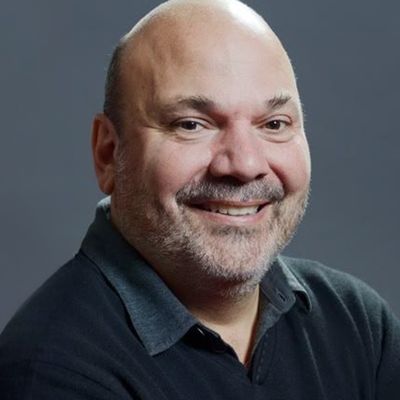
If you don’t know Casey Nicholaw by name, you’re certainly familiar with the shows that he has worked on. He’s the director and choreographer of Mean Girls, Something Rotten! and Aladdin. He’s a Drama Desk winner, a Drama League winner, an 11-time Tony Award nominee, and one time winner for The Book of Mormon. He’s basically a winner.
He’s also on the record for sharing that in every production he helms, there’s one number he’s most proud of. I thought this was a fascinating topic for a mini-series: for an acclaimed director/choreographer to walk us through some of the most famous and crowd-pleasing numbers in the musical theatre canon. We talked about his time as a Broadway performer, the inspiration for those numbers - as well as how he build a number from an idea to a Tony Award-winning hit.
Transcript
This transcript was automatically generated and might contain errors.
[0:00] Mo Brady: Welcome back to the second part of my interview with director and choreographer Casey Nicholaw about some of his favourite numbers in the Broadway shows he's helped create. If you don't know Casey Nicholaw by name, you're certainly familiar with the shows that he has worked on. He is the director choreographer of Mean Girls, Something Rotten, and Aladdin. He's a Drama Desk winner, a Drama League winner, an 11-time Tony Award nominee, and one-time winner for The Book of Mormon. We talked about his time as a Broadway performer, the inspiration for the numbers he's created, as well as how he builds a number from an idea to a Tony Award winning hit. Here's our conversation.
[1:18] Casey Nicholaw: Feeling like a reading light, turn it off! Like the lights switch on and off, now he is a gay. I mean, turn it, turn it, turn it, turn it, turn it, turn it, turn it, turn it, turn it, turn it off!
[1:45] Mo Brady: For anyone who hasn't seen The Book of Mormon, which is probably no one listening to this podcast, what is the number "Turn It Off"? It's basically like the leader of the Ugandan mission for the Mormon boys. He's telling Elder Price, he's like, this is all too much for me. He's like, no, no, no. When you're feeling these feelings, this is a trick I learned. You need to turn it off. And then he starts talking about this guy, Steve, that he was a friend of his. And then he starts getting a little carried away. He's like, nope, turn it off. And then they tap dance. Is there trepidation in giving a tap number to someone who doesn't tap?
[2:19] Casey Nicholaw: Correct. That is my question. Dear Rory O'Malley. Oh my God. That show was so funny because, you know, they'd all done labs of it and stuff before I came on board. I came on board pretty late, like three weeks before I was going to have to stage the entire lab. And so I still, they still let me have like an audition for the people that already were ensemble members, just so I could see how they moved. Just sort of as a joke slash icebreaker. And I was like, let's just do something ridiculously hard so that they all completely flip out. And they did. And he was like, okay, let's just go slow. Let's slowly. And he was like, step, bop my step. And they were like, holy fuck, what is happening here?
And I was like, just kidding, guys. Okay, now we'll start with the box square. I just knew people would pick it up when they have time. And also, you know, we're doing a six week lab. It's plenty of time to learn stuff. And I figured too, if there's something that's too hard, it will just change it. It's not a big deal. You know, again, it's a story. The steps don't matter as much.
[3:11] Mo Brady: Why is the opening of this number so still compared to "You Won't Succeed on Broadway"?
[3:16] Casey Nicholaw: I mean, Dave Wright Pierce is moving around. That's just the style of the number and just what it needs to be. And you know, he's saying, you won't succeed unless you have all these things. So it has to have a little bit more of a vaudeville feel to it. And you don't, you have to not know what is going to happen and "Turn It Off." You have no idea it's coming. Right. And it's just so, it's just so random. Because I make those poor boys do, I make them walk across the floor and make no sound. Because they have taps on the whole number. And I was like, I don't want to hear one tap. How do you do it? You basically have to curl your toes up. That's what happens so that you so that you're right in the middle of your foot in the middle of your shoe.
[4:00] Mo Brady: Why the costume reveal in the dark, you know?
[4:03] Casey Nicholaw: Oh, well, I think that's funny because you'd have no idea it's coming. And then the lights come up and they're wearing something else. The audience just goes nuts. Still, how do you build what is essentially a single joke for six minutes?
[4:11] Casey Nicholaw: It's funny, you just it just goes to another, it just keeps going to another place. And Glenn Kelly is really great at that. But you know, it's funny when I first joined the show, that whole number was really there was so much of it about being gay. And I was like, you can't do the whole thing about that. They had like one, they had the first one, his dad treating his mom bad. And then the whole rest of them was about gas, like, you know, you have to have like one more example. And I gave me the third thing. And they were like, Oh yeah, great. And that's how you know, that's what's fun, too, is you build it with the writers, and you end up going there first, and then you build the structure better. And I think having one, two, and then the gay one being the third joke, and then expanding on that worked really well.
[4:57] Casey Nicholaw: La la la la la la la la, P'L'uzzic'ol, with blashy style, and a big-faced smile, a stanzy pants, and jazzy hands. I swear that I'll cross my heart hope to die, if it isn't a doozy. If they take it from me, they'll be flockin' to see cause Starlets won't quit big hit musical.
[5:27] Mo Brady: So let's talk about Something Rotten. What is a musical?
[5:31] Casey Nicholaw: Oh, I love that number. I just love that number. It starts slowly and then he's like, you know what, what you need it to do is a musical. Oh, cause he's seeing it in the future. He says the most, the biggest thing that's gonna happen in the future is called musicals. He's like, what? He's like, musicals, what? It's when they sing and dance. This number is really similar to the Spamalot number, right? They're both sort of in a way, they both are love letters to Broadway.
[6:03] Mo Brady: Absolutely. What did you learn worked in Spamalot that you were like, we gotta do something like this?
[6:09] Casey Nicholaw: Well, I didn't think that then. You do what the script actually tells you you need to do and that's what, they didn't tell me everything that needed to happen in the number, you know, and then I keep saying, what about if they did this and could you change the lyric to make it this and then we work together, but I kind of never put them together like that, unless I see it and I go like, oh God, it's too much like that, but I didn't really, you know, I don't really, I didn't really feel that in that way.
[6:31] Mo Brady: This number builds differently than the others because it incorporates the full ensemble almost right from the start. You've got...
[6:37] Casey Nicholaw: It does. Yes.
[6:39] Mo Brady: So why were you like, we need 20 people two minutes in instead of we need 20 people four minutes?
[6:43] Casey Nicholaw: Yeah, you're right. Two minutes is the 20 people. You know, and you've got like the people being all haggy at the beginning and then they start dancing and he says and then they got a tap dance and that's when it expands and then you've got like a full chorus coming in in their costume. There's so many good gags in this number. I love that. Are there any babies that you left on the floor that you're like, we really wanted?
[7:01] Casey Nicholaw: Oh, yeah. I mean, it's funny I never expected to even go that way with it to like be that specific about musicals. It wasn't sort of part of my plan, but that's what happens. Glenn Kelly sort of wrote this thing, I don't know what you'll think about this and I was like, I don't know. It feels a little too much to me and a little too cheesy to me, but everyone's like, you got to do that. It's great. And once I started staging it, then it like felt right.
[7:25] Mo Brady: It's just striking me now that so many of these numbers are like third the way through Act One.
[7:29] Casey Nicholaw: Yes. I think it's the perfect place. Friend Like Me is the same way. Yeah, right. You know, yes. I think that there's that place where you you've got to lift it. You've got to introduce a production number in the middle of Act One. When a musical is right, when it feels right to me is when there's a sweet spot about 40 minutes in that just keeps building like three and it doesn't always happen and it doesn't always need to happen. Where it goes from one number to the next to the next and there's like three numbers that sort of build to the end of Act One. And most of them have ensemble in them.
[8:17] Mo Brady: So the last number I want to ask you about is from Mean Girls. Yes. Where Do You Belong? Uh-huh. That's another one of my absolute favorites. That one is when Damien's explaining different clicks in the cafeteria and his vocabulary is musical theater. So that's why we decided to go with like a Broadway type number for that. And then I thought, wouldn't it be fun if we used the cafeteria trays?
[8:43] Casey Nicholaw: Oh, sure. As a big Busby Berkeley ending. Is it hard to peddle cafeteria tables?
[8:47] Mo Brady: Yeah.
[8:49] Casey Nicholaw: Yeah, it is. And it was also like that was like probably the most complex number I've had to figure out as far as writing I had all my index cards for the different groups. And like okay, one person's going to get off this one and another person's going to go there. And where are they going to go? I mean, it took a lot because you have all these different groups of people. And no automation. You're like, this is all state.
[9:07] Mo Brady: Well, yeah. No automation in the show, actually. Except for, no ground automation except for one track. There's no tracks on the floor because all the sets are moved by the cast, which is something I hadn't done before. And it was really challenging and fun. Mean Girls was tough for me because it was like doing three shows at once. The cast had to move all the sets. We had to do the show. And then I had to make all the projections match the set because they were all, the projections got jokes too. And the projections had to stop when this part of the number was. And it was really all integrated.
[9:41] Mo Brady: How much of those visual jokes, like Ben Cook getting hit with a soccer ball on a hit?
[9:45] Casey Nicholaw: Oh, well, that was him. That was them. Oh, yeah. Of course. Well, you know, you hire creative people. I know that we have to focus on them. I was like, do something that we'll focus on. And all of a sudden they just started throwing that. Because I told them, I said, the varsity jocks got to do something really jocky. And then the JV jocks should be nerdy. And that's when they started throwing that.
[10:07] Mo Brady: Did you choose the musicals on the show shirts?
[10:09] Casey Nicholaw: No, I let them do it.
[10:11] Mo Brady: You let the cast do it or you let the costume?
[10:13] Casey Nicholaw: Well, actually, I think it was sort of the cast and wardrobe. And then Tina had something to say about them too. I was just kind of like, if I'm really looking at the cast shirts, I think the number's in trouble. But I was like, I don't want any of mine. That's what I did say. I said, I don't want any shows of mine.
[10:27] Mo Brady: Do you see a similarity between Regina George and Janet and Chelsea Chaperone?
[10:33] Casey Nicholaw: Actually, so opposite. Sutton's like, I'm doing this and I'm doing this. She's running around and doing stuff. But Regina, the whole thing is, her feet should never touch the floor. Regina doesn't dance at all in the show until she dances with everyone at the end. And that was by design. She is only lifted and walks. And that's all she does in the show. She doesn't dance at all. So it's sort of like, everyone come to me.
[10:55] Mo Brady: Is there a similarity between Damian and Elder McKinley?
[10:57] Casey Nicholaw: Oh, definitely. And Grey played the Elder McKinley on the tour.
[11:01] Mo Brady: Right. What unites those characters?
[11:03] Casey Nicholaw: Well, I never think about that. I mean, it's the way they're written and it's what is meant to happen.
[11:09] Mo Brady: Some just like broad ending questions.
[11:11] Casey Nicholaw: Yeah, absolutely. What makes an effective stage picture?
[11:15] Mo Brady: Wow, that's a good question.
[11:17] Casey Nicholaw: Again, it always depends. I'm always happiest when you're seeing the right things. I think that's what makes a good stage picture is when it is still telling the story or you understand what is happening while it's there. Because I think people all the time are like, oh my god, did you see that they did that there? Well, that's intentional, usually. That you're looking at the right people and that the story is happening as the number goes on.
[11:43] Mo Brady: Is there a way that when you end a number, you're like, it's always gotta end. People want this at the end. They wanna clap.
[11:47] Casey Nicholaw: I do know that. So you have to give them a reason to. But what's funny is I always have the hardest time ending the numbers. Not figuring out what to do, but I never want them to end when I'm finishing them. For some reason, I was like, okay, we'll put the button on it later. I mean, almost always. And it sometimes takes me two weeks and we don't have an ending. Just because you don't want to see it go. I don't want to see that part of the process end, I think, is part of it. But also, too, you know, a big number really does kind of have to end like this with your arms out so people like it. And you keep always going like, you know what, I want to do something different at the end. But ultimately everyone wants everyone to just like stop with their arms out.
So it always ends up happening that I think that maybe I also go like, if I wait a little longer, maybe something else will come to me. And then I go like, no, everyone just like clump together and put your hands out. Because there's also math to it. It doesn't look as good when everyone's totally spread out with their arms out, but it looks better when they sort of clump a little bit.
[12:51] Mo Brady: It's weird. There's certain things about that that are always baffling to me that I think is fascinating. You've worked with so many great ensemble performers. What makes a great ensemble performer?
[12:57] Casey Nicholaw: You know what? Their watchability. You know that you just love watching them. Someone that just catches your eye. And not in a bad way because there are people who will do other things or something that's not in the choreography, and I don't love that. But when they're doing the dance and they're really committed, I just think that when people dance through their fingertips and dance with their whole bodies and don't give as much as they did to start with, you notice it. And it actually pulls you out of the number because you're watching the person with less energy when everyone else is working their butts off.
[13:23] Mo Brady: So what unites these numbers?
[13:25] Casey Nicholaw: I think, I mean the ones we're talking about, I think it's just a love for theater. I do. I think it's a love for the musicals and the love for the craft of musicals and the love for all of it. Dancing and entertaining and feeling joy and buoyancy. That's what I love about theater and that's what moved me as a kid.
[13:43] Mo Brady: Special thanks to Casey Nicholaw for sharing his stories with us this week. You can learn more about him and how to connect with him online by visiting our website, theensemblist.com. The Ensemblist was produced today by me, Mo Brady. Please help others find out about The Ensemblist. You can leave us a rating and review on Apple Podcasts. You can share the episodes with a friend. You can...
[14:11] Casey Nicholaw: Those seem like two really great ways. I mean, an online friend, a human in-person interaction, or the rating and review on Apple Podcasts.
[14:21] Mo Brady: If you're not an Apple Podcast person, you can also download episodes wherever you get your podcasts or at theensemblist.com. And make sure you follow us on Instagram where we share new episodes, original photography, posts from our blog, from actors about their lives and work in the theater. Thanks for listening guys. Until next time.
© Broadway Podcast Network, All Rights Reserved