

Usually, our “My First Time” episodes feature Broadway stars looking back at the very first time they stepped on a Broadway stage. But on this episode we are going to hear about a series of firsts from one of the biggest hearts on Broadway, Marisha Wallace... Read More
From the show: The Ensemblist
Guests
Featured Shows

About
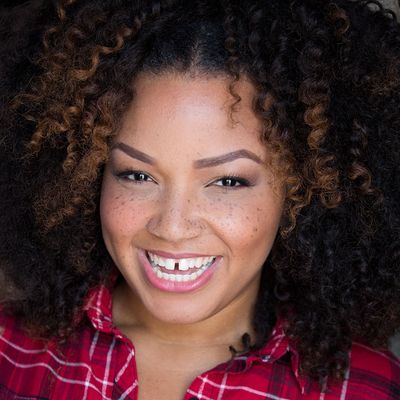
Usually, our “My First Time” episodes feature Broadway stars looking back at the very first time they stepped on a Broadway stage. But on this episode we are going to hear about a series of firsts from one of the biggest hearts on Broadway, Marisha Wallace.
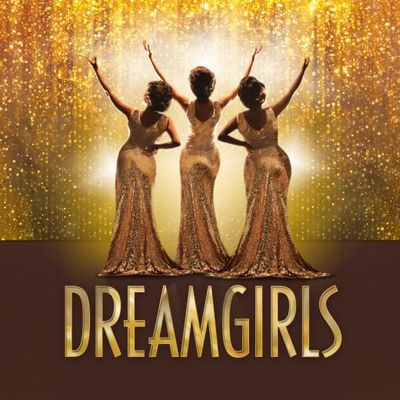
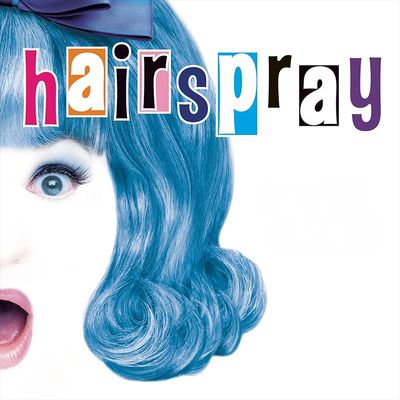
Since making her national tour debut in 2012 with The Book of Mormon, her career has been filled with firsts in quick succession: her Broadway debut in Aladdin in 2014, to her 2017 West End debut in Dreamgirls. She joined me in the studio during a brief stop in New York, before returning to London to play Motormouth Maybelle in the new West End revival of Hairspray. Here’s our conversation...
Transcript
This transcript was automatically generated and might contain errors.
[0:13] Mo Brady: You're listening to The Ensemblist, the only podcast that shows you Broadway from the inside out. Welcome. I'm Mo Brady.
[0:30] Mo Brady: Well, that's pretty neat. Usually, our My First Time episodes feature Broadway stars looking back at the very first time they stepped on a Broadway stage. But on this episode, we are going to hear about a series of firsts from one of the biggest hearts on Broadway, Marisha Wallace. Since making her national tour debut in 2012 with The Book of Mormon, her career has been filled with firsts in quick succession: her Broadway debut in Aladdin in 2014, to her West End debut in 2017 in Dreamgirls. She joined me in the studio during a brief stop to New York before returning to London to play Motormouth Maybelle in the new West End revival of Hairspray. Here's our conversation.
[1:23] Mo Brady: Hi.
[1:23] Marisha Wallace: Hello.
[1:24] Mo Brady: You introduce yourself and where do you live?
[1:27] Marisha Wallace: I'm Marisha Wallace, and I'm currently living in London. Yeah.
[1:32] Mo Brady: Take us back to 2012.
[1:35] Marisha Wallace: Yeah.
[1:35] Mo Brady: Right? That's when you started with Book of Mormon?
[1:38] Marisha Wallace: Yes. I did the first national tour of The Book of Mormon.
[1:42] Mo Brady: How long had you been in New York prior to booking that show?
[1:46] Marisha Wallace: I had been in New York off and on since like 2007.
[1:49] Mo Brady: Okay.
[1:50] Marisha Wallace: But I was working. I started out doing like theme parks, and I did cruise ships, and then I did regional theater. Anybody who would pay me to sing, I would do it, really. So I would come back to New York just to audition, get a job, and then leave again, because I was getting a lot of like out of town work. But I decided right before I got Book of Mormon in 2012, because I was supposed to go do Disney Cruise Line, I'll never forget. And I remember I had a bad feeling. It was two weeks before I was supposed to go. I had done ships before. I get them like often when I know I need to make a life decision. And so like two weeks before I was supposed to go, I was like, I can't go. I was crying too. Like, this is the most money I've ever made in my life. I should be like so happy about it. But I was like, I need to go to New York. I was like, I need to like be done with the ships and like try it. A month later, I got Book of Mormon.
[2:36] Mo Brady: Did you audition for the first time for Book of Mormon after that? Or had you auditioned before?
[2:40] Marisha Wallace: I had auditioned at an open call. And they had called me back while I was doing Oklahoma, this all black production, Oklahoma out in Portland. I couldn't go because it was like the closing night of our show. I had just signed with this new agency. I literally had just remembered to put his address on my like his contact information on my headshot. I was just that fresh, that new. And then they called him and was like, Can you get to come back in again, I couldn't go. And then they asked me to come again.
[3:08] Mo Brady: What do you remember about that process? How many times?
[3:11] Marisha Wallace: So I went in for Jen Warner, who like all these people are my friends now, which is so strange.
[3:16] Mo Brady: Jen Warner is one of the associates.
[3:18] Marisha Wallace: Yeah, yeah, yeah. I auditioned for her. And then they called me back again. I just kept calling me back like over like a course of like two weeks. And then I finally met Casey.
[3:27] Mo Brady: Casey Nicholaw, the director.
[3:28] Marisha Wallace: Yeah, the director. And we just fell in love with each other like right off the bat. Like, you know, like you're auditioning for someone and you can see that they're just like, they get what you do, like, like your energy. And from then on, we worked together for a long time.
[3:41] Mo Brady: So you booked the show. And yes, you'd been working for many, many years. But this is the biggest thing.
[3:46] Marisha Wallace: Yeah, up until that time. Yeah. What was surprising? Do you remember anything surprising about sort of making that leap?
[3:53] Marisha Wallace: It was crazy, because I felt like I was so glad I did all those other things, because it prepared me. I already knew how to do eight shows a week, because in theme parks, we were doing like six shows a day. It was crazy, like boot camp. When I did make the leap, I was like, Oh, okay, I'm in like a different level, like to do it at the Kennedy Center with Michelle Obama in the box. And my mom and my dad and everyone came up from North Carolina, because it's like the closest we have been. And I was like, Oh my god, I'm singing. Fuck you, frogs. Fuck you, God. In front of Michelle Obama and my parents. But they loved it. They loved the show. And they were like, it's just a play. Like, we love it.
So that was cool. But then I knew from that point, everything was going to change. And I remember, I was in a bar in Boston, still doing the tour, and Casey would come out. So at this time, Casey Nicholaw was popular, but not on the level that he is now. Now, he would never go set a tour, like he was sending an associate or then he would go set things up, like set the show up. And you'd be in these different states hanging out, because you would have time to hang out. And we got to know each other, like on a personal level. And he came back to Boston to check on the show. And then he was like, So how do you like being in Book of Mormon? I was like, I love it. Is this a trick question? I like the job.
Thank you very much. I was like, thank you. I love it. He was like, No, well, I was just asking you. And I was like, that was weird. Okay. So then like three drinks later, he was like, Okay, this is what I was asking you. Do you want to be in Aladdin on Broadway? And I was like, Yeah. Yeah. And then I go to the bathroom. And I tell my mom, I was like, I think I just booked my first Broadway show in a bar. So that was how Aladdin happened.
[5:34] Mo Brady: What happens after a director says, in a bar, did your agent call you and say you have an offer?
[5:41] Marisha Wallace: He told me he's like, I'm going to make you a track. Like this is the thing you do hear about like in the Broadway fairy tales of life. Yeah, he's like, I'm going to make you a track. He's like, I'll find you something to do. I just want you to be in it. I just want to be. I just want you to be around. Isn't that insane? This is what I tell people all the time. I was like, it's like 10% talent and 90% the fact that they just want to hang out with you for 14 hours a day. In their creative moment, you want to have people around you with good energy. That's what books me a lot of the time. And I do have talent. But like, it does help that like I bring a certain kind of energy to a room. It's very important.
[6:18] Mo Brady: You've done the national tour experience. And now the door to Broadway open wide open.
[6:23] Marisha Wallace: Everything I ever dreamed for it just in a bar. It's like it happened. So then I did have to go sing for Tom Schumacher and the rest of the team. But Casey was like, I got this girl. She's great. You're gonna like her blah, blah, blah. I mean, he's vouching for me. So I was like, well, let me just go ahead and knock this out. So then I went in, I did it. And that was like a Tuesday. And then Thursday, they were like, you got a part.
[6:46] Mo Brady: So what was most surprising about that experience? You'd had tons of professional experience before, but this was your first time on Broadway. Did it feel any different?
[6:55] Marisha Wallace: Oh, totally felt different. Because it was like I was in a different league. I mean, I'm working with Disney. I watched Aladdin every day as a kid, like we didn't have cable, we just watch those VHS tapes. So we would watch them every single day. Sure. So to be in a Disney show for my first Broadway show was just whoa, like, you can't get any better than this. Did the production feel different from Book of Mormon? In terms of size?
[7:21] Marisha Wallace: Oh, yeah, I was a way bigger production. Because it's Disney. So it was very magical, like putting it all up. And also being a part of the creative process. Like they changed scenes that I was in, I had to create, I had to like memorize scenes during the day and then perform them that night. Like I had never done that before. And like people have a lot of money riding on this. You're like, okay, the pressure's on. What are your strongest memories about making your Broadway debut? The SIDS probe, where we got to hear the music for the first time with
[7:51] Marisha Wallace: You remember on those Disney VHS's, like the behind the scenes, where you would see them like playing? Oh yeah, totally. I like got to live that. I was like, it was just so magical because like I come from a really small town. Like I didn't even go to Broadway shows until I was like in college. So this was never like my first dream. I didn't know it could even happen. I didn't know that like I could make money doing this. I had no idea that it could happen. And then to be in that moment, listening to the orchestra, and then going on that, being a part of something so spectacular. It was, it was amazing. It's something that I will never forget. And I'm so glad that that was my first.
[8:30] Mo Brady: So you've continued a great relationship with Casey Nicholos.
[8:34] Marisha Wallace: Yeah. I want to ask you about the West End. When I was in Something Rotten, Casey told me about Dreamgirls. I was going to be the Amber's alternate from the very beginning. Push came to shove and they were like, it's less expensive to bring someone from America. So we'll get two girls from London to be the Amber's alternate. And I was sad about it. I'm just going to do it for myself. I was like, I'm going to go find a place to do it. I'm crazy. I don't know why. I just, I'm telling you, it's my gut. I just follow my gut. I just follow it. When it tells me to go somewhere, I just do it.
[9:02] Mo Brady: So you were attracted to the role.
[9:04] Marisha Wallace: Yeah. And you were like, I want to play Effie somewhere. Somewhere. If I, and then I looked, I literally looked on the Actors' Equity website and someone was doing Dreamgirls at Dallas Theater Center. And then the person who was directing it was the choreographer of the All Black Oklahoma I told you about. From five years ago, he was the artistic director of Dallas Theater Center and was directing the musical. So I told my agent, I was like, submit me. I'm going to do it. And he was like, you're going to leave your Broadway show. I was like, I don't know why I'm just doing it. And he was like, okay. So I go into the audition and he's like, what are you doing here? You're not going to leave your Broadway show.
And I was like, yes, I will. I really want to play this part. And also I knew that Tara Rubin was casting Dallas Theater Center and she was also casting in London. So it's a smart business move too. I'm a businesswoman. It's all strategy. So I got the part. And then I had to ask Kevin McCollum to let me out of the show. Cause I was like-
[9:54] Mo Brady: The producer of Something Rotten.
[9:55] Marisha Wallace: The producer of Something Rotten. And he had just told someone no. And he was like, of course. He's like, you've been with the show forever. We love you. He's like, I cannot stop you from going to play this role. And we'd love to have you back. And that's huge. They do not let you out like that. Like that's huge. They let me out for three months. I went and did the role. It was, I could just dive into the character and they did it really like a play. So it was really cool. So after that, I came back to Something Rotten and then not even like a month later, London calls and is like, do you want to come play Effie White? I have four days to pack my stuff, packed all my stuff. I told Something Rotten on the Friday.
I literally walked into the building. I was like, I'm leaving. And they were like, when? I was like, now. And then I joined the show. I have five days to learn it. And then I was a lead on the West End. Boom. It was insane. And then the first, cause you know, when they say Effie when you come out and like, they're expecting me to be Amber. And usually they say Effie, they come out, they're like, yeah, cheer. They said Effie. Then I came out and they're like, who's that? But by the end, after I did it, I'm telling you, everyone stood. I was like, what? But that's when I know I caught fire. I was like, this is it. I was like, this is the moment that's going to change everything. And it's been a rollercoaster ever since.
[11:21] Mo Brady: What was the biggest surprise about working in the West End?
[11:23] Marisha Wallace: The biggest surprise for me was how much they loved me. I had just been so used to always fighting for my spot. Like always trying to get people to see me who I really am. When I went there, it was like, they just got it. Like from the very beginning, they were just like, we love you. We love everything you're doing. Don't change anything. That was kind of like, yeah.
[11:41] Mo Brady: What Casey saw in you so many years earlier.
[11:43] Marisha Wallace: Yes. What he saw, they saw. It's so crazy. Cause I still feel like myself and everyone's like, oh my God, but it's still always been, always been me. I've grown over these years for sure. Definitely being there, but it's nice to finally be seen and like, be like, all my hard work is paying off. I mean, all the seeds that I've planted over the years is like now coming up.
[12:09] Mo Brady: One last question.
[12:09] Marisha Wallace: Yeah.
[12:10] Mo Brady: What are those seeds? What do you think is that essence of Marisha that was on cruise ships and theme parks a decade ago and is now headlining concerts and starring in West End musicals?
[12:16] Marisha Wallace: I think the part of me that says his name is my work ethic. And I think also I try to stay as humble as I can, even as I climb higher and higher and higher. I can't forget that. The reason why I've gotten where I am is because I treat people nice. I try to be very cooperative in the work environment and like, and know that if I get a no, it's not personal. Like you have to take it all in and be like, okay, well, let me look at this. Let me see how this will work and not to get upset by it because everything is, is for your good. Everybody wants you to be better. Everybody wants their show to be better. Everybody, it's all for the good. It's never to like for the bad. And I feel like I've kept that spirit in my, and because I started in the ensemble, I still always have that, like that we're fighters, the ensemble, like we were the hardest working.
We are in the back, like we're in the side and we're still killing it. But then to be put in the front with that same work ethic, it's like, it's gold. And I think that's what keeps me working. I planted a lot of seeds. I've met a lot of amazing people and they have built and built and built and built. Staying true to who you are, treating people. I cannot stress that enough. Treat people kindly, everyone, the dressers, the front of the house, the crew, everybody. It's so important. It's, I cannot stress it enough. That's what will keep you working forever. Because if you got talent, everybody's talent, but are you cool to be around and nice, like keep the environment friendly and treat your fellow actors nice, kind, be kind to people, empower them, lift them up because they're going to empower you and they're sending you all those good vibes back. So how could you fail? How could you fail if everyone is lifting you up and you're lifting everyone up? You can't fail.
[14:07] Mo Brady: Special thanks to Marisha Wallace for sharing her stories with us this week.
[14:17] Mo Brady: The Ensemblist was produced today by me, Mo Brady. This just in, we have two new ways to support The Ensemblist just in time for the holidays. First, we've created a line of limited edition t-shirts in conjunction with Built for the Stage. With the words triple threat emblazoned on the front, they're perfect for rehearsal or the gym or really anywhere you wear clothes. Also, we've joined the world of Patreon, where you can support the work we do here at The Ensemblist for as little as $5 a month. Check us out there at patreon.com slash The Ensemblist. The Ensemblist is proud to be part of Broadway Podcast Network. If you can't get enough of theater conversations directed into your earbuds from us, there are more than 30 other great theater podcasts there to listen to.
Check all of them out at bpn.fm. You can help others find out about The Ensemblist by leaving us a rating and review on Apple Podcasts. You can also download episodes wherever you get your podcasts or at theensemblist.com. And follow us on Instagram to see the latest posts from our website, where we share the stories of talented artists working in theater ensembles. Thanks for listening, guys. Until next time.
© Broadway Podcast Network, All Rights Reserved