

One thing that has become clear about the Coronavirus pandemic is that it's not a sprint, but a marathon. We will be in this holding pattern for weeks in not months where live performance can not happen in ways we are used to... Read More
From the show: The Ensemblist
Guests
Featured Shows


About
One thing that has become clear about the Coronavirus pandemic is that it's not a sprint, but a marathon. We will be in this holding pattern for weeks in not months where live performance can not happen in ways we are used to. And so I've been particularly intrigued by artists that are finding new ways to connect with each other during this time.
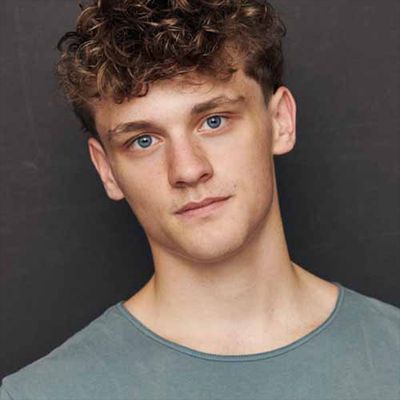
Ben Cook (Mean Girls, Tuck Everlasting) along with his Newsies castmate Dan DeLuca have created a "Mindfulness in the Arts" training course that launches this Friday, April 17. Ben joined me over the phone to tell me how his mindfulness practice began and how other artists can join he and Dan on this journey. Here's our conversation...
Transcript
This transcript was automatically generated and might contain errors.
[0:00] Mo Brady: You're listening to The Ensemblist, the only podcast that shows you Broadway from the inside out. Welcome, I'm Mo Brady.
[0:14] Mo Brady: In this time of staying home and self-quarantine, it's so important for us as theater artists to be able to connect with others who are creating. Yes, of course, cocooning and self-preservation is also important, but the idea that we can still be growing and still be connecting with others I think is just as valuable. That's why I was so intrigued by the work of today's guest. Ben Cook is a veteran of Broadway's Mean Girls and Tuck Everlasting as well as Newsies on Tour, and along with his Newsies castmate Dan DeLuca, is creating a Mindfulness in the Arts course that begins this week. I wanted to ask him about how he got into this practice and what he's hoping to share with students via this new course. Here's our conversation.
[1:02] Mo Brady: Hey man, would you introduce yourself and tell me where you're calling from today?
[1:06] Ben Cook: Hello, I am Ben Cook and I am currently calling from just outside DC in Alexandria, Virginia.
[1:14] Mo Brady: And tell me, what is Mindfulness in the Arts?
[1:19] Ben Cook: Mindfulness in the Arts is something that my good friend Dan DeLuca and I started in light of everything that's going on in our world right now. Mindfulness in general is something that has been very, very important to him and I together, particularly over the past three years of our lives. And we figured what better time than now, since we have all the time in the world, to maybe, you know, set up a call and do something that could be possibly beneficial for kids, adults, anyone, you know, sitting at home and living in the situation we're living in right now.
[1:54] Mo Brady: And for those listening who aren't familiar with you or Dan, tell me where the love affair between the two of you began.
[2:00] Ben Cook: Yes, it is a big, big old love affair. Me and Dan DeLuca met touring together about five years ago on the national tour of Newsies, the musical, and Dan was our Jack Kelly and I played a character named Race. We, about three months into the tour, we just became very, very fast, fast friends and toured together for another year. And then we moved as most young people who just finished their first job, we moved to New York and we actually currently live in the same apartment building.
[2:34] Mo Brady: So are you, wait, you're both in Alexandria right now?
[2:37] Ben Cook: No, no, no, no. We live in the same apartment building in the city, in New York City.
[2:42] Mo Brady: Okay. All right. All right. But you're, so you're apart now, but together in spirit.
[2:46] Ben Cook: Exactly. Always, always.
[2:48] Mo Brady: I'm intrigued by your own mindfulness practice and how it began. Can you tell me a little bit about how you found it?
[2:53] Ben Cook: Yes, absolutely. So for me personally, I started touring with Newsies when I was 16 and I was 18 when I left and I was, I was very lucky that I left the tour for another show called Tuck Everlasting. And so I was very fortunate enough to kind of consistently work for about two years, I think in total before Tuck ended up closing. And I knew a very shiny version of our theatrical world, one that consisted of steady employment and, you know, a show that didn't close. And so then I moved to the city, I got an apartment for Tuck and we closed in about a month. It was a Broadway show called Tuck Everlasting. It was a beautiful little show, you know, and that's just the case. Some Broadway shows, you know, they open and live a very, very short life.
And so we found out on Tuesday that we were closing on Sunday. So I had a big, just kind of moment of, what am I going to do? I'd been lucky enough that everything had been pretty planned out for me. I knew I had a show, I knew I had a paycheck and when to show up. And so it was the first time in my life where I was, all my friends were still on tour too, because the Newsies tour was still going on at this point. So I, I didn't know what to do with myself and with the, the biggest thing. And I think, you know, we can always connect it back to this is that I didn't know what to do with the time. I had so much time to myself with my own thoughts that I, insecurities and things that I hadn't even had the time to worry about or think about because I'd been so distracted by my exterior that I didn't even realize the amount of stuff that was going on on the interior.
And so that time for me, I think the show closed in, I want to say May and that summer from May to about September was just a big growing month for me. And coincidentally, Dan, he'd also gotten back from tour not too long before that and had the exact same experience, especially coming from a tour to, you know, you're in a bubble, you're in your whole, you're in your own little world, living in hotels, going from city to city, and you're never alone either. And so to be alone like that for the first time, I think New York City is one of the most beautiful places in the world, but can also be quite lonely. And so, I don't know, that summer kind of just, I think sparked my, as well as Dan's interest in what goes on inside of our brains, our bodies, and just kind of started there and started doing a lot of reading, a lot of just work on my own self.
I still doubt my capability sometimes of being able to teach it and to share it with other people, but I think we can all learn from each other's stories. And I, myself and Dan as well, Dan's done a lot of the work I've done, but to the nth degree, because he actually works in this. He like fully, he's a part of a company called The Field that really works on the basics of the mind-body connection, how stress affects the body, overall internal awareness, like all of these things that this company specializes in that he shared with me and that we feel together good enough to teach.
[6:11] Mo Brady: Have you taught before or is this your first foray?
[6:14] Ben Cook: Dan and I started as with a lot of performers, you kind of have to figure out financially how to make ends meet when you're not necessarily in a show. For about a year, Dan and I went around, we taught in Santa Cruz, we taught out in Canada and we went from studios and would kind of do a combination of teaching. I would teach a dance class that kind of got, you know, everyone physically stimulated. And then Dan would teach the work we do now, lots of mindfulness. And then at the end of that, we would kind of incorporate the two. People would sing and I think mindfulness is so beneficial, particularly in the acting world as well. And so having Dan's basis for that, that allowed us to kind of help the students tap into their own psyches and brains to help make their acting stronger and help all this stuff. It's a beautiful world that all kind of intertwines fairly effortlessly.
[7:09] Mo Brady: Yeah. Tell me about how the mind-body connection and how fear specifically can affect your performance.
[7:17] Ben Cook: Oh my God, absolutely. And what I will say before I dive into that is that that was actually another big reason that I had to start doing this work for myself was because I had a lot of downtime and I was, you know, having to unsurface a lot of insecurity. But I found that in an audition setting, I would let my fear and I would let my insecurity completely control me to the point where I was blowing audition after audition. And it wasn't like, oh, that was good. But, you know, it could have been better. It was fully like I blew that. And we all know that it's important for everyone to feel that at some point in their career as a performer. I mean, it happens to the best of us. But, you know, it was a really big thing that I had to ask myself, like, why is my fear overcoming me so, so intensely?
And so I think the connection with fear in the auditioning is a very, very real thing for probably more people than we even know. Fear runs a lot, if not a majority of our life and a majority of our day to day sometimes. So I think a lot of actually what we're going to talk about, too, is the scientific rewiring of your brain because we get so accustomed to pattern and our brain and our body thrives on routine and pattern. So it's so easy to get stuck in old habits. And so I think where a lot of this can be super, super beneficial is kind of coming together to acknowledge those habits and become super hyper aware of those habits so that then when we recognize those things in ourselves, we can begin to rewire and convince and tell ourselves another story.
And I think it's a very hard thing to do. It's much easier said than done. But I think with fear, especially and in regards to, you know, auditioning and performance, I think it is a prime, prime thing to utilize this work for.
[9:24] Ben Cook: Another thing I want to ask you about is the idea of one's own artistic voice and what they bring to the table. And I'm wondering how you found mindfulness can help one along that journey as well.
[9:39] Ben Cook: Yeah, absolutely. I mean, I think this kind of a question, it's individual to everyone. I'm sure everyone has a varied, different experience. But for me and what I think the most important thing that mindfulness taught me in the theater world was that I remember it very specifically. I was reading one day and I kind of just had a kumbaya moment of like, oh, my God, this is what it is, was that I realized that no one when you walk into a room, I think we try so hard to be whatever it is we think these people sitting behind a table want us to be. And we do that so intensely that we lose our own sense of self. And at the end of the day, these people and whoever you might be auditioning for want to see you.
They want to see who you are, who Ben is, who Mo is. They don't want to see whatever version you think they want to see because a majority of the time it's not even correct. So I think my big thing was I can't lose my sense of self. And at the end of the day, when I walk into that room, whoever these people are, they have no control over me. You know, I'm going to leave this room, still me. You know, I'm going to leave. There is life outside of this, whatever room you might be auditioning in or theater you might be performing in. Life goes on outside of that. And you have to be okay with whatever you leave in that space. And so I think the idea of control and of power that they have no power over who I am and who I will continue to be after this really grounded me in my own sense of self because I then realized, okay, great.
Then I have nothing to lose. I'm going to be me. And I don't know that that for me, I know it's different for everyone, but that idea really, really helped me stay grounded in my artistic self and in my artist trust, be trusting of my artistic ability.
[11:52] Mo Brady: Okay. So how can people join you on this journey? Where is it happening? When is it happening? How can they sign up?
[11:55] Ben Cook: Absolutely. It's going to be super, super exciting. And we're going to, you know, talk about some very real things on earth. Some very, very real things. It's basically, I mean, we're doing it as of right now, we're only doing a three week. It's going to be over Zoom. It'll be a three week course. And the classes are going to be on Fridays and Sundays at 1 PM, right smack in the middle of the day. And all you have to do is just email dannydinfo at gmail.com and he will give you all the information you need to sign up and get it done. So we're, we're super excited to just share it and talk about it. You know, it's going to be, we'll be teaching, you know, lots of just simple and effective techniques, brain body awareness, but then we also plan to kind of open up the floor to questions and just kind of start a conversation about all this really.
[13:00] Mo Brady: Love that, man. Thanks for, thanks for telling me about it. I'm excited about hearing how it goes.
[13:04] Ben Cook: Yeah, absolutely. Absolutely. Thanks so much for, for having me.
[13:08] Mo Brady: Special thanks to Ben Cook for sharing his stories with us today. The Ensemblist was produced today by me, Mo Brady and Angela Trigorico. There are two great ways you can be helping The Ensemblist right now. One is by leaving us a rating and review on Apple podcasts. And the other one is by becoming a Patreon member, which you can do at patreon.com slash The Ensemblist. Please follow The Ensemblist wherever you listen to podcasts, whether that be on Spotify, on Apple podcasts, or our home of Broadway Podcast Network at bpn.fm. You can also follow us on Instagram where we share the stories of artists working through the coronavirus pandemic every day. Thanks for listening. Until next time.
© Broadway Podcast Network, All Rights Reserved