

The 30th Annual Tony Awards were held at the Shubert Theatre, current home of A Chorus Line. As opposed to the usual June ceremonies we are used to, the ceremony took place in April 18, 1976 and broadcast by ABC television... Read More
From the show: The Ensemblist
Featured Shows
About
The 30th Annual Tony Awards were held at the Shubert Theatre, current home of A Chorus Line. As opposed to the usual June ceremonies we are used to, the ceremony took place in April 18, 1976 and broadcast by ABC television. The show featured six hosts, including Richard Burton and Jane Fonda It should be noted that while revivals of My Fair Lady and Hello, Dolly! (featuring Pearl Bailey) ran this season, there was no category for Best Revival or Best Revival of a Musical.
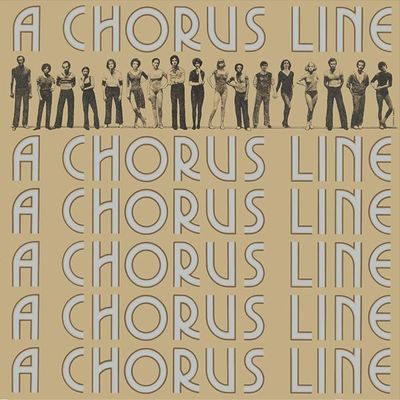
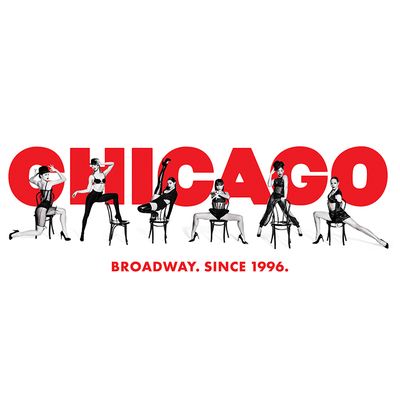
Heading into the April ceremony, the original productions of A Chorus Line and Chicago were virtually tied for nominations, with 12 and 11 respectively. Also nominated for Best Musical were Stephen Sondheim’s Pacific Overtures and a revue called Bubbling Brown Sugar. But the night went to A Chorus Line, winning 9 Awards, The awards for Set and Costume Designer going to Pacific Overtures and Chicago going home empty handed.
Transcript
This transcript was automatically generated and might contain errors.
[0:00] Aaron Albano: You're listening to Tony Telecasts from The Ensemblist, the only podcast that shows you Broadway from the inside out. I'm Aaron Albano. And I'm Mo Brady.
[0:22] Mo Brady: Welcome listeners to our miniseries about the Tonys, bringing you all the drama behind the drama of a theater season in Broadway history.
[0:28] Aaron Albano: In each podcast episode, we watch the telecast of a previous Tony Awards, not only the performances, but the opening and the speeches and the 16-minute medleys to see how it reflects on a season as a whole. So let's continue our conversation about the 1976 Tony Awards.
[0:53] Mo Brady: Let's talk about the nominated performances.
[0:55] Aaron Albano: You mean Chorus Line and other shows?
[0:57] Mo Brady: Okay, we're gonna get into discussing the favoritism of A Chorus Line later.
[1:03] Aaron Albano: Yeah.
[1:04] Mo Brady: Okay, so the opening of the ceremony, it only begins with that whole opening speech about like star struck romantics coming to New York to try to make it on the big stage, but then goes into a seven minute opening of A Chorus Line. So the opening of the show is the opening of A Chorus Line.
[1:22] Aaron Albano: It's a whole entire thing. Minus a few like minor details, we basically got the entire opening. Well, my first thought was like, imagine like being paid to mark on stage at the Tony.
[1:34] Mo Brady: That was something I was fascinated with, is that this dancing isn't supposed to be synchronized until the end of the show. And so it's like, so funny to watch like 25 messy dancers learning a combination.
[1:46] Aaron Albano: They're learning. So like some people, Sheila is just like chillin and other people. Yeah, like Bobby's just chillin because he knows it. Like all these character driven marking on national TV.
[1:59] Mo Brady: They are real actors. They're not just dancers. They're not just chorus kids. And some of them are Tony Award winning after tonight.
[2:04] Aaron Albano: Tell me this, because everyone sort of marks in their own way. When you learn the show, Aaron, as you have, because you were in A Chorus Line on Broadway.
[2:11] Mo Brady: Yes.
[2:12] Aaron Albano: Hey guys, Aaron's been on Broadway. Do you get told like how to mark the number when you're playing certain characters? Like, is it like, well, Sheila and Cassie do a single when they do this?
[2:25] Aaron Albano: I think there's freedom in how you mark from what I remember all 14 years ago. But it's sort of based on character decided and designated who marks and who doesn't. Like Mark will never mark. Mike is definitely not going to mark. But like Sheila who's been around, Bobby who's been around, Greg who's been around, they're all contemporaries of Cassie, they can mark. Like Val's not going to mark. So depending on their place in the pecking order of the show, in terms of the industry in general and industry in the show, like that's established. But how you mark is sort of up to you.
[3:00] Mo Brady: I was obsessed with this moment where Judy Turner gives a low key high five when she's asked to stay like she's doing the like grouping. It's like all of the dancers are like downstage right and Larry's calling the numbers of people that Zach wants to stay. And when Judy's number gets called, she like sneaks back and gets this like low key like high five at her hip level. And I was like, that's so real. These people looked real to me. What do you think?
[3:30] Aaron Albano: Because again, like we've talked about how much I love watching the original versions of these shows that have become iconic. I've even said that recently about like watching Hamilton on Disney+. These are the performers who created it. And therefore these are the moments that they just did before the show became iconic. Before like moments were set before like back like this show was still a show. It wasn't an experience that was micromanaged so that every audience member had the same experience of the show. The freedom that Judy could probably have that fast forward like four years into the run, where that high five might become that might go in the Bible. Yeah. Whereas right now because she just did it, it was the most real because that actress got to do it.
[4:19] Mo Brady: Or maybe she did it one time and now it's on television. And now anyone who watches it is like, Oh, when I play Judy, I'm going to do the high five.
[4:27] Aaron Albano: Yeah, all of these things freaking like, or she like did it just on a whim and then liked it and then kept it in her show. Like all of it's amazing how all of these different moments just organically become law in these long running shows. Every Jack Kelly is now going to take his hat off and slide it down the side of his face. And I was there when that was just on a whim. And I was like, Oh, Jeremy liked that. That's going to be an every version of now he's going to do that from now on. Yep.
[4:57] Mo Brady: We'll get back to A Chorus Line later. Let's talk about Chicago.
[5:01] Aaron Albano: This is so interesting, because A Chorus Line is like watching something we've all seen done exactly the way we've seen it done before. Yeah, this is like it's core, right? This is like no Chicago that we know. Currently, we know Chicago very well from the movie from the long running Broadway show. But this feels like not quite related to the version of Chicago that I know.
[5:24] Mo Brady: Well, I think this relates back to our conversation about Cabaret a few weeks ago, where like the revival of Cabaret has now become the definitive version of Cabaret. I feel like at least for our generation, the revival of Chicago is 100% the definitive Chicago that we think of.
[5:42] Aaron Albano: Oh, sure.
[5:43] Mo Brady: Or even the movie, but definitely not the original production.
[5:45] Aaron Albano: Well, you watch this, the curtain rises on basically what the show poster of the original Chicago was. These six women in lingerie with like bowler hats. But that looks to me like the roundabout revival of Cabaret. I would say that's like a Cabaret look is women in nude colored lingerie with like over accentuated eye makeup. Versus when I think of Chicago, I think of women in all black. It is weird to see Chicago done in like any color palette other than black, white and red.
[6:17] Mo Brady: Because yeah, that's the aesthetic that we're used to now. Whereas like there is freedom in the show, when it was just like they were making it up. Because even extending that to like the Fosse vocabulary and the Fosse book and the Fosse way of things are done. It's like that didn't exist yet. This was just Fosse choreographing shows.
[6:38] Aaron Albano: Right? It wasn't a Bible in the same way. But there wasn't like a how to kit.
[6:41] Mo Brady: Yeah, it wasn't an entire movement yet. It wasn't a school of movement yet. It was just Fosse doing some steps.
[6:47] Aaron Albano: What did you think of this version of All I Care About Is Love led by Jerry Orbach, Broadway favorite?
[6:53] Mo Brady: Chicago is always one of those shows that I take for granted that I'm like, oh, I get Chicago. But then whenever I see a number from it, I'm like, wait, do I really understand this show and all of its layers? Watching this number? I was like, oh, I get it. But then when he started taking his clothes off, I was like, is there a layer to the song that I don't understand or don't remember? And it was that where I was just like, I feel like this song is smarter than me, right?
[7:19] Aaron Albano: So for those of you who haven't had a chance to watch it yet, it's basically the staging from the revival. The women are doing that staging, but Jerry Orbach as Billy Flynn is doing a striptease. He's taking off his lawyer suit, sort of piece by piece so that he ends in boxers and a white undershirt and, you know, sock garters.
[7:40] Mo Brady: And why? Do you know the reason in terms of like, dramaturgically?
[7:43] Aaron Albano: I wondered if it was to connect it to its vaudeville energy, you know, if that was like the it was supposed to feel like a striptease, like vaudeville night.
[7:53] Mo Brady: But how does that relate to the song? Are you looking it up?
[7:57] Aaron Albano: No, I don't know what it means.
[8:00] Mo Brady: Okay, great. Hey, fans of Chicago, DM me because I feel like and I feel like that's like something pretty obvious if you know Chicago intimately, but I don't. So I'm like, I wonder what this means. But I liked it. Did you like it?
[8:15] Aaron Albano: Every time I've seen any footage from the original production of Chicago, it just doesn't feel like it lands in the same way for me. And I don't think it's because of like, it's something that I'm used to. It just doesn't like something about the production design, the costumes, like it just doesn't like have the same sort of gravitas.
[8:32] Mo Brady: Sure.
[8:33] Aaron Albano: I'm not sure. So I just felt like sort of like thrown off. But also the Chicago performance feels very thrown off. You know, like this ceremony is not about Chicago. And so yeah, okay, Chicago is going to perform and Jerry Orbach is going to sing a song. It's also I mean, it's interesting to see a performance from Chicago that doesn't feature Roxy or Velma.
[8:54] Mo Brady: That's yeah, I was just thinking that right now. I was like, I wonder why they didn't do like cell block tango or like hot honey rag or something or even all that jazz like didn't the revival performed all that jazz right when they?
[9:06] Aaron Albano: Yeah, yeah, I think it was all that jazz into hot honey rag that they did.
[9:10] Mo Brady: Got it. I wonder if that was a calculated move in terms of like, well, Donna's gonna win. So maybe Jerry has a shot. Yeah. And so let's feature him.
[9:19] Aaron Albano: But it just like feels like such an afterthought to me this performance that
[9:23] Mo Brady: Yeah, I mean, it's been said time and again, Chicago got its come up and so yeah, good for them.
[9:31] Aaron Albano: I gotta say the performance that intrigued me the most was from Bubbling Brown Sugar, a performance of Sweet Georgia Brown, which I know is the Harlem Globetrotter song.
[9:47] Mo Brady: This song, it came up and I was like, I know this song. I know this song. This is like a real song, not like a theater song, right? And that's because Bubbling Brown Sugar was a musical review featuring music from black artists from the Harlem Renaissance.
[10:08] Aaron Albano: Ah, okay. And it played 766 performances at the Anta Theater, which is now the August Wilson.
[10:13] Mo Brady: Oh, that's a good run.
[10:14] Aaron Albano: And there are three people in this number. Vivian Reed playing Irene. Now, this was like a performance that was lauded like you had to see Vivian Reed do her Sweet Georgia Brown. It was a thing. And she's phenomenal in the number. She's like a friggin star in the number.
[10:31] Mo Brady: All three of them are really awesome. All three of them are really great.
[10:34] Aaron Albano: That made me want to like do some research on these three performers.
[10:37] Mo Brady: Okay, so you did?
[10:38] Aaron Albano: She did. Of course I did. She did a show I think called That's Entertainment earlier in the 70s.
[10:44] Mo Brady: Oh, cool.
[10:45] Aaron Albano: But her last Broadway outing was playing Audra McDonald's mother in Marie Christine in 1999.
[10:51] Mo Brady: Oh, awesome. Okay.
[10:53] Aaron Albano: Avon Long plays John Sage. Now he made his Broadway debut 32 years earlier as the original Sportin Life in Porgy and Bess.
[11:02] Mo Brady: Oh, okay.
[11:03] Aaron Albano: And he was also in the 1952 production of Shuffle Along.
[11:06] Mo Brady: Work. Okay, cool.
[11:07] Aaron Albano: And then the second gentleman is Joseph Adles playing Checkers. He made his Broadway debut 50 years earlier in Blackbirds of 1928. This is a show that played in 1928 at the Liberty Theater, which is that theater on 42nd Street that's empty. That's kind of like couched by the entrances to the lyric on either side.
[11:26] Mo Brady: Wait, how did he make it? He had to have played a child in Blackbirds of 1928.
[11:31] Aaron Albano: I assume.
[11:32] Mo Brady: To the right. No way.
[11:33] Aaron Albano: These are like experienced veteran men of the Broadway stage.
[11:38] Mo Brady: But like how dare? Like even that. That's like, wow. Wow. They are killing it.
[11:46] Aaron Albano: And you're going to tell me one of them is above 50 years old?
[11:49] Mo Brady: Yeah. I mean, I don't think these guys looked a day over 35.
[11:52] Aaron Albano: Oh, awesome. That work. Work, work, work, work, work.
[11:57] Mo Brady: For Chicago coming off as so sort of lackluster and then having its place in theater history, like this was like a wake up call for me watching the telecast. I was like, this is great. I want to see this show.
[12:10] Aaron Albano: Yeah.
[12:11] Mo Brady: No spoiler to our Yelp review, but I was like, whatever this is, I'm here for it.
[12:15] Aaron Albano: The fourth nominated performance was from Pacific Overtures doing the opening of the show, The Advantages of Floating in the Middle of the Sea.
[12:22] Mo Brady: It was a lot of people.
[12:23] Aaron Albano: It was an onstage cast of 31.
[12:26] Mo Brady: Yeah.
[12:27] Aaron Albano: And it was at the Winter Garden, which is, you know, that big sort of like wide proscenium.
[12:32] Mo Brady: This was a big show.
[12:34] Aaron Albano: Huge show. Huge.
[12:35] Mo Brady: Have you seen Pacific Overtures?
[12:37] Aaron Albano: I saw the revival. Yeah, I think it was in 2005, 2005, 2003, 2005, 2005. That was a lot of math.
[12:53] Mo Brady: Please keep all of that in. Please keep every one of those in your recording.
[12:57] Aaron Albano: Cool. I think I saw it in 2005. I did not see the most recent off-Broadway production. Um, it has employed a lot of my friends, but it's, it's a show that again, like Chicago, I think is smarter than I am. So I was like, this is all kind of going over my head, but my friends are singing real great.
[13:17] Mo Brady: So this opening is dense.
[13:20] Aaron Albano: It's a lot.
[13:31] Mo Brady: We just leaned into the idea that "A Chorus Line" was the front runner and just like made a show, or the way we do it now where we pretend that anyone has a shot and make sure everyone prepared two numbers, just in case Hamilton doesn't win, except Hamilton's absolutely gonna win. But to provide equity and to feign equity. Do we ignore that elephant in the room and play all these games? Like what's the better answer? I think there's something to be said for equity, like even in a telecast where a show sweeps.
[17:28] Aaron Albano: Okay. But I also think that this second number from "A Chorus Line" was much more satisfying than the second number from Hamilton in 2016.
[17:41] Mo Brady: Well, but here's the question. Yeah. In 2016, if we were to just like, lean into the favoritism of Hamilton, what could have been like for the finale, if it was an entire show dedicated to legacy? Do we end the show with "Who lives, who dies, who tells your story?" Or do we end the show with, I don't know, what other appropriate end would there be? "One Last Time"? Do we give an actual finale, an appropriate finale? Because you can't ask every show to be like, "Hey, in case you win, give us a full produced spectacle finale that you think might work for this telecast."
[18:18] Aaron Albano: I've always thought about how annoying that would have been for in rehearsal to be any of the other shows working on their second number. But if we had centered 2016 around, like if we still did Tony themes, and we centered that telecast around legacy, and we allowed Hamilton to just have a Hamilton Tony's telecast, it could have been actually a really great production.
[18:39] Mo Brady: All right, American Theatre Wing, we're ready to step in. I mean, I'm not saying that that's the right answer either. Because I do think that there's value in equity. Because again, we just saw a big upset if 2004 was like centered around soaring and centered around like flying above the clouds and like changing expectations, that would have gone down in history as the biggest awkward thing in the world.
[19:06] Aaron Albano: Yeah. So I do think we do it better now. But it's interesting that there is merit to the way they did it before.
[19:13] Mo Brady: One, singular sensation, every little step she takes. One, thrilling combination, every move that she makes.
[19:27] Aaron Albano: All right, let's hit our Yelp review. Oh my gosh, our final Yelp review.
[19:31] Mo Brady: You keep saying final. We could come back to this, Aaron. It's not forever. Just like the Tonys. We don't know what's gonna happen after this.
[19:38] Aaron Albano: Too real. So what, which performance made the show look better than it was, Mo?
[19:43] Mo Brady: I had wrote one thing, but now I want to steal your answer and say Tony losing medley.
[19:48] Aaron Albano: It was! These shows did win Tonys and yet they all looked great to me. Literally, like they're Tony losing performances. And yet I want to watch every single one of them. Especially the ones that I was like floored by. I'm like, wait a second. "Pippin" didn't win first time around. "Gypsy" didn't win. "West Side," probably the most iconic musical theater piece ever, is a Tony losing show.
[20:11] Mo Brady: What performance made you want to buy a ticket?
[20:13] Aaron Albano: With the way the show was built, "A Chorus Line."
[20:17] Mo Brady: Sure.
[20:18] Aaron Albano: Like, it was a very pro-"Chorus Line" show. And had I not known what that show was and watched that, I would have wanted to go see it. What about you?
[20:26] Mo Brady: This is looking a little bit through my contemporary lens, but I want to see "Bubbling Brown Sugar" now. I want to know what that show was.
[20:33] Aaron Albano: Yeah.
[20:34] Mo Brady: Yeah. Which speech moved you the most?
[20:36] Aaron Albano: It's a two-parter, actually.
[20:37] Mo Brady: Oh, good. We'll be back next week with Aaron's answers to his favorites.
[20:43] Aaron Albano: Right. It is Sammy Williams, who won for Best Supporting Actor in a Musical Comedy. And Nicholas Dante, who won for Best Book for "A Chorus Line." Because Sammy Williams won for Paul. Nicholas Dante was born Conrado Morales and is the originator of the role of Paul. All of his interviews are Paul. And so in some ways, both he and his story won a Tony tonight, which I thought was really beautiful. And especially in his speech, he thanks his parents because they were behind him every step of the way, quote unquote. And because we know the monologue, we know the eight-minute monologue that ends with his parents both ashamed of him and also proud of him. It's quite the cathartic ending, if you can assume that the Paul story ends with him winning a Tony.
In the same vein, like Sammy Williams, he starts it with, "So this is what it's like to be here." And all three Performer Awards for "A Chorus Line" are all sort of marveling where they are. And all of them sort of acknowledge that this is not a normal trajectory of an ensemblist. And so they're all so grateful. And all of them, all three of them, Donna McKechnie, Kelly Bishop, and Sammy Williams, all thank and dedicate their Tonys to their cast. No one else does that. They do. I thought that was very significant. How about you? What speech moved you the most?
[22:16] Mo Brady: Okay, I did like Kelly Bishop. She says, "I've played this theater many times in the chorus, and I am again. And I've done Tony Awards here in the chorus. But this has been one of my dreams."
[22:30] Aaron Albano: Wait, wait, wait, you buried the lead. She starts her speech with, "Welcome to my theater."
[22:35] Mo Brady: True.
[22:36] Aaron Albano: Which I was like, work! You better own the Schubert.
[22:41] Mo Brady: What I, it was very sort of like sweet, but also self-important. I don't know, it was like she was recognizing the strangeness of her winning, but also that she deserved to win, which I liked. She also uses the tried and true Tony Award joke where she says, "I have to accept this on behalf of the cast, but I'll keep it at my house."
[23:03] Aaron Albano: Yes, she does. Which, yeah, when I heard, I was like, that's the Billy Porter joke from 2013, when he says "Sark Sans."
[23:11] Mo Brady: Except this was way before that. So I was like.
[23:13] Aaron Albano: Yeah, I was like, now I want to go through every Tony Awards speech and see how many times people say this is for someone else, but I'm going to keep it at my house.
[23:22] Mo Brady: Same. Biggest surprise win.
[23:24] Aaron Albano: George Rose over Jerry Orbach, right? We've done the whole thing, basically the Chicago thing. "All I care about is love," I assume, is so that we can show off Jerry Orbach as Billy Flynn. And then he doesn't win. He loses to an Alfred Doolittle in a revival of "My Fair Lady." In what world is Alfred Doolittle the leading actor in "My Fair Lady"?
[23:44] Mo Brady: Absolutely. I was like, wow, he must have moved mountains as Alfred P. Doolittle.
[23:49] Aaron Albano: Yeah. Guys, that's the supporting role. That's what that is.
[23:54] Mo Brady: Okay, what about you? Biggest surprise win.
[23:57] Aaron Albano: I don't even know who won this category, but my biggest surprise win was whoever won the Best Supporting Actress in a Play category, only because Meryl Streep lost. This is like watching Audra McDonald or Angela Lansbury lose. It does not happen, ever.
[24:14] Mo Brady: Would you recommend watching this, Aaron?
[24:16] Aaron Albano: I think so, for all the "A Chorus Line" love, because there's a lot of "A Chorus Line" love, as we've discussed, but also a well-deserved "Chorus Line" love, because the gratitude for all the winners who won from "A Chorus Line" were all beautiful. All the acceptance speeches, I didn't bring up Michael Bennett's because it's historic, but even when he was like, "I wanted this," it's beautiful to watch. And then also the Tony-losing medley. The Tony-losing medley is popping. What about you? Would you recommend?
[24:48] Mo Brady: I don't think so.
[24:49] Aaron Albano: That's okay.
[24:50] Mo Brady: I think I want more drama. This was a very heartfelt, big "Chorus Line" love, but I wanted more upsets.
[24:58] Aaron Albano: Okay, that's fair. You wanted the drama. I was happy with the love letter.
[25:03] Mo Brady: Yes.
[25:04] Aaron Albano: And so ends our first season of Tony Telecast. Thank you to all of you who've been traveling this journey with us. I hope you had fun because we definitely have. This has been a heavy lift, but it's been a fun, heavy lift. We've learned a lot, laughed and loved. So, okay, everybody, now here's what's going to happen now. We're going to take a little break from the Tonys, but after a week or two, we'll be shifting gears and coming back with an all new series, recapping the FX miniseries "Fosse-Verdon."
[25:43] Mo Brady: Much like our "Smashed Recap" podcast, still available on Broadway Podcast Network, wherever you find your podcasts, we will be walking through this series, episode by episode, to take a peek into a life on Broadway that, surprise, neither of us were around for. Episodes of "Fosse-Verdon" are available to stream on Hulu and available for purchase on Apple TV and Amazon Video.
[26:04] Aaron Albano: But here's where you, the listener, come in. Do you want a season two of these Tony Telecast recaps? Do you have a favorite Tony Telecast we haven't recapped yet and wish we would? If so, leave us a rating and review on Apple Podcasts with your favorite Tony season. And if we can find it, maybe we'll recap it on a future episode.
[26:21] Mo Brady: Pressure's on. "The Ensemblist" was produced today by me, Aaron Albano.
[26:25] Aaron Albano: And me, Mo Brady. Special thanks to Wasuf Sami for providing the background research for this Broadway season. There are two great ways you can be helping "The Ensemblist" right now. One is by leaving us a rating and review on Apple Podcasts. And the second is by becoming a Patreon member at patreon.com slash The Ensemblist.
[26:41] Mo Brady: Please follow "The Ensemblist" wherever you listen to podcasts, on Spotify, on Apple Podcasts, or at bpn.fm, the home of Broadway Podcast Network. You can also follow us on Instagram. Thanks for listening, everybody. Until next time!
© Broadway Podcast Network, All Rights Reserved