

On this episode of “DANCIN’ Man: A Fabulous Invalid Podcast”, Jamie and Rob chat with cast member Peter John Chursin. Originally hailing from the Bay Area of San Francisco, Peter has been dancing since age 5, and made his professional debut in the first National Tour of “Wicked”... Read More
From the show: The Fabulous Invalid
Featured Shows

About
On this episode of “DANCIN’ Man: A Fabulous Invalid Podcast”, Jamie and Rob chat with cast member Peter John Chursin. Originally hailing from the Bay Area of San Francisco, Peter has been dancing since age 5, and made his professional debut in the first National Tour of “Wicked”. DANCIN’ marks his fifth Broadway show, and he’s featured at the center of the “Big City Mime” ballet in Act I. On this episode, Peter talks about his training and background, his experience dancing both Jerome Robbins and Bob Fosse choreography, his audition for DANCIN’, his mental and physical routine, and what it means to be in this show. For tickets and more information about the show, go to DancinBway.com.
Find us on Twitter & Instagram: @fabulousinvalid
Email us at: info@fabulousinvalid.com
Jamie DuMont
Twitter: @jamiedumont
Instagram: @troutinnyc
Rob Russo
Twitter: @StageLeft_NYC
Instagram: @RRussoNY
Transcript
This transcript was automatically generated and might contain errors.
[0:10] Rob Russo: Welcome to DANCIN’ Man, a Fabulous Invalid podcast featuring exclusive behind-the-scenes interviews with the cast and creative team of Bob Fosse's DANCIN’ on Broadway.
[0:18] Jamie DuMont: I'm Jamie DuMont.
[0:19] Rob Russo: I'm Rob Russo.
[0:20] Jamie DuMont: And we're your hosts.
[0:21] Rob Russo: We're also excited to be co-producers of DANCIN’ on Broadway and thrilled to be back in the Rosevale Cocktail Room at Civilian for another conversation with a member of the cast.
[0:29] Jamie DuMont: Yes, and joining us this week is cast member Peter John Chursin.
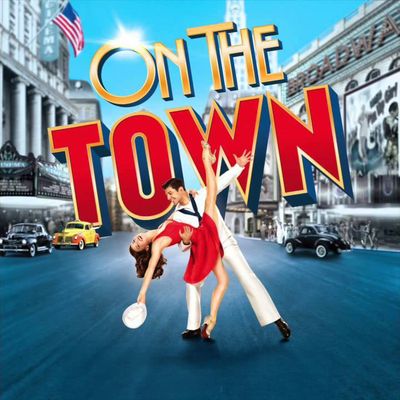
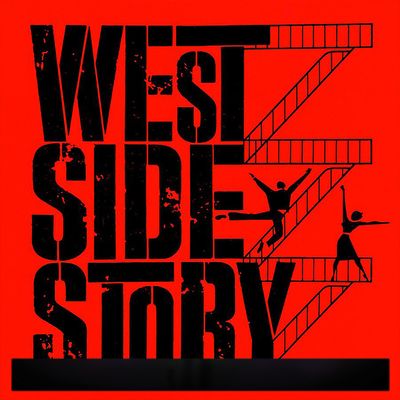
[0:33] Rob Russo: Dancing since the age of five, DANCIN’ marks his fifth Broadway show, following Wicked, West Side Story, On the Town, and King Kong.
[0:40] Jamie DuMont: He's also danced with Complexions Contemporary Ballet and Twyla Tharp Dance.
[0:44] Rob Russo: And of course, he's a standout in DANCIN’ as the man at the center of the "Big City Mime" ballet in Act One.
[0:50] Jamie DuMont: Well, let's talk to him.
[0:51] Rob Russo: I want to get into that right away.
[0:52] Jamie DuMont: Oh, there's lots to discuss.
[0:53] Rob Russo: Let's do it.
[1:03] Jamie DuMont: Peter, welcome to our show.
[1:05] Peter John Chursin: Thank you so much for joining us.
[1:06] Rob Russo: Thank you for having me. I'm excited to be here.
[1:09] Peter John Chursin: And it's a beautiful spring, summer, 90-degree day.
[1:12] Jamie DuMont: So yes, we skipped spring.
[1:14] Rob Russo: We're right to summer.
[1:15] Peter John Chursin: Yeah. Great. Classic New York, right?
[1:16] Jamie DuMont: Or is it climate change?
[1:17] Peter John Chursin: Who can say?
[1:18] Rob Russo: Exactly.
[1:18] Peter John Chursin: Yeah, I think it's probably.
[1:20] Rob Russo: Well, at any rate, this is not a climate change podcast, but it could yet.
[1:23] Peter John Chursin: Yet.
[1:24] Rob Russo: This is a podcast about dancing, which is now in full swing at the Music Box Theater.
[1:29] Jamie DuMont: You have a couple of weeks under your belt. So it begs the question: how are you feeling today?
[1:33] Peter John Chursin: You know, I'm feeling good. It's day by day. I really am trying to take that kind of mantra of just the show is the show that's in front of me. I can't think too far ahead. I'm certainly tired. That goes without question with this show, but I'm feeling good.
[1:45] Rob Russo: Have you settled into a routine, or is it still just getting day-to-day one show at a time?
[1:55] Peter John Chursin: I would say my show routine is pretty set. I get there about an hour and a half before, give myself a good 15 minutes just to like be there, decompress, get the travel through the city kind of out of my system. But yeah, my warm-up, I try to do PT as much as I can just to keep myself warm and ready to go and all the bones aligned. But yeah, that is pretty set. I have my warm-up, my bar, and I really warm up until we are at places.
[2:21] Jamie DuMont: Do you warm up on stage or in your dressing room, or where do you warm up?
[2:24] Peter John Chursin: I do a little bit of both. You know, I share a dressing room with Tony, so we kind of work with each other depending on what our needs are. But most of the time there is a kind of area just off stage left that allows me to do a full ballet bar. And so that's where I spend most of my time.
[2:42] Rob Russo: I can only imagine sharing a dressing room with Tony is lively.
[2:45] Peter John Chursin: Yes, absolutely. I couldn't be more happier with my dressing roommate, for sure.
[2:49] Jamie DuMont: That's great. Looking at your bio, dancing is not your first foray into the world of Fosse because you were on the TV show Fosse/Verdon.
[2:57] Peter John Chursin: Yes, I was.
[2:58] Jamie DuMont: And then on that show, you played Christopher Chadman, who was a real person. For those who don't know, he was the original Lewis in Pippin and Fred Casey in Chicago, and you know, a longtime assistant of Bob's.
[3:08] Peter John Chursin: Yeah. You know, I think he was the assistant choreographer of Big Deal. Don't quote me on that, but yeah.
[3:13] Jamie DuMont: So before stepping into that project, what was your familiarity with the world of Bob Fosse? And you know, did you have to learn a lot to sort of brush up, or was it something you were really well versed in?
[3:25] Peter John Chursin: You know, I was really lucky. I got introduced to Fosse by my dance teacher, Shelley Pac-Manning out in the San Francisco Bay Area. The first time she introduced him to me, it just fit like a glove. I mean, it really was kind of an epiphany of, oh my God, this is, I need to do this more. But you know, there wasn't really a lot of access to his work or his style, other than just kind of what's passed along. And I got really lucky. I want to say about in 2012, I met Nicole Fosse, who was doing a remount of "Beat Me Daddy" from Big Deal. It was for a really great organization to be prepared for, you know, a city center showcase kind of thing. And that was my first real introduction to Bob Fosse and the movement and that show, Big Deal, "Beat Me Daddy."
And I fell in love. It was a tremendous experience with, you know, Catherine Dobie, Lloyd Colbreth, people that have really worked, Valerie Pettiford, that have really worked with Fosse, and I had the opportunity to learn from them for two weeks, 10 to 6, working on "Beat Me Daddy," and to really kind of dig into the style in a way that I don't know many people are given that opportunity. And so that for me was my first foray into the Fosse movement and really understanding that same feeling of like, no, I need to do more of this. And so I've been lucky to start with that, and then Fosse/Verdon came up, and I got to work on that with Nicole, and it just was an incredible experience. So I feel like I've kind of had these, you know, journeys, these steps along the way to get to DANCIN’ that really feels kismet almost.
[5:04] Rob Russo: Well, speaking of steps along the way, you've been dancing since you were a child.
[5:07] Peter John Chursin: Yes.
[5:08] Rob Russo: Very young.
[5:08] Peter John Chursin: Yes.
[5:09] Jamie DuMont: What made you start dancing?
[5:10] Peter John Chursin: You know, an advertisement in the yellow pages. My parents both worked full-time and they needed to keep me busy. They needed something for me to do during the summer while they worked. And my mom really tapped into the sense that I was a very artistic child and thought, okay, well, you know, maybe I'll put him in tap dance, boys tap. Nobody could have expected the way that it took off. I mean, I really, really fell in love with it pretty immediately. And that kind of from there, it was let's add jazz to the mix and musical theater, and it just kind of evolved and it just became all-encompassing.
[5:45] Rob Russo: Yeah, yeah. And so then you came to New York for college, right?
[5:45] Peter John Chursin: Came to New York for NYU, went to the Tisch School of Dance there, and I had a really great experience. You know, I was really lucky I went to a performing arts high school in San Francisco, and it was a really great program. I got really lucky in that respect. And so when I got to NYU, as great as the program was, it felt to me a little bit of more of the same.
[6:11] Jamie DuMont: Right.
[6:11] Peter John Chursin: I kind of thought I've done this before, I've kind of done this very similar approach to dance and to movement and just the art in general. And I was ready to work professionally. I just was, and it was calling me and it was calling me, and I was kind of lost. I didn't love New York initially. You know, we showed up in August and winter came very quickly, and I remember that first snowstorm calling my mom, going, What was I thinking? This is awful.
[6:35] Rob Russo: That's amazing.
[6:37] Peter John Chursin: You know, and so I really struggled for a little bit, but I got lucky in the sense that I listened to myself a little bit in that moment. I thought, okay, I'm gonna start taking class outside of Tisch. I'm gonna start maybe looking at the equity auditions and seeing what that's about, and just starting to get feedback at that age. You know, I was 18, I still had braces, horrible hair, horrible skin. I just was in the throes of puberty. It was a rough time. And so, but it was a really incredible learning opportunity to go to these auditions and just be in the room. And I decided at the end of that year, I had a really amazing audition experience in which I auditioned for Madonna of all people.
And I made it to I think like the last six or eight guys or something like that. And I got to meet her, and it was this really incredible experience. And the casting director called me, and I can I'll never forget, I was in my dorm at NYU, and she called and just was really positive about hey, you didn't get the job, but don't give up and keep going. And I sat on that for a little bit and I called my mom and I said, Mom, it's not working out here. I need to pursue this, and I need to, I think, go to LA and give it a try and see what it is. And that's what I did.
[7:52] Rob Russo: Takes a lot of guts, especially at that age, right?
[7:55] Peter John Chursin: Especially after, like, you know, you get you're on a track, you get to college, and then you realize, well, this isn't exactly the experience I was looking for, the one that's nurturing my artistic needs, to say, you know what? No, I'm gonna try something different. That's very brave.
[8:08] Peter John Chursin: Yeah, you know, it's brave. I also think it's just a little bit of being 18, you know, the whole world's in front of you, and you just do it, you know, you don't really think about it, you don't have all the years of, you know, just life. And I am somewhat grateful for that. That it just was kind of like, no, this is what I need to do, so I'm gonna do it. There was really no other alternative.
[8:28] Rob Russo: Or was it the call of the California Sun?
[8:31] Peter John Chursin: You know, there's always that too.
[8:32] Rob Russo: There's always that.
[8:33] Peter John Chursin: But I'm from San Francisco, so I was like, I love the fog, yeah, all of that.
[8:37] Rob Russo: I was going to LA.
[8:38] Peter John Chursin: I didn't, they're like two different worlds.
[8:39] Rob Russo: The call of the fog, the call of the fog.
[8:41] Jamie DuMont: As a fellow Californian, I can agree. That first winter in New York is rough.
[8:48] Peter John Chursin: Yes, it really is. But I'm curious when you were going through this and you decided to move back to California, in this process of being in New York, was there ever a moment where you thought this isn't the right fit?
[8:59] Peter John Chursin: Dancing, dancing.
[9:01] Rob Russo: See, I can't say dancing.
[9:02] Peter John Chursin: I can't say dancing.
[9:03] Did you ever think dancing wasn't right for you? Did you ever question that career path? Or was it just more wrong location?
[9:10] Peter John Chursin: Um, no, I didn't question whether or not I needed to be dancing. I think it wasn't so much, you know, I shouldn't be dancing, it was what should it be? Am I going to Broadway? Is that something I really want to do? The feedback that I got at that time, you know, I remember auditioning from moving out, and the associate pulled me aside and said, You're great. You just need to come back in like five years because you look like a baby. And it was true, like I said, you know, braces, it was all still there. And I am definitely a product of like the TRL generation, you know, coming home in middle school and wanting to see who the top ten artists were. And for me, it wasn't even about the artists, it was about the dancers.
[9:50] Jamie DuMont: Yeah.
[9:54] Peter John Chursin: That time was such an amazing time in music history for me in watching incredible choreography on TV and racing home to get to see, you know, Justin and Janet and Britney Spears and Christina Aguilera, and it was getting to see those dancers and thinking, oh, I want to do that.
[10:11] Rob Russo: Yeah.
[10:11] Peter John Chursin: And so at, you know, after this audition from Madonna, that was kind of my thought was I'll go out to LA and I'll be a backup dancer, and that is, you know, a dream that I would love to do. And of course, shortly after I moved to LA, I think within probably like three or four months, I ended up booking the Wicked tour.
[10:29] Jamie DuMont: So before we get to Wicked, I just have a quick question for you, which is you've mentioned tap, you've mentioned jazz, you've mentioned the TRL generation and Madonna. If anyone has seen DANCIN’ or knows your career, there's some ballet in there too. So, where did the ballet training fit in? Because you're clearly very trained.
[10:46] Peter John Chursin: Yeah, you know what's so funny is I've been really lucky to have good mentors along the way, especially in those formative years. I didn't start taking ballet until I was about 10 years old. You know, if I'm being honest, when I first started dancing, you know, I had the full support of my mom, but not so much of my father. He really struggled with having, you know, I'm his first son. And he thought baseball and football and sports and roughhousing, and I just I wasn't quite that kid. And so when dance came into the mix, he really didn't know what to do with that. And he really, really struggled. And so ballet wasn't allowed. It was kind of like I'm letting you do tap, okay. Now I'm letting you do jazz, but that's as far as we can push it.
It was kind of a really difficult period. You know, my mom really, to my mom's credit, really fought him on it and said, No, it's very clear that he loves what he does, and this is going to stay. And there's not anything that you're going to do to stop that. And to my dad's credit, you know, he continued to work. Like I said, I come from a very kind of blue-collar family, and he continued to work overtime to make sure that those dance classes were paid for, even though he really struggled with allowing me to do so. But there kind of came a pivotal moment where he came and saw me in a show in a recital. And that night, I guess my parents were getting ready for bed, and he just kind of paused and said, Damn, he's good.
He's good. And I think for my father, that was the turning point of accepting that this was not only something I love to do, but that this was something that I had some kind of future with. What that was, completely unbeknownst to all of us. But he thought this was something he enjoys, so I'm gonna get out of the way. And I think that it's a real, for me, it's a real testament to, you know, we're all able to change and to kind of open our perspective and our mindset. And so I give my father a lot of dues for that. And if you talk to him today, he's my biggest fan.
[12:45] Peter John Chursin: So ballet came a little bit later, and I'm a competition kid. And so I grew up competing, and it was really all about being able to be eclectic in my style, but having really, really strong technique. Also going out to the performing arts high school, I had access to really great ballet teachers who were associated with Lines Ballet in San Francisco. I got really lucky with that. But yeah, so my ballet training has kind of been filtered in throughout my formative years, but I really started focusing on it once I moved to New York. I want to say around 20 years old, just really that was what I did. And ballet class has become kind of my church. It's where I go and I kind of just need to center myself and have an hour and a half to just focus on something outside of life, you know. It just kind of brings me back to center and I love it.
[13:32] Jamie DuMont: It sounds like meditation or yoga for you.
[13:35] Peter John Chursin: Completely, completely, yes. And I feel it when I haven't had it in my life for a little bit. I kind of go, Oh, I'm getting a little, you know, frenzied or my energy is a little hectic, I don't know what's going on. And I can usually go, oh, I haven't taken class in a while. I need to do that. So I really do try to keep it a part of my weekly regimen for sure.
[13:54] Rob Russo: What was the first professional gig that your parents saw you in?
[13:57] Peter John Chursin: It would probably be Wicked.
[13:59] Jamie DuMont: Wicked was my first professional gig that I would call professional. You know, I danced for a hip-hop company when I was in high school. And so we did small gigs for like E-Trade and stuff like that. So that would have been one of the real first professional gigs, but in terms of what I consider, I would say I would say Wicked, yeah.
[14:21] Peter John Chursin: And it was mind-blowing for them. And that was a big deal, the first national tour of Wicked. I mean, at the time, and I mean, even looking backwards, it's like, wow, you know, that was a big moment.
[14:31] Rob Russo: Was Wayne involved in setting that tour, or was it yes?
[14:35] Peter John Chursin: Wayne was absolutely there. I auditioned in Los Angeles, and he was at that audition with Corinne McFadden Herrera, and you know, they really gave me my first big opportunity. So it definitely full circle to be back in the room with both of them. You know, Corinne has become a dear friend as has Wayne, and so yeah, it's been mind-blowing.
[14:57] Jamie DuMont: Well, you mentioned West Side Story a moment ago, and you've had the opportunity to do two shows on Broadway that have the Jerome Robbins influence, both West Side Story and On the Town, even though that last revival was not strictly his choreography, it's his DNA is all over that piece, right?
[15:10] Peter John Chursin: Yes.
[15:11] Jamie DuMont: Um, and then I believe you did Jerome Robbins Broadway at the Muni.
[15:14] Peter John Chursin: Yes, that's correct.
[15:14] Jamie DuMont: So you've dug deep into the world of Jerome Robbins in terms of you know dancing it, but now you're also doing Fosse.
[15:21] Peter John Chursin: Um and if you had you've had several Fosse experiences, and now dancing's like the ultimate Fosse experience.
[15:26] Jamie DuMont: Absolutely. How do the two compare?
[15:28] Peter John Chursin: Oh, that's so interesting. You know, I think what's so great about both of their styles, so to speak, um, and their works is that it really is story-based. You know, I find um one of the things I love about dance and that I think Jerome Robbins and Bob Fosse do so well is that it really counts on the dancer as an actor. And you know, it's not just movement for the sake of movement, it's actually there's a reason behind it. There's a story behind it, and it really allows you to um explore that and kind of go deep into uh another world. And so for that, I think that is definitely a great similarity between the two. And both of them just being really incredible creators of movement. I really got to do, I would got to work with Warren Carlisle on kind of a workshop of a show that they had wanted to do that showcased Jerome Robbins um not only his uh on stage musical theater work, but also his ballet work and kind of to you know meld the two worlds to show his range.
And that was a real even deeper dive after Jerome Robbins Broadway and having you know West Side Story, and it was that that same thing of just it was such a visceral feeling to dance these works that are so iconic and so brilliant, you know, when you're actually getting to perform brilliant, um, it makes your job that much easier.
[16:50] Jamie DuMont: Yeah, well, there's no doubt that the two of them were two of the greatest artists of the 20th century, right?
[16:55] Peter John Chursin: Absolutely.
[16:55] Jamie DuMont: Yeah, I imagine it's very satisfying as an artist to be able to like dig into the work in that way.
[17:01] Peter John Chursin: Well, yeah, and like jealous, I didn't get to meet them, you know what I mean? I like uh in a way you know them better than you know most people could.
[17:08] Jamie DuMont: Yeah, totally, totally their you know, their vocabulary, their legacy, and the physicality of it all. I am curious for a second on Jerome Robbins. I know we're not, I know this isn't about him, but I am curious since you've done so much of his work, what did you find the most challenging of his pieces to dance?
[17:28] Peter John Chursin: Oh, that's a really great question. Um, you know, I think that there is his ballet work in general is really it's probably the most challenging. Uh, there's a piece, and I'm I'm blanking on the name of this piece, where um it's kind of a competition amongst dancers, and there's a moment where, you know, uh a male, a man steps forward and he does uh a double tour, and then somebody else steps forward and he does two double tours, and then somebody else steps forward and does three, and then of course I was the guy that had to step forward and do four, and I'm like, wait a second, double tours are not my thing, and you're asking me to do four. Um, so it's moments like that where it just it really calls upon the technique. It's so funny. When the work is good, even though it is challenging, it still feels good.
[18:14] Jamie DuMont: Well, I was just gonna ask, how do you get out of your head? Because I would imagine you have that every night in dancing. I would imagine there's moments where as a dancer you are challenged. And how do you how do you, Peter, get out of your head and free yourself up?
[18:28] Peter John Chursin: That's a really great question. You know, I'm kind of the ballet track in the show, and it kind of the first way that you meet me too is kind of through this kind of ballet technique. And it's really hard for me, because like I said, I'm not really from the ballet world. I I I love it and I kind of threw myself into it, but I didn't go to the SAB summer schools or the school or a you know, A B2, none of it I didn't do any of that. And so there's a real sense of imposter syndrome that kind of kicks in at times. And especially when that's kind of my first introduction to the audience. And I really, when we did our out of town in San Diego, I really struggled with it. Um I had gotten a note uh about a specific movement, and it really got into my head to where I was kind of messing it up every night just because that's all I could think about was don't do this, don't do this, don't do this.
And of course, the more you tell yourself not to do something, that's exactly what you're gonna do. And so during the break, I really had to take a step back to say, okay, this is kind of sucking the fun out of it. It's making it so stressful, it's not worth it. You know, it's it's not worth it. This is an incredible experience, and I would hate for it to go by and not be able to enjoy it because of this one move, this one move out of thousands of moves I'm gonna do in this show, this one move. And I decided to work on it really hard in ballet and to really focus on it, and then also to just give it up to the universe. You know, when you're doing a show eight times a week, 52 weeks a year, the margin of error is quite big.
You know, it you're gonna have bad nights. And so I really tried to focus on, like I was saying earlier, just each show being its own thing. And if it goes great, wonderful. If it doesn't, let it go. And that's where I think also being a father has also helped. Right before I go on stage, I always try to think of a moment with my daughter that brought me joy because that's what matters. You know, whether or not I hop a turn isn't going to change anything about the rest of my life, you know, and I can beat myself up on it and lose sleep over it, which I was doing, or I can just accept that sometimes it's gonna go well and sometimes it's not, and all I can do is just focus on the technique, focus on what I've learned, and know that I'm completely capable of doing it.
And that's that's kind of been the way that I try to approach it. You know, some days are easier than others. There are times when it happens and I'm like, oh, it didn't go well, and I'm sitting there, you know, my back to the audience, going, like, it's okay, let it go, let it go, let it go. And not allowing that to paint the entire evening.
[20:58] Jamie DuMont: Well, if there's one thing I've learned, it's that dancers are perfectionists, yes.
[21:02] Peter John Chursin: Right.
[21:02] Jamie DuMont: And as much as everyone, you know, wants to be cool about it, like, you know, you're a perfectionist, and for a reason, right? Because it's it's a discipline, it's uh, you know, there's there's technique, it's uh it's an art, right? Um, but I was just about to say, it's funny, you know, uh, that I imagine age and experience certainly play into this, and then perspective, which is what you just mentioned with with your daughter, you know, like being able to have a larger perspective helps you understand that it's not all about one moment, it's it's the totality of it all, right?
[21:29] Peter John Chursin: Absolutely.
[21:30] Jamie DuMont: And you know, you have to keep moving.
[21:31] Peter John Chursin: Yeah, and finding the joy and being able to find, you know, even in the the stress of it all, even in even if it doesn't go well, not only finding the joy in the moment, but finding like, okay, this is a moment to learn what didn't work and what didn't work there. You know, when I was kind of figuring out, uh I, you know, I do my pirouettes first, and I noticed Nando was walking into position. And I said to Nando, you know, when you go out there, it's the first time you see all the lights and you're uh adjusting and it's dark. Like, is there any way you could step into your position just a hair faster so you're there? And he was like, absolutely. So now every night I spot Nando. And it's great because I feel like we get to connect in that moment. Finding those little things that make it just a really grand experience.
[22:10] Jamie DuMont: Yeah, yeah. We talked to Carly about the very first breath she takes, right? And like how as an audience member you just take that in. But from her perspective, it's so timed and synced with the music and the movement, and there's so much going on. So like that's a perfect example you just described of like using Nando to spot. Like that's something we would never think about, but like it's those small little things that can make a huge difference.
[22:32] Peter John Chursin: Absolutely. In terms of setting you up for success and you know, starting the show off in a way that makes you feel like, okay, we're here, we're gonna crush it tonight. We're gonna do it, here we go.
[22:41] Peter John Chursin: I've learned three things from chatting with everyone in the comments. Just three.
[22:44] Jamie DuMont: Just three.
[22:45] Peter John Chursin: Only three. And those three things are Tish is a big school for dancers. The people we thought were classically trained ballet dancers were not. And the communication between the company members is exquisite and extraordinary.
[23:03] Jamie DuMont: Yes.
[23:03] Peter John Chursin: Everyone's communication and trust and all of those things that come from communication are unlike any company I've ever spoken to or known. It's really, it's really powerful and it's really special.
[23:18] Jamie DuMont: I agree 100%. I've not had an experience with a cast that is so open and so loving and generous and inspiring. I mean, I could gush about them all day. Each person not only is so unique on stage in what they bring, but what they bring off stage has taught me quite a lot, honestly. And some of it is what I just described, and trying to let those you know moments of you know imperfection go and to just enjoy what's happening. There was, you know, I was getting ready to go on for the last section of Sing Sing Sing one time, and we were all exhausted. It was probably the eighth show of the week. And I looked at Maddie Love and she said, I love life. Don't you love life? And I thought, you're right, I love life too.
Yeah, let's do this, you know. And and there were have been a few times where in the thick of it, just the craziness of sing sing and those sugars and being exhausted and just yelling on stage, I love life and the power that that gives. Everybody really does give of themselves 100% and has offered, at least for me on a personal level, a level of inspiration that I'm so so grateful for. And literally to each and every person in the company, it it's I like I said, I've not experienced this before, and I'm so thrilled to go to work every day, and I'm so thrilled to get to be on stage with them and to witness their work and to have the banter and the connection and all of it is just been magical.
[24:47] Peter John Chursin: I also didn't mean to diminish anyone's ballet ability. I meant the opposite.
[24:50] Jamie DuMont: Absolutely.
[24:52] Peter John Chursin: I meant the opposite. I meant that like it's so impressive. We've spoken to a few of you who we thought had been dancing ballet from zero, and it turns out it came later in your career, which is just astonishing to both Rob and I.
[25:06] Jamie DuMont: Well, and I think the reason that this experience is so unique is because it's a unique experience, right? Like the show is it hasn't been a show like this in a very long time. And to be in a in a company of principals, principal dancers, 16 of you, and really 22 of you, but 16 on any given night, you know, it's a very unique thing. And it means so much to all of you. That's very clear from us. You know, from from sitting on this side of the table, it's it's very clear how special this uh this experience is to all of you.
[25:33] Peter John Chursin: How did you get cast in the show? What was that experience? What was that story like, that process like?
[25:37] Peter John Chursin: Um, you know, I got a call from my agent letting me know that I needed to fly to New York for an audition. I was living in LA at the time. I found myself out there during the pandemic quite unexpectedly. We ended up staying for you know two and a half years, but the plan was never to move out there. Um, so I flew to New York with my first audition post-pandemic, so to speak. It was, you know, everybody. I I it literally felt like I was seeing everybody I had seen throughout my career. Yeah, you know, and we were just kind of all in the same boat. I remember Corinne had crafted, Corinne and Wayne had crafted a really um unique piece that was kind of a um uh a hodgepodge of a bunch of different pieces of Bob's. It was really hard.
I remember it being really as somebody who has some understanding of the Fosse world at this point and movement, I thought, oh wow, this is challenging me in a way I didn't expect, and uh really made me kind of pull up a little bit and a little bit more than I was expecting to. I just remember feeling how hungry everybody was in in the room for this job. Uh and I personally had been hearing talks of, you know, dancing's coming back, dancing's coming back for many years, and this show was really the only show that's been on my radar as far as like if there is a show that I want to do, it's dancing. And so it the stakes felt that high, but it didn't just feel that high for me. It felt collectively like everybody was in there to just really give it their all.
Here was a chance to be in person again, to dance again. And it really felt so special. And then I got a call back. I happened to be in Houston, and I had to fly back for the final callback. And it was one of those like, you need to be here in three days. And um, I had asked the company for the job that I was working at in Houston if I could get a day off, and they were like, well, just not gonna schedule you, but don't say anything. I said, okay, um, I won't. And you know, flew out at like, you know, the first flight, five in the morning, that thing, got on a train uh from Newark Airport to get to the audition, and then the train broke down in the tunnel going into Penn Station. And I was just like, oh my god, I'm gonna miss it, I'm gonna miss it.
I'm texting my agent and going, is this not gonna happen? I'm I'm late. I run there and I'm thinking it's over. I I'm I was probably I got there maybe about 20 minutes late. I thought this is it, I've ruined, I've ruined my chance. And the entire creative team was there, and they were so wonderful. And they just said, it's fine, give yourself 20 minutes, take a breath, get dressed, stretch, do what you have to do. And um, I sang and I got to dance again. And I on the way back to the airport that afternoon, I got a phone call saying, Congratulations, you uh uh booked dancing and you're gonna be a principal on Broadway. And it just was in, you know, the new JFK terminal or uh LaGuardia terminal going, Oh my god, oh my god, this has happened, you know. It it just it it still pinch me moment, you know, it's really a dream come true.
[28:41] Jamie DuMont: And you mentioned this before we started recording, but and you've hinted at it just now. But you moved back to New York for the show with your wife and daughter, right? So that's I imagine it's a big life change for everybody in your household.
[28:52] Peter John Chursin: Yeah, it's been a huge life change. My wife and I really talked about it, and we thought really this is an opportunity we can't pass up. Right. Um, she herself is a dancer and um has kind of moved on to the other side of the table, and so she really understood the weight of this moment, and there was no question of, you know, well, no, it was like, okay, we have to do this and we're gonna make it happen. And I think it was also an opportunity for us to show, you know, our daughter that you know, she's only two and a half, so how much of this she really understands, but you have to go for the things you want in life, you know, and it's gonna come with sacrifice and and and it's gonna be hard, and it's but it's gonna be worth it.
And if we have each other, then let's then we can fly. There's no stopping us. So let's go. So, one thing that's really cool about this show that we've talked to everybody about is how every member in the company gets a moment or moments where they shine, pop. You probably have the most extended uh solo moment of anyone in the whole company because you're at the centerpiece of Big City Mime.
[29:51] Peter John Chursin: Yeah. Uh as Cyril. I'm wondering if you could talk to us a little bit about a the development of that piece and what it was like if you were involved in it, and then what it's like to perform that piece.
[30:01] Peter John Chursin: You know, for those who haven't seen the show, it's like a what, 30-minute, maybe.
[30:04] Jamie DuMont: Yeah, I want to say I want to say it's about 25.
[30:06] Peter John Chursin: 25, I think.
[30:07] Jamie DuMont: Yeah, about 25 minutes.
[30:08] Peter John Chursin: Yeah.
[30:08] Jamie DuMont: Ballet, you know, in the towards the end of act one.
[30:11] Peter John Chursin: Um, that's just like an explosion of uh style and dance and color and light and costume changes, and I mean it's everything.
[30:19] Peter John Chursin: You know, it was really exciting when they told me that I was going to be Cyril.
[30:24] Peter John Chursin: I I I had done some sides through the audition.
[30:27] Peter John Chursin: Um, I didn't really know what that meant.
[30:29] Peter John Chursin: And you know, Big City Mime was originally part of dancing, but got kind of taken out for just being a little uh from what I understand, raunchy or crass and and and just not right for that moment in time.
[30:44] Peter John Chursin: And so I was really excited that Wayne decided to take it on and kind of reimagine it and and and bring it into dancing as an idea that Fosse had that never really got to see through to fruition.
[30:59] Peter John Chursin: And so it was really nerve-wracking.
[31:02] Peter John Chursin: It was a real test of now.
[31:05] Peter John Chursin: We're gonna put you into a role that's gonna require a lot of acting.
[31:08] Peter John Chursin: You know, it's very easy as a dancer sometimes just kind of rely on this is what I do.
[31:11] Peter John Chursin: I'm comfortable in it, I'm confident in it, and I know what what that is.
[31:15] Peter John Chursin: But now I'm gonna ask you to kind of create a 25-minute story, a through line, and from start to finish, beginning, middle, and end.
[31:22] Peter John Chursin: And what I was so grateful for is that he really allowed me to explore.
[31:28] Peter John Chursin: You know, he kind of gave me a little bit of a setup.
[31:30] Peter John Chursin: You're coming into the city.
[31:31] Peter John Chursin: Is it your first time?
[31:32] Peter John Chursin: Is it not?
[31:33] Peter John Chursin: I don't know.
[31:33] Peter John Chursin: You know, you decide, but you're here and you wanna have a good time and go.
[31:39] Peter John Chursin: And it just has been such a fun journey to piece it together, you know, to learn all the different movements, to learn the library Pippin scene with Dilise, um, to have that scene with her, and then to get to do that choreography.
[31:53] Peter John Chursin: Um, it still gives me chills when we do the first, you know, hip bumps at the top of it.
[31:58] Peter John Chursin: It it's so exciting.
[31:59] Peter John Chursin: And then into Alley Dance with Manny, who has been a dear friend for many years now, and to get to have that kind of competitive fun with him has been nightly has been, you know, it's a great way to stay on your toes eight times a week, you know, especially with someone who's as great as Manny.
[32:15] Peter John Chursin: And um, yeah, and just to kind of build upon that.
[32:18] Peter John Chursin: And I love how I get moments to sit back, you know, like in the frug and and to watch everybody come out in those in those colors and costumes and the movement and the the incredible individuals that are on that stage in the moment, and and to sit back and it it's not acting.
[32:36] Peter John Chursin: It it's true.
[32:37] Peter John Chursin: Every night I'm so mesmerized by each and and every one of them.
[32:40] Peter John Chursin: And yeah, it's been a really fun journey, and I'm still learning and I'm still finding moments, and it it still feels very much in process.
[32:50] Peter John Chursin: It doesn't feel like a finished product.
[32:52] Peter John Chursin: Uh, and I think that's what I enjoy so much about it is that it's it's so meaty in that way.
[32:57] Jamie DuMont: It's rich, yes, incredibly rich.
[32:59] Rob Russo: Well, one thing that we noticed, because we saw the show in San Diego, is at the end of Big City Mime, you know, it dance differently now, just sort of visually, uh, but also choreographically, right?
[33:07] Rob Russo: There's that transition between uh Big City Mime and DANCIN' Man where you're on stage suddenly after all of that madness by yourself.
[33:15] Peter John Chursin: Yep.
[33:16] Rob Russo: Uh and that choreography is now new.
[33:19] Rob Russo: It's it's the choreography from dancing man, right?
[33:21] Peter John Chursin: That you get to do uh by yourself.
[33:23] Rob Russo: Can you share, if you're comfortable, um, how it has changed from San Diego and and what that moment feels like because you're you're by yourself on that stage.
[33:33] Peter John Chursin: Yeah.
[33:33] Peter John Chursin: For you know, a good minute or two, it feels like.
[33:36] Peter John Chursin: Yeah, I mean, I think in San Diego it was still very much an exploration of, you know, how do we wrap this up?
[33:36] Peter John Chursin: How do we wrap this up and transition it to dance and man and with Wayne and Corinne really talking about what is this?
[33:52] Peter John Chursin: And even in San Diego, I don't think they felt it was quite right.
[33:56] Peter John Chursin: They were like, I think the thinking was this was it's on the right path, but we still haven't quite got to where it needs to be.
[34:03] Peter John Chursin: And when Wayne and Corinne were explaining to me what it was going to be for Broadway, I thought, oh, this sounds interesting.
[34:10] Peter John Chursin: All right, let's give it a go.
[34:11] Peter John Chursin: And and kind of taught me the snippets of dance and man.
[34:15] Peter John Chursin: And it just feels, you know, we go through this incredible journey in Big City Mind where we're introduced to all these different pieces from Fosse and different worlds and different landscapes, and it really is a kind of collaboration of all of Fosse's experiences, so to speak.
[34:31] Peter John Chursin: And we get to the end, and with me on stage, and it I feel the weight of all that.
[34:31] Peter John Chursin: I feel the weight of his lived experiences and how it has um inspired his work.
[34:45] Peter John Chursin: And it's just kind of a fun moment, you know, whether I am Fosse or I'm I'm I'm uh kind of spirit of Fossi or whatever it is that you know the audience can decide that, but I I definitely feel the energy in the room of of all the work that has just gone on and all of the just craziness, essentially, you know, and and taking that moment to kind of stare into the into the void of the audience and collect myself and and start to build slowly build how maybe Fossey might have built dancing man.
[35:21] Rob Russo: It's really like a cool down moment for the audience as well, right?
[35:26] Rob Russo: In that moment where you're you're like guiding us to our okay, we just saw this incredible marathon of a number, right?
[35:32] Rob Russo: And it was a lot, and it's extraordinary.
[35:35] Rob Russo: And now you're bringing us down to a place where we can um cool down with you, but also be more receptive to what's about to come, which is one of the greatest love letters to dancing ever.
[35:47] Peter John Chursin: Yeah, you know, they call that the dancer's prayer, and it feels a little bit like I've been kind of given the honor to lead us into this prayer.
[35:56] Jamie DuMont: Absolutely.
[35:57] Peter John Chursin: Um, and yeah, it's a real, it's a real special moment.
[36:00] Peter John Chursin: I'm I'm so grateful that I get to do it eight times a week.
[36:03] Rob Russo: Well, and speaking of ballet in Act Two in America, you get another soloist moment.
[36:08] Peter John Chursin: Yes.
[36:09] Rob Russo: Uh the Star Spangled Banner, I believe, right?
[36:12] Rob Russo: Uh, where you have the stage to yourself and do some pretty impressive feats.
[36:16] Peter John Chursin: Uh I think that is also new for Broadway, right?
[36:18] Peter John Chursin: That was that was that in the show?
[36:19] Peter John Chursin: No, that was in the show.
[36:20] Peter John Chursin: Yes, it was uh part of the original choreography.
[36:22] Peter John Chursin: Yeah, Stars and Stripe.
[36:24] Peter John Chursin: That's actually one of the harder moments in the show for me, just aware it comes.
[36:26] Peter John Chursin: And uh, but it's a lot of things.
[36:28] Peter John Chursin: It happens in a flash.
[36:29] Rob Russo: It does happen.
[36:31] Peter John Chursin: You do these amazing things and then you're gone, and it's like, wait, whoa, what just happened?
[36:34] Rob Russo: Right?
[36:34] Peter John Chursin: And as an audience member, you're like, holy crap, that's why.
[36:38] Peter John Chursin: Like, ha, here I am, and here I go.
[36:40] Rob Russo: Yeah, yeah, yeah.
[36:42] Peter John Chursin: Uh, and it and it has such a like triumphant, you know, sort of feeling to it, too.
[36:46] Peter John Chursin: And in a number that has all sorts of shades and yes and ideas and thoughts and perspectives.
[36:52] Peter John Chursin: Um, it's like a a moment of pure joy.
[36:54] Rob Russo: What's more American than baseball?
[36:55] Peter John Chursin: Yeah, right.
[36:56] Peter John Chursin: Because there's like those baseball idioms that have been added to it as well, right?
[36:59] Peter John Chursin: And those baseball though, it's helping me because if you listen, it's saying, keep going, keep going.
[37:03] Peter John Chursin: I'm like, yes, I need that, I need that.
[37:04] Rob Russo: It's so inspirational.
[37:05] Peter John Chursin: I love that.
[37:06] Rob Russo: I love that.
[37:06] Rob Russo: That's so cool.
[37:07] Rob Russo: Well, I have to ask, do you have we've just named a couple, and I'm sure we could talk all day about all the moments in the show.
[37:13] Rob Russo: But do you have a favorite moment in the show?
[37:16] Peter John Chursin: You know, I think we just talked about it.
[37:17] Peter John Chursin: I think that moment after Big City, Big City Mime.
[37:20] Peter John Chursin: Yeah, I feel, you know, we get to this kind of point.
[37:24] Peter John Chursin: I what I love about Big City Mime for me is that I do get to connect with so many of the performers in this in the show.
[37:32] Peter John Chursin: And so by the end, by the time I get to that point, it feels I I feel like there's a real responsibility in that moment to cherish the fact that I get to be on stage by myself.
[37:46] Peter John Chursin: It's not something that I think dancers are given a lot in a Broadway setting.
[37:50] Jamie DuMont: Yeah.
[37:50] Peter John Chursin: And I love the movement of Dance and Man and kind of how we piece it together.
[37:56] Peter John Chursin: It feels like, you know, it's not meant to be a set finished product.
[38:01] Peter John Chursin: It's really supposed to show kind of the exploration of how choreography comes to be.
[38:16] Peter John Chursin: What I have taken from it is really trying to watch, you know, the people that do the certain steps, like the moment where there's kind of that bird moment with the arms where it looks like they're flying, flapping my wings, really taking in um Corey and Jovon and Jacob and Manny and how they do that, and then as I'm walking downstage, seeing Ida and Maddie and Colton and how they interpret it and and really trying to put that into my approach to the movement because it it doesn't feel like it's just me on stage.
[38:46] Peter John Chursin: I feel like I'm carrying not only Fosse's vision, but I I feel like I'm I have the cast there with me.
[38:52] Peter John Chursin: And a cast as supportive as this makes it so easy to do to kind of feel that for them and with them.
[38:59] Rob Russo: Well, then I have to ask, uh you said there are thousands of them in the show, but do you have a favorite step?
[39:05] Peter John Chursin: Uh, you know, there's oh God, that's a really hard question.
[39:08] Peter John Chursin: I I will go back and say that that top of Pippin, when when those hips get going, you know, and just kind of the really cool moves that happen throughout that number, um, I I really enjoy that.
[39:20] Peter John Chursin: You know what moment I just adore, and I every night I just can't wait for it when I see it, um, is the Snake in the Grass section.
[39:27] Rob Russo: Uh-huh.
[39:27] Peter John Chursin: When you all strike that same pose the exact time.
[39:30] Peter John Chursin: And musically it's unexpected because you don't know when that when that hit's gonna happen as an audience member.
[39:34] Rob Russo: Yeah.
[39:34] Peter John Chursin: Obviously, you guys know it, uh, because it's so in sync, right?
[39:37] Peter John Chursin: But I love that.
[39:38] Peter John Chursin: And that's that's Fosse himself did.
[39:40] Peter John Chursin: Yeah, and that feels that moment is that's great.
[39:42] Peter John Chursin: That it it feels that is a powerful moment.
[39:46] Peter John Chursin: It feels so Fossey.
[39:47] Peter John Chursin: You know, there are certain moments in the show where you're like, this feels so representative of Bob Fosse and his style and his work.
[39:55] Peter John Chursin: Um, and that that pose is absolutely one of them into the two hit bumps.
[39:59] Peter John Chursin: Um yeah, and Snake in the Grass too, the fact that he performed that, um, getting to watch that and kind of revisit it from time to time just to see his interpretation of it and how you know he saw it coming to life and trying to infuse that as much of as possible into the moment.
[40:15] Rob Russo: Yeah, yeah.
[40:15] Rob Russo: Well, it's very clear that throughout your career, and of course through this experience, that you've gotten to know Bob Fosse.
[40:22] Peter John Chursin: Yes.
[40:22] Rob Russo: Uh, and you've formed your own relationship with him, as all of you have.
[40:25] Peter John Chursin: Yeah.
[40:26] Rob Russo: So, what does on this side of the experience, what does Bob Fosse mean to you?
[40:31] Peter John Chursin: Oh, wow.
[40:33] Peter John Chursin: Um I'm so grateful to be a part of this moment.
[40:42] Peter John Chursin: Um, you know, I I have wanted to, I I've kind of always been of the belief that a uh a choreographer like Fosse, his work needs to be shared as much as possible.
[40:53] Peter John Chursin: And and the little bits that I've gotten to um interact with his work and his dancers that he hired himself, I I always felt so fortunate.
[41:06] Peter John Chursin: So to be here, to kind of be a part of now the Fosse family, so to speak, um, incredible legendary dancers and and performers, I feel like I've been really given a gift.
[41:20] Peter John Chursin: And I feel as though, you know, Fosse loved dancers and he trusted them and he believed in them, and he knew what their worth is.
[41:35] Peter John Chursin: And I feel that getting to step into that every night is such an honor because you know, it's dance is always kind of thought of as like the third on the tier, you know, the singing and acting, and then there's dance, and this is such an opportunity to shine as dancers, but to show that we are not just dancers, that we are performers.
[41:56] Peter John Chursin: And so for me, it's just a it's a real incredible opportunity.
[41:59] Peter John Chursin: It's a real gift to get to do every night.
[42:01] Peter John Chursin: And I feel that responsibility.
[42:03] Peter John Chursin: I I I feel that, which is why I think, you know, there are moments that you're like, oh, I want it to be perfect every night.
[42:08] Peter John Chursin: I want to give a perfect show because I want to honor Fossey in that way.
[42:12] Peter John Chursin: And I want audiences to come and see it at its best all the time.
[42:17] Peter John Chursin: And I think what's so great about it is, you know, Fosse himself was an incredible performer.
[42:25] Peter John Chursin: And it's always it's just, it's always so powerful.
[42:31] Peter John Chursin: And I think that we as a as a company are so kind of enmeshed together, you know, and and really a team and a family.
[42:42] Peter John Chursin: And I think that every night, no matter what happened, the audience is getting all of us at all times.
[42:48] Peter John Chursin: And I think that that's just really awesome and really special.
[42:51] Jamie DuMont: Oh, yeah.
[42:53] Rob Russo: I I have a little little party game I play after each time.
[42:56] Rob Russo: I see it with people.
[42:57] Rob Russo: I ask them, okay, who was your favorite dancer?
[42:59] Rob Russo: Who was your what was your favorite number?
[43:01] Rob Russo: And everybody gives a different answer.
[43:03] Rob Russo: And that's what's so cool about it is that you know, you all are so present on that stage that every member in the audience connects with different dancers and different levels because of your personalities are so present.
[43:15] Peter John Chursin: Yeah.
[43:16] Rob Russo: Right.
[43:16] Rob Russo: We get to meet you literally in the beginning of the show.
[43:19] Rob Russo: And then throughout the show.
[43:20] Rob Russo: And it's such a joy to follow you all and watch you all, you know, throughout it.
[43:24] Rob Russo: And then, of course, now we're doing this podcast.
[43:26] Rob Russo: So we've gotten to know you personally, which is also very cool.
[43:29] Peter John Chursin: Um, but thank you so much for sharing, you know, your reflections on this experience and for being so eloquent about it all and uh for you know bringing this work to life eight times a week because I I I think we both agree it's the reason we wanted to be a part of the show, and it's the reason why we wanted to do this podcast is because it does need to be alive, it does need to be shared.
[43:50] Peter John Chursin: Yes.
[43:50] Peter John Chursin: And that's that's how we'll we'll make sure the legacy continues.
[43:53] Peter John Chursin: Thank you.
[43:54] Peter John Chursin: Thank you for having me, and thank you for all the work that you're doing to to shine a light on um this incredible show that we're you know putting on eight times a week.
[44:08] Peter John Chursin: A dancing man with footsteps on the steps of the box.
[44:15] Jamie DuMont: Bob Fosse's DANCIN' is now on Broadway at the Music Box Theater.
[44:18] Jamie DuMont: For tickets and more information, visit dancingBWay.com.
[44:22] Jamie DuMont: Dancin'Man, a Fabulous Invalid podcast, is a production of OM etc.
[44:26] Jamie DuMont: and the Fabulous Invalid LLC, and a proud member of the Broadway Podcast Network.
[44:30] Jamie DuMont: Special thanks to Civilian for hosting us and to our audio engineer, Kyle Moore.
[44:35] Jamie DuMont: If you liked this episode, we've got over a hundred episodes of the Fabulous Invalid Podcast that you can check out, including a two-parter on the life, work, and legacy of Bob Fosse and Gwen Verden.
[44:44] Jamie DuMont: You can find us online at the Fabulous Invalid.com and on social media at Fabulous Invalid and on iTunes, Spotify, and wherever you get your podcasts.
© Broadway Podcast Network, All Rights Reserved