

On this episode, Jamie, Rob, and Jennifer chat with actor, author, and activist Eric Ulloa about Muppets and mass gun violence... Read More
From the show: The Fabulous Invalid
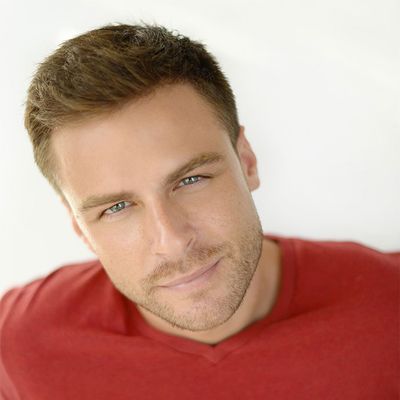
Guests
Featured Shows
About
On this episode, Jamie, Rob, and Jennifer chat with actor, author, and activist Eric Ulloa about Muppets and mass gun violence. As we mark the sixth anniversary of the Sandy Hook Elementary school shooting, we discuss “26 Pebbles”, a documentary play Eric created from the voices of the residents of Newton, Connecticut in the aftermath of that tragedy, and the ways in which theatre can inspire activism, breed empathy, and remind us of our common humanity. Later, Rob discusses some things you can do to help. This week’s music: "The Muppet Show Theme," Philip Glass, “Blood Oath,” Jason Robert Brown singing, “A Song About Your Gun,” “The Gun Song” from “Assassins,” “21 Guns” from “American Idiot.” Carole King’s “Smackwater Jack,” “Fame” from the film “Fame” and “The Country’s In The Very Best Of Hands” from Lil’ Abner."
Transcript
This transcript was automatically generated and might contain errors.
[0:00] Jamie DuMont: I'm Jamie DuMont.
[0:01] Rob Russo: I'm Rob Russo.
[0:02] Jennifer Samard: I'm Jennifer Samard.
[0:03] Jamie DuMont: And this is The Fabulous Invalid.
[0:17] Rob Russo: So what?
[0:18] Jamie DuMont: Let's start with Eric. Who is your favorite puppet?
[0:21] Eric Ulloa: My favorite one first. Well, my first one of my first words was Kermit the Frog, but I just I think it was like Ermit Og. Just be at my mother. Yes, a Kermit, I guess.
[0:30] Rob Russo: Yeah.
[0:30] Eric Ulloa: Yeah.
[0:32] Rob Russo: Your favorite puppet.
[0:33] Eric Ulloa: My favorite is Janice in the band.
[0:35] Rob Russo: She's good.
[0:36] Eric Ulloa: I just remember, I think it's the great Muppet Cape where everyone's talking in a group and they they j everyone cuts out except her. And I'm gonna paraphrase it, but she's like, and I said, Mother, if I want to live in a nudist colony, it's my business, okay. If I went and walk on the beach naked, if I wouldn't be able to do it, if I went to walk to the beach naked, it's my business. Okay. No one's talking. She's like, oh. Okay.
[0:58] Rob Russo: I don't know what's better. Your Janice impression or Rob's.
[1:03] Eric Ulloa: Rob's is pretty good, dude.
[1:05] Rob Russo: I know, I know I know my Muppets. Janice is, I was gonna say Janice is my second favorite after Fozzie Bear.
[1:11] Eric Ulloa: Fozzie that okay. Talk about the heart of the show, right? I mean, come on, bear.
[1:15] Rob Russo: When they say pets look like their owners, like you you like the you almost look like your Muppet, right? Like I mean, that didn't quite come out right.
[1:25] Eric Ulloa: I could you could not have paid me a higher compliment. That's the highest compliment. There is something very Fozzy bearish about you.
[1:31] Rob Russo: Okay, Aaron, who what's your who's your favorite Muppet?
[1:34] Eric Ulloa: The Muppets are puppets that were popular on television in the 70s and 80s. A few us include Michael Rock.
[1:42] Rob Russo: I don't know what I'm saying.
[1:44] Eric Ulloa: Aaron doesn't want to answer. Apparently, oh, Aaron doesn't know who the Muppets are.
[1:48] Rob Russo: I was joking when I explained the Muppets right now.
[1:51] Eric Ulloa: Well, I'm constantly explaining things to millennials that they should know and don't know. And Aaron didn't actually know who the Muppets are.
[1:58] Rob Russo: I know they are. What's your favorite Muppet, Jamie?
[2:01] Jamie DuMont: Scooter.
[2:01] Rob Russo: Who?
[2:02] Jamie DuMont: No. Well, this is this is back to everything I've been saying to do this week. Janice, of course.
[2:07] Eric Ulloa: Oh, wow. Hundreds of little Janice Cock is here. I love Janice. And I do love Beaker. Although we'll say Beaker's another. I do love Miss Piggy too, though. Something about her is pretty much.
[2:15] Rob Russo: Oh like this Miss Piggy.
[2:17] Eric Ulloa: Yeah. Oh, well, yeah, she is. To me, Piggy and Permit are in their own like stratosphere. Like they're the, you know, that's they're almost in their own. She's my favorite. She is a gay. But I remember my favorite Miss Piggy moment was John, the late great John Denver was hosting. He was on and he had on, he was always wearing those glasses. Yeah. And she says to me, she's like, Oh, John, Ginny, Jenny, please take off your glasses. Take it from moi. Please, please, Jimmy G, please take them up, please, please, please. And he takes them off. And of course, you look so different without your glasses and silence. And she says, pop them back on.
[3:01] Eric Ulloa: Why don't you get me started? It's time to get things started on the most sensational inspirational celebrational momentational.
[3:20] Jamie DuMont: Eric is the author of 26 Pebbles, which had its world premiere at the Human Race Theater Company. The play was featured in American Theatre Magazine, The New York Times, and won the Kennedy Center Citizen Artist Award for 2017. Eric was in the original Broadway company of On Your Feet and recently completed a run at Houston's Theater Under the Stars playing Judd Fry in Oklahoma. Welcome, Eric.
[3:43] Eric Ulloa: Hi, thanks for having me.
[3:44] Jamie DuMont: Thanks for coming.
[3:46] Rob Russo: Welcome, Eric.
[3:47] Jamie DuMont: So before we get into the nitty-gritty, we like to start with some easy breezy questions. And we'd like to ask you what relaxes you.
[3:56] Eric Ulloa: What relaxes me? Well, this wine right now is relaxing me, actually.
[4:00] Rob Russo: So wow.
[4:01] Eric Ulloa: Aside from white wine, what relaxes me? I love walking. I'm a big uh it it takes a serious weather pattern for me to not walk around New York City. To me, it it's just it lets me think. Uh, you know, it's it's an easier way, you know, working out too sometimes just to process uh de-stress, open thoughts up. My husband always says your most reliable mode of transportation are your two legs.
[4:24] Jamie DuMont: Oh my god.
[4:25] Eric Ulloa: That's my favorite. I really honestly I don't uh it is rare for me to pop underground or on something if I can just hoof it. Because I really love to walk this way.
[4:34] Rob Russo: Are you an earphone wearer or no?
[4:36] Eric Ulloa: Uh yes, it depends. I I do love to provide a soundtrack for my day sometimes. Um it's a lot of Ella Fitzgerald going on right now. Something about, you know, winter, New York, autumn, like it's screaming Ella, so I have her right now currently in my ears. Um, but a lot of podcasts listening, like, you know, you know, and then I'll show up wherever I am, either if it's a political one high rate or uh or if it's something uh like this show in a great mood and feeling like I've been a little like voyeur on these cool conversations.
[5:08] Jamie DuMont: I like that.
[5:08] Eric Ulloa: I would say stick to Ella.
[5:11] Rob Russo: Oh, please. My favorite thing to do is to listen to Philip Glass while on the subway. Try it sometime.
[5:16] Eric Ulloa: Does it like time out?
[5:18] Rob Russo: It's so confusing.
[5:20] Eric Ulloa: It's really quite the doors open, it'll go boom.
[5:42] Rob Russo: You wrote a staggeringly beautiful play called 26 Pebbles, which is about the Stanley Hook school shooting in which 26 students and teachers were uh killed. Can you tell us a little bit about how that whole play came to you and and and why you felt the need to write it?
[6:02] Eric Ulloa: Uh so the the impetus came before the play, obviously, and and the impetus came from I don't know if we all had that moment. I think maybe now in 2018 and what's happening in this country, we're having a lot more of these moments, but I was sitting there watching what happened. I remember the day of, I was so shocked. I just could not believe that we were in a country that 20 little children, these weren't, I'm and I'm not deflating anything, but these were five, six, seven-year-olds, little tiny babies were blown away by an assault weapon, you know, and six people that were there to teach the next generation were decimated by assault weapons, and that we lived in a society that did this. And I remember that night I was catering, actually.
I would know, I don't forgot who it was. It was a holiday party, and I had this girl was walking up, and I was still so shaken by all of it. I remember she like walked up and when she was texting on her phone, she had her drink, she was like, Can I get a black of soda? And I was like, Cool. And just you know, totally ignoring me, as you know, like that into that, and that and then and then I was like, I'm sorry, we're we're all out of vodka. She was like, how can you be out of vodka at a party like this? I uh and like walked off. In that moment, I don't know what it was about that, but I was like, 26 people were killed today in this horrifying manner, and you're and like our biggest concern is like a glass of vodka.
Yes, we have to keep things relative, and yes, the world spins on, but my god, it had been six hours, you know. And I thought, do we turn the page too fast? Do we just like compartmentalize too much? Uh so it sat on me, and it sat on me, and I watched as legislation turned to nothing. You know, President Obama tried to no avail in the end, nothing happened. And then out of the four-month mark, I started thinking about, you know, I should go up there, and I don't know what I'm gonna do. And I called my agent at the time, I'm like, I'm going to Newtown. He's like, Why? I go, I don't know. I'm just going. I'm an artist, I have a voice, and I'm going up there. He's like, To do what? And I go, I do not know, I don't know, but I want to do something, I don't know what it is.
And so I met with some friends, and I said, if I were sitting at people and asking, I want to talk to people and have them release some of this. I bet you they're feeling, you know, horrible. And and and and the outer community, because the families are being taken care of in a certain way, but it's a hard thing, and I'll get to this in a minute about when something targets you gun violence wise in your community, you are also experiencing a death. Uh, a lot of people felt a weird deep shame in um expressing their sadness and expressing their feelings. Their biggest thought was, I didn't lose anybody, so why should I feel sad? Why should I be upset? It's not fair for me to have these feelings.
Which, which from the perspective of looking into it, you're like, that's absurd. Of course you should have these feelings. We all have feelings, you know, like these. And we all, your community was put in the news under the most horrifying thing. It's the it's the death of a certain part of your community in a certain way. You know, you have that horrifying mark nobody wants, you know. Uh and then 20 minutes after I met with her, I got a phone call from her, and she's like, I have two friends that want to meet you. I just it was such a good experience for me. And then two friends became six, became eight, and then what I thought would be a week trip ended up being uh three weeks coming back and forth, and I met 60 people and did 60 interviews or about an hour and a half each.
Um people by the second trip, somebody gave me their home. They were on vacation, they didn't know me, but their friend said what a great experience it was, and they literally gave me their home. Like I just drove to a house with a key under a mat, and I was in a random person's home with no one home. Uh, people would watch my dog when I was out doing this. They were cooking meals for me. They were in, I was we were having group meals at restaurants and all getting to know each other. Um, I went there and helped them sort the mail uh so I could be a part of their experience because they had received 700,000 pieces of mail uh for a small town like Newtown. That was ridiculous and insane and a beautiful gesture of love, but an undertaking when you don't really have a town hall, town there's no real mayor there.
It's uh you know, uh uh think a town councilwoman. Um uh so I went there and helped with the Boy Scouts uh go through some mail, um, just kind of get myself immersed in it, and then uh took all that, had some uh my some dear dear friends, if you're listening, love I love you so much for this. They uh I paid them, you know, what I could, and they transcribed it all because I'd still be here transcribing, I think, years later. And then I had these binders full of um interviews, uh, and just went there and just started finding connections among people and highlighting certain things that stuck out, and then the next thing I know, it was all becoming an arc, and I go, Oh, this matches here, this matches here.
It was truly a puzzle, and then you start seeing whose stories start interweaving. So you go from 60 to 40, to you know, and then by the end, by the time we have the the world premiere and then the published version that's out there, uh, there are 19 characters played by uh six actors that switch.
[11:20] Eric Ulloa: See, I'm too busy singing songs about my daughters and the news I have to hide from them today. I'm too tired from reading stories about slaughters in some little town a half an hour away by some kid who looks a little like your son. So I can't sing a song about your gun.
[11:44] Rob Russo: Sir, you mentioned community a moment ago, and you start the playoff by actually forming a community.
[12:03] Eric Ulloa: So you have uh you have the audience who are wearing name tags introduce themselves to each other.
[12:09] Rob Russo: Correct.
[12:10] Eric Ulloa: Which is a really hard thing to do when you think about it, right? It's a very simple thing, but to to turn to your neighbor who's oftentimes a stranger and say hello is harder than it sounds.
[12:22] Jamie DuMont: Um and I've done it. I've been in, I've been in your play and I've done it, and I'm not good at it myself. What I think is so interesting is that the play is about community. And so it's incredibly important that you start out by forming a community with the audience members, and it really brings everybody into what they're about to share with the actors on stage.
[12:41] Eric Ulloa: Yeah, you have a um, I I mean, I think initially the uh the recovering Catholic in me always loved the uh, you know, that oh my god, I remember what my parents would kill me right now. That part where you, you know, you turn around and like you shake the hands of your neighbor.
[12:54] Eric Ulloa: Anybody else raised Catholics?
[12:55] Jamie DuMont: Yeah, oh I think yeah.
[12:58] Eric Ulloa: Yeah, peace be with you.
[12:58] Rob Russo: Yes, you shake your own hands be with you.
[13:00] Eric Ulloa: I'm I always thought I was like, yes, a break in this monotony. Like that and like the and the communion where the two like I was like, okay, I'm gonna get a little bite and we're gonna have the the peace offering. I would always fall asleep during the homily. I would on cue, I would put my head in my face.
[13:15] Jamie DuMont: Absolutely.
[13:15] Eric Ulloa: Are you Catholic too?
[13:16] Rob Russo: Oh, yeah, I was raised Catholic.
[13:18] Eric Ulloa: We're all Catholics, Catholic podcasts.
[13:20] Rob Russo: It's like we're in Chicago.
[13:21] Eric Ulloa: Oh, yeah. I got that confirmation name.
[13:23] Rob Russo: Oh, yeah.
[13:23] Eric Ulloa: Eric Michael Lawrence of Yoah. St. Lawrence, guys. You know, I chose Bernadette for obvious reasons.
[13:29] Rob Russo: It's amazing.
[13:30] Eric Ulloa: See, I didn't have that option.
[13:31] Rob Russo: No, Bernadette Peters. I was like, they think it's that Bernadette, but it's not.
[13:35] Eric Ulloa: Oh my god, I love that. No, mine was a saint that uh my the saint that when he was burned at the stake, he said, can you turn me over, please? This side's done.
[13:43] Rob Russo: Oh my god.
[13:45] Eric Ulloa: And I thought that was so genius and funny that he's bringing life to turn me over this side's done. And I went, that's my kind of humor. St. Lawrence, I got your name for life now.
[13:55] Eric Ulloa: Um to go back on that, uh there was a that was a fabulous segue. I know, I told you I'm energetic. Um there's uh there's that moment where you break and you are forced to turn around and do what we're told, you know, in church is about community and all that stuff, and we actually are we have to force a community there and turn around, meet people, meet your neighbors.
[14:20] Eric Ulloa: And to me, it was so important to trust everyone around you because you are going to go on a journey through this play. You're going to go through some feelings and you're going to have emotions. You will be crying, I'm sure at some point. So, uh, you kind of want to trust those around you so that you don't feel uncomfortable about emoting, you don't feel uncomfortable about laughing. And the biggest thing too is to, um, when you're writing a play that has to do with 26 people being gunned down in a school, uh, which is the impetus of the play and the and the and the and that, but really it's a play about the community and dealing in the aftermath and the idea, uh, I always say it's a story of hope in community because it really is that's what it's about. You try to find the best ways to engage an audience to feel safe in taking in these messages and listening. And I think that was the most important part of the community. And I think it's very successful.
[15:10] Rob Russo: I think it's also not to be a bummer, but I think it's also important to know some of the facts because as of the taping of this show, and granted we're taping this a little bit earlier than it will air, so these numbers could even change in the matter of, uh, a couple of weeks. But so far, there have been 307 mass shootings in America to date this year. Let that sink in. Today is the 319th day of 2018, and there have been 307 mass shootings so far. That's astounding. And you know, and the the the saddest thing is that it is so very preventable, and for some reason, people we can't get the message across that, uh, I always say it's it's this is an epidemic. We, uh, that's a term we all call it because it is an epidemic. It is something that is happening too often, too frequent, too many people are dying from it. The the mortality rate down the list, one of the top ones now is gun violence. That is insane.
[16:15] ♪ Musical number: "The Gun Song" from "Assassins" ♪
[16:57] Eric Ulloa: Now, with that comes something very important. Yes, gun control. We have to have gun control. It is to me, it is astounding that somehow the messaging has been so skewed by people that are only in it for monetary interest and to make money off of death, that simple gun control changes everything. I like when, um, you do hear, uh, military personnel saying those very things that you don't need an AR-15. I know what those do, I know what those are. I also think, yes, the Second Amendment's very important. I I'm all for it. But when you have ads that leave out the very important language that they always seem to cut out, and I I'm sorry if I'm getting this wrong, but, um, a well-regulated militia, a well-regulated, well-regulated. You can't pick and choose your facts. You can't pick and choose. That's in there as well. And, uh, we can do better to regulate, to regulate.
[17:51] Jamie DuMont: Yeah.
[17:53] Eric Ulloa: And I don't think I have to say it more than that.
[17:54] Jamie DuMont: No, it's pretty clear.
[17:54] Eric Ulloa: But I think you have to say it over and over again because people don't know those words.
[17:57] Jamie DuMont: Right.
[17:58] Eric Ulloa: I think it is right.
[17:58] Jamie DuMont: Well, but but it's also interesting because, and I'm sure you've obviously you know encountered this in your own research for your play, that by and large, the vast majority of Americans support common sense gun violence protection, right? Prevention measures, right? I mean, it's like up and down the board, Jamie. You have some stats here.
[18:14] Jamie DuMont: You know, 94% of people, uh, want the background checks. Um, 92% of people favor adding those with mental illnesses to the federal background check system. Um, 82% favor raising the age from 18 to 21. Um, right there is staggering. Right, right? 18 years old, right? It just seems like these numbers, I mean, 94% of them.
[18:38] Eric Ulloa: You can have a drink.
[18:39] Jamie DuMont: You can have a drink, yeah, but then we can hand you something that'll kill somebody. Really kidding me. And our forefathers, our founders, you know, they did a really good job when they, uh, set up all these rules here in America. Um, but, um, you know, there there was no such thing as assault weapons. It was a must be a good thing. You know, exactly. It took you like 20 minutes to like pump that thing back up.
[19:02] Eric Ulloa: Right.
[19:02] Jamie DuMont: It wasn't very different thing. But I think it goes back to what you were saying, Jennifer, which is that's why the language in the Second Amendment says a well-regulated militia, with the idea that things change. Though the play itself, 26 Pebbles, has actually nothing to do with gun control, uh, at all. It it it is it gives an audience, because everything in the play is is from the actual interviews. Every word you hear, everything you hear is from the interviews. Obviously chopped up and made into a narrative, but it's people's actual testimony and and words and of this community. And it's to me, it's more about spending 90 minutes in a theater, seeing, uh, a town deal with something like this that I think is even more powerful than sitting watching the news and hearing about these horrific gun shootings because for 90 minutes you're in this really amazing thing called the theater that you can't turn off.
[19:58] Jennifer Samard: Right.
[19:58] Eric Ulloa: And you can't click the channel, you can't say, oh God, it's too much and mute it. You gotta sit there and you experience it, and you go through it and you ride with them, and you watch people that you, uh, have grown to love just in personality from what you've known in 15 minutes, frantically searching for their son or daughter. Um, and then you watch a community deal with it afterwards and the questions they have and the fact that they all start thinking, was it us? Did we did we have a big stake in raising someone like, you know, Adam Lanza? Is it is it our fault, you know, fault and and and handling all those things that we don't know about because once the story's over in the news, unfortunately they're so frequent now that it's it's over.
They cameras and they go, so we never see six months after where this place, this, uh, play takes place. And and the play doesn't end with any kind of like like we did it, because it's not that's not reality. It ends with like, what do we want us to be known for? What do we want to what are, you know. I left the last words in the play I left to them, and the phrase was, um, you know, I asked them if you could pick one word, what word would you want Newtown to be known for? Because in my opinion, the last word should be left to them to put out there, you know, um, because they were Newtown before and they're Newtown afterwards, and they have this mark now on them, but, um, they sure gave me a sense of hope when I was there about how to survive something that seems insurmountable.
[21:42] ♪ Musical number: "21 Guns" from "American Idiot" ♪
[22:03] Eric Ulloa: You know that, uh, out of the 60 interviews, you know how many people blamed Adam Lanza for what happened? Zero.
[22:09] Jamie DuMont: Wow.
[22:09] Eric Ulloa: Not one person. There were a few that were his mother, you know, they were furious, didn't know what was she doing with those guns in there and all stuff. There were a few that had problems with the father saying, why didn't he check in on the son and the mother? If he knew there was issues going on, why would he abandon the son there? You know, people again talk about what they don't know because they're not in the walls, they're not in the house, they don't know what's happening. Um, but I would say that 80%. When I said one of the questions was tell me your thoughts on Adam Lanza. Do you fault him? And they went, No, it's our fault. 80% of them, it's our fault.
[22:45] Jamie DuMont: That's incredible.
[22:45] Eric Ulloa: Here, this is, um, I have more facts, and I have to write them down because everyone knows I'm terrible with facts, but the contents found inside Adam Lanza's home: a metal bayonet, three samurai swords, a rifle, a pistol, articles on the 2008 shooting at Northern Illinois University, and a check from his mother for the purchase of his next firearm. He was 20 years old. Isn't that crazy? They went into his safe and he had a Christmas card from his mom and had a check inside for his next gun, and she was the first one he killed. You know, and that she and she just, you know, and you have to kind of think like, I don't know, I'm very empathetic on things. I think when people say the term like, oh, those monsters, that is the most infuriating thing in the world to me.
I don't care if they are someone that does a mass shooting or a terrorist and something right away. I go, when we say the word monster, we are we have defeated every chance of finding out more about this and preventing it in the future. Why? Why are they why are they a quote unquote monster? What brought them there? What made them this? What got him to a point there? What drove what drives a person to strap on a bomb to their chest and walk into a market and blow themselves up? What makes someone get there? What makes somebody go into a school and kill 20 children? You know, so and then you start thinking about like, I know you think about his mother, and I'm like, I don't know what I what would I do?
You know, I'm alone with my child and I don't know, and we find a common bond, and that we like to go out to the range and go shooting, and it seems innocent and it seems okay. You know, I don't think any mother ever thinks her child's gonna pick up a gun and go, you know, and kill them and then go kill, you know, 26 people in elementary school. But what 20 year old needs three samurai swords, a bayonet, a rifle, a pistol? I mean, that that's a a that's a huge huge.
[24:32] Jamie DuMont: There's an arsenal there, yeah.
[24:34] Eric Ulloa: Yeah.
[24:35] Jennifer Samard: To me. I'm not as compassionate.
[24:36] Eric Ulloa: No, I'm not. Listen, I'm not, and I'm not defending it. I'm just saying I think sometimes that there is, you know, uh what someone can confuse as like a common bond and feeling a moment where we have a middle ground for my son who has you know some mental issues going on, is an isolationist and does not leave his room. You know, we found something that gets him out of his room, we can do this, and and I think exactly like anything, with time, it expands and becomes something that was once safe, becomes toxic and then deadly, you know. Um, much like maybe like you know, addiction in a certain way. You know, something that seems like okay, then gets bigger, and the next thing you know, you're you really have a major major problem.
[25:11] Rob Russo: Well, I'll tell you something, while not calling the person monstrous, the behavior that's monstrous. I find the behavior monstrous that legislation did not significantly change after Sandy Hook. And if we as a society say the murdering of five and six-year-old is okay, and we rubber stamp that and continue to ignore it by you know turning a blind eye and voting for people who are not going to change the legislation, then I I believe that is monstrous. I as a society, I don't to me that that was the bar, Sandy Hook.
[25:45] Jamie DuMont: I completely agree.
[25:45] Jennifer Samard: Yep.
[25:46] Rob Russo: Yeah, I think I and you include the bar for a lot of people.
[25:48] Jamie DuMont: Right.
[25:49] Rob Russo: And you include in the play, um, a very striking quote from the president at the time, President Obama. He said, for those of us who remain, let us find strength to carry on and make our country, our country worthy of their memory. And so many days since that happened, I've sat back and thought, you know, we're not worthy of their memory, right? What are we doing?
[26:09] Jamie DuMont: Worse.
[26:10] Rob Russo: I was right. I mean, I was in such a dark place around the issue of guns before the 2016 campaign. And I saw a glimmer of hope in that for the first time ever on a presidential campaign, uh, Democrats were talking about gun, uh, control in like a positive way. Like this is something we need to do in an affirmative way. And you know, the mothers of the movement, all these mothers who have lost, um, uh, kids to gun violence, um, African American mothers came together and you know became this political force. Uh, and then one got elected in Georgia. Lucy McBath was just a lot of people. She lost her son and she was elected.
[26:45] Jennifer Samard: Jordan Davis, yeah.
[26:46] Rob Russo: I mean, another glimmer of hope is that is that we this past midterm election, more gun control advocate candidates won than those who were fighting against it. So we're seeing a turn.
[26:59] Eric Ulloa: I think we're moving closer. People have had enough. People are getting people are realizing, oh, I think one side is perhaps lying to us and telling us the big bad monsters take away your guns, and and people are realizing, wait, they're not taking away our guns. They're just trying to not have us be killed in our insert yoga studio, movie theater, uh, country western bar and grill, concert, school, uh what else? Uh video game championship.
[27:26] Jamie DuMont: Right.
[27:26] Eric Ulloa: Uh, I mean literally anywhere.
[27:29] Jamie DuMont: Anywhere.
[27:29] Eric Ulloa: If you can get killed in hot yoga, you know, like the I mean, really, like we're not.
[27:36] Jamie DuMont: You're right, like you said, uh what kind of society are we?
[27:39] ♪ Musical number: "Smackwater Jack" by Carole King ♪
[27:56] Rob Russo: David Hogg, who's one of the Parkland students, tweeted the other day: imagine saying the answer to shark attacks is more sharks.
[28:03] Jamie DuMont: Yeah.
[28:04] Rob Russo: Right? Putting more sharks in the water is gonna solve shark attacks, right? When you put it like that, it sort of just shows the absurdity of that show they've said.
[28:12] Jennifer Samard: Aren't those kids amazing?
[28:13] Rob Russo: Oh, they are they are so incredible.
[28:15] Eric Ulloa: Dan's they really are the hope of the future.
[28:18] Eric Ulloa: Well, America's been always America has been changed time and time again by the youth. You look at history, it's a youth. They save us. And the thing that struck me about, you know, because I used to say if Newtown couldn't do it, nothing could, in terms of rallying the country. And I think that was probably, you know, far too extreme because obviously it has made a difference in changing the culture. But the Parkland students, I think because, you know, these are the kids in Newtown who were five, six, seven years old, right? The kids in Parkland are 17, 18-year-old peers, right? Who forget the adults, they went right to the media. Oh, yeah. And they were able to speak on behalf of their fallen peers in a way that the kids in Newtown couldn't. No. Because they're not, they're children.
They're literally the babies, you said. They were in shell shock too. They had no, you know, seven-year-olds don't have words for this or how their parents can go there, but how could they? I get it's like sorry. Sorry, and so it fell to their parents in Newtown who just lost children. Yeah. I mean, how could you ever wrap your head around mobilizing for a nationwide, you know, march when you're burying your child? They always say they sadly experienced two deaths because their child died, and soon after it became the gun control debate. And so there was still your child died, but you were holding on to a glimmer of hope that things were gonna change in honor of your child who died. And so your child was yes buried, but you still had this hope, and hope keeps you going, and then the government says, no. No. And so they actually experienced two deaths.
Yeah. I get very excited by David Hogg and his peers when I hear him. The best defense is a good offense, and I love how forward-thinking he is. And I'm paraphrasing some of his tweets, but the general idea is listen, we're going to outlive you and we're gonna outvote you, you know. Absolutely. I love that.
[30:04] Eric Ulloa: And um t-shirt news. I know. Um yeah, I'm not gonna get much more into it than I could. I could though. Yeah, no, so I was just curious, you know, getting back to the sort of the dramaturgy of your play. Um, you know, you found um inspiration in Thornton Wilder's Our Town, um, in terms of sort of at least the opening, you know, third of the play has that very much feels like like our town in terms of describing the layout of the town and everything. I'm curious to know um if there were any other plays or writers that directly influenced 26 Pebbles, but also, you know, just generally your work.
[30:41] Eric Ulloa: Oh, but 26 Pebbles, I would say that like the influence like you said is Our Town because when you when I drove into Newtown, everything is so idyllic and uh and and perfect with the White Steeple Church, the general store, the big giant flagpole, the I mean massive American flag. I don't think I've ever seen a bigger one, honestly, in my life. Uh it's right at the center of town. Right away, it just felt so perfect and so like Disney-esque, like they built it, and and and uh, and so I I just thought of Our Town. I was like, oh, Grover's Corners is this perfect little place where something terrible happens, and we you know it gives us the rest of our play. And I thought, well, could you imagine if like a mass shooting of the scale of what we see in 20, you know, 18 or then 2012 happened in Grover's Corners?
And that kind of set me off on a framework path. That's when I knew it was gonna be a play. That's when I went, Oh, this is gonna be a play. I know what it is now. Um so that was an influence, and obviously, you know, Mois S and tectonic and Laramie. I mean, for sure. Uh, Laramie was uh the big thing when I was in high school. Um, that's why it's still it's still so I will never get over this. I should never get over this, very humbling. But the fact that now at this point, this past year, there's been 53 productions of 26 Pebbles, high schools and colleges around the country. Um, and it's becoming that thing that I remember Laramie being, you know, and these kids that uh you know write me on social media, Mr. Oyo, and I'm like, who the hell is Mr. Oyo?
My name's Eric. It's so weird, it's so weird. Uh, but you know, uh knowing that these kids are finding a passion and something that is of their time. In my time, it was the fact that we were fighting for equality, we were fighting for hate crime laws. I mean, the basics, you know, back then in 1997. Um, and now these kids are fighting for their lives. Influence-wise, with other playwrights, uh, I it's funny, I never look up to any certain playwright or writer. Uh, it's always the piece that speaks to me.
[32:37] Eric Ulloa: Uh, there are pieces that just I'm very drawn to humanity. Uh, when I get to sit in a theater and experience a moment of humanity, that's what drives me. And those are the kind of writers that make me go, oh, you know, I just saw uh The Band's Visit again uh Wednesday. Uh I work with this TDF uh mentor group, and we took the kids to go see it, and it was my second time seeing it, and I was like, oh my god, this show is such a freaking like perfect slice of 90 minutes of humanity, just like as still as life can be, and as beautiful as moments of simple connection are. Um, that's my inspiration. Like passing through the musical I did the book for, which will open at Goodspeed Musicals this July uh 2019.
Thank you. Um, it's about humanity, it's about a true story, M PR story. I listened to. On the Way Leaving Newtown. I listened to this American Life Story. I held on to it because I had a lot of feelings when it came on. And I thought this will be something one day, and now it's this musical about a young man who uh at 23 left college and didn't know what he wanted to do. He was like, I don't know what I want to do. I don't know what I want to be, or or or what is this country even about? How are we all connected? And so he's like, I can't just jump into it, I gotta figure this out. And so he set off from Philadelphia to California on foot with a sign saying walking to listen. And he walked the country.
And it's this amazing story about our country at its best, the connections, how we move through the wounds and the scars that we all have through oppression, racism, that all these things, and about a young man who's finding himself and also reinvesting into a very painful past he had with a father who left their family. Um this amazing story of humanity. I that's I think humanity is always my answer.
[34:22] Jamie DuMont: Yeah. Well, and it also it's it's very much like what 26 Pebbles is about. It's about it's about humanity, it's about it's it's it's obviously a theme that you like to write about. You know, people are people are really fascinating. Uh they are people are wonderful and they're horrible. I have one final question for you.
[34:44] Jamie DuMont: Um, and it's a question we ask everyone. What was that first show that you saw that did it for you?
[34:51] Eric Ulloa: It gave you the theater bug. That got me into it. Okay, so uh this is so random. Get ready for this show.
[34:56] Eric Ulloa: We love random. Oh, this is real random. So I was um I was skipping class, kids stay in school, don't skip class. Uh I was skipping class at high school, and I was 15, 16, and I didn't know where to go. And I was like, oh crap, why didn't I go to fourth period? And so I snuck into the back of the auditorium in the school, and they were rehearsing for the school musical, and no one could see me, but I watched an hour and a half of Little Abner. Yeah. Jubilation T cornpower. I watched it, I went, wait, I want to do that. Wait a minute. I can do that. I'm doing that. And the next thing I know, I was, you know, I watched the Evita film when it came out. I remember I showed up at my at the first audition for school next year with a bandana tied around my neck and a denim shirt and sang, oh what a circus. And I got cast in Fame, the play version.
[35:55] Jamie DuMont: Oh my goodness.
[35:57] Eric Ulloa: All because you cut class, my hero.
[35:59] Jamie DuMont: All because I cut class.
[36:01] Eric Ulloa: I'm gonna live forever.
[36:05] Eric Ulloa: I'm gonna learn how to die.
[36:49] ♪ Musical number: "The Country's In The Very Best Of Hands" — performed by Eric Ulloa ♪
[37:40] Rob Russo: Rob here with you may be wondering. Following our very sobering conversation with Eric about the epidemic of gun violence that plagues our country, you may be wondering, well, what can I do about it? While it's easy to feel helpless in the face of such horror, the good news is there's actually a lot that you can do. First and foremost, vote. That may sound really simple, but the reality is that public policy made by elected officials at all levels of government has the greatest power to stem the tide of gun violence. I mean, just look at countries around the world or states across America that have taken strong steps towards gun reform. The evidence is clear. So next time you go to the ballot box in a general election or primary, do your research beforehand to make sure you know where the candidates stand on sensible gun violence prevention measures and vote for the ones who will make a difference.
Join an organization that is on the front lines of building a national movement for gun violence prevention. In the aftermath of Sandy Hook, that community came together to launch Sandy Hook Promise, which is organizing in communities all across the country to develop and deliver mental health and wellness programs, but also advocating for state and federal policy reform. Another amazing organization is Every Town for Gun Safety, founded by former New York mayor Mike Bloomberg. Every Town has brought together moms for Moms Demand Action, mayors of cities, survivors of mass shootings and daily gun violence, and allies nationwide to become an important counterbalance to the insidious power and influence of the NRA.
And it's worked. Candidates supported by Every Town are winning elections, while the NRA is going bankrupt. And Every Town is every day helping to shape the national conversation about this issue. Other great organizations include the Brady Campaign, the Coalition to Stop Gun Violence, and the Giffords Law Center, which was founded by former Congresswoman Gabby Giffords, who, as you might remember, was shot in 2011. And of course, there's March for Our Lives, which was created by the kids from Parkland. Gun violence affects every strata of society, but it unfortunately disproportionately affects people of color and marginalized communities. African Americans are 10 times more likely to die by gun violence than white Americans.
Gun violence is the leading cause of death in black teens and children. And 2017 was the deadliest year on record for the trans community. Many of those murders were gun deaths. So, together, the organizations I've mentioned and countless others are coming together and amping up pressure on elected officials to stop taking donations from the NRA and start taking affirmative measures via legislation, but also executive action, regulation, and enforcement so that everyone can live their lives without fear of being killed by a gun. As we discussed, large swathes of the American people, even including large numbers of NRA members, support common sense things like comprehensive background checks, an assault weapons ban, raising the age limit on gun purchasers, three-day waiting periods, banning bump stocks and high capacity magazines.
Most people don't want guns in schools, or heaven forbid, 3D printed guns. And yet, most people also don't think anything will change. You may be wondering the same. I feel that way sometimes too. But one thing is for sure. Nothing will change if we don't do something. So do something. Eric wrote a play. You can vote. Call out your elected officials, donate to a good organization, start a club at your school or church. March. Tweet. Stay angry. Stay horrified. Demand action. Because your life or the life of someone you love could very well depend on it.
[41:25] Rob Russo: Rob here, that's our show. Thanks for listening. You can hear us anytime on iTunes. The Fabulous Invalid is a production of OM etc. and the Fabulous Invalid LLC. Our theme music is by Lucky Chops. Today's episode was edited and engineered by Aaron Kaufman. Find us online at the FabulousInvalid.com and on social media at Fabulous Invalid. And be sure to tune in next Wednesday.
© Broadway Podcast Network, All Rights Reserved