

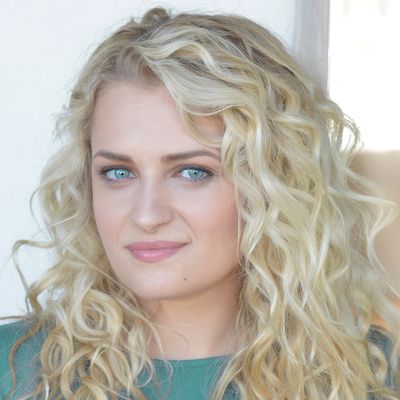
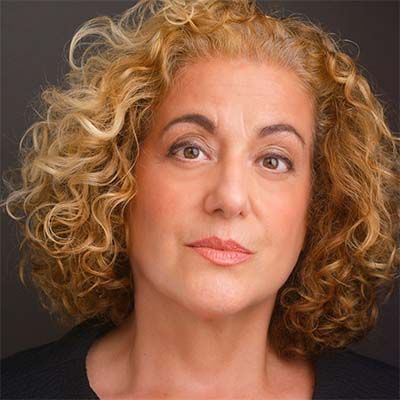
On this week’s show, we sit down with Mary Testa and Ali Stroker, two of the stars of the upcoming Broadway revival of Oklahoma! We discuss what makes this production of Oklahoma! so unique and the enduring legacy of this magnificent show... Read More
From the show: The Fabulous Invalid
Guests
Featured Shows
About
On this week’s show, we sit down with Mary Testa and Ali Stroker, two of the stars of the upcoming Broadway revival of Oklahoma! We discuss what makes this production of Oklahoma! so unique and the enduring legacy of this magnificent show.
This week’s music: Damon Daunno singing “The Surrey With The Fringe On Top,” Nancy Walker singing “I Can Cook Too,” the Annie “Overture,” music from the “Ballet” and the “Final Outro” from the 1999 Royal National Theatre recording of Oklahoma!
Transcript
This transcript was automatically generated and might contain errors.
[0:00] Jamie DuMont: I'm Jamie DuMont.
[0:01] Jennifer Samard: I'm Jennifer Samard.
[0:02] Rob Russo: And I'm Rob Russo.
[0:03] Jamie DuMont: And this is the Fabulous Invalid.
[0:20] Rob Russo: Hi everyone.
[0:21] Jennifer Samard: Hi.
[0:22] Jamie DuMont: Hi, Jamie.
[0:23] Rob Russo: What's going on?
[0:24] Jamie DuMont: I think I spoke over you.
[0:26] Rob Russo: I think if you speak over me, but yeah, I'm happy to do it again.
[0:30] Jamie DuMont: Hi, everyone.
[0:32] Rob Russo: Hello.
[0:33] Jamie DuMont: Jamie.
[0:34] Rob Russo: That was unexpected.
[0:36] Jennifer Samard: Yes, that was Jennifer.
[0:37] Rob Russo: Hello.
[0:38] Jennifer Samard: That's why I like the color orange.
[0:40] Rob Russo: It's unexpected.
[0:41] Jamie DuMont: Right.
[0:41] Rob Russo: It is unexpected.
[0:42] Jennifer Samard: An unexpected song.
[0:43] Rob Russo: We're back to our colors again, are we?
[0:44] Jamie DuMont: Yeah, I'm sorry.
[0:46] Rob Russo: It always goes back to Fiddler, our colors, and Jerry Herman.
[0:49] Jamie DuMont: Yeah.
[0:50] Rob Russo: Well.
[0:50] Jamie DuMont: You know, it's interesting that Sondheim doesn't come up a lot on this show.
[0:55] Rob Russo: Which is, I think interesting.
[0:57] Jamie DuMont: Somehow we lean more towards the Fiddler Herman world.
[1:01] Rob Russo: I don't know why.
[1:02] Jamie DuMont: Well, it's not intentional.
[1:03] Rob Russo: It's just sort of how it is.
[1:05] Jamie DuMont: What's happened?
[1:06] Rob Russo: Yeah.
[1:07] Jamie DuMont: We'll get there.
[1:07] Rob Russo: The year's young.
[1:08] Jamie DuMont: Yeah.
[1:09] Rob Russo: That's right.
[1:10] Jamie DuMont: It is very young.
[1:11] Rob Russo: Um okay, so what do we want to talk about today?
[1:13] Jamie DuMont: I think we want to talk about guns.
[1:15] Rob Russo: Yeah.
[1:15] Jamie DuMont: Well, there's a really exciting announcement from the forthcoming Broadway production of Oklahoma.
[1:21] Rob Russo: Um, that they are joining the Gun Neutral Initiative, which is an effort that's aimed at um, I guess sort of resetting that dynamic in American media representation regarding weapons and you know, specifically guns.
[1:38] Jamie DuMont: Um so as part of this production, which if you've seen it, um I don't think I'm giving anything away if you haven't. Um there are guns all over the auditorium of this production, uh just sort of menacingly hanging on the wall.
[1:52] Rob Russo: Um, and of course, if you know the musical Oklahoma, um, there is some violence in the show itself.
[1:58] Jamie DuMont: Uh so as part of this initiative, they are committing to making a donation to organizations that are working on gun violence prevention um for every gun that appears in the show.
[2:09] Rob Russo: Yeah, that's great.
[2:11] Jamie DuMont: That's pretty cool.
[2:12] Rob Russo: Well, I mean, I think that's wonderful because it's honoring the original artistic work as written by the authors while respecting the socio-political climate that we currently find ourselves in and not ignoring it.
[2:27] Jamie DuMont: Right.
[2:27] Rob Russo: Right?
[2:28] Jamie DuMont: Yeah.
[2:28] Rob Russo: So I think it's great.
[2:30] Jamie DuMont: Absolutely.
[2:30] Rob Russo: Well, I think that you know, the key to making, you know, any large social change, especially something that impacts the culture in the way that you know guns do. I mean, you know, think of America, you think of guns, right? I mean, the musical Soft Power, what are they what's the first thing that they latch on to when they're satirizing American culture? It's guns.
[2:46] Jamie DuMont: Well, how does Aunt Eller get everybody's attention?
[2:49] Rob Russo: Sure.
[2:49] Jamie DuMont: She tops a gun.
[2:50] Rob Russo: Right.
[2:51] Jamie DuMont: I mean, it's so ingrained in our history and our culture. Um, so you know, the only way you're ever gonna change it is by having a conversation and in keeping up the momentum, right? And that's what's exciting about an initiative like this is you know, guns are everywhere, and of course, they're in our media, in the media we consume and on stage.
[3:10] Rob Russo: So, you know, it's really very thoughtful of them to take a step back and realize, yeah, you know, doing this show in 2019 is in a way contributing to the gun culture of America. Of course, no one's intending to do that, but in you know, it's a fact of doing Oklahoma, the way, especially the way that they've done it. Um, you know, this taking part in this initiative at least gets people talking and thinking, and that's how you create change.
[3:38] Jamie DuMont: There's a production of Hello Dolly.
[3:40] Rob Russo: With guns?
[3:41] Jamie DuMont: With from Germany that's on YouTube. And in the Sunday Clothes number, they put in a dance break where they're presumably going from Yonkers to New York City because the scenery changes from countryside to sort of city.
[3:56] Rob Russo: And while that's happening, a chorus of cowboys comes out and start with guns that they're shooting off as they're two-stepping back across the stage to the music of Sunday Clothes. Now it has nothing to do with Hello Dolly, but it's so interesting to me that that's their perception of America, right? Like they can't even they have to add it in to a musical where it doesn't even fit or belong or has never been there before.
[4:24] Jamie DuMont: That's what that's the impression that we leave around the world.
[4:29] Rob Russo: Well, on that note, I think we should probably head to our guests.
[4:32] Jamie DuMont: Well, Jennifer, you have to leave and go do your show, so you can't stay for tonight's interview.
[4:37] Rob Russo: You will be missed.
[4:38] Jennifer Samard: I'll be missed too, especially because you know, my husband's gonna be one of the electricians putting in this show, and I'm really excited about it about Oklahoma. But I'm gonna be there on opening night.
[4:46] Jamie DuMont: Ooh, so are we.
[4:49] Rob Russo: Yeah, yeah.
[4:49] Jamie DuMont: So we'll all have such a good time supporting our colleagues and friends.
[4:53] Rob Russo: We can party.
[4:54] Jamie DuMont: Yes.
[4:54] Rob Russo: I have no idea where the party is, but I don't either, but I'm really really excited about this one. And I wish I could stay, but yeah, I'm off to the Broadway.
[5:02] Jamie DuMont: Do you like going to the parties after?
[5:04] Jennifer Samard: I tell you what, I enjoy it much more when I'm a guest at opening night. When you are in the show, it really is part of your job. I'm not saying it's not fun, but you have to eat the line if you're going to be able to do that. You have to work, you have to work, you have to um make sure that you're representing your show with dignity and class and not saying the wrong thing, and you know, and being, you know, just being on.
[5:28] Rob Russo: Did you have fun at the Dolly party?
[5:30] Jennifer Samard: That was a big party at the library.
[5:31] Rob Russo: Oh my gosh.
[5:32] Jennifer Samard: Well, as a Ghostbusters fan, from the time I was a little girl, I was like, all I was thinking was, my uncle thought he was St. Jerome. Like I just I was just reenacting Ghostbusters the entire time.
[5:45] Rob Russo: That building is so I took a I used to have an English boss, uh, and we did an event in the library, and the first time he ever went in that building was when we did a walkthrough. And I took him upstairs because there's a beautiful mural on the ceiling on the second floor, and I took him upstairs, and he looked at me and he said, Monty, I had no idea you had buildings like this in America.
[6:09] Jamie DuMont: Motherfucker, really I mean, you know, we've got a couple of nice.
[6:12] Rob Russo: You don't have that, you don't have all the nice buildings in the UK.
[6:14] Jamie DuMont: We have at least two centuries of history.
[6:16] Rob Russo: Yeah.
[6:17] Jamie DuMont: Give us a good buildings.
[6:18] Rob Russo: Yeah.
[6:19] Rob Russo: You and I, Jamie, we walked into the Beekman Hotel um a week ago, and that if you haven't been in that building, it's down on it's like 15 Beekman Street, which is downtown in Financial District.
[6:34] Jamie DuMont: Very downtown.
[6:35] Rob Russo: That's where Mae lived.
[6:36] Jamie DuMont: Beekman.
[6:36] Rob Russo: Well, she was she was three Beekman.
[6:39] Jamie DuMont: Yeah, she was I might have misspoke. Beekman Place is on the upper east side, but Beekman Street, I think, or whatever it's called, it's right off of Nassau.
[6:47] Rob Russo: Google it. The Beekman Hotel, and the restaurant is, I think, the Temple Court. And you want to go into the Temple Court and you want to walk past the hostess stand, and they're gonna smile at you and go, Yeah, everyone does this, it's fine. And then you want to look up because it is one of the most magnificent. What's the word? What's atrium, right?
[7:07] Jamie DuMont: Atrium.
[7:08] Rob Russo: It's what, 20 stories?
[7:09] Jamie DuMont: At least.
[7:09] Rob Russo: At least.
[7:10] Jamie DuMont: It's unbelievable.
[7:11] Rob Russo: Yeah.
[7:11] Jamie DuMont: But anyway, I don't know. That was fun.
[7:13] Rob Russo: What were we talking about?
[7:16] Jamie DuMont: We were talking about the fact that I'm leaving.
[7:19] Rob Russo: Oh, you've got oh shit. Now you're late.
[7:21] Jamie DuMont: Jesus.
[7:22] Rob Russo: Yeah. Go to your theater.
[7:29] Jamie DuMont: Hi.
[7:30] Rob Russo: Hi.
[7:30] Jamie DuMont: Um, so I was saying to Mary, we'll um we'll do a quick intro. We'll just we got some questions about Oklahoma, and we'll get you out of here.
[7:39] Rob Russo: Um, we're in an old building, and sometimes the pipes bang. If that happens, we'll have to take a quick break and let them do their thing.
[7:46] Jamie DuMont: Okay.
[7:46] Rob Russo: Hopefully that won't happen. If you want a scone or a sandwich or some gooey cheese, help yourself.
[7:52] Jamie DuMont: Thank you.
[7:52] Rob Russo: Um that's kind of it.
[7:54] Jamie DuMont: Amazing.
[7:55] Rob Russo: Great, fantastic.
[7:56] Jamie DuMont: Thank you for coming down.
[7:57] Rob Russo: Yes.
[7:57] Jamie DuMont: Um excited.
[7:59] Rob Russo: All right.
[8:00] Jamie DuMont: Aaron, am I good?
[8:02] Rob Russo: Yeah.
[8:02] Jamie DuMont: Okay.
[8:03] Rob Russo: Loki.
[8:04] Jamie DuMont: Um, this is not my the intros are not my strong suit, so be kind.
[8:07] Rob Russo: No worries.
[8:08] Jamie DuMont: I think you're gonna do great. Today we are delighted to welcome two of the stars of the upcoming and thrilling revival of Oklahoma. Ali Stroker, who plays Ado Annie, made her Broadway debut a few seasons back in the Deaf West Theater's revival of Spring Awakening, and was a finalist on season two of the Glee Project, and also appeared on the series.
[8:27] Rob Russo: Mary Testa, who plays Aunt Eller, is no stranger to the theater. She has starred in countless Broadway and off-Broadway shows, including Xanadu, On the Town, 42nd Street, Chicago, The Portuguese Kid, First Daughter Suite, and A New Brain.
[8:42] Jamie DuMont: Mary can currently be seen on the TV series A Marvelous Mrs. Maisel. Welcome, guys.
[8:48] Ali Stroker: Wow, thank you.
[8:49] Mary Testa: Thank you.
[8:50] Rob Russo: Quite an intro.
[8:51] Jamie DuMont: Well, you I mean, something.
[8:53] Rob Russo: Well, I could have just said hi, Mary and Ali.
[8:56] Jamie DuMont: Yeah, yeah, no, I know.
[8:57] Rob Russo: Oh, that's lovely.
[9:00] Jamie DuMont: I feel like I'm schlepping a little bit.
[9:03] Rob Russo: I mean, you both deserve proper intros.
[9:06] Mary Testa: Well, thank you.
[9:07] Rob Russo: Thank you for coming down.
[9:09] Jamie DuMont: So you've got Oklahoma, which is moving to Broadway. Uh when do you begin previews?
[9:15] Ali Stroker: Soonish, right?
[9:16] Mary Testa: Honestly, I don't remember.
[9:18] Ali Stroker: March 18th is the first previews, and then we open April 7th.
[9:23] Rob Russo: Oh, actually.
[9:29] Ali Stroker: Excuse me, I've to clock.
[9:31] Rob Russo: Sorry.
[9:31] Ali Stroker: Wow.
[9:31] Rob Russo: Oh, so you're not in rehearsal yet?
[9:33] Ali Stroker: No.
[9:34] Rob Russo: Will you do more rehearsal because you're in a new space? Or do you just kind of go to the next slide?
[9:37] Mary Testa: We don't know.
[9:38] Ali Stroker: We don't know anything.
[9:39] Mary Testa: I'm assuming that we won't rehearse for long, but that we'll tech for long.
[9:44] Rob Russo: Right.
[9:45] Mary Testa: It's a very it's a techie show, huh?
[9:49] Ali Stroker: Well, in the new space, I would assume that there's things that have to be right.
[9:54] Mary Testa: Yeah.
[9:55] Ali Stroker: And when we worked on the production at St. Anne's, we had the luxury of rehearsing on the set.
[10:00] Mary Testa: As soon as we can get into the space, probably the better.
[10:03] Ali Stroker: Yeah, I'm not even sure if they're like building already or if the all the plywood is up, or I don't know anything.
[10:08] Rob Russo: Well, it must be a luxury to be able to rehearse on the set.
[10:12] Mary Testa: That does not seem like the way things are done.
[10:14] Ali Stroker: Yeah.
[10:15] Mary Testa: This production is like especially immersive. And I think that being in the space and actually getting used to the fact that it's not, I guess, would you technically say it's in the round?
[10:28] Ali Stroker: It's uh it's two sided.
[10:30] Mary Testa: It was in the round it barred.
[10:31] Ali Stroker: It was, yeah.
[10:32] Mary Testa: It was in the rectangle, let's put it that way.
[10:34] Ali Stroker: Wait, wasn't it all the way around?
[10:35] Mary Testa: Uh it was all the way around, but it's a rectangle shape. Um and he and at St. Anne's, it was uh two-sided. So and for a lot of the production, we're sitting on stage watching everything happen.
[10:49] Ali Stroker: And so getting to sort of practice just sitting and listening, which is really difficult.
[10:55] Mary Testa: Yeah, it's exhausting.
[10:56] Ali Stroker: Um was you know, just great practice and and good for rehearsal.
[11:00] Rob Russo: Well, this is not your mama's Oklahoma.
[11:02] Jamie DuMont: So how do you describe it to your friends and family? Do you have words for it?
[11:10] Ali Stroker: Um, you know, it's very cinematic.
[11:14] Mary Testa: That's how I describe it. Um it's very real, it's very simple in a way, although the script of Oklahoma is not simple in any way, shape, or form, but it's done simply. There's no big professions of anything, it's all done in a very sort of tempered way.
[11:34] Ali Stroker: I don't know if that makes sense.
[11:36] Mary Testa: But um so the most important thing for me anyway, is listening to what's going on from everybody and reacting in a very believable, non-musical way.
[11:51] Ali Stroker: Yes, and I always say that it's unlike any production of Oklahoma you've ever seen, so just get ready.
[11:59] Mary Testa: Yeah. Nothing has changed. The script is all the same. There's nothing, there's a few lines cut from the script because there's uh in the script proper of Oklahoma, there's some chorus people who have lines and things like that. And so some things were, you know, put together for one person or but nothing is cut, nothing is different. The only thing that's different in this production is the orchestrations.
[12:22] Ali Stroker: Uh the band is a bluegrass band, and the orchestrations are for a bluegrass band.
[12:27] Mary Testa: But nothing has changed. Um, the music is the same, and um it's just the approach.
[12:47] Ali Stroker: Two bright side lights winking and blinking. Ain't no fun to rig. I'm thinking that you can keep your rig if you're thinking of a kid to swap for that shiny little soil with the fringe on the top. And in this production, you can really hear the scenes, the book and the writing. And I had done Oklahoma in high school, and now coming back to it and actually working on these scenes as if it was a play. It's amazing to hear the story and what these people have to say. Because in these other productions, from my experience, the scenes were always sort of rushed through, and then we get to the songs and the musical numbers, and that's sort of what people remember from Oklahoma. But this is very different. This is about the book in a lot of ways.
[13:39] Mary Testa: Yeah, absolutely. And there are so many themes in this script. There's misogyny and racism and darkness and sex and sort of exploring sex, and all of that when you take your time and really go through the scenes in a very simple way, all of that just resonates like crazy, you know.
[14:01] Ali Stroker: That's a really interesting concept, too. What you said, which is you approaching this as if it's a play. And was that part of the rehearsal process? Was that the way you all tackled it?
[14:13] Ali Stroker: Well, Daniel does not like fake anything. And so if there's anything fake, he stops and is just like, no, please don't do that. You know, so Daniel sort of demands that it's real and honest and true. I came to work on this production after they had done it at Bard, and I didn't see it at Bard. So I didn't really know what I was getting myself into, other than I knew it was a different kind of production of Oklahoma. And the first day of rehearsal, when we started working on the scenes, I'll never forget, we were sitting at the tables, and Mary was there, and I started doing my lines, and Daniel was like, okay, you can just pull back, pull back, pull back, pull back. You don't need to push anything.
And it was so refreshing in a way, because I think sometimes as a performer on stage, I feel like, oh, the entire balcony needs to see and hear and maybe feel what I'm the story that I'm trying to tell. And because this is such an intimate production, I didn't feel that pressure any longer. And plus, our director, Daniel Fish, was just insistent upon all of this being really real, and that's really exciting to me, and to get to do the role of Ada'Annie in that kind of way, because many times I've seen that role played in a very sort of cartoonish way.
[15:42] Mary Testa: I think what's so interesting about this piece too, about Oklahoma, the way that it's done with this particular group, is that the women really come out very powerful. The women have say and a choice, even though that's not really the way it's written, it's sort of like, you know, the women are sort of pawns in a way. And in this particular telling, I think the women are stronger than the men.
[16:10] Ali Stroker: Yeah, particularly Eller because she's a badass the way you play her. She's strong.
[16:15] Mary Testa: Well, she also is not perfect. And that's what I love about her is that she's got a tad bit of racism going on, and sort of makes up her mind about people in a way. She's not really so flexible. Right. And you find that out in the end, and I kind of love that, you know, and I'm so excited to get to do it again because I was saying earlier, there's a couple of things I need to really figure out more. So I'm excited to tackle it again, you know.
[16:48] Ali Stroker: So this will be your third.
[16:49] Mary Testa: Yeah, I've been involved with it from the very beginning. We started at a table as a table read at New York Theater Workshop five years ago, probably almost six years ago now. And we worked on the script for about a week. And then like a year or two later, we went to Bard. And then Bard was almost four years ago now. So, yeah, so it's been a while.
[17:14] Ali Stroker: When you first got the idea that you were gonna play at Eller down at New York Theater Workshop for the table read, was there anything in your mind that was like, oh God, not at like oh no, not at all, not at all.
[17:25] Mary Testa: No, I didn't get the idea. Daniel Fish called me. I had done a reading with him that I forgot about. It's a great story. I was actually, um, I made dinner for Sally Struthers. She and I had done a reading, and she didn't see it was some award show, and I had taped it. And I said, come over, I'll make you dinner and you can watch the award show. And Daniel called me and I went in my bedroom to take the call. And I said, Daniel, I've got Sally Struthers in my living room, and I have to. And he was like, okay, so you know, I really want to talk to you about the Sally Struthers is in your living room. It's really great. So he was like, I knew that once he reminded me of the reading we had done. I remembered that I just find him very interesting as a director.
And so I was like, sure, I'm in, sure, that'll be fun. I never thought about it because I never did Oklahoma. I never saw Oklahoma. I never read Oklahoma. So it was all new to me when I did the New York Theater Workshop then.
[18:21] Ali Stroker: And in many ways, I mean, that seems to be what's so exciting about this production is that Daniel Fish, it's almost like it's a brand new musical in the approach because it's so untainted by what's come.
[18:31] Mary Testa: Exactly, yeah. That's what makes it so fresh.
[18:33] Ali Stroker: That's fascinating that it was the same for you. One of my other favorite parts about Aunt Eller is that in many ways, she is like the backbone of the community. And so in many ways, I feel like the characters like check in or she comments on almost every part of the show. And you see this community and this very close group of people who are really going through, in my opinion, a lot of pain about where they're at, and to have Aunt Eller there, just always sort of checking in on each part of it.
[19:20] Mary Testa: It's really, it's really, I think very unique to see sort of this wise woman be that voice.
[19:29] Ali Stroker: And I don't know, I just think Mary's brilliant.
[19:31] Mary Testa: So very sweet, thank you. Well, it's an extraordinary company, and everybody is wonderful, and it's thrilling that we get a chance to do it again.
[19:39] Ali Stroker: Well, it's really magical because there's it's what half the normal cast size. I mean, there's really there's no chorus, there's no dancing. Uh, there's a little bit of dance as well.
[19:48] Mary Testa: There's a little bit of big belly, yeah. Sorry, which I have a question about.
[19:54] Ali Stroker: Okay. But I mean it's a reduced company, is what I'm saying, and yet it's as powerful as if there were 30 people on that stage, and the way that it's orchestrated in the bluegrass way, it's like listening to a whole new show.
[20:11] Mary Testa: I mean, yeah, totally. It's really I'm a fan, that's all I can say.
[20:17] Ali Stroker: Thank you. You know, I think it's the ultimate metaphor for theater, because we are all involved every minute in a way, even when you're off stage, and so is the band. And so we're all in that room together, and so is the audience, and we all can see everybody and the audience can see each other, and we can all see everybody all of the time, and it's really what makes theater so great is that collaboration between all the artists and the audience, and that's what makes this so thrilling.
[20:52] Mary Testa: Is that more draining or more energizing?
[20:56] Ali Stroker: It can be very draining, actually.
[20:58] Mary Testa: Yeah, yeah.
[20:59] Ali Stroker: I think it's really exhausting, but both, but also thrilling.
[21:03] Mary Testa: Yeah. And this sounds so cliché, but the audience is really another character and another member of this particular production, so it can be hard at because every audience responds differently. We used to talk about this in the dressing room after the shows at St. Ann. It was like, oh my God, they were so with us, or oh my gosh, they are then when you get the cell phone.
[21:26] Ali Stroker: So confused and the cell phones.
[21:29] Mary Testa: Because that happens, you know.
[21:31] Ali Stroker: Do people actually check their phone when it gets pitch black?
[21:34] Mary Testa: Yeah.
[21:34] Ali Stroker: Oh my god.
[21:35] Mary Testa: Oh yeah. Oh yeah. That's happened a few times.
[21:37] Ali Stroker: That's crazy.
[21:38] Mary Testa: Well, they just turn their phone on and you see the light. And it's just like, come on, come on. But you know, audiences are, I think, always gonna do that because, you know, they're sometimes they're jerks and they don't get the fact that they're all they're just jerks.
[21:54] Ali Stroker: Yeah, you know, but it does, Ali, to go back to what you were saying about community. I will say, as an audience member, when you're facing your audience, your other audience member, it feels like we're part of that town. It feels like we are all in it, and particularly at the end when there's the trial for lack of a better way to put it, you feel like you're really there with the whole town, which is remarkable.
[22:19] Ali Stroker: Yeah, cool. I was hyper aware of the people around me in a way that I typically am not when I go to the theater because of the design, but also I think because of the sort of visceral reaction that was very palpable. And I can imagine for you guys on the stage, you must feel it as well.
[22:33] Mary Testa: You know, I mean, the women behind me were just so locked in, you know, that's great.
[22:39] Ali Stroker: Oklahoma.
[22:40] Mary Testa: Well, no, they're locked in the like Oklahoma as a classic musical.
[22:43] Ali Stroker: Oh, were they singing all the dare they touch it?
[22:44] Mary Testa: So they were singing along at the beginning, humming along, whatever, and then at an intermission, it was like, oh, I can't believe they changed this, they changed that. And then at the end they just got up and left, and it was like, oh, yeah.
[22:54] Ali Stroker: Yeah.
[22:54] Mary Testa: No, there's a fair amount of that. There are people who want to steer the show the way they want their Oklahoma to be. And when they find out that it's not that, they sometimes there were people, a fair amount of people who left.
[23:08] Ali Stroker: Yeah.
[23:09] Mary Testa: Intermission, sure. Yeah, and it is a classic musical. And what I feel so fortunate to be a part of is that this revival is reviving this classic in a way that I think speaks to our world now.
[23:26] Ali Stroker: Absolutely.
[23:27] Mary Testa: Right. And we need it. We need it more than ever. And this was written 75 years ago, and this exists and a lot of things are repeating now as history does. And I think that it's so important to go back to the things that were written a long time ago and see how they can live now and how they speak to us now, and how the music, you know, the fact that they were able to create these arrangements. I think this music will become, in cliché, this is cliché to say, but like popular because the sounds of it, it's like, oh my gosh, I could put that on on a Sunday morning and listen to these songs. I'm dying for the album. I hope they hope you guys are.
[24:15] Ali Stroker: You know, I know you can think about that, but I'm sure that'll be in the mix at some point.
[24:19] Mary Testa: Yeah. I think it also opens the door for revisiting other classic shows that may seem creaky to some and whatnot, and open up the door to look at those. Because I think you're right, Allie. I think that it is a good way to mark progress by looking at where we started and where we are now, and also the fact that, you know, we haven't made as much progress as we know as we'd like to think.
[24:47] Ali Stroker: Yeah, like no, uh, and in some ways we've gone backwards.
[24:50] Mary Testa: Absolutely. And there's so many themes that are in this production that are so hot right now, yeah, and to watch it and feel like this community, like just to for example, like around how much this community uses guns, right? And that there are guns in this production and how that hits us so differently now than it would have even ten years ago, and how theater is an opportunity to look those things in the eye for two and a half hours, and not to sort of go off on another sort of tangent, but it's part of why I'm so excited to be a part of this production and specifically I am a disabled actress, and to have people look this in the eye for two hours and get the opportunity to feel everything that the story of the show is bringing up, but also that these choices and you know, somebody in a wheelchair or somebody like, you know, using guns all the time, like what that does to an audience today in 2019, and the power that that has.
[26:02] Mary Testa: Exactly.
[26:03] Ali Stroker: And I just saw that they are doing some gun initiative.
[26:06] Mary Testa: I think that's fantastic.
[26:08] Ali Stroker: I think that was announced yesterday.
[26:09] Mary Testa: Yeah, it was announced yesterday, yeah.
[26:11] Ali Stroker: I shared it on Facebook, but um for every time there's a gun, they donate money, which is great, yeah.
[26:17] Mary Testa: Which is huge.
[26:18] Ali Stroker: And I think we'll lead the way there's lots of guns on stage.
[26:21] Mary Testa: There are lots of guns on the stage.
[26:22] Ali Stroker: Well, they were. I don't know if it's gonna be the same, yeah.
[26:24] Mary Testa: Yeah, it's part of the set.
[26:25] Ali Stroker: Um, I used to count them every night.
[26:26] Mary Testa: Um, how many are there?
[26:29] Ali Stroker: No, I used to go through this thing where I was like, um, I want to make sure everybody's guns here. So that's Clem's gun, and that's this one's gun. And wait, where's my husband's gun?
[26:36] Mary Testa: My husband's dead.
[26:38] Ali Stroker: I have a whole backstory, but um, husband's name.
[26:41] Mary Testa: Uh uh Jasper.
[26:43] Ali Stroker: Oh, that's a good name.
[26:45] Mary Testa: Yeah, and kind of appropriate for the time period.
[26:47] Ali Stroker: Yeah, I know.
[26:48] Mary Testa: Thank you.
[26:49] Ali Stroker: Jasper.
[26:52] Mary Testa: I had a long time.
[26:53] Ali Stroker: No, I had a long time to develop my backstory, but um, yeah.
[26:56] Mary Testa: Yeah, I just keep thinking about like a New York audience and how as New Yorkers, we have such a specific experience every day living here.
[27:07] Ali Stroker: And to enter Circle in the Square for three hours and to get a glimpse at this community that definitely still exists out there, and to remind ourselves to have compassion and also to understand and have the awareness that we're not the only people in this country and on this planet.
[27:27] Mary Testa: It's hard.
[27:27] Ali Stroker: New York is a difficult place to live, and oftentimes we get really closed-minded about the way things should be.
[27:35] Mary Testa: And as an actor, it's cool to play these people because you can't judge them. They are who they are, and that's uh I feel really fortunate to get to do that.
[27:47] Ali Stroker: That's part of what made Oklahoma so groundbreaking in 1943.
[27:50] Mary Testa: Absolutely.
[27:50] Ali Stroker: Was that it was inviting audiences to the Oklahoma territory.
[27:53] Mary Testa: Musicals hadn't really been that exotic in a couple of years.
[27:55] Ali Stroker: But there was like Show Boat, which also broke ground, and you know, I mean, most musicals of the time were like Rogers and Hart, you know, witty comedies with you know very urban characters, and here you have Oklahoma taking you, transporting you to a whole new place.
[28:09] Mary Testa: And again, in you know, 2019, as an urban audience, we have that same experience 75 years later.
[28:16] Ali Stroker: Exactly.
[28:16] Mary Testa: Pretty good.
[28:16] Ali Stroker: I mean, Carousel too.
[28:18] Mary Testa: Carousel was also another.
[28:19] Ali Stroker: They started that revolution.
[28:20] Mary Testa: Yes, exactly.
[28:21] Ali Stroker: Um It's like Shakespeare, you know, it's like it resonates in every time period because the themes are classic humanity, human themes, you know, and uh so it so a truly excellent piece of theater will resonate forever, I think.
[28:40] Mary Testa: Right.
[28:40] Ali Stroker: And it proves the genius like Shakespeare of Oscar Hammerstein.
[28:43] Mary Testa: That's exactly right.
[28:48] Ali Stroker: That's right, yeah, exactly.
[28:50] Mary Testa: Um, Ali, since you brought it up, I'm I'm glad that you did, um, because I did want to talk about the fact that you are you know an actor who performs in a wheelchair.
[28:58] Ali Stroker: Um and I'm wondering if you could share with us a little bit of insight into um how uh that changes or maybe doesn't uh the process of staging a musical, you know?
[29:11] Ali Stroker: Absolutely.
[29:12] Ali Stroker: Well, what's so funny about this question is that I've um I've been in a chair since I was two, so like for me, nothing is different, right?
[29:22] Ali Stroker: I mean, I obviously observe everyone around me and see how they um stage things on two feet, but being an actor in a chair, I use my wheelchair as just an opportunity to find real authentic moments with people like I would out in the world.
[29:40] Ali Stroker: And what's so fun about Ado'Annie is that she has these romantic relationships and physical and sexual relationships with two guys in the show.
[29:52] Ali Stroker: And I've I loved finding with our director all the different creative ways to be romantic with these guys.
[30:02] Ali Stroker: And it brings up all the conversations around sexuality and disability, which from my experience, I'm always looking for the stories and the content around disability and sexuality, and they don't, there's not a lot out there.
[30:19] Ali Stroker: So to me, it was so fun to realize like, oh, with this character with the peddler, I sit on his lap.
[30:27] Ali Stroker: But with um Will Parker, he sits on my lap.
[30:33] Ali Stroker: And like how these dynamics can come about, and my favorite part is that you don't need to talk about it, you just do it.
[30:44] Ali Stroker: And that's something that happens so often around disability is that there's fear, so we want to talk about it first.
[30:52] Ali Stroker: Because the character of Ada'Annie wasn't originally written for an actor in a wheelchair and wasn't necessarily written as a person in a wheelchair.
[31:06] Ali Stroker: And we find it, and uh I think it's really I I think added to the show and has made it different and uh different feels like sort of a lame word, but even even brighter and more expressive.
[31:23] Ali Stroker: Um, because no matter who you are sitting in that audience, we often see romance and sexuality portrayed in a certain way, and yet it's different and unique for every single person.
[31:36] Ali Stroker: So to get to watch how somebody who can't stand up and uses a wheelchair relates in a loving, affectionate way to another human being is, in my opinion, refreshing and what art should be.
[31:56] Ali Stroker: And that's one of my favorite parts about playing roles that aren't specifically written for somebody with a disability because there's a lot of content out there when the character has a disability, that's their storyline.
[32:10] Ali Stroker: And that doesn't feel authentic to me because I don't spend every day talking about my wheelchair and what happened to me.
[32:17] Ali Stroker: Like I live my life, and my disability comes up in certain situations when I can't get in and out of a, you know, car, or when I need help at the grocery store, and I have these small little interactions.
[32:34] Ali Stroker: Again, it doesn't need to be talked about, it's just done and it's shown.
[32:38] Mary Testa: And the power is sort of in the non-comment.
[32:41] Ali Stroker: Absolutely.
[32:42] Mary Testa: And every single person responds differently to it.
[32:45] Ali Stroker: Like I remember after some of the shows, there were people who were like, 'Oh, I didn't think you were actually in a wheelchair.' Like they thought that it was a choice for the show.
[32:54] Mary Testa: Oh, I see.
[32:55] Ali Stroker: And that's also an interesting experience because then I start to wonder, you know, this is like me driving home like in an Uber, like, oh, I wonder why they've got that.
[33:06] Ali Stroker: And part of it feels like because there's this huge movement around diversity that we feel like it would be like cool and hip, maybe, to put a character in a chair or have a disability, and I just think it's so important that it is authentic.
[33:27] Mary Testa: And how does that make you feel when you're thinking about the person who didn't actually understand that you were in a wheelchair?
[33:34] Ali Stroker: Does that feel good or does it feel like oh they missed the point?
[33:38] Ali Stroker: Well, after 29 years of being in a chair, I realized that I never will have control over what other people think about my disability.
[33:49] Ali Stroker: And as an actor, it's almost like that was perfect preparation.
[33:54] Ali Stroker: Because as an actor, if you spend your time wondering and hoping that an audience member's gonna get something that you wanted them to get, it's really a waste of time.
[34:05] Mary Testa: Exactly.
[34:05] Ali Stroker: Then you're not in your moments.
[34:07] Mary Testa: And that's globally just I mean, absolutely.
[34:09] Ali Stroker: That's just that's you could have even put a period after, right?
[34:12] Ali Stroker: You just don't, you can never understand what people are thinking.
[34:15] Ali Stroker: Like that's just it just is and that's theater and life.
[34:18] Mary Testa: Yes, exactly.
[34:20] Ali Stroker: Exactly.
[34:21] Mary Testa: Well, I hear that you like to cook.
[34:25] Ali Stroker: You did?
[34:26] Mary Testa: Yes.
[34:26] Ali Stroker: I love to cook.
[34:28] Mary Testa: Oh my gosh, that's so fun that you brought that up.
[34:31] Ali Stroker: Well, Jamie's our chef, which is why he brought it up.
[34:34] Mary Testa: I cooked it professionally for a few years back in my younger days.
[34:39] Ali Stroker: And so anyway, I'm always fascinated when somebody enjoys cooking.
[34:42] Mary Testa: Oh my gosh, we're making chili tonight.
[34:44] Ali Stroker: Are you really?
[34:44] Mary Testa: Absolutely.
[34:45] Ali Stroker: Wow.
[34:48] ♪ Musical number ♪
[35:15] Jamie DuMont: That was beautiful!
[35:19] Mary Testa: Circling around, what does happen with the cornbread mix that you guys.
[35:24] Ali Stroker: I think it gets thrown out.
[35:26] Mary Testa: Really?
[35:26] Ali Stroker: It doesn't get no, it doesn't get baked, no.
[35:28] Mary Testa: Uh at St. Anne's, there was a caterer who did the chili and the cornbread.
[35:34] Ali Stroker: Right.
[35:34] Mary Testa: Um, I just mix it on stage, but we don't use that because in order to, you know.
[35:40] Ali Stroker: Well, you know, you know.
[35:41] Mary Testa: And the eggs are sitting out and no idea.
[35:43] Ali Stroker: Yes, and you don't want any of that.
[35:44] Mary Testa: You don't want that.
[35:45] Ali Stroker: No, you don't want that though.
[35:46] Mary Testa: It's one of my favorite moments, though, to watch while I'm sitting on stage at the top.
[35:51] Ali Stroker: Because there's nothing better than watching someone and how they crack an egg.
[35:56] Mary Testa: Yeah.
[35:56] Ali Stroker: That's right.
[35:57] Mary Testa: And I'm a two-cracker.
[35:58] Ali Stroker: Yes.
[35:59] Mary Testa: I'm a pop pop.
[36:00] Ali Stroker: I always hit it twice.
[36:01] Mary Testa: Oh.
[36:02] Ali Stroker: Is that Ann Ella or is that Mary Testa?
[36:04] Mary Testa: That's probably Mary.
[36:05] Ali Stroker: I just, you know, I didn't make a choice in Ann Ella.
[36:07] Mary Testa: You know, it's probably.
[36:08] Ali Stroker: How she cracks her egg.
[36:09] Mary Testa: How do you crack an egg?
[36:11] Ali Stroker: Um, side of the bowl.
[36:12] Mary Testa: Yeah, side of the bowl, guys.
[36:14] Ali Stroker: Just once.
[36:14] Mary Testa: And do you hold on to it?
[36:16] Ali Stroker: Do you crack it?
[36:17] Mary Testa: Or is it do you pull the shells apart?
[36:20] Ali Stroker: Do on the side once.
[36:22] Mary Testa: Yeah.
[36:23] Ali Stroker: And then thumb in.
[36:25] Mary Testa: Yeah.
[36:25] Ali Stroker: Yeah.
[36:25] Mary Testa: And crack on the bigger.
[36:26] Ali Stroker: And I just do the my difference is I do it twice.
[36:29] Mary Testa: Right.
[36:29] Ali Stroker: You just crack.
[36:31] Mary Testa: Boom.
[36:32] Ali Stroker: Open.
[36:32] Mary Testa: Yeah.
[36:32] Ali Stroker: How many eggs do you crack a night?
[36:34] Mary Testa: Uh six.
[36:35] Ali Stroker: Oh, it feels like much more.
[36:37] Mary Testa: Yeah, no, it's just six.
[36:38] Ali Stroker: We we, you know, there was like at one point there were like 18 boxes.
[36:42] Mary Testa: It just yeah, we have to get it down to, I think there were like twelve.
[36:49] Ali Stroker: And they're not all the way full, and they they refill the boxes.
[36:53] Mary Testa: The jiffy boxes.
[36:54] Ali Stroker: I love that it's jiffy.
[36:55] Mary Testa: Yeah.
[36:55] Ali Stroker: Cornbread mix, too.
[36:56] Mary Testa: For those who haven't seen the show, there's a moment in the in Act One where where Aunt Eller is making cornbreads.
[37:01] Ali Stroker: It's oddly satisfying.
[37:02] Mary Testa: It's really satisfying.
[37:03] Ali Stroker: There's chili on the tables, right?
[37:05] Mary Testa: There's there's people actually eat chili at intermission, is that yes, but it the it's not at the table.
[37:10] Ali Stroker: There's hot pots at the table.
[37:12] Mary Testa: There's no chili symbolic.
[37:13] Ali Stroker: Oh, there's no chili.
[37:14] Mary Testa: Yes.
[37:15] Ali Stroker: I obviously have eaten before.
[37:16] Mary Testa: I see the show each time I've not partaken in the case.
[37:20] Ali Stroker: There was chili up at Bard in every single one.
[37:22] Mary Testa: Yeah, that's I that's what I thought.
[37:24] Ali Stroker: I felt like they couldn't with the health codes and the way things were set up.
[37:28] Mary Testa: Because at Bard there was a kitchen.
[37:30] Ali Stroker: Yeah.
[37:31] Mary Testa: Uh there was not here.
[37:32] Ali Stroker: So they had to do it in a different way.
[37:34] Mary Testa: Right.
[37:35] Ali Stroker: Yeah.
[37:35] Mary Testa: I think every night when Will has to, he he's he runs on the tables, and the tables have the hot pots filled with stuff, and every night he does it.
[37:51] Ali Stroker: I'm like, please.
[37:53] Mary Testa: Please don't trip on them.
[37:54] Ali Stroker: Please don't fall.
[37:55] Mary Testa: Please don't have hot chili all over everybody.
[37:58] Ali Stroker: But that's part of the feeling.
[38:00] Mary Testa: Yeah.
[38:00] Ali Stroker: It's like at the like the tension and the nerves sort of build up throughout the show.
[38:06] Mary Testa: There's a fair amount of tension.
[38:08] Ali Stroker: Yeah.
[38:08] Mary Testa: It really is.
[38:10] Ali Stroker: And uh and there's something really interesting when you when you put people in pitch darkness.
[38:15] Mary Testa: Right?
[38:16] Ali Stroker: I would imagine that the audiences react differently each night to that.
[38:21] Ali Stroker: Just that just that you know, there's something scary about having the lights turned off. None of us are on stage. It's just Curly and Judd on stage. Some of my closest people who have seen it, they were like, I thought I didn't, I couldn't, I didn't realize that the lights were gonna be off for so long. And I do think it is, especially as New Yorkers, right? Like it's never dark. Even at night. Like there's just all this light pollution. And so I think that it it is it again. Yeah, it makes you feel like, oh my god, like what's gonna happen.
[39:03] Mary Testa: Exactly. Makes you lean in. But I feel like several moments. I want to lean in, I don't want to sit back.
[39:09] Ali Stroker: Oh, yeah. And this production certainly delivers the leans.
[39:12] Mary Testa: Yeah. Oh, absolutely. I mean, there are many moments where as an audience member you're uncomfortable. And I think that's good.
[39:18] Ali Stroker: Absolutely. I think that's what gets us to pay attention to what you're trying to do. It's the kind of theater I'm interested in. I'm not interested in I personally am not interested in just being entertained all the time. I like to be challenged. I like to sit forward and I like to have to figure things out, you know. That's me personally.
[39:37] Mary Testa: Perfect segue because um I can't sit across from you and not talk about your very long relationship as a muse and a player with Michael John LaChiusa.
[39:48] Ali Stroker: Yeah. Because talk about you know, art that makes you pay attention.
[39:53] Mary Testa: That's what I love, yeah. I'm curious to know of the many shows you know you've done with him from Marie Christine to First Daughter Suite and everything in between. Is there one in particular that was special to you or?
[40:02] Ali Stroker: Yes, Queen of the Mist, yeah. I mean, that was written for me, and it was it's it's a character that I can't even think about. I saw I can sob if you if I talk about it too much. It's just one of those it was an extraordinary experience, and it was my really my heart and Michael John's heart as well.
[40:25] Mary Testa: Yeah, it was extraordinary.
[40:26] Ali Stroker: It shall be revealed I have greatness in me it can't be concealed I shall provoke a world sensation break out more doors and Harry Nation the Hoy Polo I will all agree there is in me that was in 2012 right that was six yeah yeah yeah that's you got a special award from the drama that's I did recognition you know why that performance because here's why I know this is why well first of all it was I think it was pretty good but Audra was um on Audra was up that year and I think they said if we can't nominate her she's not gonna win because Audra's gonna win so I think that's why they gave me this.
[40:25] Mary Testa: Well that's very humble of you but I really do I think that's it because they they said it was for Queen of the Mist and and three decades of outstanding work. So I know that they sort of jerry rigged it so you know what I mean. I took it I mean it's I was very I'm gonna say deserved it I was very thrilled but I'm pretty sure that if I was just nominated in the category I would not have won against Audra.
[41:39] Ali Stroker: I'm glad that they created that award it's lovely.
[41:58] Mary Testa: It was lovely thank you.
[41:58] Rob Russo: We always ask everybody this this question, and that is and it doesn't have to be a Broadway show, it can be a movie, it can be a community high school, whatever. What was that show?
[42:07] Ali Stroker: We'll start with you, Allie. What was that show that that bit you and gave you the the bug to to be an actor?
[42:15] Ali Stroker: Well, it was the first production I had ever been a part of, and it was Annie, and we did it in my backyard on the deck at the Jersey Shore. And it was all the neighborhood kids, and we um we worked on it all summer. And then um, like one of the kids' moms painted the backdrop, and we like sold tickets, and we took it all very seriously. Rachel Antinoff, who is a designer and a very close friend, she was 12 years old at the time, and she had just come home from stage door, and she was one of the campers, but I think was really inspired by the director. So she wanted to direct this, and she cast me as Annie, and being a seven-year-old girl in a wheelchair, I um was used to people staring at me when we would go out.
And when I came out on stage for the first time doing this production in our backyard, I felt people staring at me, and it felt really powerful, and it just flipped everything on its head for me that I could take this thing that I had caused me a lot of pain and all this attention and turn it into something where I was I was in charge, and I was the star, and I was hooked.
[43:36] Rob Russo: Well, and in charge, you are honestly.
[43:38] Ali Stroker: Yeah, that is right.
[43:40] Rob Russo: Thank you. Thank you, Annie, because the sun keeps coming out.
[43:44] Ali Stroker: And I play Annie again!
[43:46] Rob Russo: From Annie to Ida, you go.
[43:48] Ali Stroker: There you go. Rob knows this, but um, my parents used to use Annie um as a babysitter for me when we would go to Los Angeles for my father's work. And we would they would they would we would stay at a hotel across from where it was playing, and they would just I would go Friday, Saturday, two shows, Sunday, and then they could go and do their own thing. So it has a it has a real Annie's a Annie's a powerful show.
[44:12] Mary Testa: Oh wow. That's so sweet.
[44:38] Rob Russo: Mary, what was yours?
[44:39] Mary Testa: I don't I don't know.
[44:40] Rob Russo: You don't have one.
[44:41] Mary Testa: I I don't I don't remember. I do remember like uh being a teenager and going, do I want to be a lawyer or an actor? And then I just went, I think I'd rather be an actor because then I don't have to go to school as long.
[44:57] Rob Russo: It's logical.
[44:59] Mary Testa: And then there was also a moment in college, but I don't remember the show, where I was doing something, and um I did something spontaneously. I don't even remember what the play was. And because I was a straight actor, I wasn't in the musicals. And I remember thinking, wow, this is po this is really powerful. This spontaneous moment. And I just all of a sudden decided to do this, read this line this way. And wow. So it's really not, it's small, but that that's it, I guess.
[45:37] Rob Russo: There are no wrong answers. I think it's pretty interesting that you originally went into acting because it was easier.
[45:42] Mary Testa: Yeah, right.
[45:44] Rob Russo: Yeah, exactly.
[45:46] Mary Testa: What an idiot.
[45:48] Rob Russo: I know, exactly.
[45:49] Mary Testa: Exactly.
[45:50] Rob Russo: Well, on that note, thank you. We're grateful that you did.
[45:54] Mary Testa: Thank you. I appreciate it.
[45:55] Rob Russo: Sure. And we I know we're we both cannot wait to get back to see the show at the Circle in the Square. Thank you so much. Thank you for the interview. So special, and you guys are just phenomenal. Thank you very much for the first time. Our listeners should go out and get tickets. Don't be afraid that we that it's an unconventional Oklahoma because it's the greatest reward to see this production.
[46:01] Ali Stroker: Thank you so much.
[46:15] Mary Testa: Thank you. So appreciate it.
[46:16] Rob Russo: Thank you.
[46:47] Rob Russo: Oklahoma, which celebrated its 75th anniversary last year, has long been revered as having marked a major milestone in the evolution of American musical theater. You may be wondering, though, exactly why is that the case. After all, Oklahoma wasn't the first musical to fuse story, song, and dance. On Your Toes did that. Or the first to break with convention. Pal Joey was a pioneer years before. Or the first to deal with serious themes. Showboat had done that in 1927. Though it was the first collaboration between composer Richard Rogers and librettist Oscar Hammerstein II, each had long careers writing for the theater long before they became a duo. And while it held the title for some time, Oklahoma isn't even the longest running show either. So what is it about Oklahoma that made it such a touchstone in 1943?
[47:36] Rob Russo: In Something Wonderful, Todd S. Purtam's fantastic new book about Rogers and Hammerstein's Broadway Revolution, he argues that Oklahoma was the first musical to integrate dance into drama, eschew common musical comedy conventions, and deal with serious themes and personalities all at once, in service to serious character development and with outstanding success. Oklahoma can be seen as the convergence of all these separate revolutions that had been brewing for some time into one singular package that had the effect of forever elevating and advancing the art form of American musical theater.
[48:09] Rob Russo: Most musical comedies of the time were silly and formulaic. Oklahoma broke with convention and was awarded a special honorary Pulitzer Prize in recognition of its achievement. Rather than starting the show with a big glitzy chorus number, as was the practice at the time, Oklahoma opens with Ann Eller alone on the stage, churning butter as Curly sings the first stanza of Oh, What a Beautiful Morning from the Wings. That decision alone was groundbreaking. At the close of Act One, the show introduces the concept of a 15-minute dream ballet by choreographer Agnes DeMille to reveal to the audience the hidden fears and desires of the characters. An extended dance sequence that was integral to plot and character development had never been done before in a musical. Almost immediately, audiences and critics alike knew that something was different and wonderful.
[48:55] Rob Russo: With some notable exceptions like Showboat and Porgy and Bess, most musicals up to this point were witty affairs with cartoonish or else highly refined characters in urban and urbane settings. Oklahoma took its audience to the American plains at the dawn of the 20th century, employing a unified folk idiom to tell an earnest tale of pioneering men and women who were a little rough around the edges. That it arrived on stage in the middle of World War II, a moment awash in patriotic spirit and American nostalgia only increased its cultural resonance and import.
[49:47] Rob Russo: Today, in 2019, Oklahoma is once again shaking things up with Daniel Fish's ambitious new production headed to Broadway in just a few weeks. Even if you've never seen Oklahoma, you will want to check this one out.
[50:17] Jennifer Samard: That's our show. Thanks for listening. The Fabulous Invalid is a production of Owen M, etc. and the Fabulous Invalid LLC. Our theme music is by Lucky Chops. Today's episode was edited and engineered by Aaron Kaufman. Find us on iTunes and online at the FabulousInvalid.com and on social media at Fabulous Invalid. And be sure to tune in next Wednesday.
© Broadway Podcast Network, All Rights Reserved