

This week, Jamie and Rob sit down with self-proclaimed “theater nerd” Ted Chapin, whose knowledge and love of the theater extends well beyond his over 30 year career at The Rodgers & Hammerstein Organization, the licensing agency, rental library, and music publishing company that oversees the R&H catalogue, and countless others, including Irving Berlin, Lin-Manuel Miranda, and more... Read More
From the show: The Fabulous Invalid
Featured Shows
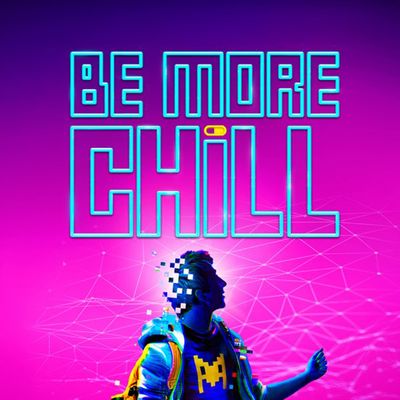

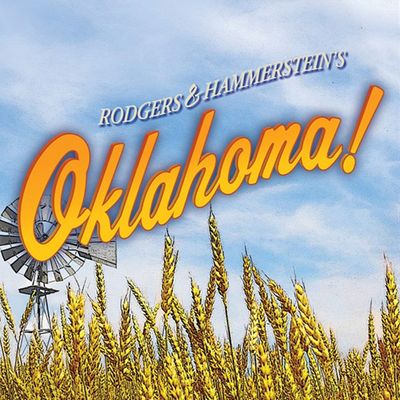
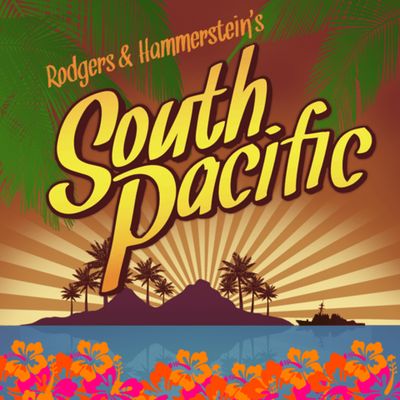
About
This week, Jamie and Rob sit down with self-proclaimed “theater nerd” Ted Chapin, whose knowledge and love of the theater extends well beyond his over 30 year career at The Rodgers & Hammerstein Organization, the licensing agency, rental library, and music publishing company that oversees the R&H catalogue, and countless others, including Irving Berlin, Lin-Manuel Miranda, and more. We talk about Ted’s career at R&H, his favorite of their shows, and, of course, his incredible book, “Everything Was Possible”, an account of his time working on the original production of Follies.
This week’s music: The King and I ‘s“Finale to Act 1,” Lincoln Center Theater’s South Pacific, City Center Encore’s production of Pipe Dream “Overture” and “Sweet Thursday,” Liz Callaway singing “The Gentlemen Is A Dope” from Allegro and Alexis Smith singing “Could I Leave You” from Follies.
Transcript
This transcript was automatically generated and might contain errors.
[0:00] Jamie DuMont: I'm Jamie DuMont.
[0:01] Rob Russo: I'm Rob Russo.
[0:02] Jamie DuMont: And this is the Fabulous Invalid.
[0:19] Rob Russo: Hi, Rob.
[0:20] Jamie DuMont: Hi, Jamie.
[0:21] Rob Russo: How are you?
[0:22] Jamie DuMont: I'm good.
[0:22] Rob Russo: How are you?
[0:23] Jamie DuMont: I'm well.
[0:24] Jamie DuMont: I'm very excited. We have Ted Chapin coming on today.
[0:26] Rob Russo: Ted Chapin from the RH organization.
[0:29] Jamie DuMont: Rogers and Hammerstein Organization, for those who are listening who don't know what that means.
[0:34] Rob Russo: Thanks, Rob.
[0:35] Jamie DuMont: You're welcome. I'm so in the know, I just say RH.
[0:37] Rob Russo: Jamie, you're such an insider. Doesn't everybody know what RH is?
[0:40] Jamie DuMont: I don't know. I don't like to assume.
[0:41] Rob Russo: You know, the 16 people that listen to us.
[0:44] Jamie DuMont: Oh, so they all know.
[0:45] Rob Russo: We have quite a following.
[0:46] Jamie DuMont: We do. So, um, but before we do that, yes.
[0:49] Rob Russo: As we've said before, Leslie is still in tech.
[0:52] Jamie DuMont: And then they begin previews.
[0:55] Rob Russo: Well, it'll be tomorrow, actually.
[0:57] Jamie DuMont: Oh.
[0:57] Rob Russo: By the time this airs, it'll be tomorrow.
[0:59] Jamie DuMont: So yay, Beetlejuice.
[1:00] Rob Russo: Huge.
[1:01] Jamie DuMont: And Jenna's uh busy working on her show.
[1:05] Rob Russo: Yes.
[1:05] Jamie DuMont: But before we get into the thick of it, she has a take two that she wants to do.
[1:12] Rob Russo: Jamie, you said it right.
[1:13] Jamie DuMont: I did.
[1:13] Rob Russo: You always struggle for what our branded name for this segment is.
[1:16] Jamie DuMont: I always struggle with everything, Rob.
[1:19] Rob Russo: So I'm gonna call her and we're gonna talk to her.
[1:22] Jamie DuMont: We'll see if this works. If it doesn't, then I'll just do her take two for her.
[1:26] Rob Russo: Uh huh.
[1:26] Jamie DuMont: I'll clean up her own, I'll clean up her mess for her.
[1:29] Rob Russo: But let's let's see if I can do this.
[1:32] Jamie DuMont: Okay, here we go.
[1:43] Jamie DuMont: Oh my god. I'm so nervous.
[1:44] Jamie DuMont: It's working.
[1:45] Jamie DuMont: Okay.
[1:46] Jennifer Samard: Hello, it's Jennifer.
[1:47] Jamie DuMont: Jennifer Samard, it's Jamie DuMont and Rob Russo.
[1:50] Jennifer Samard: And we're the Fabulous Invalid.
[1:52] Jennifer Samard: Hey, I know those guys.
[1:54] Jamie DuMont: You are too.
[1:55] Jennifer Samard: Hi.
[1:56] Jamie DuMont: Cool.
[1:57] Jennifer Samard: Hi, how are you?
[1:58] Jamie DuMont: We're very well.
[1:59] Jamie DuMont: So we hear that you have a you have a take two you'd like to make.
[2:03] Jennifer Samard: Oh my goodness, do I? So I loved our interview with Bob Lana, aka Jose Lana, um, from last week.
[2:12] Jennifer Samard: And my take two is I mentioned I'm gonna gift uh a little book to Rob.
[2:18] Jennifer Samard: I'm actually staring at it. I have two copies, one of which my husband gave me for my 40th birthday, and the other one I just happened to have.
[2:24] Jennifer Samard: But not only did I say the title wrong, I said the author wrong.
[2:28] Jennifer Samard: I said, This is New York by E. E. Cummings, and it turns out it's Here is New York by E. B. White.
[2:31] Jennifer Samard: So it's Here is New York by E. B. White, which is a very, very famous book, and you got it wrong.
[2:43] Jennifer Samard: So I failed, and now I have to move out of the mark.
[2:49] Jennifer Samard: Yeah, so that's it. That's my take two.
[2:51] Jennifer Samard: So uh because I actually love the love and love the book. Last sentence of the first paragraph is no one should come to New York to live unless he's willing to be lucky, which I love.
[3:00] Jennifer Samard: So that's my that's my correction. Sorry about it.
[3:06] Jamie DuMont: Rob is waiting for his copy, so you have to bring it to him soon.
[3:10] Jennifer Samard: Oh, it's it's you could read it in a half an hour. You're gonna love it. It's it's so charming.
[3:15] Jamie DuMont: Um, but there it is. So I can't wait.
[3:17] Rob Russo: All right. Well, thank you, Jen. We love you.
[3:20] Jennifer Samard: I love you, Miss you.
[3:21] Jamie DuMont: Bye.
[3:22] Jennifer Samard: Bye.
[3:23] Jamie DuMont: Bye.
[3:24] Jamie DuMont: Okay, that was Jennifer Samard.
[3:25] Rob Russo: Yay. She's got a book for you. It's Here is New York by E. B. White and not Here Comes New York by E. E. Cummings.
[3:34] Jamie DuMont: E. E. Cummings. Which is, I don't know how she could get that wrong.
[3:34] Rob Russo: Shocking.
[3:39] Jamie DuMont: Um, I I wouldn't have gotten it right either.
[3:42] Rob Russo: Do you know what this book?
[3:44] Jamie DuMont: No, I don't actually, and I can't wait to read it. I love anything about New York.
[3:48] Rob Russo: Have you seen the New York documentary? The Ken Burns Malte art.
[3:52] Jamie DuMont: Do you know what I'm talking about?
[3:53] Rob Russo: I didn't even know this is a thing.
[3:54] Jamie DuMont: Oh, it's a huge thing, but now that I think about it, probably 20 years ago.
[4:00] Rob Russo: And you were in Power Ranger pajamas.
[4:04] Jamie DuMont: I was never into Power Rangers for the record.
[4:07] Rob Russo: But I liked the picture I was drawing of you in Power Ranger pajamas.
[4:18] Jamie DuMont: The power lies on them.
[4:44] Rob Russo: Well, I think we should we should turn the mics over to Ted Chapin.
[4:47] Jamie DuMont: So very excited to have him on.
[4:57] Jamie DuMont: This week we are delighted to be joined by Ted Chapin, whose more than 40 year career in the theater spans from his start as a production assistant on the original production of Follies to his current role as Chief Creative Officer of the Rogers and Hammerstein organization.
[5:11] Jamie DuMont: Along the way, he co-founded the Encore series at City Center, served as chairman of the American Theater Wing, and has been a host, interviewer, and participant in a variety of television shows and documentaries about the theater.
[5:22] Jamie DuMont: Ted, welcome to the Fabulous Invalid.
[5:24] Ted Chapin: Oh, thank you. It's great to be here.
[5:25] Ted Chapin: Hearing 40 years, goddamn but I, you know, time tells.
[5:32] Ted Chapin: I did start when I was 16, though.
[5:33] Jamie DuMont: That's exactly what I think.
[5:34] Rob Russo: Right, that's right.
[5:35] Jamie DuMont: Wait, what did you do at 16?
[5:36] Ted Chapin: I was a production assistant on The Unknown Soldier and His Wife by Peter Eustinoff at the Lincoln Center at the Beaumont, before Follies even.
[5:43] Ted Chapin: So that's the true start.
[5:45] Jamie DuMont: Yeah, that was the true start. Where's that book? I mean, with you stuff, there has to be some stories.
[5:51] Ted Chapin: I picked our right show to write a book.
[5:54] Jamie DuMont: Well, having just read it, I agree.
[5:56] Ted Chapin: We'll get to Follies. Uh, but first I wanted to start with uh your current work uh at the Rogers and Hammerstein organization, which, as I understand, is a music publishing company, a concert rental library, and a theatrical licensor.
[6:09] Ted Chapin: So, how do you describe what RH does given all those various functions?
[6:13] Ted Chapin: Well, the the the right place to begin is that when Richard Rogers and Oscar Hammerstein, who were at the time halves of two different teams, joined forces to write the musical that became Oklahoma, they'd been in the theater long enough that they knew how the business aspect worked.
[6:30] Ted Chapin: And since Oklahoma hit this town, like frankly, the way Hamilton did, they were savvy enough to think you know what? We could stay, we could hold on to the business part of our creative lives.
[6:43] Ted Chapin: And since they created a new show for Broadway every other year, from that year until Oscar Hammerstein's death, they just accumulated the they manage their own copyrights.
[6:53] Ted Chapin: And as you point out, that means licensing the performances, it means publishing the music, it means licensing concerts, it means licensing film remakes, you know, film rights, television rights.
[7:05] Ted Chapin: It's all sort of all their eggs in one basket. And I've had the honor, I would say, of uh running it for many, many years. And now under the new world, I'm the chief creative officer, which allows me to do other things.
[7:16] Rob Russo: Were they the first that that held the copyrights?
[7:19] Ted Chapin: Well, they were uh I mean, Gilbert and Sullivan was the ones who always are are spoken of as the people who controlled every aspect of their work.
[7:27] Ted Chapin: But I think in our world, yeah, they were, and they were also the only ones who kept it consistently.
[7:33] Ted Chapin: I mean, we also represent Irving Berlin, and Irving Berlin, interestingly, as he grew up, he was as much a music publisher as a songwriter.
[7:42] Ted Chapin: So he knew to hold on to the music publishing as well as the songs, but not so much the theater.
[7:50] Ted Chapin: So it's interesting, but Rogers and Hammerstein were smart enough. They also, I mean, owe to be a fly on the wall when they made these decisions, because I think both men were very savvy businessmen, but you don't write a new musical for Broadway every other year, spending a whole lot of time talking about business.
[8:04] Ted Chapin: You've got to get in the room, you gotta talk about the show, you gotta get to the piano, you gotta get to the desk, you gotta write it, produce it. That's what's I think astonishing about their accumulated um catalog.
[8:15] Rob Russo: So the difference between Rogers and Hammerstein and and Irving Berlin is that he just owned the song and they owned the whole kit and caboodle, everything.
[8:23] Ted Chapin: Right. Because Berlin was a songwriter. For example, when he made the movies that had his wonderful songs in them, he only licensed the songs to that one movie.
[8:33] Ted Chapin: The movie company has no say over any of the songs in any of those wonderful Fred Astaire movies.
[8:38] Rob Russo: Well, that's right. You want to do a stage version of an Irving Berlin musical, you come to us for this for the music.
[8:44] Ted Chapin: There you go.
[8:45] Rob Russo: Which people have done. And hopefully we'll continue to.
[8:48] Ted Chapin: That's right, that's right. Well, it's such an amazing library uh to pull from. Uh so how did you come to this position, uh keeping the legacy of Rogers and Hammerstein alive?
[8:57] Ted Chapin: Well, I grew up in New York, and like everybody in this room, and everybody listening to this, I was a you know, a theater nerd. Um, and I just I mean, I I we have to thank Lynn Manuel Miranda because I wanted to be in the room where it happened.
[9:09] Ted Chapin: I didn't want to be a this or a that. I just wanted to be there. I just loved it.
[9:15] Ted Chapin: So I and since my father was connected to the arts, I realized that he was a good resource. I would do the the research and realize, okay, this show is going into rehearsal during the summer. I wonder if I could be a production assistant. Dad, who do you know? You know, that kind of stuff.
[9:32] Ted Chapin: And it was it was helpful. And I always tell people, and I would continue to to say this don't ever be bashful about using a connection you have, because if you don't use it, the next person's gonna use it.
[9:44] Ted Chapin: You know, we are not a bashful community, and so just if you have it, go for it.
[9:48] Rob Russo: Right, right.
[9:49] Ted Chapin: So Mary Rogers called me one day. I was running the musical theater lab, which was the first uh not-for-profit organization to encourage new musicals. Uh the BMI workshop, of course, helped writers, but this was to produce them.
[10:02] Ted Chapin: And out of the blue, Mary Rogers, who I had met through my parents, called one day and said, What are you doing? I think they could use you at the Rogers and Hammerstein office.
[10:09] Ted Chapin: This was also a year after Richard Rogers died, and the families didn't quite know what to do. There was nobody really running it.
[10:17] Ted Chapin: But she said, I think they could use you. You know, go talk to this guy. Here's the telephone number, uh goodbye, I'll see you later. You know, and that was 35 years ago.
[10:26] Ted Chapin: Um, and it it turned out to be a really good match because my accumulated experience in the theaters, again, my ambition to be involved, but not necessarily to be a this or a that, was very good because I could sort of say, okay, here's a producer who wants to do a production, maybe. Maybe these are the concerns we should we should you know look out for, these are the approvals we should have, but ultimately we we're not doing it, they're doing it.
[10:53] Ted Chapin: And also to engage the current theater artists to feel as if they can actually you know own the production. I think very, very important because if they own it, if they feel that it's theirs, we'll get better work out of them.
[11:08] Rob Russo: Right.
[11:09] Ted Chapin: And in addition to keeping the the catalog of the Rogers and Hammerstein shows, uh, as you mentioned, you know, you have the Irving Berlin work as well.
[11:17] Ted Chapin: I was looking at the list of shows you licensed uh last night to prepare. There's a lot of Rogers and Hart shows uh peppered in, but also some more contemporary work.
[11:25] Ted Chapin: Yes, indeed. John LaCusha musicals, Lynn Manuel Miranda's In the Heights, and even Be More Chill.
[11:31] Ted Chapin: We have my older daughter just opened on Broadway. We have my older daughter to thank for that. She was she was the artistic associate at Two River Theater, where they had commissioned Be More Chill and had not a clue what to do with it.
[11:42] Ted Chapin: So she was part of getting the director and the choreographer, and and she played me Michael in the bathroom and said, Dad, you got to hear this song. It's one of the best songs written for the musical theater in the last 10 years.
[11:52] Ted Chapin: And I thought, oh, you know, she's right. So yes, we have Annika Chapman to thank for art representing Be More Chill.
[11:57] Rob Russo: That's amazing. I love it.
[11:58] Ted Chapin: So when when you're looking to expand the library, what what properties uh you know, what is that process like and what kind of properties are you looking for?
[12:07] Ted Chapin: I think, like so much in the theater, it's instinct. I mean, we we felt that Lynn Manuel Miranda was an up and coming um artist who whose work was really interesting.
[12:19] Ted Chapin: And I think I'll think it's fair to say that not all the licensing houses were after um In the Heights.
[12:26] Rob Russo: Right.
[12:26] Ted Chapin: Um, and we were, and we liked him a lot, and so, you know, we we we grabbed it.
[12:31] Ted Chapin: Um, I don't think anybody's grabbed Hamilton yet, but I think I'd like to think we're online. I don't think they need secondary licensing just yet.
[12:40] Ted Chapin: But yeah, no, that kind of stuff. It's instinct, it's what what we think um our customers would like.
[12:46] Ted Chapin: One of the things that I think was a conscious decision was, you know, if people come to us for the Rogers and Hammerstein shows, you know, wearing the strictly business hat, if you're in the licensing business, you want a variety.
[12:59] Rob Russo: Right.
[12:59] Ted Chapin: You know, I mean, people go to Tiffany's and they know that it's turquoise boxes, but they don't remember that the guy made stained glass.
[13:06] Ted Chapin: You know, Tiffany has become known as a place where everything in there is of high quality. And you know, we have said that was an image that I used early on. It's like I'd like us to be thought of that as whatever we have here, we think highly of it, and we'll also frankly prepare the materials well so that the orchestration, the notes will be correct, the script will be correct, you know, it will be nicely cued so you'll know where the where the music cues are and stuff like that.
[13:29] Rob Russo: Well, you must know, Ted, that uh we should subtitle this The King and I podcast because we talk about The King and I on every episode.
[13:35] Ted Chapin: For some reason it comes out, you're an obvious connection, but that in Oklahoma and yesterday's episode was Jose Lana.
[13:43] Rob Russo: So love him.
[13:44] Ted Chapin: Yeah, he's a pretty special fella, not a King and I.
[13:47] Ted Chapin: Yeah, he played Lunta and the King. And when he did that, when he took over the king at the Lincoln Center production, where he was put in by the stage manager and our back went backstage and said, Jose, did I detect a little uh Lou Diamond Phillips in that performance? And he said, Oh, absolutely.
[14:00] Ted Chapin: But to his credit, when he did the tour and he could work with Bart Shear, he created a wonderful way of playing that the king because you know Jose is still very youthful.
[14:12] Ted Chapin: Um, but he was able to find a way of being both youthful and also commanding, which is important for the King of Siam.
[14:19] Ted Chapin: Yeah, I saw him do it on the tour, and I have to say, I walked into the theater thinking, is he how is this gonna go? And the minute he came on stage, I was like, oh, okay, yeah, he's gonna be. Well, he also he had the confidence. I mean, it's like, you know, directors are important, yeah, and actors need somebody to help them. It's part of the DNA of the theater. And for Bart to have worked with Jose, and actually to Bart's credit, the very first discussion about the tour of The King and I, the Lincoln Center production of The King and I, he said, Jose, I want Jose to do it.
[14:52] Ted Chapin: So possibly this might be a little controversial. In that production, they reduced the overture. They changed the overture. They changed the overture. So they took some material out.
[15:04] Jamie DuMont: Right.
[15:05] Ted Chapin: Is that not sacrilegious? Is the overture to a Rodgers and Hammerstein show not set in stone?
[15:12] Jamie DuMont: Um good question.
[15:15] Ted Chapin: What I said earlier about the sort of magic of making the interpretive artists feel as if they can own it. Andre Bishop, who I respect enormously, was determined to put "Shall We Dance" in the overture of The King and I. Um, I didn't much like it, but I figured, okay, there's something he won, he wanted that peppy song in the overture. Um, so we let that happen. Interestingly, the King and I overture is not the actual best overture of the R&H shows. It's long and it is a collection of tunes. Um, South Pacific, don't mess with.
[15:51] Jamie DuMont: Um I agree.
[15:52] Ted Chapin: Is that your favorite of the overtures?
[15:54] Jamie DuMont: It's just yeah, well, it's a brilliant overture, as is Oklahoma. I mean, but it's interesting that even within those good overtures, there are cuts that can be made that you can that are okay, especially now that we know the tunes.
[16:07] Ted Chapin: It is interesting, I'll tell you one little esoteric thing. It was a wonderful guy named Bruce Pommahack, who was our director of music for years, came to me one day and said, okay, look at the overture of South Pacific. When "Wonderful Guy" comes in, the melody is not correct. Because instead of going "I'm as corny as," he said the way it's done is bum bum bum bum. So you don't get the "I'm as corny as." You don't get those corny, you get those notes. But he said, it's consistent. He showed me the full score, top flutes to bass, all the same, but that's not the melody of the song. So he said, what do you think we should do? And I said, I think we should leave it. Because Richard Rodgers, Rob Russell Bennett did it that way. Richard Rodgers had ample opportunity to hear it. And they left it that way, and I don't think we go in and change it.
[17:07] Ted Chapin: Then I said to him, you want to know my theory? My theory is Bennett was smart enough to realize introducing that tune to an audience that doesn't know it, the "um papa nature" is the most important thing. So if you go boom, boom, boom, bum bah, bah ba-baba. You know, that's what I think. But so interesting because we forget so many years later, because we know every aspect of every song, we forget that it was they were new. Yeah, these were new, this was new music. And they were also, you know, Richard Rodgers had his team. You know, Trudy Ritman did the arrangements, dance arrangements, and vocal arrangements. Rob Russell Bennett did the orchestrations. And it's hard to tell who did what there aren't scores, you know, pencil scores of the overture.
[17:57] Ted Chapin: So my again, my guess having been there for a long time, I won't I will not tell you this is how it happened, but my guess is that Rodgers and Bennett had a conversation, and Roger said, I'd like you to, you know, like the tunes in there, but you know, I'd like to do this. But I bet it's Bennett who thought, you know what, let's start The King and I with these big chords, telling everybody we're in a regal place. You know, and let's start Oklahoma with all those violins, you know, doing the sort of turkey in the straw kind of thing, you know, and let's start South Pacific with "Bali Ha'i." Let's place the audience right where we want them, right from the beginning.
[19:08] Jamie DuMont: Well, I have to ask, this is probably the most annoying question you ever get. But um of the Rodgers and Hammerstein musicals, is there one that is a particular favorite of yours?
[19:17] Ted Chapin: Now, okay, this is gonna seem like a goof because of what you said to me earlier, but actually it's The King and I.
[19:24] Jamie DuMont: Bingo! We have a winner.
[19:27] Ted Chapin: No, I just think the thing is I just it was first of all the first one I ever saw at the Music Theater of Lincoln Center at the New York State Theater when I was a kid. So it was majestic and, you know, and I thought it was wonderful.
[19:41] Jamie DuMont: Is that the one with Barbara Cook?
[19:42] Ted Chapin: No, that was Reza Stevens and Darren McGavin as the King.
[19:46] Jamie DuMont: Darren McGavin as the King of Siam.
[19:49] Ted Chapin: Wow. Yeah, no, I was whatever, 12, 13. I thought he was great. Um, but I just find in the years that I've dealt with all the R&H shows, there's a wisdom in The King and I that I think is kind of astonishing, especially since some people think it's politically incorrect. But you realize that, you know, first of all, historically, the King asked to get have this woman from the West asked for the West to come so he could study how they thought so he wouldn't be invaded. You know, and the fact that she stands up and says, wait a minute, you made a bargain with me, and he, because he's full of bluster and he's the king of everything and he can do whatever he wants, just dismisses it. You know, and that denouement at the end of the first act of showing, okay, these are two human beings who are actually having quite an effect on each other, almost despite themselves.
[20:37] Jamie DuMont: Yeah.
[20:38] Ted Chapin: And I always find that moving, especially at that moment at the end of The King and I, when just before he says you can have a house, when suddenly there's this major chord. And it's like, and you know, a lot of the audience doesn't realize what's going on, but it's all that Buddhist, you know, pray to Buddha, pray to Buddha, I can do this, do this, do this, and then this chord that is so expansive, and he says, then give this unworthy woman a house. And it's like that's what that's savvy theater writing. Because we may not know why we're feeling good with that chord, but then we get the good on top of the good.
[21:15] Ted Chapin: And Buddha, I promise you, the place shall give this unworthy woman a house.
[21:31] Ted Chapin: A house of her own. A brick residence. A joining royal palace. According to agreements.
[21:54] Ted Chapin: I promise you that I should give this unworthy woman a house.
[22:01] Ted Chapin: Our big residence are joining the royal palace.
[22:47] Ted Chapin: Everything was so purposeful. They were very clever and very smart. Um, I mean, it's funny, one of the things reasons I've liked the job that I've had for so long is that I still learn things.
[22:56] Jamie DuMont: Right.
[22:56] Ted Chapin: I mean, there was a production of The Sound of Music a couple of years ago, where in "So Long, Farewell," I suddenly thought, oh my God, Brigitte is the one who sings I cannot tell a lie. Because not only can she not tell a lie, she's the one who rats who says he's in love, you're in love with him and he's in love with you. It's like that's Brigitte, who's just okay, got it. She's telling you who she is.
[23:15] Jamie DuMont: Exactly.
[23:16] Ted Chapin: And you don't even know it. But then it's just, you know, again, subliminally, I think it's also part of why the shows continue to be successful, is that there are they exist in layers. There are more layers to these shows than people may think.
[23:28] Jamie DuMont: Right.
[23:29] Ted Chapin: You know, and it's just maybe sort of, oh, yeah, well, that's just a musical comedy with a couple of good tunes that I'm sick of. It's like, no, no, no, no, no.
[23:37] Jamie DuMont: Isn't that about to be proven eight shows a week at Circle in the Square?
[23:42] Ted Chapin: Something's gonna be proven, and we'll see what it is. It's absolutely fascinating. Have you seen the production?
[23:47] Jamie DuMont: I saw it at Bard, I saw it at St. Anne's, and I will probably be there the first possible evening.
[23:53] Ted Chapin: I can't as I could because as much as I love The King and I, and it is my favorite of the shows. I think this production of Oklahoma is stunning. It does something that I've never seen any other production do because it forces you to listen to the libretto in a very controlled way.
[24:16] Ted Chapin: Because it doesn't, I've said to people, it doesn't have the highs and the lows that you expect in a production of Oklahoma if you know Oklahoma. So it you it's almost like you're sitting on the edge of your chair thinking, okay, I think I know this show, but I don't remember that line, and I don't, oh, and I don't remember feeling that that's happening between those two characters, or who's that guy sitting over there? Oh, oh, he's actually, you know, he's a townsperson who's having an effect on everybody. So it's very, it's really, really interesting.
[24:47] Ted Chapin: My only concern, and it can it's continued from the very beginning is you know, will there be people who expect their Oklahoma to be done a certain way, and whether they're disappointed or whether they're willing, as you are, to go with it and say, you know what, I'm with it.
[25:02] Jamie DuMont: Yeah, probably both.
[25:04] Ted Chapin: We had we had um Mary Testa and Ali Stroker here a couple of weeks ago, and they we asked them, and they said that you know, people walk out, you know, people, yeah, people, yeah.
[25:14] Jamie DuMont: You had that saying people get upset.
[25:16] Ted Chapin: Um yeah, it's it's interesting. I went um I went to Theater Under the Stars to see a friend of mine play Judd Fry in their production of Oklahoma this fall on a Thursday, and then a week later I went to St. Anne's, and the I don't know if you know the Theater Under the Stars production, but they worked with the Houston Ballet. So the ballet was really lush and really extraordinary. Um it was a full orchestra, the whole thing. And then it had been a few years since I had seen the St. Anne's, the Bard production, and it was so interesting to see the lush, very classic version of Oklahoma, and then to sit in St. Anne's.
[25:58] Ted Chapin: And like you said, the book is what really comes through. And it's extraordinary how 75 years later it means everything it meant then and more.
[26:11] Ted Chapin: And the production that you talked about with the Houston Ballet, which used the idea with the convention of having a dancing Curly, and they brought him right out at the very beginning in the first scene.
[26:24] Jamie DuMont: Right.
[26:25] Ted Chapin: And I thought that's an interesting. So that they're sort of taking a convention which some people like to get away from, and they're embracing it because they're taking a very big ballet point of view with it. When I went to see it in Houston, I then went to Denver to see the all-black production that was done there that had been done first at Portland. And then earlier in the summer, I'd been in the Argon Shakespeare Festival where Bill Roush did one with gender, some very specific gender changes. So it's like 75 years later, this property can support all these different ways of looking at this show. And it's it's kind of exciting, I have to say.
[27:09] Ted Chapin: I loved following all those productions.
[27:11] Jamie DuMont: Yeah, and it proves that the show is it's it is a remarkable, extraordinary piece of sort of life-changing.
[27:19] Ted Chapin: They couldn't withstand all these various takes if what was underneath as strong as it is. But I'll give you a preview of the lyrics and lyrics that I'm doing. I was asked to do one on Oklahoma, which is before the St. Anne's one was coming to Broadway, so I thought now I don't know what I'm gonna write. But I always knew I wanted to start, and I've been working with Andy Einhorn, who was great, about where were these two guys before they were asked to do Oklahoma? I mean, we know the story that that Hart that Rodgers was concerned about Lorenz Hart because he was sort of fading away, and that Hammerstein had had a lot of failures, but just we asked ourselves, what but what was going on with those guys?
[27:55] Ted Chapin: And the interesting thing I've discovered, looking at a lot of letters from Oscar Hammerstein during the year of 42 to 43, he hardly ever makes reference to it. The letters are about Carmen Jones and about a new movie of Showboat and a production of Showboat on the West Coast, and occasionally I'm working on a show with Rodgers and we're going to rehearsal in February. So I thought the conclusion that I built is that they just wrote the show the way they felt it should be written. They may not even have been aware of the fact that in doing this show, this story, the way these two guys from these different, slightly different backgrounds, they just the sparks flew and they just wrote the show.
[28:41] Ted Chapin: Elaine Steinbeck, who's one of the great people of the world, um, who was a stage manager on Oklahoma, said there was nobody like Rodgers and Hammerstein out of town on their shows, fearless. They would, you know, their ability to watch the show with an audience and then say, okay, here's what we're doing, and how this is how we're doing it, and without any question. She also she felt, because by that point she was married to John Steinbeck, it was one of the problems with Pipe Dream, because Rodgers was sick, he had a cancer operation. They he sat around the room first day of rehearsal, they read the script, and then Rodgers went to Sloan Kettering and had part of his jaw removed. And she said there was that there was vulnerability to the team suddenly, and so they didn't, they didn't have the opportunity to do the kind of work that they were known to do. Whether that would have made Pipe Dream a hit or not, I'm not sure, but it was a good story.
[29:32] Jamie DuMont: Well, I held back on saying this earlier, but I actually, my favorite overture is the overture of Pipe Dream.
[29:36] Ted Chapin: It's great.
[29:37] Jamie DuMont: I love that overture. I obviously it's not the greatest overture that they wrote, but it is my personal favorite. I just love that.
[29:44] Ted Chapin: It's also it again, it what part of what these guys knew what to do. You're you're in Monterey. You're surrounded by water. You know, that overture it gives you gives you the time and place. And I'm thrilled that we were able to grab that live recording from when Encores did it, because they did it right. They did it really well. And that was again part of my job that was fun. It was at the Zitz probe when the orchestra sits there and the singers just stand up and sing. Mary Rodgers was still alive, and she sat next to me and she would do this occasionally. I think Will Chase was singing one song and she pointed to her arm and said, Goosebumps. And it was a Friday, and I remember thinking, okay, Friday.
We'll never nobody will have the time or the effort to put this in a studio, but I wonder, because it's City Center had been renovated, and I knew that the sound system had been upgraded. So I had the weekend to find out what it would cost and whether we could do it in whether it would be any good. Um so I had to find out whether the bosses by that point, the families had sold it to this Dutch company that didn't like to spend money on anything, whether they would pay for this and whether City Center and how much it would cost. Anyway, by by Tuesday, we pushed the go button and made that recording, and I'm I'm very proud of that recording because I think it it it really doesn't sound like a live recording made in a high school.
[31:24] Jamie DuMont: It's no, it's it's a great recording.
[31:26] Ted Chapin: And Scott Lair, who was we we brought in a deck and put it in the basement, and sort of all the microphones were fed right into that. The mix in the theater has nothing to do with what was on that album. But he said there's some funny stuff on there from the microphones that were kept on when people did other things. I've never heard any of it, but anyway, there was enough there to make a good help of well.
[31:47] Jamie DuMont: Thank you for doing that because I'm I'm such a big believer in capturing uh these shows that don't have you know the recordings that they deserve.
[31:55] Ted Chapin: We it's it's been fun. That and the Allegro one is the other one that I'm proud of.
[32:00] Jamie DuMont: Yeah, the one that we did completely backwards, but I was very proud of that.
[32:04] Ted Chapin: I mean, we did it, we we recorded the orchestra first in Bratislava because Larry Blank had said, you know, when the communists left, there are all these orchestras and they you can get them for nothing. I said, Well, what do you mean nothing? He said, Well, for 10 four-hour sessions over a week was $35,000. And if anybody knows how much recordings cost, $35,000 doesn't really buy you a four-hour session in New York. Right, you know. So I thought, you know, if it if we if it is a disaster, for $35,000 is actually not that big you know, investment. And anyway, so but there we were, having absolutely no idea who we were gonna put on that recording. Wow. He said, let's let's make it sound not like one of those studio recordings that could have been conducted by a metronome. And there's actually one thing in the uh the gentleman is a dope where it's a very big slowdown. And um Liz Callaway, who adores recording, took it as a challenge.
[32:50] ♪ Musical number: "The Gentleman Is A Dope" — performed by Liz Callaway ♪
[34:08] Ted Chapin: Tax the story that I've said before, but not to you guys, is um Audra McDonald has the song uh come home, which is the sort of climb every mountain in Allegro. And she we got her in the studio and she sang one take of it, and it was beautiful, and she said, Um, I just feel like I'm being a good girl. Can I just sort of cut loose and just do whatever I want? We said, sure, because we knew that orchestra track wasn't gonna change. And she did this take that's on the album that is absolutely astonishing. But as an artist, she needed to feel that she wasn't actually paying attention to a regularized thing. She just wanted to perform it. And it was like, go Audra.
[34:52] Rob Russo: Do you find when you when you record things like Pipe Dream or Allegro or the sort of the lesser known titles? Does that bring in a whole new audience to these titles? Do people respond well to these recordings?
[35:05] Ted Chapin: They do. They do, especially the the recordings. It doesn't make people instantly want to do the shows. It's been very interesting. Allegro, there have been a bunch of very interesting productions that have happened around the country, but not that many. And Pipe Dream, I'm not sure that there have been any at all. But people love the recordings in the hearing. Pipedream's a strange, it's a strange show. I think it lives better as the recording that you did at City Center.
[35:30] Jamie DuMont: No, that's why we get it. I don't know the right word, but.
[35:37] Ted Chapin: But it's also, you know, and I don't think I don't think Rodgers and Hammerstein thought this way and or understood it this way. But this role of the older, wiser woman who in all in all the shows comes in at a very vital point in the story and sort of pushes, just pushes some people over the with the hump that they need to sort of get to the end of the show. She's the lead in Pipe Dream. And she's a facilitator. You can't make a facilitator the lead. So she has all these dumb songs, you know.
[36:07] Jamie DuMont: We love them, they're great songs.
[36:08] Ted Chapin: Sweet Thursday and you know, the happiest house on the block. You know, Sweet Thursday.
[36:14] Jamie DuMont: Yeah, no, Sweet Thursday's great. Well, you've mentioned Pipe Dream and Allegro, which are two of the sort of lesser-known properties. I have to ask, does anyone ever do Me and Juliet?
[36:22] Ted Chapin: Hardly ever. But it's a recording we should make. Yeah. And we talk about it from time to time. Um, don't know exactly how, but it's worth, I mean, it's also because I mean, part of what's weird about me and Juliet is it's Rodgers and Hammerstein trying to be hip and cool in 1953. Right. And interesting that once they re they sort of reset the rules of the musical theater with Oklahoma and Carousel. Then Hammerstein had the idea of Allegro to do something kind of an everyman story and try to innovate even further. And it didn't really work. Then they went and did South Pacific and The King and I, which were blockbusters. And then it was Rodgers who said, let's write a musical comedy, like what we used to do in the good old days.
And that's what me and Juliet is. And it's like, well, they've they gone farther. They'd gone beyond it. Right. So for them to attack a musical comedy, it's like let Adler and Ross do that now in the 1950s. So it's a little bit, it's a little bit weird. It did give us a good song for the for the Prince in Cinderella, however, at the beginning of the news.
[37:26] Jamie DuMont: There you go. Well, maybe Encores can do it. I'd love to see it. I'm just curious.
[37:30] Ted Chapin: Yeah, no, I think uh, you know, to see what's there. And you know, Encores, we have this Rodgers and Hammerstein conversation every now and then in Encores. Allegro was the second one they ever did in 1994. To this day, the smallest audience ever at Encores.
[37:43] Jamie DuMont: Really?
[37:43] Ted Chapin: Yes, and at one point I said, could we just remove that, please from the statistics?
[37:48] Jamie DuMont: Exactly.
[37:49] Ted Chapin: You know, but they did pipe dream. Actually, Flower Drum Song is one, the original flower drum, which which may get done at some point, which would be interesting to hear.
[37:55] Rob Russo: Oh, you mean the original book?
[37:57] Ted Chapin: Yeah, the original, the 1958 version of it.
[37:59] Jamie DuMont: Wow, that would be.
[38:01] Rob Russo: Jamie's a big flower drum song fan.
[38:03] Jamie DuMont: I'm a huge flower drummer.
[38:04] Rob Russo: The biggest one I've ever encountered.
[38:05] Jamie DuMont: Yeah.
[38:06] Ted Chapin: No, I think that's serious. I think that's serious. I mean, I think I think there has there has to be a sensitivity to who would mount it, who would direct it, who would, you know, choreograph it. Because you know, we we all need to be sensitive to that. Things have changed.
[38:19] ♪ Musical number: "Sweet Thursday" ♪
[38:56] Rob Russo: Well, as you said, you weren't always the old guy. Once upon a time, you were the youngest guy in the room.
[39:02] Ted Chapin: I still think that.
[39:03] Rob Russo: And that was that's good, that's good.
[39:04] Ted Chapin: I love it.
[39:06] Rob Russo: But that was when you had this formative experience as a production assistant on the original production of Follies. Um we couldn't have you here today without stealing some time to talk about it because you wrote an incredible book called Everything Was Possible. I brought my copy here today.
[39:20] Ted Chapin: Thank you.
[39:20] Rob Russo: About your experience. Um I was wondering if you could share with our listeners who might not know, you know, about the book or about your experience, um, what you did and how it all came to be.
[39:28] Ted Chapin: Um, I saw company, um, which absolutely blew me away. Uh, as a whatever I was, it 19-year-old. I did not know that the musical theater could be as contemporary as company was, as episodic. That's not the quite quite the right word, but it doesn't tell a literal story, it's sort of impressionistic. Um, I I was a fan of Stephen Sondheim's work, but that's it, you know, that whole thing about the original production just blew me away. Um, because I had been at the National Theatre Institute at the O'Neill Center, which I which is still in existence, Barry Grove and the Manhattan Theatre Club and I were two of the students on the very first semester. A long time ago. But it was an amazing experience, and I did not want to go back to school.
So the combination of knowing, having been had my mind blown away by company and not wanting to go back to school, I knew that Follies was going into rehearsal in January. And I schemed this notion: why don't I see if I could be an observer on follies and take copious notes and get two courses worth of credit as an independent study. Then I could overpoint my senior year and get rid of college. And I everybody bought it. I was a I did a good sale job both on the college and ones, you know. And so I was supposed to be the observer on follies. And the first day that I arrived, it was very clear that it was wildly over budget at $850,000. But they didn't have a production secretary or a production assistant.
So I became, there was a there was a position to fill that was more interesting than just sitting around and watching. And so it gave me a position in the company. But I still went home every night, sat at a typewriter, and wrote out four or five pages of everything that had happened that day in rehearsal. And I didn't throw them away. And you know, follies became a kind of major event. So I thought, oh gee, someday it would be fun to, you know, take a look at the journal that I kept and do something with it. So the opportunity came up to write it as a book. And it was a great, it was a great opportunity. I had a lot of the material already, um, because I continued to run Rodgers and Hammerstein while I wrote that book.
Didn't take any time out of my day job when I wrote it. Once it got into production, there were deadlines and things over, you know. But I found photographs. Um it and actually one of the early things was I knew that Frank Rich was an undergraduate at Harvard and wrote this extraordinary review of Follies when it was at the Colonial out of town. So when I met Frank when he was the senior drama critic of the New York Times, and he was writing an article about Oscar Hammerstein and Steve Sondheim. So somebody put us together, and we were two very formal guys. And I said, I will, I was a gopher on Follies, and I remember when your review came in, and he said, You were a gopher on Follies. I said, Yes.
And he said, How many performances did Alexis Smith cut? Could I leave you? And it was like suddenly whatever pretense might have been with these two august fellows just melted away. And we were two follies mavens.
[42:28] Jamie DuMont: That's amazing.
[42:28] Ted Chapin: You know, so the agent that put this book together said, if you could get Frank to agree to do an introduction, that would be good for the package of selling this book to a publisher. Because this book was sold to a publisher very easily, and I realized people struggled for many years to get publishers interested in a book, and this one happened very easily. All I had to do was write it. But it, I mean, it was it was a sort of blessed side thing. But Frank was great. When I sent him the manuscript, he called me and he said, Ted, this is this is really good.
[42:57] Ted Chapin: I said, Oh, Frank, thank you. Like that, he said, No, listen to me. This is really good. And I said, Oh, thank you. And he wrote a wonderful, wonderful introduction. My wife, God love her, she still refers to herself as my first wife, which she is, but my only wife. When she started to read the book, she said, Oh, I just thought you were your writing was so good. Then I realized I was reading Frank's introduction. Anyway, she did finish the book and she was complimentary. But yeah, no, it's wonderful. And the thing is, part of what makes me proud of the book is, you know, I figured there are people who love Follies who would read anything about Follies. But as I was doing it, I thought, you know, Follies was an original musical, not based on anything.
So, and there were the people who put it together, hadn't reached the sort of pinnacle of their careers. So everybody was a little hungry. And there's a real story to be told to everybody, no matter how old you are, about what the process of putting together a musical is. It's very complicated. It's full of emotional ups and downs. It's full of process. It, you know, it's full of mistakes. It's full of trials and errors. And I thought if I can think about explaining that in this book, it would be more important than just a book about Follies. And that's what pleased me most since it's come out of people who have said that. They said how amazing they felt the book was and how much they learned from it.
Even may I say Stephen Sondheim when he finally read it? He said, I didn't know how it came out. I just wanted to know how it all came out. There were enough people when I wrote the book, there were enough people who were still around that I could say, okay, this is what I remember was I right. You know, and they were great. Also, the other thing, and I would say this to anybody listening, and anybody who ever contemplates writing a book about the theater, I didn't need to get even with anybody. It's telling a story, and that freed me up, I felt, to say honestly what I felt I saw. And what was interesting is nobody that I showed it to, and I showed it to the manuscript to everybody who was alive who was a part of it, and nobody complained about the way I treated them, even though there are some times where I was like, if I didn't think they were behaving properly, or if I thought they did something that wasn't right, I put it in there.
But in the context of everything else, I wasn't scolding or doing anything like that. So I think it gives an honest, it tells an honest story about what putting that particular show together and finding a title was the hardest thing of all.
[45:35] Jamie DuMont: How many times did Alexis Smith drop "Could I Leave You"?
[45:38] Ted Chapin: I think it was six. She got very sick, and I think it was six. I think it's in the book. You don't have to look at it.
[45:43] Jamie DuMont: Yeah, no, it is, it is in the book.
[45:44] Ted Chapin: Yeah, yeah. Because she got very sick and that of all songs to drop. And of course, that's what Frank would zero right in on. That's a really important song for her to cut.
[45:52] Jamie DuMont: Why did they cut that?
[45:53] Ted Chapin: What, "Leave You"?
[45:54] Jamie DuMont: "Leave You."
[45:55] Ted Chapin: "How Could I Leave You?"
[46:36] ♪ Musical number: "Could I Leave You" — performed by Alexis Smith ♪
[47:40] Rob Russo: One night you wrote in your in your notes, you asked a question that really struck me as I was reading it. I wrote it down, and I want to ask you your thoughts on it. You wrote, how do you keep perspective when you're so close to something? And that's something that I always think about when you're developing a new musical, and that's applicable to life in general. But all these years later, do you have a good answer to that question? Or is it still sort of a thing to do?
[48:03] Ted Chapin: It's very hard to keep perspective. I think there are little tricks to know. I mean, one of the things that Josh Logan said, which I keep thinking about is an individual member of the audience is useless because that person will tell you his or her opinion. And they may be right, they may be wrong. An audience as a whole is invaluable because you can stand in the back of an audience, and you can sense when they're with it, when they're starting to lose and with coughing, and you know, and it's really that's really really helpful. It also that augurs for having as much of an audience that that's again, I hate to say this, out of town, what that provided was an audience that you knew was interested enough in the theater and interested in new things to come and take something in that they did not know.
And you know, and there are enough experiences in my life, where little changes would be made, and you would suddenly just sense a sea change because now they were getting something that they hadn't been getting before. So I think that's you need the audience. That's you need the audience and also, also, you gotta, if at all possible, cultivate friends who you trust. Because in terms of individuals, if you're gonna hear from individuals, it can be very helpful. I mean, there used to be a lot more going out of town to see shows that are done by friends than I think there is today. And I think you know, there are a lot of people with a lot of strong opinions, and I'm not sure that they're always helpful.
So the answer is it's hard to keep perspective. There are these things you can do that'll help you think figure out whether your instincts were correct and continue to be correct, or whether you should make a little course change in it. But it's the hardest thing. And to you know, and when you know friends or you've been involved in shows yourselves, when you get to that point where you think, oh my God, I now I don't know if this is any good at all.
[50:10] Jamie DuMont: Very true.
[50:11] Ted Chapin: You know, it always happens, and you just you have to take a deep breath and walk around the block, you know, or you know, go home, go away for the weekend or whatever, and then come back and say, No, no, no. I'm here because enough people had faith in what this is, and maybe we'll have a little tweak we'll need, but at the end of the day, we really need we need to do this. And I have to say, for Sondheim, the astonishing reimagining and reconsideration of shows of his that were considered unsuccessful. I mean, Follies was always, you know, somewhere between a cult and a hit. You know, Merrily We Roll Along was a big, big flop. And yet it just keeps re-emerging, and people keep discovering it, and that's kind of amazing.
And there's Sondheim over on Turtle Bay encouraging people to do things like this, which is just I don't I've never known anybody, any artist to be not only alive for the reconsideration of his or her work, but encouraging and ready to comment. I mean, we're doing a Sondheim lyrics and lyricist next week. And he's made very good comments about the song list and things you might think of. And in one email the other day, he even made an Yvonne De Carlo joke. And I thought, okay, we're okay.
[51:31] Jamie DuMont: Yeah, right? Well, we could talk about Follies all day. I'm sorry, I'm sorry. Hammerstein all day, but I want to thank you for coming down. This was spectacular. I think we need to have you back at some point to just talk more about Follies, but we'll see if we can talk you into that at all.
[51:48] Ted Chapin: Always happy to come.
[51:50] Jamie DuMont: Thank you so much.
[51:51] Ted Chapin: All right, my pleasure. Thank you.
[52:04] Rob Russo: Rob here with you may be wondering. Over the course of their 17-year partnership, Richard Rodgers and Oscar Hammerstein wrote nine musicals for the stage: the Film State Fair and the TV special of Cinderella. In our talk with Ted Chapin just now, we touched on every one of those stage musicals, and three in particular that often get overlooked. Of course, we all know the big five: Oklahoma, Carousel, South Pacific, The King and I, and The Sound of Music, each an unqualified hit in its time, and the subject of successful film adaptations and countless revivals, if not an endless stream of high school and community theater productions. If you listen to this podcast, you also know Flower Drum Song, a sixth, and though less well known, a favorite of Jamie's, that is, that got generally positive reviews in 1958, ran a respectable 600 performances on Broadway, was adapted for the big screen in 1961, and received a landmark revival in 2002 with a new book by David Henry Hwang.
That leaves three more musicals, generally regarded as the lesser Rodgers and Hammerstein's. You may be wondering about them, and you come to the right place for a little introduction on these more obscure flops. The first is 1947's Allegro. Fresh off the groundbreaking success of Oklahoma and Carousel, each of which marked major milestones in the evolution of the American musical, Oscar Hammerstein, ever the intrepid dramatist, wanted to push the envelope even further by developing a new musical that was not an adaptation, but an original idea of his own, dramatizing the story of one ordinary man's life from birth to death. Inspired by the spare aesthetic of Thornton Wilder's Our Town, the show featured simple sets and costumes and the novelty of a singing Greek chorus to narrate the story.
The writing ended up being rushed, the cast size and budget exploded, and while it was arguably one of the first concept musicals, way ahead of its time in 1947, audiences were cool to Allegro, and despite having the largest advanced sale in history at that time, the show closed after only nine months. It would be the duo's last major attempt at experimentation. And like the other two big flops, there was no movie or London production, and there's never even been a Broadway revival. As Ted mentioned, Encores did do Allegro in 1994, and a wonderful complete studio cast recording was produced in 2008. In 2014, Classic Stage Company Downtown mounted a newly revised version by director John Doyle, which I caught and happened to really enjoy.
The second flop is 1953's Me and Juliet. This time it was Dick Rodgers who hatched the idea of a backstage musical that would explore the realities of life in the theater, done in the earlier style of the musical comedies that Rodgers and Hammerstein had created separately before their partnership. Featuring a show within a show and a melodramatic romance between a chorus girl, an assistant stage manager, and a jealous electrician, the writing of this show was also rushed, and the result deemed unintelligible by the Daily News. At 358 performances, or just under a year, though, it is the longest running of the lesser Rodgers and Hammerstein shows, having turned a small profit and played a stint in Chicago before just about disappearing into history.
The third and final is 1955's Pipe Dream, the biggest flop Rodgers and Hammerstein ever wrote and produced. An adaptation of John Steinbeck's short novel, Sweet Thursday, itself written using the characters from his earlier novel, Cannery Row. The musical tells the story of a marine biologist in Monterey, California, and his romance with a prostitute named Susie. Among the many problems with the show is that the prudish Hammerstein could not write about a prostitute, nor could the cultured stomach such a story. So the language was toned down, the nature of Susie's profession made ambiguous, diluting the whole enterprise. Following poor reviews, it closed after only seven months, losing every cent of Dick and Oscar's investment.
It's only been seen in New York in an Encores presentation in 2012 that was recorded, thanks to Ted. I share the stories of these three forgotten musicals because it's worth remembering that for all their greatness, Rodgers and Hammerstein also stumbled a few times, like all good writers do. What matters is that they kept writing and never gave up on the art form that they helped shape, the legacy of which Ted Chapin guards to this day.
[56:13] Rob Russo: That's our show. Thanks for listening. You can hear us anytime on iTunes, Spotify, or wherever you download podcasts.
[56:27] Rob Russo: Today's episode was edited and engineered by Aaron Kaufman. And be sure to tune in next Wednesday.
© Broadway Podcast Network, All Rights Reserved