

Rob & Jamie hop down to Arlington, Virginia to talk to Eric Schaeffer and Maggie Boland about running a theater, career choices and Audra McDonald... Read More
From the show: The Fabulous Invalid
Featured Shows
About
Rob & Jamie hop down to Arlington, Virginia to talk to Eric Schaeffer and Maggie Boland about running a theater, career choices and Audra McDonald.
Transcript
This transcript was automatically generated and might contain errors.
[0:00] Jamie DuMont: I'm Jamie DuMont.
[0:01] Jennifer Samard: I'm Jennifer Samard.
[0:02] Rob Russo: And I'm Rob Russo.
[0:04] Jamie DuMont: And this is the Fabulous Invalid.
[0:20] Rob Russo: For this episode, Rob and I took a trip down to Arlington, Virginia to talk with Eric Schaeffer and Maggie Boland. They run Signature Theatre, one of the nation's pre-eminent regional theater companies. You'll hear from Eric and Maggie about how this Tony Award-winning company came to be and about the mechanics of just what it takes to run a really successful regional theater.
[0:39] Jamie DuMont: But first let's huddle with Jennifer and see what's going on in New York.
[0:43] Jennifer Samard: Hey everyone. So for this third episode, uh, we're gonna talk about current events, right? Uh guys. And by guys, I mean Rob and Jamie. I'm curious to know how you feel about the Palace Theater Times Square Theater Development Plans. Any thoughts, opinions?
[0:59] Rob Russo: Yeah, so I have a lot of thoughts and opinions.
[1:03] Jamie DuMont: Go, Rob.
[1:04] Rob Russo: As Jamie knows, I never tire of talking about Broadway real estate with him. Um, for those who don't know, uh recently um plans have been announced publicly for the development of two of Broadway's historic theaters. Uh the Palace Theater, which is obviously uh right on Broadway, um, and has, you know, great history as being the home of Vaudeville. Uh, you know, back in the 1920s, it was the number one stage in the country that all vaudeville performers wanted to perform on. Um, is gonna be lifted up three stories. Uh, and I don't know how they're gonna do it, but somehow they're gonna raise this historic auditorium up three stories and construct a 46-story tower around it that will consist of a hotel and some retail.
Um, and then the Times Square Theater, which is on 42nd Street, it's actually the last of the 42nd Street Historic Theaters that is yet to be um uh renovated or or you know repurposed uh following the big project that started in the 1990s to um to revamp 42nd street. Uh that theater, um, this is like the fifth or sixth plan that's been hatched for this space, um, is going to be turned into uh a retail space, is my understanding. They're lifting it up a couple feet, which seems odd to me, um, and constructing a whole glass box on top of it.
[2:21] Jamie DuMont: Um is it gonna be a theater?
[2:23] Rob Russo: It's not going to be the theater at all.
[2:25] Jamie DuMont: Oh, that I didn't know.
[2:27] Rob Russo: I played the state, the capital. But people said don't stop until you've played the palace.
[2:41] Jamie DuMont: You haven't played the tall.
[2:47] Rob Russo: For years, I had it preached to me and drummed into my head, unless you play the palace. You might as well be dead.
[3:05] Jamie DuMont: I just keep thinking about the early 80s when they demolished what was it, three theaters?
[3:13] Rob Russo: Five, five, it was five theaters.
[3:15] Jamie DuMont: Five theaters, yeah.
[3:16] Rob Russo: To to make the Marriott Marquee, which is a fine hotel, I suppose. However, I think there are a lot of people now who wish we had those theaters back. And there were certainly a lot of people who I remember Christopher Reeve famously protested with a bunch of others. Surranded was arrested.
[3:32] Jamie DuMont: Oh, I didn't know that I didn't know.
[3:34] Rob Russo: But she trained herself to a fence, I think.
[3:38] Jamie DuMont: Maybe they shouldn't have unlocked that chain.
[3:40] Rob Russo: However, I feel like as as loud as the protests were at that time, people really regret it. You know, it's like the selling of the Hellinger, etc., etc. I just worry that the palace is gonna fall into that same category of why did we do this? Do we need more retail space? I understand.
[3:58] Jamie DuMont: But it's still gonna be a theater.
[4:00] Rob Russo: Well, it still will be a theater, but it they are greatly altering the experience of walking to the theater, which I suppose is not that big a deal when you think about when you get into the theater, and I assume it will largely be the same. So you won't know that you're three or four or five stories up, whatever it is.
[4:17] Jamie DuMont: One of my favorite, if I can say one of my favorite conservatives in the world is Chuck Morone, and he has this whole thing called small towns and how you build infrastructure and mixed-use space is a good idea, usually. Um I'm curious how it'll be with the hotel and retail and the theater. It doesn't feel that different from the outside to me of what it currently is, I guess.
[4:38] Rob Russo: That's the thing that I as opposed to the the theater at 42nd Street, which is the Times Square Theater, which really breaks my heart. Speaking of theaters that were torn down, I I remember the off-Broadway genocide, if you will, that happened about 15 years ago. The beautiful promenade theater at 76 in Broadway. I could cry. It was one of my favorite theaters that I ever played in.
[4:58] Jamie DuMont: Um the variety arts, right?
[5:00] Rob Russo: Is that one of the things that the variety arts which was on third?
[5:03] Jamie DuMont: Yeah.
[5:03] Rob Russo: That's gone.
[5:07] Jamie DuMont: I think so.
[5:08] Rob Russo: I mean, but just so many. So like as long as the palace is being preserved, I'm okay. It's just like you said, like what happened to build the marquee, that's so sad. You know, that's so sad.
[5:18] Jamie DuMont: Well, on that happy note, it's interesting that you say mixed use, because we we're about to sit down and listen to our talk with Eric Schaeffer and Maggie Boland, and Signature theater is sort of the best example of that kind of thing where a town embraced a theater company and extended an existing retail experience to include them and give them a brand new home. So I think this might be a good time to listen to our chat with them.
[5:41] Rob Russo: Let's do it.
[6:12] Jamie DuMont: There are so many to choose from. This past summer, Rob suggested that I visit Signature Theatre in Arlington, Virginia, which is outside of DC, to see their production of Candor and Ebbs The Scottsboro Boys. I was so impressed. I started texting Rob the minute it was over. And I returned in August for the premiere of Passion. Before seeing that show, we sat down with artistic director Eric Schaeffer, who founded Signature Theatre in 1989, then performing at a local middle school. In 1993, they converted an old auto garage in Arlington into a theater that remained their home until 2007, when they moved into their current facility, which is a $16 million complex in Arlington's village at Shurlington.
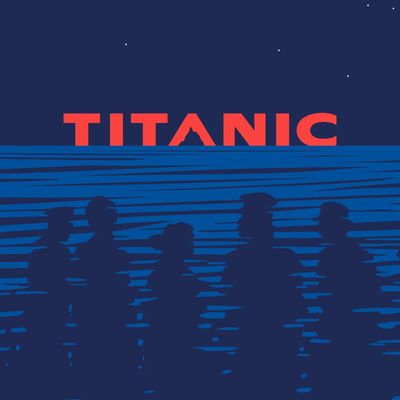
A testament to the great shows that they produce, Signature Theatre was recognized with a 2009 Regional Theater Tony Award. You may know Eric's work as a director since he directed the 2011 Broadway Revival of Follies and the musical Million Dollar Quartet. It was also recently announced that his production of Titanic, which played at the Signature Theatre in 2016, and in Seoul Korea the following year, may be headed to Broadway next season. Here's our chat with Eric Schaeffer.
[7:23] Jamie DuMont: Well, I'd like to know when you're when you're planning a season as the artistic director, um, you know, what is the tension between doing shows that you know will draw an audience because you've got to sell those tickets, and shows that will also challenge your audience? Like the Scottsboro Boys. When I saw that on your schedule, I thought, wow, I'm coming down for that. What theater is. Someone's gotta do it. What theater is doing the Sky Squirrel Boys, right? You know, that's a that's a challenging musical. What theaters are doing fashion.
[7:53] Eric Schaeffer: Come on gather. Hey, hey, hey, hey, you will be able to be tapping over the ground.
[8:03] Eric Schaeffer: I mean, the good thing is, um, and I I was worried about this, I have to say, when we moved into the new building because all of a sudden there's a whole different set of economics, and you know, the great thing is is like Maggie and I work so well together, and I understand the business side of it and how important that is. And so I'm not one of those artistic directors that you know, I sit on that side of the room and she sits on this side, like we're we're we're totally interwoven and you know, making joint decisions, and you know, I'm telling her what I'm thinking, she's telling me what she's thinking, which is really I'm finding more and more unique in the American theater, unfortunately.
But um, but that being said, um, it's it's um there's you know, we have a list of shows like that we want to do, you know, or shows that like wouldn't that show be cool in in the in that space, you know. And I was I always say like signatures about invention, like new work and then reinvention, taking older shows and try to rethink them and and putting them up in a in a unique way. And so it's it's a balance of that, and it's it's hard because it is, you know, we we have to sell like five million dollars worth of tickets a year a year, a season. So, you know, that's obviously part of it. And the thing is, um I always try to, you know, never felt like we we we sold out, like we still keep taking those risks, we still keep doing interesting new things.
Um, and even if it's a show that's more mainstream, like um when we well, like we did show boat one year, and but we took that and we was great because the R and H folks were like were like, Hey, can we do a little of this book with this book? And they were like, Yeah, like you know, let us see the version that you want to do, and we'll, you know, we have Jonathan Tunick reorchestrate it, and so it was all and it was like it was so great, even though people probably thought, like, why is signature doing show boat? That's but it was a whole new version, and we called it no boat because there actually was no boat on stage. When we get to do things like that and think like that, it really I think it drives everyone here, and and it's kind of great because everyone gets excited about what we're gonna do and and how we're gonna do it, really is the thing.
Um, we have a new show coming up by the guys who wrote The Witches of East with John Dempsey and Dana Rowe that we commissioned called Blackbeard, and um what's cool is like the the theater actually is gonna turn be turned into like the ocean, and like the set is like this ship that's all deconstructed, but it kind of it stretches the whole width of the theater on an angle, and so it's gonna be the audience is gonna be in it, and you know, like people swinging on ropes over their head and stuff like that, and you're like, um, we're so lucky that we can do things like that, and just go like, hey, what if what if um you're not stuck with some fixed auditorium right you've got a sandbox that you can play in for every show and then you know even doing fun things like that what's great about like our art space which is smaller but we can do really really interesting work in there by interesting playwrights like we did you know Sarah Kane's play there we did tender napalm we you know and I love that edgy stuff that you know you know audiences go like I didn't really get it but I'm still thinking about it and I was like well that is great because then it's something's resonating in there about what you just witnessed or you know felt so um so it's good to do that I think you know just push the boundaries as much as we can and and and it's I think the trick is honestly is the balance is finding the balance of a little of this a little of that but not feel like we're selling out you know right so yeah.
[11:32] Jamie DuMont: Well over the years you've sort of become uh one of the premier interpreters of the Sondheim canon and you know this this theater I guess yes with this is our 29th Sondheim production 29 years in as many years more than more than any other theater in America really and and you also you know um been such a and I I love what you just said about you know about reimagining you know existing works but also creating new works.
[11:57] Eric Schaeffer: Yeah and you know I I read on your website you've got 56 world premieres in 29 years and 19 new musicals.
[12:04] Jamie DuMont: Yeah.
[12:04] Eric Schaeffer: That's a rather impressive theme for you know they're still standing right I mean that's really incredible. You know the stuff that we commission that we want to work on is just we're trying to find interesting writers, like new writers, young writers to give them the opportunity, and then just um interesting subject matters, you know, that we that we we can go, hmm. Like I was, you know, um I did Sweeney Todd in Seoul like two two years ago, and I literally, when I was there, I was just watching Netflix, like all these independent films, and I found this film that I was like, I was like, oh my god, that should be a musical. And then I like watched it again. I was like, no, that really should be a musical.
I'm telling myself. And I tracked the writer down, the guy who wrote it, and um he was actually an actor who started it and wrote it. And you know, I I sent him an email, I was like, I'm not a stalker crazy person, like I like I act like and you know, told him why I thought it should be a musical da-da-da, and now like signature ended up commissioning him, and he was so excited about the whole idea, and he's writing it, and you know, we did a 29-hour reading of it um this this spring, and we're gonna do a uh two-week workshop of it in November.
[13:14] Jamie DuMont: Is there a composer or an author or a canon of work out there that you want to tackle next that you have not or that you've thought about?
[13:23] Eric Schaeffer: Oh, that's a great question. Um there's probably writers that I'd love to, you know, because I don't know that the the younger, even middle-aged writers have like the canons that like Sondheim, Cannoreb, Jerry Herman have, you know, because the industry has just changed so much and the shows weren't going up every year or every two years, which is you know, unfortunate, and and it's getting people those opportunities too.
[13:50] Jamie DuMont: Um you have had a relationship with Michael John McCusser, right?
[13:54] Eric Schaeffer: Yeah, yeah, we've done a bunch of his stuff too, which is great. I mean, he think I think he's so prolific and just like really interesting, yeah.
[14:00] Jamie DuMont: Giant being one of the out like people project. People still here talk about like our audiences still talk about Giant and how much like they loved it and just were like bring it back again, bring it back, you know, and it was three hours and thirty-four forty-five minutes. It was but it was it didn't feel it. Like it was an experience, and that's what was kind of really cool about it that you just really got immersed in a world.
[15:09] Eric Schaeffer: I love you just as hard as I love.
[15:12] Eric Schaeffer: Love me just as hard as you love.
[15:33] Eric Schaeffer: No one complained about the leg, you know.
[15:36] Eric Schaeffer: No one ever did, which was kind of wonderful.
[15:38] Eric Schaeffer: That's the mark of a good show, isn't it?
[15:40] Jamie DuMont: Yeah.
[15:40] Eric Schaeffer: No, it is, yeah.
[15:41] Jamie DuMont: Yeah.
[15:41] Eric Schaeffer: That was a perfect example of a show where you know I came to see that and the stage felt so wide.
[15:48] Eric Schaeffer: Oh it was expansive.
[15:49] Eric Schaeffer: It was so expansive, you know, and endless horizon.
[15:53] Eric Schaeffer: And then you know, I'd come see in the next show, and it would be so small and intimate, and like, you know, uh so it's really that's when I think I mean that you know that's what's great about it's the great thing, and that's also the hard thing about um having black box theaters, is that uh well, I always tell people, you know, we're not designing a set every time we do a show, we're designing a theater.
[16:14] Jamie DuMont: Right.
[16:14] Eric Schaeffer: Because we change the seating.
[16:16] Eric Schaeffer: We change like when you see Passion, like the configuration is a whole new configuration we've never done before.
[16:21] Eric Schaeffer: And so it's exciting, but it's also so much work on the whole staff and team here, which is you know, I mean, we have like one of the best, you know, I'm not bragging, but I am, but the best staffs really in American theater because they're there, I don't think there's one person who doesn't love to come to work every day.
[16:39] Eric Schaeffer: I mean, we all have days where it's like, oh my god, we got but people like really are passionate about what they do here and working here, and we and and I think that's I feel that's really important, you know, that I want people to want to come to work every day in in the sense of that.
[16:56] Eric Schaeffer: Um the hard thing about having a black box like that is when you have subscriptions, and this is where the business part comes in, where you know, our subscriptions will go on sale in January.
[17:07] Eric Schaeffer: And so what happens is for the show, like Blackbeard, which was 18 months away, we had to figure out what the seating configuration was gonna be if we're gonna do an odd configuration.
[17:20] Eric Schaeffer: And so it's hard because you know, designers don't work 18 months in the like that.
[17:25] Jamie DuMont: And you get locked into something, yeah.
[17:26] Eric Schaeffer: And then and so literally, and then the more you're developing and changing, you're like, oh God, I wish we could only uh so um, but that's but that's part of the business, you know.
[17:35] Eric Schaeffer: It keeps you on your toes, I don't know.
[17:37] Eric Schaeffer: You have to understand, you just have to think like that, and you know, it's just you know, when outside directors come in and go, like, no, this is weird, but we need to pick the seating configuration now.
[17:45] Eric Schaeffer: And they're like, oh my god, I'm not even like thinking like I haven't got my head in the script.
[17:49] Eric Schaeffer: And I was like, I know, but do you get a lot of resistance from that?
[17:52] Jamie DuMont: No, they're great because they understand, they're like, I totally get it.
[17:54] Eric Schaeffer: Yeah, I was like, look, like it just is what sells subscriptions.
[17:57] Jamie DuMont: They're like, okay.
[18:00] Eric Schaeffer: Yeah, yeah, so they get it.
[18:01] Eric Schaeffer: I mean, it's just so it's just a different way of working.
[18:04] Eric Schaeffer: I mean, and that's I mean, I think that's the interesting thing about Signature, like it's always been.
[18:09] Eric Schaeffer: It's like we we there's no formula here.
[18:11] Jamie DuMont: What was the show that started it all for you?
[18:14] Eric Schaeffer: Huh.
[18:15] Eric Schaeffer: Um, I guess I mean when we were in when I when I was in um, I was probably in middle school or even elementary school when the high school did their musicals.
[18:28] Eric Schaeffer: Um I remember they did an amazing production of The King and I.
[18:33] Eric Schaeffer: I and Grant Gordon played The King, I even remembered the King Light.
[18:38] Eric Schaeffer: Like, and where is Grant Gordon now?
[18:40] Eric Schaeffer: And um, oh, what was her name?
[18:41] Eric Schaeffer: Mary Alice Erb was Mrs.
[18:43] Eric Schaeffer: Anna, and they were like it was amazing.
[18:45] Eric Schaeffer: Like, and I was just like, that's amazing.
[18:48] Eric Schaeffer: And then it's funny, one of my elementary school teachers, he liked the theater, and he literally called my parents one day and said, Hey, I'm picking up Eric and I'm taking him to New York for the day.
[19:00] Eric Schaeffer: Um, we'll be back tonight.
[19:01] Eric Schaeffer: And they're like, okay.
[19:02] Eric Schaeffer: And literally, we do because like I grew up in Pennsylvania, it was like two hours from New York City, and I remember he drove us up, and we saw the revival of West Side Story with Debbie Allen, and I can still see the ribbons dropping, and I was like, oh my god, this is amazing.
[19:40] Jamie DuMont: Was that your first Broadway show?
[19:41] Eric Schaeffer: Yeah, that was my first Broadway show.
[19:42] Jamie DuMont: That was a good first Broadway show.
[19:43] Eric Schaeffer: Yeah, I was gonna say that's a great first product.
[19:45] Eric Schaeffer: Yeah, Josie DeGuzman, I think was it was amazing.
[19:48] Eric Schaeffer: So that was great.
[19:50] Eric Schaeffer: And you know, we had two show albums at home, I remember.
[19:52] Eric Schaeffer: It was The Sound of Music from the movie and Cabaret.
[19:56] Eric Schaeffer: And all I did is play those all the time.
[19:58] Eric Schaeffer: Cabaret from the film, I would assume the yellow album, remember?
[20:02] Jamie DuMont: Oh, yeah, yeah, yeah.
[20:03] Eric Schaeffer: I think I still have it.
[20:05] Eric Schaeffer: I did a report on Cabaret the movie when I was very young.
[20:08] Jamie DuMont: Didn't we all?
[20:09] Eric Schaeffer: Yeah, it was supposed to be on German history, and I chose Cabaret naturally.
[20:14] Jamie DuMont: I think that's yeah.
[20:16] Eric Schaeffer: Well, it's a real testament to the importance of arts in the schools, right?
[20:19] Eric Schaeffer: The fact that here you are as a young kid, you see uh Grant and Mary Alice and The King and I, right?
[20:25] Eric Schaeffer: And here you are today, artistic director of a major company.
[20:28] Eric Schaeffer: Yeah, it's hard when you see like the arts getting cut from schools, and I think um, you know, we have a really unique Signature in the Schools program in that um Joe Clarko, who's our our um resident director here and director of new works.
[20:43] Eric Schaeffer: Every year we write a world premiere play, and the kids perform it and rehearse it here, and it's on you know, a contemporary subject, like the last year was on immigration, and um the year before um it was on three, it was called 395 South on um the murder in Baltimore, and and so like it just hits home.
[21:06] Eric Schaeffer: Like, and so what's great is then we bust all the ninth grades in from Arlington County as well as other schools to see it and be part of it, and that week is magical.
[21:15] Eric Schaeffer: We reach like, I don't know what it is, it's probably like 2500 kids a year that we that we really zoom in on.
[21:22] Eric Schaeffer: And it's we do like internships for kids, and they do what we do a whole playwriting thing, like Memorial Day weekend, where the kids write a play, and we we do a whole festival of these plays and produce them for them.
[21:34] Eric Schaeffer: Um it's kind of it's amazing when you see, and they're so talented.
[21:37] Eric Schaeffer: And it's what's great is like they they're they're huge thinkers, which I love.
[21:42] Eric Schaeffer: Like there's no boundaries, and it's really kind of exciting.
[21:45] Jamie DuMont: That's the future.
[21:46] Eric Schaeffer: I know.
[21:46] Eric Schaeffer: That's like I wish I had that when I was a kid.
[21:48] Jamie DuMont: Yeah, you know, that we did not have in Pennsylvania.
[21:51] Eric Schaeffer: And now we sit down with Maggie Boland, who is the managing director of Signature Theatre.
[21:55] Jamie DuMont: So when did you first get involved in Signature?
[21:57] Maggie Boland: Have you been here since 10 years ago?
[22:00] Maggie Boland: Yeah, I started in May of 2007.
[22:02] Jamie DuMont: Great.
[22:02] Maggie Boland: So just as you were such a lie, May of 2008.
[22:06] Maggie Boland: So you all had just moved into this facility.
[22:09] Maggie Boland: Signature had been here for just over a year when I showed up on the scene.
[22:12] Maggie Boland: I had been in Washington for 10 years prior to that.
[22:15] Maggie Boland: I worked at Arena Stage.
[22:16] Jamie DuMont: Okay.
[22:17] Maggie Boland: So I knew and admired Signature very much and had been here as an audience member a handful of times because I love the musicals so much.
[22:24] Maggie Boland: Um, and uh although it's funny when I think back on it, I didn't come to Signature nearly as much as I wanted to, because when it was in the what we call the garage, the former space, it was always sold out.
[22:36] Maggie Boland: And unless you knew somebody, you really couldn't get a ticket.
[22:39] Maggie Boland: You could it was really hard.
[22:41] Maggie Boland: Um, so I hadn't seen nearly as much as I might have if they had been in a bigger space.
[22:45] Maggie Boland: But yeah, so I showed up in May of 2008 and uh was part of the kind of explosive growth of the company and trying to sort of get our equilibrium in terms of operating with two theaters at the same time, and then happily was here a year later when we received the 2009 Tony Award.
[23:03] Maggie Boland: And yeah, I can't take any credit for it because I sort of swanned in at the end and got to correlation or causation.
[23:10] Jamie DuMont: Yeah, right.
[23:11] Maggie Boland: I like to say I only work in theaters that have Tony Awards.
[23:14] Jamie DuMont: But I have to say, you did give one of the greatest quotes I've read in recent times, which was if you can win a Tony Award, I highly recommend it.
[23:23] Maggie Boland: Yes.
[23:23] Jamie DuMont: Which I think is it's good advice.
[23:25] Maggie Boland: Good advice.
[23:27] Jamie DuMont: It's applicable in so many situations.
[23:29] Maggie Boland: But I I mean, talk about pinch me over and over again.
[23:34] Jamie DuMont: What was your decision process like, or your you know, in terms of making a decision from working at Roundabout in New York, which uh you know millions of people would die to do, and then coming down to DC to work at Arena.
[23:44] Maggie Boland: Was that a hard thing?
[23:45] Maggie Boland: It was really hard because I loved my job at Roundabout.
[23:49] Maggie Boland: I was so lucky to be in the right place at the right time.
[23:53] Maggie Boland: I graduated from college, and my roommate and I just decided to move to New York without jobs, without a place to live.
[24:00] Maggie Boland: You know, it wasn't a win, but it was really I look back now and I think would I have the nerve to do that today and maybe if my daughter said to me I'm gonna move to New York City without a job.
[24:12] Maggie Boland: I would I would that would give me pause.
[24:15] Maggie Boland: Um and my mom does talk about crying as the U-Haul drove away.
[24:19] Maggie Boland: So uh so we um I you know I walked into Roundabout at a moment when Roundabout had just moved to Broadway.
[24:28] Maggie Boland: There were some interesting parallels to when I arrived at Signature, obviously a much different scale, but Roundabout had gone from you know being off Broadway and coming out of really significant financial trouble, moving into the Criterion Center, and was finding its way in terms of operating that new space and growing really quickly.
[24:47] Maggie Boland: And I just, you know, got this job that I couldn't even believe was a real thing as development assistant at a moment when Roundabout was growing at an astonishing rate.
[24:58] Maggie Boland: So I was able to be part of that incredible time in Roundabout's history with you know Cabaret and She Loves Me when I interviewed Anna Christie with Liam Neeson and Natasha Richardson was running.
[25:10] Maggie Boland: When the time came for us to leave New York, we were we were neck deep in the campaign to renovate what is now the American Airlines Theater.
[25:18] Maggie Boland: It was the Selwyn Theater.
[25:20] Maggie Boland: Um and what happened was that my husband was offered a job in DC.
[25:24] Maggie Boland: But when we moved to DC, I I was just again in the sort of luckiest place in the world because we had so many people in the Roundabout family who knew people in the Washington, DC theater community and sort of ushered us in here.
[25:40] Maggie Boland: And uh I was able to meet Stephen Richard and all the folks at Arena.
[25:45] Maggie Boland: It was Molly Smith's first season as artistic director, and uh they took a big leap on me.
[25:52] Maggie Boland: I had been the uh I think my last title at Roundabout was director of annual giving.
[25:57] Maggie Boland: And Arena hired me as their marketing director, which was proof to me that they were managers with some imagination, right?
[26:04] Maggie Boland: That they could be very different jobs.
[26:06] Maggie Boland: They are, but a lot of the attributes you need and the skills you need are transferable.
[26:10] Maggie Boland: And I had done a ton of work on corporate sponsorship in New York, which was very marketing focused.
[26:15] Maggie Boland: Um, and so I think they were willing to bet that I could learn what I didn't know, which was everything.
[26:22] Maggie Boland: Um, and uh that the the sort of what I brought to the job and the ambition I had and the sheer obsession with being in the American regional theater would be enough to to make it work, and you know, this is a plastic table, but I'll not anyway.
[26:38] Jamie DuMont: Um well the American Regional Theater is a great place to be.
[26:41] Maggie Boland: Oh, you know, I mean I and especially in DC, I feel like even now, less so, but DC's kind of like a hidden gem.
[26:41] Jamie DuMont: Oh yeah of theater.
[26:51] Maggie Boland: I couldn't agree more.
[26:51] Maggie Boland: I I had a similar journey, and then I I was born and raised in New York and had a decision to make for college.
[26:56] Jamie DuMont: Do I stay in New York or do I I've been accepted down here in DC?
[26:59] Maggie Boland: And I I at the time sort of lamented leaving the theater in New York, and I got down here and I was like, wow, yeah, there are so many amazing companies here, and in this, you know, and in this capital region, um, and doing such amazing work.
[27:13] Jamie DuMont: I can't tell you how many shows I saw here that years later would show up in New York.
[27:16] Maggie Boland: Sure.
[27:17] Jamie DuMont: You know, and I'd be like, Oh, well, I saw it, you know, at Willie Mammoth or you know, at Arena or whatever it was, you know, uh, or Giant here.
[27:23] Jamie DuMont: I saw Giant at Center, you know.
[27:26] Eric Schaeffer: Um Eric did almost the same thing.
[27:29] Jamie DuMont: I mean, we all special show.
[27:31] Eric Schaeffer: It's so it was so special, and I will say the best version of Giant I ever saw was a workshop presentation where it was four hours and 45 minutes long, and when it was over, I looked at my watch and I was sure my watch was broken because the time had flown by, it didn't feel too long to me in the least.
[27:50] Jamie DuMont: And so though I'm thrilled it eventually when it got to the public was down to you know a little over three hours because I think that's what audiences can handle.
[27:58] Jamie DuMont: There's a lot of incredible content from that show that that got left.
[28:03] Eric Schaeffer: There's a lot to be said for four hours whizzing by.
[28:05] Jamie DuMont: Yeah, yeah, it's not that's not easily done.
[28:07] Eric Schaeffer: Yeah, that's a masterpiece in my view.
[28:10] Jamie DuMont: Um so I couldn't agree more with you.
[28:12] Jamie DuMont: When we got to DC, we were so surprised by how robust the artistic and uh managerial community here was.
[28:20] Jamie DuMont: And we came here with a little bit of New York snobbery, truly, thinking, oh, we can always go back to New York if just a train right away.
[28:26] Jamie DuMont: You know, now 21 years later, I can't even believe the incredible community here and the life that I have.
[28:33] Jamie DuMont: And I mean, things I never pictured would be possible with a career in theater.
[28:38] Jamie DuMont: I own a house, I have a car, a dog, you know, and uh we just have have been able to create a beautiful life here that I had never dreamed would be possible, and it's um the American regional theater that made it happen.
[28:52] Jamie DuMont: And what I've really seen over the 20 years now that I've been here is we're not alone.
[28:57] Jamie DuMont: There are a beautiful number of really gifted people who live and work in DC, and it's not a stop on the way somewhere else.
[29:06] Jamie DuMont: This is a place where people come and they can make a living and they can have a life, and you can work in you know 20 theaters around town uh and have all these incredible experiences that are really different from one another, and it's just a it's a really cool place to live.
[29:21] Maggie Boland: I think I read recently that um I think it was Actors Equity had released the report that after New York and Orlando, DC was the third uh you know highest working region for actors, yeah.
[29:33] Maggie Boland: Um, consistently working throughout the year.
[29:35] Maggie Boland: Um and each of us, you know, of the of the major theaters, I don't even know how you would define that, but you know, we we really have pretty clearly defined ways that we relate to the community and the kinds of work that we do, and so you know, actors and directors and designers and choreographers, you know, there's this crazy variety of work that you can do throughout the year.
[29:57] Maggie Boland: Um, and you know, somebody knows what they're getting into if it's a signature musical or a woolly play, or um, so it's really yeah, I can't say enough about it.
[30:06] Rob Russo: As managing director of a regional theater, what does that entail? What's a day in the life?
[30:12] Maggie Boland: Well, the best thing about it, and this is gonna sound like another you know, cliché, but is that no two days are ever the same. So, my job is Eric and I are partners at the top of the org chart, responsible for the entire organizational operation. He really focuses on the artistic vision for the company and leading the artistic team, and I focus on the business side of the theater. Um, so all of the major departments in the theater marketing, fundraising, finance, HR, general management, um, I'm sure there are uh information systems, I'm sure there's more, uh, all report to me. And it's really my job to make sure we have the resources we need to put the best possible work on stage and to build the strongest possible relationship with our community.
And uh so I really don't most days walk in here knowing what the day is gonna hold, um, other than of course I have scheduled meetings um, you know, all of the time, and I you know, you will almost never find me sitting alone in my office. You know, one of the most important things I do is be a sounding board for our managers throughout the organization when they're you know trying to figure something out, they come in and we talk through it and they go off and they do. Um, so you know, uh another joke a la the Tony Award joke is that one of my nieces came to work with me one day, and at the end of the day, our mom said, you know, well, how how is going to work with Aunt Maggie? And she's like, I don't think Aunt Maggie really does any work.
And it feels sort of true. Like I don't have a lot of work product at the end of the day. It's not like I wrote a proposal or um, you know, I just I spend a lot of time talking with, but more importantly, listening to people.
[31:50] Rob Russo: Well, thinking of your niece, it's actually a perfect, you know, because I I had this idea of, you know, what child grows up and says, I'm gonna be an arts administrator, you know, or I'm gonna be a managing director of a regional theater, you know? It seems like sort of invisible work to people who might just go to the theater, you know, on you know, on occasion, um, but it's so essential to making it all happen, right? You know, how how did you sort of come to work in the theater? What what inspired you?
[32:15] Maggie Boland: When I came out into the world, I was an English major undergrad, and I don't have a graduate degree, which makes me a little bit unusual in these positions. And uh when I was initially looking for that mythical first job in Manhattan, I was interviewing with publishing houses. So the the path that I thought I was on was that I was gonna work for a magazine. That was really what I was hoping would be my dream at the time, because I actually didn't know that arts administration was really a thing. Right. It's different today because so many schools have programs around arts administration, um, but it really wasn't a path that I knew existed. And in truth, that first I answered a one ad in the New York Times for development assistant.
I didn't know what the word development meant in that context, but it was for Roundabout Theater. Right. I I would have cleaned their floors and frequently did actually. And so um, you know, I think what we're one of the things we're trying to do now at Signature is actually make the career more visible. So, for example, when we do our overtures training program in the summer, we do a two-week program for college-age young people training them to be triple-threat performers, but we also do a session with me where we talk about careers in the arts and how a regional theater operates, and they get to meet a panel of our senior staff members so that they can see. I think in some cases it scares them because they think, oh my god, she was a performer and now she's this.
But um, you know, we want to really open the window onto the fact that if you love theater, there are a lot of ways to work in the theater without making it on Broadway. That that doesn't have to be the only uh thing you would consider a success. So for me, I never intended to go into this career, but boy, it is literally a dream come true. People throw around literally. I mean in this case, I dreamt of working in a theater, and here we are 25 years later.
[34:13] Rob Russo: So you've worked with three great theaters.
[34:15] Maggie Boland: I have yeah, and I'm a bit of a dinosaur. Not a lot of people go and stay in places, you know. But I was at Roundabout for six and a half years and then Arena for 10, and now I'm I'm here um at Signature for more than 10. And when young people say to me, like, how do I get your job? one of the one of the things I say to them is, you know, don't quit your job. Find an organization you admire, get in there, work your butt off, and you know, find your way. Because for me, as someone who hires a ton of people, um, it's really hard to get a sense of what someone's gonna be great at if they've changed jobs every year or every 18 months. Um, and so I know nobody does what I did anymore, these kids today, but um, you know, I have really found for me what's most satisfying is getting into an organization and figuring out what the organization needs and what I'm good at.
And um, I mean, I probably had five different job titles over those ten years at Arena. Um, proudly you've only had one here. There isn't really another one for me. Um, but you know, and Eric and I have joked that you know there've been there were some decisions in the early part of our tenure here where we thought, uh, we'll let those people think those things through, and it's sort of meaning things long in Signature's future, and it's sort of settling into both of us that we might be those people.
[35:38] Eric Schaeffer: Um you are those people.
[35:40] Maggie Boland: Yeah, but we are having such an extraordinary time with Signature right now. There's no reason to think about anything else.
[35:48] Rob Russo: No, there's no stopping.
[35:50] Maggie Boland: No. I was just gonna ask you what keeps you at Signature, and you answered it twice.
[35:54] Rob Russo: Yeah.
[35:55] Maggie Boland: Two different answers for the same question, and they both they both make perfect sense.
[35:59] Maggie Boland: Well, and let's not forget the musicals. I love I love all kinds of theater, and our our non-musical work at Signature is such an important part of who we always have been and always will be. So I really I love that. We're starting Heisenberg rehearsals today, in fact.
[36:13] Rob Russo: Um, and I'm just as excited about that.
[36:16] Maggie Boland: But you know, the um, you know the song A Way Back to Then from Title of Show.
[36:21] Rob Russo: Yeah.
[36:21] Maggie Boland: That song is about me.
[36:22] Rob Russo: Yeah.
[36:28] Maggie Boland: Dancing in the backyard, Kool-Aid mustache and butterfly wings, hearing Andrea McArdle sing from the hi-fi in the den. I've been waiting my whole life to find a way back to them.
[36:51] Rob Russo: Before we let you go, we are asking everybody what was that show that did it for you way back when?
[36:57] Maggie Boland: Oh boy. That is really hard.
[37:05] Rob Russo: It could be shows.
[37:06] Maggie Boland: Right. I'm gonna I'm gonna say Evita. I I had two experiences with Evita. Uh I was in the chorus of Evita when I was a freshman in college. And it was in that experience that I uh got to be friends with the man who's now my husband. And my brother played Migaldi. This was at Boston College, and I don't even remember what year. Um, and just being in the show and seeing a musical of that scale, that was the first time, you know, that I the leap from high school to college theater was big, and it was really obvious to me that it was being in and producing a musical was really exciting to me. And then that summer, the production, a production of Evita ran at the Pocono Playhouse, which is very close to where I grew up.
And so my brother, Migaldi, and I went to see it. And when we got to the theater, there was an understudy slip in the program, and the understudy was clearly a like 18-year-old Juilliard student. And we were like, oh great, Ava Perone, the student. And then it came out and it was Audra McDonald. And so I feel like she's mine, right? Like I saw her exactly. And we just watched literally the whole show jaws on the ground that this girl who was my age is what it felt like. Um, you know, was sort of killing it in the Poconos, understudying Ava Perone. And I we were we were mesmerized, as you might imagine. And so um we really that that musical, you know, I have such affection for because it was really important in my personal life, but then sort of seeing it in that context was to solidified for me that A, you should always be excited to see an understudy.
[38:47] Rob Russo: Yes.
[38:48] Maggie Boland: And B, um, you know, it's really uh musicals just bring me so much joy and satisfaction. I love them so much. And C, Evita's a nearly perfect show.
[38:58] Rob Russo: It really is a great show.
[39:00] Maggie Boland: And I was really good in the chorus in that movie theater scene.
[39:06] Rob Russo: Yeah.
[39:07] Maggie Boland: So, you may be wondering, what is this American Musical Voices project that we talked about? And if you weren't wondering, well, now you are. There are a variety of programs at companies across New York City and around the country that are aimed very specifically at supporting and nurturing new artists to elevate new voices in the theater through the commissioning of works, granting of funds, and the opportunity to have time and a facility where readings can be held and a production can be mounted or workshopped. This whole ad hoc system, largely, if not entirely existing in the nonprofit space, has emerged over the past couple of decades, evolving organically in response to the fact that the nature of commercial producing in the theater has changed.
It used to be the case that commercial theater producers were the ones who were finding new talent, or else matching writers with projects and producing new works directly on commercial stages. After seeing Milk and Honey in 1961, legendary producer David Merrick summoned its 30-year-old composer and lyricist Jerry Herman to his all-red office high above the St. James Theater. Merrick had the option for a musical adaptation of Thornton Wilder's play The Matchmaker and was interested in Herman for the score. Since Milk and Honey was set in Israel, though, Merrick wanted to make sure Herman was American enough to musicalize Wilder's play. And so, as Herman said, he had to prove that he was Abraham Lincoln and Kate Smith rolled up into one.
Herman went home, wrote four songs in one weekend, and presented them to Merrick on Monday morning, who, upon completion of the last song, stood up and said, Kid, the show is yours. At least that's how Jerry Herman tells it. He was hired to write the score for Hello Dolly, and then he became Jerry Herman. Another example, Stephen Sondheim used his unproduced score for Saturday Night as an audition piece in the 1950s. Combined with his own network in the theater and having Oscar Hammerstein as a mentor, that's partly how he landed a job as lyricist for West Side Story. Then in the 1970s, producer and director Hal Prince collaborated with Sondheim on six new musicals, all of which premiered on Broadway.
The last two, even without an out-of-town tryout. You might know them Company, Follies, A Little Night Music, Pacific Overtures, Sweeney Todd, and Merrily We Roll Along. Not too shabby. It's telling, though, that Sondheim's next musical, Sunday in the Park with George, was developed at Playwrights Horizons, an off-Broadway incubator of new works. That shift from Merrily to Sunday reflected the beginning of a new model taking hold. In the process of creating a chorus line in 1974 and 1975, director and choreographer Michael Bennett pioneered a new method of workshopping a musical over an extended period of time, using the public theater downtown as a space for developing the piece in the rehearsal room with the actors and writers together.
Today, very few musicals and plays have their premiere on Broadway. Most are given birth on regional stages, across the country or at nonprofit theaters in New York. Before millions of dollars are spent putting a show on Broadway, producers now want to see that it can work, and these first audiences become a vital focus group. Through Signature Theater's American Voices Musical Project, nearly 10 composers have been given grants, health insurance, and a top-notch regional theater facility with a built-in test audience to workshop and present a new musical. The most well known being Michael John LaChiusa's musical Giant, which premiered at Signature Theatre in 2009 before coming to the public theater in New York in 2012.
There is no other musical commissioning program like it in the country. Far more common are nonprofit programs to support playwrights. Either way you look at it, regional theaters are not just important cultural anchors for towns and cities across the country, they are also breeding grounds for the next frontiers of the American theater.
[43:43] Rob Russo: Thanks for listening.
[43:44] Jamie DuMont: The Fabulous Invalid is a production of Owen M, etc.
[43:47] Rob Russo: And the Fabulous Invalid LLC.
[43:49] Jamie DuMont: Our theme music is by Lucky Chops, who are currently on tour, so check out their website, LuckyChops.com for info and dates.
[43:57] Rob Russo: Today's episode was edited and engineered by Aaron Kaufman.
[44:00] Jamie DuMont: Find us online at thefabulousinvalid.com and on social media at Fabulous Invalid, and listen to us on Stitcher, SoundCloud, Podbean, and our website.
[44:10] Rob Russo: And be sure to tune in next Wednesday.
© Broadway Podcast Network, All Rights Reserved