

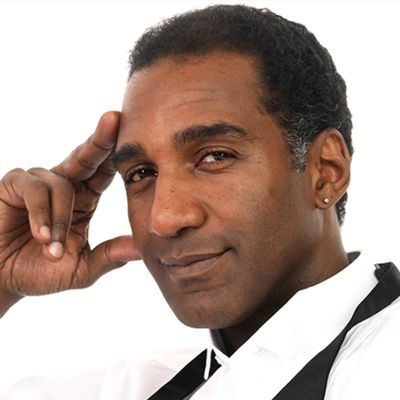
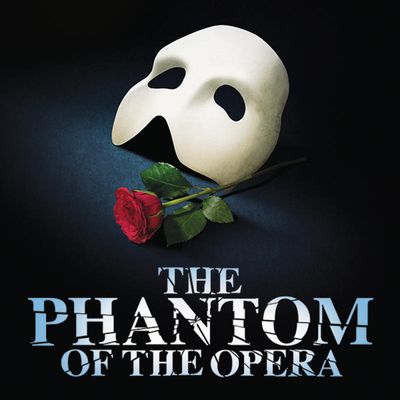
On this week’s episode, Jennifer, Jamie, and Rob sit down with one of the American theatre’s greatest leading men: Norm Lewis. A veteran of twelve Broadway shows, Norm talks about his versatile career, the controversy around “Porgy and Bess”, making history in “The Phantom of the Opera”, and his latest concert with The New York Pops... Read More
From the show: The Fabulous Invalid
Guests
Featured Shows
About
On this week’s episode, Jennifer, Jamie, and Rob sit down with one of the American theatre’s greatest leading men: Norm Lewis. A veteran of twelve Broadway shows, Norm talks about his versatile career, the controversy around “Porgy and Bess”, making history in “The Phantom of the Opera”, and his latest concert with The New York Pops. Before Norm joins the group, they discuss BCEFA’s annual Flea Market and, at the end of the episode, Rob gives more background on the history of color-conscious casting in “The Phantom of the Opera”.
This Week’s Music: Chita Rivera singing, “I’ve Got Plenty of Nothing”, Norm Lewis singing, “I’ve Got Plenty of Nothing”, “The Music of the Night”, and “Bring Him Home”.
Find us on Twitter & Instagram: @fabulousinvalid
Facebook: www.facebook.com/fabulousinvalid
Rob’s reviews: www.stageleft.nyc
Email us at: info@fabulousinvalid.com
Jamie Du Mont
Twitter: @jamiedumont
Instagram: @troutinnyc
Rob Russo
Twitter/Instagram: @StageLeft_NYC
Jennifer Simard
Twitter: @SimardJennifer
Instagram: @thejennifersimard
Transcript
This transcript was automatically generated and might contain errors.
[0:00] Norm Lewis: I'm Norm Lewis, and this is The Fabulous Invalid.
[0:15] Jamie DuMont: Welcome to the Fabulous Invalid, a Broadway centric podcast where we take an in-depth look at the theater through interviews with actors, writers, directors, designers, and everyone in between.
[0:25] Rob Russo: I'm Jamie DuMont, a recovering Broadway marketer, personal chef, and event planner.
[0:29] Jennifer Simard: I'm Rob Russo, writer and theater critic with Stage Left at NYC.
[0:33] Jamie DuMont: And I'm Jennifer Simard, currently appearing on Broadway in Mean Girls.
[0:37] Jennifer Simard: Hi!
[0:38] Jamie DuMont: Hello, hello.
[0:39] Rob Russo: Hello.
[0:39] Jamie DuMont: Jennifer, Rob, how's it going?
[0:41] Rob Russo: Great.
[0:41] Jennifer Simard: Yay.
[0:42] Jamie DuMont: It's good to be back in the pink room with you.
[0:44] Rob Russo: We are back in the pink room.
[0:46] Jamie DuMont: And the art has been hung. You know, for the past year that we've been recording, there have been a couple pieces of art just laying on the floor against the wall.
[0:52] Rob Russo: But now we're in this like gallery.
[0:55] Jamie DuMont: Well, I've been using the Liz Smith piece of art as like covering on the window so that it doesn't distract me.
[1:00] Rob Russo: But like I've been propping this large photograph up on the one window that looks out into the rest of the office because it helps me not get distracted.
[1:09] Jamie DuMont: And now it's on the wall, so I have nothing. I have nothing to keep me focused.
[1:13] Rob Russo: You're reminding me when you said that there were photographs on the ground that um uh for years, whenever I would move, I would inevitably not unpack about three or four boxes.
[1:22] Jamie DuMont: But I found out they make a great coffee table if you just drape some scarves over them.
[1:27] Rob Russo: Oh, there you go.
[1:28] Jamie DuMont: There is all about the scarf. There was a year where I I had a cardboard coffee table in my in my 20s, which was not last year.
[1:35] Rob Russo: Who didn't have a cardboard coffee table in their 20s?
[1:38] Jamie DuMont: Well, speaking of makeshift uh uh things, uh, we celebrated the uh the Broadway flea Market yesterday, which is always this like wonderful annual gathering of show folk on 44th and 45th Street.
[1:52] Rob Russo: Uh what maybe the what made me think about it is the cardboard boxes. You know, boxes on tables up and down the street, full of playbills and other merchandise and stuff that people have pulled out of their attic, it seems like.
[2:02] Jamie DuMont: But uh a lot of really great gems. And we had our own table this year, which was really, really special.
[2:07] Rob Russo: We did.
[2:08] Jamie DuMont: Um, and uh we raised a lot of money for a fantastic cause.
[2:12] Rob Russo: It was a lot of fun. I loved it. It was it's my favorite event that Broadway cares equity fights aids hosts.
[2:17] Jamie DuMont: I've enjoyed it since the early 90s. And it really is a team effort because a lot of people have two shows on Sundays.
[2:23] Rob Russo: The stage managers of every show are really the unsung heroes as far as Broadway show goes. They I mean they get up the earliest, they're packing so many things, and um truly to see the fans so excited and to see it through their eyes re makes me re-fall in love with why we do this, and in addition to raising money for this incredible cause.
[2:42] Jamie DuMont: It it is such a boost. I mean, Jamie, you can you can share. We were, you know, we we were selling play bills at our table that I've collected over the years, and um, you know, the folks coming through are just so energized, but especially the young people.
[2:53] Jennifer Simard: Oh my god.
[2:54] Rob Russo: You know, I don't see that. I mean, I'm sure you see it more at the stage door, right? But gosh, the energy and the excitement and the love that they have for this art form is so energizing.
[3:03] Jamie DuMont: Well, I have to say two things. One, we had a small little um speaker that we were playing some music on, mostly for our enjoyment, really.
[3:11] Jamie DuMont: But as people were listening, as people were looking through the playbills, you would catch them singing along to Spring Awakening or The Prom, which were two shows that we were playing.
[3:20] Rob Russo: And it was so interesting that like watching these young people. I think Rob and I both looked at each other and said, That was us.
[3:27] Jamie DuMont: Right. Right.
[3:27] Rob Russo: We were you know, I was gonna put this on Twitter and then I thought better of it, but I'm gonna say this. There's no nerd quite like a theater nerd.
[3:34] Jamie DuMont: No.
[3:34] Rob Russo: Theater nerds are the greatest people on the planet.
[3:38] Jennifer Simard: That's so real.
[3:39] Rob Russo: No, I mean, not to to be morose about it, but after the the school shooting in Florida, uh Marjorie Stoman Douglas High School, um, you know, those kids were amazing, right? And of course, it came out in the weeks afterwards that they were all theater kids, right?
[3:55] Jamie DuMont: You know, and I was not surprised by that at all, right?
[3:58] Rob Russo: And the last thing I have to say about the flea market, although it's probably not the last thing I will say, is I love that Rob called it his Christmas.
[4:06] Rob Russo: It's my Christmas.
[4:07] Jamie DuMont: And it truly was. As someone who stood next to you for a very long time yesterday.
[4:13] Rob Russo: 12 hours.
[4:14] Jamie DuMont: Which is also not, I mean, we I think we've had longer stretches together. But the point is, you really were like a kid at Christmas.
[4:21] Rob Russo: You were so in your element. It was great.
[4:24] Jamie DuMont: You you well, you are my favorite theater geek, Rob.
[4:27] Rob Russo: Thank you.
[4:28] Jamie DuMont: Well, and and I I was that kid. I mean, I used to go to the flea market, you know, in the in the 90s when I was a uh the high school kid.
[4:34] Rob Russo: I'm also grateful for the table's location yesterday because you were like two down from Mean Girls.
[4:39] Jamie DuMont: I know you guys were so close.
[4:40] Rob Russo: I was actually able to hop back and forth and then go to the autograph table, which was under juniors.
[4:45] Jamie DuMont: Right. Right.
[4:45] Rob Russo: So it was I I was like touching bass, and I was like, whoever planned this, thank you.
[4:50] Jamie DuMont: Right. Right.
[4:50] Rob Russo: Well, it gets said a lot, and sometimes I feel like it almost can feel trite, but Broadway really is a community. And and a day like the flea market is you're it's such a powerful reminder of that.
[5:07] Jamie DuMont: Let's do it.
[5:08] Rob Russo: Yep.
[5:18] Jamie DuMont: Today we're thrilled to be sitting down with one of the American theater's greatest leading men, a veteran of 12 Broadway shows, from The Who's Tommy to Once on This Island, Norm Lewis made history as the first African American actor to play the title role in The Phantom of the Opera on Broadway.
[5:33] Rob Russo: Recently seen as Harold Hill in The Music Man at the Kennedy Center and in Jesus Christ Superstar Live in concert on NBC.
[5:39] Jamie DuMont: You might also know Norm from his recurring role in the TV series Scandal, a recording artist, concert performer, and Tony, Drama Desk, Drama League, and Outer Critics Circle Award nominee, Norm Lewis.
[5:50] Rob Russo: Welcome to the Fabulous Invalid.
[5:52] Norm Lewis: And the crowd goes wild.
[5:59] Rob Russo: Thank you for that.
[6:00] Norm Lewis: How is it listening to those credits?
[6:02] Norm Lewis: That's quite something.
[6:04] Norm Lewis: It's amazing. I'm like, who is that person? I have no idea.
[6:06] Rob Russo: He's you.
[6:08] Norm Lewis: He's me. You're all of those people.
[6:09] Rob Russo: Well, Norm, thank you for coming down and carving out some time. I know you actually have to get back to rehearsal because tonight you are performing at a concert at 54 Below for the New York Pops.
[6:20] Norm Lewis: Yes, yeah. I'm very excited about that.
[6:21] Rob Russo: Can you tell us a little bit about the concert?
[6:23] Norm Lewis: Well, the concert, it's really not really, it's really not really.
[6:26] Norm Lewis: Okay, okay. I speak English. Uh it's not really a concert per se. It's more of a celebration.
[6:31] Norm Lewis: I just um, you know, we are honoring uh a young man by the name of Ron Ron uh uh Schaefer, right? That's the name.
[6:41] Norm Lewis: Ron Schaeffer. Um, and celebrating also New York Pop's educational outreach. And that's the most important part.
[6:47] Norm Lewis: We just want to kind of like tell people what New York Pops does, besides uh doing great work on you know Carnegie Hall stages. But um, yeah, we're gonna just have a really good time.
[6:59] Norm Lewis: I'm just gonna sing some songs that people know me for and a couple of other ones that people don't know me for, and um just have a nice little celebration.
[7:08] Rob Russo: This will air after your concert.
[7:10] Norm Lewis: Yes.
[7:10] Rob Russo: Um, we're not spoiling anything by asking you what is on your set list that you're most excited about.
[7:14] Norm Lewis: My set list. Funny enough, uh, we were I've been going back and forth on a lot of different songs because you know, there's such a catalog of of wonderful things that I love to sing, but uh I'm gonna do, or I would have done by now, uh The Impossible Dream, uh, which is just one of those songs that just grabs you, you know.
[7:36] Norm Lewis: Um I just I remember seeing uh Brian Stokes Mitchell playing that part and hearing his voice. And so I've always just admired um uh my I remember my sister looking at the Tony Awards that year that he was nominated for that show, and she was she called me right away.
[7:53] Norm Lewis: She's like, who the hell is that? So uh I've always just wanted to have a grasp at that song. Um and uh definitely uh I got plenty of nothing from Porgy and Bess.
[8:04] Norm Lewis: Um stars, um, things like that. The shows that I've been a part of.
[8:09] Rob Russo: Are there songs that people request you to sing that you think, I don't want to sing that. Do I have to do you ever have to come up with that?
[8:15] Norm Lewis: Well, funny enough, because I've done Porgy and Bess, some people get confused and they want me to sing Old Man River because they think that's from Porgy and Bess.
[8:24] Norm Lewis: Which is fine. I don't mind singing Old Man River. Uh I love that song, but it's not a Gershwin beat.
[8:30] Norm Lewis: I have a side note. I this should be I should Broadway miscast. When I was nine years old, I auditioned for The Wizard of Oz in Manchester, New Hampshire.
[8:39] Norm Lewis: And the song that I thought would be great. Oh no, it was for a Christmas Carol as one of the orphans or urchins. And the song I thought would be just fabulous to sing was I Got Plenty of Nothing.
[8:48] Norm Lewis: That's what I at nine or ten years old. Yes, yes. Well, just no. No, yeah, no, no. Where were the adults in the room?
[8:55] Rob Russo: No.
[8:55] Norm Lewis: If you go on YouTube, if you go on YouTube right now, there is a version that Chita Rivera does.
[9:00] Rob Russo: Really?
[9:01] Norm Lewis: Of I Got Plenty of Nothing. And she's dancing.
[9:03] Rob Russo: Of course.
[9:03] Norm Lewis: All right. Well, I guess it's not so bad. I assume it's from a while ago.
[9:07] Rob Russo: This this version.
[9:08] Norm Lewis: Yeah, I think actually I think it's black and white.
[9:12] Rob Russo: Ladies and gentlemen, Miss Chita Rivera.
[9:17] ♪ Musical number: "I Got Plenty of Nothing" — performed by Chita Rivera ♪
[9:48] Norm Lewis: I got my man, got my song. Heaven the holy law. No use complaining. Got my God. Got my God. Got my God.
[9:58] Rob Russo: I don't mind doing the whole miscast, you know, gender fluid kind of thing because my first audition song when I got here was uh Before the Parade Passes By from Hello Dolly.
[10:09] Norm Lewis: And I had just done the show, and the baritone part of that, you know, the chorus is the melody. And it has a perfect 16 bars. It also has a perfect 32 bars.
[10:21] Norm Lewis: And every time I would audition, I would always get people who never stopped me at 16 bars. So and Seth was one of the first people. Seth Rudeski was one of the first people I auditioned for.
[10:31] Norm Lewis: And there's a funny story behind that. But we got too long. But since you bring up Seth, this was what I was telling them before. I said, wait, I don't know if you remember, but the I remember specifically when I met you.
[10:41] Norm Lewis: It was the winter of 1993 into 1994. We were singing at St. Clair's Hospital in the prison AIDS ward.
[10:50] Rob Russo: Yes.
[10:51] Norm Lewis: Um, that Seth organized called Hearts and Voices. And it was just Seth, you, me, and a lady by the name of Audra Ann McDonald.
[10:59] Rob Russo: Audra Ann, yeah.
[11:00] Norm Lewis: And she had just been cast in carousel. It hadn't started yet. And I remember Seth introducing us because he we were friends and he was just effing with me.
[11:09] Norm Lewis: But he introduced us to the prisoners and the patients. He introduced us. It's like, so I'm so happy to have with me here today, Broadway star Norm Lewis, Broadway star Audra Ann McDonald, Jennifer Samard, vocal coach student.
[11:25] Rob Russo: So that's amazing.
[11:27] Norm Lewis: Yeah. And look where you are now.
[11:30] Rob Russo: A vocal coach student.
[11:33] Norm Lewis: Anyway. Just because you were a young pup. You know, we were old.
[11:36] Rob Russo: I'm not.
[11:39] Norm Lewis: Boo.
[11:39] Rob Russo: I think we're the same age.
[11:40] Norm Lewis: I don't think so.
[11:41] Rob Russo: No?
[11:42] Norm Lewis: I could be your father.
[11:44] Rob Russo: I'm 49.
[11:44] Norm Lewis: You could be. Oh, oh, wow.
[11:46] Rob Russo: Yeah, but I look good, boo.
[11:49] Norm Lewis: Are you gonna make me cut that later?
[11:51] Rob Russo: No.
[11:51] Norm Lewis: Wow.
[11:52] Rob Russo: I don't care.
[11:52] Norm Lewis: Oh yeah, she's empowered. Good.
[11:54] Norm Lewis: Yeah. You know what I always say? If you're gonna lie about your age, lie up. Because then people say you look fabulous.
[12:02] Norm Lewis: But I sorry, I think I no, you know, as the Wall Street Journal, like they when you do interviews with them, they insist that you say your age. So it's out there.
[12:08] Norm Lewis: I mean, if someone cared enough, they could go figure it out.
[12:11] Rob Russo: Yeah.
[12:12] Jamie DuMont: Everyone's out your age is out there. Is your age out there, Rob?
[12:15] Rob Russo: Do people know you're I don't know. I'll have to Google myself.
[12:17] Norm Lewis: Yeah.
[12:19] Rob Russo: Are you kidding?
[12:19] Norm Lewis: No, me and J-Lo, we look fierce.
[12:21] Jamie DuMont: Yes, you do.
[12:22] Rob Russo: Yes, you do.
[12:23] Norm Lewis: Yes.
[12:23] Jamie DuMont: Yes, you do.
[12:24] Rob Russo: Sorry. This is about Norm, not about me. Sorry, everyone. Sorry.
[12:28] Norm Lewis: No, it's about empowerment.
[12:29] Jamie DuMont: No, I love this.
[12:30] Norm Lewis: There you go. Empowerment is a good conversation to have. So there's always room for that.
[12:34] Rob Russo: I'm so grateful that you're doing this concert tonight. I'm a huge fan of the New York Pops. I, you know, I go to all their concerts at Carnegie Hall. Um, and one of the things I love about the Pops, speaking of empowerment, is the ways in which their education programs inspire children and young people to foster their own creativity and um nurture that need that we all have, you know, to express ourselves creatively, uh creatively. Um I'm wondering when you think back to your own childhood, uh, what was your introduction to music and and singing?
[13:03] Norm Lewis: Well, I grew up in the church, so that was the first thing. Um I didn't know I could sing, and I tell this story all the time, but I didn't know I could sing until I was 17. But I had been singing, uh I guess starting at age nine or whatever, because my father was the chairman of the deacon board, and my grandfather was a preacher. So I basically it was a rite of passage just to kind of join the choir. I don't know how good or bad we sounded, but we made a joyful noise. Um then at age 17 was when I was uh uh confronted with picking um what do you call those uh electives for high school? And they had me in home economics, and I was like, I don't want to be cooking. So I said, Oh, I sing in church, maybe I'll go and join the choir.
It'll be easy, I'll meet girls, it'll be like a fun thing to do. Next thing I know, I didn't realize that it was gonna be this explosion of music that I've heard but never sung before. And I just fell in love. It was my aha moment. And so from that point. Earlier, I would say another introduction was back in the day, we would go in elementary school to listen to orchestras like the New York Pops, and just sit there. We would have to dress up, we had to get a special permission from our parents, but we would dress up in suits and ties and everything, and girls in their pretty dresses, and we would go and listen to the orchestra. Some of us would fall asleep or whatever, but but but it was almost a requirement.
And so I don't know if those kinds of programs are even exist anymore. So this is exp uh really important that the New York Pops has this outreach. It's a huge outreach. I mean, I think they they reach 5,000 students through Pop Sed every year. Yeah, through through New York City Public Schools, which is pretty incredible.
[14:45] Rob Russo: That's a big number.
[14:46] Norm Lewis: It is a big number. Looking at your career, I mean, you have had such an impressive uh uh uh range of roles that you've played, yeah. Um and touching in different traditions in the musical theater, right? We've talked about Porgy and Bess, right? Um, but also you've become an interpreter of the Sondheim songbook and the Kandor and Ebb songbook, which are both very different. Yeah, and then more contemporary, you know, offerings like Angelo Weber or Michael John LaChiusa. Um what do you um chalk up to that versatility? Is it something in your training or is it uh how do you explain?
[15:17] Norm Lewis: I don't know. All I remember is that I was the kid that didn't really have that gospel voice, you know. I mean, like I always got the pretty songs, you know, when I sang in church. But so I guess my love started when I was listening to, you know, my heroes were uh Sammy Davis Jr. and Frank Sinatra, Dean Martin. I wanted to be Dean Martin so bad. I wanted to, you know, a mix of who Sammy was and Dean. Um, but my favorite favorite singer is to this day Johnny Mathis. So I think I not imitated them, but I emulated them, and so my voice, I guess, lended itself, lended it. Is that a word? Uh, lended, thank you. I like lended it. I think we're gonna make a new word uh itself to to that sort of genre and that sort of style of singing. So I think maybe that's why you know I uh have been able to be in spaces that not a lot of uh minorities have been in, which I hope will now change. And I think because of those people I listened to, maybe that's why.
[16:19] Norm Lewis: There was some controversy over some of the revisions with your production of Porgy and Bess. And I'm wondering how you feel about taking a fresh look at an old masterpiece.
[16:29] Norm Lewis: Well, what was so interesting about that whole period was you know, we were we, like I was, you know, called uh uh personally by the Gershwins, but the Gershwins commissioned um the creative staff to see if they could do something with the show, because it has for years been in opera houses. I think it had been on Broadway some years back because we were a revival, but you know, this was a show that is operatically sung, uh has a 70-piece or 100-piece orchestra usually. So it's gonna be difficult to put that on a Broadway stage. So they wanted to have it more accessible, if you will. So what they decided to do was change some of the recitative into dialogue. And then, of course, we're gonna do the greatest hits.
Like, I got plenty of nothing in summertime. But what was interesting about that time was um there was a young man by the name of Stephen Sondheim. He wrote this letter to the New York Times, and people just jumped on the bandwagon and just said, Yeah, Steven, you're right. Of course we shouldn't change a classic, blah, blah, blah. And he lambasted, he lambasted us uh for because what had happened, there was a we had interviewed uh uh invited a and uh a reporter from the New York Times to come and see our rehearsals up in Cambridge and we hadn't finished anything yet we were just trying new things again with the Gershwins' permission there were certain things that they would let us do there were certain things they wouldn't let us do so um from that article we hadn't even previewed yet we were still in rehearsals and uh Mr. Sondheim wrote a letter saying it shouldn't be touched these archetypes are you know pure and fluid and and thought out full you know fully fleshed out and the argument to that was that Diane and uh Audra McDonald and also Susan Laurie Parks and myself I even but they they focused on the women but they were not fleshed out I mean if we were talking about uh stereotypes and archetypes we got to give them some sort of background we can't just say this is how they are and that's it this was an observation by these three men DuBose Heyward, George Gershwin and Ira Gershwin they were observing these people they didn't live with those people they could sim you know kind of understand a little bit of what they went through but they were telling it from their perspective now you're asking a black person and black people to give their interpretation of who we are so let us flesh this out why was uh Audra or Bess a crack addict whore you know what what she just did she wasn't born that way so Audra did some digging and and read the book and also looked into some people at that time, and uh decided to have this battle with the cocaine that she was being given, and it made it a little bit more interesting instead of her just taking it and just like, okay, I'm free and having a party now.
She even went so far as to have a scar put on her face every night because in the book it explained that she did have a scar and she was beaten by a lot of those men. She was never really cared for. They used her. Porgy was the first person that actually loved her and actually gave her things. And so she was trying to make herself better for him. So anyway, we can go into a whole dialogue about this. But I think people feel like this is America's opera. You know, it's it's done by these Americans, and it has been an ambassador overseas to other countries and has said this is what uh America can give as far as this kind of music. So I think people feel an ownership to it, so that's why they were kind of, you know, the purists were out there.
[20:13] Jamie DuMont: It's interesting. Jamie and I were recently talking about this about how for an art form that is all about pushing boundaries and you know, exploring humanity. Sometimes we can be a little too conservative in the way we treat the musicals and operas and you know traditions that we love, right?
[20:29] Norm Lewis: Absolutely.
[20:33] Jamie DuMont: Or revisited.
[20:34] Norm Lewis: Well, what's interesting about it was 95% of our audience had never seen the show.
[20:38] Rob Russo: Right.
[20:39] Norm Lewis: I hadn't seen it before I saw it. They knew the music, but they'd never seen the show. They didn't know what summertime meant. They didn't know what I got plenty of nothing meant. They had just heard it on variety shows. Right. You know what I mean? Or their mom singing it to them as a lullaby.
[20:44] Norm Lewis: I got plenty of nothing, and nothing's plenty for me. I got my gun. I got my song. Got a hymn, the whole day. No, he was complaining. Got my gun. Got my lord. Got his life. Got my soul.
[21:24] Jamie DuMont: It's interesting. I I loved this production. I saw it in Cambridge. I saw it several times on Broadway. And I took my, at the time, 15-year-old niece to see it. Um, because I thought, and there were lots of other things on Broadway she wanted to see, no offense to anyone. Um, but I I we sort of forced her to go, and she loved it. And it affected her deeply, and she became uh a fan of Porgy and Bess sort of sort of globally, the whole the whole kit and caboodle. And I think it was your production was so accessible, especially to a younger person that it allowed her, whereas if I had taken her to the four-hour opera, she I don't think she would have gotten it in the same way that she did with your production. It was a really great way to open it up to a whole new audience.
[22:07] Norm Lewis: We heard that a lot, and it's interesting that you know, people we didn't say don't go see the opera. We were like trying to introduce it, and that was, like you said, I think a great introduction to because it's there is some beautiful music that's in there, but for our production, we we sl you know skimmed it down to uh to two and a half hours, and you know, in opera, you talk about like there's a cup of coffee right here. I can sing about that coffee for 15 minutes. And say, Oh my god, I want to I want to drink that coffee. Like, no, but that coffee is hot. Uh you know, that kind of thing, instead of just picking it up and go, oh, that's good, and then moving on.
[22:42] Jamie DuMont: Yeah.
[22:42] Norm Lewis: So anyway, yeah. And I will say it's an interesting sort of double standard that this whole controversy started with a letter from the great Stephen Sondheim, who is one of the most like amiable guys when it comes to reinventing his own work. So it's really interesting how that all played out and where I don't I don't want to presume to be in his mind, but it's just so fascinating to me because he is the first one to let somebody try something different with his play or his his musicals, which I think we all agree are classics.
[23:16] Rob Russo: Yeah, yeah.
[23:17] Norm Lewis: So you never know. And I, you know, the thing is like it wasn't a hip-hop version of it, but if it had been, you know what? I think that there's a new audience for that. And so, you know, anyway, yeah. Sorry, like we could stay the whole time on this.
[23:31] Jamie DuMont: In your career, you've had the opportunity to be uh someone in the room who has perhaps traditionally not been seen playing a particular role. You know, the first that comes to mind, as we mentioned in our introduction, is in 2014, you made history with Phantom. Yeah, and I'm wondering if you could share with us just a little bit of what that journey was like and what it meant to you personally to break that barrier.
[23:49] Norm Lewis: It was great. I was, you know, for years I had coveted that role. I mean, I never knew that I would uh even be considered, but for 20 years I was I was I kept saying, I want to I want to do this show. Well, I kept going throughout the years, throughout the year saying I want to play it, I want to play it. Luckily, I was at an event that was at Kennedy Center, and Renee Fleming had put this uh voices of America or something like that, American Voices Together. And it was a whole week-long celebration of American Voices, and then we had a major concert at the end.
[24:19] Norm Lewis: But there were workshops and meetings and things like that, and I happened to be on a panel of Broadway people, and not only performers, but people who were directors and musical directors and people like that. And people were asking me questions about being a minority in this industry, you know, and things like that, and what my dream role would be. And I said, Oh, I would love to play the Phantom of the Opera. And on the side on the panel were people who were in charge of hiring. So I did a wink wink nudge nudge, and I looked at them, and I've known them for years, but they saw the concert, and I sang, um, what did I say that concert? Um, make them hear you. Ah. Appropriate. Yes. Um, they heard, and so from that conversation, um, how the universe worked.
My good friend, he's like my brother, Hugh Pinero was playing the Phantom at that time, and he wanted to kind of take a break from playing the role. So he wasn't renewing his contract, which opened up this audition. And so I got a call and said they wanted to see me. So I went in and I got to sing on the stage. But what was really interesting about that was I felt right before I went on stage, I felt this. I know this sounds woo-woo and crazy, but I felt the souls of people before me. And even living and also passed on, Paul Robeson and all these folks, Andre DeShields, and it was in my head saying, Go get it, go get it. So I went out there, did my piece, and I felt really I couldn't have done a better audition.
And I left there on a high, had no idea what was gonna happen, but I know I gave my best, and it was now up to them. Um, next thing I know, I get a phone call saying, You're hired. And that was, uh, it was I was thinking more about just being hired for the role instead of being the first black person to play the role on Broadway. But, um, later on that came about, and all of a sudden CBS and NBC and ABC come calling and wanted to do interviews, and ABC did an interview with me, and it was great. Um, and two weeks later, I didn't know where it was gonna be in the news, but I guess the I'm gonna say the equivalent of some guy, you know, the package before me, some guy runs into a burning building and saves five people, right?
And then they come back and they say, Diane Sawyer says, and next, our person of the week is Norm Lewis. And I'm thinking, what the hell? Just because I'm black? I mean, you know, I like that, but you know, it was really interesting.
[27:00] Jennifer Simard: Didn't you also run into a burning building?
[27:02] Norm Lewis: I heard that.
[27:02] Jennifer Simard: I think so.
[27:03] Norm Lewis: I think yes, I did save, I think six people, yeah.
[27:06] Jennifer Simard: Exactly.
[27:06] Norm Lewis: So top down.
[27:08] Jennifer Simard: As the Phantom.
[27:10] Norm Lewis: With the mask on and everything.
[27:11] Jennifer Simard: You couldn't even see out of one eye.
[27:13] Norm Lewis: No, but that's disability.
[27:14] Jennifer Simard: Yeah.
[27:16] Norm Lewis: Some people slid on my cape. You lived in a sewer and you knew that that building was burning.
[27:22] Jennifer Simard: So my God.
[27:24] Norm Lewis: You can see out of the mask, though, right?
[27:26] Jennifer Simard: Oh, yeah.
[27:27] Norm Lewis: It's not.
[27:28] Jennifer Simard: I just made that up.
[27:28] Norm Lewis: Yeah, okay.
[27:29] Jennifer Simard: I just wanted to check it out.
[27:30] Norm Lewis: That would be hard.
[27:31] Jennifer Simard: My story it was better.
[27:32] Norm Lewis: Yeah.
[27:33] Jennifer Simard: Huh?
[27:33] Norm Lewis: Blind in one eye.
[27:35] Jennifer Simard: Could have been yeah.
[27:36] Norm Lewis: Oh, he didn't have couldn't move his limbs. I will say though, interestingly enough, um, someone wrote an article or blog about their experience there, and there was a man who is part of an African-American fraternity, Alpha Phi Alpha, and he and his wife loved the show so much. And they would go back and celebrate it during their anniversary, and they came on one of their anniversaries. He didn't know I was in the show. He had no idea. But he wrote this blog saying, instead of sitting back and enjoying the show, he now sat up because he saw my black hands come from underneath the cape. So the show meant something completely different to him. And one of the things that he well, a few of the things that he said was now me being in a mask and looking pristine represented the fact that African Americans have to kind of make sure that they are on point in a society.
And we're, you know, kind of having to be accepted by society in a certain way. Um, the noose that fell was a representative of lynching, and now it was like revenge. You know, so like it resonated with him. It didn't resonate with anyone else, but it resonated with him in a different, totally different way. Just because I happen to be African-American.
[28:55] Norm Lewis: Softly, deftly music shall caress you hear it, feel it, secretly possess you, over your mind, that your fantasies unwind in this darkness, which you know you cannot fight the darkness of the music of Bonga.
[30:15] Jamie DuMont: Well, you mentioned Andre DeShields just now.
[30:17] Norm Lewis: Yeah.
[30:17] Jamie DuMont: We had him on the show last spring. And I think off, uh, when we weren't recording, uh, we talked about the history of black actors playing Shakespeare. I'm doing Shakespeare. Yeah. And how it's a really underappreciated aspect of theater history and the great tradition that that extends back. Um, you've had the opportunity to perform with the Public Theater in the park on multiple occasions. Um, and Joe Papp, of course, was a real champion of pushing barriers with, you know, breaking the so-called rules, if you will, and having actors of all different backgrounds and skin color and ability play parts. Um, do you find that we're still sort of struggling with making people have the imagination, you know, producers or directors have the imagination to imagine what parts people can play, or is it getting better? Is it truly getting better?
[31:12] Norm Lewis: It's definitely getting better. It's still a struggle because I guess under, like economically I understand in a way like this whole controversy about The Little Mermaid being a little African American girl, and it controversy in square. Oh my God. Well, it was so interesting. It's like she's a mermaid. She's a fictional character, so she could be anything. But yeah, I mean, I think people are opening their eyes a little bit more. Obviously, Hamilton did a lot for that. That kind of busted the door down for certain things. Now people are being considered for different roles and non-traditionally. It was, there were smatterings of it before, but now I think it's a little bit better. Um, and I think that it's gonna definitely continue on that path.
I don't want people to stunt cast either. I don't want to say, I don't want people to go just happy to have like doing it for a trendy sort of thing. Right, right. I would love to, you know, compete with my colleagues who happen to be white and or of different ethnicities, and the best man wins, but definitely just put me in the room, you know.
[32:26] Jamie DuMont: That's exactly we also had Tara Rubin, the casting director on our show, and that was a point she made very clear that one of her goals is to just put people in the room.
[32:37] Norm Lewis: Right.
[32:37] Jamie DuMont: And you're absolutely right, because let's get to a point where we just stop having this conversation and everybody's in the room together.
[32:44] Norm Lewis: Right. Talent speaks for itself.
[32:46] Jamie DuMont: Exactly.
[32:47] Norm Lewis: I mean, obviously, I can't play Huck Finn in Big River. That's because the show is about race.
[32:53] Jamie DuMont: Right.
[32:53] Norm Lewis: If it's about race, yeah, no, that's not happening. But I mean, there's arguments for, uh, I've even saw in one I normally don't read comments, but I saw in one comment about me playing Javert, uh, and they were like, I like Norm, but you know, him playing Javert, that just doesn't seem right. And I was like, okay. Well, obviously, you didn't do your history because there was a general who was black in France at that time. So you can't say that there was no black people in power in France at that time in history. Um, there was a lot of controversy about Audra McDonald playing Mother Superior in The Sound of Music on television when they did it with Carrie Underwood. And I heard one person say, How could they let someone of her species play that role?
Yeah. I mean, they went that far. So obviously that person didn't do their homework because at that time in history, there was a black Mother Superior just 200 miles away from where it was it took that took place. So before you make comments like that, do your history.
[34:03] Jamie DuMont: Yeah. Do your history.
[34:04] Norm Lewis: Yeah. Well, I have a few things to say. First of all, mermaids are real.
[34:09] Jamie DuMont: Yeah.
[34:09] Norm Lewis: Oh, yeah, sorry.
[34:10] Jamie DuMont: That's okay.
[34:11] Norm Lewis: I apologize.
[34:12] Jamie DuMont: Right, it's quite all right.
[34:12] Norm Lewis: Um, second of all, I will compete with you anytime, any place for any role.
[34:18] Jamie DuMont: Okay.
[34:19] Norm Lewis: Um, but third, um, you mentioned you played Javert.
[34:21] Jamie DuMont: Yeah.
[34:22] Norm Lewis: That was another breaking another barrier. You were the first African-American actor to play that role in a professional English production.
[34:29] Norm Lewis: Thank you very much.
[34:30] Jamie DuMont: Thank you.
[34:30] Norm Lewis: What is it about Les Mis?
[34:32] Jamie DuMont: Hey, what is it about Les Mis that keeps drawing you back?
[34:34] Norm Lewis: You know, that show, I don't know. They hit it was a perfect storm. They read that damn 15,000 page book and condensed it into, I think in initially, I think it actually was four hours, and then they got it down to three, which was good. But, um, I don't know, it resonates with people in, uh, so obviously for 35 years now, I guess. And I remember sitting next to a guy years ago before I was even in the show, and I went to see some friends of mine that were on tour, and this dude was sitting next to me and he was like bending down and he was coming back up and he was breathing hard, and he was just restless. And I'm thinking, if you didn't want to be here, you should have gone, you know, stayed your ass home.
All right. Well, during intermission, he gets up and he goes to the bathroom, and his girlfriend or wife at, uh, was sitting next to him, leans over to me and she says, I'm so sorry. I am so sorry that if he's bothering you. I said, No, it's it's fine. You know, it's fine. She said, You have to understand, he is into this show so much. I think his mom had just passed away. And so all of those deaths that were happening in the first act just hit him really hard. He was crying. That's what was happening. Wow. And he was enjoying the show, but it was like he was. It was coming off like, I've had it. So I had a little bit more sympathy for him when he came back for the second act. And, um, but I've heard stories like that.
There are so many people who are not even into musical theater who love this show. Yeah. I mean, I've had several people who have recognized me, not from Scandal, not from any, you know, anything else, but they said, Oh, you're that dude that was the 25th anniversary of Les Mis. Uh, you know, I love the show, and I've done it now four different times. So, yeah. I love it. It'd be interesting to pinpoint what it is specifically about Les Mis that draws in the audience that it does.
[36:33] Norm Lewis: Because it is one of those shows that is a first show for many, many people. It's again another show that's brought people into the theater that wouldn't normally come. So what is it? I don't know, I don't know we're not gonna we're not gonna answer it. No, right, but but it's fascinating because it you would think that you would be more recognized from a television program than you would from uh like a DVD, yeah or PBS. Exactly. Yeah, yeah, yeah. But you're but you just said you're not, and it's I find that fascinating. It's there's something about that story that really gets to everyone.
[37:05] Norm Lewis: Bring him peace. Bring him joy. He is young. He is only a boy. You can tell let him be find me die.
[38:02] ♪ Musical number: "Bring Him Home" — performed by Norm Lewis ♪
[38:25] Norm Lewis: You've constructed such an amazing career on versatile, you know, in stage, television, film, concerts, recording studio. I kind of want to know twofold. What advice would you give to someone starting out? And what's the best piece of advice you got? Maybe they're one in the same. I I think what I came here, I I came Elvin Late Bloomer, so I came here like I was 26 going on 27, and a lot of my colleagues who had just moved here had just gotten out of college, so they were like 21, 22. So I had I was envious of them in the beginning because of you know their training and the brotherhood and sisterhood that they had gone through for those four years. But I came from a business background, I worked in advertising, so I got to basically you know that was acting in itself.
Um but for me, I think it was like you know what, this is just do it or die. Uh I remember going to every audition. I always tell people, just show up. Just show up because unless they specifically ask for blonde hair, blue eyes, and boobs, I was there. I came, you know, I went and got my my number at uh six o'clock in the morning, and sometimes I wasn't seen until like three in the afternoon or whatever. But I came to New York from Orlando or from the small town called Eatonville in Florida. I came here for on a purpose, and I said, I'm going to work no matter what. I don't know where I'm gonna work, but I'm gonna work no matter what. And so that I think that's that's just show up, just do it or die. Do it or die. You know what I mean? Like why move to New York? I mean, I love New York, but it's expensive as heck.
[40:00] Jamie DuMont: Yeah.
[40:01] Norm Lewis: Seems to be the other Yeah. I mean, I've had several friends who moved here after I did, and they ended up getting jobs as waiters, and then they became the head waiter, and then they became manager, and and and I and nothing's wrong with that, but it's like you can be a waiter in Orlando instead of living here. Why would you put yourself through this? Because New York, if you're not ready, it'll eat you up.
[40:22] Jamie DuMont: And it smells in the summer, and it smells in the summer.
[40:24] Norm Lewis: It's fierce.
[40:25] Jamie DuMont: Yeah, it's true.
[40:26] Norm Lewis: Yeah, it's very real. Well, you already sort of nodded to this earlier, but you've tackled so many iconic roles throughout your career. We haven't even mentioned Sweeney Todd.
[40:33] Jamie DuMont: Oh my god.
[40:34] Norm Lewis: Oh my god. Right? But I know time is time is short. Um Javier, Porgy, Phantom, Billy Flynn, Harold Hill you just did.
[40:42] Jamie DuMont: Yeah.
[40:42] Norm Lewis: Um, is there another leading man on your bucket list on your bucket list that you'd like to tackle? I've been lucky to play, you know, a lot of these different roles. And you know, there was uh, you know, uh Curtis and Dream Girls, things like that. And with Jennifer Holliday, I oh my god.
[40:58] Jamie DuMont: Jamie's clutching his buttons.
[41:01] Norm Lewis: Because I I I also remember the actors find where you played Curtis, which was probably one of the greatest nights. With Lily as well.
[41:07] Jamie DuMont: Well, and also, again, that was a perfect storm. We had just two weeks before that was 9-11, and so we needed a relief.
[41:14] Norm Lewis: Yeah.
[41:15] Jamie DuMont: And so many people love the show. And I I mean, that show, I didn't realize who was in the audience until afterwards. Had I known that, I don't know if I would have gone out. But if, and this is this sounds horrible and morbid, but if there was a bomb that was blown up on in that theater, all of industry uh the in this industry would have been like on hold for years. But we would have gone out happy.
[41:35] Norm Lewis: Happy, yes, truly.
[41:36] Jamie DuMont: So I just I I I don't know. I mean, the the one that came to mind recently, and I never thought about this before was uh Henry Higgins and My Fair Lady.
[41:46] Norm Lewis: I love that that show so much. Um I just would have to brush up on my British accent, but but yeah, I love Henry Higgins, and I love I love what I saw. I saw Laura Benante play it with that wonderful English actor, and I can't think of his name right now, but they had such a chemistry. I'm like, oh man, I would have loved to have done like had a crack at that. But who knows?
[42:08] Jamie DuMont: Okay. Well, if someone's listening, never too late.
[42:10] Norm Lewis: Yeah, right, because there aren't very many leading roles left for you to play.
[42:14] Jamie DuMont: You've done them all.
[42:15] Norm Lewis: I was hoping to, you know, maybe change Scott Rudin's mind about uh Harold Hill, but obviously Hugh Jackman beat me out.
[42:23] Jamie DuMont: Whatever.
[42:23] Norm Lewis: Hugh Jackman. Who is that?
[42:26] Jamie DuMont: Who is that Hugh Jackman guy?
[42:28] Norm Lewis: Maybe one day, maybe when he leaves, maybe I can fill in.
[42:30] Jamie DuMont: Yeah, yeah.
[42:31] Norm Lewis: Exactly. Well, Norm, you've been very generous with your time. I want to thank you for coming down.
[42:34] Norm Lewis: No, no, no. Before we let you go, we have one more question that we wanted to ask you, and we ask everyone this, and that question is what was that thing that made you want to be uh an actor, uh a performer?
[42:47] Norm Lewis: That thing. Wow, I think it was when I discovered that I had a voice, and I got my first solo. Uh I was uh so that was my junior year when I got into uh chorus, and then the senior year I had seen that there was a separate chorus that was part of the bigger chorus, which was the dance ensemble. And so I auditioned and got into that. We were called Great Feelings, and um I know, don't judge me. But what was the song?
[43:15] Norm Lewis: Well, I got that great feeling coming around, filling up inside me. Yeah, great feeling. I think we can just call it love. Anyway, um, but I remember getting a solo, and it was my first solo was um I'm getting bugged driving up and down the same old strip. I gotta find a new place where the kid. And so that was from the Beach Boys, and I people were like, Oh my god, you oh, you slam now. You know, I don't know if they used slam back in that day, but you did really well.
[43:43] Jamie DuMont: So you were heavy.
[43:45] Norm Lewis: No, no, you were groovy, man.
[43:46] Jamie DuMont: Far out.
[43:47] Norm Lewis: Far out. You were far out, dude.
[43:48] Jamie DuMont: You were rad.
[43:49] Norm Lewis: Jen Cody's been trying to make stove a thing for years.
[43:52] Jamie DuMont: Stove?
[43:53] Norm Lewis: Stove. Like, oh, that's hot. You know, yeah. She's like, that's so stove.
[43:59] Jamie DuMont: Stop, stop.
[43:59] Norm Lewis: Yeah.
[44:00] Jamie DuMont: Stop trying to make stoves.
[44:02] Norm Lewis: It's not gonna, it's not gonna happen.
[44:03] Jamie DuMont: It's not gonna happen.
[44:04] Norm Lewis: But no, I think that's when it kind of hit me, and I was like, oh, oh, because this is almost like a therapy session, but I grew up playing tennis. Um, and I was good. I was a really good player. I traveled to the United States playing as a young kid, but I wasn't great. And by the time I hit 18 years old, because I had been benefited with um playing not necessarily for free, but cheaply, uh when I hit 18, I knew it was gonna be more expensive after that. And so I said, I'm not great. I'm not great, and I can't afford it to go on. So I found a new love, and I think that's what uh that singing and getting the uh appreciation for that really helped a lot.
[44:45] Jamie DuMont: And you're pretty great.
[44:47] Norm Lewis: Oh, stop!
[44:48] Jamie DuMont: You're pretty great at it.
[44:51] Norm Lewis: Me too.
[44:52] Jamie DuMont: Great feeling.
[44:53] Norm Lewis: You tied that in?
[44:54] Jamie DuMont: I guess you're good.
[44:55] Norm Lewis: Oh, thank you.
[44:55] Jamie DuMont: We think you're stove.
[44:58] Norm Lewis: Maybe, you know what, Jim, Jim might have something.
[45:01] Jamie DuMont: Yeah.
[45:01] Norm Lewis: Hashtag Jen Cody, hashtag stove.
[45:04] Jamie DuMont: Oh my god, you guys are so stove.
[45:06] Norm Lewis: So stove.
[45:07] Jamie DuMont: Well, Norm Lewis, thank you very much.
[45:08] Norm Lewis: Thank you.
[45:09] Jamie DuMont: Did you have one more question?
[45:10] Norm Lewis: No, no, no, just trying to wait to see your concert tonight.
[45:12] Norm Lewis: Yeah, it's gonna be fun. I'm I'm honored to be a part of this. So, and also, can I just say I'm honored to be a part of this uh the fabulous invalid, because I had no idea now I'm gonna be a big, big, big fan and listen to it all the time.
[45:27] Jamie DuMont: Thank you.
[45:39] Rob Russo: Rob here with you may be wondering. We just finished our conversation with Norm Lewis, who, in addition to being one of Broadway's best actors and singers, has also made history twice as the first African-American actor to play the role of Javert in a professional English production of Les Miz, and the first African-American actor to play the title role in The Phantom of the Opera on Broadway.
[45:58] Rob Russo: I was fortunate to catch a performance of his phantom, and he was, as always, just terrific. You may have noticed, though, that I qualified his barrier-breaking success by adding that he was the first African-American actor to play the Phantom on Broadway. You may be wondering who did it before Norm and where? Well, in 1990, just two years after the Broadway premiere of The Phantom of the Opera, black actor and singer Robert Guillaume was cast in the Los Angeles production of Phantom. A celebrated star with extensive credits on stage, in film, and on television, Guillaume is probably best known today for playing Benson in the television series Soap and its more popular spinoff, Benson.
[46:34] Rob Russo: But what folks might not know is that he dreamed of being an opera singer as a child and got his start in musical comedy, performing on Broadway and Quamina, Pearlie, and the legendary all-black production of Guys and Dolls in 1976, for which he received Tony and Drama Desk Award nominations for his portrayal of Nathan Detroit. He later voiced the character of Rafiki in The Lion King and starred in Aaron Sorkin's sports night. Guillaume passed away in 2017, just a month shy of his 90th birthday, but he left behind an extraordinary tradition and legacy of versatility and barrier breaking that Norm Lewis holds claim to today.
[47:08] Rob Russo: As Broadway makes greater strides towards inclusivity and more color-conscious casting, as writer David Henry Huang puts it, it's worth taking a moment to celebrate the men and women who have been pioneers in proving what should be obvious: that great actors of any color can and should take on the great roles of the stage. Thanks to great actors like Robert Guillaume and Norm Lewis, progress is being made.
[47:46] Rob Russo: Our theme music is by Lucky Chops. Today's episode was edited and engineered by Aaron Kaufman.com and on social media at Fabulous Invalid and on iTunes, Spotify, and wherever you find your podcasts.
[47:59] Rob Russo: And be sure to tune in next Wednesday.
© Broadway Podcast Network, All Rights Reserved