

This week, Jamie and Rob travel to California to visit Pasadena Playhouse and chat with Danny Feldman, Producing Artistic Director... Read More
From the show: The Fabulous Invalid
Guests

Featured Shows
About
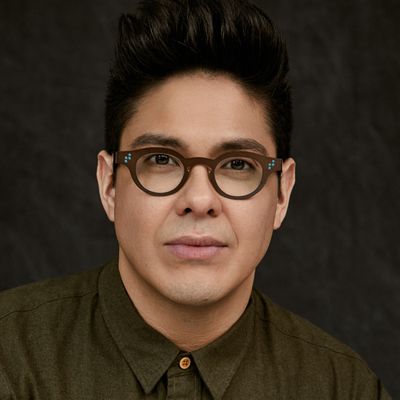
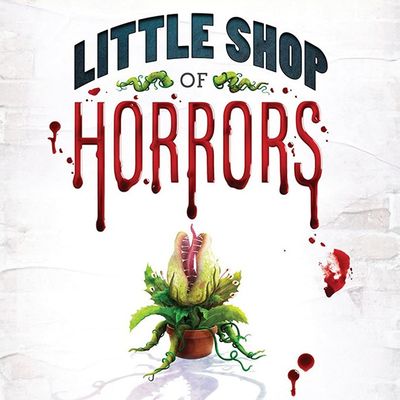
This week, Jamie and Rob travel to California to visit Pasadena Playhouse and chat with Danny Feldman, Producing Artistic Director. Together, they discuss Danny’s time with the Playhouse and their current production of “Little Shop of Horrors.” A bit later, cast member George Salazar chats about his take on playing Seymour in “Little Shop”, working at the Playhouse, and what life is like post-“Be More Chill”. And, finally, Rob gives us a look into the rich one-hundred-plus-year history of the Pasadena Playhouse, one of America’s earliest and greatest regional theatre's.
This week’s music: Jan & Dean’s, “The Little Old Lady From Pasadena”, “I Am What I Am”, “The Juan Mix”, “The Light Of The World”, “Godspell: New Broadway Cast Recording”, “Suddenly, Seymour” and “Little Shop Of Horrors,” from “Little Shop Of Horrors”.
Find us on Twitter & Instagram: @fabulousinvalid
Facebook: www.facebook.com/fabulousinvalid
Rob’s reviews: www.stageleft.nyc
Email us at: info@fabulousinvalid.com
Jamie Du Mont
Twitter: @jamiedumont
Instagram: @troutinnyc
Rob Russo
Twitter/Instagram: @StageLeft_NYC
Jennifer Simard
Twitter: @SimardJennifer
Instagram: @thejennifersimard
Transcript
This transcript was automatically generated and might contain errors.
[0:18] Jamie DuMont: Welcome to the Fabulous Invalid, a Broadway-centric podcast where we take an in-depth look at the theater through interviews with actors, writers, directors, designers, and everyone in between.
[0:31] Rob Russo: I'm Rob Russo, writer and theater critic, the stage left at NYC.
[0:34] Jamie DuMont: Hi, Rob.
[0:35] Rob Russo: Hi, Jamie.
[0:36] Jamie DuMont: Uh well, while this may be a Broadway-centric podcast, uh, one of our missions with The Fabulous Invalid is to underscore that great theater happens everywhere, all across America.
[0:46] Rob Russo: Last season we went to Signature Theater in Arlington, Virginia, and also checked out the current theater in San Francisco.
[0:52] Jamie DuMont: Today we are coming to you from one of Jamie's hometowns and visiting the famous Pasadena Playhouse.
[0:58] Rob Russo: We are.
[0:58] Jamie DuMont: I love that you said one of my hometowns.
[1:00] Rob Russo: Well, you're so mysterious, Jamie. You have so many, you know, origin stories.
[1:03] Jamie DuMont: Well, that's not exactly true, but um for those that don't know, and most of you don't, I spent some of my childhood in the Chicago suburbs, and then we moved to California when I was a teenager.
[1:15] Jamie DuMont: So I often say that I grew up in Pasadena just because it's easier.
[1:20] Rob Russo: Um, but I did split my time between that.
[1:22] Jamie DuMont: That's a formative years here.
[1:24] Jamie DuMont: I had most of my formative years.
[1:28] Jamie DuMont: No, in fact, my mother is probably in her living room watching Fox News as we speak.
[1:32] Rob Russo: I know God help us off.
[1:34] Jamie DuMont: That's a different podcast.
[1:35] Rob Russo: That's a different podcast, as we like to say.
[1:37] Jamie DuMont: But she is you take the street that we are currently on and you go about a mile or a mile and a half and you will quite literally run into her home.
[1:46] Rob Russo: It's the old lady from Pasadena.
[1:52] Jamie DuMont: The little old lady from Pasadena.
[1:59] Rob Russo: As a pretty little flower bed of white card bees.
[2:05] Jamie DuMont: Let's park in a regular garage.
[2:13] Jamie DuMont: I had always heard of Pasadena Playhouse, but I had never really done my homework and looked into the history and what this theater means to this community and to the country, to the movement of regional theater.
[2:25] Jamie DuMont: This is really one of the first regional theaters in America.
[2:28] Jamie DuMont: And has an incredible story, which we're gonna get into with uh Danny Feldman, the producing artistic director.
[2:34] Jamie DuMont: And later on we're gonna talk to George Salazar, who's the star of their current production of Little Shop of Horrors.
[2:39] Jamie DuMont: But I have to share, when I uh when I arrived on this campus, because it really is a campus.
[2:44] Rob Russo: It is a campus.
[2:45] Jamie DuMont: Um I had this incredible moment of I guess it's deja vu, I don't know.
[2:49] Jamie DuMont: But this might be a little esoteric, but the film version of Noises Off.
[2:54] Jamie DuMont: Um, when they go to Miami Beach for what is Act Two of the play, right? The behind the scenes uh scramble, they filmed it right here at Pasadena Playhouse.
[3:05] Rob Russo: They did.
[3:06] Jamie DuMont: Exterior shots of that theater.
[3:08] Jamie DuMont: And the second I arrived here, I looked and I went, oh my god, I've been here.
[3:11] Jamie DuMont: Of course I haven't been here before, but I wore out the VHS tape of Noises Off growing up.
[3:15] Jamie DuMont: So I kind of feel like I have been here. It's kind of wild.
[3:19] Rob Russo: I had completely forgotten about that.
[3:21] Jamie DuMont: And that's the film wasn't much of a success.
[3:23] Rob Russo: No, but I do, and I I, you know, I barely remember it, to be honest with you, because I was not a fan of the film, but I do know you love this film.
[3:30] Jamie DuMont: Well, I grew up watching it, and I saw it before I saw the play.
[3:32] Jamie DuMont: So it's with my relationship to the material. We can't change our childhoods.
[3:36] Rob Russo: Yeah.
[3:36] Rob Russo: No wonder you were smiling when we walked into the plaza.
[3:39] Jamie DuMont: There was something afoot when I arrived.
[3:41] Rob Russo: Yeah, but it's that it's that like unmistakable Spanish colonial revival style, right?
[3:46] Jamie DuMont: That it's so iconic and it's so of a time. And oh my gosh, really gorgeous.
[3:51] Rob Russo: Well, it's funny because when we were obviously we had to fly an airplane to get here, and when we were talking about coming here, I had said to Rob, oh, you know, well, we'll probably just meet in the in the courtyard.
[4:01] Rob Russo: And you said courtyard.
[4:02] Jamie DuMont: And so, well, it's California. Everything has a courtyard, everything's outside here.
[4:04] Jamie DuMont: On the Lanaye.
[4:07] Jamie DuMont: You know, the high school that I well, one of the high schools that I went to.
[4:11] Jamie DuMont: Origin Stories.
[4:12] Jamie DuMont: Had yeah, so that's a different podcast.
[4:14] Rob Russo: Um, didn't have hallway, it didn't have interior hallways.
[4:17] Jamie DuMont: Yeah, and that's very common.
[4:19] Rob Russo: Yeah, it's very common.
[4:21] Jamie DuMont: Yeah.
[4:22] Jamie DuMont: You know what? It's the it's a big misnomer because you know, California does get chilly. And so I'm wearing a sweater, it's chilly out today.
[4:26] Rob Russo: It's chilly today, and it's cloudy. September 20-something.
[4:32] Jamie DuMont: 20-something.
[4:33] Rob Russo: I can't even tell you what today is.
[4:34] Jamie DuMont: 27th.
[4:35] Rob Russo: 27th.
[4:35] Jamie DuMont: I mean, of course you know the day.
[4:37] Jamie DuMont: Um it's actually a quite a historic day, but that's again a different podcast.
[4:42] Rob Russo: Uh well, we should probably get to our interview and and chat with Danny.
[4:45] Jamie DuMont: Yes, let's do it.
[4:56] Jamie DuMont: Right now, we are thrilled to be sitting down with Danny Feldman, producing artistic director of the Pasadena Playhouse.
[5:02] Danny Feldman: Before the Playhouse, Danny was executive director of Labyrinth Theater in New York City and was managing director at Reprise Theater Company.
[5:09] Danny Feldman: Hi, welcome to the Pasadena Playhouse.
[5:14] Jamie DuMont: Thank you so much. It's such a pleasure to be here.
[5:14] Danny Feldman: I'm happy you guys are here.
[5:17] Jamie DuMont: We are in the beautiful library right now, correct?
[5:19] Danny Feldman: We are.
[5:20] Danny Feldman: We are in the uh famous library of the Pasadena Playhouse, it was the library for our school when we had here from the late 20s all the way into the 60s.
[5:27] Jamie DuMont: Well, we want to dig into that super fast, but.
[5:29] Rob Russo: But before we do that, can you explain how you define your role as producing artistic director and how it's different from, say, just an artistic director?
[5:37] Danny Feldman: Yes. Um, I'll try not to curse when I do it. But absolutely explicit as my favorite work.
[5:45] Jamie DuMont: Hey, it gets a little E next.
[5:47] Danny Feldman: Wonderful. Um the producing artistic director role here at the Playhouse. Um, there are a few theaters that have this around the country now, but most regional theaters have both an artistic director and a managing director.
[5:59] Danny Feldman: And they usually exist in what I like to call a perfect tension where there's a good tension between the two of them.
[6:06] Danny Feldman: Um when the Playhouse, Sheldon Epps was at the Playhouse for 20 years when he was retiring, um, the board was rethinking how they wanted the place to run, and they really felt like um it was a good opportunity to rethink a business model.
[6:19] Danny Feldman: And they said, what if we had one person to do this? Who's sort of a more of a creative producer role that um was artistically leading the organization but also with a strong management side and financial side of it?
[6:32] Danny Feldman: So it's a merged position. Um it's basically doing the job of two people.
[6:37] Danny Feldman: Two for the price of one, how about uh yeah? Let's say it was a budget savings.
[6:40] Jamie DuMont: I see what's it, right?
[6:41] Danny Feldman: Um the salaries were not merged, let's just say we can't complain about that. But um, but no, it was exactly but no, it was a unique thing, and I think I I think that in particular the Pasadena Playhouse who's had a lot of ups and downs over the hundred-year history, right? Um, this was a unique moment that it needed to think of something in an innovative, fresh way.
[7:03] Danny Feldman: Um, I saw it as a wonderful opportunity myself, um, really being on just the managing director side of organizations in the past, but I was very fortunate both at Reprise here in LA and at uh Labyrinth in New York that I had tremendous, tremendously collaborative artistic directors that I was working with.
[7:23] Danny Feldman: And so when I was at Reprise, I was always involved. I was crossing that line where I was picking shows and I was, you know, I was doing all of that. And same thing at Labyrinth while I was there.
[7:32] Danny Feldman: Um, I was in every tech rehearsal and everything, giving notes. And so I was spoiled to have those kind of relationships. Uh so when I got here, the the opportunity to uh do both was pretty exciting and daunting and petrifying and terrible and all sorts of things.
[7:48] Danny Feldman: Um I am now two cycles around the sun with programming. Uh and so we're we're we're doing things here.
[7:56] Rob Russo: Incredible.
[7:56] Danny Feldman: Well, that first season that you produced here, yeah. Um the the range of it is pretty impressive.
[8:01] Danny Feldman: So our town in co-production with Def West. Yes, uh the much talked about and interactive pirates appearance.
[8:06] Rob Russo: Yes.
[8:06] Danny Feldman: Uh King Charles III. Oh, it was great.
[8:08] Rob Russo: Uh, which I love that play. It's great.
[8:10] Danny Feldman: Um with all those eyes on you that first season, uh, I imagine there was a lot of pressure to show up, put together the season, get it up on its feet. What was that first year like for you?
[8:19] Danny Feldman: Yeah, it was um it was wacky. So so the thing that they don't tell you when you take over a role like this is that you come into someone else's season.
[8:31] Danny Feldman: And so when I actually started, um, it was in the middle of Sheldon Epps' final season that he had programmed. And so the public doesn't always know like what's yours and what's not yours, and you're dealing with, you know, we were doing a world premiere musical called Shout Sister Shout, and it was still in development, and all of a sudden you're thrust with being in the middle of development of other things, and you're like, what's going on?
[8:54] Danny Feldman: Um, and it was it was a pretty um chaotic time at the Playhouse, I will say, for a variety of reasons. I'm transparent, so I talk about all of that kind of stuff. You can get that out of me.
[9:03] Danny Feldman: Um, but it was a it was a uh crazy transition in many ways. So I was actually um I was required for a variety of reasons to redo some of the current season that was happening that had already been announced.
[9:16] Danny Feldman: So I had to pick a couple plays while I was planning my first season. I thought I was gonna come in, have a chill six to nine months, plan my first season in leisure, and then announce it and everything was gonna be fine.
[9:28] Danny Feldman: It was nothing like that. Um but I did rely on artistic relationships I had in the past.
[9:35] Danny Feldman: Um, I was really trying, that was our hundredth anniversary season, which is crazy that that was also the beginning of it.
[9:41] Rob Russo: Wow.
[9:41] Danny Feldman: And um pressure, no pressure. And also, you know, when when someone new comes over to an institution, particularly after they've someone's been there for a long period of time, everyone's looking at you and sort of saying, What is the artistic aesthetic of the organization? What are we gonna do now?
[9:54] Danny Feldman: And um, the best way that that another artistic director described it to me is over your time there, you're sort of putting uh a puzzle together, but your first year, it's only five pieces, and like you can't have like too much sky, you can't have too much ground, or no one knows what the hell you're doing.
[10:11] Danny Feldman: And so there was really this thing of how are we going, you know, with with the financial pressures that we had of both in the past that I inherited, but also just the reality of the season.
[10:21] Danny Feldman: And so um, I knew that I wanted to start with something that was like a palette cleanser that was like very big and epic and broad and classic, like the Pasadena Playhouse was, but with a fresh perspective.
[10:34] Danny Feldman: And um, one of the reviews I remember, I don't often quote reviews, but one of them was said, Stunning, our town is stunningly reborn for a new era. And that was exactly what we were trying to do with the theater.
[10:45] Rob Russo: So that worked, that was great.
[10:48] Danny Feldman: King Charles was just the play that was so freaking good, right? That play was so good.
[10:52] Danny Feldman: And I wanted to do a production that was all Los Angeles cast to show we have great actors in LA and we can do our own great productions.
[11:02] Danny Feldman: And it was actually on the LA Times top 10 New York, LA, London for the year. It was really well, well received. People loved it.
[11:09] Danny Feldman: Pirates of Penzance was just about how do you it's the Pirates of Penzance is written, what, 1870 something, right? I should know that, but I don't.
[11:18] Danny Feldman: But it was about getting an audience to see something that old in a new way and getting them to see the building in a new way.
[11:24] Danny Feldman: So we ripped out all of the seats in the theater, and it was a total immersive experience with a margarita bar on stage.
[11:31] Danny Feldman: And we some of our patrons who've been coming here for like 50 years were like, what the fuck is going on in this building? Like it was so insane for them to just walk in a beautiful historic old hundred-year-old theater and see it in a new way.
[11:44] Danny Feldman: And it was like, that's what we're going for. Where's my seat with my name on it?
[11:47] Rob Russo: 100%.
[11:48] Danny Feldman: Yeah. I've been in A3 for 50 years, and we're like, sorry.
[11:52] Danny Feldman: Um now the box office didn't like me for moving all those people and hearing from people, but it was really the metaphor of what we were trying to do. And then of course we did um we did Belleville that year, I can't forget, with Anna Camp and Tommy Sadowski.
[12:05] Danny Feldman: And that was to really, you know, that was a New York Theater workshop play, a Yale Rep play. Uh, and it was something Tommy's a friend of mine forever, and it was I knew the second I sent him that play, he was gonna say yes to it. And Anna, of course, I knew from her New York theater. People in LA are like, oh, she's that girl from Pitch Perfect, and no one knew like her chops. And so we did that play here, which was which really sort of grabbed the audience by the balls. I'm just like, what is this happening? It was the biggest theater I think that play had ever played. Um, and then we did a commission that I commissioned uh culture class doing a play called Border Town Now, which was really um it it opened opening night was right as the Trump trial separation scandal broke.
Wow, and so the audience I mean the set was like the three border wall uh samples, and it was just very of the moment, and that really showed just the contemporary nature of the dialogue we're trying to have with our community and with with the audience. So that was the first that was sort of how I schemed it in my head. I'm pleased with how it turned out, but it's always a hard thing when you're puzzle piecing together and trying to appease multiple um constituencies, right? Which I think is one of the great problems of the regional theater in America. But also, a great opportunity, right? With every problem comes a huge opportunity, huge opportunity. Because you know, each of those puzzle pieces, the tension between them is getting butts in the seats, and you know, because you have a budget and you have to sell tickets and you have to please your audience, but also challenging your audience, yes, right?
And pushing the art form forward, right? Pushing the art form forward is key, and how, and that's really our role here, not only as at as a regional theater, professional regional theater, but we are many people don't know this, we're the state theater of California, and how I interpret that everyone sort of interprets that what they want. Um, I look at California as one of one of, if not the most inclusive places on the planet, most innovative, most forward thinking, you know, our economy's like the tenth largest in the world or something like that. Um, and so I look at what are those values of the state of California when people think of that, and how do those values get into everything we do here and how we think about it?
And how do we make sure our audience is really reflective of a community that we're serving? And that's challenging and exciting, and not always sometimes goes directly against your business objectives. And that's the battle that goes on in my head every day.
[14:20] Rob Russo: I would imagine you know, Pasadena is a little bit more conservative than the rest of Los Angeles. I would imagine there's been some push and pull when you're trying to do innovative new things in a historic theater that's been here for a hundred years and has patrons that have been here not quite that long, but but maybe some. But you know, it's certainly I think a difficult dance that you seem to be navigating very well, but it must have its challenges.
[14:45] Danny Feldman: Oh, yes. So so um, you know, when I grew up here in Los Angeles, Pasadena was just known. You grew up in Los Angeles, you grew up in San Marino, right? Can I say that?
[14:53] Rob Russo: Yes.
[14:54] Danny Feldman: You can say that. Okay, good. Um, but but it was very white conservative, um, and that was sort of the that's what Pasadena was. Um, my and in fact, when I was asked to come here to explore this possibility, that was very much in my head. Um, because even though I grew up here in King Bachos here, I hadn't really interacted so much with this, I didn't really wanted to. I I kind of isolated myself. Um, and when I started immersing myself in the town, it is a radically changing place right now, which is very exciting to me because it it definitely represents what's going on in the country in terms of demographic shifts happening. Um, there's still, I believe San Marino, sorry to inform you, was the only little red dot on the last election map, not to get political. None of that's shocking, but political, so don't worry about it.
[15:40] Rob Russo: Yeah, okay.
[15:41] Danny Feldman: But um, I'm supposed to be a political button. No, but but that means that's a it's a big segment of our population, not Pasadena, by the way, but San Marino in particular. Yet um Pasadena is heavily Latino and heavily Asian, particularly Chinese American and Chinese in this area. Um, and when we started looking at the audience demographics, we realized they were very much out of sync with what the neighborhood looked like around us. In this specific area here in Pasadena, if you looked when you guys were walking in, there's a major boom and growth in housing. This was not an area where people lived before, and now this is a place where people live, and there's some New York prices on some of these luxury apartments.
[16:21] Rob Russo: Yeah, it's very different.
[16:22] Danny Feldman: It changes every time I come home. I see a new development of housing, which is it's great, and it's got to be good for you.
[16:31] Rob Russo: It's good for us, and it's a changing neighborhood. It's a younger neighborhood. There's restaurants now that can sustain around here, which was a problem here always. Um, directly across the street, if you look out the window, that luxury, that nice building across the street. The top floor is actually Alibaba pictures.
[16:45] Rob Russo: Oh wow.
[16:46] Danny Feldman: That is their headquarters right there. Um, which says a lot about the changing neighborhood here as well, that they're a big, you know, entertainment company, and that is where they decided to be because this is such a heavily Chinese community.
[16:57] Rob Russo: That's fast. Is it Alibaba like Alibaba, the uh like the huge conglomerate?
[17:02] Danny Feldman: Yeah, the Chinese company, it's their their picture, like Amazon has Amazon Pictures, or it's their movie company, and they're like um they're a uh major stock, major investor or holder in Dreamworks and look them up, everyone can Google them. But they're right over there. Um they're our neighbors, but that that kind of shows the changing community, and I have found through my personal experience that my perception of what Pasadena in this area was is very different than when you walk down the street and what I was experiencing. I think there's still um an old guard here, but I have found them to be tremendously welcoming um to what we're doing here and to some of the the kind of work we're trying to explore and push boundaries on.
[17:41] Danny Feldman: Um, their Pasadena is I I have to say something very nice about Pasadena. It's a community of about 140,000 people. We have three professional theaters, we have two orchestras. We have, I mean, it's it's it's the number one per capita in America uh nonprofit, uh the amount of nonprofits here and charities. Um it has a very high ratio of private school attendance, which is a whole other thing, a lot of private schools, but it's a tremendously philanthropic community. Um it's a it's it's the kind of philanthropy that you see on the East Coast. You know, in the East Coast, we have the big, you know, your your highest thing is to be on the board of the men or to be that in LA, that's like not the thing, right? People aren't like, oh, I want to be on the LA Opera board or this or that. It's not a thing here. And this community that is very important.
[18:29] Rob Russo: Yeah, and I think it goes back to way in the beginning of how Pasadena was founded and formed, which the playoffs was. It was founded like an East Coast City by East Coast.
[18:36] Danny Feldman: Correct, by Midwestern, and Midwestern, yeah. And it was seen as where the wrinkles.
[18:41] Rob Russo: I keep forgetting.
[18:42] Danny Feldman: We just went by the Wrigley Mansion, and I pointed it out, and then I forgot all about it. No, there's a scene, there's there's all this stuff in our history where it's like great communities and great cultural institutions, and these very wealthy Midwesterners were like, I mean, if you've seen our city hall here, it's this gorgeous building, and then and they built it. They were like, we want this this you know, a great community here in Pasadena, and that's why that's the birth of really this building that you're in right now, came from all of that.
[19:06] Rob Russo: So, do you have trouble tapping into that that generosity and that and and that attitude, or because arts are not always, you know, arts are a tricky thing to fund.
[19:17] Danny Feldman: And this, so so um, like every great drama, the Pasadena Playhouse has had our uh moments of tension and uh resolution and conflict. Um, and the theater historically went bankrupt most recently in 2009. Um, and a lot of people, um, you know, you you look at such a philanthropic community and you say, How did that happen? And the truth is I wasn't here, so I don't know exactly how that happened. Um, but I I think that that where I aligned beautifully with the theater, how I interpret the mission and vision and principles of this institution and my own personal belief system and work, um, that we are truly in service of the community here. Um, it used to the playoffs used to be called the Pasadena Playhouse.
At some point when um Actor's Equity was born, which we were around for a long time before that, and community theater started having a stigma of being amateur theater, and that word was taken out of it. Um but this always was a community-centric organization.
[20:19] Danny Feldman: And what I was really struck by was there were a larger lot of segments of our community, some of the philanthropic segments, that did not feel in love with this place as they did with some of the other cultural institutions in the city. Um, and so we started an effort to make people fall in love with us again and to really make the case of this as a really important civic institution, not just in Pasadena, not just in Los Angeles, but in the country. Um, and that's sort of the effort we embarked on, and that the messaging that we're we're really reminding people of the important role of this building in American history. And you know, our town, the perfect example, our town, when it was still on Broadway in its original production, played here.
We think it's one of the first, if not the first, regional productions. And at the time, our town was like a revolutionary play, right? No set, no anything. And this community was supporting that. So it's when I talked to some of our um patrons who who don't like the newer pieces we do, like a Belvo, like you know, um, I remind them that this was always a home for contemporary work, always DNA.
[21:25] Danny Feldman: Yeah, it was always here, and there was a community that supported that and wanted that. Um, and and that was our role not only in this community, but in the greater LA community. And this, you know, LA's demographics and everything are changing. This used to be seen if you know the center of LA culture was always West Side, as you know, um, and that has shifted dramatically now, and we're more in favor in that. It's shifted eastward big time. And so, to be a theater that used to feel quite isolated, we're you know, 15 minutes from downtown LA. So we're we're still very much in the center of things here.
[21:55] Rob Russo: It's funny to think of there was a day when our town was new and revolutionary and had its its fans and its detractors, it did, just like any play written today that has this.
[22:06] Danny Feldman: Yeah, and that's I found the the variety review of the playhouse production of our town. I mean, it was it was unreal. And the fact that audiences back then, I mean, it was it was think about it, our town was right, you know, coming in right before World War II. Is all right, yes. And um, I'm doing a fact check on myself, but um, and you had patrons coming through the same courtyard. We have not changed the courtyard, we have not changed those stones, we've changed the seats in the theater, but coming and sitting in the same room hearing the same words, and we were doing it, you know, in fall of 2017 with other storms brewing in the world and um sitting in the same, you know, the same building, hearing those same words in a very different way.
And in fact, we used as the set, we found photos from the very first time they did it here, and they just used the back wall, like you know, a traditional art town. We did the exact same thing, only the wall now has cracks in it from earthquakes, and it was just really powerful and moving to think about words traveling over time, like time travel with this piece. It was really really special.
[23:10] Danny Feldman: And the bare back wall is not a modern conceit. It's been they've been doing it for a while. I say that, and you're about to see Little Shop tonight, and it starts with a bare back wall. I'm sorry to reveal.
[23:18] Rob Russo: No, it goes away fast, but it's there at the top of the show. Quick side note, because you keep referencing these records, and I I did read in our research that the it is believed that the Pasadena Playhouse has some of the largest collection of regional theater records in the history of regional theater in this country.
[23:36] Danny Feldman: Yes. Are those records here or are they still at the Huntington?
[23:39] Danny Feldman: Some are at the Huntington and some are here. So the it's the main um computer database system is housed here, but the um the Huntington now is holding for us about half of our records. Right. But we basically have a database now that was fully volunteer generated. All of our volunteers, the friends of the playoffs, we can look up every show that's ever been here since day one, since 1917. We have every program, we have every um ad, we have every review, we have every actor cataloged, we have every actor who went to school here, which was thousands of them.
[24:15] Danny Feldman: Um, what shows they were in, we have people call and say, my grandparents went to school, they pull it up, they have a report, it shows all the photos, there are props hidden. This goes this is straight through 1917 till today. I mean, they are in the archives in our office upstairs, and they're in every Tuesday and Thursday, and they're scanning in the little shop stuff. They're scanning this and they get donations. A lot of times, when people, you know, we've been around a long time. When people pass away, their families send us the programs, and it's like, oh, we already have that one. Oh, we don't have that one. Scan that in. So it's really an extraordinary collection. We think it's one of the only ones in the country that has that kind of history in it.
And we're looking in the future. I'm trying to figure out a way how to make that public, how to put that in the public interest because it belongs not just to us, it should belong to everyone. You should be able to look up and see. You'd probably be you guys would be like me. I'd be stuck on it on my reading his mind. Very selfishly was gonna say that Rob and I are going to be rude and invite ourselves back someday to geek out in your archive.
[25:18] Jamie DuMont: You can because that to me is like for every show. I will like, I'll call our archive um guy, Ross Clark, who's the head of it, and I'll like when we did Pirates of Penzance. I was thinking about doing and I was like, how many times have we done that? Have we done that a lot? And in like 10 minutes, I get a full report with photos with this. We put them in the program sometimes. It's pretty extraordinary. And it's also a hugely important part of theater history.
[25:42] Danny Feldman: It is, which I think is as you clearly want to do something that needs to be tapped into and accessible, because it can only benefit other theaters. 100%. 100%. It was we were really at the center of that. I mean, Pasadena was a town that was really blossoming even before Los Angeles. We're, you know, like I said, we're pretty close for those who don't know. But this was a place that was an intersection of so many different theater luminaries. Um, I was talking to you guys before, but you know, Tennessee Williams was working in the room we're sitting in right now. He world premiered two plays here, um, on the, you know, here on the main stage. Um, he was in LA, I believe, when he was writing Glass Menagerie, and you know, our historian was like, he was writing that here on this camp.
Like, I don't know about that. But like he was in LA working on it. Um, but we did some of his more junior plays, but he was here working with the students of the Pasadena Playhouse. And there's a great book that talks about our lobby, um, not our theater lobby, but our administrative office lobby that said um he would be seen in the morning greeting the young students as he was coming in, as they were coming into the lobby. We're like, okay, we understand that. Right. Between the line. But this was actually, I mean, that not to go on a tangent on this, but one day uh I think someone should be writing a piece on this. Gilmore Brown was the man who founded the Pasadena Playhouse in 1917. Um, and he ran it all the way through his death in the 60s. It was really his thing, and it was in its heyday all during his time.
But he was a gay guy running this theater in this in 1917. Um, we have photos of um, you know, same-sex couples holding hands sitting on the staircases there in the 20s and 30s. Wow. Um, we know there was a speakeasy on the corner where Blaze Pizza is now at one point. You know the history.
[27:24] Jamie DuMont: I do know this.
[27:24] Danny Feldman: And it and it's really um, it was really seen as a as a safe haven, I think, for and I I think that's part of this my theory, my like queer history theory, is that was really part of the history of why this became such a place and a destination for artists of you know, the world-class artists, Agnes DeMille and all these people to be here. Um, so anyway, that's that's a whole whole other episode. Wow. But um, I I think that is an untold story right now that one day we will find a way to tell. Because I do think that's part of the history here.
[27:54] Jamie DuMont: Oh, I hope so.
[27:55] Danny Feldman: Yeah, it's important.
[28:24] Jamie DuMont: Well, as you look to the future.
[28:26] Danny Feldman: Yeah. You know, what are your hopes and dreams for this incredible institution?
[28:30] Jamie DuMont: And 100 years from now.
[28:31] Danny Feldman: A hundred years from now. The big thing, you know, there's there's two big things. One is that this building we're in, this beautiful building. Um, we need to make sure I'm on a quest now to make sure that this building is still here in a hundred years. It's a very old building. Um, it has been earthquake retrofitted a few times through the years, but I am looking to really make sure we can restore it and polish it. Um, it a lot of the stuff is cause is not cosmetic, it looks beautiful still. But um, I want to make sure that the building is still here a hundred years. When you have a the building itself turns a hundred years in 2025, the cornerstone, which is directly under that painting down there, um, was laid in 1924, I believe. But in in it opened in 25, and we're really looking at by 2025, what does that mean? What does that mean for the history of the building? The Playhouse actually started at a burlesque house down the street, by the way.
[29:21] Jamie DuMont: Great beginning.
[29:22] Danny Feldman: Great beginning. It was really worth it. That's another episode. That's a whole other episode. Um, in terms of artistically, um, besides the fact that I won't be around in a hundred years.
[29:30] Jamie DuMont: I look at, I hope not.
[29:31] Danny Feldman: Um, I I am really just standing on shoulders of other people here, and and my time here is to further the impact of this theater. I think that the legacy of what this place was all about in the beginning of a community-centric theater, a place for artists, a place that is in dialogue with its community and its times, and doing shows that are bold and adventurous and and um taking some risks in a community and pushing people and getting people, bringing people together to challenge them and entertain them in a beautiful way. I hope that's continuing. And I hope there's you know a wonderful production of Our Town in uh a hundred years from now that continues that pattern. And to me, it's really about looking back at the history through a lens of looking forward, of saying not just, oh, we produced every Shakespeare play in America, and in 1937, that's why we became State Theater of California, but that's what inspired me to do King Charles, because it's like a future history play that was speaking to that legacy, but in a very forward-thinking way.
And I don't want this place to ever be a relic. I want this place still to be here, first of all, but also um looking forward at the American theater. And I think I'm noticing a trend, and I'm really pleased to be a part of it some way, that we are seeing fantastic work happening regionally in America. That the centralization of New York Theater of Off Broadway Theater, which I worked in for a while and love and go back all the time, but that doesn't have to be the only place where truly great work is happening, and places like here at the Pasadena Playhouse can create really exciting productions that exist just for our communities with no ambition beyond that. Why are we doing Little Shop the way we're doing it?
Because that's we're speaking to the people around us. We think it's a fantastic evening that's pushing that show forward. You have a bunch of um brilliant creative people working on this play that we all love it and have loved it forever, and we're cherishing this like a little baby, and we all care about it deeply. Um, and I think you're seeing more and more of that of world-class work happening regionally, and I'm really thrilled to be a part of that.
[31:32] Jamie DuMont: Wow. That's fantastic.
[31:33] Danny Feldman: Yeah. Incredible. Well, we have one last question that we always ask every every person we interview, and that is um what is that thing, that show, that movie, that experience you had earlier in your career, or in your life, rather, that made you want to work in the theater.
[31:45] Danny Feldman: I think, okay, so I was super, super young, and I saw at the Dorothy Chandler Pavilion, Fiddler on the Roof, like the good Jewish boy I am, with um Topol Did It.
[31:56] Jamie DuMont: Oh my god.
[31:56] Danny Feldman: Do you remember you here? Do you know who the press agent was on that show?
[31:59] Jamie DuMont: Was it you?
[32:00] Danny Feldman: Rick Miramantes.
[32:01] Jamie DuMont: Of course it was.
[32:02] Danny Feldman: Yeah. I saw that. Oh, it's Barry and Fran Weisler production.
[32:05] Jamie DuMont: Yes.
[32:05] Danny Feldman: I don't want to say how old I was because I don't remember, but I was young. And I I remember like the house tracking on and like splitting open and this, and I was just like, right. I was hooked. That was it.
[33:03] Danny Feldman: Between that and putting on productions of Phantom of the Opera in my backyard for nobody but myself.
[33:08] Jamie DuMont: As you do.
[33:09] Danny Feldman: As one does. Yes. No, I was hooked. I was hooked. I was hooked.
[33:12] Jamie DuMont: Amazing. And we're all the beneficiaries of that. Thank you so much. Being so generous with your time and for your incredible leadership with this.
[33:18] Danny Feldman: Thank you guys for what you're doing. We're excited to be here. Thank you.
[33:30] Rob Russo: With credits ranging from the 2011 Broadway revival of Godspell to the public theater's acclaimed Here Lies Love. And most recently, last season's underground sensation, Be More Chill. He's no longer Michael in the bathroom. Now we see more in the flower shop. We are delighted to welcome the star of Pasadena Playhouse's Little Shop of Horrors, George Salazar.
[33:47] George Salazar: Hi.
[33:48] George Salazar: Hi. Thank you so much for joining us.
[33:51] George Salazar: The day after your opening.
[33:52] Rob Russo: Thanks for having me.
[33:53] George Salazar: Oh, we're going to be able to do that.
[33:54] Rob Russo: Oh my goodness. You had an opening night last night and you're sitting here with us. Thank you.
[33:57] George Salazar: Yeah, no. I'm so happy to be here. How was the party? Was it good?
[34:01] George Salazar: It was amazing. Oh good. I was not expecting like I my time with Pasadena Playhouse is just kind of like far exceeded all of my expectations of what this would be. And like, you know, I was going through the photos from the red carpet last night and I was like, they were here? They were here. She was here. He was here. Oh my God. It's, it's, it's been uh last night was incredible. It was such a warm reception from the audience, which, you know, like you kind of you kind of always want that. Nothing worse than doing any kind of theater to just like crickets. Right. Uh so it, you know, we we took the stage and the audience was really like thrilled and excited to be there. And that kind of energy with this production, really, it helps to kind of feed feed the show.
[34:47] Rob Russo: Well, there's a lot of love and there's a lot of interest. I like what you did there.
[34:49] George Salazar: I can't let that go um unnoticed. Uh, one of the reasons we're here is because we're we were so excited when this production was announced, and we had to come check it out. You know, and the folks in New York are talking about it. I mean, I think there's a lot of love and interest in it. Not just because of the show, but also because of you. Um, you know, you've just come off uh an incredible experience with Be More Chill, which had, you know, a devoted fan base like no other I've ever seen. Truly, truly. Um and you know, when that closed, which must have been obviously very hard, uh, everyone wants to know, well, what's next, right? And for you it was Little Shop, and you had the opportunity to come to Pasadena Playhouse. You've touched on a little already, but what does it mean to be performing this role at this theater?
[35:30] George Salazar: So Seymour was the first role I ever did. It was the first Little Shop was the first musical I ever did, and it's the musical that made me fall in love with theater, and also gave me this like, you know, crazy idea that maybe I could do this for a living, you know. Um, and uh, and so it means the world to me to get to return to the show, because I haven't done it since high school, um, with all of the things that I've learned from all of the amazing artists that I've got to work with over the last 17 years, um, since I did that high school production. Um, and but to do it here with in in almost this like revisionist kind of manner, um, is it this is like my dreamcast of my dream show in the dream theater.
[36:16] George Salazar: It's been a really wild and eye-opening and educational experience, you know. I was having a conversation with Mike Donahue, our director last night, and I told him that I learned so much from being in the room with him. I felt like, you know, I'd been living in the Be More Chill bubble for quite a bit, right? And certainly my work in that show grew immensely between the time of our Two River production and our off-Broadway production and then the subsequent Broadway production. But I felt like I was kind of coasting. I felt very, very comfortable in that show, very comfortable in that role. And when I got here, I had to take everything I knew about Little Shop and Seymour in particular and throw it out the window and kind of start from scratch.
Because really what we were interested in doing here is investigating how we can approach the material as if it was just written, right? As if there has been no other production in the past and really treat this like a new play, a new work. And so I've been really challenged. And this is my first lead role in a musical. And so, you know, that brings its challenges as well. You know, how do you conserve yourself when you only leave for quick changes? You know, and you can't, there's no water to sip. So you have to really take care of yourself and kind of pace yourself wisely so that you can get through to the end and then do it seven more times that week. But it's been an incredible learning experience, and I'm really proud of the show that we've all created together.
The room was like extremely collaborative, and I'm so grateful to Mike Donahue for the creative energy that he sets in the space. You know, everyone feels really free to make bold choices, even if those choices are absolutely wrong and should never be done. He's so game to play, and that playfulness in the room, I think really lends itself to the success of the show and the overall experience for the audience.
[38:37] Rob Russo: Did a lot of that playfulness and those risks end up on stage? Did you find you that you were using those things, or was it just processing?
[38:45] George Salazar: Yeah, no, no. A lot of it, a lot of it is in our show. Like there are a lot of those footprints in the final product. A lot of that actually, a lot of that is in my interactions with all of our puppets in the show. You know, we were interested in kind of breathing new life into who Audrey 2 is, where she comes from, what is she, how does she grow, the relationship between the two, between Seymour and Audrey 2. And so a lot of the playfulness came from working with Sean, our puppet director and choreographer and designer. And yeah, you really have to go in with an open mind and an open heart and a willingness to be a kid again, you know. I really felt like this immense childlike wonderment in the room dealing with all of these puppet pieces and interacting with them and helping to give those pieces life that'll read, you know.
And that had to have been facilitated by starting out and stripping away everything everyone knew about the show and approaching it as if it were written today, yeah, and nobody had ever seen it on screen and stage and whatnot.
[40:04] Rob Russo: Yeah. Because I don't, it's fascinating that you say that, and that's what your director did because I don't know how else you can approach it with fresh eyes. Because it is such an iconic part of the culture; it is definitely part of the culture.
[40:17] George Salazar: Yeah. And everybody has a relationship to it.
[40:19] Rob Russo: Everyone does.
[40:20] George Salazar: But that, you know, everyone in the company has a relationship with it. And so every choice that was made that was different from the original production and previous productions thereafter, all of those choices were crafted with only love for the source material. No one was trying to drastically change anything. We're just looking at it through a different lens, you know.
[41:02] Rob Russo: Right. And you don't have to change a word of it to make it a different experience.
[41:07] George Salazar: Of course. I mean, you know, with the original concept of the show, there's this light-hearted way of approaching some of the darker, deeper moments in the play, you know, specifically with the dynamic between Oren and Audrey, that abusive relationship. It's laughed at quite a bit in the original production, and so we were really focused on how to be really careful with that, you know, because it's triggering; it's a minefield, right?
[41:42] Rob Russo: Right, right.
[41:43] George Salazar: But how do we kind of shine a darker light on that dynamic, you know? Seymour is a very ordinary man, you know, and he lives in, for all intents and purposes, a ghetto, you know. He's down on his luck; he was an orphan. There's no family there. His family is Mushnik and Audrey and the flower shop. And so, you know, approaching Seymour as that type of person who comes across this plant that changes everything for him. But in accepting the gifts, he has to return the favor and commit some really awful stuff. Like, how does a real person respond to those things? You know, and what does that do to you when you're in love with this woman and you've fed her boyfriend to this plant? You've chopped his body up into pieces and fed it to the plant.
The man who took you out of, plucked you out of an orphanage is you're watching him be suffocated by this plant and eaten by this plant. How does that affect the character? And so I feel really satisfied as an actor to kind of go on that journey with Seymour because he starts off so charming and goofy and nebbishy, and by the end, I kind of have this incredible action hero sequence, you know, where in the original production, it's played for laughs, you know, like, oh, he runs out of bullets, and let me try to feed rap ways into this plant, or let me jump into it with a machete. But adding a more badass kind of edge to that makes his journey and growth and transformation so drastic in a really great way. I get to go home every night feeling like that was great, you know? What a fun ride to have gotten to go on.
[43:45] Rob Russo: And that journey is different if it's played for comedy or if it's played with a little more basis in reality.
[43:54] George Salazar: Absolutely. And so the outcome for you as an actor, but also us as the audience. The opportunity to see that different take on it is, you know, as I'm holding MJ's Audrey as she's dying at the end. Two nights ago, I heard an older woman in the front row go, "Oh." And I don't, you know, there's Audrey has that line, "When I die, which should be very shortly," you know, and we get a couple of laughs. And I think that that's like people's past history with the piece. For the most part, by that point, everyone is kind of fully immersed in our kind of new vision of this show. And it's really quite thrilling to kind of remember the reactions in my high school production, which somehow are very clear in my memory.
And then compare those to how the audiences here at the Playhouse have been responding. It's wild, and something that I'm, again, I can't say it enough. I'm very proud of the work that everyone has done; it's a very hard-working company, and everyone certainly put in the hours, and for good reason. I think the show's really great, and audiences have been really enjoying it.
[45:13] ♪ Musical number: "Suddenly, Seymour" — performed by George Salazar ♪
[46:18] Rob Russo: What you're describing, this production and the vision of it, it seems so perfectly suited to this space, to the history of this institution and the way that things have been done in the past and the vision that he has for the future. Did you have any relationship with Pasadena before you came to perform here?
[46:36] George Salazar: No, you know, I was talking to Ryan at Telsey and Company, the casting director for the Playhouse, and he basically was like, I called your managers the day that the closing notice was released for Be More Chill, because you were at the top of our list for Seymour to do this show, and we were all bummed that, you know, Mike Donahue had seen Be More Chill off-Broadway and was familiar with my work, and but I was off the market in Be More Chill, and my manager hadn't found out about closing yet. And so Ryan called our manager and said, you know, would you think George would be interested in this production of Little Shop? And my manager said, no, he's not available; he's doing Be More Chill. And Ryan apologized for the insensitivity of it, but he said, um, not anymore, he's not.
Breaking news. And so I met with Mike in New York on 46th Street. We met in a coffee shop, and he basically pitched me this idea of doing an experimental production of Little Shop with MJ Rodriguez as Audrey, who you know, I'm a huge fan of Pose and specifically a huge fan of her work on that show. And I mean, I'm wearing a Protect Trans Kids shirt; it's a cause that I feel is super important to me. And so I jumped at the opportunity to do it, and I didn't even need to know any of the other details. I was just like, let me pack my bags and let's go, you know. And so we closed Be More Chill. A week passed. During that week, I was unpacking and packing all of my life and throwing it in the storage unit. And then I flew out here the following Monday, and we started rehearsals on Tuesday, the next day.
[48:26] George Salazar: Um, and so it's been I'm excited for a vacation, but uh you have one planned, I hope.
[48:32] Jamie DuMont: Oh yes, oh good, because you've earned it.
[48:35] George Salazar: Thank you.
[48:35] Jamie DuMont: One question that we always like to ask folks that we meet with, especially actors, um, is what is the best piece of advice that you've been given in your career?
[48:45] George Salazar: Yeah. Um the best piece of advice uh I think comes from my buddy Nick Blemeyer. Uh when I was cast in Godspell, he kind of became like my big brother. Uh and having written a Broadway show and starred in a Broadway show before Godspell, he um I think, you know, experienced what uh reaching your, you know, your dream coming true like what that can do to people right if they don't handle it properly and so Nick's best piece of advice to me was don't be an asshole and uh my parents didn't raise a jerk and so I don't that there I was never in jerk but you know um I took that and and when I um well I enjoy teaching quite a bit and so when I teach particularly high school students and college students my my advice to them is always work really hard always say yes and don't be an asshole um and those are like the three uh ingredients to I think having a um you know whether it happens quickly or it kind of it kind of happens over time those are the ingredients to uh being happy in this career because I mean that that's also like that's the top priority it's like we put we we each have a uh our own definition of what success is um but for me it's it's being really proud of the work you do and being happy doing what you do the minute it starts being kind of like a hassle or a chore um you gotta you gotta kind of reevaluate what you're doing because we're not this is like this is not rocket science or brain surgery it's it's literally fairy tale you know make believe you are the light of the world you are the light of the world the Thomas candlestick ain't much good without work I think in today's day and age, the advice of don't be an asshole is universal.
[51:07] Jamie DuMont: I think it applies, especially after the couple of days we've had in this country.
[51:13] Rob Russo: I think it's probably the best advice you could give anyone.
[51:16] Jamie DuMont: You know, and so simple to do, yet some a lot of people have a really hard time uh applying that, uh, which uh I'll never understand, but well, you apply it beautifully because you are not an asshole.
[51:29] George Salazar: Thank you.
[51:30] Jamie DuMont: Well, on that note, we will let you go because I know you've got a show tonight. Um we normally ask everybody what was that show that made you want to work in the theater as our final question, but we already have that answer to doing it eight shows a week as we speak.
[51:43] George Salazar: So thank you so much, George.
[51:45] George Salazar: Thanks for having me, you guys.
[51:47] ♪ Musical number: "Suddenly, Seymour" — performed by George Salazar ♪
[54:01] Rob Russo: Here, with you may be wondering. Following our chat with Danny Feldman and George Salazar during our California visit, you may be wondering more about the history of the Pasadena Playhouse, which Danny alluded to several times throughout our interview. Well, you've come to the right place. Uh unfortunately, the Pasadena Playhouse has a really good story to tell. As Danny mentioned, it was founded as the Pasadena Playhouse by Theatre Impresario Gilmore Brown in 1917. And in its early days as a community theater troupe, it was in fact performed in a burlesque house, which is pretty wild. Following Brown's grand vision and with the help of community donors, in 1925, the current landmark theater opened its doors as one of the largest theater complexes in the world with a Spanish colonial revival style campus that comprised almost a full square block and included five stages, a scene shop, and in a particularly innovative move, a college.
That's right, as Danny mentioned, the Pasadena Playhouse was home to the Playhouse School of Theater Arts, which was later renamed the College of Theater Arts. Started in 1927, offering BFA and MFA degree programs in acting, directing, stage technology, playwriting, and theater administration, later growing to over 300 students with three dozen faculty. In its heyday, the college was considered second only in the country to Juilliard, creating a vital pipeline of talent for the still nascent but booming entertainment industry just down the road. Always cutting edge, the Playhouse College became one of the first schools in the nation to offer training and classes in stage, screen, radio, and television, while producing hundreds of student performances each year.
Students included later stars Ernest Borgnine, Eleanor Parker, Charles Bronson, Mako, Jamie Farr, Gene Hackman, Dustin Hoffman, and Sally Struthers, to name just a few. Owing to Gilmore Brown's audacious decision to produce the entire Shakespeare canon, a feat no other theater in America had ever done, the California State Legislature unanimously voted to make the Pasadena Playhouse the official state theater of California in 1937, a designation that remains to this day. By this time, the Playhouse had grown from a small troop of actors into a national center for artistic innovation and activity, pioneering techniques like theater in the round and becoming a hotspot for Hollywood scouts. In addition to supplying talent for radio, television, and film, the Playhouse also served as a source for training in voice and diction for silent film stars transitioning to the talkies, while remaining a destination for writers like Eugene O'Neill, Noel Coward, F. Scott Fitzgerald, and Tennessee Williams to premiere their works.
Beyond its own theatrical innovations, the Playhouse also trailblazed techniques in radio, broadcasting live nationwide from the main stage, and experimented with early television, establishing the first West Coast TV station. In 1960, its visionary founder Gilmore Brown died. As the theater struggled to fill the leadership vacuum, other theaters in the area began to compete, and the local drama departments of USC and UCLA put the Playhouse College out of business. By 1969, Pasadena Playhouse claimed bankruptcy and closed its doors. But of course, as Danny mentioned, that's not the end of the story. An intrepid volunteer support group that became the Friends of the Pasadena Playhouse banded together to secure the building's California state landmark status, ensuring it could never be destroyed.
And in 1986, after 17 years of dormancy, the Playhouse reopened its doors as a nonprofit theater. In the 1990s, the revived Pasadena Playhouse under the leadership of Sheldon Epps became known for its emphasis on diverse content and casting, new musicals, and growth in the areas of education and new play development, with hit shows like Baby It's You and Sister Act making their way to Broadway from Pasadena. It hasn't been all rise, though. By 2010, the Playhouse was once again on the brink of closure, laying off nearly all of its staff, canceling the remainder of its season and eventually filing for Chapter 11 bankruptcy protection for the third time in its history. But, like the name of this podcast, Pasadena Playhouse has followed in the tradition of the fabulous invalid, rebounding through a mix of resilience and luck.
In 2016, Epps announced his tenure would end at the Playhouse. Danny Feldman was named as the new producing artistic director on the eve of the Theater Centennial in 2017. And that brings us to the present. At one time, Pasadena Playhouse had five active theaters, producing simultaneously, road tours, stock companies, radio and television studios, and a fully accredited college. In its history, more than 30,000 students have received arts education and access programs. And it has been the recipient of well over a million hours of service by more than 12,000 volunteers. Pasadena Playhouse remains today one of the most prolific drama-producing organizations in the history of the American theater, having commissioned over 550 new works, produced upwards of 1,200 shows, spearheaded over 500 world premieres, developed several shows that went to Broadway, as I already mentioned, and welcomed one million audience members, including me and Jamie.
When we catch their latest show, Little Shop of Horrors, in just a couple nights. Now that you know this incredible story, if you live in Southern California or if you ever find yourself in the area, make plans to stop by Pasadena Playhouse. Check out that plaza, catch a show, and see this amazing campus for yourself.
[59:23] Jamie DuMont: It's Jamie, that's our show. Thank you for listening. And you can hear us anytime on iTunes, Spotify, or on the Broadway Podcast Network.
[59:30] Rob Russo: Fabulous Invalid is a production of OM Etcetera and the Fabulous Invalid LLC, and a proud member of the Broadway Podcast Network.
[59:38] Jamie DuMont: Our theme music is by Lucky Chops.
[59:41] Rob Russo: Today's episode was edited and engineered by Aaron Kaufman.
[59:44] Jamie DuMont: And a special thanks to my hometown and the Pasadena Playhouse for hosting us today.
[59:49] Rob Russo: You can find us online at thefabulousinvalid.com and on social media at Fabulous Invalid.
[59:56] Jamie DuMont: And on iTunes, Spotify, and wherever you find your podcasts.
[59:59] Rob Russo: Be sure to tune in each Wednesday.
© Broadway Podcast Network, All Rights Reserved