

On this week’s show we talk to legendary theater photographer Joan Marcus about what production photography means today, her favorite photos and just how tough it is to get those iconic shots... Read More
From the show: The Fabulous Invalid
Featured Shows


About
On this week’s show we talk to legendary theater photographer Joan Marcus about what production photography means today, her favorite photos and just how tough it is to get those iconic shots. Jamie, Rob and Jennifer also discuss "My Favorite Murder," twice, the lack of musical revivals this season, confess a few sins, and give a special shout-out to our very own Leslie Kritzer.
Transcript
This transcript was automatically generated and might contain errors.
[0:00] Jennifer Samard: I'm Jennifer Samard.
[0:01] Rob Russo: I'm Rob Russo.
[0:02] Jamie DuMont: I'm Jamie DuMont.
[0:03] Jamie DuMont: And this is The Fabulous Invalid.
[0:06] Jamie DuMont: Fuck it.
[0:20] Rob Russo: The staircase.
[0:21] Jennifer Samard: Has anyone seen the staircase?
[0:23] Rob Russo: Based on the documentary on Netflix.
[0:26] Rob Russo: About the staircase murder.
[0:28] Rob Russo: It's about the staircase.
[0:28] Jennifer Samard: Yeah, the woman who falls down a flight of stairs or is pushed down a flight of stairs.
[0:33] Rob Russo: Oh I don't know the scene.
[0:34] Rob Russo: The husband, they're married many, many years.
[0:36] Rob Russo: It comes out that the husband's bisexual and communicated with male prostitutes.
[0:41] Rob Russo: There's all of it and it gets and then it gets crazy, right?
[0:45] Rob Russo: Then it's nine or twelve or thirteen parts.
[0:49] Jennifer Samard: I think it's actually thirteen parts.
[0:51] Rob Russo: It's long.
[0:52] Rob Russo: It's unbelievable.
[0:54] Jennifer Samard: It's so good.
[0:55] Rob Russo: Yeah.
[0:56] Jennifer Samard: So I know I'm a little late to the party on this because I think it's been out for a while.
[0:59] Rob Russo: Oh, yeah, they talk about it on My Favorite Murder.
[1:01] Rob Russo: Yeah, yeah, yeah.
[1:02] Jennifer Samard: Well, I specifically didn't listen to that episode yet because I was like, oh, there's a whole episode devoted.
[1:08] Jennifer Samard: I have to listen, I gotta watch this.
[1:10] Rob Russo: Well I don't and then I know they talk about this documentary, like they're of course, because Georgia and Karen are nuts about it.
[1:15] Rob Russo: They love it.
[1:16] Jennifer Samard: Yeah.
[1:16] Rob Russo: Yeah, so I'm gonna go back and actually when I, you know, I stopped listening to podcasts when we got really into this.
[1:22] Rob Russo: Yeah, it was too tough.
[1:24] Jennifer Samard: It's too hard.
[1:25] Rob Russo: Okay.
[1:25] Jamie DuMont: So I'm starting now.
[1:27] Jennifer Samard: Good, good.
[1:28] Jamie DuMont: Okay, anyway.
[1:29] Jamie DuMont: Um that's not what we wanted to talk about.
[1:31] Jamie DuMont: Although don't be shocked if I use it.
[1:34] Rob Russo: I won't, I won't.
[1:35] Jamie DuMont: Um all right, so Rob, Jennifer, what's going on?
[1:39] Jennifer Samard: Oh my.
[1:40] Jennifer Samard: Well, we are in the thick of the fall season.
[1:43] Jennifer Samard: I have to say I can't believe how packed my theater going schedule is this month.
[1:48] Jennifer Samard: But we also at this point kind of have a sense of the season as a whole, and one thing that is really sticking out to me is that as of today, there's only one musical revival planned for the entire season, and that's Roundabout Theater Company's Kiss Me, Kate this spring.
[2:06] Rob Russo: Um and I can't remember a season in recent memory where there have been so few and or only one musical revival.
[2:14] Jamie DuMont: Well, correct me if I'm wrong. If there aren't three, they can't have a category, correct?
[2:18] Rob Russo: That’s right.
[2:19] Rob Russo: Yeah, I think it takes three in order to have a musical revival Tony Award category.
[2:24] Jamie DuMont: Um do you think there'll be some surprise announcements coming soon?
[2:28] Rob Russo: I don't know.
[2:28] Rob Russo: Well, it's interesting.
[2:29] Rob Russo: I mean, there are two big productions off Broadway right now of musicals, musical revivals that are both getting a lot of buzz.
[2:39] Jennifer Samard: Um the Fiddler on the Roof in Yiddish, which is at the National Jewish Museum.
[2:46] Jennifer Samard: I'm not gonna get the name right, downtown, um, which has just been so critically praised, and I think is even sold out.
[2:52] Jennifer Samard: They keep extending it.
[2:53] Jamie DuMont: So you're gonna say I was gonna say Folksbina.
[2:55] Jennifer Samard: The Folksbina is a company, right?
[2:57] Rob Russo: Yeah.
[2:57] Rob Russo: And then there's an outrageously fantastic production of Oklahoma that's at St. Ann's Warehouse right now.
[3:03] Rob Russo: Unbelievable.
[3:05] Rob Russo: Also sold out, and both of those are like the hottest tickets and such praised productions.
[3:11] Jamie DuMont: So those are, you know, two that they're already in New York, so there are those are two that you know perhaps could make the leap.
[3:16] Jamie DuMont: I don't know.
[3:17] Jamie DuMont: There was that Camelot in DC that was getting a lot of, I don't know what happened there.
[3:22] Rob Russo: Sorry, Rob.
[3:23] Rob Russo: No, no, no.
[3:23] Rob Russo: So much of it is real estate, right?
[3:25] Rob Russo: So much real estate's been claimed already.
[3:27] Jennifer Samard: Well, there's yeah, and this is again, we talk about this all the time, Rob and I.
[3:31] Jennifer Samard: The only available theaters are ones that would be if a for show closers at the moment, right?
[3:39] Jamie DuMont: Right?
[3:39] Jamie DuMont: Everything is.
[3:40] Jennifer Samard: And maybe the court, like that has a limited engagement with, um, I don't can't remember his name.
[3:45] Rob Russo: The new one, Mike Birbiglia.
[3:48] Jamie DuMont: Yeah.
[3:49] Jamie DuMont: So something's gotta give before and that won't happen until January.
[3:53] Jamie DuMont: I mean, they would announce, presumably.
[3:55] Rob Russo: Right.
[3:55] Rob Russo: But what all this makes me think of though is, you know, I sort of came of age in the 1990s where every season there was a marquee Broadway revival of a golden age musical, whether it was Guys and Dolls or Damn Yankees or Annie Get Your Gun or Kiss Me, Kate, every season there was some reimagining or, you know, major revival.
[4:17] Jamie DuMont: And that's sort of what I grew up thinking of Broadway is, you know, there's new musicals, of course, and there's new plays, but also every season there was a big revival.
[4:25] Jamie DuMont: And that doesn't seem to be what's really happening anymore.
[4:28] Jamie DuMont: I mean, the last big one, I think in my mind, was Hello, Dolly!, in terms of, you know, being an event, uh a jug or not, yeah.
[4:38] Jamie DuMont: You know, because it seems like in the 90s, all those revivals they were an event of the season.
[4:43] Jennifer Samard: Um, and I'm wondering if it's producers not having the appetite for it, or maybe it's audiences not wanting revivals anymore.
[4:51] Jamie DuMont: I mean, one thing about Broadway that's so interesting is that it really is it's just a free market, right?
[4:56] Jamie DuMont: It's who has the money and who has the theater.
[4:58] Jamie DuMont: That's the show that gets produced.
[4:59] Jamie DuMont: There's no artistic director of Broadway, there's no one sitting down in a room creating a season.
[5:04] Rob Russo: Um so I, I don't know, wouldn't that be nice?
[5:08] Jennifer Samard: Oh, that let's just be honest about that.
[5:10] Jennifer Samard: Wouldn't that be great?
[5:12] Jamie DuMont: It would be quite interesting.
[5:13] Jennifer Samard: Yeah, yeah.
[5:13] Jennifer Samard: But also I isn't it related to the fact that there's so many new plays right now, there seems to be a real interest in new plays.
[5:23] Jamie DuMont: It seems to be that they're successful in ways that they haven't been in seasons past.
[5:30] Jennifer Samard: Well, this season is certainly shaping up.
[5:32] Jennifer Samard: In regards to the Times article that was out today and what the producer Richie Jackson said, so much of what makes art relevant with new shows is that they're a commentary on the times that we're in, right?
[5:46] Jamie DuMont: And so that's a little hard in a revival.
[5:49] Jamie DuMont: Sometimes it can be, uh, it can cross over.
[5:52] Jamie DuMont: For example, the play I'm most excited about this fall is Network.
[5:55] Jamie DuMont: If you go back and watch the film, it holds up.
[5:58] Jennifer Samard: Yeah.
[5:59] Jamie DuMont: Uh unbelievably so for a film that was released in the 70s to what we're currently going through, and I couldn't be more excited.
[6:05] Jamie DuMont: Plus I love Bryan Cranston in an abnormal.
[6:08] Jennifer Samard: It's great.
[6:08] Rob Russo: I saw a finational.
[6:10] Jamie DuMont: It's, it's, uh, it delivers.
[6:12] Jamie DuMont: I'm as mad as hell, and I'm not gonna take this anymore.
[6:19] Jennifer Samard: Is it quorum? Is that the right word?
[6:21] Rob Russo: Oh, well.
[6:22] Jennifer Samard: No offense, Jen, but you always do you do you realize that I always look to Rob when I don't know anything?
[6:27] Jennifer Samard: Because I just assume he's an encyclopedia.
[6:30] Rob Russo: It's the patriarchy, boo.
[6:31] Jennifer Samard: I'm used to it.
[6:32] Rob Russo: Oh my god!
[6:34] Jamie DuMont: No.
[6:36] Jamie DuMont: Um did you do your your act of activism today?
[6:40] Jennifer Samard: The daily dose of activism.
[6:42] Jennifer Samard: The lazy activist is what I am.
[6:43] Jennifer Samard: No, I didn't do it.
[6:44] Jennifer Samard: I will.
[6:45] Jennifer Samard: I'll do tweet something or I'll sign something.
[6:48] Jamie DuMont: Um so wait, there has been a quorum, and we have decided that we are going to repent for our sins.
[6:55] Jamie DuMont: What did we call it?
[6:56] Rob Russo: Well, I've conflicts.
[7:02] Jennifer Samard: Georgia and Karen.
[7:03] Jennifer Samard: Hi guys.
[7:04] Jennifer Samard: Because they're listening, so I'm saying hi.
[7:06] Jennifer Samard: Um, but they have this great thing that I think they call it Correction Corner, which um we I'm not gonna we we shouldn't steal their title, but it's um I think it's important to make corrections when you misspeak, and we've realized a couple of mistakes that we've made in the podcast, and so we're we're we'll take two, maybe two.
[7:25] Jamie DuMont: Take two, I like to talk about it.
[7:25] Jennifer Samard: But take two.
[7:26] Jennifer Samard: I think um two episodes ago I was talking about Chuck Marone, and I didn't until I heard the podcast, the second I heard it, I was like, that's not what it's called.
[7:33] Jennifer Samard: Is that what I said?
[7:34] Jennifer Samard: Oh my goodness.
[7:35] Jennifer Samard: Um he has something called Strong Towns, and I said small towns.
[7:39] Jennifer Samard: Um so it's Strong Towns.
[7:40] Jennifer Samard: Thanks, Chuck Marone.
[7:41] Rob Russo: No fans to two small towns.
[7:43] Jennifer Samard: And you know what I thought was gonna be your takeaway from that when you were on the show?
[7:45] Jennifer Samard: I thought you were gonna be upset with the fact that I edited out so it almost made it sound like you were a conservative podcast lover.
[7:53] Rob Russo: Oh, I was.
[7:53] Rob Russo: I was yeah, I didn't love it, but I I No, I know, but I I was worried that that would like I was worried that we what we would end up doing in take two is actually just reaffirming to the world that you are a hardcore liberal.
[8:06] Rob Russo: Oh, I am.
[8:06] Rob Russo: I'm a liberal, a progressive.
[8:10] Rob Russo: I like the word progressive because I think the word liberal has been co-opted um and made a dirty word, but so I can claim it and say liberal is a great word, but like the word over progressive.
[8:19] Jennifer Samard: Well, the thing I like to say, the thing I like to say to the people who say conservative and liberals, like and though they say it in that way.
[8:24] Jennifer Samard: I'm like, oh so how would you feel?
[8:26] Jennifer Samard: Why don't I start calling you a fascist then?
[8:28] Jennifer Samard: Would you like that?
[8:29] Jennifer Samard: Do you know what I mean?
[8:29] Jennifer Samard: Because they mean it the same way.
[8:31] Rob Russo: Um but yeah, I definitely have socialist values for sure.
[8:34] Rob Russo: If I was gonna say what I think I mostly am, and um, I'm proud of that.
[8:38] Jamie DuMont: All right.
[8:38] Jamie DuMont: Well, my sin to confess is in a future episode I refer to the civil rights movement as the civil revolution, which I, I don't know, thought I thought that sounded kind of bad.
[8:51] Jamie DuMont: Like just not bad, but ill-informed.
[8:53] Jamie DuMont: Yeah, but I did say in that episode that Chuck Marone was my one of my favorite conservatives.
[8:58] Jamie DuMont: Because I think in terms of dialogue with people of a different point of view, he has a lot of good ideas about, you know, mixed use and how to build um infrastructure.
[9:08] Jamie DuMont: And I and I, I like that about him.
[9:10] Rob Russo: Hey, every once in a while a conservative has a good idea.
[9:12] Jamie DuMont: Well, that's right, you know, because we're all like people.
[9:16] Jamie DuMont: Turns out, turns out we're not labels.
[9:18] Rob Russo: Rob is turning white right now.
[9:19] Rob Russo: No, not at all.
[9:21] Rob Russo: I'm trying to think of what my sin has been.
[9:23] Rob Russo: Other than laughs, I laugh all the time.
[9:25] Rob Russo: That's my that's my vocal.
[9:27] Jennifer Samard: You chew really loudly.
[9:28] Rob Russo: You eat that crisp.
[9:29] Rob Russo: Yes, I'm also a loud chewer.
[9:30] Rob Russo: I apologize.
[9:31] Jennifer Samard: Let's blame Leslie.
[9:32] Rob Russo: She's not here.
[9:34] Rob Russo: She's doing everything Leslie we're going to be.
[9:35] Rob Russo: She's doing everything wrong.
[9:36] Jennifer Samard: No, I think Leslie is a little bit more.
[9:37] Jennifer Samard: She hasn't even showed up.
[9:39] Rob Russo: Worth attendance.
[9:39] Rob Russo: A, she's invisible.
[9:41] Rob Russo: No, I think Leslie's doing everything wrong.
[9:43] Rob Russo: And I if if it makes it in that I said fuck Leslie, I take it back because Leslie person, you know I love you.
[9:48] Jennifer Samard: She'd love it.
[9:48] Rob Russo: Yeah.
[9:49] Jennifer Samard: That's the thing.
[9:51] Jamie DuMont: Should we all say it together?
[9:52] Jamie DuMont: Yeah.
[9:52] Jamie DuMont: Fuck Leslie.
[9:56] Rob Russo: Fuck Leslie.
[10:02] Jamie DuMont: On this week's show, we chat with legendary theater photographer Joan Marcus.
[10:06] Jamie DuMont: We all love Joan so much that we went right into talking, neglecting to properly introduce her, which we eventually get around to.
[10:26] Jamie DuMont: Joan, it's a real pleasure to meet you.
[10:29] Joan Marcus: Great to be here.
[10:30] Jamie DuMont: I can't tell you how many.
[10:32] Jamie DuMont: I mean, since I was a child.
[10:34] Joan Marcus: I know.
[10:35] Jamie DuMont: Your name is bet on my own.
[10:37] Jamie DuMont: Every pick on the picture.
[10:38] Jamie DuMont: Every photo that I've seen, you know.
[10:40] Jamie DuMont: So it's it's so cool to actually, it's so weird to have that history.
[10:44] Jamie DuMont: Do you know what I mean?
[10:45] Jamie DuMont: It's like you don't realize there's a history.
[10:49] Joan Marcus: I mean, does that kind of make sense?
[10:51] Joan Marcus: But there is.
[10:52] Joan Marcus: And finally I kind of like rate realized it and kind of embraced it.
[10:57] Jamie DuMont: Right.
[10:57] Jamie DuMont: Yeah, one day you wake up and you're like, I have a body of work.
[11:00] Joan Marcus: You have a body of work.
[11:01] Joan Marcus: Yeah.
[11:01] Joan Marcus: And you never set out, you know, like it's not like I ever set out to do that.
[11:05] Joan Marcus: Right.
[11:05] Joan Marcus: It chooses you in a way, you know.
[11:07] Jamie DuMont: It did.
[11:08] Jamie DuMont: It like it's so weird because like so many people I know, you know, and I get calls all the time from people.
[11:16] Joan Marcus: I like theater, I like photography, I want to do what you do.
[11:22] Jamie DuMont: Jamie, I shouldn't.
[11:24] Jamie DuMont: Oh, you don't mess around.
[11:25] Joan Marcus: That looks so good.
[11:27] Jamie DuMont: No, it looks like it looks but it looks good like it's gonna be good.
[11:33] Joan Marcus: So you've given up food totally.
[11:36] Jamie DuMont: Wait, you want she wanted cream, right? Or milk?
[11:38] Joan Marcus: Oh, there it is.
[11:39] Joan Marcus: Oh, it's in the I'm sorry.
[11:40] Joan Marcus: Pour the milk before the...
[11:40] Jamie DuMont: You've given up like being a food person.
[11:47] Joan Marcus: Professionally, temporarily.
[11:47] Joan Marcus: I am no longer in the food and beverage industry as of today.
[11:50] Jamie DuMont: As you pour this coffee.
[11:51] Joan Marcus: As I pour this coffee and as I spend six hours making food for you all yesterday.
[11:56] Jamie DuMont: Yeah, for dinner.
[11:57] Joan Marcus: Yeah.
[11:58] Joan Marcus: For like snacks and stuff like that.
[12:00] Joan Marcus: But no, no, I sold my like sold my soul away from the food and beverage industry.
[12:07] Joan Marcus: So I'm doing this now, even though this does not pay anything.
[12:10] Jamie DuMont: But it's like fun, but you're having a good time and that's good.
[12:14] Joan Marcus: We're getting there.
[12:14] Joan Marcus: And maybe it'll make it'll do something.
[12:16] Joan Marcus: Maybe it'll end up paying.
[12:18] Jamie DuMont: This is what I... How does it how does that work?
[12:20] Joan Marcus: Like, how do you make a...
[12:20] Jamie DuMont: Well you when you get to a certain level of downloads, then there's the there's sponsorship and commercial opportunities and those the that financial that grows with the number of downloads.
[12:35] Joan Marcus: So there's metrics for every hundred downloads is worth a certain dollar amount.
[12:39] Jamie DuMont: So I should be downloading.
[12:41] Joan Marcus: I mean totally that I'd love it if you would subscribe and download and yeah, you don't have to listen, you can delete it.
[12:47] Jamie DuMont: So I'll listen to I've listened.
[12:49] Joan Marcus: But and then the other thing is that where people where people actually and that I think is just enough money to keep the show going.
[12:55] Joan Marcus: Yeah, where you make money is when you do like live performances and tours. Life up on the wicked stage ain't ever what a girl's poses. Stage door johnnies aren't raging over you with gems and roses. If some gentlemen would talk with reason, I would cancel all next season. Life up on the wicked stage ain't nothing for a girl.
[13:40] Jamie DuMont: What I want to know is how did you choose those photos for your website?
[13:44] Joan Marcus: You know, it's they're just ones that I like. I mean, most of them. Some of them have never seen the light of day. And um, and some of them actually have seen a lot of them. I've seen the light of day, but um, but they're the ones, they're ones I like, and then um, you know, I mean, part of it is, you know, what do people want to see? I mean, they want to see famous people, I mean, for sure. Um, but you know, I'm like right now, like in a weird, like in a funny position because I I kind of can't look for work. I mean, doing what I do, because like people either the way want to hire me or they don't, you know, and so that's fine at this, you know, at this point, you know, it gives me like a little bit more energy to let's say maybe go in a different direction or something like that. But do you know what I mean? But it's like, but how I don't know, you just pick them.
[14:42] Rob Russo: Yeah.
[14:42] Joan Marcus: You know, it's like I mean, they're are you recording now or is it?
[14:47] Jamie DuMont: We are.
[14:47] Rob Russo: Should we should we stop? Should we do a little intro? And then because that you're actually you're touching on something else I want to ask you.
[14:54] Joan Marcus: So um so shut up.
[14:56] Jamie DuMont: Okay.
[14:56] Joan Marcus: And we're just so eager to talk to you.
[14:58] Jamie DuMont: Okay.
[14:59] Joan Marcus: I am actually really excited. I'm so glad you're gonna be able to do it.
[15:01] Jamie DuMont: I'm happy to be here.
[15:03] Jamie DuMont: You're the first person I asked to be on the show.
[15:05] Joan Marcus: Really?
[15:06] Jamie DuMont: Oh, yeah, yeah, yeah. Back in August or whenever I was. When I was getting incidentally, your website's lovely.
[15:11] Joan Marcus: Oh, you like it?
[15:11] Jamie DuMont: I really whoever designed it, we hired someone.
[15:14] Joan Marcus: Is really nice, and they're really nice, and you're Liza Nelson and she's really fucking genius.
[15:19] Jamie DuMont: Yeah, she's fun. I mean, the photos of you guys are really fun, and and the I love the color and it's you know the primary colors, and I think it's just fun. You know, it's like fun.
[15:31] Joan Marcus: Thank you. I you know, actually I wanted to ask you this um about the website photos. So we used a lot of your photos, like mostly your photos and Martha Swopes, and um we used some Matt Murphy, Matthew Murphy was lovely and gave us a couple, and Paul Kolmick gave us one. Um, and he was lovely. My question is though, when you saw the website and you saw that some of your photos were altered, did you have any reaction to it?
[15:56] Joan Marcus: They weren't altered, but they were like extracted. No. I mean, the the truth of the matter is that's been the history of my career. Do you know what I mean? It's like it's like um they're always altered. I mean, and so I I don't have a problem with that. I mean, New York magazine, I mean, think about it, it's like now they show photos, but there's a period where you know it was always an illustration of the photo, or it was illustration collage of your photos. The New Yorker always, you know, kind of uses the photos. I mean, that that's one thing I have no problem with that.
[16:35] Rob Russo: When they do an illustration of your photo, do you still get credit for it? Do they still give you a photography credit?
[16:41] Joan Marcus: Sometimes. I mean, the the ne the New Yorker and I don't know, but I can't remember about the New Yorker, because that's been a while, but the New York magazine, you know, always was like based on illustration, it was from photo Joan Marcus or whoever. So yeah.
[16:55] Rob Russo: And they do New York Magazine does a version of what we did on our website on the back page, right? Well, they'll take they'll take an image and they'll they'll have four people in it and they'll just take one of the people or their legs or their half their face, or like, which is what which is what Liza did on our website. She like extracted things and I mean, as long as it's kind of not like artwork for sale, you know, whereas because every all the illustrations of my work that like I've seen, except for the occasional when people have to police, like um, you know the wicked calendar that someone's like making, or the Hamilton phone jacket, you know, of you know, a photo, um, where there's a copyright infringement, and you know, because it's theater and there's so many unions, it's very complicated as to what can and can't be done with images, and especially in a commercial way, because they know but they don't have the rights to use them in that way.
[18:01] Jamie DuMont: We should actually stop and really pretend like we haven't been talking with you for 20 minutes. So when we introduce you, act all like wow, great to be here.
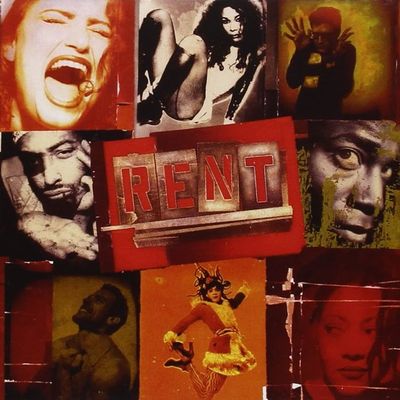
[18:09] Joan Marcus: No, you I mean you you do you well I am thrilled to announce today's guest. Uh she has a list of credits too long to list, and that is because she's photographed over 500 Broadway, off-Broadway, and regional shows over the last 32 years. You've probably heard of some of them. M Butterfly, Crazy for You, Rent, The Lion King, Phantom of the Opera, all the way up to Mean Girls. Please join us in welcoming Tony Award winner and fellow George Washington University alumna, Joan Marcus.
[18:39] Joan Marcus: Hi, Joan.
[18:40] Jamie DuMont: Hi.
[18:41] Rob Russo: Welcome.
[18:42] Joan Marcus: Glad you're here.
[18:43] Jamie DuMont: Thanks for having me here.
[18:44] Rob Russo: Yeah.
[18:44] Jamie DuMont: You guys both went to the same Rob and Joan went to the same college.
[18:46] Joan Marcus: Yes.
[18:47] Rob Russo: Yes.
[18:47] Joan Marcus: Yes.
[18:49] Jamie DuMont: University, sorry.
[18:49] Joan Marcus: That's right.
[18:50] Rob Russo: Is there a mascot? Is it like go?
[18:51] Joan Marcus: It's the colonial.
[18:52] Rob Russo: The colonials.
[18:53] Joan Marcus: And then informally there's a hippo.
[18:55] Joan Marcus: There's a hip, there is. That's a newer thing, I think.
[18:57] Rob Russo: Oh, could that wasn't that? Then that was not there when I was there.
[19:00] Joan Marcus: I think that started in the 90s.
[19:01] Rob Russo: Yeah.
[19:02] Joan Marcus: The GW hippos.
[19:03] Rob Russo: Hippo, yeah.
[19:04] Joan Marcus: Well, it's not the hippos, we're the colonials, but there's a hippo uh statue on campus that is supposed to be good luck.
[19:09] Rob Russo: Where that's a confused. Um, right in front of Lisner Auditorium.
[19:12] Joan Marcus: Okay.
[19:13] Rob Russo: Yeah, yeah.
[19:13] Joan Marcus: Check it out next time you're there.
[19:15] Jamie DuMont: I'm so glad you're here, John. I think you've photographed me at least five times.
[19:19] Joan Marcus: I I know I have. Just like I feel like when I think back to the last twenty five years, you're always there.
[19:25] Joan Marcus: It's kind of incredible.
[19:27] Jamie DuMont: It's really been amazing.
[19:28] Joan Marcus: Wonderful.
[19:29] Rob Russo: Here's your body of work.
[19:31] Joan Marcus: Thank you.
[19:31] Jamie DuMont: You're welcome.
[19:32] Joan Marcus: Well, I was thinking, as we, you know, sort of mentioned before we got started, um, my entire life, it feels like. Every time I look at a production photo uh photo, there's a little copyright symbol and Joan Marcus. Uh, you know, you've become sort of the photographer of Broadway. Um, how does that feel?
[19:51] Joan Marcus: Oh. Um, how does that feel? It's kind of amazing, actually. It feels kind of because I never planned it to be that, you know. It just kind of was like an evolutionary kind of thing with like being at the right place at the right time, working hard, kind of having my kind of learning years outside of Washington in a way. I mean, outside of New York in a way in Washington, and then coming to New York, and I mean it's it just kind of happened and I kind of worked really hard and now I can kinda I look back on it and it's like kind of amazing and weird at the same time because it's I'm old.
[20:38] Joan Marcus: All of a sudden, you know, you're kind of old.
[20:40] Rob Russo: It happens fast.
[20:41] Joan Marcus: And it happens fast. It happens, it does. Suddenly happens suddenly, it happens when you're not looking.
[20:47] Jamie DuMont: Yeah, right, right.
[20:48] Joan Marcus: It it it's weird. Five hundred shows have gone by.
[20:51] Rob Russo: Yeah.
[20:51] Joan Marcus: Yeah.
[20:52] Rob Russo: I have a strange question.
[20:53] Joan Marcus: Sure.
[20:54] Rob Russo: Um, when you've photographed uh shows, for example, I've seen you out in the audience where people sit, you know, in the house, as we call it, and sometimes you're up on a ladder or up on the armrest. And have you ever gotten hurt?
[21:05] Joan Marcus: Like no.
[21:06] Joan Marcus: Oh, well, actually, but not from a ladder. I mean, and I've never actually really gotten hurt, but I've gone down, you know, on where like there's I've fallen, you know, where there's been like a a cord or like I had a box to stand on and I forgot it was there, and I ran down the thing and I went down. But I'm actually no, I've never been hurt, which is kind of surprising.
[21:31] Rob Russo: Actually, I don't know if our listeners know that. It's not just a stagnant thing where you're standing there that to see the levels and heights you have to get to to get this shot.
[21:41] Joan Marcus: Well, also it's it all depends on where you're shooting, you know, like what stage you're shooting at, what theater, how high the stage is, what it is you're shooting. Walk us through what it you know, when you shoot a show, you're not just standing in the back of the theater, obviously. But what is what is what is shooting a show look like? What does that entail?
[21:57] Joan Marcus: Um it's it's funny, it's changed over the years in a way. It used to be um when I first started shooting, I shot film, you know, and that was a really different um beast than shooting digital, because film, you know, was very limiting in what you could and you couldn't do because it was slow, you know, it wasn't like the speed you can get with shooting with the digital cameras now and they're really high quality sensors, or you can shoot in really low light and get really good usable pictures. But in the days of film, there was a really bad film EPJ, which was like a 32 uh 320 ASA, and if you um pushed it to 640. Anybody who knows with the photography, they'll know what that is, but you know, you would lose all your high your low ends and your high ends, so your and you'd lose all your middle tones, you'd have no middle tones.
So you had very contrasty pictures, had to use a tripod, you um you know had to be clunk around so that they would be sharp because you couldn't shoot you know dance or with the speed that you shooed now. I don't know, you know, with like your shutter speeds and stuff like that. So that was like a very different beast. Because of that, okay, you you had like more opportunities to shoot, you know, so there were always like run throughs and then there were setup calls. And but it was mu they were much and they were also much more important than they are now because that was what people saw of theater. That was it. Like there was no Instagram, there was no Facebook, there were no cell phones, you know, and if you had a camera you had to have your film processed and most people didn't do that.
And then there was like you put them in your drawer or you showed them to your friends but there was no outlet for it. Now there's a lot of outlet for everything. So the production pictures aren't nearly as important as they once were production pictures are always taken now but they're not necessarily the key images anymore or they're not necessarily what people see because you know it'll be you know actors Instagram pages or like what goes on backstage or you know intermission at you know on Saturday at you know Hello Dolly or whatever. And so there's so many more images out there now that the it's changed radically in terms of the priorities for production pictures. A big thing that's happened now is because of digital.
Like retouching used to be like with film really hard because to do really good retouching it was really expensive, like in a major way. Like thousands of do thousands of dollars, you know, to do really good retouching. But now you know it's like you have the legs from one picture you the head of someone from another picture. You know, whereas like a lot of pictures would get really good pictures would get thrown out I mean and maybe this isn't so truthful, but like you have a series of pictures where one person looks good in one person looks is grimacing in another one you have the ability to change that and kind of make I mean in a way better pictures I mean for what they are. Are they honest?
Probably we could argue and say no. Well as an artist how do you feel about that it's what I it's it's it's what production photography is do you know what I mean it's it's what production photography is it's truth but not the total truth.
[25:51] Joan Marcus: You know, like if someone's fat, you know they don't want to be fat, you're gonna thin them down a little bit. Or you know if someone's old and or the lighting isn't flattering you'll make it better. And so it's this isn't like journalism, this isn't this is sales and marketing for a show. I mean many shows that I photograph that I don't feel translate to visually to what it really is. Does that make sense?
[26:24] Jamie DuMont: It does. I wonder if it's a way, you know, to say that maintaining some of the mystery can be important. But in other words, the way it used to be, there was more excitement. Like remember when Sound of Music would come out once a year or The Wizard of Oz it was a once a year event. And when you're talking about the way things used to be photographed, you would wait for the production photos to come out as opposed to this online instant gratification. You see everything, everything, you know, so immediately and I mean what I always find for me what's funny is like I can't do anything with my pictures. Do you know what I mean? It's like my pictures that get released and I honor this always, is the ones that are approved by the producers, the designers, the actors, you know, I don't release I mean, on my portfolio, like you asked, I do have pictures that maybe aren't the approved pictures, but that's a different thing because they're not promoting the show, they're promoting me.
And even then when I do it, I'm very careful about, you know, someone who's sensitive about like their nose or their weight or whatever. Now you just see everything so fast. You know, it's like there's no mystery anymore. So it really, you know, puts the pictures, you know, at a disadvantage.
[27:38] Joan Marcus: At a disadvantage. I think Scott Rudin's really good at maintaining mystery in shows.
[27:42] Rob Russo: Oh, I think he's a master at it.
[27:46] Joan Marcus: It's so smart. Less is more sometimes.
[27:48] Jamie DuMont: Well, I think there's an old school I think he comes from an old school philosophy and I think there's real value in that. I think the world is spinning fast and I think there's that it's okay to slow down about it. Exercise restraint.
[28:00] Joan Marcus: Mm-hmm. And one of the key tools of the theater, one of the weapons that it has is surprise. And as you were just saying, you know, if you give away a side gag and a photo, then when it happens, it's not gonna be funny 'cause the audience already knows that that's a side gag. Or, you know, if there's a set piece that's supposed to wow the audience, they see it in a photo, then they're waiting for it.
[28:14] Rob Russo: They're waiting for it, right?
[28:21] Joan Marcus: Or they're not. Of course, yeah. Do you know when you've gotten the shot, or do you have to look at it in post and it's or is it both?
[28:29] Joan Marcus: It's a combination of both. Like there, first of all, like how good a show is is no reflection on how good your pictures are. Like sometimes the best shows have terrible pictures. And sometimes bad shows are the most fun to shoot. You know, I mean, there's just something about them that you know it's like whatever. You know, but you kind of know, like, you kind of know when it's working, but the best is when you get like a jewel, you know, like when you get something that and oftentimes you never see them because you know it it's a moment that's given away, or somebody didn't approve it, but um, but it's it's really nice when you get the um Oh, I would love I would love a book someday of your gem shots that maybe we can.
[29:23] Jamie DuMont: I mean, it's it's so it's it's a lot of fun. It's fun, and it's fun to do it, and it's it's challenging and sometimes it's frustrating. Okay, I have to ask because because we can't have you sit here and not ask what is your favorite shot that you've done. Do you have a favorite?
[29:39] Joan Marcus: Um yeah, I I guess it's the my Angels in America picture that I took. Um, just because I borrowed. It just happened. You know, it was like one of those things that it was like the end of it, you know, a shoot that like and it was like rush, rush, rush, and then it ended up happening. And then the show and the picture, it just was like for me probably the most significant.
[30:08] Jamie DuMont: Is that your most famous shot? The one you that has gotten the most attention?
[30:13] Joan Marcus: That pro that got okay, the the shows that got the most attention since I've been working were um Angels in America, Lion King, Rent, Hamilton. And the specific images it's the angel above um above Prior.
[30:31] Rob Russo: Prior.
[30:32] Joan Marcus: Yeah. And then the Lion King, I would assume is the animals walking.
[30:35] Rob Russo: I don't know what kind of animal.
[30:38] Joan Marcus: I'll get in trouble for us. The giraffes walking, sorry. But actually the one that was like at the time that was like the most popular one was Rafiki with the gazelles uh jumping in the sun.
[30:50] Rob Russo: Right, right.
[30:51] Joan Marcus: And then the rent is I I would assume Lovey Boat.
[30:54] Rob Russo: Right.
[30:55] Joan Marcus: Everybody. And not Wicked?
[30:57] Rob Russo: Wicked.
[30:58] Joan Marcus: Oh, yeah, did you say wicked?
[30:59] Rob Russo: Oh, sorry.
[31:00] Joan Marcus: Oh, yeah. And that would be the two.
[31:02] Rob Russo: The two the two ladies.
[31:04] Joan Marcus: Wow. What's been your most difficult shoot? Or of those images, which was the hardest one to capture?
[31:13] Joan Marcus: Um let's see. Um I mean, this is it wasn't the most difficult, but it was difficult in that it was like you wanted it to like Lion King was difficult in a way because there was so much going on and it's so beautiful that um you really wanted to catch, you know, to like it was like pressure because you wanted to catch, you know, you wanted to really do it justice, you know, and because it was so visually like stunning. So in that way, that one was really hard.
[31:53] Jamie DuMont: Was there a show way back when that did it for you? That that show that made you want to work in the theater? It can be anything when you were a kid. It could be your first Broadway show.
[32:04] Joan Marcus: My first Broadway show, okay, was Funny Girl.
[32:08] Jamie DuMont: Wow.
[32:09] Joan Marcus: It was my first trip to New York with my parents when we were my sister and I were little, and we went to see Funny Girl with Barbara Streisand. Stayed at the New York Hilton, and we went to the Ed Sullivan show and we saw the Supremes.
[32:23] Rob Russo: Oh my what a trip.
[32:25] Joan Marcus: Wow. Okay. What did they sing?
[32:29] Joan Marcus: They sang baby love.
[32:31] Rob Russo: Okay.
[32:31] Joan Marcus: And they were wearing, if you saw Motown, okay, the pink dresses, you know those pink dresses, you know, the baby love, my baby love.
[32:50] Joan Marcus: I need you. But all you do is treat me back. Beg my heart and leave me sad. Yama, what did I do wrong to make you stay away so long? Cospa.
[33:09] Joan Marcus: I'm obsessed with the Supremes. I know I say that a lot. I'm obsessed about a lot of things. But I am truly, truly over the moon for the Supremes. I know you have to go.
[33:17] Rob Russo: No, no, no, I'm fine. I just have to be there at 3:30. So I'm fine. Um so anyway, Funny Girl, Ed Sullivan, Ed Sullivan, Hilton, Hilton.
[33:26] Joan Marcus: We ate it. We ate it. Um what was what it what was the experience of Funny Girl?
[33:28] Joan Marcus: The experience of Funny Girl. It was truthfully, I don't even remember it, okay, but I knew we were doing something very special. You know, I was little. I mean, I was, you know, probably eight, you know, but I knew it was very special.
[33:46] Joan Marcus: And the Supremes, I mean, I knew Ed Sullivan was really special.
[34:03] Rob Russo: Joan Marcus is a 2014 Tony winner. Now you may be wondering, wait, I didn't realize photographers can win a Tony Award. Well, the specific honor she received is the Tony Honor for Excellence in the Theater. In addition to the competitive categories you're used to for acting, writing, design, and direction, the Tony Awards Administration Committee also awards several varieties of special honors to deserving individuals or institutions.
[34:29] Rob Russo: You may not be as familiar with them, and that's because most, if not all, are given out before the annual telecast or else during commercial breaks. Every year since 1976, the Tony's have honored a regional theater with an award. The Isabel Stevenson Tony Award is presented to a member of the theater community who has made a substantial contribution of volunteered time and effort on behalf of one or more humanitarian, social service, or charitable organizations.
[34:56] Rob Russo: In 2015, the Tony Awards and Carnegie Mellon University partnered to create the Excellence and Theater Education Award, which honors a K through twelve theater educator in the United States, recognizing the vital role that theater teachers play in creating the next generation of industry professionals and audience members. This year's recipient was Melody Hertzfeld from Marjorie Stoneman Douglas High School in Parkland, Florida.
[35:20] Rob Russo: Perhaps the most well-known special Tony is the Tony Award for Lifetime Achievement in the Theater, which was given to Cheetah Rivera and Andrew Lord Weber in 2018. The committee also has the leeway to award what is simply called a Special Tony Award, which they use from time to time to recognize extraordinary contributions to a particular season. This year's recipients were John Leguizamo and Bruce Springsteen, both of whom had one-man shows on Broadway.
[35:43] Rob Russo: But back to Joan's Award. The Tony Honor for Excellence in the Theater was created in 1990 with the very specific aim of having a way to recognize the achievements of individuals and organizations that are not otherwise eligible to be nominated in any of the regular competitive categories and tend to make their contributions over many years and many seasons. These are the types of creative industry professionals like Joan, who labor behind the scenes to make Broadway work, but so often don't get the credit they deserve.
[36:12] Rob Russo: The award can also be presented to institutions and organizations, like Broadway Cares Equity Fights AIDS, the National Endowment for the Arts, and the BMI Lehman Angle Musical Theater Workshop. Awards have gone to such varied industry professionals as wig and hair stylist Paul Huntley, animal trainer Will Berlone, and costume beater Bessie Nelson. One notable awardee is Broadway press agent Adrian Bryan Brown, who received the honor in 2015. I point that out because he just so happens to be married to Joan Marcus, who beat him to the honor by one year.
[36:45] Rob Russo: Joan is one of three photographers to be recognized since 1990. Legendary dance and theater photographer Martha Swope, who documented over 800 productions in her lifetime, was the first in 2004. Joan followed in 2014, and just this year, New York Times culture photographer Sarah Krolwitz received the honor. Theater is an intensely visual art form, and it's also ephemeral. And so it makes sense that these three giants of photography would be recognized for the essential role that they have played in capturing history.
[37:25] Rob Russo: Rob here, that's our show. Thanks for listening. The Fabulous Invalid is a production of OM, etc. and the Fabulous Invalid LLC. Our theme music is by Lucky Chops, who are currently on tour, so check out their website, Lucky Chops.com for info and dates. Today's episode was edited and engineered by Aaron Kaufman. Find us online at the Fabulous Invalid.com and on social media at Fabulous Invalid. And listen to us on Stitcher, SoundCloud, Podbean, and our website. And be sure to tune in next Wednesday.
© Broadway Podcast Network, All Rights Reserved