

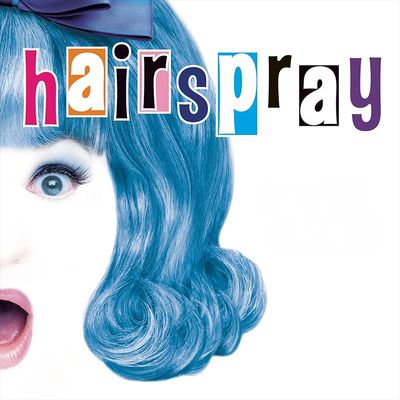
On this week’s show, we talk with two time Olivier Award winner and Tony Award nominee Tracie Bennett. Tracie is best known for her roles in the West End stage at Velma Von Tussle in “Hairspray,” Laura Henderson in “Mrs... Read More
From the show: The Fabulous Invalid
Featured Shows

About
On this week’s show, we talk with two time Olivier Award winner and Tony Award nominee Tracie Bennett. Tracie is best known for her roles in the West End stage at Velma Von Tussle in “Hairspray,” Laura Henderson in “Mrs. Henderson Presents,” and Carlotta Campion in “Follies.” Tracie discusses playing Judy Garland, working with Stephen Sondheim, training to be a stunt woman, getting her start on the popular British Soap Opera, “Coronation Street,” and why the show must always go on. Rob, Jamie and Jennifer discuss what you can do to help in the Midterm Elections (VOTE) and what Halloween looks like backstage on Broadway.
Transcript
This transcript was automatically generated and might contain errors.
[0:00] Jamie DuMont: I'm Jamie DuMont.
[0:01] Jennifer Samard: I'm Jennifer Samard.
[0:02] Rob Russo: And I'm Rob Russo.
[0:04] Jamie DuMont: And this is The Fabulous Invalid.
[0:18] Rob Russo: So what's going on?
[0:19] Jennifer Samard: Yeah.
[0:19] Rob Russo: Oh, what's going on?
[0:21] Jamie DuMont: What's going on?
[0:22] Rob Russo: What's going on?
[0:22] Jamie DuMont: Lots going on.
[0:23] Rob Russo: It's Halloween.
[0:24] Jamie DuMont: Happy Halloween.
[0:24] Jennifer Samard: Happy Halloween.
[0:25] Rob Russo: Yeah.
[0:26] Jamie DuMont: Spooky.
[0:27] Rob Russo: Yeah.
[0:28] Jamie DuMont: It's my favorite holiday.
[0:29] Jennifer Samard: Is it?
[0:30] Jamie DuMont: Yeah. Because I grew up in a very small town. So it was, you know, and also people were really unsafe in the 70s and 80s, and just neighborhood children going out from six to nine or six to eight, you know, at night without their parents to, you know, strangers' homes.
[0:44] Rob Russo: Hi.
[0:45] Jamie DuMont: But it was one of the few places where you could Halloween at night.
[0:48] Rob Russo: So my core group, we’re still bonded to this day over the wacky days of really good, really good.
[0:55] Jennifer Samard: Well, you're from New Hampshire.
[0:56] Jamie DuMont: Yeah.
[0:56] Jennifer Samard: Isn't there that famous pumpkin festival in New Hampshire?
[0:59] Rob Russo: Oh God. It got violent a couple years ago.
[1:01] Jamie DuMont: I don't know.
[1:02] Rob Russo: Oh, okay.
[1:04] Jamie DuMont: Yeah, no, it is some sort of town that is known for their pumpkin festival.
[1:08] Rob Russo: It's hard to imagine a violent pumpkin festival in New Hampshire.
[1:13] Jamie DuMont: With what I know of New Legends.
[1:14] Rob Russo: Live free or die.
[1:16] Jamie DuMont: They're really serious about the die party.
[1:19] Jamie DuMont: And I just want to say that if I had children, I would send them out every night between eight and nine to seek chocolate from strangers. Here's a pillowcase. Don't come back till it's full. I don't even care if they bring home candy, although that would be a bonus, certainly.
[1:36] Rob Russo: So what are you, are you dressing up for Halloween, Jen?
[1:38] Jennifer Samard: Um, and we're recording this, uh, full disclosure, everyone, uh, the week before, but I'm really excited that next Monday I'm going to Bette Midler's Huluen, uh, which is a, so I'm dressing up for that.
[1:51] Jamie DuMont: You know that's where I met you for the first time.
[1:53] Jennifer Samard: I think so.
[1:54] Jamie DuMont: It is.
[1:54] Jennifer Samard: You were dressed as a, um, a bumblebee, yeah.
[1:57] Jamie DuMont: Yeah.
[1:57] Jennifer Samard: So I'm doing, so I'm dressing up for that, and then at our theater, the listeners might not know that, but most Broadway theaters, so on Saturday between shows, we're inviting all the children of the, uh, employees of the August Wilson Theater and of Mean Girls Proper to the show between shows, and we're going to hand out candy from our dressing rooms.
[2:18] Jamie DuMont: And most dressing rooms have signed up to do a theme.
[2:21] Jennifer Samard: So I share a dressing room with, um, Barrett Wilbride Weed, and we are going to do sort of a Hawaiian tropical theme. So we'll have hula skirts and tiki stuff and all kinds of, you know, we can hand out Hawaiian leis and poi.
[2:36] Jamie DuMont: You can give good.
[2:40] Rob Russo: No, poi is actually a vegetable.
[2:42] Jamie DuMont: Is it?
[2:43] Rob Russo: Hawaii is the, I think it's the, it's the vegetable of Hawaii.
[2:47] Jamie DuMont: It's like a yam or it's a, like a less tasty yam.
[2:50] Jamie DuMont: I think you have to do it. So we'll be dressed up for that.
[2:53] Rob Russo: And then, yeah.
[2:54] Jamie DuMont: Is that a Broadway-wide tradition?
[2:55] Jennifer Samard: Or just before you're talking about usually they have a sign-up sheet and most, uh, most shows I've done, but we did it at Hello Dolly.
[3:01] Rob Russo: I love that.
[3:01] Jennifer Samard: And then my predecessor, Carrie Butler, she's wonderful. We have the, she would call it booing someone's dressing room. Your dressing room has been booed.
[3:08] Rob Russo: And we did that.
[3:09] Jennifer Samard: Oh God, do we do it at Disaster? I think we did an Easter version of that. But you, you go and decorate someone's dressing room when they, when you come in, there's cobwebs in your room, and or whatever, any number of nonsense.
[3:20] Rob Russo: And then it's like loving hazing.
[3:21] Jennifer Samard: A loving hazing.
[3:22] Rob Russo: Yes, and then if your room has been booed, you have to go and boo someone else's room.
[3:27] Jennifer Samard: And it's kind of fun, it's good for morale.
[3:29] Rob Russo: And, uh, so there'll be all kinds of those things.
[3:32] Jamie DuMont: Yeah.
[3:33] Rob Russo: How many children roughly come? Like what's a, what's the turnout?
[3:35] Jennifer Samard: I think we're at, I think I looked at the list the other day, we're around 25.
[3:40] Rob Russo: Oh, so far.
[3:42] Jennifer Samard: But it's early. You know?
[3:44] Rob Russo: Yeah.
[3:44] Jennifer Samard: Most people do it at the last minute, you know.
[3:48] Rob Russo: Or get tickets to like my show, Stigma. Come see my show.
[3:51] Jamie DuMont: Oh, actually, this is a good segue. So tell us a little bit about your show that you have coming up on the website.
[3:58] Jennifer Samard: Well, I wear, it's kind of in the theme of Halloween, because I have b, I wear black lipstick. Um, but it's in five days, right?
[4:05] Jamie DuMont: It's on, it's next Monday, November 5th, and there's a special Halloween promotion code, Stigma 5.
[4:05] Jennifer Samard: Stigma 5.
[4:11] Jamie DuMont: Yeah, then I'll be right back.
[4:12] Jennifer Samard: How'd you get the five? Why five?
[4:14] Jamie DuMont: I didn't, I don't know.
[4:15] Jennifer Samard: I don't know.
[4:16] Jamie DuMont: Okay.
[4:17] Jamie DuMont: I wish I did.
[4:18] Jennifer Samard: Never forget.
[4:18] Jamie DuMont: Maybe there were five members in my immediate family. So anyway. Um, but yeah, you go to the, um, at the Green Room 42, you go onto their website and then there's ticket links. And, um, I would really love it if people would come and, um, and support me in the show. It'd mean a lot. Jamie will be there. And it's 25% off. I think that it's a really good deal, too. It's 25% off.
[4:34] Jennifer Samard: So I will. I missed the last show, unfortunately. But I'm very good.
[4:38] Jamie DuMont: And I'm hoping to come again.
[4:39] Jennifer Samard: Oh, please do.
[4:41] Jamie DuMont: But now I have the code, Stigma 5.
[4:42] Jennifer Samard: So Stigma Five. Who doesn't want to save 25%?
[4:45] Jamie DuMont: Yeah, no, I'm here for that.
[4:46] Jennifer Samard: No, and then, uh, most importantly, the next day is election day. So what is everyone gonna do?
[4:50] Rob Russo: They're gonna vote.
[4:52] Jamie DuMont: Vote.
[4:52] Rob Russo: Vote.
[4:53] Jamie DuMont: Please vote.
[4:54] Rob Russo: Please vote.
[4:55] Jamie DuMont: Now more than ever.
[4:57] Rob Russo: Yeah. No, and in fact, voting, of course, is the number one thing you, you can and should do. And I, you know, I expect everyone who can vote will vote. Um, but between now and election day, there are also other things you can do to make sure that others vote.
[5:11] Jennifer Samard: Like what?
[5:11] Rob Russo: Like what, you might ask. Well, um, the best thing you could do, the single best thing you could do is clear your weekend or some portion of your weekend and go knock on doors for a candidate who, uh, needs help getting out the vote. If you go to, uh, the last weekend, Google the last weekend, it's an effort being put forth by, um, uh, Swing Left, which is a new progressive organization that helps connect people with their closest swing district so they can volunteer and get involved in the campaign. Um, the last weekend is meant to be a mass volunteer operation for the last weekend before the election, um, nationwide to organize folks to get out knocking on doors, um, to turn out the vote. And pretty much everyone, no matter where you live, even here in New York City, lives close by a swing district. Um, in this upcoming election, I will be going upstate to New York's 19th congressional district.
[5:23] Jamie DuMont: Where is that?
[5:23] Rob Russo: That's in Columbia County.
[6:41] Rob Russo: So two things you can do, you can trick or treat for votes or you can make some phone calls.
[6:43] Jamie DuMont: Oh, I know Columbia County well.
[6:44] Rob Russo: It's Columbia County and a couple other counties, um, uh, where Antonio Delgado is running for Congress in what is one of the closest races in the whole country. Um, but so can you, uh, so do Google it to check it out. And if you can't, uh, actually go knock on doors or don't want to make you uncomfortable, um, you can also make phone calls from the privacy of your own home, um, through Indivisible. It's another wonderful progressive organization. Google it, uh, super easy to do. You can drop in, do five calls, do a thousand calls, whatever time you have. Um, it's a really, really proven effective way to help get people out to vote.
[6:46] Jamie DuMont: Whoa whoa whoa whoa whoa freedom makes a notion sweep in the nation freedom is the right of all mankind freedom is a body's imagination freedom's in the state online freedom freedom freedom freedom.
[7:07] Rob Russo: Freedom is a full-time occupation.
[7:10] Jamie DuMont: Freedom's in the day of mine.
[7:29] Rob Russo: Freedom.
[7:30] Jamie DuMont: Freedom.
[7:32] Rob Russo: Freedom is a notion.
[7:33] Jamie DuMont: Sweep in the nation.
[7:35] Rob Russo: Freedom is a body.
[7:37] Jamie DuMont: Imagination.
[7:38] Rob Russo: Freedom is the full-time occupation.
[7:41] Jamie DuMont: Freedoms in the stay of one of the greatest things I heard was someone, I read of this online, someone, uh, sent in their absentee ballot early so that they could be available with their car to drive elderly or infirmed or people who couldn't get to the, uh, polling place otherwise to, to their polling place to vote.
[8:12] Rob Russo: That's amazing.
[8:12] Jamie DuMont: You can, you know, check on your elderly neighbors if someone needs help getting, make a plan, you know, and that, that's part of the standard GOTV speech, uh, GOTV meeting, get out the vote, is to tell people what's your, or to ask people what's your plan, because it makes people actually start to think of okay, on the day of, when am I going to vote? And once you, once you think it, you actualize it, right?
[8:31] Rob Russo: Or you're more likely to actualize it.
[8:33] Jamie DuMont: That's right, because a lot of people life happens, and I, I know I had a really good friend when I lived up in Cold Spring who was really active. And I remember she checked on me one day for a local election, and I knew it was happening, and I'm a pretty regular voter, but I remember I was, it was one of those days. I was tired, life is happening, and then she, because of her, um, bugging me about it, I felt like I had an exercise buddy. That sort of, um, that sort of, um, what is what is that word I'm looking for?
[9:03] Rob Russo: Accountability.
[9:04] Jamie DuMont: I felt more accountable to make sure I got there and voted because someone I knew was checking on me.
[9:09] Rob Russo: Yeah, you know.
[9:09] Jamie DuMont: Yeah, that's a great tip. So think of someone in your life who might not be likely to vote or might forget or might get busy and, um, make a plan to call them on election day to get them out to the polls as well. Um, because it's super important.
[9:24] Rob Russo: Oh, it is. It's never been more important.
[9:28] Jamie DuMont: Oh boy. Happy Halloween.
[9:30] Rob Russo: Yeah, something that would be really spooky is waking up on, uh, on November 7th, uh, uh, disappointed by the outcome or regretting that you didn't vote.
[9:53] Jamie DuMont: Today I'm delighted to welcome two-time Olivier winner, Tracie Bennett. Tracie most recently was seen in New York starring as Judy Garland in End of the Rainbow. Welcome, Tracie.
[10:05] Tracie Bennett: So what's the concept? Why is it called The Fabulous Invalid?
[10:09] Tracie Bennett: So The Fabulous Invalid is a play by Kaufman and Hart that was written in what the 30s, and it became, it wasn't a popular play, but it became a sort of an affectionate term for Broadway.
[10:23] Tracie Bennett: So people used to say the fabulous invalid in reference to Broadway. Um, and it's a, it's not a very good play, but it became a much better play called Blythe Spirit, basically.
[10:35] Tracie Bennett: So it's about, it's about the opening of a theater loosely based on the New Amsterdam Theatre, husband and wife acting duo, commit suicide and die to get, they die in the theater after opening night and then they haunt the theater.
[10:48] Rob Russo: So it's Blythe Spirit.
[10:50] Tracie Bennett: It is, yeah.
[10:51] Rob Russo: Did you read it, Rob?
[10:51] Rob Russo: I don't know.
[10:52] Tracie Bennett: No, I haven't read it, no.
[10:53] Tracie Bennett: It's not great. Um, but it's a good, but I like the title. I like anything with fabulous, I like the sort of subversive invalid thing. And, um, our first show title was taken.
[11:04] Tracie Bennett: So was it I wanted to long story short, I wanted to call this Break a Leg. Um, break a leg, and that there's already a podcast called Break a Leg.
[11:17] Rob Russo: So there you go.
[11:18] Tracie Bennett: Do you know what that means?
[11:20] Rob Russo: There's various connotations of what it means.
[11:23] Tracie Bennett: Well, I, I know it it's in reference to good luck, but I, is there more to the story?
[11:29] Tracie Bennett: So there's the audience, you're, I'm in the wings. The wing there, stage left, stage right. So when you go on, you're looking to the audience, whatever wing you're in, in the olden days, I'm talking kind of vaudeville days. If you were called in to do your act, say it as an audition for somebody, say you're a comedian, if you were asked to go across, you break the leg of the theater.
[11:43] Tracie Bennett: You break the leg. So it was good luck because if you were called back on, I think something like that, you got paid. So everybody used to go break a leg because you'll get paid. And that was, that was kind of good luck, but it was actually logistical physically. You were breaking the leg from going from that way to onto the stage. And it also had a financial incentive, right? Obviously, if you broke, if you broke a leg, you got paid more, is what you said.
[12:24] Tracie Bennett: Yes. Yeah, or you got the gig and, uh, you were going to get paid.
[12:27] Rob Russo: Tell me a little bit about, um, what you've been doing lately. I think you just did Ruthless in the West End, is that correct?
[12:35] Tracie Bennett: Yeah. Um, I did it because I wanted to learn about, well, I can't say just American spoof, but it was a kind of cult thing, I believe, here.
[12:46] Tracie Bennett: Um, I'd just finished Follies. And I'm not saying that was dark, but the opposite of whatever I'm doing, I want to do. So if I'm doing comedy, I want to do seriously if I'm doing, I think that's the case for a lot of actors, really. Um, so I thought it was light, but it was quite specific. And you know, with farce, you all have to kind of be in the same convention at least. So it was a bit wobbly at first, to be honest. We were all in different plays at first because we were all rehearsing with different people, and then we didn't come together till right at the end, and then we were straight into the tech, and then we suddenly got on stage and went, What are you doing? They went, What are you doing? What are we doing? Um, and so we slowly, slowly got together, and then we all came together and did the same kind of style.
[13:39] Tracie Bennett: As Brits, we were kind of trying to be reserved about it and just playing it a little bit, you know, normal comedy, if you like, if there's such a word. But then we realized no, it all has to be heightened. And if we didn't go for it, it just didn't work. It's a very American thing. I'm very I'm surprised. Um, I'm surprised that you guys did it in in on the West End.
[14:02] Jamie DuMont: Did you say on the West End or in the West End?
[14:05] Tracie Bennett: Uh we say in in the West End.
[14:09] Jamie DuMont: Oh.
[14:09] Tracie Bennett: I'm in the West End. Not on the West End. You said on Broadway, right? Jennifer, you're on Broadway.
[14:15] Jennifer Samard: Currently.
[14:16] Tracie Bennett: And you were just in the West End. I'm curious to know if you had to. This is a broad question. If you had to narrowly answer what do you think are is the biggest difference between performing on the West in the West End, excuse me, and on Broadway, or are there a few? Because you've done both.
[14:32] Tracie Bennett: You've done both. Yes, but I've only done one play on Broadway in Broadway. It doesn't sound right in Broadway, doesn't it? It sounds dirty.
[14:41] Jamie DuMont: Yes, it sounds dirty.
[14:45] Tracie Bennett: Oh, I get ya. Um so I can't really tell because that was specific. Um I could only tell the difference with that play. But because I was playing her, um we're talking about Judith.
[15:00] Jamie DuMont: Yeah, yeah.
[15:00] Tracie Bennett: In End of the Rainbow. It's weird saying saying I played her because I wasn't being her, I was just doing a study on the price of fame, really.
[15:10] Jamie DuMont: You don't feel like you embodied her? You don't feel like she was in you.
[15:13] Tracie Bennett: How can you? I I can't say that. I I just did how I was directed mixed with my brain about certain technical stuff, and I found the English audience not laughing at the icon and the situation, but they found different things funnier. They're not so precious about our icons in Great Britain because there aren't many. We don't have that culture really. So the British audience were were kind of laughing, not horribly, at the way she would demand things. Uh and realizing it was the drugs at certain points, but then realizing if you're that gifted why don't you like it because there was a section where you know her throat's going she she hated her throat because it stopped marrying or it stopped to being a normal person and so there's it's very difficult to play a confused person in a confused situation on top there were so many layers I'm sure I didn't get them all but but on Broadway they were laughing with and in fact when I went to LA we had a questions and answers afterwards and I said look can I just ask you one question because as soon as I used to come on stage in LA you could feel warmth and they laughed with recognition and I said it's not that New York were cold at all I loved the New York audiences and they'll tell you you know you were you were rubbish or you were great you they'll just tell you um and some didn't like it in New York because they said no she never did that she didn't die in England she did well it's all documented you know it's not my fault I was like don't shout at me I'm just I'm just trying to give you a play which I didn't write so they all kind of blame me for certain things that they might not like they've all they've all got their own idea of their own Judy Garland the Dorothy and the this and the older one and the concert one there's there's millions of different types of duty that they wanted to see well we if we didn't give them that they were a bit why not but LA when I asked this question they said because it's a pill culture and we recognize what that does half of them were her friends still there were a lot of 90-year old comedians were coming and knew her in the day, some set people off MGM still alive and and they were like, No, we you know at that level, it's sad, but it's not Judy, it's the drug that makes somebody do that mixed with the drink, it becomes another drug altogether.
[17:52] Tracie Bennett: So we tried to not talk about the drugs all the time because that that's not right. It's the effect that fame has to even do that really and questioning our de identities, but LA were really understanding because Britain in the main is not a pill culture. I had an American boyfriend once, years ago, and he used to take like five uh anodine, you know anodine here.
[18:18] Jamie DuMont: What's the difference?
[18:19] Tracie Bennett: Like a headache tablet?
[18:20] Jamie DuMont: Uh exactly.
[18:22] Tracie Bennett: Like a yeah, ibupropyrin or something.
[18:24] Jamie DuMont: Yeah, exactly.
[18:25] Tracie Bennett: Exactly. And he used to say, Tracie, give me the the aspirin. I'm like, Why are you bad? And he used to take like five or six. I said, Why are you that bad? You you only meant to take two. And he's like, Well, just in case I wake up with a headache, I'm taking them to prevent. And I went, see, right there, you're taking it because you think you might have one. That's so alien. You know, we live in a pharmaceutical culture. We we sure we absolutely live in a culture where you take preventative medicine, which is kind of ridiculous, and in in when especially when you're talking about taking aspirin before you even need it. But we also we we take pharmaceuticals, and then you need more pharmaceutical pharmaceuticals to help you with the ones you're taking, and you fall down this rabbit.
[19:10] Jamie DuMont: Yeah, it's purely uh a pharmaceutical, you know, crisis that we're having.
[19:14] Tracie Bennett: Is it? Yeah, it's yeah, I would imagine. It's big here. But also, I want to say, for those that don't know, End of the Rainbow is specifically about Judy Garland's last few days, right? It's it's the last few weeks or months of her life, correct?
[19:27] Jamie DuMont: And she's it sh it I think it was about three, four months before she actually died. I think she died in June.
[19:33] Tracie Bennett: So this was her last concert in England. Right. She actually went to Copenhagen after that. But but this particular time was the five-week gig she had at the talk of the town.
[19:45] ♪ Musical number: "After You've Gone" — performed by Tracie Bennett ♪
[20:21] Tracie Bennett: There'll come a time. Now don't forget it. There'll come a time when you regret it. Oh baby. Think what you're doing. I'm gonna haunt you, so I'm gonna taunt you so. It's gonna drive you to ruin.
[21:02] Tracie Bennett: I actually went to the house where she lived.
[21:05] Jamie DuMont: As a child or as an adult?
[21:07] Tracie Bennett: Oh, I think she was married to Vincent Manelli at the time. And a friend of mine bought it. So he knew I was playing her, and he went, listen, you don't know this, but I've actually bought the house. I was like, you're kidding me. He went, Do you want to come and sit in it? Because it's the same structure. The furnishings have changed, but they've not changed the structure. There's still the bait. I was in her bedroom 40 minutes and that was weird.
[21:31] Jamie DuMont: Wow. Did you feel did you feel a presence? Did you feel an energy?
[21:35] Tracie Bennett: Well, I'm a bit weird like that anyway. I'm sensitive. I think we all are. I think a lot of artistic people are, and I think non-autistic people, I just don't think they know how to channel it for themselves. You know, they say we only use a fifth of our brain, and the there's another side that people don't even know that they have. But I mean, people I don't talk about it often because people think you're mad, you know.
[21:55] Jennifer Samard: Oh no, I I believe in energies.
[21:57] Tracie Bennett: I mean, yeah, huge believer. I will do this thing where I'm walking down the street and I will feel an energy off of somebody that's very negative, and I will stop and let them get a certain distance because I can't.
[22:07] Jamie DuMont: It's a movie unbreakable.
[22:08] Tracie Bennett: Yeah, is that what I yeah. Um what's his name? He was um Bruce Willis.
[22:12] Jamie DuMont: Bruce Willis, and he had this superpower where he could what the film the film and he could tell if someone was a murderer or something else horrible just by touching them, walking down the street.
[22:24] Tracie Bennett: That would be a good spot. But how do you deal? I have a question. How do you deal with jealousy, specifically people who are jealous of your speaking voice, like me? Because your voice is amazing. I'm sitting here so jealous of your voice.
[22:37] Jennifer Samard: I'm not a singer at all.
[22:39] Tracie Bennett: Oh, I I disagree with that wholeheartedly.
[22:42] Jennifer Samard: I know it's true. I've seen you sing many, many times.
[22:44] Tracie Bennett: It's not what I do.
[22:46] Jennifer Samard: Oh, I disagree.
[22:46] Tracie Bennett: You it I've always been a character. You know that ingenue that looks pretty and beautiful and surprised, pink filter, and their voice just soars and and they're clear and the Broadway sound. You know, like the Sutton Fosters and all, I mean I'm I'm like, how do you do that? But you have to sound a bit okay, but all my friends are real singers, like opera singers, and they do Phantom of the Opera, and they do well. I've done La Miz, but you know, Madame Thenardier. Nah, look it's you sound like a cheese grater.
[23:19] Jennifer Samard: Yeah, but it's not meant to sound good, so you can get away with not hitting the notes.
[23:24] Tracie Bennett: I could never just sing a song and be sounding nice, so that's why I'm amazed when people go, Oh, your singing voice. I'm like, look at the characters I'm playing. It's always like Ursula and those those those supportive roles, I guess. I look at the the girls who sing opposite me, and they're so beautiful and they're so controlled and they know what they're doing, and it sounds like crystal clear, and I sound like some dog barking, which is fine for what I do, you know.
[23:56] Jennifer Samard: Well, there's also something very um, I think grounding and real about that, right? Because in real life, we don't all walk around singing, you know, in musicals, right? Um, you know, people bring the character to the to the song, and so that that reads totally true to me that well, that's where I come from, yeah.
[24:11] Tracie Bennett: Exactly. Yeah, I mean, I've seen brilliant singers, and with respect, you know, it's not a criticism or a judgment, it's an observation and probably a fact. They're too busy thinking about the sound, and you can tell there's nothing in the eyes, so I'm not moved. If somebody's really in it and they might crack, I don't care because you've moved me. Right. And and it connects, and if we don't connect, what's the point? You've either got it or you've not, maybe, or you can be taught it. I don't know. But I'll always come from a place of that's why I love sundimes so much. I mean, it's such an actor thing.
[24:49] Jamie DuMont: Yeah, you know, you can't sound dreadful, but it I've worked with him a few times, and and he's going, you know, you're not you're not Maria Callastrace, but but I believe you. And so bring it down and put it in your key. I was like, can I tell every MD in the world that? Because some MDs are very precious about no, you have to sing it up here. Well, that's not you can't sing outside your register. You know, operate singers sometimes, if they're soprano, can't do bass. So I'm like, well, what's the big deal about changing a key? In other words, everyone's voice pings differently.
[25:24] Tracie Bennett: Yeah. Like you were saying, you you live a lot lower. So it's going to sound thrilling if it's in the proper key for you. It's not that you can't hit those notes. Some sometimes you can't, but is that for everybody though? Like it's thrilling for a soprano, for instance, if it's in there.
[25:38] Jennifer Samard: Oh, yeah, it's like a like a baseball bat. When you hit that home run, it's the sweet spot of the bat, right?
[25:44] Tracie Bennett: So you right, and it's in the pocket. Can you do a soprano mix belt, uh mezzo, yeah.
[25:52] Jennifer Samard: Yes, yes.
[25:52] Tracie Bennett: See, I can't do any of that. I just go there, and that's my top note. So I envy, I envy you sing me. I envy you. Look at that voice. I keep thinking about a problem too long for the work out. Look, there's that for a light and yours there's that joke. Let's not say it all gives you.
[27:26] Tracie Bennett: The reason I'm being reticent is because I'll tell you something, I trained to be a stunt woman.
[27:31] Rob Russo: You did?
[27:32] Tracie Bennett: Yeah, so I've I'm I'm here by default. So I'll tell you the truth. I trained, I wanted to be a stunt woman, and I got into a soap opera in England, which paid me a lot of money when I was a kid.
[27:45] Tracie Bennett: 18, 20, 20, and that was the time I was training. So I got the soap opera and I was still training. So when I was coming out of my training, in my day, I think there were seven out of thirteen activities that you had to have. So I was using the soap opera money to pay for flying lessons, motor rallying, horse riding, side saddle, did tricks on horses, scuba diving, what uh gymnastics, whatever I picked, I picked. And so they were funding that.
[28:17] Tracie Bennett: And I got to, I think it was 38 or 39 hours on my pilot's license. And then they called me in to film because they realized it was a bank holiday. Now they didn't want to pay us triple or double time. So they'd made a mistake calling in. So that so the soap opera called me in on the Saturday and the Sunday before, then they wouldn't have to pay me double. I said, I can't come in, I'm doing a helicopter and a flying lesson. They went, I'm sorry, what? And I was like innocently going, Yeah, I'm sorry. Yeah, I want to be a stunt girl, so uh I can't come in. And they go, it was insurance, and I didn't realize in my innocence.
[28:23] Tracie Bennett: They called me in immediately and said, How long have you been doing this? I said, Well, about six months, it takes a long time. I've got to get my martial arts up and different things, you know, you've got to get your certificates of everything. They were they they did exactly what you all are doing now. Their mouths were to the floor and they were going, you're a major character on a soap opera. I said, Yeah, but I'm using that to pay for the they were like, You can't say that this is one of the biggest stuff. But I was totally innocent, going, Oh, well, I'll finish this and then maybe I'll do it. Then they went, No, you're under contract.
[29:26] Tracie Bennett: So I had to make they couldn't insure me. So I kind of got it. I mean, I was upsettling down their building and everything. They were going, what? You can't. So I had to make a major decision. I said, Oh, please let me carry on because I'm 42 hours. I think you had to get in my day with the pilot's license. I was like three or four hours off getting the license. And if you don't do 40 hours, 42 hours, you've got to do the whole thing again next year at huge expense. So I'm like, you've got to let me just do three more hours. They went. If you crash, if you if you fall off a walk, if you're jumping into fire, and so I they stopped me doing it quite rightly.
[30:06] Jamie DuMont: And how did you get to Coronation Street, which is the soap opera that you were referencing?
[30:10] Tracie Bennett: Well, because I was still at school and they wanted somebody who was over 18 but looking young enough to play 13, doing major issues.
[30:18] Rob Russo: What were some of the ones that you did?
[30:20] Tracie Bennett: What what were some of the issues that you played as a unconscious? Uh homelessness, uh being abandoned by my mother, being a foster child. Uh which was still racy stuff for what was well, they didn't want to deal with the 30. They do now, I think. But at the time, you know, this is like a very, very early 80s, and they they thought, let's get an 18-year-old who's little who looks young and who's a bit of a tomboy cut to me. I look back now, like I said earlier, and I think, what the hell was I thinking about jumping off thousands of feet buildings and but you don't I didn't have the fear then?
[30:56] Tracie Bennett: Well, I think that's also a product of you thing.
[30:58] Rob Russo: Of course it is.
[30:59] Tracie Bennett: You think you're you know, I think not you, everyone at that age thinks they're indestructible, and I think that's the time where you take those kinds of crazy risks. I just didn't have fear, and yeah, now I would, yeah, but but still in my head, I'm like, oh god, I wish I could have gone down that route, but you you just deal with the uh like I say, my gifted, gifted friends. I'm not gifted, I've I've got a talent that I don't pump into furniture, I guess. But my friends are truly gifted, and the gifted people, in my humble opinion, they kind of are lazy with their gift. Don't you find that?
[31:31] Jamie DuMont: Oh, yeah.
[31:31] Tracie Bennett: Some gifted people are lazy, and it really annoys me because I have to work really hard just to get a nano thing going. And I see these gifted singers and gifted actresses, and they just don't give a shit. Sorry, no, we're explicit.
[31:45] Rob Russo: Yeah.
[31:45] Tracie Bennett: All I want to do is communicate and make people laugh or cry or think about the play. That's it. I want to connect. Because I know about pain. We all know about pain. And I want them to get out of their pain just for those two, three little hours. It's my responsibility as an actor, I think, to just go, do you know what? Put your troubles away. You know, I remember when when a very, very close person died, and I had to go on stage and be funny. And I hated that audience. I thought I should be with that lot.
[32:26] Tracie Bennett: And I walked on stage and I was like. And then in a split second, something in my head went, your responsibility. Bring it on. You chose to do this. And this is exactly those times when you should forget about you and leave it at the stage door in your agony because they might be going through worse, and usually people are. So you and you turn around and you entertain them. And from that second, I was like, that's weird training that or something in you that can do that, but that's because I don't do it for me.
[33:01] Tracie Bennett: I I try and learn as much as I can, but it's always about that audience. And it's sorry, I get a bit verklempt. But it's true, and it's like they paid good money, they've chosen it, they've looked in the paper, or they've looked online. I'll go and see that, or not, they just come off from the rain, you know, and they hate it or love it. But it's my job and my responsibility, I think, to give them the better.
[33:26] Tracie Bennett: I hate that matinee feeling when when people go, Oh, I'll just walk through it today, I'll save it for tonight. No, somebody saved up a year for that matinee, and how dare you mess about. That person might never come to the theatre again. Or and I get a bit like you can tell I get on my high horse about it. And that's and that's it. It's not rocket science, we're not saving lives. I I you know, I would like to do that. I'm not clever enough to be a brain surgeon.
[33:55] Tracie Bennett: The next best thing, I wish I could write, I can't. The next best thing is vesseling that, and those words, whether they're good or bad, I'll always pick something with like a little message in it somewhere, or with a moment or two somewhere.
[34:09] Tracie Bennett: I'd have your face with landness.
[34:16] Tracie Bennett: I every trace of sadness, although a tear maybe every must rhyme.
[34:45] Tracie Bennett: Life is still if you smile.
[35:17] Rob Russo: Tracy will be seen on stage next in London this winter in the National Theater's Encore presentation of Stephen Sondheim and James Goldman's musical masterpiece, Follies, which previously played in 2017. She stars as Carlotta, the aging actor whose torch song anthem I'm Still Here is among the most famous of Sondheim's catalog.
[35:36] Rob Russo: Look, I could go on and on about Follies, but you may be wondering, what is the National Theater? And more importantly, how come we don't have one? Well, technically, there once was a national theater on Broadway. It's since been renamed the Niederlander Theater. But that's not what I'm talking about. The Royal National Theater, or as it is more simply known, the National Theater, is one of the United Kingdom's three most prominent publicly funded performing arts venues, alongside the Royal Shakespeare Company and the Royal Opera House.
[35:36] Rob Russo: You may be wondering, are you telling me that the government of the United Kingdom publicly funds major arts institutions? Well, yes, I am. The Arts Council England, a public body of the Department for Digital, Cultural, Media and Sport, is a government-funded body solely dedicated to promoting the performing, visual, and literary arts in England. It's their version of the National Endowment for the Arts, and its annual budget, allotted in grants, is around $800 million, serving a population of around 66 million people.
[36:33] Rob Russo: By comparison, our NEA's budget in 2018 is just over 150 million dollars, serving a population of 325 million people. And that's without a dedicated physical performing arts institution. You may be wondering, what about the John F. Kennedy Center for the Performing Arts in Washington, D.C.? No dice. Well, it was created by an Act of Congress in 1958. The law actually requires that its programming be sustained solely through private funds.
[37:00] Rob Russo: Now, the National Theater in London was only founded in 1963, around the same time that our Congress was debating its own plans for arts funding, which would culminate in the National Foundation on the Arts and Humanities Act of 1965. I recently reread the preamble of that bill because of a show that I saw at La Mama, and was struck by the beauty of its language. As an example, quote, it is necessary and appropriate for the federal government to complement, assist, and add to programs for the advancement of the humanities and the arts by local, state, regional, and private agencies and their organizations.
[37:33] Rob Russo: The practice of art requires constant dedication and devotion, and it is necessary and appropriate for the federal government to help create and sustain not only a climate for encouraging freedom of thought, imagination, and inquiry, but also the material conditions facilitating the release of this creative talent. We're still waiting for those material conditions.
[37:52] Rob Russo: While in London, at the National Theater's sprawling complex on the South Bank, three theaters provide a constant stream of performances at an institution whose budget is government subsidized by nearly 20%. That has allowed for the incubation and presentation of such notable works as last season's Revival of Angels in America, the Tony winning best plays, The Curious Incident of The Dog in the Nighttime, Warhorse, and The History Boys, James Corden's Breakout Performance in One Man, Two Governors, Network, which actually opens on Broadway this fall, and the new musical Hades Town, which starts soon in London in preparation for Broadway, not to mention marquee revivals of Carousel in Oklahoma in the 1990s, both of which came to Broadway.
[38:30] Rob Russo: You may be wondering, wow, a lot of shows from the National Theater certainly do seem to end up in New York. And you're right, at least in recent years. Is it because a reliable source of public funding allows the institution to support great artists in the creation of new works? Probably. We have no shortage of amazing nonprofit theaters in New York and across the country that do similar work. But for me, it comes down to a question of scale.
[38:52] Rob Russo: Most original new American plays and musicals are small. By that I mean they feature small casts in one set. They are designed to be performed on the cheap, with an eye to having a life in regional theaters, not on a Broadway stage. What the National Theater does so brilliantly is support the creation of bold, large works like Warhorse, shows that push the limits of craft and technology and meet the artist's ability to dream and imagine new ways to reach audiences and tell stories.
[39:17] Rob Russo: If you ever find yourself in London, check out a show at The National, underwritten by the English taxpayer. Don't have plans to be in London anytime soon? Don't worry. Through NT Live, the National Theater screens their shows live in movie theaters in the UK and the US for even more audiences to enjoy. That's how I got to see Tracy in Follies. Or then again, as the trend suggests, you can also just wait for the latest National Theater production to come to New York.
[39:53] Rob Russo: Rob here, that's our show. Thanks for listening. The Fabulous Invalid is a production of OM etc. and the Fabulous Invalid LLC. Our theme music is by Lucky Chops. Today's episode was edited and engineered by Aaron Kaufman. Find us online at the Fabulous Invalid.com and on social media at Fabulous Invalid. And listen to us on Stitcher, SoundCloud, Podbean, and our website. And be sure to tune in next Wednesday.
© Broadway Podcast Network, All Rights Reserved