

On this week’s show, Jamie and Rob dive back into their special three part mini-series looking at some of the biggest Broadway musical hits of all time. In part two, they visit Rydell High, a little orphan named Annie, and perhaps two of the greatest musicals ever... Read More
From the show: The Fabulous Invalid
Featured Shows
About
On this week’s show, Jamie and Rob dive back into their special three part mini-series looking at some of the biggest Broadway musical hits of all time. In part two, they visit Rydell High, a little orphan named Annie, and perhaps two of the greatest musicals ever.
This week’s music: “Greased Lightning” and “There Are Worse Things I Could Do” from “Grease” and “Grease” from “Grease: New Broadway Cast, 2007”, “You’re Never Fully Dressed Without A Smile”, “Little Girls”, and “Tomorrow (reprise)” “Apples”, from “Annie”. “Montage, Pt 1”, “The Music and the Mirror”, “One” from “A Chorus Line”, “Oh, Calcutta” from “Oh, Calcutta”. “Poison Ivy”, “On Broadway”, “Yakety Yack”, “I’m A Woman” from “Smokey Joe’s Cafe”, “We’re In The Money”, “Overture / Audition”, “42nd Street” “Finale” from “42nd Street, Original Broadway Cast” and “Overture / Audition” from “42nd Street, London Cast”.
Find us on Twitter & Instagram: @fabulousinvalid
Facebook: www.facebook.com/fabulousinvalid
Rob’s reviews: www.stageleft.nyc
Email us at: info@fabulousinvalid.com
Jamie DuMont
Twitter: @jamiedumont
Instagram: @troutinnyc
Rob Russo
Twitter/Instagram: @StageLeft_NYC
Jennifer Simard
Twitter: @SimardJennifer
Instagram: @thejennifersimard
Transcript
This transcript was automatically generated and might contain errors.
[0:19] Jamie DuMont: Welcome to the Fabulous Invalid, Broadway's podcast where we present essential conversations with a curated roster of the best, most important, and innovative theater makers working today, from actors to writers, directors, designers, and everyone in between.
[0:33] Rob Russo: We took our name from the title of a 1938 play by Kaufman and Hart that has since become a loving nickname for Broadway itself.
[0:39] Jamie DuMont: Always deemed on the verge of decline yet always bouncing back, the fabulous invalid.
[0:44] Rob Russo: I'm Rob Russo, writer and theater critic with Stage Left.nyc and Stage Left the Podcast.
[0:51] Jamie DuMont: Hi, Rob.
[0:52] Rob Russo: Hi, Jamie.
[0:54] Jamie DuMont: Well, here we are again.
[0:55] Rob Russo: Yes, we're back for the second installment of our look at the biggest hits in Broadway history.
[1:01] Jamie DuMont: Yeah, we're in the middle of a three-parter.
[1:04] Rob Russo: Yes, this is our first ever three-parter.
[1:05] Jamie DuMont: It feels like new territory.
[1:07] Rob Russo: It certainly does.
[1:08] Jamie DuMont: Well, apparently we have a lot to say.
[1:10] Rob Russo: Well, there's a lot to be said.
[1:11] Jamie DuMont: Yeah.
[1:12] Rob Russo: A hit's a hit.
[1:13] Jamie DuMont: Yes, and you know, Broadway certainly had its fair amount of them.
[1:17] Rob Russo: So we're looking at musicals only, and last time we took a look at what we called the OGs, with Oklahoma and My Fair Lady as the two biggest musical hits of the modern era.
[1:31] Jamie DuMont: And then we transitioned to the swing in sixties.
[1:36] Rob Russo: Although I said the swing in seventies last time.
[1:38] Jamie DuMont: Was everything swinging back then?
[1:40] Rob Russo: It was, as a matter of fact, as someone who was there, it was.
[1:43] Jamie DuMont: Yeah, yeah.
[1:43] Rob Russo: Although I wasn't swinging at seven.
[1:46] Jamie DuMont: Sure.
[1:47] Rob Russo: But you know, a child picks up on things.
[1:49] Jamie DuMont: Well, actually, I was swinging, but on a different kind of swing.
[1:52] Rob Russo: Oh, there you go.
[1:53] Jamie DuMont: So we looked at three big hit musicals of the 60s with Hello Dolly, Fiddler on the Roof, and Man of La Mancha.
[2:04] Rob Russo: I am Pi Harty I love the Mansion of Eye.
[2:13] Jamie DuMont: I will box to the sound of a trumpet somebody for conquer or die.
[2:25] Rob Russo: I said this on the last episode. You have gotten me to like Man of La Mancha, which is a pretty, pretty incredible feat on your behalf.
[2:33] Jamie DuMont: Honestly, it's going on my resume.
[2:35] Rob Russo: Well, there you go. Skills, you know, special skills.
[2:38] Jamie DuMont: It's quite a resume you have.
[2:41] Rob Russo: So moving on to the 1970s.
[2:44] Jamie DuMont: I picked two shows for this category, number three, and Jamie, of course, agreed.
[2:49] Rob Russo: And these are two shows that I'm dubbing 1970s phenomena, right? Shows that are very much a product of their time, sort of in response to their time, and that had major crossover appeal to the public writ large, which of course is the case for a lot of these hits.
[3:05] Jamie DuMont: But the first one being Grease.
[3:18] Rob Russo: Oh, yeah.
[3:20] Jamie DuMont: Oh, with new piston blows and sharks, I can get off my rocks. You know that I ain't bragging, she's a real pussy wagon.
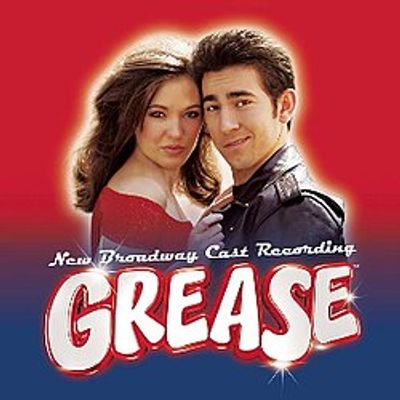
[3:32] Rob Russo: Grease ran 3,388 performances from 1972 to 1980. That's eight years and two months for those keeping score at home.
[3:40] Jamie DuMont: It was Broadway's longest-running show and musical from 1979 to 1983. It remains today the 16th longest-running Broadway show.
[3:49] Rob Russo: I don't think we need to say too much about what Grease is because everyone knows Grease, not only because of the success of the musical, but the 1978 film with John Travolta and Olivia Newton John and Stockard Channing and the whole crew. You know, it's so much a part of our culture.
[4:01] Jamie DuMont: But first, of course, it was a musical. And just like Man of La Mancha premiered in a sort of theater outside of the traditional Broadway theater district, so did Grease.
[4:14] Rob Russo: Grease started at the Eden Theater, which was sort of an off-Broadway house, but it was this was a Broadway production at an off-Broadway house. Actually, it goes even further back. It started at the Kingston Mines, which was a nightclub in Chicago.
[4:27] Jamie DuMont: So yeah, it had an interesting road to Broadway.
[4:32] Rob Russo: Yeah, so it was at the Eden Theater in New York in the East Village, and then moved uptown to the Broadhurst, the Royal, and the Majestic. So talk about moving theaters.
[4:40] Jamie DuMont: Gosh.
[4:41] Rob Russo: Happened a lot.
[4:43] Jamie DuMont: Happened a lot. It was nominated for seven 1972 Tony Awards. It won none, but yet went on to become the longest-running Broadway show for a time.
[4:54] Rob Russo: We've talked about this before. I find it so fascinating the cultural response in the 1970s with this wave of 1950s nostalgia that you saw, of course, with Grease on Broadway in 1972, but then also American Graffiti, the film in 1973, and Happy Days on TV, and then you know that spawned Laverne and Shirley. And you know, it was just so much a part of the culture of the 1970s.
[5:19] Jamie DuMont: This look back at a simpler time, the 1950s, which of course the story isn't that simple. I mean, one strain of thought is that this cultural response was actually a response to the civil rights movement of the 1960s, and that, you know, the newly won freedom and equality and hard-fought civil rights battles of the 1960s caused a particular segment of the population, namely white suburban Americans, to want to remember fondly a time before all of that, which was the 1950s.
[5:51] Rob Russo: It's a little bit of a sort of a tricky, potentially nasty and retrograde cultural moment that happened in the 1970s. But I think you could also make an argument that the sexual revolution of the 70s had a little bit to do with wanting to look back at the sort of re sexually repressed late 50s. And you know, there's a world in which those things live together as well.
[6:22] Jamie DuMont: So it's a, you know, the 70s were a complicated time for sure.
[6:27] Rob Russo: A lot going on.
[6:27] Jamie DuMont: Yeah, and it's fascinating, you know, Jim Jacobs and Warren Casey who wrote the music book and lyrics, you know, they themselves were writing the piece based off their own experiences growing up in the Chicagoland area in the 1950s, right? And it's very much built from their own experiences.
[6:45] Rob Russo: And that first version, Jamie, that you mentioned in Chicago, you know, apparently was very raunchy.
[6:52] Jamie DuMont: Yeah.
[6:52] Rob Russo: And they did, they actually weren't setting out to write something nostalgic. They set out to write something that was sort of subversive, right? That was cutting against the way that people were remembering the 1950s by presenting, you know, teenagers who were smoking and getting pregnant and, you know, having sex and all that, right? I mean, that was pretty, you know, choice material.
[7:15] Jamie DuMont: Well, I love this. Jim Jacobs said that there really was a girl named Rizzo. She was this tough little Italian chick. And he said that he went back to his high school reunion, which was William Howard Taft in Chicago. But when he went back to his high school reunion in 1989, he ran into the girl that he based Rizzo on, and he said, "How's it going?" And she said, "Oh, you know, I was just visiting my husband on death row earlier today." So, you know, things didn't work out for Rizzo so well.
[7:46] Rob Russo: I could flirt with all the smile at them and bat mine. Make them think they stand a chance, then refuse to see it.
[8:15] Jamie DuMont: That's the thing I never do.
[8:18] Rob Russo: When you look back at the folks who were in this production, right?
[8:22] Jamie DuMont: Oh my god.
[8:23] Rob Russo: I don't think anybody considers Grease to be like some great artistic achievement, no offense to anyone involved, but the cast, the sheer number of really talented people who were, you know, sort of either made their debuts or cut their teeth early in their career in this show is incredible. I mean, first of all, the original cast had Barry Bostwick as Danny, and Walter Bobby, you know, the acclaimed actor and director was in the ensemble. And then, you know, replacements later on in the run included Mary Lou Henner, Peter Gallagher, Judy Kay, Patrick Swayze, John Travolta. I mean, pre-film was in the musical, Jerry Zaks, Rex Smith, Treat Williams, Richard Gere. I mean, it's unbelievable how many people.
[9:06] Jamie DuMont: Did you say Adrian Barbeau?
[9:08] Rob Russo: No, I didn't.
[9:09] Jamie DuMont: I don't know who that is.
[9:10] Rob Russo: Adrian Barbeau, she was a very popular actress in the 70s. She played Maud's daughter on Maud.
[9:18] Jamie DuMont: Okay.
[9:18] Rob Russo: But I believe Adrian Barbeau was the original Rizzo.
[9:22] Jamie DuMont: Wow.
[9:23] Rob Russo: But yes, everybody seemed to go through Grease at one point or another.
[9:28] Jamie DuMont: Oh, yeah. And, you know, and that of course continued with the two revivals. So the revival in 1994 and the revival in 2007. You look back at both of those productions, and you know, there's so many musical theater and television and film stars, you know, started with Grease, right? Whether it's Megan Mullally and Billy Porter and, you know, Hunter Foster, you know, who were all in that Grease production in '94. Or the 2007 revival, which of course, you know, was cast with a reality TV competition called Grease: You're the One That I Want. You know, basically plucked Max Crumm and Laura Osnes from obscurity and put them as the leads in a Broadway show. And, you know, they both have had considerable careers, especially Laura Osnes, you know, in the years since. So amazingly, you know, Grease has been sort of a breeding ground for really talented performers throughout its history.
[10:28] Jamie DuMont: Grease is the winning feeling.
[10:42] Rob Russo: I think it's one of those stories that everyone can relate to. Everyone went to high school. Everybody did that whole, you know, clique thing. Everybody had, I don't want to say everybody had a pregnancy scare, but like everybody, but everybody understands the need to be popular, the need to fit in, what it's like to feel like an outcast. All those themes are very, you know, they're things that everybody is a part of. And the film, and then that film, which captured all of that so beautifully, but it's also a very different thing than the actual musical.
[11:19] Jamie DuMont: So it lives in a couple of different worlds.
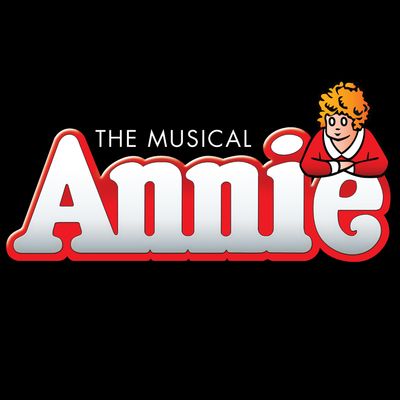
[11:23] Rob Russo: Yeah, yeah. Well, speaking of shows that live in a couple different worlds, our second show in this category is Annie.
[11:34] Jamie DuMont: I'm home, which Jamie's home.
[11:38] Rob Russo: I'm also home. I don't know that I've shared this on this podcast before, but as a kid, I was absolutely obsessed with Annie. And this is actually before Hello Dolly, before I really, you know, understood musical theater, I saw my brother's eighth grade production of Annie. He wasn't in it, but it was the eighth grade at his school and became obsessed with it. And of course, you know, the 1982 film. And so much so that when I was a child, my punishment if I did something wrong was to be banned from watching Annie.
[12:09] Jamie DuMont: That's the worst thing I've ever heard.
[12:12] Rob Russo: Well, I'm not a fan of the film, but yes, but it's all I had. I was, you know, I was six.
[12:16] Jamie DuMont: Right.
[12:17] Rob Russo: Well, and also the thing is like if the film is your only intro is your first introduction to it, then I get that.
[12:25] Jamie DuMont: But you know, I had the original production as my introduction.
[12:29] Rob Russo: Of course. Well, Jamie, tell us about Annie.
[12:32] Jamie DuMont: Well, I will say this, just speaking about punishments. I had the opposite of that, and I've told you this before, and I know you know this. So, my parents used to use Annie as a babysitter. We spent a lot of time in Los Angeles when I was growing up. We didn't move there until I was in high school, but we spent a lot of time there, and my parents would specifically pick the Century Plaza Hotel for us to stay in while Annie was running across the street at the Schubert Theater because they could basically build a weekend around me seeing Annie Friday night, two times on Saturday, and then the Sunday matinee. And they could run off and do whatever they wanted to, and I could just walk from the hotel.
There was an underground tunnel that connected to the theater. I could go back and have dinner in the room and whatever, and they didn't have to worry about me at all. So much so to the point where like the ushers knew me, and like I ended up actually becoming friendly with the girl who played Annie, the West Coast Annie, Patty Pets, who would later become a friend of mine when I was in high school. And I was obsessed with her in that production. But that's about me. Annie itself actually had a sort of an interesting road to Broadway. It started at Goodspeed Opera House. It was in a fair amount of trouble. They ended up having to fire the girl who played Annie, and she was replaced by Andrea McArdle very famously. And this would actually be a theme that would sort of haunt the show for its entire history. There was a 1997 revival where they cast an Annie again in a contest.
[14:11] Rob Russo: Um, I think her name was Joanna Pasidi. And uh she ended up um not being able to do the part or wasn't quite right or whatever, and she ended up being replaced by Britney Kissinger um during the previews, and that was quite a scandal, um, upsetting original uh Annie Andrea McCardell, who had been like a judge in that contest, and and ended up, you know, feeling you know, sort of uh uh not good about that whole um thing. So it's the thing that sort of haunted this show. Um, but again, what do they say about working with um animals and children? You know, it's yeah, it's always a few. Annie's got both.
[15:20] Jamie DuMont: Well, you know, it's based on um the comic strip, Little Orphan Annie, which uh was obviously very popular in the 1920s and 30s. Uh and I, in doing my research, was shocked to discover continued uh well past Harold Gray, the cartoonist's death in the 60s. Um it was it was in circulation until 2010. Yes, which is amazing. It had a 86-year run as a comic strip, uh, which is pretty amazing. And you know, in its time, it was a big deal, um, not only because of the subject matter, but the fact that Annie was a girl, right? And there was a girl anchoring a comic strip, um, which is, you know, pretty amazing. So Martin Charnon, who uh was the lyricist and director of Annie, um, it was his idea to take this comic strip and make it into a musical.
And he brought it to Thomas Meehan, uh book writer, who, you know, sort of struggled at first to figure out well, how do we, how do we tell the story? What is the story? Because it's a serialized, you know, it's a comic strip, right? You get three or four uh windows, and you know, that's that's the story, right? So he created his own original story using the characters, setting it in New York, um, and sort of casting Annie as this Dickensian orphan hero and creating characters along the way, right? So there's no Miss Hannigan or Rooster or Lily in the comic strip. That was all created by Thomas Meehan for the musical. Um and in fact, I was sort of, you know, sort of burst my Annie bubble to go back to go back and discover that Harold Gray, the cartoonist, um, you know, the show itself is the musical, is like an ode to FDR and the New Deal and like, you know, liberalism.
And it turns out that the comic strip was not. Right. And in fact, Harold Gray used Little Orphan Annie as uh a way to criticize FDR and the New Deal. He was a conservative, you know, libertarian. He didn't believe the government should be involved in the economy at all. In fact, at one point he killed Daddy Warbucks in the comic strip to symbolize FDR killing private enterprise. I mean, this guy really had it out for um, you know, the Democrats and FDR. And so, you know, they sort of eschewed all those politics and mapped on their own politics. And much like Little Orphan Annie was a beacon of hope during the Great Depression in the comic strip, you know, they sort of leaned into that, right?
And and what I think, what I've always thought sort of elevates Annie, beyond being obviously, you know, a very cheery, entertaining musical, is the symbolism of its central titular character and and you know what she means to anyone going through a difficult time, but also to a country going through a difficult time.
[18:51] ♪ Musical number: "Tomorrow" — performed by Annie ♪
[18:51] Rob Russo: And it's no mistake that this show came in the in the wake of Watergate. Um, in a time when there was a lot of you know, cynicism and um America was going through what Jimmy Carter would later term, although I don't think he ever said the word malaise, right? Um, you know, it arrived in a moment in the late 70s where um, you know, maybe America needed once again to hope and reimagine itself. Now, of course, you know, that ended up getting us Ronald Reagan, but um, you know, it's not the fault of Annie the musical.
[19:24] Jamie DuMont: Um okay, good. Because it's sort of sounded like that's where you were going.
[19:28] Rob Russo: No, no, no, no. It's morning in America again, right? No. But Annie, of course, was a gargantuan hit, right? It ran 2,377 performances from 1977 to 1983, five years and eight months. Started at the Alvin Theater, then moved across the street to what was then called the Anta Playhouse, moved to the Eugene O'Neill, then closed at the Euros Theater. I mean, again, these moves are just wild. These shows moved constantly.
[19:56] Jamie DuMont: We were going to keep saying this. I actually have to interrupt you right here because I think you're doing it a bit of disservice.
[20:01] Rob Russo: Oh, okay.
[20:02] Jamie DuMont: Because Annie was not just a popular show. It became, I mean, you're you're you're alluding to this, but it it really became part of the popular culture in a way that a show hadn't in a really long time. There were tons of Annie TV specials. Annies were everywhere. They were, you know, uh politicized to a certain extent, which is sort of what you've been referencing. They were on every talk show. I mean, there was Annie Mania. Every little girl, those people, girls were wearing those red dresses again. I mean, it was it was a huge boon to the comic strip, as you mentioned. It was it was still around. I mean, Annie really took over um in a way that I don't think a musical had in quite some time.
[20:49] Rob Russo: It's a cultural phenomenon, just like Greece, right? I mean, that's why you know we put these two together. Um, because they made that leap. And of course, you know, it was made into the 1982 film, um, which um, you know, obviously, people, um, you know, it was not a success, right? Um just said to put it mildly, but it had a great cast. Albert Fenny, Carol Burnett, Ann Ryan King, Tim Curry, Bernard Peters, uh, Jeffrey Holder. I mean, you know, it was it it it didn't. It was a moment. It's it's it's a it's a it's a mistake, it's not well done. However, it again, and I think this is the power of Annie and of the musical and of the story, it definitely enjoys a cult status. And it definitely is a huge movie for um several generations of of youngsters that that it was formative for me.
[21:37] Jamie DuMont: Absolutely, and you're not alone, and and it's not unique to your generation. I think the generation after you and a generation before you all felt that same way. So um without question, um, there's something there. Uh and I think it's this, I think it's Annie. I think it's this, there's something about this character, and uh, and again, everybody loves an underdog, everybody loves an optimist. You know, these are very powerful things.
[22:03] Rob Russo: Yeah, 100%. And that score. I mean, Charles Strauss. Uh I I think it's gotta be his best score. I know he wrote Bye Bye Birdie and you know, a host of other uh shows.
[22:14] Jamie DuMont: Oh, I uh I think it's his best score. I don't I don't Annie applause because you know he did run up. Yeah, I mean, those are great shows, but Annie, the other thing about Annie is and and I find this really interesting too because I don't it's had several revivals, as you mentioned. Um there there really hasn't been a revival that's quite captured the magic of the original, and I think some of that has to do with the time and place and you know, all of that. But no matter what, that score is it it's even in the revivals that haven't been successful, the score is a standout.
[22:49] ♪ Musical number: "Little Girls" — performed by Miss Hannigan ♪
[23:26] Rob Russo: I think, you know, part of the reason why the 97 revival and the 2012 revival didn't land the way, you know, that you one might have anticipated, has to do with my point about the politics of it, right? I mean, the show has to meet the moment, and you know, sort of socially, culturally, politically. 97 and 90 and 2012 were not moments of you know American despair, right? You know, and this show is meant to stiffen your spine and you know, put a little pep in your step, and uh, you know, the Annie character, right? But it's just so central to what she means and what she symbolizes.
[24:03] Jamie DuMont: I also think the show is deceptive. I think people think of it as a simple show.
[24:09] Rob Russo: Right.
[24:09] Jamie DuMont: And I and I've seen many productions. There was a there was a production recently in London that was very dark. And you walked into the theater and they were blasting FDR speeches, and it was just it was heavy handed, and it was everything was dark, and there was very little joy to it. And and I and I think that people misunderstand what Annie really is, and I think they oversimplify it, and they think it's this little, you know, sweet book musical. But to your point, it's not. It's about a lot of things, and and that's a mistake that people make.
[24:44] Rob Russo: Yeah, on the um on the re-released uh cast album when they did that, I think probably in the late 90s, they included songs that were cut from the show. And the original opening of the show was a song called Apples.
[24:55] Jamie DuMont: Right.
[24:55] Rob Russo: And if you listen to that song, I think um Charles Strauss and Martin Charnon sing it on the demo. It's it opens with you know a series of people begging in the street and singing about you know their lost fortunes. Um and the lyrics are I mean, they fully, I mean they they abandoned it because it was a little too heavy-handed, right? Um as an opening number. Um, but you know, to your point, that is the milieu that the show lives in. It's a desperate time, it's the Great Depression. And I've always I've always loved that song, despite the fact that I completely understand why it has no place opening a Broadway musical.
[24:55] ♪ Musical number: "Apples" — performed by Charles Strauss and Martin Charnon ♪
[25:52] Jamie DuMont: I have one other story before we leave Annie, because I just love this. So there's a pretty good uh documentary about um sort of like it's I think it's called Life After Tomorrow, about you know what it was like to be an orphan, and I think it's pretty well documented, um, just generally that the orphans were rambunctious in all the companies all over, and and they were constantly getting into trouble. Sarah Jessica Parker has talked about there being a brothel on 52nd Street, and you know, the orphans would rollerscape by and throw water balloons at the prostitutes sitting on the stoop, you know, lots of stuff. Um, and there's lots of, you know, there were lots of moms and there was lots of mom drama and all that stuff.
But I love this story that apparently on Broadway, um, when the orphans would get into trouble, particularly backstage during a performance, there was this thing where the stage manager would pull them from doing the curtain call, right? So if you got into trouble, your punishment was that you couldn't do the curtain call. Well, one of the orphans, Julie Stevens, it happened to her, and she she says she had done nothing wrong, that she there was no reason for her to be in trouble. But more importantly, she said to her mom afterwards, that doesn't seem right. Now we're talking about a you know, 11, 12, 13-year-old girl saying to her mom, that doesn't seem right. I'm gonna call actors equity. And she did, and she and she exposed this, and so after that, orphans were never pulled from the curtain call, which I love that story. Here's this like 13 or whatever year old girl saying, you know, I've worked hard to do the show tonight. I deserve my moment.
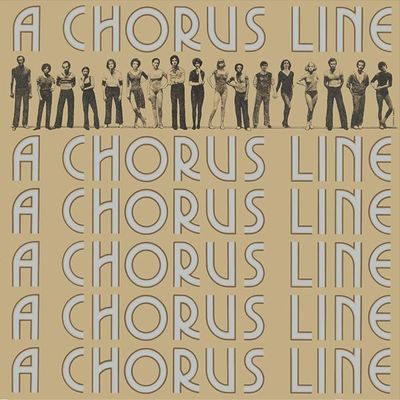
[27:25] Rob Russo: It's a hard doctor, it's a high document. Let's move on to our fourth category, which is the first category that's only one show because it it deserves its own category because there was nothing like it before, and there really hasn't been anything like it since. And that is 1975's A Chorus Line.
[27:52] Jamie DuMont: You know, I still can't believe we haven't done an entire show devoted to A Chorus Line.
[27:57] Rob Russo: Or a whole season or a whole podcast. I mean that, you know, I I don't think there is one.
[28:02] Jamie DuMont: Well, A Chorus Line. I mean, what can we say, right? This was the show that literally saved Broadway.
[28:08] Rob Russo: Yes.
[28:08] Jamie DuMont: Right. I mean, without being hyperbolic there, because it's not hyperbole to say that were it not for A Chorus Line, Broadway would look completely different today.
[28:19] Rob Russo: Well, talk about the fabulous invalid.
[28:22] Jamie DuMont: Yes, of course.
[28:23] Rob Russo: I mean, in 1975, um, theaters were empty, the Times Square district was, you know, a dangerous place. Uh, there was no tourist traffic, people were lamenting left and right that Broadway's dead. Um, you know, there's there are no new great musicals anymore. Um, you know, it was a tough, tough time. And out of that, you know, difficult period came Michael Bennett and the genius inception of this show, which, you know, it's easy to sort of not appreciate through today's lens, but was so groundbreaking in the way that it told a story, right? Um, and obviously that grew out of again its very inception. So, you know, uh, these dancers had gotten together to talk about their lives, um, and you know, commiserate and uh sort of what some people have likened to be a therapy session. I think it was Priscilla Lopez who used that word. It was like a therapy session.
[29:34] Jamie DuMont: Well, even Donna McKechney has said because she had had so much analysis prior to that night, she felt very comfortable sharing her, you know, sharing truths and telling her story. I think they all did. That first session on January 26, 1974, you know, is stuff of legends. Michael Bennett was there, he turned on a tape recorder and just they went around the circle and all these dancers shared their lives. And again, what Priscilla said to us was the entirety of a chorus line was in that one night.
[30:07] Rob Russo: Right. Right. The way he went down, it wasn't a line, it was a circle, but the way he went around and asked everyone to say, you know, their real name, their stage name, where they were born and how old they are, right? I mean, that's literally what happened. And all the jokes and all the personalities and all the stories were birthed in that first session. And then over the next year, Michael Bennett worked with uh book writers James Kirkwood and Nicholas Dante, uh, and then of course Marvin Hamlisch and Ed Kleban on the score to create what would become a chorus line. Um, and the very process itself was groundbreaking. There had never been a show that was uh workshopped like this, um, which uh Joe Papp housed at the public theater um thanks to the introduction made by uh Bernard Gerston, who had known uh Michael Bennett through his other work on Broadway and admired his work. And he put them together, and Joe Papp became sort of the grandfather of this show, and it premiered at the Newman Theater, where there's a little plaque there today commemorating it.
[31:11] Jamie DuMont: It's hard to imagine a chorus line in the Newman Theater. You know, it's it's so small and it's so intimate, and that it just always every time I go in the Newman, I think of this like how did it fit on that stage? Obviously, it did. And we have both heard from multiple people that there was never an evening in the theater quite like a chorus line at the Newman, you know.
[31:33] Rob Russo: It was very special.
[31:34] Jamie DuMont: It was an instant sensation. Yeah, and I think, you know, part of the reason why in the finale they enter from stage right is because there's no stage left wing at the Newman Theater. Or there wasn't at the time. I think they've reworked it a little now. But at the time, you literally couldn't enter from that side of the stage. So that's why that costume change happens from uh stage right. Um but you know, a chorus line is just it's a chorus line, right? I mean, it went on to become the longest-running show in Broadway history, not just by a couple years, but like almost doubling the record that had been set by Grease. Um, 6,137 performances from 1975 to 1990, 14 years and nine months. Um, unheard of. Just like Oklahoma running five years was completely unheard of. No one had ever seen that. A chorus line blew that away.
[32:26] Rob Russo: Well, and I think again, uh it's what you were saying earlier about the evening of everyone sharing their stories and how the entire show is based in truth, right? Every single thing that happens on that stage happened mostly to the people that were on that stage, right? Some stories got assigned to different people and got cut up a little bit here and there. But for the most part, everybody on that stage is telling a version of their own story or of somebody else's story that's on that same stage with them. So there's so many layers of history just right in that moment. Plus, with Michael Bennett stripping away every facade and artifice that you would normally have in a musical comedy and putting the orchestra out of sight so you couldn't see them.
Every single thing he did was based in truth. And that was really remarkable. And I think that that is it just resonates and is so powerful. And no matter what production you see and what level, that always is there. And it's and it's and it's and it's it grabs anybody that sees that show.
[33:43] Rob Russo: Goodbye, so goodbye, 13.
[33:46] Jamie DuMont: Hello.
[33:56] Rob Russo: I'll show you mine.
[33:58] Jamie DuMont: Show me yours.
[34:01] Rob Russo: Time to grow.
[34:02] Jamie DuMont: Time to go.
[34:05] Rob Russo: Mom and dad were doing it. Whether he did this purposefully or not, or whether I'm just constructing this thought because we just talked about Fiddler on the Roof, but just like you could look at Fiddler on the Roof and say, Oh, it's a parochial story about a bunch of Jews living in a village. You could look at a chorus line and say, Oh, it's a show about a bunch of dancers, you know, sharing their stories, whatever. But just like was the case with Fiddler, where everybody finds themselves in, you know, the members of that village, every audience member sees themselves on stage in a chorus line. You don't have to be a dancer to have, you know, lived a life. And the show, as much as it is about dancers, it's about their lives, right?
It's about growing up, it's about trying to achieve something, to realize a dream, to get a job. I mean, anyone at its most essential, an audition is a job interview, you know, and everybody's had a job interview at some point in their life. Um, we're all on that line. And that was the insight that that that Michael Bennett brought to the piece, and it's why it won the Pulitzer Prize for drama in 1976.
[35:10] Jamie DuMont: These shows share sort of a common thread, and that is the human experience. And that is, you know, it's like with Grease or with Man of La Mancha or with Annie. We all can relate to somebody who wants to be positive or or be a dreamer or face adversity or just get a job or try to navigate the difficult waters of puberty in high school. Um, but I think it's summed up best in a quote that was in the playbill, which was this show is dedicated to anyone who has ever danced in a chorus or marched in step anywhere. God, I'm a dancer, a dancer dances. Give me somebody to dance with. Help me return to the world of the living by showing me how to begin.
[36:16] Rob Russo: There it is.
[36:17] Jamie DuMont: Yeah. Just phenomenal. I mean, I I was obsessed with a chorus line growing up, again, because you know, it spoke to, I mean, literally, I was going through my adolescence as I was listening to, you know, goodbye 12, goodbye 13, hello love, right? Um, you know, and there's something that is just so um entrancing about this show. It's so simple and yet so complex and so brilliant, um, and so groundbreaking. Uh, when it became the longest running Broadway show um in 1983, September 29th, 1983, uh, Michael Bennett put together um a gala performance that welcomed back all of the alumni from the Broadway production, and I think even from the touring productions as well. There were 332 performers um in on stage and in the auditorium for the finale of one.
And it's, you know, I mean, it's it's it's a sign of the times that we don't see those kinds of elegantly extravagantly constructed evenings in the theater anymore. Um, but A, the man knew how to put on a show, and B, it was such an incredible moment in Broadway history that this little show from you know the public theater downtown had made the leap, had come to Broadway, and was a tourist attraction, right? Broadway hadn't had a show in a while that was a tourist attraction. That people came to New York to see a chorus line. Um, and in fact, they gave out uh bumper stickers and postcards at the box office that um that said, I just saw a chorus line on Broadway. Um, it was such a part of the culture, like you know, like all these shows that we've talked about um are.
And it went on to run from 1983, you know, another seven years, which again was just so incredible. And it did that without stunt casting, right? Shows that run a long time now, very often um, you know, they'll cycle in some stars to generate um interest. At the heart of the show was always a focus on dancers in a chorus who were somewhat anonymous to the average theater goer, and that's you know, kind of the whole point.
[38:35] Rob Russo: It's no mistake that the finale is titled one, right? Because you've just spent uh 90 minutes or two hours getting to know these individual 17 people and then you can't distinguish them from one another in the finale when they're all wearing those costumes. I mean it's it's incredibly powerful as an idea. Um but the show was cast for who was the best person to play the role. They didn't bring in some movie star to play Cassie when Donna McKechney left. They brought in Anne Rhein King, you know, like one of the hottest dancers on Broadway who was not a household name who wasn't there to sell tickets to tourists but because she was the best person to play Cassie. And that continued whether it was Pam Seusa or Wanda Reichert, uh Vicky Frederick, Cheryl Clark, uh Lori Gamacci, all of these women who played this role or anyone who was in the show were just extraordinary dancers. And we don't really see you know shows like that anymore that that run purely on you know um not having a star of any caliber, right? Of any you know marquee caliber um in them.
[39:40] Jamie DuMont: Um and it's a testament to Joe Papp as well that he kept the show running even after Michael Bennett you know passed away in 1987. And the same can be said of the revivals right they've never done a revival that's built on a star anchored around same thing with the film which was a disaster of a film and is is hard to watch. Again, yes they cast Michael Douglas right as you know so that's star casting and but Zach isn't one of the dancers right. So there's an argument to be there's an argument to be made that that in a way works or makes sense. But you're absolutely right I don't think the show would work if you were to design it around um Michelle Williams or you know one of those types of it just wouldn't it wouldn't it wouldn't sing the way that it's the way that it wouldn't be a chorus line.
[40:26] Rob Russo: You know I mean and there's a very famous story um Michael Bennett um was hired to do the film version of a chorus line and he has he put together his proposal and he said to the studio okay if we're gonna make a movie out of this the movie needs to be about making the movie of a chorus line right because otherwise you're not gonna achieve the same effect right it it can't be just the musical on a film because that wouldn't work at all and they disagreed with him and he left a note on his office out in Hollywood that said gone fishing right and basically said fuck you and walked away from the project and then Richard Attenborough came in and made that monstrosity but Michael Bennett's idea was resurrected in the 2008 documentary Every Little Step which does precisely what he thought needed to be done for the film and tells you know is a documentary about casting the revival of a chorus line and is itself its own version of a chorus line and I think that documentary is superb it's one of the best documentaries about um acting and dancing and Broadway that I think exists um and is really worth watching if you if you haven't seen it.
[41:38] Jamie DuMont: I just re-watched it about a week ago and not even related to this like it I didn't even till we started talking about it I didn't even make the connection that we've been prepping for this show and whatnot. I just watched it because like you I think it's I think it's you know I think there are three or four really perfect um documentaries about the theater and it's it's one of them and and it's also like even if you don't know the story of a chorus line, and again, this is what we're talking about. This is why the story works so well. You get so invested in an hour and a half of all these different dancers, and some of them, you know, since we're fans of the theater, we know who a lot of them are. But even if you didn't, you could watch this documentary and like a chorus line. By the end, you're devastated that so and so didn't get the thing, and you you love that so-and-so got the job. And you it's just it's this universal, you know, thing that we all have.
[42:30] Rob Russo: And again, it's truth. It's, it's well, the show was an unprecedented box office and critical hit, won Best Musical in 1976, along with eight other Tony Awards. It grossed 146 million dollars. Unbelievable. Including 50 million dollars of profits, which is insane. 6.5 million people saw A Chorus Line on Broadway in that original production, more than any other show up to that point, of course, because it ran longer. Um, and because of the producing deal, 75% of the profits went to Joe Papp's New York Shakespeare Festival, which is the public theater and has allowed the public theater to, you know, sustain and grow and be the public theater that we know it is today. And then, of course, we already mentioned this, the broader ramifications for A Chorus Line for Broadway as an ecosystem.
You know, it saved the Schuberts from having to sell some of their theaters or turn them into movie theaters or sell them to developers to build condos and regenerated tourist interest so that by the 80s, which we'll talk about later, you had these huge shows that were driven by tourist traffic. Um, so this really sort of peppered the way for all that to happen. And I think you just have to take it a step further because it wasn't just Broadway that A Chorus Line saved, in essence, it was New York City, right?
[43:50] Jamie DuMont: Yes. Because the 70s, the late 60s and the early 70s to the mid-70s, through to the 80s, were a really tough time for New York City. Um, and A Chorus Line, uh not only did it save Broadway, but it did save New York. It brought tourism back, it made New York glamorous. It really, and that and also in conjunction with the whole I Love New York campaign that was born around the same time as A Chorus Line, and A Chorus Line was in one of the original commercials singing I Love New York in their finale costumes in that kick line. It, they're married in a lot of ways and they're entwined. And I think that, um, it's significant to point out that, um, that it really saved Broadway and New York City.
[44:51] Rob Russo: That's so exciting. It might be, if I may be so bold.
[44:58] Jamie DuMont: Be bold.
[44:58] Rob Russo: The greatest hit of all the hits that we're going to talk about, just in terms of the social impact, and as you just described, the broader economic impact that the show had. I mean, I can't think of any other show. You know, you can compare the numbers, of course, and inflation and all that, and you know, tastes have changed and all that jazz, but all that jazz, it's competition that year.
[45:21] Jamie DuMont: Exactly.
[45:21] Rob Russo: Uh, uh, two blocks north. It's hard to imagine a bigger hit than A Chorus Line.
[45:27] Jamie DuMont: I agree with that. And, and, and you know, like I said earlier about, um, Fiddler being the great musical, I would say there's an argument to be made that A Chorus Line is, uh, a tiny fraction below that, if not almost sharing the same line, right? And I think you could make an argument that it's actually, you know, they're parallel or that one is above the other. Um, but it is one of the great musicals, uh, without question. And I think you're right. There isn't, you can argue that there have been other musicals that have drawn tourism and that have generated more money.
[46:02] Rob Russo: Right.
[46:02] Jamie DuMont: And if generate, you know, restaurants have been built. We'll talk about that musical a little bit later, you know, to support its popularity, but nothing quite did what A Chorus Line did. And, and not only for New York City, but for one of the great theater institutions ever, the public theater, all of these things, I think they just, they wouldn't be what they are without Michael Bennett and without A Chorus Line. And there's really nothing quite like that, is I think what we're saying.
[46:50] Rob Russo: I really have to mention she. The first one being Oh Calcutta, which lived on Broadway at the same time as A Chorus Line and ran well roughly as long for 5,959 performances from 1976 to 1989. It's 12 years and 11 months the show ran. And it was itself a revival of the first production that had been done in 1969, which ran a long time. The original production ran, uh, 1300 performances. It's the 74th longest running Broadway show. But Oh Calcutta is the eighth longest running Broadway show, a title it retains to this day. It's Broadway's longest running revue, the first revival to match its original for more than a thousand performances. And I think today it is largely forgotten, or at least certainly by folks of my age, I'm 33, you know, because it's before our time and something that is just somewhat of an oddity. I have to say, this is not a show I'm particularly familiar with.
[48:16] Jamie DuMont: I think the artwork is probably its most famous thing that people remember.
[48:22] Rob Russo: There was a billboard in Times Square for quite a long time that was a naked woman looking backwards at you with a towel wrapped around her backside that said Oh Calcutta. And I think that that lives large in people's memories, certainly it does in mine. But I was not familiar with this show at all. So I took a listen.
[48:42] Jamie DuMont: Have you listened to it?
[48:43] Rob Russo: And no, I never have. So there it's hard to find. Again, I've mentioned that I have this magical iPod with, um, lots of hard to find and rare recordings. And it's on there. There was a, there was it was recorded. There was a London, the London production, uh, was recorded, and then there was another recording done. It's a tough listen. It's really of the time, it's really like 60s, late 60s, early 70s, lots of organ, lots of synthesized, you know, lots of waka waka guitar, you know, but like, but not in a good way, not in like the Starsky and Hutch way, kind of in the like, you know, the creepy bachelor pad way, you know, where the beds come out of the wall.
[49:22] Jamie DuMont: Oh no.
[49:23] Rob Russo: Yeah, it's really, really to quote Rob Russo in, uh, two episodes ago, where you said about Via Galactica, it's very spacey.
[49:33] Jamie DuMont: Um, very spacey.
[49:34] Rob Russo: Yeah. Well, this was, you know, this was an adult sex comedy revue, right? So that walk-a-waka totally makes sense to me.
[49:42] Jamie DuMont: Yeah. I mean, I think we, we have to the title song, Oh Calcutta. I think we just have to play a little clip of right now, just so you get a flavor of what I'm talking about.
[50:26] Rob Russo: Well, that delivered.
[50:27] Jamie DuMont: Well, delivered. I mean, I, you know, I think, you know, I think I need a towel to clean up the mess on the couch.
[50:35] Rob Russo: Yeah.
[50:36] Jamie DuMont: Well, it's interesting, you know, it was conceived and partially written by, uh, British critic Kenneth Tynan.
[50:42] Rob Russo: Okay, right there. That's bonkers.
[50:45] Jamie DuMont: Right? Isn't that insane? Uh, and it included, you know, different sketches and songs by different authors. So it's sort of a hodgepodge of different people, including Samuel Beckett, Sam Shepard, John Lennon, Edna O'Brien. I mean, very strange. And what we haven't talked about, we've alluded to it, is you know, the show is most memorable for having complete full frontal nudity and like extended scenes of total nudity. My mom tells the story of her sister came to visit from North Carolina and they got front row tickets for Oh Calcutta. They had no idea what it was about. And these poor Southern girls, uh, were quite shocked to see, uh, a full frontal nudity on Broadway. It didn't run afoul of any like laws around public indecency or obscenity because there was no like simulated sex or anything like that. It was just there were just naked people on stage, much like at the end of Hair, but that was, you know, sort of artistically done very fast and in the dark, right?
[51:39] Rob Russo: I would venture a guess that if we were to see Oh Calcutta today in its original form, we would laugh at how silly it all seemed, right?
[51:48] Jamie DuMont: I'm sure. Well, first of all, I mean the title itself, oh I love this.
[51:53] Rob Russo: Yeah, so I didn't know this. I always wondered why was this show called Oh Calcutta? And in my research, I discovered, um, that the title is taken from the title of a painting by, uh, French painter Clovis Trouille?
[52:06] Jamie DuMont: You're the one who speaks French, not I.
[52:06] Rob Russo: I did take French, yeah. Um, and Oh Calcutta is a corruption of the French phrase au calcutta, which means literally translates to, oh, what a lovely ass you have.
[52:20] Jamie DuMont: I love that.
[52:21] Rob Russo: I love that. And so six case, so early 70s. Clovis Trouille, um, was a woman's ass, uh, with tattoos on her butt cheeks. And that painting was the official logo of the show. It was on the playbill. It's the poster that I referenced, it's the billboard I referenced in Times Square.
[52:41] Jamie DuMont: Yeah, yeah.
[52:42] Rob Russo: Well, there you go. Um, you know, so that just gives you all you need to know about Oh Calcutta. Shall we move on to our second?
[52:48] Jamie DuMont: Well, no, I just, I do want to say this one thing because I think it's so crazy. Originally, Kenneth Tynan wanted Harold Pinter to direct.
[52:57] Rob Russo: Oh my god. I can't think of a worse idea.
[53:00] Jamie DuMont: Like I anyway. Yes, it's, it's um, it's an interesting show. I will say that Clive Barnes, in his review at the New York Times, he said, the humor is so doggedly sophomoric, and the failure here is almost exclusively a failure of the writers and the producers. And yet it ran for 12 years in its revival at the Edison Theater.
[53:19] Rob Russo: At the Edison Theater.
[53:26] Jamie DuMont: A theater I've worked in.
[53:27] Rob Russo: A theater I know well. Um, which I believe was, if not right after this, um, converted back into an event space, right? Or at least no longer a Broadway theater.
[53:38] Jamie DuMont: It was made an off-Broadway theater. When I worked in it, it was an off-Broadway theater, and that was 99, 2000. It's a tiny theater. We, in fact, our show converted it into a like a nightclub, right? It's which is what it really looked like. And then Tony and Tina's Wedding moved in after us, and then I believe it's now part of the restaurant Bond 45.
[53:58] Rob Russo: We have to talk about the other big revue, which is Smokey Joe's Cafe.
[54:05] Jamie DuMont: She comes on like a nose, but everybody knows.
[54:12] Rob Russo: She'll get you good. You can live, but you better not do it.
[54:34] Jamie DuMont: Which ran on Broadway from 1995 to 2000 for over 2,000 performances. And, you know, was just a musical revue of songs by, uh, Jerry Lieber and Mike Stoller, classic rock and roll rhythm and blues songs from the 50s and 60s, and was a runaway success, right? I mean, this show arrived in Broadway in 1995, a season with one other Tony nominated musical, Sunset Boulevard, uh, at a time, again, another time where there was some like, oh, what's happening to the American musical? There isn't really a lot. And, you know, one of the very sad and tragic reasons for that is the fact that we lost so many artists and writers, uh, to AIDS in the 1980s, and the musicals that they were developing or had in mind or would have written, no doubt would have been arriving on Broadway in the mid-90s. Was very revival heavy for musicals in that period.
[55:25] Rob Russo: Very revival heavy.
[55:27] Jamie DuMont: That year alone was How to Succeed in Business and Showboat, which were two spectacular revivals.
[55:32] Rob Russo: There you go.
[55:33] Jamie DuMont: Yeah, yeah. But Smokey Joe's Cafe, um, ran, you know, for a long time. They had a, uh, roster of famous musicians who came in from Leslie Gore to Gladys Knight, Tony Orlando, Lou Rawls. I remember the ads when Lou Rawls came into Smokey Joe's Cafe.
[55:49] Rob Russo: Yeah, uh, Rick Springfield. Um, you know, and it was a big hit. It didn't win any awards, um, any Tony Awards.
[55:56] Jamie DuMont: But it was nominated.
[55:57] Rob Russo: The four of the six performers were nominated.
[56:00] Jamie DuMont: Yeah, I believe it. And you know, it is today Broadway's longest running original music revue. Uh, it's the 35th longest-running show in Broadway history, and it did receive a revival off-Broadway in 2018. Um, that it was my first time seeing it. I had listened to the original cast album, you know, many times growing up. I loved it. I thought it was, you know, such great music. Um, but I saw that 2018 revival, and I, for the first time, truly understood why Smokey Joe's Cafe was such a hit.
[56:39] Rob Russo: You say there's always magic in the air on Broadway.
[56:49] Jamie DuMont: And you ain't had enough to eat.
[56:52] Rob Russo: The bit of a side of the gone away.
[56:56] Jamie DuMont: Because it's not just the music, it's the way the evening is put together and the opportunity that it provides for individual performers to really blow the roof off.
[57:07] Rob Russo: And um, it's a perfect music review. I mean, I completely understand why it was such a hit. And also I think that catalog, the Lieber and Stoller catalog is um, it's epic. And I think it's also a catalog of song after song after song that you hear and think, oh my god, they wrote that too. They wrote that, they wrote that. And these songs, there's such a huge variety in terms of style and all of that, that it lends itself to a very entertaining evening in the theater, even if you just stack the songs up like they did.
[58:06] Jamie DuMont: I can play this in time.
[58:09] Rob Russo: I will put I'm a star on God.
[58:24] Jamie DuMont: I love this. Ben Brantley in his review said, "Too often though, the performers are simply singing into space without any ostensible reason for being there."
[58:34] Rob Russo: Take out the papers and the trash.
[58:41] Jamie DuMont: If you don't make it to you ain't gonna rock your room no more.
[58:49] Rob Russo: Just finish cleaning up your room.
[58:57] Jamie DuMont: Get on that garbage out of sight.
[59:07] Rob Russo: Which is bitchy, but accurate. And then also, I think, like I said just before that, the reason the show was so successful is that it was just about the music, and it was just about just joy, and everyone needs a little bit of that. And also I think the deficit of new musicals at that period really helped it become the—there wasn't a lot for tourists, which is a big makeup of marketing.
[59:45] Jamie DuMont: Yeah, absolutely. Well, and also, you know, I've mentioned this now before, but you give Jerry Zach a show, and he's gonna deliver a great show. He directed this. And Joey McNeely did the staging, you know, and I have to imagine it was just terrific. Joshua Burgast did the revival, um, directed and choreographed in 2018. And it was so entertaining, it was so thrilling. It was exactly what it needed to be, which I think is, you know, what made this review so successful.
[1:00:13] Rob Russo: I agree with that.
[1:00:15] Jamie DuMont: I can wash out 44 pairs of socks and have them hanging on the line. I can starch an eye in two dozen shirts before you can count from one to nine. I can scoop up a great big dipple full of lard from the dripping's camp. Go out and do a shopping and be back before it melts in the paint. Cause I'm a woman.
[1:00:41] Rob Russo: I'll see it again.
[1:00:44] Jamie DuMont: All right, so moving on to our sixth category. This is another one of those that's anchored solely by one show.
[1:00:50] Rob Russo: And that show with good reason.
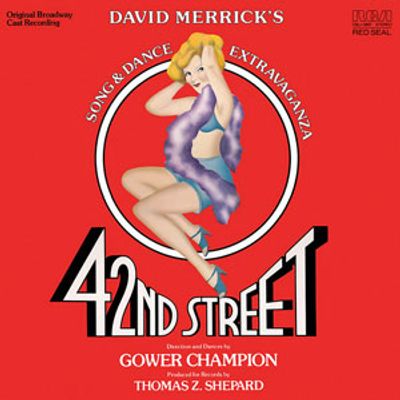
[1:00:52] Jamie DuMont: Yes, yes, that show is David Merrick's Song and Dance Extravaganza, 42nd Street.
[1:01:00] Rob Russo: Oh, how I love this show.
[1:01:02] Jamie DuMont: Oh my gosh, who doesn't love the show? If you don't love this show, what are you doing in the musical theater? Um, 42nd Street, of course, opened on Broadway in 1980 and ran a stunning eight years and five months, 3,486 performances. Um, and you know, obviously is the stage version of the 1933 Hollywood film, which itself was based on a novel from 1932. Just a classic backstage musical. Sort of like the paradigm of the backstage musical, right?
[1:01:37] Rob Russo: I mean, it's got to be the most famous of all of them.
[1:01:41] Jamie DuMont: I think people who don't know the show and don't know the film know what it references.
[1:01:47] Rob Russo: Right, right, exactly. And in fact, correct me if I'm wrong, you had not seen the film until you met me, right?
[1:01:52] Jamie DuMont: That's right. I had never seen it. No, I saw the revival of the show, and I've seen it in London, and I've, you know, I've seen a high school production of it, but I had never seen the film.
[1:02:02] Rob Russo: And it was quite fascinating to see after you know, knowing the musical as well as I do.
[1:02:07] Jamie DuMont: And it's not very good.
[1:02:11] Rob Russo: No, it's not. I mean, I think you have to look at it through the lens of when it was made and of course, of course, of course. The confines of the time. But um, no, but it's not a great film. It takes a really, really long time to get to the good stuff. The musical numbers are Busby Berkeley, which would figure heavily into the 2000 revival. But really, the musical that we're talking about, the original production is really its own thing.
[1:02:38] Jamie DuMont: Yes, yes. Well, that's you know, the brilliance of David Merrick and Gower Champion, um, and then of course, book writers Michael Stewart and Mark Bramble, um, in taking this film and this idea, more even more so than the specifics of the film, but the idea and what it represents and creating a quote-unquote brand new musical in 1980 that itself is like a 1930s musical, or at least an idealized version of what a 1930s musical would be, because musicals weren't as sophisticated in 19, you know, in the 1930s as they are now, or certainly by 1980.
[1:03:20] Rob Russo: And it's also an early example of what we would call today a jukebox musical, right? Because there are very few musical numbers in the film itself, the 1933 film. And what they did is they expanded beyond the film to the Harry Warren and Al Dubin songbook and incorporated songs that they had written for other films of the time, like Gold Diggers of 1933 and Dames and Go Into Your Dance, you know, all these classic musical films of the 1930s. Um, they took all the best songs from them, put them together into one score that is just terrific.
[1:03:59] Jamie DuMont: And song after song, if you didn't know them before, they are now in your mind, you know, classic 1930s songs, right?
[1:04:10] Rob Russo: I and I will say that even when you hear the score for the first time, these songs do that thing that a great song can do, which is feel like you know the song, even though it's your first time here. I mean, I think probably a lot of people would have known Lullaby of Broadway before seeing 42nd Street originally, but that's about it. Everything else, those songs were, and they just they're so wonderful.
[1:04:35] Jamie DuMont: Yeah. And in 1980, it was somewhat of a risk. I mean, it's always a risk to create a new musical, but um specifically doing sort of the reverse, which is to say taking a movie musical and making it into a stage musical. Traditionally, it goes the opposite way, right? You have um a musical on Broadway or whatever that is then made into a film. Um, and this was attempting to do the reverse, which had been done with Gigi in the 1970s and was a huge flop. Um so, you know, investors or you know, theater types would have been right to be skeptical that you could take, you know, 42nd Street and turn it into a stage musical. And yet, um, they did. And it's just one of those examples of a glorious combination of book writers and Gower Champion as a director or choreographer, lending his touch as an auteur of the piece um to create one of the greatest Broadway musicals ever. Um, and certainly one of the greatest hits of the 1980s.
[1:05:36] Rob Russo: We're in the money, the skies are sunny.
[1:05:40] Jamie DuMont: Old man depression, you are true, you've got us wrong. We can see a headline of headline today.
[1:06:05] Rob Russo: Oddly, this one was a little hard for me.
[1:06:08] Jamie DuMont: Yeah.
[1:06:08] Rob Russo: So, you know, I love this show, as you know, Rob. I think it's a perfect show. Yeah, um, not unlike Annie in the 70s, which was a huge moment for me. Annie and a chorus line in the 70s was a huge moment for me. 42nd Street defined to a certain extent my early experience of the 80s. I was obsessed with this show. I saw the show multiple, multiple times. That cast album is superb. Oh, I lived so hard in that cast album.
[1:06:38] Jamie DuMont: I like uh almost harder than anything.
[1:06:41] Rob Russo: It slaps.
[1:06:42] Jamie DuMont: It slaps. I that's a good thing, right?
[1:06:45] Rob Russo: Yeah, that's a very good thing.
[1:06:46] Jamie DuMont: Okay. Um but what I will say is that um it has so many thrilling moments to the degree that now we're at the moment I referenced earlier. I think it has one of the great openings in musical theater history.
[1:07:01] Rob Russo: Yeah.
[1:07:02] Jamie DuMont: Without question, the overture comes to a finish and it goes into a piano and the curtain lifts just a little bit, and you see all these tap dancing feet.
[1:07:40] Rob Russo: Now, the story has always been that that was a mistake, right? That they were working on the show and the curtain wouldn't raise all the way. Gower saw it and said, "Leave it, I love it." Now, that's a great story. I don't know if it's necessarily true, because I don't know if you remember this, but that same device is used in Hello Dolly many, many, many years earlier, right?
[1:08:03] Jamie DuMont: Yeah.
[1:08:04] Rob Russo: Dolly does her monologue before the parade passes by, the oak leaf, yada yada, and then the music starts to swell and the curtain goes up very slowly. It doesn't stop necessarily, but it's a similar thing. So I have to believe that that was just David Merrick doing his thing.
[1:08:21] Jamie DuMont: Well, and Gower Champion, because he also directed and choreographed Hello Dolly.
[1:08:25] Rob Russo: Right, but I mean, in terms of the story of like it was a technical glitch, and that's how they got that brilliant moment. But it is, I think, one of the great openings ever and a thrilling, thrilling moment in musical theater, one, two, three, four, one, three, three, two, two, three, four, five, three. I will never ever forget seeing the 2001 revival um and experiencing that moment for the first time. And not only the tease of the feet, but then once it the curtain goes up and you have what felt like a hundred people on stage, and it was probably as many as 40 or 50. I mean, this is a show that usually has a big cast. Um, tap dancing at the same time, doing the same routine. There is nothing like it on earth.
[1:09:39] Jamie DuMont: And I don't know why there isn't more tap on Broadway. I every season I'm waiting for a tap musical. Where are they?
[1:09:46] Rob Russo: There's never enough.
[1:09:48] Jamie DuMont: And that opening number is the perfect example of why it is so goddamn effective. I mean, it's so thrilling. I'll never forget it. I was what, I was 14 years old, and my jaw dropped. I mean, it was this thrilling. I will say I have a minor quibble with um with the way they did it in the revival.
[1:10:08] Rob Russo: Yeah.
[1:10:09] Jamie DuMont: Because originally it's done with just a piano, and the piano plays throughout that moment's called the audition. And it's the piano is playing, and then at the very end, as the tapping swells and the audition is almost over, is when the full orchestra comes in.
[1:10:30] Rob Russo: Yeah.
[1:10:30] Jamie DuMont: And it's thrilling. Now the 2000 revival didn't do it that way. They had the full orchestra come right in.
[1:11:00] Rob Russo: So there's never that like big swell that swell, yeah, where you get goosebumps. But that's a minor quibble. And I also understand that that revival, which also became the London revival of a few years ago, you know, that was a go big or go home version of the story. And it that works too. It's effective in a different way. Um but as a purist, I just have to point that little thing out.
[1:11:24] Jamie DuMont: Well, you know, it's amazing how um, you know, 42nd Street following on the foothills of you know so many of the big musicals of the late 70s, um, sort of represented a resurgence of Broadway. And then, you know, in 2001, um, it was on Broadway when uh September 11th happened, and New York was once again devastated, this time obviously in a very different way, um, you know, from an external force. Um, and uh I have to imagine part of the success of that revival is that it was running at a moment when audiences needed that kind of thrilling, uplifting entertainment. And um, you know, it was the image of the dancers of that show, you know, tapping down 42nd Street um, you know, after 9-11 is something I will never forget.
And it's a real example of a musical meeting a moment. I mean, that revival ran 1500 performances, it makes it the 60th longest-running show in Broadway history. The original production was the 15th longest-running Broadway show, or at least by today's standards. And, you know, I don't think it's a mistake that it has always been just embraced and loved by audiences, not only because it's a backstage musical, and just like Hollywood likes to make movies about Hollywood, Broadway likes to make musicals about Broadway, but also because of the content. You know, and we talked about this with Annie, right? I mean, this 42nd Street takes place during the Great Depression and is an element of escapism to it and um of hope embodied in the characters, and the idea of you know, Peggy Sawyer being plucked from the chorus and made a star, right?
And right, taking the job away from the big mean D-Vite leading lady who's horrible and right. What's more iconic than that, and what's more satisfying as an audience member to see, you know, the underdog win. You know, we love an underdog. I mean, there's a theme running through so many of these shows. It also marked the end of an era, you know. Uh, 42nd Street arrived on Broadway in 1980, won the best musical Tony Award 1981. Um, and it was produced by a single producer, David Merrick. Next time you're at the theater, when we're allowed back at the theater, look above the title. And there are 60 names of corporations and partnerships and all these people that it takes to put on a show. In 1980, David Merrick was the sole producer of 42nd Street.
It was his last big hit. And Gower Champion, who obviously was a titan of the musical theater, uh very famously passed away on opening night. And once again, David Merrick being both completely evil, um, but really knowing how to capitalize on a moment, kept it as a secret to the entire cast and revealed upon uh the curtain, you know, uh that uh that Gower had in fact passed away earlier that day. And, you know, as legend says, there were just screams from the audience and people were weeping, and you know, uh it's one of those moments like Bob Fosse passing away on the opening night of Sweet Charity on tour uh in DC. Um, you know, just one of those moments that um is just so dramatic and uh just becomes you know part of the lore of a show.
Um but you know it marked the end of another person, you know, major uh auteur in the theater's career and imprint. And as we're gonna see as we talk about future shows, um, you know, for a long time, there weren't really big successful American musicals on Broadway. And 42nd Street was kind of the last of them for a long time.
[1:15:09] Rob Russo: I agree with that. I I I I also think there is footage that exists of that moment during the really call. I believe I I I know that I, you know, we've all seen the photos, right? There are photos, and I can put them online if you haven't seen them, but those photos exist. I believe I've seen video from a news crew or somebody that was filming, and it's bad audio, but you can you can clearly hear the scream. I'm pretty sure I'm not making that up. Um, but I will say I I Merrick was a monster. There's no question about that. And again, I I highly encourage you to read The Abominable Showman. It's a terrific book. But I have two feelings of about that. I understand why, as a producer, you would not want to tell your cast before they do their opening night.
Yeah. No, that makes sense. [1:15:56] That Gower Champion is, yeah, that I understand that. Now, using it to your advantage and creating this big, there's and and there's there's absolutely a correlation you can make to that moment, that shocking thing, helping just catapult this phenomenal show even further into the stratosphere. I I don't disagree with that. He knew what he was doing. Um, but you know, it's that's showbiz.
[1:16:23] Jamie DuMont: Yeah, yeah. Um, and as I you know sort of alluded to a minute ago, um, not only did the show, you know, sort of mark this this transition um in Broadway history, but it also like literally physically did as well, right? So it opened at the Winter Garden Theater in 1980, and then uh left the Winter Garden Theater uh to make room for Cats. Right. There we go. And move up people and move to the Majestic Theater, right? And then it was at the Majestic Theater until it had to leave to make way for Phantom of the Opera. And then it finally closed at the St. James Theater. So it's, you know, one of the rare examples of a show, well, you know, certainly not too rare because we've mentioned a couple of them, that jumped from theater to theater to theater, and after 42nd Street, you rarely saw that again.
Um, but also not only it wasn't just moving willy-nilly, it was moving for these major British imports. And if that doesn't symbolize the power shift of Broadway in the 1980s, uh, I can't help you. Frank Rich has made this point before. Um, and I 100% agree with him. And I have to say, again, about the brilliance of this show, I think one of the things that's so deceptive, the big moment in the second act, the 42nd Street number. Um, and it's unfortunate in in the latter revivals that it's not done with Gower's original choreography, because um, I think they make a big mistake in not doing that. One of the things about that number that's so brilliant is how dark it is, and how it's really a dark moment in a pretty puffy show, right? In a show that's pretty much about costume changes and pretty girls and all of that stuff. Here you have this moment Dames, Jamie, dames.
[1:18:10] Rob Russo: Dames, absolutely. Um you have this this beautiful dance piece where basically at the core of it, it's about how life moves on and just how whole cold and cruel and and brutal um life can be. And there's there's a moment where the Peggy Sawyer character meets an army fella and they start dancing, and he gets shot and killed because the police are after a cat burglar who's sort of woven through this this thing.
[1:18:42] Jamie DuMont: And they don't do it that way anymore. Now they shoot the cat burglar. And it there's this brilliant moment where um where the company comes to almost to a halt, and there's a tap moment between Peggy Sawyer and this army fella, and it's just a saxophone, and the music gets very quiet. And then he's and they have this, it's very quiet. And then he gets shot, he gets dragged off stage. She has this very interesting moment where she doesn't know what to do and she's heartbroken, and then she the number ends with her joining everybody dancing again. And it's heartbreaking. And I I just have to point that out because I I again like the opening number, I think it's so brilliant and so deceptive and so powerful, and it's wrapped up in this cotton candy, and you forget that that moment happens in the show. And I think that moment is the core of what 42nd Street is really about it was replaced with a wall of stairs, which are also thrilling in their own way.
[1:20:41] Rob Russo: Right. Well, if I were ever to revive 42nd Street and somebody gave me that power, I think there's a world where you can do both. I actually I spent a lot of time last night looking at this number at both the original Broadway version, the original UK cast, and then the revival cast, and sort of analyzing them. And I think I think it could live in both worlds. I mean, that staircase is magnificent. I mean, it's pretty thrilling.
[1:21:07] Jamie DuMont: Well, 42nd Street, uh hard to think of a better musical.
[1:22:01] Rob Russo: Yes, yes. Uh so we've we've kind of uh left off on a real cliffhanger, a real moment of transition for uh for Broadway history with 42nd Street. So we'll pick up next time uh in the 80s.
[1:22:13] Jamie DuMont: The real 80s, like deep 80s, you know.
[1:22:16] Rob Russo: Yeah, well, I mean, 42nd Street is technically in the 80s.
[1:22:19] Jamie DuMont: 1980s.
[1:22:20] Rob Russo: Yeah, yeah.
[1:22:21] Jamie DuMont: Well, that's a funny thing about decades, right?
[1:22:22] Rob Russo: The early 80s are really more like the late 70s.
[1:22:25] Jamie DuMont: Right.
[1:22:25] Rob Russo: So on and so forth.
[1:22:26] Jamie DuMont: Exactly, exactly. I know what you mean.
[1:22:28] Rob Russo: Yeah, yeah. Like I I guess we're gonna, I guess we're gonna get a little visit from uh our friends across the pond.
[1:22:33] Jamie DuMont: Yeah, more than a little visit.
[1:22:35] Rob Russo: Uh some might say an invasion.
[1:22:37] Jamie DuMont: Well, you're gonna have to tune in next week because there are a lot more shows.
[1:22:40] Rob Russo: There's an invasion, it gets a little crazy.
[1:22:43] Jamie DuMont: They're side by side, they're glorified where the underworld can meet the elite naughty.
[1:23:27] Rob Russo: Well, that's our show.
[1:23:29] Jamie DuMont: Thanks for listening. At this difficult time, please consider making a donation to the Actors Fund at ActorsFund.org.
[1:23:35] Rob Russo: The Fabulous Invalid is a production of OM etcetera and the Fabulous Invalid LLC, at a proud member of the Broadway Podcast Network.
[1:23:43] Jamie DuMont: Our theme music is by Lucky Chops.
[1:23:46] Rob Russo: Today's episode was edited and engineered by Charles Van Kirk.
[1:23:50] Jamie DuMont: Find us online at the Fabulous Invalid.com and on social media at Fabulous Invalid and on iTunes, Spotify, and wherever you listen to your podcasts.
[1:23:59] Rob Russo: And be sure to tune in Wednesday.
© Broadway Podcast Network, All Rights Reserved