

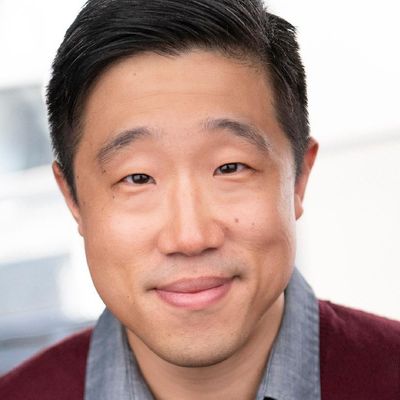
On this week’s episode, Jamie and Rob chat with Broadway actor and activist Raymond J. Lee. Together, they discuss Ray’s career, his deep love for Disney, the challenges of being a parent during a pandemic, and the importance of representation on stage... Read More
From the show: The Fabulous Invalid
Guests
Featured Shows
About
On this week’s episode, Jamie and Rob chat with Broadway actor and activist Raymond J. Lee. Together, they discuss Ray’s career, his deep love for Disney, the challenges of being a parent during a pandemic, and the importance of representation on stage. From “Mamma Mia!” to “Aladdin”, “Groundhog Day”, “Soft Power”, and Britney Spears ... Ray’s got the range, and he’s optimistic about Broadway’s future.
This week’s music: “Part Of The World”, “Disney’s The Little Mermaid: Motion Picture Soundtrack”, “Anything Goes” from “Anything Goes, New Broadway Cast Recording”. “I’m with Her”, “from “Soft Power”. “Hawaii/Waiting for You”, from “Honeymoon in Vegas, Original Broadway Cast Recording”. “Nobody Cares”, and “Day One”, from “Groundhog Day”, “Old Fashioned Lesbian Love Story” from “The Wild Party” (Encores). “Good Guy With A Gun”, “Democracy, reprise”, both from “Soft Power”. “Volez Vous” from “Mamma Mia, Original Cast Recording”.
Find us on Twitter & Instagram: @fabulousinvalid
Facebook: www.facebook.com/fabulousinvalid
Rob’s reviews: www.stageleft.nyc
Email us at: office@fabulousinvalid.com
Jamie DuMont
Twitter: @jamiedumont
Instagram: @troutinnyc
Rob Russo
Transcript
This transcript was automatically generated and might contain errors.
[0:19] Jamie DuMont: Welcome to the Fabulous Invalid, Broadway's podcast where we present essential conversations with a curated roster of the best, most important, and innovative theater makers working today, from actors to writers, directors, designers, and everyone in between.
[0:33] Rob Russo: We took our name from the title of a 1938 play by Kaufman and Hart that has since become a loving nickname for Broadway itself.
[0:39] Jamie DuMont: Always deemed on the verge of decline, yet always bouncing back the fabulous invalid.
[0:44] Jamie DuMont: I'm Theater Savant, Jamie DuMont.
[0:46] Rob Russo: And I'm Rob Russo, writer and theater critic with StageLeft.
[0:52] Jamie DuMont: Hi, Rob.
[0:54] Rob Russo: Hi, Jamie.
[0:55] Jamie DuMont: I am so excited about this week's guest.
[0:57] Rob Russo: I am a huge—sorry.
[0:59] Jamie DuMont: We are huge fans of his.
[1:01] Rob Russo: Thank you for correcting the record.
[1:03] Jamie DuMont: Yes.
[1:04] Rob Russo: Uh, he is Raymond J. Lee, or to his friends, he's known as Ray.
[1:08] Jamie DuMont: Yes.
[1:09] Rob Russo: Uh, well, Raymond J. Lee has appeared in five Broadway shows.
[1:12] Jamie DuMont: From Mamma Mia to Groundhog Day, Aladdin, Anything Goes, three City Center Encore's presentations, including Mac and Mabel, which we had seen uh just before the shutdown, and he was uh a featured ensemble member, of course, in Soft Power at the Public Theater in 2019 and at the Center Theater Group and uh current theater in 2018 on the West Coast.
[1:32] Rob Russo: Ray has performed on stage all across the country in film and TV on commercials and through voiceover work with Disney, DreamWorks, and now with Penguin Random House Audiobooks.
[1:41] Jamie DuMont: I think it's safe to say he's like a true chameleon, one of the hardest working, most talented, and like down-to-earth, funny, charming guys uh in the theater community.
[1:52] Rob Russo: You will get no argument there, and I cannot believe it feels like Mac and Mabel was 20 years ago.
[1:58] Jamie DuMont: I can't believe that. I know it was like one of the last things we saw.
[2:03] Rob Russo: Well, yeah.
[2:05] Jamie DuMont: Time is a flat circle.
[2:07] Rob Russo: Well, speaking of time, let's waste no more time.
[2:09] Jamie DuMont: Let's get to Ray.
[2:18] Raymond J. Lee: Thank you so much for joining us. We have so much to talk to you, just based on the depth and breadth of your career. But as current events loom large, I have to ask, how are you doing? How is your family doing? And how are you coping during this pandemic?
[2:33] Raymond J. Lee: We're good. Um, I mean, we're just gonna hang in there. I feel like everybody is. Um, my daughter is in school four days a week now. Hallelujah!
[2:42] Raymond J. Lee: Hallelujah, please Jesus. She was fully remote for the second half of her kindergarten, which I almost like—no joke, I thought I was gonna lose it because I should never be a teacher. Mad props to the teachers out there. I bow down to you. Raymond J. Lee is not meant to be a teacher.
[3:00] Raymond J. Lee: We should be paying our teachers like we pay our sports stars and our movie stars.
[3:06] Raymond J. Lee: 100%. Vacation days, curry machines, like a private plane. Give them everything. Massages, you know.
[3:14] Raymond J. Lee: Yeah, we're hanging in there. My husband, um, we've been fortunate to be able to work from home. He um has found um a really awesome remote um position um and uh is able to work upstairs. My daughter's in school. I have um just been hustling, gigging. I feel like I've been doing whatever I can to, you know, to make ends meet, like a lot of um, you know, former theater artists have had to this past year. So we're making it work. I feel like we live week to week. Like, let's do it. I think a day-to-day would be acceptable too.
[3:49] Jamie DuMont: Just um, you know, you mentioned having to step in and be a teacher for your daughter over the pandemic. What other challenges have you faced being a parent during this time?
[4:01] Raymond J. Lee: You know, um, I got COVID right at the beginning of when all this stuff happened, like in March. And so the hardest thing was explaining to my daughter what was going on, what is a virus, how come daddy can't hug you right now? Why does daddy have to eat off a separate plate? Why do we have to, you know, and she started to understand it. Um, we were lucky that her kindergarten teacher like had a story about viruses, very basic on what they do and why we need to wear masks and social distance, and but that was the hardest thing was um just having to bring my daughter to reality, you know, because when they're six years old, they're all about Disney princesses and slime. And then all of a sudden it's like pandemic.
[4:46] Jamie DuMont: Yeah, which is a different kind of slime.
[4:48] Raymond J. Lee: Oh, totally, invisible slime.
[4:50] Raymond J. Lee: This one you can't make with contact solution. But it's a lot for a kid to have to process though, right?
[5:00] Raymond J. Lee: Totally. And she was a trooper. I think um I'm so curious to see what um this generation of kids remember. Um, um, how it has affected them. But uh I'm proud of how she and her classmates have continued to um to be resilient and and rise and still be kids and have fun and and and find the joy in life. That's been a good lesson for me to remember.
[5:21] Jamie DuMont: And I think you just said the key word, which is resilient. I have I have three nieces, and you know, I almost sometimes feel like we're more worried about them than they are about like, you know, what's going on in their lives because they've been so resilient. And I guess that's true of all kids at all times, but they've had a unique challenge living through this time for sure.
[5:39] Raymond J. Lee: Oh, yeah. Even with masks, she's like, I like wearing masks now. I'm gonna—I want my um my princess one. She's like all these like Frozen, Olaf, Princess, Wonder Woman, and so it's now it's like fashion style.
[5:51] Jamie DuMont: Yeah. Well, I know you mentioned um that you've been hustling during this time. Um, and I saw that you've been doing, you know, some more voiceover work and audiobook recording. Um, wondering if you could share with us a little bit about how that's come about and what you're learning and discovering as you, you know, get more involved in this medium.
[6:07] Raymond J. Lee: When we shut down, I was in rehearsals for the Britney Spears musical. So 2020 was supposed to be like my gay boy fantasy dream year. Oh my god, it was gonna be the best year ever, and then COVID.
[6:22] Raymond J. Lee: Um, so when we moved up here, and I had dabbled in voiceover. Um, I'd done like, you know, just a few audiobooks, um, uh like little animation projects. But being stuck at home and seeing how many um people have decided to create their own studios from home and work from home, I thought might as well uh let me dive into it. So I, you know, bought the better equipment. I went on YouTube and learned how to work some of these programs.
[6:50] Raymond J. Lee: Oh my god, there’s a lot and it was difficult to learn, but I did a lot of trial and error. And um built a website, did my demos, and so it was a good pandemic project to have. And now I've done several audiobooks. Um, you know, my agent sends me out for um auditions, so I get to do them in my little studio downstairs. That um that my buddy Andrew Call from Groundhog Day came up and built it. He's so fierce.
[7:19] Jamie DuMont: So shout out to Andrew Call. This last year, it's very easy to just sit on the couch, watch everything on Netflix or Hulu. So it's great that you figured out a way to keep going because it's um it's not easy.
[7:31] Raymond J. Lee: Yeah, can you believe Tiger King was like—Tiger King feels like a decade ago, but that was one of the first like pandemic like what do you call it? When a splurge watches, and yeah, oh yeah, and now there's a musical happening.
[7:43] Jamie DuMont: Yeah, right. There's a musical happening. I feel like we're almost ready for the like, you know, the VH1 special, like 10 years later, Tiger King, you know, and it's only been one, right? Only one year.
[7:52] Rob Russo: Well, it's interesting to think that the pandemic is so far bookmarked by the Tiger King and Glenn Close twerking, which I think are two very different and yet oddly similar moments.
[8:06] Raymond J. Lee: Yeah, for sure. Well, speaking of cultural moments and speaking of just the zeitgeist, you mentioned your daughter is a Disney princess fan. Um, I believe you yourself are a Disney fan.
[8:17] Raymond J. Lee: Just a little one, just a little one, just a tiny one.
[8:20] Jamie DuMont: So I have to ask, what's your favorite Disney film?
[8:24] Raymond J. Lee: Oh, I mean, it has to be The Little Mermaid.
[8:27] Jamie DuMont: Ah, I don't know, it's just that's the one. Like as a kid, I don't know if it was like me being a little gay boy that secretly wanted to be like in mermaid drag, but yeah, I don't know, that was the one. And and part of your world is like the song for me. Um, my daughter, her birthday theme this year is gonna be mermaid, and I'm so proud. I'm like, it's worked! My Disney parenting has worked.
[8:49] Raymond J. Lee: I don't know when. I don't know how, but I know something starting right now. Watch and you'll see. Someday I'll be on the home.
[9:28] Jamie DuMont: How about you guys? What are y'all's favorite Disney films?
[9:31] Rob Russo: Oh, Little Mermaid, which is why I shrieked when you said it. And I will say I have a very special place in my heart for Aladdin. I really, really love Aladdin. So those two, but Mermaid, yeah, when I saw that, I just felt like, like many people, that film just spoke to me. There was so much in that that I could relate to.
[9:50] Raymond J. Lee: Yeah. Totally.
[9:52] Rob Russo: My sister and I wore out our VHS tape of The Little Mermaid. That was like a staple in our household. And then obviously the ones that came out in the early 90s were all big for me. But actually, my favorite as a kid was Peter Pan.
[10:04] Raymond J. Lee: Oh, that's so good.
[10:05] Rob Russo: So good.
[10:06] Raymond J. Lee: The one from the 50s.
[10:07] Rob Russo: Yeah, that was my favorite as a kid. Peter Pan.
[10:09] Jamie DuMont: I'd never, you know, Rob, you've never told me this. That um that answers a lot of questions.
[10:15] Rob Russo: I may or may not have had.
[10:16] Jamie DuMont: Okay.
[10:18] Rob Russo: Um, anyway, I did mention Aladdin, which is one of my favorite uh of the Disney films, and then you starred in Aladdin on Broadway.
[10:26] Raymond J. Lee: Oh my gosh, that was one of the best moments ever. Um, um, Don Darryl, who um originated Iago and is just pure brilliance, and I remember seeing the show being like, who is he? He's amazing, and also, yes, Asian representation. He was off to do another gig, and so they needed somebody to fill in for a couple weeks. And luckily, I had gone in for the show since the out of town. I had gone in for the three friends several times, some of the ensemble tracks, Iago many, many times.
[10:54] Raymond J. Lee: And they finally gave me a call. And I got the call from my agent. No joke. I was in front of the theater with Aladdin, like, and I'm like, oh, my agent's calling. And they told me, hey Ray, guess what? I'm like, what? You booked Iago in Aladdin. And I just like burst out in tears. People were probably like, what is going on with this Asian guy just crying in front of Aladdin? It was amazing. The company was fantastic. It was a fast process. I had about two weeks, and then I was in the show.
[11:20] Raymond J. Lee: And then I first went into the show with um Jonathan Weir, who um was the tour uh uh uh Jafar. And then I got to do it with Jonathan Freeman, who is a legend icon. And my first show, I remember being so nervous, being like, oh, it's Jonathan Freeman. And he was the coolest, nicest, gave me a t-shirt with Jafar on it. Um literally so awesome. I was like, you're—I should be getting you something with Jafar on.
[11:49] Jamie DuMont: And it was great. It was a dream come true. It's the first time my daughter got to see me um on a—on Broadway. We brought her to Aladdin. Um, her words were, Daddy, you're not nice. I like Jasmine so much better.
[12:01] Raymond J. Lee: So I knew I did my job.
[12:02] Jamie DuMont: Yeah, good.
[12:04] Rob Russo: Did she understand before seeing you on stage exactly what you did? Or was it—or was that a moment of like clarity for her? Or was she just caring about—she just cared about Jasmine?
[12:15] Raymond J. Lee: She just wanted Jasmine's clothes. This queen. You know what? She knew what I did because um she would see like video clips. Um, like during Groundhog Day, she knew that I was the guy in the groundhog suit, so she'd point like, Daddy, but to actually see me on stage um with like people dancing around me and audiences also clapping and getting the whole experience was really cool. I think she finally understood what Daddy does. And um, yeah, I was really proud. It was—we got her a Jasmine doll. She told me she was proud of me. We took pictures with the cast. It was a huge, huge, huge moment for me.
[12:49] Jamie DuMont: I love it that you bought merch. I love that.
[12:51] Raymond J. Lee: Girl. I hope you got—you got a show discount, I hope.
[12:55] Raymond J. Lee: Oh, I got it. When they told me what the discount was, I went right to the—I wrote right there.
[12:58] Raymond J. Lee: I was like, I would like a lamp. I need a keychain, I need a shirt, I need a doll. I got all of it. So I have the Christmas ornament. I have a it's a an Aladdin um well, I have an Aladdin lamp, and then there's a weird, um, not weird, I shouldn't say the sorry Tom. There's uh um uh it's like a lantern that I guess hang in the show at some point. Maybe this is more of a uh a philosophical question, but I'm wondering, you know, in thinking about your love and attraction to the Disney universe, right? As a fan and now as a performer, I'm wondering what it is you think, you know, as a creative studio as a brand, um Disney means to you or represents to you, or or why you're attracted to it. I think it's there's something with Disney with um, it's almost like they root for the underdog, you know, and growing up I was an underdog a lot of my life.
And um Disney highlights almost the people that don't get seen or don't have the voice and how they learn to get their voice. So you look at Ariel, you look at Quasimoto, you know, you look at like Belle, who was an outcast and then followed her heart. Like, it's just the stories of the heroes and the heroines and um also the music. I mean, I grew up loving all the songs. Um, and it was a huge dream of mine to be in a Disney show. Ever since I moved to the city in 2004 when I was negative five years old. Um, it was a dream of mine. And to achieve that and be in a Disney show, and then you know, even leaving the stage door and seeing everybody in their Aladdin t-shirts and wanting signatures and talking about that this was their first show seeing on Broadway, like it was just a cool experience and something that I took very, I think responsibly, you know.
I think that's such a hallmark of the the Disney on Broadway. The the the amount of people whose first show was a Disney show, whether it be Lion King or Beauty and the Beast, whatever it is, like that's hugely important. And I I think they don't get enough credit for that. I think they they get uh they get credit for lots of other things, but I think that's a very important thing that they that they've done for the Broadway community, and um we're all the benefit of it.
[15:09] Raymond J. Lee: Yeah, my daughter's first Broadway show. Um, so Aladdin was the first time she saw me on Broadway, but her first Broadway show was Frozen. So when the tickets were announced, like I got my credit card out, I bought three tickets, sent her mezzanine, we got her the the dress and the shoes and the purse. And I mean, it was magical. It really was a family experience. And I always laugh because that second floor men's bathroom was all dads with little Annas and Elsas and one stall trying to get their daughters to pee real fast.
[15:41] Jamie DuMont: What what's it like sitting in a Broadway theater watching a show that's not your own show, but as a as a as an actor, as a theater performer with your family, what is that? What is that experience like?
[15:52] Raymond J. Lee: It's it's awesome. I mean, I grew up watching theater all the time. So to be able to share that magic of sitting down, people being excited, whispering, the overture starting, the curtain coming up, choreography, songs, like to share that with my family has been amazing. And then also to give them like little like, did you see that person? That was a quick change. I can give my like daughter little like inside bits and like seem like cool dad. Be like, I'm in the know, even though I'm not in the show.
[16:25] Jamie DuMont: Well, you you alluded to something earlier that um I don't want to pass by without you know, sort of meditating on, and that is you know, the importance of seeing um Asian representation on stage, right? So, you know, you you noted very clearly um, you know, that the actor playing uh Iago was you know was an Asian uh actor. So, you know, beyond you know the obvious you know, sort of health and economic challenges of the COVID-19 pandemic, um, I feel like we can't have this conversation without talking about you know the very terrifying rise in anti-Asian discrimination and violence that you know that we're seeing as you know, as a country. So I'm wondering from your perspective as an actor, as an activist, as a member of the AAPI community, what do you think we can and should be doing to more actively combat this horrific trend?
[17:20] Raymond J. Lee: You know, um, I just say I'm first of all a huge fan of y'all's because I've listened to all the Soft Power um podcasts because I just always love the discussions, and to do a show like that that almost, I mean, David went through his own anti-Asian bashing before all this happening right now, and and we learned so much, and to see that come into light even more these days. Like I had my own experience in Times Square a couple weeks ago where somebody followed me. Luckily, my husband had bought me pepper spray, and I had practiced popping it off in my pocket and getting it ready. And so, and a lot of my other friends have been spat on or called names and followed. It's been really disheartening.
And I always tell my allies, first of all, listen to the stories, note that they're happening. Because, you know, I think with Asian Americans, a lot of the time we would share our stories, but because it wasn't the right time or it wasn't as relevant, you know, it was sometimes our stories were kind of put to the side. And so I just tell allies to listen. If an Asian friend is feeling scared, and maybe if you could accompany them, walk them, be on the phone with them. That's something that a lot of people have started putting together. Um, Gina Kintos um from Soft Power has created like the buddy system where basically she has a group of people ready to walk um Asian and elderly Asian people to the grocery store to a doctor appointment. Um, so it's just being there, I think, and and listening.
[18:51] Jamie DuMont: How does the buddy system work? Is it an app? Is it a phone base? Like, how does one how does one get a buddy?
[18:57] Raymond J. Lee: There's a website, www.thebuddysystemnyc.org. Um, started by Gina Kintos, and her Instagram is at Gina Kinoa, G-E-E-N-A, Q I N O A. And she's the creator of the buddy system. Um, so anybody can reach out and get some help that way. Uh last week the U.S. Senate, you know, passed a bill that's aimed at targeting anti-Asian hate crimes. And I know there's other, you know, sort of legislation percolating, you know, and obviously our government can pass laws, but you know, what role do you think the arts have to play in, you know, both changing personal attitudes and then forging just you know, sort of broader societal change?
[19:36] Raymond J. Lee: I think arts can play it play a huge role just by bringing the issues to the forefront and revealing the issues, like again in Soft Power. Um was about David being stabbed and then going to this elusive fever dream. And we would get many questions at QA's, like, is this real? Did that happen? What happened? Has stuff happened to the rest of the cast? So people weren't as aware, but because they would come to the theater, see the show, and see this really pivotal moment happen in the show, they were aware of it and they had questions about it. Ask the questions. I I think theater is great when it provokes questions and people want to learn more. Like I love when I see a show or a film and it's about something that I didn't know, and I had then have to go to Wikipedia or Google and learn more about it. I think that's a huge influence that the arts have with current events.
[20:28] Raymond J. Lee: I was at a talk back at the Curran for Soft Power, and you're absolutely right. It's one of the first. I'm not I I love talk about I love talkbacks, but there's also that thing where people ask the question, but it's really about themselves, so they're not they're not really asking a question, or they're or they're complimenting the person they're asking the question of, which is lovely, but it's also kind of not the point. But the talk back that I attended at the Curran was one of the uh rare instances where people actually had an intelligent conversation and had, as you said, legitimate questions about what can be done, or or probing the subject that was that was on stage. And that I think is also to the power of David Henry Wong and to his words and to the themes that he discusses in his shows, particularly in Soft Power.
[21:17] Raymond J. Lee: Without question. Anyway, that wasn't a question. That was just me.
[21:20] Jamie DuMont: No, it's totally true. And I appreciate his voice because he, as an Asian American writer, he tackles Asian American issues. So like yellow face, like you know, all these things like flower drum, like he he tackles these things and brings them to the limelight while also entertaining, you know, while also trying to get butts in the seats, but he isn't afraid to to really bring a subject into the light.
[21:41] Jamie DuMont: Well, on that note, I I I will say um in in chatting with other AAPI actor friends of mine, there seems to be this running joke, for lack of a better way to say it, that everyone does the King and I or Flower Drum Song or Miss Saigon at some point in their career. To our knowledge, you haven't done any of those. And is that an intentional choice on your part? Or is it happened as a matter of course?
[22:04] Raymond J. Lee: It just happened as a matter of course. God knows I've sent in self-tapes and I have gone into the calls, but they just won't book me. So I guess there's something maybe in my aura that I'm supposed to play Elvises and Groundhogs and Roller Skating McDonald's boys. But um, no, you know, and for come for me, it was always like I I will do whatever project feels you know feels right or comes along um by chance. Um that's how Anything Goes happened as well. Um I'm pretty open to to whatever projects because also daddy has a college education to pay for, so I I'll take the gigs.
[23:04] Raymond J. Lee: You just mentioned that McDonald's outfit. I mean, that was those outfits were crazy. Also, you have fabulous legs, by the way.
[23:12] Jamie DuMont: Oh my gosh, thanks, Jamie. Thank you. Say more.
[23:16] Raymond J. Lee: And well, did you have did you know how to roller skate or did you learn for that?
[23:20] Raymond J. Lee: No, I am a singer who moves and will move a bench off a stage. I had roller skating nowhere on my resume.
[23:45] Raymond J. Lee: So when Samleton was like, Ray, you're gonna be a roller skating waiter. I think I might have laughed. And was like, oh, you're serious. Oh, okay. And God bless all their patience. I learned how to roller skate. I learned how to stop. I learned how to turn.
[24:03] Raymond J. Lee: It's a campaign rally at the most famous American restaurant of all. Dudes, welcome to McDonald's. What can I get you? Hamburger. Hamburger. Uh hamburger.
[24:16] Raymond J. Lee: During my costume fitting for my very revealing onesie, I have like no butt. So I asked Anita, our costume designer, I was like, can you put something back there? So we have shoulder pads to give me a little bit of like that bedonka that I don't have.
[24:32] Jamie DuMont: Gave you the Beyonce butt.
[24:34] Raymond J. Lee: Beyonce butt like slash like safety precaution in case I fall.
[24:38] Jamie DuMont: Oh yeah. Double double uh uh importance.
[24:41] Raymond J. Lee: Yeah. Exactly. So double. Thank you, Anita. Well, you know, you you just alluded to playing an Elvis in uh Honeymoon in Vegas. I was looking at the um at your credits before this, and and I noticed that your character name was Chan Elvis Park. I'm wondering if you could tell us, you know, how were you involved in developing that uh specific name for your character?
[25:06] Raymond J. Lee: No, I think um there was a character in the movie, I think named Chan Elvis. Oh, okay. And so that's how I was cast as Chan Elvis, but also as um Tony Danza's like Butler henchman, and they named that Raymond. I guess for me. I was like, yes, this is my legacy. Um right? So that was yeah, that was really cool. Oh, I I would say that on Honeymoon in Vegas, that your legacy is without a doubt the second act opener, Hawaii. How did that whole thing come about where you end in the falsetto? Was that written? Did Jason Robert Brown do that? Was that something you tried? How did that happen? Because it's brilliant.
[26:01] Raymond J. Lee: I was frozen trying to sing again, roller skating, ukulele, no ray. Um, and then I remember one show just being like, let's just try this. I feel like it needs some sort of like cherry on top for the whole moment, and I just burst out in the falsetto. Um, Tom, our music director, Jason came to me and said, It's in. They really liked it, and it's been in since the coconut tree sing the tropical breeze. Uh oh, he's peaceful and calm near the ginger and all. Uh oh. Sweet wikiki with hibiscus and half. Where a Molly Heaney meets a cute Wahini and wham, bam, mahalo, man. Ascent in the sea single with me. Uh oh, no on a how ka la waki maha maha ma you bokaka live moa nana came cano. Umake. Kamealano.
Oh was that something that you like instantly regretted? Because now you had to do it eight times a week, or did you love it? I loved it because I've been singing falsetto since I was a little kid. Before my balls finally dropped, I was like one of those boy sopranos. Of course, Albert uh Gorison, who covered me, he was one of the um, we were our douchebags together, and he was like, Ray, I hate you right now. And I'm like, I'm sorry, Al, I have to secure my track.
[27:53] Raymond J. Lee: Well, as you've mentioned, um, you know, so many of the characters that you've played are not written specifically for an AAPI actor to play, which is amazing, right? I mean, it's a great opportunity again to expand our notions of you know representation. Yeah. Um, you know, for example, in Groundhog Day, right? Ralph was just like a drunk dude, right? Like, there was no mention of his race, or you know, he wasn't pegged to any sort of stereotype. Do you think on the part of that creative team or really any of the teams that you've worked with, you know, is that like making an intentional statement by not making a statement? If that makes any sense. That makes total sense. And with Groundhog Day, that's what they did.
That was one of the few casting moments where they literally were just looking for the right people, right? Despite um race, size, age. Um, I remember going to that casting call, and um you had the choice to go between Ralph and Gus. Of course, I went in for Ralph. And I remember seeing my friend Vishal Vaidia there. Um, he is a fierce South Asian American actor. And I remember being like, hey, boo, so we're both going in for this, right? He's like, no, I'm going in for Larry. And we were like, I was like, what? This is new. Because usually a musical might have like a token track, like this is the POC track. Right. And now with Groundhog Day, they saw everybody. Like my friend, I had I had Asian American female friends go in for different parts, and they're they were all like, Whoa, they're actually seeing us as actors and and and and people versus what we look like.
And that was a beauty of that cast that, you know, or the final cast of Groundhog Day. When you looked on stage, you saw this vast array of diversity where there was no justification for Ralph to be Asian. You know, there was nothing like I'm drunk, but I was adopted from China. You know what I mean? Like there was no justification. He just was a drunk Asian Punxitani guy. And it was really cool because I got a lot of um Asian American kids at the stage door saying how much it meant just to see an Asian guy just play like a regular drunk normal American on stage.
[29:58] Raymond J. Lee: It's it sounds like also at that audition you clocked that moment as a possible kind of shift in in the time, right? Like a shift of like, oh, I'm seeing more people of color coming into the audition room. Maybe this is maybe things are starting to change. Did you have that moment? I totally had that moment, and I still see it changing. I think there are the creative teams that are woke and going with that movement and learning, and then of course there's the teams that are still stuck in the past. Right. Um, I'm lucky because also Once Upon a One More Time, the Brittany musical was so diversely cast, and each person was there because of what they brought to their role. So it was a sea of beautiful faces, um, diverse faces. So I feel lucky that I get to work with creative teams that um that are just more open-minded and realize the direction theater needs to go.
[30:51] Raymond J. Lee: Yeah, and and you know, to our earlier question about, you know, sort of the impact that the arts can make in changing people's, you know, attitudes or beliefs or expanding their horizons. It seems to me like that type of casting practice is exactly the type of thing that, you know, I mean, and and clearly audiences noticed, right? I mean, you know, yeah, Asian Americans came up to you and pointed it out. Well, as a college student, I remember um we were uh I was a senior college student um getting ready for showcase in New York, and I remember going to see Wicked. I was so excited. And besides it being an amazingly fierce show, and I wanted to play Alphabet, I remember seeing Marcus Choi in the ensemble, this Korean American fierce triple threat.
And that made an impact on me to see someone like me on stage on Broadway doing what I want to do. That was a huge impact. So from that day on, I also wanted to make sure that I could hopefully do that for someone, a youngster in the audience as well, and let them know that there is room for them on Broadway.
[31:55] Raymond J. Lee: Yeah, that that classic saying, you can't be what you can't see, right? Yeah, exactly. That's you know, that's exactly what you're providing in that moment. Uh well, speaking of Groundhog Day, you know, it was such a beloved show with such a devoted following. I mean, we'll show our cards. We both loved it. Um but you know, it did have, you know, somewhat of a rocky, sometimes literally, um, preview period, right? With petball functions and you know, injuries and and all that. Um, you know, specifically during your song, nobody cares, right? I mean, that that those those moving uh turnstyles on the stage. I mean, talk to us about the experience of going through that tech process and then you know, having it like break in performance.
That tech process was the craziest tech process I've ever endured. That show felt like a super Mario game sometimes, like you had to jump out of the way of set pieces moving and things here and there, and five turntables with tap shoes. I remember the first time they turned them on, and we had our tap shoes, and we started slipping and sliding all over the place. Um it was it was like a gauntlet, a tech gauntlet. And yeah, I remember everything was going smoothly. And then that first preview, we had run the show like smoothly like four or five times. And that first preview, that turntable just broke for like 20 minutes. We were all in despair. We're like, what is going on? They tried to call Europe because somebody in Europe knew what was like had created it.
Yeah. And we were all just like, what is going on? Um, but then it ended up being this insane magical first preview where you know it became like a Broadway reading. They brought the chairs out, and we all sat there and did a good amount of the show. And actually, for the first time, that was the first time I heard the show, because we never had a read-through because there was so much to learn. We dived right on in day one. Wow. They were like, we don't have time for two hours to sit here and like let you guys know what's happening. Let's start rehearsing. Um, so it was the first time we got to hear the whole show, and we fell even more deeply in love with it. Um, yeah, the the set would break down, especially um during Nobody Cares.
I felt bad that all I had to do was sit on my ass on that bench, and everybody else had to carry those heavy puppets in the dark, and me, Andrew, Andrew, and Andy were like, do, do do do do do do your opinions or your vomit. Either way, they don't want it. But the point is it all matters because it's points the seven points anyway, because nobody cares what I say. Nobody cares what I do is what I do. What's the point of bothering if no one else is bothered? I was born in this town, and I'm gonna die here too. There's stuff that like you wouldn't know. Like, for example, whenever the days reset, it would go one way, but when he finally broke the curse, it find it went the other way for the first time in the show.
Like, things like that that were just so meticulously thought about. Also, each day, day one, two, three, had different harmonies and different rhythms. So we'd all be backstage being like, what day is it? Okay, it's day two. Okay, I sing today instead of today. Like, there was these brilliant, brilliant differences between the days.
[36:29] Raymond J. Lee: Talk about gauntlets. Talk about, yeah, talk about stressful. You you basically put up a full show in 10 or 12, 14 days, depending on depending on what you're doing. Talk to us a little bit about your experience. You've done applause, wild parties, and just recently, Mac and Mabel. It's exactly as you say. It's a gauntlet. It is fast and furious. The best way to describe it is during Wild Party. Um, during our party scenes, we're all like slinking, and it'd be like, I forgot where I go. Do you remember? Okay, thank you. I'm gonna slink over to stage left and pretend. You know, like it literally was like, we're all like, what happens next? Thank you. Just the secrets of onstageness and making it work.
And I mean, you know, and Mac and Mabel felt like a full on production. Like, because in uh during applause, we were like in tuxedos and had books. But Mac and Mabel was fully choreographed and off book, and there was quick changes and set movements and tap numbers, and it was it's through the um the fierceness of Josh Rhodes and Lee Wilkins that we did it all. And it's it's this like this obstacle course that we all run together as a cast, and we literally are holding each other's hands, and then we're so relieved after like the first or second performance when we're like, we did it, okay, we're good. So by the sixth show, it's like hey, where do you want to go for dinner tonight?
[37:52] Raymond J. Lee: So it must be like this intense bonding experience, right? With with the company, because it's such a it's such a uh it's such a like chaotic experience. Yeah, truly bonding because you have to trust each other right away. Like on stage, there's no time for like formalities and like warming up to each other. You immediately immediately are like, I trust you, you trust me, let's do this. So let's get shot out of the cannon together. Rob and I've talked to many people who have done Encores, and there seems to be this similar thing that everyone says where you don't have time to second guess. No one has time to second guess themselves. That's that's totally it, because you don't have the time to second guess yourself or psych yourself out.
So you go with your first instinct, and a lot of the time, that's gonna be the right one. So Encore is this amazing exercise with just to go with the flow, trust yourself, and just do it. And it really, I mean, there's a reason that people go on like you know, the amazing race for the exhilaration and the adrenaline rush rush. And that's what Encores feels like.
[38:52] Raymond J. Lee: I love it. I will do as many as I physically and mentally can in my career.
[38:57] Jamie DuMont: Okay, so I have an unfair question. I'm gonna ask you to pick your favorite child of the three shows that you have done.
[39:06] Raymond J. Lee: I feel like it was a wild party. I don't know, because I also felt like an audience member. I think there was one scene with Brandon Dixon singing one of his amazing songs, and I planted my chair. I had a sketchbook because I think I was the artist at the party, and I put it, I put a chair right there and faced him, pretending I was sketching him, but I wanted to watch him the entire time. So it was a ridiculous company. I had the best time. All three of them were great, but that one was just I also felt like an audience member.
[39:40] Jamie DuMont: Yeah, that was special. Rob and I talk about this a lot because I'm a Lippa, he's a LaChiusa. I also I just have to also say the house divided. But a shout out to Miriam Shore because Alex Corey is a goddess. She's a guest of the show. We love her. But Miriam Shore, I mean, she really nailed that number. Couldn't be any cooler. I remember before she was like, I'm so nervous. Can I do this? We were like, You're Miriam Shore. We've seen you in rehearsal. And she delivers in this iconic way that we were. I just wanted to throw my shoe at her.
[40:17] Raymond J. Lee: You're like, I'm glad you didn't. I need a good natured, old-fashioned, lesbian love story, the kind of tale my mama used to tell.
[40:31] Raymond J. Lee: Where the girls were so sweet, and the music would swell, and in the end, the queen would send the man off to it.
[40:42] Raymond J. Lee: Where is that mild manner?
[40:44] Raymond J. Lee: Old fashioned lesbian love story where people knew exactly who they were.
[40:52] Raymond J. Lee: I want that story of yours that they don't sing anymore to an old-fashioned dike like her.
[41:04] Rob Russo: As we mentioned already, you knew this was coming. But we are big fans of Soft Power. Jamie coined the term softies. You know, we're softies. And as we've already talked about on the show somewhat extensively, you know, Soft Power is groundbreaking in so many ways, but not the least of which is because of the representation it gives to Asian and Asian American actors in the musical theater. So I'm wondering just at the outset, you know, what does or did being a part of this musical within a play mean to you personally?
[41:36] Raymond J. Lee: You know, being a part of Soft Power has been such a career highlight. It's something that I'll always remember, especially having been in the ensemble a lot and having to fit in. I think Soft Power was the first time people trusted me with, you know, my own song, but to also bring my own interpretation of characters, you know, like the Veep or Randy Ray, or you know, the Act Two opener host guy. It was a good exercise for me to really expand my brain and my kind of creative boundaries. I mean, the first rehearsal I ever had was me and Janine at a piano singing "Good Guy with a Gun." I tried not to poop my pants because how many people get to sit just with you and Janine Tesori at a piano. So I remember being there, being like, Ray, don't blow this, but oh my god, this is so cool.
I could die happy right now. You know, and also being in a show like Soft Power where I feel like as an Asian American, nothing like this has been done before. I was part of a groundbreaking pioneering show that was still figuring out what it was in the early stages. Again, when I joined, Act Two wasn't even written. They didn't know what road they were gonna go. So it was awesome having a seat to this entirely creative process where we just didn't know there were no rules, if that makes sense. There was nothing to base the show off of. So the creators were just creating trial by error. And it was awesome to see that I've learned so much in the process as an artist and an actor by watching this creative team and by being in it.
[42:13] Rob Russo: You just mentioned "Good Guy with a Gun," right? Which is, you know, obviously such a chilling song and such a standout moment in the show. And you know, it's sort of a sad fact of emerging from the lockdowns and quarantines of the past year that we're now witnessing, like clockwork, a horrifying uptick in gun violence nationwide. It's like a second epidemic that we're facing at the same time. So, you know, you mentioned being sort of, you know, in the room and that part of the development of the show. So, what can you tell us about sort of the genesis and development of that moment and that song and what you think it says about American culture?
[43:40] Raymond J. Lee: Oh, you know, "Good Guy with a Gun" was supposed to be more of a comical moment. Like they were gonna have Dear Leader as a giant puppet. We had revolutionary war muskets out in the first couple performances in LA, and then they decided to give us some AKs, you know, AK 47s, and I remember holding it just it changed the tone of the number, it changed how real it was, it changed the delivery instead of this comical evil guy, it became so much more real because how many lives have we lost to gun violence in this country and yet nothing is happening. And yeah, as they geared it more toward the realistic and the more toward of it being a message, it was also funny to see how the audience responded because we had some people walk out during that number, and they made the point of walking out, if that makes sense.
Like they were stomping and door slamming, like I don't condone this, which to me felt like I was doing my job. There's also that uncomfortable pause that I'm asked to do near the end of the number where I just kind of stop and look at everybody and break the fourth wall. And that's something that I was terrified of, but I knew the message of the song was the most important. It wasn't about doing the number, singing the right notes.
[45:41] Raymond J. Lee: It wasn't about getting the choreographic steps correctly, it was about making sure that people knew what this side, this political side believes in, and how for me ridiculous it is.
[45:52] Raymond J. Lee: I love you, just an astra. If you end up a dead guy, those words mean more when sit by good guy with the gun. Tangers lurking every corner, all across our land. We're looking at me to us. Don't give me your hand. A real man knows he stands alone. He depends on no one. That's why no American. No American would throw away his gun. Come on! Good guy with the gun. Good guy with a gun. That's why no American would go away. That's why the American with Bang.
[47:00] Raymond J. Lee: And it's still gonna go through some more changes, you know, for the next phase. I'm curious to see what happens because we fully did a whole lyric change for the public with the two verses. They again made it more real and more current, versus like, you know, before he was telling a story about his friend and how he needed a gun, and this time it was more about like America needs good guys with guns. So they are gearing it more toward the real. Well, that's the thing, the world keeps changing so quickly that I would imagine when we see Soft Power on Broadway that it will go through a bit of a change just because it has to slightly address the world we live in now, which is different than the world that was in 2019. And I'm curious because Soft Power continues to feel more and more relevant, right? As time ticks on. Why do you think that is?
[47:56] Raymond J. Lee: Because David Henry Wong and Janine are soothsayers. I have no it literally I remember we did that number at McDonald's, and there was some picture like in the New York Times with like Trump with all this McDonald's food at in the Oval Office. We were like, what is going on? Like, David, did you go in the future and then come back like Marty McFly style? This is crazy. There's just so much more he can put in the show based on everything that's happened. Like when the show ended at the public, you know, Trump was still president. So, you know, how is it gonna end now with Biden being president? I joke that they need to include a kung flu ballet because of all the stuff that's been happening now.
You know, like there's just so much you can do, and it's just you know, with children in cages and gun violence and more violence against Asian Americans, and it's sadly there's a lot to pull from now. But to your point, there was already so much there, right? I mean, yeah, you know, they had already sort of tapped into some of these truths that have revealed themselves.
[49:06] Raymond J. Lee: And it's funny too, because like I have relatives, you know, in Korea, and so what they see in the media of America is exactly in the what in the show, what the Chinese audience thinks. They think there's guns everywhere. They think, you know, fast food is the fancy places to go, the most popular food for America, and it's been interesting to see their lens on our world. Well, that's another unique thing. I mean, when we talked to Janine, you know, on this podcast, she talked about the you know what an interesting exercise it was for her as a writer to be writing not as Janine, but as this future Chinese musical theater writer, right? So she had to assume that, you know, she had to put on that lens, right? She had to step away from it and imagine it, and clearly she got the assignment because proofs in the pudding, as they say.
[49:55] Raymond J. Lee: It was funny. There were moments too with the when we were developing the show, and I mean the main reason I signed on was to work with this creative team as well, because they're incredible. Because there again, there wasn't much to base, like, you know, I didn't know much about the show. So it's been really cool to see this creative team also, you know, run into walls. Like, what do we do here? How do we solve this problem? Wait, I'm white, but this is an Asian story. How do we fix that? It's been really eye-opening to see how human this creative team is, because they're all so iconic. And again, I've learned so much being in the room.
[50:29] Raymond J. Lee: As you know, we've chatted with a few people from Soft Power, and we've asked everyone this question, so we're gonna ask it to you. Do you still believe in democracy?
[50:38] Raymond J. Lee: I still believe in democracy. There are a lot of things right now that are fighting it, are fighting the ideals of democracy, but I believe in the idea of it. I believe in the passion behind democracy. I do believe people are good at heart, and I think that goodwill outweigh the bad. I really do. Maybe that's a Disney princess than me, but I feel like good will win. Good fortune will follow if we somehow survive, right?
[51:11] Jamie DuMont: Amen to that. Hallelujah. Well, you had, you know, you had the experience of providing, you know, sort of like the ground note for the final moment of the show, right? Um and singing, you know, we have the power to change. And that lyric to me, you know, sort of sums up what you just said, and and was the most powerful takeaway for me, just as a consumer of the show, and such an important reminder that, like, in America, the power is actually in our hands, and that's what makes us unique, is that we do have the power to change, and we just have to do it.
[51:48] Raymond J. Lee: Yeah, we have to do it, and we have to remember um to think of the good of all of us and you know, um, put our feet in other people's shoes.
[51:56] Raymond J. Lee: I think the more empathy we have for our fellow Americans, the better democracy will prevail.
[52:02] Raymond J. Lee: I was taught in the land of the free.
[52:06] Raymond J. Lee: I was taught where they screamed at me, life, life, liberty, liberty.
[52:12] Raymond J. Lee: How can I turn my back on democracy?
[52:19] Raymond J. Lee: And I forget what I really should know.
[52:23] Raymond J. Lee: I forget that it's such a big big show.
[52:29] Raymond J. Lee: Civilization can be can be wise enough, wise enough, just enough, just enough, finding up trust enough, hiding up, smart enough.
[52:46] Raymond J. Lee: With a big heart enough.
[52:47] Jamie DuMont: Well, I have a question about that final moment in the show. And I haven't been able to ask anyone, so I'm gonna ask you and put you on the spot. Uh which is in my mind, um, you know, sort of just in the way that the show is structured, you know, there's sort of like three different realities almost. There's, you know, the reality of the play, which is the beginning, and then there's the reality of the fever dream, which is the musical portion of it. And then to me, there's a third reality, which is that final scene, which to me, you know, you were you were all on stage not playing characters. To me, you were yourselves looking at the audience and speaking to us as Raymond J. Lee, not as Randy Ray or as, you know, as any other, you know, persona. Is that true, A? And if so, you know, can you talk to us about the experience of of sort of being yourself in that moment and speaking to the audience so directly?
[53:41] Raymond J. Lee: Of course, I mean that is that is totally true. What they wanted us to come out and be ourselves. Um, they wanted us to um relay this message, you know, that I believe I still believe um to the audience. I think there was an importance of not wrapping up the show in a nice, convenient little bow. They wanted to end the story and then turn it on to the audience so that the audience will take what it can from the show and get more political, get more active, or think different things. But it was quite awesome to be able to do to do that. I mean, even that reprise, they divided up lines to all of us and literally said, do what you want with it. How do you want to sing these notes? How do you want to sing these rhythms?
What do you want to do? Let us see your soul. And with doing that, it almost feels like a like a care bear stare out to the audience where we're just like, here. We're bearing everything to you. Take what you can and learn and be a better person, you know. So that's what the ultimate moment feels like. Lift us up.
[55:02] Raymond J. Lee: To look out into the audience and actually lock eyes with them and and not plead, the word pleading is the wrong word, but just kind of communicate what we all feel with this show. And and let the notes their turn now to continue the principles of the show. Look, our country's a disaster in so many ways, but we have the power.
[55:55] Jamie DuMont: If we somehow survive. The consensus seems to be that when everything returns to normal, and I'm doing air quotes here, um, you know, it has to be a new normal, and that we can't just go back to the way that things were pre-pandemic. So I'm wondering in all the various hats you wear, you know, as an actor, as a father, as a member of the API community, as a member of the LGBTQ community, what changes would you like to see, you know, both right now and when live theater returns, just for the industry?
[56:38] Raymond J. Lee: You know, um, how they casted Groundhog Day, I would love that to be the norm. I would love um people like myself, POC actors, not to have to find the token supporting character that we're all vying for. I would love them to see everybody and and just to know that um when you see an Asian face on stage, that's an Asian role. You don't have to put chopsticks in my hair, I don't have to justify why I'm there. It becomes an Asian role, you know. And I feel like a lot of sometimes people don't realize that. Again, I want the bullying to stop. You know, we we are hearing so many more stories of bullies and stuff behind the scenes, and I am a fan of getting all that called out because I think with theater, it's such a collective team effort that you know, I've been in instances where I've been bullied, and it's not a good feeling as an artist, it takes away from what I'm meant to do, you know, when you take away my energy that way.
And I would like to see them rise as well and them getting their shots. So yeah, but I think we're on our way. I think we are, I think during the pandemic, there's been a lot that's happened that we've all thought about issues that have rise to the surface, and I'm I'm I'm excited to see what the next chapter is of American theater.
[58:03] Jamie DuMont: Yeah, it'll be good to sort of get back to it, get out of our houses and get back to it. Because I think you're right. There's been a lot of conversation, there's been some change, but there's only so much we can all do from our computers and our laptops, right? Like a lot of the change that we're talking about is gonna happen in the audition process. It's gonna happen in the casting process, it's gonna happen in the way that people write and produce and all of that. So and that's just in the theater. The the world is you know a much bigger place than just theater. But I think we're at a point now where like let's let's really start to make these changes in a real tangible way. And also I think calling out the allies that really are doing the work.
Like, for example, like Josh Rhodes is who directed Mac and Mabel is someone who is gets it and is opening the doors. Like when I got to play Andy in Mac and Mabel, I just got to play Andy the assistant director, you know, because Josh saw something in me, and um, he's such a champion for for diversity without making it my pet peeve is when people promote diversity selfishly, selfishly, if it makes any sense. Like, look at our organization, look at what I do. I'm putting this person of color in this little role. No, but there's the allies like Josh who do it because it's right, because that's what you know needs to happen. So it's the world we actually live in.
[59:27] Jamie DuMont: Right. Exactly. There's there's a great um saying that's I forgot who said it to me recently, but presence alone is not power, right? So that I think that's what you're speaking to, right? You know, just having someone there to check a box is one thing, but empowering someone, you know, and making them part of a team, and you know that that's a whole nother exercise, right? And that's that's really what I feel like everyone's looking for, or you know, people who have the hearts in the right place are are are looking for, you know.
[59:55] Raymond J. Lee: Exactly. And it goes so far. That goes so far, that one gesture.
[59:58] Jamie DuMont: So yeah, totally. So this brings us to our final question, which is what was that thing or experience that made you want to be an actor?
[1:00:05] Raymond J. Lee: I know the big one. There's there's several, like there are film influences like the sound of music. But the one thing was I played the violin growing up. And in high school, I had done musicals here and there, but um in high school, I was in the pit orchestra and we were doing chess in high school.
[1:00:22] Jamie DuMont: Oh wow.
[1:00:23] Raymond J. Lee: I was like, I was like, okay, Winston Churchill high school, pity the child hitting those high X flats. And I remember like playing my violin, being like, this is cute, but man, I just I want to be on that stage. I'd had a taste of it. I was like, that's what I really want to do. And then from that moment, I remember making a promise being like, that's what I'm going to do. I'm gonna be on that stage. I don't care how long it takes or how hard it's gonna be, but that's what I'm gonna do as my job. And that was 10th grade in high school, and I feel very lucky that that if a slightly older Ray could talk back to 10th grade rate be like, it's gonna happen. Just keep going and don't listen to the nose.
[1:01:06] Jamie DuMont: And we're all so so grateful that uh you didn't listen to the nose and that you did keep going because we're all the beneficiaries of so many, so many great performances um that you've given us and many more to come.
[1:01:22] Raymond J. Lee: Crossing fingers.
[1:01:23] Jamie DuMont: Oh, I can't wait to be Alphabet one day. I'm so excited.
[1:01:25] Raymond J. Lee: I can't wait to see that either, you know. You know, you know, that's in the works. So I mean.
[1:01:33] Jamie DuMont: Oh God. Well, thank you so much. This has been a treat.
[1:01:35] Raymond J. Lee: And also, where was this magical advanced high school that did chess?
[1:01:40] Raymond J. Lee: Yes. Like Winston Churchill High School in Potomac, Maryland.
[1:01:44] Jamie DuMont: Wow.
[1:01:45] Raymond J. Lee: Okay. Literally, and we were, and like full on, we were playing the actual pit music from chess. So I was like, This music is crazy. I'm in 10th grade. I want to go home and watch Power Rangers. I can't believe I'm playing.
[1:01:59] Jamie DuMont: It's different from the other Benny and Bjorn music you did in Mamma Mia, right?
[1:02:03] Raymond J. Lee: Oh my gosh. That was I was in the best shape of my life during Mamma Mia. I do miss that 25-year-old eight show a week speedo wearing body.
[1:02:13] Jamie DuMont: And that haircut, you had a very good haircut.
[1:02:17] Raymond J. Lee: Uh Rob and I were looking at um uh there's a production shot. I think it might be on your Instagram or on your website. Um, and uh that hair, wow.
[1:02:26] Jamie DuMont: It's a that's a precision cut.
[1:02:28] Raymond J. Lee: It's a do. It's a do. That was like it gave me um hairography. So when we were doing roulez, it would like I call it hair reverb. It would just like follow you and like move on its own. So thank you, Mamma Mia, for my hair.
[1:03:06] Jamie DuMont: On that note, thank you so much for joining us. This has been um a delight is an uh an understatement.
[1:03:13] Raymond J. Lee: Thank you for having me. This was so much fun, and I I just adore you guys. You guys are awesome.
[1:03:18] Rob Russo: So big fans.
[1:03:25] Rob Russo: Rob here, that's our show. Thanks for listening. If you haven't yet, check out our friends over at Social Goods, an online store that offers a curated slate of statement-making merchandise that gives back to nonprofits tackling today's most pressing issues. We love their goods and we love doing good. And the best part is that listeners of the Fabulous Invalid can go to social-goods.com and use the code FAB15 at checkout to receive 15% off your first purchase. That's social goods where every transaction comes with real action. The Fabulous Invalid is a production of OM etcetera and the Fabulous Invalid LLC, and a proud member of the Broadway Podcast Network.com and on social media at Fabulous Invalid, and on iTunes, Spotify, and wherever you find your podcasts.
© Broadway Podcast Network, All Rights Reserved