

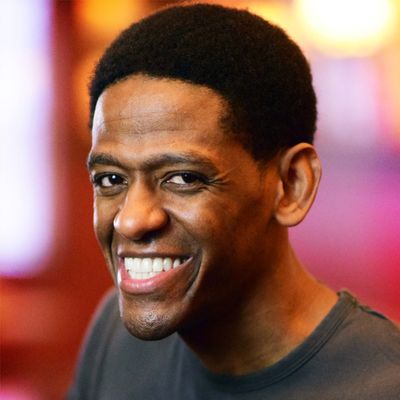
Jared Grimes is a quadruple threat in the world of the arts where he is heavily making his mark in singing, dancing, acting, and choreographing -- he is currently starring alongside Ramin in Funny Girl on Broadway... Read More
From the show: The Hang with Ramin Karimloo
Guests
Featured Shows

About
Jared Grimes is a quadruple threat in the world of the arts where he is heavily making his mark in singing, dancing, acting, and choreographing -- he is currently starring alongside Ramin in Funny Girl on Broadway.
Grimes has toured with Musical legend, Mariah Carey, under the choreography of Marty Kudelka, and danced for artists such as Common, Salt-n-Pepa, Envogue, Busta Rhymes and the Roots.
Jared's theater performance credits include, "A Soldiers Play on Broadway" directed by Kenny Leon, "The Radio City Spring Spectacular" directed by Warren Carlyle, "After Midnight on Broadway", directed by Warren Carlyle, "Twist", directed by Debbie Allen, "Babes in Arms" at the Goodspeed Opera House choreographed by Randy Skinner, "Gentlemen Prefer Blondes" directed by John Rando at (Encores) and Broadway Underground directed by himself.
His television acting credits include Netflix's Manifest, Fox's "Fringe" and HBO's "Boardwalk Empire".
His feature film credits include, Paramount's, "The Marc Pease Experience", starring Ben Stiller, New Line Cinema's "Little Manhattan" and Elevation Filmwork's' "First Born," starring Elizabeth Shue. Recently Grimes choreographed "Ain't Misbehaving" at the Signature Theatre in DC and Lights Out: Nat King Cole at the Geffen Theatre in LA. Currently you can catch Grimes playing the role of Adrian Shannon on NBC's Manifest!
Produced by Alan Seales.
Transcript
This transcript was automatically generated and might contain errors.
[0:01] Ramin Karimloo: Hi, folks. Welcome to this week's Hang. This week, I had the pleasure of finally sitting down with my show buddy, Jared Grimes. I'm blown away by the hour I got to spend with him. And it's amazing because we're on a show every night. But just to sit and hang with him and get his thoughts on things, it was very insightful. He's a prolific artist. And I think you're going to evolve after having spent this hour as much as I have with Jared. I hope you enjoy.
[0:33] Ramin Karimloo: You're listening to the Broadway Podcast Network.
[0:38] Ramin Karimloo: Jared, welcome to The Hang, brother.
[0:41] Jared Grimes: Oh, in it. In it to win it.
[0:43] Ramin Karimloo: How are you, man? Thanks for doing this.
[0:44] Jared Grimes: Yeah, man. For sure. What's up?
[0:46] Ramin Karimloo: We were already starting talking off camera about we're both a year pretty much into this run now. We were just talking about vacation because at the timing of this filming, I've got a terrible foot problem happening.
[1:00] Ramin Karimloo: So that means I'll be out for a week now because of my concerts in Arizona and Fort Lauderdale.
[1:05] Jared Grimes: Oh, nice, nice.
[1:06] Ramin Karimloo: A little concerned about flying out now. I'm like, this better like –
[1:09] Jared Grimes: It won't flare up on the plane or anything?
[1:12] Ramin Karimloo: I'm hoping this like in the next 24 hours, I'll be like, oh, okay, it's alleviated. But it's the last 24 hours, I thought the same and it's gotten worse.
[1:19] Jared Grimes: Yeah. Well, you got it injected, right?
[1:21] Ramin Karimloo: Yeah, yesterday.
[1:22] Jared Grimes: Do you know with what it was –
[1:24] Ramin Karimloo: Plasma, my own blood. So they take your blood out, separate your plasma and then put the plasma back in.
[1:29] Jared Grimes: That is crazy.
[1:30] Ramin Karimloo: And she gave me extra.
[1:31] Jared Grimes: Are you like alive and like looking at that as that's happening or –
[1:34] Ramin Karimloo: I ain't looking at it. I ain't looking at it. I'm going to stare over here.
[1:41] Ramin Karimloo: So we were saying how we've got some miles on us, which we absolutely do. And you were saying you've not taken your vacation.
[1:48] Jared Grimes: I'm not really like – I'm not a travel bug or anything like that. So like most likely if I took a vacation, it'd either be for work or just to just sit around and watch basketball for a week.
[1:57] Ramin Karimloo: Really? So you don't get like the urge to like, I want to go somewhere warm, somewhere cold, somewhere –
[2:02] Jared Grimes: Nah. I've been a homebody ever since I was a little kid, man. I'm an only child too. So it might have something to do with that. Like when you're – I feel like when you're an only child, you kind of create your own fantasies, your own imagination, your own escapes, your own getaway in your head. So for some reason, I've just never been like, oh, man, let's go to Tijuana or let me go here or let me go there. Like for work, I've been everywhere for that stuff. I'm usually the person that stays in the hotel.
[2:27] Ramin Karimloo: Really?
[2:28] Jared Grimes: The whole time. I'll get there, gig, hotel, gig, hotel.
[2:32] Ramin Karimloo: You're not the type to go out. You're not into clubs and bars.
[2:35] Jared Grimes: I love museums though. So it depends on like who you're with too. So most of the time that I've been on the road has been with older jazz musicians who ain't got time for the craziness or whatever like that. So it's different if I'm out there with the homies and everything like that. But most of my life being on the road and touring and doing gigs around the world have been with guys that I've looked up to and read about in books before I started performing with them.
[3:02] Ramin Karimloo: What is it about museums?
[3:04] Jared Grimes: Man, I'm a big history bug. I love history. I love culture.
[3:09] Ramin Karimloo: You love culture, but you're not going to travel to it.
[3:11] Jared Grimes: I love studying about it. I love researching it. I love watching documentaries on it. But, you know, it's one of those things. I think I'm just lazy when it comes to traveling. Like if I could teleport and be right there, you know what I mean? It'd be one thing. But just the journey to get there, I think, is kind of was daunting for me. But history, you know, before entertainment and everything like that, I was dead set on being like an anthropologist. You know, I love dinosaurs. So a paleontologist or, you know, archaeologist, you know, all that kind of stuff. I was just big into, you know, the world that existed before, you know, we were ever around and stuff like that. And, you know, that's why history is one of my biggest, one of my biggest passions. So, you know, museums are like the closest thing you can get to that when you do travel.
[3:56] Jared Grimes: So if I did go somewhere, you know, it might not be a club. I'm just like, where's the closest museum? And I go there by myself, and I'm that person at the museum that will read everything.
[4:04] Ramin Karimloo: Good. Well, that's what it's there for.
[4:06] Jared Grimes: I don't scan it. I don't look at the pictures. I don't just, you know, gloss over everything. Like I'll read everything. I'll be in the museum for like four hours.
[4:12] Ramin Karimloo: So for a newbie like me, I say newbie, but I've not experienced New York properly because we're here for work. And like yourself, like once you're in a eight show run, and sometimes by like three quarters of the show, I'm like, I'm already thinking of my pillow.
[4:24] Jared Grimes: Yeah, yeah.
[4:25] Ramin Karimloo: My bed. Yeah. Relaxing. What, I don't know, give me, what's the first museum I should check out here?
[4:31] Jared Grimes: Oh, definitely The Met.
[4:32] Ramin Karimloo: The Met.
[4:33] Jared Grimes: Definitely The Met, yeah. Then Natural History Museum.
[4:36] Ramin Karimloo: So if I go to The Met, I've walked by there, and I see the queues to get in.
[4:39] Jared Grimes: Oh, man.
[4:40] Ramin Karimloo: Is there VIP passes we can buy? Like I'm not expecting VIP treatment. I just don't want to line up.
[4:44] Jared Grimes: There's got to be like an artist pass or something like that, an entertainment pass. There's got to be. There's always going to be people to perform there too. So if they know that you're an artist or a performer, I'm pretty sure that there's a list.
[4:54] Jared Grimes: They actually did ask me to perform.
[4:55] Ramin Karimloo: Yeah, I'm saying.
[4:56] Jared Grimes: But like, I don't want like, you know, red carpet, none of that stuff.
[4:59] Ramin Karimloo: No.
[5:00] Jared Grimes: Not that I deserve it. I will pay my way. I just don't want to line up. I don't want to wait around.
[5:04] Ramin Karimloo: You might go early in the morning.
[5:05] Jared Grimes: Yeah.
[5:06] Ramin Karimloo: Early in the morning might be your best bet.
[5:08] Jared Grimes: You know like the fast pass at Disneyland?
[5:09] Ramin Karimloo: Yeah, I know, right?
[5:10] Jared Grimes: Something like that.
[5:11] Ramin Karimloo: I don't even know, because like usually when you go early in the morning, that's when all the elementary school kids, like all the schools are there too. So it might be like a lose-lose situation. And if you go on like vacation.
[5:19] Jared Grimes: Or go an hour before it shuts. Here we go, quick.
[5:21] Ramin Karimloo: Yeah, exactly. So it's like got to be the day where like nobody, you know, nobody wants to like actually go to the museum, which I have not been able to do.
[5:28] Jared Grimes: What's one that maybe most people don't think about?
[5:31] Ramin Karimloo: Guggenheim.
[5:34] Jared Grimes: Do you know what I was going to say to Guggenheim?
[5:36] Ramin Karimloo: I don't know, because like when I first got to New York, I didn't even know what that was.
[5:38] Jared Grimes: Yeah.
[5:39] Ramin Karimloo: And I like literally was.
[5:40] Jared Grimes: It's a great building too.
[5:41] Ramin Karimloo: And everybody was like, yo, when I got here, they were like Guggenheim. I was like, oh, I've never heard of that. And I went there and I was just like, like you said, it's a great building, great atmosphere. One of those places that you walk into when you feel like you're artistically gaining something. And then when you leave, you feel like, you know, you feel like you've evolved in some way, shape or form. So I think Guggenheim for me would be that kind of dark horse museum, even though everybody loves it. But you still want it for some reason you don't hear about as much.
[6:03] Jared Grimes: Yeah, I like that. You feel like you've evolved.
[6:05] Ramin Karimloo: Yeah, yeah, yeah. I'm big on. I'm big on.
[6:08] Jared Grimes: What a great way to look at things like even like things you watch on TV or what you your intake on social media or whatever, whatever you let your eyes and give your time to. Does it evolve you?
[6:21] Ramin Karimloo: Yeah, that's how you really get gain something from time spent on anything I feel like.
[6:27] Jared Grimes: So I try to, you know, even with people and stuff like that, I try to make sure I stick around people who, you know, constantly teaching me things or constantly showing me things that, you know, I didn't know. Even if they don't know they're doing it in the moment, it's just, you know, if you can always gain knowledge from those around you or just the things around you. I feel like, you know, you're better off, you know, moving forward in that way as opposed to moving backwards in your own solitude.
[6:53] Ramin Karimloo: Yeah, it's always about moving forward.
[6:55] Jared Grimes: Yeah, man. That's and always, always. It's not cliche anymore, but I always tell people like the story because I told you I was like big on animals and stuff like that before I got into the arts and stuff like that. And the one thing that I used to love about sharks is that in order for a shark to breathe, you know, oxygen, pump oxygen through his gills, it had to be moving forward. So sharks, even when they sleep, they're always maintaining a forward, you know, motion through the water. If they're standing still, they're not pumping oxygen through their gills or if they're going backwards, you know, you know what that is. They're not breathing, period. So the shark is always advancing.
[7:30] Jared Grimes: You just give me a slight bit of like respect for sharks.
[7:34] Ramin Karimloo: I'm like, why do we need them? They're scary.
[7:37] Jared Grimes: You know, they're gorgeous to look at. But they represent for me, they represent something that like is I love that I live by. It's just I always say steady moving like a shark. I always tell people that I'm like steady moving like a shark. People like, what does that mean? I'm like, well, you know, you know how a shark breathes. And they're just like, OK, I would have never pinned you for somebody that's interested in, you know.
[8:00] Ramin Karimloo: Jared is into animals and to pay, you know, dinosaurs and all that.
[8:01] Jared Grimes: Paleontology, right? Yeah.
[8:03] Ramin Karimloo: Yeah. Where's the shift to arts come?
[8:07] Jared Grimes: Where's the shift to become not just a tapper or a hoofer, a virtuoso? Because you're not when people like, oh, my God, that guy's a great tapper, a great hoover. I'm like, no, no, he's a virtuoso. This is this is not normal.
[8:13] Jared Grimes: Thank you so much. You know, it's funny as I didn't know what my mom was a dancer when I was younger. I always wanted to be like her. I grew up in I was born in Jamaica, Queens, but I grew up in North Carolina. I moved to North Carolina when I was six. But, you know, my mom was like, you know, she was damn near Janet Jackson. You know what I'm saying? Like she was she she's still a dancer to this day, too. So I knew, you know, the arts were going to be a big part of my life. But I think around high school, man, I started looking at those career books and they would tell you how much, you know, a certain profession made. You know, financially, like in a year and stuff like that.
[8:56] Jared Grimes: And I was looking at some of the things and I was like, man, archaeologist does not make a lot of money. It's like that is truly like a passion is like in the extent of what you would do as an archaeologist is not what you see in the movies like Indiana Jones or something like that. Usually they're teachers. And, you know, to get to the point of getting, you know, funding to go out and excavate and do all the crazy things that you see on like National Geographic or Discovery Channel. Like that's that's like one of every 100 archaeologists that can actually kind of raise the funding for that. And I was like, wow, I thought it was way easier than I thought. It was just a matter of getting a bunch of people that were passionate about the same thing and going out to, you know, there's dinosaurs everywhere.
Yeah. Like going out and digging up bones and selling them to museums and, you know, all that crazy stuff. So it wasn't that easy. So when I kind of saw that it wasn't that easy, I kind of made a shift. I was like, all right, well, I want the security of being a performer.
[9:50] Jared Grimes: When you looked in the career book to under that, that made even like less money was like the average like entertainer. And, you know, I'm super competitive, too, man. So when I saw that, you know, being an entertainer literally was at the bottom of the list. Like, you know, if you worked in sanitation, you were making more than, you know, what would be perceived as an actor or a dancer or a performer. And so I was just like, all right, cool. You know, the statistic in this career book says that, you know, literally one out of every, you know, five thousand thousand, whatever like that. Something crazy like that is successful at being an entertainer or being an artist. And I remember in that moment looking at that book and I was just like, I wonder if I could be that one.
[10:30] Ramin Karimloo: Oh, you know what I'm saying? Yeah. And I mean, you know, even that's just my mentality. I've always been like the short kid in my class. You know, I got cut from the basketball team twice in middle school. And that was like devastating because I practiced so hard first year. I'll give it to you. Second year, I was like one of the best people in the gym. But that was like one of my first experiences with, you know, not getting a callback or getting cut from something that you actually deserved.
[10:54] Jared Grimes: Right. And so that's when I was like, oh, wow, actually doesn't matter how talented you are sometimes or how hard you work. You know what I mean? Sometimes it's just right time, right place. Did they say why they cut you the second year?
[11:03] Jared Grimes: The second year, they said they brought all the guys back and the two or three new guys that they did bring in were, you know, six, two, six, three at the time in middle school, which not that many people were. But if you're thinking, oh, man, I was I was out. But I was like in middle school, I was probably like five, six, you know, five, five. So I was definitely, you know, the guard position was already filled. When I got to high school, my freshman year, you know, I worked even harder and I made varsity my freshman year. So I was just like, all right, well, you know, the hard work and not giving up does kind of pay off. So, you know, I'm looking at a career books in high school too, and I'm like, can I be one of, you know, can I be that guy to get turned down two times and be embarrassed in front of your family with, you know, coming home with your family thinking you're probably going to make it because, you know, you were a big deal in basketball at that time in town and you still didn't make it.
[11:53] Jared Grimes: So I was like, all right, well, I didn't give up and I made varsity when I got to, you know, my freshman year high school, which is unheard of, you know, in my town because everybody on varsity is almost seven foot and they're like literally going to these D1 schools and everything like that after their, you know, high school collegiate basketball career. So it's just like or high school basketball career and going into the collegiate basketball space. I was like, all right, cool. Like, you know, I pulled that off as a freshman. You know what I mean? I feel like I got this dance thing down pack to a to a certain level. So it's like, you know, you know, could I put off pull off the entertainment aspect? Can I pull up the acting aspect? I was like, I'm just gonna go for it.
[12:30] Jared Grimes: So, you know, my mom sat me down, my dad sat me down. They're like, all right, cool. We're going to school for basketball. We're moving to New York or L.A. for, you know, entertainment. And I was like, all right. I was like, you know, I was five, six, you know, five, five in middle school and I grew only two inches in high school. And my friends kept growing. So I was just like, all right, well, not that, you know, I wouldn't say I would be one of, you know, few to make it, you know, in college basketball and the pros is, you know, maybe undersized, you know, Hooper. But I was like, I'm gonna try this, you know, this entertainment thing, because, you know, you don't see a lot of people go that route, especially young African-American men, especially growing up in North Carolina. You grow up and you're about football, basketball or baseball. And so I kind of swung in that direction for so long, even though I had dance and acting and theater. So at this point, how old are you?
[13:09] Jared Grimes: I'm 17. And at this point, are you doing like Saturday dance classes?
[13:24] Jared Grimes: Yeah, man, I'm every weekend. I'm driving an hour and a half to train with, you know, the North Carolina Tap Ensemble, Gene Mellor, which is, you know, my mentor over there, taking dance classes locally, auditioning at this place called Fin Cannon Studios, where, you know, I was doing Coca-Cola commercials. And they had this drink in the southeast called Cheerwine. So I was doing Cheerwine commercials. Really? I was doing 7-Up commercials. I was like, you know, auditioning for Dawson's Creek.
[14:01] Jared Grimes: You were doing like national campaigns? Yeah, man. Jamaican Bank. Yeah, you know, for what that was, you know, in the early 2000s, late 90s. Oh, right. And so I was, you know, I was, you know, I was planning a career and being able to do that. And if I wanted to play basketball, I was like, all right, cool. Well, I'll, you know, I'll be prepared for that, too. So, you know, entertainment, I've been doing that since I was a little kid, though. Like I said, I was there by my mom's side. So, you know, theater and community theater and stuff like that. That was just the norm.
[14:19] Jared Grimes: Yeah, that was the norm. Basketball was kind of like this rogue thing that, you know, my parents hadn't intended on me being obsessed with. So, you know, they're like, all right, maybe it's a phase. But then I got really good at it. So they're like, okay, well, you know, if he's serious about it, then we're gonna have to make a decision. You know, you go to school for that, whatever. So I was like, no, I'm gonna go to New York. I was like, I don't even want to go to college.
[14:39] Jared Grimes: They were like, whoa, wait, wait, wait, wait. I was like, maybe, maybe not that. You know, they gave me the talk about how, you know, very few people in our family, you know, actually, you know, got the opportunity to go to college for financial reasons. So, you know, if I had an opportunity, I got some type of scholarship, you know, I should take it up. And Bear Mountain Manhattan College on the, you know, the east side is kind of who gave me a shot. And I was really interested in going to a college where the dean and the teachers would allow me to miss to work. You know, I mean, so my dean over there was like, hey, look, I talk to all your teachers every semester. You hand in the work. If you do the work early, then, you know, Debbie Allen calls or, you know, Wynton Marsalis calls or, you know, if you get a TV show or a Broadway show or a regional theater, then you can you can leave and I can talk to them about, you know, attendance and making sure they don't penalize you for that.
So, I mean, I went to business for like NYU, St. John's, Adelphi University, Hofstra University, Columbia and all that crazy stuff. And all of them were like, you can't miss class or you're failing, period. They're like, no auditions. And Marymount was like the only school. I was like, yeah, you can miss whatever you want. Like, what was that to study? Communication arts. Right. So I didn't go to school for dance or acting or anything like that, because I figured I already had, you know, my thumb on that. Yeah, I was like, once again, kind of thinking like that shark mentality. I was like, let me get something else, you know, in school, because I feel like I have this taken care of on the outside world.
So, yeah, I got a degree in communication arts and actually helped a lot. You know, it helps me, you know, it helped a lot with meetings and negotiations. And, you know, I was already a people person, but it kind of taught me the craft and the beauty of conversation, whether it's, you know, socially or from a business standpoint or from a negotiating standpoint or from creating, you know, projects and working with writers and stuff like that. So I was I was really glad that, you know, I got that communication arts degree. Nobody cares about it, but nobody cares. And my dean, when I walked across, I got my diploma. He was like, man, I don't know how you did it, but I missed a lot of school.
[16:51] Ramin Karimloo: Yeah, but people who will listen and tune into this will care because, you know, I've always been on the fence. Like when you try and give advice, I remember growing up, the advice given to me is like, I remember thinking I should get a fallback plan. And the guy I looked up to said, why do you need to get a fallback plan? You just fall back, jump in the pool and go full out.
[17:05] Jared Grimes: Yeah. But then you kind of went full out, but with both.
[17:08] Ramin Karimloo: Yeah.
[17:09] Jared Grimes: At the same time.
[17:10] Ramin Karimloo: Yeah, I pulled it off.
[17:10] Jared Grimes: Which is even more inspiring because I'm like, wow, you did have a, well, in a weird way, you had a fallback plan. But this plan you were doing actually helped you, as you say, evolve as an artist.
[17:19] Jared Grimes: Yeah, man. And the business side of things, which is something we do. I don't think people get taught that, but it's important. Because we are our own shop front. This is the store.
[17:27] Ramin Karimloo: It really is.
[17:28] Jared Grimes: So it's not just going and performing.
[17:31] Ramin Karimloo: Yeah.
[17:32] Jared Grimes: And we want to make sure we're taking care of him.
[17:34] Ramin Karimloo: We're taking care of him.
[17:34] Jared Grimes: We're the CEO of this.
[17:36] Ramin Karimloo: Yeah.
[17:36] Jared Grimes: I'm still learning how to do that.
[17:38] Ramin Karimloo: But you got the skills from a young age.
[17:40] Jared Grimes: Yeah. Well, every day is a learning experience in terms of how to expand your gift or what you're capable of. So, you know, that was just another, you know, I was just dabbing my eyes and crossing my T's with that one. It's like, all right, let me get that degree. Let me do that. All right, let me move on. Okay, let me try to get to, you know, regional theater. Let me try to get to producing. Let me try to get to directing. Let me try to get to Broadway. Let me try to get to TV. Let me try to get to film. And, you know, these were all the things that my idols did. You know, Sammy Davis Jr. and Gregory Hines, the Nicholas Brothers. All these guys that I watched on tapes and in movies growing up, you know, they did the same thing. So all these moves that I was making, in my mind, it was my version of what they did in vaudeville to get to Hollywood or what they did to still be talked about today in interviews like this. You know what I'm saying? A podcast like this.
[18:26] Ramin Karimloo: Isn't that amazing when, again, talking about like kids who might ask you questions or ask me questions, the path is there.
[18:35] Jared Grimes: Yeah.
[18:36] Ramin Karimloo: You just choose who you want and then almost do what they did. And then you end up finding your own identity through that.
[18:43] Jared Grimes: I mean, it's funny, too, because when I was in high school, I didn't really think about it like that, but it was there.
[18:48] Ramin Karimloo: Yeah.
[18:49] Jared Grimes: You know what I mean? And then it wasn't until I got a little bit older and I was like, oh, when you look back at the journey, you're like, man, I followed the same blueprint that I thought in my mind my idol over here followed or what I read about them or what I saw that they endured in a documentary. I was like, I made that the blueprint in some way, shape or form. And, you know, that's a combination of many great, you know, tap dancers, Black tap dancers in Hollywood that paved the way for me. That's a piece of Bill Robinson, a piece of John Bubbles, a piece of the Nicholas Brothers, a piece of Sandman Sims, Sam Davis Jr., you know, Gregory Hines. Like a little piece of them is kind of like what made my journey, you know, my journey. And then I started adding my own little thing to it, like basketball. You know what I'm saying? I don't think any of them play basketball. I was like, I get to say, you know what I mean? I play basketball, you know.
[19:39] Ramin Karimloo: Did you ever get to work with any of your icons?
[19:41] Jared Grimes: Yeah, well, you know, not professionally. One of the coolest things that I ever got to do was, you know, I actually rocked with Gregory Hines, you know, a few times before he passed away. So and that was just like impromptu type of thing, too. It was like he had a class that I drove up from North Carolina for. It's like 100 kids in it. I was in the back. You know, I was feeling myself. I was like, yeah, he's like, I don't need to be in the front. You know what I mean? I know how to do this tap dance thing. And he picked me out of a sea of people and had me come up on stage and do the combo that he just taught. And, you know, you know, I went at it. You know what I mean? I was like, I want to be humble, but I want him to know that I do this.
And then he ended up kind of doing it with me as a duet. And like everybody was like, and I was like, man, I can't believe I just. Wow. Perform with Gregory Hines. And that was the first time I met him, too. Never saw him before in my entire life.
[20:30] Jared Grimes: And then another opportunity was a showcase. And I was performing. My eyes were closed. I was in the zone. And I hear these, you know, these these taps, you know, behind me. So I think it's one of the homies that's just like kind of co-signing, you know, you know, this melody that I'm kind of rocking in the moment. And I look up and it's him. He had come out the crowd, put his tap shoes on. He remembered me from that class. Get out of here. And he just started kind of impromptu.
[20:54] Ramin Karimloo: What was security?
[20:55] Jared Grimes: Oh, my. How did he get past security? I was like, what's going on? And we just like we had a great performance that nobody had prepared. So he was there just watching.
[21:03] Ramin Karimloo: Yeah, I had no idea he was there.
[21:05] Jared Grimes: He just happened to have his tap shoes with him?
[21:07] Ramin Karimloo: Man, he did. He was on the way to another performance or something like that, too. So because, you know, at that point, I know, right? That's how tap dancers do. We're always loaded. He's like, zoop, zoop. But I think he was on the way to another performance. So what he would do, you know, if he was like an announcer at a show or something like that, they would tell him to bring by his tap shoes. Right. And, you know, that's a big thing. Like tap dancers always have their shoes on them. You know what I mean? You never know when you're going to need them.
[21:37] Ramin Karimloo: Wow.
[21:37] Jared Grimes: It's like you got to lace them up.
[21:38] Ramin Karimloo: So you had no idea he was even there?
[21:40] Jared Grimes: I had no idea. People were like, he might come. But usually when somebody says like somebody of that stature might come, you don't believe it. So I was like, all right, I'm just going to rock. I don't care if he's here or not. I don't care who comes. I was like, I'm in this moment. I'm dropping bars right now. I'm, you know, I'm trying to be the best tap dancer in the world.
[21:57] Ramin Karimloo: And what was the show? What was this?
[21:59] Jared Grimes: It was just a showcase. It was at Broadway Dance Center, the old Broadway Dance Center. And they used to do these showcases like late at night. And, you know, sometimes the showcase would be all tap dance. Sometimes it would be hip hop. Sometimes it would be ballet or contemporary. It could be anything, musical theater. On this particular night, it was like a tap session with like New York's brightest and most fearsome up and coming tap dancers, you know, kind of joined the showcase. And, you know, he just he popped in real quick before he was headed to another function. And he got on stage and rocked. And I was like, oh, snap. This is the second time I just performed with Gregory Hines. You know what I mean?
And he just, out of everybody that was dancing that night, he chose to put on the shoes and get up there and rock with me. So I was just like, that was just, to me, that was kind of confirmation that, like, you know, I at least, you know, had a path to follow.
[22:47] Ramin Karimloo: And do you stop and hand it over? Do you guys just continue together?
[22:48] Jared Grimes: Oh, no, no. It's like a, it's like a jam session.
[22:52] Ramin Karimloo: Yeah, it's a jam session, man.
[22:53] Jared Grimes: It's like two piano players.
[22:55] Ramin Karimloo: How long did it go on for?
[22:56] Jared Grimes: In my mind, it, like, it felt like it was a lifetime. But I think it probably only lasted, like, maybe four minutes, three minutes.
[23:04] Ramin Karimloo: Which is still quite a bit, man.
[23:05] Jared Grimes: Pretty good time. Yeah, I'm saying so. And this is where my ignorance comes in. Is there a beat going? Or is there a piano playing?
[23:09] Jared Grimes: Yeah, I think we had, there was, like, a couple musicians there. But it was, like, a jazz, you know, rhythm section type of thing. But it was, like, very stripped. So it might have been, like, a bucket drummer. It might have been, like, you know, somebody on the bongos. Like, it wasn't anything super, super specific. And they see this happening, they just go along with him, fill it out.
[23:25] Jared Grimes: Just hold the beat down. Hold it down. Hold the beat down. And then we was just rocking. I was just, like, you know, in my mind, too, I'm just, like, you know, I'm competitive, too. So in my mind, I'm, like, okay, Greg, I'm still gonna take you down. I was, like, you know, I was, like, I'm humble and I'm appreciative of the moment. But also, I want to try some of the things. But he wants that, too. And I want to show him some of the things that I've been working on and stuff like that, too. So it was just, you know.
[23:47] Ramin Karimloo: He wants to be inspired.
[23:48] Jared Grimes: But yeah, it was just a cool moment. He was just there on the humble. He was just, like, man, this is a good kid. I remember him, you know. The third time I saw him was backstage at an event. And, you know, it was so many people. I didn't think he would remember me from that moment or the first moment in his class. And my friend was, like, he was, like, yo, he's, like, yo, take a picture of me and Greg. And I was, like, all right, cool. He's, like, you want to get a picture, too? I was, like, no. I was, like, you know, I'm chill. I had my moments with him. I feel, like, you know, you know, even though he might not remember me, you know, I feel, like, we got a thing. And this is when I'm a freshman in college.
And I took the picture. And he, like, brought me in and gave me a big hug. He's, like, so how you doing? I was, like, inside. It's, like, he remembers me! He remembers me! But I played it cool. Like, I was, like, oh, you know, I'm doing good. You know what I'm saying? Like that. And then he passed away a couple months after that, which is kind of wild, man.
[24:33] Ramin Karimloo: Oh, is that soon?
[24:34] Jared Grimes: It was wild, man. It was wild. It was the oddest thing. Like, when he passed away, it kind of felt like when Michael Jackson passed away from me. You know what I mean? It was, like, that strange, like, denial. Like, I was, like, no. You know, no. And it still took a long time for, you know. You know, Michael Jackson's music lives on so prevalently in our world today. It's hard to even believe that he's still not here. And it's kind of, like, the way I feel about Gregory Hines. It's, like, you know, his imprint on who, you know, I am as a performer and what he means to, you know, being an all-around, you know, virtuoso performer in Hollywood. And, you know, made it from Vaudeville to Hollywood like a lot of those guys that I said and talked about were my idols that came before him.
You know, I was just, like, I've been studying that for so long. And he was the closest link for me to that. And then when he passed, I was just, like, I was, like, all right, this really means I got to, you know, I got to pull my weight and see if I can do something different with it. And so, yeah, little moments like those.
[25:34] Ramin Karimloo: What do you mean, pull your weight, do something different?
[25:36] Jared Grimes: Well, you know, I like to, it's that whole evolution thing that I talked about, which is, like, you know, when you see somebody that you respect or that you idolize, you absorb what you can from them and you take them in your own direction. And, you know, I thought he was going to be around a lot longer for me to keep absorbing, you know, that from, you know what I mean? In my mind, I was, like, I'm going to do movies with him, you know, or I'm going to do Broadway shows with him, or I'm going to write scripts with him. Like, I thought he would be around long enough for me to be able to collaborate with him in that way, especially since it was so effortless, you know, in a class setting. And then in a showcase setting, you know what I mean?
And we were comfortable, you know, in terms of using our instruments in that way with one another. So I was just like, oh, man, I was like, if I can get, you know, my name and if I can get my status to a level where I can start doing, you know, projects with him, that'd be, you know, I think that that's something that I could do. And in my own way, you know what I mean? So it'd be like introducing the changing of the guard or a new, fresh kind of take on what that type of all around performer, you know, is in the 2000s, late 2000s until this day. But I didn't get that. And I was just like, ah, so I was like, I gotta pull my weight. I gotta do it on my own. You know what I mean? I gotta try to, you know, carve this path in a way that I feel like he would be proud if he were here today.
[27:01] Jared Grimes: And when I really started to do that, there weren't many tap dancers or performers that were doing that, you know, it was just about tap dancing. And that was like the sole focus was how you can reach the highest levels of the craft in just tap dancing. Even if you did other things, you were super hyper focused on just tap dancing and, you know, how to become, you know, just the highest level of you within that craft. And I started out like that. And then I would say around the time that, you know, he passed, that's when I was like, all right, cool. I got to really start to focus on some of the other things, just as much as he did, just as much as my idols did. You know, I got to focus on the singing.
I got to focus on the acting. I got to study. I got to, you know, I got to strap on that multifaceted brain as opposed to just that tap dancer brain. And so I just really started to study, started to take classes, started to study, you know, people, you know, in shows, study people in movies. Like I really became a sponge for all the things in entertainment outside of tap dance. And what I found is that all that energy gave me creativity within tap dance too as well. And I didn't intend on that happening. So the more that I absorbed other art forms and other disciplines, the more creative I got because in some weird way, my instrument was tuning itself based on, you know, my conversation with Wynton Marsalis about color and notes from a trumpet or me getting yelled at by my auntie Debbie Allen about, you know, not understanding or not doing the homework on the scene or, you know, a conversation with Kenny Leon about, you know, August Wilson and how he was an August Wilson protege, you know, or, you know, my conversations with, you know, Blair Underwood about his career and or Jerry, you know, Jerry O'Connell about, you know, comedy and stuff like that.
Or David Allen Greer about comedy, like all these guys who have kind of been my supporters who have done amazing things and have had amazing careers. You know, I really started to like, oh, man, let me get as much from that person. They weren't tap dancers at all. The furthest thing from tap dancers. I'm not with Debbie Allen. She could do anything. But but, you know, some of those other guys that I mentioned, you know, they're the furthest thing from tap dancers, yet they were helping me become a better tap dancer and a better artist at the same time. And I was like, all right, so maybe this is kind.
[29:18] Jared Grimes: Like, you know, maybe this is kind of like my thing, you know? Maybe I'm kind of like that superhero that absorbs all these other things. He has this one superpower, but he absorbs all these other things and he can do all these other things at a high level and save the world with all these other things, but he's passionate about saving the world with that one thing, right? But you never know what you're gonna get. You never know how he's gonna save you or how he's gonna impact you. And so that's why I said that maybe that's me there. I am, you know what I mean? So Greg was this, Sammy was this, you know, all those other guys were that, and I was like, maybe I'm this, you know? And so, you know, once he passed, I really just started to, you know, carve my lane in that direction, and man, all the way up into Funny Girl, man, it's amazing.
It's amazing hearing you talk like that, to even refer to yourself along the lines of a superhero because it is a superpower to have. When you think of it along those lines, and it's not from an egotistical standpoint, it's an artistic standpoint. It's knowing that you're imparting stuff when you're up there.
[30:17] Ramin Karimloo: So what can you do to help people evolve? Helping people evolve, helping people run the same type of race that you run for yourself because it makes you happy. It's helped you achieve, you know, some of your dreams and your goals. And to me, that was another big shift when I got to New York and I didn't have any money and I couldn't afford, you know, books for college. I started dancing in the subways and stuff like that, man, because I was just like, you know, well first the subway thing, even before I got up here when I was coming back and forth to visit a lot of my friends, we would go down in the subway in the late 90s, you know what I mean? And we would just rock, take a board down there, my bucket drummers, and we would just rock in the subway.
And we were like tips, people just don't tip, or just literally for us, it was just for, you know, craft. You know, I mean, I was like, all right, well, if I can rock for eight hours in the subway, then I know I can do a two-hour show straight. I know I can dance for two hours straight. You know, I have the same toe problems. Man, I got bird legs, man. These things are, when I go to the gym, I've never done legs before.
[31:19] Jared Grimes: Listen, I'm hobbling here after my injection. Yeah, how have you kept your, because as you say, it's a hard stage run now.
[31:26] Ramin Karimloo: Yeah, I've been on worse. You're stomping holes in that stage every night. How do you maintain your feet?
[31:33] Jared Grimes: I really, you know, I mean, like I think it's the cross-training. Like my entire life, like it's always like I used to go to dance rehearsal, theater practice after basketball practice, right? Or, you know, vice versa. Like it's always sport has always been a big part of my craft. And I think over the years, the cross-training of, you know, trying to dunk or, you know, being banged around and hitting the floor because somebody that's six foot eight is, you know, bodying you up and stuff like that. Like that kind of cross-training for me is why I've never had a leg injury or an ankle injury. The only time I've had, I would, man, I've had two ankle injuries, and it's because playing basketball, somebody came down on my ankle. So it wasn't by me spraining my ankle because, you know, with tap dance, which is why I tell a lot of athletes they should take a tap class, is that it makes your ankles super strong and super flexible at the same time.
[32:19] Ramin Karimloo: Wow, so it makes them bendy and strong, which is the best thing that you could have for your ankles.
[32:24] Jared Grimes: So where I might come down and like roll over on my ankle, you know, but it's strong. It's not bad. That feels like nothing to me to where if an athlete like LeBron James does that, he's out for three weeks, now four weeks, maybe even more, maybe it's, you know, it's months, right? Daddy's out. For me, it's just like, all right, yeah, yeah, that happens because in terms of the vocabulary of tap dance, I do that so often.
[32:49] Ramin Karimloo: So what you're saying is you're stronger than LeBron James?
[32:51] Jared Grimes: I know, I wish that's what I took. My ankles are, but we can get that cut as a promo for this, saying he's stronger. My ankles are strong and flexible. If he had my ankles, he would never have an ankle injury. That's the crazy thing about it.
[33:08] Jared Grimes: What Kobe Bryant, you know, said, you know, that he actually was taking tap dance lessons with Debbie Allen and some of her assistants, Kathy Nicholas, after he had a major ankle injury. And he said once he started to do that, he felt a difference in the strength in his ankles.
[33:20] Ramin Karimloo: Really?
[33:21] Jared Grimes: Yeah, but you know, at the time, I do, you know, I think he was like, I'm not gonna tell anybody because I don't want to give anybody this advantage, right? That's how competitive he was. Yeah, but I'm like here to tell people, I'm like, oh look, you know, the urban legend of football players taking ballet class to become lighter on their feet, it's 100% smart thing to do. You take a tap class, it gives you the same type of, you know, resistance to injury and the same type of lightness and footwork. Like that boxing champion, I think for six years, his father made him take dance lessons before he got back in the ring.
[34:00] Ramin Karimloo: That makes so much sense.
[34:02] Jared Grimes: Yeah, I mean, it's, and that's all about footwork. That's literally why I like my legs are, I mean, this, I feel it too. Like, you know, I mean, if I practice, you know, for 30 minutes or, you know, we do the show, I do the solo, and you know, I just like, my legs feel like pistons, like, you know, I mean, it's almost like they're just like, they feel like rods of like steel. So I've never had any problems.
[34:13] Ramin Karimloo: What time do you get to the theater? Because you're on the boards warming up, you know, two minutes after half. You get there late too?
[34:21] Jared Grimes: So where are you just going to the side to kind of get your feet moving?
[34:25] Ramin Karimloo: Yeah, I hear you sometimes above me.
[34:30] Jared Grimes: Oh yeah, no, like yeah before show. Yeah, I'm trying stuff out like before you go downstairs. Yeah, I try every now and then. I'm like, yeah, yes, I'm gonna try that move tonight. Yeah, there's that moment in my solo where like I get to do whatever I want. So I'm like, I'm always like, I'm gonna just try to create something that I've never done before.
[34:44] Ramin Karimloo: I love it too because I can hear it over the tannoy and I'm like, oh, that's different. That's a different me.
[34:45] Jared Grimes: So I'll get there like half hour and then, you know, don't want to gear and then go down either to the alley when it's warm. Yeah, we go down to the basement and, you know, just we just rock for like 15, 20 minutes and then I'll, something from that session, I'll try to take out on stage.
[34:56] Ramin Karimloo: Lovely. I mean, it's just one of those when I do like you were similar in a sense where I don't like waiting around. I don't like being in wings long. I like to bring the energy of like walking almost like if you're almost like, oh shit, I'm gonna be late. And it's not to be late. It's not to mess around. But you, it's just this energy trend. You come and disturb the air.
[35:16] Jared Grimes: It's a trend. Oh yeah, I hate wait. I'm not patient at all. Like I'm not like, and I don't want to overthink the scene. I want to, all I need to do is my first step. Yes, let's see what happens.
[35:26] Ramin Karimloo: Yeah, that's kind of what I said about traveling. Like I'm not, I'm not patient enough, right? I mean, I might be too lazy to like travel. I wish I could like teleport. It's kind of like that. Like I'm ready to walk through the door and walk right on stage. You know what I'm saying? I want to take the energy of the city, the energy of my thoughts, you know, because your brain is probably a lot like, you know, mine as well in terms of what's always thinking of things. It's always innovating. It's always creating. It's always, you know, unsatisfied with what it was thinking about three minutes ago or two seconds ago. So it's always generating new thoughts, new possibilities. It's always evolving. And it's like sometimes when you can't feed that fix, you know what I mean? Like it just, you waste a bit of creativity or you might forget about it. So to me, the best way to kind of keep that generating is as soon as you have that thought, go be able to act on it.
[36:14] Jared Grimes: Yeah, so after if it doesn't work, you know, yeah, if you fall in the pit, you fall on artists. That's cool. At least you tried it though because you fall on your own sword. Exactly. You'll be way worse off if you didn't try it, if you didn't give you a chance. It's like fail. So I'm just like, you got to act on that and sometimes waiting like, ah, prevents you from acting on it.
[36:29] Ramin Karimloo: So it's like, I agree. So then as an artist, it's also important to quieten up quite in your mind. How do you do that?
[36:38] Jared Grimes: Do you ever not non-stop, man? Now you get home, you're watching TV, watching a game, watching the game, the game. You know, even when I get a massage, I get a massage, a two-hour massage every Sunday after the show.
[36:48] Ramin Karimloo: Is that a full body or is that more about you?
[36:50] Jared Grimes: Well, I'll get a separate foot massage just to, you know, just to take care on that day or later in the week. Monday usually I get the foot massage. How long is a day? An hour? Hour and a half?
[37:00] Ramin Karimloo: Just on your feet, five minutes on each foot?
[37:01] Jared Grimes: Yeah, ticklish, deep tissue? No, no. My feet are just numb just from pounding on. So you know the people you go to?
[37:11] Ramin Karimloo: Yeah.
[37:12] Jared Grimes: I got the same folks every time. But like people like, you don't go to sleep during your massage. I'm like, no, I don't go to sleep during a massage because then I won't feel the massage.
[37:19] Ramin Karimloo: See, that's it. I can book a 90-minute massage, 10 minutes, I'm out. Yeah, they could have left the room.
[37:25] Jared Grimes: We're done now.
[37:30] Ramin Karimloo: As soon as you wake up.
[37:31] Jared Grimes: Yeah, but yeah, it's like I've got, I feel that joy and I get the deep tissue too. So, um, so like I have the game, like I'll watch the game, you know, you put your head in the little circle.
[37:40] Ramin Karimloo: Yeah, I put the like a little stand under it and I'll like watch the game.
[37:44] Jared Grimes: How is it? There's always a game on for you.
[37:48] Ramin Karimloo: Yes, there's not that many games.
[37:49] Jared Grimes: Yeah, but every time I see you're watching the game, like always.
[37:53] Ramin Karimloo: Sure, there's an offseason.
[37:54] Jared Grimes: It's always, and in an offseason, it's all like the talk about trades and everything like that. So you're watching.
[37:57] Ramin Karimloo: That's why I said that, man, I'm a big basketball fanatic. So, but then, you know, I learned so much from that. Like it's, to me, basketball is an art. You know, I mean, the plays do that, you know, they're like dancers, you know? I mean, the way they, you know, use their bodies and the way they take that athletic approach to the game. You think about it, the greatest basketball players are like the most graceful, elegant, articulate with, you know, physically, you know, Michael Jordan these days, John Morant, Steph Curry, LeBron James. You know, I mean, these guys are different physical specimens, all completely different, but the one thing that they have in common, the one advantage that they have over, you know, other players is that kind of grace in that evolution of how to use their bodies in a way that maybe another player doesn't know how to.
Same thing with tap dance. Like tap dance, like I can do crazy stuff, not just because my feet can do it, but I know how to put my body in the best position to be able to make eight sounds before I come down to the floor or to, you know, maybe do something that somebody thought was impossible. It's not just my feet. It's like, all right, well, you know, I know how to hang in the air. I know how to fly for a couple seconds. You know what I'm saying? Or I know, you know, because of, you know, jumping and trying to stay up long enough to be able to, you know, get around the trees to get a layup. You know what I mean? I know how to like kind of my body or lift my frame and to suspend, you know, time for a little bit.
That's what kind of basketball has given me so many advantages with tap dance, with performing in general, even with acting too. I can draw on a whole bunch of different things for, you know, beats and rhythm and stuff like that when it comes to basketball, tap, like all the crazy stuff. It's all the same thing to me now. And that's what I was always trying to get to when I made that shift in my mind of trying to be my own version of, you know, my idols. Like how can I make it something different? You know what I mean? And I'm not gonna separate any of them. I'll make it all the same thing. When I'm playing, when I'm hooping with the fellas, I feel like I'm dancing. I feel like I'm doing a scene with you.
I feel like I'm singing. You know what I mean? When I'm on stage with you guys, I feel like I'm hooping. Like it's all the same to me, and it's like a super instrument. You know, when you make sound any way you want, you know, when you're out playing now, like you play regularly.
[40:04] Ramin Karimloo: You know what?
[40:07] Jared Grimes: I was and I did scared of producers. Well, that's what I was gonna ask you because I was playing like in between shows on Saturdays. Like I would like do the matinee and I would go run and get like a couple games in and then come back and be super pumped. Like I was just hype. The adrenaline was there. And not that I would do anything for anybody, you know? Yeah, but like we said, what happened? There's injuries weren't because of you, someone else coming down.
[40:30] Ramin Karimloo: Yeah.
[40:31] Jared Grimes: So I was just kind of like, I think it was a blessing in disguise too because the gym that, you know, me and the guys used to always meet up at, it kept getting rented out at the times that we needed to play. So the run kind of stopped, but if it was still going, I'd still be playing two times.
[40:45] Ramin Karimloo: Well, you gotta live your life too. It's much. It's not like I can look down on here. I'm doing a wrestling musical alongside super cool, super cool. Yeah, because it's your joy too, man. If it's something you're passionate about, it makes you happy, and it only made my work in Funny Girl reinspired or just kept the juices flowing.
[40:59] Jared Grimes: Yes. Yeah, that's how we work in like our minds. I don't know. We'll listen to you. I'm like, I can relate to a lot of that because I always wonder sometimes, are we ever happy just one's enough, enough? But it's not about that because we're trying to all the constant pursuit. It's the concept. Yeah, steady moving like a shark, man. Steady moving. It's got to, you gotta be going forward, man. Yesterday is not enough. Yesterday will never be enough, and I'm grateful for yesterday, but it helps you get to yesterday's done. Yeah. What are you gonna use from yesterday to get to tomorrow? That's kind of like, you know, that's my mentality. So it's like, you know, basketball, like if I can, next week, if they're like, yo, we got the gym, I'm like, I'm there. I'm not thinking about what anybody says. I'm not thinking about my ankles. I'm not thinking about my well-being. I'm thinking about trying to get a win. I'm like, I'm trying to go win as many games.
[41:48] Ramin Karimloo: Look, any injuries I've had, I've never been in the gym. Never. And it was in the wrestling ring. Yeah, it's actually Nicky Arnstein's kicking my ass, man. Or it could be just like a mishap, which I'm like, well, that's life. It's, yeah, that would happen even if you were not in a show, correct? That was bound to happen. That was bound to be a challenge or something that, you know, the universe is trying to make you work with. You live life, try not to get hurt or try not to die. You gotta live life because you want to live. I mean, that's, you know, that I feel like a lot of people where I grew up, you know, in North Carolina, that kind of, because I kind of started to follow into that approach too until I left the nest and, you know, got to New York.
It's like, you know, everything is so planned out. You got your family, you got your career, you got your house, and you pretty much just kind of do what everybody's doing. And I was a part of me was gonna do that, but then I was like, all right, I just got to go for it. I gotta go for it, you know, because I could have easily went to go to college to play basketball and went back to High Point, North Carolina, where I'm from and, you know, kind of just lived out my days there and, you know, built a family and built, you know, built a dance school or something like that. Yeah, I'm sort of career there and just kind of boom. Yeah, I'm gonna just do what I know or do what I've known since I was six, you know, when I moved there.
But I was, you know, I had to itch. I was like, I gotta go, you know, I gotta, I gotta try something. I gotta do something dangerous. Get to New York, you know, I mean, battle the crazy wars of the city, go on the subway, start dancing, you know, how to be need to get out of the subway, get to BB King, start doing big concerts at BB King's, start doing big concerts and shows and hosting it, you know, Highline Ballroom, start to make a little bit of a name for yourself and gain momentum, you know, with the theater community and just the entertainment community in general from what you've been doing in the subways and translated that to the stage in the concert venues in New York City. And then all of a sudden, you know, you start meeting people and that translates to, hey, do you?
Yeah, do you think? Yeah, I do. Then all of a sudden, you're doing regional theater, and then all of a sudden, you're doing TV and film, and all of a sudden, you know, you're playing Eddie Ryan. It's just like that stuff wouldn't happen if I was, you know, satisfied with yesterday in a subway, you know, rocking right now, I'd still be, you know.
[43:58] Jared Grimes: In North Carolina, coaching a youth basketball team because I love basketball like that. Nah, you got to put it to the test. Everything you're passionate about, everything you take chances on, you got to put it to the test. So your band that I've seen online, you're going to spark that up soon again? Well, yeah. I mean, last thing we did, we did a big concert in Mexico. But right now we're working on a couple of different, two different projects. And we're trying to get the right properties to that stuff to be able to hopefully use my band for that particular material. That's tough. And you sing in that and you'll tap? Yeah, man. You'll curate the set list that you feel tells the story? Yeah.
The projects that I'm talking about are more in the musical theater space, but I want to not feel like they're kind of meta. So my band and what we do kind of works for it in a certain way. Hopefully a press release will be coming out in a couple months. Oh, nice. Yeah. On both of those fronts. But when I get with my band, like, yo, straight up, hour and a half, maybe two hours, nonstop. Come up with our set list. I mean, what are we doing tonight? I could do favorite things. I could do some Sammy tunes. I could do some Rat Pack tunes. What are we doing? And we flip the song. So we'll rehearse for like an hour. Well, not an hour. We'll rehearse like day of the show and figure out what venue we're rocking at.
And then we'll base it off of that, whether it's a holiday show or whatever. We'll take tunes and I'll flip them. So, you know, it might not be with you. We could do supercalifragilisticexpialidocious and put a whole different spin on it because my musicians.
[45:33] Jared Grimes: And how are you interpreting songs? With your feet or anything? Everything. Everything. You have a board down or you have a mic? Yes. If it's on stage, we have the stage mic'd up. I'll sing the song, you know, as a normal jazz band would do. You know, you have the song, you have the chorus, and then you go into the solos and stuff like that. So, you know, I'll sing, somebody will take a solo, I'll take a solo, come back to the song. Solo with you. Or the song might get stretched. You know, once you start the song, it could go in so many different directions. So I might be on supercalifragilisticexpialidocious. I might be on that tune for eight minutes. You know what I mean? And it might sound like six or seven different songs before we come back to supercalifragilisticexpialidocious.
You know, it might sound like Singing in the Rain at one point. It might sound like My Funny Valentine at a certain point. It might sound like Favorite Things at a certain point. You know what I mean? It might go into an Afro-Cuban, you know, feel at a certain point. And it'll always come back to Undeleted Little Undeleted Love.
[46:27] Ramin Karimloo: Oh, wow.
[46:28] Jared Grimes: You know what I'm saying? So it's like, we love to take tunes, do something different with it, and just take that tune on a journey. We'll exhaust it in so many artistic, musical, different directions until we feel like we've gotten enough out of it, and then we'll go on to the next tune seamlessly. So I don't stop. Like, it's like two hours nonstop, sweat. Like, I'm usually out there on the tank top. You know what I mean? I'm not out there trying to be, you know, cute and just, like, sweat, sweat all over the front row. I might take a—
[46:55] Ramin Karimloo: How can you not?
[46:56] Jared Grimes: Oh, my God. I might take a ten-minute solo here. I might take a five-minute solo here. My piano player might go off on a ballad for a little bit, but it's just, like, nonstop. And it's like when you're like, thank God.
[47:05] Ramin Karimloo: Yeah.
[47:06] Jared Grimes: Take it. Play it again. It's funny. It's easier to keep moving. It's harder to stop. So it's like—but that's what I have the subways a thing for, you know what I mean? Like, being able to dance in the subway all day on concrete for different audiences who don't have the time for you, you know, and if you can get 100 people to stop there and take you in for a little bit, that's a big deal in New York City. So if I have people come into a concert venue or to a theater to watch me rock for an hour and a half or an hour to do a set, maybe six songs, seven songs or whatever like that, usually by the end of the show, I still got so much more left that I'm usually over. You know, the next band is, Jay, we got to get you off stage. Jay, you over. You 30 minutes over. You know what I'm saying?
[47:47] Ramin Karimloo: So I got two songs to go, but I still got more.
[47:50] Jared Grimes: You got 30 more. So it's—I started when, you know, and I saw Greg do that, too. Greg had his band. They did it differently, you know what I mean? But that's where you took the blueprint in New York.
[48:01] Ramin Karimloo: Yeah, Sammy did it, too, with, like, Buddy Rich, you know, back in the day, or the Rat Pack would do it. They had a band. They were a little bit more sophisticated with it. But I was like, all right, what's my version of it? I'm like, man, I'll go out on stage with the tank top, you know, with the Poland—the gallon of water, Poland Springs, my book bag, tap shoes in the book bag, you know what I mean? Maybe I have two, three different pairs of tap shoes because they sound different on the stage or whatever like that. Mic it up, make sure the EQ, my lighting guy, I'm just like, yo, follow me or just do some cool stuff during the show. I don't care what you do. This mood is blue. This mood is purple.
This mood is orange. So just fly. Everything is impromptu. Flicker now and then. Let's create—yeah, yeah. Give me a strobe if you feel like this is a strobe moment. But it's like, you know, the audience really feels like they're a part of something that's living and breathing and growing.
[48:40] Ramin Karimloo: And, you know, they feel like they're a part of, you know, the journey with me.
[48:44] Jared Grimes: Oh, man, what? They rehearsed this morning? That's the only rehearsal they had? That's the only rehearsal they had? Oh, he's—wait a minute. He didn't—he brought somebody on stage to rock. Yeah, my brother, you've been rehearsing since six.
[48:56] Ramin Karimloo: Oh, yeah, yeah.
[48:57] Jared Grimes: You know what I mean? So that's why you're—all that work, all that determination, all that forward moving like a shark.
[49:02] Ramin Karimloo: Yeah, man.
[49:03] Jared Grimes: It's music. Has built you for today, and what you do today is building you for tomorrow.
[49:07] Ramin Karimloo: Yeah, man. It's all music at the end of the day, man. It's just how you want to play it. It's what you want to do with the tune. You know what I mean? You can make a tune sound an infinite amount of ways. Like I was just saying with that Mary Poppins tune. It's just like, you know, that's one of my favorite things is to take a piece of music or something that you feel like you know so well and for me to bring some things to it that you just—you may have never even thought about.
[49:31] Jared Grimes: You know what I'm saying? Can I bring your favorites? What is your favorite tune? Okay, can I take that tune and can I really change the way you think about that for the better or in an inspiring way or in a great way? You know what I mean? Same thing with a scene. Same thing with a solo, tap solo on a show. Maybe the same thing with how I choreograph something. How can we change and grow together in that particular moment?
[49:56] Ramin Karimloo: You know what I mean? So like I was saying a little bit earlier, that was one of the shifts that I made as well to when I started to gain a little traction in New York. I was just like, all right, well, I need to stop making things about me. And I want to start to make stuff about, you know, giving to the people outside of me a little bit more and see what I can get of that because, you know, I wanted to be the best. I was like, for the longest time since I was a little kid, I was like, I want to be better than my mom. I want to beat my dad in the driveway in basketball. Like I was like, I wanted to beat everybody. I just wanted to be the best at everything. Even if it was like Connect Four, me and my pops, like he might beat me 20 times.
I was like, I would not stop until I beat him 100 to feel good about the 20 times that he beat me. Same thing with ping pong. I would not let him go to sleep till I got one win. My dad was in Vietnam. Like, you know what I mean? So, you know, Vietnam, you're 18 years old. Like, you know, you know how to play ping pong. It was like, that's how you pass the time, you know, when you were in Vietnam. It's just like, you either thought you were going to die the next day or you were trying to get to some type of joy. So he was playing ping pong. My dad is literally like a pro. So it took me years to beat him. I would not go to bed every night until I beat him at least once. I'm talking about he might rack me like 50 games.
And in the beginning, he was probably letting me win that one time just so he can go to bed. But then I started to get him though. I started to beat him every now and then. And I got, you know, you know, when you beat him for real, because he's like, okay, one more.
[51:13] Ramin Karimloo: Oh yeah, yeah, yeah, yeah, exactly.
[51:14] Jared Grimes: Go cut the grass. You ain't win. I'm tired. My arm hurt. My arm hurt. That's what it was. You know, I got this thing in my shoulder. So, you know, and, you know, I always want to be the best. And I, you know, I was like, well, maybe I need to change my approach a little bit. And see if I can open up a few more doors for me with, you know, what I think my blessings are, what my gifts are. And I was like, maybe I should, you know, just try to start giving. You know what I mean? Not that I was taken before, but I was just like, I was so like, I need to do this. I need to do this. I need this. I need that. But I was like, man, what about what that person needs? How can I, how can I get to that? Or how can I change their song or the perspective of their favorite song or their favorite scene or their favorite character?
Like, you know, with Eddie Ryan being black now, you know what I mean? How can I change your perspective of what Eddie Ryan was to you before, you know, I had an opportunity to do that. Like, how can, how can we go somewhere together? How can I give you something that you haven't given before? And I felt that like, man, I changed that mentality and I made it about giving. Then I was getting, you know, I was getting so much more than I was when it was about me. When I was there to serve the story of Funny Girl for the audience, because that's what they're there for. Otherwise, if they weren't there, we're not going to be there. And it's the same thing with like a solo. It's the same thing. Like you hear me upstairs before I come down, you might hear me pounding on the floor. It's like, man, I gotta, I gotta give them this particular idea because I just came up with it. So I feel like they're a part of it. We'll all be a part of it together. If I can pull it off.
[52:50] Ramin Karimloo: I get what you're saying. It's like give, give. If I can give you everything that I've got, then I'm going to get more out of, you know, this lifetime than I would if I'm trying to, you know, if I'm just trying to make you think that I'm good or great or talented or that I'm the best. Or if I just want to get a W off of you, you know, how can we win together? I love that feeling when you're in the long run, you know, sometimes it's like, how do you do that every day? I'm like, well, you do what you do every day. But with our thing is like, you go to a museum, you see something, a film, or you hear something and I'm like, I'm going to use that.
[53:20] Jared Grimes: Yeah, yeah.
[53:22] Ramin Karimloo: I'm going to use that tonight. If it doesn't work, it doesn't work. But this is what keeps the year special because I'm like, tonight is this.
[53:27] Jared Grimes: You went for it.
[53:28] Ramin Karimloo: Yeah. And you went for it. Like I, man, I, one of my biggest fears is, is not acting on an impulse. That's one of my biggest fears in life, man. Like.
[53:37] Jared Grimes: That's why I love it. Sometimes you do something and I don't know what your peers are like, but then, you know, some of mine, they'll rip me for what I just did.
[53:43] Ramin Karimloo: Yeah.
[53:43] Jared Grimes: But I'm like, if they didn't understand it, that means I've done something.
[53:47] Ramin Karimloo: Yeah.
[53:47] Jared Grimes: And I'm like. But you did it. And it could be amazing, actually, that they just don't understand. But you did it. Oh my God. And I've seen like, I've seen so many people kind of operate in that way where they, they act against their instincts or they, they don't go with their impulse because they're hesitant of what the outcome will be. You know what I mean? And I always compare it to like the red button as I'm like, all right, if I see a red button, I'm going to push it. I don't care. I don't care. I'm just, you know what I mean? But that's kind of like the 90-10 rule. Like 90% of the people in the world are not going to push that button. But the 10% are going to. You know what I mean? So I'm just like, if I see a red button, I'm pushing it. I don't care what it's about. I'm going to push it. You know what I mean? Or else I'm just always going to wonder.
[54:27] Ramin Karimloo: What was that?
[54:28] Jared Grimes: Yeah. You know what I'm saying? So it's just like that giving, not that that has anything to do with giving, but it's also the impulse. It's the instinct. It's the not, not working against swimming forward. You know what I'm saying? It's always seeking to breathe, always seeking to use the oxygen around you. You can't waste it. You know what I mean? You only get one life. So that's kind of like, you know, if you can use that oxygen to help somebody else breathe, you know what I mean? Then like, to me, you're getting the most out of life.
[55:01] Ramin Karimloo: And it's funny because I was watching something and I was watching a podcast of a basketball player that I used to really like. And he quoted Einstein and he was saying, I didn't know Einstein said this. You know, I was like Einstein equals MC squared, blah, blah, blah, blah, blah, blah. And he was like, yo, Einstein said that if you want to find yourself, lose yourself in the service of others. And I was just like, come on. Like, I mean, you know what I mean? We've all heard a version of that.
[55:30] Jared Grimes: Yeah, it's very.
[55:30] Ramin Karimloo: But like, I was just like, oh man, that is so spot on. Like, you know, with, you know, my morals and kind of where my headspace has been over the past like two decades, I would say. And that's when everything started to really change for me. I started to all the doors that I was trying to get people to open up for me, trying in a way of saying I deserve to be in here instead of saying I deserve to be in here. You know, I started knocking on those doors and being like, I got something to offer you if you if you're willing to, you know, if you're willing to receive it or if you're willing to be open to seeing what this perspective is. But I wasn't like, ha, hey, I should be in here. You know, I mean, it was just like a humble, hey, look, something going on over here. You want to be down? I got something to offer. I'd love to have you. Yeah, I mean, and it was doors just started opening up. They just started opening up like crazy.
[56:18] Jared Grimes: And I was like, use yourself in the service of others. That is brilliant because it is ultimately about trying to be selfless, right? Because we're not there to serve our egos. We're there to, hey, man, like you said, they've asked us to come and give something. They're receiving it. So let me get it.
[56:32] Ramin Karimloo: Yeah, yeah. For you, for you, for the audience, for the show.
[56:38] Jared Grimes: Oh, man, it changes a lot of things, man. And I think that the more we can kind of, you know, put that energy out in the world, like, you know, I feel like a lot of people who take up entertainment, if they know or if they can understand that, you know, when they make the decision to devote their lives to it, I feel like a lot of a lot more people will be successful. You know what I'm saying? A lot more people will be successful because I feel like we're taught from the get go to, you know, you have to be the best. That's the way the world and the industry kind of like conditions you. But you can be the best in a giving way. You know what I mean? You can be the best at giving, you know, when it comes to the things that you have to offer. And that's just as good as, you know, beating my dad in ping pong. You know what I'm saying? That's just good as that. You know what I mean?
[57:22] Ramin Karimloo: So brother, I could talk to you for ages and I'm hearing someone else. I would hope that you would love to come back.
[57:28] Jared Grimes: Yeah, I'm right up the street. Tell you what? After talking like this, I've definitely evolved.
[57:34] Ramin Karimloo: I've definitely evolved too, my guy. Great. This hour has gone by so quick.
[57:38] Jared Grimes: Oh, thanks, man. I'm just having fun. It's the first time we've probably since. We've been threatening to hang out for so long.
[57:43] Ramin Karimloo: We've been open jar. This is the first time we sat down and like actually got to.
[57:47] Jared Grimes: Yeah, that's how fast this year has gone though, man.
[57:50] Ramin Karimloo: Yeah, man. It's been a wild one.
[57:52] Jared Grimes: It's been a wild one. But here's the problem. We keep talking about having a beer together, but both of us just want to go home to bed. So how are we going to do this?
[57:56] Ramin Karimloo: We might have a Zoom beer.
[57:58] Jared Grimes: We might take it back to the pandemic to have a Zoom beer.
[58:01] Ramin Karimloo: All right. Over some foot massages.
[58:04] Jared Grimes: We got to go to a game.
[58:05] Ramin Karimloo: All right. I mean, the season, the way the schedule is, the game would have to be on Monday.
[58:09] Jared Grimes: Yeah.
[58:09] Ramin Karimloo: So if there's a playoff game on Monday.
[58:11] Jared Grimes: I'll do the anthem. We can go and do the beard in. We can put the beard in.
[58:14] Ramin Karimloo: All right. And make the phone calls. If we go to a game together, we're going to have a beer at the game.
[58:19] Jared Grimes: For sure.
[58:20] Ramin Karimloo: I love you, brother.
[58:20] Jared Grimes: Love you too, my guy. Thanks for doing this.
[58:22] Ramin Karimloo: We did it.
[58:22] Jared Grimes: We did it.
[58:24] Ramin Karimloo: Jared Grimes.
[58:24] Jared Grimes: Finally.
[58:26] Ramin Karimloo: Karam Lue in the building.
[58:27] Jared Grimes: Amazing, isn't it?
© Broadway Podcast Network, All Rights Reserved