

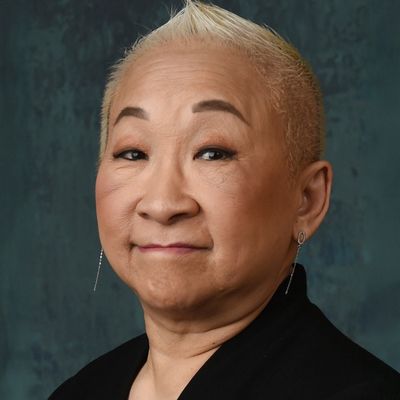
Lori Tan Chinn is an American actress and comedian. She played a recurring character in the Netflix series Orange Is the New Black and currently stars as Awkwafina's grandmother on Comedy Central's Awkwafina Is Nora from Queens... Read More
From the show: The Ladies Who Lunch with Donna McKechnie
Guests
Featured Shows

Videos
About
Lori Tan Chinn is an American actress and comedian. She played a recurring character in the Netflix series Orange Is the New Black and currently stars as Awkwafina's grandmother on Comedy Central's Awkwafina Is Nora from Queens.
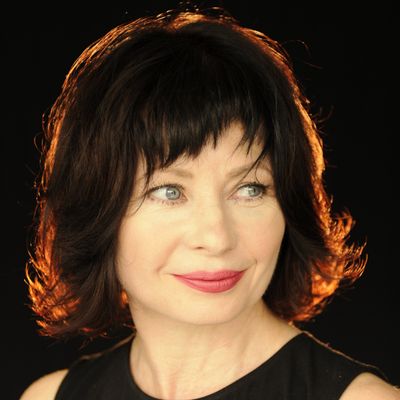
Mary Ann Lamb is a accomplished Broadway performer with an extensive career. While details about her acting training are unknown, her credits reveal a talented dancer and stage presence. She's graced the Broadway stage in at least eleven productions, including well-known shows like "Curtains" alongside David Hyde Pierce, "Contact," and "Fosse." Lamb's dancing talents also landed her roles in the film adaptations of "Chicago" and "Rock of Ages."
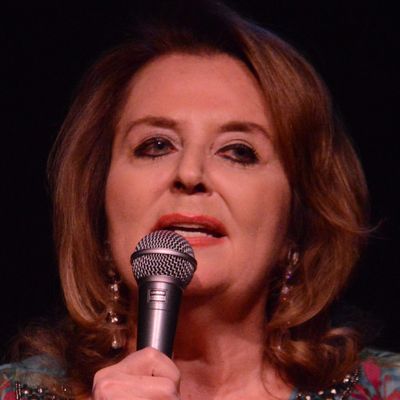
Randie Levine-Miller is an experienced Producer with a demonstrated history of working in the entertainment industry. She is skilled in entertainment, comedy, musical theatre and acting. She is a strong media and communication professional who graduated from Music and Art; Professional Children's School; NY Institute of Technology.
Produced by Dori Berinstein and Alan Seales, music composed by Matthew Sklar.
Part of the Broadway Podcast Network.
Every episode is recorded live at the legendary Sardi's restaurant, 234 W 44th St, New York, NY 10036. Thank you so very much to Max Klimavicius, Sean Ricketts, Beth Shafeman and the entire Sardi’s family for your tremendous kindness and delicious cuisine!
Transcript
This transcript was automatically generated and might contain errors.
[0:27] Donna McKechnie: Let me catch my breath. So thank you for being here today. Look at us folding our hands like we are. Like real ladies. We are at Sardi's Restaurant, one of my favorite places. I always say that because it's true. And they're so good to us here. And I'm with three of my favorite people, and I just got chilled blank. I'm so excited. So as a way of introducing everybody, because you didn't know each other when you arrived today. So I'm gonna do a quick synopsis of your careers, bounce, you know, from one to the other. Yes, your career, Randie Levine-Miller. And then we're gonna open it up and get to know each other a little more. So Mary Ann Lamb, oh my god, I'm getting emotional already. Oh my goodness.
You know, our culture, our growing up in the dancing school, first of all, I want to go back to the beginnings at another time, but I recognize so many similar things. You have originated in 11 Broadway shows, the original shows. You have worked with Jerome Robbins, Susan Stroman, Rob Marshall, you've done dance in film, television. You're a master teacher, you're a choreographer, which makes you a quadruple thing, I think. Oh my goodness. There might be more. You're just, and from my, well, I really believe this, that you are. Oh, I'm starting to hear this because I'm just gonna be able to do it. I can't believe Donna McKechnie is saying this to me. Mary Ann is one of the best dancers that's ever graced the Broadway stage.
[2:03] Mary Ann Lamb: Oh my goodness, Donna. I didn't know that before. You're making me cry.
[2:07] Donna McKechnie: No, it's important and it's good. You're such a doctor would say you're the reason why I dance, so for you to say this to me. I thank you so much. It's just touching. I'm like, I can't tell you how touching this is for me. I mean it.
[2:20] Mary Ann Lamb: I love you.
[2:21] Donna McKechnie: I love you too. I didn't know you, and I walked into a theater and saw you on stage. There's something about you see it in other people, I know, right? But not all the time. And once in a while, there's a bright light, it's beyond the perfect body and the great training. It's like it pops, and it's just fantastic to have you here.
[2:43] Mary Ann Lamb: Well, thank you very much. And we'll talk about all the beginnings because I did you see the red shoes?
[2:47] Donna McKechnie: You're too young.
[2:48] Mary Ann Lamb: No, I've seen the red shoes.
[2:50] Donna McKechnie: All right. Oh my god, and Lori Tan Chinn. Oh my goodness. Um, I had the best time with you in Halftime. Our producer of this, uh, the ladies who oh, welcome to the ladies who lunch. Oh, yeah. How can I forget that? Um, our wonderful producer, Dori Berinstein, produced Halftime at Paper Mill, and that's the first time. And it was great. Uh, and I hope it comes to Broadway where it belongs. It is a true entertainment. And you were all brilliant. Yeah, people loved it. Every the real audience pleaser. It's gonna pop up somewhere, I have a feeling, because it was just too good. And you were fantastic. I fell in love with you then. And then I started um reading about your past. And what I find interesting about this, uh having a conversation with women who have had longevity in their career and are still working really well and strong, you know, are in the business. Our paths have crossed our people that we know, the connections. When you were talking, I read that uh you did some oral history.
[3:54] Lori Tan Chinn: Yes, and you, when I was on Broadway, one of my first shows, you were downtown, you know, putting everything together because you came from Seattle, Washington.
[4:04] Lori Tan Chinn: No.
[4:04] Donna McKechnie: So did I. Did you know each other?
[4:09] Donna McKechnie: No, I know, of course. And then you came to, well, first of all, you're self-taught, which like made me want to faint because it's so hard. And I played the violin as well.
[4:19] Lori Tan Chinn: Oh I had a teacher and you know, and she is self-taught.
[4:25] Donna McKechnie: Also, the thing that is flabbergasting is that you learn to dance without a teacher from a book.
[4:33] Lori Tan Chinn: From a book, yeah.
[4:34] Donna McKechnie: That's harder than the violin. And the violin, I mean, if you could play the piano, I mean a lot of my friends have never studied, and they just have that genius, they just start playing. Not a violin, that's not an easy thing. Anyway, to catch up a little bit, you uh lovely ladies, kind gentlemen, was your first show. She was in the chorus and they plucked her out for some interesting reason of whatever dynamic was happening, and made her the lead of her first Broadway show. Wow. Fabulous. You with all this self-training, then you found yourself in the West Village at uh Ellen Stewart's.
[5:04] Lori Tan Chinn: Oh Village, yeah.
[5:14] Donna McKechnie: East Village, East Village, sorry. Um, and did all that one while I was up on in New York wanting to get down to the village where I finally did with Uta Hagen. Did you study with Uta?
[5:24] Lori Tan Chinn: No.
[5:25] Donna McKechnie: No Uta.
[5:28] Lori Tan Chinn: No Uta. No acting lessons.
[5:30] Donna McKechnie: But you did go to the, you had Peter Brook and Andrew.
[5:33] Lori Tan Chinn: Oh, those are guest artists. They came for about a week or something like that.
[5:36] Donna McKechnie: Right. And then you did. Anyway, well, I want to talk more about that. But then now you're about the Orange is the New Black, is where people recognize you the most, perhaps.
[5:46] Lori Tan Chinn: Probably.
[5:46] Donna McKechnie: But you have a new series. Uh-huh. And the movies that you've done. You're the hardest working woman because you're so determined. I love your passion so much. You were given a scene in a movie, like one little scene, and you steal the whole movie. People remember, you know, because so that's I want to talk about all of that. Am I missing anything? You're doing a new series right now.
[6:11] Lori Tan Chinn: Yeah, it's uh should I show up top? Oh, it's a little bit uh from Queens.
[6:18] Donna McKechnie: Oh so I play her grandmother, and I really have a foul mouth. So after this thing, I have an ADR where I'm probably gonna have to clean up all the beep beep beep beep.
[6:31] Lori Tan Chinn: Oh gosh, well, you know, my influences in life.
[6:35] Donna McKechnie: That's great. So Randie Levine Miller. Well, I'm gonna interject because I have to introduce you first.
[6:40] Randie Levine-Miller: Oh hell, you don't really need to introduce me.
[6:43] Donna McKechnie: Oh, okay. I'm sorry. I want to tell because I want to because I thought of something that's because you are the reason I'm doing this. You were my inspiration. I've told you that before. You she's been dubbed the hostess with the most is because she does so much work in bringing people together, and I went to a luncheon at Sardi's that she gives. And you were like the Elsa Maxwell of the 20th century.
[7:09] Randie Levine-Miller: I like you Elsa Maxwell.
[7:10] Donna McKechnie: Well, Elsa Maxwell was really not a good looking brother.
[7:13] Randie Levine-Miller: Okay, thank you.
[7:14] Donna McKechnie: It's like it's like when they say Pearl Mesta, you know, hostess with the most. I say, Oh, she was really kind of doggy bellow.
[7:21] Randie Levine-Miller: See if you let me finish that.
[7:26] Donna McKechnie: But you what you what you sing, and you're you're you're so pretty. And she was thank you.
[7:34] Randie Levine-Miller: Thank you. But honestly, uh, you inspire me to bring people together in New York when you have uh when you're trying to keep a career going after a certain age when any time, even in your twenties, it's the focus is so intense, and it's really hard to have a life and bring in a whole social element of people who love the things you love and enjoy the company of other people. I have to really make an effort to do that. But that's what you you've been at the Friars Club, you've presented over 85 presentations.
[8:08] Randie Levine-Miller: I was probably one of the I was probably the only woman that was still alive at the time that got Friar of the Year. But I went from Friar of the Year to pariah of the year. Those there it was they but they went through a lot of changes, but it was a wonderful time. And actually, I'm a briar.
[8:26] Donna McKechnie: You brought all these people together. And then things I I knew that, but I didn't know uh about all the work that you did with the uh with the well, first of all, the a really nice thing you do is the talented tomatoes.
[8:41] Randie Levine-Miller: That's like a six or seven years you've been doing that.
[8:44] Donna McKechnie: Uh tomatoes got talent.
[8:46] Randie Levine-Miller: Tomatoes Got Talent for women, I do it with Cheryl Benton of the Three Tomatoes.com, and this is our seventh year, and basically, what it is, it's finding women who were very talented who are not currently working pros, but they may have started out to be in the business, and then they segued to other careers. For instance, um, one of the gals who I'm quite friendly with owned the Seven Hills Inn, which Leonard Bernstein named the Seven Hills Inn in the Berkshires, and she was in Good News before she got married and had a family. And I met her and we were talking, and I said, You have to do this. So she wound up as um one of our runners up, and she put together the most wonderful show, but she's doing other things now.
And then there was a there was a fabulous gal who had been coincidentally, um, her name is Susan Vardy, and she was on the road 30 years ago doing Hello Dolly, directed by Leroy Reams. And she was supposed to come to Broadway, and through somehow, she met her gynecologist husband. She retired, became a PhD. Somehow, somehow, you know, and she she wound up uh she does a lot of directing in New Jersey, and she's PhD um psychologist, but she's a great talent, and her fantasy was realized at one of my actors' fun benefits, uh, where I had um Beth Fowler and Leroy and a couple of other people, um, the wonderful Adam Gruper and a few other guys, and she got to perform with Leroy, who had directed her, and then she told me, Oh, by the way, I was in Gypsy in Summerstock with Beth, but then Beth Fowler left to get another gig, and so she had to work with I think with Jana Robbins, Nishka Felach, as we say.
That means that's so terrible. So that's that that was it. But we're doing so we're doing our seventh year. So if you know people that are, and they can't be, they they can't be well known in the cabaret world. A couple of them have sneaked in. But if I spot them, I say, you're really great, I'll come to your show. And it's very embarrassing when I then run into them socially. But you're providing women a venue.
[11:03] Donna McKechnie: And friendship to have their dreams.
[11:06] Randie Levine-Miller: Yes.
[11:10] Donna McKechnie: Yes, and seven of them were nominated for Mac Awards this year. And several of them have done their own acts. Um, and and there are a lot of them that are so very talented. So it's really a gift. And the other thing is the camaraderie. Because just like at the round tables, my my rules at the round tables are that you've got to be an excellent human being. I don't care how talented you are. You've like like here, I know that you're the same kind of person. We have to celebrate each other and never ever ever compete or be envious. We have to be joyful because you know, God has got a plan, and if it's not now, it's gonna happen. I truly believe that. And the other thing I want to bring up of your career I didn't know about, and uh it's it's quite moving to me. I uh you did a it was on YouTube and you were singing a song.
[12:00] Randie Levine-Miller: Okay.
[12:00] Donna McKechnie: It was a benefit for the vets.
[12:02] Randie Levine-Miller: Oh god, you saw that and the uh yeah, and it's so beautiful. You first of all, you're a beautiful singer.
[12:09] Donna McKechnie: Thank you. And I I that was my only chance so far to hear you sing, and you honored your uncle. And it was for the uh the first Operation Warrior Shield, which um provides all kinds of health care and um uh psychological services for returning vets who suffer from PTSD and also first responders.
[12:32] Randie Levine-Miller: First responders, yeah.
[12:33] Donna McKechnie: But you know what? I have this theory though, and I wish somebody would do it, with all of our trigger happy, not happy, but yeah, the cops and all that. I believe that every precinct should have an MD psychiatrist that meets with them on a regular basis.
[12:49] Randie Levine-Miller: Absolutely.
[12:50] Donna McKechnie: Because I believe that the suicides and everything else and and how some of them are suffering and some of them are abusive at home. There's no place for them. Bang bangs, no, they hold they see mankind like I was talking about that I see every day in the arts mankind at their very best. I mean, artists and being sure and those police officers see mankind at their very worst every single day.
[13:15] Randie Levine-Miller: They do, and I think that it's just they need treatment and they need treatment.
[13:18] Donna McKechnie: I think it's it's not provided, no, no, and it's looked down upon if it if it's well, also like real men, like you know, like if you meet if you meet a quote real man, um and if they were in in at Viet Vietnam or whatever, but they are now supposedly functioning uh functioning family people or whatever.
[13:40] Randie Levine-Miller: Oh, thank you.
[13:41] Donna McKechnie: A lot of them suffer.
[13:43] Randie Levine-Miller: A lot of them are suffering.
[13:44] Donna McKechnie: And um, and they suffer in silence. And that's why I think you know, depression is anger turned inwards, so maybe but there should be changed. But you know, my uh my my girlfriends of my age, uh their fathers were in the second world war.
[13:59] Randie Levine-Miller: Oh, first of all, bone apatine every yeah.
[14:01] Donna McKechnie: Bone epite, and they say there's no such thing as a free meal at Sardi's. Thank you, Sean. Thank you. Thank you, Max. Thank you, Donna. Yes, and thank you, Dori. I'll put a metaphorical check at the end.
[14:16] Mary Ann Lamb: Um thank you very much.
[14:18] Lori Tan Chinn: Uh my my my friends that I met in theater whose fathers were in the second world war.
[14:26] Mary Ann Lamb: Yes.
[14:27] Lori Tan Chinn: It it was a tragic. I shared, I was able to share finally, and it gave me some comfort because my father could never speak about it.
[14:37] Mary Ann Lamb: And my cousin who was in Vietnam couldn't speak about it.
[14:40] Lori Tan Chinn: And they both had really you know serious problems in the daddy.
[14:46] Mary Ann Lamb: Yeah after World War II, raging alcoholic.
[14:48] Lori Tan Chinn: So and and you know, I I believe in if if ever I'm able to give a master class or uh graduation speech, which I have, I I think what can I give them? Because I was a young girl, like we we all were coming to New York.
[15:04] Mary Ann Lamb: You were here already.
[15:04] Lori Tan Chinn: I grew up on Mashalloo Parkway in the Bronx.
[15:07] Mary Ann Lamb: That's so great.
[15:08] Lori Tan Chinn: But I say, you know, don't uh I always try to insert it, don't be afraid to ask for help. Because when I was growing up, if you wanted to see someone to talk to, um they thought you were crazy to even ask.
[15:22] Mary Ann Lamb: Oh it was a shame against the family name.
[15:26] Lori Tan Chinn: Oh, it was a Shonda, but so is divorce.
[15:28] Mary Ann Lamb: Oh, yes, in the 50s and 60s.
[15:30] Lori Tan Chinn: I didn't know until after my father died that my mother was in the 90s.
[15:35] Mary Ann Lamb: Yeah.
[15:35] Lori Tan Chinn: Well, instead of looking at it as a gift, yes, you know. I mean, to me, I think.
[15:40] Mary Ann Lamb: The point is it's still kind of in certain places.
[15:45] Lori Tan Chinn: But I want to go, okay. Isn't this good? This is delicious. This is delicious. Sardi's food is really quite good.
[15:51] Mary Ann Lamb: It is my testimonial.
[15:54] Lori Tan Chinn: Can I get another free lunch? So I want to go back to the things that I I I kind of was wonderful. It was wonderful to read about the beginnings. And I always like this question because it's always interesting to me. Um why we do what we do. And so I'm gonna put it out to all of you. What sparked you? What was your I read about your inspiration? You saw Gene Kelly on television.
[16:14] Mary Ann Lamb: I did.
[16:18] Lori Tan Chinn: I was because you were one of eight siblings.
[16:21] Mary Ann Lamb: I am.
[16:22] Lori Tan Chinn: I was number seven, and I went to Catholic school, and I just always I had extreme dyslexia, which I still have, and I'm hyperactive. And so I always felt like something was wrong with me. Even though now I look back, they were both gifts because as a dancer, being dyslexic, I was completely even. I'm an even dancer. I turn equally left and right.
[16:40] Mary Ann Lamb: Wow.
[16:41] Lori Tan Chinn: Because I don't know my left and right. And also my energy is it, I still have it today, this amazing amount of energy. If anyone knows me, I'm like have a lot of energy. But uh yeah, it was. But I remember when I was seven years old, I was homesick from Catholic school, and and we had this big black and white television, and I remember seeing Summerstock, and I remember seeing Gene Kelly and Judy Garland, of course. But I was like, I looked at Gene Kelly and I was like, I am gonna be him. I am gonna be Gene Kelly, and I always laugh at that because I never wanted to be Judy Garland. I just wanted to be loved his energy. I love this energy. Your energy was meeting that energy. And from that moment on I that's all I wanted to do was to dance from that moment on. And I cleaned bathrooms in my studio, and I did, I just wanted to dance, and I always tell this story too. How did you get the classes? But you worked at the studio?
[17:39] Mary Ann Lamb: Um, I did.
[17:41] Lori Tan Chinn: I worked at the studio because my parents, you know, couldn't provide for with seven. My mother made costumes.
[17:46] Mary Ann Lamb: Yeah.
[17:46] Lori Tan Chinn: That's how I had all lessons. Yeah. And reading a book. And the stu the studio became everything to me. It became because I was kind of a shy girl, and because of my dyslexia, I didn't learn to read until I was in the ninth grade. Now I can I read everything, but um I was kind of shy, and and being in a dance studio, I found myself. And I found that I could, it didn't matter to be, I that I didn't know my right or my left.
[18:11] Mary Ann Lamb: Marianne, it's like a whole different group of people of of culture too.
[18:16] Lori Tan Chinn: Yes. I had I would go to school, but I didn't really care about school. I didn't care about that. And I go to my studio and with my my my young dancer friends, you know. You and I have a similar because I read your beautiful book. And you you and I had a similar update. And I was shy too. So the dance was everything. It provided me with a kind of expression that I couldn't find expression. Yeah, and the one thing that I feel that um I always want to say this is that I moved to New York at I I became a professional dancer at 16. I became a Vegas show girl with uh Greg Thompson's Follies at 16. But my goal was always to come to the New York. And when I came at 18 years old, I couldn't take on the city.
I I was not mature enough. I did not have the guts, and I had to leave and go back to Vegas and then come back. Because a lot of my students and a lot of people always think, oh, you had this big successful career, and you were like you came without a job. I came with $500 in 1978, and um to try to tackle this city. And what was crazy wasn't a lot going on then either, right? In 1978, um it was pretty rough. I mean, it was rough. I stayed at course at the Edison Hotel, and I remember thinking, I don't want to talk, but I remember thinking this is my home because in that bar at the Histon Hotel, which we I know we have all been in that dark little bar at the Edison Hotel, is that um I had had the drinking age in New York was 18.
So I bought a box, and my dance teacher brought me, Camille Chrysler, who really opened my mind. And I bought a box of fresh strawberries because I'd never drank alcohol, so I gave it to the bartender and asked for him to make me a daiquiri. And the guy looked at me like I was nuts. But I partied all night with Ray Charles and his band.
[20:01] Mary Ann Lamb: Wow.
[20:02] Lori Tan Chinn: Yes, and I was 18 years old, and and I didn't know any better. I was like, yeah, and he asked me to go to Jersey City to go see him. And when I went there, I was like, wow. And and that from that moment on, I was like, whatever happens, New York is my home.
[20:19] Mary Ann Lamb: Yeah.
[20:20] Lori Tan Chinn: And you've been here it's 40 years.
[20:22] Mary Ann Lamb: I have been.
[20:22] Lori Tan Chinn: That's pretty good.
[20:23] Mary Ann Lamb: It's my entire, yeah, it's my home. And now I live in Connecticut, but yeah.
[20:28] Mary Ann Lamb: Now, what made you move to Connecticut?
[20:29] Lori Tan Chinn: Well, she has a wonderful husband.
[20:31] Mary Ann Lamb: I do, I do. And one of the things that I love about your story is it's like Angie Schwarz.
[20:38] Lori Tan Chinn: Yeah, I love her.
[20:39] Mary Ann Lamb: Love her so much. You said something that I want that your husband, you you both have met the challenge of balancing a career and family.
[20:40] Lori Tan Chinn: And family.
[20:50] Mary Ann Lamb: Yeah. And saxology. So that you could always work and my husband is an artist also, and he's a songwriter and an English professor. But he a few years ago went, I can't deal with who's president right now, and ran in our town uh as the mayor of our town, the first selectman in our town, and won. So I'm right now the first selectman of Sherman, Connecticut.
[21:12] Lori Tan Chinn: Sherman, Connecticut.
[21:13] Mary Ann Lamb: That's I've heard of that.
[21:15] Lori Tan Chinn: Yes. That's stuff that's fair.
[21:16] Mary Ann Lamb: So there you go. And I'm so I I think it's the very first folk singer ever to be the selectman of Sherman, Connecticut. But I'm very proud of that.
[21:24] Lori Tan Chinn: And what's your population?
[21:26] Mary Ann Lamb: Um about 5,000.
[21:28] Lori Tan Chinn: That just sounds like a great place to be.
[21:32] Mary Ann Lamb: So Lori, let me ask you, getting back to the book about dance. Um you you came a big family, or was there any uh any musicians in your family or well, I can say that there is was an uncle who was a Chin from the Qin village back in China that was a uh Chinese opera uh uh performer. It was amateur uh opera, but um uh you know, when the Chinese first came here, they weren't allowed to bring their wives. So they had uh amateur, they either went to gamble, you know, playing whatever cards or whatever, and and they had an amateur opera, Chinese opera. So he was one of the people, you know.
[22:16] Mary Ann Lamb: They all lived uh once he arrived.
[22:18] Lori Tan Chinn: Once he arrived and they worked uh in the restaurants, the laundry and stuff like that. They came to Seattle. And uh little did I know later on, find out that um all the chins in Seattle. Hello, one ringy dinghy, two ringy dingies, the telephone, you know.
[22:38] Mary Ann Lamb: Okay, well uh that uh flat.
[22:44] Lori Tan Chinn: No, that's no, that's not B flat.
[22:46] Mary Ann Lamb: No.
[22:47] Lori Tan Chinn: It's an A.
[22:48] Mary Ann Lamb: It's an A, I think so.
[22:49] Lori Tan Chinn: Ah. Go ahead. So uh you know, the they were f they were all uh they didn't wanted to forget about their past. You know, we're in America now, so they never talked about it, and I only found out that all my cousins from that village were living in Seattle. So now, you know, I I never hooked up with any of the the Asians in showcases. I didn't know them until you were an adult.
[23:13] Mary Ann Lamb: Well until I was about two years ago.
[23:16] Lori Tan Chinn: Five years ago, something like that.
[23:18] Mary Ann Lamb: That's amazing.
[23:18] Lori Tan Chinn: Yeah, they kept that secret. I don't have the internet, so every I'm finding I found a second cousin.
[23:23] Mary Ann Lamb: Wow.
[23:24] Lori Tan Chinn: The other day. Well I'm 23 and me. I spit in that tube and now I have four thousand.
[23:29] Mary Ann Lamb: So look so little so little Laurie, what age were you when you when did your dream start?
[23:36] Mary Ann Lamb: Well you have a dream about doing what the things you're doing.
[23:41] Lori Tan Chinn: Well, let's see, I'm gonna just confess that I uh had a little um emotional breakdown at age 16. I was not popular in school.
[23:50] Mary Ann Lamb: What was happening before that?
[23:52] Lori Tan Chinn: Um I'm like my own doctor now too. Yeah, I just uh went to school. I didn't do too well, I wasn't interested, but I was a sports person. Typical kid. And you like that. I was really into sports, soccer. I would just study everybody's moves, uh uh attack the tall girls because they didn't move fast enough, you know, and I send them to the hospital.
[24:14] Mary Ann Lamb: That all makes sense to me now, the way that you are focused on you know what I mean.
[24:19] Lori Tan Chinn: You would you assert yourself in a way where we live in a world of no's and show business. And she will go and have doors be slammed in her, but she also gets the jobs too. I I noticed that about you, and it's it's a wonderful quality. But it you were already being trained for it when you were playing soccer.
[24:36] Mary Ann Lamb: Uh well yeah, I really studied each one of my classmates to s to catch those tall girls.
[24:42] Lori Tan Chinn: Oh I send them to the hospital. Get 'em at the knees. But anyway, I I uh So at sixteen, what was my girlfriend's my best girlfriend was, you know, after she uh uh she looked at the the glamour books and things like that growing up, you know, modern romance and she learned how to put on makeup and all of a sudden she turned into this beauty and all the guys wanted to date her and I found uh uh uh we would go to the bowling alley where all the cute guys were at. We're into Japanese American guys. And he kind of circled like this. Uh my girlfriends were in the center and the and the boys circled around them. And I was left on the outside and I said, Well, you know, they wouldn't include me. And so I that was the day I finally said I've had it.
And I walked home in the dark by myself. And then I went to uh j there's a place called Jefferson Park up in Beacon Hill, and that's where I was from. Beacon Hill is an area where uh the uh they moved Chinese and Japanese from Chinatown because it was getting over uh uh flooded, you know, over overloaded with uh no place for them to live. Right. Beacon Hill was an area that was kind of like a slumish place and they let us have houses there. So upstairs to the uh up on Beacon Hill there was a library. And I used to, you know, just get interested in moving. I'd kind of stand, you know, to the side of a television and you know, whatever steps that they did, I tried to duplicate.
[26:16] Mary Ann Lamb: But you were attracted to dance.
[26:17] Lori Tan Chinn: I was attracted. I went to the Jefferson Park and there was a guy teaching modern dance. And he gave me the book on Doris Humphreys, the modern dancer. And I was the only student there, and I just became be able to get out of my shell, you know, from that uh the emotional. Well, that's dogged me ever since. I thought talent would would, you know, uh do everything, keep me uh I would try to be as talented as as good as possible, and then you run into these beauty queens. No offense, you know, and I mean you'd lose because somebody was better looking than you, you know, and that was a really hard thing to deal with because I thought, you know, I'm gonna save everything to come to New York. A job is the gym.
This leads right to something that's crucial for everyone. Uh no matter how uh assertive you can be on the outside, yeah. You know, the everybody needs an encouragement. Everybody needs someone to say you can do this in some form, right? Like a mentor or did you have and that's a very lonely place sometimes, you know. Did you did you have some mentor?
[27:25] Mary Ann Lamb: You just wanted out.
[27:27] Lori Tan Chinn: I needed to leave this log town. Right rednecky. But you must have felt your that you would find your way. You must have had a lot of hope in in a process to find your way around this because at that time finding roles for Asian Americans was not it's it was no it was harder than but by the time I was seven, and I look at little kids who are seven, yeah, and I'm thinking by that time, about age seven, I knew I was gonna leave Seattle. And I was gonna go into the arts. There are not very many kids. I knew what was that? That's what I I l I love. 'Cause I at seven I was planning my escape and I wrote a book. Yeah. I was seven years old and I went. I ha I can't do it now because I'm a child. Yeah. I'll wait till I'm taller. Exactly. Wait to get out then. Uh-huh. That was the same for me. And then the only thing uh uh after I graduated from high school, I applied for the Bamps School of Fine Arts. And I went there and I studied uh jazz.
[28:28] Mary Ann Lamb: You know, and then I had musical theater.
[28:30] Lori Tan Chinn: You got some really good helping hands there, that the instructor, right?
[28:35] Mary Ann Lamb: She gave you a yeah, I was gonna take that scholarship. They were gonna offer one, but before I went there, I had applied for the University of Washington summer dance program with Ruth Anna Boris.
[28:48] Mary Ann Lamb: The main dancer of the ballet roost de Monte Carlo, and she was like the most uh you know, I just can't stop talking about it. I'm a big fan of the of we, you know, every dancer.
[28:59] Lori Tan Chinn: Well, yeah.
[29:00] Mary Ann Lamb: When you know, she when she was a dancer, she was uh her partner dropped her. And so she had this limp and she couldn't perform anymore. So when I met her, she had these uh, you know, the crutches that go oh yeah, and then do the walks.
[29:13] Mary Ann Lamb: So she we did not have a mirror at the University of Washington. We had we were at the barn. So there were no mirrors, you know.
[29:21] Lori Tan Chinn: So we had the art of seeing everything internally.
[29:25] Mary Ann Lamb: Yes, and that's the way I prefer it. I don't even like to look at it in the mirror.
[29:28] Lori Tan Chinn: I know that about you from the yeah.
[29:29] Mary Ann Lamb: Yeah, you don't even look at the mirror.
[29:31] Mary Ann Lamb: And also Maggie Black, who was a beautiful Chiqueti teacher, had a mirror.
[29:36] Mary Ann Lamb: Yeah, and uh all the uh dancers, uh lead dancers from ABT and City Ballet would go to her.
[29:43] Mary Ann Lamb: And when I first went, you know, I am like the music in the mirror. There's the mirror. I have to see if I'm still here, you know.
[29:50] Lori Tan Chinn: And uh you've learned a whole different way.
[29:53] Mary Ann Lamb: Yeah.
[29:54] Mary Ann Lamb: Let's say balance, but you always had balance.
[29:56] Lori Tan Chinn: I know, yeah, like there you have but then when I auditioned uh I had written we didn't have a typewriter at home I wrote uh a letter to Ruth Anna Boris and said you know I don't have any dance training but I've already started choreographing and performing around town and that you know I had learned some dances from uh Professor Elizabeth Cow from the University of Taiwan and so she taught me some and I performed all over uh Seattle at these functions and so I wanted did you get tips or did you make money or you weren't in a union or they didn't they didn't you just wanted to get your out there and do it.
[30:32] Mary Ann Lamb: Yeah and then so um I I wrote the letter and she said that's okay you don't have to have 10 years of experience just come and take a class I took a class and I was you know invited.
[30:44] Lori Tan Chinn: But one of the thrills was that I had uh so that was a big encouragement for you right that was her that's an ex but it's the acceptance right that you can uh do this are you also that I was accepted yeah that I was you know I came from nowhere I did not have a dance background I know and so then we had two other teachers uh uh uh Ben Johnson who was uh who was a modern dancer and I love those classes and I knew I was gonna be a modern dancer and it was um uh the same uh technique as the uh Alvin Ailey you know oh it was Horton Horton Horton I was through and should dance West Coast uh Horton dancer but then the teacher we had another one was the structure of music in relation to dance and our teacher was Trudy Rittman.
[31:32] Mary Ann Lamb: Do you know Trudy Ritman?
[31:34] Lori Tan Chinn: I don't know her, but I love the the what she was teaching.
[31:38] Mary Ann Lamb: Oh I've never heard of that.
[31:40] Mary Ann Lamb: Yeah, and I wish you were alive now to teach it.
[31:43] Mary Ann Lamb: She was the person that wrote all the incidental music for South Pacific, all the Rogers and Hammerstein.
[31:48] Lori Tan Chinn: Wow.
[31:49] Mary Ann Lamb: So you know the the thing where the two do the glasses and a meeting?
[31:52] Lori Tan Chinn: Yeah, yeah.
[31:52] Mary Ann Lamb: That's her music.
[31:53] Mary Ann Lamb: Wow, that's what she did. All of that incidental, like uh Jonathan Tunic.
[31:57] Lori Tan Chinn: Yes, that's I worked with Rogers Hammerstein.
[32:00] Mary Ann Lamb: Yes.
[32:00] Mary Ann Lamb: Yes.
[32:01] Mary Ann Lamb: And so that was uh, and then the next time I w I worked three jobs and got myself uh uh after the band School of Fine Arts, then I came to New York.
[32:10] Mary Ann Lamb: I stayed at the Y.
[32:12] Mary Ann Lamb: And I lived in this is where we connect again. The Laura Helm Helm Laura Spellman.
[32:15] Lori Tan Chinn: Laura Spellman.
[32:20] Mary Ann Lamb: And uh I got in in Radio City, I got uh uh it was I auditioned for ABT and oh for a week long and and Lucia Chase said, you know, you're only 15, so study with us for a year and then we'll take you into the company.
[32:35] Mary Ann Lamb: Instead of rejoicing, which I should have, I thought it was my first audition, my first rejection, and I I stopped class.
[32:43] Lori Tan Chinn: And then I went to Radio City, and that was a harder audition.
[32:46] Mary Ann Lamb: Was that your first gig, Radio City?
[32:48] Mary Ann Lamb: Yeah, and it was uh well I know it I got my equity card in in Detroit at this uh at Summerst Winter stock.
[32:55] Mary Ann Lamb: But that audition was harder than anything.
[32:57] Lori Tan Chinn: But when I read some of the things you were saying, Lori about um coming to New York, because that's a whole other phase of growing up in the business, your first experience here where you live and how you survive and who you meet and it's a very encourag it's an exciting, encouraging time, right?
[33:16] Mary Ann Lamb: But anyway, so we shared that and they kicked me out because I had I was homesick and I got a little bunny for Easter.
[33:25] Mary Ann Lamb: And I kept him under the bed, and and he hopped out one time.
[33:29] Lori Tan Chinn: Like a real buddy?
[33:30] Mary Ann Lamb: Yeah.
[33:30] Mary Ann Lamb: I was my pet.
[33:31] Mary Ann Lamb: I was so lonely.
[33:32] Lori Tan Chinn: Wasn't he Schmutzzy?
[33:33] Mary Ann Lamb: What?
[33:34] Mary Ann Lamb: Wasn't he a little schmutzzi?
[33:35] Mary Ann Lamb: I had her no, I had him in a little box.
[33:37] Lori Tan Chinn: How long did he live?
[33:38] Mary Ann Lamb: Well, he I don't know.
[33:39] Mary Ann Lamb: He ran away.
[33:41] Lori Tan Chinn: You weren't a very good mother, were you?
[33:44] Mary Ann Lamb: But at Radio City, I got West Side Story, uh, a national uh I mean a kind of a a really good company with um John Minneor.
[33:52] Lori Tan Chinn: Oh yeah.
[33:52] Mary Ann Lamb: He was like, but I don't I'm not about me as Robert Goulet used to say.
[33:57] Lori Tan Chinn: Well then he went back to talk about himself again.
[34:00] Mary Ann Lamb: Yeah, yes, how do you think about it?
[34:04] Lori Tan Chinn: Anyway, so you're in Hawaii.
[34:06] Mary Ann Lamb: Yeah, and then I would uh my run my money ran out.
[34:10] Mary Ann Lamb: And so I started to do these uh, you know, the temp jobs, and then my mother died.
[34:15] Lori Tan Chinn: Oh so then I had to go back to uh Seattle.
[34:18] Mary Ann Lamb: Uh uh by that time, you know, I went for the funeral, but then I just did not stay.
[34:23] Mary Ann Lamb: My father really missed me.
[34:25] Mary Ann Lamb: I still I was still driven.
[34:27] Mary Ann Lamb: I had to come back.
[34:28] Mary Ann Lamb: Yeah, take the classes, be a dancer, you know.
[34:31] Mary Ann Lamb: And by that time, uh uh before I left Seattle, I had uh the only place I could preform perform was in the central area where is you know the the African American uh area.
[34:44] Mary Ann Lamb: And um one of the uh directors had said um, hey, I have a friend in in New York. She's with the Catherine Dunham dancers.
[34:52] Mary Ann Lamb: Her name is Sevilla Fort. Look her up because she's a Seattle person.
[34:58] Lori Tan Chinn: I looked her up.
[34:59] Mary Ann Lamb: I yeah, I uh I introduced myself at and uh at the Laura Spelman.
[35:04] Mary Ann Lamb: You remember in the basement was the Clark Center of Performing Arts.
[35:08] Mary Ann Lamb: And so I went to the Clark Center and on Wednesdays, Sevilla Fort taught, took a class, introduced myself, and that was the history.
[35:15] Mary Ann Lamb: I became her executor.
[35:16] Lori Tan Chinn: Oh my god.
[35:19] Mary Ann Lamb: Yeah.
[35:19] Mary Ann Lamb: So I, you know, uh she was like, that's the only family I knew.
[35:23] Lori Tan Chinn: And Miss Pika we all make it our hometown, yeah.
[35:27] Mary Ann Lamb: Yeah.
[35:27] Mary Ann Lamb: But meanwhile, excuse me, I'm I want to move on to because.
[35:30] Lori Tan Chinn: Well, I'm a duck out of water because Randy, but yeah, but but you you lived where you grew up here.
[35:36] Mary Ann Lamb: So you New York was was your home all right.
[35:38] Randie Levine-Miller: New York all I wanted to do was be in show business.
[35:41] Randie Levine-Miller: All my father wanted me to do that was for me to be in show business.
[35:46] Randie Levine-Miller: Oh I got the dancing lessons.
[35:50] Randie Levine-Miller: He wanted, he was the life of the party.
[35:54] Randie Levine-Miller: And I remember we I grew up at the Delwood Country Club, and which is where my mother first met Donna when she was starting out in the 1960s.
[36:04] Randie Levine-Miller: My mother came home, I remember like it was yesterday, and she said, I met this lovely young girl who I think is gonna be a star, and I said, Well, what's her name?
[36:13] Randie Levine-Miller: And it was Donna McKechnie.
[36:15] Randie Levine-Miller: And you were with and and she said that you were I said, Well, why would she be there?
[36:18] Randie Levine-Miller: Although the heads of the William Morris office were there.
[36:22] Randie Levine-Miller: Um, Harry Calsheim, who I later found out discovered and signed Elvis Presley, who was really interested in grooming me.
[36:30] Randie Levine-Miller: But I suffered my whole life until a few years ago of paralyzing stage fright.
[36:36] Randie Levine-Miller: But I'm talking paralyzing.
[36:38] Mary Ann Lamb: And I know then before you got into that recognizing that you were encouraged by your dad.
[36:46] Randie Levine-Miller: Oh, and my mother, they took me to meet.
[36:48] Randie Levine-Miller: So the opposite of Lori here.
[36:50] Mary Ann Lamb: Oh, you got lessons.
[36:51] Randie Levine-Miller: I got everything.
[36:52] Randie Levine-Miller: I mean, the yet the other day I must share with you, I What was I doing there at the Delphi?
[36:57] Mary Ann Lamb: Oh, you were with you were with a guy named Al Schwartz, who was your manager.
[37:02] Randie Levine-Miller: Oh my god.
[37:02] Randie Levine-Miller: So my mother and I remembered, and I remembered his name.
[37:06] Randie Levine-Miller: And we said I forgot about your memory.
[37:11] Mary Ann Lamb: That's right.
[37:11] Randie Levine-Miller: That was a great actually.
[37:13] Randie Levine-Miller: I I enjoyed myself that.
[37:15] Randie Levine-Miller: It was a whole lot of things.
[37:15] Mary Ann Lamb: I don't know.
[37:16] Randie Levine-Miller: You must have been a guest that night of some of either Harry or Nat Lefkowitz, who was the head of the William Mars office.
[37:21] Mary Ann Lamb: Yes.
[37:22] Randie Levine-Miller: Yes.
[37:22] Randie Levine-Miller: That's probably what it was.
[37:24] Randie Levine-Miller: And so I was very fortunate.
[37:26] Randie Levine-Miller: I was always around show business people.
[37:29] Randie Levine-Miller: And I rem my mother was the elegant lady who had great style in Panache.
[37:33] Randie Levine-Miller: My father was this character, a Damon Runyon character, who every week would play the scalper.
[37:39] Randie Levine-Miller: They were called them scalpers before they started these enormous surcharges on tickets.
[37:45] Randie Levine-Miller: And I he said that was his business.
[37:47] Randie Levine-Miller: No, my father was in the furniture business, but I found out that after the war, during the war, I found out after he died that he used to write shows overseas.
[37:55] Randie Levine-Miller: And all he wanted was to be in show business.
[37:57] Randie Levine-Miller: And he didn't live long enough to see me become a member of the Friars Club and a producer over there.
[38:03] Randie Levine-Miller: But when I first when I got in the 1970s in my PR business, when I got um my Sardi's house charge and my Jo Allen's and my Charlie's house charges, but really Sardi's.
[38:18] Randie Levine-Miller: He was so excited.
[38:20] Randie Levine-Miller: And there's one interesting anecdote that I think you would enjoy.
[38:25] Randie Levine-Miller: So my father and Sydney Chaplin were the best of friends.
[38:28] Randie Levine-Miller: And Sydney was actually hired for Funny Girl before Barbara Streisand.
[38:33] Mary Ann Lamb: Why?
[38:33] Randie Levine-Miller: Because he and Julie Stein, they all went to the track together.
[38:38] Mary Ann Lamb: Oh my god.
[38:39] Randie Levine-Miller: Is that the otters?
[38:41] Mary Ann Lamb: With my father.
[38:42] Randie Levine-Miller: And my father was a unfortunately a big gambler.
[38:45] Randie Levine-Miller: And um I Sydney used to call my father my father was kind of fat, and my head would say, Hey big Lair, let's do this, let's do that.
[38:53] Randie Levine-Miller: And Sydney was so gorgeous.
[38:56] Randie Levine-Miller: And actually, I'm on one of these dating sites and said, Childhood crushed.
[39:00] Randie Levine-Miller: Now, probably a lot of people didn't ever hear of normal people, but I wrote Childhood Crush Sidney Chaplin.
[39:06] Randie Levine-Miller: I was like a backstage Joni, and and you know, when he was doing Funny Girl and all of that.
[39:13] Randie Levine-Miller: But one night my parents came to Sardy's, it's apropos, and it was their anniversary.
[39:17] Randie Levine-Miller: And in those days in the 1960s, this place was hopping every night after theater.
[39:24] Randie Levine-Miller: They didn't have a reservation, and Mr. Sardi turned them away.
[39:27] Mary Ann Lamb: And they were they walk out, and there is Sydney and his wife Noella Dem.
[39:34] Randie Levine-Miller: And he says, Hey Big Lair, what's going on?
[39:36] Randie Levine-Miller: He says, Well, you know, we couldn't get her.
[39:38] Randie Levine-Miller: And my father was was not meek.
[39:40] Randie Levine-Miller: But he said we couldn't get a and he learned me, he taught me how to schmear everybody.
[39:45] Randie Levine-Miller: So I'm the queen of Schmeer, Schmooze, and Schnur.
[39:50] Mary Ann Lamb: So Schnurr.
[39:52] Randie Levine-Miller: So anyway, so he wound up.
[39:53] Randie Levine-Miller: Um Sydney brought my parents back and said, Vincent, these are my very close friends, Mr. and Mrs. Levine.
[40:01] Randie Levine-Miller: Please take care of them and the checks on me.
[40:06] Randie Levine-Miller: And he sent over champagne for my parents.
[40:08] Randie Levine-Miller: I mean, Sydney was a very, very generous guy.
[40:10] Mary Ann Lamb: We have so much in common that I didn't even know, you know, that, and then then you growing up, you went, you became good friends with Marvin Hamlet.
[40:19] Randie Levine-Miller: Well, this is what happened.
[40:20] Randie Levine-Miller: Did you go to camp?
[40:21] Mary Ann Lamb: Yeah, no, I went to Camp Geneva, and I remember the day that Marvin.
[40:26] Randie Levine-Miller: Were you singing then?
[40:27] Mary Ann Lamb: Yes.
[40:28] Randie Levine-Miller: Yes.
[40:28] Mary Ann Lamb: Yes.
[40:29] Randie Levine-Miller: And I played for you, right?
[40:31] Mary Ann Lamb: Yeah.
[40:31] Mary Ann Lamb: Oh.
[40:32] Randie Levine-Miller: Well, another anecdote about that.
[40:34] Randie Levine-Miller: About that is many years later, I'm at the Russian Tea Room, and I'm entertaining a client in my PR business, and Penny Marshall, who who wrote who would do would dance in her sneakers and also would paint the sets.
[40:48] Randie Levine-Miller: And she was voted least likely to succeed, I swear.
[40:51] Mary Ann Lamb: Why?
[40:51] Randie Levine-Miller: Because she was the they were the only Gentile family allowed at this camp, and she only could get into the University of New Mexico.
[40:59] Randie Levine-Miller: Meanwhile, the Jewish broads did not do well, and she conquered the world.
[41:03] Randie Levine-Miller: So this woman, this this the my guest, um, is like, oh, that's Penny Marshall.
[41:09] Randie Levine-Miller: Penny Marshall sees me from across a crowded room as God is my witness, and she yells out, hey Levine, are you still singing everything's coming up roses?
[41:19] Randie Levine-Miller: And Marvin used to accompany me on that on the on the piano uh at at camp.
[41:25] Randie Levine-Miller: I the first time I laid eyes on him, I knew he was destined for greatness.
[41:31] Randie Levine-Miller: Um I was uh nobody wanted me on their team, so I'd always get out of swimming and say, Oh, I'm not feeling well and blah, blah, blah.
[41:37] Randie Levine-Miller: I was told that that um when I would feign um tiredness or sickness, that the way I would be lying in my bed at in the bunk, I looked like the dead pope.
[41:49] Randie Levine-Miller: Anyway, true story.
[41:51] Randie Levine-Miller: And um, so I wanted to know Marvin.
[41:54] Randie Levine-Miller: And I mean, I remember getting off the bus the first time in 1961 or 62.
[42:01] Mary Ann Lamb: I mean, we were, I mean, we're kids.
[42:03] Randie Levine-Miller: And he was um he was 17 years old, and he was the new music counselor.
[42:08] Randie Levine-Miller: Now, what was so unusual at this camp is not of Juilliard, right?
[42:12] Mary Ann Lamb: But no, he was still going to Juilliard.
[42:14] Randie Levine-Miller: He was 17.
[42:14] Mary Ann Lamb: Okay.
[42:15] Randie Levine-Miller: He got there at 17.
[42:16] Randie Levine-Miller: But the the thing about him is that um uh yes, he was a real uh um uh uh well he he was a real protege, but every week at this camp, they wrote original musicals.
[42:31] Randie Levine-Miller: And I believe that some of his best work was written between 1961 and 1964.
[42:37] Randie Levine-Miller: Wow.
[42:38] Randie Levine-Miller: And he sunshine, lollipops and rainbows, everything.
[42:44] Randie Levine-Miller: Well, no, no, no, but so I walked in one day and he was playing the piano and he was playing Gershwin, and I walked in and I said, he saw me, and I walked over and I said, you know, you play Gershwin like Gershwin, and you look like Gershwin.
[43:02] Randie Levine-Miller: He was tall, scrawny, um, potmock, very skinny, very skinny, and um but with all with so much personality.
[43:10] Randie Levine-Miller: And he's he said, and I said, You're gonna be as famous as George Gershwin.
[43:15] Randie Levine-Miller: And he said, and I was like 12 or 13, 12 at the time, and he said, I don't want to die like Gershwin, it's my biggest fear.
[43:23] Randie Levine-Miller: Segway to 30 years later, I'm with a client at um Shunley West.
[43:28] Randie Levine-Miller: I'm telling the story, I swear to God, on cue, Marvin comes out of the dining room, sees me, and he validates the story.
[43:39] Randie Levine-Miller: I also did not know that he suffered from headaches over the years.
[43:42] Randie Levine-Miller: I did not know that.
[43:44] Randie Levine-Miller: Um, like like like Gershwin.
[43:46] Randie Levine-Miller: But anyway, um I turned to him, and we he we sang, I sang with him, and I sang a lot of his songs at camp.
[43:53] Randie Levine-Miller: But what was so interesting is I I said, Well, what that day, I said, play something that you wrote.
[44:00] Randie Levine-Miller: And he did.
[44:02] Randie Levine-Miller: And it was a song I fell in love with, which I want to give to you, Donna.
[44:07] Randie Levine-Miller: Because yes.
[44:09] Randie Levine-Miller: And it was never published, but I managed to get a hold of it.
[44:12] Randie Levine-Miller: And I have a lead sheet for it.
[44:13] Randie Levine-Miller: It was called The Traveling Life.
[44:15] Randie Levine-Miller: And it was, he said, Well, you can't have it.
[44:17] Randie Levine-Miller: I said, why not?
[44:18] Randie Levine-Miller: He says it's Felizabinelli.
[44:20] Randie Levine-Miller: And I said, who's she?
[44:22] Randie Levine-Miller: And it went something like, um, never was a stay at home.
[44:26] Randie Levine-Miller: I've wandered hill and valley with my two companions, Mr. Rand and Mr. McNally.
[44:32] Randie Levine-Miller: Me.
[44:33] Randie Levine-Miller: I like the traveling life.
[44:35] Randie Levine-Miller: Yes, I like it's fantastic.
[44:38] Randie Levine-Miller: It's like it's my gift to you, Donna for the case.
[44:42] Randie Levine-Miller: Who cares?
[44:42] Randie Levine-Miller: It's on the first line who's Liza would talk about.
[44:47] Randie Levine-Miller: I want something I don't mean to interrupt.
[44:49] Randie Levine-Miller: Please, I well, I interrupt, I'm really comes up every once in a while, and it's something I want to talk about because it's it's hit so many people.
[44:56] Randie Levine-Miller: It's the stage fright element of our big you know of our growing up business.
[45:01] Randie Levine-Miller: And uh it gets worse as we get older.
[45:03] Randie Levine-Miller: It can get worse because you lose the defense mechanism.
[45:07] Randie Levine-Miller: When you're younger, you seem to have more defense.
[45:10] Mary Ann Lamb: No, no, yes, it's true.
[45:12] Mary Ann Lamb: Well, oh, maybe for a dancer, I never had stage fright.
[45:16] Randie Levine-Miller: As you get older, it's you're I don't know if it's less willing, but that you you can't defend against the feelings as much as when you were younger.
[45:27] Randie Levine-Miller: But I'm gonna tell you why you can.
[45:28] Randie Levine-Miller: I did not know this.
[45:29] Randie Levine-Miller: Okay, I would have left my husband decades ago.
[45:33] Randie Levine-Miller: And I mean, I'm sorry, I'm not wearing red.
[45:35] Randie Levine-Miller: My mother said I'd be a beautiful widow in red.
[45:39] Randie Levine-Miller: So I'm sorry, never let a good punchline go by.
[45:43] Randie Levine-Miller: Anyway, um, I did not know about beta blockers.
[45:46] Randie Levine-Miller: Now, I would get the same feeling from stage fright as I would get when my husband, who was very withholding and um was a terrible marriage.
[45:57] Randie Levine-Miller: And um I I would get the same, I we get a physical reaction in the pit of my stomach as well as in my chest.
[46:04] Randie Levine-Miller: And the same thing with stage fright.
[46:06] Randie Levine-Miller: And I never knew about beta blockers.
[46:08] Randie Levine-Miller: Had I known about beta blockers, and even I I discussed it with uh Gwen Corvin with the famous ENT user friend, and I I go to her now.
[46:16] Mary Ann Lamb: Do you go to her too?
[46:17] Randie Levine-Miller: Yeah, everybody goes to her.
[46:18] Randie Levine-Miller: Okay.
[46:19] Randie Levine-Miller: So Dr. Gwen said, oh, well, I could have given well, guess what?
[46:24] Randie Levine-Miller: You never told me about Well, go ahead that's that's fine if you need need a fix kind of to get through things.
[46:32] Randie Levine-Miller: But what I what I found fascinating and what I'm always about, it's like I I for some reason I felt that I needed to talk to uh when I started acting because it was such a uh internal all the things and you really make a study of human being, the human condition.
[46:49] Mary Ann Lamb: Yes.
[46:50] Randie Levine-Miller: And I was starting, and I went to and when I was 18 and I was working, I went to a psychiatrist, a Freudian psychiatrist, which is not popular any longer.
[46:59] Randie Levine-Miller: I mean, I really wanted to do that intense work to find out what the fear was coming from so that I wouldn't have to, so I wouldn't, you know, be stopped in my tracks and and go through this anguish.
[47:13] Randie Levine-Miller: Um and then of course, growing up in show business with Barbara Streisand, it stopped her from performing for 27 years.
[47:20] Randie Levine-Miller: Carly Simon stopped performing.
[47:23] Randie Levine-Miller: I did a show, a Pearl Bailey show, is uh as an example of why I needed to go to the onion skin, peel it away.
[47:33] Randie Levine-Miller: What's going on?
[47:33] Randie Levine-Miller: What's going on underneath?
[47:35] Mary Ann Lamb: Yeah.
[47:36] Randie Levine-Miller: Um, and I started learning more about my fears and how it it translates into other things and the energy.
[47:43] Randie Levine-Miller: It's all energy, right?
[47:44] Randie Levine-Miller: Anyway, I was doing the Pearl Bailey show.
[47:47] Randie Levine-Miller: I was the I guess was the only white dancer.
[47:51] Randie Levine-Miller: What show I mean, I was the only dancer.
[47:53] Randie Levine-Miller: It was Pearl Bailey had a TV show in the 80s.
[47:56] Mary Ann Lamb: Oh the 80s.
[47:57] Randie Levine-Miller: And it was fantastic.
[47:58] Randie Levine-Miller: And her husband, what was his name?
[48:00] Randie Levine-Miller: Louis Belson, yeah.
[48:01] Randie Levine-Miller: He yes, he was uh playing bass in a great jazz group.
[48:05] Randie Levine-Miller: And the uh and I was very impressed with the fact that I was on stage with Pearl, who was fantastic, and Ella Fitzgerald.
[48:15] Randie Levine-Miller: Wow, and I was really trying not to have my stage fight, you know, my fear.
[48:20] Randie Levine-Miller: Oh shoot trying to stand up and be count it and excuse me, feel confident, and just you know, just get through it holding on because I I was you know, you give away your your you become invisible.
[48:34] Mary Ann Lamb: Yeah, it's like I I went back to Royal Oak Michigan, you know, a fan.
[48:38] Randie Levine-Miller: Yeah, but I was in what helped me was that I was in the wings, and and Elle Fitzgerald taught me the greatest lesson because she taught me how human it is.
[48:50] Randie Levine-Miller: Standing there next to her, and she was going on first, and then she had a seven up, and she said, I have to have I my seven up because I'm so nervous.
[49:00] Randie Levine-Miller: Wow, and when she said I'm so nervous, I just I went, What?
[49:05] Randie Levine-Miller: I mean, I saw her as this great singer, but but a a fantastic person, and her vulnerability.
[49:13] Randie Levine-Miller: Wow.
[49:14] Randie Levine-Miller: She had nothing to be assault.
[49:15] Randie Levine-Miller: And but she but it was interesting that she had to be.
[49:18] Randie Levine-Miller: But but she revealed her vulnerability to you.
[49:21] Mary Ann Lamb: Yes.
[49:22] Randie Levine-Miller: Which she should have been.
[49:24] Randie Levine-Miller: Probably made you relax a little bit more.
[49:26] Randie Levine-Miller: She might have seen that I was nervous.
[49:28] Randie Levine-Miller: I don't know.
[49:28] Randie Levine-Miller: But but the thing is it meant meant everything to me.
[49:31] Randie Levine-Miller: It became a barometer in a way.
[49:33] Randie Levine-Miller: And when I um, you know, so I'm putting this out to you.
[49:38] Mary Ann Lamb: Well, what is it?
[49:39] Randie Levine-Miller: I definitely have oh yeah.
[49:40] Randie Levine-Miller: I um something that comes back to the water.
[49:42] Randie Levine-Miller: Yeah, and I think I I lived, I felt like the only time I was truly myself was on a stage.
[49:49] Randie Levine-Miller: And my entire life, I was was based on me standing on that stage.
[49:56] Randie Levine-Miller: I mean, that was my entire focus.
[49:58] Randie Levine-Miller: My entire life was just to stand there and give the audience myself.
[50:03] Randie Levine-Miller: And that's where I felt so myself, which is when they said keep yourself at the stage door.
[50:10] Randie Levine-Miller: No, I brought it right on to that stage.
[50:12] Randie Levine-Miller: I never kept my my personal life at the stage door.
[50:14] Randie Levine-Miller: It it came with me everywhere.
[50:16] Randie Levine-Miller: And I rem I went back to Chicago, I opened Chicago.
[50:21] Randie Levine-Miller: But I opened Chicago in 1995.
[50:24] Randie Levine-Miller: And then eight years later, they asked me back.
[50:27] Randie Levine-Miller: And I went back into Chicago, and at this time I'm I was quite, I was older even when I did Chicago, but I was, you know, I was quite older.
[50:34] Randie Levine-Miller: I was in my 40s, I think, or my maybe 50s when I went back.
[50:39] Randie Levine-Miller: And I just was going through menopause.
[50:41] Randie Levine-Miller: And I didn't know I was going through menopause.
[50:43] Randie Levine-Miller: And I literally thought I got stage fright.
[50:46] Randie Levine-Miller: And I was going on at this time for Go To Hell Kitty, which is not my role, and I would open the show, and so I stood there with the, you know, the red light has to go on, and I couldn't get on.
[50:56] Randie Levine-Miller: And the stage manager's like, Lam, the lights on, the lights on.
[50:59] Randie Levine-Miller: And I would be shaking.
[51:01] Randie Levine-Miller: I was such a wreck.
[51:03] Randie Levine-Miller: I could not step onto the anxiety.
[51:06] Randie Levine-Miller: And I didn't even know if I was going to be able to speak when I stood out to the show.
[51:09] Mary Ann Lamb: But you didn't recognize the feeling.
[51:11] Randie Levine-Miller: No, because to me, up until then, I had lived to be on that stage.
[51:15] Randie Levine-Miller: And this is a show that I did the movie on Chicago.
[51:18] Randie Levine-Miller: I lived.
[51:19] Randie Levine-Miller: I did opened it.
[51:20] Randie Levine-Miller: I lived in that that show.
[51:22] Randie Levine-Miller: I know that show inside and out.
[51:23] Randie Levine-Miller: And all of a sudden I was frightened to walk onto the stage.
[51:27] Randie Levine-Miller: And I I thought I was losing my mind.
[51:29] Randie Levine-Miller: I honestly thought I am cracking up.
[51:32] Mary Ann Lamb: How long did it last?
[51:34] Randie Levine-Miller: It lasted for about, and thank goodness I have to say, I talked about friends.
[51:38] Randie Levine-Miller: Um my very close friend.
[51:40] Randie Levine-Miller: One thing, I have never been competitive ever.
[51:43] Randie Levine-Miller: I made my family out of these fabulous women that I stood next to in the in the lineup.
[51:49] Mary Ann Lamb: Sure.
[51:50] Randie Levine-Miller: And I would audition next to Charlotte Dunboise and Joanne Hunter and Susie Meisner and Mary McLeod and all these brilliant women.
[51:57] Randie Levine-Miller: And I would be so proud that I'm just standing next to them.
[51:59] Randie Levine-Miller: I I would look at them and go, I want you to be my best friend.
[52:03] Randie Levine-Miller: And you know, of course, 40 30 years later, we are still best friends.
[52:06] Randie Levine-Miller: And Charlotte Dumboise was playing Roxy at the time when I was back in Chicago, and thank God she was there because she was like, What's going on?
[52:14] Randie Levine-Miller: And I'm like, I said, I am frozen.
[52:16] Randie Levine-Miller: I don't know.
[52:17] Randie Levine-Miller: I'm I'm losing my mind.
[52:18] Randie Levine-Miller: I think I'm cracking up.
[52:20] Randie Levine-Miller: And um, I actually went to a doctor and I said, I'm losing my mind, something's wrong with me.
[52:25] Randie Levine-Miller: And she said, I think you're just going through menopause.
[52:28] Randie Levine-Miller: And and certain things affect, and yours ha happens to be fear.
[52:33] Randie Levine-Miller: And then, you know, years later, through the journey, all my a few of my girlfriends have stepped forward and said, Listen, I'm going through stage fright.
[52:41] Randie Levine-Miller: And I'm like, I've been there, I've been there.
[52:43] Randie Levine-Miller: It is some.
[52:43] Randie Levine-Miller: It's this very interesting.
[52:45] Randie Levine-Miller: Because it you it doesn't always reveal itself in a way that you can put your finger on it and say this is why.
[52:52] Randie Levine-Miller: But but it's uh I I liken it to the the time that when I doing a course line in the beginning was intense and it wasn't always fun because you were doing eight shows a week and then you're doing all the PR, and then you do the you did you know months of workshops where you're talking about yourself as the character, yeah, or someone like you.
[53:18] Randie Levine-Miller: And it's like you're you're it's like having so much of the one thing, yeah, and it wasn't it was just a fight, a battle, a struggle.
[53:26] Mary Ann Lamb: Yeah, grateful for it.
[53:28] Randie Levine-Miller: Yeah.
[53:28] Randie Levine-Miller: I mean, I I I'm proud, yeah.
[53:30] Randie Levine-Miller: But it was not so to be able to have the opportunity taught me so much to go back ten years later into the same theater theater and leave and and with a different cast, right?
[53:42] Randie Levine-Miller: But same costume, well, the costume had to be different, it was ten years later, but same design, yeah, same production, same run.
[53:50] Randie Levine-Miller: I don't think it's ever been done, but what I discovered was I was 10 years older, I had gone through uh, you know, uh arthritis that just laid me low for a year, um, recovered and had no idea I could even dance again, but I got back to the show and I l I was able to, it just happened, I didn't plan it.
[54:14] Randie Levine-Miller: I left Cassie in the dressing room.
[54:17] Mary Ann Lamb: Yeah.
[54:18] Randie Levine-Miller: And I went out and started having dinner with friends.
[54:21] Mary Ann Lamb: Yep.
[54:22] Randie Levine-Miller: And then I would go back and do the show, and I and I went, Oh my god, I've changed.
[54:26] Mary Ann Lamb: Yeah.
[54:26] Randie Levine-Miller: I was fragmented before, it was all about the show.
[54:30] Randie Levine-Miller: And now it's like I'm a whole I I've worked on myself.
[54:34] Mary Ann Lamb: Yeah.
[54:34] Randie Levine-Miller: Yeah, I asked for help.
[54:36] Randie Levine-Miller: And uh I'm a whole person so I can have a life maybe.
[54:42] Mary Ann Lamb: Me too.
[54:42] Randie Levine-Miller: You know?
[54:43] Randie Levine-Miller: Yeah, and I know that's you know that's my yeah.
[54:46] Randie Levine-Miller: I had to work so hard to bal have a balance.
[54:50] Randie Levine-Miller: And I think we have to, don't we?
[54:52] Mary Ann Lamb: How do you have to?
[54:53] Randie Levine-Miller: You you do you still play soccer?
[54:55] Lori Tan Chinn: No, I don't.
[54:56] Lori Tan Chinn: No, I don't.
[54:57] Lori Tan Chinn: But I can't relate about the stage fright.
[55:01] Lori Tan Chinn: Yeah.
[55:01] Lori Tan Chinn: I just feel that the state like you said, you know, the minute you're on stage, you're home.
[55:05] Lori Tan Chinn: Yeah.
[55:05] Lori Tan Chinn: And that's uh even with uh halftime, gotta dance.
[55:09] Lori Tan Chinn: I just felt that uh uh here we put on the makeup, half hour, and I'm back home.
[55:14] Lori Tan Chinn: Yeah.
[55:15] Lori Tan Chinn: That stage is mine.
[55:16] Lori Tan Chinn: So it's something it's reliable, it's something you can count on.
[55:19] Lori Tan Chinn: I don't even know when it switched when because now you know that was I have done several shows since then.
[55:25] Lori Tan Chinn: Yeah.
[55:25] Lori Tan Chinn: Um and I don't know w how I got over it.
[55:28] Lori Tan Chinn: I just kept on pushing myself out there and I got on the other side of it.
[55:32] Lori Tan Chinn: You kind of learn but find your confidence by self-respect.
[55:35] Lori Tan Chinn: Yeah, and by being able to get through something.
[55:37] Randie Levine-Miller: And I do have to say I had to put the character on the shelf.
[55:41] Randie Levine-Miller: I sometimes I had to put the show on the self and get back to who I am.
[55:46] Randie Levine-Miller: That's important.
[55:47] Randie Levine-Miller: What it you have to it's like I mentioned one time that you you can only perform so much of your personality one time.
[55:56] Randie Levine-Miller: You have to have something based in your life based in in your real feelings because that's what's gonna reflect in your art.
[56:04] Lori Tan Chinn: Yeah, that's probably the difference is that I all of my life I've been character women.
[56:08] Lori Tan Chinn: I've been 90 years old since the time I was 20.
[56:12] Lori Tan Chinn: So to put in an a different you'll always work.
[56:15] Lori Tan Chinn: Yeah, but working on an accent, you know, this uh halftime it's a it's a Filipino accent.
[56:20] Lori Tan Chinn: You know, in this uh new TV series it's a uh heavier Chinese accent, but then a lot of times I've been playing Vietnamese or you know, different things.
[56:29] Lori Tan Chinn: So I have to let go.
[56:30] Lori Tan Chinn: Yes, you know.
[56:31] Lori Tan Chinn: But I don't know.
[56:32] Lori Tan Chinn: But that's a that's what you're talking about too, is like you say you didn't train, but you really did, and you learned on the job.
[56:40] Lori Tan Chinn: Yeah, yeah.
[56:41] Lori Tan Chinn: But you there's I don't know, I think you you have a lot of self-respect too about what what you do.
[56:41] Lori Tan Chinn: You you have a a clear idea of what you're doing.
[56:53] Lori Tan Chinn: Yeah, yeah.
[56:56] Lori Tan Chinn: For the research though, you know, I have file cabinets full of you know what other I knew I was gonna be uh having Asian characters, having to do them.
[57:04] Mary Ann Lamb: Yes, what you're saying, I love because it's the work.
[57:06] Lori Tan Chinn: When you it is it's like every acting teacher, well, Elaine Stritch said it. I mean, she wasn't my teacher, but in a way she was a watcher.
[57:16] Mary Ann Lamb: Yeah in the from the wings. Uh you get out of it what you put into it. And that's true.
[57:21] Lori Tan Chinn: The only way I know from teachers that I've worked with, acting coaches, is that the only way to counter any nervous uh strain or stage fright is to be prepared. It's like the scout motto. So the more work, that must give you a lot of you work harder than anyone I know. Comfort, it's just a comfort. The only thing you know what you're doing when you go out there. Except for TV or other films. That's another thing.
[57:51] Randie Levine-Miller: Uh we'll just trust the senior citizen's slippery memory.
[57:55] Lori Tan Chinn: Yeah. You know, and I am not gonna hear anybody say that doesn't happen. We it just happened to us.
[58:02] Mary Ann Lamb: Yeah. What was I saying? Yeah, where am I? Oh, so happened. And out of being respected, you know, they don't know my these are all younger people in this aquafina. But once they got it, they got it, right? You don't I asked for cue cards.
[58:17] Lori Tan Chinn: Yeah. Do they still have do they still have cue cards?
[58:21] Mary Ann Lamb: Yes, they do. I thought that they they have the thing that's sort of streaming.
[58:24] Lori Tan Chinn: Oh, yeah, me too. I would have the machine, but no, they at first they hand wrote it, you know. So I was in the middle of a long thing, and I and the guy's hands were on the words. So God, oh no.
[58:37] Mary Ann Lamb: And finally, then the last scene, episode uh 110, the uh uh that we're filming, some kid was not paying attention, he was just kind of seat sitting in the chair, and I you know, I went through reading the cue cards on this side, and then I had to turn to the camera here, and then I just took a long beat beat and said, uh, well, I would like to continue with a line with this fucking kid, won't move out of the chair. He was leaning right in front of the door.
[59:04] Lori Tan Chinn: Oh my god.
[59:07] Randie Levine-Miller: Oh but that's accommodating. I like that.
[59:11] Lori Tan Chinn: Yeah, they I I have a potty mouth, at least in this series. At least you weren't wearing ear ear pods that somebody was feeding you.
[59:18] Mary Ann Lamb: No, when that night comes, I think I will reply. I learned how to also uh find that trust that I'm uh that I think um uh Laurie described in a way that just trusting yourself to finally just get up there, it's okay. You're okay. No matter what you're good enough, you'll survive enough and for the sake of a set walls, just look at it and go, thank God I wasn't under it.
[59:40] Lori Tan Chinn: Yeah, exactly. Um so when I started taking the fourth wall away, when I started doing cabaret, that was terrifying.
[59:50] Mary Ann Lamb: Were you? It was terrifying, but it gave me a I went, I have to do this, I have to flee into the fire. I have to do this because it's so scary, and I need that muscle, that muscle is weak.
[1:00:01] Lori Tan Chinn: And Bob Fossey.
[1:00:02] Mary Ann Lamb: Yeah. One of your mentors said, uh, you you you have to you got it. If you're if you're fearful, then you gotta take it. You gotta jump into the fire always.
[1:00:13] Lori Tan Chinn: Um so that I did that for 10 years before I kind of, and then I loved it so much. Now I I almost prefer it to theater because I'm gonna be able to do that.
[1:00:22] Randie Levine-Miller: Well, they because yeah, and your audience, it's like I have to tell you, the most goose fleshy experience that I've had, and I've gone to every one of your shows at 54 Below, your solo shows, and also with with Andrea McCardell, and the two of you, I don't know how you catch your breath. They do one showstopper after the next, after the next, after the next, and it's like, okay, and I and I wanted to send, I was I thought I was gonna have to go to Dr. Gwen from Geshring Bravo, and I thought I'm sending Donna the bill.
[1:00:53] Lori Tan Chinn: No, you were you're so extraordinary in a there, it's very intimate, and the people that have loved you over the years from a distance get to embrace you with applause and bravo wing, and then and then also the ones that are brave enough to come over and meet you and uh and and Andrea, it's like we're so grateful for all of the pleasure you've given us all these years.
[1:01:22] Randie Levine-Miller: But and then to become friends, it's interesting. The last several years I've actually become friends with people I was a fan of. And then the people that I thought that, oh well, we're gonna just be the best of friends. Right. No, it hasn't worked out. But um, but people like yourself and I, you know what it is also? You're so authentic.
[1:01:40] Mary Ann Lamb: The thing that I love most about you, besides your talent, is that you're authentically kind, caring, loving, and you don't have an evil bone in your body, which is also why I've had a couple thoughts over the years.
[1:01:53] Lori Tan Chinn: I'm sure you did, it's normal. But I think one of the reasons why you've looked this good for this long and continue.
[1:02:00] Randie Levine-Miller: Oh god. And continue is because no, no, no. I really I believe this is because you have um and a good grandmother with good skin.
[1:02:11] Mary Ann Lamb: Well, that too, but you have that inner contentment, and you you do have a sense of self. And you're you I I would bet that you're a very, and I haven't read your book yet. Uh I would suspect that you are a um uh emotion, not emotionally, uh spiritually grounded, spiritually centered person.
[1:02:30] Lori Tan Chinn: And and I don't know. I mean, I do make an effort.
[1:02:33] Randie Levine-Miller: Well, and maybe early on you made an effort, but now the person you are, it's like I I believe that there are two there are three things that that um three mottos of mine, one which definitely applies to all of you because you're all very disciplined, is perseverance precedes success. I've lived by that, and all I lived by it in when I was in business, and every time I get a new client, um I'd be so nervous, and it's like, oh, what am I gonna do? What am I gonna do? And my mother would say, Randy, every night is opening night for you, so just get through the fear and then do it anyway.
[1:03:08] Mary Ann Lamb: Okay, that's one. The other is when you would have these feelings of fear, or what was it? I was so scared, I was scared of everything. And then what what what did you worry about? I mean, what was the the thing?
[1:03:15] Lori Tan Chinn: I I think because you were raised in a in a household that that supported you.
[1:03:23] Randie Levine-Miller: Oh, I had my my mother gave me unconditional.
[1:03:26] Mary Ann Lamb: No, okay, to oh, and I okay, expectations.
[1:03:30] Lori Tan Chinn: Aha.
[1:03:31] Randie Levine-Miller: My mother always quoted the late Dr. Joy Brown, and I even use this at my mother's funeral before singing Mama a Rainbow. Because what can I give you? What will your present be? Um expectation is the death of serenity. Expectation is the death of serenity. And that's also been a motto. And then my very first client, um, I think I was the first Jew she ever met, and we became friends until she died in her 90s. She went to school with Nancy Reagan, was a member of the DAR. Her name was Dolly Reed Wagaman, and I loved her very much. And she taught me keep moving. Moving targets are hard to hit. So but that's before life became a game of dodgeball with bullets flying all over the place. But you're all living examples of that. I believe that if we have goals and we have a purpose when we get up and deadlines, we're ageless.
[1:04:30] Mary Ann Lamb: It's the people that you know, it's like a wonderful line I heard about women that retire. They refire.
[1:04:36] Randie Levine-Miller: Yeah. Men that retire unless they have something to do, and I believe in giving back, yeah. But they they expire. The everything they do is, you know, the if it's not the early bird special, it's a doctor's appointment or whatever.
[1:04:53] Lori Tan Chinn: That's my life right now.
[1:04:54] Mary Ann Lamb: No, it is not your life. Don't give me that.
[1:04:56] Randie Levine-Miller: I have a little bit of both going on.
[1:04:58] Lori Tan Chinn: I love it.
[1:04:58] Mary Ann Lamb: No, no, no, yeah. But so those are those are all but those are all. Because when you retire, what do you do? Listen, Luigi said you rest.
[1:05:06] Randie Levine-Miller: You rust.
[1:05:08] Lori Tan Chinn: Oh.
[1:05:08] Mary Ann Lamb: And I live by that.
[1:05:09] Randie Levine-Miller: Oh you rest, you rust. And I'm like, I that's I'm I'm blessed with my body that I can still dance, and I still dance. I can kick my face.
[1:05:18] Lori Tan Chinn: Sure too. I mean, I'm like, look at this. Woo!
[1:05:21] Randie Levine-Miller: Oh my god. I'm like, I can dance. And I I don't know why, but I can't. But I have never stopped.
[1:05:27] Mary Ann Lamb: But we don't have an aspiration date until God intervenes. As long as we keep doing what I can do. What's your transition? Are you going through a transition?
[1:05:36] Lori Tan Chinn: And I'm like, I said it earlier. Transition to me, that word means what am I gonna learn next? Transition, the transition. It's about lessons, lessons. There's no transition. There's no retirement. But there is the transition network for women that do retire. And every time I think of transition, I think of death. And I told them, I said, why don't you call it the segue network? The segue. Because I hate that word.
[1:06:02] Mary Ann Lamb: I know, I'm right here with you.
[1:06:04] Randie Levine-Miller: No. They're finding out more and more. Um, and luckily, because uh we had all these ancient cures, which is basically to keep moving.
[1:06:12] Lori Tan Chinn: To keep moving, yes.
[1:06:13] Randie Levine-Miller: Our forebears, you know, and now uh when you have an injury, a dancer, or anyone, um I'm I've gone through a whole thing of of a a muscle, like a lower back, pinch nerve, and nobody can tell me what it was. Through um over trying different things and physical therapy is now the cure all for me. In other words, I was able to find it. Everything's a bit more than a bit of a it is brilliant. But I'm I'm back to I'm getting back to ballet class soon because it's fabulous.
[1:06:43] Lori Tan Chinn: But yeah, but along with what you're saying, you can stay moving if you keep moving. But if you can't, like in my life, what I I didn't know if I could pull it back.
[1:06:54] Mary Ann Lamb: Yeah.
[1:06:54] Lori Tan Chinn: If I could recover in a way that could be possible that the the body is and the mind, it's all body-mind. And it's waiting to be, it's waiting to thrive if you give it the right, you know, yeah, and Jock said, Jock Dimboise, who I love him so much. Oh, he one time said to me um a long time ago, and I didn't quite understand that a dancer dies every day. And I was like, what is he talking about? A dancer dies every day. And then you start realizing when you age, a lot has died. My Erebus is dead, my attitude is dead. A lot dies on the way.
[1:07:29] Randie Levine-Miller: You have the back muscles.
[1:07:30] Lori Tan Chinn: The back muscles. I mean Erebest is the first to go, and then jumps. But the Yeah, you're right, the jumps are but but you do what what's amazing about being an artist, then we work more internally and we pull and we do allow change. I mean, that's what's so fantastic about it. I was a better dancer at 45 than I was at 35.
[1:07:49] Mary Ann Lamb: Me too.
[1:07:50] Lori Tan Chinn: Me too.
[1:07:52] Randie Levine-Miller: Because I had more c uh connectedness and I and uh I I had more trust. I had more stamp physically more stamina. I was a better singer because my voice kept getting better. Uh so I was I brought back uh you know, gifts to the part that I didn't have before.
[1:08:10] Mary Ann Lamb: Yeah.
[1:08:11] Lori Tan Chinn: Um certain things were a little harder, maybe, you know, my feet hurt more.
[1:08:14] Randie Levine-Miller: Yeah.
[1:08:15] Mary Ann Lamb: Um, but you know, it's no one told us that our feet were gonna go first. I mean, everyone always said your hips and your knees and all everyone told me it was I thought it's your tits.
[1:08:25] Lori Tan Chinn: I thought, you know, when somebody says I remember of SAB, I said, you know, you never got that last pen. Now I know why they gave me an award of the friars.
[1:08:39] Randie Levine-Miller: She's got all these great lines.
[1:08:42] Lori Tan Chinn: No, they're all original. But I I must I have to in I have to interject what I find so fascinating about Donna, and I'm not honey, I'm I'm not sucking up. I'm just telling you, because my experience is what's so interesting is if you notice, you know, you're saying like certain things die. Now, as as we get older, the voice doesn't usually get better. And as God is my witness, I one day I embarrassed myself because I can't well I I'll just say it because I've got such a big mouth, and I don't mean to, I don't mean it was not an insult, but Donna to me was always known as this great dancer, and I still remember you doing turkey lurky, you were in the front there. I remember everything about you for many many years. She's always she's the one that no matter even when she was, quote, in the chorus, she always spotted this broad. Yeah, how she was destined for greatness.
[1:09:35] Mary Ann Lamb: Exactly.
[1:09:35] Lori Tan Chinn: Oh my god, you like it. But wait, but here's here's the point. What has struck me the most, and I've seen Donna uh recently, she is really a great singer. Her range is bigger, her the way she holds her notes. I mean, I'll sit there and I'll say, I don't know if she's gonna do it. And but she does it with such a plum, and it's I close my eyes and you're 35 years old.
[1:10:00] Randie Levine-Miller: Well, I swear. Listen, there's very few in the whole world, very, very few. I'm so sick of uh triple threat, triple threat. No, there's very few triple threats. This this one is there is Donna McKechnie. Oh my god, you're gonna be able to be a good one. There is Cheetah Rivera. There is Ben Barine. I mean, very few. I am not a triple threat. No way. These women were. I mean, and I I have to say, I'm so lucky. I am so yeah, but this is I'm talking about the true triple threat, the phenomenal dancer, phenomenal singer, phenomenal actress.
[1:10:34] Randie Levine-Miller: I mean, and that's what makes an amazing star. And I want to say, for my age, I got so lucky. I was so blessed. There's moments where us, my group of girlfriends, will we all get together and go, we were the ones that got to look up to Donna McKechnie and Ryan King and Cheetah Rivera and Gwen Verden. I mean who you remind me of. I mean, those women, like those are the women that we were like, I mean, we got to be in the room with them. I mean, to this day, I can start crying. I mean, it's amazing. We had a record player. We had we shared a record player. Cheetah was on the record player. Bye-bye Bertie.
[1:10:36] Mary Ann Lamb: Yes.
[1:11:10] Donna McKechnie: I would. That's how I got my nerve up to even audition. I would sing along with Cheetah. She was like, you know, my beacon. So it's fantastic that we can do that with the city. And you, I wanted to, I want to do that. Look at, but you also did one of my favorite parts. Like, we know that you're one of the most amazing dancers that ever have walked the earth. I mean, there's no one like you. You're so outstanding. I love so much. This is really a gift. And with all of that abandonment and raw honesty, there's an amazing technique. I mean, you're jaw-dropping. And to this day, I've never seen anyone like you. You're just jaw-dropping. But on top of that, one of your first shows, you were not this lead dancer in form. You were the star Anjanou, who was an amazing voice. I mean, you are spectacular. I work with Tisa Chang. Did you? She was in that. She was spectacular. You're just spectacular.
[1:12:09] Lori Tan Chinn: Thank you.
[1:12:10] Donna McKechnie: She made it when I heard that she was a millican dancer. I always wanted to be. You're a little too young. But look at, I mean, I don't have to show anyone watching this, but she's like 21 years old. This is a lot of people. So I want to just ask you because you mentioned Gwen Burden. And you just worked with Susie Meisner on this. Susie Meiser and Andy Blenkenbeeler were the choreographers on the fabulous. Yeah. On the verge of the city. And you trained. Oh, and I trained, yeah, I trained Michelle and Sam Rockwell. And tell me about it.
[1:12:54] Mary Ann Lamb: She does look like Michelle. They are pro. I wish. She is so spectacular.
[1:12:59] Lori Tan Chinn: Well, so are you, so it doesn't take anything away. I have to say that I have never been in a, I mean, I've been in the room, they are such pros. Michelle Williams and Sam Rockwell are some of the most talented people I've ever been in the room with, and I've been in the room with amazing people. They work 24/7. They worked on the weekends. They would work like we would get a call on Saturday, and they would want to work six hours straight, never taking breaks. I don't think I've their passion and their artistry is just outstanding and their grace, the grace. You could tell. And I said this, but we had to do all this research and we heard so many stories, and Bob Fossey had recorded a lot of different things. And one of his, one of the things that he heard that he said was that Donna McKechnie was one of his very favorite charities.
[1:13:56] Donna McKechnie: Oh my god, stop it. Oh my god. I mean they just loved you.
[1:14:02] Lori Tan Chinn: So who at this table had an affair with Bob Fossey?
[1:14:05] Mary Ann Lamb: Not I. I never met him.
[1:14:06] Lori Tan Chinn: You never met him.
[1:14:07] Mary Ann Lamb: I never got to meet him. I only worked with Gwen and Annie.
[1:14:11] Randie Levine-Miller: Well and Ryan King. That's that they were my daughter's daughter.
[1:14:17] Mary Ann Lamb: I can't believe it. Oh, Gwen. Because her daughter doesn't look like her daughter. It's funny, I must be my haircut.
[1:14:22] Lori Tan Chinn: I know. Because most times when I grew up, because I'm thinking of myself as a character dancer too. And I always thought of myself, because one time I got this review that I was like a Carol Haney. So I always thought of myself as Carol Haney.
[1:14:35] Mary Ann Lamb: Yes.
[1:14:36] Lori Tan Chinn: Never Gwen. But maybe because of my hair.
[1:14:39] Mary Ann Lamb: It's more of a Gwen.
[1:14:40] Lori Tan Chinn: Yeah. I think I'm giving you because just a few days ago I had pink hair. So pink hair in honor of breast cancer awareness. I did, but I danced behind Taylor Swift and the music video awards on You Gotta Calm Down.
[1:15:00] Mary Ann Lamb: Yeah. I just danced performed, and that was amazing at my age. Because I'm 60.
[1:15:06] Lori Tan Chinn: Yes, I'm 60.
[1:15:07] Mary Ann Lamb: I just turned 68. Isn't that fabulous?
[1:15:10] Lori Tan Chinn: And I love my, I love it.
[1:15:12] Mary Ann Lamb: Oh my gosh. Well, you know, the other thing about the, when I first started doing PR, the other aphorism that I have is you're not growing older, you're growing better.
[1:15:24] Lori Tan Chinn: And what was that for?
[1:15:25] Mary Ann Lamb: That was for the menopause clinic I handled. And it was for estrogen replacement in the 1970s. And my spokesperson was Jay Gourney's widow, Sondra Gourney, whose daughter starred in John Travolta.
[1:15:42] Lori Tan Chinn: That's right, exactly. And she was my spokesperson. I saw Sondra over the years, and I have to say that the estrogen works because even in her 90s, she had gorgeous skin.
[1:15:51] Donna McKechnie: Do you take estrogen?
[1:15:52] Mary Ann Lamb: No.
[1:15:52] Donna McKechnie: Okay.
[1:15:53] Mary Ann Lamb: All right, I don't either.
[1:15:53] Donna McKechnie: Okay, maybe I should think about it.
[1:15:55] Lori Tan Chinn: That's your grandma.
[1:15:56] Mary Ann Lamb: I too. And I stay out of the sun.
[1:15:58] Donna McKechnie: Oh absolutely. I had a great friend in Promises. And it was like my sister Millie Slavon. I'm not sure.
[1:16:05] Mary Ann Lamb: Oh sure, I remember the name. She's in LA now. And she took me in her dressing room and she said, sit down and repeat after me. And I said, What are you talking about? Shoes just repeat after me three times. And I said, okay. What is it? And she said, the sun is my enemy.
[1:16:23] Lori Tan Chinn: The sun is my enemy.
[1:16:29] Mary Ann Lamb: So many years ago. Yes. And she said, okay. And I spent this. The sun is my enemy. But it's like verbalize, it was before affirmations where you had to verbalize it loud. She made me verbalize that. And it really stuck because I stayed out of the sun. And I think that has a lot to do with the other thing.
[1:16:48] Lori Tan Chinn: That's also why you look so gorgeous.
[1:16:50] Mary Ann Lamb: Well, you know, they say that, but I think it's a combination of things because I ran, I ran into sleep.
[1:16:57] Lori Tan Chinn: Sleep.
[1:16:58] Mary Ann Lamb: Sleep is very important. Water. Yeah, and also, and yeah, and also if you're lucky enough to have a great, great family. I mean, I've got Hamlish, the Havanese, he's my family. And he can't do anything. He is not, I always, whenever I get pissed off with him, I go, you know, you're no poodle. And he moves and he moves his tail like a metronome. He can't do anything, can't even give me his paw. But when I manipulate to get him to sleep on my husband's side of the bed, I am so lucky. And but if I start coughing or I don't feel well or I have an ache, this dog abandons me. And I do, he's like a cat.
[1:17:36] Lori Tan Chinn: But most of the time your ex.
[1:17:38] Mary Ann Lamb: Like my ex, actually. But he chose, he chose Hamlish. But he's gorgeous. Anyway, he, so is the husband, but you know, I'm very shallow, even with my dog and all that. But having, you know, something to cuddle with is, there's something there they say that it helps with your blood pressure, it helps with a lot of things, and I've actually made friends in the business and not in the business, just great friends having Hamlish with me. But do you have a, do you have, do you have a family?
[1:18:08] Lori Tan Chinn: My dog's name is Hamlish.
[1:18:09] Mary Ann Lamb: Yeah, we call him Hammy. So I walk down the street. Sometimes I go, one, sing your little sensation. Yeah, or I go, You're my best dog, and nothing you do is wrong. There's a dog song. And if a day is rough for me, right? And Sheldon Harnick, I told, I said, I want you to know that I destroy your lyrics on a regular basis.
[1:18:34] Lori Tan Chinn: I love my dog.
[1:18:37] Mary Ann Lamb: Does your dog love it when you sing?
[1:18:38] Lori Tan Chinn: Yes, he does love it. And I want you to know that this pain in the ass dog, whenever somebody comes over to rehearse, because I do different benefits for different organizations, and whenever my showbiz friends show up, he'll bark, and then all of a sudden the music starts playing. And he is the best audience.
[1:18:57] Mary Ann Lamb: Oh my goodness, that's what happened when I was, after we filmed South Pacific. We were in Australia. And they didn't know.
[1:19:04] Lori Tan Chinn: That's right.
[1:19:04] Mary Ann Lamb: I saw the Glenn Close.
[1:19:08] Lori Tan Chinn: Oh my god.
[1:19:10] Mary Ann Lamb: Fabulous. And those cameramen told me because I wanted to go to Rapa Nui, Easter Island.
[1:19:15] Lori Tan Chinn: Yes.
[1:19:15] Mary Ann Lamb: And so I booked a thing there, and they said that there was going to be a show, you know, because I wanted to do research. Another Asian thing, you know. I wanted to see what the Rapa Nui people were. So they said there was a mu a Marriott, the biggest hotel, just around, you know, a ways. Right. And so the two people that had met on the plane that were supposed to join me didn't show up. So then the hotel people had said, just follow the moon. The moon was so bright, you know, and the whole island, Rapa Nui is the navel of the, you know, whatever. It takes eight hours from any point to get there. It's a tiny little.
[1:19:55] Lori Tan Chinn: You navigated yourself.
[1:19:55] Mary Ann Lamb: They said just follow the edge of the thing. So I followed the edge to go to that hotel, and all of a sudden I saw this, you know, the moonlight was on these guys, this dog's canines. And I said, Oh God, you know, Disney actress mauled. You know, you see the headline, you know.
[1:20:15] Lori Tan Chinn: Oh my god.
[1:20:16] Mary Ann Lamb: That dog was like, you know, no chain, and you know, it's only the, there were no high rises or anything, and nobody was there. So I looked at that dog, and then I said, most people live on a lonely eye and sang the whole song.
[1:20:35] Lori Tan Chinn: Oh my god!
[1:20:37] Mary Ann Lamb: I knew and then Bolly Hi, Molly Hi, Bolly.
[1:20:40] Lori Tan Chinn: Oh my god.
[1:20:41] Mary Ann Lamb: And then the dog went. Oh. And he just stood there like a sphinx. He was so happy.
[1:20:48] Lori Tan Chinn: Oh that is a great story.
[1:20:51] Mary Ann Lamb: Brick wall, brick wall, you know, just walk to the hotel.
[1:20:53] Lori Tan Chinn: Oh my god.
[1:20:54] Mary Ann Lamb: So that's what saved me. Well, like all the your instincts are great. They always are. I mean and Charlotte Navoise are the reason why that they have that law with equity that you can't have dogs backstage.
[1:21:06] Randie Levine-Miller: Oh, oh really?
[1:21:09] Mary Ann Lamb: Because I was, we were doing drill, I'll just tell it real quick. We were doing Jerome Robbins Broadway, and the light spot operator had lost his wife, and then we were always into rescuing puppies, so we got him a puppy. And then, of course, years later, in our year and a half, we said, You gotta bring the dog. And he said, Well, the dog is really big now. His name was Blue, and we're like, oh no, but I'll put it in my dressing room. So sure enough, this huge dog shows up. And I put him in our dressing room. And for a long time we didn't know who let them out, but finally a girlfriend of mine said she opened the door accidentally. This huge dog scared her because she always used my lipstick. And um, but the dog, well, I was doing you gotta have a gimmick on Broadway with um with Debbie and Faith, Debbie Shapiro, and Susan Fletcher.
[1:21:56] Lori Tan Chinn: Yeah, yeah, I'm sure she told you the story.
[1:22:02] Mary Ann Lamb: I was playing, you know, no, this was Jerome Robbins Broadway. Oh, and that dog heard my voice, and I was like doing the little scene that I sat down there doing having, and that dog walked straight on stage. The light hit it, the light hit it, and it just like froze, and the audience started laughing, and Paul Jim and Naughty started laughing, and I was like, sit, stay! Sit! I was like, oh my god, I couldn't even believe the dog. They had to bring down the curtain.
[1:22:32] Lori Tan Chinn: Oh my god.
[1:22:33] Mary Ann Lamb: Yes. And I literally was dragged like this by Beverly, who I love Beverly, but she's was the best. But I was dragged, and they were like, you get this dog right now out of the theater. And I was like, I don't know what to do with this huge dog. So I brought it over to McHails, and it sat behind the bar. Poor thing. Yes. But that's a true dog. It was very exciting. And they don't allow it.
[1:23:00] Randie Levine-Miller: That doesn't matter.
[1:23:02] Mary Ann Lamb: You're not supposed to have dogs backstage.
[1:23:04] Lori Tan Chinn: Whoa, whoa, whoa. What about people that have support dogs?
[1:23:05] Mary Ann Lamb: Well, they look little dogs. They're allowed to be allowed back.
[1:23:07] Randie Levine-Miller: That's not backstage of a train.
[1:23:09] Mary Ann Lamb: But I think that you can.
[1:23:10] Lori Tan Chinn: Oh, I'm sure it's a good idea.
[1:23:11] Mary Ann Lamb: I'm sure that's it. There are dog claws and there were dogs in Joe's, you know. I mean, it's different. You have a trainer there.
[1:23:18] Randie Levine-Miller: Yeah.
[1:23:19] Mary Ann Lamb: Yeah. I'm sure that some now, but that was when they were like, you may, Mary Ann, and I was fined, and you know, and everything.
[1:23:26] Lori Tan Chinn: Oh no.
[1:23:28] Mary Ann Lamb: Yeah, me and Charlotte Demoz got in big trouble.
[1:23:31] Randie Levine-Miller: Oh, that's a great story.
[1:23:33] Mary Ann Lamb: It was. And the blue, he ended up with a great one.
[1:23:38] Randie Levine-Miller: That's a great story.
[1:23:39] Donna McKechnie: Because anyone, before we, I have to tell you, the table has moved a few times.
[1:23:44] Mary Ann Lamb: Oh, and you know what it is? It's Vincent.
[1:23:47] Randie Levine-Miller: Oh, Vincent Sardi's.
[1:23:48] Mary Ann Lamb: Oh, I love him.
[1:23:49] Donna McKechnie: Oh, I love Vincent.
[1:23:54] Randie Levine-Miller: Max, who, you know, is here all the time. Set this set, and this is Vincent Sardi's family table.
[1:24:03] Mary Ann Lamb: Oh my goodness.
[1:24:05] Donna McKechnie: Oh my goodness.
[1:24:23] Randie Levine-Miller: Oh, I love Vincent's.
[1:24:25] Donna McKechnie: On that note, I just I'm so grateful that you came today. And you're, you just, I love you each and every one so much. Thank you for all the good words. And here's to the ladies who lunch. We'll pretend this is Chaplin. And us. And today's my darling, my dear tension. Cheers to us.
[1:24:32] Randie Levine-Miller: Thank you.
[1:24:33] Donna McKechnie: Here's to the ladies who lunch. Cheers, let's scroll. Lahayam. Blessings to all of us.
© Broadway Podcast Network, All Rights Reserved