

Genie from Disney's ALADDIN on Broadway is a dazzling, show-stopping powerhouse of a role... but how does a performer bring this larger-than-life character to life, night after night?.. Read More
From the show: The Magical Making of Disney's Aladdin on Broadway
Guests
Featured Shows
About
Genie from Disney's ALADDIN on Broadway is a dazzling, show-stopping powerhouse of a role... but how does a performer bring this larger-than-life character to life, night after night?
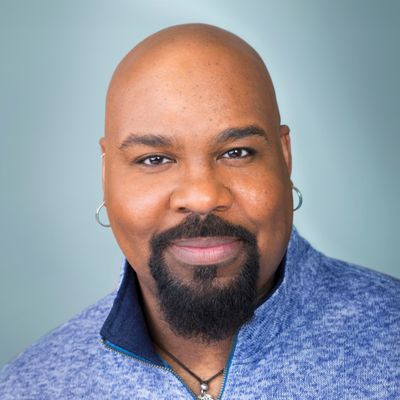
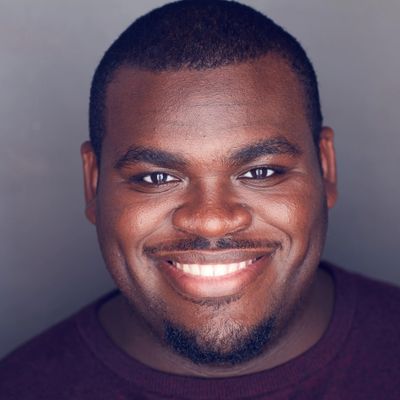
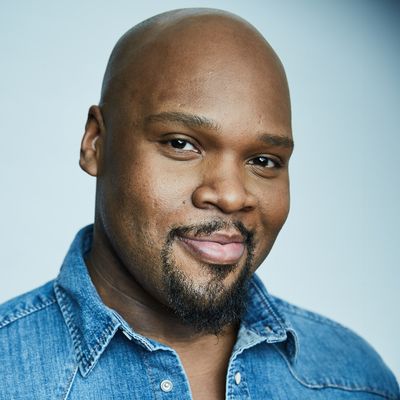
Join us for a discussion with Tony Award®️ winner James Monroe Iglehart (original Broadway cast Genie), Michael James Scott (current Broadway Genie), and Marcus Martin (North American Tour Genie) as they share their experiences and perspectives on what goes into creating a truly phenomenal Genie.
We go beyond the glitz and glam, revealing the dedication, inspiration, and mutual respect that binds these talented performers together with a wish, or two, or three!
Transcript
This transcript was automatically generated and might contain errors.
[0:00] Frank DiLella: Welcome to the Magical Making of Aladdin. This is Episode 3, Unleashing Genie. I'm your host Frank DiLella. Arguably one of the most difficult characters to bring to life on the stage is that of Genie in Aladdin. Obviously in real life we can't do the same things we can do in an animated film. Or if we could get close, could it even be sustained and able to be performed eight times a week? So how did the creators of Aladdin figure out how to bring all of the energy and pizazz of the animated Genie to life on stage? To find out, we get to hear from the original Genie himself, Tony Award winner James Monroe Iglehart, Marcus Martin, the latest to play Genie on the national tour, and Michael James Scott, who began as the original Genie standby and now, ten years later, is the current Genie on Broadway. James, I want to start with you because you are the creator of the Genie as we know it for the musical stage. How did you get involved with Aladdin?
[0:27] James Monroe Iglehart: I was at home. I was at home. I was in the middle of doing the musical Memphis and I was doing what all actors act like they don't do. Most actors act like, hey, you know, when I'm not in the show, I'm doing everything but looking at acting, which is absolute BS. Most of us are still on Playbill and most of us are still on Broadway.com FOMOing about what everybody else is doing. And I was on there too. I was looking at what are the new shows I want to see? And there was an ad that said Aladdin was coming to the Fifth Avenue. As an aside for our listeners, the Fifth Avenue theater is the theater in Seattle, where as we know now, the first public production of Aladdin took place. I literally jumped up. This is no joke. I jumped up, screamed at my wife, they're doing Aladdin. They're doing Aladdin. I've got to be a part of this.
[0:52] Frank DiLella: Why though? Why did you have to be a part of it?
[0:55] James Monroe Iglehart: Because I was an Aladdin fan. And I've told this story before. When I was 17, my mom took me to see Aladdin as my graduation present. We went to see the movie Aladdin. And I'm a huge Robin Williams fan, huge Disney fan, huge Alan Menken fan. So all those things together, I wanted to see it. And then when Friend Like Me ended, I leaned over to my mom and I said, I wish I could do something like that. And I called my representation and I said, hey, they're doing Aladdin. What ended up happening was Casey Nicholaw was directing Book of Mormon at the time. And they were about to go to Broadway. And while he was in one of his rehearsals, I have to give him much credit. He looked at John Eric Parker and Asma Rett, who is now, you know, assistant directing all kinds of things now.
They were both in Book of Mormon. And Casey said, I'm looking for a guy for the genie. And they both said, have you heard of James Iglehart? And then Jared Gertner, who I did Spelling Bee with, said, oh my God, James is a huge Disney fan. You've got to call him. Casey didn't know who I was. Casey saw Memphis, saw me do Bobby, called my folks. And that's how I got an audition because I was in the last round. They had gone through two rounds of audition for genies and hadn't found anybody. And that's how they found me. I mean, you put it out there, right? You put it out there.
[3:15] Frank DiLella: Big time. Michael James Scott, I want to go to you next. I know you joined the team after the Seattle production, but how did you get connected to Aladdin in the first place?
[3:26] Michael James Scott: My journey began when I was asked to come in to read the genie in a reading where James Monroe Iglehart could not come in to do it. And he was the only one from, at that point, they had done it in Seattle. And they wanted to show some of the, you know, our top creatives and wanted them to hear the changes. He could not come in. And so at the time I was doing the Book of Mormon, another Casey Nicholaw show, and he asked me, would you come in and do the genie for this reading? And I was like, sure. I came in. That was only Wednesday. On Thursday, I learned the show in Tom Schumacher's office. Maybe I had like a two-hour vocal rehearsal. And then on Friday, I had a little session with Adam Jacobs, who was the original Aladdin in the show.
And then on that Saturday before my matinee at 10 AM was this reading presentation. And I walked in and there were all these microphones set up and like all the things. And I was like, what is going on? So I saw Casey Nicholaw and I was like, excuse me, can you step into my office, please? He was like, what's up? I was like, you didn't tell me that all these people were going to be here. And he was like, oh yeah, just do your thing. And I was like, oh my God. It was basically my audition for the role. And there I was. And you know what was amazing about that, Frank, when I really think about it? I'm so glad Casey did not tell me beforehand who was going to be there and what it was for and sort of like how big it was for them that they needed to have this presentation for themselves, because I would have been in my head probably about so many things, but I didn't have time to be in my head. I just did it. I just was like Michael James Scott. And I was just like, okay, here we are.
[5:35] Marcus Martin: My journey with Aladdin began also when I was a teenager, very similarly to James, and it started with James. I always say seeing James on the Tony Awards, I was 16 years old, Aladdin had just hit Broadway, and I'm watching the Tony Awards as an aspiring actor. And I see James Monroe Iglehart perform Friend Like Me. And it gave me permission to dream of more, because up until that point, I'd been told all the reasons why I would have trouble making it as an actor, right? Well, you need to lose some weight if you want to be taken seriously. And you need to be like a tenor tenor, and you need to do this, you need to do that. And everything that they were telling me that I wasn't, James was. And he was winning a Tony for it.
And like I said, it gave me permission to dream of more. And so from that moment, I decided that within five years of graduating college, I was going to play the genie in Disney's Aladdin. And I worked on the material, I studied James. I mean, I watched every interview, every Broadway.com vlog that he did. Yes, I watched all of those. I mean, anything that I could put my hands on with Aladdin. And when it came to the genie, when it came to this amazing role, I watched and I studied and I was very intentional about wanting to play this character. And so I graduated college in May of 2020, which is a great time to graduate with a degree in singing for large groups of people. That's the perfect time to get that degree.
So, you know, I graduated, but I knew that this production was coming. And so when I met my agents, the first time I met my agents, what do you see yourself doing? The first thing out of my mouth was the genie in Aladdin. I want to be the genie within five years of graduating college. And thanks to God, what I thought would take five years ended up happening in two and a half. And I'm so blessed to be a part of this legacy. And I owe it all to James. Truly, I owe it all to James. That is the power of representation matters. It really does. And so I owe it all to this brother right here.
[7:34] Frank DiLella: James, I want to go back to creating the character because obviously you did Seattle, you did it in Toronto, which I talked to a lot of your original colleagues about. I was there in your opening night in Toronto and we've talked a lot about how it was a completely different show. Let's go through the stages of getting Genie to what we know today, which is what we see on Broadway right now at the New Amsterdam Theatre.
[7:59] James Monroe Iglehart: The fun part about that was trying to broker the situation between what people knew from the film, which was done by the iconic and legendary, one of my favorite comedians ever, Robin Williams, and how to bring that to Broadway. So how do you make a genie-esque feel? So it feels like the genie, but we're not robbing Robin Williams. And we're also not just going, hey, we're going to just put a part character up there. And one of the things that helped me out was talking to Jonathan Freeman. The original Jafar. Jonathan Freeman pulled me aside and said, you realize that, I don't know if you know this or not, but Howard Ashman and Alan Menken originally wanted the genie to be black. They wanted him to be based off of Cab Calloway and Fats Waller.
And that's where Howard and Alan went. And once I found out that information, that freed me up to go, oh, okay, then that means I can go a whole different direction. So I was like, what is funny to me? What is funny to me? And what is Genie's character? And Genie's character is this flamboyant, amazing, mythical creature. But deep down, he really just wants to be free and have a true friend. Yes, he's got all these powers and all these things that he can do. But to his core, he really just wants to be free like everyone else. But you have your barrier, you have your shield to protect yourself. So his jokes, his songs, his flamboyant amazingness is all there to protect the fact that he doesn't want to get hurt again by some other guy promising to free him and knowing that's never going to happen.
So once I realized that, that was Genie. Everything else I could put in myself. So all the silliness that I would do to my wife in grocery stores or in places with my kids or all the dumb stuff I would do, I thought was funny. I said, I'll just bring that to rehearsal. And if it gets a laugh, I'll try it. And if it doesn't, we'll just keep going. So that's how the character evolved with the freedom of knowing that I didn't have to literally step into Robin's shoes. I can step into the Genie's shoes that Howard and Alan saw and then bring my own silliness to it. That is what helped create my Genie. And to watch these young men bring their own flavor to it has always been so much fun because each dude is funny as I don't know what, you know, when you watch them do it, you kind of go, yeah, that's exactly how it should be done.
[10:40] Frank DiLella: Michael, taking a moment to build on what James just said, when you joined the production, Genie was still in the process of being defined and polished. Were you two able to work together at all to discover how you could each wrap your own strengths around the core of who Genie needed to be?
[10:46] Michael James Scott: From the jump, we had these little Genie moments, little Genie nuggets of wisdom that we both would talk to each other about because he would come to me and be like, what do you think of this moment? And we would share those things together. And I think, I mean, one of the major things that we both really connected on was really the heart of the Genie. Like there was obviously there was the showman part, but like what we really connected on was like stripping away that. And like, what's the depth? Like where can we get deeper? And where can we go with this thing, this entity that is the Genie? And so what was fun was he would tell me what things worked for him on stage. And he would be like, it felt like this for me.
And I would say, well, what I saw was this. So that was a real awesome, like camaraderie moment for us both being able to connect and really figure out. So those, it was just like little things like that that he would share and we would work out with each other.
[12:09] Frank DiLella: How'd you find the balance of, you know, obviously looking at the blueprint that James created, but then also making Genie Michael James Scott, because it's a very different Genie compared to what James created.
[12:16] Michael James Scott: Yes. And that's the beauty of it. You know, it was, it's obviously a very daunting task to be told you're going to play the Genie. It's like, wait, what? But what's been amazing is all from the jump.
[12:21] Michael James Scott: From the moment I started, the creative team said, we want you to be you, period. They were like, don't do James, don't do Robin, don't do, you know what I mean? It was like, do you. We are, like, this is what we, you were hired for a reason. We want your version of the genie. And that's really how I was able to really do it. You know, I was in the room when it was being created on Broadway, watching James, it was more of just watching someone who I respect so much do his thing. And I always knew that my thing was going to be different because literally we couldn't be more different in terms of how we are. So that was a relief to be able to be told, we want you to be you. And honestly, it made it much easier to be able to do that because I can't do James. I have to only do my Michael James Scott. So that's really where it was. I've got, I really got, I got the real freedom from the creative team.
[13:25] Marcus Martin: Yes.
[13:27] Frank DiLella: We'll be back with more from James, Michael, and Marcus right after this. Marcus, I've seen your genie many times. I've seen Michael James Scott's genie. Talk about finding your own genie because so much of this character is putting your own stamp on it, which in some ways is a great freedom, but in other ways, it's kind of scary.
[13:58] Marcus Martin: It's very complicated, right? I mean, first of all, I'll start off by saying that I have so much reference for all of the genies that came before me, right? I stand on the shoulders of these legends. And while I want to make my own genie, it's always my intention to still do right by them. The mountains that James had to climb on and off stage to build this character, to give me the experience that I've now had with this character. But yeah, making mine was, it was a beautiful experience. I mean, one, having Thomas Schumacher and Casey Nicholaw look you in the eye and tell you that they trust you to make your own genie. I mean, that automatically gives you a sense of freedom, right? It gives you a sense of relief.
I mean, I just got to be as silly as I wanted to be in rehearsal and I call it Marcus-isms. I got to add my own Marcus-isms to the character. I can't thank the team at Disney enough for kind of giving me that freedom to be able to make my own genie. Every comedian has their style, but funny is funny. Certain things are just funny. It's just the way you as the actor play with it. If you can get genie the character down, you've got half of it. If you as an actor are funny, you'll bring your style of comedy to it. If you've got genie, you've got the show. You've got half the show. If you're funny, you've got the other half of the show. So you have to bring your style of comedy. So I had to make jokes about Wakanda.
I had to make jokes about, is the dress blue or silver? You know, where Marcus would have to do jokes about today. Like he'd have to take things off of memes to put them into the show. And this was something that Thomas Schumacher said to me. I made a couple of jokes and Tom said, we can't do that. And I said, why? It's funny. He goes, I know, but I want the show to always be timeless. I want the show to always be classic. The only times in the show where the show can be contemporary is when genie makes a joke in certain places. But if you were to take those jokes out, the show is still funny and it's still timeless. The musical will always be timeless because the only time the jokes are timely is whatever the genie brings to the show that night.
So the jokes that I did in 2017 will be completely different than the jokes that the genie does in 2024 because only the genie can bring in timely jokes to a timeless show. And once he told me that, I was like, now I understand what jokes I can do and what jokes I can't.
[16:21] Frank DiLella: Yeah. And the contemporary jokes are always so much fun. Marcus, since you moved from city to city on the tour, did you use the same jokes or did you have to come up with new ones?
[16:33] Marcus Martin: At one point, you know, I was doing the cha-cha slide and at the kickball chains, kickball chains, trenches, trenches, trenches, dun, dun, to the left. Hey, bring it back now y'all. One hop this time. And we ended up cutting. We ended up cutting it.
[16:46] Frank DiLella: Oh, I love that.
[16:48] Marcus Martin: We ended up cutting. It ended up not working, but yeah, I mean, it was amazing. And you know, it's, it's obviously, it's all about, you can't let it get away from you because the thing that's about this show is that because people know the story already, they can get ahead of you.
[17:01] James Monroe Iglehart: Yes.
[17:01] Marcus Martin: And you never want them to get ahead of you. Casey was really big on that. We can never let the audience get away from us, um, because they already know the story. They know what's happening. Um, you know, and, and with, with the modern jokes, of course we got to throw the modern jokes in there, but it can't become just a big episode of, you know, wowing out or whose line isn't anywhere where you just, where you're just throwing in as many cultural references as you can. Cause once again, you start to lose them. Um, and it, and then it feels forced at some point, you know? And so obviously being on tour, I can throw certain things in there. So, you know, there's a line about curly fries. And when we were in Chicago, I changed girly fries to carrots, carrots, popcorn, because, you know, there's, there's certain things that you do in different cities to kind of, you know, one to cater to the people and to make, make sure that they're still with you, but you still have to maintain the integrity of the show. You still have to maintain, you know, the realness of Agrabah. Um, and at the end of the day, that all comes down to honesty and truth.
[18:01] ♪ Musical number: "A Whole New World" — performed by Marcus Martin ♪
[18:17] Frank DiLella: James, when did you know that the character of Genie was clicking and that the show was clicking across the board? Your colleagues have shared that they were scared and even nervous in Toronto, not knowing whether or not the show was even going to work. You guys went back to New York and started rehearsals earlier than expected. Then you start to experience this new version of Aladdin at the new Amsterdam Theater. But when did that click for you?
[18:44] James Monroe Iglehart: It wasn't the characters that weren't clicking. It was the show structure that wasn't clicking. We knew we had the characters. We knew we had the songs. We had to find the structure that made the show flow well. It's like, what do we do to make sure that the flow of the show is entertaining from the time you sit down to the time you leave? So that was fun and challenging watching our creative team create new things to help just the show flow from start to finish. From that, they allowed us to play more. So every time they changed, I got to change. Every time they changed something, I got to rewrite something. It was honestly when we got to the end of Toronto, we knew we could feel there was a different energy in the room.
And they had already told us, look, we're writing something different. Casey was like, I just can't watch the show anymore. So for like a week, Casey didn't watch it because he had already written the new parts in his head. So he couldn't see the old parts. So what he would do is he would watch the beginning, he'd watch the end, and he'd go off and work and they'd write new stuff. So at the end of Toronto, they did it like James Bond. They walked up to me with this manila folder and they were like, don't open this till you get on the plane. And I got on the plane, it was like a new song. And it was like, all of a sudden, the genie was doing the opening now and we didn't know that. And the genie was going to do this, all this stuff. And then we went to rehearsals and that first rehearsal, when we put it all together, we went, oh, snap. Okay. This, this, this is it. This is going to work.
[21:41] Frank DiLella: And the fun of my, one of my favorite stories is the one thing we didn't have was genie's opening monologue. We, we had, we had gone through rehearsals, rehearsals, rehearsals, and opening preview night. We were downstairs in the basement of the new Amsterdam and we were rewriting the monologue. We rewrote the monologue and the monologue we rewrote that day that I said that night is the monologue that is now said all the time. But it was a couple of hours before we went on stage that we wrote this brand new monologue where we bring out the statue of liberty or whatever prop that they have that thing, what we did, what they're doing was written before we went on stage. When the audience was outside walking in, I was literally memorizing it while I was eating my food, getting ready to go on stage to do it.
And you know, we were still nervous, but once the audience saw it, we were like, yep, there it is. And then they kept tweaking until opening. No joke. Cause what am I saying? Casey's still tweaking now, but so, you know, that, you know, that, that's that's when we knew we had something.
[21:41] Frank DiLella: Let's talk about building "Friend Like Me," because that production number is epic. Every single time I've experienced it, whether it be on Broadway or on the road, it always gets a standing ovation. I mean, what was that journey like that mini journey of building that number, James?
[21:56] James Monroe Iglehart: It was actually, it was actually epic because even I was wondering what the heck we were going to do, because, you know, you have to remember in the movie, I think the, I think the number is maybe two minutes. If that maybe two minutes in like 10 seconds, something like that. And, you know, in, in, within two minutes, Jeannie takes off his head and juggles with it. He turns into a purple dragon. He makes pink elephants and monkeys dance. And there are thousands of women and there's all good. How do, what can you do on stage? What, what kind of Billy billion dollar budget do you need for me to be able to take my head off and juggle with it? And Casey came up with this great idea. He said, we're going to go old school.
We are going to start this with two people on stage and we are going to build this old school musical style. That's just going to get bigger and bigger and bigger and bigger and bigger until we're going to go to classic Broadway, full Broadway theater. We're not even going to apologize. We're going to go right into this gigantic tap number and take this place out. And as we started building it, it was so much fun to do, but it was also so tiring because we worked on that for a week. Like every day it was friend like me and we would build it from just me and Adam to the guys coming out to the ladies dropping to the jokes, to the middle, to the dancing with the scimitars or dancing with the stars moment.
I mean, it just kept getting bigger. And the first time we ran it and we've finished friend like me and everybody's hands went up and they were, don't stop. Everybody just fell to the floor. Everybody was dying. Nobody made people like we're not going to make it, but we all knew we had something. And every time we ran it, we knew. But when I say that it just kept, what was great was Casey saw it in his head. You need a director that sees the vision in his head. And in his mind, he said, we can't do what the animated version does. So what can we do as humans that people won't think is possible for my challenge was being a bigger guy. How do I do this and make it look like I'm not tired at all?
Because my, my goal was to put this joke at the end of the song was after we do friend, like me, I get up, I say a bunch of jokes and then I fall. I breathe really heavy, heavy, and then boom back as if nothing happened. Just keep going. The only way to do that was to literally be not tired. So I started doing friend like me on the treadmill. If I could do it on the treadmill.
[26:42] Frank DiLella: The Major you refer to, of course, being Major Attaway, who was also a genie on Broadway.
[27:12] Frank DiLella: Don't go anywhere, we continue to talk about Genie right after this break.
[28:02] Frank DiLella: Let's keep talking "Friend Like Me," since it's a number I love so much. Marcus, is there a moment in that number that you look forward to whenever you do it?
[28:37] Marcus Martin: This is your moment to embrace your inner Luther Vandross. I look forward to seeing my own spin on these Disney classics and see the audience reaction. They don't see it coming, right? We're in Agrabah land for so long. To hear their reaction when we take them out of that and put them into "Beauty and the Beast" and put them into "Pocahontas" and put them into these other classic shows and classic songs, they absolutely lose it and it's so vindicating seeing those people light up, seeing the surprise. I know that we nailed it once we get them on that end. Doing this number has been such a joy and I'm so blessed that I got to get some of that wisdom from James. James has been so kind to me. I recognize how privileged I am.
Not a lot of people that get to do a show on tour at the time, eight years after it opened, gets to just chop it up with the original person that played that character and get all the secrets and get all the wisdom. That's such a rare gift and such a blessing. And so, yeah, all those things he told you about, you know, throwing in the ad-libs to encourage your cast. You best believe I took all of that. Those one o'clock Sunday matinees. Oh, I'm giving. Come on now. Yeah, I'm calling out names. If it's somebody's birthday, I see your birthday girl. You know, I'm doing all kinds of stuff. If somebody is making their debut as their last show, you know, last time, make it good for you. Whatever the case may be.
You know, I'm talking to my cast. I'm lifting them up because, you know, I know that that's James kind of gave me that responsibility. So this is your job. Being the genie is a lot more than just singing "Friend Like Me" eight times a week. There's a lot of things that come with being the genie. And like I said, I have so much honor and reverence for this role and for this show and for the people that played it for me. So when he said that, I took it seriously. I wanted to take that on. I want to do right by him.
[30:50] Frank DiLella: I want to shift gears. Marcus and Michael, you both have very unusual experiences with this show in general. Michael, you have been with this show now for 10 years through multiple productions. And Marcus, you took it out on the road after the global pandemic. I want to talk about those experiences individually. Marcus, we'll start with you.
[31:08] Marcus Martin: Yeah, I had a very unique experience with this show in many ways. I mean, one, it's not often that you get most of the original creative team to work on a second national tour. Right. That isn't very common. They've been wanting to tweak some things in the show. And so our new production was their opportunity to do that. So there were many times it felt like I was doing a workshop for a 29-hour reading that I was in the rehearsal process because they were just trying so many different things. And once again, they gave me a lot of liberty and freedom to make it my own genie and just to add all kinds of ridiculous things. So having that experience, you know, like I said, in a show that had been open for eight years at the time and, you know, coming off of the pandemic and inviting people back to the theater, you know, we were for a lot of these touring cities.
We were a lot of their first shows back. We opened up a lot of seasons for a lot of folks. There was a lot of folks that bought tickets to our show, you know, for Christmas that, you know, it was a Christmas gift in December 2019 that never happened until, you know, December of 2022. And these people were so excited. So, yeah, it was a very unique experience to be able to have this hands-on approach from the original creative team at this stage of the show's life. And it's a gift and it's something that I'll never forget for sure.
[32:20] James Monroe Iglehart: Can your friends do this? Can your friends do that?
[32:31] Frank DiLella: James, was it a tribute to be back on stage for the 10th anniversary performance and perform that second act number with the current Aladdin?
[32:39] James Monroe Iglehart: Listen. We were so happy that the show lasted six months. And to see that we've gotten to go a decade, a decade at the New Amsterdam Theater, when I'm dead and gone, that soundtrack will live on. And I know what it was like to listen to soundtracks from people who were gone and me go, wow, I wish I could have seen what that was like. And that's what's on vinyl. That's how old I am. When you put on vinyl, you hear the scratching to this music starts. And I was like, gosh, what was that like? There's going to be some kid who's going to be looking at MP3 and go, "Aladdin, who's James Iglehart?" Because they're going to say my name wrong. And if someone's going to correct them and they're going to go, oh, wow, I didn't know that was like that.
You know what I mean? And to look back and see all of the legends that we all the people that created the show with us, that Jonathan Freeman, you know, the only man to do a voiceover and to do a live on stage was there with us. And to come back and see that audience was it was such a great feeling because I said, okay, this is not about proving, you know, your perspective change that you get older. Now it's like this is a legacy show. We created an entity that was able to give jobs to other folks that look like me. Anybody could be an acrobat. Anybody could be in Aladdin and perform and anybody could get their equity card and get their Broadway debut or get their tour debut or go from college and go right into the show.
Anybody could see this show and you could be from eight to 80 and you can see this show and you can get the story because everybody wishes they were something else until they realize that all they need to be is who they were born to be. As long as they believe in it. When I looked up there for those 10 years and saw that, I said we did something. We actually made a show that matters. And the great thing is what I love about it is it just happens to be under the Disney name. Yet when you sit your butt in that seat and you hear "Proud of Your Boy," there is not one football-loving man that can sit there and not damn near cry thinking about his mama, whether she is proud of him or not. There is not one lady who watches that and sees her life and goes, no matter where you come from, poor or rich, you think you're stuck behind palace walls that you wish you could get over.
There is not one person who can sit in there and just wish they had a friend that had some magic that can snap their life into a better way. Our show does that and our show makes magic every night because we still haven't told anybody how that damn carpet works. So the fact that we can still do that, the fact that after a decade we can still make that kind of magic for people. Let me know that this was bigger than us. And that's how what a show is supposed to do. That's what a real good musical is supposed to do.
[35:48] Frank DiLella: Thanks for listening to Episode 3 of the Magical Making of Aladdin. Be sure to get tickets to see Aladdin the musical on Broadway or any of the international productions by visiting aladdinthemusical.com. Special thanks to our guests for this episode, James Monroe Iglehart, Michael James Scott, and Marcus Martin. Make sure to stay tuned for the next episode that does a deep exploration into the music of Aladdin on Broadway with Alan Menken, Chad Beglin, and more from the musical team. This episode is produced by Dory Bernstein, Alan Seales, and Kim Garris on behalf of the Broadway Podcast Network in partnership with Disney Theatrical Group. Audio engineered by Alan Seales and Sarah Goodman. Edited and sound designed by Alan Seales. Additional production design and content edits by Disney Theatrical Group and Natalie Ott and Molly Barson from Situation Interactive. And I'm your host, Frank DiLella.
© Broadway Podcast Network, All Rights Reserved