

Irene Sankoff and David Hein are a Canadian librettist and composer-lyricist couple, best known for co-writing the Broadway musical Come From Away... Read More
From the show: The Producer's Perspective Podcast with Ken Davenport
Guests
Featured Shows
About
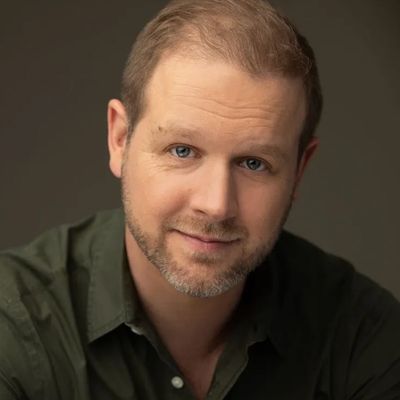
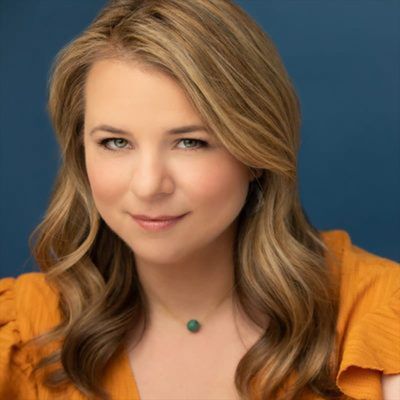
Irene Sankoff and David Hein are a Canadian librettist and composer-lyricist couple, best known for co-writing the Broadway musical Come From Away. After spending several years studying and working in New York the couple returned to Toronto where Hein wrote a song, "My Mother's Lesbian Jewish Wiccan Wedding", about his mother and her later life partner. Sankoff and Hein expanded the song into a play that became a hit at the Toronto Fringe Festival in 2009 and then picked up by Mirvish Productions for a run at Toronto's Panasonic Theatre before touring Canada. As a result of My Mother’s Lesbian Jewish Wiccan Wedding's success, theatre producer Michael Rubinoff approached Hein and Sankoff with his idea about a show based on Operation Yellow Ribbon in which residents of Gander, Newfoundland, housed 7,000 airline passengers who had been stranded at Gander Airport as a result of the grounding of all North American air flights following the September 11 attacks. The couple visited Gander in 2011 during the 10-year reunion of passengers and locals, and subsequently wrote Come from Away based on the stories they learned there.
Listen in to hear them talk about…
- Why they became musical theater writers solely to spend more time together.
- The Rules they have as a writing team to make sure they stay married…and stay writing together (these are worth the price of this podcast alone!).
- How to stand up for your script against big time Broadway veterans when you’re a rookie, and its importance to your show’s success.
- Why they never thought that Come From Away would play Broadway, and how that attitude helped get the show here.
- The importance of a day job as you’re on your way to write for the theater… or do anything in the theater!
Keep up with me: @KenDavenportBway
Transcript
This transcript was automatically generated and might contain errors.
[0:00] Ken Davenport: Hey everybody, before we get to this week's podcast, I wanted to let you know that I've got some big news coming up.
[0:05] Ken Davenport: Like a big announcement.
[0:06] Ken Davenport: Actually, a couple.
[0:07] Ken Davenport: I'm gonna announce it first on my blog at the ProducersPerspective.com.
[0:12] Ken Davenport: To make sure you don't miss out on this news, go to the ProducersPerspective.com today and make sure you subscribe.
[0:19] Ken Davenport: It's in the upper right hand box.
[0:20] Ken Davenport: Okay, go there now, subscribe, and now on with the podcast.
[0:24] Ken Davenport: I wanna be a producer with a hit show on Broadway.
[0:31] Ken Davenport: I wanna be a producer.
[0:34] Ken Davenport: Hello, everybody.
[0:35] Ken Davenport: You are listening to the Producer's Perspective podcast with me, Ken Davenport.
[0:39] Ken Davenport: Very excited to have two brand new writers to the Broadway scene this year who were nominated for just about every award this season, including the Tony.
[0:47] Ken Davenport: They also took home a Drama Desk Award for Best Book, and their musical won the Outer Critics Award, their Drama Desk Award.
[0:52] Ken Davenport: Please welcome to the podcast, the creators of Come From Away.
[0:55] Ken Davenport: Irene Sankoff and David Hein.
[0:57] Irene Sankoff: Welcome, guys.
[0:57] David Hein: Hello.
[0:58] Irene Sankoff: Hi, thank you so much.
[0:59] Ken Davenport: So all those nominations, all those kudos, of course, from Come From Away.
[1:03] Ken Davenport: Prior to that, they wrote the cult hit, My Mother's Lesbian Jewish Wiccan Wedding.
[1:07] Ken Davenport: And somewhere along the way they had their own wedding.
[1:10] David Hein: Yeah, yeah, we did.
[1:12] Irene Sankoff: We actually did.
[1:13] Irene Sankoff: We got married long before we tried working together.
[1:16] Irene Sankoff: So we sort of made sure that was solid first before we added any more stressors.
[1:20] Ken Davenport: So when did you start writing for the theater?
[1:23] Ken Davenport: Or when did you even think that was something you wanted to do?
[1:25] Irene Sankoff: So in 2009, we were married, and we never saw each other between day jobs and night jobs.
[1:30] Irene Sankoff: We were trying desperately to make it and make money.
[1:33] Irene Sankoff: And so we decided to do a Toronto Fringe Festival show.
[1:37] Irene Sankoff: We decided to write a musical together, mainly so we could spend the summer together and see each other.
[1:42] Irene Sankoff: And it went really well.
[1:44] Irene Sankoff: We did took off the uh the merchants in Toronto, picked it up, and we had to quit our day jobs, and suddenly we were musical theater writers, and now we spend every single day together.
[1:53] David Hein: It was very rare today that we were we were apart for like an hour and we're like, What did you do?
[1:57] Irene Sankoff: That was very weird.
[1:58] Ken Davenport: So tell me about like what were those first few moments of writing together like?
[2:03] Ken Davenport: Were you nervous about like uh I'm writing with my life partner?
[2:06] Ken Davenport: I mean, Steve Flarity and Lynn Aaron's were on this podcast and said, Oh, collaborating on a musical, it's like it's like being married to your collaborator.
[2:15] Irene Sankoff: That's just like that for us.
[2:17] Irene Sankoff: Was it I'm so fascinated by this, maybe because I wonder what working with my wife would be like.
[2:22] Irene Sankoff: But were you nervous that it would be difficult that you taking it to the dinner table afterwards?
[2:27] David Hein: I I think so.
[2:28] David Hein: I was anyway.
[2:29] David Hein: I know it was it was mostly David's idea to start writing.
[2:32] David Hein: And uh what happened was is he wrote the first script for My Mother's Lesbian Jewish Wiccan Wedding, and I read it and I was like, okay, let me look at this and let me play with it, and uh, you know, it's good, it's good.
[2:43] Irene Sankoff: And then we write into a friend of ours who said, What I'm so excited about this show is that it's a true story.
[2:48] Irene Sankoff: It's actually about David's mom.
[2:49] Irene Sankoff: And then I went back to the script and went, but we fictionalized everything.
[2:53] Irene Sankoff: Like we just we just it was basically Drowsy Chaperone, but like mix up mayhem and a gay wedding for real.
[3:00] Irene Sankoff: So we just I was like, David, we gotta throw this whole thing out.
[3:03] Irene Sankoff: We've gotta throw the whole thing out.
[3:05] David Hein: And it was it was almost done.
[3:06] David Hein: Like, we just gotta throw it out and start over.
[3:08] Irene Sankoff: And yeah, I don't think you were too happy with me at that moment, but then you were he just started revenge writing and it ended up being good.
[3:15] David Hein: Yeah, I was like, ah, this totally doesn't work.
[3:16] David Hein: See, we're gonna put our real life down on paper.
[3:19] Irene Sankoff: I like this, I like this.
[3:19] Irene Sankoff: We should look at this.
[3:21] Ken Davenport: So, this is what so we have a lot of writers that listen to the podcast, and I think one of the most difficult things that collaborators have to do is tell their partner that this isn't good.
[3:31] Ken Davenport: This isn't working, or not up to what you can do, which I feel like if you you guys are the best case for this because it's even harder when you have to go to bed together at night.
[3:41] Ken Davenport: So, what tips do you have out there for the other people working in collaborations to say, hey, you can do better than this?
[3:48] Irene Sankoff: So we have a lot of rules.
[3:50] David Hein: Um really?
[3:51] David Hein: Yes.
[3:52] Irene Sankoff: So uh we don't we don't talk about the show when we're hungry or tired or angry, which doesn't always leave a lot of time left over at the end of the day.
[4:00] David Hein: But basically, I mean I mean there they're similar things to be married, in that you're you're trying to avoid arguments, right?
[4:04] David Hein: Um we try not to talk about the show in generalities or are you know something that we've written like I don't like it.
[4:10] David Hein: You know, we try to be really specific about it.
[4:12] Irene Sankoff: And one of the things that Irene learned at school when she got her master's in acting, one of her one of her professors said, you know, before they even started, before they started the scene, he said, What are you trying to do and how did it go?
[4:22] Irene Sankoff: And then afterwards, how did it go?
[4:23] David Hein: Yeah, right.
[4:24] David Hein: So we have a uh so when we first start out putting anything on paper, we send it to each other and we say, Here's what I was trying to do, and here's how I think it went.
[4:31] Irene Sankoff: It saves so many arguments because you because you you go into it instead of just saying, Hey, I wrote something, what do you think?
[4:37] Irene Sankoff: And and the other person has no idea whether you like it, whether you hate it, whether you think it's the best thing in the world, instead forces you to take a pause and step back and say, What was I trying to?
[4:46] Irene Sankoff: Did this work?
[4:47] Irene Sankoff: And then you actually send it to them and say, I hate this completely, but I do like this one word.
[4:51] David Hein: And that's a very different thing from I love everything except this one word, right?
[4:56] David Hein: Uh so and and then it makes the other person take a step back and say, What do I think about this?
[5:00] David Hein: You know, there's there's there's something really good about not just leaping in to saying something in a marriage and in a partnership, and uh that's really helped us.
[5:08] Ken Davenport: I love this angry, tired, or hungry rule.
[5:11] Ken Davenport: Only because I literally was in London with my wife over the weekend, and we made a rule whenever she was hungry that she should just eat and not wait for me ever.
[5:20] Irene Sankoff: Yeah.
[5:20] David Hein: So these rules are great.
[5:21] Ken Davenport: You should write a book on actually relationships as well as uh the next show.
[5:27] Irene Sankoff: It is it is hard though, like uh uh you know, trying to keep it out of you know, if if the day went bad, it it like we're lying in bed still talking about the show.
[5:34] Irene Sankoff: It's hard to divide your time between married uh co-writers.
[5:38] David Hein: But at the end of the day, it's something really wonderful about being working with someone who loves you and who you know loves you and who you trust implicitly and who you're focused together on the same goals in life, and so you know you know there's nothing behind it what they're saying.
[5:53] David Hein: They're literally trying to make you as successful as possible to make the best project possible.
[5:57] Irene Sankoff: And at the end of the day, you go to bed and you know they love you as you know, it's amazing.
[6:01] Ken Davenport: So what uh you were an actor before studying acting, and then you were a songwriter before primarily, and you both transitioned, which is what I I also love about the story.
[6:10] Ken Davenport: So, what gave you the courage to think that oh, I I'm just now gonna write?
[6:14] Irene Sankoff: I can I can just do this now.
[6:16] Irene Sankoff: I guess because it was the Toronto Fringe Festival, and I've seen a lot of fringe shows, and I've seen some very, very good ones.
[6:22] Irene Sankoff: You know, Drowsy Chaperone, Toronto Fringe, uh Kink of My Hair Came Out of the Fringe, but I've seen other shows at the fringe.
[6:29] Irene Sankoff: And so there seemed to be a lot of room to sort of just get out there and make mistakes and just figure out what our voices were.
[6:36] Irene Sankoff: And and honestly, you know, it wasn't something that I necessarily knew that I was good at at least, so I didn't really have high expectations if that makes sense.
[6:46] Irene Sankoff: You know, it wasn't like, oh, it's gonna devastate me if I get you know bad reviews on my writing.
[6:51] Irene Sankoff: It's like, uh so there's a little bit of a freedom to just going in and just saying things the way I wanted to stay instead of trying to sound like somebody.
[6:57] David Hein: She has a creative writing degree.
[7:00] David Hein: She studied writing.
[7:01] David Hein: And that's I've taken a screenwriting course once.
[7:05] David Hein: I didn't get quick writes.
[7:07] Irene Sankoff: That's the thing.
[7:07] Irene Sankoff: Like screenwriting.
[7:09] David Hein: That's why.
[7:10] David Hein: But we actually we we realized uh we realized that we first collaborated in her in her last year at school when I I had I just graduated the year before and I was hanging out at her res room, giving her bad grades and she was doing a psych degree and a creative writing degree, and she had to get her thesis in, and so I was I was trying desperately to help edit, and we looked back and we're like, oh, that was our first collaboration.
[7:32] Ken Davenport: And do you think you'll write another musical together?
[7:35] Irene Sankoff: Are you started already on something?
[7:36] David Hein: Yeah, yeah, we have.
[7:37] David Hein: We have.
[7:38] David Hein: And we are desperately just trying to find time to do that.
[7:42] Irene Sankoff: I we also have a daughter who's about to turn four, and we just moved to the city, and we are desperately desperately trying to be like, what does our life look like now?
[7:52] Irene Sankoff: How do we write now in this new city with these I mean it's it's all new to us.
[7:57] David Hein: Like even when we started our first show, Molly wasn't born yet, so we had all the time in the world.
[8:02] David Hein: We could start at four in the afternoon and go in the four in the morning and then sleep till three in the afternoon.
[8:06] David Hein: You know, it it was fine, and now no, she's gotta get up, she's gotta get to school, we gotta feed her, we gotta pick her.
[8:10] Irene Sankoff: So it's we're figuring it out.
[8:11] David Hein: Yeah.
[8:11] David Hein: It's also it's like it's a good champagne problem to have that Come From Away still keeps us really busy.
[8:16] Irene Sankoff: Yes.
[8:16] David Hein: That's true.
[8:17] David Hein: And then there's a lot of new projects uh, you know, coming from there that we're excited about that we don't have time for.
[8:22] Irene Sankoff: But but yeah, we would love more time and we're and we're we've got a bunch of new things that we're really excited about.
[8:27] Ken Davenport: So let's talk about that a little bit, because uh My Mother's Lesbian Jewish Wiccan Wedding, Come From Away, which even your producers on this podcast said everyone calls it the 9-11 musical.
[8:36] Ken Davenport: So these are interesting subjects for musicals.
[8:39] Ken Davenport: What draws you to something that and says, ooh, yeah, that I want to write that for the musical stage.
[8:46] Irene Sankoff: I think uh like when we first started My Mother's Lesbian Jewish Wiccan Wedding, it was I had written a song called My Mother's Lesbian Jewish Wiccan Wedding, and I used to, I was touring as a singer-songwriter, and the the whole humor of the piece was just that I said the words my mother's lesbian Jewish Wiccan Wedding over and over again.
[9:00] Irene Sankoff: But what happened is we started I started telling the story, and initially we thought, you know, this is just a story about my family.
[9:06] Irene Sankoff: Um but it turned out that people were really interested, and they were like, No, that's that's really strange, and you should turn that into a show.
[9:12] David Hein: So I I think I think part of it is stories that that we've have fallen in love with along the way that we that we sort of get to know.
[9:19] Irene Sankoff: New you know, the the Newfoundland story was was something that inspired us, uh, and and then we and we found even more inspiration by going out to Newfoundland and meeting all of the people uh who had returned for the 10th anniversary who you know every single story was better than the last one, and it was something that we wanted to uh, you know, every story we were like, I can't wait to tell that to someone.
[9:39] David Hein: Uh and there the music behind that was music that I loved that I had never seen on a Broadway stage that I I thought would be really fun to combine in a musical theater perspective.
[9:49] Irene Sankoff: And so there's something about the true stories that we've fallen in love with that we can't wait to share with people.
[9:53] Irene Sankoff: That those are the that's what that's what's currently you know inspired us, and at the same time, we're like this is our second music, so we're we're we're open to lots of things.
[10:01] David Hein: I I think for me I'm I'm drawn to extraordinary stories about love, you know, like about people doing things that are unusual out of kindness or out of love, like I like David's mother's story is about her and her partner meeting and falling in love and then raising David as as they sort of negotiate their Wiccan and Jewish uh faiths and Come From Away is about people who who who didn't have to take people off of planes that they didn't know, and not only take them into their town, but take them into their home.
[10:35] Irene Sankoff: So I, you know, I I just like sort of like, you know, like staggering acts of of being nice.
[10:39] David Hein: And it's not just nice, it's not nice because it's also it's also really brave, both stories.
[10:44] David Hein: The people in them are very, very brave and and really intelligent, yeah, and strong.
[10:48] Irene Sankoff: Yeah, we talk a lot about how the the kindness and Come From Away is what was what we normally end up talking about, and the generosity, but you know, the fact that the people brought them off the planes, invited them into their homes.
[10:58] Irene Sankoff: They didn't need to, they could have left them cooped up there, they could have kept them separate, and instead they invited them into their lives, and uh what could have been 7,000 people scared and angry and divided became 7,000 friends and family members and something really smart and uh you know as policy that's a really amazing thing to celebrate and share.
[11:16] David Hein: I think we we also look, we always look you you know, maybe it's because we're performers as well, but we look for uh you know, parts with a lot of diversity that you know we always want to write for for young and old people and people from all backgrounds, and we we want to share stories that we're excited about all over the place.
[11:31] Ken Davenport: So go back in time a little bit.
[11:33] Ken Davenport: You make a decision, okay.
[11:35] Ken Davenport: We're gonna write this musical called Come From Away about what it's about.
[11:39] Ken Davenport: What's the very first thing you did?
[11:41] Ken Davenport: Like you're staring at a blank screen, you've got a guitar, a piano, whatever.
[11:48] Irene Sankoff: The thing that we always like, I mean, I think we start with research and talking, and and that and that leads us so far down.
[11:55] Irene Sankoff: I mean, Come From Away started with what's the story, and then we did a lot of research on the internet.
[12:00] Irene Sankoff: We reached out and phoned people, we watched documentaries, we read books, we read you know, forums online of people who had been there.
[12:07] David Hein: And then we also went on, you know, this was before we had a daughter, so we went on long walks and long car drives where we would just talk about what it could be and how we were inspired by the Laramie project.
[12:17] Irene Sankoff: And and what one of the great things was we applied for a grant, and in applying for a grant, we we actually identified the people we wanted to talk to, the stories we thought might be interesting, the places we thought we needed to go to do our research, and then just dove in and came back with you know a million pieces of paper and a million stories.
[12:35] Irene Sankoff: And so that that's the first thing that really starts us off is this is this long period of research and really done talking.
[12:43] Ken Davenport: Now you're you're developing this musical, and it's affectionately referred to at times as the 9-11 musical.
[12:48] Ken Davenport: I'm sure many times along the way you had people like you're doing a musical about what?
[12:53] David Hein: How do you deal with any naysayers along the way about subject matter or what you're pursuing?
[12:58] Irene Sankoff: Were you faced with that along this journey?
[13:00] David Hein: Yeah, absolutely. You know, we quickly discovered it was more of a 9-12 musical than a 9-11 musical. It was about what happened in response to this event. And you know, when we're getting to a time where a lot of people who end up in our audiences weren't even alive at the time, or they were that of 9-11, or they were three, four years old. And you know, it's like they say at the 9-11 museum, it's where memory is starting to meet history. And you know, we're on the same street as Bandstand, which is Second World War, Great Comet, it's not about a tragedy, but it's also about a time in the past set against the backdrop of a war.
[13:36] Irene Sankoff: This is true, that's right, of course. Uh Amelie, you know, was the moment that you know, there's something triggered by the Diana car crash. You know, there comes a time where we write stories about our history, and you know, and this is sort of a sideways angle at it, that is something that happened in response to this terrible event. And you know, and it's when we don't focus on that. We write from the moment you walk into the theater, you see the trees, you see the wood, you see the blue, and you're like, oh, I'm gonna be safe here. This isn't anything I don't want to see.
[14:07] David Hein: Yeah, we say come to Newfoundland. This is a story about what happened in Newfoundland. And that was important to us. It's been important to our directors, our producers, everyone, because we were here on 9-11. My cousin was in the towers, but fortunately got out. And we didn't want to tell that story. And at the same time, you know, when we went out to Newfoundland, we realized there was so much about what happened out there that resonated with us. We were living in New York at a residence for international graduate students. So we were in this community of people from 110 countries from around the world, all taking care of each other, supporting each other through music. There was a lot of musicians who would pull out a piano and start playing, and that brought us together as a community.
[14:44] Irene Sankoff: And also just what happened in New York, the kindness that we saw on the street. I remember you could reach out to anyone at any time and say, Are you okay? How are you doing? There was candlelight vigils where strangers would come together. And at the same time, we were all putting on theater. We were working on shows at the time, and we didn't expect anyone to come three days after 9-11, and instead they were packed. And I think it was because we all wanted that community, we all wanted to come together and have a shared experience and recognize that we are all in this. And that's one of the things that we've learned about Come From Away is this isn't necessarily a Canadian story, it's not just an American story. This is a universal story that people from all over the world have related to in some way because we were all going through the same thing at the same time.
[15:23] David Hein: And there's been something interesting about we're very careful about the language that we use. We don't say the word Trade Center until the very end of the show, and we're very cautious with that. What's been interesting is the kids who weren't alive when 9-11 happened come to the show, and there's even though it's very specifically said in Newfoundland, very specifically said on those days, it becomes a piece about how we can react in any tragedy, how we can react to any event, and hopefully how we can react on any day.
[15:52] Ken Davenport: Yeah, and I'll tell you, you talk about the look born out of stories born out of love, and that's what I took away from the show. Certainly. I could never imagine so much joy could come from such an experience that I was here as well, and I just credit that so to you guys. There's so much love and joy in that musical, and it's impressive, incredibly impressive.
[16:11] David Hein: Thank you. Did you ever think when you were writing it, like, uh, Broadway musical someday? We'll be at the Tony Awards, we'll pick up the Drama Desk.
[16:18] Irene Sankoff: No, this is shaking our heads really loudly. No, no, we thought we had a slam dunk with Canadian high schools and colleges because there was a little known town in Canada that was mentioned, and I frankly I didn't think we'd ever perform at all in the States, you know, especially having lived here at one point. You know, we were like, mm, this is probably not transferable. So every step of the way, we've just been like, uh, okay, you know, let's do this workshop at Goodspeed with students. Uh okay, let's go to the NAMT festival. Now we're going to La Jolla. Oh, okay. You know, like it's just been amazing.
[16:53] David Hein: It's been amazing. And I do think you will have a slam dunk with Canadian high schools eventually, if they ever get a chance to perform because it's gonna run here a very, very long time.
[17:02] Irene Sankoff: We can't wait, actually. We're the whole creative team has agreed that like the first high school production in Newfoundland, we were all flying out to see. We want to see like sixty kids all playing trees and a holds and yeah, yeah.
[17:14] Ken Davenport: Will either of you ever perform in the show?
[17:16] David Hein: That'd be anywhere.
[17:17] Irene Sankoff: Yeah, it would be a good one.
[17:18] David Hein: Even Melloy's doing it down the block, right?
[17:20] Irene Sankoff: A little bit, you could do it at some high school somewhere.
[17:24] David Hein: High school that I'm teaching at. We'll play it for you.
[17:26] Irene Sankoff: Yeah.
[17:27] Ken Davenport: So you talk a little bit about the developmental process. You had a number of out-of-town tryouts, if you will, right? Talk to me about that process. How much did the show change from when you went for the first major stop to where you landed on Broadway?
[17:39] David Hein: It feels like it's changed like a million different ways, and yet it's still the same show. The style of the show is still very similar, but there's been some pretty big shifts. Um Sue and Randy, who are here actually said to us, we used to have an intermission, and they said this was an experience that everyone went through in one chunk. There wasn't a period where everyone could step back and have a drink and go to the washroom and say, You think it's going, you want to leave? Yeah, you know, um, so we took that out, which cut everything down even more. Chris Ashrelia challenging us to, you know, raise the tensions, find the connections, streamline it smoothly. There's been a million questions he has asked us, and it feels like we've challenged every single word of the script.
[18:19] Irene Sankoff: There's some characters who we hadn't interviewed when we started at the beginning. So there's a mother of a firefighter in Gander who befriends the mother of a firefighter in New York, and we'd only met Fiula at Gander, but we hadn't met Hannah here. So along the way, we met her and interviewed her, and that gave us permission to write a song for her when we first came into New York.
[18:41] Ken Davenport: Who do you think you learned the most from on the road to Broadway? From Chris, from your director, from your audiences, or from the reviewers?
[18:51] David Hein: Oh my gosh. You know, I think for me, it was really young people in the audience. You know, I, you know, theater was such an obsession of mine when I was a kid, and I just I love to get feedback from young people, and I really sort of take it to heart because they're also like the harshest critics. Like you then I never expect them to like the show, and I'm always so glad when they do. But I you know, I loved when they told us at one point that, you know, it moved at a pace that they were used to, and I was like, okay, keep that in my head. And you know, if they don't get something that's happening on stage, it probably means it's not quite clear enough. And you know, maybe we'll go back and look at it again, because again, a lot of these people, the kids weren't alive at the time.
Like I remember at one point someone asked, like, why didn't she just use her cell phone on the plane? And I was like, okay, so we really need to go back and say and remind everybody that like, you know, we that it wasn't everyone did not carry a cell phone, especially if we're going to Europe. You didn't bring your cell phone, you know. A few people might have, but you know, they would they'll look all so many stories we got, you know, they're just like cell phone ran out of batteries, cell phone ran on battery, and I was like, where was everyone's chargers? We all work with chargers, but you know, it just wasn't a thing.
[20:00] Irene Sankoff: Yeah, yeah. I think we've learned from everyone. I mean Chris in particular has been amazing, and you know, right up until the very, you know, until opening on Broadway, he was still challenging us on things and but also you know, Kelly Devine and Ian Eisendraf, that the five-person team and with Sue and Randy and Kenny and Marley and Objuncture Dog have become this creative unit that you know we've spent so many times just hashing things out and pushing things around and trying things differently, but even our actors asking us questions and our design team suggesting something. And then I like I remember being at the Royal Alex in Toronto, and we were coming to see the show over and over again, and I realized the ushers are watching the same show over and over again, and they're and they're all theater people, and I bet they have some pretty so we I went around and I said, Do you guys like what drives you crazy about the show? Like, what's one thing you would fix? And a lot of them had something that like a really smart note that and and a couple of them got integrated into the show.
[20:57] David Hein: Then and then the people that we actually interviewed would come to the show, Beverly Bass, who's been now 70 times to the show. Her husband Tom recently, like right before we opened, gave us a note. He's like, No, I think it was after we opened. Oh, yeah. And he said I think I noticed something, and we were like, Oh, you're right. And we actually were like, Can we change that? Or we changed changed, like it was like one small word, but and Beverly noted something in her song about how you mixed up the order of when you get your flight training and when you take your first flight or something. So we got notes from them. Like in general, we've tried to be open to everything and at the same time take the note and step back and say, you know, are they giving us a solution? You know, or are they telling us where a problem is, so we have to fix it.
[21:43] Ken Davenport: That was my next question because look, I've just met you, but you seem like such nice people.
[21:47] Irene Sankoff: Thanks.
[21:47] Ken Davenport: You're Canadian, you two Canadians are nice. So and also this is new for you, right? So this is your first big Broadway show. So you're Canadian and nice. So your first instinct is probably whatever anyone tells us to do, we're just gonna do because we're like guests at this giant party. You've got incredibly nice producers as well, but they've got Tony on their shelf, you know, for Memphis and things. How do you say, you know what? No, I don't care. We may be new to this party, but this is the story we want to tell because in the theater, the writers are the ones that have that ultimate say, right?
[22:22] David Hein: Yeah, yeah, yeah. Well, and that came as a surprise to me sometime in La Jolla. Like what I think Chris had to say to her, like, if you don't want to do this, if you don't like this, then you can say no. I'm like, I can. And I'm like, and he's like, yeah, and I'm like, I don't want to get fired. He's like, fired from your show? Like he was just like, he didn't make fun of me. Now he might because he knows me better, but he was just like, yeah, no, that's not gonna happen. Uh you're not getting fired. And I'm like, and I yeah, and I was like, okay, yeah, no, I don't like it. I don't want to, I don't, I don't want to do that that number that we just spent all day on. Yeah, because when we're in La Jolla, we actually we rewrote the opening number of the show and staged it and designed it and had it lit and choreographed and everything, and we were all looking at it being like, Oh maybe, and Chris came over to us and said, Well, why don't we just put it in tonight?
And we had been agonizing about it, and Irene was like, I don't want to put it in. Yeah, let's not put it in. And we went back. And but by going on that journey, we actually found a better way, yeah, and then combined it with something else.
[23:16] Irene Sankoff: So I like that's been the story for us, you know, as collaborators as well, but in terms of working with everyone, is that you know it might not be Irene's A, it might not be my B, but we always find like the working through that we always come up with something better with a C.
[23:32] Ken Davenport: What you just described is one of the assets and liabilities of theater is it's a collaborative art form, right? So we get all these great people to think about, but you can fall into this group think of like 20 people staring at something and no one wants to say this isn't working. And so you have to stand up and say, No, no, no, no, this is not gonna work. This is my baby and I'm not gonna allow it to happen. So good for you, because I've certainly seen a lot of shows on stages here in New York where I've been like, Did no one see what is happening on the stage right now? Talk to me a little bit about those actors as well. So you have an incredible cast, Chad and Ocean and Rodney and all these people.
Did you expect the changes or the input that you get from cast members along the way? Did they did you write something like, Oh, this is gonna come out a certain way, I know how this is gonna be, and then the actor brought something totally different that scared you at first or take you in any new directions as a writer?
[24:25] David Hein: There's been I mean the actors talk about it because so much of the show is at least inspired by verbatim text, even though we've changed it significantly, but it comes from real people who we have a really clear vision in our head, to say nothing of the you know, the student workshops that we've been through. So there's a lot like there's a lot of past lives in our head when we look at the lines on the page but Chris really gave the cast you know sort of carte blanche to create their own characters from the page rather than trying to do doppelgangers or trying to copy something that we had researched and what they always say is how surprising they are to come face to face with the real people and realize they're playing them regardless.
So that's been interesting for us is to sort of you know test what they're playing against our own memories of it and and decide what's theatrical and what isn't. But they've all asked questions along the way and that's you know and then there's been a million you know we have so many characters that we're trying to tell all at once that we've like along the way we've been like oh you're talking to yourself in this scene because you're playing three characters and then we'll have to you know so we have to work that out. But they've also helped us make things work. I remember there was a moment in La Jolla when Katrina Bromley who plays Bonnie there's a moment when Chad had to switch characters really quickly and he's standing stage center and the next scene he's supposed to be somebody else.
[25:42] David Hein: And yeah. Yeah and there was this and there's this moment where you could sense in the room we were about to get sent away to do rewrites and we were like, uh, we've messed this up and Prina said what if I just take off his jacket and she and this it's she just pulls his jacket off and everyone in the room was like oh and you could see the entire cast go oh that's what this show is gonna be this show is gonna be there's certain moments when we're the stars and there's other moments when we're the dressers we're the people who are ripping off the jackets and sending a prop and handing a prop and hiding a prop and moving a chair and and suddenly it became this collaborative thing and we really discovered the you know how theatrical it can be.
[26:22] David Hein: You literally can just change a character by pulling a jacket off really quickly and suddenly the audience is like well that's Garth. No him he doesn't wear the jack and you don't have to do anything and that and that you have saved us some grievance. What I love about that concept too is it for me is the metaphor for the entire piece. I mean it's every it's people helping people along the way tell this story and just get through life. And that's what I just loved about it. I was like just amazed just like them helping them get pampers or whatever they're getting they're helping them with a jacket they're helping them with a prop. It's just it's incredible how that that just carries through the entire piece.
[26:56] David Hein: Chris actually said at one point it was hard to give notes because he would say like so you missed this and this and this and then someone would say though that was my bad because I did this or whatever she is usually right on that and someone else would be like yeah she does a great job I don't know what happened there was probably because I was like looking at my phone 10 minutes ago and I distracted you know and he was just like I don't care like let's just this is the note like so it's like it's become I mean part of it is is it's it's practically the same cast from La Jolla through Seattle through Washington to Gander itself back to Toronto and here. So it's become this amazing family that's really supportive and the swings talk about this when they go on stage that there's this safety net of love and support and shove with love but you know they know the show so well and know each other so well that there it's this incredible magic trick that they're all doing together.
[27:44] David Hein: It's amazing for us to watch even though we've seen it a million times. What was the biggest surprise for you for coming to Broadway? That's something you didn't expect.
[27:53] Irene Sankoff: No I'd have to do podcasts with Ken Dab we'll try to no that's cool we get to do this. We have your articles in book form on our bookshelf this year.
[28:01] David Hein: Exactly. I'm trying to think. The biggest surprise, like you mean the biggest surprise today? The biggest surprise.
[28:09] David Hein: And it feels like literally Irene mentioned this earlier, but every step of the way has been sort of a live in the moment because we've been surprised that we got into NAT. We were surprised that we got to La Jolla. We were surprised that uh we went to Washington and that we could bring the Broadway show to Gander Newfoundland, that we could that so just getting to Broadway was like, oh my god, it really happened. And then you know, and then we opened and we're a critic's pick, and then uh and then three days later the Prime Minister of Canada shows up, right? So it's every step of the way has been a big surprise, and it's it's it's hard to pick one because it's been pretty amazing.
[28:41] Irene Sankoff: It's so small backstage. I think that was the thing I wasn't expecting the most. I was just like, oh, uh, there is nowhere to be. Okay, oh, not here either. Wow. Okay, I guess I'll be across the street at Starbucks, except for there's no room there either. Like I was just there's just no room. It's crazy.
[28:55] David Hein: Stage hands are usually so nice though, about making room for you back there. Our office is in the bathroom of the stage management office. We sort of like sit next to them on the toilet and type.
[29:06] Irene Sankoff: Yeah, that's charming. I'm also surprised at how small a community it is. You you walk down the street here and you see so many people, uh you know, suddenly you know half of the people walking past you, and it's really amazing. And and it's you know, it sort of reinforces how important it is to try to be nice and try to be part of this community and try to work within that because you're gonna work with every s and and everyone. Like you just look at our block right now, Jen Kalela is part of the record. Jen Calella and Tony LaPash are one of our swings. And Temika, I'm sure. Are are in the digital recording in Dear Evan Hansen that that's playing Nick Chocsky, who's in Great Comet, was one in one of our workshops at NAMP. You know, there's there's the interconnection. And that's just us, and we don't know anybody here.
[29:48] David Hein: Right. I do think, you know, if Broadway was a university, like this 10 block radius would be its campus. It's like you're strolling across the quad and you see Peter. 6:30 to 7:30, you just see so many people with their backpacks and on their way to work. Right. It's all of us wishing we could go back to college.
[30:04] Irene Sankoff: It's Avenue Q. Yeah. Biggest advice you would have to a songwriting team out there and creators out there that are like, I I want to get to where these guys are right now.
[30:13] David Hein: I would say don't be afraid of day jobs. You know, I think in this day and age, they say they no longer say you'll have seven different jobs before you retire. You'll have seven different careers. You know, I've been a teacher, I've been a standardized patient, I've been I worked at, you know, Canada's Wonderland as Fred Flintstone. I I've done so many different things, and and I've had to say no to a lot of opportunities for advancement within different things. I mean, David was the manager of a marketing department at an insurance company, you know, but that gave us the money to put on said fringe show and the color printer.
[30:46] Irene Sankoff: Yeah. Anyway, so I would say, you know, it's a different world than the one that they talk about before about not having a plan B. Like I feel like I feel like the plan B can save you, and I think it keeps you in touch with who eventually is gonna be your audience and the things that concern them and the things they want to see. And and so don't don't hold yourself up and and you know, live off your parents' trust fund if you have that type of thing, which we did not. But you know, like it's okay to be out there and learning things.
[31:13] David Hein: The thing that I think about a lot is is like I don't remember when we first started working junker at Dog and Chris. Everyone was there's some advice that we read in a book about how you should approach it like a relationship, uh, and and that you're gonna be married to these people and you're gonna be working with them for years to come. And we're you know, we've just gotten to Broadway, we've been working with them for three years now. We've known them uh longer than that. Uh, we're gonna be working with them for years to come. They have raised our daughter, you know, just as much as uh we have practically and carried her around and taught her things. We're married to each other, and and also we're married to our material, you know.
Like the fact that we started this based on a story that we loved rather than we thought a story that would be commercially successful, or you know, and it's and it's based on people uh people we interviewed who have become our friends, who have now become insanely good friends and who we keep in touch with constantly.
[32:02] Irene Sankoff: There's this there's a sense of I'm happy that we started this based on us loving each other and wanting to spend more time together and us wanting to spend more time with uh with Jenker and Dog. I remember our first conversation with them. One of the things that meant a lot to us is how much we laughed on the on the phone. We we had they they were we were talking about them producing the show, and we got off and we were like, we laughed a lot on that phone call, and and that means a lot, you know, and we've laughed a lot since then. And and and Chris, yeah, you know, one of the first things he did was say, I want to go out to Newfoundland, and we went out there and he helped us uh put together the car seat in the back of the car, and he's like held Molly and has learned a lot about kids and uh along the way, and it's been like a marriage the entire way. And so it there's something about starting it with love that that is I I think for us at least turned into something that we didn't ever expect, but it's amazing.
[32:52] David Hein: Yeah, we obviously don't thrive much on being being uh we're yeah, we surround ourselves with nice people because that's probably life's too short.
[33:02] Irene Sankoff: Yeah, that's true.
[33:03] David Hein: Yeah. Randy is probably one of the best laughs around. So there you go. Find yourself a producer who will stand at the back of the house every show and laugh like crazy.
[33:13] Ken Davenport: It's amazing. And your day job uh comment is a great one. I remember when you're in town years ago went to Broadway. One of the authors, I forget which one, kept his day job, I think, while the show was leading up to previews, because he's like, I just don't know what what's gonna happen here, so I'm just gonna it's gonna keep me sane.
[33:29] David Hein: Yeah, it's true.
[33:31] Irene Sankoff: Shonda Rhymes did that with No, she didn't. I'm getting mixed up with it as the actor.
[33:39] David Hein: I don't know how this is gonna go.
[33:41] Ken Davenport: I mean to Google that Fred Flintstone photos if they're anywhere.
[33:44] David Hein: They're probably are. You guys started off by saying how busy you have to be and plan your lives now. Any productivity tips or hacks? This is like a new part of the podcast where I'm trying to get to like what keeps super busy, successful, productive people like yourself sane every day. Do you keep lists? Do you do you use certain apps?
[34:01] Irene Sankoff: Uh so we've just started using more apps. We have a new one called Onward, which literally helps us trap how much we're looking at Twitter and Facebook online and like and and like helps you move forward. We've got we're we've got a to-do list called to-doist that we use. That's our that's our app uh program.
[34:20] David Hein: But also I I find like it's the same thing as Gander. It's like it's like finding a village of people that's going to help you make this happen and realize that you do need help. You know, we just there's just too much in the day, and we need someone to watch our daughter sometimes, and we need someone to help us arrange when to come to podcasts. And uh you know, you and you you need support, and everyone needs support, and and you know, it can be back and forth, but we we've we found that relying on people has helped us be more productive.
[34:49] Irene Sankoff: Yeah, and and the thing that and I've done both these things, the thing about putting up a show that is harder than having a newborn baby is that when you're putting up a show, no one shows up with a lasagna and says, I'll do your laundry and wash your floor, and why don't you go have a nap? That would be really nice. If if people's parents or neighbors could act like putting up a show is like giving birth to a baby and come over and just, you know, walk your dog, whatever it is, because I was so I remember we were doing the show and having Molly at the same time, and suddenly all these people showed up doing things for us, and I was like, I'm just gonna keep giving them stuff to do and be like, I'm so overwhelmed. Just there's the lawnmower. So everyone go out there, have kids. First idea ever. No.
[35:30] David Hein: Yeah.
[35:33] Ken Davenport: Okay. What onward is the name of it? It literally tracks how many hours a day or minutes or decades you're spending on Twitter and Facebook.
[35:41] David Hein: Amazing. Amazing.
[35:42] Ken Davenport: Okay, my last question, which is my infamous genie question. This is gonna be a tough one for you guys because you're way too nice. I want you to imagine that the genie from Aladdin pays you a visit. And thanks you for putting a spotlight on Gander and producing this musical that's brought such joy to a moment in our history that was so tragic. And the genie says, I'm gonna grant you one wish. What's the one thing about Broadway that gets you so mad, that gets you frustrated, irritated, that would make you want to flip this table over and leave it and never come back, that she would ask this genie to wish away in an instant.
[36:18] Irene Sankoff: I do. I I'm working with our babysitter is a young actress, and I was just talking to her today about about casting and how hard it is to be seen. And I remember myself standing in the non-equity open call lineup, and I just wish I don't know what it is. So, Jeannie, you know, how do you how do you make sure everyone actually gets an equal shot? You know, and and bring more jobs so that you know they that they can actually have something to act in. Because I I just feel like it, you know, sometimes if you're lucky right out of the gate, suddenly you have all of these people on your side that keep pushing for you, and that's great. But then someone who wasn't as lucky out of the gate but who was just as talented is gets left behind. And and you know it it it's just frustrating. It's frustrating, especially now that I've been on the other side of the table and I can say like wait what how? Why? Okay. Everyone has been here longer than me so I'll get a step back.
[37:12] David Hein: Yeah.
[37:13] Irene Sankoff: Our cast we were really proud I just got an equity diversity award which we're thrilled about. Uh and it was interesting. We went out with all the writers right before the Tonies and had drinks together and that was wonderful and it was date guys at a table with Irene on one side and we we have a lot of director friends who have real female director friends who are trying to work their way up and I was talking to Kelly Devine our choreographer about being one of the one of the few female choreographers I wish I I would like to make things equitable on Broadway because I think that would just make art better and would raise a million different things and I I think that you know what's great is that everyone's working towards that. It's just I I'd like it to faster.
[37:55] Ken Davenport: Both very good wishes for sure. Thank you again for being here thank you for writing a glorious musical for us all to enjoy. Thanks to all of you for listening we will see you next time. Don't miss out on that big announcement we've got coming up go to the producers perspective.com and subscribe today. Look out Broadway here I come.
© Broadway Podcast Network, All Rights Reserved