

Charles Busch is an American actor, screenwriter, playwright and female impersonator, known for his appearances on stage in his own camp style plays and in film and television... Read More
From the show: The Producer's Perspective Podcast with Ken Davenport
Guests
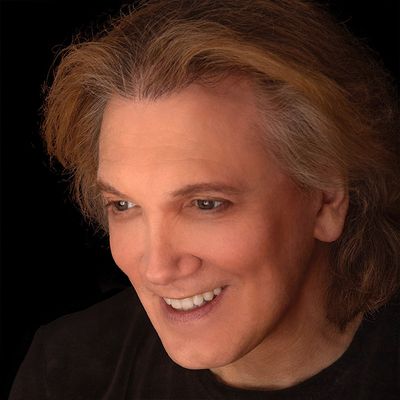
About
Charles Busch is an American actor, screenwriter, playwright and female impersonator, known for his appearances on stage in his own camp style plays and in film and television. He wrote and starred in his early plays Off-off-Broadway beginning in 1978, generally in drag roles, and also acted in the works of other playwrights. He also wrote for television and began to act in films and on television in the late 1990s. His best known play is The Tale of the Allergist's Wife (2000), which was a success on Broadway.
Listen to hear:
- How a guy that doesn’t know his own phone number went out and built his incredible award winning career, by sheer willpower and passion
- Why not getting cast in his college productions was the best thing that ever happened to him
- What made him start performing in drag
- Why he hates the word “mainstream”
- How Vampire Lesbians . . . one of the longest running shows in Off Broadway history, started out as a sketch, and more . . .
Keep up with me: @KenDavenportBway
Transcript
This transcript was automatically generated and might contain errors.
[0:00] Ken Davenport: I wanna be a producer with a hit show on Broadway. I wanna be a producer.
[0:10] Ken Davenport: Hello, everybody. Welcome back to the Producer's Perspective podcast. Greetings from the Hamptons. That's right. I've taken this podcast on the road. I am at the Bay Street Theater in Sag Harbor, where I just moderated a panel on new musical development featuring my wonderful guest. So I kidnapped him and strapped him to my hotel room chair and forced him to do this podcast. And that guest is none other than playwright, screenwriter, performer Charles Busch. Welcome, Charles.
[0:36] Charles Busch: Well, hello, it's wonderful being kidnapped.
[0:38] Ken Davenport: Charles has been entertaining audiences with his very unique plays and performances on and off Broadway for several decades now, including Vampire Lesbians of Sodom, which remains one of the longest running plays in off-Broadway history.
[0:52] Charles Busch: Longest running plays.
[0:53] Ken Davenport: Longest running was only an hour and a half. You can see what we're in for. We're for some fun on this podcast. That's right, the longest running plays in Off-Broadway history. Psycho Beach Party, Die Mommy Die, The Divine Sister, and of course the Broadway Smash Hit and Tony nominated The Tale of the Allergist's Wife. He has adapted and starred in some of his own work on the big screen, has lectured and conducted master classes at many colleges and universities across the country, including NYU and Harvard, and received many awards over the years, including a special drama desk award for career achievement as both performer and playwright. Not too many people can claim that, and was given a star on the playwright's walk of fame outside the Lucia Lortel Theater. You can read all about him at his website, CharlesBush.com. So, Charles, let's uh start with a very simple Where how did you fall in love with the theater? Where did it start?
[1:46] Charles Busch: No, I can't remember when I did when I didn't love the theater, but I was so fortunate that I actually grew up in New York City. I'm one of those rare people who actually are from New York City. And uh and I had a like like many people, I had an extraordinary aunt. You know, it's fine seems to be a recurring thing that with people an extraordinary aunt, and she uh started taking me to the theater when I was about eight years old. But I you know I joked that we you know, she would belong to these sort of like the Macy's Theater Club where you would you know, you would uh order your tickets at the beginning of the season or the season before, you know, so you didn't know what was g what anything was gonna be like and you had to just pick on faith.
So we t tended not to see any of the hit shows. We would just pick the flop shows. So I so as a kid, I you know, I saw Baker Street and Tavarich and the girl that came to supper, Here's Ry Blog, and all these these you know kind of shows that weren't successful. But uh it was, you know, just magical thing. Yeah, so I just always wanted to to kind of be up there on the stage and I and I was desperate to be a child star, but no nobody would exploit me. So that that was that didn't work out. Uh I had a wait a long time, you know, and then I went to Northwestern University, I was a theater major. Uh but I just I was I was absolutely just fixed on this is what I was gonna do and nothing was gonna stop me.
[3:13] Ken Davenport: And you were fixed on being a performer at the time.
[3:16] Charles Busch: I always wrote. I I was writing plays when I was a small child, I always was writing, but I di I somehow didn't really think of that as as the career. It was just to be on stage and ultimately I began writing really just to provide myself with opportunities to act. So that's where it started. You provided you you wrote stuff to give yourself a shot.
[3:39] Charles Busch: Well I knew, you know, I I have uh maybe because I'm from New York City or or maybe just it n nature gave me a pragmatic uh attitude uh about life. So when I was at Northwestern and I was never cast in any play, you know, it made me think, uh I might have a hard time in the professional theater. That you know, maybe I'm rather eccentric type, shall we say. You know, it's may not work out, you know, and and it was rather devastating uh revelation to to think in a this thing that I want to do so badly, maybe there's not a real place for me, so what do I do? But fortunately, once again, being from New York City, when I would come home for vacation, I started seeing more experimental theater. And this was, let's say, in the early and mid-70s, and it was kind of a golden age of experimental theater with these extraordinary figures like Charles Ludlum and Richard Foreman and the performance group and you know, uh, and and particularly Charles Ludlum.
When I saw him with his company, the Ridiculous Theatrical Company, and and it was almost as if I was hit by a tidal wave of of just seeing the possibilities of what life could have in store for me, uh, creating my own work and uh maybe having my own company or um just um the theater could be whatever I chose it to be. Didn't have to be the um Broadway fair that I had been raised on where maybe there was no place for me.
[5:13] Ken Davenport: You know, of course you're considered this great artist, but at the same time I see in what you did at Northwestern is this really entrepreneurial attitude.
[5:21] Charles Busch: You Yeah I always had that.
[5:23] Charles Busch: Yeah, I I always had that of um that somehow I would do it myself. I get get the play on. Do do it.
[5:33] Ken Davenport: Yeah, no, it's funny about that. I because in some ways, you know, I'm I'm kind of a a bit of a kook and that you know the um the mechanics of living sort of are a little bit beyond me, you know. I I I have trouble screwing in a light bulb, and I really, you know, it it's uh it's a problem being me.
[5:50] Charles Busch: Yeah, I li life is very difficult for those of us who have not mastered the mechanics of living. And everything is a challenge, you know, just really, you know, plugging in a lamp, you know, it's it's it's nothing works for me.
[6:04] Ken Davenport: I will testify to that only because when Charles and I were arranging this podcast, I said, Well, I will text you my information. Charles, what's your phone number? And he said to me, How would I find that out?
[6:17] Charles Busch: Yeah, no, life is very difficult for me. You know, uh I no sense of direction. I I walk a mile out of my way every day. On the other hand, but on the other hand, I I you know, as a particularly as a young person starting out, I I booked myself around the country doing my act originally when I was uh 'cause I was a solo performer for the first seven years of my career and and with no management at all and just booked myself around the country at small nonprofit theaters. I mean, I I was very driven and I made it work. Just had to do it.
[6:54] Ken Davenport: And what was that first act like? What was what did you do?
[6:57] Charles Busch: Well, I ca um it was how do I describe it? I you know, I was a solo performer, I would be wearing just you know, kind of neutral, you know, shirt and pants, and and and they were almost like um screenplays where I would play all the characters and tell these very complicated narratives, uh, and and I play them mi men, women, anything that the ne narrative required. Uh and I was very influenced by a number of people. First there was a a legendary um I guess what'd you call her monologist? Uh uh um Ruth Draper, who was a legendary figure in the theater. I she died, you know, when I most when I was born, you know, so I never saw her, but but I uh her she was uh recorded late in her career and her her rec recordings of her monologues are just fascinating.
I learned so much and she was a big influence on Lily Tomlin and a lot of people. So her records and then other contemporary performers that I saw that I saw who could play multiple characters in a way that created an illusion that you were seeing an ensemble play. And I would do sometimes the dialogue back and forth between several characters, and it really the idea was to create that kind of illusion with your single uh whole play. So I did that, you know, and I kept learning and I did that for um seven or eight years. And I learned so much about as a writer, about exposition, um characterization, and and as certainly as a performer, performing for all so every kind of audience. It really was almost like when you hear about people who did vaudeville.
You know, just and and I was frustrated because you know, I wanted to be an overnight success naturally, but i in a way things worked out just fine because I would not have been ready had my moment come sooner, I was not ready. But I gradually just you know, I I I was I was convinced it's a slightly you know, you're slightly deranged, you know, and you have that kind of faith in yourself, but uh I was convinced that if I just kept at it with like a horse with blinders on and if I kept learning and getting better that it had to work.
[9:21] Charles Busch: But there was just it had eventually I'll earn a living doing this and it's gonna work out for me. It's kinda kinda nutty to it just didn't occur to me that it wouldn't. I mean frustrating and you know, angry, uh, you know, we'll why you know, why not you know, uh when's it gonna be my turn and the gatekeeper's in my way and and all that and but never to the point that oh, you know, maybe I won't do this, maybe it's not gonna work. I remember my you know, I was raised by my aunt and and she was very, very supportive, but I do remember one point her saying to me, Well, you you know, you need something to fall back on. I was like, Well what? She said, What well you draw very well, you could be an artist.
I said, Artist! That's a you wanna be a painter to fall back on? You know, and she's well Tony Bennett's he's a big story. She says, Well, Johnny Carson has his sells, you know, his his clothesline. I said w w it's hard enough trying to be an actor. I should also have a line of menswear. You know ridiculous nobody understands.
[10:18] Ken Davenport: Yeah. And was there a moment was there a moment when you after this deranged period where you're like, Oh wait, it it's working now.
[10:28] Charles Busch: I well when was that moment?
[10:30] Charles Busch: Well the thing was it was it was very difficult period for me. My twenties were not fun because it got to the point as I years were going by that I was doing this that I was getting better and I would l and I'd get rave reviews in r reputable publications like the Washington Post, San Francisco Chronicle, different cities that I was in, and I would sell out I'd be I'd play these different nonprofit theaters or small nonprofit theaters, uh various places and I'd be there for a month at a time. You know, and I would you know, it wasn't just like a one night gig, you know, I'd be there for like a month and and I'd sell out the theater and I was a hit, you know, and give rave reviews, but I c still couldn't earn a living in theater because I didn't I didn't have any management, so I didn't work enough, you know, so I would you know, I'd close in San Francisco, great star, and then come home and have to be doing office temp work or I draw very well, so I you know, I would be a quick sketch portrait artist, did a lot of crazy different things.
And then but then I'd have my next gig in another city and do well. So that went on for for um you know, about seven years, but getting better and better, but frustrating that you know, just 'cause the whole thing is to earn a living. That's you know, you're not really a professional somehow unless you're earning a living. So that that was the big that was the dream, you know, not to win an Oscar or anything, but just to earn a living in your chosen profession is one of the most difficult accomplishments, I think, uh known to mankind.
[12:02] Ken Davenport: And when did that happen for you? When did that moment come?
[12:05] Charles Busch: It was very dramatic. Well, you know, I would been just doing this act and I really was a ki a kind of low ebb, and actually it's kind of a mystical story, because I was working as a quick sketch portrait artist for a an a an agency called Renta Witch that booked tarot card readers in Palmas, and and I remember I was in this car with the head witch, Barbara, and I was telling her that I would that really my career that I was in a performer, not a portrait artist, and uh and I was so frustrated because it's wasn't worth you know, I was getting a big break. And she said, All right, this is what you're gonna do, which is I'm giving you a recipe of an herbal bath. And you take these herbs and you and you put them in the bathtub, and you sit in that tub for a half hour for six days.
Went for half hour each day for six days, and you will find that your luck is gonna change. So I said, I'd do it. So I did it, and I sat sat in that awful bathtub with oregano and garlic and a like a bay leaf stuck up my ass, and uh, you know, and I thought after a week I thought, well, this is just ridiculous, and I forgot about it. And then, you know, a couple years later I started doing this timetable, and my luck changed within that year. I wish I still had that recipe.
[13:21] Ken Davenport: I was gonna say we could we could market that together, the Charles Busch recipe for success.
[13:25] Charles Busch: The bath I lost it. I went 'cause I thought it was I thought it was ridiculous, but maybe it wasn't. So anyway, so the th because so the big twist was that um a fr this is 1984 and I knew this friend, this very exotic lady um was a performance artist, and she invited me to see her her act way down on the Lower East Side in Al Alphabet City, you know, which is a part of New York with where it's just Avenue A, Avenue B, Avenue C and 1984 it was a very scary neighborhood. It was a lot of crack being done and and the buildings were mostly burned out and rubble uh but occasionally there there were little pockets of uh interesting dance club or art gallery, and Madonna and Keith Herring came out of that um environment.
[14:15] Charles Busch: So I you know, I was kind of scared, but I went down to this creepy place and it was a storefront art gallery performance space bar called the Limbo Lounge. And oh I was just dazzled. It was this kind of punk gay goth audience and you know, and it was the they didn't just hang pictures, it was an art installation, it was all very grotesque and like out of Cocteau or I don't know, or Berlin in the twenties. I mean, it really was very decadent. And my friend's act was you kind of had to be there. I mean it was very strange indeed. But I was so enraptured that I immediately found this young man who owned the place and I said I would just love to do a show here. And he looked on the calendar and he didn't know who I was, and nobody knew who I was anyway, so he just gave me, you know, a weekend a couple a month later, so I just quickly wrote the I was doing some office temp work and between phone calls I just wrote this little sketch that well, I'll be in drag, I'll just be very decadent.
I didn't want to do my regular severe, you know, performance art. You know, I'll be in drag, I'm just gonna be really outrageous and I'll be the kind of vampire actress, you know. And I just it was about a half hour long, this whole skit really, and I just asked some friends of mine who were basically told they were unemployable in the theater. So and we rehearsed a couple times and literally spent no money because there was no stage, so you couldn't have a set, and then we kind of threw the costumes together with stuff in the closet. And we just had a ball for that weekend. We just had just second weekend, third weekend, did another little play there, and then this young man Michael who ran the place said we should be like a regular theater group there.
So we just kept doing these plays every three weeks and particularly this one play, this Vampire Lesbians of Sodom. I don't know, just people kept coming, packing the joint, and we get squeezing two hundred fifty fifty people in this tiny space. And we were in the right place at the right time 'cause it was like that six month period just sort of happened that all the media was talking about this crazy performance art scene in the East Village. So People magazine and New York magazine would do big stories about it and our plays had these crazy titles like Vampire Lesbians of Sodom and Theodora She-Bitch of Byzantium, you know, and so it was a good for a punchline in the article. So we got this great publicity and you know, we didn't spend a penny on publicity, but so they were lined up down the block and finally Ken Elliott, who was my roommate and directing the show and producing it as such and acting it, said, you know, maybe you know, maybe this is our big break, that this crazy thing they were doing strictly for their own amusement.
And we tried to get some producers to move it to a real place and nobody would touch it. And then Ken figured out that if we raised fifty-five thousand dollars, we could at least open you know at off Broadway Theater. So we got the Province Hand Playhouse on McDougall Street and we got the money together, you know, it took us about six months. We got the it was a lot of money for us. What year was that? Eighty-four. I mean, it was ridiculously low even for eighty-four, but still that's a lot of people who had no money at all. I mean, you know, but everybody's mother and you know, grandmother gave five thousand dollars. You know, we had to raise fifty-five thousand, we had about two hundred and fifty investors and they were it was like dead of five dollars a unit.
And um so we opened, you know, and we really had just enough to open. That was kind of it. Then, you know, sure enough, opening night came and we got a rave review of the New York Times, just a rave review, and everybody it was very touching because uh everyone got mentioned in the review and all these people who've been so discouraged. You know, it was just the greatest moment, maybe the greatest moment of my life. And nothing, even you know, I had a big Broadway opening and you know that, but I don't think anything can be as exciting as when the moment when you know your life really is gonna change. Because my life didn't change that much from you know, I had a nice career already before Allergist's Wife, but to go from office temp to professional was the big leap.
And that show ran five years and I was in it for about two, then we replaced everybody and got new actors and we went on and did other shows and um so anyway, but that was a long answer to a simple question he asked me. But it's you know, I those of us who had who were involved, we consider it kind of Brigadoon mixed with um 42nd Street and the greatest story ever told. And you obviously have been known for a lot of your drag performances, but was that the first time? Was that the first one? Where did that start? I could say it was. You know, and oh when I was really in my late teens or when I first saw it, you know, saw him and he used drag as a theatrical element and uh and I now you know I have an androgynous nature and I was always kind of doing kind of PR celebrity impressions and and even more in that for you know, like for my friends, but even more you know, I was always kind of improvising my own kind of movie dialogue without thinking that maybe that's kind of what I should really be doing.
So when I was living in Chicago after I graduated from Northwestern, I stayed in Chicago about two more years because I wasn't it's it's hard when you're from New York City to sort of start your career in a way because everybody else kind of comes to New York start career, but you know, when you're there already, it's kind of you kind of need somewhere to come from. It that sounds kinda nutty, but if you can I so I I stayed in Chicago and while I was there I met a group of people who I was in a play and I met some people and I said that you know, I had this fantasy of starting a company kind of like Ludlum and and writing plays and being the lead and and they all kind of wanted to hook on and so I started doing these kind of drag plays in Chicago and doing them in bars and a movie theaters up to the late show and stuff.
And um but they were it was the wrong group, you know, they there were people who ultimately didn't really share the same, you know, hopes and dreams with me and kind of resented me actually and because I was getting all the attention and it was rather awful experience. And so funny how it was to have something that was so and I was so burnt from it that that's why I became a solo performer in a way, because you know, I didn't want to have to depend on anyone anymore. And then yet ironically, ten years later, this greatest thing happened to me with the same type of group, only this was a group of people who believed in me and felt I had something to offer and were grateful for the roles that I wrote for them.
And you know, so it was totally like mirror images of each other, one disastrous and one fantastic. Do you enjoy writing more now or performing more? You started as a performer and then the writing came. What do you have a problem? It sort of depends, you know, on my mood, really. Some days I think you know, I'm when I'm so in the throes of writing something, and I am I am happiest. I'm happiest when I'm really right in the middle of rewriting something and just going into that document on the computer five times a day, just with a new idea and just looking reading it again and changing it, changing a line, changing a word, changing it back, changing it again. I guess I am happiest then, but I've derived enormous joy from just being in a play, and there's something as an actor writer, you know, there aren't too many of us.
Just not very not a successful group. But there's something to test. The world is exactly as I planned and everybody's saying exactly the lines that I want them to say and moving at the same in the same place and I'm in the center of it all. It's uh it's fantastic. It's yeah yeah, you know, and and uh I don't know. I you know I don't know where my future lies where what I want to do at this point. I have many notions and ideas maybe plays, maybe not, I don't know. But I when you ask me that question you know I've just yes I have just derived enormous satisfaction and joy at writing and particularly writing and acting in my own plays. How do you edit yourself when you're writing and speaking your own words?
Is it a difficult for you? Do you get in fights with yourself? You know, no fortunately I've always worked with a director. You know I you know others in my position like Charles Loveland were also directors. And I've never done that. I don't know I've I never wanted to I never desired to direct a play. I've I've directed some films. I directed a feature film and a short subject and I love that. But I think it's harder to direct a play than as a movie. And I don't know if I really have a talent for it. I'm a good acting coach but I don't know if I'd be good at staging necessarily or even want to. So I always worked as a director and I've worked with directors from the very beginning of a project uh work with them really as dramaturg.
So I've always kind of resented the role of dramaturg when we've gone to nonprofit theaters because I've been working so closely for two years with this director that you know don't want anybody else muscling in. And yet I know that you know numerous very successful writers have had extraordinary experiences with dramaturgs who've developed them and I've never had that. But I've had these profound relationships with my directors and I've worked with very few people. You know, I've in a career that's almost forty years old I've probably worked with maybe I can't count them on one hand the directors I've actually worked with. Maybe hand and a half. You know, I do many plays of the same person with Carl Anderson the past fifteen years almost without exception.
You know I and they work as dramaturg so I don't really need the they're they're the outside eye and and they don't seem to be afraid to tell me when I'm wrong. Nobody seems to be terribly intimidated by me at all. But I you know um I listen I sometimes I find when I get that we get notes I I sort of fall silent but it's not out of disapproval. I just kind of absorb it. I just kind of sit I listen I listen and then I go home and I I might stew for a while like oh that's ridiculous notion. No. Think some more about it. Well I'll just take a look at I'll open up the file again what the ridiculous and well yeah I suppose I could do that. Well that's a funny line. That's not exactly what he asked for but that's good.
Yeah well this is good. That was a smart idea he had you know that's kind of the process. So, you know, it's um I don't think I've ever I I think I've had things where I felt it was more destructive with the actual outside dramaturg who has gotten me confused and had talked to good game and then got me confused till I didn't really know what the play was about. And then turned out the play wasn't very good. Yeah, I'm a big fan of the director's dramaturg rather than yet another voice. Now some directors are I there maybe some directors who that's not their skill. You know that their it's their great imagination is in stage pictures and that sort of thing. But I've had one great experiences with the director as dramaturg.
Tell me a little bit about Allergist's Wife and how that began and started for you. Well, in a way, you know, you know, we're our meeting here today because we're at this reading of my play The Green Heart, this musical that I did in in the mid-90s, and Allergist's Wife is in sense directly connected to that. We did The Green Heart at Manhattan Theatre Club. And while we were doing that, I became acquainted with Lynn Meadow, the artistic director there, and we just kind of hit it off immediately. And she wasn't involved in the production, she you know, she was the artistic director of the theater. But you know, we just, you know, hit it off big and then the opening night of Green Heart and the reviews were disappointing and Lynn said to me, um, said I'd like MTC to be your artistic home and I'll produce your next play, whatever it is.
Oh, whoa, you know. I could wow, that's some you know, leap of faith. Now thought I better, you know, take her up on this, otherwise and Manhattan Theatre Club isn't really the place for Vampire Lesbians part two. Yeah, so uh I thought what would be uh you know something to do there. And I had this character that I had done in a solo show called Miri I done a solo show called Flipping My Wig at the WPA Theater, and uh and it was a different kind of collection of pieces that I did. And one of them was about this sort of upper west side Jewish, frustrated raging lady, uh Miriam Passman.
[28:36] Charles Busch: And it was kind of the first time that I had really delved into my own kind of background in New York. And it was very, it was six minutes long, but it was this very specific thing, and it was really good. And for a long time, I'd thought, gee, I'd like to write a play around that kind of lady, and be something really well observed from what I knew. Uh, and then when Lynn made that offer to me, I thought, oh, this is a good opportunity to, uh, because it's kind of about the MTC subscribers. They are Miriam Passman, all these sort of people with this kind of culturally obsessed, you know, uh, women. And I, I, uh, played kind of so kind of came to me and, uh, I wrote it fairly quickly. I really, I knew those people.
I knew that milieu. And then I saw Linda Lavin in a play called, um, Death Defying Axe. And I, you know, I obviously knew Linda Lavin, but of her, but in that play, she really, she was kind of playing a character kind of like that. And so I, as I wrote the play, I had her in mind as I continued working on it. Finished the play and gave it to Lynn Meadow, and she loved it, and she said, "Let's do a reading right away." And who's your fantasy Marjorie was the character of the in the play. I said, "Linda Lavin." So let's get her, and we got her to do the reading. And it was, um, extraordinary thing. She, I knowing Linda now, I'm sure she was reading it cold. I'm sure she didn't prepare for that reading.
But it was the perfect, perfect match of actress and role. And I've never seen the like of it again. This reading, because they were the actors are just kind of sitting at a table and then, you know, there's an audience of the interns and various drones and etc. And, uh, and Linda just, it was everything that she ended up doing in the show for real was at this reading, and at one point there's a big dramatic scene with fight with the mother, the elderly mother, and then Linda just got up from the table where's she going? And she went to the window with Stan on there, you know, and just she was in the just acting it. It was so thrilling. We, after it was over, you know, we, Lynn and I were like, you know, like the hungry, uh, like dogs, our tongues hanging out, just, you know, so you'll do the play, uh-huh.
Mm, I don't know. I'm not sure. And, and for nine months she kept us dangling. And I, I was determined that she was gonna do that play, and I stalked her. I just, oh, I was relentless. I would, I sh, I went to LA where she was doing collected stories, showed up there. I wrote her letters comparing her to Bart Bernhardt and Doza. I, it was just shameless and she buckled and decided to do it. Well, it worked, uh, before this deranged period of your life, this intention. If you really want something, you just have to go for it. And there's, I've had long periods where I've sometimes felt I lost that, um, uh, intensity. But you know, when I really want something, I, I go for it.
[32:01] Charles Busch: Wikipedia's entry about that play says in his first play written for a mainstream audience. That word, that word I know that word, I hate that word.
[32:18] Ken Davenport: I had a feeling you wouldn't. Tell me if you agree with this. I think the only difference between mainstream and downtown or whatever you want to call it is the size of your publicity budget.
[32:31] Charles Busch: You could do the same. You could, you know, go on a Broadway stage and, you know, take off all your clothes and, you know, humiliate yourself. You know, and if you have ads on taxi cabs and on, you know, everywhere you're mainstream. Yeah, it's if you do it, you do it, you know, in a garage somewhere you're downtown. It's what we were talking about before when you were saying the frustrating years of your life because of the gatekeepers, etc. Once someone opens a Broadway theater to you and lets you do your whatever show you're doing, you're mainstream. You've got that budget, you're getting people in there. It doesn't matter what the content is. Yeah, how long you run, that's of course. Well, maybe something different, but yeah.
[33:13] Charles Busch: I really do think there's so yes, it, it so I told the story before, but I'll tell it on your podcast. Um, so, well, first of all, you know, when you do something noteworthy, you know, the press and d you know, you have your narrative that season about you and you have to kinda go with it and, and have s and you have to have some kind of under, you know, understanding of the way show biz works, or that your story has to be compressed in thirty words or less. You know, so that season it was that the story was that this downtown drag queen had so shockingly, uh, wrote this mainstream Neil Simon kind of comedy. That's, that's, that was my story that season. However, only at m oh five years before I had r written a play called You Should Be So Lucky, which was a Jewish comedy and that was vr had a rave review in the Times and, and uh by Brantley and, and you know, had a nice run off Broadway.
But we forgot that part 'cause it didn't go with the the narrative. You know, so I, and I'm with you, you know, I, I wanna sell tickets. I'm, I'm, I'll buy it. But it did sort of bug me when, um, when, uh, uh, the that mainstream phrase was bandied about so much because I kinda felt there was a little bit of a put down of everything I'd done for the last twenty-five years. You know, it is that isn't a wonderful finally he's mainstream, you know, and I, I was very proud of the work I'd done for twenty years or more with wonderful collaborations that I was very proud of and, and things that, and in truth y since I'd performed at the limbo lounge, you know, in Avenue C every play of mine had started at, you know, reputable n non profit, you know, the WPA Theater or whatever, and, and had tran each each play had transferred commercially off Broadway, which certainly isn't doesn't happen anymore.
So I, you know, I, you know, my joke was that my audience wasn't all pinheads and carny folk, you know. I just was, you know, I wa, I think I was kinda mainstream, but just not on Broadway. But the night that everything changed was, uh, one night I was home watching Survivor, I think. And Charles Bush, a survivor fan, you heard. I've never missed a single episode of Survivor in twenty seasons. Twenty seasons. I've never missed a single episode. And you can't operate a D VR, right? So you watch them live. No, that I can do, that I can do, that I can do. With 12, no that I can do. Um, my sister can't, but 'cause she's worse than I am. Uh, but anyway, I was watching Survivor and I was, and I looked at the clock and it's, and it was like 8:35, and I was like, oh, Linda must be going toward the end of Act Act one. And I just made a lot of money. And something like that. Oh, I love being mainstream.
[36:27] Charles Busch: That's a great story. Someone actually told me once, Ken, you'll know you've made it when you get a check without having to show up for half hour.
[36:36] Ken Davenport: Yes.
[36:36] Charles Busch: Oh, I couldn't believe it. Everybody in the world, I wish everybody in the world could have a hit Broadway play. It is the most wonderful thing in the world. And I've been desperate to try to get another one. It hasn't happened. Not for lack of trying either. Uh, because it's hard. Well, what's next for you? What are you working on now?
[36:52] Charles Busch: Well, you know, I've been f honestly, um, for the past year, I've been having a, uh, wonderful time just exploring all like every other kind of, uh, avenue of creativity other than writing a play. Uh, I've been having a wonderful time. I've been painting and selling my artwork, which is awfully nice. And, and and then you fell back on being an artist.
[37:19] Ken Davenport: I fell back my aunt with my aunt if she lived so happy that I'm actually selling my artwork now and, uh, like Tony Bennett. And then I've been doing my cabaret act and, and for the past three years and traveling all over. I, this past year I was in Paris and London and San Francisco, Palm Springs, Boston and Miami, uh, Atlanta, New Orleans. I, I'm having a wild little time. And my pianist, uh, Tom Jetson is, you know my dear, dear friend and, and we just have fun traveling around, you know, getting new material together, learning songs and, you know, I'm not the world's greatest singer, but I approach the songs I choose as a storyteller and as acting pieces. And it seems to work very well. And so I, I, I'm loving it.
And, and I never toured as an actor. It, I always wanted to tour our shows but economically it really wasn't, it seemed like they were best in smaller theaters and it just was too expensive to do. So this has been a, a way of, I mean I don't want to come go off to Norma Desmond here, but I'm going to all these, uh, places and I, and when I do my act, as soon as it's over, I c, I just sort of stay there and take pictures of everybody kind of like Santa Macy's. And but I meet everybody in the audience. And I've just, and it's been very gratifying and even rather emotional for me to meet people all over the country who, um, appreciate me and who I've meant something to through, uh either the, you know, the couple little cult movies I've made or seeing my plays done in local productions or reading them or, you know, so or, or m I wrote this one novel that, um, seems to have gotten around somehow and, um, and so it's been that's a wonderful thing after, you know, almost four decades to to find out that there are people, you know, all over who you meant something to.
[38:49] Charles Busch: You started out touring in a way something back exactly where I came but you have management now I assume.
[38:49] Ken Davenport: Kind of, kind of yeah.
[38:49] Charles Busch: I mean my manager I, you know, my, I have this wonderful manager Jeff Melnick who I've been with for, uh, about thirty years and he's really a, he's really a ri, uh, scre screen writer screen and T V writer manager. You know, but he and I did a lot of that stuff with him at a certain point. Um, but he just loves the theater and so he, he doesn't make much money from me but he just loves I'm his conduit to to the theater. And lately I've turned him into a cabaret booking agent at the age of seventy years old. He's suddenly Broadway Danny Rose. And he's kind of, you know, he's a man of of great enthusiasm. So he's suddenly, you know, 'cause he's, he's he's kinda half retired, actually. Really has two more two clients, one who makes him a lot of money in TV, and then me. And, um, so I think he's getting a real kick out of suddenly at 70, you know, caught up the cabarets and trying to up my fee. Uh, you know.
[40:45] Ken Davenport: I love it. All right. Well, your my last question for you, which I ask all my guests, it's um become known as the genie question, which is I want you to imagine that, uh, the genie from Aladdin comes into the fabulous Sag Harbor Inn here where we are, yeah, and says to you, Charles, I've admired your career so much. You've worn so many hats, you've been so determined. I'm gonna grant you one wish. You can change whatever you want about Broadway or the theater. Anything, whatever bugs you more than anything, keeps you up at night, drives you crazy. I'll change one thing for you with the snap of a finger. What would that one thing that you would change be?
[41:30] Charles Busch: Well, if we're talking fantasy land. Fantasy. Fantasyland, I wish that, you know, it was economically feasible to that all tickets of Broadway shows were no more expensive than $25. And that everybody could make a big fortune from it. But the public could see it for $25. I would change everything. Everything.
[41:56] Ken Davenport: And it certainly would. Charles, I want to thank you so much for it's midnight now where we are. So thank you for doing this after a very long day. Uh, I so, and I know all my listeners so admire your passion, your determination to get you where you are. I know a lot of my listeners also wear a lot of hats, and you are, uh, the perfect example of a, of a person that and an artist that can perform, write, and do just about everything because of your determination to do so. So thank you for that, and thank all of you for listening, and we will see you next time.
© Broadway Podcast Network, All Rights Reserved