

Josh Bergasse is an Emmy Award winning choreographer for his work on NBC’s musical drama SMASH. He also choreographed multiple segments on So You Think You Can Dance and PBS's Sinatra: A Voice for a Century... Read More
From the show: The Producer's Perspective Podcast with Ken Davenport
Featured Shows

About
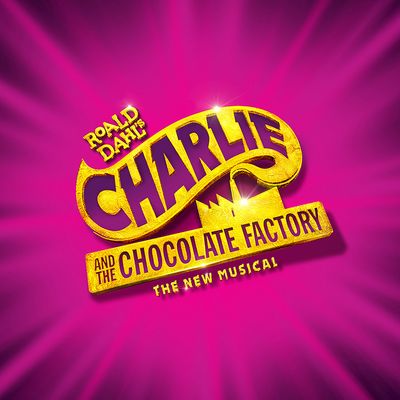
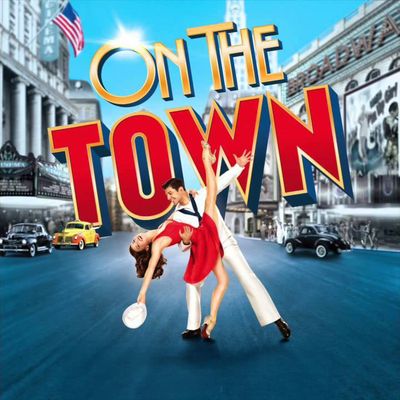
Josh Bergasse is an Emmy Award winning choreographer for his work on NBC’s musical drama SMASH. He also choreographed multiple segments on So You Think You Can Dance and PBS's Sinatra: A Voice for a Century. On Broadway, Josh choreographed the revival of On The Town, which opened to rave reviews. He received an Astaire Award and was nominated for TONY, Drama Desk, and Outer Critics Awards for his work on On The Town. He also choreographed the revival of Gigi, and most recently choreographed the Broadway debut of Charlie and the Chocolate Factory. Other credits include Sweet Charity and Cagney.
Josh and I talked about creating your own luck and that to become a success you have to “never stop dancing,” as well as:
- Why the lack of pressure on himself landed him his first gig and so many more.
- How that pressure increases when you’ve achieved more and how you deal with it to keep moving ahead.
- Why choreographers should be engaged early on in musicals (this one changed my thinking about hiring altogether).
- The process of making a “dance” and what the most important elements are.
- His experience on the TV show Smash and why it isn’t still running today.
This episode of The Producer’s Perspective podcast is sponsored by Sunlight Studios – the newest studio space in the theater district. Use code DAVENPORT to get 5% off all bookings for the next four weeks! www.SunlightStudios.com
Keep up with me: @KenDavenportBway
Transcript
This transcript was automatically generated and might contain errors.
[0:00] Ken Davenport: It's wonderful to have a musical where you have, you know, if you have a great book and you have great music, but you haven't thought about how can dance help tell the story. How can we make a dance a beautiful storytelling element?
[0:19] Ken Davenport: You're listening to the Producer's Perspective Podcast with your host, Tony Award winner, Ken Davenport. Hey everybody, in just a few moments we're gonna get to choreographer Josh Bergasse, who's going to tell you why our beloved Smash is still not on the air. Uh, so stay tuned for that episode.
[0:38] Ken Davenport: In the meantime, just a shout out to our sponsors, the new studios on the block, literally Sunlight Studios, with eight bright and spacious rehearsal studios for rent. Uh, you can rehearse a show, you can do a reading, you can do anything you want in their studios as long as it's legal. Uh, so if you're looking for a large private studio space to accommodate your rehearsal needs or your reading needs again, uh check out Studio G. That's the biggest one they got. You won't regret it.
[1:05] Ken Davenport: To book a studio today, please visit Sunlight Studios.com right in the heart of the theater district. It really doesn't get any more conveniently located than this studio. Uh, and I can say this now that my studios that I used to have are no longer in existence. Because it used to be that mine were the best. They're gone. Now it's about Sunlight Studios. Go check them out. There's actually some pretty big power brokers behind this place, so you know it's gonna be a hot property. It's gonna be like a new nightclub on the block.
[1:34] Ken Davenport: Uh, they do have smaller studios available for voice lessons and classes as well. If you just want to warm up before your next audition or uh escape your apartment and work on a new musical if you're a composer. If you want to save money, use code Davenport. Guess where they got that? Use code Davenport to receive a five percent discount on your bookings. Only valid for the next four weeks. Four weeks, five percent. Go get it, sunlightstudios.com, and now on with the podcast.
[2:06] Ken Davenport: Hello, everybody. You've tuned into the Producer's Perspective podcast. My name is Ken Davenport. Uh, and I'm thrilled to have on the podcast today one of those choreographers that is on everyone's list these days when they're thinking about staffing a big musical. Please welcome to the podcast, Josh Bergasse. Welcome, Josh.
[2:24] Josh Bergasse: Hi, thanks for having me. I'm excited to be here.
[2:26] Ken Davenport: So Josh received a Tony, Drama Desk, and Outer Critics nomination for his incredible work on On The Town, very dance-focused On The Town.
[2:34] Josh Bergasse: Yes.
[2:34] Ken Davenport: He was also the choreographer of Charlie and the Chocolate Factory on Broadway, as well as Gigi on Broadway. Directed and choreographed last year's Smoky Joe's Cafe, and also was the choreographer for Smash.
[2:45] Josh Bergasse: Yes.
[2:46] Ken Davenport: We will get into that later. So I assume you are one of those choreographers that started dancing like when you were in diapers. Is that true?
[2:52] Josh Bergasse: That is absolutely true.
[2:54] Ken Davenport: So how did you find it? Did it find you?
[2:57] Josh Bergasse: I grew up at my mother's dance school in uh the suburbs of Detroit, Michigan. So I had my first pair of tap shoes when I was three years old. And I was just uh like a dance studio brat, and I just hung around the dance studio after school. I would go straight there, and I would jump into classes that I was completely inappropriately too young for. And just, you know, hanging around with these.
[3:25] Ken Davenport: Exactly.
[3:26] Josh Bergasse: And uh yeah, so I just hung around the studio and I was ne I was a terrible dancer as a kid. I realized that no rhythm. Uh, it didn't make sense, and I just I just did it because I was there. And it wasn't until I was a teenager that it started to click. It was like around 14 or 15, where like things start to make sense in my body, and I started to actually like it and do it because I like it, not just because I felt like I was there and I was doing it.
[3:53] Ken Davenport: Was it just your babysitter in a way after school? Is that why you were there?
[3:56] Josh Bergasse: Totally. Yeah. Yeah. Yeah. It was like we had we you know, we did have a babysitter, but half the time I was either I was at the dance studio. So um and I was just hanging out with my mom and and you know, uh all her teachers and all her, you know, there's her staff, and and just I was just like the little brat that ran around.
[4:15] Ken Davenport: Was your mom excited about you doing dance? Was she pushing you? Was she a dance mom? Like what was that?
[4:22] Josh Bergasse: No, she didn't really push me, and it's funny because I felt like I thought I was supposed to be doing it, and then once I got a little older and I realized, oh, I'm she's not pushing me, I'm just here. Um and it was my community, you know. I was friends with all these people, and you know, and they were taking care of me, and it was like my extended family.
[4:42] Ken Davenport: A lot of people older than you, I would imagine.
[4:44] Josh Bergasse: Yes, yeah.
[4:45] Ken Davenport: And did that have an influence on you? Did you learn how to do that?
[4:48] Josh Bergasse: I think so, yeah. I mean, I learned I probably grew up a little faster uh because I was just hanging out with you know, all these people who are older than me, and they were you know, they were like mother figures and father figures, like so they were all over the place. So I think I got a maybe a sense of responsibility as an adult a little sooner than than I normally would have.
[5:09] Ken Davenport: When did you say, oh, this isn't just me hanging around a studio anymore? I'm gonna do this. I'm gonna hang around a studio for the rest of my life.
[5:17] Josh Bergasse: Yeah, it was like I like I said, it was when I was about 14 or 15, and it started to click in my body, the dance and technique started to really make sense, and I actually start to get good.
[5:27] Ken Davenport: And can I ask, sorry? When did you know what was the moment that you knew you were good? Was there a competition? Was there a thing where you were like, oh shit?
[5:36] Josh Bergasse: Yeah, it was I think it was like it was the first solo that I did that I actually like placed in a competition, and people were telling me how good I was, and I was like, Yeah, that felt really good. I actually felt cool doing that. And and then, you know, kind of felt, wow, I want to feel like that a more. And so I I guess maybe I started to work harder and I started to enjoy it and spend more serious time doing it, not just because I was there. And that's when I was like, oh yeah, I I I want to be a dancer.
[6:10] Ken Davenport: And what was the first step you took to do that? Was it right into musicals? Were you thinking about dance companies? How did that transition happen?
[6:17] Josh Bergasse: No, I actually I started getting more involved in the studio professionally, like really like getting on in the competition team, and then starting to teach classes and really getting involved. Um and my mother, she my mother was an actress before she was a dance teacher. So our studio was kind of theatrical in a way, you know. It was we were always into the musicals and and and I grew up watching uh, you know, Fred Astaire, Gene Kelly, West Side Story, all the MGM musicals. That's that's just what we did. It felt like every Sunday the family got together and watched Fiddler on the Roof.
[6:53] Ken Davenport: So yeah, that so but I stayed at the studio for a while, but you know, we were very musical-based, and then the first thing that happened for me as far as getting out was we were on vacation in New York, and when we come to New York for vacation, it was really to take dance classes and see shows and you know get some inspiration to bring back to Michigan. And we had a friend who was living here and he told me about this audition for West Side Story, and I thought, well, that sounds fun as a just a way to learn the original choreography. They were doing the Robbins choreography. You know, it'd be like a free class. And I went to the audition and it was awesome. And I got a callback.
[7:19] Josh Bergasse: And I thought, well, I don't need to go again. And my mom and our friend made me and I said, Well, I'm not gonna take the job if I get it. And so I went and to the callback, and it was great because we learned another combination, so it was another free class of the Robbins choreography. And so then I it was great, and I got another callback, but we were supposed to leave. So my mom left me here. She said, No, you're going. I was by then I was like 20, 21. So she said, No, you're staying, you go to the callback. I was like, why? Why am I doing this?
[8:16] Josh Bergasse: So I stayed, I went to the callback, and then I came home, you know, the next day, and then a couple weeks later I got the call and I got the job, and I was cast as Baby John in a national tour of West Side Story. And you know, I got my equity card like that, and I went on tour for two years and learned the Robbins choreography. I became the dance captain and eventually started assisting the director, uh Alan Johnson for many years. And I don't like to tell that story because I like to tell people when they first come to New York of how hard it is, how much time they have to put in, and how long it takes to get your equity card. But I was one of those that just you know got lucky, and I think part of it was because when I went into the audition, I wasn't trying to get a job. I wasn't, I was just enjoying every second of it and loving it, and I wasn't nervous. I was just it was just so cool to me.
[9:09] Josh Bergasse: There was no getting this, so I'll just have some fun. It was just bliss. I was looking at all the amazing dancers around me.
[9:15] Ken Davenport: Yeah, there's no God I hope I get it.
[9:17] Ken Davenport: And you were probably more amazing than all the people.
[9:20] Josh Bergasse: I was like, I was like, who is this brat over here? Totally. Because I had no pressure.
[9:25] Ken Davenport: The other thing, you know, it um you're you're so modest to talk about uh oh, I you know, it just happened, I I consider myself lucky. I'd argue if you know Malcolm Gladwell's 10,000 hour rule, like you spent 10,000 hours from 3 to 13 in becoming an expert, it just was so young.
[9:43] Josh Bergasse: Yeah, I guess that's I guess that's a good perspective on it. Yes, I guess I spent my time before I got into that audition room.
[9:51] Ken Davenport: So you very quickly, it sounds like transitioned into a supervisory role, so dance captain and director's assistant for many years. What do you think obviously they recognized something in you, these people to especially your first equity gig, and they're like, oh, be the dance captain, oh assist. What what do you think they saw in you that was lead had leadership qualities or more creative?
[10:16] Josh Bergasse: Right. I think it was chutzpah, but um it was how did that come out? Well, what happened, you know, they the dance captain was leaving after the first year, and they couldn't find anybody who wanted to take it on. Because it's you know it's a really hard and tedious job. And I said, Well, I'll do it. And I think because they first of all they didn't have anybody else who wanted to do it, but second, because uh Alan knew my history with uh my mom's dance school uh where I was teaching and I was being groomed to take it over, so it was kind of like I was already in a managerial position before I joined this tour, and he had uh he knew that, and so he thought, you know, that that kind of could qualifies you to do this.
So and I was just ballsy enough to sit to you know say I'll do it, even though I was probably the youngest person on the tour with the least professional experience. But um that I think that's what he recognized, and I loved what I did so much that I you know asked him if I could keep doing it with him.
[11:21] Ken Davenport: And how did that lead to choreography? What was the first thing you ever choreographed?
[11:26] Josh Bergasse: Yeah, well, uh again, back to the dance studio. When I was teaching, I would choreograph for the recitals and the competitions and galas and things like that. And so when I got to New York, uh after the tour was over after a couple years, and I settled in New York, um, I started auditioning, and then I got a job teaching classes here, and and then I just started choreographing for friends, you know, for the you know, they're doing this this showcase here, this benefit here, and they needed somebody to choreograph something, and I said, I'll do it. You know, I've done uh did the competitions and the recitals and things like that, and so it was kind of like my my it was like a hobby, and almost uh and and then teaching was my kind of like my my day job, my waiting tables between little the dancing gigs I would get.
[12:17] Josh Bergasse: And so, and when I'm teaching, I'm always having to make up steps and you know, give something to the students. So you when I put those two together, I started choreographing more, and one day I actually got paid for it, and I was like, wow, that's interesting. I didn't actually have to spend money to do this. And then it that just kind of like started to build. Um and I think I got like my first really professional choreography job when in in uh maybe 2000, the year 2000, where it was like I had to join the union, and it was very official, and I felt very cool about that.
[12:55] Ken Davenport: It sounds like you approached choreography the same way you approached that first audition. You were like, I'm just gonna start doing some stuff over here. Oh, I've got to go make a living at this, or I've gotta go choreograph the next West Side Story. You were just doing stuff.
[13:10] Josh Bergasse: I was just doing stuff, and it was a great phase for me creatively because there was no pressure, and I was just, you know, trying to invent things that I thought, you know, I would have an idea and just try to execute it without, um, you know, without any pressure of a production or, you know, or collaborators, you know, having specific requirements. So I was just kind of getting to know what was within me choreographically. Now I appreciate, you know, the pressure and the collaborators more than anything because I feel like now that drives me to do different things.
[13:48] Ken Davenport: But it's odd though, isn't it? You're very successful now, Tony nominee, you do a lot of shows, a lot of work being thrown your way, and you feel more pressure now, even though you've been lauded and praised and paid and all this stuff than you were when it mattered more, quote unquote, right?
[14:06] Josh Bergasse: Yeah, I guess that's what kind of sucks about getting, you know.
[14:10] Ken Davenport: Right.
[14:12] Josh Bergasse: It's like the, you know, once people start to notice you, then you know they expect things and then you put pressure on yourself. And so how do you maintain that childlike creativity when you're, how do you create like a 22-year-old, right? You're now whatever age you are and under more scrutiny. How do you keep that 22-year-old going?
[14:32] Josh Bergasse: Yeah, I think it's, it's ex, it's being excited about new projects, and for me, it's doing different things. Uh you know, like doing a big musical like Charlie and the Chocolate Factory is really fun and, you know, and that's one thing, but then this other project that I was talking about, uh, A Soldier's Tale, which is a, uh, you know, contemporary ballet piece that is to, uh, classical music and is, uh, you know, something completely different. And so I can do the musical and have fun with that and then kind of leave that and try something new and then, you know, then I have a tap show coming up and then just like just do tap and so it's fun to do different things for me. Uh it just keeps me feeling fresh and excited about the next thing.
[15:20] Ken Davenport: Was it hard for you to give up your career as a performer when you started to transition to a choreographer?
[15:26] Josh Bergasse: You know, it wasn't.
[15:28] Ken Davenport: Was not.
[15:30] Josh Bergasse: Um I had to dance your whole life. You'd think that that would be in you.
[15:34] Ken Davenport: Yeah, it and, you know, and I still get to dance as a choreographer, and I still teach a lot, teach dance a lot, so I get to dance when I'm teaching, but the performing schedule is grueling and what we go through, what I went through and what they go through now, you know, auditioning is, you know, it's, I don't miss that. I don't, uh, I don't miss, you know, the eight shows a week schedule. It's just very hard. And I did it. So I feel like, you know, I got that out of my system. And the last show that I did before I finally officially said, okay, I'm retired, was, uh, the National Tour of Moving Out, and you know it was a heavy dance show.
[16:15] Ken Davenport: That was an easy one for you. No problem, no injuries, you'd be fine.
[16:19] Josh Bergasse: Oh gosh. I remember my first day of rehearsal, I felt like I got hit by a Mac truck. And then when, yeah, that after that tour closed and I closed out the tour, I did it for about 13 months, and I said, I think that's a good way to go out.
[16:34] Ken Davenport: So tell me a little bit about your process of creation. I think for a lot of people, they know how a writer writes, they know how a composer composes. What for you as a choreographer do you do first when you have to create a new number for a musical?
[16:51] Josh Bergasse: Uh for me, the first thing is the script, is the story. I'm one of those choreographers that needs to know, I need, I need the story to guide me, and I need the characters to guide me. I can't just come up with steps. I need, I need a reason for them. So I get to know the story, I get to know the script, I get to know the characters, and I want the characters all to move differently if they need to, you know. Um and then I go to the music. And I try to get to know the music as intimately as possible. And then, and this is all like this is all homework. This is all first homework that I'm doing, you know, listening on the subway or reading at home, or just contemplating on my own. Um and then I start to see it in my head.
I start to get visuals in my mind. And then in the next step is the first, that first concrete step of getting into a studio and with some dancers. I love to have people with me. I don't necessarily like to just dance by myself. I like to have, you know, one of my main assistants and then a few other great dancers that we feed off each other and we just, uh, start dancing around and coming up with ideas, and 90% of them are bad ideas, but and then we videotape everything. We just videotape it all, and then we, uh, I'll go home and I'll just watch, go through the video and say that's good, that's not, that's good, that's not, that's not, that's not. And then, you know, get back into the studio, take the good ideas, and then try to piece them together and see if we have something.
And then we just keep building on that choreography with that kind of skeletal crew of dancers until it's time to put it onto the cast. And then you put it onto the cast, and you realize, oh, that doesn't work on any of you. But at least you have an under, a true understanding of what the material needs to be. If you know the story, you know the music, and you know, uh, what you're trying to say, even if all your ideas don't work when you get into that first rehearsal with the cast, you know how to fix it because you have an understanding of the material.
[19:08] Ken Davenport: Can you give me an example from Charlie and the Chocolate Factory of how the script influenced the movement of one big dance number and that, or one of the characters, like why? Oh, they should move this way because...
[19:18] Josh Bergasse: Yeah, well, um, okay so, uh, when you first, I guess when you first meet, the first number that comes out is, um, of the, uh, golden ticket winners is, are the Gloops, Augustus Gloop and his mother. So you know they're from Bavaria, okay? And then the, um, the music was, you know, very, you know, kind of Bavarian and they were yodeling, and so I just started thinking Bavaria. And so for some reason, uh, cuckoo clocks came into my head which felt like a very German thing to me. I'm not sure why, but I think so, and we did the research and found these cuckoo clocks. Then, uh, I started looking up, uh, Bavarian folk dance, so we kind of created this number that felt like Bavarian folk dance in a cuckoo clock, and that was basically what we did.
So it was just like that's that, okay, that's what that is. And it represented, you know, where they were from and how the music sounded and so, um, yeah, that was a reason that that was, you know, something that related to that.
[20:30] Josh Bergasse: Then there was another one like the finale of Act Two was all, uh, it was all based in the lyric it felt like to me. You know, I listened to the lyric and I listened to the mood of the song and I totally, I could see, I saw the whole number in my head. Um, you know, it was one of those things that I almost didn't do have to do any research because I just listened to it. You know, when you do Shaman and Whitman, it's like they write their songs to be staged. So you listen to it and you think, yeah, I see it.
[21:00] Ken Davenport: When do you find that you are asked to come aboard most musical projects? Is it when the script is done, when it's halfway done, going into rehearsals? When do you find you're getting the calls?
[21:10] Josh Bergasse: You know, it's funny. It depends on the director. I find directors that don't, uh, necessarily relate well to dance, take longer to hire their choreographer to bring in, to bring in the choreographer, even if they know who they want to use. And ones who like, are love dance, they bring the choreographer into the creative discussions earlier. And that's when I prefer. I prefer to be involved in the discussions earlier because I feel like I can help. You know, I can help the process because I feel, you know, I feel it's wonderful to have a musical where you have, you know, have you great book and you have great music, but you haven't thought about how can dance help tell the story? How can we make dance a beautiful storytelling element?
And that's what I like to do. I like to be an integral part of the show. I like the choreography to really be, you know, not to bring it down. So I feel like the earlier I get involved, the more important dance becomes for the show. And the later I get involved, then I find, sadly, I find that people say, okay, we have to put dance in the show because it's a musical, it's a big musical, and then we try to figure out how to shoehorn the dance in there, and then by the time you get to previews, you're cutting all the dance that we've put in because it wasn't built to have dance.
[22:38] Ken Davenport: So it really just depends on, you know, on the people creating, you know, the higher ups than me and how they feel about dance.
[22:47] Josh Bergasse: And it's so like, it was gonna be my next question, of course. When do you want to be hired? And I just want to emphasize how I think it's so important to bring people like you on early. I don't think people realize, especially if you haven't grown up in the dance world, how much the Broadway audience wants and needs dance in their musicals.
[23:06] Ken Davenport: Yeah.
[23:06] Josh Bergasse: I once did some dial testing on a show, and we were, we had a dance number in the first act of this musical, and the number was not working. Everyone on the creative team knew it was not functioning. And when we got to that point in the show, the dial spiked. And we knew the number wasn't right, but it was because it had dance in it that the audience was like drooling for it.
[23:28] Ken Davenport: Right.
[23:28] Josh Bergasse: So that's just my way of saying, I think like you're so right, and we need to hire people like you to help create it.
[23:34] Ken Davenport: Right, to yeah, to think about it and find ways to help tell the story with it.
[23:39] Josh Bergasse: Yeah, it's organic, so it's come from it naturally instead of, as you said, like post-it note on it, starting on it. I mean, and you know, I think a great example, and you know, I is it, it was your show, is Once on This Island, the way dance was used in that I thought was thrilling and really, and the show is beautiful, but the dance boosted it up in such a stunning way.
[24:04] Josh Bergasse: It literally brought tears to my eyes because it wasn't just dance for the sake of dance, but it was used to tell the story.
[24:11] Ken Davenport: What do you think about revivals versus new musicals? Is it harder to do one or the other? Do you feel more free with the new musical revival? Are you hamstrung? What do you like to do?
[24:24] Josh Bergasse: Done them both. I've done them both, yeah. You know, I have to say, I love new musicals, but I really love revivals because there's something about the olden days. There's something about the time period. I was at Kiss Me Kate the other night, and I had the best time, you know, just that the time period and the style of the music and the dance. And just because I grew up studying that and learning that and watching all the movies and going to the shows and my mother was an actress during that time. And I just, you know, I really love the style. And I have a great time with it. And when I choreograph, that's a style that feels really good on me and really good, you know, for me to create for dancers. For a while I was trying to stay away from revivals because I felt like I had done a few and I was like, okay, you know, I need to just do new musicals, otherwise I'm gonna be the revival guy. But now I'm like, I want another revival.
[25:26] Ken Davenport: Do you have a style? Do you have a, oh, that's Josh? Like you could tell.
[25:32] Josh Bergasse: It's funny, because as far as I'm concerned, I don't. I like to be, you know, Jack of all trades and master of none. But people come up to me and say, oh yeah, I could tell that was your style. I was like, what about it though? And the crack I often get is it was really athletic. So I guess that's my style. You know, people jumping all over the place. Yes, yeah. I make them work.
[26:01] Ken Davenport: What other choreographers out there do you admire right now?
[26:05] Josh Bergasse: Oh gosh, there's so many great ones. I mean, I think Warren Carlyle is doing beautiful work lately. Some young up-and-coming, Chris Bailey, I think he's great. Not even up-and-coming, he's just fantastic. I've always been a huge Sergio Trujillo fan. I think his stuff is so cool.
[26:23] Ken Davenport: Is there a little network of you guys? Do you guys have, I mean, Chris, first of all, let me say Chris Bailey is fantastic. You did get the band back together for us. He's great. Do you guys, is there a little posse of you? Do you hang out? Do you trade secrets?
[26:34] Josh Bergasse: It's funny. We do. I mean, we don't, I don't. Choreography is a lonely business, you know, because there's only one of you in a room all the time. So when I get together, whenever I bump into somebody, it's really fun and we kind of like can trade secrets sometimes or, you know, we'll email back and forth for advice or for recommendations on dancers or things like that. But it's always nice to get to know somebody else's process because, you know, we're always by ourselves. It's the same thing, you know, as a director, you know, it's a very lonely position because you're never working with other directors.
[27:20] Ken Davenport: Is there a common misconception about choreographers? Like if you could get all the producers of musicals in a room and could tell them one thing that you don't think they understand about what you do or who choreographers are, what would you say?
[27:35] Josh Bergasse: That's a good question. I probably would say, you know, what we were talking about earlier is that we like to be involved in the storytelling and the creative process as early as possible to get to understand what the writers' intentions are, so that we can start to craft our work alongside theirs and get some new ideas instead of seeing my last show and saying, oh, that was good, you know, let's do choreography like that. But to just be involved in the creative process as soon as possible.
[28:15] Ken Davenport: Do you read reviews?
[28:17] Josh Bergasse: I do. I do. Not all of them, but yeah. I'm a sucker for, or I get sucked in rather.
[28:25] Ken Davenport: Do you read chat boards?
[28:27] Josh Bergasse: No, absolutely not. Absolutely not. Absolutely not.
[28:29] Ken Davenport: Were you, did you, were you ever?
[28:30] Josh Bergasse: No.
[28:31] Ken Davenport: No.
[28:31] Josh Bergasse: No.
[28:32] Ken Davenport: Why not, right? It's like it's, yeah.
[28:35] Josh Bergasse: I mean, I feel like if something's on a chat board that's important, I feel like somebody's gonna tell me. But I can't go there because you get sucked down a rabbit hole and you'll be doing it for, I always find that if something is important that's on a chat board, someone else is actually gonna say it who's not on a chat board. You know what I mean?
[29:02] Ken Davenport: Yeah, yeah.
[29:02] Josh Bergasse: And I've seen colleagues, I won't mention names, but I've seen colleagues that have really gotten upset by spending a few hours, you know, reading the chat boards and come in the next day and have been miserable. So, and you know, the bottom line is I don't think that it's really worth it. One of the reasons that I don't go on chat boards is because when I was 18 years old, I was on a chat board.
[29:27] Ken Davenport: Oh, really?
[29:28] Josh Bergasse: One of the people. So I often think about I could be reading someone reading something by someone like me as an 18-year-old who was an idiot. Like I was an idiot, I didn't know what I was talking about.
[29:36] Ken Davenport: Right.
[29:39] Josh Bergasse: Totally, I agree. I'm like my opinion doesn't really matter here. I literally think about some of the things I posted in rec dot arts dot theater dot news, like whatever, because this is like 1991 when the internet just began. And it was crazy.
[29:53] Ken Davenport: Okay, big serious question, aren't you ready?
[29:55] Josh Bergasse: Yeah.
[29:56] Ken Davenport: Why didn't Smash work?
[30:01] Josh Bergasse: Well, I can say, oh gosh, there's so many answers to that. I can say the biggest reason is because it was too expensive for the three people that watched it. By the end, it was basically we were shooting in New York, which is expensive. We had a cast of a lot of stars, which was expensive, and we were doing these big musical numbers each episode, which was very expensive. So it just costs a lot of money to make that show, and you know, the viewership dropped dramatically from the beginning of the first season to the end of the first season. And then we tried to reformat everything for the second season, thinking we were doing it correctly, and we actually didn't do, we didn't reformat it well, and it just kind of went down even further. That being said, I had a blast doing it. I loved it, it was like one of the best experiences I've ever had creatively.
[31:02] Ken Davenport: Are you watching Fosse Verdon?
[31:04] Josh Bergasse: Yeah, I am. I actually just watched the second episode. Yeah, I am enjoying it. You know, I always knew that obviously they had this relationship, and but I didn't really understand the closeness of the relationship and how they created together because that's not something we were talking, you know, that people talked about. You know, it was always, you know, Fosse, Fosse, Fosse, and you know, Verdon was his muse, sure, but I never realized how integral she was to his success. And I think it's amazing. I love that part of the story.
[31:38] Ken Davenport: Alright, my last question, which is my genie question. I want you to imagine the genie from Aladdin comes to visit you and grants you one wish. You can change anything about Broadway that you want. So, what's the one thing that frustrates you, makes you so upset, angry, flipping tables, throwing bags at people like Fosse did to dancers, that you'd ask this genie to wish away in an instant?
[32:06] Josh Bergasse: Okay, I have two things. The first thing is that as a choreographer, and this kind of relates to what I was talking about before a little bit, but I want writers to write shows with dance in mind. I feel like they don't think about dance, how dance can help them. So a lot of the great musicals, beautiful musicals, don't have dance because they just never thought about that. And I feel like they can be even more beautiful if they think about how dance can help them and not get in their way. Because I think everybody thinks, oh, you know, once the dance starts, then the story stops, and then it's just gonna make the show longer, and the audience is gonna get bored. But I feel like in the way they're writing, yes, that's gonna happen.
But if they wrote with the dance in mind to help them, then it wouldn't work like that. The story would progress through the dance, and the audience would be very excited and it would be beautiful to see the dance. So that's one thing that I wish would happen more.
[33:19] Ken Davenport: And then it's such an enlightening thought, frankly, because I just think of it as very, of course, dance is the one element that doesn't have words in it, right?
[33:28] Josh Bergasse: Right.
[33:29] Ken Davenport: So of course, a writer who's an illyricism who they work in words, right? They don't work in movement, so they don't use that tool.
[33:34] Josh Bergasse: Right.
[33:38] Ken Davenport: Which is why I would argue that director choreographers are so successful in musicals, because they bring the dance to the creative process from the moment they're hired.
[33:48] Josh Bergasse: Right.
[33:49] Ken Davenport: They're like Robins or Fosse. I'm gonna tell you how to tell the story through dance as well.
[33:55] Josh Bergasse: You're so right. Writers need to, writers should take dance class with you, frankly.
[33:59] Ken Davenport: Truly, yeah.
[34:00] Josh Bergasse: Or, yeah, it would be a really awkward dance class. I'd like to see some, you know.
[34:04] Ken Davenport: But like, you know, that I think that would be really fun to have like, you know, just like a basic level dance class of like interpretive dance for writers.
[34:13] Josh Bergasse: Yeah, Jason Robert Brown and Joe Iconis and like all these folks that they're, Lynn Ahrens, we'll get her in there, and we'll all just like take, you know, learn the original choreography to the prologue of West Side Story.
[34:25] Ken Davenport: Right. I think that's a great idea. I'll try to make that happen. But what was the other thing you changed?
[34:29] Josh Bergasse: The other thing I would change is I would build like a dozen new Broadway theaters so there's not a hundred shows waiting for a theater.
[34:39] Ken Davenport: Yeah, it's a crazy thing right now, as you know, as a producer myself with a whole bunch of titles. It's like, will it ever open up?
[34:46] Josh Bergasse: Well, the good news is that there's a lot of people that want to do Broadway shows and there's a big audience more.
[34:53] Ken Davenport: That's right.
[34:53] Josh Bergasse: We have to find new theaters. What do you think about a show on a sidewalk or in an office building with immersive site-specific theater?
[35:00] Ken Davenport: Yeah, I think that'd be great. I think, you know, and people are kind of doing more of that, right? And finding just, you know, the new, like the new Hudson Theater that opened up and, you know, just finding new spaces and yeah, it'd be great if we could get a dozen more theaters.
[35:16] Ken Davenport: Well, it's a very good wish, and one that I share with you. Thanks so much for joining us here today. We will all look for the next big Broadway musical. And you're teaching dance now, right?
[35:26] Josh Bergasse: Yes, yeah.
[35:27] Ken Davenport: So where could people take, if they want to take a class with you?
[35:30] Josh Bergasse: What a great way to being a Broadway choreographer. I teach right now at Broadway Dance Center on 45th Street, and also at Steps on Broadway. It's on Broadway and like 74th.
[35:41] Ken Davenport: Great. So there you heard it, Broadway Dance Center at Steps, go meet Josh in person. Thanks so much for listening, and we will see you next time. Look out Broadway here, right?
© Broadway Podcast Network, All Rights Reserved