

Glen Kelly is a music arranger (especially of dance music) and composer. He is best known for his musical theatre arrangements for Broadway shows including Beauty and Beast, The Producers, Young Frankenstein, Spamalot, The Drowsy Chaperone, The Book of Mormon, and Aladdin... Read More
From the show: The Producer's Perspective Podcast with Ken Davenport
Featured Shows


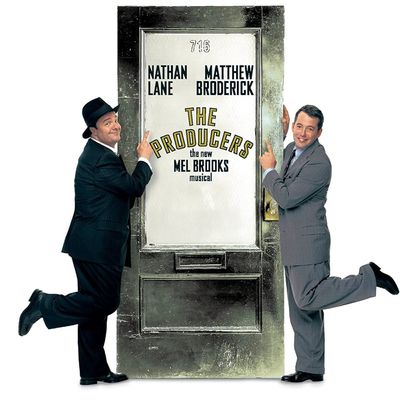
About
Glen Kelly is a music arranger (especially of dance music) and composer. He is best known for his musical theatre arrangements for Broadway shows including Beauty and Beast, The Producers, Young Frankenstein, Spamalot, The Drowsy Chaperone, The Book of Mormon, and Aladdin.
This week’s #SongWriterOfTheWeek is Angela Sclafani ! Today we’re playing a song called "I'll Save You the Waltz" and it is from Angela’s musical The Other Side of Paradise. If you like what you hear and want to learn more, check out www.angelasclafani.com or @angelasclafani on instagram.
This episode is brought to you by Terry Knickerbocker Studio. Terry Knickerbocker Studio offers a two year acting conservatory, workshops, studio rentals, one-on-one coaching, beginner acting classes, and the best actor training in New York, period. For more information, visit terryknickerbockerstudio.com.
This episode was edited by Stanley Wiercinski.
Keep up with me @KenDavenportBway on Instagram.
Transcript
This transcript was automatically generated and might contain errors.
[0:00] Ken Davenport: If I had a songwriting class, I would say write a great song and you have 45 words. That's you can you have 45 syllables. Now write an amazing number based on that. Because then all of a sudden everything has to be very specific. You have to choose every word. It becomes very hard. Every word has to be chosen specifically, and you can't just throw free phrases at something.
[0:20] Ken Davenport: I wanna be a producer with a hit show on Broadway. You're listening to the Producers Perspective Podcast with your host, Tony Award winner, Ken Davenport. Keep on laughing as you go. Just remember that the last lap is on you. Always love on the bright side of life. That's always look on the bright side of life from the big Broadway musical Spamalot, which today's guest, Mr. Glen Kelly, helped to musically arrange. Today on the podcast, Glen's gonna tell you about how to assemble a big Broadway score like Spamalot. But before we get there, I want to once again thank Terry Knickerbocker Studio for sponsoring this podcast. Terry Knickerbocker Studio offers a two-year acting conservatory, but also workshops, studio rentals, one-on-one coaching, everything you need to get the best actor training for the Broadway stage, for sure.
Conservatory is based in the Meister technique, but they offer a holistic approach to actor training with a commitment to nurturing the total actor, mind, body, and soul. And this is by the way, this is the man. Terry Knickerbocker is the guy who Oscar winner Sam Rockwell has trusted to coach him through every single film, TV, and theater project he's ever worked on over the course of his career, even referring to Terry as his secret weapon. And that's right, podcast listeners. If you're an actor, you get a chance to work with Terry when you visit Terry Knickerbocker Studio.com. That's Terry Knickerbocker Studio.com, or just Google Terry Knickerbocker. But before you do that, let's let you in on the secrets to creating a big Broadway smash score with Glen Kelly on today's podcast. But here's a little bit more of one of those scores.
[2:08] Ken Davenport: I'll take it off your hands. Hey the lady packing. Hello, everybody. Welcome back to the Producer's Perspective podcast. My name is Ken Davenport. You are in for a very fun and educational podcast today. We're going to talk to someone who is extremely well known in the business, but also a bit of a mystery. And we're going to solve it or attempt to. Please welcome to the podcast, Mr. Glen Kelly. Welcome, Glen.
[2:39] Glen Kelly: Hi, Ken.
[2:40] Glen Kelly: By the way, whenever I hear the talent of your show, I always think it's going to be about the musical The Producers. Like just a podcast only about The Producers, how it came to be.
[2:50] Ken Davenport: You could be, I mean, that's what this episode is. You could actually tell the whole story.
[2:52] Ken Davenport: Well, look, if you go to Glen's IBDB page, you will see that he has worked on The Producers very intimately, which we're going to talk about. But also that he's worked on a ton of different shows. But what's very unique about Glen, he's got a ton of different titles for his credits. From dance music arrangements to musical supervision to incidental music. In fact, one of the reasons that led to this podcast today is I was talking to him about a show of mine that he's working on. And when we talked about it, I said to him, what do you do? What do you want to do? And I'm going to let him explain that to you right now. What did you say to me when I said what would you like to do on this show? Do you remember?
[3:48] Glen Kelly: I don't. What did I say?
[3:50] Ken Davenport: You said musical dramaturgy.
[3:54] Glen Kelly: Oh, that's good. I said that. That was a s I'm I'm smart.
[3:56] Ken Davenport: Yes, and I said I've never heard that before. And so tell me a little bit about what you think that is and why it's necessary.
[4:05] Glen Kelly: Okay. I mean what I do, my family's never figured it out. No one in my family has any idea what I do, and they you know, it's it is weird to explain because people assume that like the composer will write and he does, but I will decide the direction a song moves in. I'll try along with the director and choreographer, of course, but I'll come up with we need a key change here. This part of the song should be over here. What if we had a section in the middle where people came out and did something like this? And you create a whole I mean the song should sort of act like a one-act play. That's something Sondheim always says about his songs. But as far as the action within a song, that's often the case too.
So like in The Producers, there are a lot of songs where there's a lot of events. If you look at I Wanna Be a Producer, there's a whole opening section where everyone sings unhappy, unhappy, and then there's a scene, then it goes into I Wanna Be a Producer, and there's a section in the middle where the chorus girls come out. So it's mapping all that out. Um, you know, and of course, you know, with s you know, with Producers obviously Mel is on top of it and Strowman is on top of it. But that but that's my goal. If that gee, I don't know how helpful that is.
[5:13] Ken Davenport: Very helpful. I always wonder how helpful I am. We're gonna dig into it in detail. So, but let's go back to the beginning. So, where did you learn this skill? Or really where did you start?
[5:24] Glen Kelly: I don't know if I learnt a skill. It's more like just kinda like being a smart ass at the piano, the ability to sit down and make people laugh. You know, um I never had any musical training. I'm completely like uh raw.
[5:36] Ken Davenport: What does that mean?
[5:37] Glen Kelly: No musical training. So no, no piano lessons, and I taught myself theory and how to write music and stuff. Write it down, I should say.
[5:45] Ken Davenport: Wait, you did not take a piece of the piano.
[5:46] Glen Kelly: I didn't I did not never had a piano lesson.
[5:48] Ken Davenport: So when did you start plunking away at the keys?
[5:51] Glen Kelly: I it's so interesting how as kids were hardwired as human beings to be attracted to certain things. And I was just loved a piano in the words of River Berlin. And I was just always attracted to a keyboard. My aunt in San Bernino, California, had a piano, and I would just want to go and play play on the piano as a child and make up you know little pieces of music. And for some reason that was always attractive to me. And um I had clarinet at school in elementary school, so I kind of learned kind of how music worked. But I was just really into like the piano and stuff. So I kind of learned fake music. Fake music is where you have a melody line and just a chord that talks about the harmony. So when you're reading from a fake chart, you have to arrange because all you have is the you know, you have to figure out how does how to make it musical sounding. So that's sort of how it came about.
[6:44] Ken Davenport: How old were you when you started to fake?
[6:46] Glen Kelly: So I would say I've never actually stopped that, but um I don't know, 10, 11, I guess.
[6:55] Ken Davenport: 10 or 11. Did you come from a musical family?
[6:57] Glen Kelly: No.
[7:00] Glen Kelly: No. I would say I was adopted, but I look exactly like everyone in my family. I you know, I like to think I was a musical royalty that somehow ended up no, there's no way around it. I look just like my dad and my brothers.
[7:09] Ken Davenport: So you started faking, and how did that lead you to the theater?
[7:16] Glen Kelly: Again, uh, it's just odd. Uh strange the things you remember. Sixth grade, and the uh high school came to do selections from their production of no, I'm sorry to take that back, it was eighth grade. And the high school came over to do uh excerpts from The Fantasticks, which they were doing, and I was just immediately smitten with it. It was just seemed so fun and amazing, you know, like from that moment. And you know, in high school, I remember that here's what worked for me. Here's something everyone should do. My drama teacher, Maggie Regalato, lovely lady, and um she loved Man of La Mancha. She was always going on about Man of La Mancha. So I thought, okay. So I went to the library, got the record, and got the script.
And every time a song would come out, I would put the needle on the record. And by the end, I was sobbing, you know, because it's so sad at the end. And somehow that that played in my head. I saw everything in that, you know. And to this day, it's really fun if you get a script of a show to go through and play the songs when they come up. You really get an idea of the show. Anyway, I loved it. I loved that so much. And literally, I was just a sobbing little mess at the end. So I mean, that's kind of how I got into theater. And I eventually taught myself to read regular piano music, so I started playing for the musicals at high school. You know, so in a weird way when I see high school friends, I'm doing the same thing I was doing in high school. They've moved on to careers. I'm still playing piano for musicals.
[8:36] Ken Davenport: But you literally just taught yourself how to go from faking to actually reading, but no instruction at all.
[8:43] Glen Kelly: Yeah, it was hard to go from uh treble clef in the right hand and bass clef and and that that was always hard for me. But you get used to it and you kind of figure it out. I would write little I would write music at home, usually like Mozart pastiches 'cause I love Mozart. So I would write, I don't know where they don't still exist. I'm sure they were quite crude, but I mean that helped me learn to read piano music because I would try to write piano music.
[9:05] Ken Davenport: How many hours a day did you play the piano?
[9:09] Glen Kelly: Um I didn't get a piano in the house till I was maybe thirteen. But then just kind of like I don't know, like as much as I could. I really loved playing and writing little pieces of music and learning music for the you know I mean it was just always something I liked and and I felt like I was good at.
[9:27] Ken Davenport: Where was this piano that you were playing before you got one in the house?
[9:30] Glen Kelly: At your aunt's did you say?
[9:32] Glen Kelly: Uh well that wasn't close by um uh there was pianos at there was a college where I could like sneak into the practice room and use that piano. We actually had a toy piano at home which had like a four octave range. So it's not like a Schroeder piano but it's like enough that you can actually kind of play music on it. And I played on that all the time. I I stole it from my sister who it was actually given to and yeah I just mm and after high school what did you go on to do? What was the goal? Did you like I'm gonna pursue a career in the theater and one day you'd score to it was a little shows it was a little odd. I never c I won I never finished high school. Never went to college.
[10:09] Ken Davenport: You didn't graduate from high school I did not. There was some family problems which I won't burden you with and I left home like when I was 17 before I graduated high school moved in with a a friend of mine. I was playing for the Civic Light Opera Company so I made a little money there. There was a l a singer I was playing for and her parents gave me some money too and I was just kind of surviving that way.
[10:29] Glen Kelly: Where was this again?
[10:30] Glen Kelly: Uh LA.
[10:31] Ken Davenport: LA. And then I uh through uh somebody I knew, I got a job playing for a musical called Boy Meets Boy, um, which was an off-Broadway show by Bill Soley. And so that was actually a pre I got a hundred dollars a week for that, which was you know, probably five thousand dollars a week in today's dollars at least. And um, so I got I got that job, and that was an actual professional job. It opened on my 19th birthday.
[11:01] Glen Kelly: Wow.
[11:02] Ken Davenport: So someone should you're a producer. Uh that's a really good show you should look at.
[11:06] Glen Kelly: Really?
[11:07] Ken Davenport: Yeah, because it's about it's a 30s musical, but can the conceit of the 30s musical is that men can get married to each other. Which is weirdly contemporary, but it was written like well, it opened I was 19, so like 40 years ago, 30 years ago. So that was that. And I got to know the composer. Then there was a show called The Great American Backstage Musical, which was quite good. And I that it was in LA and it moved to San Francisco. Then I went with it to San Francisco and it closed, and I played for a lady named Sharon McKnight, who you may have heard of. She was nominated for later on for a Star Mice. I played for her for three years, and then I moved to New York.
[11:45] Glen Kelly: Three years, just accompanying her?
[11:50] Glen Kelly: Yes. I was also working on there's a show Beach Blanket Babylon.
[11:53] Ken Davenport: Oh yeah, which I worked on that for a while. Listen, I worked on that when I was like 20, and it had been running three or four years at that point, and it's closing uh this year. That's how long that show's been running.
[12:07] Ken Davenport: So no musical training, no, no college program. So you really cut your teeth or learn this skill you talk about, like moving things around and how to get an audience laugh. Of all those shows, which one do you think helped you the most in learning that skill?
[12:23] Glen Kelly: You know what really helped me was working with Sharon McKnight, who was a comedian, and you're coming up with material for her, and you get a song, and it's like 32 bar song. Okay, how you how can you make this a piece? You can't just sing the song through once, you know. And when you're I mean, I really learned more than anything from like doing I hate to say it from like doing piano bar, which I did when I moved here, playing at the old duplex and Don't Tell Mama, like a long time ago. And um when you just have to sit down and play piano for like four hours, five hours, and be funny and you know, accompany various people who come up and just you know, I mean, you learn more from that than anything. Not to mention you learn a lot of songs. And um doing people's knacklebacks, you know. I think I learned more from that than anything.
[13:12] Ken Davenport: What is your favorite score of all in the musical theater canon?
[13:17] Glen Kelly: Uh my go-to answer is West Side Story, because I think it's so wonderful. But I don't know. I mean, I don't know that that's better than Sweeney Todd, which I think is pretty perfect.
[13:27] Ken Davenport: You work on a lot of comedies though. I was some surprised to hear that you like two of the more serious musicals.
[13:34] Glen Kelly: Do you listen to cast albums?
[13:35] Ken Davenport: Yeah.
[13:36] Glen Kelly: You do?
[13:36] Glen Kelly: I I kind of don't that much. I listen to a lot of opera and classical music, but I don't often for enjoyment, you know, like put on um you know, Little Abner or something. I I I don't generally do that for some reason. I like working on it, and I feel like I'm pretty good at it, but I don't, you know, much very often do that.
[13:55] Ken Davenport: So describe your process a little bit about working. And why don't we just use The Producers as an example since that's one of the most famous, where you worked really closely with Mel, who also isn't composer, really, right? He hungs a lot from what I've heard or so it goes, or sang into a recorder.
[14:13] Glen Kelly: I I mean, I would harmonize the songs he was singing. I have to say it's not that hard because they're very parodistic songs, they're based on styles of songs, you know. So those kind of songs aren't hard to harmonize, you know. Um but yeah, he would he would sing stuff to me and I'm gonna make suggestions and we go back and forth.
[14:35] Glen Kelly: And the product was, you know, a song by Mel Brooks, absolutely. But I feel like I was able to influence it and stuff. And, yeah, I mean, Mel was amazing. I really wish I'd enjoyed it more. I was always nervous. I was afraid he was gonna be fired, and I was, you know. Looking back on it, I should have just stepped back a minute and just looked at how amazing it was to hang out with Mel Brooks and Anne Beckroft and have dinner with them and Strowman and Tommy and Carolyn Meehan. That was great. And I was always kind of nervous and paranoid and like, you know, but that was a great experience. Was there talk a little bit about the development of that show? Was it always like, oh, this thing is amazing.
This is gonna work like that. Everyone is like, oh, well, the producers. No one knew it was gonna be a hit. No one was sure. You know, Mel always felt like he was on the point of going, ah, forget it. Um, it was a little tragic in the beginning because Mike Achrint was going to direct it. Actually, what happened was originally David Geffen was the producer, he wanted Jerry Zach to direct. Jerry Zach's he was more with the authors. He was more like, well, write something and show it to me. And the authors were like, we need someone to help us. And so Tom Me thought, you know, what'd be really good for that is Mike Okrant, because he's done more shows from scratch than Jerry. So they went to Mike Achrint, and that was kind of love at first sight.
Mike at the moment at that time was married to Susan Strowman. And, um, so I was actually I was playing rehearsals for a show no one remembers, it's Christmas Carol that used to be at Madison Square Garden.
[16:14] Ken Davenport: Oh, I remember that.
[16:15] Glen Kelly: Do you remember that? Yeah, no, no, uh, uh Alan Mencken and Lynn Sky.
[16:21] Ken Davenport: Right.
[16:21] Glen Kelly: The one she cheated on Stephen for that.
[16:23] Ken Davenport: She did.
[16:24] Glen Kelly: She's amazing. And Alan Mackin is astonishing too. But I was working on that at like the fourth year. Roger Daltrey of all people in the world was Scrooge. So we had Roger Daltrey at rehearsal, which was as a huge fan of the Who, so I was like a gog. But anyway, at one point it was announced, oh, Mel Brooks is coming in. And I was like, why is Mel Brooks? And Mike said, oh, we're thinking of doing a musical of the producers, and I was just flipped out. I have to do it, I have to do it. And, um, so I met Mel and we just kind of started working during this time though. Mike was in and out of the hospital, he had leukemia and he was fighting it, and um he did eventually die from it, which is really horrible, kind of right when we were developing it, and it was difficult and horrible for everybody.
And at that point, Susan Strowman stepped in and directed as well. So we just kept developing it. But it was, but I think there was a lot of people. I know David Geffen when he was producing it, he thought um he wanted Jerry Herman to write it. And Jerry Herman was like, oh, you're Mel, you are a great songwriter, you should do it. But David Geffen sort of thought, well, there should just be a few songs. There shouldn't be like a whole score, you know.
[17:37] Glen Kelly: You obviously had different affinities.
[17:39] Ken Davenport: Well, yeah, I mean it worked out well, right?
[17:45] Glen Kelly: Yeah, I mean, it was just fun to make it a full score. And Mel was really enthusiastic and had great ideas and was just bursting with these songs. You know, it was quite, it was, it was quite wonderful. And I think it worked out extremely well to really do it like the ultimate traditional musical at the same time, it's almost a parody with traditional musical. You know, it's making fun of the thing. It's making fun of the thing it is, which is something that Mel Brooks especially likes. And I think the goal was sort of like this had to be the musical according to Mel Brooks. It had to be his world. It had to be, it had to, it had to the show had to look like Mel did the set and the costumes and all the dialogue and the music on the, you know, it just had to.
Like, you know, it has to be one thing. Like the Western musical or the Dickens musical. It has to be like a personality, one thing. In the same way, hopefully, National Lampoon Vacation would be that one thing, the National Lampoon Vacation, just that world. And this had to be the Mo Brooks musical. It had to be that specific a thing. And so this, you know, we're breaking the fourth wall all the time, and the songs are, you know, they saw they sound like, you know, it sound like you know, the songs in Mel Brooks movies, kind of, you know, a borschtbelt guide to singing these songs, except now it's all these characters singing them and stuff. So that was the goal of that. How can you make this one thing? Just one specific thing.
[19:25] Ken Davenport: Do you think we'll see a Blazing Saddles musical?
[19:28] Glen Kelly: Gee, I don't know how that would be wonderful. You know, I haven't talked to Mel in a couple years. I saw him, he did a one-man show on Broadway, and I saw him at that. You know, Mutt Brooks is, you know, not a young man. Although when you meet him, he's like, you know, I assume he'll live another 95 years. It's hard to assume anything else. His follow-up, Young Frankenstein, did not have obviously the same response that the producers did, not that any show could. It's a high bar to jump over. But what are some of the reasons you think that one didn't take off like the producers did?
[20:02] Glen Kelly: Well, one thing I always say, be beware the sure thing. Because producers was not a sure thing. A lot of people were like, oh, Mel's writing the score? And it was like, oh, well, you know. And you know, it was great. And so once that was a huge hit, it was like, well, we have to follow up with an equally big hit. And I think there was too much attention to making it a big smash. I think if it was a mid-sized musical, I think if it was shorter, if it was like in a smaller house. We were at the, um, where Harry Potter is now. I forget what it was called then. It was the Ford Center, I think. It was after it was called the, it's been a million names. Some corporate spectrum. I can't remember. Maybe it was something.
Might have been the Clinton. Oh God, maybe it was maybe it was the Hilton. That sounds right. I can't remember, but you know, that's a very problematic house to do a show in, so it was too big. And you know, I mean, it's hard to be big and be funny, you know. It's hard to be a massively big show and be funny too. I'm sure there's a great example that proves me wrong.
[21:02] Ken Davenport: No, I think you're so right there because the funniest I can think of are the producers. Yeah. Spam a lot, which you were also involved in, and Book of Mormon, which is definitely a small musical. Those last two aren't really big musicals per se. Spam a lot was in a mid-sized house. Producers was a big musical. But it was a big musical about big musicals. So I so that seemed appropriate. Young Frankenstein's not so much. You know, uh and by the way, recently, we've looked at Young Frankenstein again, and there was a new production in London, which was way cut down. And it didn't run as long as I wanted it, but it got rave reviews, which we never got in New York. So I'm hoping people start doing that version because it was all of a sudden it was just easier to see how good a lot of the material is and stuff.
So the London production made me very hopeful because I think there's a lot of terrific things in the show. But it didn't quite catch on. And it did okay business for a while, and then the economic downturn happened, and everyone got scared. We closed, Little Mermaid closed. A lot of shows that we're doing kind of okay got scared and closed all about the same time.
[22:13] Ken Davenport: What do you think about the current state of musical theater scores when you go to see all the new shows and the new writers?
[22:21] Glen Kelly: My complaint is that I've worried that there's a lot of scores that have the exact same amount of lyrics per square inch. In other words, a song will start and it's wordy and then it's wordy in the middle, then it's wordy towards the end. I've read that no one knows how to write simply anymore. That that's my main complaint, actually. Like ever like if you could time it, every minute has like, you know, 145 words, and the next minute has 145 words. There's never a moment of expansion. It just seems a little dense to me. But there's a lot of great scores on. Hamilton's just the best damn thing ever, and so is Evan Hansen. And those Evan Hansen boys are adorable and sweet, and as talented as Pascan Paul, as talented as they can be.
And I did Christmas story with them, where they just wrote this sensational musical comedy score, and now they've turned their back on it, and you know, now they're like so wealthy, I'm sure I just can't even, you know. But they're great. But do you know what I mean though? I mean it's sort of like I was talking to someone, we're talking about Sondheim, and it's sort of like Sondheim created a very dense verbal style of songwriting, but he's the only one talented enough to make that work. Other people, it just seems a little wordy all the time. I say that all the time to people that so many young writers I think like love, revere Sondheim as they should, and then try to write like him. But it's that's like trying to write like Shakespeare.
You know, he is, I think, the Shakespeare of musical theater, and few should try to touch that form. If I had a songwriting class, I would say write a great song and you have 45 words. That's, you know, you can have 45 syllables. Now write an amazing number based on that. Because then all of a sudden everything has to be very specific. You have to choose every word, it becomes very hard. Every word has to be chosen specifically, and you can't just throw phrases at something.
[24:14] Glen Kelly: For a new songwriter or an emerging songwriter, if you were teaching this class, yeah, and you only had one book of someone's lyrics to give them. Oh god. Or one cast album score to give them, whatever, who would that composer lyricist team be?
[24:31] Glen Kelly: Good question. I always admire Irving Berlin's ability to write simply. When you look at a song like Always, which is insanely simple, but it's perfect, you can't change a syllable. You know, a lot of the Rogers and Hart songs, like a lot of times now with shows that I do, the lyrics are being rewritten to the end. There's sort of a feeling that we've never found the final version of these lyrics. You know, and even after they open, it's like, oh, we rewrote such and such. If you look at a lot of Rogers and Hart songs, the songs are perfect. You could never go back and rewrite them. You know, every word is perfectly chosen.
[25:08] Ken Davenport: What do you think the biggest quote unquote mistake is that new writers make?
[25:14] Glen Kelly: Keep in mind I've never actually written anything, so I mean, this is gonna seem irritating to everyone who's actually writing shows. What's the first thing you fix? What's the most common thing you adjust? You look at a score, you get something. What are you like, oh, here it goes again? That thing.
[25:27] Glen Kelly: Oh, well, I like to add space. I think sometimes it's hard to know that an audience can really only take in so much. So you add space just to give an audience a chance to breathe for a moment or laugh or I recently heard that there's a director that directed comedies, a film, asking the actors to hold for a moment because he knew where the laughs would be. Right. In a way, that's the same thing you're talking about, is giving the audience a chance to process.
[25:57] Ken Davenport: What do you think about the current how many? Let me ask you that a different way. When you first started working on Broadway, how many musicians were there in the pit on average?
[26:05] Glen Kelly: Oh, that's a good question. I don't know. Um, I don't feel like it was massively different than it is now. I guess it must be. I'm sure it's smaller now. But back then there were some pretty anemic orchestras too. We're talking about the 80s. When I moved to New York, there was a certain kind of flop that doesn't happen so much now. Where a show would just, against all reason, just show up on Broadway. It was just like, how did this get here? And it would open, it'd be like the I'm talking about shows like when did you start watching shows? I feel like you're a little kid, by the way. You look so young. And you're very youthful for a producer.
[26:40] Ken Davenport: I got here in 1991.
[26:42] Glen Kelly: Well, okay. So the flops that I saw that were like those were like Metropolis that thing that came in. I saw that in London.
[26:50] Ken Davenport: That didn't last very long?
[26:52] Glen Kelly: No, it did not. That was by the guy that wrote, uh, is it In Your Life or the guy that wrote You Light Up My Life. Uh Joe Brooks, didn't he write Metropolis? Am I wrong about that?
[27:06] Ken Davenport: I don't know. He also wrote the Lemonade musical or In My Life.
[27:12] Glen Kelly: That's what I meant. Yeah. That was in 2000. I think he wrote Metropolis. And then he went through some very hard times, and I think he committed suicide. So on that happy note. But when I came to I came to Broadway in the 80s at a time in which it didn't look like Broadway would necessarily be a thing coming up. It wasn't at all like now when it's just to find a theater that's not full of, you know, I mean it's amazing now. This is an amazing time where it's just like there's just so much product. It's really exciting. In the 80s was kind of when they gave away the um Mark Hallinger Theater, because it was just like, you know, I think the last show that played there was um Legs Diamond. And at that point, it was just like everything was so disheartening.
When I came to New York, there were shows like Bring Back Birdie, uh Unrid Victoria, Copperfield, Raggedy Ann and Andy. And these are huge expensive shows that just came in and just fell apart like immediately. And this was happening all the time. I remember seeing Big River, and it was like the last show of the season, and people were like, well, I guess it's not going to be a hit this season. And it turned out to be great. But everything they became for it just was terrible. There were years where they didn't give original score out because there was just no origin, you know. I mean, it was just a bad time. Now it's exciting, at least. I can't say that it's like the golden age of Broadway musicals, but there's a lot of stuff, and there's a lot of great things on Broadway.
[28:47] Ken Davenport: You said before that, oh, people aren't gonna hear this from me. I'm not a writer, I haven't really written anything. How come you're not really, you know?
[28:55] Glen Kelly: I'm not sure. I'm not terrific with a blank page. The real heroes are people that create something out of nothing. I'm sort of like a back seat driver. I'm like, yeah, well, that's a good song. You could move this over here and it would be, you know.
[29:10] Glen Kelly: But the real heroes are people who can look at something blank and put something on there and then resist criticism from people that go, oh, you know, why'd you do that? And I'm not sure I have that much courage, and I'm not sure I, you know, I have written stuff. I wrote the original music for the Nats, which, you know, but it is sort of important to realize that an arranger, and I think I'm good at what I do, but it's not the kind of talent that, you know, a real life songwriter has when he goes and sits down and creates a show. That's a whole different kind of talent and courage that I don't know. I'm a little shy. I'm not good at getting criticism, and I feel like I would just fold like a deck of cards the first time someone said, oh, I don't like that song. So I don't know. Have you worked on any jukebox musicals?
[29:59] Ken Davenport: I don't think so.
[30:00] Glen Kelly: Well, no, I take it back. I did Bullets Over Broadway, which I guess you could technically call that a lot of. It doesn't feel like that for some reason.
[30:08] Ken Davenport: Gee, that wasn't, that didn't do well.
[30:11] Glen Kelly: No, why not?
[30:12] Ken Davenport: Um, what was wrong?
[30:15] Glen Kelly: Yeah, because everyone really was because I remember sitting down with those producers.
[30:20] Ken Davenport: Well, every, that was a good one. Oh, who do you said? Who'd you sit down with?
[30:22] Glen Kelly: I don't.
[30:23] Ken Davenport: Julian?
[30:24] Glen Kelly: Yes.
[30:25] Ken Davenport: Julian Schlossberg.
[30:26] Glen Kelly: Nicest, the most wonderful mensch in Broadway theater. He's a lovely guy. When it was announced saying, like, I gotta get in on this show. It's got Broadway in the title, it's got Woody Allen, of course, that reputation has changed over the years, but it just had all the makings of a big hit, and then it just didn't get there.
[30:47] Glen Kelly: It might have been too big again. I mean, it was a comedy and it was an immense production at the St. James.
[30:51] Ken Davenport: St. James, again.
[30:52] Glen Kelly: And, um, well, the Woody Allen thing sure didn't help. That story was just breaking it.
[30:56] Ken Davenport: It was, well, everyone had gotten used.
[30:59] Glen Kelly: Rebroke.
[31:00] Ken Davenport: Everyone, yeah, it was weird because everyone had kind of made peace with it. And, uh, Woody Allen was receiving a big award, and, uh, Ronan Farrow posted something to the effect of, gee, they didn't mention at the award ceremony my father molesting, um, my sister. And that became a very big thing, and all of a sudden, you know, everything came out again, and it was like all of a sudden it wasn't much fun to be a Woody Allen musical, which at the time it was. I was like, oh my god, how much are people gonna want to see a big Woody Allen musical? It was like the big Mel Brooks musical. But then it became, there was really a weird feeling about Woody Allen at that time without going into that weird, that awful, you know, thing. And gee, I don't know, that didn't help at all. I don't know. I had a lot of hopes for that. That was crushing, that one. That was really, of all the shows that I loved that didn't make it, I think that was the hardest to deal with for me.
[32:07] Glen Kelly: Again, you're not the writer of it, but they still hurt when they don't work a little bit. Well, that one I did write a lot of lyrics for, and you know, I was, I kind of, because there were no living songwriters, I had to play the function of a composer and, you know, do everything, even though I'm working with old songs.
[32:24] Ken Davenport: How do you pick yourself up when they don't work? Because they can't all work, unfortunately, can they?
[32:28] Glen Kelly: Well, I tell you, one good thing was there was Aladdin was happening at the same season. And that helped, that picked me up really well because that was a show that was troubled in Toronto, and Casey Nicholaw just made big, brilliant, scary decisions that all paid off. I've never seen anything like it in my entire career. He came in and said, we're gonna cut this down, we're gonna cut these characters down, and without going to specifics, it was really interesting. In general, shows don't change so much out of town as people think they do. But Aladdin did. He really turned it from what might have been not a hit into like a big hit. And so that was amazing. So I did have a success that season. So having another show like right after that was, that was helpful.
[33:20] Glen Kelly: It was funny at one point because I didn't know when Aladdin was gonna happen, and for a long time it had played in Seattle like three years earlier, and suddenly I, uh, Casey called, we'd do it during Aladdin, and I was like, Casey, I don't think I can do it. I'm doing, I'm working with Woody Allen and both Silver Broadway. And he was like, I have to have you, you have to make it work. And I was like, okay. And if I, at one point I was almost going to turn it down. I'm just, I can't do it. I'm just full up with this other show. But I'm forever grateful to Casey for like insisting that I do that because that was, I would have had to, you know, move to Cincinnati or something and then Civic Light Opera there, or I don't know. That's really kept me alive.
[33:59] Ken Davenport: It sounds like Casey's leadership and somewhat pressure is what helped Aladdin get to where it eventually went and still is running today. Is there anything else during that very tense preview period or the out of town? You watch all these creative teams work. What's the secret sauce during that very tense time to getting a show to accomplish to actually change more or change as much as it should in a preview period?
[34:28] Glen Kelly: Um, uh, I don't know, it's, that's a hard question. Every show is different. With Spamalot, we were in Chicago, it was very cold. And, um, you know, Mike Nichols was directing, and he was very good about, he was sort of the opposite of Strowman. Strowman's like, let's make this work, let's figure out a way to make this work. Mike Nichols was cut it, just get it out of the show. So we had a very short, so Spamalot's kind of a short show. He just didn't have patience for it. And that in the case of Spamalot, I think that worked quite well. Um, we just cut out all the stuff that didn't work. I think Act One was 50 minutes or something. And it was, boy, I remember that really shows you sometimes how you're wrong.
For some reason, during Spamalot, I was convinced it wasn't any good. It was just, it was a kind of a chaotic rehearsal period. And I was just convinced at the first preview that, oh, they're gonna, they're gonna bullets off the stage. And it was a hit from the first line. It's so interesting. I get, I could be a little negative. Right before a show's on, I'm like, it's, this is it, it's doomed. Maybe that's why I wasn't that upset with Bullets because I sort of always assume they're gonna not do well. I never thought Producers was going to be a big hit. It's so funny because I have the same period I go through up here in every single one of my shows where I hate it for a day. I just can't, I can't watch it anymore.
It's just something about being so close to it. It's also when you do a comedy, you go through, if you're going through tech rehearsals at the end, you're doing this comedy to no laughter for weeks, and it just seems like the worst show you've ever seen. Prom, a show I truly loved working on, and I wish it had a bigger success because it was terrific. And I hope it's good on Netflix, whether you're working on it now. But Prom's like, I thought that was death. I thought it was just gonna be terrible. And then at the first preview, it was like, I, it was really kind of exciting. You know, it was just like, oh my god, this is good. We were right, this is good. But if you're playing comedy, uh, at some point everyone stops laughing during the rehearsal period and you think it's gonna be a disaster. For me, anyway.
[36:33] Ken Davenport: All right, my last question was my genie question. I've been talking fast, so you have enough for several, uh, you should probably, anyone listening to this should go to that thing where they go to one and a half speed or they could slow the speed of it down. They're gonna replay this one over and over.
[36:48] Glen Kelly: So speaking of Aladdin, yeah, I'm gonna ask you my genie question.
[36:51] Ken Davenport: Oh, okay.
[36:52] Glen Kelly: I want you to imagine the genie from Aladdin that you helped put song into his mouth. I can't even imagine the reworking you did on that big song.
[37:01] Ken Davenport: Oh, you mean, uh, "Friend Like Me"?
[37:03] Glen Kelly: Yes. Uh-huh. That's a like a 12-minute extravaganza, that thing. Well, that material. What a great song. Well, I like I did stuff on that, like I thought in the movie it starts, yeah, and I just didn't want to start with that because I just, uh, so I, I put him the scatting at the beginning and stuff, and I put ideas for the thing. I suggested, uh, the whole, uh, dancing with the scimitars sequence so it becomes like a game show in the middle. It was trying to find because in the movie he's so chameleon-like and going from form to form to form. So how do you do that on stage? So it was like, you know, he would be a cowboy for a second, and then he would go to, you know, dancing with the stars, and then he would do a magic act and appear somebody else, you know.
And you know, this was with Casey, of course. I'm not suggesting, you know, anything else. But it was sort of to find a musical approach that would show what the genie was like in the cartoon. When we announced we were doing the cartoon, a lot of people would be like, well, how are you gonna do the genie? Like, how are you gonna be that? So it's just sort of creating the events that happened during a song.
[38:10] Ken Davenport: Well, that was an amazing interpretation because I assume the movie version was just letting Robin Williams improv like crazy, which he did, and then of course they painted around him.
[38:22] Glen Kelly: They, oh now we can, he did this bit, we're gonna do this and edit this and edit this. And that's what you created on that stage down there around that actor as well.
[38:30] Ken Davenport: Well, well, it's really Casey's magic to put everything. A lot of times I would say, this would be great if it was a tap dance, and he would say, no, but we, he would use the music and make it something much better than that. And that, that show to me is a monument to the genius of Casey Nicholaw, I have to say. He just did an amazing job with that. It was, you know, I think, I think it's a wonderful show, personally.
[38:50] Glen Kelly: So imagine this genie comes to thank you for doing such a great job with his number, winning him a Tony Award, actually.
[38:57] Ken Davenport: Oh, he was so good.
[39:01] Glen Kelly: That was so fun at the first day. We, he did the show in Seattle, which was like, uh, like two or three years before he came to Broadway. He was, we added rehearsal, and he just said his first line, and it was so thrilling. And one other time that happened, I was with Nathan Lane. First time he ever did The Producers. He's in my apartment, and he and he's, we're writing the opening song, King of Broadway, and he says, hi, Max Bialystock. It was immediately so perfect. It was really a chilling experience because from the beginning it was astonishing what he was doing. And it was just so perfect. You know, it was just a magical thing.
[39:36] Glen Kelly: So the genie wants to thank you for everything you did for him by granting you one wish.
[39:41] Ken Davenport: Uh-huh.
[39:42] Glen Kelly: What's the one thing about Broadway that drives you nuts?
[39:46] Ken Davenport: Oh.
[39:47] Glen Kelly: Makes you crazy, angry, wants you to jump up and down and scream and yell. If only they would just change this about Broadway, it'd be a better place.
[39:56] Glen Kelly: I don't think I'm gonna come up with a good answer for this. What is it, what is bothering me about Broadway? There are no wrong answers.
[40:02] Glen Kelly: There are no wrong answers.
[40:04] Ken Davenport: That changes everything.
[40:05] Glen Kelly: Um, I don't know. How do I answer that question? Um, uh, what do I not like about Broadway? I don't know. Everything I'm, I'm thinking is like cliche, like ticket prices, or I hate it when people are on their phone and they're mad. So I don't know. I pretty much really like Broadway with all its flaws. I suppose I would like more new shows with more melodic scores. Um, a little bit, but there's a thing, and you will learn this as you grow older. Uh, uh, is that you, you become sort of like, oh, these kids, we had melody when I was, so I don't know that that's valid. You know, I used to listen to rock music that I loved, and people were complaining how it didn't have melody. So if I hear a modern song, uh, a lot of times like young people just love the thing.
You know, like Jason Robert Brown's song is loved by kids, and I've never quite warmed up to them, although it's obviously he's a crazy genius. So I don't know. When I don't like stuff, I assume it's just I'm, I'm a cranky old man who prefers, you know, just to be listening to old Gershwin songs or something.
[41:14] Ken Davenport: Well, then call me a cranky old man as well, because I wish we had a little more melody in a lot of our scores as well. Thank you so much for that answer. Thank you for all that you do for the theater, and thank you for listening today. We'll be back next week with another episode of The Producer's Perspective Podcast. We'll see you then. Thanks again to Mr. Glen Kelly for sharing all his secrets with us today. Look, the holidays are coming up, and if you are looking for the perfect gift for the Broadway fan in your life, or just frankly, a gift for yourself, that's right. Go ahead to Amazon.com, put this on your wish list right now. Tell all your friends to get you Be a Broadway Star, the board game, Broadway's only board game, and about this time of year, it's like the best-selling gift you can get on Amazon if you are a theater fan.
If you're excited about our new podcast season, if you're enjoying Glen Kelly and all the other great guests we've had so far this season, please do us a favor, review us on Apple Podcasts. Just helps other theater fans find us. To find more about me, follow me on Instagram at KenDavenportBway. Or do go to my blog, theproducersperspective.com, sign up, subscribe, you'll be the first to know when new podcast episodes are released. And I also talk about everything else I'm working on, including the shows I have coming up. So go to theproducersperspective.com to subscribe and check that out. And now, that's right, it's time for the songwriter of the week. Hashtag songwriter of the week. This week, it's Angela Sclafani.
And today we're playing a song called "I'll Save You the Waltz" from Angela's brand new musical, Other Side of Paradise. That's a very good title there. Other Side of Paradise. If you like what you hear and want to learn more, check out Angela's website at AngelaSclafani.com, or at Angela Sclafani on Instagram. Go check her out, spread the word. Let's get some emerging writers some attention. They're working their butts off, they're working their pianos off. Listen to their stuff and spread the word. Thanks so much. And here's that new song.
© Broadway Podcast Network, All Rights Reserved