

One of the most fun and most productive events we had this year was our “Take Charge of Your ’21” Challenge in January. Over 500 TheaterMakers joined us to hear tips and strategies on how to have your best year yet from super successful people in the business... Read More
From the show: The Producer's Perspective Podcast with Ken Davenport
Featured Shows
About
One of the most fun and most productive events we had this year was our “Take Charge of Your ’21” Challenge in January. Over 500 TheaterMakers joined us to hear tips and strategies on how to have your best year yet from super successful people in the business.
We learned how to crush writer’s block, how to squeeze a few more hours into each day for your REAL work (not that day job work), how to increase your confidence . . . and more.
We got such great feedback on this free event that we decided to do it again! But better. 🙂
I’m proud to share our free “Places, Please” Challenge which will kick your theatermaking in high gear!
Why now?
Two reasons.
First, I don’t know about you, but even though I’ve been out of school for (mumble, mumble) years, I STILL think the start of the school year is the start of a NEW YEAR for me.
So what better time than RIGHT NOW to re-evaluate where we are, and develop a plan on how to accomplish all that we want to accomplish as we sprint toward the end of the year.
Second, this is a PIVOTAL time for the theater and for theater-making. First, we’re finally opening up again. So not only do we need to be ready to get out of the zoom rooms and into a rehearsal room again, but I believe that a renaissance is around the corner. And that means opportunities. Opportunities for more new voices in the theater than ever before.
And you want to be ready, right? I mean . . . we just went through a crapper of a year. Well, the sun is coming out tomorrow, so let’s take advantage of it.
That’s why I assembled some of the smartest and most motivational and inspirational theatermakers I know to give you strategies on how to be ready for the renaissance.
And they are all coming to you for free as part of the “Places, Please” challenge!
Referenced in this episode:
- Check out the TheaterMakers Summit: www.theatermakerssummit.com
- The TheaterMakers Facebook Group: www.facebook.com/groups/theatermakersstudio
- Continue the conversation: www.instagram.com/kendavenportbway
- The Producer's Perspective: www.theproducersperspetive.com
About me:
Ken Davenport is a Tony Award-winning Broadway producer and writer whose credits include Once On This Island (Tony Award), Gettin’ the Band Back Together, The Play that Goes Wrong, Groundhog Day (Tony nomination), Deaf West Theatre’s Spring Awakening (Tony nomination), It’s Only a Play, Macbeth starring Alan Cumming, Godspell, Kinky Boots (Broadway - Tony Award, National Tour, Toronto, Australia, and West End), and more, including multiple Off-Broadway productions! Ken’s shows have been produced internationally in over 25 countries around the world.
He is the founder of TheaterMakersStudio.com, a one-of-a-kind "masterclass" community that provides training and inspiration from Broadway's best to writers, directors, producers and more.
Ken also serves as the Executive Producer for North America for Andrew Lloyd Webber’s Really Useful Group. Outside of theatre, he has produced award-winning content for both film and TV. Ken’s unique production and marketing style has garnered him international attention in numerous publications, including Vanity Fair and The New York Times.
Upcoming projects include Broadway Vacation, Joy the Musical, My Life In Pink, Harmony: A New Musical written by Barry Manilow and Bruce Sussman, a musical based on the life and songs of Neil Diamond, and a musical based on the life of Harry Belafonte.
Keep up with me @KenDavenportBway on Instagram.
Check out my blog for daily content: www.theproducersperspective.com
This episode was produced by Mary Dina.
Transcript
This transcript was automatically generated and might contain errors.
[0:28] Ken Davenport: Hi everybody, welcome to our special bonus day of the Places, Please Challenge. It is a beautiful Saturday here in New York City. It is sunny out, and there's just a touch of fall coming; you can smell it in the air. But the most exciting thing about today is I scooted down to my office here in Times Square. You know what the most exciting thing about right now is? There are people going to the theater! That's right, the matinee crowds are growing in Times Square. The TKTS booth was open; there was a line, and there were tickets going out the door. I haven't seen that in a year and a half. It's a very, very exciting time. I'm so thankful you all are here. I'll just start this bonus day off the same way I started off this challenge: I'm so thankful for every single one of you and your commitment to our art form, commitment to making theater, which is a commitment to making the world a better place, and most of all, this commitment to yourself, this commitment to wanting to learn more, to challenge yourself so that you can do the things that I know we all dream about.
I'm right there with you; I got a lot of dreams, a lot of things I want to do and accomplish, and it's weeks like this, it's challenges like this, hearing from inspirational and motivational people, being around other people just like me, which is all of you, being in a tribe like this, being in a community like this, that means the world to me and I know will help us all do the things we want to do. So welcome, welcome, welcome! I'm just going to look at the comments now and say some hellos. Hello to Aurora, hello to Megan and Jen, Tommy, Lauren, Nicole, Renee, Phoebe, Kathy, hello, hello, hello! Hi everybody, hello from Greece! This is amazing! I love, I mean, every time I do one of these and we reach across the world, I'm reminded that theater is the international language, second only to love.
Theater and love are like the same thing, so it's great to see all of you. Let's see who else we got there. Hugh says howdy; a big howdy back at you, Isabel. Gary, Jen, you're awesome too. Katie, everybody out there, thank you again so much for being here. We've got a very non-structured day for you today. That's right, it's like an improv day; you have no idea what I'm going to say next because I have no idea what I'm going to say next. We're going to really do just a live Q&A improv here. Whatever you want to know, whatever you want to talk about, we're going to talk about. So get those questions ready; you can start throwing them in the chat now.
[3:24] Ken Davenport: But I've got some business before. Mary Dina, my producer, who if you remember, how many of you watched our live streams at the beginning of this pandemic? How many of you were around at the very beginning when I was live streaming every single night? Every single night! And what was amazing is we had a lot of people watching those live streams, like a ton, and that really has nothing to do with me; it has to do with the fact that no one had anything else to do at the beginning of this pandemic. Renee was there; someone from Facebook was there! Look at that! I mean, I was amazed because what else were we doing? Nothing! Sitting around staring at our computers, listening to me make like bad dad jokes with Danny Burstein and all sorts of folks that we had on our live stream.
Oh, Danny Burstein! My computer shut down in the middle of that one. Anyway, if you want to go back and watch any of those, I think they're on our Facebook page, so we'll throw a link into that. But there's some great, very insightful things from people, including my first one with Stephen Schwartz, a whole ton of folks, so go check those out. But we are going to do it just like we did those; we're live, we're off the cuff, taking your questions today. So go ahead and throw those questions in the chat, and Mary will look for them and call them out for me. But first, a little business, a little business. Let's face it, one of the reasons you showed up today and you showed up all week is that we were giving away free stuff.
So I'm here to announce, and if you see my eyes scrolling back and forth, it's because I got like seven screens going on here, and I'm here to announce the winner of the Day Five giveaway. The Day Five giveaway, the person who did their homework, I'm here to announce the winner of a free membership to the Theater Maker Studio! That's right, a free membership to the Theater Maker Studio and the Finale music software license. Super value! This is like over a thousand bucks right here, this value alone. The winner of that free membership is Christina Zell! Christina Zell, look at there's their homework right now! There it is! Mary is so good! There's our Christina; you have won a free membership to the Theater Maker Studio and you have won a free license from Finale music notation software.
Super valuable! There, congratulations Christina! Are you here? There she is! Wowie zowie, says Christina! Wowie zowie! Christina, let me ask you a question: are you a lyricist? Are you a lyricist? Go ahead and throw that in the chat if you are because your rhyming skills are like off the hook! The wowie zowie is fantastic! You have to do me a favor; part of the fine print of winning this giveaway is that you now have to put wowie zowie as a lyric in an upcoming musical of yours! That's right, bonus points if you call it Wowie Zowie! That's the name of the musical: Wowie Zowie! Here, we'll do a little fun game. I think I'm a lyricist now, says Christina. Yes, you are! Yes, you are! Here's a fun chat: give me a logline for Wowie Zowie the musical, and we'll give away right now, right now, we'll give away another membership to the Theater Maker Studio right now to my favorite logline for Wowie Zowie the musical!
Wowie Zowie the musical! Go! You got this whole Q&A to come up with something, and at the end, we'll pick one of you as a winner. Logline, which is a one-sentence pitch; I'll evaluate a little bit at the end, and we'll give you a free Theater Maker Studio membership! Wowie Zowie the musical! Wowie Zowie! What an owie! There's the first entry right there from Jed Coogan.
[7:29] Ken Davenport: Okay, so that's the first bit of business. And then we're going to get into, oh, someone also wanted to remind me to remind you, yesterday we did announce that special offer for the Theater Maker Studio, and I got a couple emails this morning saying I couldn't get the code to work. Can you repeat it? Blah, blah. It's PLACES! The code is PLACES for Theater Makers Summit special challenge tickets. The code is PLACES! You will save 100 bucks; you will get a free bonus day just for you guys if you go to the website. If you check anywhere else, it's a much higher price ticket, and you don't get the bonus day. So don't do that! Don't do that! Come to the summit and save 100 bucks and use that PLACES link!
For those of you who are having trouble, that's the link. So I wanted to make sure I got that out of the way right now. Okay, that's it! Now it comes to the improv part, as if this wasn't improv already! I'm sure you can tell I've got coffee here, as I'm sure you can also tell I'm here for your questions. So let's scroll through some of the chat here and get to some of these questions.
[8:40] Ken Davenport: Okay, I got one here. We are trying to move our musical beyond Kansas City. We have done a number of table reads, oh thank you, Mary, and won some awards. What is our next step? Do you want to hire a general manager or try to find a producer first? So first of all, I was in Kansas City last week. Did you know that? I went to Kansas City! If you are not following me on Instagram, you wouldn't know that or on Facebook. But do follow me on Instagram, and I'll follow all my crazy trips around the country and around the world. I'm actually going to sneak preview right now this in one week. I'm taking my first international trip in a year and a half, and I'm going to London, and I'm going to see Andrew Lloyd Webber's Cinderella.
Some of you may remember I did some work for that amazing maestro, and two, I'm going to see Back to the Future. So very excited about that, and there'll be some stuff on the Instagram about that trip for sure. Last week, I was in Kansas City, which I love! I went to Kansas City Starlight; I saw Escape to Margaritaville produced by the Troika organization touring company. Amazing cast, amazing group; I had a fantastic time! Super fun! But now on to you. So, trying to move your musical beyond Kansas City, so you've done it locally, right? So you've done it locally. So this is a very interesting question because it's about getting out, breaking out of your local comfort zone, your local bubble, whatever that is.
And by the way, this concept applies for not only musicals but actors. I hear this a lot from actors: "Oh, I'm doing very well in my local community, whether that's Boston or whether that's Orlando. How do I get to New York?" So the same thing applies for artists, directors, and yeah, musicals. And the fact is, in order to, if you want your show to move on to bigger places, by the way, it's okay to just be a community big fat hit. There was a great musical years ago, a great musical success story years ago; I forget the name of it. We'll Google around for it. It was an ice fishing musical! That's right, it's like a two-person ice fishing musical or maybe a play, and it was like a massive hit in the upper Northwest, right?
Like Minneapolis, North Dakota, some places where there is ice fishing, and it was just a monster hit just in that area. It just goes to show you that ain't so bad! So, but you want to go beyond Kansas City, which means, yeah, you're going to have to go beyond Kansas City literally. You're going to have to start exposing yourself to the other areas of the theatrical world. And of course, if you want to make it anywhere, you got to make it here in New York City. You've got to show it to the New York City players and markets. There are a couple ways to do that, which is you could try to bring some of New York to you, right? The next time you have a production, the next time you have a reading, something, you can reach out to producers and say, "Would you like to come here?"
Here's a tip: offer to fly them! That's right! And I know all of you are saying right now, "What? That sounds extraordinarily expensive!" There is something about the idea of flying someone and putting them up that sounds actually a lot more expensive than it is. And the fact is, flying someone up, putting someone up is a heck of a lot cheaper than doing a full reading in New York City, right? So people ask me this sometimes as well, like, "Oh, Ken, will you fly me out to wherever to see it?" And my eyes go, "Wow, that has value!" For some reason, there is just this perceived value in it. And two, I say that person is very serious. So you can try to bring the market to you. I've seen this work!
Right? The other thing to do is, yes, you're going to have to plant a flag in New York. You're going to have to have a debutante ball in New York City. And what I recommend is trying to do what you've done there, a reading here, and use all of the things that you have going for you. "We won this award, we won this award, and now we're coming to New York." What do you need first, a general manager or producer? Well, look, I believe wholeheartedly, whether you call yourself this or not, because I know this is a big stumbling block for a lot of people at the beginning of everybody's journey in writing a musical, producing, I mean, whatever it is, you're the producer. I know you want a producer; that's great, we're going to get you one, we're going to find you one.
But at the beginning, at the onset, you have to act like the producer because producers rarely sign on to anything until they see it. It is very, very hard for me to read a script and say, "I'm going to produce that one! I'm going to spend five years of my life; I'm going to raise 15 million dollars producing that one!" That's a big decision for producers. So we like to see something first. I can tell you this: I have never, ever, ever signed on to a show that I haven't seen first if it didn't come out of my head. So you got to show it to them. So yes, the general manager and working on a way to get it up and shown in New York City is a much better use of your time than trying to find a producer because the fact is, the odds are you're not going to find one early.
And I know for a lot of you, like, "But that's what I'm looking for!" Great! This is how you find a producer: by doing such great work and putting that show up somewhere, somehow, that producer finds you! Right? Make the content great, market the content; they will come a-running, believe me! And wouldn't it be great to have producers tracking you down saying, "I heard about your show," rather than you having to search and pitch over and over and over and over again? So yes, general manager to quickly answer: general manager, trying to get a reading up, something, have a debutante ball in New York City, or you could try the reverse as well if you've got something.
[14:55] Ken Davenport: You've said in the past that producers need to see new works performed instead of just in script form. What's the best way to do that in an almost post-COVID world?
[15:22] Ken Davenport: Well, look, first of all, our job here, you are the CEO of your own company, right? You are the producer of your own show, whatever you want to call it. A CEO's job, a producer's job, is to do a reading.
[15:52] Ken Davenport: You are the CEO of your own company, right? You are the producer of your own show, whatever you want to call it. A CEO's job, a producer's job, is always to look ahead. Always. Everyone else is focused on a month from now. You've got to be focused on three months from now, six months from now, a year from now. That's what CEOs do.
[16:12] Ken Davenport: If you follow the business world, which I follow to try to learn from and how to apply what the business world does to our world, like future earnings, like they analyze this out for stocks and things, they're looking way ahead. That's your job. So yes, we'll come up with something for the almost post-COVID world, but I also want you looking six months ahead, right?
[16:33] Ken Davenport: I plan these six months ago, and this is going to get me ahead, right? Now, look, it's still a little bumpy right now. I don't know if you saw my Instagram yesterday. I had a giant nasal swab up my nose because we have to get tested a whole bunch of times, and it's a little more restrictive than we thought it was going to be just two months ago. But there's no doubt in my mind my shows will be further along because I push to get this development done now.
[17:03] Ken Davenport: I looked ahead. I said, we will be in that almost post-COVID work in the fall. Let me make sure my shows are ready for any opportunities that come up. So first thing, Nathan, I want you looking ahead. When are you going to do the in-person? Six months from now, nine months from now? I don't care when it is. Whenever you're comfortable, putting a pin in the calendar. Make a date, make a date, make a date.
[17:33] Ken Davenport: And then the answer is, what is best? Zoom readings, YouTube, studio recordings? So yes, yes, yes, all of them. I will say this, okay? I think when you were trying to get people on a hook, micro content is becoming much more popular and much more successful, especially since we've been in a pandemic for a year and a half, and everyone is getting a little bit of a Zoom fatigue. Raise your hand if you're getting Zoom fatigue.
[18:22] Ken Davenport: I mean, I hope you're not getting Ken Davenport live stream Zoom fatigue, but we're all getting a little bit of this, right? We're all getting it. So getting people to tune in for Zoom readings for the length of it is harder, which is why I'm making sure everything that we do is recorded, right? Like this.
[18:41] Ken Davenport: This replay will be available for anyone that misses it later. Just like all the replays from all the challenges this week are available for you to watch in the Facebook group. We're making sure that's possible because it's getting harder for people to sign on to specific periods of time. So we're taping everything, right? Those five readings that I told you about, they will be recorded. Anyone that can't come will be able to see them.
[19:03] Ken Davenport: So Zoom reading, it's great, but we're seeing a little fatigue. So come up with some micro content. There is no coincidence that two of the biggest success stories of the last year from emerging theater makers like yourself to now superstars came from the micro content world. Ratatouille, Bridgerton. Both of those composers, lyricists, most of those songwriting teams, the marketers of those teams, because they're one and the same.
[19:29] Ken Davenport: The producers, they acted as their own producer. They made content. They put it out in the world. Abigail Barlow and Emily Bear and then Daniel Mertzluff, who's speaking at the Theater Makers Summit and who wrote the theme song to Places, Please. They created something. They produced it themselves. They put it out in the world, micro content. A year ago, you didn't know who the heck they were. Now all of those people are signed to CAA. They've got very good, a lot of good stuff going on.
[19:57] Ken Davenport: I have heard about it. You will hear about them in the future. So look towards those micro content. Look towards those demos that you can put out on YouTube as one song. I'm a big fan of the one song pitch. I've been using this a lot myself.
[20:11] Ken Davenport: I tell people my job is to be in the trenches, which is what I am every day with these five shows. I'm pitching to investors. I'm pitching to producers. I'm trying to get directors onto my shows just like you are. I'm doing the same things. I'm finding out what works and my job is to deliver what's working back to you and also deliver what's not working so you don't do that. I'm trying to save you some time.
[20:37] Ken Davenport: That's something that's been working for me. I'll share with you now is this one song idea. So I send someone an email, talk about a show, ask them about them, and then I'm like, Hey, by the way, listen to this one song from the show I'm doing. Just this one song. Click, hear it, hook them on for the next. This one song idea, micro content, little bit of bait, little bit of something. It doesn't take that much of an investment of their time to hear a couple minutes.
[21:03] Ken Davenport: So think about micro content, Nathan. That's what I would advise you to do. But don't forget, micro only gets them on the hook. The macro content is what's going to get them to sign on the dotted line. And you, by the way, the most important thing is you.
[21:33] Ken Davenport: First of all, don't listen. I'm going to tell you something right now. I had the opportunity to be an early producer on Dear Evan Hansen. And I said, No, I doesn't stop there. I had the opportunity to be a producer very early on, on Once. And I fell asleep during the movie. I passed. It happens. Now, I could spend the rest of my life. Never mind the rest of this day.
[22:03] Ken Davenport: Going, if I only hadn't passed on Dear Evan Hansen, my life would be different. If only I mean, I would have another award, I would have more money in the bank, I would know like all these things. And you know what, what effing point would that make? I can't change the past. There's nothing I can do.
[22:33] Ken Davenport: Except this. Why did I pass? Why did I pass? What can I learn from that passing? And would I pass again today, which I very well might, right? Look, you learn from these things. That's the only thing I want any of us to do when we do something and then we regret it later. Regrets? Forget it. Forget it.
[23:03] Ken Davenport: So what I want you to do is think about what you can learn from that. Did I think I was too busy and find out, oh, I really can make more time? Was it a down part of my life? And I just didn't, I wasn't ready for it. Okay. You never know what would have happened. Okay, so forget it. Now we worry about the future. Now we think about the future. Now we think what we can do to make sure we if we think, oh, I would have done something differently. Okay, I'm not gonna, I'm not gonna, I'm not gonna do that.
[23:53] Ken Davenport: Make that mistake. Again, I'm going to do things differently. Right? For me on Dear Evan Hansen, the first time I saw it, I didn't quite understand it. And I heard the music. And I love the music, of course. But I didn't quite see or relate to what was going on. That's just me. That's just me. I couldn't relate to that. So I chose not to do it. That's the way it's going to be. I'm going to do that again. I'm going to pass on other things. No question about it.
[24:21] Ken Davenport: So, but what can you do in the future? Here's what I would recommend. The first thing I can do with pure, and I'm sure it's how you feel. Have you congratulated that group? Have you just said, I just have to tell you, I'm so happy for you. I'm so happy for you. I want you to be genuine in your congratulations and your gratitude for being even considered for the project. Just just congratulate them.
[24:48] Ken Davenport: Let them hear from you. Let them know how happy you are for their success. And what I would suggest is that you don't ask for anything. You just say, I'm so happy for you. Wait for a response. And then sure, when they respond, you can say, listen, I, things have changed. Some things have opened up. If you ever need anything, you let me know I am here. I would love to be a part of your journey. That's it.
[25:14] Ken Davenport: But again, just lead with sincere generosity of your spirit and how happy you are for their success. Because let me tell you something right now. I'm so glad you congratulated them. That's right. Great. Great. That's the best thing you can do.
[25:32] Ken Davenport: You know, a lot of people, this happens to a lot. It happened to me early on in career. You work with people and then you see they go on and do something big before you've done something as big or whatever it is. And there's that jealousy and there's all of it. And there's like, oh, man, I could like.
[25:47] Ken Davenport: Let me tell you, there is plenty of success to go around, plenty of success to go around. This business is a very strange one. And I operated like this at the beginning of my career. And I know it prevented me from getting places, which is I was very like, oh, I can't share this. I can't share this.
[26:06] Ken Davenport: And the moment I started sharing more, the moment an investor of mine said to me, like, Ken, I'm interested in investing with other people. The moment I was like, great, go for it. Let me help you. I'm happy to. I don't I want you to invest with other people. That's great. Go for it. Instead of trying to keep everything for myself and protect the moment you open up the moment you just try to spread again.
[26:28] Ken Davenport: Grace is, as Aurora just said, you win and the world wins at the same time. So, yeah, congratulate them, which you already did. Definitely suggest keep keep an eye on what they're doing. Continue to congratulate them. Yes. Offer to help do whatever you can. And don't feel bad. Don't feel like will it make you look bad.
[26:50] Ken Davenport: No, no. As long as you're genuine in whatever you're doing, you can't. And frankly, as long as you can go to sleep every night, put your head on your pillow and be like, I'm proud of who I am and what I've done. That's all that matters. That's all that matters. Not with what everyone else thinks.
[27:06] Ken Davenport: OK. Yeah, Justin, it all it all happens in the time it's supposed to. Oh, what a great quote, Justin. Thank you for that. Mary, throw that up there in the chat. Justin's comment that just came in because that's so true. We all all of us are in this challenge because we want things to happen fast.
[27:28] Ken Davenport: And all the tips given by our amazing speakers this week and all the stuff we have in the studio and all the stuff you will hear at the theater maker summit, there's no doubt it will speed it up for you. No doubt. Everything that you listen to, learn, absorb from other people who have done the things that you want to do will speed up the process of you reaching your goals.
[27:53] Ken Davenport: Right. It's physics. You're applying force to something. You apply force to something. There is a result when that force is energy and education for people who have done what you want to do. It just speeds it up, just speeds it up. There's no doubt. But I'm sure you all can agree. It just never happens as fast as we want.
[28:13] Ken Davenport: Right. That's your entrepreneurial spirit. Right. When you're like, I want it to be yesterday. That's a good thing. It won't be yesterday. It will never happen as fast as you want it to happen. But if you keep at it, if you keep learning, if you keep challenging yourself, if you find a community, if you jump in that community, if you help support other people in that community, it will happen. It will happen. I am a testament to that without a doubt, without a doubt.
[28:43] Ken Davenport: It took me about 25 years to get to this place. And I got places I still want to go. Right. Took me a long time. One of the reasons I started the theater maker studio, one of the reasons I started blogging, one of the reasons I started podcasting, it was like, I can't let it take this long for other people to share some of this stuff so that they can get on this journey fast.
[29:07] Ken Davenport: Okay, let's see what other questions I can answer for you. Mary, by the way, Mary Dena, are you there? Can you come on and say hi to everybody for a moment? I'm gonna she loves when I do this.
[29:23] Ken Davenport: Hi, everybody. Big props. Big hello to Mary Dena. Thank you so much. Another wonderful challenge. Thank you for that.
[29:34] Ken Davenport: Look, she loves being on. Did you all catch that? We should go replay that.
[29:42] Ken Davenport: Yeah, thank you.
[29:45] Ken Davenport: Mary does a great job behind the scenes. So Mary, I'm going to put some pressure on you right now.
[29:49] Ken Davenport: Right now, ready? You're gonna be the one to pick the winner of the Wowie Zowie contest. Not right now. Entries are still coming in. I see Katie Combs' logline in a dystopian future where rhyming has been outlawed. Two young creatives risk their lives to remain. They're good. I've been reading them. They're really good. So listen, Mary, I mean, you should pop one. I'll start calling them out. You can pop one up every once in a while. But Mary, you collect them. Okay? And we're gonna pick the winner at the end of this for the free TheaterMaker Studio membership. And I don't know where we can put all these, but we should also like collect them somewhere. I don't know, put them on TheaterMaker Studio social because these are great. Try to get these people some followers on whatever social media they're on as well because they're coming up with some great ones. Okay? Cool. All right. Awesome. Say goodbye to Mary, everybody.
[30:44] Mary: Goodbye.
[30:45] Ken Davenport: Ah, she spoke. Isn't that nice? She's the best. She's the best. We're very thankful. I have to do very little work on these challenges because she does so much of it. So she has a great podcast, by the way. Mary, throw up the link to your podcast, PageStage podcast. So we'll give Mary's podcast a shout out as well. Okay. Let's see. D, there's the dystopian future. Okay. Someone from Facebook on my StreamYard platform here. It says, Facebook user 1225, with a large scale musical with flying, skateboarding, sword fighting, what is the best way to show it and hook them? Is a reading enough? Very good question. Very good question because you're not going to be able to show a lot of this stuff, right?
You're not going to be able to show flying, skateboarding, sword fighting, et cetera, in a reading. So the key is what can you show them? Can you show them a little bit? Can you show them something? Can you show them a video? Can you show them a storyboard? Can you show them something else? So I would try models. Like I'm a big fan of the model, by the way, a scenic model or something. And here's why. And it really goes to the human mind and the biggest challenge of theater. So theater is an intangible art, especially at the beginning, right? It's like invisible ink. That's not like invisible ink. It's like disappearing ink. That's what I meant. It's like disappearing ink. We do it and then it's gone, right?
And also, when we are trying to get fans, investors, producers, directors, like all of this, it's hard to show them things. We have to show them a reading or a workshop and that's not the finished product. And the fact is that it's even very hard to sell that to producers because they have to imagine what a script will look like on a stage, what a reading will look like with costumes and lights, what a workshop will look like. And it's hard to do. Not many people could see the brilliance of what Michael Arden was going to do with Once on this Island after our workshop. It was hard to see. We didn't have a goat, right? You couldn't feel the wind, right? So it was hard to see that. So we had to really struggle with that show and bringing on partners, co-producing partners.
So what can you do to show them? Well, you have to think about other things. So that's why I'm a big fan of the model because the model is literally something you can touch. So a big tip for all of you at readings, if you have or try to get a model of your set, because here it accomplishes two things. Hi, everybody. Reading is over. Thanks so much for being here. If you'd like to check out our model, it's right over there. Guess what that does? Keeps people in the freaking room. Also, instantly separates people that are reading from people that are not reading. Also, instantly separates people that are very interested in your show and not. If they walk out the door and don't want to look at your model, most likely they're not interested.
If they walk over to that model, you better walk the heck over there as well, because that just was a litmus test to check people's interest. And what happens when they see a model is it becomes more real. And it's also literally something that they can touch. My almost new iPhone. They can touch, right? They can feel it. It becomes more visual, becomes more real. When they see things as close to something that what it will be like, it becomes more real in their head. When something is more real, it's something that they can support easier. So that's what I would do is try to come up with a little model, try to come up with other ways for you to show them that information, because you're right.
It is difficult to show these spectacles. Okay. Let's see here. What else we got? Some great wowies owies coming in here. Oh, it's Kate. Kate. That was Kate's question there. Hi, Kate. Welcome back. Kathy Horgan says, Hi, Kathy, by the way.
[35:25] Ken Davenport: Okay, question re social media separate accounts private for friends and family and another for branding, or all just combined? What do you recommend? So that's an interesting question. So I believe that in the modern world, well, two things. I don't know if you notice, I interrupt myself a lot. My mind tends to go a little bit faster than my mouth. So which my mouth goes pretty dang fast, as you know. So two things. My first investor told me that people invest in people, not in projects. Like that's what they do. Right? So the story goes, I was raising money for my very first show from a mentor of mine. And I was in the middle of my pitch, my mouth moving very fast, pitch, pitch, pitch, pitch, and he stopped me and said, Ken, I'm gonna write you a check for $25,000.
But I don't believe this show is going to work. And I literally called a timeout on my pitch, because this was a mentor. And frankly, this is a great thing for you to do is like ask for advice and thoughts and feedback from people. And I did it. I said, I don't understand. Can you just tell me why are you doing this? If you don't believe the show is going to work? And he said, because I don't invest in projects, I invest in people. And that to me said a lot. And frankly, I find this in every industry that I have spoken to every industry where I know someone that I've spoken to about this. So I happen to know someone who is very, very successful private equity person, like on the board of some very big public companies, and is in his pitch, some of the biggest tech companies that you can imagine for massive investments.
And this is a person who also likes the theater. So whenever I'm with very successful people, cue my podcast, I ask them lots of questions. And the one thing I asked this very successful person who invests like $100 million at a time of a fund, this is not a personal wealth, but they're on the board of this fund that does a lot of things. I said, what is the number one thing that gets you to invest in a company? Is it proprietary technology? Is it a patent? What is it? And he said, it's the founder. It's the CEO. That's what I invest in. Same thing. He invests in people, no matter what industry it is. Right? So to your question, Kathy, this is why I'm a fan of blending the two. Because people want to get to know you, the person, and then they will invest in you.
By the way, whether that is, I want to literally invest with this person, or I want to buy a ticket to this person's shows, or whether it's I want to hire this person as a director, because they get to know you. They get to know you. And yes, Aurora, they invest in the people and their purpose, their why. Right? So I'm a big fan of the blend. However, you can only do what's comfortable for you. If you're not comfortable sharing your personal beliefs or your family or any of that stuff, you don't have to. My family is a little different. I mean, I couldn't keep my daughter away from my camera. I mean, she is out there every day, and she's something I love to share. She has opened my life up in a totally new way and in a different way.
And I like to share that, and she's okay with it. So I share some of that stuff to, again, let people know who I am, what my why is. My why? Sure, theater, family, all of that. So I think that's actually part of branding. Because today, more than ever, people want to know the people behind something, what they stand for, authenticity, transparency. So if you can, blend them. If you're comfortable blending. If not, don't. Don't. And by the way, as I give these tips and advice, especially with things like this, there is no right or wrong. Right? There is no you must, must, must. There are plenty of successful people out there who have done it their own way, and you can. You know, one of the tips for actors that they get early on, that I give too, never go anywhere without a picture and resume.
Now it's a little bit different because they're all digital. But make sure you have it beautifully done and blah, blah, blah. Yeah, that's going to increase your odds of success. No question. Right? And I tell people that is my job. That's the job of the Theater Maker Studio and the summit and all of it, to increase your odds of success with tips and tactics strategies, which we know we can do. But it doesn't mean the person without the picture and resume won't ever get a job. We've given jobs to people without pictures and resumes. So there is no right or wrong. There is what are the things that I can do that have worked for other people that will get me to where I want to go and faster. And this is something that I believe can do that if you're comfortable with it.
Okay, I'm going to get to it now, because we've got about 15 minutes left in this podcast. With this challenge live stream podcast was on my brain there. There's that. Oh, Tommy, thanks so much for the love of theater makers. I appreciate that. There's another wowie zowie. Do you need to know what theater for the model? By the way, that was a follow up question. Oh, look, for Once on this Island, you know, it was the worst negotiating move I ever did. But on purpose, I wanted to go to Circle in the Square, we didn't have Circle in the Square wrapped up. I invited the owner of Circle in the Square. And I said, come see the model. And it was designed for his theater. I showed my cards, authentic transparency.
And he said, I recognize that. And I said, it's where I want to go. I just did this with someone else the other day. I said, Hey, I'm just gonna put my cards on the table. You are what I want. You are what I want. And I'm gonna do everything I can to get what I want. What can I do to make this work out? Is that a bad negotiating move? Would some people including some of my peers say like, you shouldn't do that? Probably. I feel there's more to gain by just saying like, you're what I want. I want this to work out. What can I do to make it work for you? I'll do everything I can. If I can't do something, I'll let you know. And then you can make a decision. But let's just beat it up. Let's just get some theater made and faster.
Especially since a year and a half, I'm not having any. Okay. Question. Katie Combs at 1240. Should you ever hold back portions of the work? Example, arranging to pitch to collaborators. Is that something that a producer would arrange? Don't hold back. Don't hold back. Literally, if you were doing some of this, you're making the producer's job easier. Right? Why not? Go for it. Go for it. If something isn't working right, if it's not up to a certain level, maybe you make a change later. Maybe you bring on an additional team member. But don't hold anything back for something that might be. Right? You're, oh, what if a producer signs on and what if they want to pick this person? I'm just going to wait.
Don't do it. Any producer that would not sign on because you picked a certain person already isn't a producer you want. What they might say is like, boy, I would really think that this person might be better for this project. What can we do? Great. But any person that says, no, I'm not going to do it because of this, that's not somebody you want on your team. And by the way, from practical experience, I can tell you this. I have never said I'm not producing the show because that person's on it. That is not the way we work. We fall in love with the show. Right? We fall in love with the people behind that show and we make it work. So don't hold back for something that is an if. Right? You keep going.
You do everything you can to make your show as attractive as possible to other people, audiences, producers, investors, and directors and all of it and deal with the rest later. Let's see. Someone on Facebook, there should be a trade show in New York and elsewhere for new theater projects and business the same as other industries.
[44:27] Ken Davenport: Yes. It's called the Theater Makers Summit. It really is. That's what it is. That's why we designed it. You hear from experts, but you get to pitch it as well. You get to meet other people. Right? That's what all this is about. That's what all this is about.
[44:43] Ken Davenport: In fact, we have a new feature at this year's Theatre Maker Summit. It's our fifth year. Fifth year. New feature. You know those old, like, actually somewhat creepy games now? The old, uh, or at your local fair there was like these kissing booths. Remember this whole thing? Oh, I never actually saw one. But, uh, we're gonna have a pitching booth. That's right, a pitching booth where we're gonna have different producers for an hour and you can go in and get like 10 minutes with them and pitch your show, get some quick feedback and make a contact. We're gonna do that this year. So look out for that announcement as well. But that's coming very, very shortly. But we've already lined up some great producers and investors.
This is another thing we're doing this year that we haven't done before. I'm bringing in not just producers, I'm bringing investors, some of mine. That's right. I told you, like, I used to be protective. Oh, you're gonna meet some of my people who put money in my show. Why not? What do I care? Pitch to them. They get pitched to all the time. These people evaluate a lot of pitches. Some of them are producers. Some of them don't want to be producers, right? But they invest, they support. Hear from them what they like, what they don't. Also, artistic directors from regional theaters are going to be in the pitch booths. So you'll get this chance. So that's what the Theater Makers Summit is. So Facebook user, whoever you are at 12:42 p.m., come to the Theater Makers Summit and get a chance to meet other people and pitch your show.
[46:18] Ken Davenport: Is it wise to film one full fully choreographed musical number from the show to show to read? Sure. Try it. Try it. Give it a shot or use it as a follow up. I just did a reading last week, a whole bunch of people couldn't make it. I shot five minutes of it. It's a great follow up. I was evaluating the video yesterday and I was like, Oh, this isn't the best, but it's not the worst. And it's a reason for me to follow up. It's going to get people. These people are already interested. It will. The music is great. Like all this stuff is great. They'll see a little movement. Yeah. It will get them a little bit further down the line. It will be another impression. Remember all the things that you do are advertising impressions.
That's another one. I love it. And here's the key, by the way. What we learned over the pandemic is, boy, oh, boy, like I, in 2015, we live streamed Daddy Long Legs and we were the first Broadway or opera show to do this. And I remember thinking this streaming thing is going to be a thing, like a thing. And then I made a boo boo talk about the things that we regret. I didn't shoot all of my shows and put it in a box where I could release them later. Now, the reason is it would have cost me a lot of money. And when we do shows in New York, we're constantly worried about getting to next week, not thinking a year or two ahead. Like I said at the beginning, we should be thinking a year or two ahead, like CEOs do and the private equity people do and shareholders do all that stuff.
We should be thinking like that. I didn't. And if I had my shows, whether it was Getting the Band Back Together or Once on This Island or Spring Awakening, in a box that I had the potential to release, filled well enough, I may have been able to do something very exciting during the last year and a half, like Hamilton did. It was in a box. They put it on Disney Plus, right? So what I always want you to do is capture as much content as possible. Shoot it, shoot a fully choreographed number, record it, demo everything, get a marketing toolkit together, then decide what you're going to do with it. But it's always good to have that stuff. Always good to have those tools that you can use for later. So give it a shot.
[48:35] Ken Davenport: Let's see here. Working on the pitch. Great. Lots of hearts there, Nicole. Thank you for that. Megan Ann, you talked about COVID testing for readings. What other challenges are you facing with readings and how can we overcome those? So yeah, we've got to get tested. We've got to overcome the potential resistance, although I'm not seeing a lot of this right now, people coming in live to see the readings, how we do these, which by the way, I'm now a real fan. I was a fan of this before, but now more than ever, I'm a fan of doing your readings in theaters, more open, more open air, better ventilated in a lot of cases. So I'm looking to do readings in just bigger spaces, makes people more comfortable, right?
Of course, we're requiring vaccinations, masks, et cetera. But there's a little more friction. Remember, your job as a marketer, and we're all marketers, your job is to remove friction, to get people to do what you want them to do, come to a reading, invest in your show, direct your show, whatever that is you want, remove the friction. There's a bit more friction. You might have to get tested, you might have to wear a mask. So what can we do to make people more comfortable, more comfortable to do this? And putting readings in theaters is one of the ways that we are doing it, one of the ways that we're doing it. Providing fun masks, you know, all sorts of things that you can do to make, to embrace the flaw, if you will, of it. And of course, recording it and letting, making sure we have it so that we can show to people if they can't come or don't feel comfortable coming.
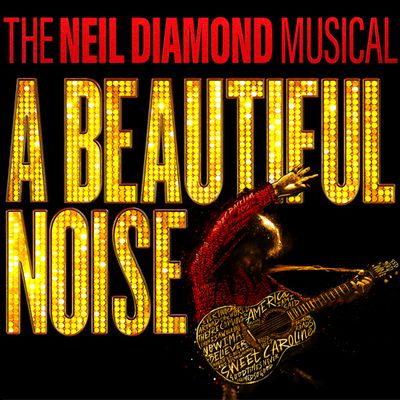
[50:24] Ken Davenport: Let's see here. Wowie Zowie, another, these Wowie Zowies are great. When is the Neil Diamond musical coming? Oh, I love to answer that question. So I'm going to answer that question with a link of my own. Here are the, well, I don't actually, Mary, I can't put a comment in. Mary, put the beautiful noise, a beautiful noise, the musical.com into the chat and go and sign up for that. Put your email in there. You'll be the first to know and get the first chance to buy tickets. A beautiful noise, the musical.com goes to Boston. First performance, world premiere. It's a beautiful noise, the musical, by the way. Beautiful noise, the musical. There you go. Oh, that reminds me. A beautiful noise, the musical.
And I'll tell you why I'm repeating it many times and why I want this to be the right link. Let's put that right link in there. A beautiful noise, the musical.com. June 21st is the first performance, the world premiere of that. There's a Easter egg on this website. So here's a fun little marketing tip. So what I'm doing on all my show websites right now, and you've heard it here first, I actually haven't announced this yet. So I put an Easter egg on this website. So go to the website, scroll around, and you will find here something, a little clue where if you look around, you might find a little Easter egg, a little something fun just to brighten your day. So now I'm telling you that. Now that's the fun part.
And we do these little Easter eggs in the hope that you'll be like, oh, there's this really cool Easter egg. And you share that with other people and it builds from there. So that's what I'm gonna do on all my shows. This is a fun little thing. It's just, you just bury a little secret in there and hope the secret spreads, right? It's like a secret menu at In-N-Out Burger or any of this stuff. Yep. Steal from what other people are doing, other successful things, and bring it into the theater. That is my MO and it can be yours too. Just look at what's working for other people and try it out. It's a fun little thing. Is it gonna like change the trajectory of the musical? No, but I'm always looking for what little special magic fairy dust I can sprinkle on my shows to make them just a little different than your normal basic starter website.
Because the fact is, this beautiful noise, the musical website isn't our final art. It isn't the final website. It's nothing, right? It was just a placeholder. I wanted to make it a little special, a little special.
[53:01] Ken Davenport: So that's what I did. Katie asks, when prepping for a musical, what time parameters should be considered? You mentioned 10 minutes or five minutes and then questions are a 10 minute pitch. I've also heard three minutes. So this is about pitching musical. So I like to think of my pitches in stages. So I often start with a one line, two line pitch and then a break to get a reaction. For example, I'll go back to some of my first. Alter Boys. It's about a Catholic boy band who sings songs like, girl, you make me wanna wait. Then I wait for a laugh, right? Yeah. And the characters names are Matthew, Mark, Luke and Juan. Oh, and then there's Abraham, he's Jewish. So I'm dripping out the pitch and getting people hooked.
Remember micro content, you're seeing a theme. And then I go into more and then I go into more and then I go into more. What I never do is just launch, launch, launch, launch, launch, launch, launch, talk, talk, talk, talk, talk, talk, talk, mouth moving fast, fast, fast, fast, fast, and not letting them react. Because the fact is, I also learn from their reactions or lack thereof. Because Alter Boys, it's about a Catholic boy band who sings songs like, girl, you make me wanna wait, was not my first pitch. I forget what it was now. But it took me pitching it 100 times until I landed on that, which got me the best reaction to keep pitching. Right? So that's what I do, try to break it up. Just a little bit of content, a little more piece of content, and more and more and more.
[55:03] Ken Davenport: Hugh, Hugh, I'm sorry, the scroll is going by very fast. I'm sorry you feel you've been ignored. No one's ignored you, Hugh. But I'm going to go back and scroll whether you're here or not. I'm going to answer your question. Where are you, Hugh? Everybody show Hugh some love. There we go. Oh, it's Bear. Bear, Bear, Bear. Bear, where are you now? I just lost it again. Do you know if anyone other than me and my collaborator is working on a musical about Ruth Bader Ginsburg? Hello, Bear, how are you? Hope you're still there. I don't. I don't. So you have found something unique there. And I love that idea. My daughter is a huge fan of Ruth Bader Ginsburg. We put a picture of her and her Ruth Bader Ginsburg poster on my Instagram the other day.
So I have not heard anything like that. Go to it. I would get something up and get it out fast because it's very topical right now, of course. Go for it. Go for it. I love it. Sorry, I missed your question there, but I'm glad we got to it.
[56:10] Ken Davenport: Oh, here's a great idea. Doing a reading in a theater. You could do a fully choreographed number live as a surprise. Love it. Just love it. That's a fantastic idea. These little surprises about readings because reading is like the worst name for it, by the way. A reading sounds boring, right? That's not what we want to do. We want to hear. We want to see. We want to watch. I like presentation, by the way. So yeah, exceed people's expectations. Exceed them by doing something different. There's the prepping. Maui wowie. More, more, more. Okay. Oh, Nicole loves your idea there, Bear. That's great. I think I got to all the questions. If I ignored any questions by accident, if I missed any of those questions, raise your hand quickly and throw the question back in the chat.
Is half Zoom and half physical play a new form of theater? Yeah. Why not? Make it up. I love it. Let's go for it. This is like, I learned this from someone reminded me that out of the last pandemic, 1918, Hollywood was born. Like film was born, really, right after that. A whole new art form. That's no coincidence. A whole new art form of theater, of entertainment is being born right now. And half Zoom, half theater could be it. Zoom theater certainly is it.
[58:00] Ken Davenport: What kind of space is good to do a table reading? And hey, Kimberly, anything comfortable. Go for comfort with table readings. Rehearsal rooms, that kind of thing. But go for comfort for early rooms. Make people feel at home. Oh, yeah. Supreme Court play musical. All the judges. It's like a Supreme Court version of 12 Angry Men. Like, wow. That would be fascinating. Someone's onto something here. Because I'm a big believer that the best drama opens up the world, opens up the doors on a world we've never seen before or are curious about. We've never seen into the arguments and the conversations between Supreme Court justices. Fantastic idea. Someone go out and do that. Someone go out and do that and bring it back to me. Please bring it to me. Because that's exciting.
[58:42] Ken Davenport: Jen asks, wondering how to open the conversation about investing with family and friends. Open it up. Just start it. Hey, I'm doing something. I wonder if you could support me and help me. Just go for it. Just ask. Like, you've supported me in the past. I'm wondering if you could do it again. Here's what I want to do. Remember, they're going for you. They want to support you. So pitch you. This is important to me. Why is it important to you? Go for your why. Go for your passion. Show them why it means so much to you. That's how you do it. That's how you do. Show it how it means so much and how you're going to do everything you can to make it work. That person who invested in me was doing it because they also knew I was going to work my butt off to make that show a hit. By the way, that show didn't happen. The next one did. They invested in it and it went on to do very, very well. Very, very well.
[59:38] Ken Davenport: Welcome back to the Producer's Perspective Podcast. This is part six of our "Places, Please" series, and today we're diving into some exciting strategies to help you take charge of your theater-making journey.
[1:00:08] Ken Davenport: As we approach the end of the year, it's the perfect time to reflect and reevaluate where we are in our creative pursuits. I want to share some insights and tips that can help you maximize your potential and prepare for the opportunities that lie ahead.
[1:00:38] Ken Davenport: The "Places, Please" challenge is designed to kick your theater-making into high gear. We’ve gathered some of the most motivational and inspirational theater makers to provide you with strategies that will help you thrive in this pivotal moment for the theater industry.
[1:01:08] Ken Davenport: Remember, we’ve just come out of a challenging time, and as we look forward, I believe a renaissance is on the horizon. We need to be ready to step out of our comfort zones and into rehearsal rooms again.
[1:01:38] Ken Davenport: This is a time for new voices and fresh ideas in the theater. You want to be prepared to seize those opportunities as they come your way.
[1:02:08] Ken Davenport: So, let’s get started! I’m excited to share these strategies with you, and I hope you find them as inspiring as I do.
[1:02:14] Ken Davenport: First up, let’s talk about overcoming writer’s block. It’s something that every creator faces at some point, and I have some tips that can help you push through those tough moments.
[1:02:21] Ken Davenport: One effective strategy is to set small, achievable goals for your writing sessions. Instead of aiming to write an entire scene, focus on writing just a few lines or even a paragraph. This can help reduce the pressure and make it easier to get started.
[1:02:30] Ken Davenport: Another technique is to change your environment. Sometimes, a new setting can spark creativity and help you see your work from a different perspective.
[1:02:38] Ken Davenport: Additionally, don’t be afraid to take breaks. Stepping away from your work for a short period can give your mind the space it needs to recharge and come back with fresh ideas.
[1:02:44] Ken Davenport: Now, let’s move on to time management. As theater makers, we often juggle multiple responsibilities, and finding time for our creative work can be a challenge.
[1:02:50] Ken Davenport: One way to create more time in your day is to evaluate how you’re currently spending your time. Are there activities that you can cut back on or eliminate altogether?
[1:02:55] Ken Davenport: Consider setting specific time blocks for your creative work. Treat these blocks as appointments that you cannot miss, and hold yourself accountable to them.
[1:03:25] Ken Davenport: Finally, let’s talk about building confidence. Confidence is key in the theater world, and there are several ways to boost it.
[1:03:55] Ken Davenport: One effective method is to celebrate your small wins. Acknowledge your progress, no matter how minor it may seem. This can help reinforce your belief in your abilities.
[1:04:25] Ken Davenport: Surrounding yourself with supportive people is also crucial. Seek out mentors and peers who uplift you and provide constructive feedback.
[1:04:55] Ken Davenport: Remember, confidence is built over time, so be patient with yourself as you continue to grow as a theater maker.
[1:05:25] Ken Davenport: As we wrap up this segment, I encourage you to take these strategies and implement them into your own creative process.
[1:05:55] Ken Davenport: The "Places, Please" challenge is all about empowering you to take charge of your theater-making journey, so let’s make the most of it!
[1:06:25] Ken Davenport: Thank you for joining me today, and I can’t wait to see what you create as we move forward together in this exciting time for theater.
© Broadway Podcast Network, All Rights Reserved