

Benj Pasek and Justin Paul, known together as Pasek and Paul, are an American songwriting duo and composing team for musical theater, films, and television. Their works include A Christmas Story, Dogfight, Edges, and James and the Giant Peach... Read More
From the show: The Producer's Perspective Podcast with Ken Davenport
Featured Shows
About
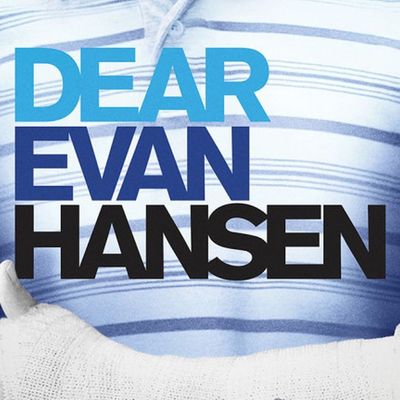
Benj Pasek and Justin Paul, known together as Pasek and Paul, are an American songwriting duo and composing team for musical theater, films, and television. Their works include A Christmas Story, Dogfight, Edges, and James and the Giant Peach. Their original songs have been featured on NBC's Smash. Most recently, they have created and written the score for the stage musical Dear Evan Hansen which premiered at the Arena Stage in Washington, D.C. in July 2015. Both artists are winners of the American Theatre Wing's 2007 Jonathan Larson Award, which honors achievement by composers, lyricists and librettists.
Benj Pasek and Justin Paul are not fresh off the boat by any means. They’re Tony nominated and have a Broadway show to their credit, and a couple of high profile Off Broadway showings as well, including the upcoming Dear Evan Hansen. But as Broadway’s next gen of musical theater composers, they’ve got a unique perspective on all things, including . . .
- How they got their music to the world through YouTube.
- What went wrong with the first musical they wrote after getting to New York and how they used that to their advantage.
- 20 years from now, how they’d know if they “made it.”
- Why all artists in the 21st century have to be great marketers.
- How they used the “Michigan Mafia” to their advantage (it’s real, it really is).
Keep up with me: @KenDavenportBway
Transcript
This transcript was automatically generated and might contain errors.
[0:09] Ken Davenport: Hey everybody, Ken Davenport here. Before we get to this week's podcast, if you're listening to this on iTunes, hey, do me a favor. Give us a big five-star rating, will ya? Let's spread the word about theater and all these awesome guests. Thanks so much.
[0:22] Ken Davenport: Hello, Producer's Perspective podcast listeners. Welcome back. I am Ken Davenport. We've got another first here on the podcast today. The first time we've ever had two, two, two guests for the price of one. I'm proud to welcome to the podcast the Tony and Emmy nominated songwriting team of Pasek and Paul. Welcome, guys.
[0:41] Benj Pasek: Thank you.
[0:42] Justin Paul: Thanks for having us.
[0:42] Ken Davenport: So I've been lucky enough to have some incredible musical theater legends on this podcast from Tim Rice to Lynn Ahrens to Stephen Schwartz. And I thought it was time to get some new blood up in here. So, uh, Benj and Justin have been called the next generation of musical theater songwriting superstars by just about every publication out there. Uh, but it's hard to think of them as rookies considering they already have a Tony nomination on the wall for A Christmas Story. They've written for Smash, they had Dogfight off Broadway at Second Stage, and this year they're going back to Second Stage with the highly anticipated Dear Evan Hansen.
[1:13] Ken Davenport: So guys, I'm gonna start with a big question.
[1:16] Justin Paul: Uh oh.
[1:17] Ken Davenport: When Time Out New York says you will shape the future of the theater, or Vanity Fair says you're the heirs of Rodgers and Hammerstein, it gives my mom a lot of admonition at her synagogue.
[1:30] Benj Pasek: Yeah.
[1:31] Justin Paul: And we text Lin-Manuel and say, "It's on you, bro."
[1:35] Ken Davenport: So seriously, what does it feel like when you read this stuff? Is it a lot of pressure? Does it make you feel good?
[1:41] Benj Pasek: Um, I don't know. I think we try to not think about it because I think if we do think about it, it definitely is a lot of pressure. Um, obviously, it's so nice that, uh, you know, at least a couple of people with pens believe that, but I think that we, um, you know, we are excited to be. You talked about some of the other people who have been on this podcast, and I think that we feel very honored to be part of, you know, the generation of writers that we're in, and to be in this sort of history of writers, some of whom you mentioned, Lynn Ahrens, for instance, was one of our mentors. And so, uh, I think we feel very tiny in this world of great writers, and so, uh, that's how I feel.
[2:22] Justin Paul: I don't know.
[2:22] Benj Pasek: Yeah, we had a professor, we went to the University of Michigan, is where we met, and, uh, we had a professor there who told us, like, if you believe anything good about you, you have to believe everything bad about you too. And there have been lots of things that people have said that have been terrible about us. I remember I used to read things online, like someone called us "Pasek and appalling" once. I was like, "Oh, that's gonna stick."
[2:40] Justin Paul: So, you know, very creative.
[2:41] Benj Pasek: Pretty creative. A lyricist must have come up with that one. So I think, you know, we kind of have adopted the philosophy that, like, it's really nice if people like what we do and other people will hate what we do. And like, you know, we kind of just have to figure out for ourselves whether we like it or not, and, uh, and that's really the barometer, um, and just try to hold to that.
[3:01] Justin Paul: Yeah.
[3:02] Ken Davenport: Okay, so now we'll go back to the easy question.
[3:04] Justin Paul: So yeah, I know.
[3:05] Ken Davenport: At the beginning, Ken said he was like, "I'm gonna give you some nice easy questions to start," and then you just really threw a fast response curveball there.
[3:13] Justin Paul: I'm like Borat.
[3:16] Ken Davenport: Uh, so you mentioned where you met. Tell me the story of how you guys found each other.
[3:20] Benj Pasek: Yeah, we, uh, we met at, we went to the University of Michigan, uh, and we went as musical theater majors. So we were aspiring Broadway performers when we started college. And we became really good friends because we were the two worst, uh, members of the University of Michigan, uh, certainly, uh, the musical theater department in dance classes in particular.
[3:41] Justin Paul: So we are really not, uh, very coordinated guys, and we didn't really know that we should have, uh, taken, you know, any kind of dance class before we got.
[3:52] Benj Pasek: That was like, I just didn't know that, like, dance class, it's particularly not to be whatever about it, but like, I didn't know that there were a lot of guys that took dance class, like growing up, and we got to school, and there were all these amazing dudes who were like, yeah, leaping across the floor, and also we're like, "Wait a second."
[4:06] Justin Paul: Well, they all showed up the first day like in tights and like sweats, and we're like, "Uh, this is a problem."
[4:12] Benj Pasek: Yeah. Um, we kind of, we became friends because we would like hide behind each other when we had to do the across the floors, and we couldn't remember any of the terms like the pas de chat, that's the cat ones, and the chassés and whatever. So we just, we would like know when to leap by sort of whispering to each other while hiding behind each other, run a little bit, run a little bit, and then just jump and just like fly into the air and, uh, hope that, you know, we would like catch each other when we fell.
[4:36] Justin Paul: So yeah, so we were in the musical theater program there, and then we became friends that way, and then, uh, we sort of started just sort of messing around writing, not really intending to do anything.
[4:48] Benj Pasek: Um, our freshman year.
[4:50] Justin Paul: Yeah, our freshman year, and we were sort of, you know, there's all the practice rooms at college, and so we like, it always sometimes turns into a sing-along with all the musical theater majors.
[4:57] Benj Pasek: A lot of seasons of seasons of repeat, yeah, just a lot of unnecessary riffing happening. But, um, we sort of started writing by accident, uh, just a couple of things together, and then our sophomore year we sort of decided, well, you know what it was is our sophomore year we, we were rising, you know, it's like, okay, here's gonna be the moment. It was our second semester of sophomore year. We're like, "We're gonna start getting some roles, we're gonna start like becoming the performers that we're meant to be." And, um, the second semester of our sophomore year, the show was City of Angels, our school show, and we were like, "Okay, we're gonna like, let's see what happens." And we both got cast as like terrible roles.
[5:34] Justin Paul: I got cast as the man with camera, that was my actual role. So I came on stage and I took a photograph, and then I left, and, uh, Justin was cast as Harlan Yamato, the Asian backup dancer slash coroner.
[5:43] Benj Pasek: So it was like our moms were flying around. And for all you who are just listening, which is everyone, this is, uh, Justin looks like this is not, uh, this is not, I say this as a nice Jewish boy, he looks like an Aryan, and it's sometimes very scary, so he should not be playing an Asian backup dancer slash coroner.
[5:59] Justin Paul: It was a different age.
[6:00] Benj Pasek: Yes.
[6:00] Justin Paul: Uh, but, um, Michigan's so white now.
[6:02] Benj Pasek: Yeah, hashtag, exactly. So, um, so at that moment we were like, "Okay, let's maybe re-evaluate some things here." And, uh, we decided to write a show because we thought, "Well, that's something that we could do, and maybe we'll be better at, maybe not, but we'll give it a try."
[6:17] Justin Paul: Certainly than dancing.
[6:18] Benj Pasek: Yeah, certainly than dancing. So we wrote a song cycle because that was sort of like the thing to do at that time, because every, you know, revered composer had written the song cycle, so we were like, "We'll write our song cycle." So we wrote a show called Edges, that was, uh, in college, and, uh, and everything sort of started from there.
[6:35] Justin Paul: Yeah.
[6:37] Ken Davenport: So you sit down, you write a song cycle. That's easy.
[6:39] Benj Pasek: No, you know, it was, it was, it was songs, most of the songs in that show in that review, um, are sort of all thematically linked to really general things like who am I, who do I want to be. It's like all the very overly dramatic things you're grappling with, but they're very real to you at the time as, uh, as 19 or 20-year-olds, which is like, you know, what kind of person am I? Everyone breaking up, having relationship woes. We're just looking at our friends and basically putting them in song, you know.
[7:07] Justin Paul: But, but I think the way that we approached it too is because we were studying as actors, and this is the way that I think we sort of got into it. We were taking classes about what makes a song theatrical. So we were learning the basics of what an actor needs to use to approach, uh, material. So like the basics of who am I talking to? Like who am I talking to in a song? What do I want? What are the different tactics that I'm gonna employ? And so we thought, "Okay, well, if we were to bring a song that we wrote into our acting class, our acting teacher would ask us those things." So how do we do it in reverse? How do we put those things into the song when we start and make it really easy for actors to approach it?
[7:37] Benj Pasek: And so I think our acting training and particularly our acting through song admission, those are access points.
[7:42] Justin Paul: Yeah, it's how we sort of began writing.
[7:45] Ken Davenport: What was the first song that you wrote together? You remember?
[7:46] Benj Pasek: Um, the first one for this, the first one is, uh, this random song called Classical Prose, which is like a pop song, and, uh, and we, it's crazy. But the first song that we ever wrote that was theatrical, it's almost sort of as a joke, uh, the lyric initially, because we were like, you know, all of these songs that like young guys at auditions sing, it's all just like about like, you know, boys with dreams, you know, let's just write a song like about like a boy with dreams. And so we call it the song Boy with Dreams.
[8:14] Justin Paul: The sort of like template sort of title of the, of that sort of song.
[8:18] Benj Pasek: We just literally wrote a song called that.
[8:19] Justin Paul: Yeah.
[8:20] Benj Pasek: So it's about a boy who's like, uh, in a working at a rural town at a pizza.
[8:25] Justin Paul: At a pizza who wants to be an inventor.
[8:27] Benj Pasek: Yeah, yeah. And that was the first song that we wrote that was theatrically minded.
[8:31] Ken Davenport: So tell me a little bit about the process when, whether it's then or now, when you guys, okay, I've come up with an idea, it's Boy with Dreams or movies.
[8:40] Justin Paul: Yeah, who does what? Who does what first? How does that, do you do it all together?
[8:44] Benj Pasek: Um, I mean, it's, it's sort of, uh, it's, I think a big part of our process, at least is, uh, I mean, you know, it does evolve and it keeps evolving and it has evolved, but, uh, or devolved or devolved, or however, yeah, it's changed in some way, for better or worse. But, uh, you know, we start by talking about, by talking a lot. It's really a big discussion about what the song wants to be, what the song wants to accomplish, what the character is saying, um, and then often like a musical impulse, a style, a, an energy or a rhythm will come out of that. But a lot of it is the discussion of what the, what the moment wants to be and what the, what the big theme is. Is there, is there a hook phrase, is there a hook idea that can take us through the whole journey of the song?
Think of it a lot almost like a five-paragraph essay that you had to write in high school. Like, what is your thesis statement? Because that's what your chorus has to come back to that also support this one idea to make it something that sort of sticks in your head.
[9:40] Justin Paul: Um, so we find what is the phrase or what is the thesis statement that can be a unique enough angle that we can keep coming back to again and again and approach from, you know, from different angles.
[9:49] Benj Pasek: Right. And then from there, then like maybe I'll start working on a musical idea, a way to musicalize that. Sometimes we'll just start with a chorus idea and get that and then work backwards, or we'll, the only way in is just to go chronologically through the song and start it where it wants to start and then write it as we go.
[10:06] Justin Paul: Yeah, sometimes we write songs together in the room, sometimes we divvy up and like I'll work on a lyric separately and then I'll send it to him, or he'll work on music separately, and, but we try to be as intertwined as possible so that it feels as much, uh, as one voice as well.
[10:21] Benj Pasek: Yeah, I mean what we're doing, there's a lot of strength to being in a team, but like ultimately we're trying to do one person's job, really, which is like conceive a song, because it's not music and lyrics, it's like a song. So, like, we're trying to get as close to, you know, the one creative impulse as possible, which is like the music and the lyrics happen together, they're of the same voice, and so that's what we're trying to work toward.
[10:44] Justin Paul: And a lot of great songs talk about this, you know, particularly like Sondheim and his book, but you can't have lyric, you can't have a lyric without music. It's not, it's not just that you're reading it independently. So much of what we would write is dependent on what the musical impulse is going to be. Or so much of the musical impulse is going to be dependent on what the, you know, the lyric would say. So it really is a fine marriage in the way that both have to support each other.
[11:06] Benj Pasek: And, um, and yeah, we really try to write it with one voice.
[11:10] Ken Davenport: So you write this song cycle, and I remember hearing about it myself, even here, thousands of miles away from, or down or whatever, miles away from Michigan. How did you get the attention for it that you did?
[11:24] Justin Paul: What, so you finish it and you're like, "Hey, we wrote a song cycle." Then what was your impact?
[11:29] Benj Pasek: We were really lucky in that it's sort of like the Malcolm Gladwell Outliers book, uh, where he talks about just timing as everything, uh, for certain things to be able to, uh, have nice lives. And for us, this Edges show and for our careers, we were very lucky because we wrote this in 2005 when we were sophomores in college, and that was a year after Facebook had just come out and the year that YouTube had come out. And so we were able to have this material that was really about being a 19 or 20 year old at the time, and we were able to connect with other 19, 20, 21 year olds who were still in college, and for the first time, without needing to have a production anywhere else in the world, you could immediately have access to or see material right away digitally.
[12:15] Justin Paul: So I wouldn't need to necessarily put up a show in New York and then wait for a cast album to be created, and then a few months or years later it gets disseminated. I can write a song right away and have a 19-year-old hear that song at Carnegie Mellon or at Boston Conservatory.
[12:29] Benj Pasek: Right. I mean, the way it had people at other schools that we were connected to through friends said, "Oh, you know, we were, we recorded a CD." That was like the important thing. We got a little bit of money donated from some supporters of the musical theater program there and recorded a CD, uh, with our cast at school, and that got around to a few other schools. And they said, "Hey, could we do the show at our school?" But we were like, "Whoa, that's a crazy concept." But part of that also was because at the time you could look at other musical theater majors, uh, who you could see college majors on Facebook. So we would look up who was a musical theater major at Carnegie Mellon.
[13:03] Justin Paul: I think that was that sort of came from first a few other schools said we like, we would love to do this, and then we were like, "Oh, so maybe other musical theater schools would be interested in this." So then we were able to reach out on Facebook. And we would literally just write people at Boston Conservatory or wherever it was and say, "Hey, like if we have a song cycle, would you be interested in doing this thing?" And from that, uh, or vice versa, people can reach out to us because they heard from their friend at Baldwin Wallace that they did something that want to do something at Cincinnati or, you know, so yeah, and this sort of new wild west of social connectivity allowed us to connect with the people who might appreciate what we were doing, and without any of the lag time of having to have a full production to be able to have it heard for the first time.
[13:44] Benj Pasek: So within a year of us creating this, I think we already had maybe something like 20 productions at different colleges by the time that we were juniors, and from that's then helped that somehow got word of that, word of that got to New York, and so we had someone produce a cabaret of our songs at Joe's Pub, like, you know, that whole track of doing stuff at Joe's Pub and Ars Nova and through connections of Michigan, a lot of them. We had Gavin Creel come and sing songs for us in Stilly King and Vulture and, um, uh, who I don't remember who else but, uh, Dan Rikert came, like, you know, a lot of Michigan people and they bring their friends so Steve Pasquale can, so it's like, was it sort of this like concurrence of events that sort of like led to us singing like we were doing more than we actually had done, you know what I mean?
It's like, "Oh, they must be," we're like, "We have," right? It's just like this, it was a very interesting time for all these things converging while being able to reach out through Facebook chat boards happening, you know, all that stuff happening at the same time. And so we were able to, I think, get a little kickstart, uh, in New York, uh, before coming to live there.
[14:49] Benj Pasek: Did you realize you were like acting as an incredible marketing director for yourself and for your show when you were like, I'm gonna sit down and develop a market? I'm gonna write to all these people. I think that we just, you know, thought, well, these people would enjoy it and, you know, like we want the show produced. We weren't really thinking like how do we market it? It wasn't that stupid, but it was also like the strategy. Our friends were, our friends were getting, you know, Andrew Keenan-Bolger is one of our classmates, and he and another one of our classmates, Jake Wilson, like they were creating online video content and like it was, and they were putting videos of their dance workshop at school online, and this was like a foreign idea. You know, it's like kids putting musical theater stuff on YouTube, and then we're developing a web series from it. Like it was, they were all doing the same sort of thing.
[15:35] Benj Pasek: So whatever that idea came from, it sort of caught around our friends, and so everybody started putting their stuff online, and it was really the first time that was, well, it was, YouTube was invented in 2005, and we were doing it in 2005. So it was really this very natural, organic way to put the material that we were writing out into the world. And then naturally other people saw it, and it disseminated.
[15:59] Ken Davenport: Do you think it's as easy for college sophomores today to do the same thing?
[16:04] Justin Paul: I think it's not as easy only because there's a lot more content now. Like now that's a standard thing. You know, I mean, at that point it was very novel. Now it's like everybody has their songs on YouTube, everybody has their sheet music up for sale, everybody, you know, like that was new at the time.
[16:20] Benj Pasek: Yeah, that it was very new at the time, so it was like whoa, whoa, whoa. Now, I mean, blessedly I think now like musical theater, like a wildfire sort of, it just exists. Like at that time it was like the remnants, you know, of people who were like survived the, you know, there's the old members of the church who like held on to the meaning and they're like, We're here, yes, we're out here. Oh, you're putting stuff online, like yes, we want that, we want that. Now it's like awesomely everyone around the country has access to it, and there's ever since then there's been Glee, there's been all the live musicals. I mean, now it's sort of a mainstream thing, which is great. It probably makes it harder for like someone to emerge from all of that because there's a lot more content.
[17:03] Justin Paul: Yeah.
[17:03] Benj Pasek: But it's like it's good for all of us compared to what I imagine living in New York or trying to emerge here would have been 15 years ago. There's more of a democratization, you know, that I don't necessarily need a producer to approve and give me a production here in New York to get my material heard. So it really ultimately I think that writers, a writer to have a, if you want that production. But ultimately I think that writers can view themselves more as entrepreneurs than they ever were able to before, and they almost have to to be able to launch themselves because they're competing with other people that are acting as entrepreneurs, and that's the way that, you know, you initially will launch. So thinking in that way, I think is has been very beneficial and all now becomes sort of necessary, I think, as new music theater writers.
[17:51] Ken Davenport: It's a very kind to have a core conversation. That's why I still obviously true. I mean, it's one of the reasons I wanted you guys on the show, and I'm a big believer that artists need to think like entrepreneurs, whether they know they're thinking like entrepreneurs. I mean, you two are a very unique group because you have it naturally within you. I mean, that's why I asked that question. You didn't know you were marketing, but that's exactly what you were doing. You were acting as the CMO of your partnership, which is really incredible.
[18:22] Ken Davenport: So you get here, you've made, you know, a name for yourself before you even get here. You get here, and then what was the first show? Was it James and the Giant Peach that you did first, or A Christmas Carol that you were attached to first?
[18:33] Justin Paul: Which we did, um, those were two sort of back to back. We, the first, yeah, I mean, well I'll say, I'll say when we first got here, we thought because we had already written a song cycle, people were gonna hire us for jobs. And so we were like, oh, well, you know, we would have these meetings, you know, we had an agent.
[18:46] Benj Pasek: Yeah, we got an agent.
[18:47] Justin Paul: Right. We came to the city, we were like, okay, every, the, you know, the path is clear. And we would go on these meetings with people who wanted to have like a general meeting. Nice to meet you, and they were like, okay, so you know, what show are you? Do you wish to talk about shows? And we were like, we have one, it's this song cycle, and are you gonna hire us to write your next one? And they were like, No. That's just not how it works.
[19:06] Benj Pasek: And so I think we were waiting a long time, even though we had sort of been entrepreneurial early on when we first got here, we were waiting for people to give us opportunities. And that sort of yielded very little for us. And so we had to, I think, then begin to initiate things again. And, you know, as soon as we then started to write things, then other things did come to us, but like it took us being like, we need to create a project ourselves, and that's that was when we started writing Dogfight. But the first thing that sort of happened in I think in order of I think the chronology was that James and the Giant Peach was the first thing that we ever did.
[19:43] Justin Paul: Just produced first, and it was that was back to back in the fall with that, and then A Christmas Story. This was in 2010.
[19:50] Benj Pasek: And then we had started Dogfight in 2008.
[19:52] Justin Paul: Yeah, yeah, yeah.
[19:52] Benj Pasek: Um, but um, yeah, James and the Giant Peach happened at Goodspeed Opera House, and it was a total disaster. Um, and then it was our first time ever having a professional show, yeah, and it was, we did not know what we were doing.
[20:03] Justin Paul: Yeah.
[20:04] Benj Pasek: Um, and it reflected it on stage. Yeah, it was a, it was a good hard first lesson to learn in like everybody has to be making the same show, and you and to have all those conversations beforehand, and it was a lot of crazy wacky events that led to it just not, you know, having the success we hoped it would have, you know. Thankfully, or you know, we sort of were able to jump right from there to A Christmas Story, which was happening in Seattle at the Fifth Avenue, and that was sort of the first step on that show's path.
[20:45] Justin Paul: And since then, James and the Giant Peach, we have gone back and retooled it and refocused it, and we're really happy with it now.
[20:45] Benj Pasek: But the first production of it was left more to be desired.
[20:45] Justin Paul: Yes.
[20:45] Ken Davenport: And what do you think if you could say like one thing you would do differently about James and the Giant Peach? What's the one thing that you think?
[20:52] Benj Pasek: I think we needed more time in development before we put it up in front of an audience, and, you know, if we didn't really realize how difficult it would be to change things once a show has already been tech'd and is already, even if it's in a preview process when it's already on stage, it's very, very difficult to, you know, cut half of a song out, or, you know, there can be entire transitions that you're like, oh well this character should enter. Oh, well, that character can't because they're already getting ready for the tap number in act two, so they have to put tap shoes on during that time. You know, if you think that out further in advance, you're able to make this. And I think also with James and the Giant Peach, it was like there were a bunch of amazing ingredients that were going into it that all sounded amazing, but like I don't think we ever stopped to think about how did they all agree and did they speak, were they all speaking the same language?
So I think it was a good lesson in being like just all just because something sounds like it's going to be amazing, like you have to really think about like do are the, are these all working in tandem and working together to create the same show.
[21:53] Justin Paul: And I also think, you know, we worked, it was actually a fantastic experience. We worked with Pilobolus on James and the Giant Peach. It was like an amazing first group of people, and Tim McDonald is a great playwright. Um, but I think that sometimes we would sort of excuse not thinking through what should be dramatically happening in a moment because we thought, well, Pilobolus is magical, they'll make that moment magical. You know what I mean? Without being like, well, how are we gonna tell them? What are we doing? What are we doing? And I think we would rely on other people's abilities sometimes and not give ourselves enough responsibility and storytelling. Um, in truth, we didn't know we were doing. But thank God we went through that experience because we learned a lot.
[22:34] Ken Davenport: Right, exactly. Well, it's very honest for you to admit that. So you obviously learned a lot from that, and you take it to A Christmas Story. Now, would A Christmas Story, was it originally designed to go to Broadway? Did you know?
[22:45] Benj Pasek: So what was that like when you and you get that call for like, hey guys, well, we're gonna go to Broadway this year?
[22:52] Justin Paul: It was amazing. I mean, we, we got the, we did A Christmas Story in Seattle in 2010 and then it had the, we had the great fortune of having it go on national tour in 2011, and again, we didn't think that, we thought that that would be it, and like it would play these amazing, like the Fifth Avenue Theater we studied at the University of Michigan, like we knew about like the seat capacity. You know what I mean? Like, oh my god, we're at the Fifth Avenue Theater. That was a big enough deal, and then it went to the Chicago Theater and that was a huge deal. And then, you know, we found out that it was gonna go to Broadway and it was kind of inconceivable for us.
[23:23] Justin Paul: Yeah. I mean, it w, and I think we, no one ever thought it was never designed to do that.
[23:27] Benj Pasek: Uh, uh, and so it was actually pretty much designed for like licensing. It was never intended to go to Broadway. So it was huge. I know a lot of it depended on how things went in Chicago and things went well in Chicago. So Chris Jones, the theater critic, is, I will love him for the rest of my life because I really give credit.
[23:44] Justin Paul: Yeah, yeah, yeah.
[23:46] Benj Pasek: Yeah, how audiences and critics responded in Chicago were really, it was really the thing that, because look, it's a huge risk to come to Broadway and would, and A Christmas Story, for instance, it's like next to, it's impossible for it to even, you know, make back its money or anything like that. So it was really waste. It was really a, a really show of faith and an investment in the future of the property for the producers to bring it. Because, you know, playing on Broadway for eight weeks, you can, you can never recoup anything. It's basically just to cement the property. And like, you know, we never s would thought it would go to Broadway. We certainly didn't think our Christmas show that played for eight weeks that we'd be going to the Tony Awards that year for, you know, because of that.
[24:26] Justin Paul: So it, it was, you know, how we started we, if you, if you had met us, if you had seen what we were doing, like when we first started found out about that job and started writing it and flash forward to the Tony's, it's pretty hilarious. We were in a production of Edges at Shorter University at the time in Georgia.
[24:44] Benj Pasek: Because we were like, oh, like they're doing our show. And then, and I think, and embarrassingly I say this as a gay man, I was, we were eating at a Chick-fil-A at the time when we got the call.
[24:53] Justin Paul: That's right.
[24:53] Benj Pasek: Um, that's right. Christmas Story, that they had hired us for A Christmas Story. Uh, and back then, and we actually, I think that it was, it was because we were like foolish enough to do it, but we had to end up writing the entire show by that Christmas. We got this call in March, and they were like, okay, we need to. So we start rehearsals at the end of September. We were like, Cool. Okay. Well, we're doing it. You put down that chicken sandwich, let's get to work.
[25:17] Justin Paul: Exactly.
[25:17] Benj Pasek: My first protest of Chick-fil-A was at that moment. Get out of here.
[25:22] Ken Davenport: So you write James and the Giant Peach, A Christmas Story, and then in the midst of all this, you write Dogfight, which is something you've been reworking for a long time. And now Dear Evan Hansen, which both of them are more difficult, challenging subject matters.
[25:36] Justin Paul: Oh, really, Cash?
[25:38] Ken Davenport: So what attracts you to something and says, and I know Dear Evan Hansen is an original story of your own, right? And Dogfight was obviously based on a movie, but what makes you, or what gets you attracted to a story and says, uh oh, this one, this one has to sing. This is one we want to do.
[25:55] Benj Pasek: Yeah, you know, I, I don't, it's hard to figure it out because like there are different things about each one. I'm trying, I'm not sure I can find a theme. Like with Dogfight and Dear Evan Hansen, it's sort of like against our better judgment in a way. I mean, it's like I don't know why we're drawn to these sort of, I mean, I, I think that they're dark in different ways, and with Dear Evan Hansen, there's a lot of hope and redemption and, and comedy in the show as well.
[26:21] Justin Paul: Dogfight's just sort of dark.
[26:22] Benj Pasek: Well, but I tell everyone what Dear Evan Hansen is about.
[26:25] Justin Paul: Yeah.
[26:25] Benj Pasek: It's a little difficult to describe without, you know, spoiler, you know, no spoilers, but it's basically about a kid who is, is, I don't really know how to describe it. It's about a kid who's in a high school and is very lonely and very isolated, and it's a very sort of common thing. I think people recognize a lot of truth in his character in an overly connected digital world where he feels more isolated than ever. And maybe everyone in the play feels more isolated than ever, although very connected. And, you know, something happens, a sort of a tragedy happens in the school, and there's an opportunity for him to seem connected to the person who suffered this tragedy in a way that he wasn't really, and there's a lot of great healing benefit for everyone involved if for him to seem connected, and so he seems connected.
[27:26] Justin Paul: Yeah.
[27:26] Benj Pasek: And it sort of perpetuates a lie that allows a bunch of healing and allows him to become the person that he's always thought that he wanted to be. And in a way, the person that we want him to be. We just don't want him to be it that way, but we so want him to become that person. And I think by the end of the show he does become that person in a truthful, honest way. But I think it's a real examination of a couple of things. Obviously, our incredible isolation and loneliness as a culture right now, especially in a digital age. I think it's an examination of our odd need to feel connected to things, particularly tragedies. We were both very inspired for this story because in high school, when the 9/11 attacks happened, we remembered a lot of people fabricating their own involvement or knowing people that were involved in this great tragedy.
You know, I knew friends that made up that they had an uncle who was, you know, in the tower or something like it's crazy things. And it was so interesting to both of us like why was our generation like needing to be a part of something? And we sort of have examined like as we become more isolated than we've ever been before, this excuse to come together as a community by any means necessary is really real and like, and to find out why do people, you know, sharing their story? It's like we're all claiming Robin Williams as our own, but like were you really Robin Williams' biggest fan before he passed away? Or like is this a moment that you can be noticed and be seen? You know, and then like both sides are authentic.
You know what I mean? Like both sides are real, like it is real that it's like, you know what, it's beautiful to have share a tribute about someone and say this was my moment, but it's also a little selfish. You know what I mean? Like, but the selfish act comes from a genuine need, like a genuine hole somewhere inside of us that needs to be filled. So I think, I think you know that makes it sound very, very heavy. Um, it's, there's lots of comedy too. I mean, it's fun, and look, I mean we, we have fun with it in the show, and it's, it's not just dark, and you know, our playwright Steven Levinson is fantastic and it's a very contemporary, humorous book. You know, I mean it feels very indie filmic in a way, I would say. And, uh, it's, you know, I hope people come see it and I hope people enjoy it.
[29:40] Benj Pasek: But um, I've been thinking about like why we wrote this story. For me at least, I think so much of Dogfight, but particularly Evan Hansen, it's like it's about asking a question and trying to get to the answer of that question through the creation of something artistic. So like I don't really know if I have the answer in myself, but I see a lot of myself in a lot of these characters, and so much of the plot and the songs have to do with me wrestling with my own identity or who I want to be as a human being or why I do the things that are a little dark and weird and scary, you know, even in my own head, and getting to explore that in a theatrical way is exciting.
[30:20] Ken Davenport: You mentioned working with Steven. So how do you guys work with book writers? What's the process there? You guys are very tight teams.
[30:28] Justin Paul: Well we do all the work and then Steven just puts—No, actually it's the opposite. Steven does all the work and we just steal his ideas. That's what every great songwriter does, right?
[30:36] Benj Pasek: Don't tell the truth.
[30:40] Justin Paul: No, I mean, you know, we love Steven and we have our sensibilities, our artistic sensibilities, I think, are very aligned. Our senses of humor are very aligned, and we work pretty collaboratively. We discussed the—because this is our first original story or first original musical ever, we spent a very, very long time just developing the idea.
[31:02] Benj Pasek: Yeah, our outline and just like the narrative structure was a very, very long process. It was an idea that we had that we brought to Steven, but he now, I mean, he owns it. It's really like he took the good parts of what we were suggesting and made them beautiful and discarded the crappy parts, and really created an exciting, I think, and compelling narrative. But we work, you know, really back and forth pretty fluidly, and he'll send us a—you know, we're on the phone to him saying, "Hey, we feel like we need this moment, like can you shoot us a monologue for what this character's feeling?" Or "Here's our monologue. Does it seem right for what we might musicalize?" And it's pretty back and forth.
[31:47] Justin Paul: He's incredible because he's never written a book musical before.
[31:52] Benj Pasek: Yeah, and this is a really—I think it's a really, really great book, particularly for a musical, and I think that anyone who sees it will just see he really shines more than we do in the world.
[32:04] Justin Paul: Yeah, no, and I mean, we felt he wrote the show, he pretty much did a pass early on once we had done lock development as a play. And I read it, we read it, and it was like this is really beautiful. I don't want to mess this up with songs. Almost we were almost like, should this be a musical or a really good play?
[32:22] Benj Pasek: No, you know what? So then we sort of were like, okay, our job is to just like seamlessly take this from scene into song and back into scene again. And I think hopefully if we've achieved something, you know, that's what I'm maybe proud of. We'll see how it ends up. But like that it feels like that's what we—in the same way that we wrote, our goal is to match his tone, really. You know, is to get inside those scenes and just take them into song and take them out of song and make it feel like we never stopped to sing, we never stopped to be like, "Oh, now they're turning on their musical theater voices and they're doing that, and now we're back in a scene."
[32:55] Justin Paul: It's like he's capturing a very contemporary and relevant tone, and I think we sort of felt it was our job to meet him at that place. And in the way that we talk about trying to write songs with one voice, now he's our third collaborator. I think we're trying to write the show as one voice. So, you know, there's really hopefully a seamlessness between song and scene, and it really feels like it all could have come from one mind.
[33:17] Benj Pasek: We're saying a lot of hopefully—we hope, if there's a lot of that kind of talk.
[33:24] Justin Paul: Yeah, we're hopeful right now.
[33:26] Benj Pasek: But wait till tech can—good thing you didn't interview us in like three weeks.
[33:31] Justin Paul: I would be on Clonifan.
[33:33] Benj Pasek: Yeah.
[33:33] Ken Davenport: Okay, one at a time. Greatest musical theater songwriting team of all time.
[33:41] Justin Paul: Justice.
[33:41] Benj Pasek: I mean.
[33:42] Justin Paul: Oh my gosh. Well, see, uh this is a good thing. Don't look at each other. You can't consult.
[33:46] Benj Pasek: No, but see, it's hard because like, can we do—oh no, I don't even want to do it.
[33:47] Justin Paul: Can we do?
[33:51] Benj Pasek: I was gonna ask if we could do like not living.
[33:54] Justin Paul: Yes, of course.
[33:55] Benj Pasek: Of all time.
[33:55] Justin Paul: Throughout history.
[33:56] Benj Pasek: You could do, you know, Plato, for all I care.
[34:00] Justin Paul: I mean.
[34:01] Benj Pasek: Songwriting Zoom?
[34:03] Justin Paul: I mean, like the grandfathers, right?
[34:06] Benj Pasek: I would say Rogers and Hammerstein.
[34:08] Justin Paul: Like.
[34:08] Benj Pasek: I would say um, I'll say uh—this is not living, but I'll say uh fucking Harnick.
[34:19] Justin Paul: Very nice.
[34:20] Benj Pasek: Very different choices from the two.
[34:22] Justin Paul: Hey.
[34:23] Benj Pasek: So I've been in New York City around long enough now where I've lived through a couple of—this is the new generation of musical theater stuff. So I, you know, trying to white knuckle that type of thing.
[34:34] Justin Paul: Like, are you really?
[34:36] Benj Pasek: I was, you know, Jason Robert Brown was my vocal coach when I was at MYUS and handed me a song to sing. Like, "Oh, you should sing this song." And it was by Andrew Lippa.
[34:47] Justin Paul: Like, so fun.
[34:48] Benj Pasek: Yeah.
[34:48] Justin Paul: I've been around that crew.
[34:50] Benj Pasek: So who are your peers? Who is this, the group your group now?
[34:55] Justin Paul: Um, what is—who are the people that I feel like the both people, you know, it's funny, we're fucking Harnick and uh Rogers and McCoy.
[35:02] Benj Pasek: Sheldon will hate it.
[35:03] Justin Paul: Yeah, right. I know. He's the coolest cooler.
[35:05] Benj Pasek: Are you kidding? He's so cool.
[35:07] Justin Paul: I mean, well, you know, we actually we have—we're part of this songwriting space collective called Song Space that this wonderful woman, Cara Unterberg, helped create.
[35:18] Benj Pasek: And so there's a lot of great writers in that.
[35:21] Justin Paul: But I would say Chris Miller and Ethan Tyson are writers that we really love. I mean, yeah, who—I mean the people that we—I feel like the first people I think of are people that we share, we all share a workspace together. And that list of people is Miller and Tyson, it's Adam Guettel, it's George Stitt, it's Brian and Kate Kerrigan, it's Joe Iconis and Kevin Blair, it's Marcin Zina.
[35:46] Benj Pasek: We really love—and Hunter, uh, keep giving me a—Cooman and Diamond.
[35:54] Justin Paul: And we—I guess we don't know Joe Iconis' work. But there's a lot—I mean definitely workspace that's the coolest thing ever, really cool, and we like have a Google calendar where we say like, "Oh, you know, are you—there's different rooms that you can rent," and that's—it's great.
[36:11] Benj Pasek: So it's a nice thing. And it's really great because it's fostered a sense of community between all of us. So, you know, I think we used to look at each other across the room and be like at like weird events and be like, "Oh, it's those guys." But now, you know, when we get frustrated, we sit in the room and complain together about how we can't find, you know, something that rhymes with orange.
[36:32] Justin Paul: So 20 years from now, finish this statement. I know I will have had a successful career in the musical theater if Ken Davenport interviews me again.
[36:44] Benj Pasek: Yeah.
[36:47] Justin Paul: Do it for real.
[36:48] Benj Pasek: Uh that for real? That could have been for real.
[36:50] Justin Paul: Uh I'll give another answer though. Um, I guess if we get to—this sounds corny, and I'm just thinking of it. I mean, this is not like planned answer because I didn't know you were gonna ask this. But I guess if we write stories that feel like they are only things that we could have written. I mean, what I'm really proud of about Dear Evan Hansen and Dogfight and you know, the things that we're at least trying to put out into the world are things that we feel like we're not trying to imitate someone else's style, and we're trying to create things that only our weird, demented little minds would have come up with.
[37:25] Benj Pasek: And if we can kind of find things that feel authentic to us, and then because they feel really authentic to us, that translates to permeate other people's hearts and feel true to them, then I guess that's really my goal.
[37:39] Justin Paul: That we're creating things that feel relevant and that move people, especially particularly in our generation, but that feel new and that they're authentically ours.
[37:48] Benj Pasek: Yeah. And I mean, I guess on the—cra I would agree with that, I also would echo that, and then I'd also say on like a practical sense, like it takes so much work and not—not for the writers, I mean for everyone, work and a confluence of events and people and artists to create a show that plays on Broadway and runs on Broadway. It's like it's magic in a way, because it's lightning in a bottle, I feel like, and it so rarely happens—a show that like works in all those ways that all 120 people or 270 people or however many it is in the orchestra, on stage, on the crew, all the designers that are all speaking the same language at the same time or enough times throughout two and a half hours that a show just works and runs, and the audience comes and sees it and comes and sees it again and tells their friends to come and see it.
[38:41] Justin Paul: I think having a show that actually runs for like, you know, more than seven weeks.
[38:41] Benj Pasek: More than seven weeks.
[38:47] Justin Paul: But I mean like, you know, you think of the—they're the shows that have a—that can get out there and be there for a few years. It's like, okay, there's something, there's a big accomplishment, and you can criticize them or you can say, "Oh, it's because of this, that, and the other reason," but the fact is there's a story being told with songs that people are going to see, they're coming to see it again and they're telling other people to come see it. So that is a huge accomplishment is something that I know that I would love, you know, in 20 years to be able to say me and a bunch of other people did that and made that and we pulled it off and it was magic.
[39:18] Ken Davenport: Yeah. Okay, last question. It's my James Lipton question. You ready? I want you to imagine that the genie from Aladdin comes to your show, Song Space, right? That's what it's called. Knocks on the door and says, "Listen, you guys have done an amazing job already. You're such self-starters, you despong cycle yourself. You got it here and you made such contributions already to the music that I want to thank you by granting you one wish. But just one. What drives you crazy about Broadway? What gets you angry? What keeps you up at night? What gets you so upset that you want this genie to wish it away or to change it with a snap of your finger?"
[39:55] Justin Paul: I think—good question. That's a great question. I mean, I don't—I don't know there's nothing to—I mean the thing that I always think the thing that I always hear people complaining about is that it's just too expensive to go to Broadway, and so the only audiences that can see it are privileged audiences, and we're not bringing in new audiences to see shows.
[40:29] Benj Pasek: Um, the flip side of that is it is so expensive to produce a show on Broadway that the only way often to be able to do pull it off is to charge those prices because if people are willing to pay them, you need to charge those prices, not just to make money, but just to be able to stay open and to keep the ship afloat.
[40:47] Justin Paul: I don't know what I—I couldn't wish for something because I don't know what the—you know, magic—I don't know what the solution is.
[40:54] Benj Pasek: I would echo that as well, but I think it starts with even people who have access to musical theater have the privilege to be able to go to school to study musical theater. It's a very privileged world to be a part of, and I think that we both acknowledge that we have been very privileged to be a part of that world and to be able to get a BFA in musical theater at the University of Michigan is even at 18 already allows us to be able to think, "How could I be a musical theater writer?" in ways that I think other people don't have the opportunity to.
[41:20] Justin Paul: So I think it's about like—for me, I wish that so many other kinds of stories and kinds of minds that are different than mine were represented and would be able to have access to—to see shows, to write shows, yeah.
[41:33] Benj Pasek: And that we would get wildly different perspectives. And I think that's one of the reasons—one of the many reasons why Hamilton is so exciting because it's a different perspective for Broadway. And we have a friend, Lemon Anderson, who is a poet and has done shows for the public, and like I know he's talked about how some of his own family and friends can't come and see his shows, and it's like that's crazy.
[41:56] Justin Paul: That's crazy.
[41:57] Benj Pasek: He, you know, he has such a different experience. He grew up in Brooklyn, you know, in the story that we—in the late 80s, and like not enough people have that perspective, and like, I want to hear that story, but there are not enough lemons who are, you know, being able to create shows.
[42:10] Justin Paul: So I don't know, I would wave a magic wand and make it affordable for everyone.
[42:15] Benj Pasek: I mean, make it affordable for patrons, but also, I mean, the problem is people who just complain about the price of tickets. It's like you have to understand it is so expensive to do this, and it's such a crazy risk. And nine times out of ten, you're not—more than nine times out of ten, you're not gonna make your money back anyway.
[42:30] Justin Paul: So, like, yes, it's lovely to make it affordable for people, but they have to charge the executive prices to be able to make money to keep it afloat.
[42:36] Benj Pasek: But I float. As much as we started like writing, you know, Edges song cycle, and like people responded to it. I mean, like the kinds of problems that we're identifying in Edges as 19-year-old kids are like really privileged products. I want to realize my dreams, not that I want to get to Groove till tomorrow. You know what I mean?
[42:55] Justin Paul: Like, I want to survive the next week.
[42:58] Benj Pasek: I just—I think that, you know, so many of the people who end up writing and who end up in this industry do come from a level of privilege, and I wish that there was—in the same way that the internet has allowed for democratization of upstarts, you know, I wish that there was sort of a democratization of who is able to be able to create new material.
[43:16] Justin Paul: Yeah, yeah, it's interesting you talk about the BFA and musical theater in general being a privileged opportunity. I'd love to see the ratio of sports scholarships to musical theater scholarships.
[43:27] Benj Pasek: Right?
[43:28] Justin Paul: No, really, totally. So great answer. Thank you so much, guys, for doing this. Everyone out there, go see Dear Evan Hansen at Second Stage, starts performances on March 26th, which means you guys gotta get the F back to work.
[43:39] Benj Pasek: Yeah, yeah.
[43:40] Ken Davenport: See you later, Ken. Check out their website, PasekandPaul.com, and we'll see you on the next podcast.
[43:45] Benj Pasek: Tony award-winning choreographer Chris Catelli.
[43:48] Justin Paul: He didn't go!
[43:50] Benj Pasek: Yes, he did.
[43:51] Ken Davenport: Uh, thanks so much, guys, and we'll see you next time, everybody. Don't forget, if you're listening to this on iTunes, make sure you give the show a big fat five-star rating and throw in a comment or two as well. Let's get the word out about these great artists that give their time all for you. Thanks so much.
© Broadway Podcast Network, All Rights Reserved