

Christopher Gattelli is a choreographer, performer and theatre director. His work as choreographer for Broadway includes Martin Short: Fame Becomes Me, High Fidelity, The Ritz, Sunday in the Park with George, South Pacific, 13, Newsies, and the 2015 revival of The King and I... Read More
From the show: The Producer's Perspective Podcast with Ken Davenport
Featured Shows
About
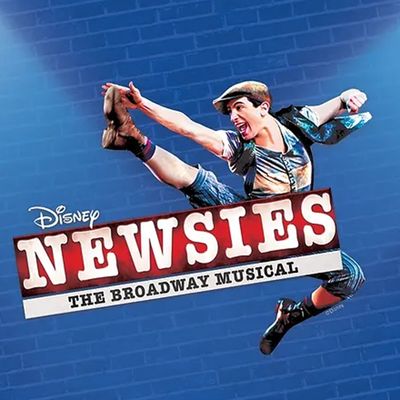
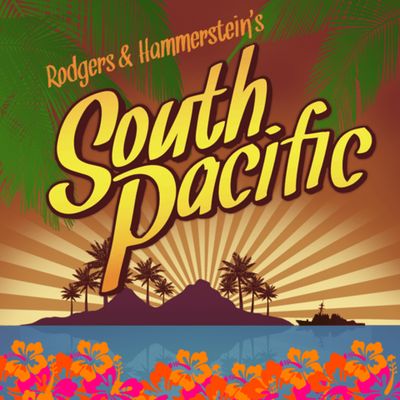
Christopher Gattelli is a choreographer, performer and theatre director. His work as choreographer for Broadway includes Martin Short: Fame Becomes Me, High Fidelity, The Ritz, Sunday in the Park with George, South Pacific, 13, Newsies, and the 2015 revival of The King and I. His Off-Broadway choreographic work includes Adrift in Macao, I Love You Because, Altar Boyz, tick, tick...BOOM, Dogfight and Bat Boy: The Musical (2001). In regional theatre he is the choreographer for The Baker's Wife (2005), Tom Jones (2004), Me and My Girl, and O. Henry's Lovers (2003). He was nominated for the Tony Award for Best Choreography for South Pacific and won the award in 2012 for Newsies. His Newsies choreography also won him the Outer Critics Circle Award. He won the Drama Desk Award, Outstanding Choreography for Altar Boyz. He won the Lucille Lortel Award for Outstanding Choreographer for Altar Boyz and Bat Boy: The Musical.
Chris, who is one of the most flexible Choreographers in the biz (pun intended) sat down with me and chatted about his choreographic career and . . .
- How he transitioned from Dancer to Choreographer so dang fast.
- Why rehearsing a show directed by Bart Sher was one of the scariest things he has ever done.
- Why you may be surprised to hear what his “style” is.
- Why Choreographers make great Directors.
- How the modern musical is changing and what that means for choreography.
Keep up with me: @KenDavenportBway
Transcript
This transcript was automatically generated and might contain errors.
[0:00] Ken Davenport: I wanna be a producer with a hit show on Broadway.
[0:07] Ken Davenport: I wanna be a producer.
[0:09] Ken Davenport: Hey everybody, in case you missed it, we unveiled a new section of the website last week, The Producer's Perspective Pro.
[0:16] Ken Davenport: Has all sorts of cool stuff for people like you that are looking to take their shows to the next level.
[0:22] Ken Davenport: Check it out. Training modules, labels for mailings, and a free webinar every month with me, including one this coming Wednesday about how to raise that holy grail of capital, front money.
[0:34] Ken Davenport: The Producer's Perspective Pro. Check it out on the blog, and now on with the podcast.
[0:39] Ken Davenport: Hello, everybody. Welcome back. Or if this is your first time here, welcome to the Producer's Perspective Podcast. I am Ken Davenport. And today I'm happy to have as my guest Tony Award-winning choreographer Christopher Gattelli. Welcome, Chris.
[0:52] Christopher Gattelli: Thank you so much, Ken.
[0:54] Ken Davenport: So Chris won his Tony for the incredible athletic choreography in Newsies. Also nominated for his work in South Pacific, and he choreographed King and I, Amazing Grace, Off Broadway's Bat Boy with the most inspired Lion King bit ever. And I've been fortunate enough to work with him three times on 13, Godspell, and Altar Boys. He's one of the first names thought of when any producer out there today is considering hiring a choreographer for a new musical. He's doing more and more directing, including that surprise hit of a few years ago, Silence the Musical, which was hysterical. So Chris, let's go back a few years. How did you get started in the business in general?
[1:36] Christopher Gattelli: In general, I think I started out as a performer and did my first thing in the city was Radio City Music Hall Christmas Spectacular.
[1:45] Ken Davenport: You were a rockette.
[1:46] Christopher Gattelli: Yes, I was the third from the end. And no, it was that was a dancing tree and a teddy bear. But it was great and made some nice connections through that show, and from that did Guys and Dolls, did the national tour of that, and then it's that snowball of what we do is you get to know people and work with people, and from that did Cats and How to Succeed here in the city and Fosse on Broadway and a bunch of stuff.
[2:13] Ken Davenport: And when was the moment where you said, okay, I no longer want to just do these steps, I want to design these steps? Do you remember like when that happened for you?
[2:23] Christopher Gattelli: I do. It was I knew the seed was planted when I worked with Chris Chapman on Guys and Dolls. There was a way that he had of working. Actually, I think it was both. It was Chris Chapman and Scott Salmon who did the Christmas show. They both were so inspiring in different ways. Like Chris was an incredible storyteller, incredible athleticism, incredible detail, and then Scott was from the school of just showmanship and comedy, and their touches were completely different, but both so inspiring. I worked with them in the same year, but it was more Chris, but they both had a huge impact on me. And I think it was Chris, and I knew I would perform, but I knew it wasn't gonna be long before I didn't like telling the other dancers. I could feel it.
[3:13] Ken Davenport: So, how did you start that process of transitioning from dancer to choreographer?
[3:19] Christopher Gattelli: You know, it's interesting. I assumed that there would be a process, like I'd be an assistant dance captain, and then a dance captain, and then an associate on someone's show, and then help collaborate with someone, and this chance coincidence opportunity happened where I did a number for Gypsy of the Year for Broadway Cares. It's one of the annual fundraising events. The two that they do, they do two a year for the Broadway community. And I did a number for Cats for Gypsy of the Year, and they liked our number and asked me to do the opening number of the Easter Bonnet the following season. And again, there are all of these kind of stars were aligning. We had five of the original Ziegfeld Follies ladies come back to the New Amsterdam stage with that show.
So we brought five of the Ziegfeld Follies back, and Rosie O'Donnell was a guest judge, and it was just all of these great kind of things were happening, and the number went off really, really well. And from that, Rosie O'Donnell offered me a spot to choreograph for her TV show, which at the time was really big, and I had never done TV, but I'm a hard worker and I figured it out really fast. But it was I kind of it was from then it just doors opened because of that opportunity that I didn't expect to happen for years. So I was performing, I was still doing Cats at the time, and I was double duty. I was like doing her show in the early morning and doing the show at night, and that kind of kept up for a few years, and then Bat Boy came along, and I'm laughing because it doesn't sound too different from what's happening now, but then Bat Boy came along and it was my first kind of like New York musical, and I knew it had the potential to be this really great show and special, and I kind of wanted to give it my full focus, so I stopped performing for a bit and I just did that, which was great. And then that led to Tick, Tick...Boom, and then that snowball started kind of going really quickly, so I just kept going.
[5:26] Ken Davenport: We're gonna get back a little bit to your history, but since you mentioned television and that you figured you'd never done TV before, what are the differences between designing dance for the stage and for television film? You're doing a lot of film work now as well, right?
[5:41] Christopher Gattelli: Yeah, it's different in that on stage it's a different craft where you have to tell the audience member where to look. If you're trying to tell a story on stage, you have a proscenium, a box that you're doing it in. And so if I want to make sure that they're following this couple's story, then I need them all to look stage left when they need to look stage left to follow that couple in the midst of this dance number or something. So it's a much bigger lens you have to work in. So you always have to tell the audience where collectively to follow your story. Where in film, you literally get to tell them where to look, you get to pan right when something important's happening, or you get to go 360 degrees around a body to get a shot or a look.
So they're both fun and challenging in their own ways. It's definitely it was interesting going from stage to TV/film because you're used to just working in that kind of you're directing the eye all the time and you're trying to tell a story in that way. So to have that kind of endless kind of, well, we can shoot from the ceiling, we can have the perspective from the feet, we can have it just it's that many more options and things you have to think about, which is great on that other hand because it's really it's fun to play with all of those different options.
[7:00] Ken Davenport: So, how do you prepare for a project? Like, we'll talk about Altar Boys, right? My first show. You hear you're doing a boy band musical. Like, what's the first step for you? And how does that differ to like, oh, you're doing King and I? Like, what are your first steps when you get a job?
[7:20] Christopher Gattelli: The first definitely is talking to the director to kind of line up sensibility. I think that's the most for me that's the most important thing because I truly look at it as I'm an extension of them. Like I'm there just as all the other designers to kind of support their vision for the show. So it's, you know, and making sure that whatever they're hoping to get across with the show and whatever their bigger kind of idea is that I'm there to support that. So that is always first and foremost. And then from there, once they tell me, like Altar Boys, you know, Stafford would say, okay, we're doing boy bands, but it's for real, we're not goofing this off. Like we're it's totally honest, it's totally real.
The look's gotta be great, we're not making fun. And so, okay, that's a very specific direction to go in, and then you just study that genre of whatever show that you're working on. Again, for that case, I watched a million NSYNC videos and Backstreet Boy videos and concerts, and you know, but then it's really just it's all of that, it's research. And I think you know, the two, again, those two specific examples and directors, Stafford and Bartlett, who did South Pacific and King and I, you know, I can go into a room with Stafford and I can have the number done, and I can have the number completely prepared and set and kind of watch how it builds and I don't say manipulate it, but I can kind of like score the number and let it build and find where the laughs are, and I can kind of present it to him, and then he'll have notes, and then we'll collaborate and go based on our ideas. Where Bartlett's completely opposite. Bart is he'll just say, do your research and then we'll make it up in the room. Which the first time I had to do that is oh, it's absolutely terrifying.
[9:05] Christopher Gattelli: Because you're scared. Yeah, it's like you're working with, you know, South, and that was my first time, you know. Like in the same thing, Bat Boy, like you go in, it's like okay, I'm gonna have this stuffed animal and this stuff down well, and oh, that'll be a funny, you know. Like you just you kind of score it. And that's, you know, was always how I used to work. And then, but with Bart, he said, just do all of your research and then come in, because if you do your research, then we'll have the answers. And there are 40 people looking at you to make up stuff on the spot, and you're like, okay, well, we're all gonna march across the dune this way, or you know, or let's throw this person this way, you know, and it's was much more organic, but it really opened my self-confidence up and that if you do do the work, if you do do the research, if you do know the period, the style, that ultimately you're creating a visual story, so it's going to come out, it's going to happen.
And then once you have the blueprint, then yeah, you go back and you kind of you rescore it. But it's definitely opened my way of working because I used to go in T's crossed, I's dotted, everything was done. But it gave it let me feel confident to walk into a room with actors, any collaborator really, and be like 75% done, or maybe I have a secret 90% done that they don't know about, or you know, I think it's cheating. You know, so it's but it's definitely opened me up to that kind of thinking, and I think it's really helped me just me as a creative, it just it's helped so much.
[10:39] Ken Davenport: Gotta be so scary, but at the same time so rewarding and so fresh, right?
[10:43] Christopher Gattelli: Yeah, yeah.
[10:44] Ken Davenport: Because you're really you're and also you're creating it on the people in the room, and that's what's always, you know, and I learned that too. It's not, oh, you go here. It's well what let's talk about how you would get there and why, and it's much more, it's richer, it's definitely richer.
[11:03] Ken Davenport: So well, that's a very interesting point because I remember this from the times I've sat in an audition room with you where you're one of those choreographers that seems to look at people like, oh don't worry, I can get this actor is so good, this singer is so good, I can make them move well, don't worry about it. Whereas other people, I have to have this dancer that can take this leg and move it, you know, this far above their head. So what do you look for when you're auditioning for people? Are you like, oh, they gotta have that pirouette that's gotta be a triple and three seconds or whatever the dance and not a dancer or something? So what do you look for?
[11:40] Christopher Gattelli: I think it again, depending on the show. I mean, overall the thing that I look for is focus and being kind of present and when they walk in a room, if they're just connected, if there's something going on behind the eyes. Because like you said, I don't really I mean I'm not I'm not one who is I'm not married to steps. I'm I don't I don't think steps are the end all be all because you know it's about telling the story and it's about using the actors you have to tell it to me. So I don't care if someone kicks on their right leg or their left or if they can't do a triple, I don't care. I mean it's I'd rather create it on the bodies and on the actors that I'm working with and the entertainment and the, you know, Newsies was very specific because it was that was what it was.
You know, you had 20 boys at that age physicalizing what they had to do, and so yeah, they're gonna do three turns or seven or however many they wanted to do, you know, but it was in that specific case then yes you go okay you need boys to be technically proficient for their health and their safety like I'm not I yeah I can tell anyone to turn three times but if they're not gonna do it well they're someone's gonna get hurt so on so for certain things you know you have to check some boxes in that way just to to you know make sure that they can sustain an eight show week which is always hard but but even more so it's just that are they present are they in the room with me do they listen to kind of the tone you know okay we're doing this and this is why are they are they getting that or are they just kind of in the room showing off or so yeah so mainly it's always just about being present.
[13:43] Ken Davenport: How much do you as a we'll get to the director part in a minute but as a choreographer how much do you like to work with the writers on a new piece or how much do you think you should? I'll tell everyone a little story out of school but I've you know on 13 I remember you coming to me and being like hey Ken you should take a look at this I've got some ideas which I loved and we ended up doing a lot of those ideas. So how much do you like to be involved in that process?
[13:46] Christopher Gattelli: I love it as much as they'll listen. I as much as anyone will listen because I do think there are ways I mean everyone has thoughts and everyone has ideas and I think there are also ways physically that I feel like I can contribute that might not be apparent to someone who's literally just thinking of the word and the lyric or you know I there are ways to tell story in other ways that that I think that you know I feel like I enjoy doing and I can do so I'm always happy to I love I love being at the ground level just because it I don't know if I can if I can help in any way you know as part of the team I it's better to get it on the ground level than kind of be kind of like have it go down the road that then it's like ah now what do we do at this moment where maybe it could have helped earlier in the process or something.
[14:35] Christopher Gattelli: Do you like working on new shows versus revivals, one or the other?
[14:39] Christopher Gattelli: I love them both. I love getting to work on something new because you're getting to create and getting to leave your stamp on something like Altar Boyz. I mean, that was like one of the best gifts. It's like to get to do something like Altar Boyz and it's being done everywhere now. To know that, like, wow, they might be doing some of that because of me, you know, because they might be putting lambs on their hands because I wanted lambs on their hands, you know? And that just feels really good to think that you leave a mark in that way, you know? And that's really fun. But also the challenge of taking a revival and trying to, like, what makes it relevant? How to put a new sheen on something? I like the challenge of hearing a dance break and hearing orchestrations and hearing a trumpet or hearing an instrument in an original dance break and going, I wonder what that was for? And kind of making it mean something to me. So, like, a lot, it's like a crossword puzzle in a way. They both have their really fun challenges and rewards. So, Fosse had a style, Bennett had a style.
[15:50] Ken Davenport: Does Christopher Gattelli have a style?
[15:52] Christopher Gattelli: I don't, I, it's funny. I feel like at the start of what this, when I was starting out, I was like, what's my thing? What's gonna, you know, my jazz hands or my gloves or my hat, you know? But I don't, I think what I hope it is, is that it's diversity. It's being that you can say I've done King and I and Altar Boyz and whatever, you know? I love being able to dip into every pond. For example, when we did Jungle Book a few years back, it was a fusion of jazz and Bharatanatyam, like Indian dance. I mean, I've never done that, and it was great. I love that part of the research of working with a teacher and learning what the steps are and making it my own, and then so that it feels like I'm, it's never gonna get boring to me. I'm always gonna be challenged by something if I don't have a stamp or kind of a style. So I love kind of playing all over the place.
[16:53] Ken Davenport: Yeah, well, that's your, the diversity of the material you've done is quite amazing. I will never forget that Bat Boy moment, and then to see something like South Pacific, it's just really incredible how you morph your style into many different productions. So now you're on to directing as well. Why do you think, before we even get into you, some of Broadway's best musical directors started out as choreographers, right? Some of those names I just mentioned. Why do you think that is?
[17:26] Christopher Gattelli: Because I think there's a musical that moves in a certain way that I think it just, if you're constructing a nine-minute ballet or a nine-minute piece that's, you know, it's a song that goes into a dance break and you're telling a story, and you know, the whole, it's how do you continue telling the story and entertain? How do you always keep that ball in the air? I think once you fall into the pocket of doing that and you understand how to do it, it just feels natural that you then move on to that next step of doing an entire show. There's something that I think choreographers have in terms of just movement and the way something moves and the way something ebbs and flows. I think it just kind of, I don't know, like it gets into your DNA a bit to do that.
[18:23] Ken Davenport: And you're obviously one of the busiest guys I know. As an A-list director choreographer, you're getting stuff thrown at you all the time. When you do this, I toss stuff at you all the time. How do you choose which ones to do? What do you look for in a project?
[18:44] Christopher Gattelli: Now it's what haven't I done? What is going to challenge me? What's kind of, yeah, like what's new? Just again talking about, you know, like SpongeBob, what that is completely like Tina's version and what she's doing with that is completely, I was like, wow, you totally hooked me. I want to do this because I've never done this. There are actually a bunch of things in the show, and I think it's out now. There's like a four-legged tap dance that the squid does. I've never done a tap dance for a four-legged person. I want to do that, you know? And then the same thing with War Paint. It's like, you know, it's with Patti and Christine, and it's not a heavy dance show, but there's a style to it, and there's, you know, big leggy chorus girl art and women who I haven't done that yet.
I haven't done my girly show yet. So there are kind of personal reasons for all of them, mainly just to keep challenging myself and keep learning. Working with certain people too is definitely a huge influence for me. I want to, you know, I love getting to work with, I've never worked with Michael Greif before, I've never worked with Tina before, and I'm dying to, and so I get to now, and that's really exciting, and that these directors still consider me and that they want to work with me, and that's exciting still.
[20:08] Ken Davenport: So we were talking about the diversity, and then you mentioned your next two projects, SpongeBob musical and War Paint. And you're doing them almost at the same time, right?
[20:19] Christopher Gattelli: They're like on top of one another, yeah.
[20:22] Ken Davenport: Yeah, and a four-legged squid tap dancing number, and then with Patti in the afternoon.
[20:29] Christopher Gattelli: Yeah, I love it. I love it. Do you like to come on to a show early or late? Like, when did, like SpongeBob? Let's talk about SpongeBob for a second. When did you come on to that show? When did Tina approach you?
[20:44] Christopher Gattelli: So for that, I was kind of one of the last people involved because Tina, and she talked about this at our meeting, she was so lovely, but she said, you know, this is kind of a first for me. I normally do my own work, I normally even choreograph my own stuff. The way she works in a room with actors, she's very ensemble-based, and so she gets things moving in a way that works for her. She said, 'But this is new, and I know I have to deliver on certain other elements.' So I was kind of one of the last people brought on. A lot of the work had been done and set and numbers written and structured. Not that it's not changing, but yeah, it was one of the last kinds.
[21:08] Ken Davenport: Would you have preferred to come on much earlier? Do you like coming on late when a lot of that stuff is done?
[21:08] Christopher Gattelli: I like coming in earlier, but I think for this, I can see why. She's dealing with, you know, Aerosmith and Lady Antebellum, and you know, like there's a different artist per song. I think it's probably kept her sane, her saner, to just do what she needed to do to get the show kind of as a show and then kind of fill in the rest of the pieces because what she's taken on is a lot. So I completely understand kind of the order of things for this.
[21:08] Ken Davenport: Do you read reviews?
[22:05] Christopher Gattelli: It depends. It depends. I do if it's, do you mean my own or in general?
[22:05] Ken Davenport: In general and then your own.
[22:05] Christopher Gattelli: I have both. I do, I guess I do. That's a good question. I do in that if I'm curious. How can I explain it? If I, I'll start like with mine. If it's something that I really feel like I just poured my heart into, gave everything, I don't because I don't want to know. I just want to know how I left it in the room and on the stage, and then whatever people think after that, they're gonna think no matter what. I don't want to read something that could possibly be, oh, but that moment he missed that one or something, and I'd be like, oh, maybe it did. I don't want to know because I will take in those things. I feel like I am collaborative, and I will listen to everyone about anything because I just want it to be the best it could be.
So hearing other opinions could sway me. But if it's something that maybe I know that, oh, I myself know I didn't like, maybe, oh, I meant I might have missed it or I just didn't click into this one for some reason, then I would read it and then try to learn from that and go, okay, maybe it was me, was it something else, was it bigger, was it time? So that's kind of my take on all of that.
[22:59] Ken Davenport: Here's one of my James Lipton questions. You ready?
[23:38] Christopher Gattelli: Uh-huh.
[23:39] Ken Davenport: If the Smithsonian Institute called you on your cell phone just like Jesus from all, and said, 'Chris, we have room in our institute to preserve one of your numbers from one of the many shows that you've done.' I wish everyone could have seen his face right now on the podcast. You gotta get some video snaps of this. Which number would you want? It's one of those numbers you poured your heart and soul into that you wouldn't have read the reviews.
[23:57] Christopher Gattelli: That's so hard. Don't tell me they're all like your kids either. I've heard that one before. I know, right? Wow, that's really good because I would want it to represent kind of what we've been talking about, a kind of like the diversity of, like, I'd love to do something with wit, you know, like maybe something from Silence because it's so weird and funny and random. But then also, of course, something from Newsies or something, you know, the new ballet that we did in The King and I at the top of the show. I'm really proud of kind of trying to crack out of Jerome Robbins' shadow for a bit and kind of like do something original and new. That took a lot to do, and just for my own kind of just self to kind of put on stage.
If I had to, had to, this is gonna seem obvious, but that's why it's not so exciting, but it would probably be Seize the Day. Mainly because it was just one of those moments in the room that you could tell that day when they ran it for the first time, that it was just, not that it was gonna be even a great number or a great anything like that, but part of my whole thing with that show was watching these boys who were that age in their like early 20s, late teens or whatever, that they were telling a story about young boys who are trying to make their way, make a place for them at the table. To watch these, I would get emotional talking about it, but watching these 20 boys doing the same thing in real time with skills that they were proud of, that they worked hard at.
They never complained, you know? It's exactly like they were the boys in the show, and they were able to kind of make a place for themselves in this community and kind of in the world doing what they loved. To watch that come together that first time with that song at that moment in the show, it just felt like one of those moments that you can't get back, you know? It will be hard emotionally for me to be in a room and have something like that happen again because it was just, I see all of them to today. I still see them as those guys that had that moment, and that moment together, so that was really special.
[26:43] Ken Davenport: Of course at that age, yeah. I mean, a little bit, it's like you, because it's like why you, I mean, I knew what they were doing. Like I knew what they were like when I was talking earlier about being at Radio City. I was 17 years old, and Scott Salmon gave me this big feature. You know, who knew back then, you know? But I knew what they were doing. I knew that it's like, I know there aren't many places for you to get to do what you think makes you special or what how you feel special and what you have to give like that, but this is that opportunity, and there are 20 of you. It was that kind of beautiful thing.
[27:20] Ken Davenport: So, well, it was an incredible number, and I'll never forget being in that audience and just hearing that unbelievable ovation when it ended. So, good choice.
[27:30] Christopher Gattelli: Thank you. Smithsonian approves. What about producers? Obviously, you've worked with a diverse group of producers from the Lincoln Center, the nonprofit institution, to me, to Disney, big commercial behemoth. What do you like the producer's involvement to be on a show?
[27:50] Christopher Gattelli: I love their involvement. I love because I feel like, I mean, and no, like, of course you, I mean, like even you, like talking about you specifically, like you're behind something because you're passionate about it. I love that. I love when people, it's not like, oh, we're just gonna do this to do it. We're gonna do it because we're passionate about doing it. I love seeing that. I love, I just, I love when producers are in the room and they are vocal because again, even as down to the director, when I was saying earlier, like I'm there to support the director's vision.
[28:27] Christopher Gattelli: The director hopefully is chosen because the producer wants that person to lead their ship. The producer is saying, I want to bring the show to Broadway or to wherever, and I think it's going to be best led by this person. And then we all kind of follow. But I mean, but it starts at the top. It starts with the producer saying, I have an idea for a show, I want to do the show, here's why I want to do it. And I feel like to have them in a room after some draft goes up of something and to hear their thoughts, that's the reason why we're there. And I love them to participate and challenge and question, and it's another important ingredient, I think.
[29:11] Ken Davenport: How do you think the musical has changed over the last 20 years since you started doing this?
[29:17] Christopher Gattelli: Well, it's just, it's so, I know I say, I just feel like we are at the best, we're just in such a great time right now. I feel, you know, and we're where kids will say, just on the choreographic side, kids will say, look, what classes should I take? What should I, it's like everything right now? Take everything. Don't, I mean, that's, and Broadway is so diverse right now. There's so much going on. I mean, even back to like Fela, and I mean you can quote, I mean, you can look through any season recently. It's not the norm, it's not what we grew up watching, which isn't a bad thing. I mean, it's a great thing, and you we still get glimpses of that, but I love how just it's such a wide playing field and it makes it that much more accessible to people and I think more people, I feel, are coming than ever before.
I mean, you know, 20 years ago you couldn't even find enough shows to fill theaters for a new musical and now there are people lining up at theaters. I mean, it's exciting to be a part of that time and I feel, I don't know, I'm just really happy to be in it now because I feel like we get to kind of put a new stamp on things and we get to kind of, I don't say create our own rules, but we can make new rules. You know, this dance play I'm working on, you know, it's like there's nothing like it and the fact that it's running and it's snowballing and happening, you know, is who would ever have done that years ago? And I mean, maybe Fosse with dancing, but I don't know, my name is not Fosse, that's for sure.
So who's gonna take a chance on that? But now, you know, it's like people love dance. Dance is really out there. People are, you know, so yes, people are now asking for it. People do want to see, you know, these 10 different forms of dance in one show on a Broadway stage by these phenomenal artists. It's something that I don't know if I could have presented that 10 or 15 years ago. Now, yeah, and it's great. It's a great time right now.
[31:24] Ken Davenport: So tell everyone a little bit about that. It was just down in Southern California, right? Yeah, so just tell everyone it's a lot of...
[31:24] Christopher Gattelli: Sure, it's called, it's um, we're actually changing the title, but it's, um, can you break the new title here on the podcast? It's not...
[31:24] Ken Davenport: I wish I could.
[31:40] Christopher Gattelli: I can't. Not yet.
[31:40] Ken Davenport: Not yet.
[31:40] Christopher Gattelli: But it's, it was called In Your Arms, and it's, um, Stephen Flaherty is the composer, and basically what it is, we took 10 playwrights, uh, Terrence McNally, Douglas Carter Beane. Oh my gosh, it's all over the world. Yeah, yeah, yeah. Christa Rang, we even got Carrie Fisher to write one, uh, Marcia Norman, I don't want to leave anyone out, Alfred Uhry, oh my gosh, Neil O'Cruise, everyone. I mean, that just, and the, uh, yeah, and the 10 of them are just incredibly diverse, and we tell it solely through dance, no spoken word. And it's just, and it just hits, it just hits you. It's about 90, 95 minutes, and we've condensed these short plays that are told solely through dance. And it's, to me, it's Steve's best score ever.
It's stunning, and, um, and it's just, it's been doing really well, and it's, and to see people, except like again, we're in Southern California, you know, it's not even New York, and we got like their highest approval of any show there. We got all their feedbacks and their, well, that stuff that they tell you at the end. But, and to think that those crowds, even out there, would sit through a wordless musical, is, I mean, I don't know. It's just, it blew up. I was like, I was sitting there ready for people just to kind of like slowly creep out and like, and not be, I wasn't gonna be offended. I just was thinking, you know, just kind of preparing myself for, okay, this is definitely something new, but they didn't, and they stayed and they stood and they were just hungry, and it was, and that, and it just kind of, it just keeps proving that it's just, we're in a new time, and it's kind of, it's really, it's exciting.
[33:18] Ken Davenport: Well, it's exciting to have people like you leading us in that new time. So, you know, stuff like that wouldn't happen without artists like you.
[33:25] Christopher Gattelli: So I, I'm a big believer in people like you taking chances and saying to producers, hey, I want to do a wordless dance piece.
[33:34] Ken Davenport: So you mentioned advice to dancers, take everything. What would you advise to one of those dancers that comes up and says, but I want to do what you do one day? What would you tell them to do?
[33:45] Christopher Gattelli: Uh, I usually say just to take every opportunity you can in regards to just getting your work out there anyway. If it's a benefit, if it's any, if you have any outlet to get your work done, I just think you have to just do it no matter what it is because you learn from every single one. I, and I, if I didn't, you know, even I mean, kind of starting out was a lot of just the benefits and things like that. But if I didn't have to figure out how to like do, you know, a lot with a little, you know, that's kind of, that was my whole how I started out was, and now, you know, when I actually had budgets for a show, I still kind of don't know what to do sometimes because it's, I just don't, you know, I kind of, I kind of launched off kind of doing, you know, poor theater and just kind of creating silence and, and Godspell.
It's like all of these, Fat Boy, here's stuffed animal, go. It's like, you know, it's taking a little and trying to do a lot, and, but you learn, that's how you learn. But I wouldn't have known I had that in me unless I did these benefits and kind of like, well, here's your hundred dollars to go buy props for something, or, you know, it's, and that's, but you, and you learn scheduling conflicts, you learn how to juggle your time and how to work with a director and how to work, you know, it's, it's all about just working with people and getting used to still doing your best work, but with just different variables thrown in. Well, the director now wants everything facing upstage and, oh, but my formations, you know, it's like, no, no, no, okay, how do we do this in a way that still maintain, you can still entertain but yet kind of support that vision and try, you know, so it's, it's a lot of just working with people and just doing it.
I think you, it's hard to study something like this. I think I really like, I grew up watching all of those MGM musicals and all of those videos. I mean, that was, you know, before the days when I was growing up in the days before YouTube, you know, that whole thing, but I didn't, we didn't have this outlet to kind of just see, you know, that we didn't have these kind of dancers on TV, you know, in Star Search.
[35:54] Ken Davenport: Which you were on, yes, and you were a winner.
[35:58] Christopher Gattelli: Yes.
[35:58] Ken Davenport: So we had that.
[35:58] Christopher Gattelli: Is the Star Search on YouTube where you went? No, it's not. God damn it, I'm gonna find that somewhere. You were a grand champion if I remember correctly.
[36:09] Christopher Gattelli: Yes, amazing. So we did, so we had a little bit, um, and then I was, um, yeah, champion that, but, um, but it's different because you watch those old MGM musicals, you watch these great numbers and yes, they're great to learn storytelling and how to learn just how to build a number and how what you can do during a dance break and all of those, they're, it's all important. But then, like, when you have to collaborate though with your team and you have to, you know, look at the length of a show and how long it's running and what to pair back and are you willing to let go of your, some of your dance break? Are you well, so there's a, there's a lot of negotiating and a lot of, it's not just the art, you know, and I, it's like you wish it was, but there's a lot of things that fall into that as well.
But it's, but it's learning how to, I think, take all of those things and again still create and still love what you're doing and still contribute with all of these kind of other things. And it's definitely, it is possible, you know. We do it all the time. So it's, but it's when you're coming through and coming up, it's, it doesn't seem like it, you know, it's harder to kind of figure that out. And then once you figure it out, it's easy.
[37:21] Ken Davenport: Anything as you look back over your career so far you do differently?
[37:26] Christopher Gattelli: Uh, I don't. I mean, I was, you know, it's funny. I, when I started out, it was when I was, when I was doing Cats and I did that number for them. At the time I remember thinking like, I'm gonna big bring dance back to Broadway. I'm gonna, you know, rah rah, you know, and it, and I think starting out like I did, like my first, you know, I consider kind of my first, I mean, aside from the benefits and whatnot, I consider my first thing Bat Boy, and then Tick, Tick Boom, and then Altar Boys, and then, you know, I'm working on things that they weren't the big dance shows. They weren't these, and you had, I had to, I had to figure out how to attack them in a different way. Again, still entertain and still tell story, but in a way that I learned how to talk to actors.
And I think that was the most important thing. Actually, I can go back and tack that onto my other answers, is, you know, when you're working as a choreographer, you have to learn how to talk to your cast, and in ways that, you know, a non-dancer can understand. It's like, you know, I learned that right off the bat. It's not about doing this arm or doing this kick or doing that turn. It's you're doing that turn to get you to the feather duster to sweep up, you know, something because it's, you always, it always have everything has to be motivated and how to speak to actors that way. It was, um, I think I, I don't, I don't know where to be honest, I don't know where it would be if I kind of just launched myself.
I, I kind of, I wouldn't want to know because I, I think the way that that path led, you know, and even after, and it's funny, even after doing, you know, Bat Boy, Altar Boys, all of those, then the next ones were Sunday in the Park with George Revival, The Ritz, South Pacific. I still hadn't done like a big dance show. It was, but at the same time, again, I don't think Newsies would have been Newsies unless I had done those other shows. Like I guarantee you, I guarantee you, there are elements in there from all of those shows. And so I'm really, I'm really happy, I'm really happy and kind of proud of this kind of journey. So I, I definitely, I think I'm good.
[39:29] Ken Davenport: Okay, last question. I want you to imagine that the genie from Aladdin, this is the James Lipton question number two, by the way. The genie from Aladdin comes to you and says, Chris, I want to thank you for your unbelievable contributions to the music theater, this buffet of diversity types of dance that you've given to us, from three-person musicals like Tick, Tick Boom to massive revivals like South Pacific. I'm gonna give you one wish to thank you for all this. What's the one thing that drives you so crazy about Broadway? That keeps you up at night, that gets you mad. You're one of the nicest guys in the business I know. What gets you fuming about this business that you would want this genie to change with the snap of a finger?
[40:18] Christopher Gattelli: Oh, that's a really good question, too. Um, that's really hard. There's a bunch, but I guess, I guess at the end of the day, uh, to say it not in any non-political way or something like that, but I think it's just about being fair. I think if everyone could just be fair, uh, with regards to actors, with regards to our union, with regards to just, you know, theaters and who gets what and when and why and who and how and zip and zap, and you know, I think if, I think if there was a way that this business could be genuinely fair in a way that maybe might not be so much, uh, I think that would be a really great thing.
[41:09] Ken Davenport: I concur.
[41:12] Ken Davenport: Well, I want to thank Chris so much for taking time out of your very busy schedule. You're working on like 16 things right now at once, probably right now. In your mind, you're gonna, as you're giving an answer to the genie question.
[41:24] Christopher Gattelli: He's doing dance steps in his head, everybody.
[41:27] Ken Davenport: Uh, thank you so much for being here. And thank you again for your contributions to the theater. I'm not a genie, but I've witnessed your work since Altar Boys, obviously, and Bat Boy, and, uh, it's just been magnificent to watch all the stuff that you've done, and I can't wait to see what's next. And I hope we work together four or five times or more. Uh, so thank you for that. Uh oh, and next time on the podcast, someone we, uh, both know and love, Robin Goodman. Producer of Bat Boy and Tick, Tick Boom and Altar Boys and Avenue Q and lots of other stuff. So she'll be joining us next time, everyone. Make sure you tune in. Thanks so much for being here. We'll see you then.
[42:00] Ken Davenport: Hey everybody, don't forget the producer's perspective pro is now live. Go to the producersperspective.com. Join today.
© Broadway Podcast Network, All Rights Reserved